North Loburn School Charter 2019 - MOE Numbe 3447 31st December 1st March February 2019
←
→
Page content transcription
If your browser does not render page correctly, please read the page content below
North Loburn School Charter 2019

                   MOE Numbe                 3447
                   Planning Year Ends:       31st December
                   Reporting Date:           1st March
                   Charter Approved by BOT   February 2019
Page 1 of 21

                                                               Our School and Community
North Loburn is a decile 9 U3 rural full primary school located in North Canterbury. The school has a stable roll at present with some growth in the last couple of
years. Many of the children come from ‘lifestyle blocks’ which have been created via subdivision of local farmland.

The school community is made up of a mix of families who have long historical connections to the area and to the school, and a growing number of new residents to
the area (of whom a significant number are also new residents to New Zealand). Our 2018 school year saw an increasing number of new families making their home
in our area.

The school continues to be the hub of the community and enjoys great support from attending families and the wider community. Parental involvement in learning,
property maintenance, fundraising and promotion of the school are special traits, which the Board of Trustees continues to nurture and maintain as the school
grows and develops. North Loburn has facilities available for use by the community. These include the Karetu Hall, the North Loburn swimming pool (an important
school and community asset) and the front tennis and basketball court. A new bike track will be opened in 2019. We welcome the use of our facilities by community
members.

The school continues to be effectively lead by a dedicated Board of Trustees. A number of these members are long standing and have provided great governance
over a period of time. They are reflective of the role they play and place a great deal of emphasis on quality governance of our school. A small number of current
BOT members will be standing down in 2019 meaning new members will join the team in 2019 as the triennial elections take place.

Our Home and school group provide the impatis for fundraising. They are a friendly and welcoming group of parents who meet throughout the term to plan,
organise and run fundraising events for the school. Their focus is on funding visionary projects that benefit the students of the school. The school is gifted the
money to use to benefit the children of North Loburn School. Purchases and projects are reported back to the Home and School group and parents / community.

The school has a well-established focus on supporting innovative, quality teaching using digital technologies to maximise student achievement, engage the
community and remove barriers presented by geographical isolation. A carefully thoughtout ICT strategic plan is in place to
support this learning. This plan has been in place since 2017. The students have 1:1 access to Mac Books, I Pads and
Chromebooks.

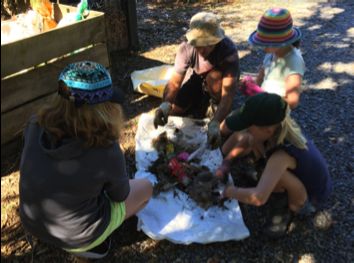
North Loburn is a Green/ Gold enviro school and has again completed another successful review of this status. This is an
important feature of our school. All students, staff and community members are encouraged to play their part in knowing
about, caring for and continually developing our environment through sustainable practices both at school and beyond the
school gates.

North Loburn School is a member of the Puketeraki CoL along with 17 other schools. As well as this we are also entering our
third year as a PB4L school.

                                                                                    1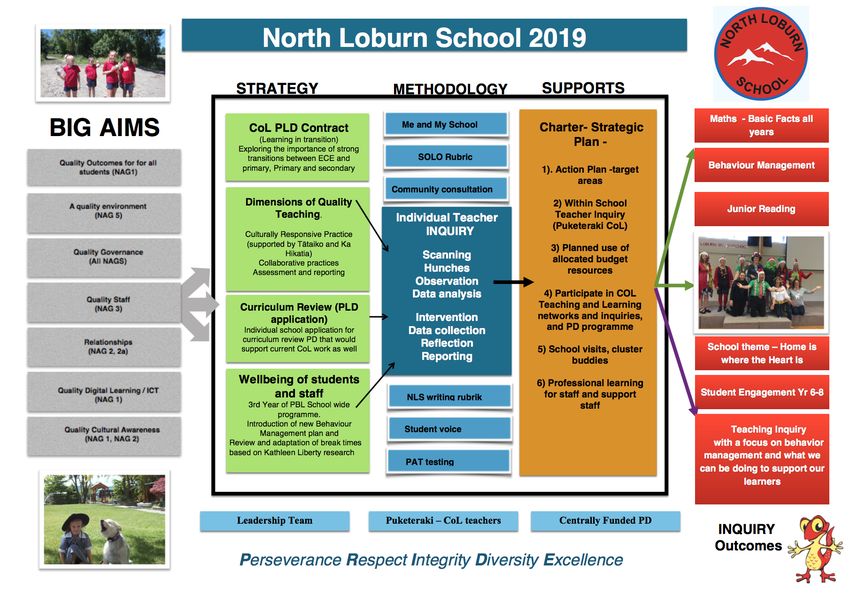
Page 2 of 21

Vision, Values and Mission Statement Cultural Diversity and the Treaty of Waitangi
Vision                                                           North Loburn Primary School Board of Trustees, through its policies and programmes, respects and values New
To nurture well-rounded citizens of the future with a lifelong   Zealand’s diverse cultural heritage. The guide lines of our policy are:
passion for learning.
                                                                          Every student and staff member who attends North Loburn School will have the opportunity to engage with, learn
Values                                                                    about and practice Māori culture. This will include waiata, kapa haka, and gaining an understanding of local history
P - Perseverance                                                          (Tuahiwi)
R - Respect                                                               North Loburn School will continue to build on the active engagement of Māori parents , in making decisions about
I - Integrity                                                             Māori education including the school vision, values, strategy and curriculum.
D - Diversity                                                             Ensuring active Māori representation on, or participation in, school Governance
E - Excellence                                                            Providing staff the opportunity for PD in Te Reo me ona tikanga Māori (language and customs) and providing
                                                                          opportunities and/ or relief for willing staff to take cultural leadership roles in the school.
                                                                          Engage and promote positive Māori role models within the school and wider community.
Mission Statement
                                                                          Share with whānau and family key information about the school, the regular goings on in the school and promote the
                                                                          use of the Te Reo that our tamariki and learning
    §    To realise all students full potential in
                                                                          Provide all students in the school with opportunities to learn and practice tikanga, basic reo toi Māori (Māori arts), by
          knowledge, skills and attitude.                                 following the school wide plan
    §    To equip each student with the                                   Integrate and model Māori values in school life on a daily basis, including relationships.
         knowledge, confidence and skills to continue learning
                                                                          Observe tikanga in formal school events and wherever possible, developing a sustainable relationship with local Marae /
         throughout their lives.                                          Hapu
    §    To develop empathy, respect and                                  Ensure that Culturally Responsive Practices are evident within the school at all times
         tolerance for others.                                            Ensure that we are actively working towards ensuring that all our students achieve their aspirations and goals
    §    To engage parents and the wider community in the                 Ensure that data relating to the progress and achievement of Maori students is gathered, analysed and used to inform
         students’ learning and the school’s vision.                      decision making
    §    To provide a safe and stimulating educational
         environment.                                            North Loburn will plan, monitor and review its progress against the guidelines listed above on an annual basis. External assistance
    §    To maintain and develop the caring, sharing North       and expertise will be called upon when needed to ensure North Loburn is meeting the needs of our Māori students and whanau.
         Loburn School ‘whanau’ spirit.                          North Loburn School will regularly consult with the Maori community.
    §    To recognise New Zealand’s cultural diversity, in
         particular tikanga Māori and Te Reo Māori               Communication methods may include:
                                                                         Parent Interviews
                                                                         Community Meetings
                                                                         Newsletter
                                                                         Surveys
                                                                 Informal Dialogue – family / whānau gatherings

                                                                                                2
Page 3 of 21

Inclusiveness
An inclusive school culture which:             Cultural Practices which are inclusive by:                            Practices which are inclusive by:
        has shared values                               recognising, supporting and providing for the learning               engaging all children fully in the New Zealand
         is welcoming of all                            needs of Māori, Pasifica and children of other ethnicities           Curriculum
                                                        acknowledging and accepting the cultural differences of              expecting all teachers to take responsibility
         fosters collaboration and respect
                                                        Māori, Pasifica and children of other ethnicities                    for the learning progress of all students
                                                                                                                             teachers modelling that they are also learners
                                                        expecting all staff to understand Tataiako and the value
                                                                                                                             Effective communication with all stakeholders
                                                        of meeting the needs of all learners
                                                                                                                             (Puketeraki CoL – Communicate…share /
                                                        working with staff, students, community and local                    consult with all stakeholders)
                                                        experts to develop our cultural narrative

Inclusive school systems and processes which:
         Are linked to an agreed definition of what constitutes Special Education
         Have input from and are directed by all staff members (principal, management, teachers, SENCO, learning coaches)
         promote effective transition for all learners and ensure that this is monitored for all (Key Professional development with the Puketeraki CoL in 2019)

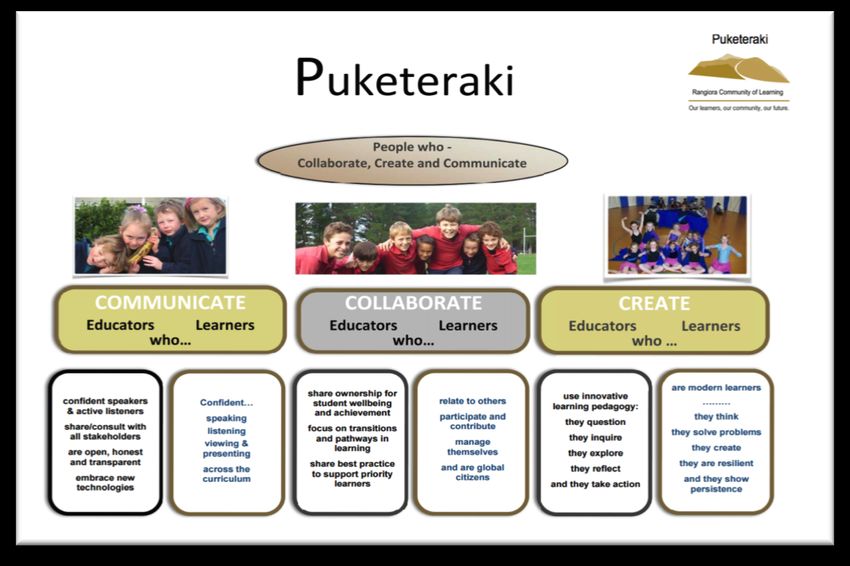
                           North Loburn School and the Puketeraki CoL
Communicate:
At North Loburn we value clear and open communication amongst all stake holders. We place importance in the use of
respectful communication. We value the importance of sharing, discussing and critiquing ideas to ensure we are
meeting the needs of all our learners.
Collaborate:
Teachers work closely together in all areas of the school. While challenged by the layout of the school, we still aim to
work effectively. Information on student achievement is regularly shared. Students are expected to work together
and to develop the skills to be highly effective self managers.
Create:
We aim to create learning opportunities that are engaging, challenging and provide for authentic learning
including through the use of digital technology. Students are encouraged to think and show perseverance. Staff are
expected to be constantly inquiring into their own practice.
                                                                                     3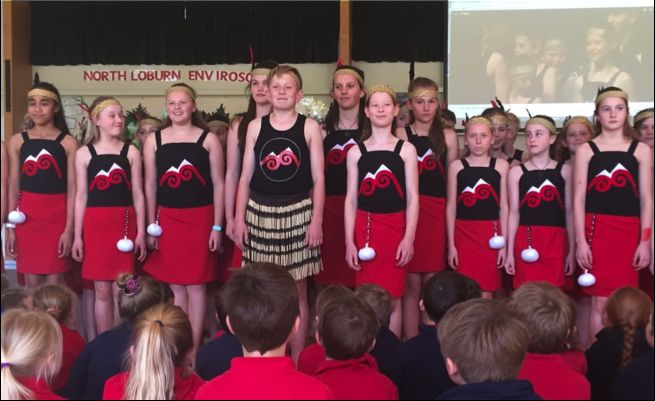
Page 4 of 21

4
Page 5 of 21

Theme for 2019 – Home Sweet Home
Term One – Home Run (Health and P/E)                                                        Term Two – Home and away (ARTS)

The knowledge: students will learn to have a positive, responsible attitude towards         The knowledge: students learn to work both independently and collaboratively to
their own well-being; respect, care and concern for other people and the environment;       construct meanings, produce works, and respond to and value others’ contributions.
and a sense of social justice                                                               The Values: Excellence
The Values: Diversity                                                                       Respect Focus: Showing appreciation
Respect Focus: Ourselves and others                                                         School Wide Events: Life Ed, cross country, Production
School Wide Events: Swimming sports, Tabloid evening, summit climb, PRIDE week              Key Competency Focus: particpating and contributing
Key Competency Focus: Managing self and Relating to others

                        Environmental and PBL School Wide focus                                                      Environmental and PBL School Wide focus

Term Three – My Home is my castle (Science and Technology)                                  Term Four – Open Home (Social Sciences)

The knowledge: students learn about living things and how they interact with each           The knowledge: Students will learn about how people perceive, rpresent, interpret,
other and the environment                                                                   and interact with places and environments. They come to understand the
The Values: Perseverance                                                                    relationships that exist between people and the environment.

Respect Focus: Manners and personal property                                                The Values: Intergrity

School Wide Events: Take the floor, Kapa Haka Festival, Speeches                            Respect Focus: Respect for the environment

Key Competency Focus: Thinking                                                              School Wide Events: Pet day, Athletic sports, community breakup
                                                                                            Key Competency Focus: Relating to others
                        Environmental and PBL School Wide focus
                                                                                                                     Environmental and PBL School Wide focus

                                                                                        5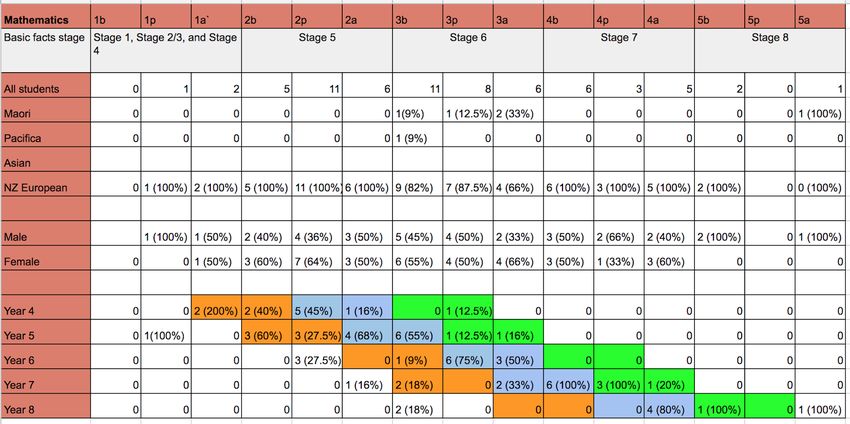
Page 6 of 21
                                             Quality Education at North Loburn
The Classroom Programmes                                                                  Students with Special Learning Needs
Classroom programmes are guided by the needs of the individual student, and groups,       The teaching staff and Board of Trustees are committed to ensuring all
within the classroom. Classroom teachers undertake regular in-depth analysis of           students reach their potential. They place a great deal of importance on staff
current student achievement information. From this information, teachers identify the     being a valuable asset within the school. To ensure this happens they provide
specific learning needs of the students. Achievement information is regularly discussed   resourcing and extra staffing to cater for students with specific needs.
and reviewed at staff meetings, as well as being reported to the board.                   If a student is not making the expected progress within the classroom
                                                                                          programme the school has a number of support and alternative programmes
The students and parents receive regular feedback on:                                     that are available to try and help address the student’s needs. Collaborative
          Their current progress towards their goals.                                     Action Plans and IEPs are used to identify the support required. The school
          Areas to focus on in their learning.                                            SENCO works closely with all staff to identify the students who require extra
Using the achievement information, teachers develop / plan / organise engaging,           assistance.
flexible and meaningful learning opportunities. A continued focus is on developing        The school is proactive which is demonstrated through:
programmes that will allow the students to have control and direction over specific                Continual up skilling of teachers.
areas of their learning throughout the day. The ability to self-manage is an important             Researching and refining the programmes that are currently utilised.
focus within all classroom programmes.                                                             Seeking help from educational experts.
Teachers are encouraged to regularly inquire into their own teaching practice and                  Conducting trials of new strategies.
knowledge to ensure they are meeting the needs of all their students.                              Consulting with and supporting parents / whanau (and students).
While Literacy and Mathematics are the cornerstones of our learning programme, all                 Utilising a wide range of assessment tools to gather information.
areas of the New Zealand Curriculum are interwoven through the classroom                           Going the extra mile if needed to ensure that all of our students are
programmes and themes. The programmes regularly make use of the local                              provided with the learning opportunities they need.
environment and other resources in the community.                                                  Never giving up.

The Summit Challenge Homework Programme                                                   Family Environment
This programme was designed as a new approach as to how we view homework. It:             The family atmosphere and orientation of the school is actively encouraged
     • is aimed at removing the home stress that can be associated with homework          and promoted by / through:
     • reinforces and values life skills                                                          Student Leaders across a number of activities.
     • recognises that learning opportunities are not all academically based                      Whole school activities such as Jump Jam and singing
     • accepts that some parents indicate they want more homework for their                       Whole school sporting / cultural trips and camps.
        children                                                                                  Using teacher strengths for specific subjects – e.g. Arts and P.E.
     • aims to move children from an ‘I want’ attitude to a more giving approach for              Community involvement in the school – support in classrooms, events.
        others
                                                                                                  Use of parents and experts in a number of programmes.
     • recognises those children who do a lot outside of school that is not
        acknowledged as homework / learning                                                       Regular communication via a variety of means.

                                                                                     6
Page 7 of 21

7
Page 8 of 21
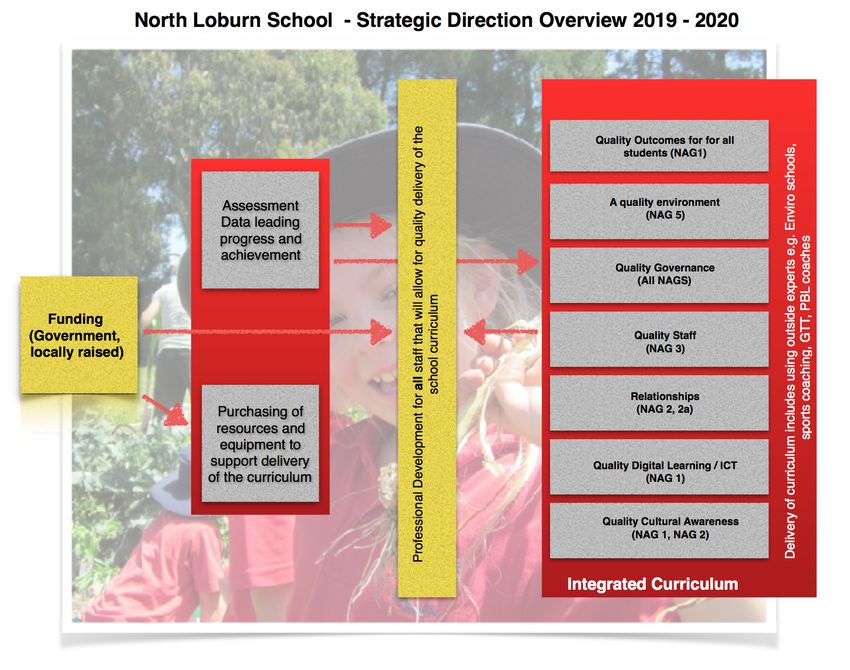
                                                                               Strategic Plan 2019 - 2020

        The strategies listed in this section are those that we wish to develop further over the period of our strategic plan. They may be new strategies or ones that we feel require further
        exploration and development. It is intended that the majority of these strategies are not referring to business as usual.

                                                                                           Strategic Goals 2019 – 2020
Goal                                         Strategies                                                                                   Measures
Quality Outcomes for all students            At North Loburn School we will:
(NAG 1)                                         • continue the promotion of Growth Mindsets amongst staff, students and whānau                 We will measure the success of these goals by:
At North Loburn School quality outcomes         • explicit teaching of our PRIDE values
                                                • continue the documenting of the collaborative journey being taken by teachers in         • Completing and analysing surveys that provide data on students
will be achieved by engaged students
                                                   our new learning spaces including the successes and failures of students and staff        engagement (Me, and my school), Wellbeing at school
aspiring for Excellence (school value) and
                                                • use of our Special Needs tracking system including identification of level of support    • Student voice
realising their potential through risk             and funding, and the SENCO working closely with all teachers                            • Ex Pupil survey to gauge their readiness for High School
taking and seeking challenges.                  • promote the use of explicit acts of teaching through professional development in
                                                   Growth mindset, that are targeted towards challenging and engaging learners                 Outcomes
                                                • working as a school and CoL, streamline the assessment practices and recording
                                                   within the school                                                                       • students making progress in relation to the NZ curriculum levels
                                                • engage with whanau groups with the aim of discussing our strategic goals                 • Improvement in the number of students achieving progress towards their
                                                • review our curriculum (as per schedule ) to ensure that is centred around the              individual goals
                                                   students and their community, and that offers a broad range of learning                 • Improvement in achievement outcomes of students identified as having
                                                   opportunities                                                                             specific learning needs
                                                • engage external experts (through CFPD) in curriculum review. Work alongside thes         • Data that provides evidence of the progess of our Maori, and Pacifica
                                                   experts with the applciation                                                              students
                                                • create an opening statement in curriculum that provides evidence of our uniqueness       • Students demonstrating a willingess to take
                                                   as a school, share and celebrate this statement                                         • Students who demonstrate resilience
                                                • all staff to have a full understanding of the specific learning needs of our Māori
                                                   students and other priority groups, and work to ensure they are engaged,
                                                   progressive learners
                                                • engage in CoL PD with a focus on transitions - ECE to primary, primary to secondary

                                                                                                           8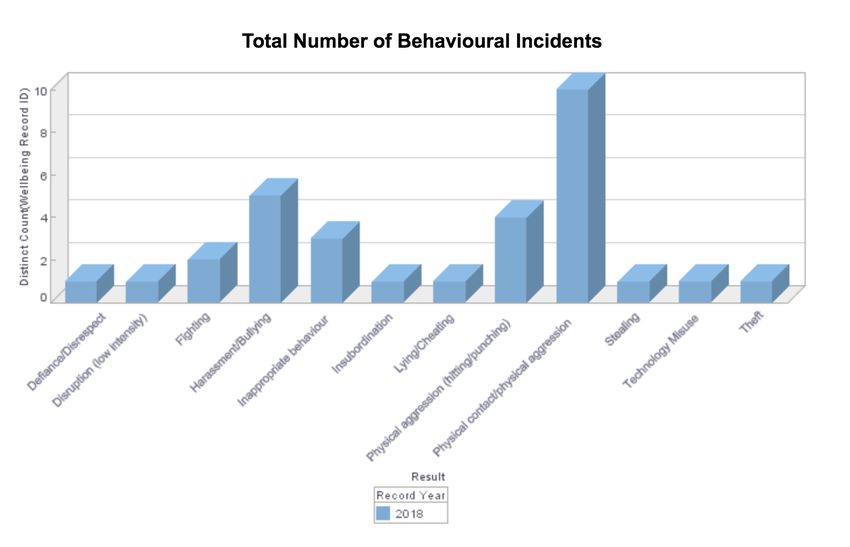
Page 9 of 21

Quality Staff (NAG 3)                         At North Loburn School we will:
                                                   •    professional development provided for all staff on an individual and whole                  We will measure the success of these goals by:
North Loburn School will have staff and                 school staff basis
support staff who make a positive                  •    further develop our participation as a member of the Puketeraki CoL                      • staff appraisal document and meetings
difference to the learning and well being          •    continue our involvement in the LCC cluster                                              • student voice
                                                   •    review and provision of an appraisal system that is reflective and encourages            • ex pupil survey to gauge their readiness for High School and their
of all students
                                                        documenting of explicit acts of teaching that are related to their individual goals        response to the teaching
                                                        and are making a difference to the learning of the children                              • tracking of cohort data
                                                   •    review, discuss and select appropriate tools and programs for teaching,
                                                        assessment and reporting.                                                                  Outcomes
                                                   •    encourage teachers to explore and use current research to ensure that they are           • staff collaborating in professional development with other teachers in our
                                                        engaging in best practice                                                                  school and across the cluster and CoL
                                                   •    further promotion of the PBL programme within our school as we move into                 • all staff meeting and exceeding the relevant professional standards
                                                        our third year (including the behaviour management plan)                                 • teachers making effective use of questioning and feedback to assess
                                                   •    engage in whole school Teacher Inquiry through the school appraisal system                 student goals and improve learning outcomes
                                                        with a focus on behaviour management in the school                                       • the use of learning strategies that are evidence based
                                                   •    provide leadership opportunties for staff (in-school leaders, DP etc)                    • continued high levels of engagement from parents / whanau
                                                   •    promoting the roll of Learning Coach                                                     • reporting and providing feedback to students is timely and effective, and
                                                   •    focus on well-being of all staff                                                           against the goals in the NZC
                                                   •    develop a job description based on professional standards and includes clear             • evidence of explicit acts of teaching related to their goals is gathered
                                                        expectations                                                                               within their own online portfolio
                                                                                                                                                 • a staff that is happy, motivated and enthusiastic.

A quality environment that is safe            At North Loburn School we will:
(NAG 5)                                            •    use the PBL programme and teach explicit behaviours to assist our students                    We will measure the success of these goals by:
                                                   •    develop and use a playground tracking system that allows staff to analyse            gather data
North Loburn School will provide a quality              and to review areas of concern                                                             • Analysis of our hazard and accident register
environment that allows the children to            •    develop the use of the hazard register and other H and S practices                         • Student voice
                                                   •    document the journey in our new collaboative space – the good and the bad                  • Ex Pupil survey to gauge their feedback on the learning environment
feel safe and secure in their learning, and
                                                   •    provide first aid training for all staff to ensure they are up todate (including new       • Community consultation
in the way they interact with their peers
                                                        staff)                                                                                     • Gathering data on behaviour management and lunchtime changes
and their environment. (Kaitiaki Tanga – a         •    build on from our successful audit as Green / Gold Enviro school in 2017 through
goal of being an enviro-school)                         the development of new initiatives – get into the community                                   Outcomes
                                                   •    continue to ensure the sustainability of the school gardens / environment with              • low number of injuries
                                                        the help of our enviro leaders, and by the encouragement of sustainable                     • appropriate allocation of resources to ensure safe physical environment
                                                        practices.                                                                                  • clear and simple guidelines for behaviour both in and out of the
                                                   •    provide opportunities for our enviro leaders to take the lead in certain projects             classroom – explicit teaching in line with PBL principles
                                                        (wilderness)                                                                                • students / staff able to demonstrate safe practices in and around school
                                                   •    continue the success of sponsorship to grow our Garden to Table Programme                   • an environment where students want to take their parents and share the
                                                   •    review the lunchtime structure and gather data to support any changes                         part they have played in sustaining what we have grown and created
                                                                                                                                                      (art, plantings etc)
                                                                                                                                                    • community wanting to make use of the grounds and resources in the
                                                                                                                                                      weekend
                                                                                                                                                    • new initiatives as part of our Green / Gold status as an enviro school

                                                                                                               9
Page 10 of 21
Quality Relationships (NAG 2,2a) At North Loburn School we will: We will measure the success of these goals by:
• explore a range of new ideas for community and whānau to come together for
At North Loburn School quality social, sporting and fun events (i.e long lunch, parent evenings) • Student voice
relationships are developed • begin a review process to ensure that the North Loburn Curriculum has a focus • Community consultation
on authentic learning and utilises the community (through externalfunding and
fostering the ‘whānau feel’ at North
PD) Outcomes
Loburn through collaborative learning Increased number of community members attending school events.
• inform parents of students who are receiving extra assistance of the importance •
activities and events where the school of the home / school partnership • an increase in the number of events that are being led by the students
community can come together. • provide opportunities to involve the community with fundraising for projects • community and whanau members continuing to provide feedback.
that we consider to be visionary • parental help and support at events and outings continues in the manner
• work with our cluster schools to promote best practice amongst teachers(LCC) we are used to
• provide networking opportunities for our staff with the Puketeraki CoL • students who are eager to attend school
• have students who are resilient and able to self manage conflict (PBL) • students who are willing to share their ideas and take a lead in the
learning
• leadership that supports both the staff and students in their learning
• staff developing networks and working relationships with teachers
across the cluster / CoL
Quality Digital learning / ICT NAG 1 At North Loburn School we will:
• continue to plan for and research the best tools and methods of delivering an We will measure the success of these goals by:
effective ICT programme
Our teachers will be confident and
• provide staff professional development on the implementation of the new • student voice
capable in their use of digital
digital technolgies curriculum • community consultation
technologies to ensure that our student’s • ensure the ICT vision and strategic plan (reviewed in 2017) is being followed to • ex pupil survey to gauge their feedback on their readiness for hihg school
have the skills, understanding and set the direction for our school in terms of digital learning and digital learning
hardware to become digital citizens of • further development of GAFE with our Year 4-8 and staff
the future. • provide PD for teachers that will challenge them and allow them to further Outcomes
develop their digital learning skills and knowledge (eg U Learn, Google) • ICT embedded in every classroom and used naturally as a valuable tool
Digital learning will take place through • Provide opportunities for digital collaboration within the school, and between for learning
the provision of a sustainable and schools (LCC cluster) • ICT use progressing naturally through the classrooms and levels
effective ICT infrastructure / plan that • Stay up to date with the latest thinking in terms of digital learning through the • students having access to and being competent users of a variety of ICT
use of current research tools
meets digital learning needs.
• Provide 1:1 devices for all students through the use of grants and a well planned • Increased use of ICT for communicating with family, community and
our purchase / replacement plan other schools during school time
• a school community who is able to safely and responsibly use ICT to its
full advantage
• the ICT strategic plan for the school mirroring the practices in the
classroom
• the wider community engaging with the school through the use of digital
technologies
10Page 11 of 21
Quality Cultural Awareness (NAG1, At North Loburn School we will:
NAG 2) • engage the services of local experts to enable us to explore the cultural We will measure the success of these goals by:
narrative of our school and area (through the Puketeraki CoL)
• carry out a review of our school curriculum Tikanga Maori at North Loburn • whānau hui
North Loburn School will have culturally School as part of the full Nth Loburn curriculum review • student voice
responsive programmes, processes and • continue to develop our ability to greet important visitors to the school through • particpation in events and feedback provided
practices, and will ensure that these are a Mihi whakatau process • community consultation
supported through the use of Tātaiko and • use our assemblies as an opportunity to explicitly teach the correct
Ka Hikatia. pronunciation of Māori words and phrases that are topical to what we are Outcomes
learning • students and staff who are confident in their use of Te Reo
• perform at the Kapa Haka festival and provide a group of children for this who • a narrative that has been developed for our school that identifies the
are eager and skilled in the delivery of the programme history and other key aspects of our area
• ensure all cultures within the school are acknowledged and provide • confident delivery of our mihi from students and staff
opportunities for these students to tell their own stories • visitors confidently welcomed onto the school grounds through the Mihi
• continue to ensure that data is gathered and analysed on the progress of our whakatau
Maori students, and that this is used to inform our teaching • Māori students who are making progress in relation to the NZC
• consult with the Māori community and whanau about the strategic aims of the • students who are proud of their culture and can outline what we as a
school, and the learning goals of their tamariki (formally and informally) school have done to foster this pride.
• include the phrase / word of the week in our newsletters • students who demonstrate a high level of engagement in our Kapa Haka
sessions
Quality Governance (All NAGS) At North Loburn School we will: We will measure the success of these goals by:
• explore opportunities for PD as a BOT
The board at North Loburn School will • effectively welcome and induct new members onto the board • community consultation
demonstrate a commitment to providing • communciate effectively through the use of the community liaison officer on the • NZSTA survey
board
quality governance.
• develop a robust appraisal system for the principal that allows for goals to be Outcomes
met and reviewed • BOT meetings will run efficiently
• look to use local expertese to support projects throughout the year • BOT members will be able to articulate clearly the role of Governance vs
• continue to monitor policy review through the school DOCS system Management
• have all documentation distributed to the BOT prior to meetings via Google docs • Projects within the school will be run efficiently
• BOT chairs from the cluster schools will continue to meet together • BOT members with portfolios will have a clear picture of what is
• cluster schools will invite BOT chair and principal to their meetings happening
• regularly review our own performance as a BOT • the community will feel informed based on the communication we are
• consult with the community around subjects such as health, EOTC, well-being able to provide
• inform community of results of surveys and outcomes of discussions • self review will show that the BOT is continuing to grow in their
knowledge and Governing of the school – aiming for quality governance
• informed decisions and changes, where needed, will have been made as a
result of analysis of community consultation
11Page 12 of 21
North Loburn Annual Plan 2019
Strategic Area: Quality Outcomes for All Students (NAG 1)
At North Loburn School quality outcomes will be achieved by engaged students aspiring for excellence (school value) and realising their potential through risk taking and seeking
challenges.
Actions to Achieve the Annual Aim Student Outcomes Led By Budget Timeframe
• Growth Minset was a focus point for 2018. For 2019 staff and students to continue to be Students / staff will demonstrate Principal PD reading Ongoing
encouraged to be open to new ideas, to take risks and to be willing to share successes and a growth mindset in the way they Teaching staff material -Dr
failures. Revisit the work of Dr Carol Dweck throughout the year. tackle the tasks that are provided. Carol Dweck
• Explicit teaching of our PRIDE values to become part of each day. As a PB4L school, the Students to be able to celebrate Teaching staff Nil All year
focused teaching of our values will ensure that they are being spoken about and our values and to articulate how Students
understand by all. they are showing them
• Teaching and learning tasks will reflect the NZ curriculum principles, key competencies Students will show progess Principal ?? Ongoing
and our PRIDE values, and will allow teachers to report on the progress being made by the across the NZ curriculum Teaching staff
students across the curriculum
• Engage the services of professional development providers to assist us with the review of A curriculum that encouarges the Principal Dependent on May application
our school curriculum. An appplication to be made to the MOE for support, and aligned to deleivery of authentic learning Teaching Staff outcomes
work also included in the CoL. Learning Architects
• Engagement in CoL professional development with a focus on transitions to school – ECE Students will be able to make Principal CoL budget ongoing
to primary, and primary to secondary smooth transitions to abd from Teaching staff (Lois Release time
school and Rebecca)
• Further explore the way we promote and celebrate our PRIDE values across the school Students will gain greater Teaching Staff Establishment Ongoing but start
and within the community. Staff to begin in Term 1 with abrainstorm ownership of the values students of a PB4L Term 1 with staff
budget brainstorm
• Continue the review of assessment and reporting at North Loburn. Follow directives from Students will be able to show Principal As needed Ongoing
the CoL to support this progress as a result of the CoL
assessment being used for next Staff
steps.
• A new parent reporting format to be developed by our SMS provider Assembly. Student reporting will be succint Principal
and clearly show progress and Assembly techs
achievement against the NZC.
12Page 13 of 21
Strategic Area: Quality Staff (NAG 3)
North Loburn School will have staff and support staff who make a positive difference to the learning and well being of all students
Actions to Achieve the Annual Aim Student Outcomes Led By Budget Timeframe
• Staff professional development to be self driven based on needs identified within the Students learning affected by the Principal PD budget Ongoing
appraisal system development of teachers Staff
• PD also as a staff in PB4L, and if successful, around curriculum review professional knowledge students
• The staff appraisal system, following review, to be redeveloped to ensure it is a system Students will make progress as a Principal Appraisal Term 1 for goal
that provides for meaningful self reflection by all teachers result of staff setting goals that Teaching Staff budget (PD) setting then ongoing
• Evidence portfolios to have evidence that is directly linked to appraisal goals set by staff are directly related to having an
impact on student learning
• Staff job descriptions to be rewritten – focus on best practice and aligned with the Staff will be clear in regards to Principal Nil Throughout the year
professional standards the roel they play, and how best Staff
• Expectations at North Loburn to be included within the job descriptions practice can impact student
learning
• Teachers to engage in whole school “Teacher Inquiry” that has a focus on Behaviour Student behaviour referrals will Principal Nil Term 1 for
management within our school with the aim being to reduce the number of behaviour decrease Staff implementation of
incidents and referrals in the school PB4L staff plan then ongoing
• Staff to continue to collect data on behaviour within their rooms and during breaks
using our SMS system
• Staff will fully implement the new behaviour management plan
• Ensuring our Learning Coaches are kept informed of the routines, nneds of new Our Learning coaches will have a SENCO Weekly
students, changes etc that occur each week. clear understanding of the needs Learning Coaches
• Weekly meetings to be arranged for this group and run by the Senco of the students they are assisting
which will impact their learning
Strategic Area: A quality environment that is safe(NAG 5)
North Loburn School will provide a quality environment that allows the children to feel safe and secure in their learning, and in the way they interact with their peers and
their environment. (Kaitiaki Tanga – a goal of being an enviro-school)
Actions to Achieve the Annual Aim Student Outcomes Led By Budget Timeframe
• PB4L is in its third year. Use data gathered to continue to teach explicit behaviours. The students will demonstrate Principal PD budget Ongoing
• Further develop the way we represent our values in the school. Use staff and student positive behaviour that is Teaching staff
input to find other ways. beneficial to their learning PBL Lead coach (Mrs
• Full implementation of our Behaviour Plan Green)
• Teachers to review data gathered through our SMS system under the PBL template
13Page 14 of 21
• Make a change to the lunchtime structure with the Play first -eat second approach based Students will be able to settle Principal ?? Term 1 and
on Katherine Liberty research bewfore returning to class. They Teaching staff 2
• Teachers to gather data (student voice, observational, numbers of referrals) that can be will feel calmer and ready to learn
used when reviewing the change we have made
• Staff to review the change at the end of Term 1
• Seek feedback (infomrally) from parents as a review tool
• Regular building checks to be carried out A safe and comfortable working All teachers As required Ongoing
• Caretaker’s book to be maintained environment maintained for our BOT
students Caretaker
• Complete the development of the bike track - including signs, seating and planting Students with a an opportunity to Principal Home and ongoing
• Organise a formal opening of this facility once completed lead the development of this area Teaching Staff School
• Develop a timetable and duty roster to supervise students using this area and use throughout the week. Home and School
Enviroleaders
• Connect with the current sponsors of the GTT programme An increase in the times available Principal Sponsorship Ongoing
• Gather feedback from them on the role they have played and the numbers involved in GTT BoT GTT
• Look for further connections to help support the programme will be a positive outcome GTT staff
• Explore, as a staff and with the enviroleaders, the need for more sustainable practices Students who are willing to talk Teaching Staff SSbudget Ongoing
around the enviro focus. about and demonstrate their Principal
• Discuss and formulate a plan for moving beynd our own gates and into the community knowledge of sustainable students
• Enviroleaders to take the lead in discussing further development of our back field. enviromentally friendly practices
Strategic Area: Quality relationships. (NAG 2, 2a )
At North Loburn School quality relationships are developed fostering the ‘whanau feel’ at North Loburn through collaborative learning activities and events where the school community can
come together.
Actions to Achieve the Annual Aim Student Outcomes Led By Budget Timeframe
• Find ways to connect with the community throughout the year. Build on from successes Students and whānau have a Principal PD budget Ongoing
of events such as ‘A night under the stars’ (hangi, tabloid evening, production, Pet Day) strong sense of belonging Teaching staff
Whānau and friends
• Re–establish the connections with the LCC cluster so ensure we meet termly Students having the benefit of All teachers PD Ongoing
• Teachers to be able to build on the relationships they have developed with our cluster collective wisdom from staff at LCC
over the years different levels Principal
• Teachers to demonstrate a commitment to working with the CoL and engaging in Students having the benefit of Principal Funded by CoL Ongoing
professional development and discussions that are made available to them. collective wisdom from staff at Teaching Stafffrom and school
• Teachers to have a chocie of the areas of interest with an expectation that they will different levels the CoL release funds
share with staff to help build collective knowledge
• Letters to be sent to all parents of students receiving targeted assistance (as per our Students will benefit from the SENCO Special needs Term 1
register) partnerships developed bytheir Principal
14Page 15 of 21
• Parents invited to meet with teachers / learning coaches as necessary parents
• Continue the focus of our Home and School group raising funds for visionary projects Students to have a school and Home and School nil Ongoing
that will benefit a large number of groups resources to support their
• Look to bring new faces into the Home and School group through informal learning
conversations and invitations (at the gate talking)
Strategic Area: Quality Digital learning / ICT (NAG 1)
Our teachers will be confident and capable in their use of digital technologies to ensure that our student’s have the skills, understanding and hardware to become digital citizens of the future.
Digital learning will take place through the provision of a sustainable and effective ICT infrastructure / plan that meets digital learning needs.
Actions to Achieve the Annual Aim Student Outcomes Led By Budget Timeframe
• Fully implement the ICT strategy that was developed Students will have access to Principal ICT budget Throughout
• Look at the guidelines we set for purchasing and follow these up. (including lease hardware and greater skills to use Staff Grants the year
options and purchasing) it (1:1 devices) ICT lead
• Staff to have the opportunity to share best practice with theuse of ICT Students being encouarged to Principal PD budget Ongoing
• Community invited to evenings where devices can be explained in regards to how we use use ICT in a broader sense and to Teaching staff
them (the google evening) challenge their thinking
• Explore the use of grants to update the laptops (used in Totara) as per our ICT plan Students have 1:1 access of All teachers ICT budget Ongoing
• Continue to monitor the way we are looking to fund our 1:1 devices hardware, and the devices that Grants
allows them to share work
• Staff to explore the new digital curriculum in readiness for the 2020 implentation Staff competence in knowledge Principal ?? Ongoing
• If needed, engage the use of experts to ensure staff are ready of the digital tech curriculum will Teaching Staff
• Included in this are discussions around what is believed to be best practice in regards to allow for improved and more
ICT use in schools. effective sharing
Strategic Area: Quality Cultural Awareness (NAG 1, NAG 2)
North Loburn School will have culturally responsive programmes, processes and practices, and will ensure that these are supported through the use of Tātaiko and Ka
Hikatia.
Actions to Achieve the Annual Aim Student Outcomes Led By Budget Timeframe
• Using local experts including CoL connections, further explore the cultural narrative of Teachers to be able to lead their Principal ?? Throughout
our area own students through discussions Staff the year
• Staff to have the opportunity to discuss ways of sharing our cultural narrative. based around the history of the Mātauraka
area Mahaanui
CoL
• Staff to be engaged in a review of our curriculum with a focus on Tikanga Maori at North A document that provides for Principal ?? Date to be
Loburn School – what does this mean – what are our priorities? This review to form part authentic teaching Teaching staff finalised
of a ‘whole’ review of our curriculum (if funding is successfully gained)
15Page 16 of 21
• Celebrate the teaching if our Kapa Haka through 2 new tutors Children able to particpate again Principal Ops grant Ongoing
• Staff to gather feedback from the tuturs and students as the year progresses in the festival and in weekly Kapa Staff from funding
• Students to be involved in the Cultural festival again Haka Kapahakatia
Staff
• Mrs Webb to lead the sharing of a weekly Kupu o te wiki Students to build their vocabulary Principal Nil Ongoing
• Staff to collectively take responsibility for the delivery of Te Reo in classrooms and and ability to use Te Reo Teaching Staff
around the school confidently Students
• Student leaders to be chosen to assist in the delivery of Te Reo at school assembly
(Meadow and Eva)
• School newsletter and website to also be used as a way of promoting the words and
phrases we re trying to learn
• Ensure that the feedback from whānau is included in future strategic planning Students will benefit from the Principal Nil Ongoing
• Seek further feedback from whānau through informal and formal methods (as proposed collective responsibility that is Whānau
by Diane Collier) built up as a result of the staff
partnerships between school and
whānau
• Data for our Maori students to be gathered, collated, shared and discussed, and used to Students progress and
plan for imporved learning outcomes achievement will be closely
monitored and choices made that
will help accelerate learning
where needed.
Strategic Area: Quality Governance (All NAGS)
The board at North Loburn School will demonstrate a commitment to providing quality governance.
Actions to Achieve the Annual Aim Student Outcomes Led By Budget Timeframe
• Explore, as a BOT, PD that we feel is of benefit to the school and members. N/A Principal Nil Ongoing
• Ensure that new members to the BOT in 2019 are welcomed and inducted effectively BOT
• Support the principal’s appraisal system for 2019 through the use of an external expert. The appraisal will ensure that the Principal Principal’s ongoing
• Link appraisal goals to recommendations made during 2018 principal is providing quality BOT appraisal
leadership, which in turn leads to External appraiser
staff being able to deliver the
programme we want
• BOT chair and finance member to attend management meetings with DP and principal as Students well-being and learning Principal ?? Ongoing
required. These meetings provide a valuable for robust discussions on how things are is a focus of discussions in these BOT members
going. meetings DP
• Continue to provide quality feedback to our community through the BOT liaison Student’s families will know what Principal Nil Ongoing
• BOT minutes to be includedon the website is happening around the school BOT
• and feel they are having a say Community
16Page 17 of 21
Annual Targets 2019
Target Number 1 (Junior Reading)
Our challenge is to have more than 80% of all students in 2019 who are in Years 1 - 3 being at or above the expected level for their age in line with the NZC levels
Our challenge is to ensure those students who are at and above rhe expected level for their age continue to make progress appropriate to their level with the aim of keeping them at or above.
Strategic Goals:
• To ensure that we have quality outcomes for all students
• To raise the literacy achievement of our junior students
Baseline Data:
Data gathered from the start of 2019 shows that we currently have 46 students in Year 1-3. Of this group 13 have been idenitified as working below the expected level for their age. This
represents 28% of the students that we are working with. Ths data is inclusive of those students who have only just started at our school howevere they are not represented in the
percentage.
46% of the students are in Year 2
54% of the stuents are in Year 3
23% of the students in this group have received or are receiving assistance in Reading Reecovery.
This cohort of students have been identified as struggling readers. They have all presented with needs around oral languge, following instructions and awareness of text and book handling.
Actions to achieve the target Led By Budget Timeframe
Teachers to analyse the assessment data from the start of 2019 – in particular the latest recorded running records. Junior staff Nil Term 1 then
ongoing
Continuation of the 5+ and 7+ reading programme for some of our students. Learning coaches to be trained in the SENCO PD budget Onoing
implementation of this. Classroom teachers
The introduction of light touch interventions (such as working with essential word lists, high frequency words, sight teachers Reading budget Ongoing
words) to assist students with their confidence and word attack skills.
Pre reading to continue as a strategy with these students. Repeated exposure to the text is essential Teachers nil Ongoing
Learning coaches
Upgrading of reading material for all students – high engagement text and a variety of genre Principal Reading budget Ongoing
Junior teachers
Teaching staff to review programmes, add activities, ideas that will continue to challenge the thinking (i.e Tour de Teaching staff Nil onoing
reading, Literacy hour etc)
Continuation of the phonics programme with all junior children. Also contiuation of the literacy hour programme Junior teachers Class budgets All year
with shared reading, big books and teachers working collaboratively
Review progress of all students – look at the effectiveness of the interventions put in place – adapt as required. Principal May need release Ongoing
Staff
17Page 18 of 21
Teachers, Libraiams to use Monday’s assemblies as a vehicle for promotign reading material from the library Teachers Library budget if ongoing
Librarians needed
Seek additional support as required from RTLB, MOE, Reading recovery (currently funded .1) Principal Nil ongoing
RTLB, RR
Staff meetings allocated for sharing of best practice – discussion of programmes and to explore current trends, Principal , teachers PD budget ongoing
reseach. Staff to align ideas with apprasial doc Literacy budget
School newsletter used as a vehicle for promoting reading mileage and strategies to help parents principal nil Weekly newsletter
as required
Target Number 2 (Maths – Basic facts)
Our challenge is to have more than 80% of all students at North Loburn School working at or above the expected level for their age in maths.
Our challenge is to have more than 80% of all students at North Loburn School working at or above the expected stage for mastery of basic facts in maths.
Our challenge is to ensure those students who are at and above the expected level for their age continue to make progress appropriate to their level with the aim of keeping them at or above.
Strategic Goals:
• To ensure that we have quality outcomes for all students
• To raise the mathematics achievement of all our students
• To raise the basic facts aster
Baseline Data:
The data gathered from 2018 for our year 4-8 students showed:
• 54% (6/11) of the Year 4 students are working within or above the expected curriculum level for their age. This is one of our lowest representations
• 63% (12/19) of the Year 5 students are working below the expected curriculum level for their age.
• 69% (9 /13) of our Year 6 students are working at or above the expected curriculum level
• In Year 7 80% (12/15) of the students are working above the expected curriculum level
18Page 19 of 21
• In year 8 75% (6/8)of the students are working at or above the expected curriculum level
• The achievement levels of our Maori students for this curriculum area are more clustered together within Level 3
• This curriculum area shows a closer comparison between boys and girls.
• 30% ( 20 /67 of all the students are working below the expected curriculum level in this area)
We also gathered data around the mastery of basic facts in Year 4-8. We were able to make a comparison as seen in the second graph.
As a staff we discussed at the length the fact that we believe strongly in children having mastery of basic facts and that this then leads to more confidence and efficenicy in being able to carry our
computations.
The staff are committed in 2019 to focusing on this particular area for all students within their programme.
Actions to achieve the target Led By Budget Timeframe
Teachers to analyse the assessment data gathered from the end of 2018 (basic facts and Principal Nil Term 1 staff meetings
end of year data) and data from the start of 2019. They will be able to identify those DP, staff then ongoing
students who are to be targeted within their programmes includng extension. conversations
Implementation of the Prototec basic facts maths practice for all students in Year 4-8. Classroom teachers Nil Ongoing
Parents to be encouraged to work on this at home. Students to contine to monitor this
individually. Juniors to include basic facts as a focus as normal
Teachers to be able to attend PD provided by Sue graham at leithfield school in maths Sue Graham PD budget Ongoing
Newsletter to be used as a way of highlighting this target and promoting how parents can Principal Nil Ongoing
help. Sharing of reources, links etc in these areas
Teaching staff to review programmes, add activities, ideas that will continue to challenge Teaching staff Nil onoing
the thinking and ability of students to recall and apply basic facts
School to upgrade resources for teaching in maths including purchase of numicon Principal Learning resources in maths as Ongoing
resources. Home and School funds to assist Staff well as H&S
CoL PD and communities of practice to provide opportunities for staff to develop Principal Release and CoL CoP 1 x termly
knowledge in the teaching of maths Within school leader Other PD ongoing
staff
Junior teachers to work collaboratively in designing an assessment task that will allow Junior staff nil Term 1 and Term 4
them to gather pre data on their children’s abilities to work with basic facts. This
assessment task then to be given to children again in Term 4
Target Number 3 (Behaviour management)
To reduce the number of behaviour incidents that are looged into our school sms system according to our behaviour management plan.
Strategic Goals:
• To ensure that we have quality outcomes for all students
• To ensure we have a quality learning environment for our students
• To reduce the number of behaviour referrals so that the focus for teachers can remain on teaching and learning
19Page 20 of 21
Baseline Data:
The data shown in these graphs indicate the number of behaviour incidents recorded on ourschools SMS system in 2018 and in 2019 todate.
There were 31 recorded behaviour incidents in 2018 and 7 in 2019 todate.
In 2018, staff did not start recording these on SMS until midway through the year.
Staff have discussed this data and feel that there are a number of steps and stratebies that we can put in place to reduce this number and thus achieve our target.
Actions to achieve the target Led By Budget Timeframe
Staff to analyse the data gathered to date. Focuson the types of behaviours being Principal Nil Term 1
recorded and the areas in the school where these occur staff
Change of lunchtime structure to play first then eat. Based on research by Kathleen Liberty. Principal nil Term 1 the ongoing if
Staff to review this structure at end of term 3. Gather student voice for data Staff success
students
Staff to gather data on KC (self management) using solo rubric in Term 1 and then again in Staff Nil Ongoing
Term 4. Look for links between those students struggling with self management, and those principal
being recorded in behaviour incidents
Behaviour plan to be shared with parents and PB4L focus Tim Heidman (RTLB) Nil Term 1
Behaviour plan linked onto school website and shared with parents in the newsletter. Principal Nil Term 1 then as needed
Encourage whanau and family to read and understand. Plan to be shared with students in Staff
class students
Continue to share PB4L reports with staff showing recorded incidents as required Principal Nil As needed
Explicit teaching of behaviours and links made to our school values. Teachers As needed
Principal
Monday assemblies used to promote positive behaviour and review of our values through Principal Discretionary for prizes Weekly assembly
fun activities
PB4L coaches meetings to be attended by coach and / or principal. Shared back with staff Principal Release Termly
Rebecca Green
Well being survey for students - CoL to use Me and my school, we will also use Wellbing at Teaching staff CoL budget Term 2 and 3
school. This data to be used in comparison with KCs Principal
20Page 21 of 21
Date Collection tools for targets
The staff at North Loburn School use a wide range of assessment tools to make their overall etacher judgements. In 2018 they will enage in conversations aimed
at streamlining current assessment practices. These discussions will be aligned with the inquiries being undertaken by principal’s within the Puketeraki Kahui Ako.
At present the tools that we are using include:
• Student work samples
• School developed rubric (writing)
• Teacher observation
• PAT data
• Moderation within and acros school
• Peer and self assessments
• Standardised testing (JAM, Ikan, Numpa)
• Me and my school (CoL)
• Well being at school
• KC –self management with Solo rubric
Procedural Information for North Loburn School
• North Loburn School will lodge a copy of its annually updated Charter to the Ministry of Education in March of each year.
o The charter guides operations and links closely with our policies and procedures of the school. Our policies and procedures are reviewed in accordance
with the review schedule provided by Schooldocs.
• North Loburn School consults its community, including its Maori community, on its charter. This consultation for the current charter was carried out in November
of 2016. Further consultation will take place this year. In 2018 a hui was held with Whānau and information added to this year’s charter.
• Consulation at North Loburn School includes the students, staff, school community, wider community and maori families and their Whānau.
• North Loburn School will lodge a copy of the annual report showing evaulationof our annual targets to the Minstry of Education in May of each year.
• The targets for North Loburn School have been identified through the analysis of student data, discussion with staff, and information gathered from current
trends.
21You can also read


