HEAT/COLD STRESS AND SUN SAFETY GUIDELINES
←
→
Page content transcription
If your browser does not render page correctly, please read the page content below
FACILITIES MANAGEMENT – OFFICE OF ENVIRONMENTAL HEALTH AND SAFETY
                HEAT/COLD STRESS AND SUN SAFETY GUIDELINES
                5/19/2018

 1       INTENT

         Working outdoors for prolonged periods of time may have a negative effect on the
         health and safety of employees. Extreme temperatures can overwhelm the body’s
         internal temperature control system and result in heat- or cold-related illnesses such
         as hypothermia or heat stroke. In addition, high levels of ultraviolet radiation from
         the sun can cause both acute and long-term damage to health. The University at
         Albany Office of Environmental Health and Safety (EH&S) has established these
         Heat/Cold Stress and Sun Safety Guidelines to help inform supervisors and staff
         regarding the effects of temperature extremes and the sun on employees.

         Currently, the Occupational Safety and Health Administration (OSHA) does not
         have a specific standard for temperature extremes or sun exposure. However,
         these hazards fall under the General Duty Clause of the Occupational Safety and
         Health Act of 1970, which states that “each employer shall furnish to each of his
         employees employment and a place of employment which are free from recognized
         hazards that are causing or are likely to cause death or serious physical harm to his
         employees.” OSHA also refers to guidelines recommended by the U.S. National
         Oceanographic and Atmospheric Administration (NOAA), the National Institute for
         Occupational Safety and Health (NIOSH), and the American Conference of
         Governmental Industrial Hygienists (ACGIH).

         The New York State Public Employee Sun Safety Law, enacted on August 18,
         2006, mandates that New York State agency public employers must ensure that all
         state employees who spend more than five hours outdoors per work week as a part
         of their job function have access to sun safety information. This required
         information is provided in section 4 of this document and will be shared with all
         affected employees through training and other educational tools.

         EH&S will maintain, review, and update the Heat/Cold Stress and Sun Safety
         Guidelines as needed.

Heat-Cold Stress and Sun Safety Guidelines.04                                           Page 1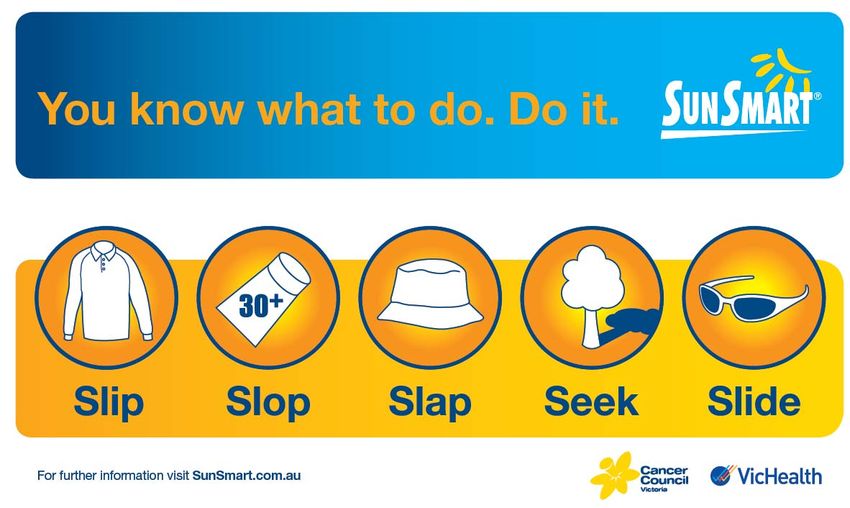
2       HEAT STRESS

         University at Albany employees who are exposed to hot and humid conditions may
         be at risk of heat-related illnesses. These employees must know how to identify the
         symptoms of heat-related illnesses, and how to prevent and respond to these
         conditions.

         2.1    Heat-Related Illnesses
                The most common health problems caused by hot work environments
                include heat rash, heat cramps, heat exhaustion, and heat stroke. The
                definitions, symptoms, and first-aid measures for each of these conditions
                are provided in Table 1 below.

                         Table 1: Heat-Related Illnesses: Symptoms and First Aid
     Heat-Related Illness            Symptoms                             First Aid
 Heat Rash                       Clusters of red       •   Once skin is cool, heat rash tends to clear
 Skin irritation                 bumps on the skin,        quickly.
 caused by sweat                 often on the neck,    •   Try to work in a cooler, less humid
 that does not                   upper chest, or           environment when possible.
 evaporate.                      fold of skin          •   Keep the affected area dry.
 Heat Cramps                     Muscle                •   Rest in shady, cool area.
 Muscle cramps                   spasms/pain,          •   Drink water or other cool beverages.
 caused by loss of               usually in            •   Wait a few hours before returning to
 body electrolytes               abdomen, arms, or         strenuous work.
 and fluid.                      legs                  •   Seek medical attention if cramps persist.
 Heat Exhaustion                 •   Headache,         •   Get person to a shady, cool area.
 The body systems that               dizziness         •   Loosen clothing; remove outer clothing.
 regulate temperature            •   Irritability      •   Wet the person’s body with cool water.
 become                          •   Nausea or         •   Apply icepacks to head,
 overwhelmed due                     vomiting              neck, armpits, and groin.
 to loss of water                •   Weakness          •   Provide drinking water.
 and electrolytes.               •   Thirst
                                 •   Fast heart beat
 Heat Stroke                     •   Red, hot, dry     •   MEDICAL EMERGENCY. Alert supervisor
 If heat exhaustion                  skin                  and request medical assistance by calling
 continues untreated, it will    •   Very high body        518-442-3131.
 progress to heat stroke.            temperature       •   While waiting for medical services:
 The body is no                  •   Confusion              • Stay with person until help arrives.
 longer able to                  •   Seizures               • Get person to a shady, cool area.
 regulate its                    •   Fainting               • Loosen clothing; remove outer
 temperature.                    •   Loss of                  clothing.
                                     consciousness          • Soak the person’s body in cool water.
                                                            • Apply icepacks to head, neck, armpits,
                                                              and groin.
                                                            • Provide drinking water. Do not try to
                                                              give beverages to an unconscious
                                                              person.

Heat-Cold Stress and Sun Safety Guidelines.04                                                 Page 2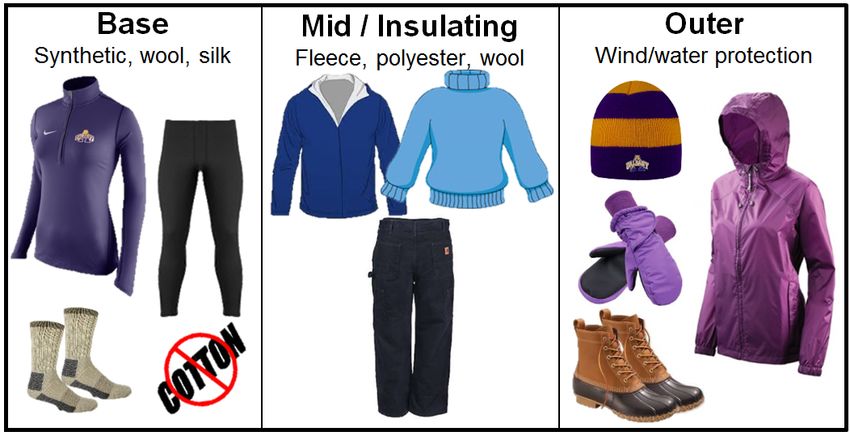
2.2 Heat-Related Illness Prevention
Heat-related illnesses are preventable. The following subsections describe
ways to prevent heat-related illnesses while working in hot environments.
2.2.1 General Recommendations for Working in the Heat
General recommendations for working in the heat are as follows:
Watch for symptoms of heat-related illnesses (see Table 1
above) and report early.
Use the buddy system (work in pairs).
Wear light clothing and a hat.
Drink plenty of water. It is better to drink small amounts every
15 minutes rather than drinking a large amount all at once.
Carry a refillable water bottle and use the various fill stations
around campus.
Avoid caffeine and alcohol which can dehydrate the body.
Seek shade where possible while working.
Take breaks in a cool environment to rest and cool off. Do not
over-exert yourself.
Heat-Cold Stress and Sun Safety Guidelines.04 Page 3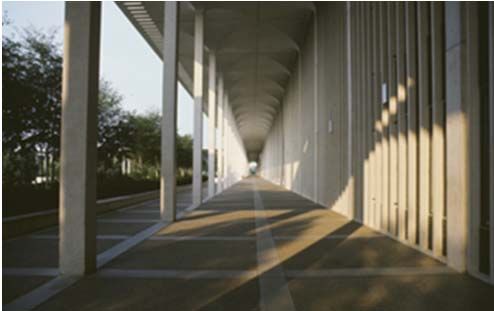
2.2.2 The Heat Index
                      The risk of heat-related illness becomes greater as the weather gets
                      hotter and more humid. The heat index is a system developed by the
                      U.S. National Oceanographic and Atmospheric Administration (NOAA)
                      that combines both air temperature and relative humidity into a single
                      value that indicates the apparent temperature in degrees Fahrenheit.
                      The higher the heat index, the greater the risk that staff working
                      outside or in an uncooled area will experience a heat-related illness.

                        The heat index should be used to guide decisions about protecting
                        workers in hot weather, as described in section 2.2.3 below.
                        It is important to note, however, that the heat index does not account
                        for certain conditions that contribute additional risk, such as direct
                        sunlight and physical exertion. Workers who are in direct sunlight,
                        performing strenuous activity, using heavy or non-breathable
                        protective clothing, and/or are new to an outdoor job may need
                        additional precautions beyond those warranted by the heat index
                        alone. Consult with the EH&S office to address such conditions.

                        The real-time outdoor heat index value can be
                        obtained from the NOAA National Weather
                        Service’s local forecast for Albany, NY:
                        http://www.weather.gov/aly/

Heat-Cold Stress and Sun Safety Guidelines.04                                            Page 4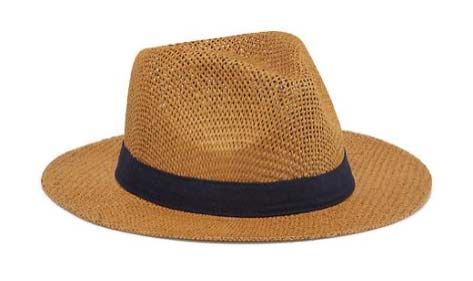
2.2.3 Protective Measures for Working in the Heat
The table below summarizes best practices to protect workers at
various heat index risk levels. These protective measures are based
on OSHA’s advisory document entitled “Using the Heat Index: A
Guide for Employers.”
Table 2: Protective Measures for Working in the Heat
HEAT RISKPROTECTIVE
BEST PRACTICES
INDEX LEVEL MEASURES
Basic heat Normal breaks
90°F or
lower
Lower safety and Drinking water available in staff break areas.
planning
In addition to the steps listed above:
Supervisors:
o Be aware of the heat index anticipated for the
day and identify precautionary actions as
necessary.
o Review with staff how to recognize heat-
Implement
related illnesses, how to prevent them, and
91°F to precautions
Moderate first aid (see Table 1 above).
103°F and heighten
o Remind staff to drink small amounts of water
awareness
often (before becoming thirsty) and avoid
caffeine/alcohol. Rule of thumb: drink about 4
cups of water per hour. Encourage staff to use
reusable bottles.
o Watch workers for signs of heat-related illness.
o Encourage staff to wear hat and sunscreen.
In addition to the steps listed above:
Adjust work activities:
o Establish and enforce work/rest schedule:
15 minute break for every hour in the heat.
Additional
104°F o No strenuous work in the afternoon; focus on
precautions to
to High maintenance, inventory, and housekeeping.
protect
115°F o When possible, reschedule outdoor activities to
workers
a time when heat index is lower.
Supervisors:
o Alert workers of risk and work/rest schedule.
o Watch/check in with workers frequently.
In addition to the steps listed above:
Adjust work activities:
Triggers even o Establish and enforce work/rest schedule:
Greater Very more 30 minute break for every hour in the heat.
than High to aggressive o Reschedule non-essential activity for another
115°F Extreme protective time/day when the heat index will be lower.
measures Move essential work tasks to the coolest part
of the work shift.
o Shade work only.
Heat-Cold Stress and Sun Safety Guidelines.04 Page 5
3       COLD STRESS
         University at Albany employees who are exposed to cold temperatures are at risk of
         cold-related illnesses. These staff members must know how to identify the
         symptoms of cold-related illnesses and how to prevent and respond to these
         conditions.

         3.1     Cold-Related Illnesses
         When the body is unable to warm itself, serious cold-related illnesses and injuries
         may occur. Types of cold stress include frostnip, frostbite, and hypothermia. The
         definitions, symptoms, and first-aid measures for each of these conditions are
         provided in Table 3 below.

                         Table 3: Cold-Related Illnesses: Symptoms and First Aid
  Cold-Related Illness              Symptoms                                  First Aid
 Frostnip - The surface     •   Skin pales or turns red    •   Frostnip is cured by getting out of the cold.
 of the skin freezes (no    •   Prickling, tingling,           Get into a warm room ASAP.
 permanent damage).             numbness                   •   Warm the affected area using body heat.
                                                           •   If symptoms persist for more than 30
                                                               minutes, seek medical assistance.
 Frostbite - The skin       •   Bluish or pale, waxy       •   MEDICAL EMERGENCY. Alert supervisor
 and the underlying             skin                           and request medical assistance by calling
 tissues freeze (may        •   Stinging or aching             518-442-3131.
 cause permanent            •   Loss of feeling / use of   •   Get into a warm room ASAP.
 damage).                       area                       •   Warm the affected area using body heat.
                                                           •   Do not walk on frostbitten feet/toes. Do not
                                                               rub the frostbitten area.
                                                           •   Immerse the affected area in warm (not
                                                               hot) water. Affected areas are numb and
                                                               can be easily burned.
 Hypothermia – Body         Early                          •   MEDICAL EMERGENCY. Alert supervisor
 temperature (normally         • Shivering                     and request medical assistance by calling
 98.6°F) drops to 95°F         • Fatigue                       518-442-3131.
 or less.                      • Confusion and                 • Get into a warm room ASAP.
                                  disorientation               • Remove wet clothing.
                            Late                               • Gradually warm the body starting with
                               • No shivering                       the center.
                               • Blue skin                     • Keep victim dry and wrapped in a warm
                               • Slowed pulse and                   blanket.
                                  breathing                    • Give warm beverages. Do not try to
                               • Loss of                            give beverages to an unconscious
                                  consciousness                     person.
                                                               • If victim has no pulse, begin CPR if
                                                                    trained.

Heat-Cold Stress and Sun Safety Guidelines.04                                                   Page 6
3.2 Cold-Related illness Prevention
Like heat-related illnesses, cold-related illnesses are preventable. The
following subsections describe how to prevent cold-related illnesses.
3.2.1 General Recommendations for Working in the Cold
General recommendations for working in the cold are as follows:
Wear multiple layers of clothing. Multiple layers are better at
trapping air near your skin, keeping heat close to you. It also
allows you to remove/add items as needed. Make sure any
item of clothing that you take off is secure so it is not stolen.
o Base Layer – Base layer clothing is worn right next to your
skin. The main purpose of the base layer is to wick
moisture away from your body, keeping you dry and
providing some additional warmth. Recommended base
layer materials include synthetic fabrics (e.g., nylon,
polyester, polypropylene), silk, or merino wool. Avoid
cotton as a base layer because cotton fibers dry very
slowly compared to the other fibers mentioned above. This
means that once you start sweating, cotton will most likely
remain damp and keep you cold until you change clothes.
o Mid/Insulating Layer – This layer is mainly for insulation.
Fleece jackets or sweatshirts, wool coats, and heavy wool
sweaters make good insulating layers. Recommended mid
layer materials include polyester, wool, and fleece.
o Outer Layer – It is important to choose outerwear that will
block the wind and keep you dry. Your outerwear should fit
comfortably over your other layers without restricting your
movement.
Heat-Cold Stress and Sun Safety Guidelines.04 Page 7
Wear synthetic/wool insulating socks and insulated shoes.
Wear a hat and gloves.
Cover your mouth to protect lungs.
Keep all clothing dry (bring an extra change of clothes).
Use the buddy system (work in pairs).
Take breaks in a heated area or vehicle to warm up.
Stay hydrated with water and hot beverages. Avoid caffeine
and alcohol, which dehydrate the body.
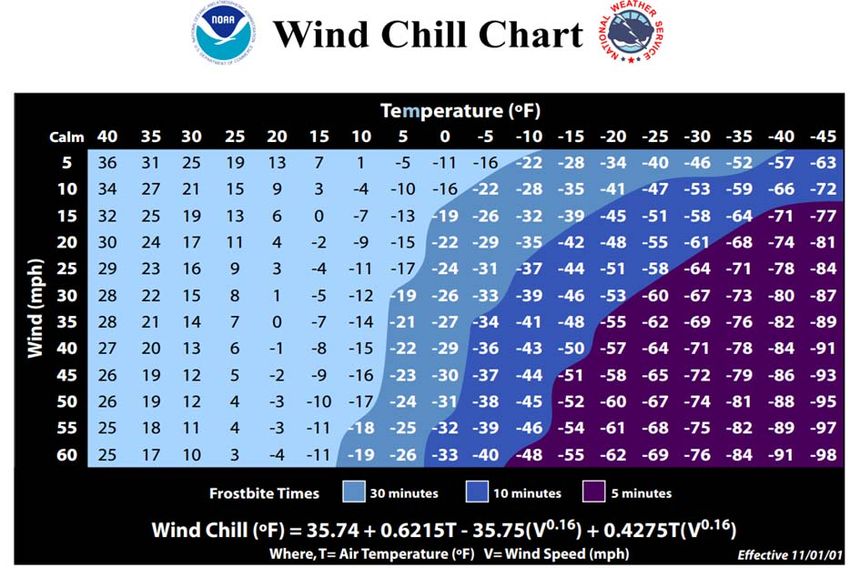
3.2.2 Wind Chill Index
Wind chill is based on the rate of heat loss from exposed skin caused
by wind and cold. As the wind increases, it draws heat from the body,
driving down skin temperature and internal body temperature.
Many formulas exist to calculate wind chill. The National Weather
Service Wind Chill Temperature Index should be used to help guide
decisions for working in the cold, as described in section 3.2.3 below.
The real-time outdoor heat index value can be
obtained from the NOAA National Weather Service’s
local forecast for Albany, NY:
http://www.weather.gov/aly/
Heat-Cold Stress and Sun Safety Guidelines.04 Page 8
3.2.3 Protective Measures for Working in the Cold
The table below summarizes best practices to protect workers at
various wind chill risk levels. These measures have been adapted
from the ACGIH recommended work/warm-up schedule.
Table 4: Protective Measures for Working in the Cold
WINDCHILL RISK PROTECTIVE
BEST PRACTICES
INDEX LEVEL MEASURES
Basic cold Normal breaks
32°F or
above
Lower safety and Warm beverages available in staff break areas.
planning
In addition to the steps listed above:
Supervisors:
o Be aware of wind chill index anticipated for the
day and identify precautionary actions as
necessary.
Implement
o Review with staff how to recognize cold-related
precautions and
15 to 31°F Moderate illnesses, how to prevent them, and what to do
heighten
if someone gets sick (see Table 3 above).
awareness
o Remind staff to layer clothing and cover their
hands, head, and face.
o Remind staff to drink hot beverages, avoiding
caffeine and alcohol.
o Watch workers for signs of cold-related illness.
In addition to the steps listed above:
Adjust work activities:
o 15 minute warm-up break for every 2 hours
Additional working outside of a heated area/vehicle.
0°F to 14°F High precautions to o When possible, reschedule activities to a time
protect workers when it will be warmer.
Supervisors:
o Alert workers of high risk and extended breaks.
o Watch/check in with workers frequently.
In addition to the steps listed above:
Adjust work activities:
Triggers more o 15 minute warm-up break for every 1 hour
Very aggressive working outside of a heated area/vehicle.
-15°F to 0°F
High protective o Reschedule non-essential activity for another
measures time/day when it will be warmer. Move
essential work tasks to the warmest part of the
work shift.
Triggers even In addition to the steps listed above:
Less than more aggressive Adjust work activities:
Severe
-15°F protective o 15 minute warm-up break for every 30 minutes
measures working outside of a heated area/vehicle.
Heat-Cold Stress and Sun Safety Guidelines.04 Page 9
4       SUN SAFETY

         The “New York State Public Employee Sun Safety Law” was enacted on August 18,
         2006 as an amendment to Section 218-A of the New York State Labor Law. The
         law states:

                Any state employee who spends more than a total of five hours per week
                outdoors shall be provided information about (a) the potential dangers of
                diseases caused by over-exposure of the sun, such as skin cancer, (b) the
                existence of available protections and their proper uses, and (c) any other
                information necessary to afford an employee his or her best opportunity to
                protect themselves from the sun.

         EH&S meets the requirements of this law by providing the sun safety information
         found in the subsections below to affected employees who spend more than a total
         of 5 hours per week outdoors.

         4.1    Potential Dangers of Over-Exposure to the Sun
                Sunlight contains ultraviolet (UV) radiation, which causes sunburn, premature
                aging of the skin, skin cancer, and cataracts. The amount of damage from
                UV exposure depends on the strength of the light, the length of exposure,
                and whether or not the skin and eyes are protected.

                The most noticeable acute effect of excessive UV radiation exposure is
                erythema, the familiar inflammation of the skin commonly called sunburn.
                The symptoms of mild sunburn are reddening of the skin caused by vascular
                dilatation and some swelling, while in severe cases the skin will blister.

                Three different types of skin cancer are linked to sunlight overexposure.
                Basal cell cancer (the most common) and squamous cell cancer are usually
                treatable and totally cured if caught in time. Malignant melanoma is rarer, but
                more likely to be fatal if treatment is delayed. Most of the 10,000 Americans
                who die from skin cancer each year are victims of malignant melanoma. The
                risk of developing skin cancer increases in proportion to the unprotected time
                in the sun and the intensity of the sun's rays during exposure.

                Sun exposure is also a major risk factor for cataract development, although
                cataracts appear to different degrees in most individuals as they age.
                Cataracts occur when proteins in the eye’s lens unravel, tangle, and
                accumulate pigments that cloud the lens and eventually lead to blindness.

                Employees who work in the sun are at risk to UV radiation exposure.
                Intensity is greatest in the summer from 10 am to 4 pm. Work surfaces, such
                as concrete or metal, can also reflect up to 50 percent of the sun's radiation,
                which intensifies exposure.

Heat-Cold Stress and Sun Safety Guidelines.04                                           Page 10
Be aware that many medications contain ingredients that may cause
photosensitivity, a chemically-induced change in the skin that makes an
individual unusually sensitive to light. These medications include (but are not
limited to): non-steroidal anti-inflammatory drugs (NSAIDs) such as naproxen
(Aleve), multiple types of antibiotics, anti-seizure medications, mood
stabilizers, diabetes medications, and heart medications. Ask your doctor or
pharmacist whether you should take any special precautions to avoid sun
exposure while you are taking a medication.
4.2 Protecting Against Sun Exposure
Sun exposure can usually be easily addressed by recognizing the hazards
and taking some simple steps to minimize or avoid these hazards.
The easiest way to reduce UV risk is to reduce direct exposure to the sun,
especially between the hours of 10 am and 4 pm when the sun’s UV rays are
strongest. Wear protective clothing, such as a wide-brimmed hat, long pants,
and long-sleeved shirt.
Stay in the shade whenever possible. Shade can be found behind trees,
hedges, or buildings, or under structures such as the concrete canopy of the
Academic Podium.
Protective sunscreens are also encouraged. Use a sunscreen with a sun
protection factor (SPF) of 30 or higher and is also water-resistant to
withstand humidity and sweat. Reapply every two hours when outdoors or
more often if perspiring or swimming. Avoid baby oil, cocoa butter, or skin
oils that do not protect against sunburn.
To protect the eyes, wear quality sunglasses that offer UV radiation
protection. The clear and dark safety glasses provided by EH&S both offer
protection from UV radiation. Safety glass lenses are made of
polycarbonate, which naturally blocks 99.9% of UV radiation.
Heat-Cold Stress and Sun Safety Guidelines.04 Page 11Australia’s SunSmart® program provides an easy to remember slogan for sun
protection: “Slip, Slop, Slap, Seek, and Slide.”
Slip on sun protective clothing that covers as much of your body as
possible
Slop on SPF 30 or higher broad-spectrum, water-resistant sunscreen,
at least 20 minutes before sun exposure
Slap on a broad-brimmed hat that shades your face, neck, and ears
Seek shade
Slide on sunglasses
http://www.sunsmart.com.au/downloads/resources/posters/outdoor-sunsmart-facilities-sign.pdf
Check the UV Index to determine the appropriate level of protection. The UV
Index is an international standard measurement of the strength of UV
radiation at a particular place and time. The UV Index is a linear scale, with
higher values representing a greater risk due to UV exposure.
In summer months, the UV Index is usually reported along with the weather
forecast on the internet, TV, or radio. The UV Index can be obtained by
typing your zip code into the EPA UV index tool:
https://www.epa.gov/sunsafety/uv-index-1
Heat-Cold Stress and Sun Safety Guidelines.04 Page 12UV Index values correspond to the following recommendations for protection.
Bright surfaces, such as sand, water, and snow, will increase UV exposure.
UV Index Recommended Protection
• Wear sunglasses on bright days.
0-2
• If you burn easily, cover up and use broad spectrum SPF 30+
Low
sunscreen.
• Stay in shade near midday when the sun is strongest.
• If outdoors, wear protective clothing, a wide-brimmed hat, and
3-5 UV-blocking sunglasses.
Moderate • Generously apply broad spectrum SPF 30+ sunscreen every
2 hours, even on cloudy days, and after swimming or
sweating.
• Reduce time in the sun between 10 a.m. and 4 p.m.
• If outdoors, seek shade and wear protective clothing, a wide-
6-7 brimmed hat, and UV-blocking sunglasses.
High • Generously apply broad spectrum SPF 30+ sunscreen every
2 hours, even on cloudy days, and after swimming or
sweating.
• Minimize sun exposure between 10 a.m. and 4 p.m.
• If outdoors, seek shade and wear protective clothing, a wide-
8-10 brimmed hat, and UV-blocking sunglasses.
Very High • Generously apply broad spectrum SPF 30+ sunscreen every
2 hours, even on cloudy days, and after swimming or
sweating.
• Try to avoid sun exposure between 10 a.m. and 4 p.m.
• If outdoors, seek shade and wear protective clothing, a wide-
11+ brimmed hat, and UV-blocking sunglasses.
Extreme • Generously apply broad spectrum SPF 30+ sunscreen every
2 hours, even on cloudy days, and after swimming or
sweating.
In addition to reducing exposure, employees who work in the sun should
examine themselves regularly. It is important to regularly examine the skin
because skin cancers detected early can almost always be cured. Check the
skin for danger signs, including any wound, sore, or patch of skin that won't
heal or constantly scales, or any growing lump or mole, particularly if it is
brown or bluish in color. The most important warning sign is a spot on the
skin that is changing in size, shape, or color. If anything looks suspicious or
unusual, get a medical opinion right away. Also, advise your employer of any
sun-related condition or medical diagnosis.
Heat-Cold Stress and Sun Safety Guidelines.04 Page 135 REFERENCES
OSHA Using the Heat Index: A Guide for Employers
https://www.osha.gov/SLTC/heatillness/heat_index/pdfs/all_in_one.pdf
OSHA Heat Stress Quick Card
https://www.osha.gov/Publications/osha3154.pdf
OSHA Wind Chill Temperature: A Guide for Employers (including ACGIH
TLVs)
https://www.osha.gov/dts/weather/winter_weather/windchill.html
OSHA Cold Stress Quick Card
https://www.osha.gov/Publications/OSHA3156.pdf
PESH Fact sheet on Outdoor worker safety and the NYS Sun Safety Law
https://labor.ny.gov/formsdocs/wp/P216.pdf
Australia SunSmart skin cancer prevention program
http://www.sunsmart.com.au/
World Health Organization’s Global Solar UV Index: A Practical Guide
http://www.who.int/uv/publications/en/UVIGuide.pdf
6 RESOURCES
Download the OSHA Heat Safety Tool application for Android or iPhone:
https://www.osha.gov/SLTC/heatillness/heat_index/heat_app.html
National Weather Service Heat Index Calculator:
http://www.wpc.ncep.noaa.gov/html/heatindex.shtml
National Weather Service Windchill Calculator:
http://www.nws.noaa.gov/om/winter/windchill.shtml
Heat-Cold Stress and Sun Safety Guidelines.04 Page 14You can also read


