HELLO FIRST-YEAR #UFSMYADVICE
←
→
Page content transcription
If your browser does not render page correctly, please read the page content below

Hello
                                                                                       First-year
                                                                                                    #UFSMyAdvice

          This work is licensed under the Creative Commons Attribution-Non-commercial-ShareAlike 4.0 International License. To view a copy of this license, visit http://creativecommons.org/licenses/by-nc-sa/4.0/.

T: +27 51 401 7421 | E: advising@ufs.ac.za | www.ufs.ac.za
C O N T E N T
4     Tshimologo (The beginning)
6     Hello First-year: Welcome message
8     What is an Academic Advisor?
12    Starter Pack for Blended learning at the UFS
15    How can I expect to learn at the UFS in 2021?
18    Academic Advice at your fingertips
20    The Do's and Don'ts of Online Learning
22    Habits of Successful Students
25    Tools for Teaching and Learning 2021
35    Student Support Directory
39    Stay safe! Be informed
41    My Time Table
43    A few words of encouragement

Tshimologo (The beginning)

Tshimologo (The beginning)
This is the beginning of what life is uncovering of its hidden treasures
The path to becoming one with your career
You are now in the colorful world to call your own
Don't be fooled, don't be confused...
Meeting what's meant to be yours is scary yes ??
No worries, you are not alone
Rest assured, your first step is acknowledged
And efforts appreciated

Your eyes paneling each window
Your mind channeling enriched decision making
Your ears hearkening those that teach with alert to obstacles
Your lips harnessing words to reach spaces within which to build
Pen and paper; Keyboard and fingers…
This is your journey.

Contemplate upon the words hither:
“If actions are louder than words, why is the Pen mightier than the sword?”

Hello First Year: Welcome message

Hello First Year:
Welcome message

 The Central Academic Advisors at the Centre for Teaching and
 Learning (CTL) welcome you, Kovsie First Year, to the
 beginning of a new journey filled with a new way of learning, a
 new way of connecting and a new (adjusted) way of
 succeeding.

 This A-team wishes you well and vows to support you on
 your journey to success!

 Regards The Central A-team
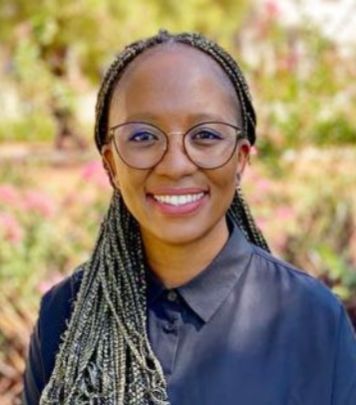
What is an Academic Advisor?

What is an Academic Advisor?
An academic advisor is an individual who knows how to navigate the university and provide you
with the advice and assistance you need to be successful in your studies. Advisors can connect
you with the relevant support. Advisors, either in the faculty/department or CTL connect you to
relevant support and guide you to success, so that you get the most out of your
studies.Wondering what the difference is between faculty advisors and CTL advisors?

 Faculty advising (curriculum              Central (CTL) advising
 advising)

 Is there to assist students with          Is a central service and contact point from which
 curriculum specific advising.              students can be further guided and referred to
 Students seek faculty advisors            other student support services and resources
 during registration and other points      when necessary.
 of their academic journey that
 require faculty specific guidance          CTL Academic advisors assist with:
                                             • How to manage your workload
                                             • Time management
                                             • Goal setting
                                             • Leaning/study strategies
                                             • Revision planning
                                             • Exam preparation
                                             • Academic and career pathway planning
                                             • University transitioning
Meet the CTL Advisors

               Gugu Tiroyabone                        Ninette Aucamp                     Masabata Mosoeu

                                                     Faculty: Natural and
             Faculty: Health Science                                                   Faculty: Economic and
                                                     Agricultural science
              Bloemfontein campus                                                      Management Sciences
                                                     Bloemfontein campus
                                                                                        Bloemfontein campus

  Keitumetse Poen                       Khethiwe Bhiyo                      Monique Schoeman               Boitumelo Mokhatla

 Faculty: Education;                   Faculty: Education;
                                                                        Faculty: The Humanities                Faculty: Law
Theology and Religion                    The Humanities
                                                                          Bloemfontein campus              Bloemfontein campus
 Bloemfontein campus                    Qwaqwa campus

                    For support - email: advising@ufs.ac.za / advisingqq@ufs.ac.za
A word from the South

Chwaro "King Vandal" Shuping, I am the
academic advisor for South Campus and Sub-
regions                                               Chwaro Shuping

"I know you're here coz you "SBWL" a degree.
Always remember that success is connected to
                                                     South campus
action. This journey won't be that easy, so       AdvisingSC@ufs.ac.za
always keep your head up because you got
yourself and Me. We shall rise together against
all odds!"
Starter Pack for Blended learning at the UFS
TEACHNG AND LEARNING

Starter Pack for
Blended learning at the UFS

  This starter pack for blended learning is created specifically
  to equip you with all the necessary resources, tips and tools you
  will need to jumpstart the 2021 academic year successfully.
  These resources, tips and tools will also introduce you to the
  types of teaching and learning you will experience in semester 1
  of 2021. See them below:
Study material                 Prescribed Textbooks                      Orientation

Study material/guides are         Your study material/guide          Within the Student Affairs
issued by Minolta on behalf       for each module has the            division, the Gateway Orien-
of the UFS. You can access        prescribed textbooks that          tation programme is in place to
your study material via           your lecturer will expect you      help you transition into
Blackboard. Experiencing          to have for the duration of        university. Check out:
challenges accessing              the semester/year.
blackboard or need support                                           • Visit the virtual orientation
using blackboard, email           Check on Blackboard under            and take a virtual campus
ehelpdesk@ufs.ac.za               each of your modules for             tour and all other information
                                  more information about               to cope with university.
If you want to learn how to       textbooks required.                • Assigning to mentors
effectively study using the                                             Please click on the link
learning outcomes from                                                 below for more infor-
your study material, you can                                           m a ti o n a b o u t g a te w a y
book an appointment with a                                             orientation. Click here.
central academic advisor at
advising@ufs.ac.za or                                                You can also watch the virtual
advisingqq@ufs.ac.za                                                 student orientation by clicking
                                                                     here

ü     TO DO: Make sure you have gathered all the material needed to kickstart your academics with ease.
How can I expect to learn at the UFS in 2021?
How can I expect to learn at the UFS in 2021? The UFS has adopted a multi-model teaching and learning approach and for different modules you might have a different approach. Learn more in the table below of what to expect:
Face-to-Face                    Blended                 Online Learning                 Peer
     Learning                      Learning                                          Learning/Tutorials

This method of learning      This is a combination        Online learning is         This method consists of
consists of the course       of face-to-face and          completely depended        facilitation and teaching
content and learning         online learning. Indivi-     on electronic resources    that is done by senior
material being taught        dually, both have their      such as a computer/        students in order to
in-person to a group of      advantages. However,         smartphone and the         assist lecturers to
students. Allowing for       together, a blended          internet. There is no      supplement the module
live interaction between     learning strategy can        face-to-face interaction   content and for stu-
students and a lecturer.     offer better learning         between the lecturer       dents (mostly first year)
Students benefit from         experience for stu-          and the students nor       to retain the module
a higher level of inter-     dents. It allows for face-   among students.            content.
action with their lecture.   to-face and online           All study materials        Peer learning/ tutorials
Only certain classes         interaction between          are downloaded or          can be conducted
will use this method         students and lecturers,      accessed online and        through face-to-face or
during semester one.         as well as peer inter-       learning activities and    online learning.
                             action in both formats       assessments are all        However, most of the
                             between students. Only       completed online. Peer     peer learning/ tutorials
                             certain classes will use     and lecturer interaction   in semester one will be
                             this method during           can be in the form of      conducted online.
                             semester one.                one-on-one emails,
                                                          for instance or group
                                                          discussions online.
                                                          Most classes will be
                                                          conducted using this
                                                          method in semester
                                                          one.

           ü          TO DO- find out which approach your faculty will use and prepare for it!
Academic Advice at your fingertips!
WORKSHOP                         DESCRIPTION
   Academic Advice                                            A healthy student life starts with effective sleep habits. Find
                                                              out how you can ensure that you get enough sleep to be the

   at your fingertips!                                         best version of you.

Not able to reach an academic advisor to help                 Notes are more than merely writing down what you read.
                                                              Find your way to creative note-taking strategies that will
you navigate strategies to support your learning              boost your studying, and help you revise work effectively
and academic success? eCentral Academic                       and efficiently.
Advisors have developed a series of short online
workshops that you can complete at your own                   Studying from home has many challenges. isworkshop
pace and time. What will it cost, you might ask?              might help you get a fresh perspective on how you are
Nothing. We have ensured that you do not incur                currently managing your time between all the realities of
                                                              being at home.
data costs! Don't be left behind! Access the
support you need.                                             Here is a new study strategy that is sure to help you grasp
                                                              those difficult parts of your module content. . strategy is
                                                              designed to help you with comprehension, and retention of
 Click on the workshop title to access the link:
                                                              information in your long-term memory.

                                                              Keep your eye on the prize! Make sure you don't lose sight
                                                              of your goals. Let this workshop help you clarify your
                                                              vision, and set short- and long-term goals for academic
                                                              and personal success.

                                                              Faced with difficult times, this workshop is aimed at helping
                                                              you deal with the everyday pressures of being a student.
                                                              Work your way through this content for helpful ways of
                                                              dealing with academic stress, and get connected to helpful
                                                              resources.

                                                              Ensure you remain ready for online assessments. Find
                                                              helpful information and tips that will help you prepare for
                                                              and work through a variety of online assessments. Be ready
                                                              to ACE your assessments!

                                                               As Aristotle said: “We are what we repeatedly do.
                                                               Excellence, then, is not an act, but a habit.” isworkshop
                                                               will help you develop Healthy Habits that will ensure you
                                                               are successful in the current remote learning
                                                               environment.
e Do's and Don'ts of
Online LearningTIPS AND TRICKS
e Do's and Don'ts of
    Online Learning
1 Do stay engaged: Familiarise yourself with online learning platforms (e.g. Blackboard
via the Blackboard App, TurnItIn, Google Scholar etc.).
Constantly check your email: All official communication will be sent to you via your
2 ufs4life email. Be sure to monitor your Inbox regularly. Also, join the university' social
media pages for regular updates.
Do use proper language and avoid abbreviations and "text" writing: Your online
3 discussions will require professional and academic writing. An online software like
Grammarly can assist you with spelling and grammatical construction
Don't be afraid to communicate and ask for clarity from your lecturers: Ask
4 questions when you are not certain of something or when you do not clearly understand
anything related to your module content. Note that your lectures will respond to your
emails as soon as possible but will mostly access their emails during work hours (and
not over weekends).
Don't assume you can study anytime, establish a routine: Afford each module
5 sufficient time in a week. Stick to a routine as close as possible. Work out a schedule for
each day, and try to be consistent each day so you can participate in your classes.
ü TO DO- The do'sHabits of Successful Students
Habits of Successful Students

 One of the most influential people, Dr Stephen R. Covey, once
 looked at what successful people do that others do not and found
 that there are 7 habits that highly effective people have. These
 habits can also help you as a first-year student to make a
 success of your educational journey. Your central advisor from
 Advising, Access and Success in the Centre for Teaching and
 Learning (CTL) is also there to help you along the way but
 implementing the 7 habits will help you start on the right track.
1
Take control, responsibility
                                                                                       7
                                                                                       It's important that you take
and action.                                                                            good care of your body,
Do this by preparing for                                                               brain, heart, and soul.
classes using the unit's                                                               Balance is the key here.
learning outcomes in your                                      Habit 7:                Get enough sleep, eat
study guides and at least                 Habit 1:            Sharpen
                                                                                       healthy, socialise with
scanning through the unit                 Be Proactive                                 friends, and ensure that you
before class.                                                 the Saw                  rejuvenate between study
                                                                                       sessions.

                        2        Habit 2:
Start with a clear destination
in mind (consider why you
are studying).
                                 Begin with
                                 the End
                                 in Mind
                                                    Habits of
                                                   Successful
                                                                            Habit 6:
                                                                          Synergize    6
                                                                                       Remember that 2 heads are
Then set goals and plans to                                                            better than 1.
achieve your objectives.
                                                    Students           Habit 5:
                                                                                       Successful students value
                                                                                       diversity and cooperatively
                                                                                       finding solutions.

                        3
Prioritise work and create
                                     Habit 3:
                                     Put first
                                     things first
                                                                     Seek first to
                                                                   Understand, then
                                                                    be Understood

                                                                                       5
holistic schedules to include
all responsibilities.                                 Habit 4:
                                                   Think win-win

                        4
See life and your academics
                                                                                       You'll have many group work
                                                                                       tasks & assignments.
                                                                                       For success in these, first
                                                                                       listen with your eyes, heart
not as a competition to win at                                                         and ears before opening your
the expense of others.                                                                 mouth.
Rather see that your fellow                                                            Such empathetic listening
students can also help you
succeed.                         ü     TO DO: Be effective and adopt healthy habits
                                       for academic success
                                                                                       skills will help you both at
                                                                                       university and in your job.
Tools for Teaching and Learning 2021
Tools for Teaching and Learning 2021 (i.e. data, device and connectivity) One of the challenges that we never anticipated or were never ready for was studying online. You probably have never thought you will begin your first year online or blended, but here we are, all we must do is to get ready and do the best we can to ensure we succeed together. Online learning can sound so scary and to others so wonderful that some students start with an unrealistic vision. In reality, online learning requires just as much, if not more, time and energy as traditional classroom learning. It also requires specific computer skills and learning strategies in order to succeed. University of the Free State staff members are here to assist in this transitioning phase. Whether you will be using a blended learning, flipped classroom, or distance-learning model, you'll need to determine your objectives, assets, and logistics before you begin. And because an ever-growing wealth of online content and collaborative tools exist, you will want to spend time researching to discover the best resources. In order for you to effectively engage with learning materials and educational technology, you need to have access to devices and data. This is how you can get started:
(i)      Data/Network
There are a number of networks to assist with online learning, you just need to choose the one that works
best for you and the best deals:

         MTN                             Telkom                                CELL C                            Vodacom
Data quantity                                                            Data quantity               Data quantity Daily rate (1day/24hrs)
150MB/120MB R39         All Networks Data Bundle – 100MB         R39     200MB            R49        150MB           R29
300MB/350MB R60         All Networks Data Bundles – 500MB R100           500MB            R99        325MB           R55
500MB           R75     All Networks Data Bundle – 1GB           R180    1GB              R149       500MB           R79
1GB             R100    All Networks Data Bundle – 2GB           R349    2GB Anytime      R249       1GB             R99
                                                                         3GB              R299       3GB             R229

                                                          RAIN
      19 hours unlimited off-peak for                  Unlimited 4G for phones                        Unlimited 4G for any device
               any devices
                   R250                                        R299                                            R479
             Month-to-month                                Month-to-month                                  Month-to-month

   • 19 hours unlimited off-peak data            •   Unlimited data                              •   Unlimited data
     every day                                  •   Basic quality streaming resolution*         •   Speeds up to 10Mbps
   • Off-peak (11pm - 6pm the next day)          •   For use on 4G phones only                   •   Basic quality streaming resolution*
   • R50 a gig during peak (6pm - 11pm)         •   No hotspotting                              •   Use in any 4G enabled device –
   • Set your monthly peak gig limit            •   Data calls only                                 including phones, MiFis and home
   • Use on any 4G enabled device                                                                   routers.
   • This service is a best effort service*

*Speeds and streaming quality may vary       *Basic streaming resolution will provide a    *Basic streaming resolution will provide a
due to rain's network management policy      streaming quality resolution of up to         streaming quality resolution of up to 360p.
or network load.                             360p.
Capitalise on night-time deals where you get additional data, and use this 'bonus' data to
download your study materials
(ii) Choosing the right Device for your eLearning
• Desktops and laptops-the reliable old standard.
• Tablets-the fastest growing segment ever in the mobile device category.
• Smartphones-always with you (on the go learning)
(iii) Connectivity
Staying connected might sound like something you are already used to. This time
make it work for your learning. Don't isolate yourself thinking you are all by yourself,
use the following steps to connect with others:
1. Reach out right away
Beginning of the semester always seem to be the hardest, you need to keep in
mind that all students are in the same boat. Unsure of the expectations and
wondering where to get assistance. Navigate around campus and familiarise
yourself with campus resources.
2. Embrace Social Media
You need to start nurturing relationships outside the classroom, social media can
also be a useful way to fortify new friendships, get help with assignments and
even start study groups (find your study Buddies online).
3. Be an Active Participant
Never sit at thet back of the classroom, be that student who is curious to know
more/be eager to learn. Establish a solid presence in the first group by remaining
an active participant in all class sessions and discussions over the entire course
of the semester4. Add Value
Think about your contributions in quality in terms of quality? Are your responses
thoughtful? Original? Constructive? Proactive? All of these things make you a
reliable, valued and appreciated in the classroom community.
5. Put yourself out there
Just because you're an online student, it doesn't mean you're forbidden from
participating in on-campus activities. If you live near your campus, visit the library
or join a student club. If you're a long-distance learner, make use of your local
school/library so that you have an educational environment to motivate you.
ü TO DO- Manage your finances around online accessGlobal Protect App
e UFS is proud to present Digital Life, a portal that
links you to learning resources while off-campus.
Below are steps and tips to maximise the use of it.
What is Digital Life?
e Digital Life Portal links you up to available zero-rated academic resources while working
during these uncertain times. It hosts zero-rated resources which means you can access these
websites and are exempted from data fees when accessing them through the
https://myaccess.ufs.ac.za platform. e myaccess.ufs.ac.za platform {Global Protect App) is
your gateway to accessing these zero-rated resources.
If you are using a desktop/laptop, please refer to the site for full details. is document focuses on
getting connected on your phone as a start.
For support - email: studentdesk@ufs.ac.za or call 051 401 2000So let's get started!
Step 1.
Using an Android device? Using an Apple device?
On Play Store, download and install the On App Store, download and install the
GlobalProtect App from Palo Alto Networks. GlobalProtect App from Palo Alto Networks.
(Note: Downloading the App will require (Note: Downloading the app will require
personal data -20MB.) personal data -20MB.)
Tip: 75MB for 1hr costs RS on Telkom (*180#) Tip: 65MB cost R9 on Cell C (*109# or *147#)
100MB cost R17 on Vodacom (*100#) 75MB cost R12 on MTN (*141#)Open the App:
When prompted to enter 'Portal address'
Step 2. Enter: myaccess.ufs.ac.za
Enter your Username ("Student number")
Enter your Password ("Student Password")
Click on Log In
***Forgot/lost your password, visit Password Self ServiceStep 3. Success, the App is downloaded and you
are connected!
**You must tap on the icon "Tap to Connect" to connect and make use of the zero-rate websites. Once
connected, you will only be limited to use the zero-rated websites. Should you wish to access other sites, you
must first disconnect.
Once you have the App, evertime you want to make use of the zero-rated sites,
switch your mobile data offStep 4. You are connected! Open your browser and
access the following zero-rated sites:
What can I access with GlobalProtect:
e following academic websites have been zero-rated for the UFS:
UFS Websites
PeopleSoft Student
UFS website
Blackboard
Question Mark
UFS Covid-19 info site
Password Self-Service
UFS Solve/T
E-mail (ufs4/ife)
UFS Library Resources
KovsieApp
Student MyAccess Portal
RIMSStudent Support Directory
Student Support Directory
A_STEP tutorial support (BFN and QQ campuses)
T: +27 51 401 2444
WhatsApp: 087 240 6370

UFSS Module Office:
Bloemfontein Campus: +27 51 401 7407/ 051 401 7327
QwaQwa Campus: +27 58 718 5186
Email: UFS101@ufs.ac.za

Academic Access & Success (AAS) Office
Bloemfontein Campus: advising@ufs.ac.za
QwaQwa Campus: advisingqq@ufs.ac.za
South Campus: advisingsc@ufs.ac.za
Tel: 051 401 2444
Chat with an advisor on WhatsApp: +27 87 240 6370

National Benchmark Test (NBT) and English Academic Literacy (EAL):
Call the UFS NBT office at +27 51 401 2448 (Bloemfontein)
+27 58 718 7137 (QwaQwa)
E: nbt@ufs.ac.za (Bloemfontein), E: NBTQwa@ufs.ac.za (QwaQwa)
Alternatively, contact the call centre at +27 51 401 2444
WriteSite
Tel: 051 401 2324/7355
Email: writesite@ufs.ac.za

Blackboard:
Tel: +27 51 401 9452
Email: ehelpdesk@ufs.ac.za

Student Counselling and Development:
Bloemfontein campus: SCD@UFS.ac.za / +27 51 401 2853
QwaQwa Campus: SCDQQ@ufs.ac.za / +27 58 718 5033
South Campus: SCDSouth@ufs.ac.za / +27 51 505 1298

Center for Universal Access and Disability Support (CUADS):
Bloemfontein Campus: +27 51 401 9980
QwaQwa Campus: +27 58 718 5189
South Campus: +27 51 505 718 5189
Email: cuads@ufs.ac.za

Career Services:                       Library and Information Services:
Tel: +27 51 401 7393                   Bloemfontein Campus: +27 51 401 2745/2737
Email: career@ufs.ac.za                QwaQwa Campus: +27 58 718 5212.
Faculty Support: Bloemfontein, QwaQwa and South Campus
         Faculty of                  Email Address             QwaQwa Campus

        Economic and
     Management Sciences
                              EMSAdvice@ufs.ac.za         emsqqc@ufs.ac.za

        The Humanities        humreg@ufs.ac.za            AdviceHumQQ@ufs.ac.za

           Education          eduinfo@ufs.ac.za           EDUQQ@ufs.ac.za

                Law           LAWadvising@ufs.ac.za

     Theology and Religion    theology@ufs.ac.za

           Natural and        nasadvising@ufs.ac.za       nasadvising@ufs.ac.za
      Agricultural Sciences

        Health Sciences       StudentAdminFHS@ufs.ac.za

    South Campus                     Email Address

       Access                 advisingsc@ufs.ac.za

ü   TO DO: Keep in touch and ask when you need help
Stay safe! Be informed
Stay safe! Be informed
Covid-19. The word on everyone's lips. Most South Africans have had some or other story,
loss, or experience related to Covid-19 at this time. And as much as we would love for you to
come to campus, and have the best first year experience you can have, current circumstances
relies on each South African to be patient, stay safe, stick to safety protocols, and put the lives
of themselves and their loved one's first.

Making decisions about what to do can be difficult at times of crises. The UFS is aimed at
providing you with correct, and relevant information around facing Covid-19 as a student.
Please visit the webpage: https://www.ufs.ac.za/covid-19-sars-cov-everything-you-need-to-
know. This resource will provide you with information on:
         •   Safe Behaviour around campus
         •   Screening for Covid
         •   Testing for Covid
         •   Access and Permits
These resources offer quick and easy to view videos which can keep you informed.
Would you like to get everything in one go?
We have compiled a fast guide for students. Click here to download your fast guide now. In
addition to this, we realise that current circumstances provide a unique set of challenges to our
students, and especially our first years. We have therefore created a Tools for Success
webpage to help you find everything you need to complete your academic year successfully.
Click here to access the page.
My Time Table
What is life without a plan? Use this template
                          My Time Table                                     to help plan your day and setup a class
                                                                            timetable and set aside study time.

  Time          Monday          Tuesday         Wednesday Thursday                Friday         Saturday        Sunday
                ADD TEXT HERE   ADD TEXT HERE    ADD TEXT HERE   ADD TEXT HERE   ADD TEXT HERE   ADD TEXT HERE   ADD TEXT HERE
06:00 - 07:00   ADD TEXT HERE   ADD TEXT HERE    ADD TEXT HERE   ADD TEXT HERE   ADD TEXT HERE   ADD TEXT HERE   ADD TEXT HERE
                ADD TEXT HERE   ADD TEXT HERE    ADD TEXT HERE   ADD TEXT HERE   ADD TEXT HERE   ADD TEXT HERE   ADD TEXT HERE
07:00 - 08:00   ADD TEXT HERE   ADD TEXT HERE    ADD TEXT HERE   ADD TEXT HERE   ADD TEXT HERE   ADD TEXT HERE   ADD TEXT HERE
                ADD TEXT HERE   ADD TEXT HERE    ADD TEXT HERE   ADD TEXT HERE   ADD TEXT HERE   ADD TEXT HERE   ADD TEXT HERE
08:00 - 09:00   ADD TEXT HERE   ADD TEXT HERE    ADD TEXT HERE   ADD TEXT HERE   ADD TEXT HERE   ADD TEXT HERE   ADD TEXT HERE
                ADD TEXT HERE   ADD TEXT HERE    ADD TEXT HERE   ADD TEXT HERE   ADD TEXT HERE   ADD TEXT HERE   ADD TEXT HERE
09:00 - 10:00   ADD TEXT HERE   ADD TEXT HERE    ADD TEXT HERE   ADD TEXT HERE   ADD TEXT HERE   ADD TEXT HERE   ADD TEXT HERE
                ADD TEXT HERE   ADD TEXT HERE    ADD TEXT HERE   ADD TEXT HERE   ADD TEXT HERE   ADD TEXT HERE   ADD TEXT HERE
10:00 - 11:00   ADD TEXT HERE   ADD TEXT HERE    ADD TEXT HERE   ADD TEXT HERE   ADD TEXT HERE   ADD TEXT HERE   ADD TEXT HERE
                ADD TEXT HERE   ADD TEXT HERE    ADD TEXT HERE   ADD TEXT HERE   ADD TEXT HERE   ADD TEXT HERE   ADD TEXT HERE
11:00 - 12:00   ADD TEXT HERE   ADD TEXT HERE    ADD TEXT HERE   ADD TEXT HERE   ADD TEXT HERE   ADD TEXT HERE   ADD TEXT HERE
                ADD TEXT HERE   ADD TEXT HERE    ADD TEXT HERE   ADD TEXT HERE   ADD TEXT HERE   ADD TEXT HERE   ADD TEXT HERE
12:00 - 13:00   ADD TEXT HERE   ADD TEXT HERE    ADD TEXT HERE   ADD TEXT HERE   ADD TEXT HERE   ADD TEXT HERE   ADD TEXT HERE
                ADD TEXT HERE   ADD TEXT HERE    ADD TEXT HERE   ADD TEXT HERE   ADD TEXT HERE   ADD TEXT HERE   ADD TEXT HERE
13:00 - 14:00   ADD TEXT HERE   ADD TEXT HERE    ADD TEXT HERE   ADD TEXT HERE   ADD TEXT HERE   ADD TEXT HERE   ADD TEXT HERE
                ADD TEXT HERE   ADD TEXT HERE    ADD TEXT HERE   ADD TEXT HERE   ADD TEXT HERE   ADD TEXT HERE   ADD TEXT HERE
14:00 - 15:00   ADD TEXT HERE   ADD TEXT HERE    ADD TEXT HERE   ADD TEXT HERE   ADD TEXT HERE   ADD TEXT HERE   ADD TEXT HERE
                ADD TEXT HERE   ADD TEXT HERE    ADD TEXT HERE   ADD TEXT HERE   ADD TEXT HERE   ADD TEXT HERE   ADD TEXT HERE
15:00 - 16:00   ADD TEXT HERE   ADD TEXT HERE    ADD TEXT HERE   ADD TEXT HERE   ADD TEXT HERE   ADD TEXT HERE   ADD TEXT HERE
                ADD TEXT HERE   ADD TEXT HERE    ADD TEXT HERE   ADD TEXT HERE   ADD TEXT HERE   ADD TEXT HERE   ADD TEXT HERE
16:00 - 17:00   ADD TEXT HERE   ADD TEXT HERE    ADD TEXT HERE   ADD TEXT HERE   ADD TEXT HERE   ADD TEXT HERE   ADD TEXT HERE
                ADD TEXT HERE   ADD TEXT HERE    ADD TEXT HERE   ADD TEXT HERE   ADD TEXT HERE   ADD TEXT HERE   ADD TEXT HERE
17:00 - 18:00   ADD TEXT HERE   ADD TEXT HERE    ADD TEXT HERE   ADD TEXT HERE   ADD TEXT HERE   ADD TEXT HERE   ADD TEXT HERE
                ADD TEXT HERE   ADD TEXT HERE    ADD TEXT HERE   ADD TEXT HERE   ADD TEXT HERE   ADD TEXT HERE   ADD TEXT HERE
18:00 - 19:00   ADD TEXT HERE   ADD TEXT HERE    ADD TEXT HERE   ADD TEXT HERE   ADD TEXT HERE   ADD TEXT HERE   ADD TEXT HERE
                ADD TEXT HERE   ADD TEXT HERE    ADD TEXT HERE   ADD TEXT HERE   ADD TEXT HERE   ADD TEXT HERE   ADD TEXT HERE
19:00 - 20:00   ADD TEXT HERE   ADD TEXT HERE    ADD TEXT HERE   ADD TEXT HERE   ADD TEXT HERE   ADD TEXT HERE   ADD TEXT HERE
                ADD TEXT HERE   ADD TEXT HERE    ADD TEXT HERE   ADD TEXT HERE   ADD TEXT HERE   ADD TEXT HERE   ADD TEXT HERE
20:00 - 21:00   ADD TEXT HERE   ADD TEXT HERE    ADD TEXT HERE   ADD TEXT HERE   ADD TEXT HERE   ADD TEXT HERE   ADD TEXT HERE
                ADD TEXT HERE   ADD TEXT HERE    ADD TEXT HERE   ADD TEXT HERE   ADD TEXT HERE   ADD TEXT HERE   ADD TEXT HERE
21:00 - 22:00   ADD TEXT HERE   ADD TEXT HERE    ADD TEXT HERE   ADD TEXT HERE   ADD TEXT HERE   ADD TEXT HERE   ADD TEXT HERE
                ADD TEXT HERE   ADD TEXT HERE    ADD TEXT HERE   ADD TEXT HERE   ADD TEXT HERE   ADD TEXT HERE   ADD TEXT HERE
22:00 - 23:00   ADD TEXT HERE   ADD TEXT HERE    ADD TEXT HERE   ADD TEXT HERE   ADD TEXT HERE   ADD TEXT HERE   ADD TEXT HERE
                ADD TEXT HERE   ADD TEXT HERE    ADD TEXT HERE   ADD TEXT HERE   ADD TEXT HERE   ADD TEXT HERE   ADD TEXT HERE
23:00 - 00:00   ADD TEXT HERE   ADD TEXT HERE    ADD TEXT HERE   ADD TEXT HERE   ADD TEXT HERE   ADD TEXT HERE   ADD TEXT HERE
Some words of encouragement
A few words of encouragement

To all our new first-year students: welcome to the
UFS! I'm sure you are all filled with a mix of emotions
- excitement at the prospect of a new adventure, a
little anxiety about the unknown, and perhaps even
eager anticipation about what awaits you over the
next few years. My personal bit of advice?
Remember that even the most successful people
were beginners once. They too made mistakes
and encountered failure. Everyone must start                   Michelle Joubert
somewhere, and you should never be afraid to take
the first step. Key to your success is to ask for help
                                                             Assistant Director:
when you need it - we are here to support you in           Academic Language and
whatever ways we can. And, because you can't                Literacy Development:
remain motivated all the time, you have to learn to be     Centre for Teaching and
                                                                   Learning
disciplined. Work hard, stay focused, and remember
always - it won't get easier, but you will get stronger,
better, and more resilient
A few words of encouragement
Hello First Years! As someone who has worked for years in
student support, I would like to share a few tidbits for
how you can make this year a success:
1. Discover your “WHY”. Why are you at university? What
are you hoping to accomplish? Why are you studying
what you are studying? Now, every time you feel like
the pressure is too high, or you are unsure of yourself,
remember your WHY. You are studying to make a
success of yourself, to grow and develop personally
and professionally, to contribute to society, to make a Lauren Oosthuizen
difference in your community. Remember that.
2. Work smart, not hard. Do not engage in ineffective
study methods such as rereading for days…instead use Assistant Director:
flash cards to ask yourself questions and practice First Year Transition and
Graduate Attributes:
actively retrieving the answers. The volume of work at Centre for Teaching and
university is much higher than school, and you owe it to Learning
yourself to learn about the study techniques that can
serve you better in this environment.
3. You did not come here to fail. You did not come here to
break. Reach out for support – there is ample support at
the UFS. You are here to make your dreams a reality
and you can.Proudly brought to you by the Academic Advising Office, Centre for Teaching and Learning, Sasol Library, Level 3, University of the Free State. Copyrighted.
You can also read


