HIGHLIGHTS REPORT AUTUMN 2016 - EPA
←
→
Page content transcription
If your browser does not render page correctly, please read the page content below
BORDER 2020: UNITED STATES-MEXICO ENVIRONMENTAL PROGRAM

 AUTUMN 2016
               HIGHLIGHTS REPORT
HIGHLIGHTS REPORT AUTUMN 2016

Cover photos:
Imperial Valley, California
Jeremy Bauer
U.S. EPA Region 9
PAGE 3                                                                     HIGHLIGHTS REPORT AUTUMN 2016

         MESSAGE FROM THE NATIONAL COORDINATORS

         The Border 2020 Program has established a strong alliance between our two countries and re-
         inforces, more than ever, the message that cooperation is the best way to achieve integral solu-
         tions to environmental and public health challenges that we face today at the local, regional and
         global levels. The cooperation model promoted in the framework of this Program has been,
         and is fundamental to ensuring that border communities are developed sustainably and in har-
         mony with the environment.

         During nearly three decades of collaboration between our two countries, we have achieved
         benefits that improve the quality of life of communities on both sides of the border, and the
         preservation of our common environment. For example, we have collaborated with the Border
         Health Commission to identify and address joint environmental and public health priorities and
         concerns in the border region. We have worked together to improve children’s health and pro-
         mote environmental health education and outreach to vulnerable populations.

         This report contains some highlights of the achievements and efforts of the Border 2020 Pro-
         gram during the last two years. We are pleased that during the last two years of work, thirty-five
         projects have been concluded to improve conditions facing border communities and eleven are
         in the implementation phase. These projects have addressed challenges of clean water, air quali-
         ty, proper management of solid waste, environmental emergency response and environmental
         stewardship.

         Now that we are halfway through the implementation period of the Program, we, as National
         Coordinators, reiterate our support to partners from government at all levels, including tribal
         governments in the border states of the United States and the Mexican indigenous communi-
         ties. We also appreciate the support and commitment of all individuals, communities, organiza-
         tions and institutions involved in the many activities of the Program and whose participation is
         critical to improve environmental and public health conditions in the border region. We recog-
         nize and celebrate all these efforts; the dedication and commitment of every person involved in
         this Program has been essential to the successful completion of its ambitious goals and objec-
         tives.

         We invite you to take stock of our recent achievements and renew, with us, your continued support
         and commitment for comprehensive binational solutions to address the public health and environ-
         mental challenges that persist in the border region. Working together we can manage our shared
         resources effectively and efficiently to meet these challenges.

         Thank you very much!

                        Jane Nishida                                  Enrique Lendo
                    National Coordinator                            National Coordinator
                   United States of America                               México
HIGHLIGHTS REPORT AUTUMN 2016                                                                   PAGE 4

                                        Introduction
      At the midpoint, 2014-2016.

              The U.S.-Mexico Environmental Program: Border 2020 is the fourth iteration of
      the border cooperation between U.S. and Mexico under the La Paz Agreement of 1983.
      The purpose of the Program is to address the environmental and health related challeng-
      es facing border communities. Similar to past Border Environmental Programs, the Bor-
      der 2020 Program is a partnership between the U.S. Environmental Protection Agency
      (USEPA), the Secretariat for Environment and Natural Resources of México
      (SEMARNAT), the ten Border States, the U.S. Border Tribes, Mexican Indigenous
      Communities, NGOs, communities and stakeholders. The Border 2020 Program also
      embraces a strong partnership with the Border Environment Cooperation Commission
      (BECC) to administer USEPA’s resources to implement projects and to provide tech-
      nical assistance and support regional and the National Coordinators meetings.

             This highlights report contains short summaries of a sample of border projects
      that cover a range of activities including scrap tire and urban waste management, envi-
      ronmental health awareness, air and water quality, emergency response, and wastewater
      treatment, among others.

             If you want to know more detail on the goals and objectives of the Border 2020
      Program, we invite you to read the Border 2020 Framework Document. To read past
      reports, please visit the USEPA and/or SEMARNAT web pages.
PAGE 5                                                                                      HIGHLIGHTS REPORT AUTUMN 2016

GOAL 1: REDUCE AIR POLLUTION

Characterization of drayage vehicle activities and emissions in the
Laredo air shed.
         The Border 2020         Laredo port-of-entry (POE)      mation from the report pro-                        categorized by: 1) Coordina-
Program awarded Texas            that monitored the truck’s      duced by the project could                         tion and Outreach and 2)
A&M Transportation Insti-        distance, speed, duration,      be used with previously                            Technical recommenda-
tute (TTI) a grant for ap-       and emissions for each trip.    published work on drayage                          tions. The “Coordination
proximately $89,750 USD,         The speed of the vehicle        truck emissions to evaluate                        and Outreach’ recommen-
in order to study the activi-    was used to determine the       the likely emission impacts                        dations included to 1) devel-
ties and emissions of dray-      emissions output of the ve-     of 1) improvements to the                          op regular Air Quality (AQ)
age truck transportation         hicle through emission esti-    network such as the devel-                         workshops to keep stake-
along the Laredo-Nuevo           mates using EPA MOVES           opment of alternative routes                       holders updated; 2) grow a
Laredo border crossing.          database. The maps pro-         or new or improved border                          proactive AQ management
Drayage vehicle activity is a    duced from the data collect-    crossing facilities; or 2) im-                     committee or interest group;
significant component of         ed helped to picture the        provements to the truck                            3) Increase AQ educational
total on-road vehicle activity   movement of fleet trucks in     fleet. The relative impacts of                     materials.
and mobile source emis-          the region and provided for     each strategy, in addition to
sions in the Laredo-Nuevo        a substantial visual for any    estimates of the costs asso-                                The Technical rec-
Laredo airshed. Currently,       future infrastructure plans     ciated with each, would pro-                       ommendations focused to:
the air quality impacts of       and possible policy strate-     vide an objective framework                        1) develop further border
drayage trucks are only par-     gies. Following the study,      for cross-border freight de-                       studies; 2) develop a real-
tially captured in regional      TTI held a stakeholder          cision making.                                     time border data tool; 3)
emiss ions inventor ies          workshop to present its                                                            develop emission analysis
through vehicle activity esti-   findings and gather stake-              A stakeholder                              methods with varied
mations based on the re-         holder input on potential       workshop was held in Lare-                         transport emission; 4) devel-
gional travel demand mod-        recommendations for follow      do on December, 2015 that                          op an AQ border education
els (TDMs). These TDM-           -up actions to include possi-   furthermore collected valua-                       web portal; 5) incorporate
based estimates are the main     ble strategies to reduce pol-   ble feedback from partici-                         studies of the health impacts
source of information on         lutants from drayage activity   pants for the project. Feed-                       for POE pedestrian traffic.
drayage activity in the re-      in the Laredo-Nuevo Lare-       back from stakeholders was
gion. The objective of the       do Region.
project was to develop a
detailed understanding of                 The results of the
the regional drayage truck       study showed that Columbia
activity within the Laredo-      Bridge crossing in Laredo is
Nuevo Laredo region using        the most utilized port of
the Motor Vehicle Emission       entry in the region and is
Simulator (MOVES) model          associated with relatively
to estimate the emission         high emissions caused by
rates for particulate matter     high truck volumes and
(PM), nitrogen oxides            slow speeds. The specific
(NOx), carbon monoxide           geography of the Colombia
(CO), hydrocarbons (HC),         Bridge POE, and truck facil-
and carbon dioxide (CO2).        ities on the U.S. side of the
                                 border results in high truck
         The study included      volumes, low truck speeds,
the installation of GPS units    and therefore high emis-
on northbound fleet trucks       sions adjacent to urban are-     Installation of GPS Units (below) on Transportes FEMA vehicles (above).

entering the U.S. from the       as of Laredo. The infor-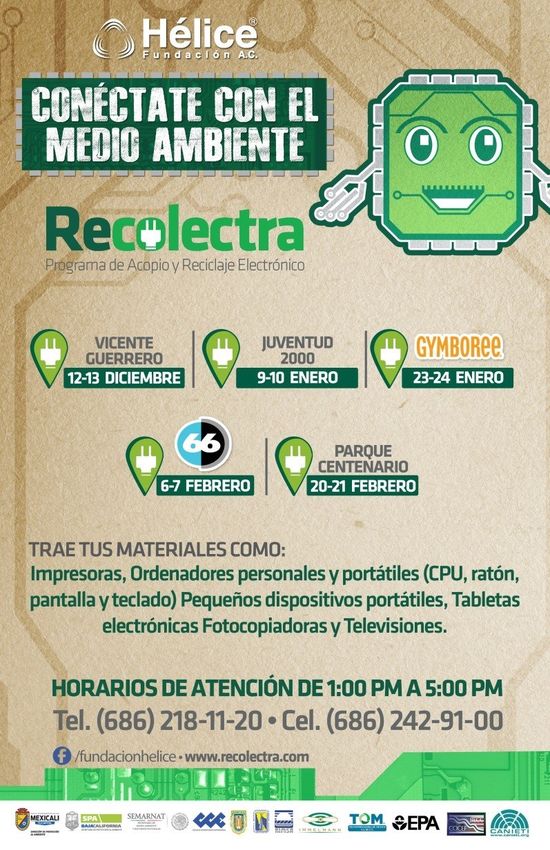
HIGHLIGHTS REPORT AUTUMN 2016                                                                                                                                 PAGE 6

  Border 2020 supports effort to inventory and address air emissions in
  Nogales.
                                                   tors for each measure. The                                      The inventory con-       Nogales and emissions of
                                                   measures, goals, and indica-                           sidered the sources of emis-      ammonia (NH3) were found
                                                   tors were developed by a                               sions including PM 10             to come from livestock.
                                                   “Core Committee” of envi-                              (inhalable particles, with        Nogales, Sonora, a city of
                                                   ronmental, planning, and                               diameters that are 10 mi-         250,000 inhabitants is di-
                                                   development professionals                              crometers and smaller) and        rectly across the border
                                                   representing Mexican local,                            PM2.5 (fine inhalable parti-      from Nogales, Arizona. Alt-
                                                   state, and federal govern-                             cles, with diameters that are     hough Nogales, Arizona, is
                                                   ment as well as the academ-                            2.5 micrometers and small-        in non-attainment with the
                                                   ic sector. Architect David                             er). The inventory showed         health-based national ambi-
                                                   Cuauhtémoc Galindo Del-                                that in Nogales 87 percent        ent air quality standards for
                                                   gado, Mayor of Nogales,                                of PM10 emissions and over        PM10, the State has demon-
                                                   leads the Committee. The                               half of the PM2.5 emissions       strated that it would be in
                                                   PROAIRE document was                                   were from paved and un-           attainment “but for” emis-
Mayor David Cuauhtémoc Galindo Delgado discusses
                                                   developed with the guidance                            paved roads, and almost half      sions from Nogales, Sonora.
Border 2020 PROAIRE project.                       of the Core Committee by a                             of the PM2.5 emissions were
                                                   Border 2020 Program grant-                             from wildfires. Wildfires
             With the support of                   ee who had previously de-                              were also found to be the
    the U.S. Environmental                         veloped an emissions inven-                            principal cause of sulfur
    Protection Agency and the                      tory of Nogales with sup-                              dioxide (SO2) emissions.
    Border Environmental Co-                       port of the Border 2020                                Emission of carbon monox-
    operation Commission                           Program, which helped to                               ide (CO) and nitrogen ox-
    through a Border 2020 Pro-                     inform the focuses of the                              ides (NOx) were attributed
    gram grant, the city of                        PROAIRE program.                                       to motor vehicles in
    Nogales, Sonora, developed
    in August 2016 its
    PROAIRE, a strategy to
    reduce air pollution based
    on a detailed analysis of lo-
    cal emissions sources, mete-
    orology, air quality, potential
    pollution controls, and oth-
    er considerations. The
    PROAIRE program recom-
    mends thirteen planned
    measures including
    strengthening regulations
    for commercial establish-
    ments, reducing dust from
    paved and unpaved roads,
    implementing a vehicle
    emissions testing program,
    strengthening the ambient
    air quality monitoring sys-
    tem, and developing an en-
    vironmental education pro-
    gram. The PROAIRE also
                                                       Aspects of the work during the vehicular activity identification stage in Nogales.
    establishes goals and indica-
PAGE 7                                                                                          HIGHLIGHTS REPORT AUTUMN 2016

Improving air quality monitoring in Ojinaga.
         The municipality of      by its acronym in Spanish)
Ojinaga, Chihuahua, re-           in Chihuahua conducted the
ceived a grant for approxi-       training. Technical opera-
mately $14,327 USD to help        tors were trained in the im-
address improving air quali-      portance of monitoring
ty monitoring for PM10. The       PM10, as well as, given
funded project helped to          demonstrations and proper
establish and provide ade-        training for upkeep, mainte-
quate maintenance and cali-       nance and calibration of the
bration of existing air quality   monitors.
monitoring equipment the
city owned and established a               T hr ou g h th es e
mechanism for informing           trainings, city staff were able
the public of the adverse         to setup and establish a rig-
health impacts from expo-         orous calibration schedule
sure to PM10.                     as follows: 1) upon installa-
                                  tion; 2) after performing
         The grant helped to      maintenance to the vacuum;
fund the replacements parts       3) once every three months
and maintenance needed for        and; 4) after 360 hours after
three PM10 monitors. Addi-        sampling. The project also
tionally, three training          helped city staff develop a
events were conducted for         communication plan to in-
air quality technicians from      form the 26,000 inhabitants
Ojinaga. Staff from the De-       of Ojinaga of instances
partment of Renewable En-         when PM is above regulato-
ergy and Environmental            ry standards.
Protection that is part of the                                       The training events provided by staff from CIMAV.
Center for Advanced Mate-
rials Investigation (CIMAV,

Prioritizing emissions mitigation strategies at the Mariposa Port-of-
Entry.
         Millions of vehicles     mental and health challeng-       Nogales, Sonora, and                                 tablish a simulation model
cross between Mexico and          es to the air quality in the      Nogales, Arizona, and mod-                           in VISSIM 7.0, a microscop-
the United States each year       vicinity of the ports, oppor-     eled the effects of potential                        ic multi-modal traffic flow
and long queues of idling         tunities exist to reduce these    emission reduction strate-                           simulation software pack-
vehicles are a common sight       emissions, in the short-term,     gies.                                                age. The results from VIS-
at ports-of-entry (POEs). In      mid-term, and long-term.                                                               SIM are input to MOVES
2014, the 25 land border          Under a Border 2020 Pro-                   The researchers                             (Motor Vehicle Emission
crossings from Mexico into        gram grant sponsored by           used historical information                          Simulator), a state-of-the-art
the U.S. processed 5.4 mil-       the USEPA and the Border          from the U.S. Bureau of                              emission modeling software
lion heavy-duty vehicles          Environment Cooperation           Transportation Statistics as                         developed by USEPA, to
(HDVs), 2.1 million buses         Commission, researchers at        well as field data (including                        analyze emissions. The
and 6.96 million light duty       Arizona State University          volume, service time and                             study considered emissions
vehicles (LDVs). While the        assessed emissions from           speed distributions) ob-                             of Nitrogen Oxides (NOx),
volume of traffic at POEs         northbound vehicles at the        tained from a two-day data                           Particulate Matter less than
presents significant environ-     Mariposa POE between              collection at the port to es-                        2.5 microns (PM2.5), Sulfur
HIGHLIGHTS REPORT AUTUMN 2016 PAGE 8
Dioxide (SO 2), Carbon Increases in traffic vehicle FAST1 from the current reduction for CO; and a
Monoxide (CO), and Non- volumes result in non- baseline of 10% up to 15 percent reduction for
Methane Hydrocarbons linear increases in waiting 20%, results in emissions GHGs and SO2.
(NMHC), as well as green- times and all emissions savings between 4-11
house gas emissions analyzed. Doubling traffic percent across pollutants. If all LDVs were
(GHG). volumes would be ex- switched to electric vehi-
pected to result in in- Sulfur in fuel can impede cles (EVs) and all HDVs
The researchers creased emissions be- the efficiency of emission were switched to com-
assessed various short and tween 2 times to nearly 4 control devices for other pressed natural gas
long-term steps to mitigate times. pollutants. In the fuel (CNG), emissions could
future emission increases at sensitivity analysis, using be reduced 93-99 percent
the Mariposa POE. As ex- Opening all primary in- higher sulfur fuel increas- across all pollutants at the
pected, quantities of emis- spection lanes results in a es non-sulfur emissions POE.
sions at the Mariposa POE 13 percent reduction in by 55% for LDV and up
were found to vary based on emissions for PM2.5, to 20% for HDV.
the traffic volume, wait NOx, and NMHC and an
time, vehicle types, fuel approximately 30 percent Updating HDV and LDV
types, vehicle age and the reduction in GHGs, SO2, to latest models results in
pollutant being considered. and CO. 95 percent reduction for
Key findings included: PM 2.5, NO x, and
Expanding enrollment in NMHC; an 81 percent
Example of the data found by the study: Emission Changes from Increased Vehicle Volumes.
1The Free and Secure Trade (FAST) program is a Federal U.S. commercial clearance program for known low-risk shipments entering the United States from Canada and
Mexico that allows expedited processing for commercial carriers who have completed background checks and fulfill certain eligibility requirements.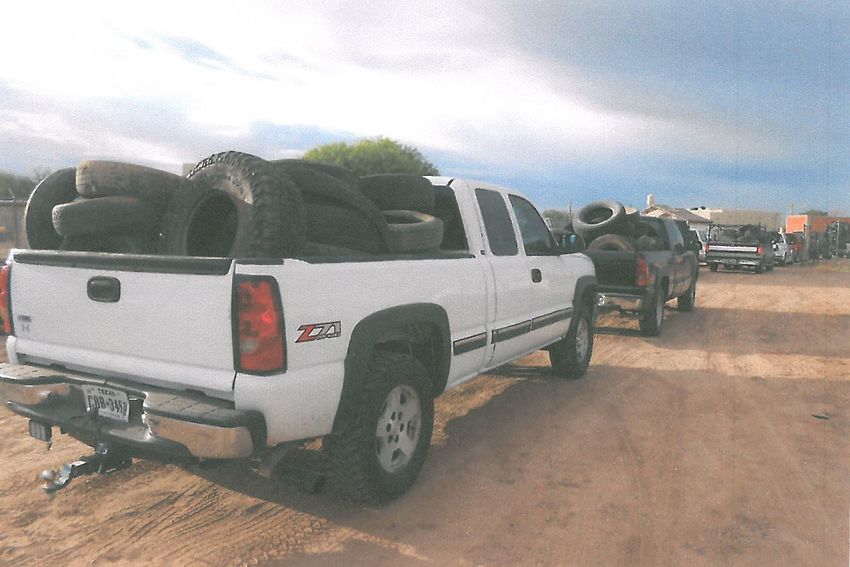
PAGE 9                                                                                                        HIGHLIGHTS REPORT AUTUMN 2016

New Mexico-Chihuahua border study on air quality.
         The State of Chi-                      using inexpensive rain gaug-                PM to be generated from
huahua Department of                            es and 4) inventorying geo-                 wind erosion and also taking
Health in coordination with                     spatial data layers that are                into account tail pipe emis-
the Autonomous University                       useful for calculating pollu-               sions from the vehicle en-
of Ciudad Juárez (UACJ, by                      tant emissions inventories.                 gines.
its acronym in Spanish) was                     In addition, since there is no
awarded a Border 2020 Pro-                      air monitoring in Palomas,                           Based on the results
gram grant of $28,725 USD                       Chihuahua, a smaller study                  of this study, particulate
to conduct a study that                         was conducted there to look                 matter exposures from un-
looked at getting a better                      at estimating PM10 emis-                    paved roads remain a health
understanding of the causes                     sions from vehicles traveling               concern in the study area
and sources of particulate                      on the unpaved roads.                       with further studies needed
matter (PM) in air pollution                                                                to evaluate other factors
in the Paso del Norte region                              The project spon-                 that may be contributing to
that impact public health.                      sors found that PM during                   PM emissions. There is a
The grant helped support a                      natural dust storms were                    need to continue support
portion of a much larger                        associated to low soil mois-                work to quantify wind ero-
project funded by the New                       ture, fine sand soil texture,               sion from disturbed and
Mexico Department of                            and unpaved roads. The                      undisturbed vacant lands
Health, Office of Border                        experiment revealed that the                across the region, as well as,
Health, that funded the pro-                    PM concentrations were                      to quantify the dust flux
ject from 2010-2013.                            more heavily affected by                    across areas in the Chihua-
                                                vehicle speeds on unpaved                   huan Desert, as very little
         The project looked                     roads as opposed to variant                 research in this area has
at: 1) measuring PM con-                        wind speeds. The project                    been done. Finally, since
centrations from unpaved                        portion that took place in                  there are very few precipita-
road dust at several loca-                      Palomas estimated that po-                  tion measurements in Chi-
tions in Juárez, Chihuahua,                     tentially 268 tons of PM10 is               huahua and they are im-          Instruments used to measure PM from dust
                                                                                                                             storms, and for experiments in unpaved roads.
2) collecting dust samples                      generated per year from                     portant for assessing and
during spring dust storm                        vehicles traveling on the                   predicting drought and dust,
events in Juárez, 3) evaluat-                   unpaved roads there, how-                   it is recommended that
ing a precipitation predic-                     ever, there is still the poten-             more observing locations be
tion model along the border                     tial for additional tons of                 started.

 Sampling points at the communities of Ramón Rayón, Gómez Morin and Las Torres in Juárez.
HIGHLIGHTS REPORT AUTUMN 2016                                                                                                                                 PAGE 10

GOAL 2: IMPROVE ACCESS TO CLEAN AND SAFE WATER
Management of fat, oil and grease in Nuevo Laredo.
                                                                       COMAPA no-         collection centers to proper-    portance of proper disposal
                                                                       ticed that the     ly handle the collection of      of waste grease and/or oil in
                                                                       municipal drain-   these from businesses and        order to prevent blockages
                                                                       age system con-    alleviate issues associated      in the drainage infrastruc-
                                                                       tinually had ob-   with excessive grease and        ture. Local businesses were
                                                                       structions from    oils in the wastewater drain-    educated on the proper dis-
                                                                       the presence of    age system.                      posal of grease and oil
                                                                       animal fat or                                       through a number of work-
Participants at one of the training workshops held in Nuevo Laredo.    vegetable oils.             The project spon-       shops held throughout the
                                                                       The grant helped   sors were able to achieve        city. At the end of the pro-
                  A Border 2020 Pro- to address the needs of edu-                         their goals through meetings     ject, 449 local businesses (3
  gram grant of $32,533 USD cating local businesses with:                                 with the local university,       persons per business) were
  was awarded to the Munici- state and local laws regard-                                 Technological University         provided with the necessary
  pal Commission of Potable ing wastewater; education                                     (UT, by its acronym in           tools to establish procedures
  Water and Sewer of the City on the proper pre-treatment                                 Spanish), through conduct-       for proper disposal, as well
  of           N u e v o L a r e d o equipment needed at their                            ing training and implement-      as, strengthening the com-
  (COMAPA, by its acronym business to deal with used                                      ing the appropriate infra-       munication with its employ-
  in Spanish) to help address oil/grease; and provide al-                                 structure for the grease         ees on the regulations and
  the issues of fats and oils in ternative solutions to the                               traps. Information was pre-      procedures. In addition, 13
  there sewage system.                                      disposal of such waste. An-   sented to the public via tele-   businesses installed the oil
                                                            other goal was to help es-    vision, newsprint, radio and     and grease traps for their
                  The technicians at tablish used oil and grease                          social media on the im-          business.

Urban keyhole gardens rainwater-harvesting techniques.
           The El Paso Water                  especially for children. The                vegetables were completed        provided public education
 Utilities received a Border                  project scope entailed estab-               by children attending sum-       regarding composting pro-
 2020 Program grant of ap-                    lishing two permanent key-                  mer camp activities. A total     cesses that would alleviate
 proximately $6,000 USD to                    hole gardens and a 1,600 sq.                of 20 trees were planted,        landfill waste. The gardens
 help demonstrate that urban                  ft. fruit orchard site. In addi-            along with vegetables that       remain open to the public
 landscapes can incorporate                   tion to the establishment of                included: winter crops such      during events for children
 small-scale intensive grow-                  the gardens, the project fo-                as broccoli, Chinese cab-        and workshops for the pub-
 ing beds to grow a variety of                cused on public outreach                    bage, celery, kale and regular   lic. A total of 14 workshops,
 plants utilizing rainfall or                 workshops and training                      cabbage; and summer crops        training and education ses-
 runoff, supplemented by                      workshops, as well as, edu-                 that included cherry toma-       sions were held to reach
 very little irrigation. The                  cation sessions with stu-                   toes, basil, string beans, cu-   over 956 community mem-
 project is part of a larger                  dents from the community.                   cumbers, sugar snaps and         bers.
 effort of the El Paso Water                                                              melons. The education and
 Utilities thru the “The Ur-                           The initial stages of              community outreach came
 ban Keyhole Gardens” of                      the project including prepa-                in the form of school and
 the Tech H2O Water Re-                       ration of the site that includ-             community group field trips
 sources Learning Center.                     ed fencing the area of use,                 and a few demonstrations
 The project helped show-                     clearing debris and weeds,                  that were open to the pub-
 case to the public that by                   followed by the installation                lic.
 incorporating simple and                     of a drip irrigation system                          The project demon-
 efficient techniques, they                   with water meters. The sec-                 strated that rainwater-
 themselves can create a mul-                 ond step initiated the con-                 harvesting techniques ulti-
 tipurpose garden at home as                  struction of the keyhole gar-               mately help conserve water
 a source of vegetables and                   den structures. Thereafter,                 in the border region of El       One of the keyhole gardens constructed.
 fruits to improve nutrition,                 the planting of fruits and                  Paso-Ciudad Juarez. It also
PAGE 11 HIGHLIGHTS REPORT AUTUMN 2016
Border 2020 Program supports the restoration of the Tijuana River.
system of the river along be found in this link; and
with the recovery of natural
spaces for recreation and Outreach activities, in-
environmental education of cluding participation in
the community. The project Tijuana’s 2015 Environ-
included: mental Fair, a photo-
graphic exhibition, and a
Inventorying the birds volunteer trash cleanup
and seasonal vegetation day.
(35 different species of
birds were identified); It is important to
highlight that an agreement
Removal of 238 tons of between Pronatura Noroeste
garbage, debris, sediment and the National Water
and invasive vegetation; Commission of Mexico was
The Tijuana River with the Abelardo L. Rodríguez dam in the background.
reached, which will allow
The reforestation with the protection and conser-
The region of the in the United States its main 106 willow tree cuttings; vation of this area of the
Tijuana River basin is inter- tributary is the Cottonwood Tijuana River for 30 years.
nationally recognized for its Creek system. Through the Hydrological modeling
diversity and as the habitat city of Tijuana, the river and design of hydrologi- In collaboration
for important groups of runs in a concrete channel cal modifications that will with the Border 2020 Pro-
endemic flora and fauna. to the border. allow river flows to infil- gram, the Municipality of
This basin covers 4,430 trate into an aquifer while Tijuana, Baja California’s
km2, with two thirds of it With the support of not flooding nearby State Government and Fed-
located in Mexico and a the Border 2020 Program, structures; eral Government of Mexico,
third part in the USA. The Pronatura Noroeste (a non- Pronatura Noroeste is planning
Tijuana River has a length profit organization based in An agreement from the the second stage of this pro-
of 195 km, starting south of the city of Ensenada, Baja State and Federal Water ject for the recovery and
Tijuana, Baja California, California) worked on a pro- Commissions of Mexico conservation of the Tijuana
with its estuary in southern ject designed to restore a 3 to dedicate 30% of the River ecosystem.
California a few kilometers km stretch of the Tijuana treated effluent of the
from the Mexico-US border. River in the area down- nearby wastewater treat-
Its main tributaries in Mexi- stream of the Albelardo L. ment plants for river res-
co are the Alamar River and Rodríguez dam, the only sec- toration;
the river system Las Palmas tion of the river not chan-
(this river system feeds the nelized with concrete. The Two educational videos
water reservoir of the Abe- project included the regen- about the river that can
lardo L. Rodríguez dam) while eration of the riparian eco-
A section of the Tijuana River basin before the start of the work and another section after the restoration activities. Planting the willow tree cuttings.HIGHLIGHTS REPORT AUTUMN 2016 PAGE 12
Conservation of the Arroyo Las Vacas in Acuña.
The Border 2020 fauna indigenous to the ar- with approximately 31 of
Program awarded a grant of ea. Clean-up and reforesta- them identified on the Pro-
$44,200 USD to the Secre- tion events aimed at conser- tected Species list under
tariat of Environmental for vation were conducted by Mexican Law (NOM-059-
the State of Coahuila binational universities and SEMARNAT-2010 law).
(SEMA, by its acronym in businesses. Additionally, The project encouraged the
Spanish) towards the con- outreach was conducted participation of utilizing
servation of the Arroyo Las towards the community to university students to con-
Vacas (River Las Vacas) in increase consciousness of duct some of the surveys
the municipality of Acuña, the preservation of the river and sampling of the river.
Coahuila. The project pro- and its potential for recrea- Results of the diagnostics
posed to design and imple- tional uses. survey of the river were pre-
ment actions to improve sented at a workshop at-
water quality and support a Overall the project tended by 35 participants
suitable habitat for the local accomplishments included: representing 14 different
plants and wildlife by bring- 1) the establishment of a institutions. In addition, One of the posters of the public campaign to promote the
ing together educational binational working group during the project 35 conservation of the River Las Vacas.
institutions and business comprised of United States wastewater discharges into
associations to work togeth- and Mexico Federal, State, the river were documented
er. Partners included the local governments as well as and through the identifica-
Technological Institute of academic institutions; 2) tion of 14 illegal activities
Acuña City (ITSA, by its diagnostic survey of the riv- along the river, 3 enforce-
acronym in Spanish), Mu- er; and 3) implementation of ment actions against indus-
nicipality of Acuña, the Uni- five binational conservation try took place. The project
versity of Texas at Austin, programs that included wa- included a river clean-up
EPA’s National Risk Man- ter quality monitoring, in- event with the reforestation
agement Research Labora- ventory of flora and fauna, of over 225 native trees.
tory (NRMRL), the Texas identification of point Next steps include the es-
Commission on Environ- sources of contamination, tablishment of a more per-
mental Quality and BECC. enforcement and reforesta- manent working group that
tion. will continue to do clean-up
The objectives of and conservations efforts of
the project included docu- Through the pro- the river.
menting the broader ecosys- ject over 441 species of flora
Participants of the reforestation event.
tem of the river’s flora and and fauna were registered,
One section of the River Las Vacas before and after the clean-up event.PAGE 13 HIGHLIGHTS REPORT AUTUMN 2016
Border 2020 Program supports development of a sediment model for
Tijuana watershed sub-basin.
sioners of the International cant sources of sediment
Boundary and Water Com- along with gully for-
mission (IBWC) signed this mation and channel ero-
“Minute”, which is an ad- sion;
dendum to the 1944 Colora-
do River Water Treaty be- Estimated the watershed-
tween U.S. and Mexico, in scale impact of different
September of 2015. management actions
(such as paving all roads);
San Diego State
University researchers from Identified key locations
the Department of Geogra- that would be ideal tar-
Dr. Trent Biggs from SDSU and Napoleon Gudiño of CICESE measure channel phy and the Ensenada Cen- gets for implementation
erosion.
ter for Scientific Research of best management prac-
and Higher Education tices;
D u r i n g s t o r m sected by a freeway or rail- (CICESE, by its acronym in
events in Tijuana large gul- road. Considered a wetland Spanish), with assistance Provided hydrographs to
lies form in unpaved roads of international importance from scientists from University of California at
of the city which make them by the United Nations, it USDA’s Agricultural Re- Irvine for their 2-D flood
impassable, access to trash provides habitat to nearly search Service, the USEPA model; and
collection and emergency 400 species of birds. The Office of Research and De-
services unreliable and River and Estuary are listed velopment and USEPA Re- Informed government
buildings susceptible to col- by the State of California as gion 9 Office developed a officials in Mexico and
lapse. These gullies also pro- “impaired” due to sediment sophisticated model that the U.S. of findings via
duce massive sediment and trash under 303(d) of couples a hillslope runoff numerous workshops.
loads that feed into the Ti- the Clean Water Act. How- and sediment production
juana River Estuary, located ever, because most of the model (Agricultural Non- Results from the
just north of the border. sediment comes from Mexi- Point Source Pollution model suggest that paving
The U.S. spends approxi- co, the State of California Model or “AGNPS”) with a all the roads in the sub-
mately $3M annually to re- cannot address the pollution channel routing and erosion basin could reduce sediment
move trash-laden sediment through a regulatory ap- model (Conservational loads across the border by
from the Tijuana River Val- proach and State officials Channel Evolution and Pol- 40%. Widespread road-
ley and Estuary. Efforts to have frequently reached out lutant Transport System or paving, however, in Los
control sediment and trash to the U.S. Government for “CONCEPTS”). With the Laureles (aka, “Goat Can-
inflow into the estuary often help. As a result of these coupled model and field yon”) is unlikely in the near
prove inadequate, resulting requests, the reduction of observations, including aeri- future due to the high cost.
in destruction of wetlands, sediment and trash into the al images taken from a Furthermore, road-paving
flooding throughout the Tijuana Estuary was identi- drone, the research has: with impervious asphalt or
Tijuana River Valley, and fied as a top priority in the concrete will increase peak
hydrologic conversion of Border 2020 Program. Fur- I d e n t i f i e d e r o s i o n flows in the transboundary
saltwater to freshwater thermore, the recently hotspots in the sub-basin, river by 20%, resulting in a
marsh. adopted U.S. Mexico Treaty including soil types that greater increase in flooding
Minute 320 aims specifically are vulnerable to erosion potential on both sides of
The Tijuana Na- to reduce sediment and and gullying; the border. The complete
tional Estuarine Research trash in the Tijuana River findings will be published in
Reserve (TRNERR) is the Watershed through bi- Established that sheet 2017.
last coastal wetlands in national collaboration. The and rill erosion on vacant
southern California not bi- U.S. and Mexican Commis- lots and roads are signifi-HIGHLIGHTS REPORT AUTUMN 2016 PAGE 14
United States-México Border Water Infrastructure Program.
The U.S.-Mexico Removal of other contami- been hauling water from the to more than 800 border
Border Water Infrastructure nants, such as suspended city of Presidio, Texas, for homes and wastewater col-
(BWIP) Program funds the solids, toxic ammonia, nutri- their basic water needs so lection and treatment ser-
planning, design, and con- ents and pathogens, has the city has applied for vices to more than 44,000
struction of high priority improved water quality at BWIP funding to extend homes. Since 2003, the
water and wastewater infra- beaches and in rivers water services to Colonia BWIP has provided first-
structure for underserved throughout the border re- Las Pampas. BWIP efforts time access to safe drinking
border communities. The gion. included a water use audit, water to approximately
Program protects public which showed the city was 65,600 homes and first-time
health and the environment Many residents of facing high levels of water access to wastewater collec-
by funding essential drink- small, economically dis- loss, failing infrastructure tion and treatment services
ing water and wastewater tressed communities along and low billing rates requir- to more than 626,000
projects that otherwise the U.S.-Mexico border ing supplemental funding. homes.
would be financially unfeasi- have inadequate or no ac- BWIP is assisting Presidio
ble for these communities, cess to basic drinking water with the planning and de-
eliminating untreated sew- and sanitation. These com- sign of critical rehabilitation
age discharges and improv- munities often lack the re- of the existing system and
ing the quality of surface sources to plan and secure expansion of water lines to
and groundwater essential construction funding of bring safe drinking water to
to the border area. The critically needed infrastruc- approximately 30 homes in
BWIP is the only federal ture. The BWIP provides Colonia Las Pampas. Once
program that can fund infra- financial and technical assis- planning and design is com-
structure projects on both tance so these communities plete, Presidio will be able
sides of the border and one can afford access to safe to apply for construction
of the few federal programs drinking water and funding, which is estimated
that provides technical assis- wastewater infrastructure, at $870,000 USD.
tance for planning and de- reducing disproportionate
sign of drinking water and public health risks and envi- The BWIP is an
sanitation projects. ronmental impact from raw integral component of the
sewage discharges. BWIP Border 2020 Program; in
In the border re- technical assistance provides 2015 provided first time
gion, close proximity and hands-on management and access to safe drinking water
significant intermingling of technical oversight for plan-
populations poses a serious ning, engineering, environ-
risk of disease exposure and mental review and design
transmission as a result of becoming a critical bridge
unsafe drinking water and between proposed projects
inadequate sanitation. The and their construction.
BWIP helps reduce the po-
tential for cross border dis- Case Study/example
ease exposure protecting the
environment and public Colonia Las Pam-
health. BWIP projects have pas is an economically dis-
reduced discharges of or- tressed community of ap-
ganic waste by more than proximately 6,500 residents
143 million pounds per year with no access to viable wa-
into transboundary surface ter supply sources and for
waters and groundwater. years, its residents have
A resident of the colony Las Pampas receives drinking water from a pipe truck.PAGE 15 HIGHLIGHTS REPORT AUTUMN 2016
GOAL 3: PROMOTE MATERIALS AND WASTE MANAGEMENT
AND CLEAN SITES
Waste generation diagnostic for the Northeast Border Region.
The Secretary of ducting a seven-day study in The seven munici- output and type. The largest
Sustainable Development of 204 homes in Sabinas Hidal- palities modeled were Ana- reported waste across all
the State of Nuevo León go, Nuevo Leon, within huac, Bustamante, China, Lam- three socioeconomic groups
was the recipient of a grant three socioeconomic groups pazos de Naranjo, General Bra- was the ‘organic and other’
in the amount of $21,798 (high, low, and very low) vo, General Terán and Sabinas category accounting for
USD for the purpose of according to Mexican stand- Hidalgo. The waste was clas- 57% of total waste, with
developing a diagnostic pre- ards. The study aided in sified into seven different plastic coming in as the sec-
diction model of generated creating a dataset to help materials in order to make ond most produced waste at
solid waste in the Northeast understand the generation accurate percentages of 17.5% (see graph for full
region utilizing sampling of urban waste. A prediction household waste within the percentages). The final out-
from one of the communi- model for municipal solid categories of plastic, glass, come of the project helped
ties in order to better under- waste generation was devel- paper, cardboard, alumi- to create a management plan
stand the waste generation oped and its data reliability num, metal, organic and focused on plastics and their
in the region and help devel- was tested based on the mu- others. utilization. Lastly, a program
op stronger solid waste nicipality under study. The guide for integrated waste
management plans. data was also used for verifi- Once the model management was developed.
cation purposes of the pre- was tested, a projection of
The 12-month long diction model based on the the next ten years was creat-
project consisted of con- socioeconomic variables. ed with respect to waste
AVERAGE PERCENTAGE BY
TYPE OF WASTE
Aluminum Glass Plastic Paperboard Organic Paper Metal OthersHIGHLIGHTS REPORT AUTUMN 2016 PAGE 16
Building capacity to safely and efficiently manage electronic waste in
Mexicali.
about these concerns and can appropriately manage
promote the use of certified them.
recyclers and best manage-
ment practices. Implement neighborhood
e-waste collection events
Under the Border 2020 Pro- to facilitate the appropri-
gram, Fundación Hélice A.C. ate disposition of discard-
implemented a project in ed electronics.
the city of Mexicali to
achieve the following objec- Fundación Hélice A.C. com-
tives: pleted two workshops with
59 persons from recycling
Train regional electronic enterprises, electronic gen-
recyclers on international erators, university institu-
certifications offered by tions, environmental con-
R2 and e-Stewards, with sultants, and state and local
the overall goal to in- government agencies. Over
crease adoption of best a period of five months,
practices and ultimately they reached 100 thousand
increase the number of people not only in the city
certified electronic recy- of Mexicali, but also in the
clers. city of Calexico, California.
Increase public aware- Finally, through the e-waste
ness about worker safety collection RECOLECTRA
and public and environ- campaign, they collected 21
mental risks of e-waste tons of discarded electronics
through a local communi- that was processed by two
cation campaign, recycling enterprises, recov-
RECOLECTRA, includ- ering valuable plastic, print-
Poster for the public campaign Recolectra.
ing public schools in ed circuits, precious metals,
Mexicali about e-waste and other materials for re-
The city of Mexicali, Baja known as e-waste, often issues and importance of use.
California, is one of the stra- accumulate in homes and diverting e-waste from
tegic points for the com- ultimately is discarded into landfills to recyclers who
mercial exchange between landfills or worse, illegally
México and the United dumped. Furthermore, the
States. Similarly, Mexicali is informal sector markets,
amongst the Mexican bor- often take the most valuable
der cities with the largest components, such as metal
number of Maquiladora in- circuit boards, under unsafe
dustries. These two charac- conditions. To address
teristics contribute to the worker safety and public
region having both im- health and environmental
portant quantities of new risks associated with e-
electronics purchased and waste, the Border 2020 Pro-
electronic discarded. Elec- gram has supported efforts
tronic discards, otherwise to build public awareness
One of the workshops for recycling enterprises and electronic generators.PAGE 17 HIGHLIGHTS REPORT AUTUMN 2016
Bio solids recycling agriculture at Juárez valley.
The Autonomous to adopt using the
University of Ciudad Juárez wastewater plant’s biosolids
(UACJ, by its acronym in into their agricultural fields,
Spanish) received a Border in particular using the appli-
2020 Program grant for cation of bio-solids for cot-
$44,850 USD to conduct ton or sorghum during the
research pertaining to bio- summer months and wheat
solid recycling in agricultural
or oats during the winter
A wheat field in San Isidro, Juárez,. On the left, the control field where traditional fertilizers were used.
soils in the Juarez Valley inmonths. Another objective At the right, the field fertilized with biosolids.
Chihuahua. Currently, the was to organize a demon-
two main wastewater treat- stration camp for agricultur- waste can be used as an or- fields; 2) a registry was de-
ment plants in Ciudad Juá- ists and technicians regard- ganic form of fertilizer for veloped of new participants
rez produce on average ing proper applications of the Juárez Valley. Approxi- and their land parcels that
91m3 annually of sewage the bio-solids in agricultural mately 25 thousand cubic would implement the use of
and 105,000m3 of biosolids. field. The project looked at meters of biosolids were bio-solids in their fields; and
The final disposal of the creating a Committee on utilized during the project; 3) the creation of the CUB
sewage sludge is the munici- Bio-solids Utilization (CUB, demonstrated on 100 hec- committee, which will con-
pal landfill, just south of the
by its acronym in Spanish) tares in 2015 and 500 hec- tinue to communicate the
city. to create a group that would tares in 2016. effectiveness of biosolids in
help oversee and ensure the agriculture to stakeholders
The project objec- availability and proper use Several important through several avenues of
tives included the develop- of biosolids. steps resulted from the communication.
ment of a program that study: 1) volunteers found a
would encourage agriculture The project helped link between residual waters
farmers in the Juárez Valley prove that the biosolid and biosolid delivery to the
Tire amnesty collection events in El Paso County.
Illegal dumping of open desert, irrigation ca- tos are Malaria, Chikungu- debris, protect groundwater,
scrap tires in El Paso has nals, drainage system and nya, Dog Heartworm, Den- reduce crossing of tires to
long been a problem, as it is vacant properties. These gue, Yellow Fever, Eastern Mexico for resale, and most
along various regions along illegal scrap tire piles often Equine Encephalitis, St. importantly to prevent the
the U.S.-Mexico Border. create the perfect breeding Louis Encephalitis, La- spread of diseases. The two
Often rogue tire transport- grounds for rodents and Crosse Encephalitis, West- events were held on April
ers bypass the legal and reg- mosquitos that pose the ern Equine Encephalitis, 12, 2014 and April 26, 2014
ulated process of properly threat of several mosquito- West Nile Virus and Zika in Canutillo, Texas. The
disposing scrap tires and borne illnesses. Some of the Virus. events were widely promot-
choose to dump them in the illnesses related to mosqui- ed with flyers and press re-
The El Paso Coun- leases in print, including
ty Water Improvement Dis- newspapers. Approximately
trict No.1 (EPCWID1) re- 12,000 scrap tires were col-
ceived a Border 2020 Pro- lected and sent for proper
gram grant for $15,000 USD disposal and recycling by a
to fund tire amnesty collec- certified hauler. The
tion events in El Paso EPCWID1 hopes to hold
County, Texas. The project more events as needed, for
sponsored two events for example, when illegal dump-
free tire drop offs in order ing becomes noticeable,
to deter illegal dumping. and/or possibly turning into
The objective of the project an annual event.
Community members dropping off their scrap tires for proper disposal and recycling. helped to clear unsightlyHIGHLIGHTS REPORT AUTUMN 2016 PAGE 18
Tools to help Arizona border communities reclaim resources.
The illegal dumping “Tools to Help Arizona holding e-waste collection gram. The E-waste Recy-
of electronics results in the Border Communities Re- events, using the toolkit cling Events Toolkit was
release of toxic chemicals claim Resources” as well as to create a series of annu- used by six cities to imple-
into the air, soil, and water provide training to partici- al e-waste events; ment their own e-waste
as they deteriorate and pating communities on how event and for some of the
break down and can be ab- to utilize the toolkit to run a Promote use of certified cities this was their first ever
sorbed by the human body successful e-waste collection recyclers to safely and e-waste recycling event. A
through inhaling polluted event. efficiently recycle discard- total of 21 participants took
air, drinking contaminated ed electronics; and part in the E-waste Recy-
water or consuming food The projects prima- cling Events Toolkit train-
tainted from the chemicals ry objective was to reclaim Increase the number of e- ings and helped organize six
seeping into the soil. The valuable resources and re- waste events in the bor- e-waste events that collected
consumption of such chem- duce the electronics from der region. a total of 63,656 pounds of
icals can create several going to Arizona landfills or electronics.
health conditions including being illegally dumped. This Thru this project,
increased asthma, respirato- objective was accomplished ADEQ strengthened the
ry problems and potentially by the following activities: State e-waste recycling pro-
cancer. This potential haz-
ard has led to a statewide Develop and implement a
effort in Arizona to collect e web-based bilingual
-waste by encouraging the toolkit designed to pro-
communities to recycle re- vide municipalities with
sponsibly. certified e-waste recycler
contacts, marketing sup-
The Arizona De- plies, educational re-
partment of Environmental sources and best practices
Quality (ADEQ) was to run a successful e-
awarded a Border 2020 Pro- waste event;
gram grant to develop an e-
waste toolkit, referred to as Support communities in Electronics collected during one of the e-waste recycling events.
Ysleta del Sur Pueblo Community Collection Center.
The Ysleta Del Sur The project includ- tires. the project’s 18-month peri-
Pueblo (YDSP) Environ- ed 33 clean up and mitiga- od was the accumulation of
mental and Natural Re- tion activities that included: Additionally, 225 unrecyclable waste in the
sources Department tire amnesty, flood mitiga- homes in the District II recycle bins.
(ENRD) received a Border tion, recycling bin cleanups, Tribal residency received
2020 Program grant for e-waste collection and alu- recycling collection bins, Another challenge
$66,670 USD to help estab- minum can collections that with additional bins set out encountered during the pro-
lish a community collection are not normally offered in throughout the community, ject period was that as a
center for the Tigua com- the area. The ENRD had helping to increase partici- recycling commodity, the E-
munity. The project also several amnesty tire events pation of recycling. The waste market was very vola-
provided educational mate- in which residents were able project saw a successful e- tile such that instead of it
rials to the tribal community to turn in used tires without waste collection of over becoming a source of reve-
on the proper handling and having to pay a disposal fee 10,800 pounds and a collec- nue for the Tribe, became
disposal of hazardous waste charge. During the length of tion of 5,420 pounds of re- an expenditure.
products and appropriate the project, the ENRD was cycled material. The chal-
recycling practices. able to collect a total of 250 lenge encountered duringPAGE 19 HIGHLIGHTS REPORT AUTUMN 2016
Capacity building in the management of hazardous wastes in
Nogales.
of the potential environ- this project, 398,000 liters
mental impacts and proper (105,140 gallons) of used oil
management practices; and were collected properly.
Develop infrastructure to Similarly, over 100
facilitate collection of used people attended two training
motor oil from small quan- workshops that were held in
tity generators. the city of Nogales with par-
ticipants also receiving used
The before and after of one of the business that participated Through this grant, oil management manuals.
in the project. Nogales has been able to fur- Two collection centers, with-
ther train 80% of those used in waste management facili-
Improperly disposed infrastructure to collect small motor oil generators. The ties already in operation, were
used motor oil, considered a quantity generators’ motor oil project identified 134 estab- also established in the city
hazardous waste in Mexico, and facilitate its recycling. lishments whose activities through an agreement with
contributes to environmental This program included the involve the generation of the company Recicladora
contamination of our land following activities: waste oils and other substanc- Pedraza S.A. de C.V. to re-
and waterways. To address es such as antifreeze and duce operating costs. Finally,
the threats posed by misman- Train owners and manag- brake fluids. Of these, 107 with the aim of promoting
aged motor oil, the Border ers of small quantity gener- stores were integrated into best management practices of
2020 Program awarded a ators (micro-generators, the project (92%) and 57 hazardous waste and to estab-
grant to the Secretariat for less than 400 kg/yr) auto have already registered with lish a plan of sustainable inte-
Urban Development and shops on regulatory re- the SEMARNAT as small grated management of used
Ecology (SEDUE, by its ac- quirements and proper quantity generator and 45 oil, a public media campaign
ronym in Spanish) of management of used oil; were in some stage of the was launched along with de-
Nogales, Sonora to build ca- registration process. In the livering brochures.
pacity through training and Increase public awareness period of implementation of
Alamo Recycling Team Includes Everyone (ARTIE) Program.
The City of Alamo, lingual marketing materials, Conducted 5 community Storm Drain stenciling
Texas, was awarded a Border conduct community presenta- presentations with over conducted- utilizing city
2020 grant for $54,838 in tions, hold a recycling mascot 1,270 students in attend- storm water map book;
order to create a healthier, contest (358 proposals re- ance;
cleaner environment by en- ceived) and develop environ- City staff was able to see a
hancing the city’s solid waste mental partnerships within 5000 bi-lingual Recycling decrease in illegal dumping
and recycling programs, as the community. Dissemina- brochures developed by as much as 238 tons/
well as increase environmen- tion of information of the (Recycling, tire disposal & year with the installation of
tal stewardship within the education materials was not hazardous waste); the cameras; and
community. The project fo- only done by community
cused on creating a recycling presentations, but also utiliz- Enhanced solid waste sys- Established new Environ-
solid waste system improve- ing the City’s media outlets tems established: revolving mental partnerships: RDA
ments through a holistic ap- (social networks, local news- recycling trailer schedule for collection of electronic
proach. In conjunction with paper, TV station). The city determined and maintained waste and Captain D. Sa-
another grant that was award- was also able to purchase and for schools & winter Tex- linas Elementary for the
ed to the City from the Low- install 10 solar powered cam- ans resorts; Salinasville Minitropolis
er Rio Grande Valley Devel- eras that were placed in previ- Project.
opment Council, the city was ously identified top “dumping Community clean-ups con-
able to build capacity by hir- hotspots” throughout the ducted & one hazardous
ing additional environmental city. Overall, utilizing both waste collection event con-
staff, purchase equipment grants, the city of Alamo: ducted;
and supplies, provide bi-HIGHLIGHTS REPORT AUTUMN 2016 PAGE 20
Supporting Pharr efforts to maintain a clean community.
The city of Pharr, city continues to hold com- bring in their used tire waste common areas of policy
Texas was awarded two munity clean up incentive in order to deter illegal violation. A third outcome
Border 2020 Program grants programs to help accom- dumping, as well as, letting from this project was the
aimed to prevent illegal plish the goal of being one homeowners become aware implementation of “Adopt a
dumping and raise aware- of the cleanest cities in the of the citations they may landscape corner,” which
ness among the residents in Rio Grande Valley. face if they store more than allowed local businesses to
the city. The first grant for five tires at once in their “adopt” a street side area
$20,000 USD was awarded The second grant home. The city also imple- for beautification through
to a project to combat the of $20,000 USD awarded, mented a monthly volunteer landscaping. The project
illegal disposal of scrap tires. helped to increase outreach clean-up program from De- also funded a competition at
The grant was used to create and awareness surrounding cember 2014 through Sep- elementary schools that en-
an incentive program to illegal dumping and increase tember 2015 where resi- couraged recycling.
help curb illegal dumping by volunteer opportunities dents were able to help pick
holding a monthly tire col- through such efforts as -up trash collected on roads
lection event, for three community programs such or larger lots. During the
months, in which residents as Operation Clean Sweep. scrap tire collection events,
could collect as much as This project focused on over 4,413 scrap tires were
50₵ per tire. With the sup- developing a bilingual public collected. The City of Pharr
port of over 50 volunteers outreach campaign to help also had an informational
and city staff, 10.95 tons of combat illegal dumping and workshop on August 2014,
scrap tires were collected market the message in the in order to teach residents
and sent for recycling. The community “Keeping Pharr about: the current state rules
importance of cleaning up Beautiful…Starts at Home”. governing used and scrap
tire waste is a way to com- tires; the criminal laws that
bat potential mosquito- The city arranged to are available for use by local
borne breeding grounds that have clean up events that governments to control One of the three scrap tires collection events held
can lead to illnesses. The encouraged residents to scrap tire waste; and the at Pharr.
Promotoras-led environmental health education to children in Eagle Pass.
Southwest Border out to parents and care giv- Center. During this same Promotoras also arranged two
Area Health Education Cen- ers, school teachers and period, a total of 774 stu- separate cleaning campaign
ter (AHEC) was a recipient child care providers with the dents (aged 6 up to 11) from events along two miles of
of a $69,083 USD Border aim of improving environ- these participating schools the Elm Creek subdivision
2020 Program grant that led ments in and around the received education on in- in August 2015. A total of
to an 18-month information home, school and childcare door air quality, outdoor 78 (33-gallon) trash bags
campaign to improve chil- facilities. This region has (ambient) air quality, haz- was collected by volunteers
dren’s health through the higher than average inci- ardous materials, pesticide at the clean-up event.
aide of Promotoras dences of asthmatic symp- use and management, and
(community health workers) toms in children than the waste management. In addi-
who provided environmen- national average. tion, students at a daycare
tal health information to center received a presenta-
young children and commu- Several trainings tion on lead. Pre and post
nity members on asthma, between March and May of assessments of residents
exposures to lead, pesticide 2015 were held for 73 teach- showed an improvement in
and mercury. ers and support staff from knowledge, with some actu-
Seco Mines Elementary, ally testing their homes for
T h e P ro m o to r as Pete Gallego Elementary certain environmental
model was used for reaching and Seco Mines Headstart chemicals such as lead. TheYou can also read


