HOME DESIGN GUIDELINES - Version 3 - AVJennings
←
→
Page content transcription
If your browser does not render page correctly, please read the page content below

HOME DESIGN GUIDELINES

Version 3

Contents
1.0 Riverton Home Design Guidelines                                                             2    6.0 Fencing and Gates                                                                                14     11.1 Design and Planning Considerations.............................. 22

2.0 Why have Design Guidelines?                                                                 3    6.1 Secondary street frontage fencing................................... 15                                 11.2 Retaining walls....................................................................... 23
                                                                                                                                                                                                                 11.3 Native Planting...................................................................... 24
2.1 Design Approval Process.........................................................4                7.0 Other Elements of Your Home                                                                      16
2.2 Non-Conforming Designs......................................................4
                                                                                                     7.1 Letterboxes................................................................................. 16         12.0 Services at Riverton                                                                       25
2.3 Obtaining Design Approval...................................................5
                                                                                                     7.2 Garages..................................................................................... 16         13.0 Construction Guidelines                                                                    25
2.4 Approval Advice.........................................................................5
                                                                                                     7.3 Entry doors................................................................................ 16          13.1 Site Access.............................................................................. 25
2.5 Construction Timelines...........................................................5
                                                                                                     7.4 Curtains, Blinds and security screens...............................17                                  13.2 Hours of Construction........................................................ 25
2.6 The ‘Design Approval’ Step by Step Process...................6
                                                                                                     7.5 Overhangs, Decks, Awnings & Eaves.................................17                                    13.3 Storage of Materials........................................................... 26
2.7 Design Guidelines Compliance............................................ 7
                                                                                                     7.6 Roofs............................................................................................17     13.4 Rubbish................................................................................... 26
3.0 Locating your home on your lot                                                              9    7.7 Gutters and Downpipes.........................................................17                        13.5 Site Clean Up........................................................................ 26
3.1 Site Coverage and Setbacks.................................................9                     7.8 Pools..............................................................................................17   13.6 Noise........................................................................................ 26
3.2 Private Open Spaces............................................................ 10               7.9 Display..........................................................................................17     13.7 Temporary Amenities........................................................... 26
3.3 Built to boundary walls......................................................... 10              8.0 Ancillary Fixtures                                                                               18     13.8 Workplace Health & Safety.............................................. 26
3.4 Building Heights...................................................................... 10                                                                                                                    13.9 Maintenance of Allotments and Verge............................27
                                                                                                     9.0 Secondary Dwellings and Dual Occupancies 19
3.5 Floor Levels............................................................................... 10                                                                                                               13.10 Tenants...................................................................................27
                                                                                                     9.1 Secondary Dwelling................................................................ 19
3.6 Bushfire Management........................................................... 10                                                                                                                            13.11 Vehicles...................................................................................27
                                                                                                     9.2 Dual Occupancy.................................................................... 19
4.0 Building Appearance                                                                        11                                                                                                                14.0 Disclaimer                                                                                 29
                                                                                                     10.0 Sustainable Design                                                                             20
4.1 Pleasing Home Designs.......................................................... 11
                                                                                                     10.1 Energy Efficiency.................................................................. 20                 15.0 Application Checklist                                                                      30
4.2 Building Materials and Colours......................................... 12
                                                                                                     10.2 Orientating your home....................................................... 21                        Drawings Checklist................................................... 30
4.3 Corner allotments.................................................................. 12
                                                                                                     10.3 Water Efficiency.................................................................... 21                16.0 Building Covenant Application Form                                                         32
5.0 Car Parking, Garages & Driveways                                                          13
                                                                                                     10.4 Recycling and Waste Management................................ 21
                                                                                                                                                                                                                 Important Information.............................................. 32
5.1 Car Parking............................................................................... 13
                                                                                                     10.5 Creating Healthy Homes.................................................... 21
5.2 Vehicle Crossovers................................................................. 13                                                                                                                       17.0 Landscape Planting Palette                                                                 33
                                                                                                     11.0 Landscaping, Gardens and Yards                                                                 22
5.3 Driveways................................................................................. 13
1.0 Riverton Home Design Guidelines

     We want Riverton to be a community
     you’ll love being part of.
     A community with homes that complement
     each other and their surrounding environment.
     Our vision is to create a community with homes that are modern yet reference
     the rural heritage of the Jimboomba area by incorporating design elements,
     materials, colours and landscaping that is typically associated with Queensland
     country homes.

     These Design Guidelines will assist you in creating your home at Riverton to meet
     this vision and will help ensure that your home and your neighbours’ homes all
     complement one another. The Guidelines set a standard for home and garden
     design and encourage the use of sustainable design features.

     We’ve worked with architects, designers and builders to put together Guidelines
     for homes that reflect current home design and building trends but that have
     timeless appeal.

     The Guidelines will help you design a home that:

        • Feels spacious and comfortable inside and out

        • Looks its best from the outside and maintains it’s
          appearance for many years

        • Adds value to your property by providing landscaped
          gardens and yards

        • Is cool in summer and warm in winter

        • Makes the most of its location at Riverton

        • Suits the Queensland climate and laid back lifestyle

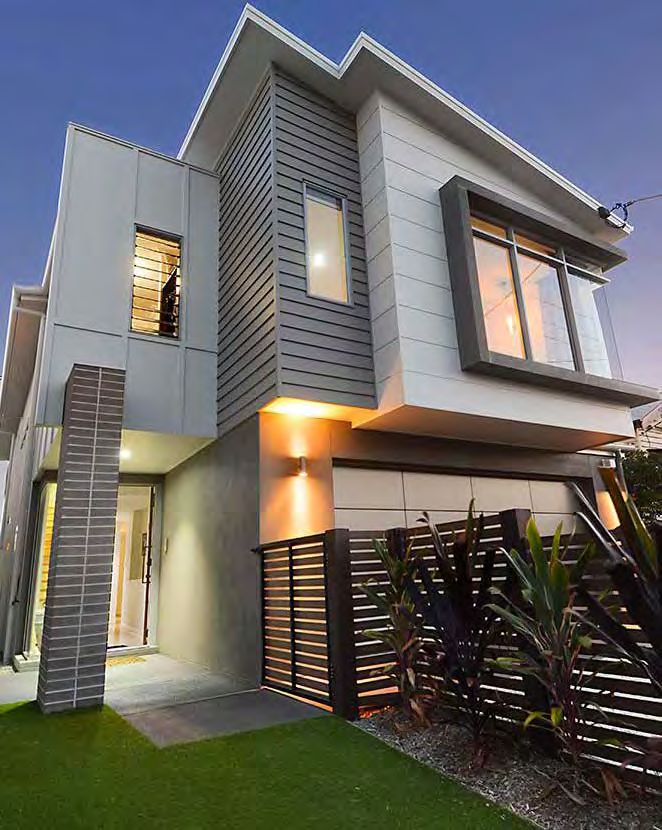
                                                                                         IMAGE COURTESY OF PLANBUILD HOMES

2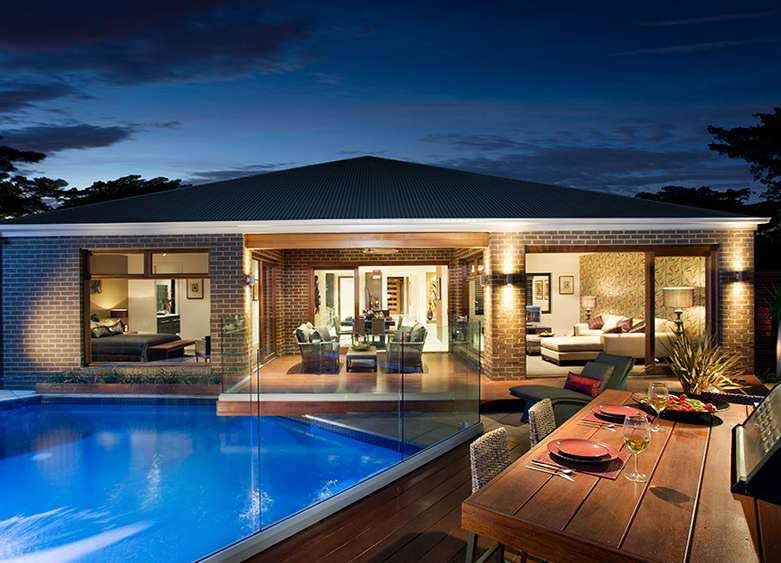
2.0 Why have Design Guidelines?
 Design Guidelines aim to set a standard for homes at Riverton to provide residents
 with an aesthetically pleasing environment that will protect your lifestyle now and
 into the future.

 The Design Guidelines prescribe specific requirements for housing design,
 materials and finishes.

 NOTE: These Guidelines form part of your Land Sales Contract.

 The Design Guidelines aim to:

    • Ensure that the unique character of Riverton is protected

    • Encourage a diverse, contemporary and harmonious range
      of homes and landscapes

    • Promote the use of sustainable building features

    • Encourage the creation of homes that are in harmony
      with each other but not identical to each other

    • Provide a high level of presentation to the neighbourhood

 The Design Guidelines include things such as:

    • Guidelines for external materials and colours

    • Standards for fencing, driveways and landscapes

    • A guide to understanding the covenant approval process

    • Timeframes in which you need to complete building your home

                                                                                       IMAGES COURTESY OF GJ GARDNER HOMES

                                                                                                                             3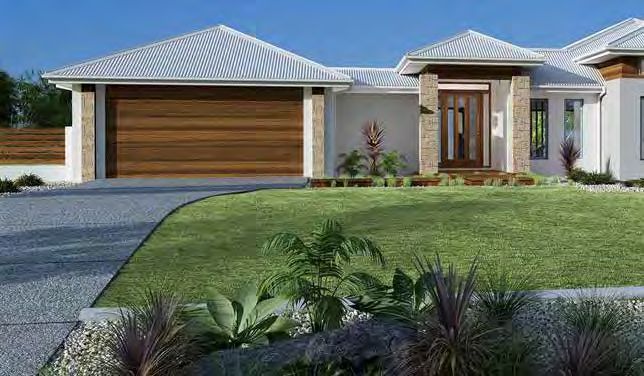
2.1 Design Approval Process
    The ‘Riverton Design Review Committee’ (RDRC) is responsible for ensuring the
    homes built at Riverton meet these Guidelines. You will need to submit your plans to
    the RDRC and seek approval for them prior to building your home.
    Email: rivertondesign@avjennings.com.au

    This includes seeking approval for all associated elements of your home such as the
    garage, fence and any other structures. It is also mandatory that you seek approval
    from the RDRC before you seek Building Approval from Logan City Council or
    a Private Certifier.

    When choosing a home design you might choose to use one of the approved designs
    from one of our partner builders. Riverton has a number of builders who have
    already sought design approval for the home designs they can create
    for you at Riverton.

    Alternatively, you might submit your own design or that of your builder / architect to
    the RDRC for review and approval.

                                                                                             IMAGE COURTESY OF METRICON HOMES

    2.2 Non-Conforming Designs
    These Design Guidelines encourage a standard and style of home at Riverton. The
    RDRC understands however that you may have a different vision for your home. The
    RDRC appreciates individuality and innovation in design and reserves the right to
    approve designs which may not meet the requirements of the Riverton Home Design
    Guidelines but which are considered by the RDRC to be of outstanding merit.

    It is suggested that a concept sketch be lodged with the RDRC prior to working
    drawings being prepared to seek feedback on designs that do not conform.

    Where your exterior colour selections vary from the Guidelines, please supply colour
    samples for the RDRC to assess.

4
2.3 Obtaining Design Approval
In order for the RDRC to assess your design, please supply the information as detailed
in Section 15 of this document. The application form is included at the back of this
document as well as more information on the detail to provide.

2.4 Approval Advice
The RDRC will provide approval or otherwise of the working drawings within 15 days
of their receipt. If amendments are required to ensure the home fits within the
Guidelines you may need to resubmit some drawings. The RDRC will then provide
approval or otherwise within 10 days of receiving the amendments.

2.5 Construction Timelines
The timing of construction within the Riverton community is important.
Construction of your home must commence within 12 months from the date of
settlement of the sale of the lot to the original buyer and you must not occupy your
home until the home is complete.

Your home should be complete and habitable within 9 months of the construction
start date. Completion of your home includes all fencing, driveway and window
furnishings to windows visible from the street along with a Certificate of Classification
being issued by Logan City Council or your Certifier. Landscape to be complete
within 3 months of completion of your home.

                                                                                            5
2.6 The ‘Design Approval’ Step by Step Process
    The steps involved to obtain design approval for your home.

                       STEP 1                                     STEP 2                                 STEP 3                                  STEP 4
          1.   Purchase land                        1.   Ensure documents meet with         1.   If the requirements of the RDRC   1.   Building approval issued from
                                                         the requirements of the POD,            are met, an approval will be           Council
          2.   Start planning by researching             the Design Guidelines and               issued
               the location of services                  application checklist                                                     2.   Once settlement has occurred,
                                                                                            2.   Provide the RDRC approval to           owners are responsible for rubbish
          3.   Refer to the POD and these           2.   Prepare documentation for               your builder for them to apply         and waste produced as part of
               Guidelines                                submission to the Riverton              for the building approval              their building process
                                                         Design Review Committee
          4.   Start the design process with                                                                                       3.   Construction of the approved
                                                         (RDRC)
               chosen builder / designer                                                                                                plan to commence within 12
                                                         Email:
                                                         rivertondesign@avjennings.com.au                                               months of settlement of the land
                                                                                                                                        from the Seller to the original
                                                    3.   The RDRC will assess the                                                       buyer Construction to be
                                                         documentation against the                                                      completed within 9 months from
                                                         Design Guidelines and advise                                                   the start date including fencing
                                                         of any additional information                                                  and window furnishings
                                                         required
                                                                                                                                   4.   Landscaping to be completed
                                                    4.   If your design is not approved                                                 within 3 months of completion of
                                                         you will need to amend it to                                                   your home
                                                         comply with the requirements
                                                         of the RDRC                                                               5.   The new home will be inspected
                                                                                                                                        by the RDRC during or after
                                                                                                                                        completion to ensure its
                                                                                                                                        compliance with the approved
                                                                                                                                        drawings

6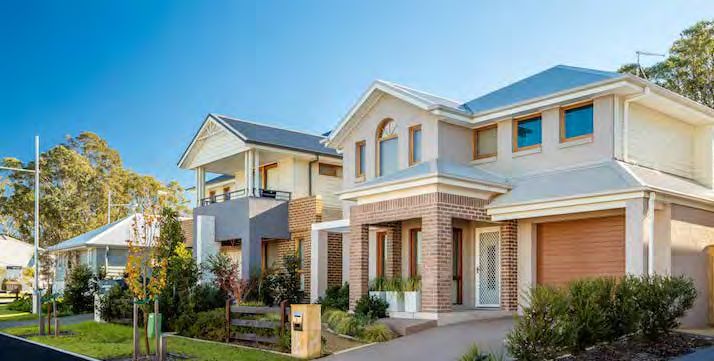
2.7 Design Guidelines Compliance                                    Compliance with Design Guidelines generally
                                                                    The owner:
Severance
Any void, voidable or illegal term of these Design Guidelines may   (a)    acknowledges that the Seller has a significant investment in Riverton, and has
be severed unless to do so will result in a change to the basic            an interest in maintaining the value and desirability of lots within Riverton;
nature of these Design Guidelines.
                                                                    (b)    acknowledges that a failure by the owner to strictly comply with the
Owner Bound by Design Guidelines                                           Design Guidelines will diminish the value of the Seller's significant investment in Riverton;

The owner acknowledges that these Design Guidelines will form       (c)    acknowledges that a failure by the owner to strictly comply with the Design Guidelines
a legal and binding part of the contract for the lot.                      will diminish the value and desirability of:
The owner and Seller agree that the terms of these Design
Guidelines will not merge on settlement of the contract.                    (i)    unsold lots in Riverton in the hands of the Seller; and
                                                                            (ii)   lots sold by the Seller to other owners within Riverton.
Right to Vary Design Guidelines
                                                                    (d)    agrees that in the event that the owner does not strictly comply with the
The Seller reserves its rights in any other sale and from time to
                                                                           Design Guidelines, the Seller will have legally enforceable rights against the owner,
time to vary the Design Guidelines contained herein and in that
                                                                           including the right to seek orders from the Courts compelling compliance by
event, the owner will have no claim whatsoever against
                                                                           the owner, the right to enter onto the lot to undertake works to remedy a
the Seller.
                                                                           non-compliance and/or the right to seek damages against the owner; and
The Seller may in its absolute discretion vary or exclude any of    (e)    hereby irrevocably grants to the Seller or the Seller's representative or agent, a licence
these Design Guidelines from any contract for the sale of any              to enter onto the lot to undertake work reasonably necessary to rectify any non
lots in Riverton.                                                          compliance with the Design Guidelines, such right not to be exercised until after notice
                                                                           has been given by the Seller to the Design Guidelines to rectify the breach and that
                                                                           breach has not been rectified within the period provided for in the notice.

                                                                    The owner warrants and represents to the Seller that the owner will comply strictly with the terms
                                                                    of the Design Guidelines and that it has the capacity to do so and the owner acknowledges that
                                                                    the Seller has relied on and been induced by those warranties and representations, to enter into
                                                                    the contract with the owner to sell the lot or consent to the sale of the lot to the owner.
                                                                    The owner (if more than one person) agrees that they are jointly and severally liable in relation
                                                                    to the obligations pursuant to these Design Guidelines.

                                                                                                                                                                           7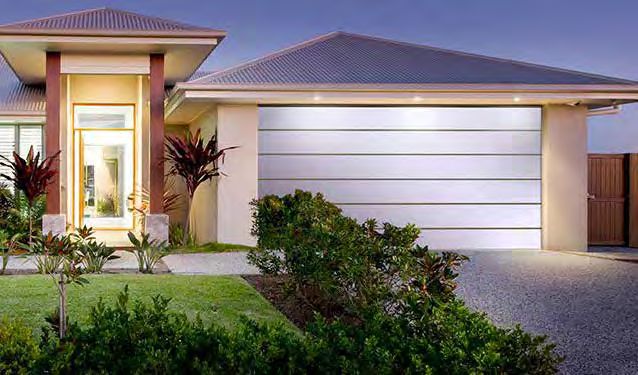
8
3.0 Locating your home on your lot
 The first thing you need to do when planning your home is to decide where best to                                                                BOUNDARY
                                                                                                                                                                         REAR
 locate it on your lot. When doing this, you need to refer to the table on the Plan of

                                                                                                                                                                 2,000
                                                                                                                                                                         SETBACK
 Development (POD) and the relevant setbacks required from the boundary lines.

                                                                                                                                                                                   3,000
                                                                                                                                                                                                     OUTDOOR SPACE
 NOTE: Where there is a conflict between these Guidelines and the POD,                                                                                                                               MINIMUM DIM. OF
                                                                                                                                                                                                     3000 × 3000 mm
       the POD prevails.
                                                                                                                 1,000
                                                                                                                SITE
 Site planning should also consider:                                                                        SETBACK

    • Location of optional built to boundary walls. Consider if you would like to            BUILT TO BOUNDARY
                                                                                         WALL REFER TO POD FOR
      build up to the boundary of your property and if so, where the boundary wall        ACCEPTABLE LOCATION
      can be located.

    • Location of services and any easements on your lot and in the road such as
      for electricity, water, sewer and interallotment drainage, street lights, NBN
      Pits, SW Pits and manholes

                                                                                                                 12,000 MAX
    • Orientation (refer to diagram on page 20) to maximise environmental
      benefits. Good orientation assists in passive heating and cooling,
      resulting in improved comfort and decreased energy bills.                                                                                                                            1,000
                                                                                                                                                                                                   SIDE
      (Refer to clause 10.2)                                                                                                                                                                       SETBACK

    • Eaves, awnings, hoods, screens and projected architectural elements that                                                    FRONT SETBACK
                                                                                                                                     GARAGE
                                                                                                                                                                     FRONT SETBACK
      may extend a maximum of 1m into the setbacks or to a minimum of 450mm
      from the boundary.

                                                                                                                                                    5,500

                                                                                                                                                             4,500
    • Disclosure plan and service plan provided by developer.

 3.1 Site Coverage and Setbacks
 There is a maximum site coverage set for Riverton to ensure that homes include
 outdoor spaces. Refer to the table on the Plan of Development relevant to your lot
 to find out the site coverage and setbacks that apply.                                                                       Figure 1 - Diagram of Lot with Setbacks
                                                                                                                              All dimensions in millimetres

                                                                                                                                                                                                                       9
3.2 Private Open Spaces
Private open space areas include patios and covered outdoor living areas
as well as backyards.
Refer to the Plan of Development relevant to your lot for more detail regarding
private open spaces for single and two storey dwellings.
3.3 Built to boundary walls
Built to boundary walls are optional. Check the POD applicable to your lot.
3.4 Building Heights
Homes at Riverton can be a maximum of two storeys. The maximum height of
buildings can be 8.5m to the peak of the roof. Refer to the POD relevant to your lot.
3.5 Floor Levels
Floor levels are to be set to facilitate safe entry into the home and the garage.
3.6 Bushfire Management
Some lots within Riverton may be impacted by Bushfire controls due to the proximity
of bushland environmental corridors. Where applicable, a plan and report will be
provided to you as a part of the contract.
IMAGE COURTESY OF METRICON HOMES
104.0 Building Appearance
Homes at Riverton should reflect our Queensland climate and lifestyle. Classic Queenslander elements such as decks, weatherboard and Colorbond roofs are encouraged.
4.1 Pleasing Home Designs
Homes should have:
4.1.6 Use prominent windows in the front facade
4.1.1 Have proportions that are aesthetically pleasing
4.1.7 Have a selection of compatible facade materials,
4.1.2 Use of gabled roofs using a minimum of two material types
4.1.3 Have a distinctive porch / front veranda entry 4.1.8 Have a living room or bedroom window fronting the street
4.1.4 Use asymmetrical design 4.1.9 Ornamentation such as glazing bars, mouldings, perforated metal panels,
lace work and exterior glossy wall tiles and reflective glass finishes
4.1.5 Have articulation (variation) in the front facade
are not permitted.
IMAGE COURTESY OF GJ GARDNER HOMES IMAGE COURTESY OF GJ GARDNER HOMES IMAGE COURTESY OF METRICON HOMES IMAGE COURTESY OF METRICON HOMES
Aesthetically pleasing proportions Gable roofs Distinctive porch / front entry Assymetrical design
IMAGE COURTESY OF PLANBUILD HOMES IMAGE COURTESY OF PLANBUILD HOMES
Variation in front facade Unacceptable facade treatment Prominent windows in front facade Unacceptable ornamentation
114.2 Building Materials and Colours The owner must not erect or place or permit to be erected
or placed upon the lot any building previously erected on
Warm, natural materials with any other land nor will the owner (prior to the erection of a
permanent dwelling on the lot) place any caravan, mobile
colours that blend with the home, tent or other similar living shelter on the lot. The owner
environment are encouraged must not use or permit to be used any caravan and/or mobile
home parked on the lot, tent or any shelter on the lot other
for Riverton homes. than the dwelling to be used as accommodation
by any person.
Using a variety of materials and colours excluding bold
primary colours that work well together will assist in The owner must not carry out any building works or
creating a well-designed home. It is suggested two or up to landscaping on the lot which would impede access for
a maximum of three different materials be used on the building or normal maintenance purpose by or on behalf of
exterior of your home along with three different colours. the owner of any lot adjoining the lot who has built or may
The colours and materials of your home should continue build a building along the boundary between the lot and that
around the corner of the home at least to the point where the adjoining lot.
side return fence is attached to the house.
NOTE: Use of bold primary colours is not permitted. 4.3 Corner allotments
Corner allotments require additional attention. It’s important
4.2.1 Materials you might choose for your home include: that homes on corner allotments:
• Weatherboard eg: Traditional weatherboards,
4.3.1 Address both street frontages
IMAGE COURTESY OF METRICON HOMES
• James Hardie ‘HardiePlank’, James Hardie ‘Linea
Board’. 4.3.2 Include windows in the secondary street facade (or
side of the home) and be of a similar size and style
• Rendered or bagged and painted brick to windows in the front facade of your home
• Face brick, face stone eg: Traditional brick finish, 4.3.3 The side facade should be articulated with
Boral ‘Cultured Stone’ elements such as a return verandah / entry
/ portico / balcony or open gable feature for
• Rendered blueboard – preferably not on the interest.
front facade
4.3.4 Large sections of non-articulated walls are not
permitted.
4.3.5 For two storey corner lots ensure that the ground
level facade material is different to the
second storey facade material to provide
articulation to the overall elevation.
IMAGE COURTESY OF GJ GARDNER HOMES
125.0 Car Parking, Garages & Driveways
5.1 Car Parking
Homes must have parking for two cars per dwelling side by side in an enclosed
lock up garage.
5.2 Vehicle Crossovers
Only one vehicle crossover is permitted per lot in accordance with
Logan City Council (LCC) standard for driveways and crossovers.
5.3 Driveways
Only one driveway per lot is permitted. Driveways should comply with
Logan City Council requirements. In addition:
5.3.1 Back of kerb to be saw cut / removed as per Logan City Council
LCC standard
5.3.2 Driveways should extend from the edge of the kerb to the
garage /carport.
5.3.3 To soften the surfaces of your home, provide at least 1m of screen
planting between the driveway and side boundary (where possible).
Please include this in your landscape plan for approval.
5.3.4 Driveways should be constructed from materials and colours that
complement the home and the landscape. Materials may include coloured
concrete or exposed aggregate. Plain grey broom finished concrete is not
acceptable.
5.3.5 Driveways should not be built over or around infrastructure services in the
verge such as pits / valves.
NOTE: Your driveway must be completed prior to the occupation of
your home.
IMAGES COURTESY OF GJ GARDNER HOMES
136.0 Fencing and Gates
Fences make a big impact on the visual appeal of neighbourhoods. To create a friendly
neighbourhood fence designs should follow the following design criteria:
6.0.1 Street Frontage Fence:
1. Maximum 1.2m high
2. Minimum 50% Transparency
IMAGE COURTESY OF GROW DESIGN DEVELOP CONSTRUCT
6.0.2 Fences to public open spaces such as parks:
1. Maximum 1.8m height
2. Minimum 50% Transparency Driveway
4500
6.0.3 Side and Rear Fences (see Section 6.1 for Secondary Street Fencing)
1. Maximum 1.8m height
600
2. Pleasing to look at on both side
3000
3. Located at least 600mm behind the adjacent enclosed building line. Side return
fence
6.0.4 Gates and Side Return Fencing:
Street return fence
1. Must match fence construction and material 1000
3000
2. Painted to match the colour scheme of your house
6.0.5 Fence material permitted: Secondary street
fence
1. Treated timber
2. Composite timber material
3. Pre-painted steel type fence such as Colorbond and Stratco
4. Powdercoated finished aluminum batten fence Side fence
Variation in fence
Where the Seller has constructed a fence wholly or partly on the lot, the owner must, pattern every
at the owner's sole cost: 12000mm
(a) keep the fence at all times in good repair and condition; and
(b) not remove, replace or alter the fence without the prior written
consent of the Seller,
and the owner indemnifies the Seller and will keep the Seller indemnified against all loss
2000
and damage occurred by the Seller as a result or indirect result of the owner's failure to
comply with the obligations contained in this clause and its sub-clauses. Rear fence
Figure 2 - Side Fencing on Corner Lots
All dimensions in millimetres
146.1 Secondary street fencing
Having a standard fence for corner lots will bring a high standard of visual appeal to Riverton and will last for many years.
We have chosen a simple, easy to construct timber fence that will be unique to Riverton.
Side fences, or secondary fences, on corner lots should be:
6.1.1 25% transparent. 6.1.5 Painted to match the colour scheme of your home.
6.1.2 A maximum of 1.8m high. 6.1.6 A side return fence facing the street should be located between 0.6m and
3.0m back from the front facade of your home and painted to match the
6.1.3 Vary fence with change in fence pattern (Horizontal palings) at maximum
colour scheme of your home.
every 12m length. The change in fence pattern to be a max of 2,100mm in
length. 6.1.7 The side gates in the side return fence facing the street should be of the
same material as the side return fence and be 1.8m high maximum.
6.1.4 Constructed out of timber post and rail with treated pine paling
(Refer to Fig 3 & 4)
100x100mm 1800mm high timber post
@1600mm ctrs with 450 angle on top
75 x 16mm painted
timber paling 100x100mm 1800mm high timber post
@1600mm ctrs with 450 angle on top
30mm spacing between
timber palings 75 x 16mm painted timber paling
75x38mm horizontal timber rail 30mm spacing between
timber palings 45.00°
45.00° 30
100x100mm 1800mm high timber post
100
@1600mm ctrs with 450 angle on top
550 100
75 x 16mm painted timber paling
550
100
1,800
1,800
100
1,550
550
550
75x38mm horizontal timber rail
100
100
200
50
200
1,600 1,600 2,100 MAX
Horizontal paling pattern
Figure 3 - Typical Fence Design Elevation Figure 4 - Typical Fence Detail Section
All dimensions in millimetres All dimensions in millimetres
157.0 Other Elements of Your Home
7.1 Letterboxes
Letter boxes should be pillar style (not on a pole) and complement the
materials and colours used in the façade of your home.
They should also be incorporated into the landscape and be clearly visible and
identifiable from the street.
7.1.1 Where reinforced fibre concrete pillar letter boxes are installed,
provide a landscaped garden edge to prevent damage from
grass trimmers.
7.2 Garages
7.2.1 A minimum of a double garage is required to all homes. Homes to be
designed to minimise the visual impact of the garage dominating the
7.2.2
streetscape.
Garages are not to be the closest part of the home to the street and
should be setback at least 1m behind another part of the home.
Check the POD for the maximum size and width of garage permitted
on your lot.
7.2.3 Garages are to be constructed adjoining the home and not separate to
the home.
7.2.4 Garages should be compatible with the main building in terms of height,
walls, windows, roof forms, colours and materials.
7.2.5 For larger lots with 3 garages, the 3rd garage is to be recessed by at least
500mm to the main garage wall.
7.3 Entry doors
The main entry door on the front façade is to be a minimum 920mm wide door.
Side light must be provided if the door is less then 920mm wide.
IMAGE COURTESY OF METRICON HOMES
167.4 Curtains, Blinds and security screens 7.6 Roofs
7.4.1 For privacy and street appeal, curtains or blinds Roof designs that are a simple composition of shapes will aid in reducing their visual prominence
should be installed on all windows visible from the street and improve the design and visual appeal of the home. Roof planes should be visually
prior to the occupation of your home. The colours should interesting and complement the dwelling design. The use of gables is encouraged. In addition:
be complementary to the home’s colour scheme when
viewed from the outside. 7.6.1 A break in length to the roof should be provided for fascias longer than 15m,
where it is fronting a street
7.4.2 Security / screen doors facing the street must be
black mesh screen similar to the Crimsafe® range. 7.6.2 Roof colours should be chosen to complement the home, keeping in mind that
Diamond grill screens are not permitted on the light coloured roofs keep the home cooler in summer. Natural, earthy colours are
primary street facade of the home. encouraged. Highly reflective and unfinished materials are not accepted.
7.6.3 Pitched roofs should be at a minimum of 22.5° (hip or gable)
7.5 Overhangs, Decks, Awnings & Eaves
7.6.4 Skillion roofs should be at a minimum of 5° and max of 12°.
Decks, balconies, porches, awnings and eaves are an important
element of your home’s design and can improve your lifestyle
and provide shading to keep your home cool. Refer to the Plan
7.7 Gutters and Downpipes
of Development (POD) relevant to your lot for the setbacks of these Gutters and downpipes should be painted to match or complement the dwelling.
elements. Having some variation in the roof and gutter line will improve the home’s design.
Decks, balconies and porches should be designed to emphasise the
entrance to your home without dominating the front of the home and
7.8 Pools
should complement the style, materials and colours of the home. All residential pools must meet local council requirements and all pool filters and associated
equipment must be screened from view.
7.9 Display
7.9.1 The owner acknowledges that the Seller will be operating a display home home and
sales office near the lot and at the entrance to the estate in which the lot in located
and additional car park, amenities, park and sales office from mid 2021 and the Buyer
will not Object on the basis of this.
7.9.2 The owner must not, without the prior written consent of the Seller, use, promote,
advertise or permit any structure erected on the Land to be used, promoted or
advertised in any way as a display home.
Figure 5 - Roof Type Diagrams
17
FIGURE. (5)
ROOF TYPE DIAGRAMS8.0 Ancillary Fixtures
Ancillary fixtures refer to any additional item external to the home such as air conditioning units,
hot water systems and rainwater tanks.
8.0.1 Air-conditioning units should:
8.0.1.1 Not be visible from the street or park areas
8.0.1.2 Be located below eave lines and screened from public view
8.0.1.3 Not be roof mounted
8.0.1.4 Be located to ensure that there is minimal noise impacts on neighbouring properties
8.0.1.5 Retro-fitted air-conditioners to windows which are visible from the street or
public open space are not permitted.
8.0.2 Please ensure hot water services, clotheslines, satellite dishes, rainwater tanks, spa pumps and
garbage bins are not visible from the street or public open space areas by considering these items
when designing your home. Plan your home layout to ensure these items are hidden from view or
include screens with fences or enclosures that complement the materials and colours of your home.
8.0.3 Where possible, solar hot water panels, solar panels and TV antennas should not be placed on the
front facing roof of your home and have minimal visibility from the street or public open space.
8.0.4 TV antennas should have be a max height of 2m high at the rear of the dwelling and satellite dishes
should be mounted below the roof line or where not visible from the street or public open space.
8.0.5 Ancillary and Outdoor Structures [eg. garden sheds]
8.0.5.1 Ancillary structures which impact the streetscape such as garden sheds,
retaining walls, gazebos and swimming pools require approval by
the ‘Riverton’ Design Review Committee.
8.0.5.2 Garden Ancillary structures should be constructed from materials and
colours that complement the home.
8.0.5.3 Garden sheds should be of non-reflective material and should be
a maximum of 2.5m high and screened from public view and are less than 10m².
8.0.5.4 Single storey sheds greater than 10m² may be considered by the RDRC provided
that the external materials are consistent with those of the main dwelling.
189.0 Secondary Dwellings and Dual Occupancies
Secondary Dwellings and Dual Occupancies proposed to be constructed on a lot
must be submitted to the RDRC for assessment and approval prior to any works
commencing.
The Buyer must not, without the prior written approval of the Seller, erect or place upon the lot
more than one dwelling nor use or permit to be used any dwelling for any purpose other than
theaccommodation of a single family. These dwellings must comply with the Logan Planning
Scheme and may be subject to further development approvals and the payment of additional
charges to Logan City Council. The design considerations that the RDRC will base their
assessment on (external to any Logan City Council requirements) are as outlined below:
9.1 Secondary Dwelling
Any secondary dwelling must be designed so that:
9.1.1 The secondary dwelling is to have a minimum 1.5m wide setback to
the side boundary.
9.1.2 There must be a fully formed concrete path a minimum of 1m wide with
a landscape strip along the boundary fence from the street to each front door.
9.1.3 There should be no gate between the street frontage and the door to
the secondary dwelling.
9.1.4 To maintain privacy for the primary / front dwelling, any side windows onto
the entry path for the secondary dwelling should have sills of 1.7m.
9.1.5 There should be no obstruction such as hot water systems, airconditioning units or
clothes lines between the street frontage and the door to the secondary dwelling.
9.0.6 There must be eaves or a covering over the path to the door of the
secondary dwelling.
9.2 Dual Occupancy Figure 6 - Secondary Dwelling
All dimensions in millimetres
9.2.1 Potential Dual Occupancy lots are generally located on corner lots and lots
with a frontage greater than 15 meters.
9.2.2 Corner lot dual occupancies must address the both street frontages and has
a clearly evident and well-lit access to the front door of each dwelling.
1910.0 Sustainable Design
Including sustainable design features in your home helps the environment and can
also help you. Considering things like the orientation of your home can improve your
comfort by making sure it’s warm in winter and cool in summer. It can also save you
in energy costs by reducing the need to heat or cool your home. Some sustainable
design features you might like to consider include:
10.1 Energy Efficiency
In addition to orienting your home for passive heating and cooling, other things to
consider to reduce energy bills include:
10.1.1 Choosing a good orientation for your home to reduce the need for fans,
air conditioning and heaters (see diagram right)
10.1.2 Ensuring windows are placed to encourage cross-ventilation
10.1.3 Window glazing and glass treatments
10.1.4 Using louvres
10.1.5 Use wide eaves, awnings and screening on windows for shade particularly
on western windows
10.1.6 Choosing a light colour for your roof and external walls
10.1.7 Using insulation in external walls and ceilings,
particularly non-masonry walls
10.1.8 Install efficient hot water systems or consider the use of
solar hot water systems
10.1.9 Install energy efficient appliances
10.1.10 Install outdoor clothes lines
10.1.11 Use energy efficient lighting such as low energy LED and
flourescent lighting and sensors
10.1.12 Construction materials
Figure 7 - Orientation Diagrams
2010.2 Orientating your home 10.4 Recycling and Waste Management
Choosing the right orientation for your home is important. It will help ensure your Along with ensuring you recycle the waste in your home and use composting
home is cool in summer and warm in winter. Living areas should be located in the when you’ve moved into Riverton, maximising the use of pre-fabricated building
north and eastern areas of your home to capture breezes and to avoid the heat of components is also a sustainable choice when building.
the western sun. The diagrams provide some ideas on how best to orientate your
home.
10.5 Creating Healthy Homes
Create a healthy home by:
10.3 Water Efficiency
Some things you can do to save water and reduce your water bill include: 1. Considering the types of paints, glues, plastics, and some
manufactured wood products you choose when building your
1. Install a rainwater tank and connect it to toilet cisterns, the laundry home. Some can release chemical substances at room temperature,
and external taps to use to water your garden called VOC’s (Volatile Organic Compounds). Consider the toxicity,
quantity and proximity of materials you are using.
2. Install 4 star WELS rated fittings such as taps, shower heads and
toilets as well as appliances such as dishwashers and washing 2. Ensure cross-ventilation through good design, ceiling fans and
machines to reduce water usage mechanical ventilation in bathrooms.
3. Consider the location of your hot water system to be close to most 3. Consider the use of natural materials for bench tops, splashbacks,
used areas such as bathrooms to reduce wasting water while it’s doors, shelves and cabinetry, and floors. Products such as natural
heating and consider installing hot water recirculation systems stone, reconstituted stone, natural timber and recycled wood
products are good choices.
4. Use drought resistant plants and ground covers where grass is not
needed eg: mulch 4. Improving Site Management
5. Wash cars, caravan and boats on the grass where possible Consider the following when building:
5. Minimise site cutting and exposure to weather
6. Reduce soil erosion
7. Maintain waste in a closed receptacle
2111.0 Landscaping, Gardens and Yards
The use of landscaping will vastly improve the way 11.1 Design and Planning Considerations
your home and your street looks and feels. Well
designed outdoor spaces, gardens and yards for Things to consider when designing your landscaping:
play and relaxation can improve your lifestyle. 1. Orientation of the gardens to consider the degree of exposure to
prevailing winds and sun
Planting trees is encouraged for privacy, shade, texture and colour.
We encourage you to plant trees that attract native birds and wildlife and for 2. Soil type and depth of top soil.
the enjoyment of future generations at Riverton. Investing in mature native trees 3. Minimisation of water requirements – plant selections and mulching.
and plants that are hardy and drought tolerant will help your landscape
4. Mulching with organic materials such as pine bark or forest
establish quickly.
mulch etc will assist in maintaining ground moisture by reducing
evaporation and adding nutrients to the soil.
Examples of good garden design options are provided below. They include
practical and environmentally sustainable outcomes. A schedule of plant species 5. Low level shrub planting between the houses and street to promote
is provided for assistance in selecting recommended plants suitable for the area. privacy
6. Potential shading and screening benefits of trees and plants
Landscape to be complete within 3 months of completion of your home.
7. The location of your home within Riverton, the adjacent river and
natural surroundings
8. Ultimate size of trees and plants when fully grown
9. Habitat values
10. Ensure trees are given good clearance from in-ground services and
SIDE
BOUNDARY the footings of your house.
SCREENED
BIN STORE
RETURN FENCE
FACING THE STREET
DRIVEWAY
TURF
TREES TO PROVIDE SHADE
TREES TO PROVIDE SHADE
LAYERING OF LOW LEVEL
SHRUBS & GROUND COVER
STREET PATHS PROVIDE CLEAR
ACCESS TO ENTRY
FIGURE.(8)
Figure 8 - Typical Front Yard Landscape
TYPICAL FRONT YARD LANDSCAPE
22SCREENED
BIN STORE
1,000
STREET
600
RETURN FENCE
11.2 Retaining walls
Some lots within Riverton have retaining walls built by
DRIVEWAY
the Seller close to the boundaries to create a building pad. 2,000
Where your house is on the lower side of a retaining wall TREES TO PROVIDE SHADE
PATHS PROVIDE CLEAR
you must maintain any subsoil drain from that wall and ACCESS TO DRIVEWAY REAR FENCE
connect it into the yard drainage system for your house.
LAYERING OF LOW LEVEL TURF
SHRUBS & GROUND COVER
Where there is an overland flow path or roof water system
at the rear of a lot, that system must be protected and the
3,000
function of any continuous overland flow path must be
TURF
600
maintained so that water is transported from upstream
RETURN FENCE
properties with no damage to surrounding property. FACING THE STREET
TREES TO PROVIDE SHADE SECONDARY STREET SIDE FENCE
No fill is to be placed over the easement or swale drain.
ARTICULATION IN FENCE
EVERY 12,000MM
FIGURE.(9)
11.2.1 Any retaining wall built on your lot must be ALL DIMENSIONS IN MILLIMETERS
Figure 9 - Typical Frontage Landscape for Corner Lots - Option 1
TYPICAL FRONTAGE LANDSCAPE FOR CORNER LOTS - OPTION 01
constructed in accordance with Council All dimensions in millimetres
regulations.
STREET
1,000
RETURN
11.2.2 Retaining walls and site preparation to be FENCE
completed by the builder
FENCE
REAR
11.2.3 Retaining walls in the front yards are permitted
if they are split faced Masonary or A grade SIDE FENCE
2,000
sandstone blocks. TURF
TREES TO PROVIDE SHADE
SCREENED
11.2.4 Timber sleeper walls and plain grey concrete BIN STORE
sleeper walls are not permitted forward of the
building line. LAYERING OF LOW LEVEL
SHRUBS & GROUND COVER
RETURN FENCE
FACING THE STREET
RETURN FENCE
FACING THE STREET
TURF
3,000
DRIVEWAY
TREES TO PROVIDE SHADE
LAYERING OF LOW LEVEL
SHRUBS & GROUND COVER
PATHS PROVIDE CLEAR ACCESS TO DRIVEWAY
FIGURE.(10)
Figure 9 - Typical Frontage Landscape for Corner Lots - Option 2
TYPICAL FRONTAGE LANDSCAPE FOR CORNER LOTS - OPTION 02
ALL DIMENSIONS IN MILLIMETERS
All dimensions in millimetres
2311.3 Native Planting
A mix of exotic and native species in your selection creates water efficient,
low nutrient gardens that also supplement surrounding habitat for local wildlife
and birdlife.
A landscape of shrubs and trees provides screening for privacy, shade from the
extremes of the summer sun, directs movement towards entrances and can soften
the appearance of building forms from the street.
IMAGE COURTESY OF METRICON HOMES IMAGE COURTESY OF METRICON HOMES
IMAGE COURTESY OF METRICON HOMES IMAGE COURTESY OF METRICON HOMES
2412.0 Services at Riverton 13.0 Construction Guidelines
Riverton is a National Broadband Network NOTE: Please make sure you and your builder are aware of the
construction guidelines to ensure the safe and considerate construction
(NBN) enabled community. of your home.
Phone and internet services will be provided by retailers over the National
Broadband Network. Connection details are available at www.nbnco.com.au. 13.1 Site Access
1. Natural gas is not available at Riverton 13.1.1 Building access to each lot during construction is to be limited to a
single entry /exit point that is stabilised with gravel or similar material
2. Free to air TV will require an antenna
to protect the kerb.
13.1.2 The remaining street frontage is to be barricaded with tape of similar
to prevent access. This will assist in controlling the tracking of sediment
throughout the site.
13.1.3 Any material or mud deposited on roadways must be removed daily.
13.1.4 Adjoining lots or park areas may not be used for construction access at
any time.
13.1.5 Any damage to the footpaths, kerbs, roads or street landscaping must
be repaired by the owner of the lot.
13.2 Hours of Construction
13.2.1 Hours of construction shall be in accordance with the (Logan City
Council Planning Scheme Policy 5)
13.2.2 No building work is allowed on Sundays or public holidays
2513.3 Storage of Materials 13.7 Temporary Amenities
13.3.1 All building materials must be contained within the lot. 13.7.1 Temporary toilet facilities are to be provided at each construction site.
13.3.2 Materials are not to be stored on park areas, streetscapes 13.7.2 Toilets are to be located within the boundaries of the lot.
or adjoining lots.
13.8 Workplace Health & Safety
13.4 Rubbish
13.8.1 Builders must comply with all relevant Workplace Health and Safety
13.4.1 You must not allow rubbish to accumulate or allow excessive growth requirements relating to residential building construction.
of grass or weeds upon your allotment, both before and after
construction of the dwelling.
13.4.2 All rubbish during construction is to be enclosed within a skip. The skip
is to be contained within the lot.
13.4.3 No builder’s rubbish is to be deposited on adjoining lots or on to the
streetscape.
13.5 Site Clean Up
13.5.1 You must comply with any request by the Seller or Council to clean up
an overgrown site or builder’s materials.
13.5.2 If you fail to comply within 14 days of receiving a written notice from
the Seller then you will be liable to reimburse the Seller all costs,
including administration costs, incurred in the removal of such
materials and repairs.
13.6 Noise
13.6.1 Builder’s noise must be kept to a minimum. Loud music is not permitted.
2613.9 Maintenance of Allotments and Verge
13.11 Vehicles
13.9.1 All infrastructure and landscape within the verge is to be protected
during construction. 13.11.1 You are not permitted to park unregistered vehicles in your driveway
Any damage to trees, concrete paths, road pavements, kerbs and turf or front yard.
or services located in the verge is the responsibility of the owner to 13.11.2 Commercial vehicles, boats and caravans may be parked on a lot but
reinstate at their sole cost. must be screened from public view.
13.9.2 The owner and their builders must meet all environmental and WHS
requirements of all authorities and must keep the site in a neat and tidy
condition throughout the construction period including the control of
sediment erosion.
13.9.3 No building materials or rubbish are to be left on the verge at any time
during construction. No building materials or spoil are to be placed on
any adjoining lot during construction.
13.9.4 The owner must keep and maintain all improvements constructed on
the lot, all entry statements, landscaping and all lawns, trees, shrubs
and gardens (whether on the lot or on any footpath adjoining the lot) in
good order and condition.
13.9.5 The owner will not bring on to, nor allow to accumulate on the lot any
weeds, rubbish, garbage, spoil or other material of an unsightly nature
and must not install an incinerator or other article for the disposal of or
storage of garbage except for a domestic rubbish bin.
13.9.6 If the Seller is required to expend any money in enforcing the
covenants under these guidelines, then the owner acknowledges and
agrees that the Seller may require the owner to reimburse the Seller for
these costs (being a liquidated debt payable immediately to the Seller
on demand).
13.10 Tenants
If dwellings are tenanted, it is the lot owner’s responsibility to ensure that the lot is
maintained to the required standard.
2728
14.0 Disclaimer

  The Seller reserves the right to not approve any house design and the right           The Seller/Developer shall not, in any circumstances, be liable for any damage or
  to approve non-conforming designs that would not otherwise require                    loss (including direct, indirect and consequential damage or loss), caused to the
  statutory approval.                                                                   Buyer through the negligent construction of improvements on the Land.

  The Seller also reserves the right to vary the requirements of the Home Design        The Seller/Developer’s Home Design Guidelines enforcement responsibility will
  Guidelines subject to Council Approval.                                               terminate 3 months following the sale of the final allotment within
                                                                                        Seller / Developer’s Estate.

  Unless otherwise indicated, where a relaxation or variation is granted, it is for a
  specific lot and is not to be taken as a variation to the Home Design Guidelines      The Home Design Guidelines as prepared by the Seller ceases to apply at the time
  as a whole.                                                                           that the Seller/Developer's Home Design Guidelines enforcement responsibilities
                                                                                        are terminated.

  Any approval granted by the Seller/Developer under these Home Design Guidelines
  is concerned only with the style, appearance and suitability to the Development
  of the proposed improvements and is not intended to warrant or guarantee the
  soundness, structural or otherwise, of any proposal to construct improvements on
  the Land, submitted to the Seller/Developer by the Buyer.

  The Buyer should seek expert advice with respect to the soundness, structural or
  otherwise, of any proposal for the construction of improvements on the Land.

                                                                                                                                                                            29
15.0 Application Checklist
Complete the application form attached to this document and send it
along with drawings to the Riverton Design Review Committee.
2.0 Floor plans [1:100 scale] illustrating
Email: rivertondesign@avjennings.com.au
Internal layouts indicating location of windows, doors, stairs, built-ins, changes in
level etc.
Drawings Checklist
The below drawings need to be submitted with your application form. Site cover is consistent with POD % (Refer to Clause 3.1)
Private open space to have a minimum dimension of 3m in one direction. Area – to
1.0 Site plan with the following illustrated be incorporated into the building fabric. (Refer to Clause 3.2)
All walls, openings etc to be dimensioned.
Contours at 500mm intervals and building footprint[s] positioned on lot
[1:100 / 1:200 scale] including: Roof overhangs to be shown and dimensioned. (Refer to Clause 7.5 & 3.0.4)
North point
Lot size sqm 3.0 Earthworks plan –
Indicating extent of cut & fill
Lot dimensions [width and depth]
Setbacks and location of all buildings and structures (Refer to Clause 3.1)
Finished ground levels (Refer to Clause 3.5)
4.0 Roof plan [1:100 scale]
(Refer to Clause 7.5 - 7.8 & 8.0)
Easements
Illustrating overhangs & setbacks
Services [electricity pillar, street trees, communication pits etc]
(Refer to Clause 3.0.2)
Site cross section indicating natural ground level from boundary to boundary
showing integration of built form and retaining walls. (Refer to Clause 11.2)
305.0 Retaining wall details Roof form & pitch. (Refer to Clause 7.6.3 & 7.6.4)
(Refer to Clause 11.2) Materials - type & colour scheme for external walls, roofing, downpipes, driveways,
pathways & fencing (Refer to Clause 4.2 & 4.2.1 & 4.1.1 - 4.1.9 & 7.7)
Location
Construction and height [if applicable]
10.0 Ancillary fixtures and materials
Please submit documents to demonstrate compliance with the following:
6.0 Electrical Plan
Above drawings to incorporate the location of all ancillary structures
(Refer to Clause 8.0) and the following:
Solar panels. (Refer to Clause 8.0.7)
7.0 Landscape plan Air conditioner. (Refer to Clause 8.0.1 - 8.0.5)
(Refer to Clause 7.8 & All of 11.0)
TV Aerial or satellite dish location (below the roof line). (Refer to Clause 8.0.8)
Including pool location (if applicable). Other pool details to include Letterbox detail and location. (Refer to Clause 7.1)
setbacks from boundary, pool pump location.
Shed and outdoor structure location and details. (Refer to Clause 8.1.1)
Hot water type and location. (Refer to Clause 10.3.3.)
8.0 Fencing plan, sections and materials
Water tank location [if applicable]. (Refer to Clause 10.3.1)
(Refer to Clause 6.0.1 & 6.1.1 - 6.1.7)
Outdoor clothes drying area.
Curtains and Blinds (Refer to Clause 7.4.1)
9.0 Elevations & sections of dwelling (1:100 scale)
Security screens (Refer to Clause 7.4.2)
Elevations to be designated by aspect ie. N/S/E/W
Existing natural ground level indicated.
Finished ground level indicated.
Show elevations with true relation to actual site levels.
Building height (RL & dimension) 8.5m above natural ground level,
max. 2 storeys. (Refer to Clause 3.4)
3116.0 Building Covenant Application Form
Important Information
Approval must be received from the Riverton Design Review Committee for the
construction of new homes, garages, fences, landscaping and any other structures on
any allotments within the Riverton community.
1.0 Description of Development
Contact Details 2.0 Drawing Checklist
Property Owner: Completed design checklist (this document)
Site plan including building footprint(s) positioned on lot 1:200 scale
Address: Lot size m² Lot Dimensions (width and depth) Setbacks (front, side and rear setbacks)
Postcode: Easements Services (electricity pillar, street trees, communications pits etc)
Home: Work: Mobile: Architectural drawings - plans and elevations of buildings 1:100 scale
Email: Floor area m² Slab RL
Electrical Plan 1:100 scale
Builder /Designer: Site cover (%)
Postcode External materials and colour selections (brick, colour render etc)
Home: Work: Mobile:
Email:
Site Details 3.0 Compliance with Relevant Documents
Lot No: Riverton Approved Plan of Development
Survey Plan: Riverton Home Design Guidelines
Street Adress: National Construction Code (Building Code of Australia)
Please completem this form and return to: rivertondesign@avjennings.com.au
3217.0 Landscape Planting Palette
Suitable Plant Species
Trees and Palms
Acmena hemilampra Bush Satinash
Callistemon viminalis Weeping Bottlebrush
Elaeocarpus eumundii Eumundi Ash
Elaeocarpus reticulatis Blueberry Ash
Acmena hemilampra Callistemon viminalis Elaeocarpus eumundii
Livistona australis Cabbage Palm
Bush Satinash Weeping Bottlebrush Eumundi Ash
Melaleuca linariifolia Snow in Summer
Magnolia ‘Little Gem” Dwarf Magnolia
Pandanus pedunculatus Pandanus
Ptychosperma elegans Solitaire Palm
Tibouchina ‘Alstonville’ Lasiandra
Xanthostemon chrysanthus Golden Penda
Shrubs
Acalypha ‘Inferno’ Red Acalypha Elaeocarpus reticulatis Livistona australis Melaleuca linariifolia
Blueberry Ash Cabbage Palm Snow in Summer
Acmena smithii ‘ Allyn Magic ‘ Dwarf Lilly Pilly
Alpinia caerulea Native Ginger
Bambusa species Bamboo (Clumping Types)
Banksia robur Swamp Banksia
Brunsfelsia latifolia Yesterday Today Tomorrow
Callistemon ‘Captain Cook’ Captain Cook Bottlebrush
Clerodendrum nutans Bridal Veil
Cordyline species Palm Lily
Xanthostemon chrysanthus Acmena smithii 'Allyn Magic' Banksia robur
Croton hybrids Crotons
Golden Panda Dwarf Lillypilly Swamp Banksia
Dichorisandra thrysiflora Blue Ginger
Gardenia florida Gardenia
Grevillea ‘Honey Gem’ Honey Gem
Heliconia ‘Red Xmas’ Red Christmas
Hibiscus rosa-sinensis Rose of China
Ixora hybrids Yellow Ixora
Jasminium sambac Arabian Jasmine
Melaleuca ‘Claret Tops’ Dwarf Paperbark Dichorisandra thrysiflora Cordyline species Grevillea ‘Honey Gem’
Blue Ginger Palm Lilly Honey Gem
33Suitable Plant Species
Melastoma affine Native Lasiandra
Metrosideros ‘Fiji Fire’ Fiji Christmas Bush
Mussaenda ‘Aurorea’ White Mussaenda
Orthosiphon aristatus Cats Whiskers
Pittosporum revolutum Brisbane Laurel
Viola hederacea Strelizea reginae Westringia fruticosa
Plumbago auriculata Blue Blue Jasmine
Native Violet Bird of Paradise Coastal Rosemary
Raphis excelsa Raphis Palm
Strelitzea reginae Bird of Paradise
Syzygium hybrids Lillypillies
Tibouchina Jules Dwarf Lasiandra
Westringia fruticosa Coastal Rosemary
Asplenium australasicum Crows Nest Fern
Grasses and Groundcovers
Cissus ‘Ellen Danica’ Water Vine Asplenium australasicum Hymenocallis littoralis Lomandra Hystrix
Crows Nest Furn Spider Lilly Slender Mat Rush
Curculigo capitulata Palm Grass
Gardenia radicans Prostrate Gardenia
Goodenia ovata Prostrate Hop Goodenia
Grevillea ‘Royal Mantle’ Royal Mantle
Hemerocallis hybrids Day Lillies
Hymenocallis littoralis Spider Lily
Liriope species Strippy White, Evergreen Giant
Lomandra hystrix Slender Mat Rush
Myoporum ellipticum Metrosideros ‘Fiji Fire’ Pratia pedunculata Blue
Myoporum ellipticum Coastal Myoporum
Coastal Myoporum Fiji Christmas Bush Blue Matted Pratia
Neoregellia compacta Compact Bromeliade
Pratia pedunculata blue Blue Matted Pratia
Scaevola “Purple Fanfare” Fan Flower
Viola hederacea Native Violet
Suitable Varieties of Turf
For Sunny Areas - Green Couch - eg. ‘Wintergreen’,
Greenlees Park’ or ‘Legend’
Green Couch - 'Wintergreen' Zoyzia - low mow variety Buffalo - 'Sir Walter'
For shaded Areas Zoyzia - eg. ‘Empire’ low mow variety
For Shaded Areas - Buffalo - ‘Sir Walter’,
‘Sapphire’
34Disclaimer: This document and all the content within iforms part of the contract for properties in Riverton at Jimboomba. Illustrations, photos, maps and plans are indicative only and may not be to scale. It is recommended that prospective purchasers undertake their own enquiries for their own benefit and seek independant advice before entering into any agreement of any nature with any party.
You can also read


