HOMELESSNESS AS UNFAIRNESS: AN ECOLOGICAL PERSPECTIVE - PROCEEDINGS INTERIM SEMINAR - HOME_EU
←
→
Page content transcription
If your browser does not render page correctly, please read the page content below

InterIM Seminar

Homelessness as unfairness:
 an ecological perspective
        Proceedings
          Deliverable D7.1

           (Horizon2020 GA/726997)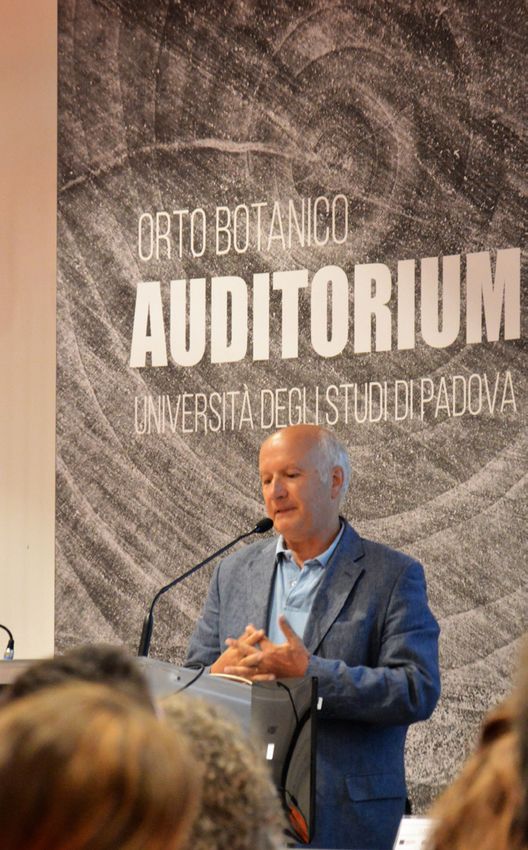

Interim Seminar

Homelessness as unfairness:
 an ecological perspective
        Proceedings
          Deliverable D7.1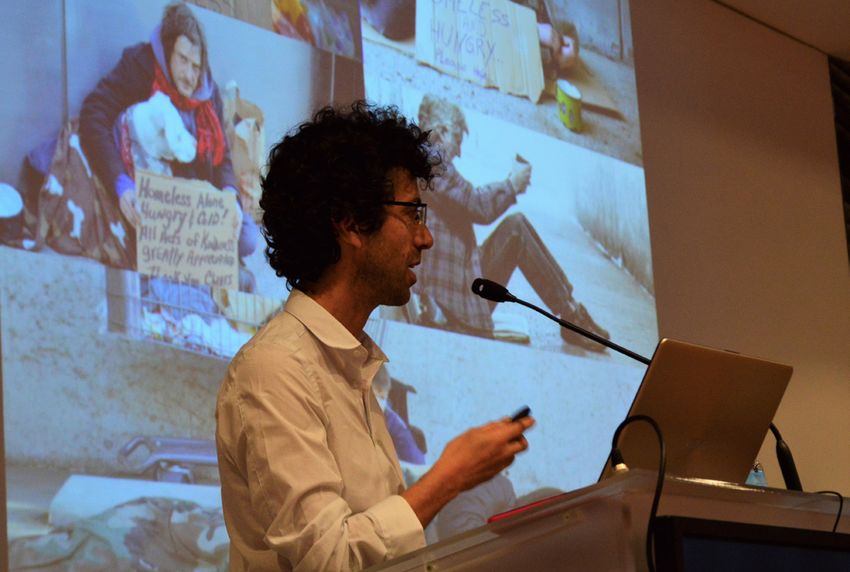
December 2018

Organized by HOME_EU WP1 Team José Ornelas, Maria J. Vargas-Moniz, Maria F. Jorge-Monteiro, (ISPA - Instituto

Universitário, Rua Jardim do Tabaco, 34, 1149-041 Lisboa, Portugal)

Reference recommended format

Home_Eu Project1 (2018). Interim Seminar on Homelessness as Unfairness. An Ecological Perspective (Deliverable H2020

GA/726997 - D7.1). Retrieved from http://xxxxx

Aknowledgements
1
    Home_Eu (Horizon 2020 GA/726997) consortium study group: José Ornelas (Principal Investigator), Maria J. Vargas-

Moniz, Maria F. Jorge-Monteiro, (APPsyCI – Applied Psychology Research Center Capabilities and Inclusion, ISPA-Instituto

Universitário, Rua Jardim do Tabaco, 34, 1149-041 Lisboa, Portugal); Ronni M. Greenwood, Rachel M. Manning, Branagh

O'Shaughnessy (Department of Psychology, University of Limerick, Limerick, V94 T9PX, Ireland); Inês Almas, Teresa Duarte

(AEIPS – The Association for Study and Psychosocial Integration; Housing First project: Casas Primeiro, Av. António José

de Almeida, 26, 1000-043 Lisboa, Portugal); Francesca Disperati, Marta Gaboardi, Michela Lenzi, Massimo Santinello,

Alessio Vieno (Department of Developmental and Social Psychology, University of Padova, Via Venezia, 8 -35131 Padova,

Italy); Rita P. Marques, Maria Carmona, Américo Nave (Crescer – Community Intervention Association, Bairro Qta Cabrinha

3–E/F 1300-906 Lisboa, Portugal); Freek Spinnewijn (FEANTSA, European Federation of National Organisations Working

with the Homeless, Chausse de Louvain 194 Bruxelles 1210, Belgique); Roberto Bernad, Borja Rivero, Martin Julián (Rais

Fundación, C/ Ardemans 42, 28028 Madrid, Spain); Anna Bokszczanin, Barbara Zmaczynska–Witek, Skałacka Katarzyna,

Aleksandra Rogowska (Institute of Psychology, Opole University, Pl. Staszica 1, 45-052 Opole, Poland); Sandra Schel,

Yvonne Peters, Tessa van Loenen, Liselotte Raben, Judith R. Wolf (Radboud University Medical Center, Radboud Institute

for Health Sciences, Impuls - Netherlands Center for Social Care Research, Nijmegen, The Netherlands); Ulla Beijer,

Mats Blid, Hakan Kallmen (STAD, Stockholm Center for Psychiatry Research and Education, Karolinska Institutet, Norra

Stationsgatan 69, 113 64 Stockholm, Sweden); Teresa Bispo, Tiago Cruz, Carla Pereira, (Câmara Municipal de Lisboa [The

Lisboa City Council], Praça do Município 38, 1100-038 Lisboa, Portugal); Pascal Auquier, Junie M. Petit, Owen Taylor (Aix-

Marseille Univ, School of medicine – La timone Medical Campus, EA3279 CEReSS – Health Service Research and Quality

of Life Center, 27 Boulevard Jean Moulin, 13385 Marseille, France), Sandrine Loubière, Aurélie Tinland (Department of

Research and Innovation, Support Unit for clinical research and economic evaluation, Assistance Publique–Hôpitaux de

Marseille, 27 Boulevard Jean Moulin, 13385 Marseille, France).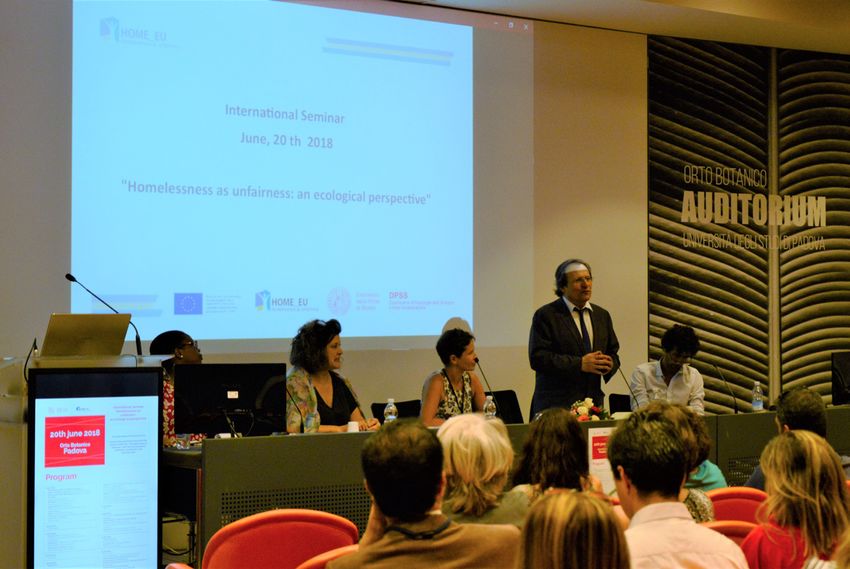
Contents
Introduction . . . . . . . . . . . . . . . . . . . . . . . . . . . . . . . . . . . . . . . . . . . . . . . . . . .  9

Theory and Methods of the HOME_EU Project: Researching Housing First
to End Homelessness in Europe . . . . . . . . . . . . . . . . . . . . . . . . . . . . . . . . .  13
José Ornelas, Maria Vargas-Moniz & Maria F. Jorge-Monteiro

Europeans’ opinion about homelessness: preliminary results from a
HOME_EU citizen survey. . . . . . . . . . . . . . . . . . . . . . . . . . . . . . . . . . . . . . . .  19
Junie Petit, Sandrine Loubiere, Aurelie Tinland & Pascal Auquier

Homeless Services Users’ Experiences of Housing and Recovery:
Preliminary Findings from Eight European Countries . . . . . . . . . . . . . . .  23
Ronni Michelle Greenwood, Rachel M. Manning & Branagh R. O’Shaughnessy

Exploring service characteristics affecting the work with homeless
people within housing first & traditional programs in Europe . . . . . . .  27
Michela Lenzi, Marta Gaboardi, Francesca Disperati, Alessio Vieno & Massimo Santinello

National policies on homelessness in 8 EU countries: preliminary results
from documental analysis . . . . . . . . . . . . . . . . . . . . . . . . . . . . . . . . . . . . . .  31
Tessa Van Loenen, Yvonne Peters, & Judith Wolf

Social policies and local choices in Lisbon. . . . . . . . . . . . . . . . . . . . . . . .  35
Maria Teresa Bispo

The unfairness of homelessness and the global economic crisis. . . . .  39
Roberto De Vogli
Homelessness as unfairness: an ecological perspective

INTRODUCTION

The HOME_EU: Reversing Homelessness in Europe is a research project aiming for social and
Community-based transformative change.
Considering that Homelessness persists as an EU transversal and unsolved societal challenge,
this Horizon 2020 focused on Social Inequalities, expands the opportunities for reflecting on
and generating systematized evidence to inform innovation in social policies of housing and
community integration of people who have experience(d) long-term homelessness.
The HOME_EU Project is focused on generating debate and evidence demonstrating that the access
to housing – individual, scattered and permanent – is a basic human right and is an effective
response to the “glimpse of the obvious”(Sarason, 1974) that is Housing to respond to persistent
and prolonged homelessness.
With the studies that integrate the HOME_EU Project we also aim to advance the Housing First
Model as an evidence of effectiveness in responding to the phenomena of homelessness, by
providing direct access to housing and supports aiming towards personal recovery and community
integration.
The perspective of effectively resolving the social situation of significant numbers of human
beings that due to severe additions, mental health problems or other disabilities, life crisis
or circumstances are persistently homeless through focused, evidence-based practices is a
challenging endeavors that requires expertise, persistence and resilient advocators. The HOME_
EU project expects to provide an EU-based scientific contribution for those who are willing to
promote change and social innovation in the field.
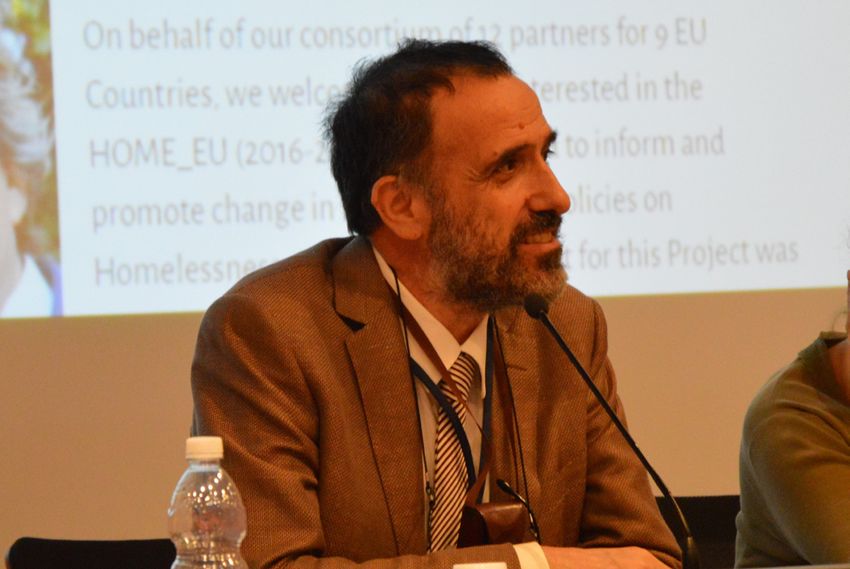
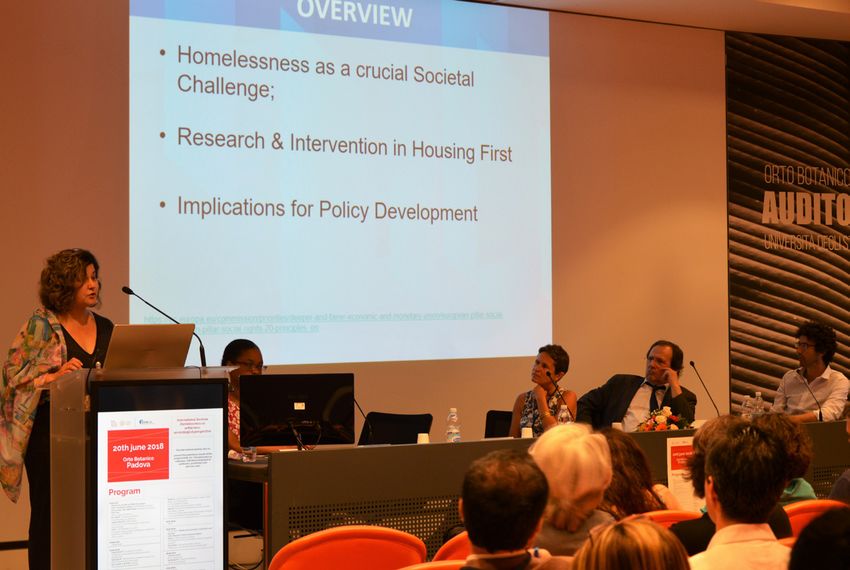
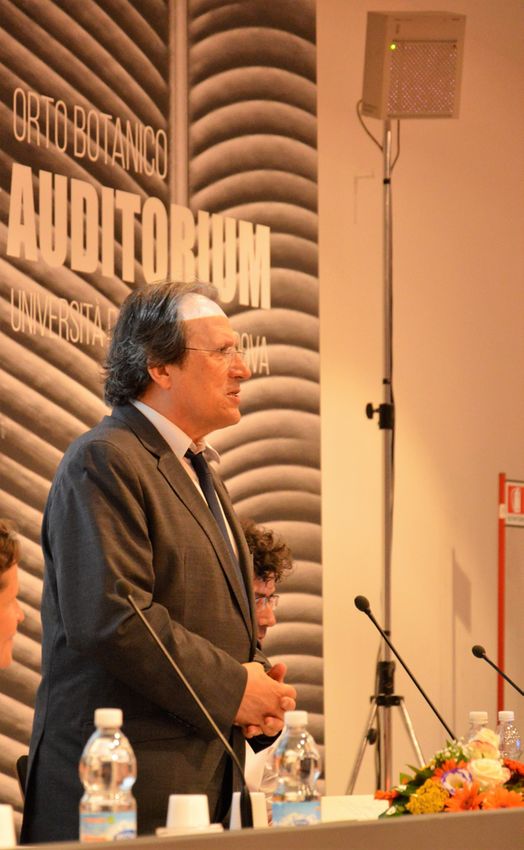
The Interim Seminar was held on June the 20th, 2018 in the Auditorium of the Orto Botanico
in Padova. This event was associated with another initiative taken by the Italian Partner of the
University of Padova that was the 3rd International Housing First Conference that was organized
for the two previous days. In the HOME_EU one day intensive event, there were 153 registered
participants, and its main aim was to present the preliminary findings of the HOME_EU studies
a series of local policy stakeholders, organizational leaders and service providers, as well as the
Consortium members.
The Seminar program was organized with three main emphases: a) an overview of the project
framework and the Grant alignment to contribute towards an EU-based and empirically grounded
Theory of Justice; b) the presentation of the preliminary results of the research studies, and c)
provide the opportunity for local and international policy stakeholders to exchange perspectives
on how to respond to the challenges posed by homelessness.
With an overall presentation of the HOME_EU Project, Maria Vargas-Moniz (ISPA – Instituto
Universitário), focused on the global and specific aims to the project emphasizing the multi-

                                                9
Homelessness as unfairness: an ecological perspective

method approach for each of the studies, and that a transnational project such as this, requires
a collaborative and creative leadership that balances both the expertise of each of the partners
and the concrete aims to be attained. Generating evidence through diverse research methods,
combining different designs is quite challenging, considering that for each of the pieces, we have
had to generate concrete protocols and guidelines in eight European languages. This effort is
quite demanding and requires specific supports to be advanced to the partners to be in equal
circumstances, regardless their nature, or circumstantial conditions to complete the tasks.
The presentation of the preliminary results of the study by Junie Petit (Université d’Aix Marseille),
on the Citizen’s opinions concerning Homelessness was quite expected by all the audience,
because a country perspective reflects a national portrait on the theme and a general overview
of the countries’ situation. Through a representative sample of about 700 Citizens from the eight
partner countries, and through a telephone survey, a significant percentage of participants, with
cross-country variations, refer to have been environmentally exposed to Homelessness, and a
relevant rate (15%) of the overall sample reported to have a personally or have a family/friend
with an experience of homelessness.
The service user’s study, presented by Ronni Greenwood (University of Limmerick), provides
a broad analysis on how the participants in the Housing First Service Model, report positive
experiences and greater recovery when compared with the service users involved in the stair
case model services. The overall sample of was of 573 service user’s, and the results indicate that
despite cross-national variations the overall results are consistent with other studies, particularly
on residential stability, housing quality, consumer choice and satisfaction with services.
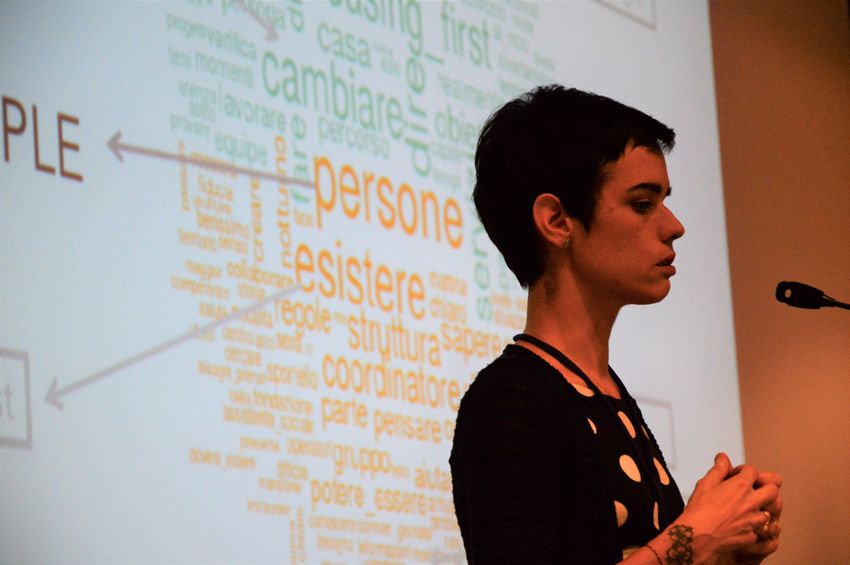
With the focus on the professional’s experiences, and the psychosocial mediators facilitating
their empowerment and wellbeing, Michela Lenzi from the University of Padova, presented the
results of the qualitative study. Through thematic analysis, a series of interviews, focus groups,
and photovoice, the results indicate differences and similarities among the Housing First and
the Other Services teams, on topics such as independence and self-determination, health and
recovery, social integration and informal networks, individualized aims and positive relational
environments.
In relation with the policy analysis study, Tessa Van Loennen from the RUMC (Radboud universitair
medisch centrum), presented the results of the policy comparative analysis focused on national
policy documents of the eight partner countries. The preliminary results focus on the analysis
of 20 national policy documents analyzed through a consensualized framework, and indicate
differentiated aims and objectives for Homelessness Policies. The confluent aims are related with
poverty, housing supply, prevention and awareness, quality of the existing resources, and the
capabilities and health promotion of the homeless population.
Reporting an experience from a Municipality perspective, Teresa Bispo (Câmara Municipal de Lisboa),
presents the local pltform on homelessness response that congregates 28 partners, including

                                                        10
Homelessness as unfairness: an ecological perspective
two Housing First Programs, priviling individualized housing instead of institutionalization, a
reference support professional to facilitate social integration, and advocates for scattered and
integrated housing options in the city’s social fabric. The global aim of this platform is to reduce
the number of homeless people, ensure their quality of life, create more housing options, and
foster employment towards autonomy.
Finally, the presentation by Roberto De Vogli (Human Rights Center – University of Padova), on
the unfairness of Homelessness in connection with the 2008 global economic crisis, addresses it’s
relation with persistent poverty conditions.
Vogli presents a broad perspective on fairness and how policies should respond to the appeal
of ending homelessness, through a brief critical literature review, considering housing as a basic
human right, and that policies should focus more on tackling the concrete challenge if reversing
Homelessness.
The premise of this event is consistent with the Project as a whole, and aims to follow the challenge
of presenting “Science with and for Society” (European Commission, 2017) related to Reversing
Homelessness, the HOME_EU scope.
References
Horizon 2020 Work Program 2018-2020 “Science with and for Society” European Commission
Decision C(2017)7124 of 27 October 2017), currently replaced by the (European Commission
Decision C(2019)1849 of 18 March 2019) http://ec.europa.eu/research/participants/data/
ref/h2020/wp/2018-2020/main/h2020-wp1820-swfs_en.pdf
Sarason (1974) The Psychological Sense of Community: Prospects for a Community Psychology. San
Francisco Jossey-Bass
11Homelessness as unfairness: an ecological perspective
Theory and Methods of the HOME_EU Project:
Researching Housing First to End Homelessness in
Europe
Ornelas J. 1,4,5, Vargas-Moniz, M2,4,5 Jorge-Monteiro, M.F.3,4,5
Principal Investigator for the HOME_EU Horizon 2020 Project; 2 Researcher for the HOME_EU Horizon 2020 Project; 3Project
1
Manager for the HOME_EU Horizon 2020 Project; 4ISPA – Instituto Universitário, Lisboa Portugal, 5APPsyCI (Applied Psychol-
ogy Research Center Capabilities and Inclusion)
The Home_EU: Reversing Homelessness in Europe Projects (http://www.home-eu.org/) a Horizon
2020 research grant (2016-2019) approved within a highly competitive grant line - were only 2 out
of 400 financed proposals. It is aimed to mainstream individualized, scattered and permanent
Housing First programs as a social policy aimed at ending long-term homelessness in EU countries
(http://www.home-eu.org/).
According to the Eurostat (2015) it is estimated that 122 million people in the European Union
context, are at risk of poverty and social exclusion; this figure corresponds to a percentage of
24.4% ofthe whole EU population. Considering that the EU is one of the world’s mostaffluent
regions, there are major persistent social problems of which homelessness is one of the most
expressive. About 410,000 people every night sleep outdoors or in temporary/emergency shelters
(μ = 4.1 million homeless people p/year, FEANTSA, 2015). Example estimates by country indicate
the representativeness of the phenonmenon in Italy 50,724 (0.24% of the population) is homeless
(ISTAT, 2015); France 140,000 (0.21% of the population, INSEE, 2012); Ireland 3,808 persons (0.1% of
the population, CSO, 2011).
The project is anchored in a multidisciplinary and combined theoretical disciplines including
psychology, public health, political science, and other social sciences, and adopts guidelines
of participation, collaboration, promoting social justice, critical reflection, empowerment and
mastery (Kloos, Hill, Thomas, Wandersman, Elias, Dalton, 2012; Ornelas, 2008). Furthermore, it
is important to acknowledge that within the homeless population some individuals (the long-
term Homeless) tend to be persistently “left behind” (Dennis, D.; Locke, G.; Khadduri, J., 2007).
“Traditional” programs have failed to end long-term homelessness, andthe persistent explanation
for the failure of these programs to end long-term homelessness is the lack of focus on problems
such as addiction, severe psychiatric disorders, extreme poverty, or other social disadvantages
(Busch-Geertsema, 2014; Ornelas, Duarte & Jorge-Monteiro, 2014; Greenwood, Schaefer, Winkel, &
Tsemberis, 2006; Lavanco and Santinello, 2009; Bokszczanin, Toro, Hobden & Tompsett, 2014).
Housing First not only contributes decisively for housing stability for the long-term homeless, and
also for the reduction of health problems (as compared to traditional approaches (Tsemberis,
Gulcur & Nakae, 2004; Lancione, 2015).The Housing First model was originally developed in the
13Homelessness as unfairness: an ecological perspective
United States to resolve chronic (long-term) homelessness, for people with serious mental health
problems and co-occurring substance abuse (Tsemberis & Eisenberg, 2000). In Canada the action
research program At Home/ Chez Soi (Aubry, Nelson, Tsemberis, 2015), was crucial to consolidate
Housing First, and the first country to assume it as a national social policy.
While several studies investigated the effectiveness of Housing First on consumers’ health and
housing stability, less is known about its effects on their level of social and community integration
and capabilities gains (Patterson, Rezansoff, Currie & Somers, 2013; Ornelas, Martins, Zilhão &
Duarte, 2014; Pleace and Quilgars, 2013; Tsai et al., 2012, Goering et al., 2011; Shinn, 2015). Moreover,
most of the studies in the field evaluated individually-based treatments for homeless people, but
did not take into account changes in the socio-political environment that can affect individual
well-being (Patterson et al., 2013).
With an ecological and context-based research approach, a consortium of 12 partners from nine
EU Countries (Fig. 1), is probing to fill this gap in our knowledge of the ways that Housing First, not
only benefits persistently homeless people, but also reduces social inequalities and promotes
innovative and useful community-based science.
Figure 1 – The Consortium composed by 6 Universities, 1 Research Institute, 3 NGOs, 1 Foundation
and 1 Municipality
14Homelessness as unfairness: an ecological perspective
The global aims of this project are to provide a comprehensive understanding on how the
Europeans perceive, tolerate and contest the extreme inequality of Homelessness. These aims are
to be attained within five levels of analysis:
1) To develop a continuum indicator from Tolerance to Contest capacity of EU Citizens towards
long-term homelessness, and to identify variability among the different countries;
2) To Observe if people who are currently homeless and people who have been integrated in
Housing First Programs report differences on their capabilities gains, personal recovery, and
their opinions on the service efficacy;
3) To understand the perspectives of service providers about the ways that their organizations
effectively reverse homelessness, promote capabilities, and contribute toward the (in)
formation of social policies;
4) To analyse social policies on homelessness in terms of result orientation toward housing
policies aimed at reversing homelessness through Housing First and Community Integration
5) To establish a dialogue of the four precedent ecological levels of analysis: a) EU Citizens
perceptions; b) people who are currently long-term homeless, and people that have been
integrated in Housing First Programs; c) service providers for the currently Homeless, and
those in Housing First Programs; d) key-stakeholders on policy development and EU social
policies, all intended to respond to homelessness in order to profile each partner country on
the key elements of program efficacy
Considering the quantitative/qualitative combinations of the selected measures, including
telephone surveys, surveys, interviews, focus-groups and photo voice, the first months of project
implementation were dedicated to the translation and cultural adaptation of all the measures (30)
of the several studies, including scales, interview guides and protocol guidelines, that constitute
at this stage a portfolio of measures in English, Dutch, French, Italian, Polish, Portuguese, Spanish
and Swedish, that constitute a relevant “tool box” to be made available for future use within
further research endeavors.
The studies developed have differentiated designs e.g. Citizen’s knowledge, attitudes, practices and
willingness to pay, with a telephone survey, the service users with a time zero and time one (one-
year follow-up), and a purposive sample of qualitative interviews, the service providers studies
comprised a qualitative phase (interviews for team coordinators, focus-groups for teams and a
photo voice) and a quantitative phase with a survey, the policy studies comprised a documental
analysis of homelessness policies and particularly the national legislative or programmatic
endeavors including housing first and a survey for service directors and representatives of
national homelessness programs or policy sectors. Each of the studies has a series of programmed
deliverables that comprise specific sections country-based comparisons of the KAP, and WTP for
EU Citizens; the users and providers of Housing First and the Staircase homeless services; as well
15Homelessness as unfairness: an ecological perspective
as the national/regional policies and leaders.
A selection of nested data is being modeled in order to understand the dynamics of the several
sectors (Citizens Opinions; Service User’s; Service Providers, Policies and Policy Stakeholders) on
a beneficiary country based analysis.
The HOME-EU influencing within partner countries
The implementation of a policy-driven project like the HOME_EU requires a process focus on strategic
interventions or continuing efforts to influence the dynamics of Housing First implementation
within the partner countries. Some of the attained achievements were focused on dissemination,
active participation, as consolidating national or transnational partnerships. On dissemination,
we emphasize the efforts the focus on the vision that long-term homelessness is a solvable
human rights social problem. Through the active participation in national and already some
transnational events and bodies the HOME_EU Project is influencing service-model developments
and contributing with programmatic pieces, for advanced training, and direct policy influence.
Considering that there have been many significant national advancements in new legislative
pieces, and national strategies (e.g. France, Ireland, Portugal) or renovated socio-political dynamics
(e.g. Spain, Poland), the beneficiary teams are more embedded into national and transnational
networks and acting as consultants or facilitator for the development or consolidation of housing
first programs.
References
Kloos, B., Hill, J., Thomas, E., Wandersman, A., Elias, M.J., Dalton, J. (2012) Community Psychology:
Linking Individuals and Communities. Belmont, CA: Wadsworth
Ornelas, J. (2008) Psicologia Comunitária. Lisboa: Fim de Século
Bokszczanin, A., Toro, P.A., Hobden, K., & Tompsett, C.J. (2014). Post-traumatic stress disorder
among homeless adults in Poland: Prevalence and predictors. Open Journal of Psychiatry,
4, 9-15.
Busch-Geertsema, V. (2013). Housing First Europe Final Report. Brussels: European Union Programme
for Employment and Security.
Central Statistics Office (2011). Census 2011 Results. http://www.cso.ie/en/media/csoie/census/
documents/homelesspersonsinireland/Homeless,persons,in,Ireland,A,special,Census,re
port.pdf
Dennis, D., Locke, G., & Khadduri, J. (2007). Toward understanding homelessness: The 2007
national symposium on homelessness research. http://aspe.hhs.gov/sites/default/files/
pdf/120751/report_0.pdf
16Homelessness as unfairness: an ecological perspective
Eurostat (2015). Europe 2020 indicators: poverty and social exclusion. Retrieved from http://
ec.europa.eu/eurostat/statistics-xplained/index.php/Europe_2020_indicators_-_
poverty_and_social_exclusion Institut National de la Statistique et des études
Économiques (2012). Conditions de vie-Société: Logement. Retrieved from http://www.
insee.fr/fr/themes/document.asp?ref_id=ip1455
ISTAT Istituto nazionale di statistica (2015). Italia in cifre: edizione 2015. http://www.istat.it/it/
archivio/166216.
Goering, P., Streiner, D., Adair, C., Aubrey, T., Barker, J., Distasio, J., . . . Zabkiewicz, D. (2011). The
Associated with document Ref. Ares (2016) 4021467 - 01/08/2016
Greenwood, R.M., Schaefer-McDaniel, N., Winkel, G., & Tsemberis, S. (2005). Decreasing psychiatric
symptoms by increasing choice in services for adults with histories of homelessness.
American Journal of Community Psychology, 36 (3/4), 223-238
Lancione, M. (2015). Housing First: successo, modelli e sfide politiche. Psicologia di Comunita', 2,
23-40. doi:10.3280/PSC2015-002003
Lavanco, G, & Santinello, M. (2009). I senza fissa dimora. Analisi psicologica del fenomeno e ipotesi
diintervento. Milano: Paoline Editoriale Libri.
Ornelas, J., Duarte, T., & Jorge-Monteiro, F. (2014). Transformative organizational change in
community mental health. In G. Nelson, B. Kloos & J. Ornelas (Eds), and Community
psychology and community mental health: Towards a transformative change (pp. 253-277).
New York: Oxford University Press.
Ornelas, J., Martins, P., Zilhão, M.T., & Duarte, T. (2014). Housing First: An ecological approach to
promoting community integration. European Journal of Homelessness, 8 (1), 29-56.
Patterson, M., Rezansoff, S., Currie, L., & Somers, J. (2013). Trajectories of recovery among homeless
adults with mental illness who participated in a randomized controlled trial of housing
first: a longitudinal, narrative analysis, BMJ Open 3 (9), 1-8.
Pleace, N., & Quilgars, D. (2013). Improving health and social integration through Housing First: A
review. Brussels: FEANTSA.
Shinn, M. (2015). Community psychology and the capabilities approach. American Journal of
Community Psychology, 55 (3/4), 243–252.
Tsai, J., Mares, A., & Rosenheck, R. (2012). Does housing chronically homeless adults lead to social
integration? Psychiatric Services, 63 (5) 427-434.
Tsemberis, S. and Eisenberg, R. (2000) Pathways to Housing: Supported Housing for Street-Dwelling
Homeless Individuals with Psychiatric Disabilities, Psychiatric Services 51 (4) pp. 487-493.
17Homelessness as unfairness: an ecological perspective
Tsemberis, S., Gulcur, L., & Nakae, M. (2004). Housing first, consumer choice, and harm reduction
for homeless individuals with dual diagnosis. American Journal of Public Health, 94 (4),
651-656.
Aubry T, Nelson G, Tsemberis S. 2015 Housing First for People with Severe Mental Illness Who Are
Homeless: A Review of the Research and Findings From the At Home-Chez soi Demonstration
Project. Canadian Journal of Psychiatry Nov;60(11):467-74.
18Homelessness as unfairness: an ecological perspective
Europeans’ opinion about homelessness: preliminary
results from a HOME_EU citizen survey
Petit JM1 , Loubiere S1,2, Tinland Aurelie1,3, Auquier P1, HOME_EU consortium study group.
Author information
1 Aix-Marseille University, EA 3279 Research Unit, France -13385.
2 Department of Epidemiology and Health Economics, Department of Research and Innovation, Assistance Publique Hôpi-
taux de Marseille, APHM, France-13005 Marseille
3 Department of Psychiatry, Sainte-Marguerite University Hospital, France-13009 Marseille
Abstract
Introduction
Since the early 1990s, the Housing First model appeared as a promising approach for a paradigm
shift in the care of homeless people. This innovative care model offers immediate access to
permanent housing - with no requirements for sobriety or treatment adherence, and support from
a multidisciplinary team as a prerequisite for recovery and community integration of homeless
people with mental and/or chronic medical illnesses (i.e. mental illness, alcohol or drug addiction,
disability) (Tsemberis et al. 2004; Goering et al., 2011; Tinland et al., 2013). In the USA, in Canada,
and in various European countries, experiments and pilot Housing First programmes have been
implemented (Aubry et al., 2015). To date, there is little research on the views of the general
population regarding homelessness and programs targeting its reduction (Toro & McDonnell, 1992;
Tompsett et al. 2006). Public stakeholders would benefit from an evaluation of public perception,
to better understand what drives public support when it comes to homeless.
Objectives
The primary objective of the present abstract is to present some preliminary results of the
HOME_EU citizen survey on Europeans’ opinions about homelessness and programs targeting its
reduction.
Methods
A telephone survey using landlines and mobile phones was conducted from March to December
2017 in France (FR), Ireland (IR), Italy (IT), the Netherlands (NL), Poland (PL), Portugal (PT), Spain
(SP), and Sweden (SE) following an initial random selection of adults (18 years or older) from
opt-in panels (n=2,500 per country). Bilingual interviewers were recruited and trained. A quota
sampling approach was carried out to optimize the representativeness of the sample with regards
to age and gender for each country (Curtin et al. 2005). Additionally, National census data (Eurostat
19Homelessness as unfairness: an ecological perspective database) were used to apply weights to the sample as regards to educational attainment. An indicator of exposure to homelessness was computed to measure respondents’: i) environmental exposure, i.e. whether or not they saw homeless people regularly; ii) interaction, i.e. whether or not they had regular interaction with homeless people through volunteer work; iii) membership, i.e. whether or not they had ever been homeless during the course of their life or whether they had a relative or acquaintance who was ever homeless; homelessness was defined as rough sleeping or using emergency shelters in all countries. Data on participants’ perception of the magnitude and the main causes of homelessness, and the funding of services addressing homelessness were gathered and compared to the Eurobarometer 2010 (TNS Opinion & Social, 2010). Preliminary Results Overall 5,631 interviews were collected (about 700 for each country). Responses rates varied between 30.4% and 33.5%. At least, 46% of the sample reported having been exposed to homelessness, with no differences in exposure between men and women. On environmental exposure, SE and PL exhibited higher rates than all other countries (44% and 43% respectively). Although respondents from PT and IR were less likely to see three or more homeless per week (25%), they were more likely to have volunteered with an organisation assisting homeless people (22% and 16%, respectively); respondents from NL reported the lowest exposure through interaction (5%). Overall, 15% of the sample either reported having a personal experience of homelessness or having a relative or friend with such an experience, with IR and NL showing the most extreme rates (9.5% and 18.7%, respectively). Overall, three-quarter of respondents thought the magnitude of homelessness had increased, a perception that was consistent with the estimates from the Eurobarometer 2010 survey. Similarly, perceptions varied across countries, ranging from 59% in NL to 90% in FR and IT (p = .003). Markedly, a difference of 6 points in the beliefs that homelessness had increased over the last three years was found between exposed and non-exposed respondents (77% vs. 71%). The three leading causes of homelessness reported by surveyed participants were: 1) job loss, 2) addiction issues, and 3) rent arrears. Addiction issues was mostly cited in PL (77%), PT (74%), IR (67%), and SE (65%). A clear majority of respondents (76%) reported that government spent too little on homelessness, with exposed respondents being more likely to encourage governmental funding; this opinion varied significantly between countries (p
Homelessness as unfairness: an ecological perspective

Discussion
These preliminary results described opinions on homelessness in Europe. More specifically,
differences in perceptions appeared between respondents according to their personal exposure
to homelessness: awareness seemed more acute in exposed respondents (Toro et al. 2007).
Unsurprisingly, respondents more often perceived factors related to economic constraints as the
leading causes of homelessness. This may reflect the growing socioeconomic strain in Europe,
wherein employed people struggle to have a decent living standard and an unrestrictive access
to care (Stuckler et al. 2017). Most strikingly, almost 17% of respondents reported that their
government spent too much or enough money on homelessness. When these results were put
in light of their overall assessment of the government spending on social welfare, something
interesting emerged, questioning the redistribution of wealth. Finally, in light of the development
of programs such as Housing First aimed at reversing homelessness, those preliminary results
could provide stakeholders with a better understanding of the drivers of public support when it
comes to homelessness.

References
Tsemberis, S., Gulcur, L., Nakae, M. Housing First, Consumer Choice, and Harm Reduction for
        Homeless Individuals With a Dual Diagnosis. Am. J. Public Health 2004; 94, 651–656.

Goering, P., Streiner, D.L., Adair, C., et al. The At Home/Chez Soi trial protocol: A pragmatic, multi-
        site, randomized controlled trial of a Housing First intervention for homeless individuals
        with mental illness in five Canadian cities. BMJ Open. 2011 Nov 14;1(2):e000323.

Tinland, A., Fortanier, C., Girard, V., et al. Evaluation of the Housing First program in patients with
        severe mental disorders in France: study protocol for a randomized controlled trial. Trials
        2013;14, 309.

Aubry, T., Nelson, G., Tsemberis, S. Housing First for People With Severe Mental Illness Who Are
        Homeless: A Review of the Research and Findings From the At Home–Chez soi Demonstration
        Project. Can. J. Psychiatry Rev. Can. Psychiatr. 2015; 60, 467–474.

Toro, P.A., McDonnell, D.M. Beliefs, attitudes, and knowledge about homelessness: a survey of the
        general public. Am. J. Community Psychol. 1992; 20, 53–80.

Tompsett, C.J., Toro, P.A., Guzicki, M., et al. Homelessness in the United States: Assessing Changes in
        Prevalence and Public Opinion, 1993-2001. Am. J. Community Psychol. 2006; 37, 29–46.

Curtin, R., Presser, S., Singer, E. Changes in Telephone Survey Nonresponse Over the Past Quarter
        Century. Public Opin. Q. 2005; 69, 87–98.

TNS Opinion & Social. Poverty and Social Exclusion (Special Eurobarometer 355,Wave 74.1). 2010,
        European Commission, Brussels.

                                                  21
Homelessness as unfairness: an ecological perspective
Toro, P.A., Tompsett, C.J., Lombardo, S., et al. Homelessness in Europe and the United States: A
Comparison of Prevalence and Public Opinion. J. Soc. Issues 2007; 63, 505–524.
Stuckler D, Reeves A, Loopstra R, et al. Austerity and health: the impact in the UK and Europe. Eur
J Public Health. 2017 Oct 1;27(suppl_4):18-21.
22Homelessness as unfairness: an ecological perspective
Homeless Services Users’ Experiences of Housing and
Recovery: Preliminary Findings from Eight European
Countries
Ronni Michelle Greenwood, Rachel M. Manning, Branagh R. O’Shaughnessy
Psychology Department, University of Limerick, Ireland
Introduction
The EU-funded Horizon2020 project, “Homelessness as Unfairness” (Home-EU) aims to
understand the extent to which social policies, the characteristics of homeless services, and
citizens’ attitudes toward homelessness and homelessness interventions are poised to reverse or
sustain homelessness in eight European countries. It is also the first cross-national investigation
of experiences of services and recovery among adults with histories of homelessness, the
preliminary findings of which are the focus of this report. Home-EU takes a capabilities approach
(Lyon-Callo, 2008; Nussbaum, 2011; Sen, 2010) in which homelessness is conceptualized as an
extreme situation of inequality and unfairness. As homelessness continues to increase across
most European countries, politicians and policymakers are challenged to reconfigure homeless
services in ways that go beyond merely managing homelessness to reversing it through policies
that increase individuals’ capabilities, or freedom to realize their full potential. Housing First
(Tsemberis, 2010) is an evidence-based, with histories of homelessness and complex support
needs that not only ends homelessness but is also hypothesized to enhance capabilities (Shinn,
2015). Recently, the European Commission endorsed the reconfiguration of “Staircase model”
services toward “housing led” approaches (European Commission, 2013), of which Housing First is
the gold standard. This report describes preliminary findings from a comparison of experiences
of homeless services users engaged either in Housing First programmes or Staircase programmes
in eight European countries.
Objective
Our primary objective was to test the hypothesis that participants engaged in Housing First
services report more positive experiences of homeless services, and report greater recovery on
key indicators, than participants engaged in Staircase services.
Materials and Procedures: Consenting materials and 13 valid and reliable measures were translated
from English into Dutch, French, Italian, Polish, Portuguese, Spanish and Swedish using best
practice translation-back translation techniques (Beaton, Bombardier, Guillemin, & Ferraz, 2000).
Outcome measures assessed at this first time point included residential stability, housing quality,
consumer choice, satisfaction with services, psychiatric symptoms, community integration, and
capabilities enhancement. Participants were recruited through connections with local service
23Homelessness as unfairness: an ecological perspective
providers in each country. Measures were administered individually to each participant by trained
research interviewers and in accordance with standardized procedures that were agreed and
codified in a common protocol.
Participants
A total of 573 homeless services users (Housing First = 244 and Staircase services = 329) completed
this first wave of data collection. Reflecting the adult homeless population, most participants
were single (n = 348, 60.7%%), men (n = 435, 75.9%), and on average, 47.3 years old (range = 19-84,
SD = 11.73). Please see Table 1 for participant characteristics by country.
Results
See Tables 2 and 3 for a summary of findings. Results of a 7 (Country) x 2 (Group) between-
subjects analysis of variance indicated that participants engaged with Housing First reported
greater residential stability, housing quality, consumer choice, and greater satisfaction with
homeless services. Further, Housing First participants reported fewer psychiatric symptoms,
greater community integration, and greater capabilities enhancement. Although differences
between Housing First and Staircase services were stronger in some countries (e.g., Ireland, Italy,
and Sweden) than others (France, the Netherlands), the overall pattern across the full sample
demonstrates the greater efficacy of Housing First for increasing residential stability, providing
recovery-oriented services, and promoting recovery in important domains.
Conclusions and Limitations
Evidence from seven European countries suggests that Housing First does work in different
locations with different political, economic, and social contexts to end homelessness and
promote recovery for adults with histories of homelessness and complex needs. Although these
findings are consistent with a large and expanding body of evidence of positive outcomes of
Housing First implementations, they must be interpreted with some caution. These data are cross-
sectional and correlational. Participants were enrolled in homeless services for various lengths
of time. Housing First programmes in different countries were at different developmental stages.
Some programmes were older and more established (e.g., France and Portugal), while some were
younger (e.g., Ireland and Italy). They also varied in terms of size and number of programmes in
each country. This research is ongoing, and we intend to use this baseline data set to control for
programme differences in our analysis of Time 2 data collected on the same measures.
Policy Recommendations
Based on these and other findings, we recommend European expansion of HF programmes
with high fidelity to the original model through the implementation of new programmes and
24Homelessness as unfairness: an ecological perspective
reconfiguration of staircase services to Housing First. To accomplish this goal, we encourage
the European Commission to promote and support professionals’ training in delivering client-
led, empowering, recovery-oriented supports and services to all individuals who experience
homelessness or who are at risk of homelessness. We encourage the European Commission to
develop policy incentives to increase all EU countries’ capacities to obtain affordable scatter-
site, independent housing through rent supplements and other schemes for adults with histories
of homelessness. Independent scatter-site housing is important because it not only decreases
stigma that sustains inequality and unfairness, but it also improves community integration, while
addressing the safety, security, and privacy needs of adults with histories of homelessness. Housing
First, the gold standard of ‘housing led approaches’ is an evidence-based model of homeless
services delivery that reverses homelessness and decreases unfairness and inequality through a
combination of scatter-site housing and empowering, time-unlimited supports. (800 words)
References
Beaton, D. E., Bombardier, C., Guillemin, F., & Ferraz, M. B. (2000). Guidelines for the process of
cross-cultural adaptation of self-report measures. Spine, 25, 3186-3191.
European Commission. (2013). Confronting homelessness in the European Union.
Lyon-Callo, V. (2008). Inequality, poverty, and neoliberal governance: Activist ethnography in the
homeless sheltering industry. Toronto: University of Toronto Press.
Nussbaum, M. C. (2011). Creating capabilities. Boston: Harvard University Press.
Sen, A. (2010). The idea of justice. London: Penguin.
Shinn, M. (2015). Community psychology and the capabilities approach. American Journal of
Community Psychology, 55, 243-252.
Tsemberis, S. J. (2010). Housing First: The Pathways model to end homelessness for people with
mental health and substance use disorders. City Centre, MN, USA: Hazelden.
25Homelessness as unfairness: an ecological perspective
Table 1
Participant Characteristics
Sample Size Age (in years) Gender (Male) Relationship (Single)
HF OS HF OS HF OS HF OS
France 40 39 M=41 M=43 62.5% 82.1% 72.5% 84.6%
M=42 M=40
Ireland 38 45 76.3% 72.1% 47.4% 60.5%
(SD=2) (SD=14)
M=58 M=54
Italy 38 46 84.2% 84.4% 42.1% 32%
(SD=10) (SD=10)
Poland 0 45 - M=46 - 68.9% - 57.8%
M=45 M=49
Portugal 41 36 78% 69.4% 87.8% 69.4%
(SD=12) (SD=9)
M=47 M=49
Spain 34 35 76.5% 71.4% 52.9% 51.4%
(SD=10) (SD=6)
M=54 M=48
Sweden 21 48 81% 83.3% 61.9% 57.4%
(SD=8) (SD12)
M=48 M=47
The Netherlands 32 35 65.6% 82.9% 71% 65.7%
(SD=9) (SD=13)
Table 2
Housing and Services Outcomes
Group France Ireland Italy Netherlands Poland** Portugal Spain Sweden Group Mean
OS 37.90 6.29 2.72 26.40 20.67 4.60 11.50 2.50 14.07
Residential Stability*
HF 79.80 76.90 90.30 87.40 - 81.50 82.90 42.80 77.37
OS 2.65 2.97 2.67 3.06 2.93 2.63 2.27 2.95 2.77
Housing Quality
HF 2.84 3.59 3.31 3.18 - 3.29 3.55 3.56 3.33
OS 3.20 2.74 2.01 3.35 2.97 2.15 2.78 3.05 2.78
Consumer Choice
HF 4.21 4.52 4.07 4.26 - 4.13 4.49 4.74 4.35
Satisfaction with OS 3.62 3.44 2.79 3.45 3.43 3.43 3.46 2.92 3.32
Services HF 3.51 4.18 3.75 3.81 - 3.81 4.73 4.27 4.01
*Proportion of time in independent accommodation in past six months.
**Poland does not have a Housing First programme and was not included in the ANOVA.
Bold type indicates significant group differences within country (p < .05).
Table 3
Outcome
Group France Ireland Italy Netherlands Poland* Portugal Spain Sweden Group Mean
Psychiatric OS 1.09 2.24 2.10 2.03 2.38 2.53 2.32 2.52 2.15
symptoms HF 0.77 1.80 1.69 2.30 - 2.15 1.78 1.91 1.77
Community OS 2.34 3.85 3.62 3.98 4.18 3.27 3.42 3.40 3.51
integration HF 3.60 4.07 4.11 3.94 - 3.81 3.96 4.26 3.96
Capabilities OS 3.25 3.29 3.02 3.58 4.51 3.53 2.97 3.29 3.43
Enhancement HF 3.67 4.02 4.20 3.70 - 4.09 4.28 4.12 4.01
*Poland does not have a Housing First programme and was not included in the ANOVA.
Bold type indicates significant group differences within country (p < .05).
26Homelessness as unfairness: an ecological perspective
Exploring service characteristics affecting the work
with homeless people within housing first & traditional
programs in Europe
Michela Lenzi, Marta Gaboardi, Francesca Disperati, Alessio Vieno & Massimo Santinello
Department of Developmental Psychology and Socialisation, University of Padova, Italy
Introduction
In the current work, preliminary findings of Work Package 4 (WP4) of the H2020 project “Homeless
as unfairness” were presented. The main aim of WP4 is to examine which service characteristics
influence the work with homeless people, by comparing Housing First (HF) and Other (traditional)
Services (OS).
Several actors are involved in the programs: service users, providers, citizens, the political
background and its policies. The current work focuses on the role of service providers.
The Providers’ Study is based on the “Capabilities Approach” (Nussbaum, 2011) and on the
“Empowering Community Settings model” (Maton, 2008) frameworks. These theories underline
the importance of services characteristics on promoting some psychological mediators (such
as motivation or self-efficacy) in the members of a group, that in turn are associated to their
empowerment and well-being.
Aims
Therefore, the Providers’ Study start with the research question: which services characteristics
influence the work with homeless people? The WP4 Providers’ Study includes a qualitative and
a quantitative study: in the first one, focus groups, semi-structured interviews and photovoice
projects were conducted, both in HF programs and traditional services.
Exploring how the participants describe the characteristics of their service allows which of these
factors could affect their working with homeless people.
Procedure and methods
The Study was conducted in 8 European countries involved in the project (France, Ireland, Italy,
Netherland, Poland, Portugal, Spain, Sweden). A research protocol was shared among partners
and approved by European Ethic Committee.
In this section we present our preliminary analyses of the data collected through focus groups
(2 HF and 2 OS programs in each countries). Two main questions guided the discussion: first, we
asked them to describe the main aims of the program, and what specific characteristics promote
or hinder their work.
27Homelessness as unfairness: an ecological perspective
Data analysis
We used thematic analysis to interpret responses to questions. Two independent coders conducted
the qualitative data analysis. In the first step, each coder independently read and re‐read data for
familiarization. The second step involved coding the data: a first set of codes was created based
on the empowering community settings model (Maton, 2008); the codes were then integrated with
new ones based on the content of the focus groups. Codes were then used to create themes.
Three main themes were examined: service goals, vision and system of values, relational
environment. HF programs and traditional services were compared in relation to these three
areas. In this stage, data were analyzed altogether, without taking into account potential cross-
country differences.
Results
In relation to service goals, providers mostly talked about users’ well-being, particularly users
independence and self-determination, as main aims of the service. This was much more frequent
on HF programs than in traditional services (21 vs 4 sentences).
In both kind of services participants talked about health and recovery (7 sentences in both kind
of services). However, considering the specific content of the sentences, it is possible to note
that in HF programs providers mostly referred to recovery and the overall quality of life, while
in traditional services they mostly talked about meeting users’ health needs and solving health
problems.
Additional dimension related to service goals are social integration and inclusion. Social
integration was more frequently mentioned as one of the main aims in traditional services (20
vs 8 sentences). In both services participants talked about the importance of the informal social
network; in traditional services they were also referring to homeless services in the community
and work trainings, while in HF they also mentioned the need to address inequalities in society as
a possible pathway to homeless people integration.
Finally, participants talked about the importance for the service to have a larger purpose; in this
category, the most frequently discussed topic had to do with preventing, reducing or eliminating
homelessness.
In relation to vision and system of values, in both services, providers talked about the importance
of sharing a system of values, underlying how the lack of it can be an obstacle for the effectiveness
of the program. In addition, the relation between principles and practice was a very frequent topic
of discussion. Most of the sentences coded in this category described the struggle of dealing with
an inconsistency between principles and practice. This was a very frequent topic of discussion
especially in HF programs (26 vs 4 sentences), probably due to the many innovative aspects of
the model that are difficult to realize or to the high expectations that usually characterize HF
providers.
28Homelessness as unfairness: an ecological perspective
In relation to specific values, in both services the most frequently mentioned were: dignity,
respect, honesty and non judgmental attitude. In both services, service providers underlined the
importance of working with passion and idealism.
The importance of a person-centered approach was a very frequent topic of discussion in HF
programs: providers underlined the importance to give users responsibility and decide the
direction of their individualized program and its goals (27 sentences). Also in traditional services
providers underlined the importance of a person-centered approach, although most of the times
they described the need to adapt the program to users’ needs (instead of resources).
Regarding the relational environment, in both services participants underlined the importance of
having caring relationships with colleagues and the availability of support and social cohesion as
critical aspects promoting the effectiveness of the program. Moreover, in HF as well as and other
services, providers underlined the need to develop a strong relationship with the users, since this
makes it easier to work with them on their skills and resources.
Finally, in both services providers talked about the importance of the supervision for the staff
(7 sentences in HF, 10 in OS), underlying that the lack of supervision can be an obstacle for the
effectiveness of the program.
Discussion
Although the analyses of the focus groups are still ongoing, a number of factors have been
identified as key factors for programs in homeless services.
In particular, it is important to note that some characteristics are different between the two
programs. Regarding the goals in HF participants are more concentrated on users’ well-being
using a person-centered approach, useful to promote choice on clients. OS are more concentrated
on social integration, understood as possibility to find resources in the community. Perhaps,
because OS need of find a solution for homeless people outside the programs, not having housing
available.
The differences emerged in the theme of system of values underline the theme of inconsistency
between principles and practice in HF programs. Perhaps, the principles of HF (focused on choice,
harm-reduction and recovery) are on ambitious high-level, difficult to reach with people that are
living extreme condition of poverty with different problems (addictions, mental-illness…).
Regarding the relational environment, it is interesting to note that in both services participants
underlined the importance of having caring relationships in the team and a strong relationship
with the users. The relationship seems to be an essential ingredient of the work with this target.
Conclusion
It is important to underline that in this stage we presented also some preliminary data. In fact,
data were analyzed altogether, without taking into account potential cross-country differences.
29Homelessness as unfairness: an ecological perspective
Moreover, the themes emerged could be analyzed more in deep to find sub-themes of meanings.
Nevertheless, these results already show factors to consider to the implementation of a service
with homeless people.
References
Maton K. I. (2008). Empowering Community Settings: Agents of Individual Development, Community
Betterment, and Positive Social Change. American Journal of Community Psychology, 41,
4-21.
Nussbaum, M. C. (2011). Creating capabilities: The human development approach. Cambridge, MA:
Belknap Press.
30Homelessness as unfairness: an ecological perspective
National policies on homelessness in 8 EU countries:
preliminary results from documental analysis
Van Loenen T , Peters, Y., & Wolf, J.L.R.M.
Impuls - Netherlands Center for Social Care Research, Department of Primary and Community Care, Radboud University
Netherlands.
Introduction
The Work package 5 (WP5) of the Home_EU project focuses on policies on homelessness within 8
partnered EU countries, with a particular interest in participation as a determinant of the quality
of daily life of citizens and an essential issue for human recovery.
Objectives
The aim of WP5 is to perform a comparative study of both policies on homelessness and policies
that promote implementation of Housing First in Europe. The aim of this presentation is to
examine the orientation and objectives of the national policies in the 8 countries participating
in the Home_EU project and how they relate to the social quality model that describes necessary
conditions for participation and self-direction.
Methods
WP5 relies on a two-stage qualitative study consisting of 1) documental analysis of policies on
homelessness and 2) survey among national and municipal key stakeholders. This presentation
focuses on preliminary results of the documental analysis. This was done in a few steps. At
first a protocol was developed with specific guidelines for the search for documents in the 8
countries. Several sources were described to identify relevant policy documents: a) Databases of
public records (e.g., records of legislative changes, media communications, annual reports from
government departments), b) Researchers (i.e., those whose research may have been used in the
policymaking process), c) Policymakers (i.e., legislators or policy advisers). Inclusion criteria for
documents were as follows:
1) documents concerning the long-term homeless population (houseless and roofless)
2) documents focusing on reversing homelessness or promoting HF
3) The time frame was set for 2011-2017
A framework of analysis was developed to describe documents on specific topics e.g. a description
of the policy and the policy context, aims and policy measures, involvement of stakeholders, level
of choice for target population, effectiveness and outcomes. Considering the 8 European languages
involved in the Consortium the research team delineated a protocol in order to harmonize the data
into a common framework of analysis in English. The developed protocol had several feedback
rounds in order to make sure that it was applicable in the different contexts of the 8 countries.
31Homelessness as unfairness: an ecological perspective
After the feedback rounds, all Home-EU partners from participating countries started to search
documents, include them according to inclusion criteria and complete the framework of analysis
in English for each included document. All the completed frameworks of analysis were then sent
to the WP leader (RUMC) for further analysis.
The contents of the included policy documents were analysed using the social quality model.
This model is based on the following definition of social quality: “The extent to which citizens are
able to participate in the social, economic and cultural life of their communities under conditions
which enhance their well-being and individual potential” (Beck, van der Maesen & Walker, 1998).
The model consists of two dimensions: The first dimension – structural versus individual – reflects
the fundamental tension between social structures and human agency. The second dimension
– relational versus institutional – refers to the tension between informal relationships in the
community (family, networks, groups) and the formal relationships in institutions (e.g., healthcare,
employment, educational, financial). Combining these two dimensions results in four necessary
conditions for the participation and self-direction of members of society.
Preliminary results
In total RUMC received 79 documents analyzed by partners’ countries. of which 20 were initially
selected considering the national level scope. The remaining documents are to be analyzed within
a regional/local (municipal) programmatic perspective. Based on the aforementioned criteria,
59 were excluded. Twenty frameworks of analysis from 8 countries were included and analyzed.
Figure 1 shows orientations and objectives of European policies along the dimensions of the
social quality model. Key results of documental preliminary analysis can be summed as follows:
1. Most policies are focusing more on the system world (formal relations) than on the life world
(informal relations)
2. Very few policies include elements that are focused on social empowerment.
3. Within some countries the homelessness policy focuses on just one or a few elements of a
single dimension of the social quality model (for instance in Poland the policy focus is to
strengthen and improve the existing resources), while policies in other countries focus on
several elements of different dimensions of the social quality model (such as the national
strategy of Spain).
Discussion
In these preliminary analyses we showed that homelessness policies within the 8 EU countries
focus on different kinds of aims/objectives and vary considerably concerning the width of their
scope. The intended survey among national and municipal key-stakeholders might provide
more in-depth and comparable information on the specific focus, level of implementation and
evaluation of the national and municipal social policies of the 8 countries.
32You can also read


