Horse Riding in Devon - www.devon.gov.uk/horseriding
←
→
Page content transcription
If your browser does not render page correctly, please read the page content below
Horse Riding
   in Devon

                               the place to be naturally active

www.devon.gov.uk/horseriding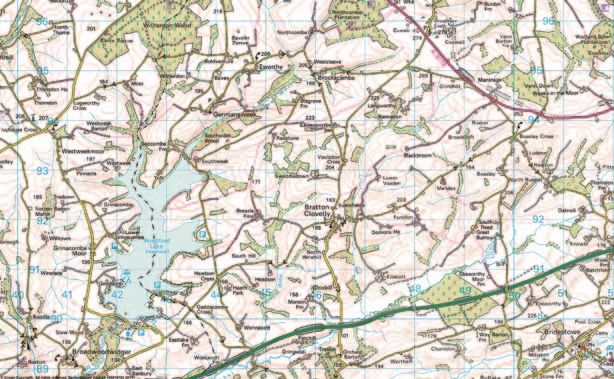
Contents
                          Map of Devon                                 3
                          Horse Riding in Devon                        4

    Where to ride         Public Rights of Way and Other Information 6
                          Planning Your Route                         8

    How to ride           The Countryside Code                         9
                          Road Safety                                 10
                          Beach Riding                                12

    Further Information   Equestrian Attractions                      14

    Places to ride
    National Parks        1. Exmoor National Park                     16
                          2. Dartmoor National Park                   17

    Circular Trails       3. Tarka Trail                              18
                          4. The Taw Valley Ride                      19
                          5. Dittisham Circular Ride                  20
                          6. Ruby Rides: Village and Lakeside Trail   21

    Free-Riding Areas     7. Ruby Rides: Cookworthy Forest            22
                          8. Haldon Forest Park                       23
                          9. Woodbury Common                          24

    Further Information   Great Places to stay                        26
                          and Equestrian Facilities
                          Be a responsible visitor!                   27

2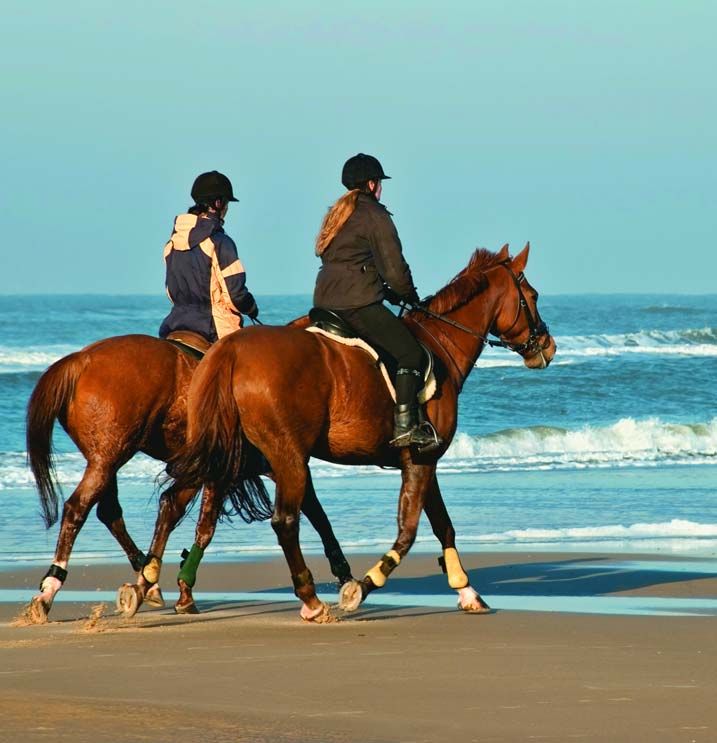
Horse Riding in Devon

                                                 Key to abbreviations used in this booklet
Front Cover photograph © Devon County Council

                                                 AGLV   Area of Great Landscape Value        NNR    National Nature Reserve
                                                 AW     Ancient Woodland                     SAC    Special Area of Conservation
                                                 CWS    County Wildlife Site                 SPA    Special Protection Area
                                                 AONB   Area of Outstanding Natural Beauty   SSSI   Site of Special Scientific Interest

                                                 www.devon.gov.uk/horseriding
                                                                                                                                          3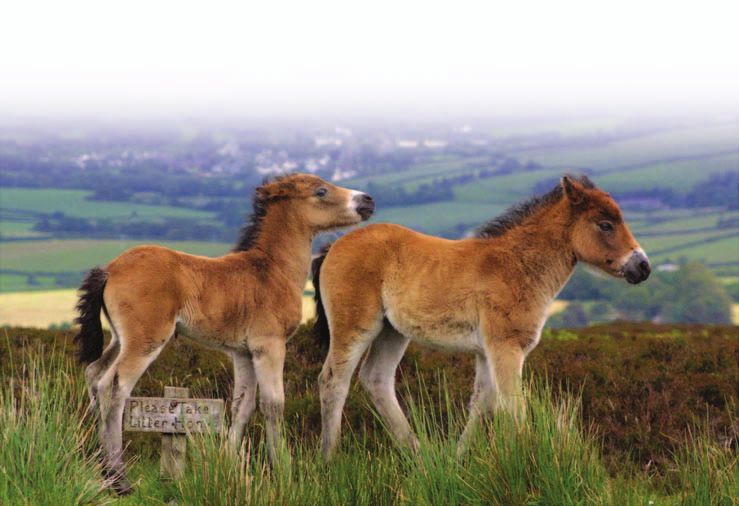
Horse Riding in Devon

                                                               This booklet aims to inspire anyone interested in
                                                               horses, riding or just enjoying Devon’s beautiful
                                                               countryside. It does not matter if you are an
                                                               experienced rider or a beginner, this booklet will
                                                               give you information about where to ride, how
                                                               to ride, equestrian attractions and nine areas
                                                               where you can enjoy horse riding in Devon.
© Mark Passmore/Apex Ltd

                                                               The nine areas detailed within this booklet have
                                                               been chosen because they give you a taste of
                                                               what Devon has to offer for horse riding from all
                                                               around the County. They are split into sections:
                                                               the two National Parks of - Dartmoor and
                                                               Exmoor; four Circular Trails - the Tarka Trail,
Public Bridleway
                                                               Ashreigney, Bratton Clovelly and Dittisham; and
                                                               three Free-riding
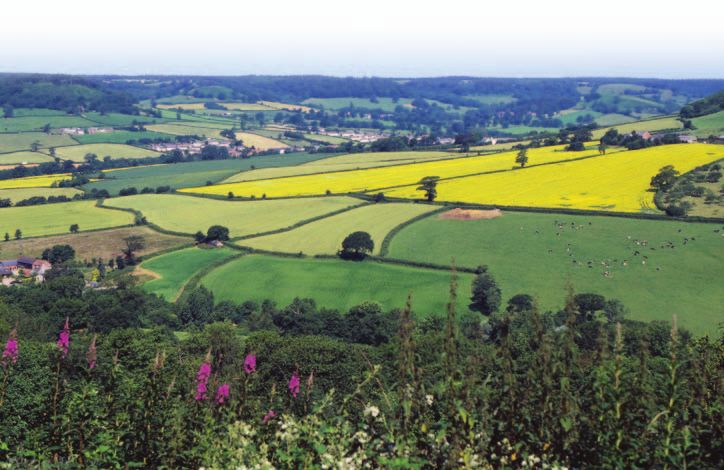
Devon is unsurpassed for the beauty and quality                Areas - Cookworthy Moor, Haldon Forest Park
of its landscape. The beaches, shores and                      and Woodbury Common. These areas also cater
estuaries, the traditional farmed landscape with               for the different needs and abilities of riders and
its rolling fields, woods and hedgerows, the                   offer a huge array of beautifully scenic horse
lowland heaths, the moors and uplands - all                    riding opportunities.
make Devon one of the most stunning
                                                               If you are considering a horse riding holiday in
destinations in Britain.
                                                               Devon, don’t forget that Devon is also a haven
Where else can boast two National Parks, five                  for wildlife and has excellent access for walkers
Areas of Outstanding Natural Beauty, twelve                    and cyclists as well as horse riders. This leaflet is
estuaries punctuating over 400 km of coastline, a              part of a series of Discover Devon publications
UNESCO Biosphere Reserve and parts of two                      covering walking, cycling, wildlife and geology.
World Heritage Sites, including England’s first
natural Site?

                            If you enjoy Devon’s Countryside...

                           available from local Tourist Information Centres or downloadable from

                                           www.devon.gov.uk
4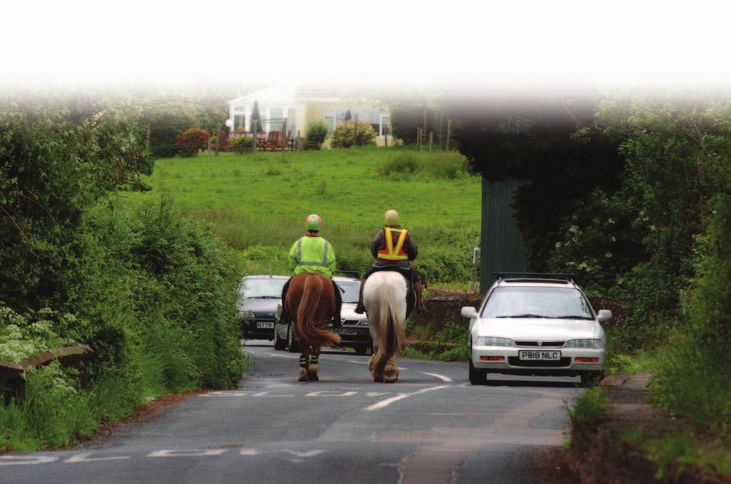
10     Interesting Facts about
                                                                                       Horse Riding in Devon

                                                                                Did you know that…
                                                                                1   Horse and Hound magazine ranked Devon as
                                                                                    the horsiest county in the land.
                                                                                2   Horse riding is one of the best outdoor

                                                       © Devon County Council
                                                                                    activities for burning calories.
                                                                                3   In Devon there are approximately 24,300
                                                                                    horses.
                                                                                4   Approximately 23% of the Devon path
                                                                                    networks are bridleways.

Dartmoor Pony
                                                                                5   Champion race horse Best Mate died at
                                                                                    Exeter Race Course in 2005.
                                                                                6   You can still have donkey rides on some of
     Horses are such a large part of the history                                    our beaches in Devon.
     and culture of Devon. There are a wide                                     7   There are three native ponies in Devon, the
     range of horse riding activities available                                     Dartmoor, Exmoor and Lundy
     such as full or half day treks, moor riding,
     beach riding, carriage riding and even                                     8   The champion horse trainer Martin Pipe
     western riding! One of the oldest traditions                                   worked on the Devon/Somerset border.
     on horse back in Devon is hunting and                                      9   Devon is home to one of England’s most
     there are many opportunities to join a hunt                                    famous horses - Uncle Tom Cobley’s grey
     in Devon.                                                                      mare. Widecombe fair is still held in Devon
                                                                                    each September.
     Don’t forget Devon’s environment has
     something to offer throughout the year, not                                10 You can learn how to drive a horse and
     just in the spring and summer. To top this                                     carriage at the National Trust’s Arlington
     all off, access to these horse riding sites has                                Court in North Devon.
     never been better. If you decide to have a
     break from horse riding and want to travel                                 Further Information
     around Devon why not leave the car at
                                                                                For information on horse riding in Devon
     home or at your accommodation for a day
                                                                                visit the horse riding section of
     or two? Devon has an integrated bus and
                                                                                www.visitdevon.couk for a list of
     train network, 3500 miles (5632 km) of
                                                                                accommodation, activities, attractions, places
     footpath, 734 miles (1181 km) of bridleway
                                                                                to eat, towns and villages to visit, that relate
     and 150 miles (241 km) of National Cycle
                                                                                to horse riding.
                                                                                                                                                      e

     Network. Make your visit even more special
                                                                                                                                              Prestidg

     and help to preserve Devon’s natural beauty
     for others by using public transport where
                                                                                                                                       © Paul

     possible. For more information please view                 be
                                                          Ashcom
     www.traveline.org.uk or phone 0871 200
     2233 (calls from landline cost 10p a min).

     All of these sites featured are special for
     horse riding but they can only provide a
     glimpse of what Devon has to offer. There
     are many more locations to explore and
     further information on riding plus other
     activities can be found at
     www.visitdevon.couk

                                                                                                                                   5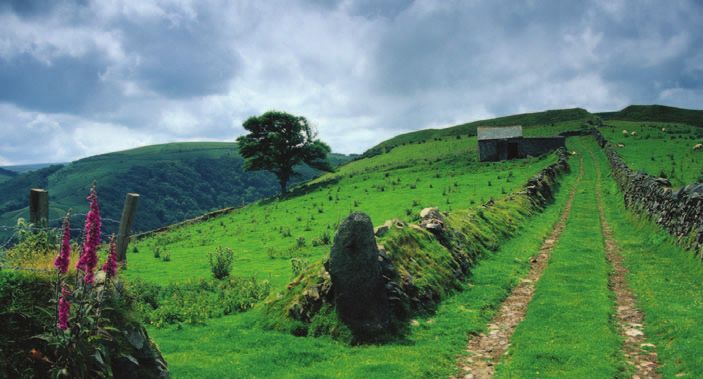
Public Rights of Way
and Other Information
Horse riding is a significant part of rural           Stewardship areas
life in Devon, not just for recreation but            The Environment Stewardship Scheme introduced
also for business. Horses can use any part            by the Countryside Commission (now Natural
of the road and public rights of way                  England) in 1991 meant that farmers and other
network except for footpaths. As well as              land managers were paid to enhance and
public roads, routes that they can legally            conserve landscapes, their wildlife and history
                                                      and to help people to enjoy them. For more
use include:
                                                      information please view www.defra.gov.uk
                                                      These areas can include permissive riding areas
•    Bridleways (approx 1175 km or 730 miles).        and provide you with safe, off-road routes. You
     On bridleways horse riders may encounter         can view these areas on the interactive online
     cyclists, who can use them provided they give    map “My local paths” at
     way to horse riders and walkers. Bridleways      www.devon.gov.uk/mylocalpaths and clicking on
     are often waymarked with blue arrows and         the ‘layers’ button and selecting ‘DEFRA
     they should be signposted where they join or     Stewardship Sites’.
     leave a road.

•    Byways open to all traffic (BOATS) (approx       Devon County Council’s Rights
     72 km or 44 miles). Byways are often             of Way Improvement Plan
     waymarked with red arrows.
                                                      Devon County Council’s Rights of Way
•    Unsurfaced unclassified county roads (UCRs)      Improvement Plan (known as the RoWIP) has
     (approx 728km or 450 miles) which may also       been drawn up in accordance with the
     be referred to as field roads or green lanes.    Countryside and Rights of Way Act 2000 and
                                                      takes account of guidance issued by the
•    Common land within Dartmoor National             Department for Environment, Food and Rural
     Park.                                            Affairs. It includes sections by Dartmoor and
                                                      Exmoor National Park Authorities.

    Legal Users on Public Rights of Way
    Access Route                        Legal Users                   Approx Length in Devon

    Footpath                                                                              3650km

    Bridleway                                                                             1200km

    Restricted
    Byway                                                                                     15km

    Byway
    Open to all Traffic                                                                       80km

    Unsurfaced Unclassified
    County Road                                                                             700km
6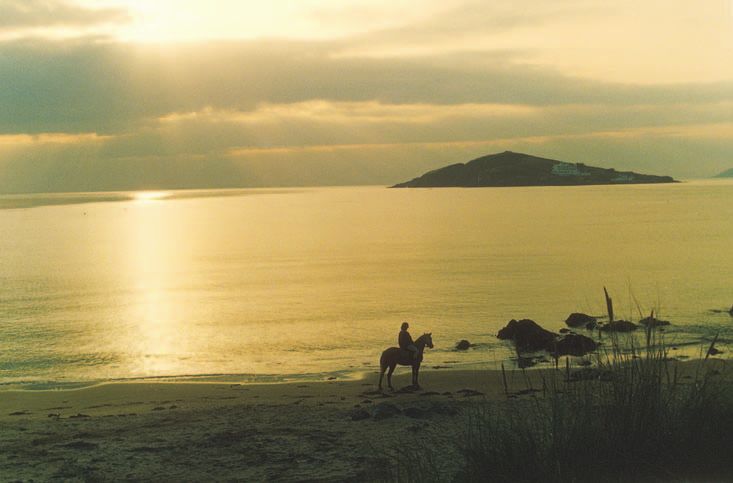
The main objective of the RoWIP is to improve
public rights of way and access for all. It sets out
the County Council’s policies and actions for the
maintenance and improvement of public rights
of way and access, and includes specific policies
relating to horse riding and carriage driving.
More information and a copy of the RoWIP is

                                                                                                                         uncil
available at www.devon.gov.uk/rowip. If you

                                                                                                                    ty Co
have any suggested improvements then please
                                                       Ride
email rowip@devon.gov.uk or write to Public                rs wit

                                                                                                                Coun
                                                                 h dis
Rights of Way, Environment, Economy and                               abilit
                                                                            ies

                                                                                                            von
Culture Directorate, Devon County Council,

                                                                                                        © De
County Hall, Exeter, EX2 4QW
                                                       Pleasure rides
Open access rights                                     Pleasure rides are usually run by local equestrian
                                                       groups in areas which provide good horse riding
The Countryside and Rights of Way                      access and facilities. They are sometimes
Act 2000 created new rights for                        described as sponsored fun rides. They can range
people to walk on areas of open country and            from roughly £5 - 15 per person to participate
registered common land. The Open Access                and can be between a few miles (3km) to 10 or
symbol is used to mark the boundaries of land          15 (16 - 24km) miles long, often on quiet lanes,
available for area-wide access.                        byways and bridleways. You can normally search
However you cannot ride your horse on open             the internet for pleasure rides or enquire at local
access land and registered common land apart           riding centres and clubs. Look at the British Horse
from the Dartmoor Commons (see page 9). You            Society’s website www.emagin.org
might want to enjoy Devon’s landscape on foot
as part of your horse riding holiday or day out        Riding for people with disabilities
when you have finished riding. You can also
search for walks as well as horse rides on             There are also many facilities that allow people
http://cwr.defra.gov.uk                                with disabilities to enjoy horse riding. For further
                                                       information please visit
For more information about open access land            www.calvert-trust.org.uk/exmoor and
and to view online maps please see                     www.southwestregionriding-for-disabled.org.uk
www.countrysideaccess.gov.uk

                                                                                                                                     © Devon County Council
                                                                                                                                 Countisbury, North Devon

                                                                                                           7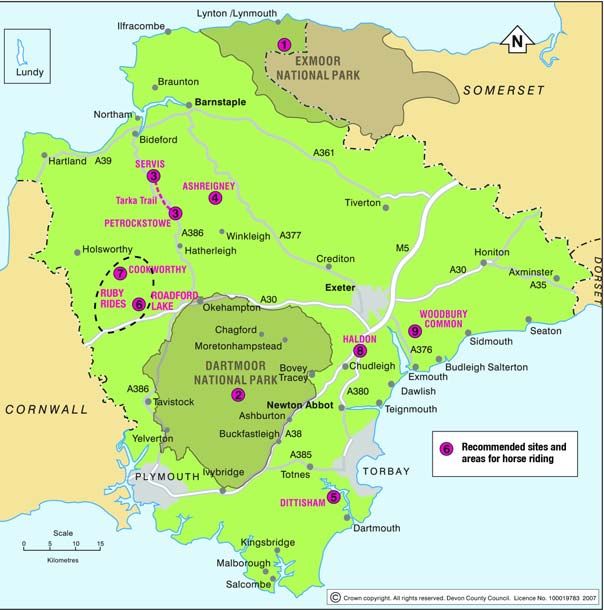
Planning Your Route
For more information on public rights of way          Compass reading
and where you can ride your horse in Devon
                                                      You can also use a compass to help you navigate:
please visit the Devon County Council Public
Rights of Way webpage                                 1.   Place compass on map making sure the
www.devon.gov.uk/prow From here you can                    direction of the travel arrow is pointing in
access the interactive online map called “My local         the direction of your route across the map.
paths” or directly at                                 2.   Keeping the compass base plate still, turn the
www.devon.gov.uk/mylocalpaths This will help               compass housing so the index line and
you to plan your journey and find rights of way            orienting lines match up with the easting on
that you and your horse can enjoy. Remember to             the map.
look out for bridleways highlighted in green and      3.   Keeping the map flat and the compass still,
byways which are highlighted in red and                    you need to rotate your body so that the
permissive routes in orange.                               compass needle settles in line (opposite) with
                                                           the index line.
Simple tips on how to use                             4.   Adjust for magnetic variation by carefully
an OS map                                                  turning the compass housing 4°clockwise and
                                                           turn your body again to realign the magnetic
The best maps to use whilst riding are the
                                                           needle with the index line. Your map is now
Ordnance Survey “Explorer” maps 1:25, 000
                                                           orientated to north.
(2.5 inch to the mile) since these show the field
boundaries.                                           You can also use landmarks and features around
                                                      you to orientate your map and help you to get
                                                      your bearings.
Symbols
On the 1:25, 000 scale Ordnance Survey Explorer
maps bridleways are represented as a line of                           For example on the map below,
green dashes, byways are represented as a line of                    the 6 digit grid ref would be 674842
green crosses. Unsurfaced ‘C’ roads are marked                        and the 4 digit ref would be 67,84.
by a line of green dots.

On the 1:50, 000 scale OS map, bridleways and
byways are the same markings but in pink
instead. Unsurfaced ‘C’ roads are marked as a
line of pink dots.

Map reading
Using the grid lines on the map (the faint blue
lines) read the number horizontally first
(eastings) and then the number vertically
(northings) to find your location on the map
giving you your grid reference which you can
give to others (such as mountain rescue) to
locate where you are. The grid reference can
either be a four figure (single km square) or a 6
figure (by dividing the single km square into
10ths and using those numbers too). You should
always read the eastings (along the corridor) first
and the northings (up the stairs) second.
8
The Countryside Code

      When horse riding you will probably come into      In Spring be aware that you could disturb ground
      contact with other public rights of way users.     nesting birds and that lambing may be taking
      Please remember to be courteous and                place and farmers will be busy. If you do visit
      considerate and to care for the land and the       during the lambing season, take great care not
      needs of owners and occupiers as far as you are    to disturb the sheep.
      able. For further information on the Countryside
                                                         Your horse will need to be fit enough to cope
      Code please visit www.countrysideaccess.gov.uk/
                                                         with rough ground and steep slopes. You may
      things_to_know/countryside_code
                                                         have to lead your horse downhill. The horse must
                                                         be willing to ford rivers and cross bridges so
      Riding on moorland                                 practice before you set off. A cooperative well-
                                                         trained horse will be a great help.
      Exmoor and Dartmoor have good bridleway
      networks where you can ride and good               Always follow a promoted route or discuss your
      accommodation where you can stay with your         plans with a local rider. Carry a compass, a
      horse. The Dartmoor Commons Act (1985) dealt       whistle and an OS Explorer map.
      with the regulation of grazing rights and the
      control of public access on the commons (37% of    Check the weather forecast before you go. Never
      the National Park). The Act established a legal    ride alone and a party of three is best.
      right of access on foot and on horseback to the    Tell someone where you are going each day.
      commons for the purpose of open air recreation.
                                                         Close and latch all the gates.
      When riding on the moors please be wary of soft
      and boggy areas. The best months to visit the      Allow plenty of time to complete your ride.
      moors are between June and September. Should
      your horse sink get off at once and encourage
      him to extricate himself.

                                                         Remember to ride
                                                         with Moor Care
                                                         •   Ride only where you’re allowed.
                                                         •   Be prepared, with the right equipment
                                                             and clothing including a helmet.
                                                         •   Be considerate of other users.
                                                         •   Avoid riding fast on wet ground as
                                                             hooves can soon turn fragile moorland
                                                             into mud.

                                                         For further information on safety and horse
                                                         riding please view www.bhs.org.uk where you
                                                         can find advisory leaflets about safety and
                                                         access issues.
                                                                                                          9
Poppies   © South Hams District Council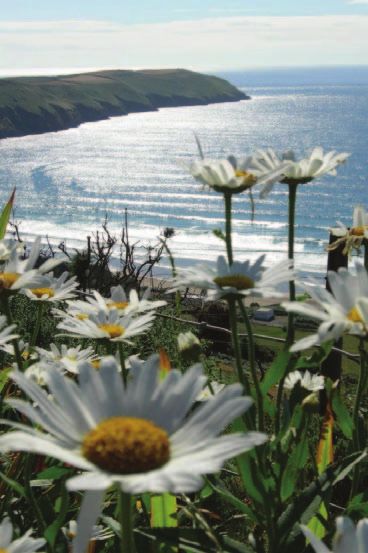
Road Safety
It is often necessary for horse riders to have to
ride on roads and therefore it is important to
consider your own and others safety carefully
and keep in mind the following points:

     Be aware of the Highway Code and avoid
     main or busy roads if possible.

     Ride on the left hand side of the road
     near the kerb even when approaching a
     junction and intending to turn right.

     Never ride more than two abreast. Riding
     two abreast is particularly recommended if
     riding with a young or inexperienced horse,
     with the more experienced horse being
     nearer to the centre of the road. However,      body protector, and a fluorescent tabard
     when traffic approaches or where the road       particularly if riding a young or
     narrows or on the approach to a bend it may     inexperienced horse.
     be necessary to ride single file with the
     experienced horse taking the lead. There        Wear boots or shoes with hard soles and
     should always be a gap of a horse’s length      heels. Light-coloured or fluorescent clothing
     between each horse being ridden behind          in daylight and reflective clothing if you have
     another.                                        to ride at night or in poor visibility.

     Use bridleways where possible. Remember         It is safer not to ride on the road at night
     you must not take a horse onto a footpath,      or in poor visibility, but if you do, put
     pavement or a cycle track without the           reflective bands on your horse above the
     landowner’s permission. Do not ride on          fetlock joints. Carry a light which shows
     footways next to the road.                      white to the front and red to the rear.

     Before you take a horse onto a road, you        Always look behind regularly to be aware
     should: ensure all tack fits well and is in     of traffic behind and continually look and
     good condition; make sure you can control       listen for hazards which may alarm the horse.
     your horse keeping both hands on the reins      Before turning or approaching a junction
     unless you are signalling; always ride with     always check for traffic and signal to
     other, more experienced horses if you think     indicate your intention. When signalling
     that your horse will be nervous in traffic;     your intention to turn left or right, ensure
     always ride with a saddle or bridle; keep       that your whip is in the hand that remains
     both feet in the stirrups; do not carry         on the reins and hold your other arm out
     another person; do not carry anything which     horizontally for 3 seconds so that
     might affect your balance or get tangled up     surrounding traffic is able to clearly see the
     in the reins; keep a horse you are leading to   signal. Always watch and listen for traffic
     your left and move in the direction of the      and be prepared to stop if necessary.
     traffic flow on a one-way street.
                                                     Additional hand signals may sometimes
     Always wear a helmet fastened securely          be required. Holding out the right arm and
     that complies with current regulations.         slowly waving it up and down indicates to an
     Children under the age of 14 MUST wear a        approaching driver to slow down, whilst
     helmet. It may also be advisable to wear a      holding the arm out with fingers pointing up

10
showing the palm of the hand to the car presence of a motor vehicle on ‘a road or
driver indicates that the rider requires the other public place’, the driver must stop and
driver to stop. give his or her details, or else report the
collision to the police. (See Road Traffic Act
If necessary avoid hazards by taking a 1988 Part V11). So you and your horse don’t
detour. If approaching a noisy or dangerous actually have to be hit by a vehicle for the
hazard reassure your horse and if your horse driver to be required to report an incident.
seems reluctant to pass the hazard get The more details of injuries and collisions we
another horse to lead. have, the more this intelligence can be used
to develop road safety programmes.
Always signal your intention to move
towards the centre of the road to car Driven horses. Make sure you are with an
drivers. If approaching a hazard such as a experienced driver, wear helmets and Hi-Viz
parked car which requires the horse to be reflective tabards and take it slowly and
moved towards the centre of the road, carefully on the road. The British Driving
always check ahead and behind for Society organises safety courses.
approaching traffic. Be prepared to stop and
wait if necessary. Walking a horse along a road. Lead on the
left of the road with the horse on your left
Avoid roundabouts wherever possible. If keeping yourself between the horse and the
you use them you should: keep to the left traffic.
and watch out for vehicles crossing your path
to leave or join the roundabout; signal right Road surfaces. There are problems with
when riding across exits to show you are not some horses walking up hills where there is
leaving; signal left just before you leave the no grip between the shoes and the road
roundabout. surface and some horses don’t walk over
metal inspection covers. Please be aware of
Safety/training days. The British Horse parts of the road where the horse may need
Society (BHS) and many riding schools to change its course, or will be jittery, and
operate a Riding and Road Safety Test or consider pulling over to let traffic by.
training days.
Traffic. Where a queue of traffic builds up
Collisions. It is widely suspected that road behind you, pull over whenever it is safe to
collisions involving equestrians are under - do so and let them pass.
reported to the police. If you or your horse
suffers injury or damage as a result of the
© Devon County Council
11Beach Riding
Beach riding can be a fantastic experience • Car parking. Check if there is any parking
and day out for both you and your horse. near to the beach before you go. Sometimes
Beaches are good for building up fitness, you may have to park on the beach which
may be difficult when towing a horse box.
the sand can encourage muscle tone and
Height barriers are common on many
strength and the salt is a natural cleanser. If beaches which can restrict horse trailers and
you do not own your own horse or you are many car parks have car parking charges
a beginner to beach riding then visit (usually in the summer months).
www.visitdevon.co.uk where you can
search for riding clubs and trekking centres • Be aware of other people! If there are
other people on the beach please remain
that will organise treks to beaches with an courteous and ride past them slowly and
experienced guide. Beach riding allows you leave plenty of room.
to enjoy spectacular views of the coast and
allows both the horse and rider to get • Tides. Be aware of incoming tides, especially
closer to nature. However, there are a few if riding on narrow beaches with coves. Tide
tables are often available in local shops.
things that you need to remember when
planning to ride on the beach: • Litter and rubbish. Although the majority of
beaches are well maintained watch out for
• Do you have permission to ride on the general rubbish which could hurt you or your
beach? If so, what times are you allowed horse e.g. glass bottles.
to ride there? There will often be set times
when horses are allowed or not allowed. • Sand. Be aware of varying texture and
Horses are usually allowed at quieter times depth. Riding through deep ‘soft’ sand or
of the day such as early morning and late riding fast on hard sand can lead to injuries
evening. There may also be areas of the to your horse. Be aware of holes in the sand.
beach where you are prohibited from riding,
• Salt. The salt from the sea can often damage
such as sand dunes because of conservation
leather or metal so ensure that you clean
issues. Many beaches are privately owned so
your tack after each visit to the beach. Also,
please contact the relevant District Council or
remember to wash your horse’s hooves which
Tourist Information Centre who will give you
can be dried by the salt.
details about ownership of the beach and
the contact details of the land owner who
• Be cautious of the sea. Ride slowly when
you can then contact for permission before
entering the sea as some shores can be steep
riding.
and dip quickly. Approach the sea at an
angle when riding in to stop your horse from
being spooked by the breaking tide and
rearing.
top left: Baggy Point
12 bottom: Burgh Island'Beach riding can
be a fantastic
experience'
© Jemima Jewell
© DACOM
13Equestrian Attractions
Racecourses in Devon lived on Dartmoor for approximately 3,500 years
with the first written evidence of the ponies
Devon has two excellent racecourses. Exeter relating back to AD 1012. In the mid 1800s the
Racecourse which is situated on the top of ponies were used to transport granite. It is
Haldon Hill has wonderful views both over Exeter thought that there are almost 3000 ponies on
and Dartmoor. The racecourse organises many Dartmoor at present. As well as in industry the
different race days ranging from family days to ponies have been used for recreational purposes
highclass steeplechases. Some of the most such as show jumping, cross country, one day
famous horses to have raced here include Desert events, working hunter ponies, carriage driving
Orchid and Best Mate. Newton Abbot also has a and of course as popular family ponies. For more
racecourse with an excellent reputation as a information please visit
holiday racing venue. www.dartmoor-npa.gov.uk
Bicton Arena The Exmoor Pony
For anyone interested in horse shows and events Exmoor National Park is home to the distinctive
Bicton Arena, near Budleigh Salterton in East Exmoor Pony. This unique breed is thought to be
Devon, provides a wide range of activities to the closest breed to the wild horses of Europe.
enjoy. This site has grass arenas, an all weather Many people believe that the ponies are wild but
practice ring, permanent stables, a cross country in fact they are all owned and allowed to graze
course and many other facilities. The arena is on the moor all year. Exmoor ponies have
home to trials, show jumping and one day distinctive features such as a mealy buff colour
events. If you are interested in horse shows you on the underparts and the area around the eyes
can search for upcoming events in Devon at and nose while the mane, tail and points are
www.thedevonhorseshow.org black. The colour on the rest of their body can
differ from from dun (a smoky-brown) to bay
The Donkey Sanctuary (red-brown) or brown (dark brown). The summer
coat is fine and glossy but in winter the ponies
and Devon Horse and Pony grow a thick, two-layered protective coat.
Sanctuary Average height is about 12 hands. For more
Another site of interest is the Donkey Sanctuary information please view www.exmoor-
near Sidmouth. Set in the rolling hills of East nationalpark.gov.uk
Devon, elderly and formerly mistreated donkeys
are cared for and are waiting to meet you. For Lundy Pony
further information please visit The Lundy Pony is a breed of pony originally
www.thedonkeysanctuary.org.uk developed on the offshore island of Lundy in
There is also a Devon Horse and Pony Sanctuary 1928. The breed was created by the crossing of
at Manaton, on the edge of Dartmoor. For more New Forest Pony mares and Arabian stallions.
information please visit www.dhaps.org.uk The harsh environment of the Island led to the
ponies becoming strong and hardy. For further
information visit www.lundyisland.co.uk
The Dartmoor Hill Pony
Dartmoor National Park is home to the native
breed of registered Dartmoor Ponies and there
Grand Western
are also Dartmoor Hill Ponies which are cross Horseboat Company
bred. The ponies live on the moor all year round. Explore the Grand Western Canal near Tiverton
However, they are not truly wild animals but aboard a traditionally painted horse-drawn
owned by farmers who let them graze on the barge. Step back in time as you board the
commons. It is believed that the ponies have ‘Tivertonian’ and enjoy the peace and tranquillity
14of the Canal. The Grand Western Horseboat Co.
is one of only a few, traditional horse-drawn
Carriage Driving
barges remaining in England today. The horse- Carriage driving is fast becoming a popular horse
drawn barge operates in all-weathers and has activity too. There are many centres that provide
varying lengths of trip available. Other features horse drawn carriages and tuition to help you
on the canal include rowing and self-drive day enjoy a more laid back style of riding. The
boats for hire and the floating canal gift shop, National Trust at Arlington Court, near
which also provides refreshments. For more Barnstaple, has a magnificent carriage collection
information visit www.tivertoncanal.co.uk on display and even offers courses on carriage
driving. For further information about carriage
driving please visit the British Driving Society’s
Miniature Pony Centre website at www.britishdrivingsociety.co.uk or
The Miniature Pony Centre near to the National Trust website
Moretonhampstead on Dartmoor gives you a www.nationaltrust.org.uk
chance to see, meet and touch a range of
miniature ponies and donkeys. Please visit
www.miniatureponycentre.com
Hunting
Following a hunt allows you to ride where you
would not normally be allowed. Hunts ride on
Donkeys on different days and around specific local areas. If
Exmouth Beach you are interested in joining a hunt then please
contact your local hunt group’s secretary for
In the spring and summer you can enjoy views of
further details. Hunt groups can be found on the
the two miles of golden sand at Exmouth, by
Master of Foxhounds Association website at
riding on the back of a donkey! Exmouth lies at
www.mfha.co.uk
the mouth of the Exe Estuary in East Devon.
below left: Grand Western Canal, bottom left: Donkey Sanctuary
15National Parks
1. Exmoor National Park
Status: National Park, SSSI, SAC
Management:
© North Devon District Council
Exmoor National Park
Authority
Experience the romance, mystery and beauty of
wild moors and beautiful river valleys in Exmoor,
one of England’s prettiest National Parks. Exmoor
is a great place to come and ride and with 693
square km (69,000 ha) of National Park it offers a
great sense of freedom and choice for horse
Exmoor Ponies
riders. There are 400 miles (approx 600 kms) of
bridleways. The National Park has a responsibility Facilities
to ensure that bridleways are open, usable and Exmoor has visitor centres in Combe Martin,
that every path is signed where it leaves or joins County Gate, Blackmoor Gate, Dunster, Dulverton
a public highway. The more popular bridleways and Porlock (all visitor centres are open daily
are way-marked in the national colour of blue. from the 31st March but are closed for most of
Exmoor covers mixed landscapes including semi- the winter season).
natural areas of moor and heath, woodland, Access
coast and foreshore. A number of these habitats Road: Exmoor covers a large area clearly
are of national and international importance. signposted on the Devon and Somerset border.
One third of the National Park is in Devon (201 There are many minor roads on and around
sq km) and two thirds in Somerset (492 sq km). Exmoor.
The Park also provides attractive recreational
For further information about Exmoor National
opportunities for cyclists and walkers.
Park please visit
There are facilities available for you to bring your www.exmoor-nationalpark.gov.uk or www.visit-
horse with you whilst on holiday in Exmoor with exmoor.info or call 01398 323665
a number of farms and riding stables offering
accommodation for both
riders and their horses. Please
visit the website at
www.visitdevon.co.uk to
search for accommodation
with horse facilities in the
area. Exmoor offers varied
scenery, from exhilarating
rides across open rugged
moorland with far reaching
views to Dartmoor or even
Wales. You may even get the
chance to catch a sight of the
famous wild Red Deer or a
native herd of Exmoor Ponies.
162. Dartmoor National Park The Dartmoor Commons Act (1985) gives a right
of access on foot and horseback to 35,531 ha of
Status: National Park, NNR, SAC, SSSI
registered common land within the National
Management: Dartmoor National
Park. There is access to further land through
Park Authority
agreements negotiated by Dartmoor National
Park Authority through the open access policies
of other landowners and through customary use.
The extent of access land in 2004 was
approximately 43,834 ha (438 sq km).
Facilities
There are many visitor information centres
around the Park: High Moorland Visitor Centre,
Princetown (open all year) Postbridge, Haytor or
Newbridge (open Easter - end of October).
Access
Road: There are many major roads that run
around the boundary of Dartmoor such as the
A386, A38 and the A30. There are also a number
of minor roads that run across Dartmoor.
© Devon County Council
For further information on Dartmoor, please visit
www.dartmoor-npa.gov.uk or call Dartmoor
National Park on 01822 890414 or Dartmoor
Tourist Association on 01822 890567.
Dartmoor Ponies
Dartmoor is ideal for all horse riders from
beginners to more experienced riders; everyone
can enjoy what Dartmoor has to offer. You can
ride out on the open moorland (providing that it
is common land), trot along woodland trails and
bridleways or follow historic byways. There is a
wide selection of trekking centres and riding
centres that allow you to hire horses or ponies
and many provide tuition for all levels of needs
and ability. Some stables even offer guided tours.
See the famous wild Dartmoor Ponies and
Blackface Sheep grazing as you trot by. See for
yourself the setting of Sir Arthur Conan Doyle’s
‘Hound of the Baskervilles’ and enjoy the varied
landscape brimming with a long and interesting
history. You can even take your horse on holiday
with you! Many farms and riding centres now
provide accommodation for you and your horse
to stay. Whilst trekking you can visit the famous
granite outcrops of Dartmoor’s Tors and enjoy
some amazing views across the Park.
17Circular Trails
3. Tarka Trail public highway (or the bridleway at Servis).
Other gates and access points may not be
Nearest Town: Great Torrington used.
OS Grid reference: SS 475190 to SS 516105
• All gates across the route should be left in a
Status: AGLV, CWS closed position.
Management: • Cantering or galloping is not permitted.
Devon County Council
• Jumps are not to be erected.
The Tarka Trail is a walking and cycle route • Riding in a group of more than three horses
between Braunton and Meeth built on old is not permitted.
railway lines through Tarka Country in North • The parking of horse boxes or vehicles used
Devon. It passes through the largely unspoilt to bring horses to the Tarka Trail is not
countryside as described by Henry Williamson in permitted in Tarka Trail car parks.
his classic novel ‘Tarka the Otter’ first published • Hunting or following a hunt is not
in 1927. This part of the trail is designed for permitted.
walking and cycling but horse riding is only • Lights shall be worn after dark.
currently allowed along the section between
Petrockstowe Station and Servis near Torrington. Facilities
This is the least well known but most peaceful The section designated for horses runs close to
and tranquil part of the Tarka Trail. This section is Great Torrington which has a car park and a
a really wonderfully quiet and scenic stretch tourist information centre. Other car parks are
passing through a varied landscape of woodland available at Watergate Bridge, East Yarde and
and farmland. The former railway track bed has Moormill area.
been converted to a surface suitable for walking
and cycling, reducing risks involved in mixing
such activities with road traffic. The gradients are Servis
shallow when compared with much of the
surrounding countryside. Many visitors attracted
to the Tarka Trail are on holiday, and their
recreational use of the facility can help
contribute to the local economy by making use
of green tourism businesses along the route.
Guidance for horse riders on the Tarka Trail
between Servis and Petrockstowe Station:
The following additional conditions need to be
observed when riding along the Tarka Trail so as
to avoid conflict with other recreational users:
• The horse riding route extends from the
bridleway at Servis to Petrockstowe Station.
Use of the trail beyond these points is not
permitted.
• The use of the Tarka Trail by horse riders
does not create bridleway rights. Petrockstowe
Station
• Riders should give way to other users of the
Tarka Trail.
• The route may only be joined or left at the
184. The Taw Valley Ride
Nearest town: Chulmleigh
OS grid reference: SS 613125
Status: AGLV, CWS
Management:
Devon County Council
© North Devon Coast & Countryside Service
This circular ride is based around the village of
Ashreigney in the Taw Valley. The ride is along
public bridleways and is approximately 20 miles
(32 km) long. The ride takes you through local
woods and past scenic village lanes and cottages,
rolling hills and farmer’s fields. It is possible to
make the ride longer or shorter depending on
your experience and fitness. Crossing fields and
streams you will really experience the beautiful
countryside that Devon is renowned for. There
Tarka Trail are also many farms to pass and even a mill.
The trail is along public bridleways through
Access woods, over rough fields and through forested
Servis: There is a bridleway accessing the Servis land. There are excellent views of the River Taw
area. Petrockstowe Station: There are roads from along the way. Please note that there are a few
surrounding villages. Road: The A386 runs steep slippery hills.
parallel to the Tarka Trail connecting
Okehampton to Bideford via Great Torrington.
Facilities
For further information about the Tarka Trail There are a number of car parks along the trail
please visit www.devon.gov.uk There is special and in the surround villages and towns. Please
guidance and conditions for horse riders using check your OS map.
the Tarka Trail; please visit
www.devon.gov.uk/advisory_ Access
code_of_conduct_for_tarka_trail_users_2.pdf Road: From the Barnstaple to Crediton road
(A377) turn off and follow signs and minor roads
to Ashreigney village. For local riders: There are
many bridleways connecting Ashreigney with the
surrounding villages.
For further information
about this ride in more detail
please visit the website at
www.visitdevon.co.uk
19Circular Trails
5. Dittisham Circular Ride
Nearest town: Dartmouth
OS grid reference: SX 861549
Status: AONB, CWS
© Devon County Council
Management:
Devon County Council
The Dittisham Circular Ride is based in the scenic
parish of Dittisham, linking the parish’s three
bridleways with a network of country roads and
green lanes. One section of ‘main road’ has to be
Dart Estuary
negotiated. The distance is approximately 9 miles
(14km). It is suitable for both riders and walkers.
The route follows public bridleways, green lanes Facilities
and metalled roads. One recommended starting There are two car parks in Dittisham.
point is from the off-road lay-by at Foxenhole
(SX 857538). The trail takes you through Bramble
Access
Road: There are many minor roads from
Torre, Coombe Cross past the Coombe Hotel and
Dartmouth and the surrounding area to
local farms. The ride also takes you over Barberry
Dittisham.
Water Bridge and through Capton Mill and
Capton Wood which is carpeted with bluebells in For further information about this circular ride
the spring and foxgloves through the summer. please visit the website at www.visitdevon.co.uk
Further along the route, excellent views can be
had across the River Dart toward Torbay and
Kingswear. The trail passes Little Coombe
Plantation and climbs up
to Dowton Cross. You
will also come across Old
Mill Creek and pass boat
yards, old quarry
workings and reach Fire
Beacon Hill at the end
of your ride to finish in
Dittisham.
206. Ruby Rides: Village the route. From Gaddacombe Cross you can
access a permissive bridleway which runs
and Lakeside Trail northwards and around the perimeter of the
Nearest town: Okehampton lake, courtesy of the South West Lakes Trust. You
can also ride on the cycleway here in dry
OS grid reference: SX 438912
weather. These routes are shown in green on the
Status: CWS, AW
route map. Alternatively, paid parking is
Management: available at the main visitor centre. If parking
Devon County Council
with a horse-box or trailer, please use the top
two (unsurfaced) tiers of the car park.
Ruby Country is renowned for some of Devon’s
most beautiful and unspoilt countryside. Visitors Access
are always struck by its diversity, the wonderful Road: Roadford Lake is signposted from the A30
views of Bodmin Moor, Dartmoor and Exmoor, halfway between Okehampton and Launceston.
the range of wildlife and clarity of its night skies. Follow the brown signs.
The Ruby Country Partnership is delighted to be
working closely with Devon County Council on
the Ride the Ruby Country project. This has
improved access to the natural environment for
horse riders, walkers and cyclists as well as
creating economic and social opportunities for
many people in Ruby Country.
Ruby Rides is available from local Tourist
Information Centres or download from
www.devon.gov.uk/horseriding. This highlights a
series of six circular routes for riders. One such
route is the Village and Lakeside Trail.
Facilities
To access the ride, use Roadford Lake Forest or
Gaddacombe car parks, both of which are near
© Crown copyright. All rights reserved. 100019783 2013
Car park
Off-road route
On-road route
21Free-Riding Areas
7. Ruby Rides: Cookworthy There are numerous forest roads throughout the
forest that horse riders are welcome to use or,
Forest you can follow Route One from the Ruby Rides
Nearest town: Holsworthy booklet (see page 21) for a circular route.
OS grid reference: SS 414014
Facilities
Management: Cookworthy Forest Centre has toilets and public
car parking available, the main public car park is
situated on the opposite side of the road to the
centre. It is possible to de-box in the public car
park. However the car park is small so space may
be restricted at weekends and busy times of the
year.
Access
Road: From Okehampton take the A3079
© Devon County Council
signposted for Bude. Two miles after passing
Halwill Junction, the public car park is on the
right and the Cookworthy Forest Centre on the
left. From the Bude direction take the A3072 and
then the A3079, heading towards Halwill
Junction and Okehampton. Follow this road for
two miles. The car park will be on your left, and
Forestry Commission the Cookworthy Forest Centre on your right.
Also within Ruby Country is Cookworthy Forest,
For further information about Cookworthy
an impressive conifer plantation situated in the
please visit the Forestry Commission’s website at
gentle hills of north west Devon, between
www.forestry.gov.uk
Okehampton and Bude. Red Deer are a common
sight at dawn and dusk. The
Red Deer is Britain’s largest
native land mammal and
has been present since
before the Ice Age. The
forest is also a good place to
spot green woodpecker and
barn owls. Cycling is also
permitted on all forest roads
in Cookworthy Forest. The
Cookworthy Forest Centre
has a reconstruction of a
traditional roundhouse and
is a favourite with local
school groups. The forest is
also popular with
orienteering groups.
22Park
Forest
8. Haldon Forest Park
Haldon
Nearest city: Exeter
OS grid reference: SX 884849
Status: AGLV, SSSI
Management:
Forestry Commission
Situated on the edge of Dartmoor, Haldon Forest
Park covers 3,500 acres of clean, green woods
with 25 miles (40km) of trails where you can
walk, run, cycle and ride at whatever pace suits
you. There are dedicated riding trails with a
quarter mile stretch for galloping. Haldon Forest
Park provides a safe and pleasant place to ride
your horse. The Harcombe Riding Trails and the
ridge trails are connected so that you and your
horse can enjoy a total of 10 miles (16km) of trail
in one ride.
Riders are welcome to bring their dogs but
should keep them under control and are advised
to keep to the designated trails. The riding trails
on
mmissi
are waymarked with blue signs. Use of the riding
trails is also free of charge.
stry Co
Haldon Forest Park is an excellent place for any
© Fore
level of ability. The Harcombe riding trails link to
the trails along Buller’s Hill, towards Belvedere
Tower. Horse riders are requested not to use the
main car park at Haldon Gateway but instead use For further information on
the designated parking at Harcombe Horse Box Haldon Forest Park, please visit
Park. This is for horse riders with horse boxes and www.forestry.gov.uk/haldonforestpark
is free of charge to use. or telephone 01392 834251
Facilities
There are toilets, a
ranger’s office, a first aid
post, a picnic and
barbecue area, and
refreshments available at
weekends and bank
holidays. Open all year
round 8.30am - 5pm.
Access
Road: Take the Exeter
Racecourse turning off
the A38 Devon
Expressway. Past the
Little Chef restaurant
and follow lane for
about half a mile and car
park is on left.
23Free-Riding Areas
9. Woodbury Common
Nearest town: Exmouth
OS grid reference: SY 034872
Status: SSSI, SPA
Management: Clinton Devon
Estates\Pebblebed Heaths
Conservation Trust
© Clinton Devon Estates
Woodbury Common
The East Devon Pebblebed Heaths (locally known out for Woodbury Castle a hill fort built 500-300
as Woodbury Common) are a combination of BC and as you ride you will see the many
several heaths owned by Clinton Devon Estates prehistoric barrows (burial mounds). Please do
and managed by the ‘Pebblebed Heaths not ride on these monuments. In some places you
Conservation Trust’. The site has several get views of the coastal cliffs of Sidmouth and on
designations. It is a Site of Special Scientific through to Dorset. On a clear day you will see
Interest and has European listings for its rare the distinctive shape of Portland Bill poking
flora and fauna. through the shimmering sea. The heaths are
home to rare species such as the Dartford
Although the Common is not overburdened with Warbler which can be seen all year flitting
bridleways it has many wide non-dedicated fire around the dense stands of gorse. In the summer
breaks and paths that all users can use. expect to see many orchids on the wide and
open heaths. There is a major influx of butterflies
The site comes alive from spring to September
from spring to autumn. The rare Silver Studded
when the land is covered by the purple haze of
Blue can be found on some of the wide open fire
the three types of heathers. The whole year sees
breaks during July and August.
one or the other of the two yellow flowering
gorses. On the high points of the Commons look
24The Common is known for its openness and the
wet and dry heaths. Please stick to the hard
tracks and do not stray off into areas that have
had conservation work on them. The area is also
the training ground for The Royal Marine
Commandos and there are red flags and sentries
in place when they fire live on the grenade
range. No motorised vehicles can use the
commons without permission.
Facilities
Car parks are available around Woodbury
Common, please check your OS map.
Access
Road: From Exeter, Woodbury Common is
reached via the A3052 Sidmouth road. Past the
Halfway Inn, turn right onto the B3180 which
becomes the B3179. At this turn off you will see
signs for the East Devon AONB. After a short
drive you will reach the Common and there are
several car parks where you can stop.
The Pebblebed Heaths Conservation Trust is in
the process of producing a leaflet with routes
that should be available in the summer; please
see their website for further information at
www.clintondevon.co.uk
© Devon County Council
East Devon
25Great Places to Stay
and Equestrian Facilities
Need more information
or want to make a booking?
Visit the website
www.visitdevon.co.uk
For more information about horse riding in general
please visit:
There is a wide range of accommodation in British Horse Society www.bhs.org.uk
Devon ranging from delightful hotels on the
coast, cosy country pubs, idyllic guesthouses Department for Environment, Food and Rural Affairs
and friendly farmhouses ideal for family www.defra.gov.uk (find walks and rides at
holidays. You can discover some wonderful http://countrywalks.defra.gov.uk)
and luxurious self-catering accommodation as Pony Club www.pcuk.org
well as relaxing holiday parks, camping and
caravanning… all ideal for that perfect riding Association of British Riding Schools
break, all year round. You can even take your www.abrs-info.org
horse on holiday with you. There are many
Countryside Access www.countrysideaccess.gov.uk
types of accommodation around the county
that provide horse stables and equestrian The National Bridleroute Network
facilities such as, horse riding lessons and www.ride-uk.org.uk
courses, horse hire, DIY livery, breeding,
breaking, training and horse riding half day National Equine Welfare Council www.newc.co.uk
and full day treks. There are even horse
caravans available! For more information visit
www.visitdevon.co.uk and search the
accommodation and activities sections for
‘horse riding’.
Making your selection couldn’t be easier.
© Exmoor National Park Authority
26Be a responsible visitor!
Explore a greener Devon. . .
Devon has the most fantastic
natural environment and we
all want it to stay that way.
If you are not bringing your horse,
why not leave the car behind and
explore Devon by foot, by bike or
even by boat?! Much of Devon’s
coast and countryside is accessible
by public transport and it can be
great fun! Why not Discover Devon
Differently?
© Mark Passmore/Apex Ltd
Come and explore! Be a Green Visitor
More and more people are realising that
taking the bus or train is an easy, convenient, 1. Do not disturb any livestock, keep your
fun alternative to worrying about driving dog under close control and fasten all
along narrow, unfamiliar country roads and gates.
finding somewhere suitable to leave the car.
Devon is blessed with a very mild climate.
2. Take your litter home with you and
Spring arrives early with daffodils and recycle it if possible.
bluebells filling the undergrowth of the 3. Do not disturb wild animals, birds or
valleys and woodlands and delicate yellow flowers.
primroses, the Devon flower, carpeting the
banks of the lanes. 4. Whether you are walking, cycling or
The summer lingers for longer in Devon. It can
driving, take special care on country
be well into September before any misty
roads.
mornings herald the start of autumn, a season 5. If possible, leave your car at home and
which also lends itself to discovering the take the bus or train.
countryside on horseback. Rich autumnal
colours give a golden glow to the landscape 6. Buy locally produced goods, including
and the upper moorland areas become food and souvenirs.
clothed in flowering heathers.
7. Support local shops, garages and other
Winter can be an appealing season to explore local services.
Devon’s countryside too. Riders and walkers
can wrap up warm and take leisurely lunch
stops relaxing in front of a warming log fire!
27If you enjoy Devon's
coast and countryside . . .
Why not pick up one of our free booklets at
Tourist Information Centres across Devon or
visit www.devon.gov.uk
For visitor information including accommodation availability visit
www.visitdevon.co.uk
If you need this in a different format
please contact 01392 382104 or
email: environment@devon.gov.uk
This is printed on recycled paper. When you have finished
with it please recycle and help the environment.
The details in this brochure are believed to be correct. Devon County Council will not accept
responsibility for losses arising due to inaccuracies or omissions within this publication.
Published by Devon County Council, County Hall, Exeter EX2 4QW. Tel: 01392 382000
February 2013. ISBN: 1-85522-973-0You can also read


