Hotel Build Cost Guide - Maximising Value
←
→
Page content transcription
If your browser does not render page correctly, please read the page content below
Leisure + Culture

Hotel Build Cost Guide
Maximising Value
Contents

01 Introduction        04

02 Design              08
		 Design Guidelines   12
		 Area Schedule       26

03 Cost                32
		 Cost Drivers        36
		 Cost Planning       46
		 Cost Models         52

04 Procurement         66

05 Summary             76

06 Contact Details     Back Cover
Introduction

At AECOM we offer a range
of services that meet the
                                      This guide explains
development and asset                 the relationship
management needs of
hotel owners, operators and
                                      between the
developers from initial feasibility   design and the
through to planning, design,
construction and operation.
                                      costs of hotel
                                      development and
Before there is a design, there is
an idea for a hotel. Assessing the
                                      demonstrates
feasibility of a hotel development    the benefits of
requires you to understand what
the market opportunity, needs
                                      obtaining cost
of the market and cost of the         advice throughout
development are.
                                      each stage of
                                      the development
                                      lifecycle.

4: INTRODUCTION
Based on outline information          Once the design is complete
about the type and size of hotel      the next step is to procure a
product and the amenities that        contractor to undertake the
the market requires, the cost         construction of the hotel. This
consultant is able to provide an      requires an understanding of
initial cost estimate to inform       the various procurement options
the development appraisal.            available to achieve the right
                                      balance between price and risk.
During the design phase,
understanding the way in which        This guide does not provide all
the design of a hotel can influence   of the answers but it will provide
the cost can help ensure that the     the reader with an understanding
correct choices are made at the       of the important relationship
earliest stages of a project and      between the design and the
will avoid expensive re-design and    cost of a hotel and the benefits
cost in use.                          of obtaining cost advice at each
                                      stage of the development process.
By providing an analysis of cost
by area and function, the cost
consultant’s advice will ensure
that costs are being allocated
to those parts of the hotel that
will deliver the best return on
investment over the lifecycle
of the asset.

                                                            INTRODUCTION :7
DESIGN
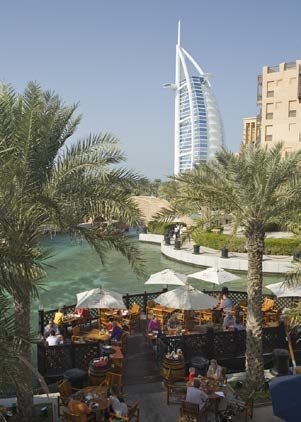
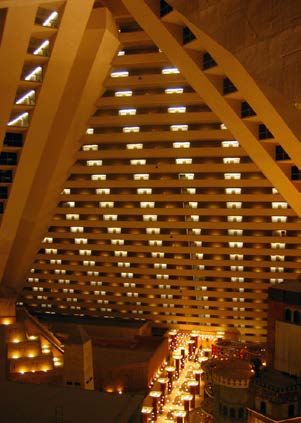
Understanding the way in
which the design of
a hotel influences
the cost means that
the correct choices are
made at the earliest
stages of a project
and avoids expensive
re-design and cost in use.
Design guidelines
Food and beverage outlets
Food and beverage outlets and          Most luxury hotels will have at
restaurant requirements vary by        least two restaurants but some
location and hotel type. However,      hotels operating at the upper levels
a good rule of thumb is to provide     of the market can offer up to four or
restaurant seats ranging from          five different types of restaurants.
0.75 to 1.2 times the number of        Generally, there will be a main all-
guestrooms. This does not take         day dining area that serves as the
into account specific requirements     main breakfast area in the morning
for conferences, functions or          and can be converted into lunch
banqueting, for which additional       and dinner venues with different
provision will need to be made in,     settings. The restaurant dining
or adjacent to, the function suites.   area is calculated on the basis of
                                       an area-per-seat allowance. This
                                       allowance varies between about
                                       1.5 to 2.5m² per seat, depending
                                       on the style and mode of operation
                                       of the venue. Further allowances
                                       should be made for the service
                                       stations and circulation space
                                       within restaurants.

12: DESIGN
Lounges and bars Meeting and function rooms
A hotel is also likely to have a Ballroom / banquet hall
number of lounges and bars. The While many major hotel chains
seating capacity allowance for have their own design and area
these ranges from 0.5 to 0.9 times guidelines for the capacities
the number of hotel guestrooms. of a ballroom / banquet hall, a
The area calculation is made on an minimum size would be in the
area-per-seat basis. region of 750m². The general
allowance for calculation of the
Kitchens, storage and support
net area of the ballroom / banquet
areas are excluded from these
hall is in the region of 1.20m² per
area calculations. Kitchens are
seat. The minimum total number of
calculated as food preparation
seats is the equivalent of 1.5 to 2.0
areas and form part of the back
times the number of guestrooms.
of house and support areas.
DESIGN :15Junior ballroom Pre-function areas /
and function rooms break-out space
In addition to a main ballroom / These should be approximately
banquet hall, the hotel may have 33% of the area of the ballroom,
a junior ballroom and smaller banquet hall, junior ballroom,
function rooms. A junior ballroom function and meeting rooms.
typically has a seating capacity
of 400 to 500 people.
Support areas
Function rooms that double up as
meeting rooms should be a series All of the above areas exclude
of rooms catering for groups of supporting areas such as furniture
20 to 50 people. There should be at stores, restrooms, general storage,
least three of this type of function AV control rooms, interpreters’
room. In addition, there may be rooms and so on. As a rule of
a provision for a boardroom with thumb, these would be allowed on
a size of around 50m². The total a square metre per seat basis.
capacity of the function / meeting
rooms should be in the proportion
of approximately 0.5 times the
number of hotel rooms.
Essential for all function suites
is the concept of flexible meeting
spaces, allowing for changes
in shape, and size by means
of acoustic, sliding / folding
partitions. Each potential
function area must be able to be
serviced separately.
16: DESIGNGeneral public areas
The general public area of a hotel (c) Commercial space
may include: These spaces are often let out.
Often there are around four to five
(a) Business centre, including
such outlets in the hotel.
• A reception / waiting area
(d) Front lobby and front office
• A secretarial area This covers the main entrance
lobby, which should be a generous
• A small conference /
space. The area allowance is
meeting room
calculated on the basis of a square
• Small booths / offices metre per hotel room. Supporting
the main entrance lobby is the
(b) Health club / fitness centre
lobby waiting area. An allowance
Space should be allocated for:
is made for 20 people on the basis
• An entry area of 2.3m² per person. These areas
generally have higher or double-
• Common facilities such as
volume ceilings and pricing should
reception, examining room and
take this into account.
nurse’s room
• A beauty centre
• A men’s and women’s spa
• A fitness centre and gymnasium
• A spa restaurant / juice bar
• Employee facilities such as
lockers, lounge and restroom
DESIGN :17Back of house, support
and services areas
Provisions should be made for These are the non-public areas of
male and female restrooms, with the hotel. There should be minimal
the female restroom slightly interior designer’s input for these
larger to allow extra space for a areas, except for some of the
vanity area. A janitor’s room is offices. The spaces occupied under
also required to store cleaning this category include:
equipment. A further allocation
(a) Administration and
is made for a reception desk area
service areas
together with a front office. As a
The administration and
guide, 1.75m length is assumed for
service areas include various
each workstation at the reception
departmental offices, such as:
desk. One workstation is required
for every 75 rooms. A width of • Front office support containing
1.5m is allowed for working space the office of the front office
behind the counter and a width of manager and credit manager,
4m is allowed for guest queues in telephone operator’s room,
front of the counter. cashier’s room and counting room.
• Safe-deposit box, stationery
storage, general office and pantry.
18: DESIGN• Executive offices containing • Catering / banquet offices
the offices of the general containing the offices of the
manager, resident manager, catering manager, banquet
food and beverage manager, representatives, convention
assistant food and beverage services and secretarial area.
manager, general office areas,
• Accounting offices containing
executive boardroom
the offices of the financial
and storage.
controller, assistant financial
• Sales offices containing the controller, accounting work
office of the sales director, area, payroll manager, general
sales manager, market analyst, office and storage and men’s
sales executives, group sales and women’s restrooms.
co-ordinator, public relations
manager, reservations manager,
general office, conference room
and storage.
DESIGN :21(b) Food preparation, support • Storage areas containing
and service areas storage for dry food, refrigerated
food (cold rooms), beverages,
Food preparation and service areas
refrigerated beverages,
include support spaces for various
ballroom liquor, the service bar,
departments, such as:
silverware, chinaware,
• Food preparation, main and glassware, utensils and
support kitchens containing stewards’ and janitors’ rooms.
production kitchens supporting Area calculations are generally
the banquet hall and function made on the basis of an
rooms, kitchens for the various area per seat for food storage
restaurants, bakery / pastry supporting the kitchens, and
shop and offices for the area per key for general storage.
executive chef and room Generally, storage areas will be
service manager. Area in the region of 30 to 50% of net
calculations are generally total food preparation areas.
made on the basis of area per
seat. Alternatively, as a general
guide, an area equivalent to 40%
of restaurant net areas would
make up the kitchen areas.
22: DESIGN• Service entrance areas • Housekeeping areas
containing areas for the loading containing offices of the
dock and truck parking bays, executive and assistant
receiving areas, receiving office, housekeeper, housekeeping
office for the purchasing clerks, seamstress, fitting
manager, purchasing rooms and storage for linen,
department, security / supplies, lost and found, uniform
timekeeper, flower shop and uniform-issue rooms.
storage, trash holding area, wet
• Laundry areas containing the
garbage refrigeration area, can
laundry and valet office, laundry
wash, garbage compactor,
room, soiled linen sorting
empty bottle storage,
area, guest laundry area, valet
refrigerated storage for
service room, supplies storage
food, employee entrance area,
and compressor room.
compressor rooms and the like.
DESIGN :23• Area calculations for • Mechanical areas usually cover
housekeeping and laundry two major locations, one of
areas are generally made on which is normally in the
the basis of area per key of basement, the other on the
the hotel. Requirements for upper level or roof space of
laundry facilities will vary the hotel.
between locations and between
• Mechanical areas in the
operators. In many instances,
basement contain the
the laundering of bedsheets
engineer’s control room,
and towels is outsourced. If so,
engineer’s office, toilet and
the requirements for in-house
locker, janitor room, boiler
laundries are limited to a small
rooms, fire control pump rooms,
number of domestic machines.
electrical sub-stations,
• Engineering areas containing electrical rooms and wet riser
offices of the engineering tanks.
director, assistant engineer,
• Mechanical areas in the
general maintenance and
upper levels can contain the
secretary, paint shop, carpentry
air handling units, domestic
shop, upholstery shop, plumbing /
water tanks, sprinkler tanks,
refrigeration shop, electrical
wet riser tanks, condenser
shop, key shop, TV repair shop,
water storage tanks, electrical,
parts storage, energy
switch and power rooms,
management computer room
although these may also be
and janitor’s store.
housed at the basement level if
space allows.
24: DESIGN(c) Employee facilities
Employee facilities areas include
spaces for:
• Human resources office
containing rooms for the
personnel manager, assistant
personnel manager,
interviewing, training manager,
training, first aid application
and storage.
• Employee areas containing
staff lockers and shower areas,
toilets, dining and recreation
areas. If not provided in the
feasibility study or the business
plan, the number of employees
can be calculated on the
basis of employees per key. For
five-star hotels, the range can
be from 1 to 1.5 employees per
key. The changing and locker
areas are generally based on
area per employee.
DESIGN :25Area schedule
Using functional area data The area allowances must of
from previous projects and from course be tested against other
operators’ standard requirements, hotels of similar standard in the
it is possible to create a reasonably geographical region, to check
accurate assessment of the space that it is competitive. Ideally, the
requirements for a hotel. market feasibility study provides a
suggested high level area program
This can form the basis of
based on market requirements.
preliminary budget calculations
for a hotel of a particular standard A preliminary budget costing
with a stated number of rooms and for a hotel development can
ancillary functions (restaurants, be generated quite quickly and
fitness, spa, banqueting and so on) efficiently, based on data for
in advance of the development of similar existing hotels, design
any design. criteria of major hotels and
knowledge of the market. This
The hotel area schedule must,
includes setting the number of
therefore, be based on realistic
hotel room bays and keys and
numbers. Any gross over or under
the total seating capacities
allowance of areas would cause a
for food and beverage outlets,
distortion of the forecast cost.
entertainment lounges, banquet,
ballroom and meeting facilities. It
should also cover the capacity of
the health club facilities and the
size and number of retail outlets.
26: DESIGNWorked example based on a luxury hotel Bays Keys Total bays A. Standard guest rooms 1. King rooms 1 200 200 2. Queen rooms 1 100 100 3. Accessible rooms 1 20 20 (circa 5% of total room count) 4. Other standard rooms 1 55 55 (eg twin) B. Suites 1. Junior suites 2 40 80 2. Executive suites 3 10 30 4. Presidential suites 5 2 10 5. Club lounge 5 - 5 Total 427 500 Based on the above configuration, the total number of bedroom bays is 500 and the total number of keys is 427 – about 85% of the total number of bays.
Typical total area allowances
for luxury hotels vary around
the world, from circa 80m² to
over 120m² of gross floor area
(excluding parking and external
areas) per bay. Hotels in more
Western locations tend to have
smaller bedrooms than those
in the Middle East or Asia. A
500-bay five-star hotel could
therefore be expected to have
a range of gross floor area of
between 40,000 to 60,000m².

                                  DESIGN :29
The breakdown between the
bedroom zone, public areas and
back of house for a notional 500-
bay, 50,000m² hotel would be:
A. Guestrooms and suites 22,500 to 30,000m² 55 - 60%
B. Public area 10,000 to 15,000m² 20 - 30%
C. Back-of-house 7,500 to 12,500m² 15 - 25%
administrative, support
and services areas
Hotel total gross area40,000 - 57,000m² 100%
Based on the above hotel floor The net areas of the bedrooms
areas, the gross area per bay (including bathrooms) varies
ranges between 80 to 115m². according to geographical location,
from a low of about 35m² up to
about 55m² but typically between
40 and 50m² net bedroom area is
a good guideCOST
By providing an analysis
of cost by area and
function, the cost
consultant is able to
ensure that costs are
allocated to those parts
of the hotel that deliver
the best return on
investment over the
lifecycle of the asset.
Cost drivers

The major cost drivers of a hotel      h. The level of provision and
development include:                      facilities of rooms
a. Site location, shape, conditions,   i. The storey height – if
   means of access and visibility         exceptionally high, it will
                                          need a heavier structure,
b. Position of the hotel in
                                          more complex foundations,
   the development
                                          additional lifts and fire-
c. The shape and form of the              fighting installations
   building
                                       j. Location of function rooms.
d. The external facades,                  One major impact on the cost
   particularly the extent of             of the structure is the location
   glazing and cladding                   of the main function room or
                                          ballroom. The ballroom should
e. The level of sophistication
                                          not be located directly below
   of building services and fire-
                                          the hotel guestrooms tower,
   protection systems
                                          as it requires column-free
f. Particular requirements of the         space that is difficult and
   chosen hotel operator                  expensive to accommodate and
                                          is likely to require the
g. Shape and layout of the
                                          introduction of transfer
   guestrooms zone, particularly if
                                          structures at the base of the
   this is a tower
                                          guestroom tower

36: COST
The choice of guest Another area for careful
consideration is the location of
room configuration the bank of guest and service
lifts rising up to the guestrooms.
can affect area These should be located centrally
to the guestroom block and the
efficiency by as guest lifts should descend into the
entrance lobby, where pedestrian
much as 20% traffic can be monitored by the
front desk.
of the gross A third major consideration is the
configuration of the guestroom
floor area. block, particularly if this is in
the form of a tower. Analysis
shows that some shapes and
configurations of a guestroom
tower yield more cost-effective
solutions than others. In fact, the
choice of configuration can affect
the area efficiency by as much as
20% of the gross floor area.
38: COSTIdeally, the efficiency of the The following factors must be
guestroom zone should be in considered:
the region of 75%for a tightly
a. Number of guestrooms
designed, double-loaded
per floor
corridor layout. However, for a
single- loaded corridor or atrium b. Lift location and escape
layout, the efficiency can drop staircase cores
as low as 60%. Obviously, the
c. Shape of guestroom tower, as it
higher the efficiency, the more
affects the wall-to-floor ratios
economical the construction cost.
It is critical to ensure the design d. Corridor configuration
is economical without sacrificing
the design intent. Due to the
multiplier effect of having many
floors in the guestroom zone,
minor differences or inefficiencies
can have a major impact on the
construction cost.
COST :39A limiting factor of the number of A guestroom tower may take
guestrooms per floor is the local various plan shapes, ranging from
authority building code requirement rectangular to circular, triangular,
for fire evacuation, which is curved or offset. It has been
controlled by the distance between proven that the most efficient
fire-escape stairs. In a tower, an shape is generally rectangular,
optimum number of guestrooms with a double loaded corridor
would be in the region of 16 to 24 configuration.
rooms per floor if only two fire-
Curved and circular shaped
escape stairs are envisaged.
towers will involve higher costs
This ratio also facilitates efficient because of non-standard room
housekeeping. Increases in the bays and panelled or faceted
number of rooms per floor can glazing. Architects may opt for an
trigger the need for additional approach to maximise views from
fire-escape stairs and additional the guestrooms to accommodate
lifts. This in turn may require the the often narrow site, but there is
lift core to be increased in size, a cost premium to this and this
with its corresponding increase choice should be scrutinised.
in gross floor and elevation
areas leading to an increase in
construction costs.
40: COSTTypical guestroom layout
Guestroom sizes are generally Examples of different
standardised. For a five-star hotel configurations are shown below.
it would be rectangular in shape,
in the region of 40 to 50m² net
area inclusive of sleeping area and
bathroom. Some developers or
designers may attempt to provide
larger and odd-shaped rooms
which may not be economical.
The single-loaded corridor configuration is
Good workable dimensions are
less efficient as the corridor serves only one
approximately 4.5m by 9.1m. The
set of guestrooms. Efficiency is in the region of
width should not be excessive,
65% or less.
as it increases the length of the
corridors, the cost of the structure
and affects the external walls of
the bedroom zone.
The double-loaded corridor configuration
is efficient, with one single corridor serving
guestrooms on both sides. Efficiency is in the
region of 70 to 75%.
42: COSTThe offset configuration is the most efficient
configuration in terms of accommodating The rectangular configuration is not efficient,
more rooms per floor, with minimum effect on as it requires additional corridor lengths to
external walls and finishes. Efficiency is in the serve end rooms. Efficiency is in the region of
region of 75% 65% or less.
COST :43The triangular configuration provides
inefficient space for the central core. The
corner rooms are odd-shaped. Efficiency is
likely to be below 65%. The atrium configuration is served by single-
loaded corridors, which reduce efficiency.
Though it may provide an opportunity for
glass elevators, there is a cost premium.
Smoke extraction and an extra premium for
roof construction is a major consideration.
Efficiency is likely to be around 60%.
44: COSTThe circular configuration may have shorter
corridors but it is a challenge to design
efficient room space, especially in relation to
the location of the bathroom. The central core,
where the lifts, housekeeping and fire-escape
stairs are located, will determine the floor area.
It is unlikely to achieve efficiency beyond 70%
COST :45Cost planning Cost planning is typically done in two stages. The first stage involves an initial order of magnitude costing or cost appraisal. This usually takes place before any designs have been produced, and is based on available cost data and past experience of hotel projects of comparable standard, together with an understanding of the current market trends. The second stage involves more detailed cost planning based on design information procured specifically for the particular project. 46: COST
Initial order of
magnitude costing
Using benchmarked area               Our cost consultants are wary of
data, a preliminary schedule         hotels with, for example, unusually
of all functional areas in           large or extensive restaurants,
the hotel is made based on           conference facilities, health clubs,
outline information about the        suites or other unusual facilities
hotel’s market position, the         that skew the comparative
recommended type of hotel            calculation by increasing the
product, and the amenities the       cost per key without perhaps
market requires. This produces a     significantly affecting the cost per
reasonably accurate estimate of      square metre.
overall gross constructed area.
                                     For any such ‘unusual’ hotels,
Based on this preliminary            further discussion with the
area schedule, the estimated         developer is advisable to ensure
construction cost for the hotel      that his requirements have been
is calculated. This is usually       accurately captured. An initial
done both on a cost per square       cost prepared on a $/m² should,
metre basis and on the basis         however, be more reliable.
of a cost per bedroom or key,
using historical benchmark data
collated from similar projects.
Assuming that both calculations
produce answers in the same
‘ballpark’, it is likely the hotel
design is reasonably efficient.

                                                                   COST :47
With the preliminary costings in This review process may be place, a construction cost cash- repeated a number of times flow forecast is prepared, based until the developer arrives at on the estimated time required to a financially viable scheme carry out the design, procure the that yields the required target right contractor and then build and profitability. In this way, a budget fit-out the hotel. The results of this is refined and set for construction cash-flow study give an indication of the hotel and the developer of the likely draw-down of the is given the confidence in his funds throughout the construction viability calculations to give the of the hotel to allow developers go-ahead to proceed to the next and investors to assess the need stage of the project. for, and cost of, funding. The construction cost consultant then works with the developer and the design team to review and modify the scope and nature of the hotel design, and the corresponding construction cost. 48: COST
Detailed cost planning
The developer’s design team          This may involve a value-
should design the hotel to           engineering (VE) process, carried
provide the functional areas         out with the construction cost
necessary to meet the hotel          consultant guiding the designers
operator’s requirements within       by using analyses and benchmark
the constraints of the approved      comparisons with other hotel
budget. The construction cost        projects. All cost elements are
consultant costs the design and      scrutinised for efficiency in design
prepares an initial cost plan that   and whether they add value to
breaks down the cost of each         the hotel. Our construction cost
element of the building into         consultants, who are well-versed
smaller, more identifiable and       with the various cost drivers of a
manageable items.                    hotel development, share their
                                     knowledge and experience with
The cost plan is fine-tuned to try
                                     the design team, challenging
to make sure that firstly, overall
                                     and being challenged, thereby
costs fall within the targeted
                                     maximising the value and
budget and secondly, that the
                                     effectiveness of the hotel building.
spread of the expenditure is about
right – ie the money is being
spent on those elements which
are customer facing or affect the
operating costs of the building
– and therefore improve the
potential viability of the scheme.

                                                                   COST :49
The construction cost consultant The initial budgeting process may suggest alternative minimizes time spent pursuing construction methods and design options that are either not advise on the range of products affordable or do not produce the and materials available in the required financial return. market that are within the allowable budget, from which the architects and interior designers can then select. Once the preliminary designs are completed and have been checked to remain within budget, the construction cost consultant compiles all the information into a final detailed cost plan that is distributed to the developer and consultants. This defines the design intent and the agreed budget to which the developer and design team should adhere. 50: COST
Construction
cost consultants
share their
knowledge and
experience with
the design team,
challenging and
being challenged,
thereby maximising
the value and
effectiveness of
the hotel building.

                      COST :51
Cost models*
Europe
Spain
TOTAL USD USD/m2 (GBA) USD/key %
8,544 m2 153 keys
Structure and envelope 6,072,299 711 39,688 19%
Internal fit-out 1,667,432 195 10,898 5%
Building services 11,027,489 1,291 72,075 35%
On-cost 7,062,250 827 46,158 22%
FF&E 5,819,339 681 38,035 18%
External works 263,350 31 1,721 1%
Total 31,912,160 3,735 208,576 100%
* Cost models based on a mid-market product
52: COSTRussia
TOTAL USD USD/m2 (GBA) USD/key %
8,544 m2 153 keys
6,493,440 760 42,441 29%
358,848 42 2,345 2%
5,510,880 645 36,019 24%
3,740,300 438 24,446 17%
5,615,579 657 36,703 25%
854,400 100 5,584 4%
22,573,447 2,642 147,539 100%
COST :53United Kingdom
TOTAL USD USD/m2 (GBA) USD/key %
8,544 m2 153 keys
Structure and envelope 7,800,037 913 50,981 26%
Internal fit-out 3,785,507 443 24,742 12%
Building services 7,543,701 883 49,305 25%
On-cost 5,197,200 608 33,969 17%
FF&E 5,819,339 681 38,035 19%
External works 263,350 31 1,721 1%
Total 30,409,134 3,559 198,753 100%Cost models*
Middle East
Dubai
TOTAL USD USD/m2 (GBA) USD/key %
8,544 m2 153 keys
Structure and envelope 5,885,147 689 38,465 23%
Internal fit-out 3,022,309 354 19,754 12%
Building services 6,289,284 736 41,106 25%
On-cost 4,250,100 497 27,778 17%
FF&E 5,356,243 627 35,008 21%
External works 351,767 41 2,299 1%
Total 25,154,850 2,944 164,411 100%
* Cost models based on a UK mid-market product.
The equivalent product in the Middle East is a budget product
56: COSTQatar
TOTAL USD USD/m2 (GBA) USD/key %
8,544 m2 153 keys
8,116,800 950 53,051 24%
3,844,800 450 25,129 11%
8,116,800 950 53,051 24%
3,844,800 450 25,129 11%
9,825,600 1,150 64,220 29%
427,200 50 2,792 1%
34,176,000 4,000 223,373 100%
COST :57Saudi Arabia
TOTAL USD USD/m2 (GBA) USD/key %
8,544 m2 153 keys
Structure and envelope 5,002,375 585 32,695 23%
Internal fit-out 2,568,963 301 16,791 12%
Building services 5,345,891 626 34,940 25%
On-cost 3,612,585 423 23,612 17%
FF&E 4,552,807 533 29,757 21%
External works 299,002 35 1,954 1%
Total 21,381,623 2,503 139,749 100%
58: COSTCost models*
Africa
South Africa
TOTAL USD USD/m2 (GBA) USD/key %
8,544 m2 153 keys
Structure and envelope 3,875,822 454 25,332 24%
Internal fit-out 1,380,676 162 9,024 9%
Building services 5,598,122 655 36,589 35%
On-cost 2,808,660 329 18,357 18%
FF&E 2,136,503 250 13,964 13%
External works 146,327 17 956 1%
Total 15,946,110 1,866 104,223 100%
* Cost models based on a mid-market product
60: COSTNigeria
TOTAL USD USD/m2 (GBA) USD/key %
8,544 m2 153 keys
6,965,981 815 45,529 24%
2,496,952 292 16,320 9%
10,076,620 1,179 65,860 35%
5,055,780 592 33,044 18%
3,845,742 450 25,136 13%
263,389 31 1,721 1%
28,704,464 3,360 187,611 100%
COST :61Nairobi
TOTAL USD USD/m2 (GBA) USD/key %
8,544 m2 153 keys
Structure and envelope 3,978,504 466 26,003 24%
Internal fit-out 1,243,969 146 8,131 8%
Building services 5,080,700 595 33,207 31%
On-cost 2,821,440 330 18,441 17%
FF&E 3,281,781 384 21,450 20%
External works 160,960 19 1,052 1%
Total 16,567,354 1,939 108,283 100%
62: COSTCost per key analysis
Based on a mid-market hotel
250,000
FF&E
Excluding FF&E
200,000
150,000
100,000
50,000
0
UK
Spain
Russia
Dubai
Qatar
Saudi Arabia
South Africa
Nigeria
NairobiCost/m2 analysis
Based on a mid-market hotel
FF&E
Excluding FF&E
4,000
3,500
3,000
2,500
2,000
1,500
1,000
500
0
UK
Spain
Russia
Dubai
Qatar
Saudi Arabia
South Africa
Nigeria
NairobiPROCUR
REMENT
Selecting a contractor
to undertake the
construction of the
hotel requires an
understanding of the
procurement options
available to ensure
that the right balance
between price and risk
is achieved.
Procurement

Having completed the cost
planning process, agreed a
budget and scope of work and
received the go-ahead from
the developer to proceed to the
next stage, the construction
cost consultant advises on the
most appropriate procurement
approach for the particular blend
of time, cost and quality that
relates to the hotel project.
Every project is different,
and it is important that the
choice of the most appropriate
procurement route and the
selection and pre-qualification
of potential contractors for the
project is carefully considered.
Even the best cost plans will be
undermined if the wrong choice of
contract or contractor is made or
if the design information on which
the contract is let is incomplete or
of poor quality.

70: PROCUREMENT
The three most commonly                The main advantage of completing
encountered forms of                   the design before construction
procurement for hotels are briefly     commences is the fact that the
described below:                       contract cost is established in
                                       advance of entering into the
                                       contract and work starting on site.
Traditional lump sum
                                       The cost risk to the developer is
Traditional lump-sum contracts,        therefore relatively low. Control of
based on full bills of quantities or   design and quality remains largely
priced schedules of work, provide      in the hands of the developer and
an essential means of letting          the design team.
and cost managing the work as
                                       If properly set up and
it proceeds. However, they do
                                       administered, this can be a good
require all design to be finalised
                                       form of contracting to produce a
and detailed, and complete
                                       high-quality hotel.
documentation to be prepared
before going to tender, which
takes time and the overall life of a
project is therefore usually longer
using this route. Careful planning
and interfacing of, for example,
the interior design with the main
building works can reduce the
impact on the master programme.

72: PROCUREMENT
Design and build
The design and build (d+b) approach The contract price is based on
needs a clearly stated set of the contractor satisfying these
requirements, setting out in detail requirements while leaving a
those parts of the finished hotel significant part of the design,
that are important to the developer particularly the detailed design
or hotel operator (for example, development, to the contractor.
the finishes to the public areas or The perceived lack of control by
the performance of the services the developer over quality issues
installations, but not necessarily the may lead to compromises by
detail of how the main structure is the builder despite the design
put together) but without producing team often being novated to
full design documentation. the contractor. This is a good
and usually cost-efficient form
of contracting for reasonably
standard, repetitive types of
hotel such as budget lodges and
branded mid-market hotels. It is
less often used for luxury, five-
star hotels.
PROCUREMENT :73Construction management
The construction management This approach is often used on
(CM) approach, where the work large or complex hotel projects
is let under a series of smaller where making a quick start on
individual trade contracts under site, before the whole design
the management of a specialist is completed, is important in
construction management order to minimise the overall
company, can provide programme duration of construction. Careful
advantages but may expose the consideration of all factors is
developer to greater cost risks. needed before proceeding down
This is because the out-turn cost this procurement route.
(end cost) is not known until the
A modified version of this
last trade package is agreed.
method can be used where,
This construction management part way through the design
approach also does not and procurement process, the
provide the developer with a contractor warrants the cost by
single point of responsibility providing a guaranteed maximum
for the construction works, price (GMP), usually including
which developers might see a premium cost to reflect the
as a disadvantage. It requires a additional risk he is taking on.
much greater involvement by Any savings achieved within the
the developer, in dealing with GMP are shared between the
individual trade contracts and developer and the contractor
package contractors. in a predetermined proportion,
thereby creating an equitable risk-
sharing arrangement.
74: PROCUREMENTProcurement management
The cost consultant will be actively
involved in establishing detailed
procurement strategy to cope with
the client’s master programme.
If some packages of work need
to be procured at an early stage
to meet the programme, the cost
consultant will actively participate
in the pre-qualification and
selection of suitable contractors,
including sourcing internationally,
if required. AECOM’s experience
and global presence allows us to
put together the necessary tender
documentation and recommend
the appointment of appropriate
contractors for these packages in
a timely manner
PROCUREMENT :75SUMMAR
RY
Summary

This guide explains the              From initial feasibility through
relationship between the             design, procurement and
design and the costs of hotel        construction, the role of the
development and demonstrates         construction cost consultant is key.
the benefits of obtaining cost
                                     We hope that you have found
advice throughout each stage of
                                     this guide a useful source of
the development lifecycle.
                                     information and guidance for your
Successful hotel development         hotel projects. We would welcome
requires not only an                 the chance to discuss it with you
understanding of the market,         in greater detail.
but also the ability to design and
                                     At AECOM we offer a range of
procure the right product at the
                                     services that meet the development
right price.
                                     and asset management needs
To achieve this you need to          of hotel owners, operators and
understand the relationship          developers from initial feasibility
between design and cost and          through to planning, design,
have knowledge of the latest         construction and operation.
technologies, materials, prices
and construction methods.
Combined with the knowledge of
how hotels operate, this ensures
that you have the right balance
between capital expenditure
and operating costs.

78: CONCLUSION
About AECOM
AECOM is a global provider of professional technical
and management support services to a broad range of
markets, including hospitality, leisure, culture, facilities,
environmental, energy, transportation, water and
government. With approximately 45,000 employees around
the world, AECOM is a leader in all of the key markets that
it serves. AECOM provides a blend of global reach, local
knowledge, innovation and technical excellence in delivering
solutions that create, enhance and sustain the world’s built,
natural and social environments. A Fortune 500 company,
AECOM serves clients in more than 130 countries.
More information on AECOM and its services can be found
at www.aecom.com.
Kevin Underwood Philip Churchman
Global Leader, Leisure + Culture Cost Consultancy, Europe
m: +44 (0) 7768 877382 m: +44 (0) 7795 043872
k.underwood@aecom.com phil.churchman@aecom.com
Paul Nash Paul Ralph
Project Management, EMEA Cost Consultancy, Middle East
m: +44 (0)7876 396338 t: +971 4 439 1000
paul.nash@aecom.com paul.ralph@aecom.com
Margreet Papamichael Neels Heunis
A total fitness programme
Economics, EMEA for your
Cost Consultancy, Africa
m: +44 (0) 7973 347843 t: +27 11 666 2000
hotels portfolio
margreet.papamichael@aecom.com neels.heunis@aecom.comYou can also read


