Increased Isolation and Stricter Conditions in Prison During the COVID-19 Pandemic
←
→
Page content transcription
If your browser does not render page correctly, please read the page content below
Selected topics from 2020
Increased Isolation
and Stricter Conditions
in Prison During
the COVID-19 Pandemic
In the spring of 2020, the Ombudsman's Preventive Mechanism (NPM)
has investigated the consequences of the pandemic on inmates in several
prisons. The investigation concluded that many inmates experienced
their imprisonment as more difficult during the initial phase of the
pandemic, due to restrictions imposed for infection control.
Intrusive infection control measures in prisons
Conditions in prisons make it difficult for inmates to
protect themselves against infection, and inmates
also have a higher rate of ill-health than the general
population. Therefore, many inmates are at risk of
developing serious illness from the coronavirus.
In addition to this, prison inmates are particularly
at risk of human rights violations as a result of
measures imposed to control the pandemic.
The Ombudsman's previous visits to prisons have
documented extensive use of solitary confinement,
even during normal operations. The Ombudsman
was concerned about how the pandemic would
affect imprisonment conditions as intrusive meas
Front page of the report “Investigation under the
ures were introduced quickly to prevent outbreaks OPCAT mandate: Protecting prison inmates during
in prisons. the COVID-19 pandemic”.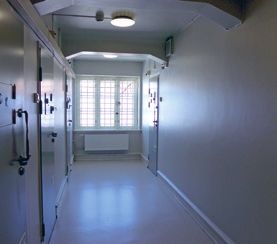
direct conversations. We thus gain a better insight
into both formal and informal rules and routines.
As this was no longer an option, we had to develop
new methods and utilise sources other than
observations and interviews for the investigation.
We carried out a survey that was distributed to a
sample of inmates in four prisons. A survey cannot
replace the interviews that we normally conduct
with inmates; however, it did present an opportunity
to include inmates’ perspectives when physical vis
its were not possible. In the survey, we asked how
the inmates had experienced the infection control
measures; what kind of compensating initiatives
they had been offered, and whether they had been
Corridor in a prison visited by the NPM. placed in quarantine due to the coronavirus.
Other sources included written information from
relevant authorities, including dialogue with the
Norwegian Correctional Service.1 We carried out
In the spring of 2020, the Ombudsman therefore telephone interviews with prison authorities in
conducted an investigation of how inmates were ten prisons, analysed written information and
safeguarded in Norwegian prisons during the initial procedures from these prisons and from the prison
period after the outbreak of the COVID-19 pandemic. health services in eight of the ten prisons. We
The investigation was based on information we spoke to the heads of the Supervisory Boards in the
obtained covering the period from 12 March to Correctional Service’s five regions and consulted
14 May 2020. voluntary organisations and members of the NPM's
Advisory Committee
Methodological limitations and consequences
for the investigation The sample size of the survey limited the opportu
The NPM's work was also affected by the pandemic. nity to establish decisive findings concerning local
On 11 March 2020, we decided to temporarily practices in each prison. The recommendations
suspend our visits to avoid exposing anyone to given in the report were therefore primarily ad
increased risk of infection. At the same time, it was dressed to the relevant central authorities and not
essential to still be able to safeguard our mandate, to the individual prisons.
even in a situation where physical visits could not
be conducted. To ensure the findings were as representative as
possible, we obtained information from both high
Physical visits permit us to observe conditions at and lower security sections, from female and male
the places we visit and give us the opportunity to inmates and from prisons in all five Correctional
gain the confidence of those we speak to through Service’s regions.
1 See the response from the Ministry of Health and Care Services to the written enquiry from the Ombudsman here:
https://www.sivilombudsmannen.no/aktuelt/tortur-forebygging/om-konsekvensene-av-covid-19-for-frihetsberovede-svarbrev-fra-
tre-departementer/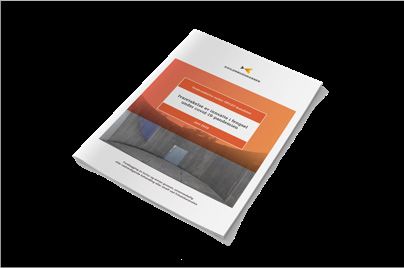
Measures designed to protect inmates from their lawyer in a way that safeguarded infection
infection control, for example by telephone or through a
In the period after 12 March, the number of inmates glass screen. To reduce the adverse effects of
in prisons was reduced via initiatives such as early these restrictions, several compensatory measures
release, suspended sentences and transfer to home were introduced.
detention. This made it possible to avoid inmates
having to share a cell; it also made it easier to Inmates were given access to tablet computers
maintain physical distancing and to safeguard hy to keep in contact with friends and family who
giene requirements. This is assumed to have been could no longer visit, and the call time for ordinary
important measures to limit the risk of infection. telephone calls was extended. Several prisons
also continued certain work and activity sessions
The Correctional Service also introduced measures that were consistent with infection control rules.
to ensure that inmates received information about Various activities were organised, such as quizzes,
the COVID-19 pandemic. The Correctional Service games, extended TV channel access and outdoor
cooperated with voluntary agencies in drafting training. The survey indicated that significant
information materials and in setting up information creativity had been applied in several prisons,
channels to assist next of kin. regarding compensatory activities.
Despite the compensatory measures that were
— introduced, the impression was that many inmates
felt that they spent much more time locked in their
The officers organised various cells during a 24-hour period than they would under
games, contests, outdoor exercise, normal circumstances. Consequently, many of the
inmates experienced serving during this period as
bingo, quizzes etc. Very pleased ! challenging. Several inmates also reported that
Inmate they were not given the opportunity to make use of
the compensatory measures.
—
—
Infection control measures led to significant
restrictions on inmates’ daily lives There was a lot of alone time
In the spring of 2020, a number of restrictions
were placed on the daily lives of prisoners, brought
and long days since the work
about by infection control measures. For example, activities were stopped. There
activities and work programmes were discontinued
or reduced considerably. Education programmes was a sense of isolation since
were largely cancelled, as it was not considered the visits were cancelled.
possible to adapt to digital education, as was the
case in schools elsewhere in the country. Visits Inmate
were no longer permitted; however, arrangements —
were made for inmates to remain in contact withNORWEGIAN PARLIAMENTARY OMBUDSMAN
National Preventive Mechanism
Routine solitary confinement of new inmates As a consequence of the measure that was
One of the most intrusive infection control measures introduced on the national level via a Circular from
was the implementation of routines for exclusion of the Correctional Service on 3 April 2020, a large
inmates from the community (solitary confinement). number of inmates were placed in quarantine with
The Ombudsman considered whether this was in out symptoms of COVID-19 and without confirmed
accordance with human rights standards. In particu exposure to a possible infection situation.
lar, the Ombudsman examined the introduction of
routine solitary confinement of new inmates by the In the view of the Ombudsman, which is further
imposition of fourteen days quarantine. substantiated in the report2 from the investigation,
infection control considerations do not provide suf
ficient grounds for solitary confinement insofar as
the measure is not related to the inmate’s conduct.
Exclusion and solitary confinement Moreover, the Ombudsman examined whether the
measure was in accordance with human rights
The Execution of Sentences Act Section requirements with respect to proportionality and
37 permits a prison to determine that an necessity. In the Circular from the Correctional
inmate, wholly or partially shall be “excluded Service, no instruction to consider less intrusive
from the company” of other inmates. This measures was given, such as health assessment
can be imposed if it is deemed necessary procedures or testing. The Directorate of Health
to prevent inmates from continuing to had not found that exclusion from the prison
influence the environment in the prison in community was necessary to maintain infection
a particularly negative manner, to prevent control standards. In the Ombudsman’s view, it is
inmates from harming themselves, acting problematic that the Correctional Service chose
violently, threatening others, to prevent to act against the advice of health professionals
significant material damage, to prevent in this case. Solitary confinement imposed due to
criminal acts or to maintain peace, order infection control considerations should always be
and security in the prison. based upon medical necessity.
During the pandemic it was decided that all New inmates are in a particularly vulnerable
new inmates should be “wholly excluded” situation and have among other things, an in
from the company of other inmates for creased risk of suicide. Therefore, it is concerning
fourteen days. According to the Correctional that many of the respondents in our survey stated
Service’s guidelines, “wholly excluded” from that they had limited access to compensatory
other inmates means that the inmate shall initiatives, for example virtual visits, during the time
not be in the company of other inmates at they were placed in quarantine.
all. Complete exclusion under normal circum
stances thereby represents solitary confine In the survey, only around half of the respondents
ment as defined in the Mandela Rules. In who stated they had been placed in solitary
this article the term “solitary confinement”
therefore refers to this form of exclusion.
2 Read the full report here: https://www.sivilombudsmannen.
no/wp-content/uploads/2020/09/Norwegian-NPM-report-
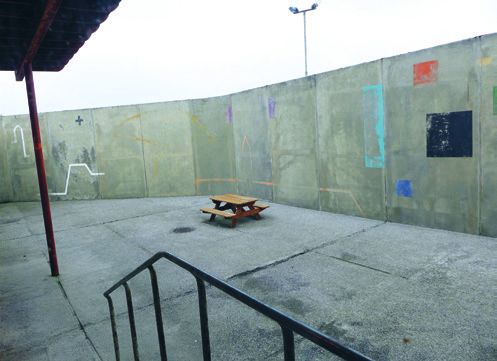
on-Covid-19_revised-versjon_2.pdfExercise yard in a prison visited by the NPM.
onfinement replied “yes” to the question about
c —
whether they had been given extra telephone time
Isolation was incredibly difficult
and video conversations via tablet computers.
Several of the respondents also stated that they had and painful. I considered [...]
little access to the outdoors during the period. In the
investigation we pointed out that inmates who were
taking my own life [...] I have never
placed in solitary confinement due to confirmed been in prison before, so this
or suspected infection, should be offered daily
outdoor time in line with the Correctional Service's transition was crazy [...] I would
memorandum. At the same time, we found that the not wish this on anyone.
Directorate of Health had apparently given directions
to the prison health services that inmates placed Inmate
in solitary confinement due to infection, should not —
leave their cells. This illustrates the importance
of close coordination and dialogue between the
Correctional Service and the health authorities.NORWEGIAN PARLIAMENTARY OMBUDSMAN
National Preventive Mechanism
Inmate’s right to healthcare during a pandemic
The prison healthcare services play an essential
role in safeguarding the health of inmates, also dur —
ing a pandemic. The Ombudsman has repeatedly
«[...] had a conversation lasting
noted that the capacity of the prison healthcare
services is inadequate.3 The investigation showed three minutes with the healthcare
that the challenges in regard to the general
services on the day of arrival,
capacity of the healthcare services were exacer
bated during the pandemic. Inmates experienced but no further contact.»
greater difficulty in contacting healthcare services
Inmate
during the COVID-19 pandemic than under normal
circumstances, as the healthcare services had to —
prioritise emergency care.
It also appears that adverse effects from solitary
confinement and psychological strain as a result
of quarantine and solitary confinement have not
been given adequate attention. The Ombudsman
notes that inmates in quarantine and solitary
confinement are deprived of their liberty and
cannot safeguard their own interests. Therefore
it is unfortunate that inmates who have been
placed in quarantine and solitary confinement have
not received necessary supervision from prison
healthcare services. Of the fifty respondents who
stated that they had been placed in quarantine or
solitary confinement, only one stated that they had
received daily visits by the healthcare services. This Doctor’s office in a prison visited by the NPM.
is in breach of the Mandela Rules and the WHO’s
provisional guidelines on COVID-19 in prisons,
which determine that inmates placed in solitary
confinement must be supervised daily, respectively
once or twice per day.4
3 See also The Parliamentary Ombudsman's Special Report to the Storting on Solitary Confinement and Lack of Human Contact
in Norwegian Prisons, Document 4:3 (2018/19), chap.10; Parliamentary Ombudsman’s report from visit to Oslo Prison, 1922
November 2018; Arendal Prison 68 February 2018; Åna Prison, 1315 November 2017; Ullersmo Prison, 2931 August 2017; Bergen
Prison 46 November 2014.
4 Mandela Rules, rule 46 no. 1; (WHO) Europe, “Preparedness, prevention and control of COVID-19 in prisons and other places of
detention: interim guidance», 15 March 2020, p. 21.Legal safeguards gation indicated that many inmates experienced a
Even though central authorities have maintained high degree of isolation during the period.
an ongoing dialogue during the pandemic, findings
from the investigation suggests that the Correc It is particularly concerning that intrusive measures
tional Service has found it challenging to adapt the such as quarantine and solitary confinement were
health authorities’ general infection control advice introduced based on unclear statutory regulations,
to the prison sector. We also found examples of and that inmates in quarantine and solitary
the introduction of intrusive emergency infection confinement did not receive adequate supervision
control measures by some municipalities, before from the healthcare services.
central guidelines had been drawn up. Lack of
clarity regarding statutory authority and absence of The purpose of the investigation was to contribute
national guidelines adapted to the prison context to a reduction in the risk of inhuman and degrading
increase the risk that intrusive measures are treatment in case of a possible new pandemic
introduced locally without an adequate evaluation outbreak. In the report, feedback regarding eight
of proportionality. central issues was given to the responsible
authorities. These concerned, inter alia, the need
The Supervisory Boards for the correctional servic for close coordination and dialogue between the
es did not conduct physical supervision during the Correctional Service and the health authorities.
period of investigation; however, they had largely The report from the investigation was distributed
continued the processing of individual enquiries to the Ministry of Justice and Public Security, the
from inmates. Alternative methods of supervision Ministry of Health and Care Services, the Correc
had been considered to some degree, but these tional Service and the Directorate of Health. It was
had not yet been implemented. The restrictions also made available to all prisons and transitional
that were imposed upon inmates indicated that houses in all five regions of the Correctional
arrangements should have been in place for Service. In addition, findings from the investigation
effectively working supervisory bodies, also during were shared with national preventive mechanism
the pandemic. agencies in other countries. The report is also
available on the Parliamentary Ombudsman’s
Conclusion website.5
The pandemic created an ambiguous situation,
particularly in its initial phase. The measures that
were implemented must be considered in light of
the available information about the virus and level
of infection in the community at the time when
the measures were introduced. The Correctional
Service succeeded in avoiding major infection out
breaks in prisons and introduced a broad spectrum
of measures to protect the rights of inmates during
the pandemic. At the same time, the Ombudsman’s
investigation concluded that there had been major
variations in the inmates’ access to compensatory
measures during this difficult period. The investi
5 https://www.sivilombudsmannen.no/en/torturforebygging/You can also read


