Inspiring Pro Bono: The Thomas m. Cooley law sChool experienCe - THE THOMAS M. COOLEY LAW SCHOOL
←
→
Page content transcription
If your browser does not render page correctly, please read the page content below

THE THOMAS M. COOLEY LAW SCHOOL

Inspiring Pro Bono:
The Thomas M. Cooley Law School Experience

Introduction                                                  6
Agengies/Projects Served by Cooley Law School in 2009
 •   Advent House Ministries                                 10
 •   Child Welfare Training Institute                        10
 •   Community Legal Resources Fair                          11
 •   Cooley Clinics                                          11
 •   Criminal Defense Attorneys of Michigan                  16
 •   Cristo Rey Community Center                             16
 •   Dégagé  Minstries                                       16
 •   The Eastern District Habeas Corpus Project              17
 •   Eastern District of Michigan Federal Bar Association
         Foreclosure Assistance Program                      17
 •   Election Protection                                     18
 •   Federal Bar Association Law Day                         18
 •   Federal Bar Association Pro Se Handbook                 18
 •   Federal Defender Office                                 18
 •   Ferguson Apartments                                     19
 •   Grand Rapids Teen Court                                 19
 •   Housing Help                                            20
 •   Hurricane Victims                                       21
 •   Indigent Defense Case Development Sessions              24
 •   Kent County Legal Assistance Center                     25
 •   Land Conservancies                                      25
 •   Lansing Teen Court                                      26
 •   Legal Aid and Defender Association Expungement Clinic   27
 •   Macomb County Prosecutors                               30
 •   Mel Trotter Ministries                                  30
 •   Nonprofit Incorporation Project                         30
 •   Open Door Ministry                                      31
 •   Project Homeless Connect and Stand Down                 32
 •   Senior Pro Bono Outreach                                32
 •   Service to Soldiers Legal Assistance Referral Program   34
 •   State Appellate Defender Office/Detroit Crime Lab       42
 •   Tax Assistance for Nonprofits                           43
 •   Volunteer Income Tax Assistance                         43
 •   Volunteers of America Homeless Shelter                  43
 •   Washtenaw County Public Defender’s Office               44
Conclusion                                                   45
“
    T
    o know even one life has breathed
    easier because you have lived.
    That is to have succeeded.”

        Ralph Waldo Emerson
6                                                                                                                                                          7

                                            E      merson may have captured
                                            the motivation behind the faculty
                                                                                      Cooley has always hired its faculty from the ranks of practicing
                                                                                      attorneys. These lawyers don’t simply walk away from the
                                            and students at the Thomas M.             practice of law when they become full-time faculty members.
                                           Cooley Law School who logged over          They still yearn for the satisfaction that comes from serving a
                                           300,000 hours of free legal work in        deserving client. It keeps them sharp in the classroom. It makes
                                          just one year for those who could           their teaching real. It causes their teaching to take a practical
                                          not otherwise afford or may not             skills bent so students can learn not just the law, but how to
    Day of Carin
                   g - United W
                                         otherwise fund that help — people            practice law.
                               ay
                                         who can now, hopefully, breathe a
                                         little easier. Through clinical work,        The faculty have steered their yearning to practice law toward
                                         externships, and service, our students       pro bono clients. The benefits of that approach are legion: First,
                                         and faculty offered $45 million worth        access to the legal system is provided to the most needy and
                                         of free legal assistance in just one year.   worthy, including charities and charitable corporations, military
                                                                                      service members, the homeless, the unemployed and underem-
                                         How is it that a law school can              ployed, those facing foreclosure, children, wrongly incarcerated
                                         accomplish such a thing? A great             prisoners, the disabled, hurricane victims, land conservancies,
                                         part of the reason lies in the spirit        veterans, juvenile defendants, and seniors. Second, when stu-
                                         our students bring to their study of         dents can observe and participate in the practice of law for such
                                         law. The Millennial Generation has           clients, they are learning two lessons at once — how to practice
                                         arrived on our campuses, laden with          law and how to help the deserving access our justice system.
           Cooley Faculty Help
                                         expectations for serving the public, as      Third, students see their teachers helping others and learn from
                                         they have done throughout their lives.       them the lawyer’s obligation and commitment to giving back to
                                         But the answer also seems to come            the community. Finally, there seems to be no greater satisfaction
                                          from the culture at the school. As          for a law student (or a lawyer, for that matter) than that which
                                          an institution, Cooley promotes and         comes from helping a deserving or indigent client. For law stu-
                                           supports a culture that nurtures such      dents, it’s fun to practice law. But they are awed by the thanks
                                           dedication. Our faculty of former          they receive from and the life-changing impact on the grateful
                                           legal practitioners are encouraged         client, who has breathed a little easier because of their help.
                                            to continue practicing law in service
                                            of others and in support of our           When we speak of the free legal assistance that our students pro-
                                             students — students who are as           vide through their clinics, externships, and service, we reach an
                                             hungry to learn and help others as       almost incomprehensible number of over 300,000 hours in 2009.
                                              the faculty is to practice law.         That equates (at 40 hours a week) to 144 years of volunteer labor,
                              eakfas t
             “Kids Food” Br
8                                                                                                                                   9

                                 or, when looked at another           involve the awarding of academic credit: assistance offered
                                 way, $45 million worth of free       by our faculty and students for no personal gain, not
                                 legal assistance if it were billed   even clinic or externship credit.  In 2009, our
                                 at an average of $150 per hour,      faculty and students logged over 16,000 such
                                 worked in just one year. More        pro bono hours assisting those who
                                 important, when we calculate         would otherwise not be able to pay for
                                 the number of hours of free          or fund these services. They did this
                                 legal assistance our students        completely on their own time,
                                 offer in the area of public          for no personal reward except
          Habitat for Humanity   interest — using the Equal           the satisfaction that comes
                                 Justice Works definition to          from helping those in need.
                                 include all clinic placements,       These 16,000 hours of
                                 judicial placements, state and       pro bono work done for
                                 federal agency placements,           no academic credit or
                                 and positions taken in pros-         personal gain represent
                                 ecutors, public defenders,           $2.4 million (at $150/hour)
                                 Legal Aid, and other public          worth of free legal
                                 interest law offices — our           assistance offered
                                 students logged in 2009 just         in just one year.
                                 over 200,000 hours, or over
                                 $30 million worth of free legal      Cooley Law School has
    Teen Court Awards Cooley’s   public interest assistance.          no pro bono requirements
          President Don LeDuc
                                                                      for its faculty or students.
                                 Cooley faculty and students          Cooley has no formalized pro
                                 regularly contribute                 bono program. But by allowing
                                 thousands of hours per year          faculty time to pursue pro bono
                                 to such efforts through pro          interests and encouraging them
                                 bono projects and through            to do so, and by covering the cost
                                 externships and clinics.  In         of malpractice insurance coverage
                                 this document, though, we            for the faculty who practice pro bono
                                 wanted to focus on the pro           law, Cooley has fostered an overwhelming
                                 bono efforts our students            commitment to pro bono service. Here are the
                                 have undertaken that do not          not-for-credit projects we worked on in 2009.
             Dégagé Ministries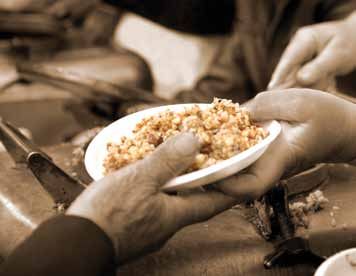
10                                                                                                                                                    11

                             A      dvent House
                                    Ministries
                                                                               is held three to four times a year and includes about 170 trainees
                                                                               per session. Cooley students help Professors Flores and Langham
                                                                               prepare the trainees for their courtroom testimony by performing
                            Over the years Cooley Law School has
                                                                               direct and cross-examinations of the child welfare investigators.
                            established a very active relationship with
                                                                               The examinations include issues of child welfare supervision, child
                            Lansing’s Advent House, a weekend day
                                                                               welfare investigation, and family preservation.
                            shelter for the homeless that also provides
         Nancy Wonch
                            Food Stamp assistance, employment
                                                                               Since 2005, 1,900 to 2,000 people have been trained, including three
                            counseling and assistance, transitional
                                                                               sexual assault nurse examiners that Professor Flores trained for
                            housing, a literacy program, and Social
                                                                               Great Lakes Sexual Assault Nurse Examiners, in Detroit, Lansing,
                            Security disability and Supplemental Security
                                                                               and Grand Rapids. In 2009, Professors Flores and Langham and
                            Income application assistance. Students
                                                                               their students logged approximately 570 pro bono hours.
                            supervised by lawyers, including Cooley
                            Professor Nancy Wonch, provide general
                            legal advice and referrals, and help with letter
                            writing and forms preparation for the indigent
                                                                               Community Legal Resources Fair
                                                                               Students work with Cooley faculty members to organize an annual
                            in Lansing. Since 2003, Professor Wonch has        legal resources fair for low-income citizens in the Oakland County
     M. Anthony Flores      arranged for five to 10 Cooley students to         area. We did not record hours worked for this project.
                            provide pro bono services in various venues
        throughout Lansing. For several years Advent House hosted a
        “Healthy Thanksgiving” event to provide patrons with a variety
        of health and other services including legal advice, as well as
                                                                               Cooley Clinics
                                                                               Cooley’s many legal clinics allow students to do actual legal work
        a nutritionally prepared Thanksgiving dinner. For many years           for indigents and receive school credit. However, many Cooley
        Professor Wonch supervised Cooley students providing legal             students and clinic faculty work hours in excess of what is required
        advice and serving dinner at this event. In 2009, six hours of         of them. We consider these extra hours — beyond what is needed
        legal counseling was provided pro bono.                                to earn school credit — as not-for-credit pro bono work by both
                                                                               our students and faculty. Such pro bono assistance occurs at all of
        Child Welfare Training Institute
        For the past five years, Professor Anthony Flores has been
                                                                               Cooley’s clinics, including:

                                                                               Family Law Assistance Program
        involved with the Child Welfare Training Institute, an agency          This partnership between the Oakland County Bar Association,
        of the Michigan Department of Human Services. Professor                Lakeshore Legal Aid, and Cooley Law School coordinates private
        Flores, Professor Lew Langham, and selected Cooley students,           pro bono volunteer lawyers, Lakeshore and Cooley staff attorneys,
        have trained Protective Services and Foster Care workers as            and Cooley students to provide quality legal services to indigent
        a part of their curriculum. The eight-week training session            domestic violence and family law clients in Oakland County.
12                                                                                                                                                        13

     In 2009, volunteer attorneys worked 392 pro bono hours and                    The Washtenaw County Public Defender Clinic
     students worked 4,019 hours. Twelve students were required to bill            With classes in Lansing and the site work in Ann Arbor, student
     3,856 hours to earn credit, so a total of 163 hours were pro bono,            lawyers perform all public defender functions. In 2009, students
     (no credit). Thus, a total of 555 hours were provided pro bono by             worked beyond the hours required for credit and completed 826
     students and faculty.                                                         pro bono hours (no credit).

     Sixty Plus, Inc., Elderlaw Clinic                                             Access to Justice Clinic
     This general civil practice for clients age 60 and over allows students       The Grand Rapids area Legal Assistance Center refers unrep-
     to handle their own case files. In addition, Sixty Plus intern teams are      resented persons who have more complex matters requiring the
     assigned an outreach project each term where they go into the com-            services of a lawyer to the Access to Justice Clinic, where a Cooley
     munity and speak to groups about the clinic’s services and about spe-         faculty director, staff attorney, and law students ensure that the
     cific areas of law relevant to seniors. Sixty Plus interns are required       clients receive competent representation in family law, landlord-
     to bill 90 hours per term for their client casework, but most interns         tenant, and other consumer law matters
     bill well over the required 90 hours. In 2009, 36 students billed 3,240       in a general civil practice. In 2009, 25
     hours for credit, and 4,369 hours were provided pro bono (no credit).         students performed 2,821 hours of
     Estate Planning Clinic                                                        work, and were required to bill
     Estate Planning Clinic interns interview clients and draft and execute        2,250 hours for credit, leaving
     all client estate planning documents. They are required to bill 90            571 hours provided pro bono,
     hours per term for their client casework, but most interns bill well          (no credit).
     over the required 90 hours. In 2009, 36 Lansing students billed
     3,487.3 hours of legal service for credit but also provided 2,473 pro         Public Sector Law Clinic
     bono (no credit). The Estate Planning Clinic in Auburn Hills focuses          In a parallel access-to-justice
     on estate planning and probate law. In 2009, 27 students worked               program, Kent County refers
     2,549 hours, 2,430 of which was for credit, leaving 119 hours worked          legal matters involving systemic
     pro bono, (no credit).                                                        governmental issues to the Public Sector
                                                                                   Law Clinic, a one-of-a-kind program
     Innocence Project Clinic                                                      in which a Cooley faculty member director,
     Interns review files of the incarcerated to determine whether DNA             staff attorney, and law students explore
     evidence may prove them factually innocent, and occasionally visit            ways to improve access to courts and other
     inmates at the prisons with their supervising attorneys. Innocence            government services. This clinic at Cooley’s
     Project interns are required to bill 90 hours per term for their client       Grand Rapids campus helps ensure that
     casework, but most interns bill over the required 90 hours. In 2009,          more individuals have greater opportunity
     nine interns billed 810 hours for credit but billed a total of 1,671 hours,   to improve their lives through the orderly
     leaving 861 hours of legal service provided pro bono (no credit).             administration of law and government.
“
    T

          oday at Dégagé Ministries it was bordering
          on awesome. We had two really engaged students
            and ‘clients’ waiting to see us. Every case was
something I encounter on a daily basis (except) it was poor
people who just needed an ear, a bit of advice, and, above
all, a few moments of genuine respect. Today rocked and I
            got far more out of it than I gave ...”

       Mike Dunn, Cooley Adjunct Professor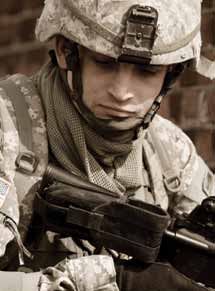
16                                                                                                                                               17

                      Criminal Defense
                       Attorneys of Michigan
                                                                       students to be involved, and 63 students participated and filled
                                                                       126 of those hours. The legal assistance and counseling program is
                                                                       offered under the supervision of faculty to patrons of Dégagé the
                          Case Preparation                             first, third, and fourth week of each month. The efforts of faculty
                     Cooley students work with faculty to help         and students in 2009 totaled 198 pro bono hours worked.
                     criminal defense attorneys prepare cases

     Chris Trudeau
                     for trial. Students work on all aspects of the
                     case, from legal research to trial preparation.
                                                                        T   he Eastern District
                                                                            Habeas Corpus Project
                     Hours were not recorded.
                                                                       In order to address the backlog of habeas corpus petitions that have
                      Cristo Rey
                       Community Center
                                                                       been filed in the U.S. District Court, Eastern District of Michigan,
                                                                       the Court has entered into a unique partnership with Cooley Law
                                                                       School. Students work with federal court magistrates and staff
                     Professor Chris Trudeau has long been             attorneys to prepare reports and recommendations on petitions
                     providing legal assistance to Lansing             for writs of habeas corpus filed by state prisoners in federal court.
                     residents seeking help through the Cristo Rey     Selected law students review habeas corpus petitions and draft
                     Community Center. In 2009, approximately          proposed opinions and orders for the assigned magistrate judge.
     Tammy Asher
                     90 hours of student opportunities were            The students are supervised by the Executive Magistrate Judge
                     offered, which includes actual hours of           and Professors Tammy Asher and Alan Gershel. In 2009, two
                     client contact, and seven students assisted       students performed 336 hours of pro bono legal service.
                     Professor Trudeau, who performed a little
                     over 300 hours of pro bono work. Including
                     student hours worked, that number jumps
                                                                       Eastern District of Michigan Federal
                                                                        Bar Association Foreclosure
                     to around 350 pro bono hours worked. Since
                     starting this program in 2006, Professor              Assistance Program
                     Trudeau’s students and he have offered            Six Cooley students and one Cooley graduate attended and helped
     Alan Gershel    combined assistance of over 1,300 hours of        administer a two-day training program presented by the Michigan
                     pro bono service.                                 Poverty Law Program in February 2009 to train pro bono volunteer
                                                                       lawyers to represent in pro per litigants in foreclosure cases in state
      D      égagé Minstries                                           and federal court. Approximately 20 of these lawyers, including
                                                                       Cooley alumni, have volunteered to handle cases in federal court
     This soup kitchen serving a homeless population continues         through the Eastern District of Michigan Federal Bar Association
     to provide counseling and interviewing opportunities for          Pro Bono Committee, and Cooley students will be paired with
     students. In 2009, 144 hours of opportunity existed for           volunteer lawyers who request a student pro bono law clerk.
18                                                                                                                                                    19

     As co-chair of the Eastern District of Michigan FBA Pro Bono              federal misdemeanor/ticket cases before
     Committee, Associate Dean John Nussbaumer worked with                     a United States magistrate judge, and
     the District Judges Pro Bono Committee to recruit and train               attending attorney/client meetings and court
     approximately 20 lawyers to handle in pro per lawsuits filed in           hearings. In 2009, two students worked 318
     federal court seeking to block foreclosure proceedings against            pro bono hours.
     Detroit homeowners.

     Election Protection                                                       Ferguson Apartments
                                                                               A nonprofit Dwelling Place site serving
                                                                                                                                    John Nussbaumer

     Students work with Cooley faculty members to ensure compliance            formerly homeless and disabled individuals,
     with state and federal election laws in city, county, and national        and the West Michigan Hispanic Chamber
     elections. Hours worked on this project were not logged.                  of Commerce, serving the self-employed,

     Federal Bar Association Law Day
     As co-chair of the Eastern District of Michigan FBA Pro Bono
                                                                               became the Grand Rapids campus’s third
                                                                               and fourth pro bono service locations in 2009.
                                                                               Legal services are offered to the members
     Committee, Associate Dean John Nussbaumer helped organize                 and residents two days each month by a
     a group of approximately 20 lawyers who provided free half-hour           rotating schedule of Grand Rapids faculty
                                                                               at the Chamber, and by Professor Sherry              Sherr y Batzer
     consultations to approximately 60 in pro per litigants in federal court
     on Law Day. Cooley students who helped out received certificates          Batzer at Ferguson. Two students are
     of recognition from the District Judges Pro Bono Committee for            encouraged to accompany and assist the
     their service. Faculty and students put in approximately 52 hours of      faculty members each time they go, and
     pro bono time.                                                            this year all available slots were filled.
                                                                               Students and faculty, combined, did 121
     Federal Bar Association
      Pro Se Handbook
                                                                               hours of pro bono work for Ferguson
                                                                               Apartments and 106 hours for the Chamber.
     Students worked with pro bono volunteer lawyers and Cooley
     faculty to research legal issues for inclusion in a pro se handbook for
     in pro per litigants in federal court. Hours were not recorded.
                                                                               Grand Rapids Teen Court                              Tracey Brame

                                                                               Teen Court is a diversion program for first-time

     Federal Defender Office
     Cooley students assist this office by preparing Sixth Circuit
                                                                               youthful misdemeanor offenders between the ages of 11 and
                                                                               16. Through an agreement with the Kent County Prosecutor’s
                                                                               Office, families of youthful offenders can opt to avoid the
     appellate briefs, handling client files after indictment, calculating     traditional criminal justice system by agreeing to participate in
     the sentencing guidelines, working on pre-trial motions, handling         Teen Court. The participants must agree to remain in school,
20 21
attend street law workshops, complete provides people or organizations with basic information and
community service, apologize to any fundamental tools and legal protocols regarding real estate
victims, and attend a hearing at which a and the real estate process so homeowners can avoid scams
jury of their peers (local high school and foreclosure, and nonprofit developers can be made aware
students) will deliver a disposition that often of mandatory steps to successfully complete their housing
includes additional community service, developments. She employs the “ten commandments of real
restitution, and other forms of restorative estate” to isolate the most important items for each group, but
Florise justice. The project has received support emphasizes that each group needs a team of professionals to
Neville-Ewell
from the local bench, prosecutor’s office, ultimately help them accomplish their real estate goals. Professor
and probation department in Kent County, Neville-Ewell has worked directly with individuals from multiple
and local leaders have welcomed the effort churches (e.g., Corinthian Baptist Church in Detroit), with
to reduce juvenile recidivism. Cooley faculty individuals through symposia sponsored by banks (Fifth Third), the
serve as volunteer judges along with local Detroit Branch of the NAACP, The Heat and Warmth project
attorneys and judges. Cooley students serve (THAW), Oakland County town hall meetings (where she assists
as respondents’ and victims’ advocates, with housing and foreclosure issues), Michigan’s Attorney General,
hearing observers, and jury monitors and nonprofits through their leaders.
during jury deliberations. They also help
Christine Church the respondents complete their required
orders for the Teen Court diversion from
Hurricane Victims
Since 2007, over 200 Cooley students have traveled to New
prosecution. Many of them may also serve as academic
mentors for the students and establish relationships with Orleans during their term break to partner with legal agencies
the teenagers that continue beyond Teen Court. East involved with disaster relief legal work, shepherded by Assistant
Kentwood High School offers the peer jurors for Grand Dean Chris Church. Students have worked on probate issues
Rapids Teen Court. involving homes in the lower Ninth Ward, helped clients clear titles
to devastated homes, assisted with public defender cases in criminal
Housing Help
Throughout the metropolitan Detroit area, Cooley
courts, worked to clear the backlog of divorce cases, helped people
obtain and maintain public benefits, helped people stay in their
homes, and undertaken other related work. Students have learned
Professor Florise Neville-Ewell helps two large categories first hand about the role of a lawyer in a community recovering
of participants in the real estate process — homeowners, from a catastrophe. One student said, “The Disaster Relief Legal
including new homeowners, empty nesters, and foreclosure Association has taken me from being the typical self-serving law
victims, and nonprofit developers who primarily build student always looking for the next great résumé builder, to actually
affordable housing within their respective communities. caring and not just ‘doing what looks good.’” In 2009, 16 students
Through her pro bono program, Professor Neville-Ewell and two professors worked 720 hours, pro bono.“
T
he Disaster Relief Legal
Association has taken me from being
the typical self-serving law student always looking
for the next great résumé builder, to actually
caring and not just ‘doing what looks good.’”
Cooley Student24 25
Indigent Defense Case
Development Sessions
Indigent Defense Case Development sessions
during 2009, and 24 lawyers and their clients
Cooley Law School Professor Marjorie Russell runs case were served.
development sessions for lawyers representing indigent criminal
defendants at Cooley’s Lansing, Grand Rapids, Ann Arbor, and
Auburn Hills campuses, and Cooley students participate in the
Kent County Legal
Assistance Center
working groups. The case development sessions employ the action
methods for case preparation and trial presentation that Professor In the past five years, Cooley’s partnership Marjorie Russell
Russell has participated in developing over the last 15 years as part with the Grand Rapids Bar Association and
of the faculty of the Trial Lawyers College in Wyoming. This pro Kent County to operate the Legal Assistance
bono service in aid to the indigent defense community is expected Center has helped over 50,000 unrepresented
persons obtain the legal forms and information
to continue as long as there is a demand for it among Michigan
to navigate the courts. Over 1,000 patrons
lawyers. The participants act as a sort of focus group which
visit the Kent County Courthouse-based
helps the lawyer identify and understand the story of the case,
Center every month, where they are served
the people involved, and what will be important to jurors trying
by a Cooley staff attorney and students,
to understand what happened and why. Sometimes clients are
other volunteers, and a full-time paralegal
present, in which case some of the time is spent exploring their
staff. Spanish-speaking staff is available. Gerald Fisher
story in action, and helping them access information important to
Most of the center’s assistance is in family
their defense. Frequently students who have attended the sessions
law matters, but the center also assists with
continue to work with the lawyer, follow the case, attend court,
landlord-tenant matters, criminal conviction
and form mentoring relationships. Twenty-four indigent defense
expungements, consumer disputes, and a host
case development sessions were conducted at Cooley’s campuses
of other legal matters commonly experienced
in 2009, 15 at Auburn Hills, six in Lansing, two in Grand Rapids,
by low-income residents who cannot afford
and one in Ann Arbor. Each session is three hours long. That
an attorney.
created up to 72 hours of pro bono opportunity for each student
who chose to participate. Up to 30 students could participate
in any given session, resulting in a total of over 2,000 hours of
opportunity for pro bono work during 2009. One hundred eighty
Land Conservancies
Professor Gerald Fisher has been providing
Frank Aiello
students were involved, for a total of 540 hours of student pro pro bono services for land conservancies
bono work. Twelve lawyers attended as participants, for 36 hours and related groups in southeast Michigan for about 20
of pro bono work. Five professors, including Professor Russell, years. He has provided counsel on negotiating, drafting,
attended as participants, for 12 hours of pro bono work. Professor and enforcing conservation easements, and on presenting
Russell conducted all 24 sessions, for 72 hours of pro bono work. and approving millages to purchase land for conservation;
A total of 660 hours of pro bono work were performed in the and he has served on Senate ad hoc committees, assisted26 27
in drafting the Wetlands Act and model youths ages 11-16. Local teenagers receive orientation and training
ordinance provisions, and presented and then act as jurors, while local judges and Cooley faculty
seminars on local wetland regulation and preside as judges in the proceedings. The program provides teens
conservation easements. Professor Frank with a diversionary program for relatively minor legal offenses,
Aiello oversees efforts to revise the model and allows other teens to not just see, but also decide, sentencing.
form of Conservation Easement used by The proceedings take place in Cooley’s high-tech, state-of-the-
land conservancies in Michigan, and has art courtrooms. Cooley students serve as respondents’ and
provided hundreds of pro bono hours in land victims’ advocates, hearing observers, and jury monitors during
acquisition transactions, including some jury deliberations. They also help respondents complete their
currently in development. Each semester, required orders for the Teen Court diversion from prosecution.
one or two Cooley students assist Professor Volunteering as an advocate means holding the respondent
Aiello with each transaction. Examples accountable and guiding the first-time juvenile offenders
of transactions include helping land through the steps in the juvenile diversion process, which takes
conservancies acquire land and conservation approximately 90 days. Many of them also serve as academic
easements against donated green space mentors for the students and establish relationships with the
and other natural and undeveloped areas. teenagers that continue beyond Teen Court. In 2009, 41 students
Professor Aiello provided more than 30 volunteered 2-3 hours per week and undertook legal work for
hours of free legal service to the conservancy approximately 75 percent of that time, totaling approximately 76
in connection with the transaction. Faculty hours of pro bono work.
logged approximately 90 pro bono hours
offering this type of assistance in 2009. Legal Aid and Defender Association
(LADA) Expungement Clinic
Lansing Teen Court
One way to expose law students to real-
Professor Kevin Scott and three Cooley students participated in
this clinic to help eligible southeast Michigan residents expunge
life law is to develop a relationship with the from their criminal records offenses that carry less than a life
local prosecutor’s office that allows the law imprisonment sentence. Together they were able to help 39
school to host the adjudication of criminal people take an important step on a road to a better life. LADA
cases involving teenagers. The Ingham estimates that there are over 3,700 residents who qualify for the
County Prosecutor’s Office has such an expungement program. In 2009, students and faculty offered 20
agreement with Cooley Law School. That hours of pro bono assistance. Students also work with the Legal
office screens and refers to the Lansing Teen Aid and Defender Office to investigate housing discrimination
Court, juvenile offender cases involving complaints, but hours on this initiative were not recorded.“
V olunteering at Mel Trotter was a
great experience. It was exciting to be
able to help a bit. The chance to meet people,
understand their issues, and work to help them
through it is exactly the kind of thing I hope
to be able to do someday in my legal career.
Thanks again for the opportunity.”
Christopher Acklin, Cooley student30 31
Macomb County Prosecutors
Case Assistance
the meetings, complete the paperwork, and
handle correspondence with the clients.
Students work with Cooley adjunct faculty members to assist Under the direction of Associate Dean
Macomb County assistant prosecutors with “cold case” Nelson Miller, 14 clients have been assisted,
prosecutions. Hours were not recorded for this work. and more than 25 students have participated
in the project. Students and faculty, together,
Mel Trotter Ministries logged 145 hours of pro bono service. Auburn
Hills students also work with Cooley faculty Kevin Scott
West Michigan’s largest homeless mission, Mel Trotter Ministries in members to provide legal assistance to
Grand Rapids offers free legal services every week, thanks in part nonprofit organizations.
to Cooley faculty, staff, and students. Cooley’s Center for Ethics,
Service, and Professionalism and the Cooley Volunteer Corps
administer the service, coordinating the schedules for the several
Open Door Ministry
Initiated by students in Professor Nancy
Cooley students who volunteer to support the work of the Christian
Lawyers Association and Cooley faculty members who donate their Wonch’s Professional Responsibility course
time to offer free legal service. The Christian mission, located next as a student project, students supervised
door to Cooley’s campus, also houses a residential substance abuse by lawyers now visit the Open Door
program, women-and-children program, soup kitchen, occupational Ministry shelter in Lansing once per month, Nelson Miller
training programs, and other services. Two students are invited to for several hours, to provide general legal
accompany the attorneys during two time slots each week. This advice, referrals, letter writing assistance,
year, students and faculty provided 110 hours of pro bono service. and to prepare forms for the indigent in the
Lansing area. Each session provides pro
N onprofit Incorporation Project
Students offer start-up legal services to charitable nonprofit
bono opportunities for two students. The
Open Door Ministry of downtown Lansing
says its mission is to provide sustenance,
corporations at Cooley’s Grand Rapids campus through the counseling, assistance, and love to those
Nonprofit Incorporation Project. The project has served well of God’s children who find themselves in
over 30 organizations that offer a variety of charitable works Cynthia Ward
difficult circumstances and with few places
such as taking disabled children hunting and fishing, showing inner- to which they can turn. Its primary focus is
city children the path to become pilots, rehabilitating properties on emergency or crisis situations, but the response is tailored
in decaying urban locations to anchor redevelopment, providing to the circumstances. Legal advocacy services have included
transitional services to Somali refugees, and providing education providing basic legal advice, writing letters, and making referrals
to the children of Niger. For the organizations interested in to other community and social services resources. As part of Pro
incorporating and obtaining 501(c)3 status, Cooley students lead Bono Month in October 2009 and continuing throughout 2009,32 33
ortun
Opp ocksity
Cooley students returned to the Open Door Ministry to provide
additional pro bono legal advocacy services under the supervision
of Assistant Dean Cynthia Ward. In addition to benefiting the
individuals served, law students also benefited greatly from this
volunteer opportunity as they were able to apply the knowledge,
Kn
skills, and ethics they learned in the classroom to real life situations
Shane, a second year
and serve those who are traditionally underserved. In just four Cooley law student,
months during 2009, 14 hours of opportunity for student pro bono first pitched the idea of
work were scheduled, 15 students were involved, 59.25 hours of providing pro bono legal
pro bono work were performed by students, and 23 hours of pro services through the Open
bono work were performed by Assistant Dean Ward and Professor Door Ministry to Professor
Wonch, for a total of 82.25 pro bono hours worked and a total of Wonch’s Professional
Responsibility class a
25 individuals served.
couple of terms ago. During
Project Homeless Connect
and Stand Down
an informal planning
meeting with other
students and Dean Ward,
Shane reflected,
These events occur annually to assist the homeless and veterans. “I am thankful that I
At the Lansing campus, Professor Nancy Wonch recruits students have had the opportunity
to assist participants with legal issues under her supervision. These to work with the Open
events create approximately 20 student opportunities each year. In Door Ministry. I have met
2009, eight hours were logged by faculty and 16 hours by students many great people there
for a total of 24 pro bono hours. Cooley’s Grand Rapids faculty and and have learned of many of the wonderful things that the Ministry
does to help others. It has been a great learning experience for me and
Grand Rapids area attorneys, accompanied by Cooley students,
also satisfying in that I have the ability to help others in legal matters.
offered pro bono legal services at Project Homeless Connect, a Because it is both a great opportunity for law students to practice what
supportive service fair held at VanAndel Arena, and at Stand has been learned and beneficial to those that we have helped, I hope
Down, a similar event open to West Michigan veterans. Cooley that this work will continue beyond my time at the school.”
faculty and students logged 45 hours of pro bono assistance at
these two events in 2009. In addition to serving pro bono hours at the shelter, Shane also
volunteered to personally distribute flyers about the pro bono legal
Senior Pro Bono Outreach
This program kicked off during national Pro Bono Month in
clinic to other Lansing area shelters. Dean Ward has come to rely on
Shane’s involvement in the Open Door Ministry and knows that he
will continue to do a good job for the Open Door Ministry and the
community it serves.
October 2009 to involve Auburn Hills students in the pro bono
work of faculty and volunteer attorneys while providing a valuable34 35
service to senior citizens facing many Heather Spielmaker, with assistance from the National Guard and
challenges in the Pontiac area. Two events JAG, Michigan soldiers on active duty and returning from war
were held in 2009 at the Ruth Peterson receive help with a variety of legal issues ranging from govern-
Senior Center in Pontiac with six faculty and ment disability determinations, to probate and estate planning, to
staff members and one volunteer attorney reemployment. These soldiers receive free legal service through
(a Cooley graduate) assisting seven seniors this referral program, which matches soldiers with Cooley Law
with their legal issues by conducting client School alumni and other attorneys who offer their specialized legal
intake and referring the information to assistance to U.S. military personnel. The program was introduced
Family Law Assistance Program coordinator in April 2007 and, since then, hundreds of deploying, deployed,
Professor Ashley Lowe and Estate Planning and returning military personnel have received free legal assistance
Clinic coordinator Professor Dustin Foster. through the generosity of our participating faculty, alumni, and
Faculty offered 16 hours of pro bono members of the legal community. Assistance has been offered in
assistance in 2009. preparing wills and powers of attorney (POAs), and with handling
family law issues, landlord disputes, insurance problems, and credi-
Service to Soldiers
Legal Assistance
tor/debtor concerns to over 3,000 returning service members, and
over 600 have received free legal assistance. Another 200 military
personnel have been re-directed to other programs and resources
Referral Program that better suit their needs.
Since 2007, Cooley’s Service to Soldiers
program has offered free legal assistance In recognition of her work,
to eligible Michigan military personnel who the Legion of Merit was
are deploying to, are serving in, or have bestowed upon Heather
recently returned from deployment and Spielmaker by two-star
are experiencing civilian legal concerns. Major General Thomas G.
This program is offered statewide to service- Cutler, Adjutant General, for
members of E5 rank or below, and works establishing Cooley’s Service
cooperatively with other veteran and mili- to Soldiers Program. In his
tary assistance programs throughout Michi- remarks, the General stated
gan. The program has allowed Cooley stu- that Heather “evidenced
dents, alumni, staff, and Michigan attorneys outstanding leadership and
the opportunity to give back to those who service to the community
have sacrificed so much for our country. by creating the Service to
Heather Spielmaker is
Initiated by Cooley’s Center for Ethics, Soldiers program. Her actions awarded
the Legion of Merit fro
m
Service, and Professionalism’s Director reflect great credit upon herself, Major General Thoma
s G. Cutler36 37
Lawyers Help Thomas M. Cooley Law School, and the United States of
America.” According to the National Guard, the Legion
of Merit is awarded only once in a while in Michigan and
is the fourth highest State Military Award a civilian or
A soldier suffering
service member can receive after the Medal for Valor, the
from PTSD had a
mental break down and
Distinguished Service Medal, and the National Guard Life
allegedly threatened to Saving Medal.
murder his parents after
taking them hostage. Well over 140 Michigan attorneys, many of them Cooley
The soldier’s parents, alumni, stand ready to offer their pro bono services when
who were concerned called upon, as they have done since they signed up, to help
about his well-being our nation’s brave defenders. They have helped service
despite their harrowing
members of the U.S. Marine Reserves: 1/24 Alpha (Grand
experience, contacted
Cooley’s Service to Rapids), Bravo (Saginaw), and Charlie (Lansing) companies;
Soldiers program to see the Michigan Army National Guard 1461st Transportation
if that program could Company (Lansing); the U.S. Army Reserve 415th Civil
get him additional Affairs Battalion (Kalamazoo); the Selfridge Air National
representation beyond Guard Base; and National Guard units, including 177
his court-appointed Military Police ETT; Company C 125 Infantry & 63rd
attorney. They wanted their son to get the help he needed rather
Brigade; HHC & Company A 1-125 Infantry; Company B
than go to prison. The program’s administrator, Heather Spielmaker,
contacted a Cooley graduate, nationally-recognized defense attorney 125 Infantry & Company F-237; 63rd Brigade 125/126; 126
Frank Reynolds. Frank agreed to assist the court-appointed attorney Press Camp; 1-119th Field Artillery Battalion headquartered
on the case, pro bono, and thus ensured that the soldier would get in Lansing with units in Port Huron, Alma, Albion, and
top-notch representation and the best chance for an outcome that Augusta; 1073rd Maintenance Company - Greenville; 46th
would benefit him and society. War produces some very unsavory Military Police Command - Lansing; 3/330th Regiment and
situations and our attorneys are willing to experience them with 95th Division (IT) - Waterford. The program continues to
clients who can’t pay, because they feel a debt to these brave men
grow and offer services as requested.
and women who have risked their lives and their mental stability to
keep us safe. An important milestone in the reputation and breadth of
the program came when the Service to Soldiers program
teamed with the Michigan State Bar Foundation and the
Michigan law firm Honigman Miller Schwartz and Cohn to
write and publish The Judge’s Guide to the Servicemembers
Civil Relief Act (SCRA) in April 2009. Written by volunteer38 39
attorneys at Honigman and researched by Hills graduate Miles Gengler via satellite while he was deployed
a Cooley alumnus, this bench book was in Iraq. Michigan Supreme Court Chief Justice Marilyn Kelly
sent to every judge in the state using grant administered the lawyers’ oath as Major Gengler’s wife,
funds secured from the Michigan State Bar children, parents, friends, and Cooley family looked on. The
Foundation. This publication received a ceremony was televised and reported on across the country
great deal of positive media attention and during the Independence Day holiday, and was even covered
resulted in an invitation for Cooley faculty internationally.
Charlie Palmer to speak at the annual district court judges’
conference later that year. The Service to Soldiers Legal Assistance Referral Program
has received grants from the Michigan State Bar Foundation
Assisting with this program in various and the Ingham County Bar Foundation, and has also received
ways are 72 students who have offered monetary donations through fund raising efforts of the Cooley
legal briefings to small groups of deploying Inn of Court. Faculty members including Nancy Wonch,
servicemen and women, conducted client Charlie Palmer, Eileen Kavanagh, Chris Trudeau, Terry
in-take interviews, researched relevant Cavanaugh, Emily Horvath, James Carey, Karen Truszkowski,
case law, given presentations to groups and Associate Deans Nelson Miller, Amy Timmer, and John
of returning veterans and Vietnam-era Nussbaumer have volunteered to assist at reintegration work-
Eileen Kavanagh veterans, drafted wills and powers of shops by interviewing military personnel to determine legal
attorney under the supervision of licensed needs, writing wills and
attorneys, staffed information booths, POAs, and presenting
researched legal issues for inclusion in on legal issues, and by
the Judge’s Guide to the Servicemembers recruiting additional
Civil Relief Act, and handled many of the lawyers to work pro bono.
administrative tasks necessary to maintain In addition, the center’s
the program. administrative assistant
In fact, student volunteers contribute so Kathy Lawrence regularly
Emily Hor vath
generously to the administration of the volunteers her time to
program that the program’s ongoing success attend these workshops
has come to depend greatly on their labor. and notarize every legal
document created. In
The Service to Soldiers Program stretched to new heights, or 2009, students and
rather distances, in July 2009 when it organized, through the faculty provided soldiers
Michigan Supreme Co
leadership and direct support and involvement of Associate with 254 hours of pro urt Chief Jus tice
Marilyn Kelly and Coole
y graduate
Dean John Nussbaumer, the swearing-in of Cooley Auburn bono assistance. Major Miles Gengler“
W ar produces some very unsavory situations
and our attorneys are willing to experience
them with clients who can’t pay, because they feel a
debt to these brave men and women who have risked
their lives and their mental stability to keep us safe.”
Heather Spielmaker, Director
Center for ethics, service, and
professionalism42 43
State Appellate
Defender Office/
T ax Assistance for Nonprofits
Professor Gina Torielli takes one or two cases a year assisting
Detroit Crime Lab nonprofit organizations with their organizational and tax issues. In
A 2009 investigation and audit of the 2009, Professor Torielli and a student from her LL.M. tax exempt
Detroit Crime Lab uncovered systemic organization class worked on matters for a group in Oakland
problems in the way ballistics tests were County supporting passage of a parks millage renewal, and also
conducted, and it became necessary to consulted on tax issues with a local land conservancy organization
Gina Torielli determine how many convictions may interested in a corporate reorganization. She estimates that she and
have been impacted by tainted forensic her students clocked eight hours of pro bono work in 2009.
examinations. The State Appellate
Defender Office (SADO) represents
indigent defendants on appeal and had
Volunteer Income Tax
Assistance (VITA)
handled many of the files that required
review. Given the potential number of This program offers students tax filing experience while helping low-
affected cases, an informal agreement income families file for much-needed refunds. Students work with
was reached between Cooley Law School Cooley Professor Dan Matthews to provide income tax assistance
and SADO whereby Cooley students help to citizens. In 2009, students and faculty logged approximately 130
Daniel Matthews
SADO review all case files to determine pro bono hours of assistance. Launching in 2010 under the direction
whether tainted evidence may have been of Professor Dan Sheaffer in Lansing, and in conjunction with United
used to secure a conviction. This file review Way in Grand Rapids, VITA programs in Lansing and Grand Rapids
includes reading trial transcripts, police will also get off the ground and allow various student organizations
reports, witness statements, expert witness
to help supervise and support the program.
reports, and other relevant documents.
Cooley Professor Alan Gershel provided
Cooley students with an overview of
the applicable law and SADO attorneys
Volunteers of America
Homeless Shelter
provided additional training. The work An alarming prevalence of mental and other disabilities exists
Daniel Sheaf fer
is done in SADO’s Detroit office and is among the homeless in Michigan. In an effort to get these residents
supervised by Professor Gershel and a the assistance they desperately need while offering hands-on
SADO attorney. Cooley students reviewed guilty plea cases experience for its students, Cooley has offered to teamup with
and letters written by defendants, and reviewed the cases that the Volunteers of America (VOA) Homeless Shelter in Lansing to
were “flagged” initially as a form of quality control. When help the homeless apply for Supplemental Security Income (SSI)
that was completed, they then were involved in drafting briefs and Social Security Disability Income (SSDI) benefits. Clients
in the meritorious cases and, finally, will review paper files. In need help completing the initial paperwork and checking back
2009, 11 students performed 281 hours of pro bono work. with government agencies to be sure progress continues on their44 45
claims and appeals. In 2009, we presented pro bono hours in 2009. Cooley students
to a veterans group at VOA to make who helped Professor Langham with jury
them aware of our Service to Soldiers selection and input on aspects of the trial
program and directed a few cases to pro logged 32 pro bono hours.
bono attorneys, and under the supervision
of Professor Mark Dotson, a student gave In 2009, faculty and students logged 472
a presentation on the Michigan Driver hours of pro bono work handling felony
Amy Timmer Responsibility Act. The student spent about cases for the Washtenaw County Public Mark Dotson
12 hours preparing, and Professor Dotson Defender’s office.
spent about three hours supervising the
student in that role for a total of 15 hours
of pro bono service.
Conclusion
Cooley Law School is grateful to and
proud of its students and faculty for their
W ashtenaw County
Public Defender’s
commitment to helping others through free
legal work. We believe that pro bono service
helps students develop their professional
Office Cases identities and we offer such opportunities as
Terr y Cavanaugh Professor Lew Langham volunteers to Lew Langham
an essential part of our Professionalism Plan
handle felony cases for the Public Defenders (cooley.edu/ethics). We hope that engaging
Office and is listed on their web site as our students in pro bono work will help them
a volunteer attorney. In 2009, Professor become ethical attorneys, committed to
Langham handled, solo, two jury trials — serving the under-served and to making
both capital cases for armed robbery and such service a regular part of their lives as
related charges — from start to finish. lawyers. And, we fervently hope that their
He also handled felony preliminary definition of “success” will include helping
exam files, filed motions, and conducted others breathe a little easier.
interviews and jail visits, including a trip to
James Carey the prison in Jackson to interview a witness, Karen
Truszkowski
plea negotiations with the prosecutor,
and case round discussions with the trial
attorneys at the Public Defender’s Office.
He also prepared for several additional
felony trials that settled on trial day or
before. Professor Langham logged 440 solo300 S. Capitol Ave. | P.O. Box 13038 | Lansing, MI 48901
(517) 371-5140, ext. 2837 | cooley.eduYou can also read


