INTUITION IN THIS EDITION: Harvard House
←
→
Page content transcription
If your browser does not render page correctly, please read the page content below

July 2020
                                                                                  VOLUME 17
                                                                                   ISSUE 07

INTUITION

IN THIS EDITION:

•      Dividends are dead: highlights from our
       recent Insight seminar
•      The impact of Covid-19 on the informal sector
•      The Covid Supplementary Budget: no pudding
•      T’is the season for unbundlings
•      Property Sector: our stance going forward

Empowering offshore knowledge and insight exclusively from the Harvard House Group.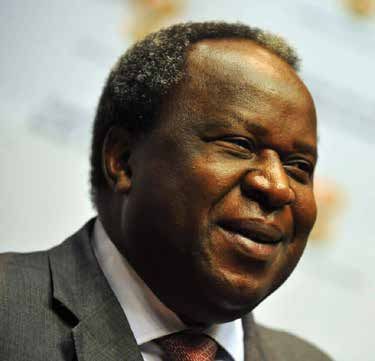
Dividends are dead: highlights from
our recent Insight seminar
                       An investor would have had to be                disadvantages you in the long term.
                       living in a hole not to be aware
                       of the events over the past four         The next step is to ask how we achieve this differently
                       months - events that will certainly      to others? The vast majority of the investment industry
                       define a decade if not a century.        operates as follows:
                       Since stock markets are forward
                       looking, they were probably the first    The client engages with a financial planner/independent
                       to feel the brunt of this pandemic.      investment advisor (who levies an annual fee). The
                       Nonetheless, the effects are going       advisor places funds on a platform (Glacier, iSelect,
       Robin           to linger, and as explained to a         Momentum, Stanlib etc.) and then selects a range of
      Gibson           number of business people just           unit trusts to suit the client’s ‘risk profile’. Invariably this
                       before lockdown, you are either          range of funds is either in Balanced Funds (Flexible High
                       going to absorb the pain early (like     Equity) directly, or the adviser produces his own mix
hotels, restaurants and tour operators) or later (food          of funds that effectively reconstructs a balanced fund.
retailers, insurance companies and even government).            There are two key characteristics of these structures:
The only thing that is certain is that everyone is going to
feel some pain!                                                 1. The unit trust distributions are rarely greater than the
                                                                   additional cost of the adviser and platform.
Those who follow financial news will know that early on into    2. Income is generated by selling units, so by definition,
the lockdown, major retailers trumpeted that they would            they require capital growth to generate income
refuse to pay their rentals, as they were prohibited from          without destroying capital.
trading. Consequently, the property sector plummeted by
50% from the start of the year to the low point, reached        This implies that absolute return is the adviser/asset
in late March. Of most concern was the risk to income.          manager’s sole objective.
Large asset managers felt that longer-dated government
bonds yielding almost 11% offered better potential total        The Harvard House approach, by comparison, rather
returns in the short term. This led to very few buyers in       seeks to generate income from the actual assets held
the property sector as uncertainty reigned but plenty of        in the form of dividends. This means that despite a
sellers – a recipe for very depressed prices. We have           decline in asset value, you are not destroying capital in
examined these extensively in our 2-part special video          generating the income. An excessive income will require
series available on our YouTube channel (link here).
                                                                                      Equity vs Balanced Funds
Investors may debate whether our income-based                    350
philosophy is dead and whether they have been
                                                                       Rebased to 100 at February 2009

compromised by selecting an asset manager that
                                                                 300
focuses on income as the key component of retirement
and investment planning. We believe this to be far from
the case. We explored these thoughts in our June Insight         250

video - also available on our YouTube channel (link here)
- but will detail our reasoning in this article for those who    200

are not so technologically empowered.
                                                                 150
As a starting point, let’s review our philosophy, which is
a sum of several parts which together make each of the
                                                                 100
other ones relevant:                                               Mar-09     Sep-09 Mar-10         Sep-10 Mar-11      Sep-11 Mar-12   Sep-12 Mar-13   Sep-13
1. Buy asset classes that generate income that                              #1 Balanced Fund             Avg Balanced Fund   Avg Equity Fund   #1 Equity Fund

    escalates ahead of inflation – property and equity.
2. Live on income which is less volatile, rather than           5 years from the trough of the Financial Crisis, the best
    capital growth which can disappear overnight.               balanced Fund still marginally underperformed the average
                                                                equity fund. The top equity fund was streets ahead.
3. Minimize costs as high costs destroy income and

  2                      WE UNDERSTAND YOUR NEED FOR FINANCIAL INTEGRITY | WWW.HHGROUP.CO.ZA | THE HARVARD HOUSE GROUP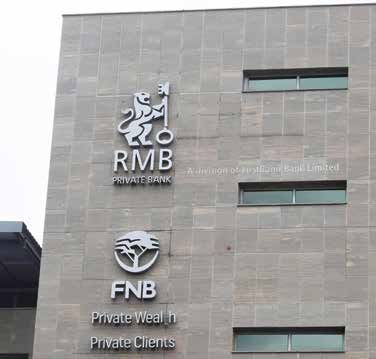
a top up from capital which can be destructive. However,                                                So how did the actual portfolio compare to the traditional
through the cycle we believe the income route to be far                                                 adviser approach?
more sustainable, even though the exposure to these
two asset classes will be more volatile in times of crisis.
                                                                                                                   Comparison of Investment Values
History also shows that while portfolios exposed to equity                                              2250 000    Value in Rands

and property suffer higher rates of decline in falling                                                  2050 000

markets versus a balanced fund, the rate of recovery                                                    1850 000

after the fall is generally 25% better. Consider the chart                                              1650 000

of General Equity Funds versus Balanced Funds after                                                     1450 000

the trough of the Global Financial Crisis (GFC).                                                        1250 000

                                                                                                        1050 000

In the 5 years after the GFC, the average General Equity                                                 850 000

fund returned 21.5% per annum. The top-performing                                                        650 000

Balanced fund could not exceed this and delivered                                                        450 000

just over 21% p.a, while the average Balanced fund                                                       250 000

only produced 15.5% p.a. Unscrupulous or ill-informed                                                              11       12       13          14       15    16      17     18   19   20

advisers will try and convince you that the risk is not                                                                                   Balanced Portfolio   Harvard House

worth the return, but how would a real investor have
fared over a full market cycle - from the bottom of the
                                                                                                        The Harvard House portfolio outperformed in the good
GFC to the bottom of the recent Covid-19 crash?                                                         years, and underperformed in the tougher years. But over
                                                                                                        a full cycle, both portfolios have delivered almost identical
Harvard House runs an illustrative model to track how a                                                 market values.
client would have fared if he had invested in a portfolio of
three balanced funds, via an adviser and on a platform.
(One of the balanced funds is that #1 fund from our                                                     This actual example illustrates that through the cycle
GFC illustration noted above). We do this to illustrate                                                 this investor was no worse off, even though the bulk of
how investments play out in reality since there is a vast                                               his investments arrived late in the recovery phase and
difference between looking at the ranking performance                                                   subsequent market rally. Admittedly, the fall in value in
tables of unit trusts and the actual outcome. Consider                                                  early 2020 was steeper, but from a far higher base. But
the client below who has been invested over a full cycle                                                what about this investor’s income?
(market bottom to market bottom), but who didn’t pick
the bottom at inception, but rather actually came in quite                                              We noted that this client is drawing an income of R13,814
late.                                                                                                   per month. Over the 12 months from March 2019 to
                                                                                                        February 2020, this client banked R114,973 in dividends
                            Key Market Indices                                                          (after the deduction of DWT). This represented 70%
70000                                                                                             820
                                                                                                        of the cash flow required to meet his annual income.
                       Invested here .... and here
                                                                                                        The traditional Balanced Fund portfolio collected only
60000                                                                                             700   R41,628 in dividend and interest income (25% of his
                                                                                                        annual requirement), despite an exposure of 30% to
50000                                                                                             580   higher yielding bonds. Furthermore, despite 4 very
                                                                                                        disappointing years for equity investors and a crash in
40000                                                                                             460   March 2020, the Balanced Portfolio has not offered very
                                                                                                        much protection.
30000                                                                                             340

                                                                                                        What about the income outlook? We have already
20000                                                                                             220
                                                                                                        received some income in the period from March to
                                                     Full Market Cycle

10000                                                                                             100
                                                                                                        June of this year, and can only make assumptions for
        07   08   09   10    11      12     13         14      15        16   17   18   19   20         the remainder of the year. We have assumed that the
                                    All Share                  SAPY
                                                                                                        companies in this client’s portfolio will all decline to pay
                                                                                                        a dividend at their next reporting date (either the final or
The chart shows the performance of both the All Share and                                               interim dividend payment depending on which company
SAPY Indices over a full market cycle.                                                                  we are considering). In addition, we have further

WE UNDERSTAND YOUR NEED FOR FINANCIAL INTEGRITY | WWW.HHGROUP.CO.ZA | THE HARVARD HOUSE GROUP
                                                                                                                                                                                         3
assumed that the payment of the following scheduled                                  •      Our illustrated investor keeps his income unchanged
dividend will be 50% of the value in the prior year, before                                 over this period.
the economy was affected by Covid-19. The chart below
reflects the comparison in income for 2109/20 versus                                 Under these assumptions, his Balanced Fund portfolio of
2020/21. Total income is projected at just over R 60,000                             unit trusts will go from a March end value of R1,182,577
- still better than what was generated by the Balanced                               to a value of R1,066,525 in December 2024. The value
Portfolio in the prior year. It is also worth bearing in mind                        of the portfolio falls because although the underlying
that 60% of balanced unit trusts are invested in many                                assets are growing, we have to sell portions of the
of the same shares as Harvard House portfolios. This                                 assets to fund the income). What would need to unfold in
implies that they too will see a significant decline in their                        order for his Harvard House portfolio to reach the same
distributions over the next 12 months).                                              value? Firstly, the dividends received over 2020/2021
                                                                                     would have to decline to just R34,491, and recover to
           Portfolio Income Expectations                                             only R69,000 by the end of 2024. Bear in mind that we
R 50 000                                                                 R 120 000   have already banked R25,000 so far this year, which
R 45 000
                                                                                     puts the R34,491 level well within reach. Secondly, we
R 40 000
                                                                         R 100 000   would have to assume that the client’s portfolio (which
                                                                                     comprises the riskier assets of equity and property)
R 35 000
                                                                         R 80 000    will not perform any better in the recovery from a price
R 30 000
                                                                                     perspective than the balanced funds. History (and the
R 25 000                                                                 R 60 000
                                                                                     market action over the past 6 weeks) suggests that this
R 20 000                                                                             is highly unlikely.
                                                                         R 40 000
R 15 000

R 10 000                                                                             Alternatively, if we assume that the collected income this
                                                                         R 20 000
 R 5 000                                                                             year is R60,000 and then grows back to only 75% of the
    R0                                                                   R0
                                                                                     2019/2020 income by year 2024 (which equates to a 48%
           Apr May Jun      Jul Aug Sep Oct Nov Dec Jan Feb Mar                      decline initially, and growth of 8% p.a. in the recovery)
                2019/2020       2020/2021    19/20 Total   20/21 Total
                                                                                     and the riskier assets produce 20% more return than
                                                                                     the Balanced portfolio, then the Harvard House portfolio
Dividend income is expected to drop sharply over the next
12 months in response to Covid, but it is far from zero that                         would grow to a value of R1,356,797 – R290,000 or
some commentators are suggesting.                                                    27% higher relative to the Balanced Portfolio value of
                                                                                     R1,066,525.

We have so far demonstrated that a long-term retiree                                                      Projected Future Values
who has elected to invest with Harvard House would not                               R 1 400 000 Value in Rands
have been better off with a traditional blended portfolio                            R 1 350 000
of balanced unit trusts. We have also demonstrated that
                                                                                     R 1 300 000
even with pretty dire income assumptions, dividends
are not going to disappear completely and are still the                              R 1 250 000

cornerstone of income (or compounding growth, if you                                 R 1 200 000

are a growth investor).                                                              R 1 150 000

                                                                                     R 1 100 000

The big question then turns to what will happen into                                 R 1 050 000
the future? We have already demonstrated that in the                                 R 1 000 000
recovery from the GFC in 2008/9, balanced funds only                                     R 950 000
enjoyed about 80% of the upside that more risky assets
                                                                                         R 900 000
enjoyed. In addition, if the balanced approach generates                                         Apr-20   Oct-20   Apr-21   Oct-21   Apr-22   Oct-22   Apr-23   Oct-23   Apr-24   Oct-24

its income primarily from asset price growth, what capital                                                            Balanced Portfolio        HH Portfolio

destruction occurs when generating income and how
                                                                                     Due to the inherent characteristic that equities recover more
does that impact the medium term? Well, we have built                                quickly, and despite starting from a weaker base, the HH
a model for that too!                                                                portfolio should grow to a larger value as the recovery takes
                                                                                     hold.
We assume that:
• Between April 2020 and December 2024 (4 years                                                          Conclusion
   and 8 months) that markets recover and balanced                                   While we entered 2020 a little more optimistic than
   funds produce 15% per annum, and                                                  the previous 4 years, the Covid-19 shock has dealt a

   4                                WE UNDERSTAND YOUR NEED FOR FINANCIAL INTEGRITY | WWW.HHGROUP.CO.ZA | THE HARVARD HOUSE GROUP
blow never before experienced in global investment                 model relies on sustainable rental which is under
markets – economies in almost-complete lockdown.                   threat from multiple factors – the future of office/retail
This has obviously impacted both prices, sentiment and             in a world of online and social distancing (how bad is
profit distributions. There has been almost nowhere to             it going to be?) and how many businesses are going
hide safely. Harvard House investors would have been               to go out of business and relinquish their space, and
extensively exposed to equities (shares) and listed                will there be sufficient demand to fill it again? You
property (our illustrated investor had 64% in listed               will recall that in 2001, right after the 9/11 attacks,
property at the end of Feb 2020 to meet his income                 speculation was rife that events would lead to the
requirements). These investors are very prone to acting            end of air travel. How wrong that proved. Life will
in a capital destructing manner if they merely fall victim to      change in the future, that is certain, but do the prices
comparing their portfolio to more conservative portfolios          of property shares today really reflect that future?
over the last few years or months.                                 We don’t think so.
                                                                5. Investing is a long term endeavour akin more to an
What this analysis firmly demonstrates is as follows:              ultra-marathon rather than a sprint. Even investors
1. While income is definitely going to decline from                who are 80 may live to their mid-90’s, which is still
   dividend distributions, it is by no means as                    a long-term time horizon. (In addition, we would
   catastrophic as newspaper headlines might suggest               argue that living too long is far riskier in investment
   and remains a viable investment philosophy.                     planning than dying in the next year). Patience is
2. Harvard House portfolios, and especially those                  absolutely key.
   with high exposure to listed property have felt the          6. Many a growth investor suggests income is irrelevant
   crash more heavily than cash or more conservative               for them. This is extremely short sighted. Multiple
   portfolios, but given both the recovery potential and           studies have demonstrated that the greatest wealth
   continued income (albeit at a lower level) it does not          creation effect in stock markets is the compounding
   make sense to cash in and pursue an alternative                 of dividends. We would go one step further and
   policy. In fact, our exercise proves it likely to be            say that it is actually the compounding of dividends
   extremely capital destructive.                                  in mispriced markets (like just after a crash). This
3. Investors remain very vulnerable to having their                means that income generation coupled with a low
   emotions exploited by well-meaning historic                     cost of investing is every bit as important to a 40-year
   comparisons of significantly more conservative                  old who is compounding as it is to an octogenarian
   funds and even cash. Investment portfolios however,             relying on a monthly stipend.
   are about the future not the past (which is already
   reflected in the price). Make decisions with that            The years ahead are going to reveal a lot of changes
   comparison in mind.                                          and the team at Harvard House continue to exert every
4. Listed Property has borne the brunt of the Coronavirus       effort to plot the way forward with care and diligence. We
   pandemic on a global scale harder than any other             remain as always, at your service.
   asset class. This is largely because the business

The Impact of Covid-19
on the Informal Sector
                       A year has flown by since I first        The latest Quarterly Labour Force Survey estimates
                       covered the vast SA informal sector!     that approximately 3 million people work within the
                       This article looks at the impact of,     informal sector, which equates to just under 20% of total
                       and opportunities created by, the        employment. Furthermore, the informal sector accounts
                       Covid-19 pandemic. G.G. Alcock,          for 20% of all money spent in SA. Alcock breaks down the
                       SA’s informal sector guru, provides      numbers of the main businesses:
                       a lot of the hard and anecdotal data,
                       much of which focuses on the first 2     •   R200-250 billion: turnover from 100,000 Spazas
                       months of lockdown.                          (super-market type outlets)
                                                                •   R90 billion: money spent on non-branded “fast food”
      Nick
                       Firstly, a high-level re-cap on              from 50,000 outlets
     Rogers            the magnitude of the sector.             •   500,000: the number of vegetable traders & school

WE UNDERSTAND YOUR NEED FOR FINANCIAL INTEGRITY | WWW.HHGROUP.CO.ZA | THE HARVARD HOUSE GROUP
                                                                                                                         5
yard hawkers really only the frustrated patrons of the higher-end taverns
• R10 billion: turnover from 50,000 hair salons including where savings on expensive brands like Diageo’s Johnny
60,000 stylists/barbers Walker, Anheuser’s ex-SAB brands and Distell’s Hunters
• R40 billion: income from rentals (back room & Spaza, Dry have been meaningful.
mostly to foreigners)
• Not to mention other industries, such as construction, The lockdowns have seen a massive trend towards
automobile, bakery, liquor trade etc., that also flourish proximity to neighbourhood retail, and this is true for the
under the formal radar. country as a whole, not just the informal sector. Many
listed property REITs like Fairvest, Resilient and Vukile
This begs the question: what happens to our have seen increased footfall in local, convenience malls
unemployment rate of 29.1% when taking into account the at the expense of the larger, metropolitan malls. The
above non-taxed workers? Alcock believes that SA’s real swell in social grant recipients flocking to ATMs in formal
unemployment figure is closer to 12%! Quite a difference. malls and purpose-driven shopping for essentials at local
However, if the current shortage of SA Business Rescue listed retailers like Mr Price, Pepkor, Shoprite and Pick
Practitioners in the formal sector is anything to go by, ’n Pay has definitely been a bright spot for the landlords
roughly 20% of these small/marginal informal businesses & retailers during these dark times. There is a large-
simply won’t have the means to survive Covid. If, as scale fear, not least amongst the township folk, of being
expected, the number of Covid cases starts to peak in infected, thus new jobs have been created where none
late August or early September, the unemployment rate existed. For example, a “queuing service” for social grant
will certainly rise across the board. The point being that recipients given that queues can last from sunrise to
SA’s economic survival owes a lot to the meaningful and sunset. Hawkers are also making the most of long queues
invaluable contribution of the entrepreneurial shadow as well.
economy where survival is also a main driver for many
locals and foreigners. What becomes clear in the informal sector is that despite
enormous pressure in some areas, there is equal
With tax collections facing a deficit of R300 billion, surely opportunity in others. Alcock provided a few examples of
SARS must be looking closely at the informal sector? hardship:
Notwithstanding progress made in reducing the red tape 1. Not dissimilar to the JSE listed property sector, the
to register a formal business, it is still a complex process. R40 billion “backroom rentals” business is under
Furthermore, it is estimated that 73% of informal workers enormous pressure with many, mainly foreign, tenants
earn an income below the income tax threshold of R79,000. only able to afford 50% of leases and 1 in 3 not able to
So, SARS has limited options. The entire informal sector pay anything at all!
does, however, pay VAT and since informal traders are not 2. The decline of 98% in expensive hair salon services
registered for VAT, they do not qualify for VAT refunds on saw a rise in the purchase of affordable homecare
their input costs. An increase in the VAT rate is really the products through formal channels. For example,
only option available to SARS should it wish to increase Shoprite sold cheaper hair extensions that an aunt
tax revenue from the informal sector. could fit.
3. A survey carried out on rural incomes by GAP estimated
Due to the pandemic, social grants for 3 million old age a R250 million loss in goat sales for rural small farmers
pensioners will rise by R250 per month, as will 9 million in just 11 KZN districts! If one extrapolates that across
child grants by R500 per month (average of 2 children all informal livestock trade across the country for the
per mother). Whilst the R350 COVID-19 unemployment period, the negative impact is huge on disposable
grant is the equivalent to what a hawker can earn in a earnings,
day, when it is spread across approximately 5 million 4. Children usually make up 85% of Spaza store
people per month, it can inject a huge amount of cash customers as they run errands for their elders. But with
into the economy. Various retailers (both clothing and children stuck inside there was an immediate impact
food) have commented that sales were stronger than on sweets & snack sales to the wholesale suppliers.
anticipated, partly due to pent-up demand, and partly 5. By as early as mid-May, Alcock mentioned that
due to the benefit of additional social grants. Disposable livelihoods were at threat, as many informal dwellers
income is scarce, however the savings on transport and survive hand-to-mouth. People began to return to
taxi fares during lockdown has helped, and has been work out of necessity, especially foreigners who have
somewhat supplemented by savings due to the alcohol no access to social grants. Since 85% of informal
ban, despite the fact that sorghum and traditional beer businesses are based in residential areas, they defied
has still been readily available, for consumption at lockdown regulations, with some even washing police
funerals and backyard parties during lockdown. It was cars to earn money.
6 WE UNDERSTAND YOUR NEED FOR FINANCIAL INTEGRITY | WWW.HHGROUP.CO.ZA | THE HARVARD HOUSE GROUPBut the above negative trends were offset by unexpected mobile money transfers. IT software is a global mega-
new opportunities, and fortunately the informal sector’s trend and it drives efficiency up and costs down, vital
ability to adapt is high: for this sector of the economy where every little bit
1. Initially, the bakery sector lost demand for “quarter- helps.
loaf/Kota” but this was soon recouped as children
stayed at home and so were not being fed at school. Last, but not least, the informal sector offers huge
Demand for bakery products was further spurred by opportunities for large, formal businesses. One such
the increased police and army presence and informal opportunity is for banks to offer micro-financing for
traders benefitted because formal fast food outlets Small businesses (SMMEs). Banks, such as Capitec,
(KFC, McDonalds etc.) remained closed. Many don’t offer individual loans but do not yet offer direct loans to
want the army to leave as business has seldom been informal SMMEs in any meaningful way. 80% of SMMEs,
better! desperate for finance to see them through the crisis, have
2. Alcock believes that COVID-19 will fast-track the had to borrow from loan sharks where interest rates are
use of technology in a big way. Whilst companies shocking. Now that interest rates are at historically low
like Google, Amazon and Microsoft have benefitted levels, banks could remove the expensive barriers to
from huge internet demand as the world works from success as well as improving their social responsibility
home, the role of internet data due to high cell phone by offering business advice and mentoring. In this way,
penetration saw both Vodacom and MTN report there will be a migration from the informal to the formal
healthy earnings. Vodacom stated that the mostly sector. Another big opportunity is for banks to lend money
informal sector driven airtime recharges had remained for home renovations as again, there are currently no
resilient, at pre-COVID-19 levels, despite recent data- products available to meet this need other than expensive
price cuts of 30-50% whilst MTN will resume its rural lay-bys. Alcock is at pains to point out that 80% of our
cell-phone tower roll-out once lockdowns ease, such citizens live in a formal dwelling, with informal dwellings
is the demand and opportunity for data. only comprising 12% of housing stock. Companies such
3. Whilst there is a distinct lack of trust in online ordering as SPAR’s Build-It & Cashbuild could easily partner with
within the informal sector, however, using a Google’s financial institutions for the benefit of all.
location pin-drop via WhatsApp, many businesses
were able to innovate and offer simple door-to- In conclusion, following the downgrade of our sovereign
door delivery services immediately. The hard-hit rating, coupled with the devastating effect of severe
construction “bakkie-brigade” have found new work lockdowns and the anticipated rise in unemployment,
delivering essential goods to Spazas as well. there still remains a massive opportunity for the private
4. There is a massive opportunity for IT firms to create and public sector to work closely, within the vibrant and
apps that cater to the needs of informal traders. entrepreneurial informal sector, to create sustainable
Examples include apps that allow ALL-IN-ONE 1) synergies and to drive growth and poverty alleviation. The
advertising 2) booking and 3) Payment e.g. back- entrepreneurial spirit is certainly there for those willing to
room rentals (similar to Airbnb), catering/food and embrace it.
salon services using either contactless payment or
The Covid Supplementary Budget:
no pudding
It is very sad to say that there is no bought itself some time until the October delivery of the
pudding – we are too improverished annual Medium-Term Budget. Deep down, we all know
for such largesse - so we can’t yet that we never get any action in October either.
again say that “the proof will be in
the pudding”. Although Minister What this Budget will be remembered for is the one-liners
Mboweni is known for his twitter confirming the trouble we find ourselves in: recognition
feeds about the right things that that interest costs crowd out critical services……; we are
we need to do, the Supplementary not as rich as we used to be…: debt ceiling is close……;
Budget on 24 June will not be spending is unsustainable……; we’ll have to borrow
remembered as the speech that globally……; and we’re going to spend on infrastructure!”
Willie
kickstarted the engine. In our In how many budgets have we heard the latter? Perhaps
Pelser opinion, Government merely this can become a quiz question on international shows.
WE UNDERSTAND YOUR NEED FOR FINANCIAL INTEGRITY | WWW.HHGROUP.CO.ZA | THE HARVARD HOUSE GROUP
7Main Budget Revenue & Expenditure
38
As % of GDP
36
34
32
30
28
26
24
At least someone might actually win a prize if they get it
right! 22
Of great concern was Mr. Mboweni’s statistic that of every Main budget revenue Main budget expenditure
rand that South Africa collects in tax, 21 cents goes to
paying the interest on the Country’s debt. One could argue The graph shows a widening – and unsustainable – gap
between revenue and expenditure.
that Covid-19 is an unexpected and “black swan” event
that has suddenly pushed us to this extreme. However, as
the chart below shows, the trend since 2008 also matters,
Debt Outlook Scenarios
and we have been sliding down the slippery slope for
years. 150
As % of GDP
140
Debt Servicing Costs as % of Revenue 130
120
22 %
110
20
100
18
90
16
80
14
70
12
60
10
50
8
6
4 Passive scenario Active scenario
2
The passive scenario implies that we make no changes
-
to our current habits, and the prognosis is pretty clear.
The active scenario suggests what is possible should the
government enact the reforms so desperately needed.
This year, 21c of every rand in tax collected will go towards
servicing interest on our debt. we spend too much and are going to continue to spend
too much. Although a reduction in spending of R100
billion was proposed, the additional allocations to Covid
Expressed differently, Mike Schussler (economist from relief of R145 billion in the same tax year eliminates
Economists.co.za) noted that “52% of all the government any lasting benefit. Furthermore, in the already bloated
expenditure this year (excluding debt) is borrowed “general public services and social development”
money.” Ponder that statistic for a moment. On the one category, our impression is that expenditure has been
hand, extra spending is required this year to avert the “shuffled around” rather than actually reduced. The
worst of the Covid Crisis, but it seriously diminishes our Supplementary Budget document reads as follows on
ability to spend in future years. this topic:
• Spending was adjusted by:
The supplementary budget can be summarized by these • Removing funds underspent due to delays
charts published yesterday by the Minister. caused by the lockdown from the baselines of
affected departments.
There are two key aspects on which to focus. Firstly,
8 WE UNDERSTAND YOUR NEED FOR FINANCIAL INTEGRITY | WWW.HHGROUP.CO.ZA | THE HARVARD HOUSE GROUP• Suspending allocations for capital and other new job creation and more.
departmental projects that could be delayed or
rescheduled to 2021/22 or later. The second focus area is the shrinking earnings pool.
• Suspending allocations to programmes with We don’t need to say too much about the following
a history of poor performance and/or slow chart. Even before the pandemic, the trajectory was not
spending. favourable and if one wants to be optimistic and say that
• Redirecting funds towards the COVID-19 the R304 billion shortfall is a wild forecast, even a shortfall
response within functions, or towards of R150 billion is enormous and implies a significant dent
government’s fiscal relief package. in personal income tax, company income tax and sin
taxes. In this context, it makes the Government’s tobacco
The “shuffling” referred to above is highlighted in the ban even more baffling. Consequently, it is no surprise
following chart, which shows the change in expenditure that Mr. Mboweni has braced the country for further tax
across various categories. increases in the years ahead, although at a projected
R40 billion over three years, that is very modest and will
Change of Expenditure, 2020/21 probably be achieved through inflationary adjustments
rather than new or higher tax rates.
%
Social development
Health
Annual Tax Shortfall
Peace and security
150 R billion
101.6
Economic development 100 85.2
43.3
50 34.0
General public services 1.6 2.9
0
-9.9 -14.4
-18.9
-50 -33.2 -37.1
Community development -55.8 -62.2
-69.0
-100
-105.4
Learning and culture -150
-2 -1 0 1 2 3 -200
-250
Social development spending will increase due to special -300
social grants and Covid spending, at the expense of most -304.1
-350
other categories.
The table below highlights a few examples of reprioritizing
or suspensions of previous allocations within these main Having enjoyed tax surpluses in the past, we have now
functions. In the last column we indicate whether the had tax shortfalls in seven of the past nine years. The year
suspension is to the detriment of growth, i.e. productive ahead will be the eighth shortfall, and by far the largest.”
spend that could have led to multiplier effects such as
Areas where Amount Suspended Economic Impact
expenditure has (Bracket = original
been suspended budget allocation)
Urban settlements R1.1bn (R3.4bn) Negative (further lag in housing development)
development
Public transport R1.9bn (R2.9bn) Negative (public transport remains unreliable, and in some
network instances, unsafe)
Integrated national R0.5bn (R0.5bn) Negative (there is already growing concern about local electricity
electrification infrastructure)
programme
(municipal)
Provincial road R1.8bn (R1.8bn) Negative (roads are already in poor condition)
maintenance
Education R2.2bn (R6.6bn) Negative (schools in poor condition, no permanent buildings, pit
infrastructure toilets, and massive looting over lockdown.)
WE UNDERSTAND YOUR NEED FOR FINANCIAL INTEGRITY | WWW.HHGROUP.CO.ZA | THE HARVARD HOUSE GROUP
9Whilst the focus of the Budget was the depth of the hole
in which we find ourselves, there were a few positives:
1. The government plans to move to zero-based
budgeting. This means that instead of basing next
year’s budget on this year and adding inflation, you
start from scratch and justify all spending. If done
properly, this is the best way to eliminate waste and
excess that has crept in over the years.
2. There was no talk of prescribed assets, which
hopefully quells some of the cocnerns in this regard.
3. There was talk of broadening Regulation 28 to
include infrastructure projects. (Regulation 28 is
the legislation that governs asset allocation within
the pension fund industry.) In general, the financial
sector is in favour of changes to reg 28, provided
they are voluntary and not compulsory.
4. There were no further bailouts for SOEs.
Most economists have commented that we have a big
problem at hand but that Treasury has few options at Tito Mboweni, South African Finance Minister
its disposal - what else could Tito have said or done? I
believe that we have missed some opportunities and the better times lay ahead. If ever there was a golden chance
main reason I say this is because of the “basics” which to kickstart projects, it was 24 June 2020. Instead, now
did not materialize in either this Budget or the February all we can do is wait in anticipation again for the next
Budget. Those basics are to build the bridges, pave the speech in October.
roads, lay the fibre, license the REIPPs and release the
spectrum. Even the Infrastructure Symposium the day Following this Budget, we have no reason to alter our
before the Budget was long on promise but short on approach to portfolio construction, namely to have a high
detail. That is the story of our lives. In our opinion, we weighting towards offshore and rand hedge companies
can see that work is being done behind the scenes, but with a smaller weighting in dominant and strong local
the planning never seems to reach the light of day. It is companies that will survive, and thrive, despite the tough
time to see concrete action – Government needs to stop economy. Unfortunately, this Budget reinforces our belief
talking about all the potential and actually kickstart some that offshore economies will recover from Covid-19 at a
projects – even if they are relatively small. It would send faster pace than South Africa.
the strongest signal possible to the private sector that
T’is the Season
for Unbundlings
Just like natural seasons and all these companies became sprawling conglomerates,
cycles, corporates tend to follow owning dozens of subsidiaries across almost every facet
trends and cycles as well. At times, of the economy. After democracy, the trend changed, and
it is fashionable to diversify into most of these were dismantled and unbundled.
sprawling conglomerates with
tentacles spreading into dozens of However, it wasn’t all one-way traffic. A few core
industries. At other times, quite the companies endured, or were spawned during this period.
opposite applies. Those investors But the cycle has turned again, and we are currently
Michael with long memories will remember experiencing another wave of corporate simplification.
companies such as CG Smith, Anglo Three companies are in the process of unbundling some
Porter American Industrial Corporation or all of their assets, namely Remgro, RMB Holdings and
(AMIC), Barlow Rand Group, SA PSG Group.
Breweries – and many others. Due to exchange controls,
10 WE UNDERSTAND YOUR NEED FOR FINANCIAL INTEGRITY | WWW.HHGROUP.CO.ZA | THE HARVARD HOUSE GROUPThere are various reasons for conglomerates to embark underperforms that of its underlying investments. Similar
on this process – the asset has become too dominant in to an elastic band, this discount can stretch for a long
the portfolio, the holding company can no longer add any time, but at some point, the pressure is too great and it
value, too many of the underlying investments are listed snaps back – or forces management into action.
in their own right, thereby creating alternative options for
shareholders, or the underlying company is large enough The chart below shows the daily discount to net asset
to stand on its own without the support of a dominant value (NAV) for all three companies. In all three cases, but
shareholder. These are just a few examples. Invariably especially for Remgro and PSG, the discounts widened
though, the market becomes disillusioned with the control dramatically over the past year, but have narrowed since
structure, and the discount at which the holding company the unbundlings have been announced. This is the key
trades to the value of its underlying assets widens steadily. attraction for shareholders – an opportunity for the value
In other words, the share price of the holding company inside these companies to be partially or wholly realized.
Holding Company Discounts to NAV
50% % Premium or Discount
Source: Avior Research Discount to NAV
40%
30%
20%
10%
0%
-10%
-20%
Premium to NAV
-30%
-40%
10 11 12 13 14 15 16 17 18 19 20
Remgro RMB Holdings PSG Group
Holding companies tend to trade at discounts to their underlying value. At times, these discounts widen to such a point that
management are forced to take action to unlock value for shareholders.”
Remgro
Remgro is no stranger to corporate cycles. It was one FirstRand) as well as a small direct stake in FirstRand.
of the most successful conglomerates to emerge from In early June, Remgro distributed its stake in RMB
SA, built on the cash flows of its successful tobacco Holdings to its shareholders, who received 66.9 RMB
operations. Over the years, Remgro has restructured Holdings shares for every 100 Remgro shares owned.
many times, the last being at the end of 2008. It was For the time being, Remgro will retain its direct stake
at this juncture that it listed British American Tobacco in FirstRand, given that there would be adverse tax
separately on the JSE, and created Reinet, a vehicle consequences should it unbundle that investment as
designed to take advantage of offshore opportunities. well.
Remgro has now reached the next stage in its evolution. The chart below shows the composition of Remgro’s
Having been a controlling shareholder in RMB Holdings portfolio both before and after the unbundling. Prior to
since its formation, and instrumental in the formation unbundling, 75% of its underlying investments were
of firstly, the Firstrand Group, and latterly the split into listed directly, giving investors plenty of choice to pick
separate banking (FirstRand) and insurance (RMI and choose individual elements of the portfolio, rather
Holdings), the company has now decided to call time than having Remgro shares as the only option. After
on the majority of its banking exposure. Remgro owns a the unbundling, the percentage of its portfolio directly
stake in both RMB Holdings (which in turn controls listed will fall to 67.5% - still high, but moving in the right
WE UNDERSTAND YOUR NEED FOR FINANCIAL INTEGRITY | WWW.HHGROUP.CO.ZA | THE HARVARD HOUSE GROUP
11direction.
Composition of NAV
Looking ahead, the core assets for Remgro are 40%
% of Total
Mediclinic, RMI Insurance (which itself consists of
35%
stakes in Discovery, Outsurance and MMI), Distell and
RCL Foods, and various unlisted assets such as CIVH 30%
(fibre networks across the country) and Siqalo (various 25%
food operations purchased from Unilever.)
20%
As the earlier chart shows, Remgro continues to trade at 15%
a sizeable discount to its net asset value. In our opinion, 10%
the unbundling of RMB Holdings may just be the first
step in a series of transactions over the next few years 5%
that will unlock value for patient shareholders. 0%
FirstRand / Mediclinic RMI Distell CIVH RCL Foods Siqalo Other
RMB Foods
Before After
Mediclinic is now Remgro’s largest asset, followed by its
investment in RMI Insurance.
RMB Holdings We have met with management to understand the
investment case and the outlook for each of these
Since the unbundling of its insurance assets into a operations. Whilst the outlook for each of the individual
separate company (RMI Insurance Holdings) in 2011, investments has promise, we are concerned about
RMB Holdings has largely just been a holding company excessively high levels of debt (especially in the current
for the FirstRand Group. Consequently, the share prices environment), and management’s stated intention that
of the two companies tended to move in line with each no dividend will be paid for the next five years whilst they
other. However, about five years ago, RMB Holdings reduce debt and invest back into each subsidiary. On
decided to diversify its operations by building a property that basis, we are not comfortable to buy more shares,
portfolio. Over time, this drew the ire of the investment and have consequently made the decision to exit.
community, and the discount at which RMB Holdings
traded to FirstRand widened steadily. Hence the decision
to unbundle its stake and unlock the trapped value for
the benefit of shareholders.
RMB Holdings shareholders have received 131.1
FirstRand shares for every 100 RMB shares owned. But
those shareholders are also left with their RMB Holdings
shares, which holds the small residual property portfolio.
This property portfolio consists of minority investments
in 4 different property vehicles, namely:
1. Atterbury (office, retail and industrial property in SA)
2. Atterbury Europe (retail and office property in Eastern
Europe)
3. Divercity (inner city renewal properties, mostly
residential in Gauteng)
4. Integer (property financing company)
In terms of portfolio construction, the weighting of RMB
Holdings in clients’ portfolios will fall to less than 0.2%,
given that the bulk of the value has been distributed in the
form of FirstRand shares. So, we are left with a choice:
buy more to make the exposure more meaningful or sell RMB Holdings has unbundled creating a different
out. investment profile.
12 WE UNDERSTAND YOUR NEED FOR FINANCIAL INTEGRITY | WWW.HHGROUP.CO.ZA | THE HARVARD HOUSE GROUPPSG Group
In many respects, PSG is a victim of its own success.
Established in 1995, the company quickly established
itself and sought investments in two key areas – firstly
into industries with attractive growth prospects that were
ripe for innovation, and secondly, into industries where
the state was failing to provide an adequate service.
Over the years, PSG has seeded and grown industry
giants, including Capitec Bank, Curro and Stadio in
the education sector, Zeder and Pioneer Foods in the
agriculture/food sector, and PSG Konsult in the financial
services industry. As each of these businesses has
matured and grown, it has been PSG’s modus operandi
to list each company separately. PSG owns Capitec, the jewel in its crown.
and PSG finally buckled by announcing that they would
It is fair to say that Capitec has surpassed even the most
unbundle their stake in Capitec to their shareholders.
optimistic of expectations. Having started life as a micro-
The impact on the discount to NAV is very evident.
lender, it is now one of the country’s largest banks, with a
huge client base and a simple, IT-enabled infrastructure.
The date of the unbundling is yet to be finalized, but it
Owing to the deterioration of the broader economy,
should occur sometime in Q4 of this year. Whilst Capitec
Capitec became the shining jewel in PSG’s crown, to
is facing similar pressures to the other banks owing from
the point where the value of PSG’s stake in Capitec was
the Covid pandemic, we have every intention of holding
worth more than PSG itself. If you refer back to the chart
the Capitec shares received, given its superior growth
at the start of this article, the widening discount to NAV
prospects over the next 10 years.
is clearly visible over the past five years. Consequently,
management has come under increasing pressure
Post the unbundling, PSG’s largest assets will be PSG
to address the widening discount. At first, they were
Konsult, Curro and Stadio. Similar to Remgro, we feel
reluctant to make any changes – after all, these are long
that this may be the first step in a wider restructuring of
term investments and shareholders were encouraged
the PSG Group which will benefit patient shareholders.
to be patient. But the pressure has become untenable,
Property Sector:
our stance going forward
The Listed Property sector is bonds or preference shares, whose income can decline
Harvard House’s preferred asset in line with interest rate movements, rentals generally
class to enhance yield for income escalate. Coronavirus lockdown has obviously been
clients. There are a number of a catastrophic event that will severely challenge this
reasons for this choice historically: revenue stream for the next short while. However, we
are convinced that the long-term fundamentals of how
1. Property is an asset class property income streams work will return.
that complements an income 3. Along with a higher and increasing income, property
philosophy. Typically, property has the added advantage that the capital value
Robin yields exceed the yields obtainable typically rises in line with the rental escalation. This
Gibson from equity (shares listed on a stock means that property can prove to be both a good
exchange). In building income income producer and a medium to longer term store
portfolios not dependent on capital of value.
growth, property offers a good alternative to enhance
the income yield produced. Why has property been so hammered in this crisis? Usually
2. Typically, property rentals escalate relative to inflation property is a fairly simple asset class. The landlord owns
over time. Unlike other yield sweeteners like cash, a space and someone uses it. There are two fundamental
WE UNDERSTAND YOUR NEED FOR FINANCIAL INTEGRITY | WWW.HHGROUP.CO.ZA | THE HARVARD HOUSE GROUP
13basics that are required for a robust property market: levels? Will demand for space be the same? Will
1. Strong rental demand and the ability for tenants to pay rental renewals be able to price in increases or will
rent, and there be negative rental reversion - a lowering of the
2. Access to finance for the purchase of properties (the base rent to adjust for changed circumstances since
best way to understand this is to imagine what would the previous lease was signed?
happen to the home property market if banks wouldn’t 2. Debt gearing – most listed property companies have
give anyone a home loan) some degree of debt. This is to finance a property
expansion pipeline and refurbishment program. In
During the Global Financial Crisis (GFC) banks most cases these companies have debt agreements
withdrew their support for the property market. This led with their financing institution, termed a Covenant.
to a fundamental drop in property prices because banks These covenants require the Loan to Value Ratio
withdrew much of their financing. This was probably (LTV – the total debt relative to the value of all the
a bigger driver of price moves than the recession itself properties) to remain below pre-specified levels. When
which put the rentals under pressure (rentals were in fact the bottom falls out of a property market then what
pretty robust). was comfortable debt last week is now at Covenant
Breaching levels because of a fall in value. This means
Covid-19 is a crisis of rentals, the ability of tenants to pay that in addition to having a challenge on rentals to be
their rent. Since most people own property to collect the collected, the property company is also likely to have
rent (it is the only way it generates a return), any uncertainty to retain some of the rental they do collect to reduce
around rentals will make potential buyers withdraw and the debt positions.
take a wait-and-see approach. We have explained many 3. Redundancy – If this was 1918, then the end of the
times before that all you need for values to plummet is for pandemic would imply an easy return to business
buyers to withdraw and one desperate seller to arrive. The as usual. The recent lockdown has just initiated the
rest as they say, is history! largest ‘work from home’ experiment in the history of
The problem with this Crisis is that there are 3 distinct mankind. In addition, the lockdown forced thousands
levels of worry around rentals into the future: of consumers to experiment with online shopping for
the first time. In fact, the rate of increase of online
1. Global recession threat – how strongly and over how transactions exceeded the total for the previous 10
long will it take global GDP to recover to pre-Covid years – a staggering statistic indeed. This has led
South African property is a challenge but switching now may simply not be worth it.
14
WE UNDERSTAND YOUR NEED FOR FINANCIAL INTEGRITY | WWW.HHGROUP.CO.ZA | THE HARVARD HOUSE GROUPinvestors to ask to what extent space is going to be with our longer-term investment perspectives. Most asset
leased into the future. That redundancy as a result managers are concerned with absolute return relative
of working differently will definitely happen is without to the amount of risk. In other words, the average asset
doubt. The debate is how big the impact is going to manager is merely trying to grow his portfolio value to
be. generate a total return. He is not really concerned with
the income generation other than when it feeds into a
From a South African perspective, potentially higher price. He will therefore
there is an additional worry that is weigh up Bonds versus Equities versus
weighing on prices. This is not really Property on the potential upside return
about rentals, but rather a relative “The recent relative to the downside risk. Currently
risk. Properties are valued using the safer place to be is the bond market.
Capitalization Rates (Cap Rates) lockdown has That is not to say that he is selling the
– the rate of earnings relative to
property values. They are always
just initiated the property already owned. It just means
that with new money he has a preference
considered relative to other income largest ‘work from for bonds.
producing investments, notably
government bonds. In times of home’ experiment Harvard House Investment Management
economic confidence, Cap rates can has to weigh things up a little differently
narrow their spread over perceived in the history of because of the income-focused
lower risk assets. In times of concern
investors may require a bigger
mankind.” investment philosophy. On the face of
it, a 10% yield from a government bond
incentive to take on the risk –this is may be an attractive yield with little
referred to as the Risk Premium. At downside risk. The question is though:
this point, the risk premium on listed property has widened does it make sense to sell an asset that, although it has
to 4-6% from the 10-year RSA government bond which is been beaten down by 50%, the realised price could only
trading at around 10.9%. All these things together have earn 10% income going forward when it is highly likely
impacted property share prices negatively – even more so that within 6 to 12 months, the adjusted income as a result
than the businesses that rent them. of the Crisis is likely to yield 15%. It just doesn’t make
sense to sell and switch but rather to collect the income
Has Harvard House ignored these aspects? Certainly and be patient for a recovery. The recovery is likely to
not. However, some of the reasons for the buyers not be far superior to the alternative, both in terms of capital
wishing to pay better prices for the shares do not align growth and income yield.
WE UNDERSTAND YOUR NEED FOR FINANCIAL INTEGRITY | WWW.HHGROUP.CO.ZA | THE HARVARD HOUSE GROUP
15Topic: N/A
Natal Midlands
Date: N/A
Venue: Fernhill Hotel
Given the prevailing circumstances, the speed at Midmar / Tweedie Road
which conditions are changing, and guidelines from (almost opposite entrance to
Government on social distancing, our Insight seminars Midmar
will be postponed until further notice. Morning Time: 10am for 10.30am
Evening Time: 5.30pm for 6pm
Please RSVP to Clare Mitchell on 033 3302164 or
clarem@hhgroup.co.za.
Johannesburg
Date: N/A
Venue: Rosebank Union Church, Cnr
William Nichol and St Andrews
Road, Hurlingham
Time: 7am for 7.30am
Harvard House Group
Contact Details: G 3 Harvard Street, Howick, 3290, South Africa
+ P.O. Box 235, Howick, 3290, South Africa
For more information on the range of products and
services offered by Harvard House Investment ( +27 (0) 33 330 2164
Management and its associated companies (including 7 +27 (0) 33 330 2617
Harvard House, Chartered Accountants), or for any
financial advice, please contact the Company at: @ admin@hhgroup.co.za
W www.hhgroup.co.za
Disclaimer:
The information contained in this newsletter comes from sources believed to be reliable, but Harvard House Investment Management
(Pty) Ltd , Harvard House Financial Services Trust, Harvard House Insurance Brokers and Harvard House, Chartered Accountants
(collectively known as the Harvard House Group), do not warrant its completeness or accuracy. Opinions, estimates and assumptions
constitute our judgment as of the date hereof and are subject to change without notice. Past performance is not indicative of future
results. This material is not intended as an offer or solicitation for the purchase or sale of any financial instrument. Any investor who
wishes to invest with the Company should seek additional advice from an authorized representative of the firm. The Company accepts
no liability whatsoever for any loss or damages whatsoever and howsoever incurred, or suffered, resulting, or arising, from the use of
this newsletter. The contents of this newsletter does not constitute advice as contemplated in the Financial Advisory and Intermediary
Services Act (FAIS) of 2002.
The Harvard House unit trusts are registered under the Boutique Collective Investments. Custodian: Standard Executors & Trustees:
Tel (021) 007-1500. Collective Investments are generally medium to long term investments. The value of participating interests may go
down as well as up and past performance is not necessarily a guide to the future. Collective Investments are traded at ruling prices and
can engage in script lending. Forward pricing is used. Commission and incentives may be paid and if so, are included in the overall cost.
This fund may be closed to new investors. Collective Investment prices are calculated on a Net Asset Value basis and auditor’s fees,
bank charges, trustee and RSC levies are levied against the portfolio. The portfolio manager may borrow up to 10% of portfolio NAV to
bridge insufficient liquidity. Boutique Collective Investments is a member of ASISA and is an authorised Financial Services Provider.
Should you have any further queries or complaints regarding the suite of units trusts offered by The Harvard House Group please
contact: Boutique Collective Investments Call Centre, Tel: (021) 007-1500, Email: clientservices@bcis.co.za. For your information, the
FAIS ombudsman provides an independent and objective advisory service. Should you not be satisfied with the outcome of a complaint
handled by Boutique Collective Investments, please write to, The Ombudsman, PO Box 74571, Lynnwoodridge, 0040. Telephone (012)
470 9080/99. Fax (012) 348 3447. Email: info@faisombud.co.za
Harvard House Investment Management (Pty) Ltd*, Licence no: 675 Harvard House Insurance Brokers*, License no. 44138
Harvard House Financial Services Trust*, Licence no: 7758 * Authorised financial service providers in terms of FAIS (2002)
16
WE UNDERSTAND YOUR NEED FOR FINANCIAL INTEGRITY | WWW.HHGROUP.CO.ZA | THE HARVARD HOUSE GROUPYou can also read


