INVEST IN TRANSIT - DRAFT FOR PUBLIC COMMENT - The 2018-2023 Regional Transit Strategic Plan for Chicago and Northeastern Illinois
←
→
Page content transcription
If your browser does not render page correctly, please read the page content below
PRIORITY

INVEST
                                 PROJECTS

IN TRANSIT
The 2018-2023 Regional Transit
Strategic Plan for Chicago and
Northeastern Illinois

DRAFT FOR PUBLIC COMMENT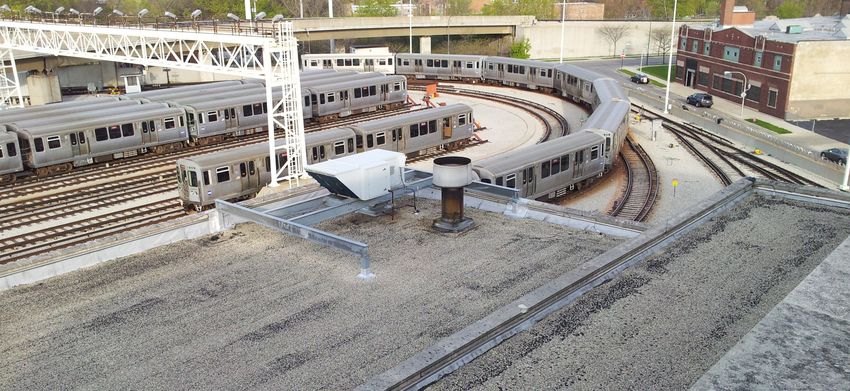
Transit capital investment
makes sense.
Transit is a central part of the region’s transportation and logistics network. People use
it to get to work, school, medical appointments, and more. The transit system – and our
investment in it – must remain competitive to ensure our region continues to thrive. The
“Priority Projects” on the following pages are key initiatives that the Transit Agencies
would like to complete with a stable, dedicated capital investment program.
The “10-Year Project Cost” for each Priority Project is the estimated cost of delivering
the portion of the project realistically achievable in the next 10 years (2018 – 2027) and
is subject to change. A portion of funding required to advance some of these Priority
Projects is programmed in the Transit Agency capital programs, yet all are still under-
funded or un-funded. See the RTA’s most recent Operating Budget, 2-Year Financial Plan,
and 5-Year Capital Program for more detail.

                                                                    INVEST IN TRANSIT | PRIORITY PROJECTS   2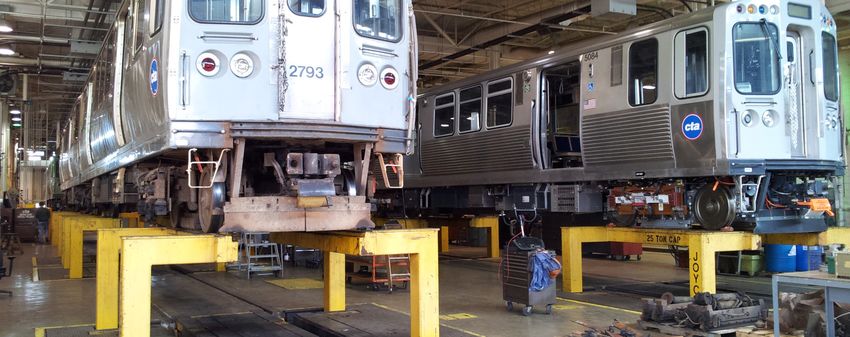
CTA PRIORITY PROJECTS

                                                                                                                                     10-year
Project Name                                                  Description                                                            Project Cost
                                                                                                                                                  Page

Replacement Bus Purchase                                      Ongoing need to replace buses as they age                              $618M            6
                                                              Overhauls to maintain sufficient fleet until the first order of
Life-Extending Bus Overhaul (1000 series)                     replacement buses is received                                          $90M             7

                                                              Overhauls to maintain vehicles, ensure reliability and enable to
Mid-Life Bus Overhaul (4300 series)                           perform through full useful life                                       $35M             8

Railcar Purchase                                              Replacement of 2600- and 3200-series rail cars                         $1.6B            9
                                                              Quarter-life overhaul of 5000-series rail cars and life-
Railcar Overhaul (2600s and 5000s)                            extending overhauls of older 2600-series rail cars                     $525M            10

Red Line Extension*                                           Extension of the Red Line from 95th Street to 130th Street             $2.3B            11
                                                              Advancement of the Red and Purple Modernization (RPM)
Red Purple Modernization**                                    Program, the largest line rebuild and capital improvement              $8.7B            12
                                                              project in CTA history
Blue Line (O'Hare) Traction Power Capacity &                  Upgrades and State of Good Repair projects along the O'Hare
                                                              Branch of the Blue Line                                                $300M            13
Track Improvements
                                                              First phase of reconstruction of Forest Park Branch of the Blue
Blue Line (Congress Branch) Improvements***                   Line                                                                   $454M            14

Green Line Improvements                                       Track, structural, station, and power improvements                     $454M            15
Red Line Improvements                                         Upgrades and State of Good Repair projects along the Red Line          $224M            16
                                                              Upgrades and State of Good Repair projects along the Brown
Brown Line Improvements                                       Line                                                                   $223M            17

Systemwide Structural Renewal                                 State of Good Repair projects on CTA 'L' structure                     $250M            18
Rail Yard Improvements                                        Improvements to CTA Rail Yards                                         $88M             19
Subway Life Safety Improvements                               Upgrade to existing subway ventilation equipment                       $120M            20
Radio System Upgrade                                          Replacement of obsolete radio system                                   $35M             21
                                                              State of Good Repair projects and replacing obsolete
Tactical Signal Improvements (Systemwide)                     equipment on CTA rail signal system                                    $141M            22

                                                              Station upgrades, modernization, and accessibility
Systemwide Station Program                                    improvements                                                           $600M            23

Future BRT/Bus Slow Zone Removal/                             Targeted street and traffic signal improvements to increase bus
                                                              speeds                                                                 $200M            24
TSP/Dedicated Lane projects****
Information Technology                                        Improvement of business processes and systems                          $170M            25
                                                              Replacement of vehicles needed for maintenance and
Non-Revenue Vehicle Replacement Program                       operations support                                                     $60M             26

Critical Needs at CTA Facilities                              Roof and other upgrades to maintenance facilities                      $110M            27
                                                              Provide repair and replacement to worn components at rail
Rail Shops Improvements                                       maintenance shops                                                      $191M            28

Bus Garage Improvements                                       Provide repairs at bus maintenance garages and shops                   $245M            29
New Training Center                                           New facility to instruct and train bus and rail operators              $42M             30
New Control Center                                            Replace obsolete equipment at CTA's Control Center                     $150M            31

*Ideally, 50% of this project cost would come from the federal New Starts program and the region would support the local match.
** The total project costs includes all of the RPM Phase One costs (including $2.1 billion of identified funds) plus a hypothetical next phase of RPM,
the specific components of which have not been fully defined, that could occur within the 10 year time frame. Ideally, 50% of this project cost
would come from the federal Core Capacity program and the region would support the local match.
*** Trackwork is the first priority of the Forest Park Branch Reconstruction project (estimated at $2.5 billion) and is included in the 10-Year Project
Cost shown here. It is assumed the remainder of the project would occur outside the 10-year time frame of this report.
****Includes TSP funding from CMAQ programmed in 2017-2021 Capital Program

                                                                                                           INVEST IN TRANSIT | PRIORITY PROJECTS           3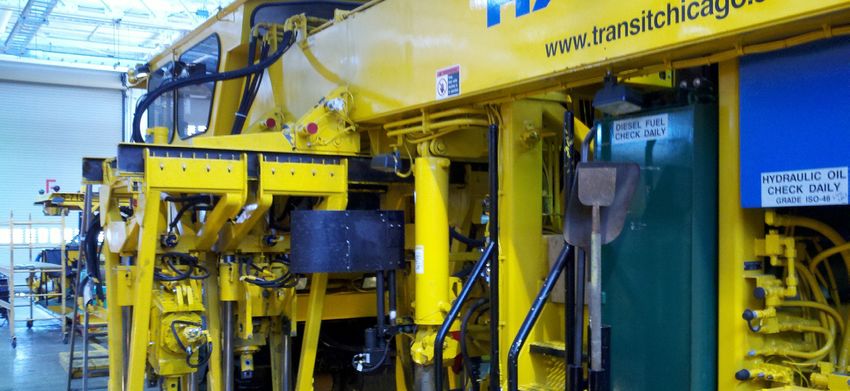
METRA PRIORITY PROJECTS

                                                                                                                                  10-year
Project Name                                                Description                                                           Project Cost
                                                                                                                                                    Page

                                                            Replace and repair aging commuter rail cars and
Fleet Modernization Plan                                    locomotives
                                                                                                                                  $2.1B             32

                                                            Reconfigure track shared by Metra, Amtrak, and freight
75th Street Corridor                                        trains                                                                $1.5B             33
                                                            Separate tracks at busiest switching location on Metra
A-2 Interlocking Replacement                                system                                                                $500M             34

Bridge Replacement and Repair                               Replace and repair 61 bridges systemwide.                             $2.0B             35

Track Improvements                                          Replace and repair work track components                              $1.9B             36

PTC - systemwide*                                           Install federally-mandated rail operational safety system             $385M             37
                                                            Replace and upgrade train control and grade crossing
Signal & Electrical Improvements                            signals and systems.
                                                                                                                                  $1.2B             38

Yards, Facilities, and Equipment                            Modernize Metra's Railcar and Locomotive Repair Shops
                                                            and Yards
                                                                                                                                  $664M             39
Improvements
                                                            Implementation of key projects benefiting commuters
Chicago Union Station Improvements                          using Chicago Union Station
                                                                                                                                  $500M             40

                                                            Rehabilitation and upgrades to station buildings,
Rail Station Improvements                                   platforms, and parking lots
                                                                                                                                  $853M             41

*This project is currently fully funded in order to complete the federal mandate regarding PTC implementation on a specific schedule. However, it is
unclear at this time what the ongoing capital needs for this new system will be once it is implemented, so it is still included on the Priority Projects
list.

                                                                                                          INVEST IN TRANSIT | PRIORITY PROJECTS            4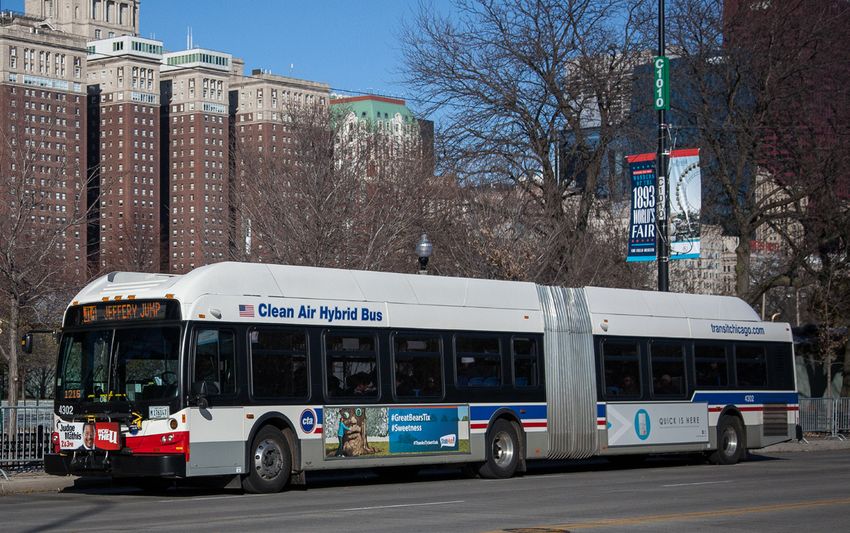
PACE PRIORITY PROJECTS

                                                                                                                               10-year
 Project Name                                               Description                                                        Project Cost
                                                                                                                                              Page

 Fixed Route Buses - Replacement                            Replacement of buses reaching useful life                          $177M          42

 Fixed Route Buses - Expansion                              Buses for new services                                             $94M           43

 Paratransit Vehicles - Replacement                         Replacement of vehicles reaching useful life                       $57M           44

 Paratransit Vehicles - Expansion                           New Dial-a-Ride and ADA vehicles for aging population              $13M           45

 Community Vehicles - Replacement                           Replacement of buses reaching useful life                          $20M           46

 Community Vehicles - Expansion                             New Community and Call-n-Ride vehicles                             $3M            47

 Vanpool Vehicles - Replacement                             Replacement of vans reaching useful life                           $51M           48

 Associated Capital Maintenance Items                       Capital costs associated with the maintenance of buses             $28M           49

 Regional Transit Signal Priority (RTSP)*                   Expand Transit Signal Priority installations region-wide           $10M           50

 Intelligent Bus System (IBS) Replacement                   Equipment for bus tracking, communications, and data               $11M           51

 Farebox System                                             Replace fareboxes that are over 20-years old                       $21M           52
                                                            Improvements to garage facilities including underground
 Improve Support Facilities                                 storage tanks
                                                                                                                               $79M           53

 Construct New Support Facilities                           Add needed capacity for bus maintenance and storage                $69M           54
 Security, Computer, Software, and Office                   Upgrade systems to provide enhanced asset protection
                                                            and business systems
                                                                                                                               $52M           55
 Systems Upgrades
 Support Equipment/Non-Revenue Vehicles                     Facility and system maintenance equipment and vehicles             $25M           56
 Improve Passenger Facilities - Transportation
                                                            Improvements to Transportation and Transfer Facilities             $26M           57
 Centers
 Improve Passenger Facilities - Park-n-Ride
                                                            Updates and repairs to Park-n-Ride lots                            $7M            58
 Lots
 Pulse Infrastructure                                       Enhance Pulse service                                              $51M           59
                                                            Shelters, pedestrian access, and completion of conversion
 Pedestrian Infrastructure/Shelters/Signs                   to posted stops
                                                                                                                               $33M           60

 Bus on Shoulder (BoS) Infrastructure                       Passenger facilities for Bus on Shoulder service                   $15M           61
                                                            Replacement of vehicles and radio systems for
                                                            existing program. New vehicles, transfer locations and
 ADA Regional Paratransit Program                           maintenance facilities for direct Pace ownership of assets
                                                                                                                               $193M          62
                                                            for ADA service within City of Chicago

*10-Year Project Cost does not include first phase of Regional TSP corridors currently funded and in construction.

                                                                                                           INVEST IN TRANSIT | PRIORITY PROJECTS   5
PRIORITY PROJECTS | CTA
                                                                                                         Infrastructure
                                                                                                               Facilities
                                                                                                         Rolling Stock
                                                                                                            Equipment

      REPLACEMENT BUS
      PURCHASE
      On-going need to replace buses as they age
                                                Maintaining a bus fleet that is beyond its
                                                useful life results in more failures, service   10-Year
                                                interruptions and unplanned maintenance,        Project Cost
                                                all of which drives operating costs higher      $618 Million
                                                and reduces reliability. The industry
      Jobs Accessible within                    standard service life of a transit bus is 12-
      60-minutes from Origin                    15 years, and currently, CTA’s average bus
      by CTA Bus Network                        age is just under 8 years; by 2021 it will be
      7             670,000                     nearly 12 years. In order to maintain a bus
                                                fleet that is in good repair, the next bus
                                                order must be planned and programmed
                                                now. This project would purchase
                                                replacement buses in three separate
                                                installments, for a total of 1,030 buses.

                                                                                                           $594
                                                                                                           Million
                                                                                                           Unfunded
                                                                                                           Need
      KEY BENEFITS:
       Fewer service
     interruptions and
       reduced costs

                                            PLACEHOLDER                                                    $24
                                                                                                           Million
                                                                                                           Funding
                                                                                                           Included
                                                                                                           in Capital
                                                                                                           Program

                               1,866                                                             Funding
                                                                                                 Ongoing, but
                                                                                                 limited by funding
                               buses in the CTA
                               fleet. The useful life
                               for a bus is 12 years

                                                                             INVEST IN TRANSIT | PRIORITY PROJECTS    6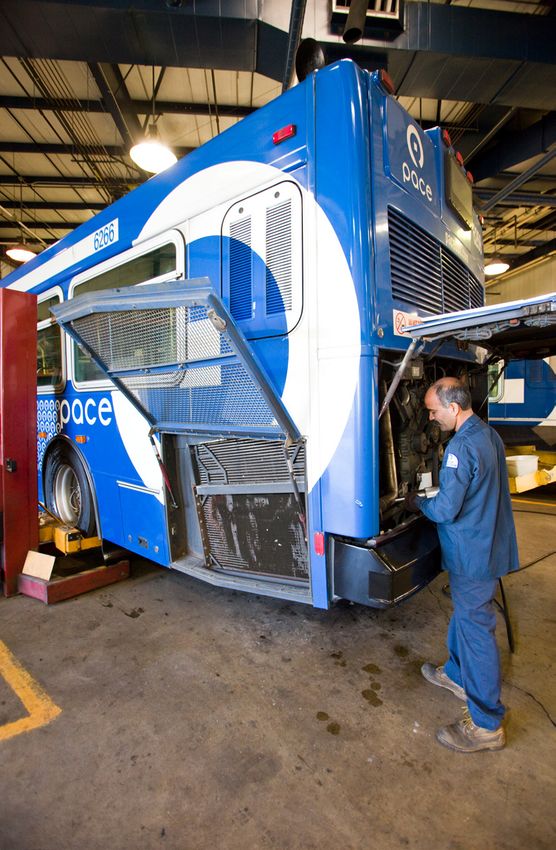
PRIORITY PROJECTS | CTA
                                                                                                       Infrastructure
                                                                                                             Facilities
                                                                                                       Rolling Stock
                                                                                                          Equipment

      LIFE-EXTENDING BUS
      OVERHAUL (1000-SERIES)
      Overhauls to maintain sufficient fleet until the first order of
      replacement buses is received
                                            Vehicle overhauls involve strategic
                                            replacement of parts at scheduled intervals       10-Year
                                            and are required in order to appropriately        Project Cost
                                            maintain the buses and ensure that they           $90 Million
                                            will continue to perform through their full
      Jobs Accessible within                useful life (or beyond). Regular overhauls
      60-minutes from Origin                to the bus fleet improves the reliability,
      by CTA Bus Network                    comfort, and cost-effectiveness of transit
      7             670,000                 service, which improves the customer
                                            experience.
                                            This project provides for a life-extending                   $41
                                            overhaul of the 1000-series stainless steel
                                            New Flyers. This project is necessary in
                                                                                                         Million
                                            order to have sufficient fleet until the first               Unfunded
                                            order of replacement buses is received.                      Need

      KEY BENEFITS:
      Extended life
        of buses                                                                                         $49
                                                                                                         Million
                                                                                                         Funding
                                                                                                         Included
                                                                                                         in Capital
                        1000-series buses                                                                Program
                        were built in

                        2006                                                                   Funding
                                                                                               Currently in planning
                                                                                               and design

                                                                           INVEST IN TRANSIT | PRIORITY PROJECTS   7
PRIORITY PROJECTS | CTA
                                                                                                        Infrastructure
                                                                                                              Facilities
                                                                                                        Rolling Stock
                                                                                                           Equipment

      MID-LIFE BUS OVERHAUL
      (4300-SERIES)
      Overhauls to maintain vehicles, ensure reliability, and enable to
      perform through full useful life
                                              Vehicle overhauls involve strategic
                                              replacement of parts at scheduled                 10-Year
                                              intervals and are required in order               Project Cost
                                              to appropriately maintain the buses               $35 Million
                                              and ensure that they will continue
      Jobs Accessible within                  to perform through their full useful
      60-minutes from Origin                  life (or beyond). Regular overhauls to
      by CTA Bus Network                      the bus fleet improves the reliability,
      7             670,000                   comfort, and cost-effectiveness of transit
                                              service, which improves the customer
                                              experience.

                                              This project provides for the mid-life
                                              overhaul of the 4300-series buses, which                    $24
                                              are currently 8-9 years old. The typical                    Million
                                              industry standard service life for a transit                Unfunded
                                              bus is 12-15 years.                                         Need

      KEY BENEFITS:

        Improved
      reliability and
         comfort                                                                                          $11
                                                                                                          Million
                                                                                                          Funding
                                                                                                          Included
                                                                                                          in Capital
                                                                                                          Program

                                                                              4300-series bus   Funding
                               97
                               articulated buses
                                                                                                Not started due to
                                                                                                funding limitations

                               in the 4300-series
                                                                            INVEST IN TRANSIT | PRIORITY PROJECTS   8
PRIORITY PROJECTS | CTA
                                                                                                                     Infrastructure
                                                                                                                           Facilities
                                                                                                                     Rolling Stock
                                                                                                                        Equipment

      RAILCAR PURCHASE
      Replacement of 2600- and 3200-series rail cars
      The purchase of new railcars will allow CTA to retire the oldest cars of its fleet. The
      first phase will replace the majority of 2600-series rail cars with new and up-to-date
      7000-series rail cars. The average age of the 2600-series is 33 years, which is beyond
      the typical service life of a rail vehicle. Future phases of the rail car purchase will
      address the remaining cars in the 2600-series, as well as the 3200-series cars, which
      are currently 23-25 years old. Without this rail car purchase, the 2600- and 3200-series
      cars would need to be maintained past their useful lives, at increasing cost to CTA and                 10-Year
      reduced reliability, which has a significant, direct impact on rider experience. Replacing
                                                                                                              Project Cost
      these rail cars provides the CTA with modern, updated vehicles that will decrease
      maintenance and operating costs while enhancing customer comfort.                                       $1.6 Billion

      The 7000-series railcars will feature up-to-date full-color LED destination signs, GPS-
      triggered announcements, interior LED lighting to provide higher-quality light for
      passengers, improved air conditioning system, and a video surveillance system that
      serves as a visible deterrent to crime and provides identification of offenders. New
      communications equipment will provide better communication of maintenance and
      diagnostic information and allow for this information to be remotely transferred to
      maintenance shops for rapid diagnostics and repair solutions to avoid system failures.
      The 7000-series will also feature regenerative braking, which allows trains to recover
      braking energy and return it to the third rail to be used by other trains.

                                                                                                                       $1
                                                                                                                       Billion
                                                                                                                       Unfunded
          KEY BENEFITS:
                                                                                                                       Need
         More reliable service,
       better on-board security
       and traveler information,
           improved energy
            efficiency, and
         increased customer
                comfort
                                                                                                                       $548
                                                                                                                       Million
                                                                                                                       Funding
                                                                                                                       Included
                                                                             New CTA rail cars. Source: CTA
                                                                                                                       in Capital
                                                                                                                       Program

                                                                                                              Funding
                                                                                                              Contract awarded;
                                                                                                              first phase funded

     CTA current rail car fleet. The 2600-series make up one-third of CTA rail fleet.

                                                                                         INVEST IN TRANSIT | PRIORITY PROJECTS   9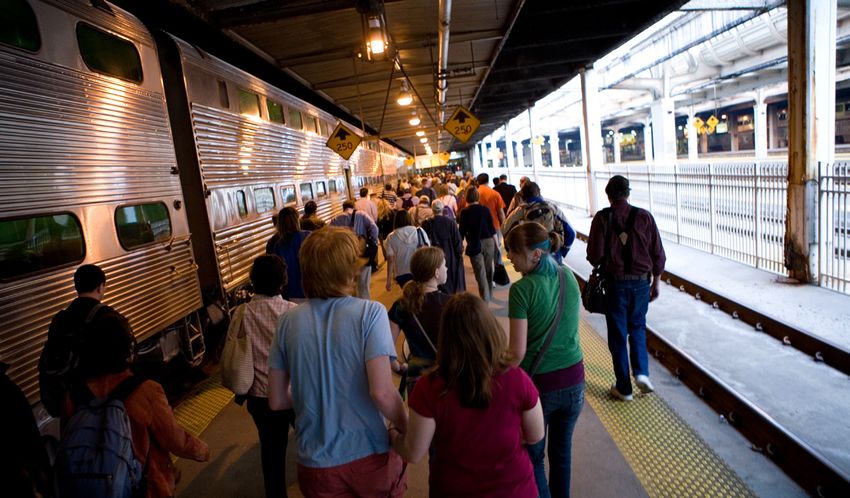
PRIORITY PROJECTS | CTA
                                                                                                      Infrastructure
                                                                                                           Facilities

      RAILCAR OVERHAUL                                                                                Rolling Stock
                                                                                                         Equipment

      (2600- AND 5000-SERIES)
      Quarter-life overhaul of 5000-series rail cars and life-extending
      overhauls of older 2600-series rail cars

                                             Vehicle overhauls involve strategic
                                             replacement of parts at scheduled
                                             intervals and are required in order
                                                                                             10-Year
                                             to appropriately maintain the cars              Project Cost
                                             and ensure that they will continue to           $525 Million
                                             perform through their full useful life (or
                                             beyond). Regular overhauls to the rail
                                             fleet improves the reliability, comfort,
                                             and cost-effectiveness of transit service,
                                             which improves the customer experience.
                                             This project includes the first overhaul
                                             for the 5000-series trains (CTA’s newest
                                             rail cars) and a life-extending overhaul
                                             for CTA’s oldest cars, the 2600-series. The
                                             quarter-Life overhaul of the 5000-series
  KEY BENEFITS:                              will include major component rebuild and
                                             as-needed repairs to the car body. The
   Extended life       5000- series interior 2600-series overhaul is necessary to keep                  $431
     of rail cars    Source: Chicago-L.org/ them in service through the delivery of                     Million
                               Corey Ellison                                                            Unfunded
  and improved                               the first 7000-series cars, due to the peak-
                                             period growth on the rail system.                          Need
   reliability and
      comfort                               The project also includes a new
                                            maintenance shop, which replaces a
                                            former CTA facility from the 1890s, in
                                            order to provide adequate space to
                                            perform the overhauls, while continuing
                                            to support ongoing maintenance needs.

                                                                                                        $94

                                            1,500
                                            railcars in
                                                                                                        Million
                                                                                                        Funding
                                                                                                        Included
                                                                                                        in Capital
                                            CTA fleet
                                                                                                        Program
                                                                                              Funding
                                                                                              Project in planning

                                                                          INVEST IN TRANSIT | PRIORITY PROJECTS 10
PRIORITY PROJECTS | CTA
Infrastructure
Facilities
Rolling Stock
Equipment
RED LINE
EXTENSION
Extension of the Red Line from 95th Street to 130th Street
The project will extend the Red Line
from the existing terminal at 95th/ 10-Year
Dan Ryan to 130th Street, on Chicago’s Project Cost
Far South Side. The proposed 5.3-mile $2.3 Billion
extension would include four new
Additional Jobs stations near 103rd Street, 111th Street,
Accessible within Michigan Avenue, and 130th Street.
60-minutes from Origin Each new station would include bus
by Red Line Extension
and parking facilities. The project will
21 400,000
decrease commuting time between the
far south side and downtown by up to
20 minutes per trip, expanding access to
jobs for Southside residents.
Additional project benefits include:
KEY BENEFITS: • Improvements to mobility and accessibility
$2.2
5.3 miles new rail, for transit-dependent residents in the
project area. Billion
reduced travel Unfunded
time, improved • Improvements to rapid transit rail service
to isolated areas, providing viable linkages Need
job access, between affordable housing, jobs,
and economic services, and educational opportunities,
development thereby enhancing livability and
neighborhood vitality.
• Providing an opportunity for potential
connections and linkages to other public
transportation modes including regional
commuter rail in the project area.
• Fostering economic development in the
project area, where new stations may
serve as catalysts for neighborhood $85 Million
revitalization and help reverse decades of Funding
disinvestment in local business districts. Included
• Providing a modern, efficient rail car in Capital
storage yard and shop facility to provide Program
storage and cost-effective preventive
Rendering of a Future RLE Station from CTA maintenance for rail cars associated with
Conceptual Planning, Source: CTA the RLE Project, rail cars currently stored Funding
in the existing 98th Street Yard and Shop, In Planning. The funded amount
and rail cars supporting additional Red is not limited to the 2017-2021
128,366
people live in area
Line expansion of service. Capital Improvement Program.
Ideally, 50% of this project cost
would come from the federal New
Starts program and the region
would support the local match.
surrounding project
INVEST IN TRANSIT | PRIORITY PROJECTS 11PRIORITY PROJECTS | CTA
Infrastructure
Facilities
Rolling Stock
RED PURPLE
Equipment
MODERNIZATION (RPM)-
FUTURE PHASES
Advancement of the Red and Purple Modernization (RPM)
Program, the largest line rebuild and capital improvement
project in CTA history 10-Year
Project Cost
The purpose of the RPM Program is
to improve capacity, travel time, ride $8.7 Billion
quality, and safety in one of CTA’s highest
ridership corridors. The project will also
improve access to the system for people
Jobs Accessible within with disabilities through expanded and
60-minutes from Origin modernized stations that will accommodate
by Impacted RPM
Stations more passengers more comfortably.
6 540,000
The project will allow CTA to increase
capacity to meet ridership demands
while improving the quality, speed, and
passenger comfort of each ride and $6.6
improving access to job markets and Billion
destinations. The capacity expansion would Unfunded
KEY BENEFITS: have the added benefit of bringing this Need
Improved capacity critical infrastructure into a state of good
and travel time, repair, thereby improving efficiency and
improved station service reliability and extending the overall
life of the transit system by 60 to 80 years.
accessibility, and
extended system A reconstructed Wilson Station was
life recently opened, including new track and
structure, and RPM Phase One is now
fully funded. Phase One will completely
rebuild the Lawrence, Argyle, Berwyn
and Bryn Mawr stations and all the tracks $2.1
and support structures for more than a Billion
mile adjacent to the stations. The project Funding
Wilson station after reconstruction, Source: CTA will also construct a bypass just north of Included
Belmont station for northbound Brown Line in Capital
70,800 trains to modernize the 100-year-old Clark
junction where Red, Purple and Brown Line
trains currently intersect. Future phases will Funding
Program
daily passengers board
include the Red and Purple Lines between
affected line the future Bypass and Wilson station and Current Phases Underway,
Future Phases in Planning*
*The funded amount includes all of RPM Phase One (not between Bryn Mawr and Howard, as well as
limited to the 2017-2021 CIP). Total need represents a the Purple Line from Howard to Linden in
hypothetical next phase of RPM, the specific components
of which have not been fully defined, that could occur Evanston and Wilmette.
within the 10 year time frame. Ideally, 50% of this project
cost would come from the federal Core Capacity program
and the region would support the local match.
INVEST IN TRANSIT | PRIORITY PROJECTS 12PRIORITY PROJECTS | CTA
Infrastructure
Facilities
Rolling Stock
BLUE LINE (O’HARE) Equipment
TRACTION POWER CAPACITY
& TRACK IMPROVEMENTS
Upgrades and State of Good Repair projects along the O’Hare
Branch of the Blue Line
This project builds on the success of
the Your New Blue program (YNB). YNB 10-Year
focused on the infrastructure needed to Project Cost
speed travel times and increase capacity $300 Million
on CTA’s fastest growing line. Rail service
along the Blue Line must continue to grow
to accommodate increasing ridership
Population Density
correlating with population shifts and new
(per sq. mi.) developments along the O’Hare Branch
0 - 500
5,000 -
18,000
18,000 -
70,800
corridor, particularly between the Logan
Square station and the Dearborn subway.
Increased Blue Line service is needed
during peak hours; however, the existing
traction power system is not equipped
to meet future needs. In addition, slow
zones in the Dearborn subway (between $300
Clark/Lake and Division/Milwaukee) and Million
KEY BENEFITS: in the Kimball Subway (Logan Square to
Belmont) are slowing passenger travel
Unfunded
Capacity to run times. This project will remove slow zones Need
more trains, and increase capacity through subway
faster speeds, waterproofing and track improvements
and traction power improvements. Work
and improved in the two subways would save passengers
reliability approximately 2.5 minutes (round trip) and
will also prevent future slow zones.
$0
Funding
Included
in Capital
Program
Popular CTA Blue Line Station
Funding
Source: David Wilson via Flickr In Planning
81,400
daily passengers board
affected line
INVEST IN TRANSIT | PRIORITY PROJECTS 13PRIORITY PROJECTS | CTA
Infrastructure
Facilities
Rolling Stock
Equipment
BLUE LINE (CONGRESS
BRANCH) IMPROVEMENTS
First phase of reconstruction of Forest Park Branch of the Blue Line
The full Forest Park Blue Line
Reconstruction program is estimated 10-Year
at $2.5 billion in year of construction Project Cost
dollars. The project would fully $454 Million
reconstruct the track, which is the first
Jobs Accessible within and most critical phase of the program,
60-minutes from Origin replacing everything in the track bed:
by Blue Line Congress ties, rail, third rail, ballast (the stone
Branch
material that holds the ties in place)
83 560,000
and drainage systems. It would also
add a turnback west of IMD, to be able
to increase service to the employment
center at the Medical District. Currently,
CTA maintenance crews focus heavily
on this area to mitigate slow zones.
This branch is now at 30% slow zones,
resulting in longer travel times and
$454
decreased job access for residents of the Million
KEY BENEFITS: Unfunded
West Side. Reconstructed track would
Completely save passengers approximately 7 minutes Need
reconstructed track, (round trip) and will also prevent future
faster speeds, and slow zones.
elimination of slow
The full $2.5B program would completely
zones reconstruct the Blue Line between UIC
Halsted and Forest Park, including new
stations, a new rail yard and new power
substations.
$0
31,700
daily passengers board
Funding
Included
in Capital
Program
affected line
Funding
In Planning. Trackwork is the first priority
of the Forest Park Branch Reconstruction
project (estimated at $2.5 billion). It is
assumed the remainder of the project
would occur outside the 10-year time
Blue Line track maintenance frame of this report.
Source: CTA
INVEST IN TRANSIT | PRIORITY PROJECTS 14PRIORITY PROJECTS | CTA
Infrastructure
Facilities
Rolling Stock
Equipment
GREEN LINE
IMPROVEMENTS
Track, structural, station and power improvements
The Green Line was last significantly
overhauled in the late 1990s and early 10-Year
2000s. In 2013, CTA upgraded track on Project Cost
the Englewood Branch of the South Green $454 Million
Line (in advance of the Red South project),
Jobs Accessible within and in 2016 CTA upgraded track on the
60-minutes from Origin embankment portion of the West Green
by Green Line Line. Slow zones on the Lake Street Branch
1 249,000 (Loop to Laramie) and South Green Line
(Loop to 59th) now need to be addressed
through track upgrades. Slow zones on
the South Green Line are currently at 22%,
while the Lake Street branch segment is at
10% slow zones. Investment could speed
travel times by 5 minutes (round trip),
improving access to jobs with a reasonable
commute time, and improving customer
$442
KEY BENEFITS: experience. Million
Unfunded
Faster speeds/ Need
In 2018, CTA will begin a $50 million
improved upgrade at Garfield Green Line, funded by
reliability and a competitive TIGER grant. Work on this
customer Line will also include upgrades to additional
Green Line stations, as well as structural
experience renewal on aging elevated steel and power
substation improvements for improved
reliability. The program represents a
balanced investment in the highest priority
elements for a rail line that serves the $12
South and West sides of Chicago and the Million
near West suburbs. Funding
Included
in Capital
42,815
weekday passengers
Program
Funding
board affected line In Planning &
Green Line trackwork Design
Source: CTA
INVEST IN TRANSIT | PRIORITY PROJECTS 15PRIORITY PROJECTS | CTA
Infrastructure
Facilities
Rolling Stock
Equipment
RED LINE
IMPROVEMENTS
Upgrades and State of Good Repair projects along the Red Line
This project includes multiple upgrades to
the Red Line and is separate from future 10-Year
phases of the Red Purple Modernization Project Cost
(RPM). It maintains existing infrastructure $224 Million
throughout the Red Line in areas not
Jobs Accessible within addressed by RPM and provides important
60-minutes from Origin interim work while CTA continues to pursue
by Red Line future phases of RPM. The project includes
track rehabilitation and waterproofing
34 300,000
in the State Street subway, replacement
and new crossovers along the line,
rehabilitation of existing power substations
on the Red South and structural renewal on
the North Red Line.
Slow zones in the State Street subway
are currently at 26%. Track and structure
$224
improvements could save passengers Million
nearly 6 minutes round trip and will Unfunded
prevent future slow zones. Upgrades to Need
KEY BENEFITS: the power system and the addition of new
Improved travel crossovers will improve system reliability.
speeds/ reliability
and renewal
of track and
structure
$0
Funding
Included
in Capital
Program
Funding
Red Line subway trackwork Not started due to
236,800
Source: CTA funding limitations
daily passengers board
affected line
INVEST IN TRANSIT | PRIORITY PROJECTS 16PRIORITY PROJECTS | CTA
Infrastructure
Facilities
Rolling Stock
Equipment
BROWN LINE
IMPROVEMENTS
Upgrades and State of Good Repair projects along the Brown Line
CTA completed the Brown Line Capacity
Expansion project in 2009, which 10-Year
upgraded stations, allowing for 8-car Project Cost
trains and ADA accessibility, while $223 Million
making targeted improvements to track,
Jobs Accessible within structure and power. Ridership has grown
60-minutes from Origin substantially since that project, due to
by Brown Line population shifts and development along
22 130,000 that corridor, and as result of the Capacity
Expansion project itself. CTA is currently
studying opportunities for future capacity
expansion projects along the line. The
project focuses on interim improvements
to bring existing infrastructure to a state
of good repair, while full future capacity
increase needs will be addressed by
subsequent projects. It includes track
$223
rehabilitation to both the elevated portion Million
and the at-grade section west of Rockwell. Unfunded
It also includes renewal of the elevated Need
KEY BENEFITS: structure, upgrades to power substations,
Track and and automation of the crossing at Western
Middle track.
substation
rehabilitation
and structural
renewal
$0
Funding
Included
in Capital
Program
Funding
Brown Line elevated trackwork In Planning
64,000
daily passengers board
Source: CTA
line outside of Loop
INVEST IN TRANSIT | PRIORITY PROJECTS 17PRIORITY PROJECTS | CTA
Infrastructure
Facilities
Rolling Stock
Equipment
SYSTEMWIDE
STRUCTURAL RENEWAL
State of Good Repair projects on CTA ‘L’ structure
A systemwide structural renewal
program would upgrade the elevated 10-Year
steel structure at priority areas. A part Project Cost
of routine maintenance, CTA inspects $250 Million
the elevated steel structure and rates
defects on a priority basis. Priority 1 (P1)
structural defects are those that have the
potential to propagate to failure within
CTA Rail System -
Elevated Structure
one year from identification; correction
of these P1 defects comprises the bulk of
CTA structural maintenance work. A larger
program would allow CTA to address
sections of the elevated structure more
holistically, upgrading full segments of
elevated steel structure at one time. This
would provide a more comprehensive and
economical approach, with longer-ranging
$208
benefits, but can only be pursued with Million
KEY BENEFITS: Unfunded
dedicated resources.
Extended Need
Additionally, segments of structure with
system life multiple defects can result in the need
for slow zones, in order to maintain
safe operation. Investment in structure
renewal campaign work will help prevent
future structure-related slow zones,
maintaining travel speeds and reliability.
35.8
$42
Million
Funding
miles of elevated Included
structure in the in Capital
CTA system Program
Funding
Not started due to
funding limitations
Elevated steel structure renewal
Source: CTA
INVEST IN TRANSIT | PRIORITY PROJECTS 18PRIORITY PROJECTS | CTA
Infrastructure
Facilities
Rolling Stock
Equipment
RAIL YARD
IMPROVEMENTS
Improvements to CTA Rail Yards
This project would restore, preserve and
improve the integrity and configuration of 10-Year
rail yard trackwork systemwide. Yard track Project Cost
failures result in service interruptions and $88 Million
delays and increase costs for maintenance
CTA Rail Yards and operations. New track configurations,
as well as upgrades to existing
infrastructure, will reduce those failures
and the resulting costs. CTA yards are in
varying condition, with needs ranging
from full reconstruction through partial
renewals and minor improvements.
$72
Million
Unfunded
Need
KEY BENEFITS:
Reduced
maintenance costs
and more efficient
operations
$16
Million
Funding
Included
in Capital
Program
Complicated track work at Howard
1,492
rail yard, Source: CTA Funding
In Planning but
not started due to
rail cars are funding limitations
maintained at CTA’s
yards and shops
INVEST IN TRANSIT | PRIORITY PROJECTS 19PRIORITY PROJECTS | CTA
Infrastructure
Facilities
Rolling Stock
Equipment
SUBWAY LIFE SAFETY
IMPROVEMENTS
Upgrade to existing subway ventilation equipment
This project would upgrade existing subway
ventilation equipment in the most critical 10-Year
locations of the tunnel systems. It would Project Cost
replace fan assemblies including motors, $120 Million
upgrade non-reversible fans with fully
reversible fans and add new fan plants
in critical locations. These improvements
would increase subway ventilation capacity
to the maximum extent possible and
increase the overall ventilation system
reliability. Increased ventilation will provide
for better emergency-response and
increased customer comfort.
$120
Million
Unfunded
Need
KEY BENEFITS:
Improved
Subway ventilation
emergency response improvements needed
and increased Source: CTA
customer comfort
$0
Funding
Included
in Capital
Program
Funding
In Planning but
not started due to
funding limitations
INVEST IN TRANSIT | PRIORITY PROJECTS 20PRIORITY PROJECTS | CTA
Infrastructure
Facilities
Rolling Stock
Equipment
RADIO SYSTEM
UPGRADE
Replacement of obsolete radio system
This project provides for the
comprehensive overhaul of CTA’s rail and 10-Year
bus radio system to upgrade obsolete Project Cost
KEY BENEFITS: analog technology to modern digital $35 Million
technology, with disaster recovery/business
Fully modernizes continuity solutions, increased capacity
obsolete and compliance with FCC regulations. The
CTA radio system is critical to life safety and
system coordination on the bus and rail system.
It allows for communication between
employees or contractors in the field, the
CTA control center and headquarters.
4500+ CTA rail radios and 1800+ bus
radios will be replaced. The radio system
infrastructure of transmitters, receivers,
voter comparators, antennae, towers, and
$35
ancillary physical infrastructure will be Million
upgraded. Unfunded
Need
6,300+
radios needed in the
CTA system
$0
Funding
Included
in Capital
Program
Funding
In Planning but
not started due to
funding limitations
INVEST IN TRANSIT | PRIORITY PROJECTS 21PRIORITY PROJECTS | CTA
Infrastructure
TACTICAL SIGNAL
Facilities
Rolling Stock
Equipment
IMPROVEMENTS
(SYSTEMWIDE)
State of Good Repair projects and replacing obsolete equipment
on CTA rail signal system
10-Year
This project would upgrade aged
and obsolete signal equipment on Project Cost
multiple lines throughout the system, $141 Million
including on the South Green Line,
the Purple Line, the Yellow Line, the
Orange Line and the Brown Line.
This is a near-term tactical approach,
limited to upgrading components
of the track signals (rather than a
full redesign and replacement). The
existing signal systems were originally
installed between 25 and 40 years
ago. It is difficult to obtain parts for
these systems, for their continued
maintenance. Providing these tactical $124
upgrades will help maintain system Million
reliability, which impacts travel times Unfunded
and customer experience. Need
KEY BENEFITS:
2,276
train trips daily are
Upgrades to Source: controlled by CTA’s
existing signal Chicago-L.org signal system
system and
improved $17
Million
reliability
Funding
Included
in Capital
Program
Funding
In Planning but
not started due to
funding limitations
INVEST IN TRANSIT | PRIORITY PROJECTS 22PRIORITY PROJECTS | CTA
Infrastructure
Facilities
Rolling Stock
SYSTEMWIDE
Equipment
STATION PROGRAM
Rail station accessibility Station improvements and
systemwide construction systemwide
Improving accessibility of the rail system This project balances needs for systemwide
is a priority for CTA. Recent projects in upgrades with more limited station
the Loop, on the North and South Red modernization. Upgrades and repairs would
Line and on the Blue Line have increased include roof and stair replacement, station
accessible rail stations to 103 of 145. This lighting upgrades, escalator rehabilitation,
project would add accessibility at 5 priority painting and other customer-facing
stations. It would also include replacement improvements, which would be programmed
of elevators in currently-accessible rail annually based on need. It also includes
stations, which are approaching the end limited funding for station modernization or
of their service life, in order to maintain infill stations, to support increased demand
accessibility at existing accessible stations. on the rail system. Additional modernization
or infill station locations would be coordinated
based on development patterns and the
potential to increase or respond to additional
ridership.
10-Year 10-Year
Project Cost Project Cost
$311 Million $289 Million
KEY BENEFITS: KEY BENEFITS:
Improved ADA Upgraded
accessibility across stations to
rail system improve customer
$311 $289 experience
Million Million
Unfunded Unfunded
Need Need
$0 $0
Funding Funding
Included Included
in Capital in Capital
Program Program
Funding Funding
Plan is complete. Related projects
Projects are currently underway,
being carried out future phases not
incrementally as started due to funding
funding allows. limitations.
INVEST IN TRANSIT | PRIORITY PROJECTS 23PRIORITY PROJECTS | CTA
Infrastructure
Facilities
Rolling Stock
FUTURE BRT/BUS SLOW ZONE Equipment
REMOVAL/TSP/ DEDICATED
LANE PROJECTS
Targeted street and traffic signal improvements to increase
bus speeds
This project would focus resources on the
City’s street network and traffic signals, 10-Year
in order to provide for transit priority Project Cost
elements on the roadway. Bus service $200 Million
comprises over half of CTA’s total ridership,
Jobs Accessible within is critical for linking to the rail system and in
60-minutes from Origin some neighborhoods, is the only affordable
by CTA Bus Network transportation option. A strong bus system
7 670,000 can also help alleviate congestion and
capacity issues on the rail network. Bus
ridership has been declining, a trend which
is exacerbated by new competition in the
market and additional congestion on the
roadways. Providing dedicated transit
rights-of-way on the street grid, traffic
signal priority (TSP) or queue jumps at
KEY BENEFITS: traffic lights, and making other targeted
$191
Improved bus speed improvements can help speed CTA’s buses, Million
and reliability, making them a more attractive option and Unfunded
reduced travel encouraging ridership growth. This funding Need
time, and reduced would be a set-aside that CTA would use to
congestion on rail prioritize projects by its highest ridership
network routes, and in a geographically equitable
manner, in coordination with CDOT.
9.1 mph $9
average CTA bus
Million
speed
Funding
Included
in Capital
Program
Funding
First Phase Traffic Signal
Explanatory TSP graphic Underway, Future Phases
in Planning. Funded
amount is TSP funding
from CMAQ programmed
in 2017-2021 CIP.
INVEST IN TRANSIT | PRIORITY PROJECTS 24PRIORITY PROJECTS | CTA
Infrastructure
Facilities
Rolling Stock
Equipment
INFORMATION
TECHNOLOGY
Improve business processes and systems
This program provides for application
upgrades to business processes, systems, 10-Year
and operations. Communications Project Cost
infrastructure and facilities will be $170 Million
modernized and out-of-date software,
hardware and other equipment will be
replaced. If the CTA does not implement
the information technology program,
employees will continue using the
obsolete systems and equipment. New
equipment and software will improve
productivity and improve efficiency. This
also allows CTA to effectively manage its
assets, which is an integral part of the
CTA’s capability to successfully deliver
service in a safe and efficient manner.
$159
Million
KEY BENEFITS: 10,000
Information technology
Unfunded
Need
Improved components need CTA employees
upgrading
productivity and Source: CTA
efficiency and
improved asset
management
$11
Million
Funding
Included
in Capital
Program
Funding
Not started due to
funding limitations
INVEST IN TRANSIT | PRIORITY PROJECTS 25PRIORITY PROJECTS | CTA
Infrastructure
Facilities
Rolling Stock
Equipment
NON-REVENUE VEHICLE
REPLACEMENT PROGRAM
Replacement of vehicles needed for maintenance and operations support
Non-revenue vehicles include cars, trucks
and heavy equipment that are not used to 10-Year
provide transit service but provide critical Project Cost
maintenance or operations support. $60 Million
Support vehicles and equipment vary
from bus supervisor vehicles (allowing
supervisors to monitor service and
respond to incidents) to large work trucks
that haul ties, rail and other maintenance
equipment to job sites. It includes pieces
of track maintenance equipment and
Supervisor vehicle diesel locomotives that CTA uses to help
KEY BENEFITS: clear snow from tracks. Currently, 62%
Supports of CTA’s heavy equipment is beyond its
continued recommended service life. This program
will allow for the purchase non-revenue
maintenance and equipment on an annual basis, in order to
$51
keep maintenance and operations support Million
operations Unfunded
fleet in working order.
Need
$9
Million
PLACEHOLDER Funding
Included
in Capital
Program
Rail ballast tamper Funding
Selective
replacements have
been programmed,
but the majority
of needs remain
unfunded
INVEST IN TRANSIT | PRIORITY PROJECTS 26PRIORITY PROJECTS | CTA
Infrastructure
Facilities
Rolling Stock
Equipment
CRITICAL NEEDS AT
CTA FACILITIES
Roof and other upgrades to maintenance facilities
Transit service safety and reliability is
affected by out-of-date rail, bus, and 10-Year
maintenance facilities. This project would Project Cost
allow CTA to address the most urgent $110 Million
needs at CTA facilities systemwide. This
includes roof replacements and building
envelope repairs, structural repairs to
bridges or buildings, replacement of
boilers, air handling units and exhaust
fans, plumbing repairs, and replacement of
KEY BENEFITS: underground storage tanks and generators,
Targets most 1909 City Railway among other needs. This would be
building now a bus programmed annually, based on the level
urgent repair garage
needs at CTA of criticality.
facilities
$110
Million
Unfunded
Need
$0
Funding
Rail Shop roof and mechanical equipment Included
CTA’s West Shop was in Capital
built by the Chicago Program
Surface Lines to maintain
the streetcar system Funding
Project performed
as funding
becomes available
INVEST IN TRANSIT | PRIORITY PROJECTS 27PRIORITY PROJECTS | CTA
Infrastructure
Facilities
Rolling Stock
Equipment
RAIL SHOPS
IMPROVEMENTS
Provide repair and replacement to worn components at rail
maintenance shops
The Rail Shop Improvements Program
provides for much-needed rehabilitation 10-Year
work at existing rail shops and heavy Project Cost
maintenance shops across the CTA $191 Million
system. It will allow CTA to address the
deteriorated condition of these facilities,
which affects reliability of service to
CTA customers and creates safety issues
for its employees. Projects include roof
replacements, upgrades to mechanical,
KEY BENEFITS: Skokie Rail Shop electrical and plumbing systems, building
envelope repairs, air compressor
Improved safety replacements, work equipment
replacement and lighting upgrades, among
for employees other projects. This project also includes
and improved a new rail car washer at one location and
associated trackwork in the railyard.
$191
reliability Million
Unfunded
Need
$0
Funding
Skokie rail car lifts Included
10
CTA shop buildings
in Capital
Program
to maintain its 1,492 Funding
rail cars on 8 rail lines Not started due to
funding limitations
INVEST IN TRANSIT | PRIORITY PROJECTS 28PRIORITY PROJECTS | CTA
Infrastructure
Facilities
Rolling Stock
Equipment
BUS GARAGE
IMPROVEMENTS
Provide repairs at bus maintenance garages and shops
The Bus Garage Improvements Program
provides for much-needed rehabilitation 10-Year
work at existing bus garages across the CTA Project Cost
system as well as the CTA major overhaul $245 Million
shop (South Shops) and heavy maintenance
CTA Bus Garages garages. It will allow CTA to address the
deteriorated condition of these facilities,
which affects reliability of service to
CTA customers and creates safety issues
for its employees. Projects include roof
replacements, upgrades to mechanical,
electrical and plumbing systems, building
envelope repairs, site improvements, air
compressor replacements, work equipment
KEY BENEFITS: replacement and lighting upgrades, among
other projects. The CTA’s oldest bus
Improved safety facilities are now over 100 years old and
$245
for employees the majority are over 50 years old. These Million
facilities are overdue for “mid-life overhaul” Unfunded
and improved Need
and several are candidates for replacement.
reliability
$0
Funding
Included
in Capital
Program
Garage bay doors Garage yard
Funding
100+ years Not started due to
funding limitations
old
the age of CTA’s
oldest bus
maintenance facility
INVEST IN TRANSIT | PRIORITY PROJECTS 29PRIORITY PROJECTS | CTA
Infrastructure
Facilities
Rolling Stock
Equipment
NEW TRAINING
CENTER
New facility to instruct and train bus and rail operators
CTA’s current training center is in a leased
facility that does not meet current needs. 10-Year
Due to space limitations, training activities Project Cost
KEY BENEFITS: are dispersed to other locations as well. $42 Million
More efficient and This would allow CTA to provide more
comprehensive comprehensive training to its employees,
with modern equipment, and to centralize
employee training training activities in one location. It also
and reduced would allow CTA to potentially to reduce
operating costs operating costs from discontinuing the
lease at the existing facility.
9,000
CTA operating and $42
maintenance employees Million
Unfunded
Need
$0
Funding
Included
in Capital
Program
Funding
Not started due to
funding limitations
INVEST IN TRANSIT | PRIORITY PROJECTS 30PRIORITY PROJECTS | CTA
Infrastructure
Facilities
Rolling Stock
Equipment
NEW CONTROL
CENTER
Replace obsolete equipment at CTA’s Control Center
This project would create a new CTA
Control Center, which is the nerve center 10-Year
of CTA operations. Existing equipment is Project Cost
becoming obsolete, and replacement in $150 Million
kind is required, at a minimum. This project
Jobs Accessible within could be staged iteratively, beginning with
60-minutes from Origin replacing existing equipment with modern
by CTA Bus & Rail equivalents, with future phases adding
Networks
7 1,000,000 functionality that will allow for improved
safety on the CTA system.
$150
Million
Unfunded
Need
KEY BENEFITS:
Modernization of
obsolete equipment
and improved
system safety and
operations
$0
Funding
Included
in Capital
CTA Control Center Program
Source: CTA
380,000+
miles traveled daily by CTA’s
Funding
Not started due to
funding limitations
buses and trains and monitored
by the control center
INVEST IN TRANSIT | PRIORITY PROJECTS 31PRIORITY PROJECTS | METRA
Infrastructure
Facilities
Rolling Stock
Equipment
FLEET MODERNIZATION
PLAN
Replace and repair aging commuter rail cars and locomotives
Metra has the lowest vehicle spare ratio
in the industry. This causes significant 10-Year
problems when cars must be taken Project Cost
out of service. Some train runs have $2.1 Billion
overcrowding. Also, many railcars are over
50 years old. They have high maintenance
costs and need to be replaced. They
are beyond their useful life. Metra’s
locomotives are experiencing mechanical
failures and need to be rehabbed and
replaced.
Metra currently has an aggressive rehab
program for both cars and locomotives,
with work performed at the existing
Jobs Accessible within 49th Street Yard facility and Kensington
60-minutes from Origin
by Metra Rail Network
Yard. Funding the 10-year modern plan $1.5
7 660,000
will allow for Metra rolling stock to be Billion
modernized with better seating, lighting, Unfunded
climate control, bathroom facilities and
electrical outlets for customers to charge
Need
their electronic items, and are critical
in maintaining the service performance
standards on which our customer depend.
KEY BENEFITS: Metra must also replace and rehabilitate
Reliable and greener locomotives on a consistent basis. Diesel
locomotives must be rehabilitated every 10
locomotives and a years to maintain a State of Good Repair.
more comfortable $603
Remanufacturing locomotives provides
a significant cost savings for Metra while
Million
commute
extending the life of this equipment by Funding
an estimated 25 years. Like rail cars, Included
remanufacturing is cost‐effective in the in Capital
short term; however, replacement at some Program
point becomes necessary.
29
Funding
Underway but
limited by funding
Some Metra cars were built during years is the average age of availability
the Eisenhower Administration
a Metra commuter car
INVEST IN TRANSIT | PRIORITY PROJECTS 32PRIORITY PROJECTS | METRA
Infrastructure
Facilities
Rolling Stock
Equipment
75TH STREET
CORRIDOR
Reconfigure track shared by Metra, Amtrak, and freight trains
Metra’s 75th Street Corridor Improvement
Project is a major project to fix a tangle 10-Year
of railroad tracks just north of 75th Street Project Cost
where three railroad crossings cause $1.5 Billion
significant delays for Metra and Amtrak
passenger trains and the freight railroads.
The project includes a combination of track
reconfiguration, new track, and flyovers to
improve the fluidity of Metra Southwest
Service (SWS) and freight and Amtrak traffic
in the area estimated to cost $1.0 billion.
The project will require additional
improvements on the Rock Island Line.
The Rock Island Line will be triple tracked
Jobs Accessible within from Gresham to 16th Street. Additional
60-minutes from Origin
by Southwest and Rock
terminal tracks must be installed at LaSalle $1.5
Island Services Street Station. The waiting rooms and Billion
35 620,000 crew facilities at LaSalle Street will be Unfunded
improved. The 51st Street Coach yard will
Need
be improved to accommodate the servicing
of Southwest Service equipment. These
KEY BENEFITS: combined Rock Island Improvements are
Improves reliability, estimated to cost $500 million.
provides faster service Southwest Service now experiences
for Southwest Service delays due to the freight train conflicts
trains and increases and congestion through the 75th Street
system capacity Corridor. This project will eliminate those
conflicts, and by bringing Southwest
Service into LaSalle Street Station, will $0
relieve congestion at Union Station and Funding
create capacity for additional trains into the Included
future. in Capital
Program
90 Funding
Environmental work
Artist’s rendering of flyover (location will differ)
freight trains conflict completed, but
with 30 Metra trains engineering and
Source: IDOT 75th Street Corridor Improvement construction not
Program and two Amtrak trains started due to funding
limitations
INVEST IN TRANSIT | PRIORITY PROJECTS 33PRIORITY PROJECTS | METRA
Infrastructure
Facilities
Rolling Stock
Equipment
A-2 INTERLOCKING
REPLACEMENT
Separate tracks at busiest switching location on Metra system
With over 350 Metra and Amtrak trains
daily, the A-2 interlocking is one of 10-Year
the busiest and most complicated rail Project Cost
intersections in North America. The $500 Million
intersection is controlled by 31-switches,
and those switches are controlled by the
Metra employees who staff Tower A-2 night
and day. All MD-N, MD-W, UP-W, North
Central Line, and Amtrak trains, travel
through the interlocking -- the railroad
term for the switching complex -- on their
scheduled runs to Union Station or Ogilvie.
In addition, trains on three other Metra
lines (UP-N, UP-NW and the Heritage
Weekday Station Corridor) pass through A-2 on their way to
Boardings and from the Western Avenue or California
Avenue Yard. The tower is responsible for $500
arranging and rearranging the switches for Million
20 2,300
Impacted Metra lines more than 350 trains each day. Unfunded
Project location Need
The flyover project would create a new
bridge to allow trains from Union Station to
“flyover” trains from Ogilvie Transportation
Center significantly increasing capacity and
improving reliability. Trains would also
KEY BENEFITS: be able to travel at higher speeds as they
Relieves a bottleneck approach and cross A-2. Switch failures
on the Metra system at the current location cause delays on
through which 350 multiple Metra lines and Amtrak.
trains pass each day Metra will conduct a $1 million study to $0
determine the costs to build a flyover at Funding
A-2, estimated at $500 million. Included
in Capital
79,300
Program
Funding
weekday passenger
Not started
trips on four lines due to funding
limitations
A-2 Interlocking near Western
Source: Nearmap US, Inc
INVEST IN TRANSIT | PRIORITY PROJECTS 34PRIORITY PROJECTS | METRA
Infrastructure
Facilities
Rolling Stock
Equipment
BRIDGE REPLACEMENT
AND REPAIR
Replace and repair 61 bridges systemwide
Metra has 823 bridges throughout the
system and more of them are in need of 10-Year
replacement than can be addressed in the Project Cost
next 10 years. Metra has identified the 61 $2.0 Billion
bridges in greatest need of replacement
or repair over the next 10 years, as well
as several others which require more
modest improvements. In many cases,
rehabilitation projects can extend the
useful life of bridges with deteriorated
elements, but bridges that can no longer
be economically repaired or maintained
should be replaced with new structures
built to modern design. Timber bridges
throughout the Metra system are targeted
for replacement due to their elevated risk
for fire. $1.9
Billion
Aging infrastructure Unfunded
Source: RTA Need
KEY BENEFITS:
Rehabbing and
replacing bridges
will reduce
operating and
maintenance $66
costs Million
Funding
Included
in Capital
Program
UP-West bridge over Fox River
823
bridges on the
(replacement currently underway) Funding
Underway but
limited by funding
availability
Metra system
INVEST IN TRANSIT | PRIORITY PROJECTS 35PRIORITY PROJECTS | METRA
Infrastructure
Facilities
Rolling Stock
Equipment
TRACK IMPROVEMENTS
Replace and repair trackwork components
Track is the foundation of the Metra
system. Without continual renewal of 10-Year
track components, Metra’s reliable on- Project Cost
time service would deteriorate and the $1.9 Billion
wear and tear on railcars and locomotives
would increase.
To maintain safe and smooth track,
Metra has established a continual cycle
of inspection and renewal for its track
system. Ballast and track resurfacing
is performed on a four-year cycle. To
achieve a state of good repair, Metra
would need to replace 111,000 ties and
replace 105 grade crossings annually.
$1.8
Billion
Unfunded
Need
Switch components need continual care
KEY BENEFITS:
Reliable and $109
Million
smooth ride Funding
Included
in Capital
Program
Mainline track on Rock Island for
80,000
ties and 25 rail crossings
79 mph operation Funding
Underway but
limited by funding
availability
replaced annually
INVEST IN TRANSIT | PRIORITY PROJECTS 36PRIORITY PROJECTS | METRA
Infrastructure
Facilities
Rolling Stock
Equipment
PTC
SYSTEMWIDE
Install federally-mandated rail operational safety system
Positive Train Control (PTC) is a global positioning system (GPS)‐based operational
safety system that integrates new technology with existing train control and operating 10-Year
systems to enhance operations and provide an added level of safety. The Rail Safety Project Cost
Improvement Act of 2008 requires implementation of PTC on all passenger rail routes $385 Million
and on lines carrying hazardous materials by December 31, 2015, a date which has
been extended to 2018 for Metra and several other railroads. Although the purchase
and installation of PTC equipment comes at a high cost, no source of funding has been
provided by the federal government, making it a perpetual unfunded federal mandate.
KEY BENEFITS:
Safety will be May be
enhanced additional
costs
yet to be
determined
$385
Million
Funding
Included
in Capital
How Positive Train Control works Program
219
locations needed for
Source: GAO
While this project is shown as fully funded,
this is due to the federal mandate to complete Funding
communications with PTC implementation on a specific schedule.
This mandate has caused capital funds to be
Metra rolling stock diverted from other pressing needs to this
and centralized office project. Also, it is unclear at this time what the
dispatching system ongoing capital needs for this new system will
be once it is implemented
INVEST IN TRANSIT | PRIORITY PROJECTS 37You can also read


