Irish Grassland Association - "To advance the knowledge of good grassland management in Irish farming"
←
→
Page content transcription
If your browser does not render page correctly, please read the page content below
Irish Grassland
              Association
              Members’ Information Booklet     Summer Edition Issue No. 42

“To advance the knowledge of good grassland management in Irish farming”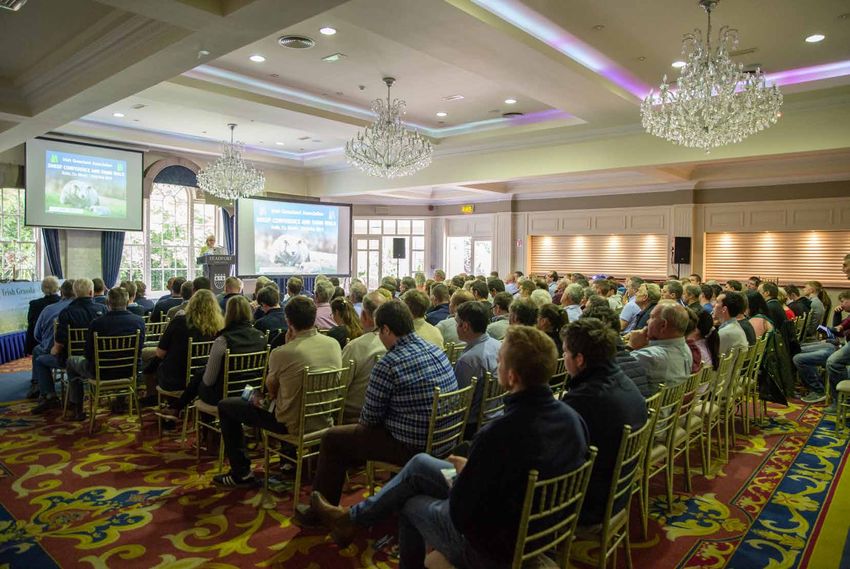
CORPORATE
CORPORATE MEMBERS
MEMBERS 2019
2019 CORPORATE
CORPORATE MEMBERS
MEMBERS 2019
2019
CormacTagging
Animal Identification Tags
AGRICULTURE AND FOOD DEVELOPMENT AUTHORITY
Want
Wanttotohave
haveyour
yourcompany
companylogo
logoon
onthis
thispage?
page? Cookstown,
Cookstown,Kells,
Kells,Co.
Co. Meath,
Meath, Ireland.
Ireland. Tel:
Tel: (087)
(087) 96
96 26
26 483
483
Contact
Contactthe
theIrish
IrishGrassland
GrasslandAssociation
Associationoffice
officetoday...
today... General
GeneralInformation:
Information:office@irishgrassland.ie
office@irishgrassland.ie www.irishgrassland.ie
www.irishgrassland.ie
Any
Anyviews
viewsororopinions
opinionspresented
presentedininthis
thisor
orany
anyIrish
IrishGrassland
GrasslandAssociation
Association publication
publication are
are solely
solely those
those of
of the
the author.
author.
IRISH
IRISHGRASSLAND
GRASSLANDASSOCIATION
ASSOCIATION- -MEMBERS’
MEMBERS’INFORMATION
INFORMATIONBOOKLET
BOOKLET IRISH
IRISH GRASSLAND
GRASSLAND ASSOCIATION
ASSOCIATION -- MEMBERS’
MEMBERS’ INFORMATION
INFORMATION BOOKLET
22 33
Contents Editorial
to be a super informative event. Alan Kelly of UCD
outlines what students and visitors can expect to
learn on the day on page 17.
Editorial 5 In the second section of the newsletter, Year in my
Wellies contributors Jason Melbourne and Stephen
Coen re-count their past few months on farm while
former IGA Council member and drystock farmer
SECTION 1 – EVENTS Brian Nicholson gives a review of his farm system
AGM Notice 6 in our farmer focus piece. In his article Brian
highlights the changes he has embraced over the
Sheep Conference Review 7 past few years and the benefits they have brought
Beef Conference Review 10 Rosalyn Drew both financially and personally.
IGA Honorary Editor Examining ways in which grassland farms can
Dairy Summer Tour Review 14
and Nitrofert Ltd. remain environmentally sustainable while also
Student Conference Preview 17 being profitable is looked at in our technical focus
As the summer draws to a close, many of section by Dr. Bridget Lynch. As custodians of
Dairy Conference Preview 20 our hard working sub-committees can now the soil and the land they work, farmers have a
draw a breath after another successful responsibility to embrace changes that are positive
SECTION 2 – FARMER FOCUS
year of IGA events. to the environment while also remaining productive
and profitable. With this in mind, we hope to be
The sheep conference kicked off the busy summer regularly featuring articles on this topic in the
Brian Nicholson: Setting Goals & Recognising the importance of good grassland management 21
schedule in May and you can catch up on the newsletter that we hope IGA readers will find helpful
A Year in my Wellies – Stephen Coen (Drystock) 24 highlights of the day on page 7. with an overview of and informative.
A Year in my Wellies – Jason Melbourne (Dairy) 26 a lively panel discussion plus key messages given
by host farmer John Brady and guest speakers Austin Finn from the Land Mobility Service and
Mairead McGuinness MEP and Miriam Parker from IGA council member Noreen Lacey from IFAC
Livestockwise Ltd. both have interesting articles in our farm finance
SECTION 3 – TECHNICAL FOCUS section. Austin goes through the benefits and
IGA Beef Event chairman, Christy Watson gives a features farmers should consider when leasing land
How Grassland farms can meet environmental sustainability standards – Dr. Bridget Lynch, UCD 28 detailed account of this years’ beef conference on longterm while Noreen gives a review of agri lending
page 10. This event was held in Laois and attendees trends over the past 12 months.
on the day heard excellent presentations from
SECTION 4 – FARM FINANCIAL FOCUS speakers John Geraghty on soil health and Aidan In Section 5 we have a treat for those interested in
Murray, Teagasc on the profitability of the suckler the history of the Irish Grassland Association. Cathal
Is longterm leasing a good option – Austin Finn, Land Mobility Service 30 McCormack and his sub-committee have spent the
herd. Renowned beef farmer and former editor of
Banks & Lending Trends – Noreen Lacey, IFAC 32 the Farmers Journal Matt Dempsey gave his views last 12 months digging deep into the archives of the
on the future of the Irish beef industry before a association. It is a great tribute to the success of the
panel discussion on the options available for todays’ association that it is now 74 years young and still
SECTION 5 – IGA ARCHIVES beef farmers. After lunch the delegates travelled going strong. In his report, Cathal gives an overview
to host farmer Ken Grahams farm in Mountrath. of a selection of past presidents over the decades,
Through the Decades with the IGA Past Presidents – Cathal MacCormack 34 Typical of many beef producers in Ireland today, many of whom were also renowned figures in the
Ken works full time off the farm and runs his beef agri sector and makes fascinating reading. Hope
system outside of work hours. Ken is an excellent you enjoy the read and as always we welcome any
grassland manager and provided much inspiration feedback you may have!
to visitors in terms of adapting to difficult changes Finally, the IGA Annual AGM takes place this
in the sector and implementing efficient farming September in the Horse & Jockey, Thurles. As this
practices while maintaining a profitable enterprise.
Follow us on Held in Co. Westmeath, the IGA Dairy Summer Tour
will be my last newsletter as editor I wish to thank
my colleagues on council and my newsletter sub-
had its usual sell out success with numbers close committee for all their help and hard work.
on 450 in attendance on a beautiful July day. An Go raibh mile maith agaibh!
Irish Grassland Association IGA excellent report on the two host farmers is given on
page 14 where the theme this year looked at how SUGGESTIONS & FEEDBACK PLEASE!
new entrants to dairying can become top of their
@IrishGrassland game through a focussed strategy on key areas such If you have any suggestions for the newsletter or
as soil fertility, reseeding, grassland management any particular topics or features you would like us to
and breeding policy. include in our forthcoming issues of the newsletter
The forthcoming Student Conference is scheduled please send via email to office@irishgrassland.ie
Photographs will be taken at all events and occasionally published. to be held in Kilkenny this October and promises We would love to hear from you!
Any views or opinions presented in this or any Irish Grassland Association publication are solely those of the author.
IRISH GRASSLAND ASSOCIATION - MEMBERS’ INFORMATION BOOKLET IRISH GRASSLAND ASSOCIATION - MEMBERS’ INFORMATION BOOKLET
4 5
EVENTS
IGA Sheep Conference Fiona McGovern
Date set for the 2019 AGM Maura Callery
Irish Grassland Association
Office Manager and Farm Walk Review
IGA Council Member
And Teagasc Athenry
The 2019 Irish Grassland Association (IGA) We had yet another fantastic term in the Irish Over 150 farmers and industry delegates industry overcome many challenges and
Annual General Meeting will take place on Grassland Association. A term under great leadership welcome many opportunities. This was discussed
attended the Irish Grassland Association
Thursday 12th September at the Horse and from outgoing president Ciaran Lynch, saw many by Mairead McGuinness in her address at the
welcomed developments in our IT including the
sheep conference and farm walk,
Jockey Hotel, Tipperary at 10.30am sharp. sponsored by MSD and Mullinahone Co- conference. Mairead highlighted the changing
launch of a new database and a facelift to the
All members of the Irish Grassland Association op, in Headfort Arms, Kells, Co Meath on and ever evolving situation that we are currently
website. IGA Annual Membership will be deducted
are entitled to register to attend this event. It is in with Brexit looming and a focus being placed
in September. Thursday 23rd May.
an opportunity to see how the Irish Grassland on environmental sustainability throughout
Association operates. A roundup of the year’s I would like to take this opportunity on behalf of the Europe. Mairead gave a comprehensive overview
President and Council to thank everyone involved The morning session featured presentations
activities will be presented by the outgoing President of her own personal situation and her history
in running our events, our host families and our from Mairead McGuinness, MEP, Miriam
Ciaran Lynch and we will also welcome the new with both politics and the agricultural industry as
sponsors. We would also like to thank you, our loyal Parker, Livestock Wise Ltd. UK and a panel
incoming President Paul Hyland into office. a whole. She spoke about the importance of the
farming and corporate members for coming to these discussion on labour demand and use efficiency
Each year a small number of seats on our council family farm and the ever increasing involvement
events in such overwhelming numbers. on sheep farms. The panel discussion was
can become available to be filled through election of women in agriculture.
We look forward to meeting you all very soon again. Chaired by Darren Carty, Irish Farmers Journal
on foot of existing council members terms expiring.
and included three speakers: John O’Connor,
All fully paid up members of the Irish Grassland Effective management of sheep relies on
Registration for members to attend Teagasc Kildalton, Darrell Meehan, part-time
Association are eligible to be nominated for election. effective husbandry and veterinary jobs such
the Irish Grassland Association Annual sheep farmer and John Bell, full time sheep
If you wish to put your name forward this year, as weighing, vaccination, condition scoring and
General Meeting is essential. farmer, both from Co. Westmeath. The afternoon
then please contact me to express your interest by dosing being carried out at the right time to
emailing office@irishgrassland.ie no latter than 9am session incorporated a farm walk on the farm of
Please email our office, get the maximum benefit. Our second speaker
Monday 26th August 2019. Constitutionally we need John Brady, Navan, Co. Meath.
office@irishgrassland.ie of the day was Miriam Parker, Livestock Wise,
to receive two supporting nominations for you in
by 9am on the 26th August 2018 Conference
UK. Miriam is an agricultural science graduate
writing from two current Irish Grassland Association
if you wish to attend. who has specialised in animal welfare and
members before the Annual General Meeting. The last 10 years have seen the Irish sheep
IRISH GRASSLAND ASSOCIATION - MEMBERS’ INFORMATION BOOKLET IRISH GRASSLAND ASSOCIATION - MEMBERS’ INFORMATION BOOKLET
6 7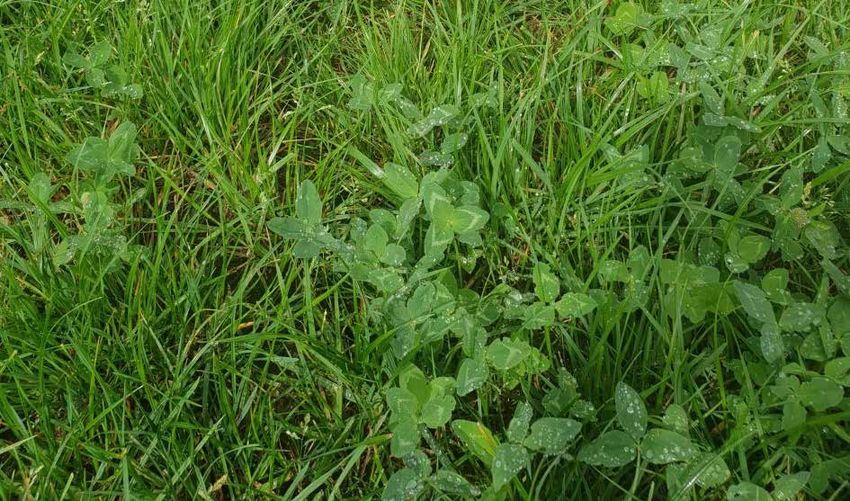
production. Miriam discussed the importance               one of the main stumbling blocks in relation          is also used to further divide paddocks during            February, mid-March and early April. In 2018
of handling unit design and highlighted how               to finding labour is organisation. John Bell, a       the grazing season. This practice was clearly             John scanned with an average litter size of 1.83
invaluable it can be to put enough time and effort        full-time sheep farmer, said that hiring in help      visible on the day with plans in place to remove          lambs per mature ewe joined and an average
into designing a handling unit for your farm.             on his farm has made him look at his facilities       heavy grass covers as baled silage. John firmly           pregnancy rate of 98.6% in the mature ewes and
                                                          and become more organised. According to John          believes that having smaller grazing areas gives          69.7% among the ewe lambs. His mature ewe

                                                                                                                                                                                                                             EVENTS
Often we automatically think of ourselves and             getting additional help isn’t always a problem        him better control of both grass and animal               flock is predominantly Suffolk X Lleyn backcross
what will work best for us as humans without              but you ‘must be prepared, you can’t employ           performance. There are over 60 permanent                  ewes while Charollais rams are used on the ewe
considering what the animal requires.                     someone and expect them to spend half of their        grazing divisions on the farm and in 2005 a               lambs. John operates a lamb finishing system
                                                          time setting the place up’. If, for example you are   centrally located handling unit was constructed           where he sells all of his meat lambs directly to
Miriam explained the importance of looking at             hiring in help for dosing, shearing or vaccinating    which has greatly assisted flock management.              the processor.
the design from the animals’ perspective and              you need to have all of the consumables
talked us through some of the behavioural                 purchased in advance and have the necessary           Soil fertility has been a major focus on John’s           The target carcass weight is 21.5kg. In order to
instincts of a sheep and how they move / flow             facilities for the work to be carried out. Darrell    farm in recent years. A portion of the farm is            achieve this lambs are moved onto a concentrate
whether out in the field or in a handling unit. She       explained that he not only lambs his own ewes         sampled annually with results continuously                feeding system once they approach the target
gave us a detailed overview of the fight and flight       but has also worked for other neighbouring            monitored. 40-60t of lime is applied annually             slaughter weight in order to boost growth rates,
mechanism and explained some interesting facts            sheep farms at lambing time. He said that             as required with compound fertiliser used                 build fat covers and reduce finishing times.
such as that sheep have no perception of depth            farmers helping other farmers can work out            throughout the grazing season. Fields that                The final stop on the farm walk reviewed lamb
which therefore heightens their fear of entering          really well but both parties need to be organised     are index 1 or 2 for P and K are targeted with            sales and the financial performance of the farm
even the smallest amount of water. Miriam                 from once the rams are let out in order to co-        farmyard manure and slurry while the paddocks             with John addressing the point that your farm
demonstrated the binocular vision of a sheep              ordinate lambing dates and times. In particular       cut for silage are rotated each year in order to          is your business and that each farmer must run
using her specifically constructed glasses. As a          the availability of help from placement students      avoid continually stripping nutrients from same           a profitable system to suit their requirements.
result a sheep can only see clearly in a narrow           was highlighted by John O’Connor, however it          paddocks each year.                                       Maximising lamb carcass weights ensures John
range of approximately 60 degrees directly in             is important for farmers to remember that they                                                                  achieves maximum payment for his animals.
front of them. In Miriam’s opinion vision and             are educating the students and imparting new          Having one of the largest sheep flocks in                 The beef and sheep enterprises on John’s farm
the ability to see in front of them is the most           skills and knowledge upon them throughout the         the country it is understandable that John                are set up in such a way that both complement
important factor affecting flow and movement              placement process.                                    lambs his ewes in three batches namely late               one another.
within a handling unit. It is crucially important
that the sheep have a clear, unobstructed view            Farm Walk
towards the exit or where you want to move                A beautiful sunny afternoon set the scene for
them too.                                                 an exciting and thought provoking farm walk
                                                          on the farm of John Brady, Navan, Co. Meath.
Labour                                                    John operates a predominantly mid-season
“You must be prepared - you can’t employ                  lambing flock alongside a beef fattening and
someone and expect them to spend half of their            contract heifer rearing system which are run as
time setting the place up”.                               a 60:40 split over 162ha. John’s Teagasc advisor
                                                          Edward Egan discussed his farm structure and
Our third section of the morning session                  grassland management. His land is split into
was devoted to a panel discussion on labour               four grazing blocks, with winter facilities split
and labour use efficiency on sheep farms.                 between three yards. John is currently running
The audience were introduced to three panel               1100 ewes plus 260 replacements, which are
members, John O’Connor, Darrell Meehan and                bred as ewe lambs. His current stocking rate for
John Bell by the chairperson of the discussion,           the sheep enterprise is 12 ewes/ha.
                                                                                                                                  Ciaran Lynch IGA President making a presentation to John Brady Host Farmer
Darren Carty. Each of the three participants                                                                                            with event sponsors Mullinahone Co Op and MSD Animal Health.
introduced themselves and gave an overview                Following on from our panel discussion, John
of their relationship with sheep farming.                 emphasised the importance of labour efficiency
Darren than followed by asking some pertinent             on the farm. He highlighted the importance of           We would like to thank
questions in relation to the labour demand on             implementing a grassland management system
                                                                                                                  our sponsors for their
sheep farms and the difficulty in finding help            on his farm and how it has allowed him to operate
during busy times of the year. There was no               a profitable production system. The average              continued support
argument among each of the panellists that                paddock size is 2ha while temporary fencing

              IRISH GRASSLAND ASSOCIATION - MEMBERS’ INFORMATION BOOKLET                                                     IRISH GRASSLAND ASSOCIATION - MEMBERS’ INFORMATION BOOKLET
                                                      8                                                                                                               9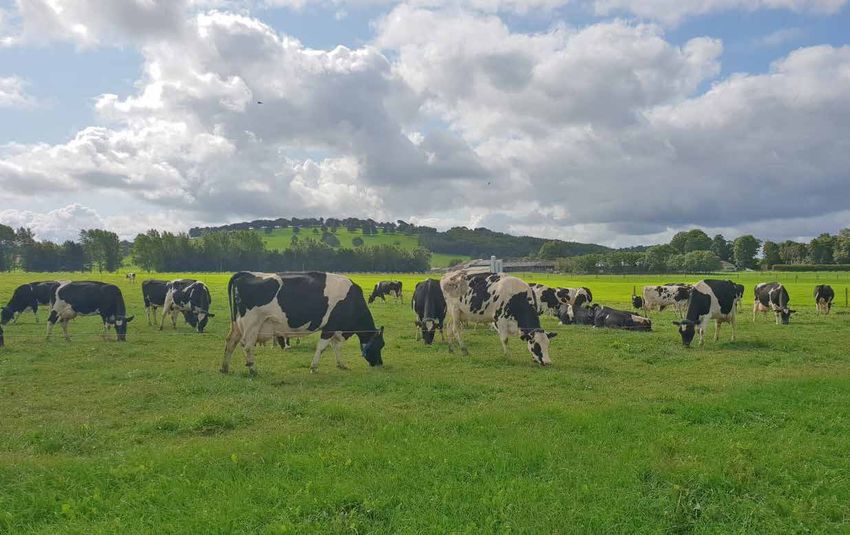
various soil organisms and how they interact from production. They are achieving good output
together and impact on the living environment on a livestock unit basis first and foremost and
on the farm. then they have the land available to be able to
increase stocking rate.
Delegates were left in no doubt as to the
Looking at the changes that occurred over the
EVENTS
absolute critical role soil organisms play in
ten years from 2008 on the top third of beef
maintaining a healthy and productive soil,
farms both breeding and non-breeding Aidan
and the importance of farming in harmony
noted that stocking rate increased from 1.95lu/
with the living soil.
ha to 2.26lu/ha on the suckling farms and from
Whether you are a Tillage farmer or Livestock 1.61 to 2.2lu/ha on the non-breeding farms and
farmer John stated that “all farmers are livestock increases of 15.9% and 36.6% respectively. This
farmers” in the context of the living soil, and increase in stocking rate resulted in more kilos
must cherish and protect the organisms that of beef live weight per hectare being sold off the
inhabit our soils. farms, with an increase in value contributed to
by increased prices and higher volumes. The
Carbon is an element that is receiving great top third of Suckling to beef farms increased
attention at the moment most of it negative profit from production from €61/ha in 2008 to
from an environmental viewpoint. The crucial €380 in 2018 and non-breeding farms over the
role played by carbon in the physical, chemical same period from €83/ha to €605/ha excluding
and biological process of soils was discussed premia. The clear message from Aidan was that
at length, giving delegates a new perspective improved efficiency and cost control enabled
Ciaran Lynch IGA President with event speakers, host farmer Ken Graham perhaps on the positive role played by soil these farmers to deliver more profit from
and event sponsors Mullinahone Co Op and MSD Animal Health.
carbon. The impact of the above ground production while their premia take has declined.
activity of farming on the soil below ground In conclusion Aidan stated that
Beef Conference Review Christy Watson
IGA Beef Chairman
was discussed, specifically damage to soil by
machinery with John stating that “You cannot
• The farms in both systems that have run with
improvements in efficiency on a per animal
And Teagasc Naas build soil with steel”. In his closing slides John basis firstly and then scaled it up by raising
said that Soil Health creates wealth and that Soil stocking rate have demonstrated that they
is a farmers’ primary resource, urging farmers can derive higher profits from production.
The Irish Grassland Association travelled to Soil Health going back to
to balance soil nutrient status to boost natural
county Laois for the 2019 IGA Beef Conference basics- John Geraghty. • The average farms over the same period
fertility and use plan diversity to improve soil
and Farm walk. Held on June 20th the event was Geraghty Consulting are still only making a modest profit from
and mineral nutrition.
kindly sponsored by MSD Animal Health and In his presentation John production and in a difficult year have
Mullinahone Co-op. At the morning session initially outlined the struggled to breakeven on production.
Profitability of Beef
held in the Abbeyleix Manor Hotel delegates importance of knowing the These farmers are hugely important to
Production-What has been
were presented with three very informative physical properties of your the rural economy and have constraints
happening? Aidan Murray
soil particularly the texture to scaling up that might include land type,
and thought provoking papers on the subject Teagasc.
of the soil, and he outlined in detail the field availability of capital for investment, or
of Soil Health, Suckler Herd Profitability and To be sustainable, beef
attributes of soils with differing structures. off farm employment. Many of them are
The Irish Beef Industry –Where to from here? farmers need to be profitable. efficient on a per livestock unit basis but
In his presentation, John made it clear that it
In the forum that followed delegates got would be very difficult to work a farm without Currently many beef farmers they cannot scale up. Their contribution to
to hear the views and thoughts on the Beef knowing the physical characteristics of the are struggling to return a environmental sustainability needs to be
industry from three excellent beef farmers. underlying soil and described farming without profit from the marketplace. Aidan Murray further encouraged.
this knowledge as “Trying to farm with your hands of Teagasc outlined in his paper the changes
The morning session was followed up by a • As the profit monitor results show we have
tied behind your back”. In covering soil structure in profitability on beef farms who completed
farm visit to the beef farm of Ken Graham, a cohort of producers who are pushing
John outlined to delegates the consequences of a Profit Monitor over a ten year period
a part time farmer who despite the fact that production and efficiency. These individuals
poor soil structure and the negative impact on commencing in 2008. Aidan identified that the
he works full time off the farm still achieves should be rewarded and encouraged to
the environment, leading to flooding, runoff and gap between the top performers and those that
further record production data, take on new
excellent performance with a spring calving loss of valuable soil nutrients. are classified as average within their respective
technologies that will ensure they can drive
Suckler to Finish herd. beef systems widened over the last decade.
on future genetic progress and sustainability
John went on to describe the Soil Food Web Encouragingly Aidan found that the top herds
in the sector.
outlining the interconnected nature of the are seeing a return from improved efficiency
IRISH GRASSLAND ASSOCIATION - MEMBERS’ INFORMATION BOOKLET IRISH GRASSLAND ASSOCIATION - MEMBERS’ INFORMATION BOOKLET
10 11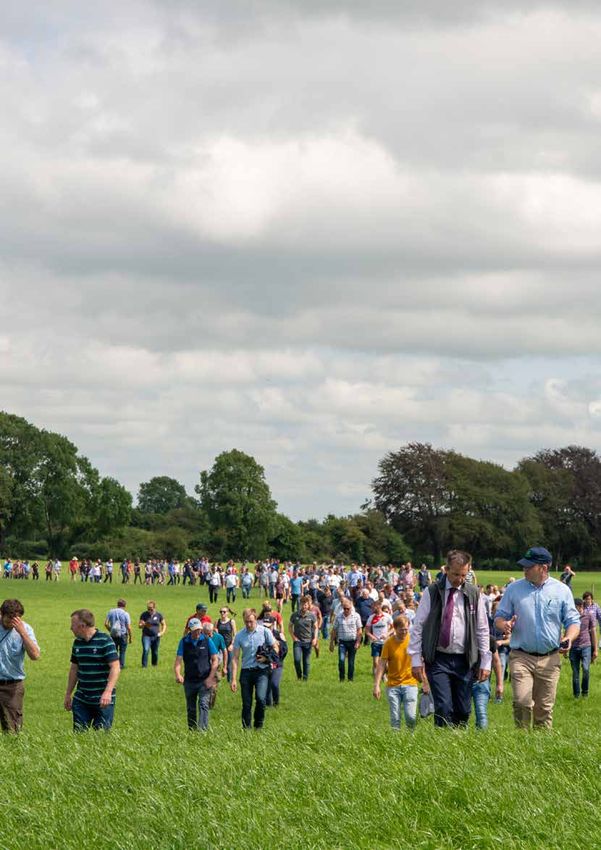
The Irish Beef Industry – Dealing with the challenges to the beef Host Farmer Mr: Ken a significant drop compared to 2017 when a
Past, Present and Future sector Matt outlined 4 key areas. Graham.Cappanacleare, gross margin/ha of €981 was achieved, the drop
Matthew Dempsey Chairman, 1 Relatively low average incomes on Mountrath, Co.Laois. in profitability accounted for by additional feed
The Agricultural Trust. beef farms. In the afternoon delegates got cost incurred due to the drought in 2018.
To examine any farm enterprise to visit an excellently managed On the day the Carbon footprint of the Graham
EVENTS
2 Limited productivity gain in the beef
Matt suggested that we sector due to breeding. Suckler to Beef farm. Ken is farm was discussed with an output of 11 kg
should ask three fundamental running 55 Suckler cows with CO2-eq/kg LWT compared to a system average
questions. 3 The source of much of the raw one quarter of a labour unit of 14, indicating the high level of efficiency being
material coming from the Dairy employed while he works full time off the farm. achieved on the farm.
sector has deteriorated. The beef enterprise comprises 55 Suckler cows
1. Is there a market for the product? Ken outlined to delegates some of the key factors
4 The competitive cost of beef to the with all male progeny finished as bulls under 16 in achieving success on the farm.
For the moment Matt concluded that there consumer versus Pork and Chicken months and heifers at 21 months. The 55 Suckler
is a positive answer on the market for beef has increased. cows and two breeding bulls are grazed together • Having a short calving season with target of
with world demand increasing. as one group in one hectare paddocks while 9-10 weeks with 75% calved in 6 weeks.
the 27 fattening heifers are grazed together in • All heifers calve 22-26 months of age.
2. Are we, as a country competitive in Regarding his own involvement in beef farming
one group. Grassland management is excellent
producing beef?. Matt outlined the history of his farm going • Good time management particularly during
with the 40 ha farm laid out in 34 paddocks,
back to 1917 when his father purchased the winter feeding time.
Broadly speaking within Europe, Matts with the provision for subdivision of paddocks
farm which was part of the Duke of Leinsters
conclusion to this question was that Irish when necessary. Good grassland management • Good paddock system.
Enormous Carton Estate. During the 1970s Matt
cash costs of producing beef gives us a is to the fore on the Graham farm with just shy
built the second slatted cattle house in Kildare, • Placing soil fertility ahead of reseeding on
highly competitive advantage. However, this of 10 tonnes of grass dry matter/ha grown and
building another 200 head unit later. Farming his farm.
competitive advantage disappears when utilised on the farm with the recent exception of
150 acres of grass and 300 acres of Tillage Matt
you attribute a cost to reflect the value of the BLIP year (2018) as described by Ken. The all • Participating in all schemes that are
finishes 300 Bull weanlings on a non GM diet
land and labour compared to the cost of grass farm carries a stocking rate of 2.31 lu/ha applicable to his farm
mainly with home grown cereals.
production in South America particularly producing a beef output of 834 kgs of live weight
In his closing comments Matt commented that per ha. • Regular weighing of cattle.
Brazil, the largest beef exporter in the world.
1 Nowhere in the world is prime Breeding performance in this spring calving • Well thought out and designed farmyard and
3. Are we competitive or can we make a profit
agricultural land devoted to suckling. herd is excellent with a calving interval of 380 handling system.
within our own Irish society?.
2 In finishing cattle, Irelands intrinsic days achieved alongside a calving season of 9 Delegates visiting the Graham farm were in no
Forestry for the first 15 Years with its Premia weeks, resulting in 0.93 calves produced per cow
competitive advantage is in weight gain doubt that the excellent results being achieved
system Matt concluded is outperforming per year. All heifers calve down at 24 months of
from grass, not from finishing with on this part time Suckler farm were as a result
the average Beef farm as is Sheep. With age. The combination of excellent herd fertility
grain. of excellent well thought out farm practices
regard to Tillage, Matts view was that there combined with superb grassland management implemented by a busy man with precision.
is a continuing demand for its products, very 3 His aim is to maximise farm output and results in a gross margin per ha in 2018 of €634
high yields by international standards and potential profitability within the present
a significant home market deficit where we system.
only grow about 30% of the grain that we
consume. Turning to milk Matt concluded 4 If the next generation were committed
that “There are only a handful of countries with to full-time farming he would probably Ciaran Lynch IGA President
our grass-based system”, and as result of the encourage them to look at Dairying. and Christy Watson IGA
vast difference in incomes in beef and dairy Beef Chairman making
5 It was his hope that the importance of a presentation to The
farms there has been a significant move
China to the dairy and pig sectors will be Graham Family.
among large scale Suckler farmers into
replicated in the case of beef.
dairy production. With regard to genetic gain
Matt showed in stark terms the difference in 6 He had no doubt that the Irish beef
rate of genetic gain of the first calved Dairy sector will continue but expressed the
heifer compared to the first calved suckler view that prosperity of those taking part
animal. in it will vary enormously. We would like to thank
our sponsor for their
continued support
IRISH GRASSLAND ASSOCIATION - MEMBERS’ INFORMATION BOOKLET IRISH GRASSLAND ASSOCIATION - MEMBERS’ INFORMATION BOOKLET
12 13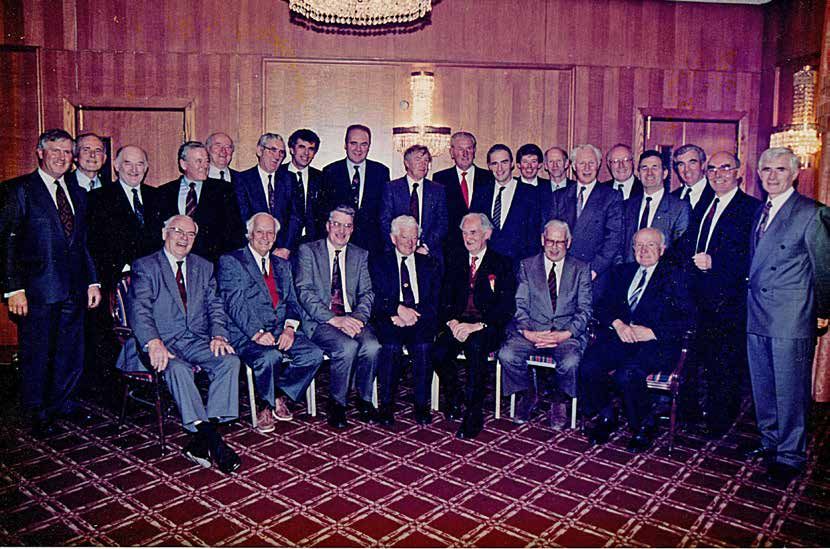
long-term leased. Accessible to the dairy herd, The IGA has committed to reporting dairy
Peter has increased the size of dairy herd to the financial performance on a whole farm basis.
current 109 cows. In Table 1, the 2018 financials are adjusted to
allow them to be compared to the Moorepark
Underpinning the development of this farm target of €2,489/ha net profit.
EVENTS
is a high level of performance of the herd. In
2018 the Hamms produced 539 kg milk solids The Hamm farm was profitable in 2018 despite
per cow (4.26% fat; 3.49% protein; SCC 119,000 experiencing a very dry summer during which
cells/ml) with 521 kg milk solids sold per cow. a considerable amount of additional meal was
Replacement heifers are mainly reared on the fed. The current projections for a stable herd
out farms with surplus grass harvested for pit of 120 cows on the farm indicate that a profit of
silage. Overall stocking rate this year is 2.3 LU/ over €1,080 per hectare can be generated at a
ha with the milking platform grazing the herd of base price of 30 c/litre by 2021 while allowing
Holstein Friesian cows. Peter to continue to employ part-time help and
pay himself a salary of €30,000 p.a.
Table 1. Actual and adjusted whole farm financial performance of the Hamm farm for 2018 and
projected for 2021 (120 cows).
Moorepark 2021
Actual Adjusted for Effect Adjusted
Target (120 cows)
Milk price (c/litre) 35.1 Base milk
-2.0 33.1 33.7
price
Gross output (€/ha) Base milk
Bernard Ging 3,932 -220 3,712 6,531 5,043
price
IGA Dairy Summer Tour IGA Dairy Chairman
And Dairy Farmer Total variable costs (€/
visits start up dairy farms Stuart Childs
IGA Council Member ha)
2,139 2,139 2,087 1,792
And Teagasc Moorepark Total fixed costs (€/ha) 1,482 Own labour +682 2,164 1,956 2,164
The Irish Grassland Association Dairy Summer A loan of €40,000 was secured to establish Net profit (€/ha)1 310 -592 2,489 1,087
Tour this year visited two farms that have the farm as a dairy farm. Costings for the
recently converted to dairy and are already conversion were: 1 Based on 44 ha farmed in 2018 and the current 58 ha farmed in 2021.
achieving high levels of performance. The • Construction of the milking parlour shed,
event, sponsored by AIB Bank, took place on collecting yard and slatted soiled water tank The English Family farm. In 2018 a neighbouring farmer offered
Tuesday July 23rd and attracted an audience of cost €15,000; The second farm visited was a larger family the family the opportunity to long-term lease
over 450 farmers. • Purchase and fitting of a 6-unit second hand unit operated by father and son team Mervyn an adjoining 27ha of land which was reseeded
milking parlour, 2,500 litre bulk tank and and Robert English and their respective wives that autumn and now forms part of an enlarged
Caroline & Peter Hamm feeders/bin cost €10,000; Breda and Aisling at Clonkeen, The Pigeons, milking platform. The balance of the land (6
The first hosts were Peter and Caroline Hamm • The conversion of a suckler shed to a 28 Athlone, Co. Westmeath. The English dairy ha) is rented on conacre. All of the owned 113
who milk 106 dairy cows on a 48 ha milking cubicle cow shed cost €9,000; farm was converted from a beef and sheep hectares of the land plus 27 ha of the leased
platform at Ballycloughduff, near Moate in enterprise in 2014 by the English family. Robert land is accessible to the cows and so comprises
County Westmeath. Currently they farm a • Milking platform infrastructure cost €6,000;
returned home prior to having been employed the milking platform.
total of 58 ha of land in three sections. Prior • Water fencing, ESB and reseeding cost as a civil engineer in the early 2010’s. This is
2013, Peter was farming 25 suckler cows on €11,000. a large farm currently comprising 146 ha of Currently Robert is milking 257 cows. Ninety
24 ha of land of which 16 ha was owned. Until which 113ha is owned land. Fifty three hectares replacement heifer calves left the farm after
2009 he was also working off-farm in his own The sale of his suckler herd funded the purchase is free draining land and the remaining 60 ha weaning in mid-May for contract rearing on a
construction operation and with his business of 30 in-calf heifers across the autumn and is low lying land. This section of the farm neighbouring farm. Fifty in-calf heifers will
partner employed 8 staff. The economic winter. He purchased milk quota and began is heavily dependent on a pumped drainage return on December 1st prior to calving. In 2018
downturn meant that Peter had to change supplying Aurivo in February 2014. The herd system, installed in the 1960’s to drain this part an average of 166 cows produced 537 kg milk
careers. Dairying was the only enterprise that size increased steadily and in 2017 Peter was of the farm into the adjoining Lough Ree. All solids per cow (4.24% fat; 3.57% protein; SCC
offered him the opportunity to create a secure milking 50 cows. Between 2018 and 2019 a apart from 7 ha of the farm has been reseeded 133,000 cells/ml) with 535 kg milk solids sold
farm income and improved lifestyle. total of 32 ha parcel of good quality land and a in the past six years. One full-time employee is per cow.
slatted shed adjoining his milking platform was currently working with the English family on the
IRISH GRASSLAND ASSOCIATION - MEMBERS’ INFORMATION BOOKLET IRISH GRASSLAND ASSOCIATION - MEMBERS’ INFORMATION BOOKLET
14 15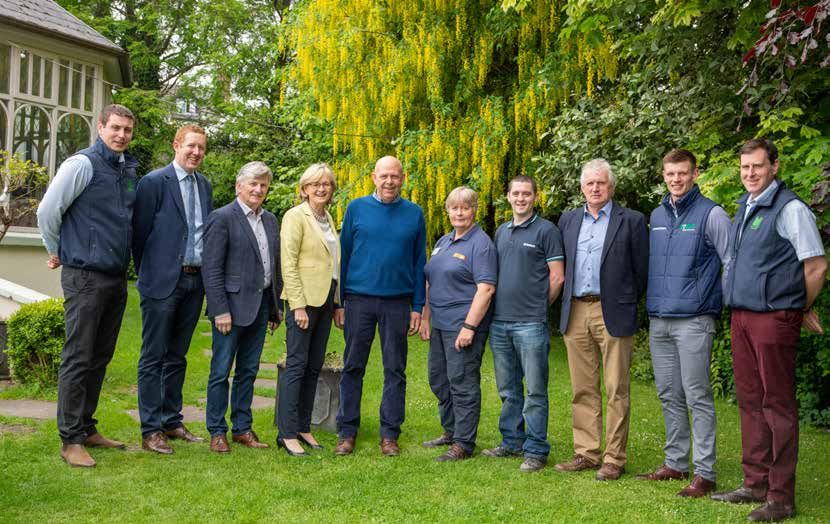
In a similar way to the calculations presented for the Hamm farm, the adjusted whole farm profit per
hectare of the English dairy farm is presented in Table 2.

Table 2. Actual and adjusted whole farm financial performance of the English dairy farm for 2018.
                            Actual     Adjusted for      Effect Adjusted        Moorepark Target

                                                                                                                                                                                                                 EVENTS
 Milk price (c/litre)       37.0       Base milk price -3.2       33.8
                            €/ha                         €/ha     €/ha          €/ha
 Gross output               3,607      Base milk price -296       3,311         6,531
 Total variable costs       1,612                                 1,612         2,087

 Total fixed costs          1,057      Own labour        +378     1,435         1,956
 Net profit                 938                                   263           2,489

In Summary
While different in terms of scale, the importance of sourcing excellent quality high EBI stock at
the outset and providing excellent quality feed in the form of reseeded pasture from the outset was
common to both farms. Both hosts emphasised the hard work and planning required to establish a
new dairy business. Both highlighted the impact of expansion on cash flow. Having worked extremely
hard in the early years, both farms can look forward to reaping the fruits of their labour in future
years.

                                                                                                         Irish Grassland Association                                                        Alan Kelly
                                                                                                                                                                         University College Dublin and
                                                                                                         2019 Student Conference                                          Irish Grassland Association
                                                                                                                                                                                    Student Chairman

                                                                                                       The Irish Grassland Association annual student        expertise required to manage a successful dairy
                                                                                                       conference kindly sponsored by FBD is fast            enterprise.
                                                                                                       becoming a highly anticipated date on the
                                                                                                       calendar. Last years’ conference saw in excess        The day will be broken into a morning and
                                                                                                       of 500 3rd level agricultural students travelling     evening session. The morning technical session
                                                                                                       to Galway for the very educational and social         will start in Kilkenny Livestock Mart. Growing
                                                                                                       event. For many, this is their first foray with the   quality grass swards, in order to maximise
                                                                                                       Irish Grassland Association and one which sows        animal performance from pasture and sward
                                                                                                       the seed of the advancement of knowledge of           utilization will dominate proceedings in the
                                                                                                       good grassland management in Irish farming.           first session of the conference. Students will
                                                                                                                                                             be given technical talks on current thinking and
Our host’s, the Hamm Family with AIB event          Our host’s, the English Family with AIB event
                                                                                                       This year the tenth annual Irish Grassland            up to date research findings on grass breeding,
 sponsor and Ciaran Lynch IGA President               sponsor and Ciaran Lynch IGA President
                                                                                                       Association Student Conference will take place        current variety list and reseeding options, the
                                                                                                       in Co. Kilkenny on Wednesday, October 9th,            topical area of dairy calf to beef will also be
                                                                                                       2019. Students will have the opportunity to           teased out.
                                                                                                       interact with technical experts in various fields
                                                                                                       covering important topics like grass breeding         The morning session will conclude with an
        We would like to thank our sponsors                                                            and varieties, dairy calf to beef systems,            interactive livestock demo presented by ICBF
                                                                                                       animal genetics, feed and environmental               and IFJ representatives with livestock on display
          AIB for their continued support                                                              efficiency, progression in farming along with         from the Tullamore Farm and Tully Performance
                                                                                                       the opportunity to meet a progressive dairy           Test Centre. Following the morning session a
                                                                                                       farmer and see first-hand the knowledge and           hot lunch will be provided for the attendees and

              IRISH GRASSLAND ASSOCIATION - MEMBERS’ INFORMATION BOOKLET                                                IRISH GRASSLAND ASSOCIATION - MEMBERS’ INFORMATION BOOKLET
                                              16                                                                                                             17
served in the Kilkenny Mart “Hub” event centre.       rearing, animal health, grassland management,           high value beef calves and cull cows.              and feet are excellent in the herd. Production
In the afternoon, students will travel to the dairy   soil fertility, financial management, and farm          The farm was a traditional family farm that has    traits are strong too with the herd of 300 cows
farm of the O Keeffe Family Farm Churchclara,         planning.                                               grown from 120 cows in 2000 to the planned         producing 1.85 million litres of milk at 4.32 Fat
Co. Kilkenny. Bill O Keeffe is the dairy farmer                                                               400 cows next year through mainly the addition     and 3.60 Protein in 2018 despite culling 30 cows
manager in the farming partnership, during the        Livestock Demonstration                                 of leased land. Land is now leased in from 6       in early September to spare winter feed.

                                                                                                                                                                                                                     EVENTS
farm visit he will give an insight into his farming   This year for the first time at the IGA student         different people with the largest leased block
system and the grassland management regime            conference, The Irish Farmers Journal and               being the 80 acres for the in-calf heifers. The    The family places a lot of emphasis on bio-
he employs on the farm.                               ICBF are partnering to bring a selection of             milking platform has grown from 200 acres to       diversity and farming with nature. Most of the
                                                      cattle exhibits from the IFJ Tullamore Farm and         almost 400 acres over the past 5 years since       traditional hedges are retained on the farm.
Dr Mary McEvoy of the IGA Council will                Tully Performance Test Centre. ICBF will cover          quota removal with all extra land leased in        Waterways are fenced off and areas have been
outline how the Department of Agriculture’s           the potential of the terminal and replacement           through long-term arrangements.                    planted with new trees in recent years. Old
recommended list of grass seeds and the               indexes to increase profitability on suckler beef                                                          buildings are maintained where possible in the
Pasture Profit Index (PPI) values can be used to      enterprises. Cattle exhibits will show students         Grass is usually measured weekly on farm           yard and Animal Welfare is a huge priority with
assist in the decision making required around         the genetic and phenotypic variation that exists        with feeding and fertiliser decisions made         an effort made to breed healthy long-lasting
cultivar selection. She will outline this years’      in key economically relevant traits such as             on the basis of grass available and projected      dual purpose cows that breed a bull calf that can
top performing cultivars for use in grazing           suckler cow fertility (calving interval, age of first   growth for the following week. The herd is         have a sustainable future in the beef industry.
and silage swards. Choosing a suitable grass          calving), calf performance and weaning weight           stocked at 3 cows/Ha on the milking platform
seed mixture is a crucially important decision,       targets and cow weaning efficiency. They will           with approximately 1 ton of concentrate fed per    We would like to sincerely thank our hosts
as what you sow today you want to last for            discuss how can these important parameters              (normal) year. Health and Fertility are strong     Kilkenny Livestock Mart and Bill O Keeffe
the next eight to 10 years out on farm. Variety       be improved in a suckler herd from a breeding           traits of the herd with 90% of the cows calved     and Family, Co. Kilkenny for their help and
choice has a big impact on the quality of the         and also management perspective. During the             in 6 weeks for the last few years and cell count   co-operation in hosting our 2019 Student
sward and ultimately farm productivity. During        discussion comparison will be made between              averaging around 100,000 in 2017 and 2018. Legs    Conference.
her talk Mary will highlight some of the key          the top performance herds and trends in the
factors to consider including quality, sward          national suckler herd. The new dairy beef index
density, persistency and dry matter productivity      will also be discussed and cattle from different
cultivars when designing a seed mix.                  star ratings (genetic merit) will be on site to view.
                                                      From a cattle finishing point of view, the theme
Alan Dillon, Teagasc Cattle Specialist and            of feed conversion efficiency across breed types
manager of the Green Acres Dairy Calf-to-Beef         and diets will be explored along with proper
Programme will give an overview of the key            selection of cattle for slaughter. There will also
criteria to implement for a successful Dairy          be novel information on methane production
Beef System. For his talk he will be utilizing        potential from continental beef and dairy beef
real on farm data and knowledge garnered from         cattle tested in Tully and an update on some of
his interactions with the demonstration farms         the research work in this field.
participation in the Green Acres Dairy Calf-to-
Beef Programme. These demonstration farms             O Keeffe Family Farm
have been selected from across the country, each      Churchclara Co. Kilkenny
with an aim of achieving a net margin of €500/        The O Keeffe farm in Clara, Co Kilkenny is home
ha (excluding premia). Alan is working on an          to the Churchclara Herd of Pedigree British
intensive basis with these demonstration farms        Friesian cows. The herd consists of 300 milking
to advise best practice on the rearing, growing       cows in 2019 with 150 in-calf Heifers, 150 heifer
and finishing of purchased dairy-bred calves          calves and 50 young pedigree bulls. The family
through to beef. Dairy calf-to-beef production        has been farming here since the 1600s and
systems have the potential to be profitable, but      would have been supplying milk to Kilkenny
these profits are dependent on achieving high         Creamery as far back as 1916. The herd will grow
animal output from grazed pasture. Systems            to 400 milking cows in 2020 with the followers
that have a high proportion of grass in the diet      staying at the same level for the next few years.                     We would like to thank our sponsor
and finish animals at a younger age will both         The target is to sell 2.8 million Litres of milk                     FBD Insurance, who have sponsored
increase profitability and reduce environmental       per year from the 400 cows and to supplement
footprint. Special focus during his talk will be      this income with the sale of approximately 50                        this event since its inception in 2010
placed on key areas such as calf selection and        pedigree bulls and 70 calved heifers as well as

           IRISH GRASSLAND ASSOCIATION - MEMBERS’ INFORMATION BOOKLET                                                         IRISH GRASSLAND ASSOCIATION - MEMBERS’ INFORMATION BOOKLET
                                                 18                                                                                                              19
Irish Grassland
Association
DAIRY CONFERENCE
FARMER FOCUS
8th January 2020
CHARLEVILLE
Setting goals and recognising
the importance of good Brian Nicholson
Sheep Farmer and
grassland management Past IGA council member
Background year. In addition to this there are also tillage and
Brian farms 122Ha in Johnstown Co. Kilkenny forestry enterprises on the farm.
with his wife, Alison, and their two children, Mia
and Drew. He began farming in 2005 when he In 2011, I knew it was time to change if I was to
took over the farm from his grandfather. Brian continue farming on a full-time basis. Alongside
is an active member of the Irish Grassland my Teagasc advisor we examined the 2011
Association, holding a position on council for Teagasc e-profit monitor results and used these
three years. He is a former member of the to create a SWOT analysis identifying the farms
Teagasc BETTER farm programme and is strengths and weaknesses. This highlighted that
currently one of the four Sheep Ireland Central the overall farm profit was not in a healthy state
Progeny Test (CPT) farmers nationally. and affirmed that while I felt I was constantly
busy there was minimal financial return. Having
Changing my farming system had children at this stage I was also conscious
In 2005 when I began full-time farming the of my work–life balance and wanted to be able
farm had a limited stocking rate capacity and to spend more quality time with my family. In
was operating with very high running costs due 2012, I was afforded the opportunity to join the
to poor facilities and low levels of production. Teagasc BETTER sheep farm programme. As a
Since then the farm has seen many changes result I was now part of a group of twelve other
and is continuously undergoing development drystock farmers who were running similar
and improvement. Today, it is predominantly a enterprises with each one having a primary
sheep grazing system carrying 950 mature ewes goal to increase output from a grass based
along with 250 replacements ewe lambs; while production system thereby increasing their
Sponsored by
I also contract graze 60 dairy heifers during the farm financial performance.
main grazing season from May – October each
IRISH GRASSLAND ASSOCIATION - MEMBERS’ INFORMATION BOOKLET IRISH GRASSLAND ASSOCIATION - MEMBERS’ INFORMATION BOOKLET
20 21One of the first tasks that I completed on joining fresher, leafier swards. In 2005 when I first A focused breeding programme Improving farm performance
the BETTER farm programme was developing took over the farm there were 10-12 grazing Adjoining the improvements in soil fertility and Over the last seven years the developments I
a detailed farm plan which identified the key divisions at most, this increased to 23 in 2012 the uptake of grass measuring on the farm the have made to the farm have greatly benefited the
areas I needed to focus on in order to achieve but we haven’t stopped there as now there are next focus was on developing a breeding policy. overall farm performance and output. In 2017,
my goals. 40 paddock divisions on the farm and we further Prior to 2012 all replacement females were 57% of all lambs were finished from a grass
sub-divide these paddocks as is necessary bought into the flock however now there is a only diet; a further 23% of lambs were finished
They were: throughout the grazing season’. predominantly closed flock where replacements on a catch crop, Red Start. The remaining 20%
• Overall farm stocking rate are produced from within. A reciprocal cross of lambs required concentrate supplementation
• The percentage of lambs finished from a Figure 1. A typical field on the farm in 2012 versus was developed using Texel and Belclare ewes to reach target drafting weights. This change
grass based diet the paddock divisions which are in place today. in order to produce replacement ewe lambs. alone has contributed hugely to the €947 gross
• Breeding my own female replacements In 2015 I joined the CPT programme which margin per hectare which was achieved in 2017
• Improving litter size / number of lambs involves artificially inseminating 600 ewes every and is a far cry from 2005 when 100% of the
FARMER FOCUS
born per ewe joined year to semen from performance recorded lambs born on the farm received concentrate
Suffolk, Texel, Belclare and Lleyn rams. This supplementation prior to sale.
has changed the breeding policy slightly but
a significant proportion of the replacements However, in farming conditions can often be
are still retained from a maternal X terminal changeable with unforeseen weather events as
cross to optimise ewe maternal performance. we have experienced over the last few years. To
Performance recording all of my flock allows put in context the effect these conditions can
me to select the best ewe lambs from the have: In 2018 the weaning rate (lambs weaned
highest performing dams within the flock. / ewe joined) on Brian’s farm was higher than
Currently, we are operating with a litter size of in 2017 however due to increased concentrate
1.98 and achieving average lamb birth weights and fertiliser costs his gross margin declined
of 5.6kg, 4.6kg and 3.9kg for single, twin and to €761 per hectare. Enduring a harsh spring
triplet lambs, respectively. and drought conditions stretching into autumn
Focus on grassland 2018 put a lot of pressure on farmers however
The initial focus for me was improving and Figure 2. A Texel X Belclare ewe on the Nicholson thankfully 2019 to date has been relatively
developing grass production and utilisation farm. Brian firmly believes that a focused breeding ‘normal’ and has given most farmers the
on the farm. Soil samples were taken and soil Grass measuring and budgeting plan is vital to extract the best performance from opportunity to recover.
fertility results indicated that the majority of In order to facilitate managing paddocks / the flock.
the farm was index 1 or 2 for both phosphorus grazing rotations and grass quality I began
and potassium (P & K) while the soil pH was too grass measuring and budgeting when I joined
acidic for optimum grass production. This can the BETTER farm programme in 2012. I use the
often be the situation where there is a tillage rising plate meter to carry out weekly grass
enterprise on the farm with an annual crop walks and the Pasturebase web management
rotation in place. As a result a fertiliser plan was tool for recording all of the grazing and fertiliser
drafted; this is consistently revised each year. decisions. Pasturebase allows us to record the
One-third of the farm is soil sampled each year weekly grass covers and grazing rotation data.
allowing us to keep a close eye on soil fertility A grass wedge is then populated each week
and these results feed into the annual update of which can be used as a tool to aid management
the fertiliser plan. This has worked very well so decisions such as deciding on which paddocks
far with greater than 33% of the farm having a to graze next, which paddocks need to be
pH > 6.2 and being index 3 or 4 for P and K. further sub-divided and which paddocks can be
removed from the rotation for making surplus
Although correcting and maintaining an ideal silage. This enables prompt decision making,
soil fertility status on the farm ensures optimum allows for high quality silage production and
grass production there were infrastructural overall better grass quality.
changes which needed to take place in order
to enhance grass utilisation. Implementing a Since I began grass measuring and
rotational grazing system for the sheep was budgeting I have seen a 100% increase in
obvious as it would encourage more grass the amount of grass grown on the farm
growth and allow the animals to achieve higher which had a production average of 15 t DM
performance from grass by being offered / ha in 2017.
IRISH GRASSLAND ASSOCIATION - MEMBERS’ INFORMATION BOOKLET IRISH GRASSLAND ASSOCIATION - MEMBERS’ INFORMATION BOOKLET
22 23A Year in my Wellies
Stephen Coen, PhD student, Teagasc Grange, University College Dublin and University Limerick
Sheep Flock Galahad (1). These females will be bred at 15
At this stage all the lambs are weaned from months next spring. Our winter 2019 calving
the ewes. 80% of our commercial lambs have cows have scanned successfully in calf to AI
been slaughtered with approximately 15% (20 bulls Fiston and Cavelands Fenian. The in-calf
ewe lambs) selected as replacements for the heifers will calf down to AI Salers bull Spiddal
FARMER FOCUS
commercial flock. We are feeding creep to the Pat. The suckler herd continues to graze their
final percentage of commercial lambs to finish way through a rotation on an out farm.
for slaughter. Our pedigree Texel ram lambs
are thriving well and will soon be selected for
local Texel sheep society sales and for home
a brilliant resource for us to have. We hope to project; early life calf nutrition and a study on
sale. We have 30 Texel rams for sale. We also
have to 2/3 bales/cow surplus available to cope the genetics related to bull fertility. I spent most
have 5 Blue Leicester X Suffolk hybrid ram
in case we may experience challenging weather of the spring this year carrying out breeding
lambs for sale. We have found that some of our
conditions like previous years. soundness evaluations on 13 month old Holstein
customers over recent years desire these rams
Friesian Bulls on commercial farms in Wexford
to breed some replacement females for their
Grass continues to be measured every Saturday and Offaly. For this study I need to collect fertility
own commercial flock. All rams are still grazing
where possible throughout the year to give us an data on 1000 bulls and will continue with this
on the home grazing platform and are getting
idea of what paddocks are performing best. Our data collection in Spring 2020. Since the Spring
priority treatment in a leader follower system
farm cover last week 13/07/19 was 673 kg/DM/ I have spent the majority of my time working on
with the breeding flock cleaning out paddocks
ha. Our growth was 63 kg DM/ha and demand tissue samples collected from the calf nutrition
after them.
was 49kg DM/ha. As grass covers on the farm are trial carried out last Winter. Proteins and RNA
relatively good the attention is also focused on have been extracted from these tissues and
It won’t be long before we do our annual “NCT”
setting up the farm again for maximising grass will be sent away for analysis in the coming
of our breeding flock to assess what breeding
growth and utilisation by ensuring paddocks months. We also collected blood samples which
females will stay or go on the farm. As 30 ewe
are still in place and carrying out some general are being analysed at present across various
hoggets are joining the breeding flock this year
fencing maintenance. We aim to ensure we have time points of the calf’s life for metabolites.
across both flocks, we will have to assess each
plenty of grass on the home grazing platform Hopefully by the year end I will have a lot of data
ewe to see if she is able to breed for another
in August in order to have a supply of grass to for analyses after which I hope to start writing
year. Assessment for these females is based
eat into in the autumn and to extend our grazing my first scientific paper. My PhD experience has
on, Sheep Ireland Euro star figures, Feet,
season. Although it is challenging as all 3 of us been extremely enjoyable so far.
Mouth, Mastitis occurrence and the general
are working off farm we hope to give some time
performance of the ewes offspring regardless Grassland Management
to our out-farm in order to ensure we maximise
of whether she is purebred or crossbred. As we continue to record our weekly grass
grass growth and utilisation to graze the suckler
measurements on Pasturebase we consistently
herd and to make that surplus silage that we
Suckler Herd make decisions based on what our grass wedge
require.
We have recently sold our 2018 winter born tells us. Several paddocks have been taken out
weanlings by home sale. Calves were weaned for silage over the summer. Like so many more, PhD Experience
and on meal for approximately 4 weeks before we managed to save some hay (pictured). At Currently I have 13 months of my PhD work
they were sold. Pictured, is an example of one this stage we have more than enough fodder for completed. I have gained a lot of experience
of the Charolais bull weanlings that was sold. the winter requirements. We require a total of and continue to build a bank of knowledge in
Three, 5 star Limousin females have been 60 tonnes of Forage DM and we have almost 65 the fields of bovine male fertility, puberty and
selected for replacement as part of our BDGP tonnes of forage DM available to us at present. nutrition. I have learned so much from my
requirements. These females are sired by AI All this data has been made available to us supervisors, technicians and fellow students
bulls Castleview Gazelle (2) and Elderberry via our Pasture Base Fodder budget, which is whilst working across the two main trials of my
IRISH GRASSLAND ASSOCIATION - MEMBERS’ INFORMATION BOOKLET IRISH GRASSLAND ASSOCIATION - MEMBERS’ INFORMATION BOOKLET
24 25You can also read


