Issue 1 - Approved for public release; distribution is unlimited - Army.mil
←
→
Page content transcription
If your browser does not render page correctly, please read the page content below

2021, Issue 1

Approved for public release; distribution is unlimited.   Headquarters, Department of the Army. PB 6-21-1

                                                                                         2021, Issue 1 • 1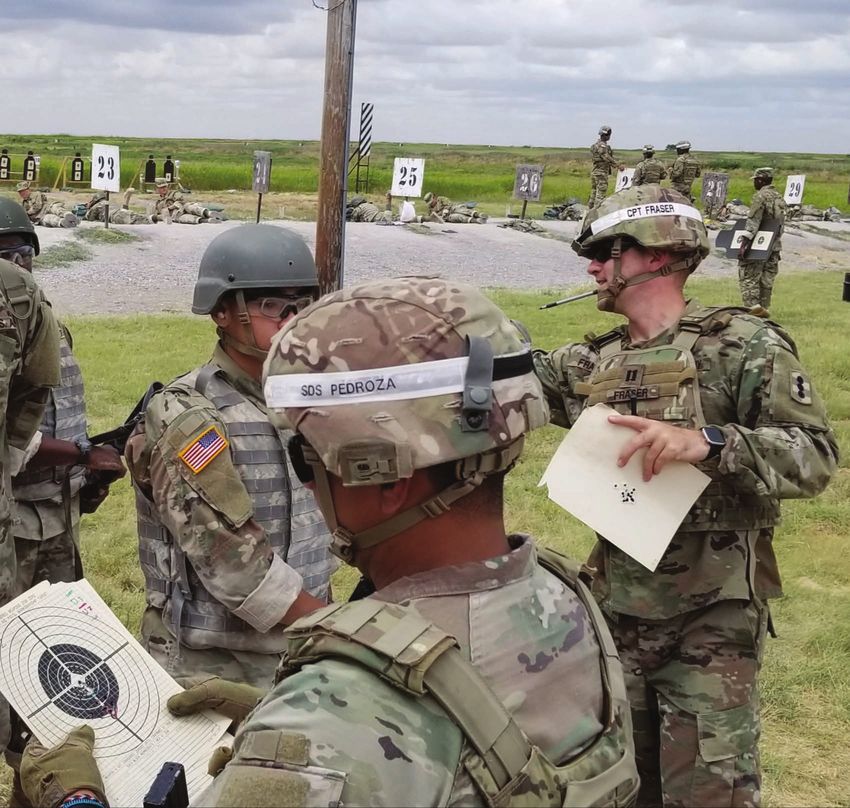
Contents                                                                          Editor: Jamie Southerland
                                                                                  Art Director: Rick Paape, Jr.
                                                                               Assistant Editor: Monica Wood
3    From the FA Commandant                                                   FA School PAO: Sharon McBride
     FIRES FIFTY #39: Leadership is a contact sport; it         For more information about the Field Artillery Professional
     requires daily interaction                              Bulletin contact the U.S. Army Field Artillery School at (580)
     BG Phil Brooks                                          442-6406.
                                                             Disclaimer
5    A message from USAFAS Command                              The Field Artillery Professional Bulletin is published by
     Sergeant Major                                          Headquarters, Department of the Army under the auspices
     CSM Michael J. McMurdy                                  of the U.S. Army Field Artillery School, 730 Schimmelpfen-
                                                             nig Road, Fort Sill, OK 73503. The views expressed within are
6    AFATDS Can be Leveraged to Clear                        those of the authors and not the Department of Defense or
     Battlefield Airspace                                    its elements. The content contained within the Field Artillery
     MAJ Alpheus M. Davis                                    Professional Bulletin does not necessarily reflect the U.S. Ar-
                                                             my’s position or supersede information in other official pub-
10 Asymmetric Artillery                                      lications. Use of new items constitutes neither affirmation of
     Achieving Economical Operational Effects in an Era of   their accuracy nor product endorsements. The Field Artillery
     Austerity                                               Professional Bulletin assumes no responsibility for any unso-
     COL Brian P. Duplessis                                  licited material.
                                                                            By Order of the Secretary of the Army:
15 Radar Survivability in an Electronic
   Warfare Contested Environment                                                    JAMES C. MCCONVILLE
     CW2 Jerrad Rader                                                               General, United States Army
                                                                                            Chief of Staff
21 The Roles of Battalion Logistical                                        Official:
   Mission Command Nodes
     Reversing trends at JMRC and Combat Training
     Centers
     CPT Nicholas Bowers and SFC Brandon Williams                                       KATHLEEN S. MILLER
                                                                                        Administrative Assistant
25 Developing and implementing a                                                           to the Secretary of the Army

   RADAR Cueing Schedule                                                                             2103308
     SFC Todd-Geoffrey P. White and SFC Theodis Scott Jr.

28 Training MLRS for LSCO                                                                 PHIL BROOKS
     CPT Brandon J. Gillett and LTC Andrew J. Knight                           Brigadier General, United States Army
                                                                       54th Field Artillery School Commandant, Fort Sill, Okla.
32 Long Range Fires Gap                                      Purpose
     WO1 Conor McCarrell
                                                                Originally founded as the Field Artillery Journal, the Field

36 OTD-S Leverages Industry to Virtualize                    Artillery Professional Bulletin serves as a forum for the dis-
                                                             cussions of all U.S. Army and U.S. Marine Corps Field Artillery
   Radar Maintenance Training                                professionals, Active, Reserves and National Guard; dissem-
     CW4 Fatima A. Nettles and CW3 Michael D. Gulsby
                                                             inates professional knowledge about progress, development

37 Winning LSCO Begins Here                                  and best use in campaigns; cultivates a common understand-
                                                             ing of the power, limitations and application of fires, both
     Rigor to Basic Combat Training at Fort Sill             lethal and nonlethal; fosters fires interdependency among
     LTC Eric Kunak and CPT Branden Buffalo
                                                             the armed services, all of which contribute to the good of the

42 Reading the Music of Mars                                 Army, joint and combined forces and our nation. The Field Ar-
                                                             tillery Professional Bulletin is pleased to grant permission to
     The importance of Doctrinal Foundations in the
                                                             reprint; please credit Field Artillery Professional Bulletin, the
     Organizational and Personal Domains
     MAJ Mark A. Lichak                                      author(s) and photographers.
                                                                 Cover: Artillerymen with the 1st Infantry Division perform a
46 Field Artillery in photos                                 live-fire gunnery, Sept. 16 at the National Training Center in Fort
                                                             Irwin, California. NTC’s decisive action training environment and
                                                             live opposing force recreate the realism and rigor of Large-Scale
                                                             Combat Operations. (PFC Jared Simmons/U.S. Army)

2 • Field Artillery Professional Bulletin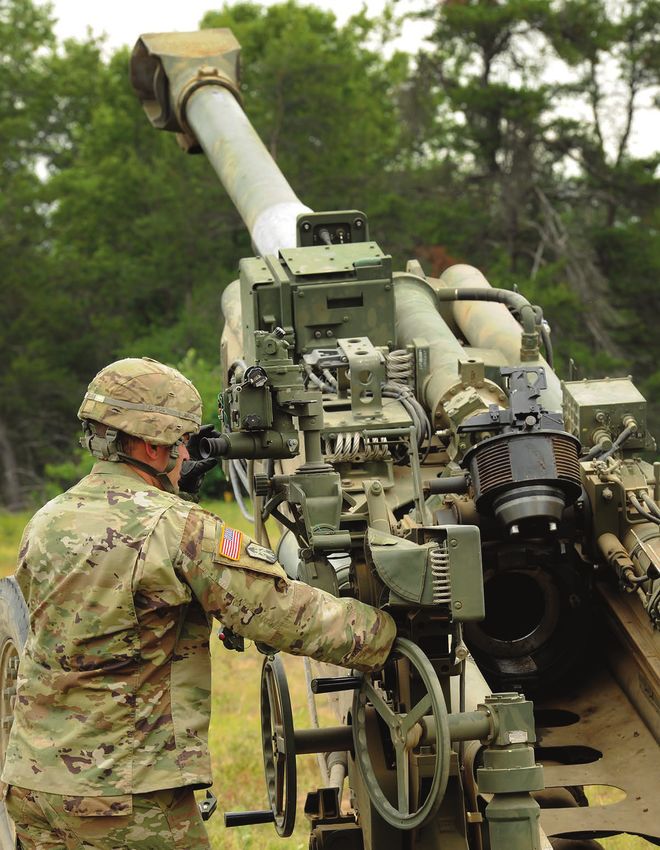
From the FA Commandant

                                        FIRES FIFTY #39
                                        Leadership is a contact sport; it requires daily interaction.
                                       A lot is happening in the world,        The objective of Project Athe-
                                    within our ranks and within our         na is to promote self-awareness
                                    branch.                                 through assessment, feedback,
                                       Despite all of this change and       self-regulated performance, and
                                    upheaval, one thing remains clear,      developmental action. Leaders
                                    we cannot lose sight of how to lead     who are self-aware and active-
                                    Soldiers and take care of each oth-     ly work to improve themselves
                                    er.                                     stand apart from their peers with
                                       The findings of the Fort Hood        the potential to become top Army
                                    investigation are both dishearten-      leaders who create ready and re-
       BG Phil Brooks               ing and upsetting. One major con-       silient units that can accomplish
Field Artillery School Commandant   clusion did emerge, we must put         the Nation’s critical missions in
                                    our people first. As we go about        complex operating environments.
                                    our Army business we must never         Project Athena provides compre-
                                    forget that trust, integrity, and re-   hensive, progressive, standardized
                                    spect between Leaders and the led       assessments of individual tenden-
                                    are critical components of Army         cies and abilities. Each assessment
                                    readiness.                              has a feedback report customized
                                                                            to the assessed individual and
                                    Project Athena                          provides suggestions for develop-
                                                                            ment. Lists of additional resourc-
                                       We know that Army leaders grow       es corresponding to the assessed
                                    through education, training, and        areas are also available to the as-
                                    experience. Feedback is an integral     sessed leaders.
                                    component that can accelerate de-          The first Lieutenants to com-
                                    velopment by bringing attention         plete Project Athena are already
                                    to areas of individual strengths        reporting to operating forces with
                                    and weaknesses. Project Athena          Academic Evaluation Reports and
                                    introduces standard assessments         an Individual Development Plan of
                                    that complement specific instruc-       action. We want Commanders to
                                    tional or training goals to provide     be aware of this so the individual’s
                                    greater insight into capabilities       development plan can be integrat-
                                    and tendencies that leaders do or       ed into developmental counseling
                                    do not have. The Army, through          at their first unit of assignment.
                                    the Center for the Army Profes-
                                    sion and Leadership, initiated this     Master Gunner Course
                                    assessment program throughout
                                    all of it Basic Officer Leader Cours-      To address current and future
                                    es this past summer. Here at Fort       training gaps based on emerging
                                    Sill, we started with Basic Officer     capabilities across the Field Ar-
                                    Leaders Course (BOLC) Class 6-20,       tillery community and feedback
                                    and this is just the beginning.         from the Operational Force, we
                                    There will eventually be batteries      are making improvements on the
                                    of assessments tailored to each         Field Artillery Master Gunner (FA
                                    level of Professional Military Ed-      MG) Course and our goal is imple-
                                    ucation from initial entry through      mentation in FY24.
                                    Command and General Staff Col-             This redesign incorporates all of
                                    lege. In fact, we are now piloting      our MOSs and this is the only FA
                                    the program within our cadre cer-       Course for our enlisted personnel
                                    tification course, WOBC and 13 se-      that trains the entire sensor to
                                    ries SLC.                               shooter system of systems. What

                                                                                                2021, Issue 1 • 3
A gunner with C Battery, 1-119th
                                                                              Field Artillery Regiment, Michigan
                                                                              National Guard, views the deflection
                                                                              and quadrant alignments before fir-
                                                                              ing the M777 Lightweight 155mm
                                                                              howitzer. Soldiers with the 1-119th
                                                                              FA regiment conducted direct fires
                                                                              training during Northern Strike 20 at
                                                                              Camp Grayling, part of the Nation-
                                                                              al All-Domain Warfighting Center in
                                                                              Northern Michigan during Northern
                                                                              Strike 20, July 26, 2020. Northern
                                                                              Strike fills Joint All-Domain training
                                                                              and task iteration gaps in both the
                                                                              Army/Air National Guard training
                                                                              strategies, which sustains and en-
                                                                              hances reserve component proficien-
                                                                              cy. (Master Sgt. David Kujawa/U.S. Air
                                                                              National Guard)

has changed in the FA MG Course        cation/certification programs to
Curriculum?                            enable units to effectively inte-
   We have added the role of the       grate Field Artillery fires into the
FA Master Gunner as a member of        Combined Arms Team. Once they
the CDR’s battle staff; combined       have graduated the course they
the FA Master Gunner “warfight-        will also become troubleshooting
er like exercise” as the culminat-     subject matter experts on weap-
ing training event; added a virtual    on, sensor, and mission command
attachment of non-organic fires        systems and will enhance unit
assets and emerging capabili-          maintenance processes and pro-
ties (LRHW, MRC, PrSM, ERCA)           cedures. Lastly, we have requested
and are addressing CTC observed        additional annual training seats to
gaps. Lastly, the course was de-       meet operational force demands.
signed as unit training man-              Thank you for all your hard work
agement, integration, and in-          in such unprecedented times.
teroperability in competition and
conflict, providing more applicable
instruction.
   The course will develop master
trainers who can design and cre-
ate training, safety, and qualifi-

4 • Field Artillery Professional Bulletin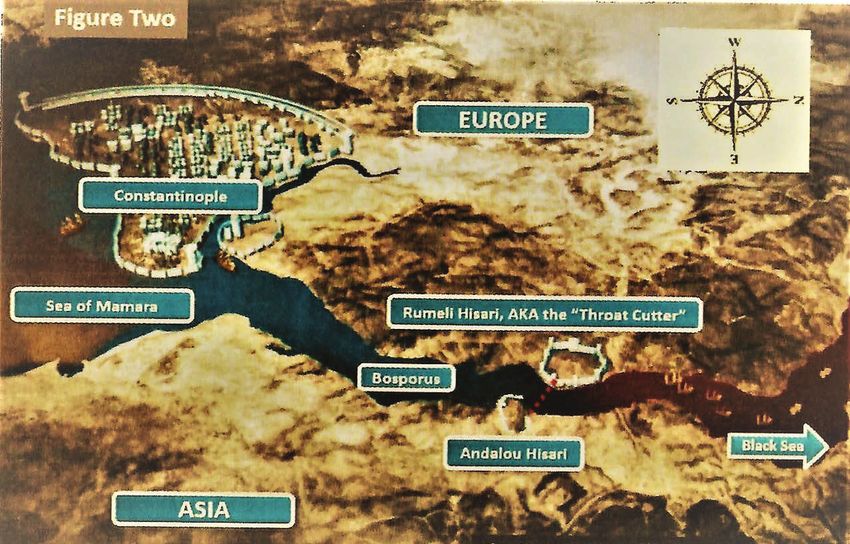
A message from
                                USAFAS Command
                                 Sergeant Major
                            Redlegs,

                               BG Phil Brooks and I want to wish you a Happy New Year - 2021 prom-
                            ises to be another exciting time across the Field Artillery community for
CSM Michael J. McMurdy      our Redlegs and capabilities! We also want to thank you for your lead-
   Field Artillery School   ership across the branch during difficult times, requiring difficult and
 Command Sergeant Major
                            necessary conversations. One thing is for certain, we will be a stronger
                            and better Army because of it. For anyone who has yet to see the Fort
                            Hood Independent Report, you can download it at: https://www.army.
                            mil/e2/downloads/rv7/forthoodreview/2020-12-03_FHIRC_report_re-
                            dacted.pdf

                              What you should expect to see from me based on the Commandant’s
                            published priorities:
                              • Working with HRC and stakeholders to ensure we get the right
                                Redleg, in the right place, at the right time.
                              • Flat, synchronized, and habitual information sharing in written
                                and virtual forums from and across the Operational/Generating/
                                Institutional Field Artillery Community that is systematic and en-
                                during.
                              • Re-vamping the FA Master Gunner (Facility, Duration, Allocation,
                                and Composition) as our premier cornerstone course to ensure En-
                                listed SMEs are able to advise Commanders and units as new capa-
                                bilities and platforms mature.
                              • Ensuring the AIT/NCOPDs POI retains or increases the rigor neces-
                                sary to produce the best trained Field Artillery Soldiers and Leaders
                                possible.
                              • Be accessible to all members and units for dialogue, discussion, and
                                visits. This includes virtual, in person when able, and on Social Me-
                                dia Platforms.
                              • Reviews of our Career Maps to ensure we maintain relevancy in the
                                future, enable leader development at echelon, and provide oppor-
                                tunities to compete at the most senior levels.

                              In closing, we are here to serve. We want to hear from you, get your
                            input, and help solve your challenges. The Field Artillery has a bright
                            future, and we look forward to seizing and exploiting opportunities with
                            you. Time to do work, Guns Up. KING OF BATTLE

                                                                             CSM Michael McMurdy

                                                                                     2021, Issue 1 • 5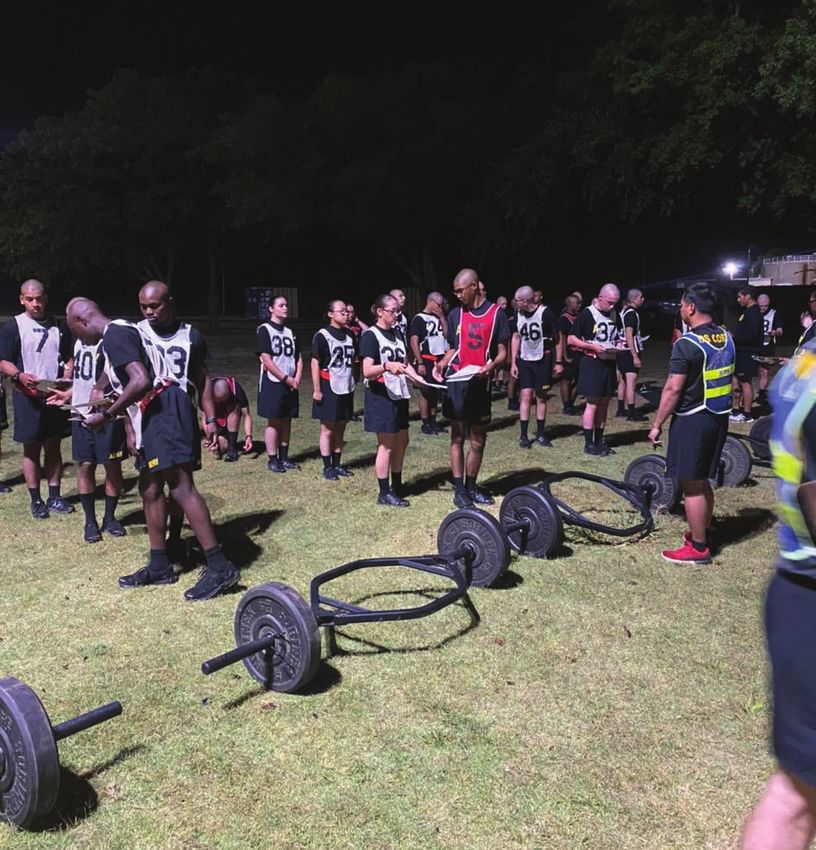
AFATDS Can be
Leveraged to Clear
Battlefield Airspace
MAJ Alpheus M. Davis

   Clearing airspace has become a critical and at times           tify how our automated systems work and to leverage
slow, cumbersome event. This article will not focus               them to save seconds and increase the responsive-
on the “how to plan airspace” task, instead it will               ness of fires.
focus on the technical aspect of automating the air-                 As fire supporters, we must execute the timely
space clearance process. This article intends to iden-            employment of all Joint fires assets. This means that

Figure 1. Current process to clear air. (Courtesy illustration)

6 • Field Artillery Professional Bulletin
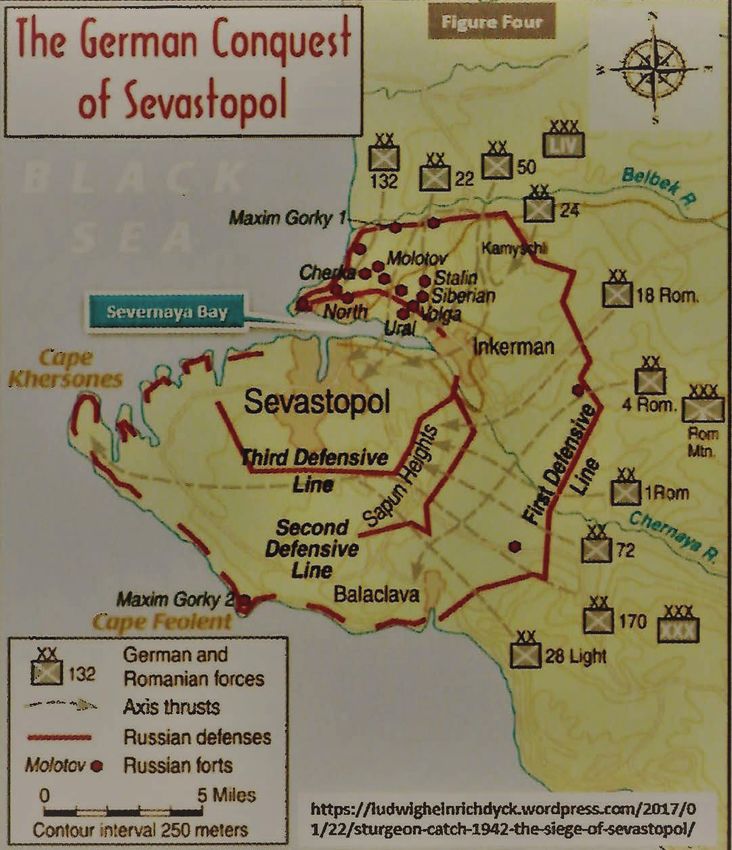
Figure 2. How do you know air is clear? (Courtesy illustration)

both surface-to-surface fires and air-to-ground fires        a “hot wall” that uses the entire airspace from along
operate and execute targets simultaneously without           the gun-target line from the surface to the max ord.
stopping, one method of fire. Unfortunately, with an         This “hot wall” is discouraged due to unnecessarily
increase in airspace users, this task has become com-        restricting airspace. Yet, this is the method described
plex and unwieldy at times. Trend reports from the           and endorsed by doctrine. The “hot wall” method is
Combat Training Centers (CTCs) and Mission Com-              what units and individuals use as the default method
mand Training Program (MCTP) continue to show                to clear airspace.
that clearing airspace and deconflicting fires and air-         A Brigade Fire Support Element (BDE FSE) or JAG-
craft is an issue year after year at all echelons. The       IC does not have the information required by ATP
Field Artillery Commandant has recognized this issue         3-91.1 readily available. It means that every mission
and included it in his Counterfire Imperatives. Im-          requires clearance, instead of only missions that vio-
perative #3 focuses on battlefield design, geometries,       late an ACM. In order for a BDE FSE or Division JAG-
Fire Support Coordination Measures (FSCMs), and              IC to get the firing unit location and max ord data,
automation to increase fires and shorten the “flash          the mission routes to the appropriate firing Battalion
to bang.”                                                    Fire Direction Center (FDC) or battery/platoon FDC
   Clearing airspace is ensuring that surface-to-sur-        and then the appropriate information is sent back
face fires do not violate Airspace Control Measures          through the chain to the BDE FSE Division JAGIC to
(ACMs). This lowers the risk that an artillery round         await airspace clearance (see Figure 1, previous page).
and aircraft meet. The intent for fires planners and            The information provided from a firing FDC to the
airspace planners is to create a Unit Airspace Plan          JAGIC does not identify any ACM violation occurrenc-
(UAP) that is permissive for both surface fires and          es or if airspace is clear or not. It does not state where
airspace users.                                              along the gun-target-line the max ord occurs nor
   Partially to blame for units struggling to clear air-     does it show if an ACM along the gun-target-line is
space is the lack of doctrine on how to clear airspace.      above or below the round at that particular point (see
FM 3-09, Field Artillery Operations and Fire Support         Figure 2, above). The BDE FSE or JAGIC does not have
states that clearance of fires is a staff process. The       enough information to either move aircraft or allow
Joint Air Ground Integration Center (JAGIC) manual           the fire mission to proceed.
(ATP 3-91.1) states that the JAGIC needs a firing unit          Despite the gaps in our formal education and FM
location, a target location, and a maximum ordinate          3-09 and ATP 3-91.1, there are doctrinal solutions
(max ord) to clear fires. The methodology of ATP             available to automating and improving our airspace
3-91.1 does not identify which, if any, ACM violations       clearance process. The AFATDS Manual (TB 11-7025-
occur and does not account for aircraft’s ability to fly     354-10-7) lays out and explains how AFATDS reviews
below the trajectory. The ATP 3-91.1 method results in       and checks ACMs. In short, AFTADS in a Fire Support

                                                                                                      2021, Issue 1 • 7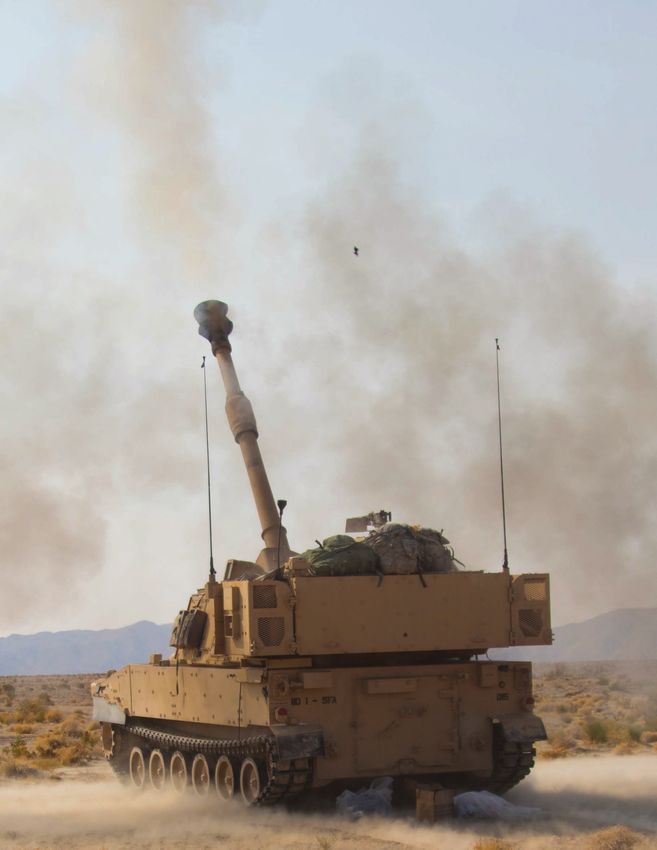
Figure 3. AFATDS ACM automated checks. (Courtesy illustration)

Figure 4. Proposed methodology. (Courtesy illustration)

8 • Field Artillery Professional Bulletin
role only identifies if the target plots under an active   discipline to conduct technical rehearsals. To execute
ACM. If the target is not under an active ACM, the         this our Brigade made a comprehensive UAP that
fire mission continues to be processed. If the target      routed aircraft away from artillery positions and pre-
is under an active ACM (a violation of ACM), AFATDS        sented some limitations on fires assets to enable air
generates a coordination request. The platoon FDC          assets maneuver space. The BDE AFATDS built ACMs
analyzes the trajectory for violation as the AFATDS        and utilized a data distribution for geometries that
computes technical firing data. Once again, if no vi-      automatically updated all AFATDS when ACMs up-
olations occur at the Position Area Artillery (PAA) or     dated or changed. Pilots, both fixed and rotary wing,
along the flight path, the mission proceeds to the         were briefed and understood that areas inside ACMs
guns. If a violation occurs, the mission pauses and        are cleared and the air outside ACMs that are not
sends a coordination request (see Figure 3, previous       cleared and had a higher risk. Before each battle, all
page).                                                     ACMs were active during the fires technical rehearsal
   ATP 3-52.1, Multi-Service Tactics, Techniques, and      to identify if any mission would violate an ACM. Our
Procedures for Airspace Control, lays out that airspace    rehearsals showed that no mission violated an ACM.
clearance with the AFATDS occurs when a technical          The only ACMs active contained aircraft at that spe-
FDC AFATDS determines that a mission violates an           cific time. The AFATDS operator sat between the BDE
ACM. This manual identifies that airspace clearance        Air Element and the Tactical Air Control Party to dy-
can be done with automated systems. This manual            namically activate and inactivate ACMs while aircraft
is consistent with the AFATDS TM on stressing the          operated in the battlespace. During the rotation,
automation and allowing our electronic systems to          both force-on-force and live fire, we only received
determine if fire missions require clearance. This         coordination requests and cleared three missions. An
also ensures that only those missions that require         incorrectly built ACM caused these three clearance
airspace clearance go through the clearance process.       and coordination requests.
This prevents unnecessarily slowing down fire mis-            Airspace clearance is necessary on today’s modern
sions to clear airspace for missions that do not vio-      battlefield. There are automated systems and pro-
late any ACM.                                              cedures that enable this action. Units should under-
   With a slight change to how airspace is used and        stand and leverage the automated systems and pro-
viewed, this methodology applies to clearing airspace      cedures to reduce airspace clearance frequency and
above the Coordinating Altitude. The Army and artil-       times. By building a thoughtful and complete UAP,
lery do not control the air above the Coordinating Al-     electronically distributing ACMs, and trusting auto-
titude, but we are a user and need a defined airspace      mated systems, units can reduce the amount of mis-
for rockets and missiles. The simplest and most ef-        sions that require airspace clearance and speed the
ficient method is for the Army to request a slice of       time it takes to clear missions.
airspace from the Airspace Controlling Authority.             MAJ Alpheus M Davis is a graduate of the Command
This sounds hard but it is relatively easy. The way to     and Staff College. He has served as a Brigade FSO and a BN
request control of this slice of airspace is through the   XO supporting a STRYKER Brigade Combat Team. He has
creation of a Restricted Operating Zone (ROZ). This        served as an OC/T with NTC and currently with MCTP. He
ROZ is planned and coordinated and runs from a fir-        has deployed in support of Operation Iraqi Freedom and
ing unit location to areas of planned targets (i.e. Ob-    Operation Freedom’s Sentinel.
jectives, Call For Fire Zones).
   During my experience as an NTC OC/T, one rota-
tion had such bad weather that during half the ro-
tation no aircraft were flying. A review of acquir-
ing to fire times for counterfire during this rotation
showed that missions were on average 10 minutes
faster during the periods of red weather. Ten minutes
is a long time to clear air and potentially slow fires.
This shaped how I, as a Brigade FSO, wanted to clear
air during my NTC rotation. I informed my Brigade
Commander, BDE FSCOORD, and supporting aviation
elements that I was not going to clear the air for ev-
ery mission, only those that violated an ACM. After
explaining and teaching how AFTATDS views ACMs
and how this method is safe and will speed fires; the
BDE Commander and FSCOORD approved this meth-
odology (see Figure 4, previous page).
   To leverage the AFATDS and procedural control
to clear airspace, it is essential and required to have
three items; a thoughtful and complete UAP, a con-
sistent method to distribute FSCMs and ACMs, and

                                                                                                    2021, Issue 1 • 9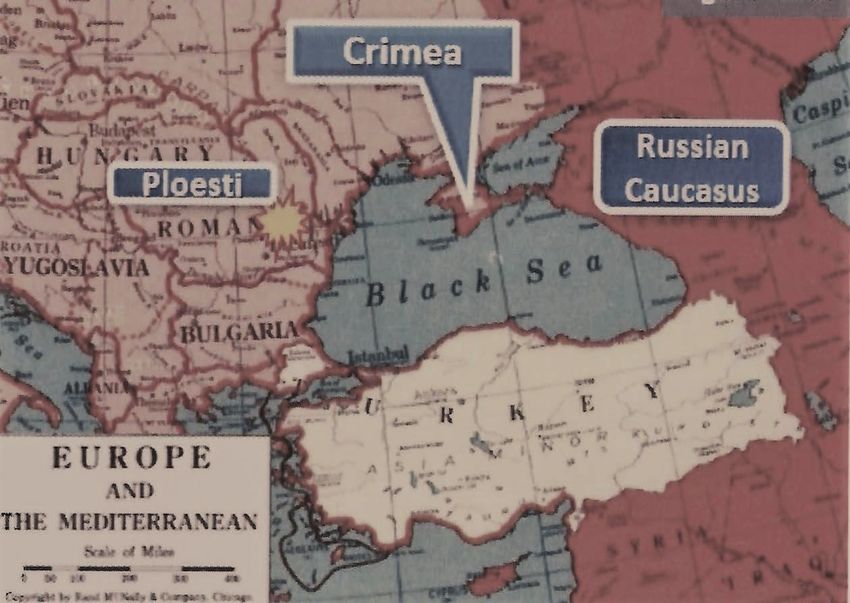
Asymmetric Artillery
Achieving Economical Operational
Effects in an Era of Austerity
COL Brian P. Duplessis

   Throughout its illustrious his-      command and control (C2) sys-           denial,3 and air superiority at rel-
tory, Field Artillery has enjoyed a     tems, and target acquisition can        atively low-cost. Three historical
well-deserved reputation as the         yield heretofore unimaginable           vignettes from the Middle Ages,
arm of decision for destroying,         ranges with enhanced effects            World War II, and the Cold War Era
neutralizing, and suppressing en-       against non-traditional targets         provide salient examples.
emy units and capabilities which        such as enemy maritime capabil-
threatened our maneuver forces.         ities. Alluring as this is, howev-      The Ottoman “Throat
Fittingly, General George Patton        er, we cannot wait for next year’s
once remarked, “I do not have to tell   promises to come to fruition; we        Cutter,” Sea Control
you who won the war. You know, the      must act boldly today. Further-
artillery did.”1                        more, given an ongoing economic         Facilitating a Land-
   Despite such glowing endorse-        decline, we must assume reduced
ments, we cannot remain content         future defense spending further         Centric Campaign
to sit on our laurels; we must ag-      delaying attainment of these en-
gressively strive to influence the      hanced capabilities. These de-          (1453)
action beyond traditional close         lays do not, however, equal
support to maneuver forces. We          irrelevancy.                               “Hey, Constantinople! Either I take
can and should endeavor to pro-            Artfully employed, with pru-         you, or you take me!” 4
vide low-cost operational effects       dent risk acceptance, conven-              By 1451, the Ottoman Empire
in support of Joint Force Com-          tional Field Artillery firing today’s   was in ascendancy having occu-
manders. Programmed advanc-             munitions can achieve operational       pied or subjugated most of Ana-
es in munitions, firing platforms,      effects to include sea control,2 sea    tolia and the Southern Balkans
                                                                                (see Figure 1). The Byzantine Em-
Figure 1. The Ottoman Empire in 1451. (Courtesy illustration)                   pire, the chief Ottoman competi-
                                                                                tor, was conversely in decline. The
                                                                                once-powerful Byzantines were
                                                                                reduced to a sclerotic rump state
                                                                                centered on their capital city Con-
                                                                                stantinople.5 Strategically locat-
                                                                                ed, Constantinople links Europe
                                                                                and Asia as well as connecting the
                                                                                Black and Mediterranean Seas via
                                                                                the Bosporus Strait, the sole Byz-
                                                                                antine link to their Black Sea and
                                                                                Anatolian exclaves. Nevertheless,
                                                                                the Byzantines believed they could
                                                                                1         https://www.azquotes.com/quotes/topics/artil-
                                                                                lery.html
                                                                                2         Sea control operations are seek to secure use of
                                                                                the maritime domain by one’s own forces and to prevent
                                                                                its use by the enemy. JP 3-32: Joint Maritime Operations.
                                                                                3         Sea denial operations seek to prevent enemy
                                                                                use of the maritime domain without controlling it for
                                                                                one’s own use. Sea denial is inherent to sea control. JP
                                                                                3-32: Joint Maritime Operations.
                                                                                4         Source: https://quotepark.com/authors/
                                                                                mehmed-ii/
                                                                                5         Constantinople is modern Istanbul Turkey

10 • Field Artillery Professional Bulletin
fortress on the Bosporus’ Asian
shore (See Figure 2).
Despite his Viziers’ warnings,8
Mehmet was willing to risk this
provocative action correctly as-
suming the Byzantines were too
weak to react. Secretly, he amassed
the required building materials,
laborers, and artisans. Once all
pieces were set, the fortress was
erected in four months, a hercule-
an effort for the era.9 This Middle
Ages expeditionary advanced base
sealed Constantinople’s fate.
Rumeli Hisari, literally “For-
tress in the Land of the Romans,”
was outfitted with heavy cannon
and garrisoned by 400 first-line
Janissary troops.10 In November
1452, the garrison was first tested
Figure 2. Fortresses along the Bosphorus strait. (Courtesy illustration) when two Venetian ships success-
fully ran the blockade. The next
indefinitely hold Constantinople obtainable elsewhere. Weakened challenger was not so lucky and
protected by the city’s seemingly as such, Byzantine resolve would was summarily sunk by artillery
impenetrable walls and confident not last as it had during previous fire with the survivors executed
of uninterrupted resupply from sieges. as an example to others. No fur-
the sea. These assumptions were To achieve this goal, Mehmet ther vessels tested the blockade,
reasonable as seven previous Sul- ambitiously decided to build a for- effectively solidifying Ottoman
tans had floundered on Constanti- tress at the Bosporus’s narrowest control of the Bosporus.11 The re-
nople’s walls while largely ceding point using his newly-acquired sulting lack of Black Sea-sourced
the maritime domain.6 artillery to interdict vessels failing provisions, revenues, and re-
This was soon to change as a to halt. The plan was audacious as inforcements gravely impacted
young aggressive Sultan assumed the fortress was sited on nomi- Constantinople. Given Mehmet’s
the throne. Undeterred by his nally Byzantine territory but lay eventual thin margin of victory,
predecessors’ failures, Mehmet II directly across from an Ottoman Rumeli Hisari was the key shap-
resolved to seize Constantinople ing action that set conditions for
without delay. He meticulously
analyzed the operational environ- Figure 3. The Crimean peninsula. (Courtesy illustration)
ment and astutely assessed the
key Byzantine lifeline - the Bospo-
rus Strait - which was also a major
liability, a critical vulnerability by
modern terms. Mehmet sought
control of the Bosporus as a key
shaping action before besieging
and ultimately seizing Constan-
tinople.7 Deprived of this lifeline,
Constantinople would lack the
grain, revenues, and reinforce-
ments desperately needed and un-
6 Crowley, Roger; 1453: The Holy War for Constantino-
ple and the Clash of Islam and the West.
7 Rise of Empires: Ottoman, Episode One
8 Ottoman Viziers were the Sultan’s primary ministers
and advisors
9 Crowley.
10 Janissaries were formerly Christian young men
(principally from modern Albania, Serbia, and
Bosnia) taken as youths, converted to Islam, taught
Turkish, and trained as full-time professional
soldiers maintaining a Spartan-like existence. They
constituted the Sultan’s elite.
11 Crowley.
2021, Issue 1 • 11future operational success; the
fortress fully earned its colloquial
nickname, “The Throat Cutter.”
Land-Based Sea
Denial: Sevastopol
(1942)
“…in the hands of an enemy with
command of the sea, the Crimea was
liable to become a serious menace
deep in the flank of the Eastern Front,
quite apart from the fact that the air-
bases would continue to threaten the
Rumanian oilfields.”12
The Crimean peninsula also
constitutes strategic terrain (See
Figure 3, previous page). Site of
the fabled Charge of the Light Bri-
gade, English, French, Sardinian,
Greek, Turkish, and German in-
vaders have all sought this prime
real estate; World War II was no
different. Three weeks after Hit-
ler’s invasion of the Soviet Union,
Crimea-based bombers success-
fully raided Rumanian oil facil-
ities, Germany’s sole petroleum
source.13 Consequently, Hitler di-
rected this “unsinkable aircraft
carrier” to be seized without de-
lay. Additionally, the Crimean port
of Sevastopol hosted the powerful
Black Sea Fleet.14 Directed to cap-
ture the Crimea, Field Marshall Figure 4. The German conquest of Sevastopol. (Courtesy illustration)
Erich von Manstein correctly saw
the Black Sea Fleet as the Sovi- ter Turkey from joining the Allies session of Severnaya Bay’s north
et center of gravity.15 Specifically, and protect the flank of a planned shore would place the harbor un-
the fleet provided theater-wide advance into the oil-rich Russian der effective observed artillery fire
reinforcement and evacuation, Caucasus.17 denying the Black Sea Fleet’s an-
naval gunfire, and amphibious Manstein’s initial attack into chorage, a critical requirement.19 20
assault capability. Conversely, the Crimea was overwhelmingly On the verge of seizing the
due to Montreux Convention re- successful as his 11th Army rapid- north shore, Manstein was placed
strictions, Germany was barred ly seized the peninsula, less Sev- in a dilemma when the Black Sea
from sending ships into the Back astopol.18 For the final attack, he Fleet conducted amphibious as-
Sea and was forced to rely on the elected to make his main effort in saults in his rear. Despite crushing
Luftwaffe to counter the fleet.16 Fi- the north (See Figure 4), despite both lodgments, Manstein settled
nally, the Germans sought to de- its daunting defenses, as pos-
12 Manstein, Erich von. Lost Victories. Pg 129.
13 Soviet Storm, War in the East, Episode Three: The Defense of Sevastopol
14 In 1941, the Black Sea Fleet consisted of: 1 Battleship, 6 Cruisers, 16 Modern Destroyers, 6 Old Destroyers, 44 Submarines, and numerous freighters and transports.
15 https://ludwigheinrichdyck.wordpress.com/2017/01/22/sturgeon-catch-1942-the-siege-of-sevastopol
16 The 1936 Montreux Convention governs passage through the Bosporus and Dardanelle Straits. Per the convention, only Black Sea states are permitted to have capital ships in
the Back Sea. Turkey, as owner of the straits, is also permitted to close the straits in time of war. Ultimately, the only axis vessels in the Black Sea were motor torpedo boats
which navigated the Danube River to its Black Sea estuary.
17 Manstein. Pg 127.
18 Manstein. Pg 134.
19 Manstein. Pgs 136 & 148.
20 When the Soviets recaptured the Crimea in 1944, they undertook a similar scheme of maneuver to deny German evacuation by sea. In our own history, Henry Knox’s artillery
surreptitiously occupied Boston’s Dorchester Heights threatening Boston Harbor and forcing the British fleet and occupying army to evacuate, the first expulsion of British
forces from a major city during the War of Independence.
12 • Field Artillery Professional Bulletinin for a siege as his army recovered tons of cargo, and evacuated Throughout the 1980s, the South
and refit.21 25,000 wounded.25 Only when the African Defense Force (SADF)
Once ready to resume the of- main harbor became subject to fought an undeclared war against
fensive, Manstein again cast his artillery fire was Admiral Okty- Angola’s Soviet and Cuban backed
main bid in the north. Attainment abrsky forced to cease operations. People's Movement for the Liber-
of the north shore was even more Artillery fire further interdicted ation of Angola (MPLA) regime. In
urgent as the attacking Germans makeshift harbors, such as Cape 1987, this imbroglio exploded as
faced an eminent loss of critical Khersones.26 SADF 20 Brigade counterattacked
air support to higher priority op- Once again, Field Artillery deep into Angola. The campaign’s
erations. Additionally, the Luft- proved to be the arm of deci- climactic battle of Cuito Cuanav-
waffe was running critically low sion-achieving operational effects ale demonstrated the potential of
on aerial ordnance, forcing riskier with tactical weaponry.27 With the Field Artillery fires to disrupt, in
and more numerous attacks for capture of Sevastopol, the Soviet some cases deny, air operations.
maximum accuracy.22 After brutal threat to the Rumanian oil fields After this deep pursuit, SADF
fighting, Manstein’s forces seized was removed, Turkey was de- formations operated at the ex-
key observation posts facilitating terred, and the German flank was treme range margins of friendly
observed fire against the harbor. secured.28 air support which could provide
Faced with this new threat, the only three minutes on the sta-
fleet withdrew to lesser Caucasian Air Superiority through tion.30 Figure 5 depicts the range
anchorages and largely ceased to of limitations of SADF forward Air
be a threat. Without naval sup- Artillery: Cuito Fields. Conversely, MPLA’s MiGs
port, Soviet positions became un- were based close to the front lines.
tenable and Sevastopol soon suc- Cuanavale (1987) SADF forces found themselves
cumbed.23 increasingly under air attack and
While the Luftwaffe terror- “The G5 artillery groups … com- often limited to night operations.
ized the Black Sea Fleet, drop- menced bombarding Cuito. The South In response, SADF Commanders
ping more ordnance on Sevastopol African Air Force sent in four Mirages creatively employed their tactical
than was dropped on the entire as a decoy and while the MiGs were center of gravity against the MPLA
United Kingdom throughout the being rolled out …the G-5s pounded air arm: a grouping of G5 and G631
war,24 they were unable to nulli- the runway with shells. Within a short 155mm Howitzers. boasting 40
fy this enemy's center of gravity. space of time, the airfield was de- km range and high accuracy, the
For example, during the siege’s stroyed and the remaining MiGs were G5/G6s were the gold-standard of
final month, the fleet brought in forced to move back to Menongue.”29 155mm Howitzers in 1987-88. Ac-
24,000 reinforcements, 15,000 cordingly, a 1989 Defense Intelli-
gence Agency assessment rated
Figure 5. The range of limitations of SADF forward Air Fields. (Courtesy illus- these weapons as the most ef-
tration) fective employed by either side.32
Accepting risk, SADF Command-
ers positioned their G5/G6 group
21 Manstein. Pgs 136 & 137.
22 Manstein. Pgs 148 & 153.
23 https://ludwigheinrichdyck.wordpress.
com/2017/01/22/sturgeon-catch-1942-the-siege-of-
sevastopol
24 Hayward, Joel. Stopped at Stalingrad: The Luft-
waffe and Hitler’s Defeat in the East, 1942–1943. PG 96
25 https://ludwigheinrichdyck.wordpress.
com/2017/01/22/sturgeon-catch-1942-the-siege-of-
sevastopol
26 https://ludwigheinrichdyck.wordpress.
com/2017/01/22/sturgeon-catch-1942-the-siege-of-
sevastopol
27 During the siege of Sevastopol, the Germans
employed artillery behemoths such as the 800mm
“Dora” rail gun and a pair of 660mm Mortars “Thor” and
“Odin.” These leviathans had little practical effect and
did not impact the Black Sea Fleet’s operations.
28 https://ludwigheinrichdyck.wordpress.
com/2017/01/22/sturgeon-catch-1942-the-siege-of-
sevastopol
29 Morris, Michael. Fighting Columns in Small
Wars: On OMFTS Model. Pg 53
30 http://samilitaryhistory.org/vol091ig.html
31 The G5 is towed while the G6 is wheeled
self-propelled. Both feature a 52 caliber cannon tube
and fire a wide suite of ammunition to include Extended
Range Full Bore (ERFB) base bleed HE.
32 1989 Defense Intelligence Agency: The 1987-88
Combat in Southern Angola: Lessons Learned.
2021, Issue 1 • 13within range of Cuito and Cuana- Maritime Component Commander peditionary Strike Group Two, Am-
vale airfields placing devastating to concentrate against the North phibious Force U.S. Second Fleet. A
fires on aircraft, runways, and Sea Fleet, the most dangerous for- career Field Artillery Officer, he has
support infrastructure denying mation. Such an economy of force commanded cannon and rocket units
air operations and, on at least one concept of employment matches to include combat operations. Other
occasion, destroying taxiing air- the Commandant of the Marine key assignments include service on
craft.33 Corps’ direction for, “exploiting the Joint Staff and as Current Op-
In response, MLPA aircraft positional advantage and defending erations Officer, III Marine Expedi-
shifted from defensive counter-air key maritime terrain that enables tionary Force. His most recent as-
and close air support to armed re- persistent sea control and denial op- signment was Director, Operations
connaissance against the G5/G6 erations forward.”36 and Training, Expeditionary Warfare
group without success. Further- While we are not optimized for Training Group Atlantic. COL Duples-
more, these low altitude flights engaging maritime targets today, sis is a 1994 graduate of the Univer-
rendered the MiGs vulnerable to the mere threat of Field Artillery sity of Memphis. His military educa-
stinger missiles with multiple air- can cause an adversary to modify tion includes the Amphibious Warfare
craft lost and prohibitively rais- his operational calculus. For ex- School, the Field Artillery Captain’s
ing the cost to the MPLA. On the ample, the threat emanating from Career Course, the U.S.M.C. Command
horns of a dilemma, MPLA relo- North Vietnam’s meager artillery and Staff College, and the Air War
cated their aircraft, abdicating air park caused U.S. naval gunfire College.
superiority and thus limiting their ships to increase offshore distance
close air support edge.34 Field Ar- and conduct evasive maneuver-
tillery fires once again proved an ing to avoid this unsophisticat-
asymmetric avenue to defeating ed threat degrading the quality of
the enemy center of gravity deliv- gunfire support to forces ashore. 37
ering low-cost operational effects. While the pursuit of Multi-do-
main Task Forces and Theater
Conclusion Fires Commands combined with
the pending acquisition of an-
The preceding case studies ti-ship missiles are positive steps
demonstrate the operational po- for the future, we need to be ready
tential of Field Artillery against to fight tonight. We cannot drop
enemy units/capabilities outside our proverbial pack during this
our tactical core competency of widening window of vulnerability,
close support. Possibilities for fu- idly awaiting the arrival of “wun-
ture applications are limited only derwaffen” while simultaneously
by imagination and reasonable risk facing inevitable defense budget
acceptance. A hypothetical con- austerity. The U.S. Field Artillery
frontation with Russia provides an has been world-class for 75+ years
illustrative example of how Field not due to equipment prowess,
Artillery today can create low-cost but due to superior doctrine, C2,
operational effects. training, and leadership. Upon
Russia is not the Soviet Union these pillars rests the outcome
but faces the same naval dilemma of tomorrow’s fights. While the
of four geographically separated character of war has dramatically
fleets incapable of mutual sup- evolved, the nature of war has not.
port35 and susceptible to interdic- Mehmet, Manstein, and the SADF
tion. Specifically, the Black Sea, defeated their enemies’ center of
Baltic Sea, and Pacific Fleets are gravity via a natural bias for ac-
vulnerable to confinement in the tion, creativity, and assumption of
Black and Baltic Seas and the Sea risks their opponents discounted.
of Okhotsk. Field Artillery, po- I sincerely hope we demonstrate
sitioned on key maritime terrain the same mettle as tomorrow’s
and working with other Joint capa- victory will demand it.
bilities, could threaten these close COL Brian Duplessis currently
and confined waters allowing the serves as Deputy Commander, Ex-
33 http://samilitaryhistory.org/vol091ig.html
34 Morris. Pg 53.
35 https://nationalinterest.org/blog/buzz/russia-not-soviet-union-it-has-same-navy-nightmares-91851
36 38th Commandant of the Marine Corps’ Planning Guidance
37 From October 1966 to October 1968, at least 21 U.S. cruisers and destroyers were hit by NVA surface fires. https://www.history.navy.mil/research/library/online-reading-room/
title-list-alphabetically/b/by-sea-air-land-marolda/chapter-3-the-years-of-combat-1965-1968.html
14 • Field Artillery Professional BulletinRadar Survivability in an Electronic Warfare Contested Environment
CW2 Jerrad Rader
As the Army shifts focus from counterinsurgency • AN/TPQ-53, EW inside Radars max range; 360-de-
(COIN) to large-scale combat operations, it is imper- gree mode continuous cueing
ative that the Army relooks how it employs Radars in
• AN/TPQ-53, EW inside Radars max range 90-de-
an Electronic Warfare (EW) contested environment.
gree mode; 30 seconds on 30 seconds off
As the United States Army has become more reli-
ant upon the electromagnetic spectrum (ES), Russia None of these scenarios, or the use of an opti-
has been developing, refining, and perfecting their mum site, prevented the Radar from being detected.
TTP’s using ES to target their adversaries. During the In fact, the Radar was detected in less than a second
Russo-Ukrainian war, Ukrainian commanders com- each time it began radiating.
plained about taking indirect fire (IDF) seconds after
making a radio transmission.1 Due to the Field Artil-
lery and Target Acquisition community’s inability to
evolve with the ever-changing EW threat, new ways
need to be identified in which the Target Acquisition
Platoon (TAP), and its Radars, can survive in this type
of an environment.
(Figure 2)
(Figure 1)
In June of 2020, 2nd Battalion 32nd Field Artillery
TAP began running tests with Brigade EW platforms
to determine ways to increase survivability (Figure
1). These tests were conducted with both AN/TPQ-50
and AN/TPQ-53 Radars at a distance of 4 Kilometers
from Brigade EW platforms. Both of these Radars
were positioned with an initial downward slope of
200-300 meters in front of the Radar then a sharp
rise to a screening crest, which is considered an op-
timum site for a Radar.2 The training encompassed
various scenarios including:
• AN/TPQ-50, EW inside Radars max range; contin-
uous cueing
(Figure 3)
1 Scales, R. H. (2016, August 15). Robert H. Scales: While the U.S. chased political correctness, Russia chased the edge on the battlefield. Retrieved August 02, 2020, from https://
nationalpost.com/opinion/robert-h-scales-while-the-u-s-chased-political-correctness-russia-chased-the-edge-on-the-battlefield
2 Field Artillery Target Acquisition ATP 3-09.12, 24 July 2020 p.28
2021, Issue 1 • 15tween the Radars and EW Platforms. The training
included an AN/TPQ-50 and AN/TPQ-53 at a distance
of 8.5 Kilometers and at a distance of 16 Kilometers.
Each Radar was in a position to maximize screening
crest (Figure 3) and tunneling (Figure 4). The TAP ran
through multiple scenarios which included:
• AN/TPQ-50, EW outside Radars max range; contin-
uous cueing
• AN/TPQ-50, EW inside Radars max range; contin-
uous cueing
• AN/TPQ-53, EW inside Radars max range 90-de-
gree mode; continuous cueing
• AN/TPQ-53, EW inside Radars max range 90-de-
gree mode; 30 seconds on 30 seconds off
• AN/TPQ-53, EW inside Radars max range 360-de-
gree mode; continuous cueing
• AN/TPQ-53, EW inside Radars max range 360-de-
gree mode; 30 seconds on 30 seconds off
The exact Radar operating frequencies were not
provided to increase the validity of results. The rang-
es of 1215 to 1390MHz and 3.1 to 3.5 GHz were used.
These frequency ranges were selected because they
are found via open source. Due to the positioning of
the Radars, with both tunneling and screening crests,
there was some success to prevent detection. How-
ever, by simply moving the EW platforms a couple of
(Figure 4) hundred meters, the Radars were easily identified.
In an environment in which we face adversaries uti-
The TAP conducted additional training in July of lizing a networked direction-finding system, detec-
2020 (Figure 2) with both Brigade EW and Division tion from one sensor may be avoided, but ultimately
Cyber-Electromagnetic Activities. This training in- will not avoid detection of all sensors. During each of
cluded multiple scenarios at greater distances be- these scenarios, when the Radars were found, their
(Figure 5)
Position
Position has has neither
Electronic screening Position has screening
Screening warfare crest and screening crest and
System crest Tunneling threat tunneling crest only tunneling
AN/TPQ-36/37 Less than 1 The use of Counterfire >15 minutes of >15 minutes of >8 minutes of
kilometer of foliage, berm, officer provides accumulation accumulation accumulation
AN/TPQ-53 in 90 the position in or buildings the current
Continuous radiation criteria–
degree modes friendly territo- to reduce side electronic
• Tactical situation
ry 15-30 mils. lobe radiation warfare status
• Electronic threat (high, medium, low)
for their area
• Mission driven situation (close air support)
of operations.
AN/TPQ-50 Mask angle not Any building Never position in
greater than or vehicle less Continuous a deep depres-
AN/TPQ-53 in 100 mils. than 20 meters radiation time sion or valley
360 degree mode distance may de- should not between hills.
grade operation exceed two The performance
of or damage minutes when will be severe-
equipment the enemy has ly degraded.
electronic detec-
tion capabilities
16 • Field Artillery Professional BulletinEMCON Status Protocol to enforce Radio Power Transmission Radar Cueing Radar guidance Example Authorized Reports
Power amp authorized, Re-trans as Nei ther screeni ng crest nor
5 N/A N/A Any
needed to conduct operations tunneling required
Any cueing combination
Ensure comms are encrypted and Power amp authorized, Re-trans as authorized, survivability All Acqui si ti ons, SPOT, SALUTE, PERSTAT,
4 Screeni ng Crest Requi red
black keys loaded needed to conduct operations moves conducted upon 15 LOGSTAT, MEDEVAC, Equipment Slant
minutes of radiation
Combination of both
Evaluate EW threat to determine situational and demand cueing
frequency range of ENY EW Assets. Power amp authorized no closer than authorized, radiate for no
Screening crest and All Acqui si ti ons, SPOT, SALUTE, PERSTAT,
3 Mi ni mi ze use of RADAR's operati ng 10K from the FLOT, power amp not longer than 8 minutes.
tunneling required LOGSTAT, MEDEVAC, Equipment Slant
i n the frequency range of ENY EW advi sed Monitor previous locations
Assets and add time to cumulative
radiation based on EW analysis
Demand cueing prefered,
Cease all non-essenti al Power amp not authorized, de- situational cueing during
Screening crest and
2 transmi ssi ons, turn off JBCP's, centrali ze RADAR's to uni ts that can decisive points. Radiate no All Acqui si ti ons, SPOT, SALUTE, MEDEVAC
tunneling required
swi tch Radi os to hi gh receive acquisitions with radios on high longer than 8 minutes and
conduct survivability move
Demand cueing only, radiate
Screening crest and
1 COMMS Si lence COMMS Si lence no longer than 8 minutes and All Acqui si ti ons, MEDEVAC
tunneling required
conduct survivability move
*Total radi ati on ti me wi ll be consecuti ve wi thout breaks to maxi mi ze RADAR coverage
(Figure 6)
signatures were located within one second from the off, remain in position for 30 minutes before 15 min-
onset of radiating. There is a misconception across utes of accumulated radiation is complete. Training
the Field Artillery community that multiple seconds and research conducted confirms Radar signature is
will lapse before a signature is detected. As evidenced detected immediately upon radiation. Ultimately,
by conducting testing, factual data confirms Radars this allows an adversary 29 minutes and 59 seconds
can be detected immediately upon radiation without to target the Radar. In September of 2014, east of
dwell time. Mariupol, a Russian drone flew over a Ukrainian po-
Documented reference from the Russo-Ukrainian sition and 15 minutes later a BM-21 multiple launch
War in which indirect fire followed radio transmis- rocket system (MLRS) destroyed that position.5 An
sion within seconds3 has led the TAP to question the argument can be made that an EW platform could
validity and relevance of the survivability matrix in find a target faster than a drone, ultimately reducing
ATP 3-09.12, Field Artillery Target Acquisition (Figure the sensor-to-shooter time. Continuing to use oper-
5). ational standards outlined in ATP 3-09.12 leave the
As stated in ATP 3-09.12, and depicted in the sur- Radars at risk for both detection and destruction.
vivability matrix, is that continuous radiation time The Field Artillery community can fight their Ra-
should not exceed two minutes when the enemy has dars in an EW constrained environment using the
electronic detection capabilities.4 The issue with the proposed matrix (Figure 6). All radiation times are
survivability matrix is that it keeps the Radar in po- to be carried out consecutively, without breaks. This
sition for an extended period of time, ultimately in- will increase the probability of tracking enemy IDF,
creasing the risk of being targeted. In a high EW en- as well as decrease the amount of time spent at one
vironment, it is common practice to radiate for 30 location. Each column from the matrix is explained
seconds on and 30 seconds off to avoid detection, or in subsequent paragraphs.
a similar combination, not to exceed the two min- The proposition includes the use of emission con-
ute timeline outlined in ATP 3-09.12. Once the Ra- trol (EMCON) which is the selective and controlled
dar meets the 15 minutes of accumulated radiation, use of electromagnetic, acoustic, or other emitters
they then conduct a survivability move. As previously to optimize command and control capabilities while
stated, this causes the Radar to be at extreme risk. minimizing the following:
Operators radiating for 30 seconds on and 30 seconds a. detection by enemy sensors
3 Scales, R. H. (2016, August 15). Robert H. Scales: While the U.S. chased political correctness, Russia chased the edge on the battlefield. Retrieved August 02, 2020, from https://
nationalpost.com/opinion/robert-h-scales-while-the-u-s-chased-political-correctness-russia-chased-the-edge-on-the-battlefield
4 Field Artillery Target Acquisition ATP 3-09.12, 24 July 2020 p.29
5 Karber, Dr. Phillip A. 2015. Lessons Learned from the Russo-Ukrainian War. Personal Observations, Washington D.C.: Johns Hopkins Applied Physics Laboratory p. 13
2021, Issue 1 • 17EMCON Status Description
Describes a situation where there is no apparent hostile activity against friendly emitter operations. Operational
5 performance of all electromagnetic spectrum (EMS) dependent systems is monitored, and password/encryption
enabled systems are used as a layer of protection
Describes an increased risk of attack after detection. Increased monitoring of all EMS activities is mandated, and
all Department of Defense end users must make sure their systems are secure, encrypted, power levels
4
monitored, and transmissions limited. EMS usage may be restricted to certain emitters, and rehearsals for
elevated EMCON is ideal.
Describes when a risk has been identified. Counter ECM (encryption/Freq hop/directional antennas) on
3
important systems is a priority, and the EWOs alertness is increased. All unencrypted systems are disconnected.
Describes when an attack has taken place but the EMCON system is not at its highest alertness. Non-essential
2 emitters may be taken offline, alternate methods of communication may be implemented, and modifications
are made to standard lower EMCON configurations (id power levels and antenna types).
Describes when attacks are taking place based off the use of the EMS. The most restrictive methods of EP are
1
enforced. Any compromised systems are isolated from the rest of the network.
(Figure 7)
EMCON Status Protocol to enforce Radio Power Transmission Radar Cueing Radar guidance Example Authorized Reports
Power amp authorized, Re-trans as Nei ther screeni ng crest nor
5 N/A N/A Any
needed to conduct operations tunneling required
Any cueing combination
(Figure 8) Ensure comms are encrypted and Power amp authorized, Re-trans as authorized, survivability All Acqui si ti ons, SPOT, SALUTE, PERSTAT,
4 Screeni ng Crest Requi red
black keys loaded needed to conduct operations moves conducted upon 15 LOGSTAT, MEDEVAC, Equipment Slant
minutes of radiation
b. mutual interference among friendly systems erator begin radiating because it is a certain time, but
c. enemy interference with the ability to execute a rather only when a trigger has been met. Once that
Combination of both
military deception
Evaluate EWplan.
6
threat to determine trigger
situational hascueing
and demand been met, cueing agents will contact op-
JP 3-13.3 outlines
frequency rangehow of ENY EWEMCON is amp
Assets. Power important
authorized no closerto than
op- authorized,
erators, and
radiate for no inform them to begin radiating.
Screening crest and All Acqui si ti ons, SPOT, SALUTE, PERSTAT,
3 Mi ni mi ze use of RADAR's operati ng 10K from the FLOT, power amp not longer than 8 minutes.
erational security as range
i n the frequency well asEWessential to
of ENY preventing MonitorWhen
advi sed discussing
previous locations demand
tunneling required cueing, the survivabil-
LOGSTAT, MEDEVAC, Equipment Slant
the adversary from distinguishing deception ac- ity matrix is referring to the doctrinal definition of
Assets and add time to cumulative
radiation based on EW analysis
tivities from the main effort.7 These EMCON levels the activation of the weapon locating Radar once the
should be assessed by the Field Artillery Battalion enemy is known to have begun firing.9 For purpose
and deliberately elevated or lowered based on the cri- Demand of discussion,
cueing prefered, I have provided two examples in which
teria outlined inCease figure 7.8 al
all non-essenti Power amp not authorized, de- demand
situational cueing will
cueing during becrest
Screening effective.
and On July 11, 2014, in
2 transmi ssi ons, turn off JBCP's, centrali ze RADAR's to uni ts that can decisive points. Radiate no All Acqui si ti ons, SPOT, SALUTE, MEDEVAC
Before discussing swi tch RadiEMCON
os to hi gh levels 1 5
- , clarification
receive acquisitions with radios on high thethantown
longer 8 minutesofandZelenopillya, Ukraine, a combined Rus-
tunneling required
must be made regarding definitions and practices of conduct sian MLRS
survivability movestrike destroyed two Ukrainian Mecha-
Radar cueing. Situational cueing ties cueing to events nized Battalions and lasted no more than three min-
or triggers that are determined during IPB and the Demand utes. 10
The significance behind this attack is not the
cueing only, radiate
Screening crest and
planning process. For example, during the execution destruction
1 COMMS Si lence COMMS Si lence no longer than 8 minutes andof the mechanized battalion,
tunneling required
All Acqui si ti ons,but rather
MEDEVAC
conduct survivability move
of offensive tasks, an event or trigger may be breach- the three minutes of firing. In a situation in which
ing or air-assault operation.9 When the proposed demand cueing would be implemented, three min-
survivability matrix discusses *Total situational
radi ati on ti me wicueing,
ll be consecutiit utes
ve wi thout breaksis more
to maxi than
mi ze RADAR enough time for a cueing agent
coverage
is not referring to a cueing schedule where operators to inform a Radar to begin radiating. Additionally, a
begin radiating at a designated time of the day. Rath- common Russian TTP is to perform anti-fire maneu-
er the operators will begin radiating based on trig- ver. During this TTP, artillery should begin moving
gers. These triggers may include decisive points of within its area at a distance of up to 500 meters, fol-
the operation, during Airborne operations, or follow- lowed by firing 7-10 rounds of each weapon.11 Based
ing a friendly Field Artillery volley in anticipation of on the rate of fire of a 2S19, the firing of 7-10 rounds
enemy counterfire. At no time should the Radar op- will last 1-2 minutes, which would once again be
6 Joint Publication 3-13.3 Information Operations, 20 November 2014 p. 109
7 Joint Publication 3-13.3 Information Operations, 20 November 2014 p. 54
8 Flanagan, William. Electromagnetic Spectrum Footprint and Emissions Control
9 Field Artillery Target Acquisition ATP 3-09.12, 24 July 2020 p.49
10 Karber, Dr. Phillip A. 2015. Lessons Learned from the Russo-Ukrainian War. Personal Observations, Washington D.C.: Johns Hopkins Applied Physics Laboratory p. 18
11 Army collection Journal of the Ministry of Defense of the Russian Federation
18 • Field Artillery Professional BulletinEMCON Status Protocol to enforce Radio Power Transmission Radar Cueing Radar guidance Example Authorized Reports
Power amp authorized, Re-trans as Nei ther screeni ng crest nor
5 N/A N/A Any
needed to conduct operations tunneling required
EMCON Status Protocol to enforce Radio Power Transmission Radar Cueing Radar guidance Example Authorized Reports
Power amp authorized, Re-trans as Nei ther screeni ng crest nor
5 N/A Any cueingN/A
combination Any
needed to conduct operations tunneling required
Ensure comms are encrypted and Power amp authorized, Re-trans as authorized, survivability All Acqui si ti ons, SPOT, SALUTE, PERSTAT,
4 Screeni ng Crest Requi red
black keys loaded needed to conduct operations moves conducted upon 15 LOGSTAT, MEDEVAC, Equipment Slant
minutes
Any cueingof radiation
combination
Ensure comms are encrypted and Power amp authorized, Re-trans as authorized, survivability All Acqui si ti ons, SPOT, SALUTE, PERSTAT,
4 Screeni ng Crest Requi red
black keys loaded needed to conduct operations moves conducted upon 15 LOGSTAT, MEDEVAC, Equipment Slant
(Figure 9) minutes of radiation
Combination of both
Evaluate EW threat to determine situational and demand cueing
frequency range of ENY EW Assets. Power amp authorized no closer than authorized, radiate for no
Screening crest and All Acqui si ti ons, SPOT, SALUTE, PERSTAT,
3 Mi ni mi ze use of RADAR's operati ng 10K from the FLOT, power amp not longer than 8 minutes.
Combination of both tunneling required LOGSTAT, MEDEVAC, Equipment Slant
iEvaluate
n the frequency
EW threatrange of ENY EW
to determine advi sed Monitor previous
situational locations
and demand cueing
frequency range Assets
of ENY EW Assets. Power amp authorized no closer than and add time to cumulative
authorized, radiate for no
radiation Screening crest and All Acqui si ti ons, SPOT, SALUTE, PERSTAT,
3 Mi ni mi ze use of RADAR's operati ng 10K from the FLOT, power amp not longerbased
than on EW analysis
8 minutes.
tunneling required LOGSTAT, MEDEVAC, Equipment Slant
i n the frequency range of ENY EW advi sed Monitor previous locations
Assets and add time to cumulative
radiation
Demand based onprefered,
cueing EW analysis
Cease all non-essenti al Power amp not authorized, de- situational cueing during
Screening crest and
2 transmi ssi ons, turn off JBCP's, centrali ze RADAR's to uni ts that can decisive points. Radiate no All Acqui si ti ons, SPOT, SALUTE, MEDEVAC
tunneling required
swi tch Radi os to hi gh receive acquisitions with radios on high longer
Demand than 8 minutes
cueing and
prefered,
conduct survivability move
(Figure 10) Cease all non-essenti al Power amp not authorized, de- situational cueing during
Screening crest and
2 transmi ssi ons, turn off JBCP's, centrali ze RADAR's to uni ts that can decisive points. Radiate no All Acqui si ti ons, SPOT, SALUTE, MEDEVAC
tunneling required
swi tch Radi os to hi gh receive acquisitions with radios on high longer than 8 minutes and
conductcueing
Demand survivability move
only, radiate
Screening crest and
1 COMMS Si lence COMMS Si lence no longer than 8 minutes and All Acqui si ti ons, MEDEVAC
tunneling required
conduct survivability move
Demand cueing only, radiate
Screening crest and
1 COMMS Si lence COMMS Si lence no longer than 8 minutes and All Acqui si ti ons, MEDEVAC
tunneling required
*Total radi ati on ti me wi ll be consecuti ve wiconduct survivability
thout breaks move
to maxi mi ze RADAR coverage
*Total radi ati on ti me wi ll be consecuti ve wi thout breaks to maxi mi ze RADAR coverage
(Figure 11) (Figure 12)
plenty of time for a cueing agent to inform a Radar to radiation. The timeline is based on the event that was
begin radiating. previously discussed, in Mariupol, where a unit was
The first EMCON level, level 5 (Figure 8), is best destroyed within 15 minutes of being detected.12
described by how Radars are currently operating in EMCON level 3 (Figure 10) is active when there is
the COIN environment. There is no protocol to en- confirmation of an enemy EW threat in the AO. At
force as there is no threat of an EW attack. The Radars this particular level, the FA Battalion S2 must de-
are free to operate as many hours a day as necessary termine the frequency range in which the enemy EW
to support their current objectives. This is the most asset is capable of operating. If a Radar is operating
permissive EMCON level. outside of the determined frequency range, every ef-
EMCON level 4 (Figure 9) is active when suspected fort should be made to maximize the use of that Ra-
enemy EW assets are in the area of operations (AO). dar. While operating at EMCON level 3, the use of a
Any combination of situational or demand cueing is power amp is authorized, however, it is not advised.
authorized, not to exceed 15 minutes of continuous By switching from power amp to medium power it
12 Karber, Dr. Phillip A. 2015. Lessons Learned from the Russo-Ukrainian War. Personal Observations, Washington D.C.: Johns Hopkins Applied Physics Laboratory p. 13
2021, Issue 1 • 19You can also read


