ISSUE 52 - University of Otago
←
→
Page content transcription
If your browser does not render page correctly, please read the page content below
52
    U N I V E R S I T Y O F OTA G O                 APRIL 202 1

                                                                  ISSUE

INSIDE:

Coastal People: Southern Skies
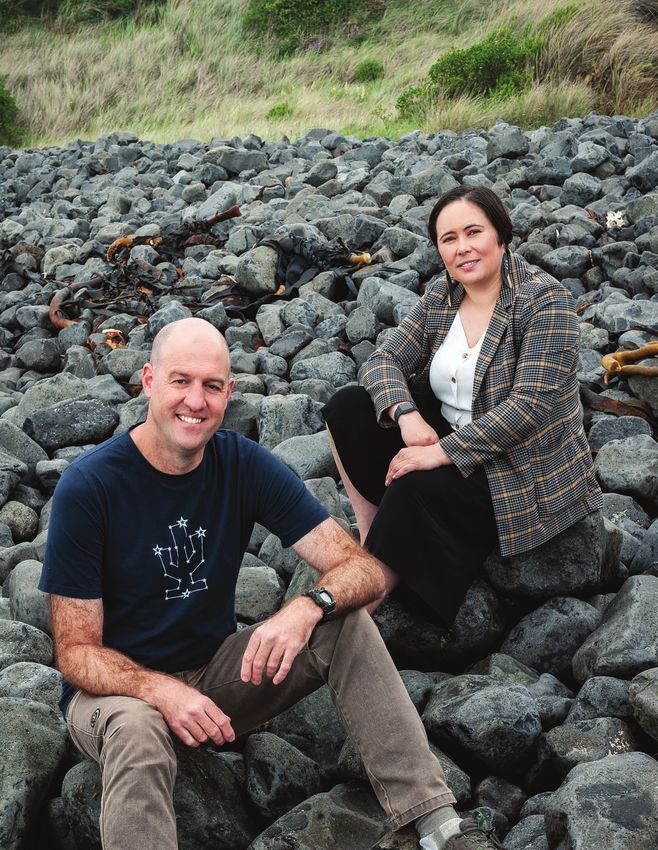
Associate Professors Anne-Marie Jackson and
Chris Hepburn lead Otago’s new CoRE

PLUS:

How can we mitigate against the effects of space weather?
Professor Harlene Hayne reflects on her years as VC
What now? Work post-COVID
                                                                          1
CONTENTS

In this issue
What happens                              Coastal                                 CoRE
when the Sun                              connections                             advances
goes BANG?                                Otago’s newest national Centre of       The Dodd-Walls Centre for Photonic
                                          Research Excellence looks at the        and Quantum Technologies builds
Professor Craig Rodger has received
                                          connections between human well-being    on world-leading strengths.
$15 million from MBIE to investigate
                                          and the health of marine ecosystems.
the threats of space weather.

6                                         10                                      13

Chasing                                   A journey                               ‘Ground-breaking’
dreams                                    shared                                  work recognised
Alumnus and professional cyclist Jack     Pearl Matahiki – or Aunty Pearl – has   The Christchurch Heart Institute has
Bauer continues his pursuit of a major    supported countless Māori students      received the University’s Research
victory, in spite of the constraints of   during her 20 years as manager of       Group Award.
a global pandemic.                        Te Huka Mātauraka.

19                                        22                                      28

2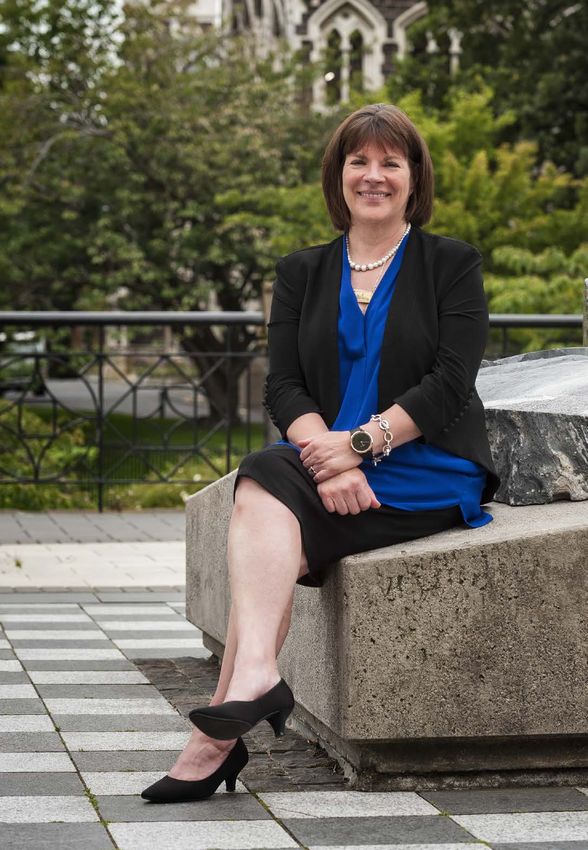
CONTENTS

For the                                  Regulars
record
                                         4
Professor Harlene Hayne discusses the     		   VICE-CHANCELLOR’S COMMENT
challenges and rewards of nearly 10            Professor Harlene Hayne signs off.
years as Otago’s Vice-Chancellor.

14                                       24
                                          		   OPINION
                                               What now? Otago Business School experts offer perspectives on
                                               working in a post-COVID world.

                                         35
                                          		   INBRIEF
                                               Academic and research highlights.

                                         38
                                          		   UNINEWS
                                               University news, appointments, achievements.

Out of                                   42
                                          		   HOCKEN LEGACY
                                               The papers of celebrated artist Colin McCahon and his wife Anne
Oxford                                         have been inscribed into the UNESCO Memory of the World
                                               New Zealand Register.
Alumni Jonny Stevenson and Claire
Munro found themselves at the coalface
of an international response to the
COVID-19 pandemic.
                                         45
                                          		   BOOKS
                                               Recent publications by Otago University Press and Otago alumni.

32                                       46
                                          		   ALUMNI NEWS
                                               Reunions, events, development initiatives.

                                         54
                                          		   ADDENDUM
                                               Salmond College celebrates 50 years.

                                                                                3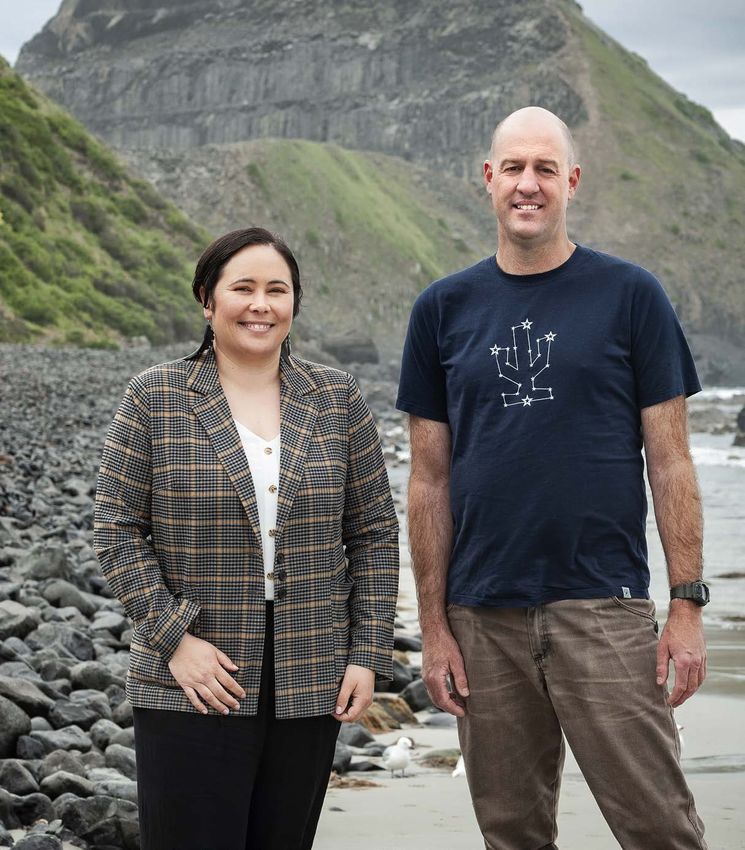
VICE- CHANCELLOR’S COMMENT

     University of Otago Magazine
     A magazine for alumni and                                                 By the time you read
                                                                         this magazine, my term as
     friends of the University
     Issue 52
     APRIL 2021 I ISSN-1175-8147
                                                                         Vice-Chancellor will have
     Editor:              Karen Hogg
     Design:              Ben Williams                                 come to an end. On April 8,
     Writers:

                          Margie Clark
                          Ian Dougherty                                   I will leave the University
                                                                            of Otago to take up the
     		                   Karen Hogg
     		                   Cheryl Norrie
     		                   Amie Richardson

                          Kim Thomas
                          Matiu Workman
                                                                       position of Vice-Chancellor

                          Mark Wright
                          Nigel Zega
                                                                             at Curtin University in
     Photographers:

                          Dave Bull
                          Sara Cavallini
                                                                                    Perth, Australia.
     		                   Alan Dove
     		                   Graham Warman
     Printing:            Ovato Print NZ
                                                                             My departure will be bittersweet. Otago
     Circulation:         Development and                                    has given me a life and a career that has
     		                   Alumni Relations Office
                                                                             been second to none. At the same time, I
     Front cover:         Associate Professors 		                            am also looking forward to a new challenge
     		                   Anne-Marie Jackson
     		                   and Chris Hepburn
                                                                             at a new university in a new country.
     		                   Photo: Alan Dove                                   I know that I will never love another
                                                                             university the way that I love Otago, but
                otago.ac.nz/otagomagazine                                    I am beginning to understand that I will
                                                                             learn to love Curtin in an equally fierce,
                                                                             albeit very different, way.
     Email: database.alumni@otago.ac.nz                                          A few years after I became Vice-
     • To update/change delivery address                                     Chancellor, an article was published in
     • To read the magazine and other alumni                                 Forbes Magazine in which the author
       communications electronically                                         argued that being a University President
     • To receive just one ”household” printed                               or Vice-Chancellor was the single biggest
       copy of the magazine                                                  leadership challenge of them all. The basis
     Phone: +64 3 479 4516                                                   of the argument was that Vice-Chancellors
                                                                             must balance the competing demands of a
                                                                             wide range of stakeholders both inside and
     Editorial contact details:                                              outside the organisation while also leading
     University of Otago Magazine                                            a workforce and a student body that walks
     Communications Office
     External Engagement                                                     around with a metaphorical thought bubble
     PO Box 56, Dunedin 9054, New Zealand                                    over their head that reads, “you are not
     Phone 64 3 479 8679                                                     the boss of me”. As such, Vice-Chancellors
     Email mag.editor@otago.ac.nz                                            must lead through collaboration and
     Web     otago.ac.nz/otagomagazine
                                                                             cajoling, not control.
     Copyright
     You are welcome to reproduce material from
     the Otago Magazine after gaining permission
     from the editor. All reproduced material must
40   be appropriately acknowledged.
     The Otago Magazine is published by the
     University of Otago’s External Engagement
     Division. The opinions expressed are not
     necessarily those of the University.

     4
VICE- CHANCELLOR’S COMMENT

“The staff, students and alumni of the University of
Otago are quite simply some of the most talented,
most dedicated, bravest, smartest and most
considerate people I have ever had the pleasure to
know. My life has been enriched by the opportunity to
meet you, teach you, or work with you over the years.”

    These things are definitely true, but        accident happens at a flat party and a          of the most beautiful in the world and we
there were also some leadership challenges       student is injured or killed, a pandemic        have built a number of world-class, prize-
that the author failed to mention. The first     spreads across the world, or some               winning facilities over the last 10 years,
is that a Vice-Chancellor, particularly the      disgruntled person makes a terror threat        with more on the horizon. We have not
Vice-Chancellor at the University of Otago,      against a graduation ceremony. These are        only survived the challenges of the COVID-
is also responsible for shepherding legions      not hypothetical leadership challenges:         19 pandemic, we have thrived and we are
of young people as they take their final         these challenges and many others have been      poised for an amazing future.
steps to adulthood. This task is often loud,     our reality over the last 10 years.                 I have served as the Vice-Chancellor
messy, painful and very public – but it is           But the good news is that the Vice-         at the University of Otago for almost 10
possibly the most important thing that we        Chancellor never faces these challenges         years and I have been an employee here
do at our University. Many people have           alone. I would like to express my heartfelt     for almost 30. I have literally spent half
asked me what I would like to see in the         gratitude for all of the wonderful people       of my life at Otago. Otago is my home. I
next Vice-Chancellor at the University of        who have helped this University thrive no       have no idea what it will feel like to walk
Otago. I know that he or she will bring their    matter what life has thrown at us. The staff,   out of the Clocktower for the final time,
own skills and expertise to the role, but I      students and alumni of the University of        but what I do know is that as I embark on
am hopeful that whoever is lucky enough to       Otago are quite simply some of the most         my new journey, I will take with me all of
become Otago’s next Vice-Chancellor will         talented, most dedicated, bravest, smartest     the important lessons that I have learned
continue to spend time with our students,        and most considerate people I have ever         at this fine University and I am hopeful
enthusiastically embracing both the joy and      had the pleasure to know. My life has been      that, like our alumni, I will always have the
the sorrow of standing beside them, not only     enriched by the opportunity to meet you,        opportunity to come home.
when they succeed but, more importantly          teach you, or work with you over the years.
perhaps, when they stumble or fall.                  The other thing that the author of the      I wish you all the very best for the future.
    The second leadership challenge that         Forbes article failed to mention was that,      Please stay safe and stay in touch.
was not covered in the article in Forbes is      in addition to the challenges of leading
that life, including its pain and uncertainty,   a university, there are also periods of
often impacts a university directly. Cracks      immense pride and joy. Universities are
in the earth open up and our cities shake,       remarkable places and they are full of
someone breaks into a building and steals        remarkable people. The University of Otago
exams, people get sick and die or take           remains a powerful force for good. Both
their own life, a crazy maniac opens fire        our teaching and our research are world         Vice-Chancellor
on a mosque full of worshipers, a terrible       class. Our campus in Dunedin remains one        Professor Harlene Hayne

                                                                                                                                                5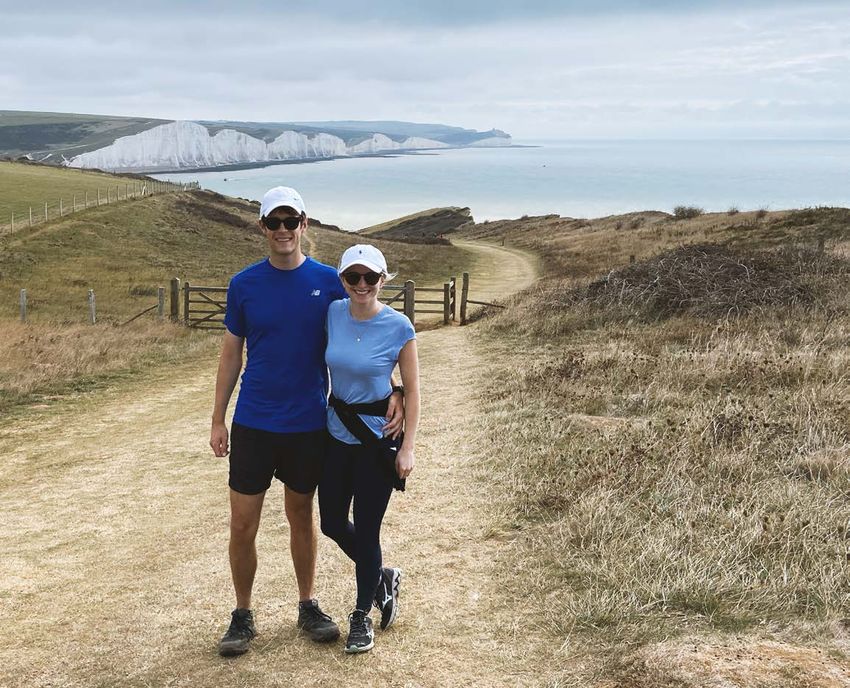
FEATURE

                        What
                        happens
                        when the
                        Sun goes
Photos: Graham Warman

                                   PROFESSOR CRAIG RODGER:
                                   “What we’re worried about is if we have a one-in-a-thousand-year
                                   storm, one of these rare events like a big earthquake that causes
                                   a lot of damage to the electricity network.”

                        6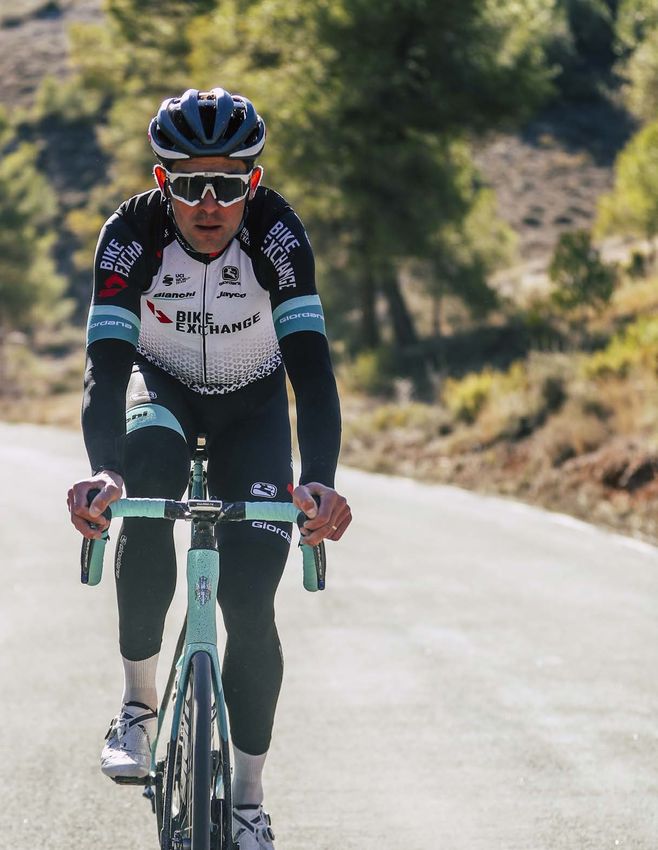
FEATURE

WITH THE WORLD increasingly reliant            a whole lot of material – think of it as a big   the protective relays flipped in, but it caused
on electrical networks – be they power or      pillow of plasma coming from the Sun: a          a blackout, taking out Quebec’s power
data – scientists are keeping a wary weather   solar tsunami.”                                  system for half a day.
eye on threats posed by “space weather”.           While it takes about eight minutes for           There have been experiences closer to
    Professor Craig Rodger (Physics) is one    light from the Sun to reach Earth, the sort      home, too. During a geomagnetic storm
of a growing number of researchers working     of material Rodger is talking about would        in 2001 a transformer at Dunedin’s
in the field and has recently been awarded a   take about a day and a half to get here.         Halfway Bush was burnt out. Consumers
$15 million MBIE Endeavour Fund grant.             Earth is surrounded by a magnetic            never noticed because Transpower was
    “It’s a relatively new field and comes     field, but the solar tsunami would kick off a    able to absorb it thanks to redundancy in
down to the impact of processes occurring      magnetic storm, compressing that field and       their system.
in space – usually triggered by happenings     changing the magnetic field on the ground.           “What we’re worried about is if we have a
on the Sun – and how those processes           The resulting current would be a danger to       one-in-a-thousand-year storm, one of these
influence our local environment, normally      electricity networks around the world.           rare events like a big earthquake that causes
with a focus on technology.”                        “A big event might only amount to 10        a lot of damage to the electricity network,”
    Rodger uses the example of radio           volts per kilometre, but that will produce       says Rodger.
blackouts caused by the Sun blowing radio      currents flowing in electricity networks.            American studies, for example,
waves into space, which are stronger than          “If you have a line that is a hundred        suggest an event like that could take out
those being produced by radio transmitted      kilometres long you could suddenly be            20 per cent of their power grid and force
on Earth.                                      getting hundreds of amps that aren’t meant       them to replace potentially thousands of
    “A good example of that would be           to be there. It’s enough to cause transformers   transformers.
GPS, that has satellites with quite weak       to be overloaded and burnt out.”                     “The trouble is the transformers are built
transmitters.                                      The downstream impacts would be              to order. It could cost anywhere from half-a-
                                                                                                trillion to $5 trillion a year.”
                                                                                                    A rough calculation for New Zealand
                                                                                                suggests the loss of about 15 per cent of the
                                                                                                country’s transformers.
                                                                                                    “Of course, it’s unlikely only New
Professor Craig Rodger has received                                                             Zealand would be affected. Large fractions
$15 million from the Ministry of Business,                                                      of the world would be impacted. They would
                                                                                                be going to transformer manufacturers for
Innovation and Employment to investigate                                                        replacements – and is New Zealand going
                                                                                                to be in the front of the queue or the back of
the threats posed by space weather,                                                             the queue?”
particularly on electricity networks.                                                               Rodger says the research will assess how
                                                                                                likely this is to happen.
How significant would the impacts be                                                                “Can we come up with a mitigation
                                                                                                approach? Can we come up with a clever
and how can we mitigate against this?                                                           way of avoiding the impact? Can we come
                                                                                                up with a prediction technique?
                                                                                                    “Something’s happened on the Sun –
                                                                                                we have half a day. What should we do and
                                                                                                what could we do?”
    “Occasionally the Sun goes bang,           enormous, affecting hospitals, food storage,         The researchers are talking a lot with
overwhelms the GPS transmitters and all        ATMs, computer networks and the many             Transpower, which Rodger describes as
you’ll hear is the Sun. So that’s an example   other things that rely on a functioning          being very advanced in this. They are also
of space weather.”                             power grid.                                      working with the US power industry, which
    But the big threat occupying Rodger’s         To understand the risks better, Rodger        is also taking a long hard look at it.
focus is the one posed to electricity          and his colleagues have been studying a              They are even working with First Gas,
networks.                                      big magnetic storm in Canada in 1989, that       which own most of the natural gas pipelines
    “So, if the Sun goes bang and throws out   didn’t cause any physical damage because         in the North Island, to see what impact

                                                                                                                                             7
FEATURE

“Something’s
happened on the Sun
– we have half a day.
What should we do
and what could
we do?”

 current flows could have there, particularly
 on corrosion protection systems that
 artificially change the voltage of pipes to
 make normal chemical oxidation less likely.
    Rodger says New Zealand’s size, plus the
 fact that electricity distribution is essentially
 a monopoly, means Transpower has been
 able to provide a lot of data – initially
 encompassing 15 years of measurements –
 to work with.
    “So we went from nowhere to the most
 knowledgeable group in the world who
 could go away and publish.”
    What they found was that even in such a
 small country there was great variation. For
 example, the risks in Dunedin are different
 from Cromwell.
    “Even with quite small distances inside

 8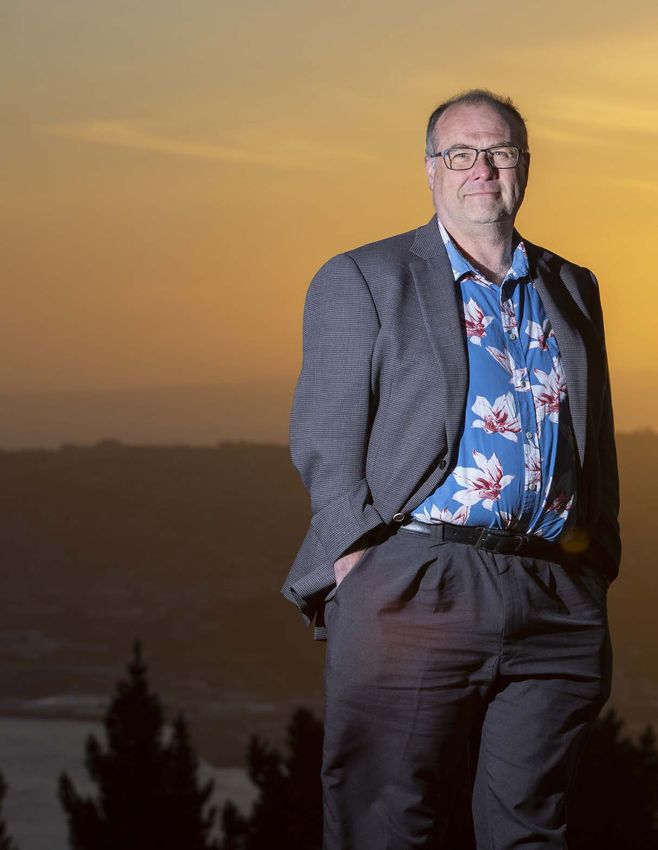
FEATURE

New Zealand you get really different             was threatening, power distributors could
numbers. Even within a substation one            even consider turning off their network,
transformer could be more likely to burn         but that is not a trivial move and poses
out than another,” says Rodger.                  some big questions such as how do you
    Dunedin and New Plymouth are                 bring back a whole network when it has
known hotspots. In fact, it was a 2017           been shut down?
event that left some transformers in the             “What you can think about doing
Taranaki area mildly distressed, which           is using redundancy in the network.
piqued Transpower’s interest in getting this     Take spare lines and transformers out of
research done.                                   operation for the length of the storm. We
    Just why these areas appear to be            can also harden the gear – if we know
hotspots is not so clear.                        where the hotspots are.”
    “It may have something to do with the            They are working closely with network
way the network fits together, but it also       control room engineers who have already
seems to have something to do with the           begun improving their mitigation
ground conductivity,” Rodger explains.           protocols.
    “It’s all a bit like doing research on the       It is a collaborative project that
Southern Alpine Fault. We know it’s going        stretches well beyond Otago, with New
to happen one day and we want to do some         Zealand partners such as GNS, Canterbury
research to think about it.                      and Victoria Universities and even the
    “The difference is that at the moment        Otago Museum which is going to lead an
we think the probability of a Carrington         outreach effort to other museums, schools
Scale geomagnetic storm – the biggest            and marae.
we’ve ever seen – is higher than the                 “Ngāi Tahu have been seeing aurora
probability of Southern Alpine Fault going       for hundreds of years and they have their
off and it would be a global disturbance,        stories about what it is.
not just a New Zealand disturbance.”                 “Otago Museum is going to take some
    Scientists are working hard to develop       of that, connect it to the modern science
real-time predictive models they hope will       and take it to New Zealand so we can talk
eventually tell them how a particular solar      about the stories about aurora and how we
event is likely to impact on Earth.              can understand it now.”
    “They have offered to give us high-              Internationally they are working with
resolution output from that model for New        the British Geological Survey and the
Zealand and I want to take that for a few        Canadian and American space weather
years, then compare their predictions to         bureaus, as well as the University of
reality. If it works well we can say to the      Texas at Arlington, where a researcher is
New Zealand energy industry, here is a           running the US Space Weather Modelling
prediction technique you can trust.”             Framework to work out what would
    Australia already has a space weather        happen if there was a solar event.
prediction system and Rodger thinks they             “I’m really pleased MBIE has chosen to
should be able to work in with them as well.     invest some money in thinking about this,”
    When it comes to mitigation,                 says Rodger.
Transpower can reconfigure the network               “We will learn things that will be useful
in tens of minutes, because New Zealand’s        to the world by doing this research, but we
network is relatively small. Other countries     will be doing it in a New Zealand context
don’t have that luxury, although networks        to learn about the hazards of this country.”
in the US are already adept at steps such as
re-routing power around thunderstorms.           MARK WRIGHT
    Rodger says if a massive solar tsunami

                                                                                             9
FEATURE

                   Coastal
                   connections
Photo: Alan Dove

                   10
FEATURE
Associate Professors Anne-Marie Jackson and Chris Hepburn
draw on the analogy of a double-hulled waka guided by Te Pae
Māhutonga (the Southern Cross) to explain the vision of the new
Coastal People: Southern Skies Centre of Research Excellence.
WHILE THERE HAS BEEN a lot of Jackson says both hulls of the waka – one
discussion at the global level about the examining things marine and the other
effects of climate change and the threats of focusing on well-being – need to float.
ocean warming, sea-level rise and ocean “They are the two things that underpin
acidification, not so much is known about it and then we have a platform to connect
its local effects and what is happening in the the two hulls. That’s our research: three
coastal sea. programmes of research that cut across
These issues will now be addressed by both hulls – connecting, understanding and
the new University of Otago-based national restoring,” she says.
Centre of Research Excellence (CoRE), “With Te Pae Māhutonga and our waka,
Coastal People: Southern Skies (CPSS), these map out what Coastal People: Southern
which sets out to examine the connections Skies is all about. We know that’s always
between human well-being and the health of present, so we know where we’re going and
marine ecosystems. where we’re going to in the future.”
Directors, Associate Professors Anne- CPSS’s focus is strongly Rakiura Stewart
Marie Jackson (Physical Education, Sport Island north, leaving other research
and Exercise Sciences) and Chris Hepburn programmes to focus on the Southern Ocean.
(Marine Science), say the CoRE’s vision is “Positive, forward-facing research on
flourishing wellness – or mauri ora – of climate change is at the heart of what we are
coastal communities. doing,” says Hepburn.
“Our mission is to connect, understand “It’s not so much about predicting or
and restore coastal ecosystems through trying to force action from governments:
ASSOCIATE PROFESSORS transformative research, local action and there are lots of people already doing that. It’s
ANNE-MARIE JACKSON by unlocking potential by utilising new more about, what do we know from research
AND CHRIS HEPBURN: pathways to learning,” says Jackson. that’s been completed and what is the future
“Positive, forward-facing Hepburn is a marine ecophysiologist – starting with the communities we are
research on climate change is at with a particular interest in kelp forests and working with in New Zealand and then out
the heart of what we are doing.” their role in the coastal ocean, while Jackson into the Pacific – and what can be done?”
has a Māori physical education, health and The CPSS waka also has two sails – one
well-being background. is voyaging and the other is innovation –
Their team of researchers, partners meaning new ideas can be put forward.
and community leaders have based their Hepburn says the work will include
vision on the double-hulled voyaging waka some epic voyages across the Pacific in
(canoe) for their research programme, with high-tech sailing waka, to undertake
Te Pae Māhutonga (Southern Cross) as scientific work such as looking at the
their navigational aid for governance and migration of sperm whales.
management, including a focus on eminent The CoRE will be guided by what Jackson
Otago alumnus Tā Mason Durie’s model describes as the four main stars of their
of well-being. Southern Cross – their governance group
11FEATURE
chaired by Tā Mark Solomon, their youth is located at Karitāne, as an example of how go into regional council environmental
advisory board, a research advisory board, researchers can build a strong relationship roles where their understanding of that
and their management group. The two with coastal communities. community connection, Treaty of Waitangi
pointers of the Southern Cross represent “We’ve worked with them for 15-plus and rights around fisheries, for example, has
their values that are contained in the years, so we have already begun supporting been hugely valuable for people applying for
acronym MANA – meaningful, authentic, local coastal communities,” says Jackson. jobs because it is something employers are
natural, action. There are also lessons to be learned from looking for.
“We are values led,” Jackson says. “Those the prior experiences of Pacific peoples who They also have community members
values of mana and kaitiakitanga – we’re came to New Zealand. involved in CPSS who are paid for what they
not going to stray from those. When you’re “We are working alongside Pacific do in consulting with the communities.
working with communities you have to academics and community leaders in “Our goal is to support community
understand your kaupapa, the thing that’s Aotearoa and the Pacific to support the leaders. There is no point going to
right at the heart of what you’re doing. realisation of their aspirations. This communities and telling them what to
includes the leadership of Pacific peoples do,” Hepburn says.“There has never been
throughout all levels of CPSS, and a period in world history where we didn’t
targeted research projects and capability know more about what is going to happen
development to ensure our approach is in respect to the environment.”
grounded and authentic.” “It’s working out what the community is
Hepburn says they have more than 80 interested in and what their needs are – and
researchers currently involved, effectively who are the best people to go alongside and
providing that platform between the understand that? It’s important to recognise
“Our mission is to two hulls of the waka. There is a strong that there is stuff we don’t know and we
connect, understand emphasis on diversity with about 54 per
cent female researchers, and 30 per cent
might need to bring more people in,”
Jackson adds.
and restore coastal Māori and Pasifica. Hepburn and Jackson acknowledge the
“But diversity to me is also diversity in level of fear there is about climate change
ecosystems through backgrounds – socio-economic status and and the uncertainty it creates.
the way people think.” “There are things we can do. We know,
transformative research, The lead investigators are predominantly for example, if we can fix catchments there’s
local action and by early-career researchers and, given most
CoREs have a seven-and-a-half-year
less sediment coming down the rivers and
our reef systems will become more resilient
unlocking potential by lifespan, most researchers are on the to heat waves,” says Hepburn.
upswing in their careers. “Research shows that if the water is dark
utilising new pathways To bring through the next generation and there is a heat wave, the seaweeds in
of researchers, they also have plenty of there respire more, burn up all their energy
to learning.” honours and masters’ scholarships and they and then collapse. If there’s light around
will be looking for well-rounded candidates they are able to be more resilient.”
to receive those. Research also shows kelp forests can
Developing this research talent is buffer against ocean acidification and there
an important component and, drawing is scope to actually do something about our
again on the waka concept, Jackson says kelp forests.
they have two moorings – training and Jackson says people underestimate the
monitoring. She firmly believes they were loss that occurs when a species of ocean
“When you work with communities funded not just because of their diversity, flora or fauna disappears.
they expect a life-long relationship and but also their training. “What happens to that traditional
this funding can support longer-term “It’s research excellence, but you knowledge that sits behind it? You lose that,
relationships,” adds Hepburn. also need to be training the next crop of you lose your identity – and we all know
Both researchers point to the work that excellent researchers as well as providing what happens when you lose your identity.”
has been done with a local Kāi Tahu iwi, opportunities into the job market.”
Kāti Huirapa ki Puketeraki, whose marae They have already seen former students MARK WRIGHT
12FEATURE
CoRE Renewed CoRE funding for the
Dodd-Walls Centre for Photonic and
Quantum Technologies provides certainty
advances as they build a cutting-edge team in an
increasingly important global industry.
Photo: Alan Dove
PROFESSOR DAVID HUTCHINSON centre funding allows us to be a little less for providing the skilled people who will
(Physics) well remembers the euphoria he risk averse.” service and grow that industry.”
felt in 2014 when he first heard they had This has already led to some impressive A range of research is coming down
secured funding for the Dodd-Walls Centre papers in high calibre journals, including the pipeline. For example, the centre
for Photonic and Quantum Technologies ground-breaking work on quantum jumps, has strength in biomedical applications,
Centre of Research Excellence (CoRE) to on electro-optic frequency combs in Nature including recent Marsden success to look
be established. and on vortex dynamics in superfluids in at optical imaging of blood flow in bone, as
This initial six-year funding has now Science, he says. well as numerous other applications.
been extended for another eight, through “We’re recognised internationally as Several research groups under the
until the end of 2028. a worldwide contributor in the quantum Dodd-Walls umbrella are working on
Having built so much over the past physics space and the photonics space.” novel ideas around quantum computing
six years, Hutchinson said the feeling on Security of funding has also helped and quantum information, such as
hearing the centre was refunded was more cement collaboration across groups of exploring how they can use quantum
relief than euphoria, knowing how many researchers who wouldn’t necessarily have and optical communication technology
people relied upon it. worked together. For example, Professor developed through the Dodd-Walls
“One of the things we’ve done well is Keith Gordon (Chemistry) has been Centre for secure information transfer via
nurture our younger staff. That’s been working with University of Auckland satellite.
reflected in the number of Marsden Fast- biomedical optics researcher Dr Frédérique “We have some advantages in what we do
Start and MBIE Smart Ideas grants we Vanholsbeeck and start-up entrepreneur that might give us an edge there. These are
get, which tend to be for early-career Professor Cather Simpson, who are all things for which we are seeking additional
researchers,” he says. members of the Dodd-Walls Centre. funding,” says Hutchinson.
“Some of our principal investigators “It has allowed us to build this ‘Best “We’re not going to revolutionise,
now were postdocs when we started, so Team in New Zealand’ approach to things.” necessarily, how we do optical
we have supported people through that Hutchinson says it also allows them communications for the internet directly, but
transition into their careers. We’ve also got greater scope for industry engagement, we will certainly contribute to niche areas.
a bunch of really talented research fellows as well as education outreach initiatives “It’s a Kiwi thing: find the thing you
we support who, we think, will probably end through Otago Museum and MOTAT, do well – your advantage – and build
up in academic positions.” Auckland’s Museum of Transport and your niche. Create your business, your
Hutchinson says the extended funding Technology. potentially multi-billion dollar industry.
gives longer-term stability and allows people A report by the Australian and You’re not the global player with the
to pursue the research they really want to New Zealand Optical Society last year put trillion-dollar game, but you’re part of
do, rather than something that fits within a a $1.2 billion raw value on the photonic it and can make a big difference in the
three-year project. industry in New Zealand. context of the New Zealand economy.”
“Once funding is too constrained the “I’m not saying we are responsible for
whole system becomes too conservative. The that, but we are in some way responsible MARK WRIGHT
13FEATURE
Photos: Alan Dove
PROFESSOR HARLENE HAYNE:
“I am proud that Otago is now
in a position where we no
longer need to look to models
in Europe or the United States.
We are now strong enough to
celebrate and speak about our
particular place in the Pacific.”
14FEATURE
After 30 years at Otago, almost 10 of them as
Vice-Chancellor, Professor Harlene Hayne is
moving on. She reflects on the challenges and
rewards, a few crises and many great joys.
WHEN PROFESSOR HARLENE Ivy League track I was on in the US to move take on the role of Deputy Vice-Chancellor
HAYNE BECAME Vice-Chancellor of the to the other side of the world just after my (Research and Enterprise). Again, she was
University of Otago she was surprised how first daughter was born. Moving from one initially reluctant. “I was ready to go back
much was made of the fact that she was the of the best universities in the world to come to my lab full-time. Once again, I had to
first woman at the helm. to Dunedin may have sounded like a risky restructure my thinking, expanding the
She had expected more to be made of idea, but in hindsight it was inspired. ambition that I had for my department to
the fact that she was the first American, not “The career I have had here has been include the wider University’s research and
only to lead Otago, but also to take the helm second to none in every respect: from my commercialisation efforts. And again, when
of any of the country’s eight universities. teaching and research to my leadership at I took the role I relished it.”
But looking back over her two terms Otago and my opportunity to work closely When Vice-Chancellor Professor Sir
in office, neither gender nor nationality with government, all while living in one of David Skegg stepped down he suggested
has had as much influence as her academic the most beautiful places on the planet. I that Hayne might want to apply. This time
background – the first psychologist in feel like I have won the lottery. she was not reluctant and entered into a
the role. “Originally I thought I might stay for protracted selection process that she likens
“My leadership style has been guided three to five years at the most, but almost to picking a Pope. “The more I learned about
most by my psychology background – 30 years later I’m still here. It’s a story that’s the University the more I fell in love with it.
understanding how behaviours are shaped repeated time and again at Otago. Academic I really did want this job and I thank God
and a deep interest in staff and students,” and professional staff come from overseas for they picked me. It’s been an amazing ride.”
says Hayne. a bit of an adventure and then they stay.” Hayne says her two predecessors’
That understanding has been tested over Hayne was a reluctant leader at first. leadership styles were perfect for the
a decade bookended by the crises created When she was asked to become Head of University’s needs at the time.
by the Christchurch earthquakes and the Department in Psychology she initially “Graeme Fogelberg brought the
COVID-19 pandemic, and touched by said no. “What I really wanted to do was to University into the 20th century in terms
controversy and criticism over restructuring. teach and to conduct research that made a of systems and buildings, and focused on
But the University has come through difference. I found real joy in my academic sustainable growth and fiscal responsibility.
strongly and is now in much better appointment in Psychology – so why would The fiscal side of the University makes many
shape than most, both nationally and I want to change that? academics cringe, but the reality is that
internationally, which Hayne considers is a “In order to step up as Head of none of us gets to do our jobs unless the
good way to farewell it after almost 30 years Department, I had to do some cognitive finances are in order.
of service. restructuring, expanding my academic “David Skegg worked hard to strengthen
In 1992 she left a postdoctoral fellowship ambition to include an ambition for my Otago’s research culture, which continues to
at Princeton – basically on a whim – to wider department. Once I accepted the role, this day. We are rare as a University in that
take up a lectureship in the Department of I found that I loved every minute of it.” every senior academic leader is still research
Psychology at Otago. At the end of her three-year term as active. David also took the first brave steps
“It was a big decision to step out of the Head of Department, Hayne was asked to in improving student safety and behaviour
15FEATURE
in North Dunedin through the development family, launched The Sophia Charter. This is Sometimes all they need is a kind, caring
of the Code of Student Conduct and the a shared commitment from key stakeholders and firm adult to set a boundary and explain
introduction of Campus Watch.” to enhance the safety and well-being of the that their behaviour is not appropriate. They
Since arriving at Otago, Hayne’s own student community in North Dunedin. also need someone to listen to them and to
research has had uninterrupted funding, “I will always be grateful for the amazing understand the challenges they are facing.
including seven successive Marsden grants grace and courage that Sophia’s parents have “I’m proud that every troubled student
– two during her terms as Vice-Chancellor. shown in the wake of any parents’ worst I have met in my office has eventually
“Research is an intellectual respite for me nightmare. They have been the catalyst for graduated. That might not have been the case
where the skills I have mastered give me the charter and we can already see that had we not had those conversations. And
complete control over what happens next. it is making a difference in our student I’m incredibly proud of the overall positive
That doesn’t describe some of the other community.” change in the way the students treat each
challenges I face as Vice-Chancellor.” other and our community here at Otago.”
As Vice-Chancellor, Hayne aimed to Hayne promoted good citizenship and
build on the legacies of Fogelberg and altruism among students, establishing the
Skegg. “In addition to fostering continued University’s Volunteer Centre, now the
capital development, fiscal responsibility “Research is an Social Impact Studio, which fosters student-
and an emphasis on research, I have driven change through leadership and
particularly tried to elevate the standard intellectual respite volunteer work.
of our world-class teaching. None of us “I was the only person in my family who
should ever forget that the University is for me where the went to university and I was able to do so
a school and that our students are the
lifeblood of this institution.”
skills I have mastered only because of a scholarship. I benefited
from the kindness of strangers and I am a
Hayne devoted considerable time to
students. Her active support of the Code
give me complete firm believer that there is a great obligation
that comes with that privilege. New Zealand
of Student Conduct helped to reduce anti- control over what taxpayers pay a large portion of the cost
social behaviour, especially around alcohol, of our students’ education. In my view,
but – as she points out – only so much can happens next. That students have an obligation to give back.
be done without support from government. “Volunteering is now part of the DNA of
“Many of the problems we currently face doesn’t describe Otago students and long may that continue.
regarding alcohol will only be solved by Young people are receptive to the message
changes to legislation and culture.” some of the other of obligation and we often see students at
She also moved more broadly to
address issues of student behaviour that challenges I face as their best when they are working together to
give back to the community.”
are either partly attributable to, or are
exacerbated by, excess drinking. For
Vice-Chancellor.” Hayne also championed the interests of
Māori and Pacific students. On her watch
example, in 2018, following extensive Otago has seen year-on-year increases
research into best practice, Te Whare in their numbers and their successes,
Tāwharau, Otago’s sexual violence support particularly in the Health Sciences, with
and prevention centre, was opened on the Throughout Hayne’s term as Vice- considerable long-term positives for them,
Dunedin campus. Internationally unique in Chancellor, many students who found for whānau, for communities and for the
its integration of research with education, themselves in trouble were summoned to her country as a whole.
prevention and support, it is tackling an office for a chat – more pastoral care than Otago also became New Zealand’s first
issue that is common to universities around punishment (though perhaps not always university to secure Fair Trade status and
the world, but which few – if any – have yet seen that way by those students at the time). became a signatory of the United Nations’
to successfully address. “The psychologist in me understands Sustainable Development Goals. The
In 2020, following the tragic 2019 that most of the students who do bad things University also received the rainbow tick
death of Otago student Sophia Crestani, here at Otago are not bad people. They are and became a signatory to the Say-No-To-
the University, together with the Crestani good people who have made a bad mistake. Racism campaign.
16FEATURE
Hayne has also overseen considerable
growth in Otago’s scholarship support for
students at postgraduate and, particularly,
undergraduate levels.
“The purpose of these awards has been
three-fold: firstly to help ensure we attract
the number of students we desire; secondly
to secure a good share of New Zealand’s
high-calibre students; and thirdly to secure
an increasingly diverse student cohort
for Otago, including many more students
from backgrounds that are traditionally
under-represented in University study in
this country.”
Otago’s status maintained its standing in
a number of influential world rankings. The
University has received constantly mounting
accolades for both research and teaching
excellence and is now attracting the highest
level of research income in its history.
During 2019, the 150th anniversary
celebrations attracted some 100,000 people,
with the Clocktower picnic so successful
that it has been added to the annual
calendar. The bell that was originally housed
in Otago’s first premises in the Exchange
was relocated to the historic precinct behind
the Clocktower, where students ring it to
celebrate submitting their PhDs.
These initiatives were driven by “a great in the world. Improvements include a state- As Hayne leaves, the University is
passionate partnership between students of-the art dental school and dental hospital, developing its new strategic direction, Vision
and staff who are in very strong agreement new research facilities, a new performing 2040. “We all recognise the unbelievable
about working towards sustainable actions, arts building, and renovation of the contribution that the Scots made to the
abiding by consumer responsibility and Commerce atrium. University of Otago, but as we go forward
creating a campus environment where “We have to invest in facilities to we also recognise the huge contribution that
everyone feels welcome”. accommodate our people, allow them to Māori and Pasifica will make to our future.
Hayne is proud of the work-hard-play- conduct world-class research, and make I am proud that Otago is now in a position
hard ethos of the average Otago student. our campuses attractive to both staff and where we no longer need to look to models
“Students who participate in sports like students. Although there are always valid in Europe or the United States. We are now
rowing and rugby and netball and soccer, questions about spending on buildings strong enough to celebrate and speak about
or take part in business case competitions rather than people, in my view this is a our particular place in the Pacific.”
or debate teams bring huge mana to the false dichotomy. Our great people need The positives mount up, but Hayne has
University through their hard work, all great buildings. had a lot of negatives to deal with.
while maintaining good academic progress.” “The University currently has an assets “My time has been bookended by
Hayne’s legacy includes her oversight of base worth more than $2 billion. These crises. First, the Christchurch earthquakes
some $400 million worth of major capital assets require constant upgrading to meet rendered our campus there uninhabitable
development on campus, which is regarded health and safety regulations and the for two years. But our staff and students in
internationally as one of the most beautiful growing needs of staff and students.” Christchurch rose to the challenge.
17FEATURE
“My watch at Otago demanded being maintenance of our buildings and
facilities, and some very, very painful
courageous enough to make decisions human tragedy.
“Every day for almost 10 years it has
that were difficult. I don’t need to be been my responsibility to sail this ship
through these rocky waters. We are
beloved, but I do hope people think I led currently entering a safe harbour. Looking
the University with integrity and courage. back, I really hope that reaching that
harbour will be one of my legacies.
That’s how I’d like to be remembered.” “Given the roles I have held at Otago,
I appreciate the University as a business
and the University as an academy. I am
confident that I will leave both these
aspects of the University even better than I
We taught students wherever we could and of one group over the needs of another. As found them.”
they actually performed better than their is the case in most universities around the Hayne says the challenges she has faced
counterparts in Dunedin or Wellington. world, we operate in a constrained funding at Otago have prepared her well for her
“Very early in my first term, the environment, which means that one group new role as Vice-Chancellor of Perth’s
earthquakes taught me how resilient will be the winner and one group will be Curtin University, the largest in Western
the University can be and how kind the loser. Australia. “They have strengthened my
and generous people can be under very “It’s the Vice-Chancellor’s job to make skills and my confidence in my leadership.
difficult conditions. the tough calls to put the University and its I feel blessed that this amazing opportunity
“Now, at the end of my time as Vice- staff and students in a stronger position for for a new leadership role has come along
Chancellor, we are experiencing COVID- the long term. If you are not willing to make just as my time at Otago comes to an end.”
19, but again everyone has just got on with those decisions you should not sign up for Although the future at Curtin looks
the job. the role. But it’s not easy, especially when bright, leaving Otago will be heart-breaking,
“At the beginning of the pandemic we you are leading people you have worked says Hayne.
set our moral compass with two poles: alongside for so many years. “I have lived in Dunedin and loved this
to provide the best education we could “There were some people here at Otago University for half of my life. I’m proud of
under unprecedented conditions and to who were unhappy with my decisions – it as an academic and as a leader and it will
save as many jobs as possible. In the end, some of them loudly so – but there were also never be far from my thoughts.
we achieved both of those things. Overall, many who understood what we were trying “Otago is bolder and braver than I ever
our students performed better in 2020 to do. In the wake of the pandemic, I am thought possible. It’s full of people from
than in 2019 and we have not suffered hopeful that more people are beginning to all walks of life who are kind, generous,
the job losses that have become common see the value in the changes we made. resilient, creative and helpful, and who want
across the globe. We will emerge from this “Leadership cannot be solely about absolutely the best for the University and for
international pandemic much stronger making everybody happy. It’s about our students.
than many other universities.” making the best decisions you can with the “My watch at Otago demanded being
Hayne believes that the University was information that you have in front of you courageous enough to make decisions that
well-prepared for the pandemic because of and that is what I have tried to do. were difficult. I don’t need to be beloved, but
difficult decisions made over previous years. ”It’s impossible to describe the level of I do hope people think I led the University
She is well aware that decisions responsibility that is inherent in leading a with integrity and courage. That’s how I’d
involving restructuring through the university. At any one time there are only like to be remembered.”
Support Services Review and in the seven other people in New Zealand who That seems fitting for the outgoing leader
academic divisions attracted considerable know what it’s like to be a Vice-Chancellor. of a University whose motto, Sapere Aude,
criticism of senior management. “My term was marked by natural demands integrity and courage to Dare to
“As Vice-Chancellor you sometimes disasters, a global financial crisis, be Wise.
have to make really difficult decisions. demographic decline, expensive changes
Every day you have to consider the needs to legislation, decades of deferred NIGEL ZEGA
18PROFILE
Chasing
dreams
A ‘crazy idea’ and hard work set
Otago alumnus Jack Bauer on the
road to becoming a professional cyclist.
And, in spite of the obstacles of a global
pandemic, he’s not finished yet.
Photos: Sara Cavallini
JACK BAUER:
“I’m still dreaming in terms of a major victory,
a major race in cycling… let’s hope I’ll bag one soon.”
19PROFILE
EVEN THOUGH COVID-19 means he’s exercise physiology, taught by Professor Ghent, in Belgium, and turned up to local
been confined to his home in Spain for weeks James Cotter. “That was really where my amateur races. After a successful six months
on end, top road cyclist Jack Bauer isn’t fazed passion lay, studying how the body worked he picked up a single-year contract for 2010
by the upheaval to his normal schedule. and what high performance sport was all with Scottish 3rd division team Endura
It’s early evening at his home in Girona, about: what the body could do when it was Racing and moved to Manchester. In early
100km up the coast from Barcelona, which pushed to its limits.” January of that year, he won the 2010 New
he shares with his Australian wife Sarah and At the time, master’s student Nicholas Zealand National Road Race Championship.
their one-year-old daughter Eve. He’s not Flyger was looking into the sport of cycling In 2011 he moved to Spain because he
long finished a “very strange” pro-cycling and Jack became “a bit of a lab rat” for him. had heard the sun shone a lot more there
season, including the Tour Down Under, the “He took me under his wing and said, compared to Manchester, and he knew one
Tour de France and the one-day Northern ‘look, the performances you’re turning or two other professional Kiwi cyclists who
Classics, and is back home hibernating in out in the lab on the ergometer are pretty were living in the region.
the Spanish winter. impressive and maybe you need to back “I made friends, met my wife and
During the Zoom interview, his calm yourself as a cyclist’.” I haven’t left since; it was 10 years in
approach to the chaos of the past year Nick helped him gain some local February.”
suggests an easy-going nature – but he says sponsorship, developed training His wife Sarah represented Australia in
this is only half the story. programmes and set up a mountain-biking track cycling, with Senior and Junior World
“I probably have two personalities. I team of students. Jack competed nationally Champion titles in the team pursuit and two
have a racing personality when I’m on the during his time at Otago. World Cup gold medals. She retired in 2012
road, and then I have a side to me where I “That was really the beginning for me. and has since gained a degree in sustainable
completely pull away from that when I’m To have that guidance and belief from development and international aid and is
home, and I’m quite happy out in the middle Nick set me on the right path and kept me currently a self-employed artist.
of nowhere stacking wood, just doing simple focused on this crazy idea that I had. He “I think having someone else in the
things like I did as a youngster.” made it seem not quite so crazy, because this house who understands sport, but isn’t a
That youngster grew up in Golden Bay, guy who knew a lot about physiology and full-time sports person helps to bring you
Tasman, dreaming of an Olympic future in sports performance thought I might have an back down to earth.”
mountain biking. engine under the hood.” In 2012 Jack signed his first contract into
“I think I’m a bit of a dreamer when it After Otago, Jack spent a couple of years the pro-tour with team Garmin-Cervelo,
comes to what my potential might be. I set working in the gym industry, but decided which he stayed with until 2016. A standout
my sights on things way in the distance and he’d rather be the athlete being trained performance on the 15th stage of 2014 Tour
most of them definitely do not come true, than the trainer, and began to focus on de France saw him come within metres of
but the bike is one that has.” road cycling. delivering New Zealand’s first individual
Jack’s parents encouraged him in his “I’d always struggled to train on a full- stage win in the race.
sport and he and his brother and sisters time basis and pay my rent and pay off Since 2018 he has raced with Australian
were raised as “pretty no-nonsense my student loan. I’d moved to Wellington World Tour outfit GreenEDGE. The team’s
kids”, which he says has helped him to play bass with a band we had formed head sports director Matt White recently
keep a balance between his personal and at Otago and saw an opportunity to be a described Jack as a great part of their engine
professional lives, and to cope with the cycle courier. I thought if I can be a bike room and a big cog in the success of the
pressures of the sport. messenger, that would allow me to pedal team. Seems like Nick Flyger was onto
He left Golden Bay for university in full-time and that if I could handle being something all those years ago at Otago.
2003, spending four years at Otago and on my bike all day, seven days a week, then Jack has an impressive CV of stage wins
graduating with a BPhEd. maybe I could handle being a professional and placings in European racing, including
“It was a truly eye-opening experience. one day too. a 4th in the Tour de France Stage 3 (TTT) in
I’d moved there as a 17-year-old kid who’d “So I did that for a year. It seems 2018 and a 1st in the Tour de Czech Stage 1
been home-schooled in Golden Bay my strange to a lot of people: I was leaving my 2020 (TTT). He also won the New Zealand
entire life. I definitely saw it as jumping university studies behind and I had this National Championships Road Race (TT)
in the deep end, which I did. It was a life- wild dream that I’d go over to Europe and in 2017.
changing experience, but obviously it set me somehow become a cyclist who is being paid His favourite race is definitely the
on the right path.” to do what he loved.” Tour de France – “it’s something that’s
While at Otago, he especially enjoyed In the middle of 2009 he moved to incomparable to other events”.
20PROFILE
“It seems strange to a
lot of people: I was
leaving my university
studies behind and I had
this wild dream that I’d
go over to Europe and
somehow become a
cyclist who is being paid
to do what he loved.”
Other highlights include coming back trying to be the best. “You’re always on that “Whereas I came through Otago Uni,”
after a year off with a broken leg and tightrope of mental and physical pressure… he says with a laugh. “I’m 35 now and
winning a stage in the Tour of Britain in I really thrive off that and I have a natural in my 10th year as a professional, but I
2016, and representing New Zealand in road desire to push to the absolute limit.” don’t feel like I’ve been around that long.
racing. He won a silver medal in the road To prepare for that level of competition, I’m not losing that drive or motivation.
race at the Glasgow Commonwealth Games he says you just have to do the training, Most people who’ve been doing it since 19
in 2014 and was 10th in the road race at the whatever sport you do. wouldn’t still be doing it at my age. But the
London Olympics in 2012. “You just get conditioned and hardened majority of my life I’ve lived outside the
Typically, his cycling season runs from to that suffering. When it comes to doing a cycling world.”
January to September or October, but in grand tour, a race of three weeks in duration, This means he has no qualms or fears
2020 they had the rug pulled out from you definitely live on that knife edge – you’re about life outside sport, which a lot of
under them in March. He made it home at the peak of your physical capacity.” athletes do.
from racing and proceeded to train inside He says the hardest thing to cope with “When that lifestyle is taken away from
on the home trainer during lockdown. is injury, because this means down-time on them – the support structure around them
When it’s racing season, he would the couch, surgery and rehab. He had a bad of coaching and the professional team
usually train five days out of seven. He break to his left leg in a crash on a wet road environment, having everything laid out for
uploads all his training data to his coach, in the Tour de France in 2015. He still feels you – a lot of athletes struggle. Relationships
who creates the programmes. Nutrition- the effects from that and also has a “decent struggle. I don’t have any worries.”
wise he just likes to eat healthily. injury” to his other leg, which gives him Until then, however, there are still
“At a race and when I’m on tour with the trouble most days. dreams to chase. “I’m still dreaming in
squad I’ll work with the nutritionist, but at “The actual surgeries I went through with terms of a major victory, a major race in
home it’s just me and my bathroom scales, those injuries, they’d be the low points of my cycling, I’ve had some small victories here
because cycling’s all about weight – how career; being laid up and getting drilled in and there – some nice wins – but nothing
much you weigh and how much power you and bashed about and stapled back together.” really standout. I’m looking at my final
can produce.” In Europe, cyclists come through the years on the bike and getting a bit long in
He finds the most challenging part of junior rider programmes and onto national the tooth, so let’s hope I’ll bag one soon.”
being a professional cyclist is trying to federation development teams, then early
be the best alongside others who are also competition. MARGIE CLARK
21You can also read


