Japan Overseas Cooperation Volunteers Naruto Kintoki Fries Recipe
←
→
Page content transcription
If your browser does not render page correctly, please read the page content below
aWa life
Naruto Kintoki
                     Japan Overseas
                     Cooperation Volunteers
                                                 December 2020
                                                         # 362
                         Introduction
 Fries Recipe

                                              Kakejiku
                           Gairaigo Galore:
      Awa Shoku:                アップ
 Thinking IN the Box for
   New Year Cooking
1               Awa Life is a Monthly Publication of the Tokushima
                    Prefectural International Exchange Association
What a year 2020 has been! We are sure nearly everyone has felt some stress throughout the year
due to having to adjust to a completely new situation, but we still hope that you can have a quiet year
end and that you will be able to take some time for yourself. In Japan, it is common to have some kind
of “mind reset” at the end of the year in order to start the new year in a fresh way. This is also why par-
ties at the end of a year are called bounenkai 忘年会 (literally “forget the year gathering”). In this sense,
let`s look forward to 2021 and have hope that it turns out to be a more positive one.
How about starting the year with hatsumoude 初詣 (first shrine visit of the year) at
your local shintou shrine?
Merry Christmas to everyone and see you next year!

For all of those who like writing, please feel free to submit an article to us at any
point in time about basically anything. There are a few limitations though, such as
you can’t write about religion, politics, commercial activities or businesses or anything that we deem
inappropriate. But, other than that, we would be more than happy to receive articles about anything and
everything including but not limited to concerts, lectures, other events, culture, sports, community group
information or anything cool that’s happening in your local community.

We highly appreciate all of your articles and we love reading them. So if that writing bug of yours is
buzzing about, grab a pen or a computer and write and send away! Please send all submissions to our
email:
                                        awalife@gmail.com
                                                                                          Your editors,
                                                                                      Sydney and Nico
              Tokushima Prefectural International Exchange Association (TOPIA)
         1-61 Terashima Honcho Nishi, Tokushima City 770-0831 JAPAN, Clement Plaza 6F
                               Tel: 088-656-3303 Fax: 088-652-0616
                                        http://www.topia.ne.jp/
        Download a PDF file of awa life or view the online version by going to TOPIA's website!

                                              Editors:
                                  Sydney Bartig and Nico Bohnsack
                                      Contributors This Month:
    Qing Liu, Alessa Peters, Yukari Nagata, Shoko Nomizu, Lance Kita, Kayo Miyoshi, Atsushi Abe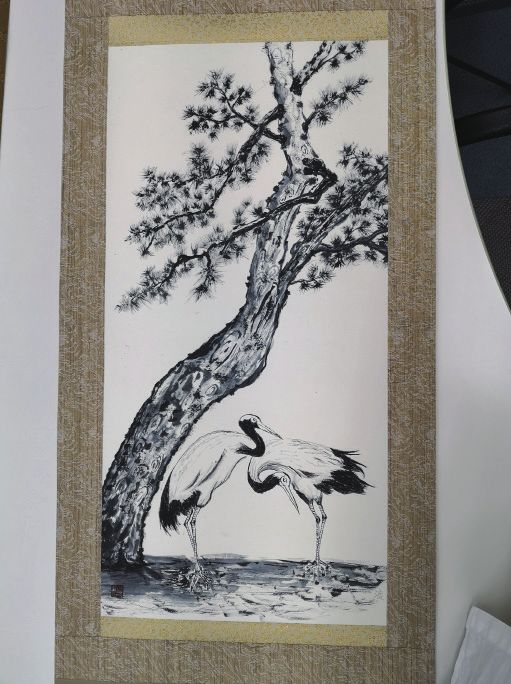
Contents
Pg. 2:          Kakejiku
                                                           2
Pg. 3:          Naruto Kintoki Fries Recipe
Pg. 3-4: Japan Overseas Cooperation Volunteers Introduction
Pg. 5:          Japanese Culture and Reading Corner: お正月
Pg. 5:          Gairaigo Galore: アップ
Pg. 6:          Awa Shoku: Thinking IN the Box for New Year Cooking
Pg. 7:          Japanese Lesson
Pg. 8-9: Events and Memoranda
Kakejiku
By: Qing Liu

I  n J a p a n , p aintings and works of calligraphy
   that have been drawn on cloth or paper, affixed
with jiku attachments on both sides, and hung on
the wall are known as kakejiku. Vertical kakejiku
are called tatejiku or jofuku, and horizonal works
are known as yokohaba. Kakejiku that are hung
in a reception room often feature images such as
9 koi or a magpie welcoming spring, with these
images representing luck and wealth. If there
is an elderly person living in the house, then a
picture featuring pine trees and cranes is also a
good choice as these represent longevity.

When you enter a Japanese tea room, the first
thing that will catch your eye is the kakejiku.
Japanese tea ceremony, or sadou, has an
inseparable relationship with kakejiku, and its
roots lie in zen. Often in the middle of the tea
room, you can find profound zen-related proverbs
written on kakejiku such as “ 一期一会 ” (once-in-
a-lifetime encounter), 和敬静寂 (harmony, respect,
purity, and tranquility), or 日々好日 (every day is a
good day).

The “magpie welcoming spring” and “pine and
crane” kakejiku featured in this month’s Awa Life
were hand-drawn by Shinobu Watari-san. Watari-
san enjoys and excels in ink paintings, and these
two paintings truly express his wishes.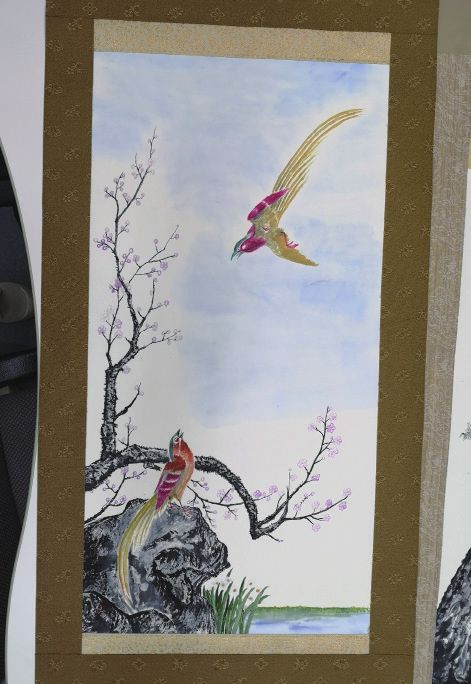
3      Naruto Kintoki Fries Recipe
           By: Alessa Peters

O    ne food that has always been used in Japan,
     but has only recently gained popularity in my
home country Germany, is sweet potatoes. While
                                                     • 1 tbsp. of soy sauce
                                                     • ½ tbsp. of maple syrup
                                                     • 1-2 sudachi, to taste
the available varieties differ, I enjoy preparing
them as a soup in the winter in Germany and as       Optional:
Daigaku imo, a sweet snack, here in Japan.           • Minced garlic and/ or ginger, to taste
                                                     • Chopped welsh onion, to taste
In Tokushima, there is a regional variety called     • Salt, to taste
Naruto kintoki that I’m sure you have seen at the
supermarket or souvenir shops where they feature     Instructions:
various sweets made from them. As I mentioned        • Rinse the sweet potato and dry off with a paper
in a previous article, what I like about Tokushima   towel. Cut off the end pieces, then cut the potato
is the ability to buy lots of local produce, and     into sticks without peeling the skin. (Make sure
Naruto kintoki is one of them.                       that the inner part does not change color too
                                                     much. If it gets green spots right after you cut it,
Since sweet potato fries are popular and easy        it’s bad. Use the potatoes as soon as possible
to make at home, I decided to try my hand at         after buying).
my own recipe using two local products: Naruto
kintoki and sudachi. I hope you enjoy them!          • Transfer the sweet potato sticks to a bowl and
                                                     pour a little bit of canola oil over them, then mix
                                                     well. Put them onto an oven grate, making sure
                                                     that they do not overlap. Bake in the toaster oven
                                                     for 10-15 minutes until soft and golden brown.
                                                     The exact time will vary depending on your type of
                                                     oven. (You can also prepare them in a frying pan
                                                     with a little oil if you prefer a crunchier texture).

                                                     • In the meantime, prepare the dip. Mix the peanut
                                                     butter, canola oil, soy sauce, maple syrup, and
                                                     the juice of the sudachi in a measuring jar until
                                                     smooth. If using minced garlic and/or ginger, add
Ingredients                                          them too.
(Makes one large portion):
• 1 medium-sized sweet potato                        • When the sweet potatoes are done, transfer
                                                     them to a bowl or a plate and serve warm with the
For the dip:                                         dip. If using, sprinkle the chopped welsh onion
• 2 tbsp. of peanut butter (crunchy or creamy)       and/or salt on top.
• 2 tbsp. of canola oil

Japan Overseas Cooperation Volunteers Introduction: Striving
to Share a Better Tomorrow with the People of the World
By: Yukari Nagata, JICA Shikoku, Tokushima Desk

I  n this world there are many issues such as poverty, discrimination, global warming, etc. that
   can’t be solved if we don’t work together. In developing nations, where approximately 80 percent
of the world’s population lives, these issues are particularly evident. As an implementer of Official
Development Assistance (ODA), JICA (Japan International Cooperation Agency) utilizes Japanese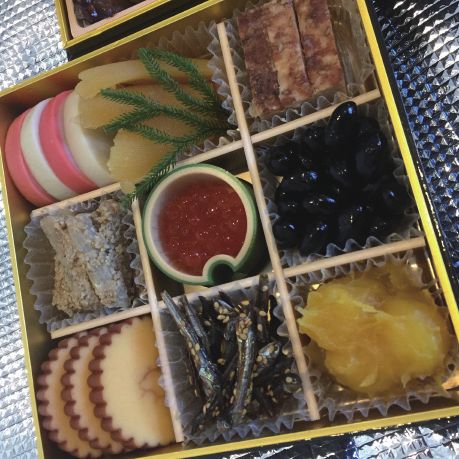
Japan Overseas Cooperation Volunteers Introduction

experiences, knowledge, technology, and resources to help support developing nations with
                                                                                                                                                               4
development. Japan Overseas Cooperation Volunteers are Japanese citizens between the age of 20 –
69 who wish to make the world a better place, and they apply with the intent to utilize their skills. After
being accepted, they study the language and culture of the country they will be dispatched to, as well
as the fundamentals of international cooperation, for roughly 70 days in Japan. They are dispatched
to a country for roughly 2 years, and they live in the same environment as the local people. They work
together with their coworkers (at a government organization, NPO, etc.) to try and find solutions for
issues.

The work for Japan Overseas Cooperation Volunteers is largely broken down into 9 categories such as
health preservation/medical care, agriculture, forestry, and fisheries work, etc., with over 190 smaller
categories. To date, over 50,000 Japan Overseas Cooperation Volunteers have been dispatched to 98
different countries to assist in a variety of fields.
     Introduction of Japan Overseas Cooperation Volunteers from Tokushima

                                                                            Ayana Oki                                     Koshiro Sawaguchi
                                                                            Ayana took a break from teaching at a         After working for the Tokushima Prefecture
                                                                            middle school in Tokushima City in order to   police for 36 years, Koshiro worked as a
                                                                            work as a “science education” volunteer in    “traffic safety” volunteer in Nepal. At the
                                                                            Ethiopia. She worked to support elementary    Metropolitan Traffic Police Office, he worked
                                                                            school teachers in the area by helping them   on traffic safety measures and proposals.
                                                                            raise their experimental techniques and       He also gave traffic guidance on the streets
                                                                            classroom skills.                             and created traffic safety leaflets. Through
                                                                            (Picture: Together with students from the     these activities, he worked to reduce traffic
                                                                            science club.)                                accidents and improve traffic manners.
                                                                                                                          (Picture: Together with university students
                                                                                                                          working as traffic volunteers.)

                                                                            Manami Takimoto                               Sachiko Miwa
                                                                            After working at a university for 8 years     After working for 5 years as a physical
                                                                            doing work related to study abroad students   therapist at a hospital, Sachiko worked in
                                                                            and PR, Manami worked in Brazil as a          East Timor as a “physical therapist”
                                                                            “Japanese     teacher”    volunteer.   She    volunteer. She worked to improve access to
                                                                            conducted classes at a Japanese promotion     proper physical rehabilitation in the area
                                                                            center in Aracatuba and worked to improve     and to improve the techniques of local
                                                                            student’s conversational skills.              workers.
                                                                            (Picture: Celebrating Hinamatsuri (Girls’     (Photo: Helping a patient with their
                                                                            Day))                                         rehabilitation at their home.)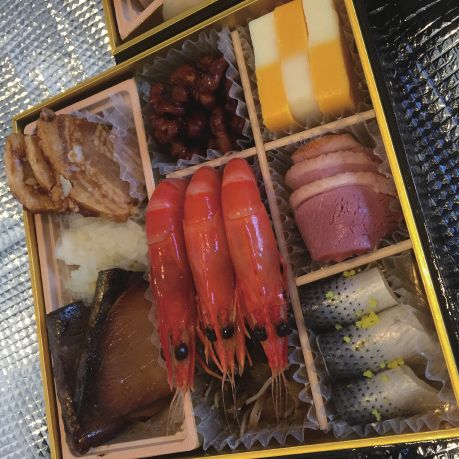
5         Japanese Culture and Reading Corner: お正月を迎える
               準備をしましょう!
           By: Shoko Nomizu
     に ほん       がつ          しわ す  し      ぼう   せん せい        がつ
     日 本 では、12 月 のことを「師 走 」といいます。「師 」とは、お坊 さんや先 生 のことで、「12 月 は、
 ぼう            せんせい         はし              いそが                      い み
お坊さんや先生が                    走りまわるほど          忙しい」という意味です。
       がつ                  ねん が じょう   か          おおそう じ             はじ               ねんまつ      さい ご          し ごと     ひ        し ごとおさ
     12 月になると、年賀状を書いたり、大掃除を                                     し始めます。年末の                      最後の仕事の日を                       仕事納め
       い                    あと              ひと       とお                       か ぞく     あ                     ふる さと        き せい
と     言 います。その後、たくさんの人 が、遠 くにいる                                               家族に      会 うために、故 郷 に                       帰 省 します。
              しょう がつ        むか                     りょう り            つく                  かざ               かど まつ       じゅん び        ひと
そして、お正月を                    迎えるために、おせち料理を                           作ったり、しめ飾りや                           門松を          準備する人もい
ます。
       がつ      にち          おお み そか        とし こ                  た                            しん や        じ                             てら
 12 月 31 日の 「大晦日」には、年越しそばを                                      食べます。そして、深夜0時を                                      はさんで          お寺の
かね     ひゃく やっ つ        な    はじ                    じょ や     かね            い                                       がつ              しょう がつ
鐘が         百八つ         鳴り始めます。これを                 除夜の鐘と                  言います。このように、 12 月には、お正月を
むか                    かんしゅう
迎えるための               慣習が         たくさん      あります。

           りょう り                 とし こ                      じょ や          かね                         かざ                       かどまつ
 おせち料理                           年越しそば                     除夜の鐘                              しめ飾り                            門松
 Vocabulary List
 ねん が じょう                                         ふるさと                                 い み
 年賀 状              New Year's Card                故郷        Home Town                  意味           Meaning
 おおそう じ                                           き せい
 大掃除           Major Cleaning                    帰省         Return Home
 ねんまつ                                            ひゃくやっ
 年末            End-of-Year                        百 八つ 108
 し ごとおさ                                           かんしゅう
 仕事納め Last Work of the Year                       慣習            Custom

                                                 Gairaigo Galore
 アップ (Up)
 By: Sydney Bartig

 Today we have a very simple yet versatile gairaigo to introduce you to: ア ッ プ . In English this
 is of course the word “up”, and it has a myriad of uses such as describing direction, serving as a
 noun such as in “the ups and downs of life”, or in slang with “what’s up”, etc. In the same way, アッ
 プ has many different uses in Japanese, although these are not always the same as they are in
 English. Let’s take a look at some examples!

 It is often added after another word to show that something has been increased
 or improved. For example, you may be familiar with the words レ ベ ル ア ッ
 プ (level-up) and パワーアップ (power-up), which can often be found in video
 games in English. However, if you were to hear words such as イメージアッ
 プ (image-up) or ベ ー ス ア ッ プ (base-up), it might be a little more difficult to
 imagine the meaning. イメージアップ means to literally raise/improve the image
 of something. ベ ー ス ア ッ プ means to raise wages. While based on English
 words, they aren’t used in quite the same way you would use them in English.

 Additionally, it is also sometimes used as an abbreviation. For example, it can be used as an
 abbreviation of アップロード (to upload something), アップスタイル (upswept hairstyle), or for ク
 ローズアップ (close-up). As you can see there are a variety of words related to アップ !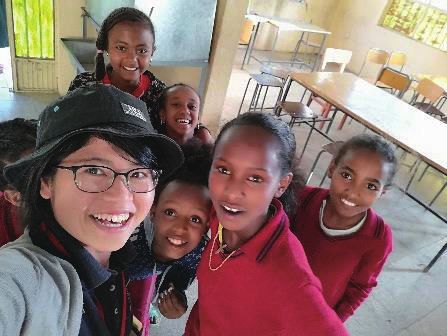
Awa Shoku: Thinking IN the Box for New Year Cooking
By: Lance Kita
                                                                                                       6
T    here’s a flurry of activity in kitchens across
     Japan at the end of the year as families
prepare osechi-ryori お節料理 , foods chosen for
                                                            cooking wine), and a pinch of salt. Adjust the
                                                            texture with a few tablespoons of water. Add
                                                            chopped kuri kanro-ni 栗 の 甘 露 煮 (sweet boiled
both preservation and for their symbolism as good           chestnuts, found bottled in stores) and mix.
luck foods packed into lacquered boxes to be
eaten January 1-3. It was believed that no work            3. Chikuzen-ni 筑前煮 (simmered root vegetables
should be done on the first days of the new year,          and chicken)
so cooking was finished in the final days of the old       One of the classic dishes is nishime 煮 し め ,
year.                                                      simmered root vegetables and meat in a light
                                                           soy broth. Many of the ingredients have lucky
2020 has been dominated by the coronavirus connotations based on wordplay, and are cut into
pandemic, and many of you may be avoiding decorative shapes. Keep it simple with a similar
travel over the holidays. This is the perfect chance dish called chikuzen-ni. Soak 4 or 5 dried shiitake
to have some osechi                                                                      mushrooms in 150
at home. Full sets                                                                       ml of warm water
can be reserved                                                                          for 20 min. Tear a
at supermarkets,                                                                         block of konnyaku
convenience stores,                                                                      into bite-sized
or department                                                                            pieces and blanch
stores, but many                                                                         i n b o i l i n g w a t e r.
of the dishes can                                                                        Cut half a carrot
be prepared quite                                                                        and 100-200g each
easily. Here are my                                                                      of lotus root and
top 3 recipes if you                                                                     gobo root (scrape
want to try cooking         Lucky food in boxes for the new year... try making some of   off skin) into
osechi dishes:                                                                         irregular bite-sized
                                          these osechi dishes at home!
                                                                                       pieces. Chop 300g
1. Kohaku Namasu 紅白なます (Red and White chicken thighs into bite-sized pieces and season
marinated salad)                                           with a 1 Tbsp. soy sauce. Sautee chicken in oil
Red and white are auspicious colors in Japan, in a medium pot. Add vegetables and konnyaku,
especially at the new year. This salad uses kintoki cooking for a few minutes. Add mushrooms and
ninjin 金時人参 , reddish carrots sold only in late soaking water, 5 Tbsp. soy sauce, and 4 Tbsp.
December. Shred or julienne daikon radish and each sake and mirin, and simmer with a drop lid
kintoki carrots (8:2 or 9:1 ratio is best). Sprinkle for 10 min. on medium heat. Remove drop lid and
with salt, toss well, and let sit until water starts to continue to cook and stir until the liquid almost
come out of the vegetables. Squeeze out lightly disappears.
and add vegetables to marinade (rice vinegar and
sugar, 4:3 ratio). Best the next day.                      You can buy other lucky foods like red and white
                                                           kamaboko 蒲鉾 (fishcake), tazukuri 田作り (glazed
2. Kuri Kinton 栗 金 団 (mashed chestnuts and dried sardines), konbu-maki 昆 布 巻 き (rolled
sweet potatoes)                                            kelp), shrimp (their bent backs suggest long life),
The yellow color of mashed chestnuts and sweet and kuromame 黒 豆 (sweet black beans) at the
potatoes are symbolic of gold and wealth. This supermarket or department store to round out
is the perfect locavore dish to use Naruto Kintoki your assortment. I hope these foods will usher in
鳴 門 金 時 sweet potatoes. Peel and cut sweet a luckier 2021 for all of you. Yoi otoshi o! 良いお年
potatoes into chunks. Simmer until tender. Mash を!
or push through a sieve with a wooden spatula to
remove lumps. Add sugar, mirin み り ん (sweet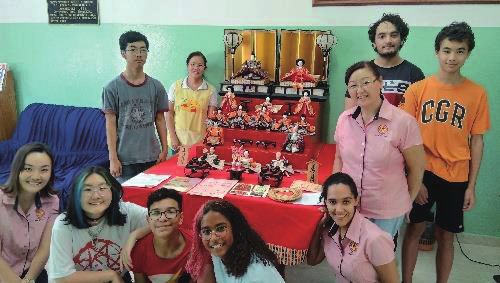
7                                                                       Japanese Lesson
                                                                                        By: Kayo Miyoshi

                                  Year-end Phrases
                                                                         し ご と おさ
2020 is nearly at its end. When finishing up your final work of the year ( 仕事納め ), you should convey
your appreciation to your teachers, colleagues, etc. who have helped you throughout the year.
 こ とし   たいへん    せ   わ                らいねん                       ねが
「今年も大変お世話になりました。来年もどうぞよろしくお願いします。」

At the end of December, make sure to also speak with the people you won't meet until the new year.
You can express hope that the other party has a good start to the new year by saying:
 よ      とし     むか
「良いお年をお迎えください。」
    とし
「よいお年を。」
                                                                  ほんねん                  せ わ
When
らいねん
     someone says these
                     ねが
                        things to you, you can respond with「本年とし
                                                              はたいへんお世
                                                                 むか
                                                                      話になりました。
来年もどうぞよろしくお願いいたします。                   」and then add「どうぞよい年をお迎えください」.

                        Words for Greeting the New Year
                                                                                    ね          しょう がつ
During the New Year's holiday, you will begin to hear the     song「もう~いーくつ寝 ると~お正 月 ♬」.
                                                          とし だま
For New Year's,      children look forward to receiving お 年 玉 (New Year's gift), and adults
                ねん が じょう
                                                                                            look forward
                                                                                          ねん が じょう
to receiving 年賀状 (New Year's cards). At the year's end, why don't you try sending a 年賀 状 to the
people who have supported you, expressing your appreciation and greetings for the new year? When
writing, it's important to be humble and show respect to the person you're writing to.
Events & Memoranda                                                       8
         Kamiyama Onsen Candle Night & Shishi Yuzu Bath
             神山温泉キャンドルナイト&ししゆず湯
Kamiyama Onsen has once again prepared a              今年も神山温泉の冬の風物詩、ししゆずを湯船に
"Shishi yuzu bath", a symbol of the winter season.    浮かべた『ししゆず湯』をご用意!浴室の照明を
The lights will be dimmed, and a "candle night"       落とした『キャンドルナイト』温泉も実施されま
will be prepared as well. Take this chance to enjoy
                                                      す。幻想的な入浴をお楽しみください♪
a wonderous onsen bath. ♪

About Yuzu Baths…                                     ゆず湯について・・・
In addition to enjoying the colour of the yuzus       柚子の実を浮かべることで、その色を楽しむほか、
floating in the bath, the fragrance is said to help   その香りによるリラックスや皮膚が刺激されて血
people relax and stimulate the skin to improve        行がよくなるといわれ、無病息災を願います。
blood circulation. Entering a yuzu bath is also a
way to pray for good health.
                                                      ししゆずとは・・・

About Shishi Yuzu…                                    バレーボールをひとまわり小さくしたくらいの
Shishi yuzu are a jumbo type of yuzu that are         ジャンボゆずで、神山町の特産です。大きさ、形
a size smaller than a volleyball. They are also       の珍しさから装飾に用いられますが、皮を炊いて
a specialty of Kamiyama. Due to their size and        砂糖菓子にもできます。
interesting shape, they are used as decorations.
You can also make candy from the cooked peel.
                                                      日時 : 12 月 19 日(土)~ 20 日(日)
                                                            ししゆず湯         終日
When: December 19 (Sat.) - 20 (Sun.)
       Shishi Yuzu Bath: All Day                            キャンドルナイト 17:00 ~ 20:00(予定)
       Candle Night: 17:00 - 20:00 (Planned)          場所 : 神山温泉
Where: Kamiyama Onsen                                 Tel: 088-676-1117
Tel: 088-676-1117                                     URL: http://kamiyama-spa.com/
URL: http://kamiyama-spa.com/

                             Shinmachi Countdown 2021
                              新町カウントダウン 2021
It’s time again for the Shinmachi 2021 Countdown! 「 今 年 も や り ま す! 新 町 カ ウ ン ト ダ ウ ン
Let’s enjoy the countdown to 2021 together with 2021 !!」
family, friends, or our significant others! ♪      家族やカップル、友人と一緒に 2021 年のカウン
                                                  トダウンを楽しみましょう♪
※ You can find more information about this event
on the official Twitter page.                     ※イベント情報は公式 Twitter にて順次公開して
                                                  いきます
When: December 31st (Thur.) – January 1st (Fri.)
Where: Tokushima City, Around Shinmachibashi      日時 : 12 月 31 日(木)~ 1 月 1 日(金)
          East Park                               場所 : 徳島市新町橋東公園周辺
Fee: Free                                         料金 : 無料
Info: Shinmachi Countdown Executive Committee     お問い合わせ : 新町カウントダウン実行委員会
URL: https://twitter.com/shinmachi_cd?lang=ja     URL: https://twitter.com/shinmachi_cd?lang=ja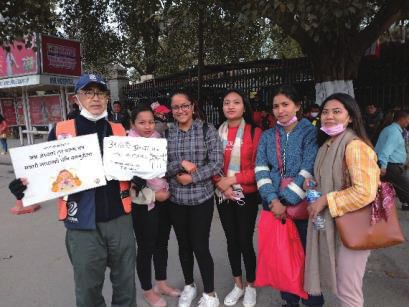
9                                  Events & Memoranda
                            Christmas at the Zoo
                           どうぶつえんのクリスマス
If you come dressed as Santa, you get free            サンタクロースの姿で来園すると、入園料が無料
admission to the zoo! Children who arrive early       になります!
will also receive a present.                          先着で子どもたちにプレゼントの配布もありま
                                                      す。
When: December 20th (Sun.) 9:30-16:30
Where: Tokushima Zoo                                  日時:12 月 20 日(日)9:30 ~ 16:30
Fee: Adults: 600 Yen                                  場所:とくしま動物園
      Middle School Students & Younger: Free          料金:大人 600 円、中学生以下は無料
Tel: 088-636-3215                                     Tel: 088-636-3215
URL: http://www.city.tokushima.tokushima.jp/zoo/      URL: http://www.city.tokushima.tokushima.jp/zoo/
      event/top.html                                        event/top.html

Solving Worldwide Issues Together
By: Atsushi Abe

T    he other day, for the first time in a while, I
     went to a concert and listened to Beethoven’s
symphony. This year is the 250th anniversary of
                                                      In order to stop the spread of this virus, are the
                                                      various countries of the world working together?
                                                      Borders have been closed, everyone has been
Beethoven’s birth. During a normal year, there        scrambling to secure medical equipment, and
would have been so many concerts featuring            it seems each country is only thinking about
Beethoven’s music that you would get sick of          itself. However, on the other hand, there has
hearing it, but due to the novel coronavirus, being   been cooperation. China sent many masks to
able to attend a concert has become a precious        Japan, Germany took in critically ill patients
experience.                                           from surrounding countries, and the EU created
                                                      a COVID-19 recovery fund for its members.
The lives of people around the world have             Joint development of a vaccine has also been
changed in ways that no one could have imagined       progressing.
at the end of last year. There was a sharp
decrease in foreign visitors, people were unable      Once the coronavirus situation in your own
to gather and meet, and everyone had to hole          country is under control, you shouldn’t think
themselves up at home. It was almost like we had      that it doesn’t matter what is happening in other
made a wrong turn somewhere and wandered              countries. I think we should all work together so
into a different world. Now the novel coronavirus     that the situation can be under control world-wide.
is spreading all around the world.                    If we do, I think the situation will be under control
                                                      by next year.
 **TOPIA will be closed from December 29, 2020 (Tue.) - January 3, 2021 (Sun.)

             Counselling Service at TOPIA・トピアの相談窓口
TOPIA provides consultation on everyday life, education, labor, medical institutions, and disaster
prevention; and information on sightseeing spots to overseas residents and visitors. When necessary,
we will refer you to the appropriate organization that can assist with your needs.Counselling is available
in English, Chinese, Vietnamese, and Japanese. Please note that although every effort will be made,
we may not be able to deal with all cases.
                     Everyday, 10:00 - 18:00 (closed during the New Year's holidays)
     Tel: 088-656-3312 or 088-656-3313 (allows for three-way conversations with an interpreter)
You can also read


