Journal of the United Wards' Club of the City of London
←
→
Page content transcription
If your browser does not render page correctly, please read the page content below
Journal of the
United Wards’ Club
of the City of London
No. 530: 2019–2020
ISSUED FOR PRIVATE CIRCULATION

                                 Contents
                                 Governing Body 2
                                 President’s Reflections 3
                                 AGM 2019 4
                                 Royal Mews 6
                                 Escoffier Room 8
                                 Tower Bridge 9
                                 Royal Hospital Chelsea 10
                                 Lincoln 11
                                 Jailed and Bailed 13
                                 Apsley House 13
                                 Lloyd’s of London 13
                                 Ireland 14
                                 Founders’ Day 17
                                 Lord Mayor’s Day 19
                                 A Night at the Opera 21
                                 Carol Service 22
                                 Lambeth Palace 23
                                 Civic Luncheon 24
                                 Freemen’s School reports 24
                                 Membership Changes 28
                                 Report of Governing Body
                                    28
                                 People for 2020/2021 30
                                 Accounts 33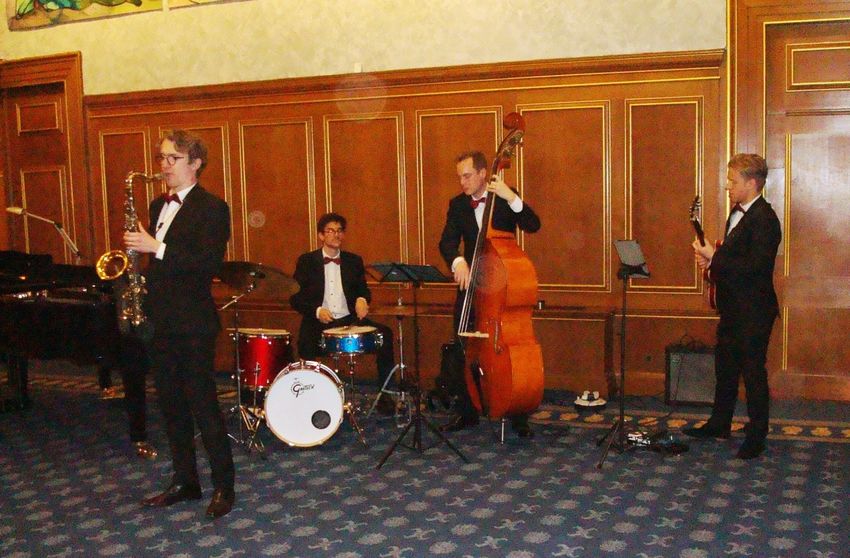
2                                                          Journal of the United Wards’ Club of the City of London 2019–2020

             The United Wards’ Club of the City of London
                                      Patron: The Rt Hon. the Lord Mayor
                                           Alderman William Russell
Founded in 1877 by Joseph Newbon CC as a General and Central Ward Club, having for its objects the consideration
and discussion of public matters affecting, civic, guild and general interests, the promotion of the spirit of citizenship
and the maintenance of the high traditions and prestige of the City of London.

                                  Governing Body 2019–2020
                                         President: Mr Brian Wadsworth
                               Senior Vice-President: Mrs Ann Scrutton Tower
                                 Junior Vice-President: Mr Stephen Osborne
                                                  Past Presidents
2002       § Mr Joseph Byllam-Barnes                             2012      § Mrs Valerie Hamilton JP
2003       § Mrs Patricia Campfield MBE                          2013      § Mrs Jackie Springett
2004         Mr Andrew Davis                                     2014      § Major Geoffrey Berry TD
2005       § Mr Colin Hart JP Ward of Cheap                      2015      § Mr Clifford Rust
2006       § Mr Ernest Pilgrim                                   2016        Mr Barry Scrutton
2007       § Mrs Joyce Parsons JP                                2017      § Mr Andrew Hamilton
2009         Mr Graham Redcliffe                                 2018        Mrs Anita Rust
2011       § Mr William Loach

                                     Elected and Associate Members
 * Dr Stuart Blackie                                      §* Mrs Sylvia Moys MBE CC
 * Mrs Maureen Bonanno-Smith            Aldgate              Mrs Mary Nurse                      Cripplegate
§ Dr Trevor Brignall                                         Mrs Margaret Packham                Castle Baynard
   Mr Dennis Conrad                     Bridge            § Mrs Judith Rich OBE                  Bishopsgate
   Mr Gilles Cremonesi                  Coleman St                                               & Broad Street
 * Mr Robert Gale                                          * Mr Colin Sach
… Alderman Prem Goyal OBE JP            Portsoken         § Mr Laurence Target                   Billingsgate
 * Mr Peter Hill                                           * Mr John Toth
 * Mrs Veronica Hunt-Lewis                                 * Mr Stephen Willis
 * Mr John Lockyer                                         * Mr Anthony Woodhead CBE
 * Mr Scott Longman                                          Mr Michael Wren
   Mr Tom Moore                         Cordwainer

                Hon. Treasurer: Mr Chris Edge                       Hon. Auditor: Mr John Toth

        Hon. Chaplain: The Revd Jeremy Crossley                     Hon. Solicitor: Mrs Stephanie Thomas

       Hon. Editor of Journal: § Mr John Bowman JP                  Banner Bearer: Mr Stephen Willis
               j.h.bowman@btinternet.com

                                        Secretary: § Mr Andrew Dyke
                              40 Compton Road, Winchmore Hill, London N21 3NX
                                               020 8360 8525
                                      secretary@unitedwardsclub.org.uk

§ Present or Past President, Chairman or Master of a Ward Club                     * Elected member of Governing Body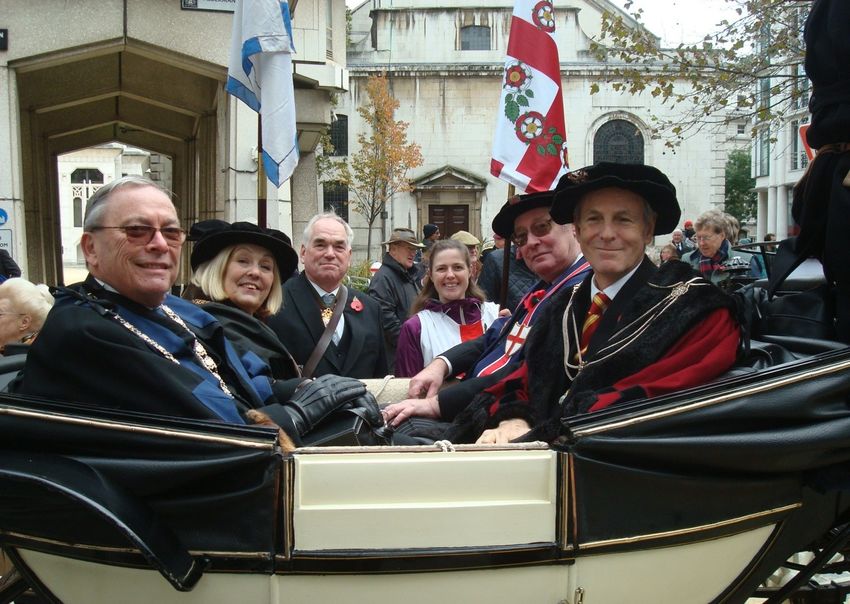
Journal of the United Wards’ Club of the City of London 2019–2020 3
Reflections on a President’s Year postponed and all the Club’s activities put on hold
through the early months of my successor’s year. Every
institution, every business and every individual is
Brian Wadsworth affected to a greater or lesser degree and many of us are
confined to our homes for weeks of self-isolation, aiming
both to protect ourselves and to prevent the epidemic
from overwhelming the capacity of our National Health
Service.
As Presidents’ reviews go this is becoming a little
unconventional. Where will it lead? Well, at times when
the comfortable assumptions we may have made about
life are crumbling around us, the importance of tradition
and continuity may be brought into sharper focus.
It has been a great pleasure to serve as the 124th
President of our United Wards’ Club and the greatest
pleasure is derived from the good fellowship which the
Club exists to foster and the spirit of community
amongst our membersstill living and strong even
though the physical community which our Club and
other City institutions serve is far more widely dispersed
today than our founders experienced or imagined well
over a century ago.
How our Club can adapt to remain relevant through
changing times is a perennial debate and a constant
challenge. Sooner or later change is inevitable. Yet we
should beware of assuming that everything should
change, or that change always represents improvement.
Perhaps this is a year when there is something to be said For me and for my dear wife Anne, it has been hugely
for starting at the end. gratifying to see the spirit of community and good
January was marked by two very happy events. Our fellowship which infuses our Club reflected in strong and
visit to Lambeth Palace, escorted by enthusiastic and sustained support for our events. Here we see the
knowledgeable guides was followed by a most enjoyable tradition and continuity which is the lifeblood of our
Civic Luncheon in the company of our Lord Mayor Cluband thank goodness for it. We have so much
Alderman William Russell, Sheriff Professor Michael enjoyed sharing with all of you the experiences of our
Mainelli and their charming consorts Hilary and year, whether in London, Lincolnshire or Ireland.
Elisabeth, in the historic setting of Armourers’ Hall. At a time when many are worried about the future, a
Without taking sides in a long-running and some- few words of thanks make for a fitting conclusion. I
times heated debate, we would all acknowledge that should like first and foremost to thank Anne, whose part
Friday 31 January was a significant day in British his- in my year has been every bit as important as my own
tory. That evening saw our departure from the European and every bit as diligently performed. I also warmly
Union after 47 years of membershipvirtually the whole thank Andrew, our tireless and dedicated Club
of my adult lifetime. Originally intended to happen on 31 Secretary, who bore with fortitude the recent loss of
October (our Founders’ Day at Girdlers’ Hall), ‘Brexit Marion, his wife and partner of very many years and
Day’ seemed a very long time in the making, preceded as sustained his customary, unstinting service throughout
it was by an inconclusive and at times rancorous poli- my term of office. In common with Presidents past, I
tical debate which had rumbled on ever since the refer- have enjoyed the support and guidance of our Governing
endum result of June 2016. Body and thank all who give their time and energy to
From an historical and political perspective, I had serve. Finally Anne joins me in thanking wholeheartedly
cause to reflect on an eventful twelve months in office. all members of our United Wards’ Club, upon whose
With the Civic Luncheon concluded, February was loyalty and enthusiasm the President and the Club
meant to be a period for calm reflection before passing depend: we are in good hands!
the baton to my successor, Ann Scrutton, at Clothworkers’ Let me end with one final reflection on my chosen
Hall on 17 March. As for every President in long theme of community and fellowship. This very day it has
succession, the year thus turns full circle. been announced that a public appeal to assist our
Everything seemed very normal, organized and National Health Service, launched by the Government
predictable, well into the month of February. We simply 24 hours ago with the aim of enlisting 250,000 people in
failed to recognize that an obscure viral epidemic, origi- community service, has brought forward over 500,000
nating half-way round the world in Wuhan, China a few volunteers. Community and good fellowship are alive
weeks before Christmas, would erupt on a global scale and well in Britain today. They are alive and well in our
within a matter of days, turning all our plans and United Wards’ Club, dormant though it will be while the
assumptions to dust. current crisis passes over. We have something precious
As I write this piece our Installation Dinner has been in our hands. Long may we cherish and preserve it.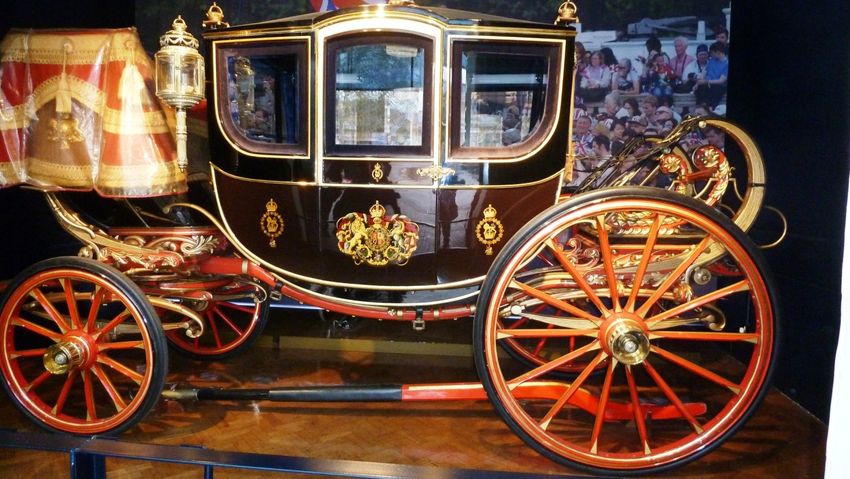
4 Journal of the United Wards’ Club of the City of London 2019–2020
Annual General Meeting reference to Brexit during the evening. Members
and their guests then enjoyed a meal of hot smoked
salmon with salad, followed by guinea fowl, and
21 March 2019 concluding with yoghurt panna cotta with poached
rhubarb. Grace was sung, accompanied by John
report by the Editor
Bowman on the piano. The Loving Cup was circu-
The Club returned this year to Clothworkers’ lated, and then followed the formal toasts.
Hall, where the AGM was held in the Court Room.
After the approval of the minutes the accounts were
presented by the Treasurer, Chris Edge. He said
that the Club now had an increased operating sur-
plus, helped in part by sales of new merchandise,
and that there was a healthy balance sheet. There
were some questions about tax liability from the
previous Treasurer, Andrew Hamilton.
The election and investiture of the President and
two Vice-Presidents then took place. In each case
only one candidate was nominated. Brian Wads-
worth was thus elected and invested as President,
and he expressed gratitude for the confidence
reposed in him, and looked forward to the coming
year. He then invested Ann Scrutton as Senior
Vice-President and Stephen Osborne as Junior
Vice-President, and in each case a suitable reply The receiving line
was received. The President invested the immedi-
ate past President, Anita Rust, with her badge. He
was appointing the Revd Jeremy Crossley as his
Hon. Chaplain, but he was unavailable this evening
and his place at dinner would be taken by Father
Philip Warner. There were only two candidates for
the two ordinary vacancies on the Governing Body,
and so John Toth was re-elected and Mike Wren
elected. Chris Edge was then re-elected Hon. Trea-
surer, John Toth as Hon. Auditor, Stephanie
Thomas as Hon. Solicitor and John Bowman as
Hon. Editor of the Journal.
Reception in the entrance hall
A musical interlude was provided by a jazz
quartet formed of four students from the Guildhall
School of Music and Drama: James Clarke (guitar),
Tom Bartlett (double bass), Sam Knight (saxo-
phone) and Guillaume Trinfo (drums). They per-
formed a medley of pieces.
The toast to the United Wards’ Club and the
President was then proposed by Alderman Alison
Anita Rust invests the new President with his badge of Gowman, a personal friend of the new President
office, assisted by Treasurer Chris Edge and his family. She expressed her delight at being
present. As Alderman she represented Dowgate,
Following the meeting, members joined their where at one time the United Wards’ Club had been
guests at the reception in the entrance hall. They housed in the famousor infamousCannon
then assembled for dinner in the main hall Street Hotel. There in 1920 Winston Churchill had
upstairs. Father Philip Warner, acting as chaplain, made a speech which received much applause. In
said Grace, which included (mercifully) the only the same year the British Communist Party had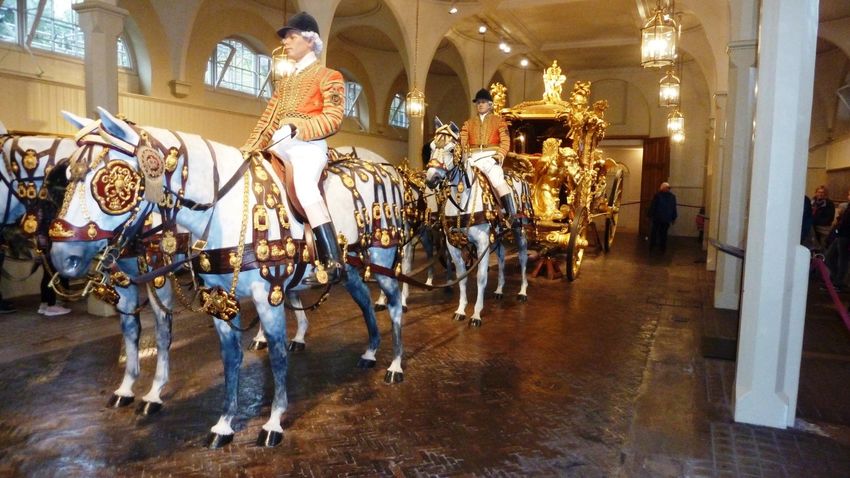
Journal of the United Wards’ Club of the City of London 2019–2020                                                    5

been founded there. Dowgate Ward was also the                       She too thanked Andrew Dyke for his hard work
place where the Bible Society had been founded.                     and she looked forward to supporting the new
The hotel had been largely destroyed during the                     President in his coming year. In concluding the
Blitz, but was rebuilt in the 1960s by the notorious                evening the President thanked everyone for coming
John Poulson, who subsequently received a seven-                    and wished them all a safe and comfortable journey
year sentence for fraud. Alderman Gowman was                        home.
very pleased to have worked for 40 years in the City
and to have represented Dowgate for 28 years. The
City was still a welcoming one for overseas workers
and she felt that the United Wards’ Club played an
important part in this.

Alderman Alison Gowman, the President and Past
President Anita Rust

   In his response the President expressed his
appreciation of the Alderman’s commitment to the
City and he presented her with a floral tribute. He
thanked Father Warner for his Grace and expressed
his thanks to our indefatigable secretary Andrew
Dyke, as well as sympathy for his loss. It was an
honour to have been elected the 124th President of
the Club, but its success depended on teamwork.
He congratulated the Senior and Junior Vice-
Presidents on their election and was sure that this
boded well for the future of the Club. He made
reference to some of the forthcoming events, and in
conclusion he invited the two new members who
were present that evening to take wine with him.                        The President responding to the toast
Finally he thanked Anita Rust, the immediate Past
President, and presented her with a bouquet and
proposed the toast to her.
   Anita Rust replied by thanking the President for
his kind words. It had been an honour to represent
United Wards’ Club and she had had a very enjoy-
able year, of which she mentioned some highlights.
6                                                       Journal of the United Wards’ Club of the City of London 2019–2020

    Students from the Guildhall School of Music and Drama Sam Knight (saxophone), Guillaume Trinfo (drums), Tom
                                      Bartlett (double bass), James Clarke (guitar)
_______________________________________________________________________________________________

                The Royal Mews
                    9 April 2019
               report by Stuart Aarons
Enthused and wonderment are the words that
describe our experience at the Royal Mews as we
viewed the royal coaches, cars and horses and
learnt about their history. Located in a quadrangle
a short distance from Buckingham Palace, it is one
of the finest working stables in existence.
    Our official tour guide described the history of
the Mews which dates from Richard II in the late
14th century. Listening to the descriptions of these
most beautiful carriages from their creation
through to the Diamond Jubilee State Coach, mem-
bers could only imagine the riding experience. The
follow-on lunch at ‘bbar’ restaurant had a distinc-
                                                            The guide, with David Lewis and Veronica Hunt-Lewis
tive South African theme, accompanied by excellent
food and wine with congenial company.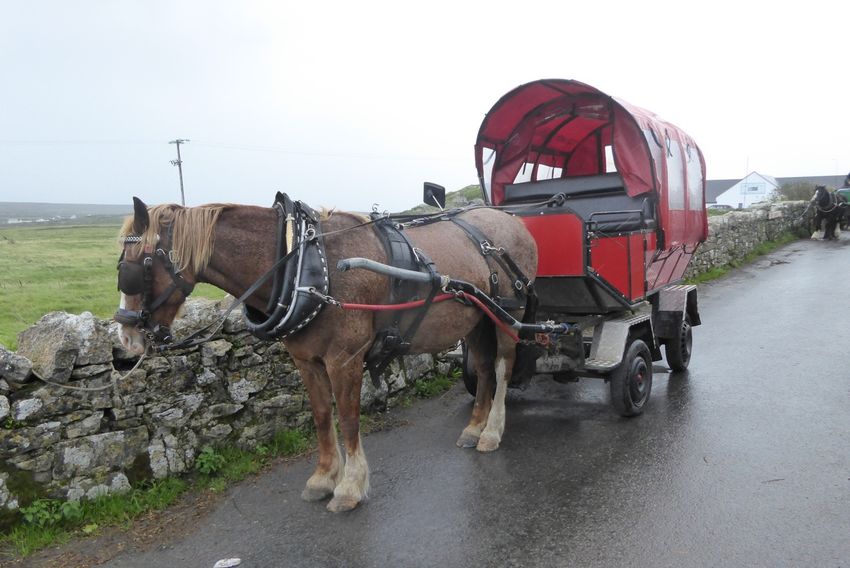
Journal of the United Wards’ Club of the City of London 2019–2020                                                7

   Queen Alexandra’s State Coach, now used to transport the Crown of State to Parliament for the State Opening

              The Gold State Coach, built in 1760 for George IV and used at every subsequent Coronation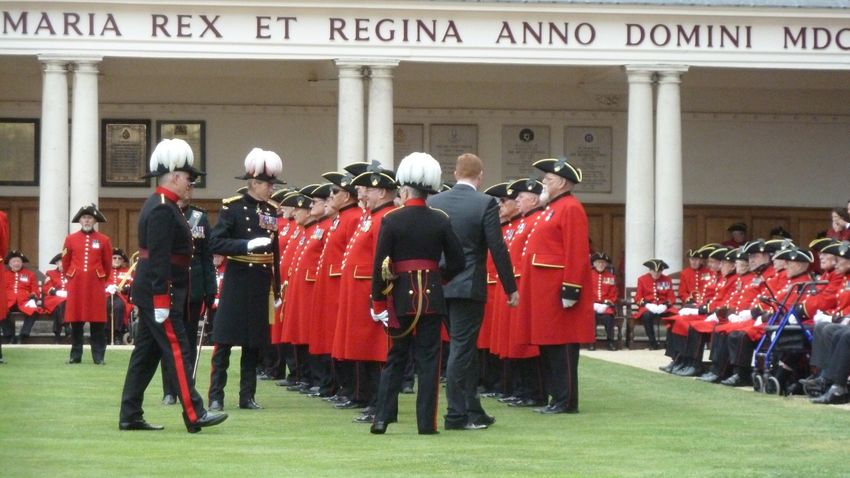
8                                                      Journal of the United Wards’ Club of the City of London 2019–2020

    Westminster Kingsway College,
          Escoffier Room
                    8 May 2019
            report by Virginia Hopson
Plentiful, flavourful and ambrosial are just some of
the adjectives to describe our seven-course lunch
exclusively in the Escoffier Room. During the lunch
our President, Brian Wadsworth, told us about the
history of Westminster Kingsway College and that
Auguste Escoffier pioneered approaches to kitchen
management which are still being used today.
   We were very well looked after, the moment we
arrived, by the front-of-house students who took
our coats. We enjoyed a welcome glass of Prosecco
and then at 12.30 we sat down to our Italian
themed menu. The antipasti were daintily pre-
sented, the veal and asparagus was delectable, the
monkfish and gnocchi was mouth-watering, the
rabbit and arancini were exquisite, the dressings
and jus were luscious and the dessert was delicate
and heavenly. These dishes were very well comple-
mented by white and red wine.                                  Baked monkfish, wild garlic crust, stuffed pepper
   Thank you very much President Brian and his                   and olives, sweet pepper essence
wife Anne for organizing such a memorable after-
noon. Thank you too to Simon Stocker (Senior
Chef), Josea (Senior Lecturer) and the second year
students Rowan, Max, Chloe, Jade, Andrew, Reece
and Lucy.
   The College is a hidden gem and I will certainly
be booking a return visit.

The President’s table

                                                                  Dessert: Panna cotta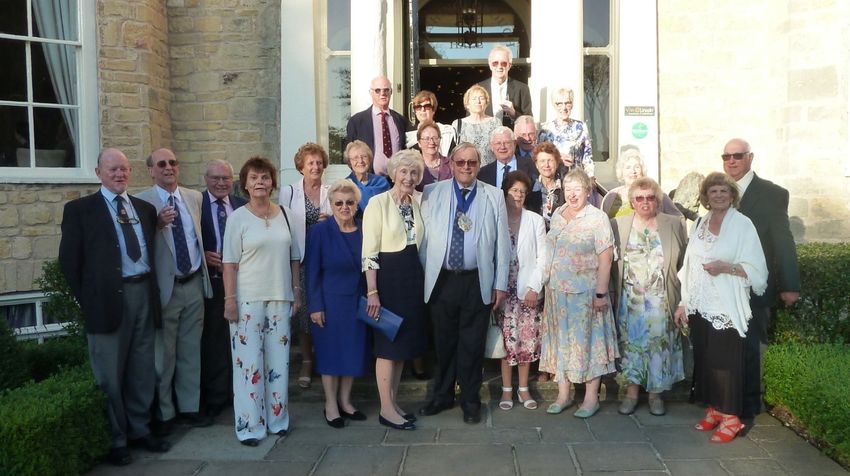
Journal of the United Wards’ Club of the City of London 2019–2020                                                            9

         Raising of Tower Bridge                                        An excellent lunch of fish, chips and Eton mess
                                                                    followed in the nearby Sargeant’s Mess restaurant.
                     15 May 2019
          report by Jan and Phil Dunford
Several of us were lucky enough to have been se-
lected by ballot to join a small tour of Tower Bridge
in May, by kind invitation of our President’s wife,
Anne, who had bid for the opportunity in a charity
auction.
    Our guide, Rachel, took us up 102’ to the walk-
way, explaining that the bridge had been built be-
tween 1886 and 1894 to the design of Sir Horace
Jones, comprising five different bridge types: bas-
cule; suspension; box girder; draw; and cantilever.
    The original steam-powered bridge took just one
minute to raise the 1,200 ton bascules each side.
Now it takes 90 seconds, treating the machinery a                   Anne Wadsworth in the control cabin, raising the
little more gently, and has electric motors powering                bridge
the hydraulic system.
    In 1903 the river trade in London necessitated
6,000 bridge lifts. Last year it was 750.
    By Act of Parliament the river traffic has prior-
ity, at no cost, but masters of vessels over 10m must
give 24 hours’ notice of their intention to pass be-
neath. A request can be made for any time of day or
night, on any day except the morning of the
London Marathon.
    The walkways were built, without glass, to allow
pedestrians to cross unimpeded by bridge lifts.
They were closed in 1982 owing to frequent crime.
After refurbishment they were reopened as part of
the tourist attraction and used as an event venue.
In 2014 they were fitted with glass in some floor
panels enabling visitors to see the river and traffic
beneath their feet.                                                 The cruise ship Silver Wind passing through the bridge
    The bridge is constructed from Scottish steel,
Welsh slate, Essex glass and Portland stone, held
together by over twelve million rivets.
    Despite the destruction all around, the bridge
suffered no serious damage by bombing in World
War II as it was considered a valuable navigation
aid by the Luftwaffe.
    Our tour continued in one of the preserved
original control cabins with Charles Lotter, engi-
neer and Bridge Driver, who explained the intri-
cacies of the mechanical engineering and how the
bridge was operated, and then showed those who
wished, deep into one of the bascule chambers. A
lucky few then joined Anne in the current control
cabin as she was guided through the process and
lifted the bridge to 74 degrees, allowing the cruise
                                                                    Lunch in the Sargeant’s Mess
ship Silver Wind to pass and berth alongside HMS
Belfast. She evidently enjoyed the experience,
bringing London’s traffic to a halt and enabling a
huge ship to exercise its ancient right to navigate
up the River Thames.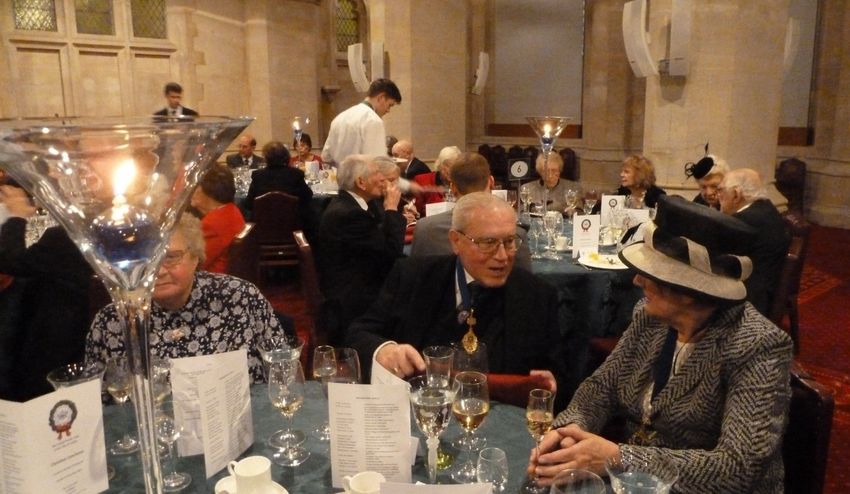
10                                                      Journal of the United Wards’ Club of the City of London 2019–2020

            Governor’s Review,                              Guards and then the pensioners marched on,
                                                            resplendent in their scarlet tunics and tricorn hats,
                                                            and paraded in front of the Assistant Governor who
         Royal Hospital Chelsea                             took the salute.
                                                               The skies were black but the rain held off until
                  4 June 2019                               we left and headed for the marquee for a welcome
                                                            glass of wine, on the way meeting Colin Thackrey
               report by Anita Rust                         the Chelsea Pensioner who had two days previously
                                                            won the talent show ‘Britain’s Got Talent’.
The day saw 18 members meeting at the the Royal                After a short while in heavy rain we made our
Hospital for the annual Governor’s Parade. This is          way to the Sloane Club for a delicious meal of pea
the dress rehearsal for the main event, Founder’s           and mint soup, Scottish salmon and sherry trifle,
Day, two days later, when this year the Duke of             along with carefully chosen wines.
Sussex would take the salute. Founder’s Day is the
highlight of the Royal Hospital calendar, celebra-
ting the founding of the Royal Hospital by King
Charles II.
   Founder’s Day is also known as Oak Apple Day,
always held on a date close to 29 May, the birthday
of Charles II and the date of his restoration as King
in 1661. The oak reference commemorates the
escape of the future King Charles II after the battle
of Worcester in 1651 when he hid in an oak tree to
avoid capture by the Parliamentary forces. This is
expressed by all of the Chelsea Pensioners wearing
oak leaves on their scarlet uniforms. The gold
statue that stands in the centre of Figure Court is
also adorned with oak leaves. For the Governor’s            The Middle Court, with the golden statue of King
Parade all the Pensioners were on parade, those             Charles II by Grinling Gibbons
who were unable to parade being seated around the
parade ground. Before the parade commenced we
were entertained by the military band of the Scots

                                            The Governor’s Parade
Journal of the United Wards’ Club of the City of London 2019–2020 11
Lincoln Construction of the cathedral commenced in
1072 and continued in the Gothic style, like many
medieval cathedrals, in several phases through the
25–28 June 2019 High Middle Ages. It still dominates the skyline of
Lincoln and for miles around, standing as a witness
report by Anne Wadsworth
to faith and a monument to the army of skilled
Lincoln and Lincolnshire is an area of the country craftsmen who built it.
little known to many people. Our three-day visit Every visitor to this remarkable cathedral is
there in June took us on a journey through English shown the Lincoln Imp, a grotesque high on a wall
history, from the times of the Roman legions not far from where one enters, and the symbol of
through the prosperity earned from the land in the the city. There are many legends surrounding the
Middle Ages, to the days when Lincolnshire stood Imp but the most popular is that the creature was
on the front line of the battle for freedom over the sent by Satan to the cathedral only to be turned
skies of Europe. into stone by an angel.
Having settled in at our hotel on Brayford Pool a After a break for lunch, when we all headed for
delightful trip on the Brayford Belle pleasure boat an array of little tea shops offering delicious snacks,
awaited us. Here we were greeted with a glass of we reassembled across the cathedral square for a
champagne, which continued to flow throughout guided tour of Lincoln Castle with its history of
the trip! Our journey on the Brayford Belle gave us power and punishment throughout the ages. A
a distinctive view of Lincoln as it took us on a major Norman castle, it was built in 1068 by
round trip on the Foss Dyke, which may well be William the Conqueror on the site of the previous
England’s oldest canal as it is thought to have been Roman fortress and restored for the 800th anni-
constructed by Roman engineers around AD 120. versary of Magna Carta. Now, within a special
After disembarking from the Brayford Belle, gallery, it is the proud home to an original copy of
taking our leave of the skipper and owner Monna the 1215 Magna Carta belonging to Lincoln Cathe-
who had given a lively and informative comment- dralone of only four survivors.
ary, it was back to the hotel for a quick change The Victorian prison inside the castle is still a
before departing for Hemswell Court, a former RAF chilling place to visit, designed as it was as a
Officers’ Mess featured in the Dambusters film, ‘separate’ system, an isolating regime that kept
now a fine dining venue run by owner and chef prisoners apart from the corrupting influence of
Shaun Lees. Here we enjoyed a great example of their fellow prisoners. Even inside the prison
Lincolnshire hospitality and the best of local cui- chapel prisoners could see no one else when look-
sine from the most fertile farmlands in England. ing to left or right as they were trapped standing up
After breakfast the next day we explored the in narrow partitioned stalls. It was no wonder that
many attractions of historic Lincoln. First our many went mada vivid reminder of the harsh
coach took us to the Uphill areathe heart of the social conditions of Dickens’ time.
old Cityto enjoy a visit to the charming Museum
of Lincolnshire Life, providing a glimpse of every-
day life in days of yore. Commercial Row took us
through the stonemason, ironmonger, basket-
maker, print shop, Co-op, Post Office, draper and
chemist while the interiors of the domestic wing,
with its detailed settings of all the rooms in the
house as well as the products used, took many of us
back to our childhood days. Needless to say, none
of us would admit that to outsiders!
The transport, industry and agricultural galle-
ries, as well as the History Hunters’ Playground
and Plough and Navvy Display, provided a fasci-
nating story of early transport vehicles and mili-
taria. The First World War tank was there to re-
mind us that the tank was a Lincoln invention.
Lincoln Cathedral was the next stop. Described The operations room at East Kirkby
by Ruskin as ‘out and out the most precious piece
of architecture in the British Isles’ the cathedral On a more cheerful note, after the cathedral visit
was for 200 years the tallest building in the world. we returned to the hotel for dinner and a good
It is the fourth largest cathedral (in area) in the UK night’s rest before travelling by coach the next
after Liverpool, St Paul’s and York Minster. morning into the surrounding countryside. First
stop was at East Kirkby, home to the Lincolnshire12 Journal of the United Wards’ Club of the City of London 2019–2020
Aviation Heritage Centre. This is a preserved Lunch was next, at the Petwood Hotel in the
Second World War Bomber Command airfield with attractive Victorian spa town of Woodhall Spa
an extensive collection of wartime facilities and where, during our stop, we all took a look at the
equipment including Just Jane, one of only three famous Squadron Bar festooned with priceless
surviving Lancaster bombers able to move under memorabilia from 617 ‘Dambusters’ Squadron and
their own power. tributes to Guy Gibson VC, Leonard Cheshire VC
The highlight of our visit was undoubtedly to and their officers and crews.
witness Just Jane carrying out a live taxi run to the On the way back to Lincoln our coach stopped at
air strip with all the majesty of this remarkable the recently opened International Bomber Com-
aircraft. When we returned to the coach the Presi- mand Centre at Canwick, so we could tour the
dent presented us all with a round of Just Jane Lin- visitor centre and memorial to nearly 58,000 men
colnshire cheddar cheese as a reminder of our visit. of all nationalities who took to the night skies over
Very tasty it was too! occupied Europe and never returned. At the heart
of the IBCC are the memorial Spire and Walls
which hold the names of these brave men and
women. Elsewhere on the site the International
Peace Garden pays homage to the 62 nations
involved in serving or supporting Bomber
Command.
After time to refresh and change at our hotel we
concluded a wonderful and thought-provoking day
with a champagne reception and dinner at the
elegant Washingborough Hall hotel, a Georgian
manor house with two AA rosettes for culinary
excellence which was voted Hotel of the Year in the
Lincolnshire Tourism Awards 2018. This provided
a fitting conclusion to a memorable trip.
Just Jane, a Lancaster bomber
The group outside Washingborough HallJournal of the United Wards’ Club of the City of London 2019–2020 13
Jailed and Bailed high and weighed 40 tons. Ridiculed for its over-
whelming size it was not removed until the Arch
was moved in the early 20th century to change the
1 July 2019 road layout, making the arch the ceremonial en-
trance to Buckingham Palace via Constitution Hill.
In 1912 the Quadriga, a four-horse chariot designed
by Adrian Jones, was placed on the Arch, where it
remains to this day.
A very interesting and enjoyable day capped off
by an excellent Spanish tapas restaurant lunch at El
Pirata. So much so, that many guests lingered on
well into the afternoon whilst the wine continued to
flow.
Many thanks to our President for organizing
such a great visit and our Secretary for making sure
all the arrangements worked.
___________________________________
The President being pardoned at the Tower of London, Lloyd’s of London
thanks to the ransom generously offered by Club
members. This annual event raised over £40,000 for 11 September 2019
the British Red Cross.
_______________________________________ report by Peter and Jackie Boughton
Thirty-seven members and guests arrived around
Apsley House and Wellington Arch 10.30 a.m., passport in hand, at the very impressive
Lloyd’s building in Lime Street, and were greeted
12 July 2019 by our President and his wife Anne. We were very
efficiently checked in and given our security passes
report by Valerie Hamilton and divided into four groups. Our three guides
were all retired brokers or staff of Lloyd’s.
Some 30 of us met at Apsley House, popularly We were first taken downstairs to the cloakroom
known as No 1 London, but correctly 149 Piccadilly. area where there is a very impressive display cabi-
Initially we were divided into two groups to view net of Admiral Lord Nelson’s memorabilia includ-
the house, with its many treasures, and Wellington ing the original log look of HMS Victory, opened at
Arch. The house was originally designed by Robert the day of the Battle of Trafalgar. Then upstairs to
Adam for the first Baron Apsley; it was sold to the dealing floor where the layout is similar in
Wellington’s brother and subsequently sold to the principle to the previous two Lloyd’s buildings, the
first Duke of Wellington as his London home. He brokers all working at desks in a box principle and
had the house substantially redesigned by Wyatt to indeed similar to the original coffee houses where
befit such an important person, the victor over dealing was done around the tables. The main
Napoleon at Waterloo. difference being that today virtually all the paper
Amongst the impressive works of art are some files and box files have all but disappeared and
by Velazquez, Goya and Titian. Pointed out to us been replaced by computer technology, although of
were the Adam ceilings and fireplaces, the mirrors course the brokers and dealers still have to make
which cleverly slid over the windows to turn the the ‘make or break’ decisions. Interestingly in the
room into a ballroom mimicking Versailles. Most beautiful paintings showing the Lloyd’s floors in
impressive is the silver table layout given by the the pre-war days, there were no ladies; this has
Portuguese nation. Many of the pictures were gifts subsequently changed to approximately a 50/50
from other European nations; in total just under gender basis. There is still a dress code although
300 quality works of art hang in the public rooms. some of the ladies looked more suitably attired for
Wellington Arch, the second part of our tour, a night club!
was originally built as the formal entrance to After thanking our guides we made our way to
Buckingham Palace. The arch was commissioned to the Loch Fyne restaurant in Leadenhall Market
commemorate Wellington’s success in the Napo- where we were wined and dined superbly. A tho-
leonic Wars. It has served many purposes including roughly well thought out and enjoyable day, many
the smallest police station. Matthew Cotes Wyatt thanks to both Brian and Anne and of course our
was originally commissioned to design a bronze Secretary Andrew.
equestrian statue of Wellington, which stood 30 ft14 Journal of the United Wards’ Club of the City of London 2019–2020
Ireland
21–27 September 2019
report by Ann Scrutton
On a lovely day 28 members set out to Heathrow
and took the Aer Lingus flight to Cork, arriving in
cloud and rain. It is the ‘Emerald Isle’ and no lovely
emerald fields without plenty of rain. This did not
dull our spirits however and all were sensibly
equipped with coats and umbrellas.
Dinner at Cellar One, Killarney
Our coach took us to the first hotel, the Aghadoe
Heights set in a golf course some way out of En route to our new hotel in Galway we stopped
Killarney with beautiful views. We settled in to this for coffee in Adare. The ladies were amazed to see
excellent modern hotel and met for a good dinner at least six good dress shops in the high street and
on our first night. Still raining. found that this town is a centre for clothes where
Up early and on the coach at 8.15. The Ring of people come from miles around. On to Bunratty
Kerry was the plan for the day and our coach Castle which has been occupied for over a thousand
driver/guide, Charles, who was really a man with years. Now they show tourists round the castle and
unlimited tales to tell, drove us through Killorgan put on ‘medieval’ feasts. Our guide, dressed in cos-
where a statue of a crowned goat is found in pride tume, was excellent. We lunched in Durty Nellie’s
of place: the goat is crowned as part of annual fes- and there was the inevitable retail park. We arrived
tivities. We also saw the ruins of the house where at the Glenlo Abbey hotel, near Lough Corrib. This
Daniel O’Connell was born, who was Member of hotel felt somewhat more Victorian and very
Parliament for the town of Ennis, and statues of comfortable.
him are seen in both Killorgan and Ennis. We then
attended a sheepdog display of herding sheep on a
steep hill. There was a retail chance for shopping in
the excellent shop. Lunch was at the Sea Lodge
Hotel Waterville. Later we went to a BBQ supper in
Killarney at a hotel, then on to ‘Celtic Steps’, a show
with six musicians playing keyboard, bodhran,
button accordion, fiddle, wind instruments (flute,
tin whistle) and guitar/banjo. All very accom-
plished players. Also accomplished with many
awards and gold medals were the Irish dancers.
The girl playing the violin was also an excellent
singer. All enjoyed the cultural programme, with
lots of toe-tapping among the audience. A long day
but better weather.
Our third day began with rain and Charles was
telling us about the Second World War in the area
and about Fungie the dolphin who has been seen in Bunratty Castle
the bay for the last 15 years. We heard about the
wealth of shellfish locally. We drove through the
Dingle peninsula to Slea Head: bleak scenery and a
rocky coast with historic ancient beehive dwellings.
The roads were narrow and rocky islands were seen
offshore. Eventually we came to a thriving pottery
where coffee was good. We were offered a pot to
make in the pottery, to be sent on once fired and
polished. A shop showing their products and much
more was attractive. Then on into town for lunch
which we found at an excellent fish restaurant
where seven of us enjoyed a good lunch and much
laughter. In the evening we enjoyed an entertaining
and very good dinner in the cellar bar of a hotel in
Killarney. Kylemore AbbeyJournal of the United Wards’ Club of the City of London 2019–2020 15
The next day we toured Connemara, a county support local shops, at The Bar. We were on the
that is bleak, watery, and poor as the land is too largest island, Inis Mór, where 750 people live.
poor for any crops, but sheep seem to do well. The They have a doctor and a nurse but no vet. The
scenery is beautiful in a wild way. Kylemore Abbey bank opens for two days a week and everything
was the object of the tour. This lovely house began comes from the mainland. The tourist season is all
as a shooting lodge but was built by the son of an too short for an island that has bad winter weather
emigrant to Manchester who made a fortune in the and little better summers. A hard life as the chil-
cotton industry. Mr Mitchell built the abbey and dren are educated at primary and secondary level
was a good landlord to the local populace, who had but for any tertiary education they must leave for
been ruined by famine, emigration, and a cholera the mainland and usually do not return because of
outbreak. Many were employed by him. Subse- lack of jobs. There was an excellent archaeological
quent owners were also good landlords. In 1920 visitor centre. The islands have been occupied since
Benedictine nuns took over and started a school for at least the 8th century and there are churches of
girls, both day pupils and boarders. This closed in this date which we saw, with graves from then until
2010 but the nuns still own the property and have the present day. The weather improved during the
opened the house to tell its story with excellent afternoon so the ferry crossing was calmer. Beau-
light and sound effects. We had a good guide but as tiful rainbows were seen.
we were scattered, much of what she said was lost The farewell dinner, for which we put on our
unless near her. Lunch was further down the road best clothes, was at the West restaurant on the top
in Clifden on the coast and a walk to the fishing floor of the hotel in Galway city. A lovely room,
port where there were plenty of operational fishing cocktails to start with, and an excellent dinner. Pat
boats and some yachts. Dinner at O’Grady’s On The spoke and thanked Brian and Anne for a wonderful
Pier, a fish restaurant. trip and Brian was presented with an Irish tweed-
The Aran Islands on our last day. Rain and quite dressed doorstop dog, Anne presented with a
a rough sea but the ferry crossing of 45 minutes ceramic bud vase.
went without mishap. Ashoreyou have guessed! Home next day, flying from Shannon after an
Rain. We lunched, after a little retail therapy, to interesting holiday.
PHOTO: CHARLES RUTHERFORD
The group outside the Glenlo Abbey Hotel, Galway16 Journal of the United Wards’ Club of the City of London 2019–2020
The group with guide at Kylemore Abbey
Local transport on Inis MórJournal of the United Wards’ Club of the City of London 2019–2020 17
Founders’ Day Londonderry Air in an arrangement by Chrysler.
Their accomplished performance was much appre-
ciated by all present.
31 October 2019
report by the Editor
Girdlers’ Hall was a delightful venue for this year’s
Founders’ Day dinner. The third hall on the site,
the current neo-Georgian building was completed
in 1961 following destruction during the Second
World War. The reception was held in the court-
room where members and guests drank an English
sparkling wine called ‘Nutty’. Everyone then pro-
ceeded to the main hall and welcomed the Presi-
dent, senior officers and principal guests led by the
stand-in Banner Bearer Sally Goldsmith. The
President’s Chaplain, the Revd Jeremy Crossley,
said Grace, and the assembled company then
enjoyed an excellent three-course dinner. Scallop
soufflé was followed by venison Rossini, and the President Brian Wadsworth proposing the toast to the
dessert was quince, raisin and thyme Charlotte guests
with cinnamon custard.
The President then stood to propose the toast to
the guests. He began by thanking the Girdlers’
Company for allowing the use of their hall, a hall
which was not often let, and which people therefore
did not often have the opportunity to visit. He
thanked Party Ingredients for the catering, the
Revd Jeremy Crossley for saying Grace, Geoffrey
Berry for accompanying the Grace and the National
Anthem and the Secretary for his organization of
the evening. The Girdlers were a small company
with only about 80 active liverymen. They still
retain the right to present the sword belt for the
Sword of State at each coronation. They had been
on this site since 1431, and the carpet displayed on
the wall of the hall was woven in about 1630 in
Lahore. He expressed his pleasure at seeing so
many members and guests at the event, and said
that the guests would always be welcome to join the
Club. He introduced Mr Dhruv Patel CC, chairman
of the City Bridge Trust.
Following the toast to the guests Mr Patel spoke
about the City Bridge Trust, which had been
formed in 1995. Its origins could be traced back to
the time of William Rufus when money was raised
to repair the then wooden London Bridge. This was
replaced by a stone one in 1209, and the City
charged tolls for those passing over or under it.
Over the centuries a considerable sum was
Acting Banner Bearer Sally Goldsmith leading the amassed, and the scope of the Trust had been
principal guests into the Hall widened so that it was now permitted to make
charitable grants to organizations in every borough
The sung Grace was accompanied by Past Presi- of London. He normally visited one of these each
dent Geoffrey Berry on the piano, and the formal month. It was notable that poverty rates in London
toasts were taken. The President then introduced were very high, higher than in the rest of the
the two musicians from the Royal College of Music: country. He concluded by saying that the City had a
Catherine Yoon (violin) and Yuki Hammyo (piano). proud tradition of philanthropy and he hoped that
They played four pieces, concluding with the all could work together to encourage philanthropy18 Journal of the United Wards’ Club of the City of London 2019–2020
and to make our wonderful City even greater. The Following this the Secretary Andrew Dyke read
toast to the United Wards’ Club was then drunk. out the founding minutes of the Club, from 31
October 1877. He then reminded members that
today was the Celtic festival of Samhain. He drew
comparisons between 2019 and 1877, both being
years in which divisions were not always resolved.
He then spoke about another of the founders,
Thomas Peachey Warwick, who was a collector of
rates in the City and was living very near the Bell
Tavern at the time. He became the first Secretary of
the Club, and contributed a great deal to it in its
early years, later becoming a Vice-President. Digiti-
zation of the Club’s archive was progressing, and it
was possible to see a scanned image of the first
minutes on the website. The Secretary also men-
tioned Sadie Crawford, born in 1885 and a des-
cendant of the Club’s founder Joseph Newbon. She
achieved considerable fame as a jazz player in the
1920s and died in Washington, D.C. in 1960.
Another of new Bond’s descendants was our cur-
rent Banner Bearer Stephen Willis, whose absence
was explained by the fact that he was involved in
the unveiling of a memorial to Sadie Crawford in
Washington. He concluded by proposing the
Founders’ toast.
The President then thanked Mr Patel for attend-
ing, and said that he looked forward to seeing
members at other events in the year. His wife Anne
joined him in thanking everyone for their attend-
ance and in wishing them a safe and comfortable
Guest speaker Dhruv Patel CC journey home.
The receiving line before dinner: Brian Wadsworth, Anne Wadsworth,
Ann Scrutton, Barry Scrutton, Stephen OsborneJournal of the United Wards’ Club of the City of London 2019–2020 19
Lord Mayor’s Day: 9 November 2019
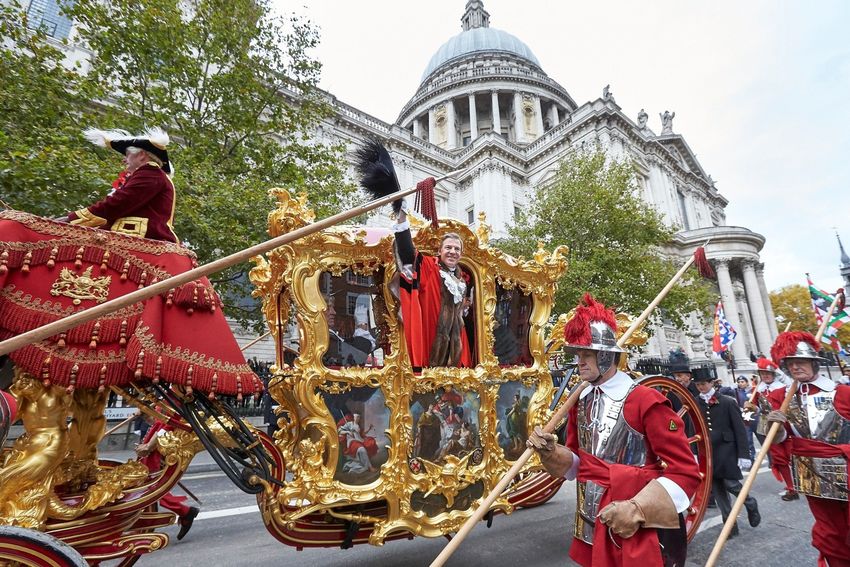
Acting Banner Bearer Sally Goldsmith with President The Lord Mayor leaving Guildhall Yard
Brian Wadsworth in Aldermanbury
In carriage: Brian Wadsworth (President, United Wards’ Club), Adèle Thorpe (President, City Livery
Club), Stephen G. Lane (Vice-President, Royal Society of St George (City of London Branch)), Neil
Redcliffe JP (Master, Guild of Freemen)20 Journal of the United Wards’ Club of the City of London 2019–2020
PHOTO: CLIVE TOTMAN, CITY OF LONDON CORPORATION
The Lord Mayor waving from his coach as he passes St Paul’s
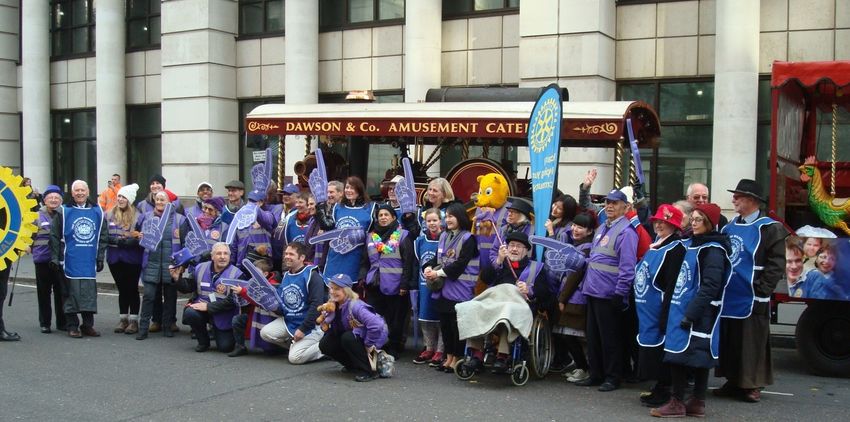
The Rotary International/United Wards’ Club float with supportersJournal of the United Wards’ Club of the City of London 2019–2020 21
First performed at Esterhazy in 1777, it sets to
music a libretto by the Venetian playwright Carlo
Goldoni. The theme can hardly be described as
novel (a gullible wealthy father deceived by his
A Night at the Opera daughters and their suitors so that young love can
take its natural course), but it is a jolly piece with
some rewarding music and was well served by a
27 November 2019 colourful production and spirited performance in
the RCM’s Britten Theatre. Here is what George
report by the President Hall had to say in Opera magazine: ‘There were
Not a Marx Brothers film or an album by Queen, high standards throughout for the cast … this was
but an enjoyable evening for 22 members of the an impressive evening, too, in terms of the
Club at the Royal College of Music. College’s orchestral and choral forces … William
2019 was the 50th anniversary of arguably the Relton’s clever staging was expertly and enthusi-
most spectacular achievement in the history of astically realised … Ruari Murchison’s designs
human explorationthe Apollo 11 moon landing period costumes and a psychedelically colourful
on 20 July 1969, when Neil Armstrong took his lunar landscape for the second act … worked
famous ‘small step for man’. It was a nice gesture brilliantly.’ Our private ‘overture’, by way of a pre-
for the RCM’s Vocal and Opera Faculty to revive performance supper, was enjoyed by all at the
Haydn’s opera buffa Il Mondo della Luna. nearby Gore Hotel, putting us in an excellent mood
to enjoy our night at the opera.
PHOTO: CHRIS CHRISTODOULOU FOR THE ROYAL COLLEGE OF MUSIC
Natasha Page as Clarice in Il Mondo della Luna22 Journal of the United Wards’ Club of the City of London 2019–2020
Carol Service and Lunch in Loach led the President and Vice-Presidents to
their seats, carrying one of the churchwardens’
Guildhall wands. Due to ill health our Banner Bearer was
unable to attend. Bill also very ably escorted all the
10 December 2019 lesson readers to the lectern. The choir sang many
beautiful pieces of music, in between the carols
report by Geoffrey Berry which we all sang.
At the end of the service we all walked to Guild-
Our annual carol service this year was held in the hall for the lunch. Despite the doors being locked, I
lovely church of St Margaret’s, Lothbury, where we was able to walk round to the main entrance, and
have held our carol services many times in the past. through the corridors, to inform the door keepers
St Margaret’s spans the boundaries of Coleman that people were waiting to enter. Our President
Street Ward and Broad Street. It is recorded as Brian Wadsworth and his wife Anne, together with
having been in existence since 1185. Rebuilt in the Vice-Presidents, received guests to the cham-
1440, mainly at the expense of Robert Large, the pagne reception. Our Chaplain had rushed from the
then Lord Mayor. The church was destroyed in the church at the end of the service to take a com-
Fire of London in 1666 and rebuilt by Sir Christo- munion service, still in his robes, and was due to
pher Wren between 1686 and 1690. say Grace before the lunch. Ann Loach was primed
It is the official church of five livery companies, to stand in for him, but Jeremy arrived just in time.
two Ward clubs and several professional institu- Grace was said, and as we all sat down at tables, he
tions. The reredos and communion rail are thought disappeared again to take another service. He
to be by Grinling Gibbons. The pulpit and rood managed to arrive back just as we began the main
screen are from All Hallows the Great. The two course. The round tables enabled convivial conver-
paintings either side of the altar are of Moses and sation, and in some cases degrees of hilarity.
Aaron, and come from St Christopher-le-Stocks, The meal was up to its usual excellent standard,
which was demolished in 1781. The organ was built from our caterer Mark Grove. In his speech, our
in 1801 and restored in 1984 and is in the original President thanked everyone for supporting the
casing. event, and wished us a Happy Christmas. As usual,
The Rector, the Reverend Prebendary Jeremy at the end of the lunch members managed to chat
Crossley, has been our Club Chaplain for many to others, some of them reluctant to depart. A
recent Presidents. There was a good turnout by thoroughly enjoyable event.
members and guests for what is one of the high-
lights of each year’s programme. Past President Bill
Lunch in the GuildhallJournal of the United Wards’ Club of the City of London 2019–2020 23
Lambeth Palace Garden, waiting for the better weather to raise its
produce.
Next, we entered the newest part of the Palace,
24 January 2020 seeing first the Atrium which was opened in 2000
during Archbishop Carey’s tenure; it connects the
report by Elizabeth Thornborough
Crypt with the 13th-century Chapel and the main
The President, his wife Anne, and 34 members had Palace building. The Atrium also holds a range of
a splendid afternoon looking around Lambeth gifts and artefacts given over time to different
Palace, the Grade I listed building and official resi- Archbishops. During its building, to the design of
dence of the Archbishop of Canterbury. Griffith and Scott, various items were discovered
We entered the Tudor Gates of Morton’s Tower, including medieval tiles, pottery and a 13th-century
the formal entrance into Lambeth Palace and so oyster shell.
named after Cardinal John Morton who had it built From here we stepped down into the original
in 1490. In the security area of the Gatehouse we Undercroft which used to be the storeroom and
met our guides, Pamela and Irene, who divided us larder but since World War II, when the Chapel
into two groups for the tour. As we began our visit, was badly damaged, it has been in use as the daily
we were informed that the South Tower holds a place of prayer and contemplation. There are stairs
prison cell which was briefly used in the 16th from here to the courtyard and the 13th-century
century. kitchen which is on the outside of the building
because of the risk of fire. Our guides took us back
through the Atrium and into the Great Hall with its
magnificent hammer beam roof, which was origi-
nally used for entertaining important visitors.
Sadly, it was demolished in Oliver Cromwell’s time
and firstly rebuilt in 1660 but damaged again in
World War II. It was again rebuilt in style and it
now houses the largest collection of manuscripts,
books and documents of the Church of England
and is part of the Lambeth Palace Library.
As we walked through the rooms and corridors,
we saw paintings of former Archbishops together
with cabinets of memorabilia. Portraits also line the
walls of the ‘Guard Room’, with its fine ‘linenfold’
doors, so named as the place in bygone days where
the soldiers of the Archbishop’s private army would
have gathered and stored their weapons.
Our tour finished with a visit to the Chapel, the
private chapel for all Archbishops of Canterbury.
Having been damaged in World War II and all the
The entrance to Lambeth Palace windows destroyed, it has since been repaired and
the present-day ceiling artwork ‘From Darkness to
We then took a stroll through the huge gardens, Light’ was painted in 1988 by Leonard Rosoman at
passing the most amazing Marseille fig tree which the request of Archbishop Robert Runcie. Behind
fronts the Great Hall and was brought to the Palace the Chapel is a red brick tower which houses Arch-
in 1556 by the last Roman Catholic Archbishop. bishop Thomas Cranmer’s study and where he
The tree still bears abundant fruit every year, signs compiled the Book of Common Prayer. It remains
of which we could see. At this point the different the private study of the Archbishop of Canterbury.
styles of architecture, as the Palace was developed, At this point, we thanked our guides for their
became clear; the ‘new’ extension, being built of very knowledgeable insight into the Palace and
Bath stone, cannot be water-blasted heavily to keep gardens before they led us to the very homely State
it clean because the stone would crumble. At the Drawing Room which used to be the daily living
time this building was erected in 1834 the issues of room for the Archbishop but is now mainly used for
today’s pollution were not in existence. Around the entertaining guests. Here we enjoyed some delici-
corner we were close to Lollard’s Tower, another ous cakes and welcome refreshment before thank-
Tudor building which also had a prison cell, this ing the President and departing for home.
time at the top. Here we also saw the Kitchen A very enjoyable afternoon.24 Journal of the United Wards’ Club of the City of London 2019–2020
Civic Luncheon 110 years. His grandfather, Sir Ian Bowater, was
Lord Mayor from 1969 to 1970 and his great-grand-
father, Sir Frank Bowater, from 1938 to 1939.
31 January 2020 The Lord Mayor’s response was a blend of
humour and a résumé of his Mayoral programme
report by Stephen Osborne
and overseas visits for the remainder of the Mayor-
The United Wards’ Club was honoured and al year. He was particularly confident and enthusi-
delighted to welcome our Patron, the Rt Hon. the astic that the ‘City’ will thrive post Brexit and that
Lord Mayor, Alderman William Russell to its Civic we are all energized for the task ahead of pro-
Luncheon at Armourers’ Hall. He was accompanied moting and selling London’s pre-eminent world-
by the Lady Mayoress, Mrs Hilary Russell, and by class financial services. There was the familiar
Sheriff and Alderman Professor Michael Mainelli exchange of gifts and the President presented the
and Mrs Elizabeth Mainelli. Lord Mayor with a cheque for the Lord Mayor’s
An event in the beautiful surroundings of Appeal.
Armourers’ Hall is always an intimate occasion The Civic Luncheon concluded with the Presi-
where you are surrounded by the history of arms dent thanking everyone for attending and wishing
and armour. The Armourers and Brasiers’ Com- them a safe journey home.
pany started life in 1322 as the medieval guild _____________________________________________
charged with overseeing standards in the produc-
tion of arms and armour. Over the centuries, its City of London Freemen’s School
purpose has changed a number of times and it now
exists primarily to promote materials science in the As announced in the 2015–2016 Journal, the Club
United Kingdom; to preserve its historic home, is now making an annual award of £1,000 to fund
Armourers’ Hall; and to promote fellowship or part-fund one or more pupils to attend a suitable
amongst its members and all those who share its outside course or work-experience placement. The
aspirations. The hall, a scheduled ancient monu- award will rotate between science, humanities and
ment and Grade II* listed building, is located on a languages over a three-year cycle. The school has
site which it has occupied uninterruptedly since discretion to nominate the recipient(s) each year
1346. and in consultation with the recipient(s) to select a
An enjoyable sparkling reception was held suitable course which should take place during the
before the luncheon, while we awaited the Mayoral ensuing academic year. We asked that the recipi-
party, who, on arrival, and the greeting formalities ents provide a written report to the Club after
completed, mingled with all the assembled guests. attending their placement.
We then enjoyed traditional roast sirloin of Lan-
cashire beef.
Millie Cast
Biomedical Engineering Smallpeice Course
Over the summer I completed a biomedical engin-
eering course at Birmingham City University.
During the course I learnt about how medical pro-
fessionals and engineers work together to make
advances in medicine which better the lives of
many people. I was introduced to many different
people that specialize in different areas of bio-
medical engineering such as radiology, mechanical
engineering and microbiology. Each person added
Luncheon in Armourers’ Hall a different perspective to a case study we were
working on.
The traditional toasts and speeches followed, At the beginning of the course we were asked to
with the President giving a thoughtful toast to ‘Our research a case study. The scenario detailed in the
guests’. The President welcomed the guests, especi- case study involved a middle-aged man who had
ally the Lord Mayor and Lady Mayoress, Sheriff been in a car accident. The man experienced a
and Alderman Professor Michael Mainelli and Mrs severe wrist injury due to the collision. We then
Elizabeth Mainelli. The President reminded us that heard about how the man had been treated. He had
the Lord Mayor, William Russell, was the 692nd his fractured wrist repaired, but during his stay in
Lord Mayor of the City of London and the fifth hospital he contracted an infection that led to his
member of his family to be Lord Mayor in the past hand having to be amputated. After being givenJournal of the United Wards’ Club of the City of London 2019–2020 25
this information we were asked to investigate how did a microbiological experiment called Gram-
this scenario could happen and what could be done stain. This is something that I particularly enjoyed
to improve the quality of life of the patient as I had not done a practical experiment with such
afterwards. precision and detail before.
The next day was mainly focused on how
advancements in engineering could improve the
quality of life of the patient. We found that pros-
thetics were a major way of doing this and spent
the day making a robotic hand from everyday mat-
erials such as straws and cardboard. In my group
we had to make a model of the hand and then con-
nect all the electrical components to make it func-
tion. This was a challenging process as many times
we found that the hand did not work but after we
made many adjustments finally it did operate at it
should.
On the final day we made links between what we
To do this we attended small workshops. In the had learnt on each section of the course to form an
first workshop we looked at the different types of opinion about what we thought had happened
fractures and how they may have been caused. We during the treatment of the man in the scenario,
then went on to find out about the difficulties and we then presented this and our robotic hand to
involved when repairing an injury involving the the rest of the group.
hand due to the complex network of blood vessel Overall I thoroughly enjoyed the course as it
and nerves. The professors described the different touched on many things outside of the school syl-
plates and screws which they had engineered that labus and it has helped me decide what I want to do
can be inserted carefully into a hand to correct a in the future.
broken bone.
Jennifer Dunstan
Work Experience at Daresbury Laboratory
Over the summer, I spent a week in Daresbury
Laboratory, a research institute focused primarily
on particle accelerator science, though also on
areas such as nuclear physics and supercomputing.
I was part of a group of twelve students who were
based in the Accelerator Science and Research
Centre and so discovered what goes into creating
and using the particle accelerators that are present
on the site. Throughout the week I enjoyed many
activities, including lectures, hands-on experiments
and tours, led by some of the scientists who work at
Daresbury, from a variety of different areas.
Once we had understood how the break would
have been treated we wanted to learn about the
process post surgery. A professor at the university
created a simulation involving fluorescent powder
that aimed to show us how easily an infection can
be spread throughout a hospital. This led us to
investigate microbiology. During the afternoon we
A focus of the week was learning about the par-
were able to make use of the university’s labs and
ticle accelerators they have on site, and this in-You can also read


