Just Minerals Safeguarding protections for community rights, sacred places, and public lands from the unfounded push for mining expansion - Earthworks
←
→
Page content transcription
If your browser does not render page correctly, please read the page content below
Just Minerals
          Safeguarding protections for community
          rights, sacred places, and public lands from
          the unfounded push for mining expansion

          Why a responsible renewable energy
          transition hinges on mining law reform

          JUNE 2021

JUST MINING: SAFEGUARDING PROTECTIONS FOR COMMUNITY RIGHTS, SACRED
PLACES, AND PUBLIC LANDS FROM THE UNFOUNDED PUSH FOR MINING EXPANSION       1
Why a responsible renewable energy transition hinges on mining law reform
earthworks.org/just-minerals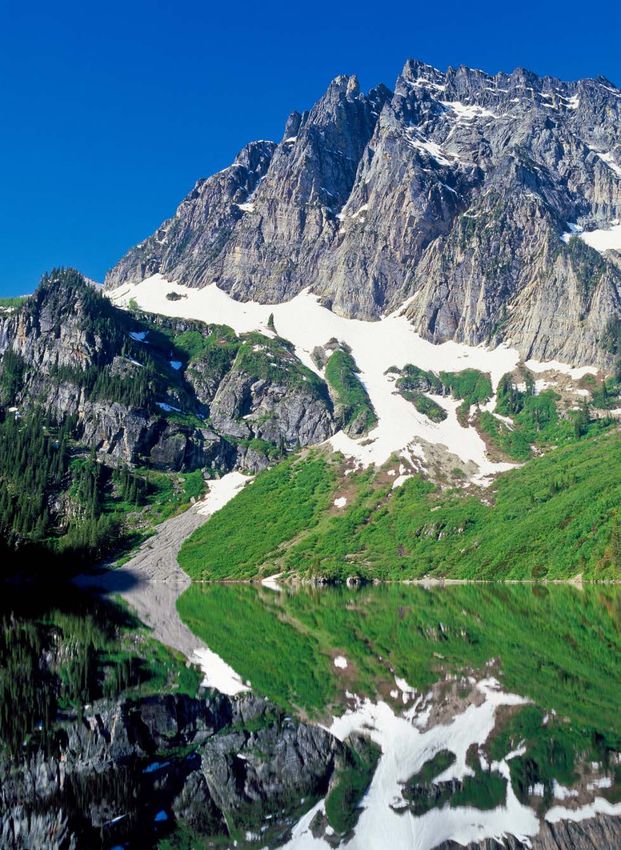
Just Minerals
             Safeguarding protections for community
             rights, sacred places, and public lands from
             the unfounded push for mining expansion

             Why a responsible renewable energy
             transition hinges on mining law reform

             June 2021
             ACKNOWLEDGMENTS
             Earthworks is grateful for the many talents of Amy Mall and Laura Peterson who
             performed the bulk of research and writing for this report. Phil Hanceford and Phil
             Hartger with The Wilderness Society provided valuable peer review and GIS maps of
             places at risk from mining. Many thanks to Blaine Miller-McFeeley and Jake Kornack
             with Earthjustice for their analysis and support on mineral supply chains. We appreciate
             guidance and wisdom from Sally Miller.

             Earthworks especially thanks our partners in the Western Mining Action Network
             (WMAN), the best North American resource for information sharing on hardrock mines.
             We acknowledge the lands and resources described herein belong to many
             Indigenous communities. This report is authored by Aaron Mintzes and Raquel
             Dominguez, with indispensable contributions from many Earthworks staff including
             Bonnie Gestring, Benjamin Hitchcock Auciello, Brendan McLaughlin, Lauren Pagel, Payal
             Sampat, and Alan Septoff. Financial assistance for this report provided by the Rose
             Foundation for Communities and the Environment.

             ABOUT EARTHWORKS
             Earthworks is a nonprofit organization dedicated to protecting communities and the
             environment from the adverse impacts of mineral and energy development while
             promoting sustainable solutions. We work with communities and grassroots groups
             to reform government policies, improve corporate practices, influence investment
             decisions, and encourage responsible materials sourcing and consumption. We expose
             the health, environmental, economic, social, and cultural impacts of mining and energy
             extraction through work informed by sound science.

             Cover photo: hrui / Adobe Stock

             Design by CreativeGeckos.com

                       EARTHWORKS

                       Offices in California, Colorado, Maryland, Montana, Pennsylvania,
                       New Mexico, New York, Texas, West Virginia

                       EARTHWORKS • 1612 K St. NW, Suite 904 Washington, D.C., USA 20006
                       earthworks.org • Report at earthworks.org/just-minerals
JUST MINING: SAFEGUARDING PROTECTIONS FOR COMMUNITY RIGHTS, SACRED
PLACES, AND PUBLIC LANDS FROM THE UNFOUNDED PUSH FOR MINING EXPANSION                                   2
Why a responsible renewable energy transition hinges on mining law reform
                    Dedicated to protecting communities and the environment from the adverse impacts
earthworks.org/just-minerals
                    of mineral and energy development while promoting sustainable solutions.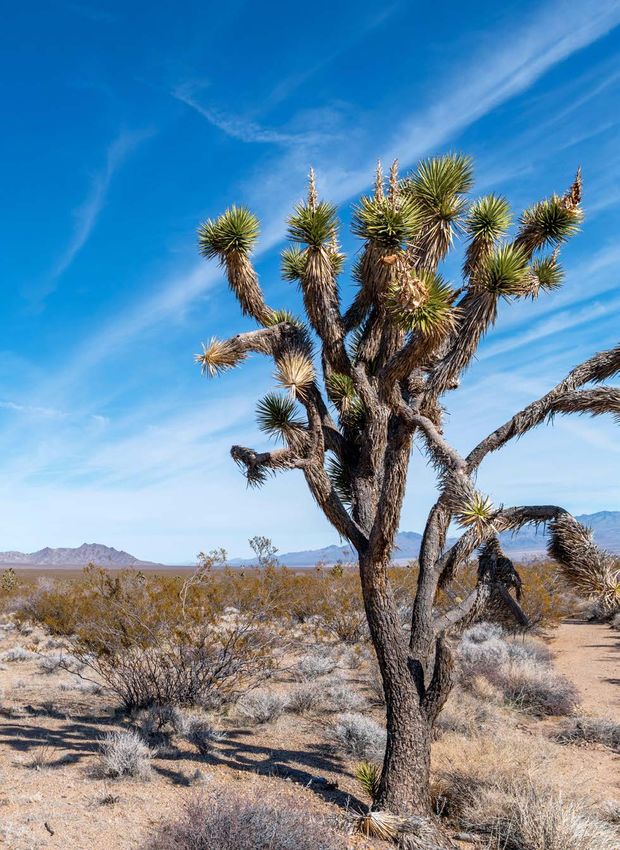
Table of Contents
Glossary.......................................................................................................................................................3
Executive Summary...................................................................................................................................4
Introduction................................................................................................................................................6
Hardrock Mining Impacts........................................................................................................................8
      Environmental and Health Threats................................................................................................8
      Federal Loopholes.............................................................................................................................9
      Financial Harms................................................................................................................................10
Public Lands Mining Reform.................................................................................................................11
Reducing Mining Demand by Managing Material Supply Chains................................................13
      Reducing Mining Demand Through Market Forces and Government Intervention......... 15
      Legislative Proposals.......................................................................................................................17
Secondary Recovery of Minerals.........................................................................................................19
      Re-Mining Mine Tailings..................................................................................................................19
      Reclamation from Fracking Wastewater.....................................................................................21
      Removal from Geothermal Brines...............................................................................................22
Developing a Circular Economy...........................................................................................................23
      Recirculating Minerals Through Battery Supply Chain............................................................24
      Solutions for Electric Vehicles Batteries.....................................................................................25
Consumer Pressure for More Responsible Mines..........................................................................27
Conclusion.................................................................................................................................................28

Places at Risk Descriptions
      Stibnite Mine, Idaho MAP............................................................................................................................................29
      Grand Canyon National Park, Arizona MAP............................................................................................................30
      Cabinet Mountains Wilderness Area, Montana MAP...........................................................................................31
      Santa Rita Mountains, Arizona MAP.........................................................................................................................32
      Mojave and Sonoran Deserts, Arizona, California, Nevada MAP .............. .......................................................33
      Bears Ears National Monument, Utah MAP...........................................................................................................34
      Mount Taylor, New Mexico MAP................................................................................................................................35
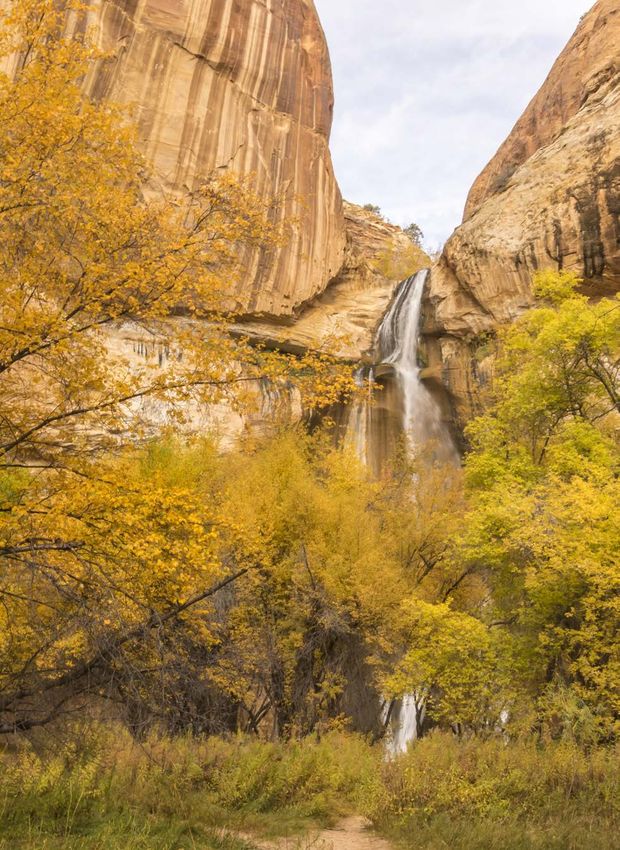
      Grand Staircase-Escalante, Utah MAP.....................................................................................................................36
      Thacker Pass, Nevada MAP.........................................................................................................................................37

Endnotes....................................................................................................................................................38

     JUST MINERALS: SAFEGUARDING PROTECTIONS FOR COMMUNITY RIGHTS, SACRED
     PLACES, AND PUBLIC LANDS FROM THE UNFOUNDED PUSH FOR MINING EXPANSION                                                                                                     3
     Why a responsible renewable energy transition hinges on mining law reform
     earthworks.org/just-minerals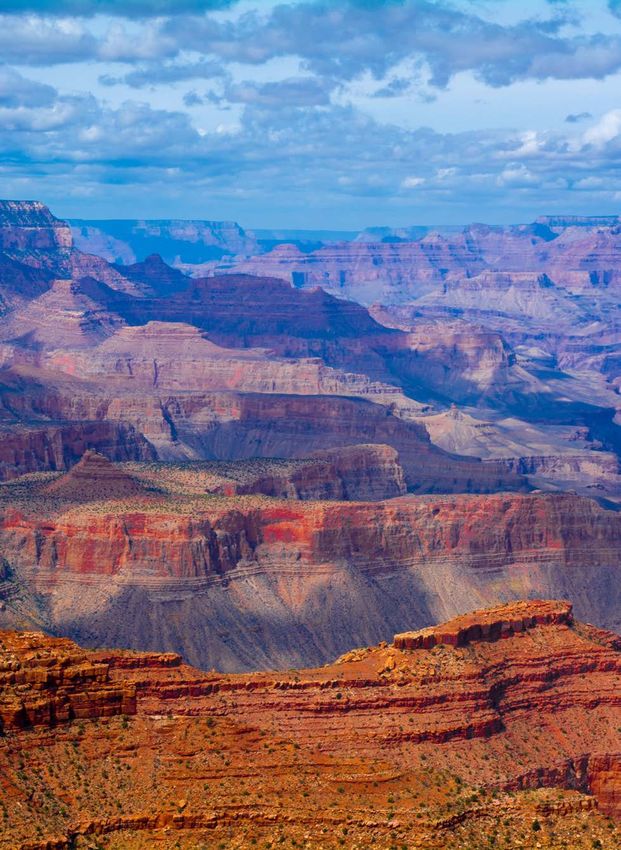
Glossary
 CMI        Critical Materials Institute
 DLA        Defense Logistics Agency
 DOC        Department of Commerce
 DOD        Department of Defense
 DOE        Department of Energy
 DOI        Department of Interior
 DOS        Department of State
 DRECP      Desert Renewable Energy Conservation Plan
 EC         European Commission
 EO         Executive Order
 EPA        Environmental Protection Agency
 ESG        Environmental and social governance
 EV         Electric vehicle
 FY         Fiscal Year
 GAO        Government Accountability Office
 GIS        Geographic information system
 FLPMA Federal Land Policy Management Act
 FPIC       Free, Prior, and Informed Consent
 IRMA       Initiative for Responsible Mining Assurance
 IVAN       Identifying Violations Affecting Neighborhoods
 LiB        Lithium-ion battery
 NEPA       National Environmental Policy Act
 NETL       National Energy Technology Laboratory
 PDA        Percentage Depletion Allowance
 RCRA       Resource Conservation and Recovery Act
 R&D        Research and development
 REE        Rare Earth Element
 TRI        Toxic Release Inventory
 UNEP       United Nations Environmental Programme
 USGS       United States Geological Survey
 USTR       United States Trade Representative
 WTO        World Trade Organization

        JUST MINERALS: SAFEGUARDING PROTECTIONS FOR COMMUNITY RIGHTS, SACRED
        PLACES, AND PUBLIC LANDS FROM THE UNFOUNDED PUSH FOR MINING EXPANSION       4
        Why a responsible renewable energy transition hinges on mining law reform
        earthworks.org/just-minerals
Photo: Naypong Studio / Adobe Stock
Executive Summary
The Biden-Harris administration has committed itself to the
rapid, just, equitable, and fair transition to renewable energy.
Recognizing that the infrastructure to support this transition requires a variety of minerals—cobalt
and lithium, among others—President Biden included them in a February 2021 Executive Order
directing agencies to review and report on how to best secure various supply chains.

As the administration develops policies to incentivize and scale up the use of renewable energy, it
must also transition minerals policies toward more responsible sourcing that minimizes reliance on
mining. Such an approach to meeting mineral demand recognizes that:

        Mining has harmful climate, equity, and resource impacts that, if not carefully managed,
   1
        may ultimately undermine the benefits of transitioning to renewable energy;

        Renewable energy infrastructure requires mineral supply chain stability. Sourcing
   2
        minerals responsibly requires a meaningful update of our mining law and regulations;

        There is significant untapped mineral recycling and reuse potential available using
   3
        current technology.

The renewable energy transition must not touch off the kind of mining rush that has historically
killed or displaced untold numbers of Indigenous and other marginalized peoples, destroyed
sacred and cultural resources, stolen lands, scarred landscapes, and polluted water and climate.
Building a sustainable economy based on clean energy gives us an historic opportunity to confront
the legacy of injustice to Indigenous communities and damage to the public lands held in trust for
future generations. Seizing that opportunity requires policies prioritizing recycling and reuse over
new mining. Where new mining is acceptable, the mining industry must
                                                                               We must transition
undertake the most responsible methods.                                        minerals policies toward
                                                                                      more responsible
Achieving this clean, just, and equitable minerals economy requires a repu-         sourcing that minimizes
diation of the mining industry’s false-scarcity narrative that has shaped           reliance on mining for
                                                                                    the new energy economy.
minerals policy for more than a decade. This distorted view stokes fears that
foreign adversaries may choke off mineral supplies. From there, its proponents peddle nationalism
claiming all minerals as “critical” to meet clean energy, national security, or other legitimate objectives.
This narrative’s desired solution is faster domestic mining with less oversight. It crescendoed in 2018
when the government listed 56 elements as “critical minerals.” This decision effectively designated
every domestic mine a critical mine, even those built to excavate gold or silver, because of trace
elements always found near precious metals.

          JUST MINERALS: SAFEGUARDING PROTECTIONS FOR COMMUNITY RIGHTS, SACRED
          PLACES, AND PUBLIC LANDS FROM THE UNFOUNDED PUSH FOR MINING EXPANSION                           5
          Why a responsible renewable energy transition hinges on mining law reform
          earthworks.org/just-minerals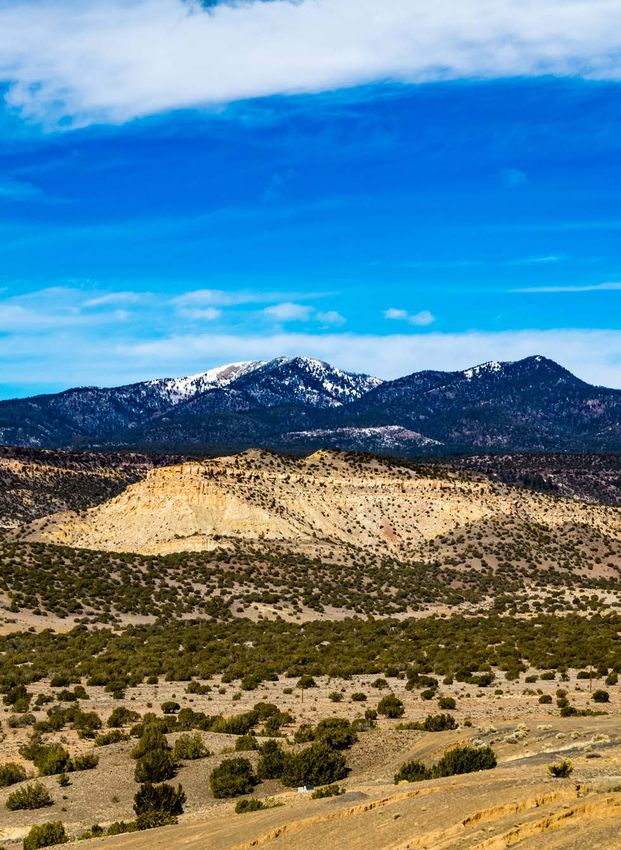
The false-scarcity narrative also prevents long-overdue reform to the outdated 1872 General Mining
Law. Nearly 150 years after its passage, our mining laws still privilege mining over all other uses, in-
cluding the rights and perspectives of Indigenous communities.

With the right policies in place, we can create a more circular economy
                                                                             The false-scarcity
that may approximately halve global demand for certain minerals, like co-    narrative also prevents
balt, lithium, and nickel, key to the clean energy transition. As the market long-overdue reform
for secondary use of materials from electric vehicle batteries matures, this to the outdated 1872
further reduces pressure to source from new mines. Major consumers,          General Mining Law.
including automakers and electronics companies, have also directed their
suppliers to source more responsibly. Ford, Microsoft, BMW, and Daim-
ler-Benz, among others, have committed to the Initiative for Responsible Mining Assurance (IRMA),
which independently audits and certifies environmental and social performance at mines.

This report argues for stronger mining industry oversight to better protect climate, water, and wildlife
resources, sacred sites, and communities. We describe the current and historical problems associ-
ated with public lands mining and provide detailed recommendations for improvement. Ultimately,
this means fixes to the antiquated 1872 Mining Law, rooted in this nation’s settler-colonial era, and
its rules that still precipitate exploitation of Indigenous resources.

In addition to mining policy fixes, the Federal Government’s agencies have several tools available to
enhance material supply chain security and reduce pressure to source from irresponsible mines.
Government and consumer pressure both play important roles driving incentives and innovation in
more responsible material sourcing.

There are better ways to source materials than new mines. Recycling, reuse, substitution, and other
methods provide cleaner alternatives. More responsible sourcing will reduce mining demand, there-
by avoiding some of the climate, human, and other resource impacts on the road to an economy
based on renewable energy.

                                                                                      More responsible sourcing will reduce
                                                                                      mining demand, thereby avoiding some of
                                                                                      the climate, human, and other resource
                                                                                      impacts on the road to an economy based
                                                                                      on renewable energy.
                                                                                      Photo: studio-fi / iStock

          JUST MINERALS: SAFEGUARDING PROTECTIONS FOR COMMUNITY RIGHTS, SACRED
          PLACES, AND PUBLIC LANDS FROM THE UNFOUNDED PUSH FOR MINING EXPANSION                                   6
          Why a responsible renewable energy transition hinges on mining law reform
          earthworks.org/just-minerals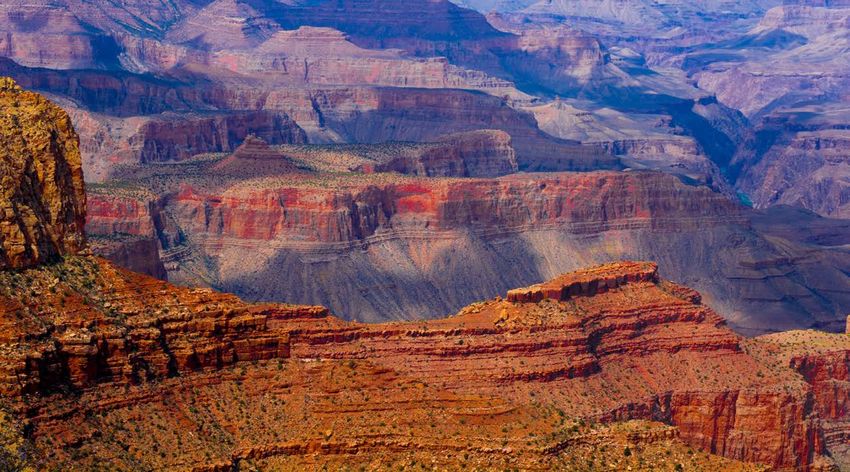
Introduction
The rapid, just, equitable, and fair transition to a renewable energy economy—one without fossil
fuels—will require the speedy deployment of green infrastructure. Available technologies in solar,
wind, and battery power are economically competitive and growing rapidly, while their costs continue
to fall. Building this clean energy infrastructure will require more materials fashioned from minerals
such as cobalt, nickel, and lithium.

As with any transition, we must ensure against unintended consequences. As of this writing, human-
ity has roughly 30 years to cap global temperature rise at 1.5 degrees Celsius to avoid the most cata-
strophic climate impacts. According to the United Nations Environmental Programme (UNEP), mining
accounts for 10% of global climate change impacts. We will therefore not enjoy the climate benefits
of green infrastructure by primarily sourcing its skyrocketing mineral demand from new mines.

We also must avoid compounding the climate crisis with another minerals rush that repeats the trag-
ic legacy of settler-colonial exploitation of Indigenous lands and resources. America’s 19th century
minerals rush led a cascade of lasting human rights and environmental impacts. In 1871, Congress
ended treaty-making with Indigenous Tribes. In 1872, Congress enacted the General Mining Law
without any cultural or environmental protections. That law still governs public lands mining today.
The just, equitable, and fair 21st century renewable energy transition demands meaningful reform of
this 19th century mining law and its 20th century rules.

This report begins with the legacy and modern impacts this mining regime created. It highlights places
at risk from mining, and describes the long overdue policy updates our mining law and regulations
need to better protect climate, communities, and resources. All these places remain under threat
from mining due to the 1872 Mining Law. The last decade’s false-scarcity rhetoric has unjustifiably
intensified that threat. It feeds a rush for new mines targeting minerals across the periodic table irre-
spective of their purported use or relative abundance.

                                                                                      The 1872 Mining Law was passed to
                                                                                      encourage settlement and colonization
                                                                                      of what is now the western United States.
                                                                                      The law, which has been narrowed but not
                                                                                      updated, granted automatic privatization
                                                                                      of any lands determined to have valuable
                                                                                      mineral deposits, regardless of whether
                                                                                      the land was already in use.
                                                                                      Photo: Wikimedia Commons

          JUST MINERALS: SAFEGUARDING PROTECTIONS FOR COMMUNITY RIGHTS, SACRED
          PLACES, AND PUBLIC LANDS FROM THE UNFOUNDED PUSH FOR MINING EXPANSION                                  7
          Why a responsible renewable energy transition hinges on mining law reform
          earthworks.org/just-minerals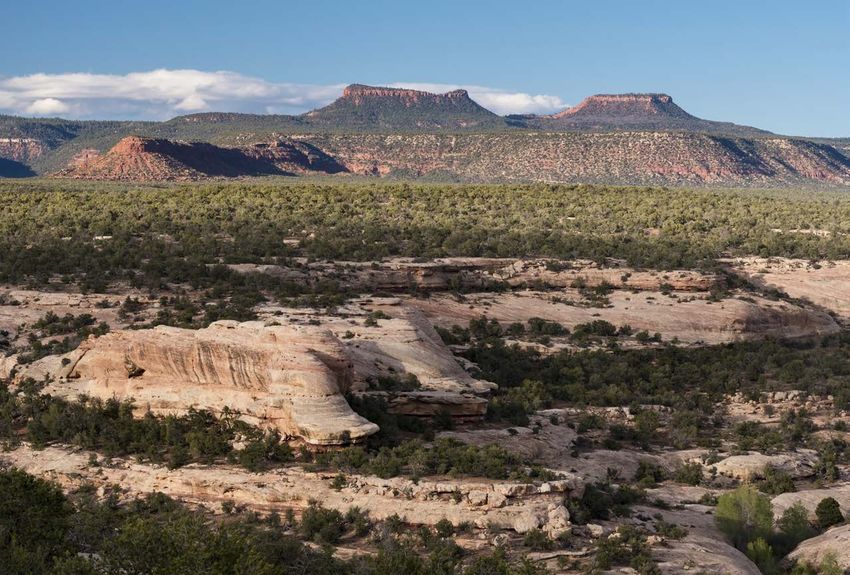
We acknowledge the importance of supply chain security in certain materials. However, we challenge
       the notion that our public lands agencies should, or even could, resolve the geopolitics and econom-
       ics of specialized, internationally-traded commodities. Other federal agencies have developed robust
       programs for this purpose. They blend tradecraft, statecraft, and spycraft with engineering, research,
       and development to reduce a material’s criticality. Often, this means finding substitutes, diversifying
       supply, imposing trade restrictions, or increasing recycling, reuse, and collection.

       Beginning with the War Department’s first stockpile of ferromanganese, tin, tungsten, and other mate-
       rials in 1939, the United States has developed a vast, well-resourced, interagency complex
       specifically designed to mitigate the risk of a disruption in materials supply. More recently,
       administrations have repeatedly leveraged these programs to acquire materials for this century’s
       climate and geopolitical challenges.

       President Biden’s supply chain Executive Order (EO) should use these programs and additional poli-
       cies that prioritize more responsible material sourcing, rather than new public lands mines. Improv-
       ing recycling and collection rates, reuse, and mineral substitution can each better serve as starting
       points to fill existing supply chain gaps. Providing the right blend of incentives and mandates will
       drive more investment where it is actually needed: in battery manufacturing, collection facilities, and
       related midstream green infrastructure. Transitioning the minerals we already mined once, to build
       what we now need, will drive the circular economy forward.

       These alternatives to mining may help source the materials we need with fewer adverse impacts to
       climate, sacred and cultural sites, wildlife, and water. No alternative is perfect. Even with more robust
       material reuse and collection, new hardrock mines on public lands will still provide minerals. Howev-
       er, sourcing minerals from public lands under a law explicitly designed to further settler-colonialism
       only furthers environmental injustice and puts an equitable transition out of reach.

These alternatives to mining may help
source the materials we need with fewer
adverse impacts to climate, sacred and
cultural sites, wildlife, and water.
Photo: corlaffra / Adobe Stock

                         JUST MINERALS: SAFEGUARDING PROTECTIONS FOR COMMUNITY RIGHTS, SACRED
                         PLACES, AND PUBLIC LANDS FROM THE UNFOUNDED PUSH FOR MINING EXPANSION                8
                         Why a responsible renewable energy transition hinges on mining law reform
                         earthworks.org/just-minerals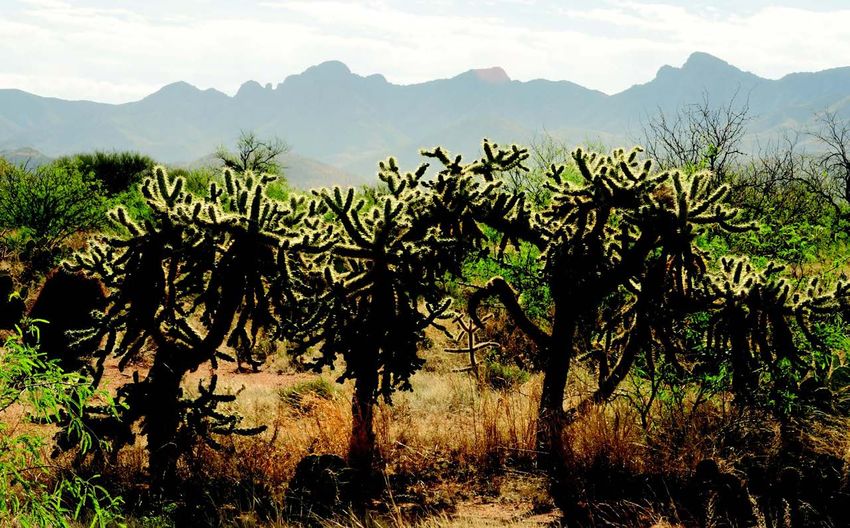
Hardrock Mining Impacts
       Mining is a dirty, dangerous activity that causes significant climate, environmental, and human impacts
       across the world. The United Nations Environmental Programme (UNEP) estimates the hardrock
       mining sector accounts for 10 percent of climate change impacts.1 The surge in global demand for
       new mining threatens to exacerbate problems associated with extraction.

       The United States lacks adequate safeguards to protect climate, communities, clean air and water,
       cultural resources, wildlands, or wildlife from the impacts of mining. This has resulted in hundreds
       of thousands of old mines that continue to pollute water and other resources. Financing to reclaim
       all these toxic sites does not exist, and current regulations fail to prevent similar pollution from new
       mines.

       This 21st century minerals rush threatens even more communities, cultural sites, watersheds, and
       landscapes, with harms lasting for generations. In the Navajo Nation alone, there are more than 500
       abandoned uranium mines dating back to the 1940s. A 2019 study found that 26 percent of Navajo
       women—as well as some infants—had high levels of uranium in their blood.2

       Environmental and Health Threats
       According to the Environmental Protection Agency’s (EPA) Toxic Release Inventory (TRI), in 2019 the
       hardrock mining industry released more toxic material into the environment than any other sector.
       In fact, mining accounted for more than 10 percent of all production-related industrial waste, totaling
       more than 3 billion pounds. In 2019, the domestic mining industry released approximately 120,000
       pounds of cobalt and 1,124,912 pounds of cobalt compounds into the environment. The metal min-
       ing industry generated a shocking 85 percent of total reported releases.3

Hundreds of thousands of abandoned mines
are scattered across the west, leaking
toxic chemicals into soil and groundwater,
disproportionately harming Indigenous and
other marginalized communities. To protect
communities and the environment, the
federal government must ensure mining
companies are required to reclaim closed
mines and properly insure them before,
during, and after operation.
Photo: Jim West / Alamy Stock

                        JUST MINERALS: SAFEGUARDING PROTECTIONS FOR COMMUNITY RIGHTS, SACRED
                        PLACES, AND PUBLIC LANDS FROM THE UNFOUNDED PUSH FOR MINING EXPANSION                9
                        Why a responsible renewable energy transition hinges on mining law reform
                        earthworks.org/just-minerals
In 2000, the EPA estimated that hardrock mining had contaminated streams in the headwaters of
more than 40 percent of watersheds in the western United States. Significant amounts of the pollu-
tion come from abandoned mine sites with acid mine drainage problems that can persist for thou-
sands of years if left untreated. The federal government estimates there are 500,000 abandoned
mines in 32 states nationwide,4 primarily in the west.5

Ongoing acid mine drainage can lead to catastrophe. For example, in 2015 Colorado’s abandoned
Gold King mine released 3 million gallons of contaminated mine material into rivers, in three states
and the Navajo Nation, leading to hundreds of millions of dollars in clean-up costs.6 In Montana, the
community of Rimini still has contaminated drinking water caused by about 150 abandoned gold,
lead, and copper mines that stopped operating in the 1950s.7

Federal Loopholes
Hardrock mines produce massive amounts of waste that frequently contain toxic materials such as
arsenic, mercury, cadmium, chromium, and lead. Yet weak mining laws and loopholes in bedrock
environmental laws allow mining companies to release toxic waste from mines into the air or directly
into streams, rivers, and lakes—and they do, with devastating effects on people and the environ-
ments they depend on.

The 1872 General Mining Law is almost 150 years old, yet the same essential language still governs
hardrock mining on public lands today.8 The 1872 law does not contain any environmental protec-
tions from mining. Its antiquated terms stem from its troubling settler-colonial origin in the theft of
Indigenous peoples’ lands and resources. Land management agencies use the law to justify permit-
ting mining on public lands wherever industry claims—even if the land is sacred, or prized for recre-
ation, wildlife habitat, cultural values, or other uses.

The Clean Water Act includes a gaping loophole that allows mining companies to pollute clean water
sources with impunity. In 2002, the George W. Bush administration weakened the rules for the Clean
Water Act specifically to allow mine operators to dump their tailings (the waste created by the mining
process) directly into waterways such as streams, lakes, wetlands, and rivers. The law requires these
same toxic materials from other industries kept out of U.S. waters.9

The Resource Conservation and Recovery Act (RCRA) is the federal law that governs waste manage-
ment. Subtitle C of RCRA covers the management of waste deemed hazardous. Despite their high
toxicity, the federal law categorically exempts mine waste from the hazardous waste provisions of
RCRA. Therefore, no mining wastes are subject to federal hazardous waste statute. This enormous
loophole, created in the 1980s, still stands to this day.10

These loopholes lead to real contamination: a 2019 investigation of 43
U.S. mine complexes, containing up to hundreds of individual mines each,
                                                                                      2.1 billion
                                                                                      gallons per day
found that the average daily runoff of contaminated wastewater is more
                                                                                      of wastewater
than 50 million gallons per complex. In addition, the investigation found
                                                                                      In just the U.S., 43 mine
that it often runs untreated into nearby groundwater, rivers, and ponds.11            complexes produce more
While states could take action to close these loopholes and create some               than 50 million gallons
                                                                                      of water per complex per
environmental safeguards where mining occurs, they have not done so.                  day — 2.1 billion gallons.

          JUST MINERALS: SAFEGUARDING PROTECTIONS FOR COMMUNITY RIGHTS, SACRED
          PLACES, AND PUBLIC LANDS FROM THE UNFOUNDED PUSH FOR MINING EXPANSION                              10
          Why a responsible renewable energy transition hinges on mining law reform
          earthworks.org/just-minerals
Financial Harms
Together, the 1872 Mining Law and these environmental loopholes account for why the financial
burden of hardrock mine cleanup overwhelmingly falls upon taxpayers. Under the 1872 Mining Law,
mining companies pay no more than $5 per acre for the right to patent (or privatize) public lands. In
addition, they pay neither federal royalties nor reclamation fees for hardrock minerals from public
lands.12
This is unique: nowhere else in the world do hardrock mines pay zero royalty to a federal govern-
ment. More than a century ago, Congress removed oil, gas, and coal from the 1872 Mining Law to
create a leasing system where operators pay royalties to the public.13 Coal mines have paid fees to
cover reclamation costs since the 1970s.14 Yet, hardrock mines do not pay their own.
According to the Government Accountability Office (GAO), as of September 2018 there were 872
mine operations authorized on public lands. Since the law provides no royalty, land managers do
not track the amount or value of the public minerals produced.15 According to one estimate, mining
companies have extracted more than $300 billion worth of hardrock minerals from public lands
since 1872.16
In addition to getting valuable minerals for free, mining companies receive generous tax breaks for
depleting our natural resources. For example, the Percentage Depletion Allowance (PDA) permits
a company to deduct a fixed percentage from their gross income based on the mineral extracted,
ranging from 22 percent for uranium to 15 percent for silver and other hardrock minerals.17 Accord-
ing to the Biden-Harris administration’s Fiscal Year (FY) 2022 Budget, repealing the PDA would gener-
ate more than $1.3 billion in revenue over ten years.18
As the government gives money away to corporate polluters, the min-
ing industry leaves the rest of us to pay to clean up the toxic messes
EPA estimates
they leave behind. EPA estimates that cleanup of the approximately
that cleanup of the
half million abandoned hardrock mines at more than $35 billion.19
approximately half
Based on estimates of the value of minerals on public land, the min-
million abandoned
ing industry could pay to prevent toxic pollution. For now, however,
hardrock mines at
taxpayers are left footing the bills. New mining without strong environ-
more than $35 billion.
mental, health, and financial safeguards in place will only lead to more
environmental and financial burdens for mining-affected communities.
The Gold King Mine was abandoned for
nearly a century before 3 million gallons
of tailings burst from it in 2015. The Mine
had several owners during its century-long
operational period, but because of the U.S.’s
antiquated mining law none were required
to post reclamation bonds.
Photo: Whit Richardson / Alamy Stock
JUST MINERALS: SAFEGUARDING PROTECTIONS FOR COMMUNITY RIGHTS, SACRED
PLACES, AND PUBLIC LANDS FROM THE UNFOUNDED PUSH FOR MINING EXPANSION 11
Why a responsible renewable energy transition hinges on mining law reform
earthworks.org/just-mineralsPublic Lands Mining Reform
Our public lands agencies manage more than 700 million acres, including many of the most
treasured places in the country. Those agencies also bear a special trust responsibility to federally-
recognized Tribes whose land and resources the federal government manages. The federal
government’s Trust relationship with Tribes stems from their promises made in exchange for taking
the vast majority of Tribal ancestral lands. Tribes retain some sovereignty and rights to use and
occupy their ancestral lands, in addition to rights conferred by treaty.20 Between 1778-1871, the
United States executed more than 380 Tribal treaties. The year after Congress stopped making
new treaties with America’s Indigenous Tribes, President Grant signed the 1872 Mining Law.21
The Departments of Interior and Agriculture regulate hardrock mining on public lands.22 The mining
law and its rules for hardrock mining have never been significantly revised. At the same time, modern
mining uses energy-intensive methods that decimate landscapes with massive open pits, waste rock
dumps, and tailings piles that extend over thousands of acres of land. Mining also may involve pro-
cessing with toxic chemicals such as cyanide and sulfuric acid, which seep into nearby soil and water,
significantly harming communities for decades.
We need not source metals primarily from new hardrock public lands mines. However, where we do
mine public lands, climate crisis and environmental justice demand updates to this regulatory re-
gime.23 To guard against the threats mineral activities pose to climate, wildlife, communities, cultural
resources, and the environment, we recommend the following policy changes:
Establish meaningful Tribal consultation and Indigenous resource protections. On
1
January 26, 2021, the Biden-Harris administration issued an EO on Tribal Consultation
and Strengthening Nation-to-Nation Relationships.24 Consultations and regulations on
mining should seek to achieve the Free, Prior, and Informed Consent (FPIC) of Indigenous
communities;
Give land managers discretion to balance mining proposals with other potential land
2
uses and the protection of treasured places, sacred sites, and watersheds. This requires
a meaningful definition of the “unnecessary or undue degradation” standard in the Federal
Land Policy Management Act (FLPMA) to include perpetual water treatment, and would
grant discretion to deny mines with other serious impacts to environmental or cultural
resources;
Exercise FLPMA and Organic Act authority to minimize or prohibit harm to natural and/
3
or cultural resources from tailings piles proposed or located on public lands that do not
contain a valuable mineral deposit. Placement of such material may only occur on up to
five acres per mine claim;
4 Provide an independent funding mechanism for clean-up of abandoned hardrock mines,
similar to the coal abandoned mine fee and program, and assess a royalty;
5 Require mining operators to use the best available technologies and meet strict
operating standards throughout the mining process, including management of mine
tailings. Prioritize safety and prevent, to the greatest extent possible, surface and
groundwater contamination, and disturbance to wildlife, landscapes, and cultural resources;
JUST MINERALS: SAFEGUARDING PROTECTIONS FOR COMMUNITY RIGHTS, SACRED
PLACES, AND PUBLIC LANDS FROM THE UNFOUNDED PUSH FOR MINING EXPANSION 12
Why a responsible renewable energy transition hinges on mining law reform
earthworks.org/just-mineralsRequire planning for climate impacts. Exploration, operations, infrastructure, reclamation,
6
and closure must be designed and managed to account for the increased risks associated
with climate change, such as increasing the capacity of wastewater containment ponds to
prevent toxic spills during extreme storms;25
Require adequate financial assurances to cover all costs, including long-term water
7
treatment, so the public does not bear that financial burden should a mining company
become insolvent. These assurances should prohibit risky financial instruments—such as
corporate guarantees or their own property—as a form of bond;
Ensure rigorous inspection and enforcement, including sufficient penalties to deter bad
8
behavior. Significant operations should undergo periodic comprehensive environmental
and compliance audits by an independent third party.26 Violators should be barred from
new permits. Agencies should impose fees to cover the costs of inspections, environmental
reviews, and other administrative functions, sufficient to carry out their responsibilities; and
Commit to public transparency and accountability, including public involvement in
9
decisions on permitting, bonding, inspections, and enforcement. All financial assurance
agreements, mine operation and reclamation plans, monitoring results, and compliance
records should be posted online and readily accessible by the public.27
At Risk
GRAND CANYON NATIONAL PARK, ARIZONA
Photo: Gary M. Smillie / Adobe Stock
JUST MINERALS: SAFEGUARDING PROTECTIONS FOR COMMUNITY RIGHTS, SACRED
PLACES, AND PUBLIC LANDS FROM THE UNFOUNDED PUSH FOR MINING EXPANSION 13
Why a responsible renewable energy transition hinges on mining law reform
earthworks.org/just-mineralsReducing Mining Demand by
Managing Material Supply Chains
The false-scarcity minerals narrative misleads us to believe new domestic mines best help secure the
mineral supplies we need. While mines will source some raw materials, the task of managing supply
chains has almost nothing to do with mining. This task falls to other agencies, aside from those
man-aging public lands, with well-established tools to manage supply chain risk, including for
minerals.
This section provides a limited discussion of the aims of these programs, which tend to fall into three
categories:
1) Lowering geopolitical risk of a supply chain disruption by diversifying sources;
2) Secondary recovery of materials from oil, gas, and mine waste; and
3) Materials recycling, reuse, substitution, and building a circular economy.
President Biden’s “America’s Supply Chains” EO can implement these tools to lower the pressure
to source from new mines. These programs can and should reduce demand, diversify supply, and
perform research and development. Traditionally, some of them have associated climate, justice,
and environmental risks, particularly in reprocessing mine waste. Others, like nuclear subsidies, ef-
fectively serve as taxpayer handouts to the mining industry.28 President Biden’s focus on supply
At Risk
MOUNT TAYLOR, NEW MEXICO
Photo: George H.H. Huey / Alamy Stock
JUST MINERALS: SAFEGUARDING PROTECTIONS FOR COMMUNITY RIGHTS, SACRED
PLACES, AND PUBLIC LANDS FROM THE UNFOUNDED PUSH FOR MINING EXPANSION 14
Why a responsible renewable energy transition hinges on mining law reform
earthworks.org/just-mineralschains instead invites the opportunity to revisit
these powers to shape the circular economy.29
The Departments of Commerce (DOC), Defense
(DOD), Energy (DOE), State (DOS), Interior’s United
States Geological Survey (USGS), and other agen-
cies manage a vast critical minerals industrial com-
plex. Congress has
repeatedly provided
Federal agencies
these agencies with
manage a vast critical
broad authorities
minerals industrial
to stockpile miner-
complex that can make
als, impose trade
significant decisions
restrictions, nego-
affecting sourcing,
tiate agreements,
At Risk
recycling, reuse, and
promote research,
substitution trends.
develop workforc-
es, and discover al- CABINET MOUNTAINS
ternatives. In December 2020, President Trump WILDERNESS AREA, MONTANA
signed into law the FY2021 Consolidated Appro-
priations Act adding more than $800 million to
these efforts.30
The federal government’s interest in material sup-
ply chains dates at least back to World War II. The
1939 Strategic Materials Act first authorized DOD
(then called the Department of War) to stockpile
minerals such as tungsten and cadmium “to sup-
ply the industrial, military, and naval needs of the
country for common defense.”31
Over the following decades, more legislation di-
rected funds to increase the stockpile and put it
under management of DOD’s Defense Logistics
Agency (DLA). In 1993, the stockpile became over-
stocked, leading to the sale of 44 excess materi-
als like nickel and silver.32 The current stockpile
contains 37 materials worth $1.15 billion, many of
them “processed” materials such as quartz crys-
tals and beryllium rods.33
Photo: Eric Ian
JUST MINERALS: SAFEGUARDING PROTECTIONS FOR COMMUNITY RIGHTS, SACRED
PLACES, AND PUBLIC LANDS FROM THE UNFOUNDED PUSH FOR MINING EXPANSION 15
Why a responsible renewable energy transition hinges on mining law reform
earthworks.org/just-mineralsReducing Mining Demand Through Market
Forces and Government Intervention
In 2010, a territorial dispute between China and Japan led China to restrict exportation of rare earth
elements (REEs), driving up global prices. In response, DOE created a three-pillar Critical Materials
Strategy: diversify global supply chains, in part by facilitating U.S. extraction, processing and manufac-
turing; develop substitutes; and decrease world demand through recycling and reuse.34
DOE soon began ramping up research and development spending, establishing the Critical Materials
Institute (CMI) at DOE’s Ames Laboratory in 2013 with a five-year, $120 million grant. CMI incorpo-
rates more than 300 researchers from other national laboratories and partners including Purdue
University in developing “solutions to shortages” of REE elements and minerals including lithium and
tellurium.35
The United States Trade Representative (USTR) challenged China’s trade restrictions in 2010 and
2012 with two cases before the World Trade Organization (WTO). Brazil, Russia, India, Singapore,
Indonesia, Japan, Australia, the European Union and others joined the suit. In 2014, WTO ruled in
the USTR’s favor.36 China later dropped the tariffs and re-supplied the market, resulting in REE prices
plummeting.
But savvy investors did not wait for the WTO to resolve these trade disputes. Mines in Australia,
Canada, Indonesia, and the United States started or restarted operations to address both short- and
long-term supply constraint concerns. Many more mines and proposed mines throughout the world
have since provided diversified supplies to hedge against any future disruption.
The Mountain Pass Mine in California produced REEs for decades before water pollution violations
led then-owner, Molycorp, to cease operations in 2002. While China’s 2010 trade restrictions did
spur mining again at Mountain Pass, investor enthusiasm did not last long. The price drop that fol-
lowed the WTO ruling caused Mountain Pass to declare bankruptcy. The mine emerged from bank-
ruptcy again in 2017 with the help of a suite of investors, including a 10 percent stake owned by a
Chinese-controlled firm.
As a practical matter, minerals are internationally-traded commodities on
world markets often owned by foreign companies. Mining domestically Mining domestically
does not guarantee the minerals stay in-country. In fact, minerals usually does not guarantee
cross many borders after extraction. the minerals stay
in-country. In fact,
Regardless of their location or ownership, mines are just the first, and minerals usually cross
least important, link in the material supply chain. Once mined, minerals many borders after
must undergo separation, processing, and refining, before being formed extraction.
into alloys for use in manufacturing. An April 2010 GAO report estimat-
ed that creating an integrated U.S. REE supply chain could take up to 15 years as the government
increasingly invests in downstream capacity for converting raw mineral ore into useful green infra-
structure. In large measure, the decade since has instead seen considerable federal government
subsidies for mining and mineral processing.37
President Trump placed most of his policy focus on the least important critical materials supply
chain link: mining. His administration primarily adopted a fast mine permitting approach with two
critical
JUST MINERALS: SAFEGUARDING PROTECTIONS FOR COMMUNITY RIGHTS, SACRED
PLACES, AND PUBLIC LANDS FROM THE UNFOUNDED PUSH FOR MINING EXPANSION 16
Why a responsible renewable energy transition hinges on mining law reform
earthworks.org/just-mineralsminerals EOs: A 2017 order directed federal agencies to produce “recommendations to streamline
permitting…enhancing access...and increasing discovery, production, and domestic refining of criti-
cal minerals resources.”38 A second, from October 2020, declared America’s development of critical
minerals a national emergency and directed DOE and DOI to speed permitting and subsidize critical
minerals development within existing programs.39
These orders unleashed a flood of government dollars for firms to mine or process domestic miner-
als. In 2019, President Trump invoked the Defense Production Act, giving DOD, among other things,
broad acquisition powers for mineral development.40 DOD did not then engage in meaningful con-
sultation to earn the FPIC from the impacted communities near Sierra Blanca Mountain before subsi-
dizing domestic mineral processing. Instead, DOD spent $125 million in 2020, including a nearly $10
million grant to the owners of the Mountain Pass mine to develop processing capabilities at the site.41
In January 2021, DOD announced it would pay mining company Lynas $30 million to build a REE
separation facility in Texas which would process minerals shipped from Lynas mines in Australia.42
DOE reportedly budgeted $160 million for REE processing last year, including two grants to Energy
Fuels Inc, a Canadian company that operates the only U.S. domestic uranium mill.43 The company
notoriously lobbied the Trump administration to shrink the Bears Ears National Monument boundary
in Utah to benefit their own uranium and vanadium claims.44
One of the DOE grants was for processing REEs at Energy Fuels’ White Mesa uranium mill in Utah,
and the other for a “conceptual design that would lead the way to commercial production of mixed
REE oxides from coal-based resources.” It remains unclear whether the mill will actually process REE
minerals.45 What is clear, the agencies of the critical minerals industrial complex should seek commu-
nities’ FPIC before subsidizing additional domestic mineral processing.
At Risk
FRANK CHURCH RIVER OF NO
Photo: Northwest Rafting Company
RETURN WILDERNESS, IDAHO
JUST MINERALS: SAFEGUARDING PROTECTIONS FOR COMMUNITY RIGHTS, SACRED
PLACES, AND PUBLIC LANDS FROM THE UNFOUNDED PUSH FOR MINING EXPANSION 17
Why a responsible renewable energy transition hinges on mining law reform
earthworks.org/just-mineralsLegislative Proposals
In the decade following the 2010 REE minerals trade dispute, the prevailing Congressional response
tended to misplace focus on faster mine permitting. This resulted in several legislative proposals ex-
ploiting the trade dispute, invoking nationalism and xenophobia, and driving a false-scarcity
narrative designed to remove community input from our government’s mining de-
cisions. Congressman Mark Amodei (R-NV02), whose district is home to The average permitting
some of the country’s biggest mineral mines, first introduced the Nation- time for a proposed
al Strategic and Critical Minerals Production Act in 2013. This bill cynically public lands mine is
labeled the community participation and environmental review required approximately two
under the National Environmental Policy Act (NEPA) as a cause of mineral years, according to
supply disruptions. His bill exempted all mining from the NEPA process.46 the Government
However, the average time federal land managers spend permitting a Accountability Office.
mine is two years, according to a 2016 GAO study,47 generally the same
as in Australia, Canada, Chile, Norway, and other modern democracies
with robust mining industries. According to the GAO, delays in mine permitting are primarily due to
the failure of mining companies to provide sufficient and timely information.
At Risk
SANTA RITA MOUNTAINS, ARIZONA
Photo: Norma Jean Gargasz / Alamy Stock
JUST MINERALS: SAFEGUARDING PROTECTIONS FOR COMMUNITY RIGHTS, SACRED
PLACES, AND PUBLIC LANDS FROM THE UNFOUNDED PUSH FOR MINING EXPANSION 18
Why a responsible renewable energy transition hinges on mining law reform
earthworks.org/just-mineralsRepresentative Amodei’s bill was not the only legislative attempt to speed mine permitting. Sena-
tor Lisa Murkowski (R-AK) first introduced the Critical Minerals Policy Act in 2013, which was also
designed to clip the NEPA review process for mines.48 Notably, it also included more R&D, mineral
recycling, and workforce development emphases.
Congress and President Trump enacted minerals legislation as part of
a COVID relief and budget bill in December 2020. The final legislation If the materials we
dropped the most contentious mine permitting provisions, and also need can come from
created a new DOE-led Critical Materials Consortium. The law provid- diverse sources, then
ed $1.5 billion over five years for DOE’s National Energy Technology those materials become
Laboratory (NETL) for extracting REE elements from coal and coal by- less critical, decreasing
products. It also funded ongoing USGS efforts to map mineral deposits the pressure to source
across the country, authorized $75 million over three years for a Critical them from mining.
Minerals Supply Chain Research Facility, and created a Labor Depart-
ment grant program for workforce development and education.49
President Biden’s supply chain EO, among other things, directed interagency collaboration to help
mitigate risks of critical material supply chain disruptions. If the materials we need can come from
diverse sources, then those materials become less critical. And as they become less critical, this de-
creases the pressure to source some of these materials from mining.
At Risk
THACKER PASS, NEVADA
Photo: Ian Bigley
JUST MINERALS: SAFEGUARDING PROTECTIONS FOR COMMUNITY RIGHTS, SACRED
PLACES, AND PUBLIC LANDS FROM THE UNFOUNDED PUSH FOR MINING EXPANSION 19
Why a responsible renewable energy transition hinges on mining law reform
earthworks.org/just-mineralsSecondary Recovery of Minerals
Disclaimer: Nothing herein should be construed as endorsing primary, secondary, or byproduct
extraction as responsible mineral sources. On the contrary, responsible sourcing begins at the end
of the supply chain (end-of-life products) before sourcing from raw materials in mine waste. This is
because these mineral activities carry significant climate, equity, and resource risks and impacts.
One of the largest sources of minerals in the United States is the mining industry’s waste piles. By
one estimate, an average 18 karat (.333 oz) gold ring generates approximately 20 tons of waste.50 The
abundance of designated critical minerals in mine waste undercuts arguments for scarcity. Re-min-
ing this waste for non-jewelry minerals is currently underway. The federal government (mostly DOE
and DOD) subsidize some of this secondary recovery and processing from domestic mine waste.
These decisions must receive a hard look at their potential environmental impacts.51
In addition to compliance with applicable environmental regulations, these agencies must also un-
dertake meaningful consultations to earn the FPIC of impacted communities. An FPIC standard for
government subsidized mineral processing would also be consistent with the President’s “America’s
Supply Chains” EO directive to take “steps to ensure that the Government’s supply chain policy...con-
siders climate and other environmental impacts.”52
At Risk
MOJAVE AND SONORAN DESERTS, CALIFORNIA, ARIZONA & NEVADA
Photo: Ian Dagnall / Alamy Stock
JUST MINERALS: SAFEGUARDING PROTECTIONS FOR COMMUNITY RIGHTS, SACRED
PLACES, AND PUBLIC LANDS FROM THE UNFOUNDED PUSH FOR MINING EXPANSION 20
Why a responsible renewable energy transition hinges on mining law reform
earthworks.org/just-mineralsRe-Mining Mine Tailings
Mine tailings are the waste materials mining operations leave behind after removing the target min-
eral. Tailings can exist as either a wet slurry or in dry form as crushed rock, water, and additives used
in the mining process. This waste material also contains minerals not targeted for production but are
byproducts extracted along with mining. Re-mining waste for mineral byproducts causes social and
environmental harms beyond the scope of this report.53
DOE estimates that there is as much cobalt in Pennsylvania’s coal mine waste ponds as in all of the
Democratic Republic of Congo, the world’s number one source.54 The EPA’s Toxic Release Invento-
ry reports that the mining industry released, on site, 60 tons of cobalt and more than 500 tons of
cobalt compounds, just in 2019.55 USGS concluded that mine tailings at New York state waste sites
contained REEs, including some in quantities with potential for “a substantial relative enrichment in
the heavy REEs in comparison to many developed REE mines.”56
Federal largesse has fostered burgeoning efforts to recover byproduct minerals from extractive in-
dustry waste. These programs traditionally have not come out of meaningful consultations. That is,
the government generally does not earn FPIC or actively seek input from communities affected by
these mineral activities. President Trump’s 2020 EO directed federal agencies to “accelerate…reuse
of historic coal waste areas, material on historic mining sites, and abandoned mining sites for the
recovery of critical minerals.”57 President Biden’s DOE recently awarded $19 million to 13 projects for
this purpose.58
International mining conglomerate Rio Tinto extracts lithium from wastes left at a century-old boron
mine in southern California.59 The company also received a $3 million grant from the Defense Lo-
gistics Agency (DLA) to extract rhenium from its copper mine in Utah, and is beginning to derive the
mineral monazite from a mine in Madagascar.60
Apache Mill Tailings USA, Inc., states that it reclaims metals, including REE metals, more profitably
than mining from “easily accessible and readily available” mine tailings.61 The USGS has also devel-
oped new ways to identify critical materials in mine tailings.62 West Virginia
University’s Water Research Institute created a treatment plant to recover DOE estimates that
REEs from acid mine drainage.63 DOE funds established the Rare Earth there is as much cobalt
Extraction Facility in 2018 to “bolster domestic supplies of REEs, reduce in Pennsylvania’s coal
the environmental impact of coal-mining operations, reduce production mine waste ponds as
costs and increase efficiency for processing market-ready REEs.”64 DOE in all of the Democratic
and DLA have awarded grants to create a process for extracting multiple Republic of Congo, the
REE minerals from coal waste products in Pennsylvania.65 The company’s world’s number one
most recent grant would fund an installation in Pennsylvania developed in source.
a consortium with Pennsylvania State University’s Center for Critical Min-
erals.66
JUST MINERALS: SAFEGUARDING PROTECTIONS FOR COMMUNITY RIGHTS, SACRED
PLACES, AND PUBLIC LANDS FROM THE UNFOUNDED PUSH FOR MINING EXPANSION 21
Why a responsible renewable energy transition hinges on mining law reform
earthworks.org/just-mineralsReclamation from Fracking Wastewater
Wastewater, also called formation water or produced water by the oil and gas industry, comes to the
surface from deep underground during early stages of hydraulic fracturing, also known as fracking.
Even if all new drilling and fracking ended, the remaining active wells would still generate waste.
Today in the United States there are roughly 1 million active wells.
Typically, wastewater increases over time as the oil or gas being produced by a well is depleted. It
is estimated that the U.S. oil and gas industry generated 24.4 billion barrels of produced water, or
more than 1 trillion gallons, in 2017.67 This produced water contains some lithium and other metals.
A Pennsylvania joint venture plans to extract lithium from produced water at multiple wastewater
treatment facilities in the Marcellus shale region of Pennsylvania, Ohio, and West Virginia.68 In Okla-
homa, another company plans to extract similar materials from oil and gas produced water.69
At Risk BEARS EARS
NATIONAL MONUMENT, UTAH
Photo: Judith Zimmerman/Danita Delimont / Adobe Stock
JUST MINERALS: SAFEGUARDING PROTECTIONS FOR COMMUNITY RIGHTS, SACRED
PLACES, AND PUBLIC LANDS FROM THE UNFOUNDED PUSH FOR MINING EXPANSION 22
Why a responsible renewable energy transition hinges on mining law reform
earthworks.org/just-mineralsRemoval from Geothermal Brines
The Salton Sea is a 350 square mile inland lake in the southern California desert with eleven geother-
mal power plants along its southeastern shore. Piping hot mineral-rich water from deep underground
turns steam turbines generating electricity. The hot water is then reinjected back underground. Like
the wastewater from oil and gas deposits, this geothermal water contains lithium. Companies now
propose to extract the lithium from the water before it is reinjected underground.70
In 2020, California established a Lithium Valley Commission directed to review, investigate, and ana-
lyze opportunities and benefits for lithium recovery and use in the state.71 A final report is due to
the state legislature by October 1, 2022. The commission will help answer remaining questions
about the full impacts of geothermal lithium extraction and how it should be regulated.
Among those impacts, California’s Imperial Valley surrounding the Salton Sea bears a legacy of envi-
ronmental injustice. Predominantly Latinx communities in Imperial County suffer disproportionately
high asthma rates and other public health impacts from air emissions, agricultural dust, and runoff
laced with toxins.72 Lithium extraction from geothermal brines also generates additional contaminants,
including metals which need appropriate recovery, treatment, recycling, and disposal methods. The
commission may also review programs for asthma management, education, and community air emis-
sions monitoring through the state’s Identifying Violations Affecting Neighborhoods (IVAN) network.73
At Risk
GRAND STAIRCASE-ESCALANTE
NATIONAL MONUMENT, UTAH
Photo: kojihirano / Adobe Stock
JUST MINERALS: SAFEGUARDING PROTECTIONS FOR COMMUNITY RIGHTS, SACRED
PLACES, AND PUBLIC LANDS FROM THE UNFOUNDED PUSH FOR MINING EXPANSION 23
Why a responsible renewable energy transition hinges on mining law reform
earthworks.org/just-mineralsDeveloping a Circular Economy
The United States has the opportunity and responsibility to build renewable energy infrastructure
using more responsibly-sourced materials. Governments and the private sector can harness market
power and help drive this innovation. In Japan, Honda expects to recover 80 percent of REE metals
contained in some of their used nickel metal-hydride car batteries. In Germany, Siemens recycles
REEs from electric vehicle motors.74
The European Commission (EC), the executive body that forms legislation and regulations on behalf
of the European Union, passed a directive in 2006 mandating collection and recycling for all batter-
ies.75 An updated directive is now before the EC that would cover the entire life cycle of batteries,
from sourcing of materials to recycling.76 Tenets of the directive include:
1 Use of responsibly sourced materials;
2 Restricted use of hazardous substances;
3 Minimum content of recycled materials;
4 Increased recycling of portable batteries to 70 percent by 2030; and
5 Creation of a carbon footprint declaration as prerequisite for battery sale.
The directive was followed by the March 2020 adoption of the EC’s Circular Economy Action Plan. This
plan restricts single-use products, bans destruction of unsold durable goods, and makes it easier for
consumers to repair products, among other measures.77
In Japan, Honda expects to recover 80 percent
of rare earth metals contained in some of
their used nickel metal-hydride car batteries.
In Germany, Siemens recycles rare earths
from electric vehicle motors.
Photo: romaset / Adobe Stock
JUST MINERALS: SAFEGUARDING PROTECTIONS FOR COMMUNITY RIGHTS, SACRED
PLACES, AND PUBLIC LANDS FROM THE UNFOUNDED PUSH FOR MINING EXPANSION 24
Why a responsible renewable energy transition hinges on mining law reform
earthworks.org/just-mineralsYou can also read


