KCB Group Sustainability Report
←
→
Page content transcription
If your browser does not render page correctly, please read the page content below

KCB Group
Sustainability Report

                        1
Contents

                                Introduction                                                2
                                     Report Boundary                                        3
                                     Chairman’s Report                                      4
                                     CEO’s Statement                                        6
                                     Key Highlights of our Performance                      8
                                About KCB                                                   10
                                     Key Highlights from our Regional Operations            10
                                      KCB Sustainability Vision 2013                        12
                                      Key Achievements in 2013:                             12
                                     Our 10 Point Action Plan                               13
                                Our Customers                                               14
                                     KCB Micro Banking for Innovative Minds                 14
                                     Customer Satisfaction                                  14
                                     Aligning to the New Regulatory Environment             15
                                Financial Stability                                         16
                                     Reducing Risk by Embracing Centralised System          16
                                     Risk                                                   17
                                     KCB Revenues and Costs                                 18
               Economic
               Sustainability
                                     KCB Foundation: Up-Skilling Small Business             19
                                Economic Sustainability                                     20
                                     Increasing Access through Agency Banking               20
                                     Contributions to Society                               20
                                     Staff Numbers                                          20
                                     Staff Training                                         21
                                     Staff Gender Balance                                   21
                                     Staff Recruitment                                      22
                                     Staff Separations                                      22
                                     Banking the Unbanked                                   23
                                Social Sustainability                                       24
                                     Reaching out to Rural Entrepreneurs                    24
                                     Procurement Policy                                     24
                                     Making Secondary Education Affordable                  25
                                Environmental Sustainability                                26
                                     Investing in the Sun                                   26
                                     KCB’s Carbon Footprint                                 26
                                     Helping Communities to Benefit from Re-afforestation   27
                                Our Progressive Performance                                 28
                                     Financial                                              28
                                      People and Values                                     28
                                     Environment                                            30
                                     Additional Notes/ Assumptions for Environmental Data   30
                                GRI Indicator Tabletor Table                                31

2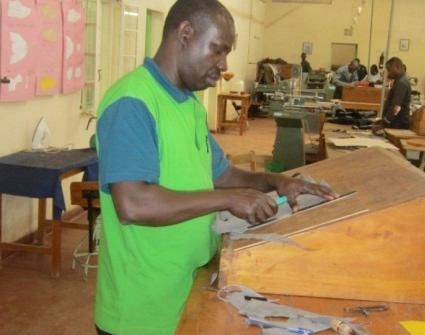
Report Boundary

                                   since 2007                              since 2006

                              Uganda                             South Sudan
                             336 permanent
                                   employees                        408 permanent
                                                                         employees

                           16 ATMs 14 Branches                    27ATMs 21Branches

              since 2008                                                                     since 1896
       Rwanda                                                                              Kenya
      316 permanent
            employees                                                                    4011permanent
                                                                                              employees

     19ATMs 11Branches                                                                  877ATMs 177Branches

                                 since 2012                              since 1997
                              Burundi                               Tanzania
                              54 permanent
                                  employees                        250 permanent
                                                                         employees

                             2ATMs 1Branch                        14ATMs 12Branches
Figure 1: KCB Key Facts and Operating Regions

The boundary of this report includes all KCB operations for the 2011, 2012 and 2013 years. All
information disclosed with regards to financial, economic and social performance covers KCB Kenya
and all subsidiaries for the period. The exceptions are: 1. Social Performance, where all HR data quoted
is limited to Kenya only for the same period; and 2. Environmental Performance, where all information
disclosed pertains to KCB Kenya alone for 2012 and 2013 only. We are currently implementing process
improvements to increase both the granularity and completeness of the data collection process that
underpins the output of this report. The intension is to improve reporting capability across all areas and
enable reporting across all metrics, operating regions and future periods.

                                                                                                              3
Chairman’s Report

                                                                                   Group Chairman
                                                                                   Mr. Ngeny Biwott

                                                      Key to our success is the quality and
                                                      continuity in the leadership of our
                                                      organisation.

                                                                                                      our 2012/2013 achievements in this
    Our Sustainability
                                                      Economic Sustainability: To actively
                                                      contribute to the broader economies we          Sustainability Report, ideas keep surfacing

    Journey                                           operate in through job creation, financial      for how we can do better and improve on
                                                      contribution and exemplary corporate            its content. We believe that KCB is in a
                                                      behaviour to ensure that we earn our            unique position to build a truly sustainable
                                                      licence to operate in all our markets.          legacy for East Africa and the whole
    The United Nations World Commission on                                                            continent at large in the banking industry.
    the Environment and Development first             Social Sustainability: To operate in            We are determined to exploit every chance
    defined sustainable development in 1983 as        a growing economy where KCB is an               we have to do so as we take this journey.
    “development that meets the needs of the          integral enabler helping to provide secure
    present without compromising the ability of       livelihoods and actively participate in the     Among the highlights in the 2013
    future generations to meet their needs.” In       communities in all our markets.                 Sustainability Report is our contribution
    2012, the United Nations Conference on                                                            towards community social investment
    Sustainable Development (Rio+20) calls on         Environmental       Sustainability:     To      programmes, innovation and technology
    all countries “to secure renewed political        maximise the reduction, reuse and               driven products and services, growth in
    commitment for sustainable development,           recycling of materials and non-renewable        agency banking, review of the organisation
    to assess the progress to date and the            resources we use in our business to             structure, financial inclusion agenda and
    remaining gaps… and address new and               protect the natural environment for future      continued profitability of our business.
    emerging challenges.”                             generations.                                    These are well outlined in the report and
                                                                                                      going forward, we have now defined
    Last year in August, 2013, the KCB Main           These four pillars form the foundation of our   our short term, medium term and long
    Board through the Risk and Strategy               corporate strategy in helping the Bank to       term objectives for the business. As our
    Committees approved the KCB Group                 drive revenues, reduce costs, reduce risks      sustainability intelligence matures in the
    Sustainability Framework for the Bank and         and build on our brand and reputation.          coming years, we will begin to introduce
    embedding it progressively into our day to        This is informed from the perspective that      sustainability assurance audits, raising the
    day business. As we move towards a future         KCB has a broader societal role that goes       bar on our determination to demonstrate
    of sustainable banking, the framework has         beyond delivering profits. The Bank plays       the actual impact of our business on the
    identified four key pillars that will drive our   an active role in driving economies of the      economy, society and the environment.
    sustainability agenda vision now and into         different sectors, developing communities
    the future as follows:                            and improving the lives of our customers.       I trust that the Sustainability Report for 2013
                                                                                                      provides new insights into the KCB Group
    Financial Stability: To ensure that KCB           KCB Group Sustainability Reporting              role, activities and sustainability impact.
    anticipates, prepares for and manages             started in 2007 but 2013 marks the first        I can confidently assure our stakeholders
    risk, credit control and all compliance           year of sustainability being embedded in        that sustainability has been elevated to a
    requirements to run our business in the           our core business strategy. As we examine       new level of importance in KCB and that
    most efficient way possible.                                                                      the Board oversight is vigilant.

                                                                                                      Thank you.

4
Organisational Design

                                                            BOARD
                                                         OF DIRECTORS

                                                       CHIEF EXECUTIVE OFFICER

                                                                                                  COUNTRY
                                                                                              MANAGING DIRECTORS

                GROUP                   GROUP                CHIEF BUSINESS OFFICER,   MANAGING DIRECTOR            CHIEF INFORMATION
       CHIEF FINANCIAL OFFICER     COMPANY SECRETARY                 KENYA                  KENYA                  TECHNOLOGY OFFICER

             DIRECTOR                  DIRECTOR                    DIRECTOR                DIRECTOR                DIRECTOR CORPORATE &
              CREDIT                HUMAN RESOURCES                   RISK                   AUDIT                  REGULATORY AFFAIRS

Figure 2: KCB Organisational Design for 2013

                                                                                                                                          5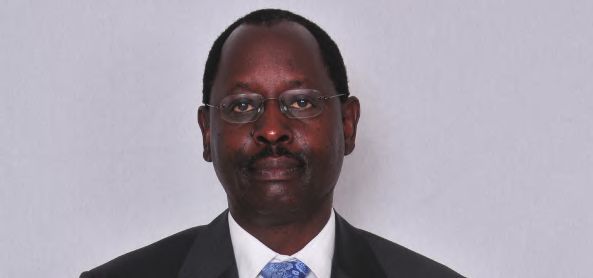
CEO Statement

                                                                                   Chief Executive:
                                                                                   Mr. Joshua Oigara

                                                      We believe that providing the right
                                                      opportunities for local entrepreneurs of
    Sustainability:                                   all sizes will stimulate the economy and
    Our Way of Life                                   drive our society forward.

    We are happy to release our 2013 KCB              sustainability performance going forward       None of our achievements would be
    Group Sustainability Report. This comes           and will be our platform for embracing         possible without the dedication of our
    after the KCB Group Board approved the            sustainable management practices as a          employees—nearly      6,000    across    the
    Sustainability Framework allowing for the         way of life at KCB.                            six countries in which we operate. Our
    formal implementation of sustainability in                                                       workforce provides creative and innovative
    the Bank’s business. KCB’s sustainability         In this report, among the key highlights for   ideas and solutions to our customers to
    journey started in the year 2007 and today        the year 2013 are:                             make banking accessible and convenient.
    it is a fulfilment of our vision to deliver                                                      Our people have embraced our sustainability
    long lasting benefits to society through a        • Managing our carbon emissions                efforts through the KCB Green Agenda
    comprehensive integration process.                  through operational efficiency, cost         programme and we could not succeed
                                                        management initiatives and shared            without their tireless commitment. Together,
    We must be able to look back with pride             services.                                    through partnerships and collaborations in
    on KCB Group’s contribution towards a             • Embracing technology in all our              this sustainability journey, we will leave a
    stronger economy, a more equitable society,         operations and automating operational        lasting legacy to the next generation.
    and a protected natural environment in              processes through innovation.
    the region. Today, our commitment to              • Empowering our local communities
    stakeholders is to demonstrate every year,          through capacity building,
    in a Sustainability Report, how decisions           entrepreneurial skills, market-value         None of our
    and actions in our banking businesses are
    rooted in a deep concern for sustainability
                                                        addition and financial inclusion.
                                                                                                     achievements would
                                                      • Implementing our 10 point action
    in all we do. Our objective is to progressively     plan for sustainability in the short,        be possible without
    implement sustainability initiatives in our         medium and long term priorities for our      the dedication of our
    business operations to result in tangible           business.
    business benefits.                                • Approval of the Group Sustainability
                                                                                                     employees—nearly
                                                        Framework that forms the road map for        6,000 across the six
    The Sustainability Report for 2013 is               its implementation and entrenchment          countries in which we
    organised to reflect the financial, economic,       in our business.
    social and environmental dividends that           • Implementation of Social and
                                                                                                     operate and drive our
    KCB Group has delivered and to show                 Environmental Management Systems             society forward.
    where our sustainability efforts are now            (SEMS) in the credit and risk
    focused in terms of priority. This report           processes.
    becomes our benchmark for improving our

6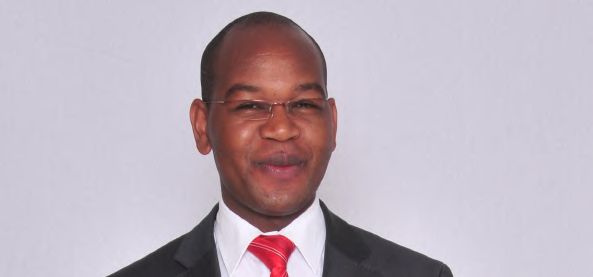
CEO Kenya Bankers Association

                                                                                        Chief Executive Officer:
                                                                                        Habil Olaka

                                                       I acknowledge that KCB was the first
                                                       indigenous Bank in Kenya to release
                                                       this report in the Banking Sector .

 I take the opportunity to congratulate KCB            commercial banks operating in Kenya and          consistent with the banking industry’s
 Group for releasing its 2013 Sustainability           has continued to work with KBA members           environmental and social risk management
 Report. This report is a starting point and           in working on a set of universal principles      aspirations.      The     Principles   are   also
 reference of the Bank’s long-term vision of           that will guide the financial services sector    expected to be relevant to banks in general
 embracing Sustainability that started in the          in balancing immediate business goals with       and responsive to individual banks’ credit
 year 2008 with the release of the Group’s             the economy’s future priorities and socio-       risk policies.
 first report.                                         environmental concerns. The development
                                                       of these sustainability principles commenced     Therefore,       we     thank   KCB    for   their
 Traditionally in the banking sector, reporting        in September 2013, when KBA convened             contributions           towards        promoting
 primarily consists of material financial              a CEO Roundtable in Nairobi with the             sustainability in finance across the East
 information, namely the balance sheet,                support of UNEP Finance Initiative (UNEP-        Africa Community. We also congratulate
 the profit and loss account, and the                  FI), DEG (German Investment Corporation),        the Group for adopting best practice in
 accompanying directors’ report to outline             and Netherlands Development Finance              integrated reporting.
 the company’s performance. In the past few            Company (FMO).
 years, a shift has occurred in how banks
 report on performance and impact.                     The process of developing the principles
                                                       and building industry-wide capacity is
 We     have      continued     to    see    leading   motivated by the industry’s desire to
 companies        explain     their   shareholders     support efforts towards making Kenya’s
 and other stakeholders the externalities              banking industry more globally competitive.
                                                                                                        The process of
 associated with the firm’s commercial                 It demonstrates that apart from deepening        developing the
 activities,     including    impacts       on   the
 environment and society. I acknowledge
                                                       financial inclusion and contributing towards
                                                                                                        principles and building
                                                       sustainable economic growth, banks are
 that KCB was the first indigenous Bank in             also concerned about the other challenges        industry-wide capacity
 Kenya to release this report in the Banking           that Kenya currently faces in the areas of       is motivated by the
 Sector and now serves as a benchmark to               environmental degradation, social exclusion
 other institutions to embrace sustainability          and resource scarcity.
                                                                                                        industry’s desire to
 reporting, which is fast becoming a measure                                                            support efforts towards
 of good corporate governance and in some
 markets is a regulatory requirement.
                                                       The Kenya Sustainable Finance Principles,        making Kenya’s
                                                       which KCB as a member of the SFI Working
                                                       Group will contribute towards, will be in
                                                                                                        banking industry more
 KCB is also member of Kenya Bankers                   line with international best practices and       globally competitive.
 Association (KBA) the umbrella body of

                                                                                                                                                             7
Key Highlights of our Performance

                                      Financial Stability

        58 Billion
       Kenya Shillings in revenues
                                                                    100%
                                                                   The percentage of staff
        generated by the group                                    that completed courses in
         (KShs 37.3bn in 2011,                                     ethical business practice
         KShs 52.2bn in 2012)

       14.4 Billion                                                   August
         Kenya Shillings in profit
          after tax posted by the
                                                                       2013
                                                                      KCB board signs off
        group (KShs 10bn in 2011,
           KShs 12.2bn in 2012)                                    Sustainability Framework

         5.6 Billion
            Dividends paid to
                                                                 4.82KShs
                                                                     Earnings per share in
       shareholders (KShs 5.4bn in                                 2013 (KShs 3.72 in 2011,
        2011, KShs 5.5bn in 2012)                                     KShs 4.11 in 2012)

                                     Social Sustainability

           1,500
           Employees trained in
                                                                    44%
                                                              of KCB employees are Female
        Environmental and Social                               600 Million - The amount of
       Risk Assessment (ESRA) and                              Kenyan Shillings invested in
          the KCB Green Agenda                               community building since 2007

       10
                     Number of
                 paediatric kidney
                                                                 100%
                                                                 KCB products and services
                  transplants KCB                             information aligned to the new
                     sponsored                                    Consumer Protection Act
                                                                       requirements

              600
             The number of
                                                                    200
                                                             Number of secondary school
        entrepreneurs assisted in                             bursaries granted by KCB
        2013 by KCB Foundation                                  Foundation in 2013

8
Economic Sustainability

          6
  Number of countries in
                                                                    6,489
                                                               The number of employees in
   which KCB operates                                          KBC Group, a growth of 1% in
                                                                2013 (4,743 in 2011, 4,788
                                                                         in 2012)

 5.7 Billion
 Kenya Shillings spent on
                                        Economic
                                        Sustainability
                                                                    7.4%
   contributions to the
broader economy through                                              KCB attrition rate
      income taxes

     100%
  Integration of Social and
Environmental Management
                                                               5.58 Billion
                                                                  Kenya Shilling invested
  Systems (SEMS) into the                                             in local business
       credit process                                              through procurement

                              Environmental Sustainability

   100%
    Solar powered
                                                                 6,513
                                                                Tonnes of CO2
 branch in Masai Mara                                          emissions in 2013
                                                                   in Kenya

                                                                  1.09
                                                             Tonnes of CO2 emitted
                                                             per employee in 2013
       750
    Solar lamps

                                                               20,000
 donated to school
children to assist in
 studying at night
                                                               Number of saplings
                                                                planted to offset
                                                                our paper usage

                                                                                              9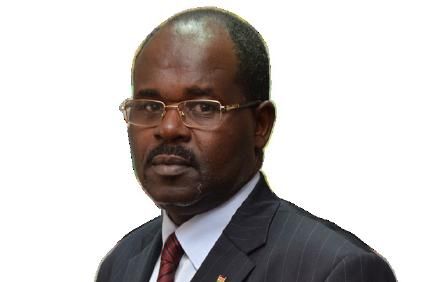
About KCB

     KCB operates in six markets: Kenya, Tanzania, South Sudan, Uganda, Rwanda and Burundi. KCB offers
     a wide range of financial service products and services and is committed to serving our customers and
     clients by efficiently and responsibly providing finance for sustainable economic growth. KCB provides
     innovative and sustainable value-added financial services to our customers and clients in the East Africa
     region. The Bank provides credit to help people and businesses to improve their livelihoods and support
     economic development. Credit is extended to micro-enterprises, SMEs and corporates.

                            Taking care of the injured
                            KCB Bank South Sudan constructed a medical ward at the Juba Military Hospital to cater for the military
                            fraternity and their immediate families that benefit from the facility. At the completion of construction, the Bank
                            equipped the medical ward with 30 patient beds and mattresses and 30 bedside lockers. The nurse’s inbuilt
                            office was also furnished with a desk, visitors’ chairs and a locker.

                            KCB Bank made an impact on the local population, especially the military fraternity, as they lacked facilities to
                            adequately cater for the injured. In fact, in mid-December, the facility came in handy when violence erupted in
                            the country and the affected communities used the ward to accommodate the injured from all affected areas.

         South Sudan        The facility was completed at a cost of SSP 480,000 (equivalent to KShs 13 million)

                            Making banking more accessible
                            2013 was an exceptional year for KCB Burundi. Not only did the Bank celebrate
                            its 1st anniversary but it also launched Internet banking in the Burundi banking
                            space, significantly increasing the number of corporate customers who turned
                            to KCB Burundi for banking services. Diaspora banking was also launched in
                            2013, making KCB Burundi the only bank in the country that has such an offering
                            for Burundians living out of Burundi. This eased the transfer of funds from the
                            diaspora and resulted in not only an increase in the bank’s customer base but also
                            increased inflows of foreign exchange into the economy.
          Burundi

                            Equipping entrepreneurs with skills
                            The KCB Made in Uganda Project is a corporate social responsibility initiative of KCB Foundation in partnership
                            with the Uganda Small Scale Industries Association (USSIA). This project’s primary focus is equipping local
                            micro and small-scale entrepreneurs with cottage industry skills to either enable them to improve their present
                            business, or diversify into a new business with a focus on promoting locally produced goods. This being a
                            CSR project, the project sought to work with the most disadvantaged groups affected by unemployment
                            and low skills levels, namely youth, women and the urban poor. We however did not exclude other deserving
                            individuals. The project was implemented in the following districts: Kampala, Jinja, Mbale, Lira, Gulu, Arua,
         Uganda
                            Hoima and Mbarara.

10
Primary Products and Services 2013
Check off loans Money market products
Card products and systems (acquiring and issuing) Trade finance products
Mortgage products Asset based finance/ insurance premium finance
Housing development bonds Custody services
SME & micro products Corporate finance services
High net worth proposition – KCB Advantage Diaspora banking
Forex products
Table1: KCB Primary Products and Services 2013
KCB Core brands: Personal
KCB
Flanker Brands 2013
Diaspora (Personal)
Cub Mavuno (Personal)
Bankika Tuungane
Advantage
Me Banking
Boresha Biashara
Advantage
Community Account
Home Loans
SME Solutions
Figure 3: KCB Personal Brands 2013 Figure 4: KCB FlankerBrands 2013
A healthy nation is a wealthy nation
The KCB Foundation’s health pillar is anchored in its commitment and determination to improve the quality of and access
to health services through provision of hospital equipment and treatment services. Kidney ailments have a major and
continuous impact on families across the region on a daily basis and as such present an opportunity for intervention. In
March 2013 the Foundation handed over a cheque of KShs 5 million to support 10 children suffering from kidney failure.
August 2013 will forever be etched in the hearts and minds of 15 year-old Teddy Juma, 13 year-old Christine Kamau,
13 year-old Yvonne Wangari, 17 year-old Phillip Karanja and their families. These children were the first group of four
to undergo kidney transplants funded through a partnership between the KCB Foundation and the Kenyatta National
Hospital. Moreover, their operations were the first ever successful paediatric kidney transplants to be conducted in Kenya Kenya
Giving light to a nation
KCB Rwanda invested RWF 12,010,000 in installation of LED electricity in 55 houses belonging to
Bumbogo genocide survivors. This investment went a long way towards improving the living standards
of the survivors.
Rwanda
Improving schools to foster learning
In the year 2013, KCB Bank Tanzania ran a “buy 10 and get 90 desks” campaign as a CSR initiative
whereby seven selected government schools were requested to contribute at least TShs 1,000,000 each.
The objectives: To raise funds in order to add to the limited 2013 CSR budget
(TShs 7 million was raised), help schools utilise their limited budget for purchasing desks, an important
element of a quality education, and increase KCB visibility.
The success story: 731 desks were donated and 1,931 students in the seven government schools are
currently benefiting, improving the learning environment at these schools. In addition, KCB received Tanzania
excellent publicity and it is today considered an education-friendly bank.
11KCB’s Sustainability Vision 2013
KCB’s Sustainability Agenda guides the long term business success of KCB Group in accordance with
our mission to grow the Group’s existing business whilst continuously building on the platform to be the
preferred financial solutions provider in Africa with global reach.
With a growing footprint beyond our borders, across Africa and in global markets, we are creating value
both directly through our products and services, and indirectly through our initiatives with global partners
including the UNEP Finance Initiative and the World Bank Group’s International Finance Corporation.
This Sustainability Agenda contributes towards the Group’s financial, economic, social and environmental
growth and to the maintenance of a stable society in line with the Group’s corporate values of putting the
customer first, working together as a team, being professional in everything that we do, being willing to
change and caring for the community.
We are committed to leveraging existing synergies in our concerted efforts towards building a sustainable
world. We will continue to invest in long-term business, customer relationships and robust governance
and prudently manage risk. Our corporate vision for sustainability is underpinned by four Sustainability
Pillars that will incrementally contribute to achieving these goals over time.
Economic
Sustainability
Financial Stability: Economic Sustainability: Social Sustainability: Environmental Sustainability:
To ensure that KCB To actively contribute to the To operate in a growing To maximise the reduction,
anticipates, prepares for and broader economies we economy where KCB is an reuse and recycling of the
manages risk, credit control operate in through job integral enabler, helping to materials and non-renewable
and all compliance creation, financial provide secure livelihoods resources we use in our
requirements to run our contribution and exemplary and actively participating in business to protect the
business in the most corporate behaviour to the communities in all our natural environment for
efficient way possible ensure we earn our licence markets future generations
to operate in these markets
Key Achievements in 2013
Following the consistent growth in the Bank’s profitability, the value of KCB shares at the Nairobi
Securities Exchange (NSE) increased from KShs 29.75 at the end of 2012 to close the year 2013
at KShs 47.25. The stock achieved a high of KShs 50.50 in the course of the year (equivalent to
a market cap of KShs 150 billion) The Bank’s stock total return as at the end of 2013 was 66.3%
against the NSE return of 42.4%. KCB was amongst the most liquid stocks with a turnover of
KShs 21.1billion year to date, ranking it third on the FTSE NSE Kenya 25 Index. Subsequently,
the Bank’s market capitalisation stood at KShs 141 billion as of 31st December, 2013.
From Left to Right: 1st Runners Up Leading Custodian; 2012 PRSK Awards for Excellence: 2012 PRSK Awards for Excellence:
Winner Best Performing NSE 20 Share Index Company; Technology Award Campaign for the Year Winner for Corporate Publication of the Year Winner For Cascade
Winner Best Quoted Company of the Year KCB Mobi-Bank magazine
Figure 5: KCB Awards 2013
12Our 10 Point Action Plan
Quick-Win Initiatives Medium-Term Initiatives Long-Term Initiatives
(Benefits realised within 1-2 years) (Benefits realised within 3-4 years) (Benefits realised in 5+ years)
1) Capacity building 5) Ethics and integrity 9) Diversity
Guided by our sustainability framework, we Although KCB has an employee profile
We will maintain our focus on anticipating
will be developing staff and updating our that closely mirrors the natural
legislative and regulatory changes. We
existing business processes to embed population, more effort must be put in to
continue to cultivate our relationships with
sustainability in everything we do. attracting and retaining women at the
the relevant authorities and governing
higher management levels of the
bodies to understand changes and adjust
organisation. Although programmes and
2) Responsible lending our operations accordingly.
initiatives are underway, the change will
We will continue to monitor risk and take be slow, as it takes time to gain the
pre-emptive action to adjust products, 6) Community investment relevant experience required to operate
services and progress to ensure we do not Our communities are the lifeblood of our effectively at these levels.
expose KCB or our customers to undue business. We will continue to invest in
risks. worthy causes that are of importance to our
society. We will be placing more emphasis 10) Financial inclusion
on the indirect benefits these initiatives KCB is aware that there are many
3) Employee development provide to KCB and continue our support of people who remain unable to participate
Our employees are our most important initiatives in health and wellness, education, in the modern economy due to lack of
asset. As such we will continue to improve enterprise development and humanitarian access.
our employee value proposition to address causes.
remuneration through improved flexibility of We will also be focusing more investments We will strive to reach all demographics
remuneration options available, revise our on locally- based supplier to further support through adoption of technology and
employee retention strategy to help us retain SMME (small medium and micro enterprise) embracing innovation to deliver services
our best staff and encourage our staff to growth to all marginalised communities.
utilise our e-learning channels as well as
classroom-based learning for skills and
knowledge development.
7) Energy reduction In conjunction, we will continue our
While we intend to grow our operations, we programmes to educate people to make
are mindful of innovations in energy sound financial decisions while using
4) Environmental impact efficiency and changing technologies. While these grassroots interactions to gain
insights into products and services that
Our energy and emission information will be we reduce the energy intensity of our
business operations through the are relevant to the group.
expanded to include all our operations to
formally baseline our carbon footprint in implementation of electricity and water
2014. In addition to an increased scope of efficiency equipment in our new and existing
reporting on energy, we will commence buildings, we will look to harness greater
measuring our water usage and waste benefits of green buildings as well as
management practices. renewable energy sources, such as solar,
where appropriate.
8) Security
KCB considers security, both physical and
technological, as being of paramount
importance to our business. While we have,
during the 2013 year, implemented the chip
and pin (EMV) ATM cards, we continue to
run anti-fraud, anti-phishing and
anti-corruption programmes to protect our
data and that of our customers. In the
medium term, we will ensure that KCB
maintains state-of-the-art security measures
on our operations and continually monitor
our business for weakness and breaches.
Figure 6: KCB Sustainability Vision 2013
13Our Customers
The bank prides itself on its ability to serve the whole range of customers from children to personal,
micro, SME, construction and corporate customers. These sectors are served in all our markets with a
variation in the concentration levels, depending on the market and customer needs.
Through its investment in technology and its wide array of products and services, KCB is a one-stop
shop for all financial services to customers. Further, our state-of-the-art core banking platform enables
customer to access all our services irrespective of the market in which they walk into a KCB outlet.
Customer Satisfaction
A t KCB, we understand that customers
are the key to our business; and that
without them, we would have no business.
in Kenya. This report ranks banks across
5 key customer satisfaction parameters
including customer care, convenience,
KCB Micro Banking for It is for this reason that we place great transaction methods and system, products
emphasis on their wellbeing, and the
Innovative Minds symbiotic relationship that we share with
and services and pricing. KCB scored in the
top 3 in both convenience, and products
them. We classify our customers according and services.
to the bouquet of services that we offer,
namely: Internally, KCB conducts a customer
Customer Banking: Private, personal satisfaction survey every two years. As per
banking for the individual; and Figure 6: KCB Customer Satisfaction Survey
Corporate Banking: For owners of Results, there is a continued upward trend
businesses of all sizes. across the previous survey results, showing
the increasingly positive relationship
A major part of monitoring/maintaining our between KCB and our customers.
relationship with our customers comes
in the form of internal KCB run surveys of The 2012 survey was held back due to
customer satisfaction, as well as external, the substantial restructuring within KCB;
W e believe in equipping people with independently run assessments. however, responses to our increasing
the tools and resources they need According to the Africa Banking Industry portfolio of customer-centric products
Customer Satisfaction Survey 2013, an would suggest that customer satisfaction is
to prosper. Our economy is buoyed by
independent analysis run by KPMG, KCB only increasing steadily.
small entrepreneurs, who face significant
is the 2nd most customer focused bank
challenges in accessing finance to enable
them to run their business from day to
day. KCB acted on this gap in the market
and launched our KCB MicroBanking Customer Satisfaction
product, specifically targeted at these 100%
innovative minds to help them grow. The
product allows for loans of between KShs
82%
80%
5,000 and KShs 1 million, more flexible 66% 67%
CUSTOMER SATISFACTION
security requirements, longer repayment
terms and a low loan fee, payable up 60%
front. This new product was designed
specifically based on customer needs 40%
and has been a successful addition to
our product portfolio. Hot Topic: Banking 20%
products tailored specifically for women
(microloans for small business owners) -
2005 2007 2010
Figure 7: KCB Customer Satisfaction Survey Results
14Aligning to the New
Regulatory Environment
regulations
provisions
goods consumer
traders rights
cancellation
D uring the 2013 financial year, KCB
implemented some important product
changes to align itself to the new Consumer
2. Customer focused products: During the
period, KCB reviewed the types of products
and services we offer our customers to
Protection Act in Kenya as well as the new ensure that they serve their needs effectively
Central Bank of Kenya (CBK) Prudential and do not contravene relevant laws,
Guidelines. We recognise the importance regulations or guidelines in the requirements
of these legislative and regulatory changes they place on customers.
and will strive to ensure our bank upholds
the conditions set out. The Central Bank of Kenya’s Prudential
Guidelines state that banks should use Given the renewed focus on the customer,
As suppliers of financial services, we have the following principles to guide their KCB is committed to a rigorous “5-Gate”
implemented changes to operations that relationships with customers: process for new product and service
address the two key implications of the Act: 1. Fairness development that now incorporates the
2. Reliability above guidelines and regulations.
1. To simplify product information: During 3. Transparency
2013, KCB reviewed all product information 4. Equity This process ensures that all our offerings
to ensure that the document content was 5. Responsiveness are aligned to stakeholder needs, use
easy to understand and contained FAQs As KCB’s number 1 core value is “Serve resources effectively (including time, people
and explanatory notes and fact sheets; Customers,” we have always focused our and products), critically evaluate risks
training was given to the relevant staff to efforts on our customers. We embrace (including information, society, political and
enable them to provide appropriate advice the spirit of the new prudential guidelines environmental) to ensure they are minimised,
to customers and ensure full disclosure and will strive to pleasantly surprise our and that our products and services have
on fees, charges, customer and bank customers at all times. commercial viability and sustainability.
obligations and terms and conditions.
15Financial Stability
Financial stability is internally focused, and ensures that the Bank is managing risk, compliance and
operations effectively, supporting our efforts to manage our long-term licence to operate. KCB manages
risk daily using rigorous and robust processes and regular reviews of our corporate risk register,
overseen by the Board of Directors. Compliance, an integral part of our business, has during this year
been redeployed as a separate department, working closely with the legal department to ensure that all
compliance issues, economic, legislative, social and environmental, are effectively handled. To make our
business more efficient, we have, over the past year, centralised many of our banking processes to allow
the group to leverage opportunities of harmonised and standardised processing.
Reducing Risks by
Embracing Centralised Systems.
D uring the 2013 year, KCB took
steps to improve our efficiency and
transparency across several processes.
D istributed Cheque Truncation
Process
KCB has implemented a system whereby
E stablishment of Currency Centres
Instead of a single site from where
all cash and currency transactions were
This initiative was twofold in purpose: there is no need to physically approve managed, the process was regionalised
one, to standardise core banking and process cheques. Cheques can to 7 specific currency centres, two of
processes to decrease time and cost of now be scanned, electronically security which are hosted in Kenya under the
the process and, two, to ensure that we verified and processed. auspices of KBA. The benefits include:
better manage changes in our operating Unlike other institutions, this model 1. Cost management through a reduction
environment by being more agile with serves three purposes: in cash-in-transit costs
simple shared approaches to solving 1. Reducing costs through the 2. Service improvement through
problems. Being a multi-country bank, elimination of courier costs and improved efficiency of cash
we were presented with some processes improved efficiency through paperless replenishment turnaround time
that were subject to specific regulations, processing 3. Risk management improvements
preventing us from centralising them at 2. Enhancing the customer experience through a decrease in the frequency
group level. These processes, such as through online real-time processing of of cash-in-transit, increasing the
clearing, security documentation and cheques irrespective of location security thereof and enabling branches
archiving, were centralised at a country 3. Improving controls and risk management to decrease their cash holding limits,
level, across all branches and head through the implementation of electronic limiting liability and “attractiveness” for
offices. For the more common processes, processing, limiting human error and incidents.
KCB capitalised on the opportunities to loss of paperwork.
harmonise and standardise processes
across the region. These cross-border The most notable savings were achieved
centralisation processes included in the following areas
account opening, SWIFT payment a) Moving from same day deliveries to
services, internal treasury operations overnight deliveries; achieved 50%
for settlement and authorisation and savings in courier costs
suspense account reconciliations. This b) Moving from labour and time-intensive
specialised project has decreased paper processes to paperless
the complexity of our business and processes; achieved a significant
significantly shortened the time of improvement in staff efficiency who
processing. Our operations will continue could better use their time to serve our
to innovate to drive efficiencies in our customers (while eliminating overtime)
business. Two key process centralisation
initiatives were launched in 2013 year:
16Risk
R isk is an integral part of our business,
as we understand that continued
success requires a certain appetite
KCB identifies, monitors and continuously
manages various types of risks throughout
our organisation. The performance of each
Each risk is assigned a rating (high, medium
or low) based on the likelihood and severity
of the risk being realised based on the
for it. We are however careful to ensure of these risk categories has varied over following formula:
that the risks we expose ourselves to are the past three years, depending on the
manageable and support our growth risk profile, as we continue to improve our
agendas. visibility and management process on an RATING= (Severity Rating + Livelihood Rating)
ongoing basis. 2
Risk Risk Description Example of Risk Stakeholders Mechanisms and Processes to Identify,
(as per policy) Managed or Mitigated Responsible for Manage and Adjust Operations to Adapt
Managing Risk to Risks
Information KCB defines information Data Phishing IT Risk and Security KCB manages information risk by:
Risk risk as weaknesses in Data Fraud Chief Information Officer Continuous renewal of its IT security policy
data integrity, availability, Data Privacy Breaches (CIO) to identify, measure, monitor, and control
confidentiality and Risk Committee the risks inherent in institutions’ ICT systems
consistency as well as to provide the relevant early warning
inherent weaknesses in ICT Divisional Directors mechanism
systems (Business) Operations Monitoring: Continuous
monitoring of the data warehouses and
associated systems, enabling early threat
detection and mitigation to ensure reliable
operation
Stringent personal information protection
processes and policies, especially where
sensitive information is concerned, i.e. HR
data
Market KCB defines market risk as Insolvency Chief Risk Officer (CRO) KCB manages market risk by:
Risk our readiness to react to Reputational Risks Risk Committee Daily monitoring to enable informed changes
sudden shifts within the East Divisional Directors to our investment profile based on changes
African banking sector (Business) in the stock markets in the regions in which
we operate
Finance processes to effectively manage
liquidity and solvency ratios
Compliance KCB defines compliance risk Introduction of new or GORCCO (Group KCB manages compliance risk by:
Risk as the current or prospective changes to existing Operational Risk and Identifying changes to the regulatory
risk to earnings and capital legislation, regulations Compliance Committee compliance universe, gap analysis and
arising from violations or non- and prudential guidelines Chief Risk Officer enhancement of the internal policy
compliance with laws, rules, Divisional Directors environment to ensure compliance with the
regulations, agreements, (Business) new regulations
prescribed practices, or Reporting incidents through monthly
ethical standards, as well compliance self-assessments and
as from the possibility of compliance validations
incorrect interpretation of Identifying and analysing root cause of
effective laws or regulations. compliance gaps
Following up to ensure closure of identified
compliance gaps
Continuous compliance training for staff
Reputational
KCB defines reputational risk Negative publicity in Board, KCB manages its reputational risk by:
Risk as the potential that negative a local daily in Sudan EXCO Issuing identification through internal/external
publicity regarding the bank’s indicating an anticipated incidents , outsourced media monitoring for
business practices, whether KCB national staff strike Reputational Risk & print, electronic and social media
true or not, will cause a following a strike by their Ethics Management Following up to ensure resolution of raised
decline in the customer base, colleagues in another Committee issues, proper Senior management oversight
costly litigation, or revenue bank. Ultimately, arising through the committee
reductions. This risk may from timely identification CRO & Compliance
result from the bank’s failure of the risk and a swift team,
to effectively manage any or senior management
all of the other risk types response including Head, Corporate and
press briefings, staff and Regulatory Affairs
public concerns were
addressed, thereby Divisional Directors
averting the strike (Business)
Table 2: KCB Risk Summary with Stakeholders and Mitigation Actions in 2013
17Performance Analysis
HIGH RISK 3
INFORMATION RISK
MEDIUM RISK 2
MARKET RISK
COMPLIANCE RISK
LOW RISK 1
REPUTATIONAL RISK
0
2011 2012 2013
Figure 8: KCB Internal Risk Rating by category over time
KCB Revenues and Costs
70.00
60.00
58.74
50.00 52.16
40.00 REVENUES
38.62
Billions KShs
37.23 37.20
30.00
26.44
20.00 OPERATING COSTS
10.00
-
2011 2012 2013
Figure 9: KCB Revenues and Costs Over Time
KCB is currently in a strong financial position. restructuring, automation of processes as
The business has been continuously well as strategic divestments from non-core Strong revenue
growing our revenues over the past three business assets and move towards leasing
years. These results are due to several agreements.
generation and prudent
factors combined including, geographical cost management
expansion, additional branches and regions The combination of these two
has resulted in a
(Burundi), new product portfolios such as complimentary activities has resulted in a
Bancassurance and Investment Banking consistently increasing profitability over the consistently increasing
and the realisation of revenues from past three years - a total of 87% growth profitability over the
maturing longer term investments. since 2011. This is clearly illustrated by
the data in Figure 9: KCB Revenues and
past three years — a
Concurrently, we have managed to largely Costs Over Time, which shows revenues total of 87% growth
stabilise our cost basis due to increased
operational efficiencies through staff
increasing, while costs taper off.
since 2011
18KCB Foundation:
Up-Skilling Small Businesses
Our own success depends on the success
of the customers and clients we serve. A
large portion of our revenues are generated
from small businesses. It is our responsibility
to help develop these businesses through
economic development initiatives, such
as skills to write a business plan. By up-
skilling our small scale businesses, we are
preparing these customers for success,
which will in turn help our business
In Burundi, the KCB Foundation facilitated
the training of 20 young entrepreneurs who
participated in the country’s only business
plan competition. Through the Up-Skilling
Burundi Artisans Project, a further 20
entrepreneurs underwent training in
product finishing, production technique and
manufacturing standards. On completion of
the course, these beneficiaries unanimously
agreed to each train and mentor 20
Figure 10: Leonard at work during the leather products training in Bujumbura
Burundians, thus setting the platform
for a mentorship cycle. The foundation
also partnered with the Federal Chamber
of Commerce and Industry of Burundi
(CFCIB) to fundraise for the restoration of
Alice’s Story
Bujumbura’s city market after it burnt down I am an entrepreneur dealing tourists who visit Jinja town.
at the beginning of the year In this particular training, I
in handicrafts in Jinja town. I
sell a number of handicrafts also recommended a number
In Rwanda, the Foundation organized
business management skills training in the including shoes, belts, money of young people (apprentices)
area of budgeting and control and donation purses etc. Some of these who were trained and
of laptops to rural Saccos in all of the products are made locally, are supporting me in my
country’s five provinces. A community group but most are imported from enterprise. As a result of the
in Remera received 30 sewing machines
the East African region. I KCB training, I was profiled in
to help boost their dressmaking business,
goats were donated in Nyamasheke and the
attended the KCB Made in the Pakasa pullout of the New
Umugisha Association in Gasabo received Uganda training in basketry Vision… In fact, Transparency
a boost towards their poultry project. In and related handicrafts and International has nominated
support of the growth of Africa’s newest all I can say is that it was a me to represent Ugandan
nation, South Sudan, the Foundation SMEs in Botswana in Business
practical and entrepreneur
funded a capacity building tour for the
centred training. The training Code of Ethics training.
Parliamentary Committee for Economic
Development and Finance. Some 533 was delivered by a competent
Alice Dramundu, KCB “Made in Uganda”
SMEs received capacity building training trainer whose hands-on training in basketry in Jinja, 1st-4th July 2013
in Tanzania and they will be linked to the approach to teaching helped
bank’s Biashara Club in order to help them
us learn within a short period
grow.
of time. I am using these skills
to make basketry products
that are in high demand by
19Economic Sustainability
KCB is committed to delivering value to the broader economy and understands the importance of
our role as a good corporate citizen. Our Group’s contribution to economic sustainability in terms of
payments to government in the form of taxes has increased by from KShs 5 billion in 2011 to KShs 5.7
billion in 2013. As one of the region’s largest employers, we understand the impact our contribution to
staff makes on the larger economy. We strive to employ local people wherever possible, inspiring them
to grow with experienced leadership and investment in their professional development, with almost
90% of our staff attending classroom-based learning and more than two thirds of our staff using our
e-learning tools in the year 2013.
Contributions to Society
Payments to Government (taxes)
Increasing Access 7.00
through Agency Banking 6.00
5.78
Payments to goverment (taxes)
5.00
5.00
4.00 4.15
3.00
KCB’s initiative to increase access of
2.00
Billions KShs
products and services has been hugely
successful in KCB across the regions. In
2011, KCB pioneered Agent banking and 1.00
we have since recruited over 7000 agents
who are transacting an average of 10,000 -
transactions daily and generated over 2011 2012 2013
KShs 45 million in revenue. In 2013, we
acquired a new Agent banking platform
that offers service to customers at agent
outlets through a POS terminal. It has Figure 11: Payment to Government (income tax)
improved capacity and reliability and
enables the bank to offer a wide range of
services to customers including: KCB’s continuous growth has allowed us
1. Cash withdrawal & deposits
to make an increasingly bigger contribution
to society through our payments to
One of our major
2. Account opening government in the form of taxes. In 2013 goals is to shift
3.
4.
Balance inquiry
Mini-statement
alone, we paid KShs 5.78 billion in income
tax contributions, an increase of some 40% the mind-set of
5. Bill payment (Cash and Card) since 2011. our workforce
6.
7.
Loan repayments
Funds Transfer within KCB to increase
accounts/Mobi Cash the e-learning
(transfer to any phone
number) Loading of penetration
credit and debit cards.
20Staff Numbers
KCB’s workforce is made up of 5,393 permanent staff as well as
2013 Regional Employee Distribution 1,096 long term contract workers, (short term contracts refer to
3-12 month agreements and are therefore not considered part of
54
the count.) Long term refers to any contract longer than 12 months.
408
316 Kenya At KCB, we pride ourselves on hiring, training and growing the best
Uganda possible talent in order to ensure quality services and products to
250 1096
our customers. We make a conscious effort to employ local talent
Tanzania
343 in each of our six regions and support them with experienced
Rwanda leadership who assist them with their professional growth. Where
4022 Burundi specialised staff are required to deliver on special projects, they are
usually brought on board on contract and are required to complete
South Sudan
a formal knowledge transfer to u- skill the local staff as part of their
Contractors
agreement.
Figure 12:KCB Regional Employee Distribution
Staff Training Staff development is a key imperative for KCB;
2013 Group Training Penetration our focus is not only on recruiting the best
and brightest talent, we are also interested
97 100
100 93
in empowering them to be the most effective
90 and highly skilled workforce in their respective
75
Training Penetration (%)
80 73 73 areas of expertise. As such, we provide various
71 71
70
60 59 classroom mechanisms for staff to develop professionally;
learning
50 these include e-learning, classroom-based
40
33
e-learning learning, on the job learning and academic
28
30
16
bursaries related to job context. We have formal
20
mandatory training in ethics that our employees
10
0 must complete annually; we also encourage staff
KENYA UGANDA TANZANIA RWANDA BURUNDI SOUTH to attend business relevant classroom-based
SUDAN
Region trainings or access the numerous e-learning
courses available internally.
Figure 13: KCB Group Training Penetration
Staff Gender Balance
Males vs. Female’s in Management Roles KCB strives to have a representative population at
all levels of our organisation. Even within a heavily
500 gender-biased banking sector, we pride ourselves
442 on our continued efforts to empower women,
Number of Employees
400 particularly with regard to management roles;
385
321
300
currently, we have a 60/40 split overall There is a
225 MALE
challenge however, as seen in the increasing gap
200 195 between men and women as management roles
88 127 become more senior (Manager C) - Figure 14:
100 FEMALE
62
16 50 KCB Males vs. Females in Management Roles.
3 8 3 1
0 0 0 KCB is looking at several longer term initiatives
MANAGER
A
MANAGER
B
MANAGER
C
MANAGER
D
MANAGER
E
MANAGER
F
MANAGER
G
MANAGER
H
to employ, empower, and retain women in top
Management level management positions.
Figure 14: KCB Males vs. Females in Management Roles
For 2013, all regions utilised the KCB provided learning channels; the majority
went for classroom-based learning, which has a very high penetration, averaging
at 85% across the regions (see Figure 13: KCB Group Training Penetration.)
E-learning penetration at 55% is still immature due to resistance to change within
40% Female
the traditional training context of the East African banking sector. Only Rwanda
60% exhibited an e-learning penetration that superseded its classroom learning
Male
penetration; this is due to the Rwandan “tech-savvy culture” that continues to
openly embrace new technology. One of our major goals is to shift the mind-set
of our workforce to increase the e-learning penetration
Figure 15: KCB Female/Male Management Split
21Staff Recruitment
KCB Employee New Hires by Gender
KCB strives to handpick the brightest/ best
Male Employee
New Hire fit candidates for every role that opens up
within the organisation. For the year 2013,
58% 42% we recruited an approximate 10% addition
Female Employee
to the workforce. Of the total number of
New Hire
new recruits, 58% were male, with 42%
being female. In comparison with Figure 15:
KCB Female/ Male Management Split, this
shows a slight improvement in curbing the
gender bias.
Figure 16: KCB Employee New Hires by Gender
KCB Employee New Hires by Age
New Employee Our recruitment drive also highlights that
Hires Aged 50
Figure 17: KCB Employee New Hires by Age
Staff Separations
KCB Group Separations by Reason.
17% Resignations At KCB, we endeavour to retain our top
talent, particularly as their tenures increase.
5% Over the past year, our attrition rate has
48% Terminations
& Dismissals
been roughly 5% excluding staff separated
through our restructuring programme.
This figure increases to approximately 8%
30% Staff Restructiring when staff restructuring is included. With an
Program 2013 attrition rate of 5-8%, we are proud to be
net accumulators of talent.
Figure 18: KCB Group Separations by Reason for Separation.
22Banking the Unbanked
KCB is a bank that prides itself not only on
CORPORATE KCB GROUP
strong consistent economic performance,
KCB
but in continued community and societal Sub-Brands KCB Bank KCB Insurance KCB Capital Foundation
development as well. It is for this reason BRANDS PRODUCTS
KCB Bank
that one of our main focus points has been PERSONAL BUSINESS Personal Products
Business
Products
“banking the unbanked;” that is, extending 1.Cub
2.Self-Service 1.Current Account 1.Current Account
our suite of products and services to cater Core Brands
3.Bankika 1.Business Solutions
(6) 2.Simba Savings 2.Fixed Deposits
for all sectors of the banking market, from 4.Advantage
5.Home Loans 3.Mapato 3.Commercial Loan
Islamic banking solutions, right up to 4.Jiinue 4. Special Loan Scheme
5.Student
student banking, (as seen in Table 3: KCB Flanker Brands
1.Diaspora 1.Tuungane
6.Agent Float a/c
(8) 2.Mavuno 2.Micro Finance
Product Suite 2013 3.Islamic Banking 3.Community a/c 7.Term Deposit
4.SME Solutions 8.Check-off
9.Salary Advance
The previous 2-3 years have seen KCB 10.Personal Loan
narrow its focus towards paperless banking 11.Masomo Loans
in an attempt to further “bank the unbanked.” Service Channels
1. Mobi-Bank 4.QuickService ATM
7.Branches
2.I-Bank 5. Contact Centre
(7)
We have developed a specialised suite of 3.Mtaani Agents 6. e-service Centres(NEW In 2014)
products that allow our customers to open Specialist
1.Asset Finance 4.Investment Banking
• Treasury Services
2.Trade Finance 5.Insurance Services
and transact on their bank accounts without Services (8)
3.Custodial Services 6.Money Transfer Services
• Mortgage Services
the need for physically visiting a KCB
Partnerships
branch, or the use of increasingly outdated
Table 3: KCB
Brand Assets Product Suite 2013
Sponsorship-Sports assets & teams. Digital assets,clubs.Media (Business Focus)
paper processes.
Mobile Banking:
KCB Mobi Bank
KCB became the first bank in Kenya in phone network. The platform offers more
2006, to launch a mobile phone based services and is accessible through 3 points
banking platform, which was dubbed “KCB – USSD (*522#), Call back and through the
Connect” through which customers could internet via WAP, or GPRS.
access their bank accounts and perform
various transactions. At the close of 2013 KCB had over
1 million registered customers; 250,000 of
In 2012, KCB developed a new mobile those, actively used the service on a day to
banking platform – KCB Mobi Bank - that day basis.
was more robust and opened up the system
to all customers irrespective of mobile
Figure 19: KCB Mobile Banking advert
Internet Banking: Experience the benchmark in Online Banking
KCB i-Bank
To ease banking for our customers, KCB In addition, the platform offers Internet
introduced Internet banking in 2011. The banking to both individual and business
original platform, however, extended this customers. The rollout of the services is Visit us on
https://onlinebanking.kcbbankgroup.com
service to individual customers only. phased, with phase one fully available to KCB Internet Banking enables me to carry out my banking
customers. Phase 2 is on track for full rollout transactions from wherever I am;
• Swift Transfer
In 2013, the bank invested in a new platform in 2014 • Forex Transfers
• RTGS
that offers customers improved reliability
• Electronic Funds Transfer
As at end of 2013, we had over 5,500
and capacity by enhancing the number of
MORE CONVENIENCE FROM
customers registered on KCB i-Bank and
Regulated by the Central Bank of Kenya
services that a customer can access.
actively using the service Interactive 24h chat on www.kcbbankgroup.com SMS: 22522 0711 087 000 / 0732 187 000 contactcentre@kcb.co.ke
Figure 20: KCB Internet Banking advert
23You can also read


