Kentucky Coffeetree Conservation Gap Analysis of - The Morton Arboretum
←
→
Page content transcription
If your browser does not render page correctly, please read the page content below
Conservation Gap Analysis of

Kentucky Coffeetree
                                                              August 2021

      Emily Beckman1, Abby Meyer2, David Pivorunas3,
               Sean Hoban1 and Murphy Westwood1,4

               1The Morton Arboretum 2Botanic Gardens Conservation International, U.S.
                     3USDA Forest Service 4Botanic Gardens Conservation International

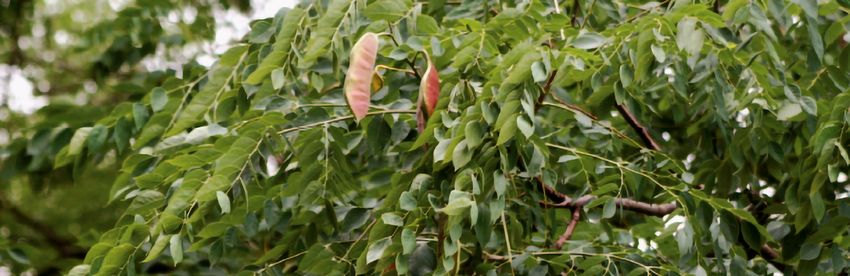
           Gymnocladus dioicus (L.) K. Koch (Kentucky coffeetree)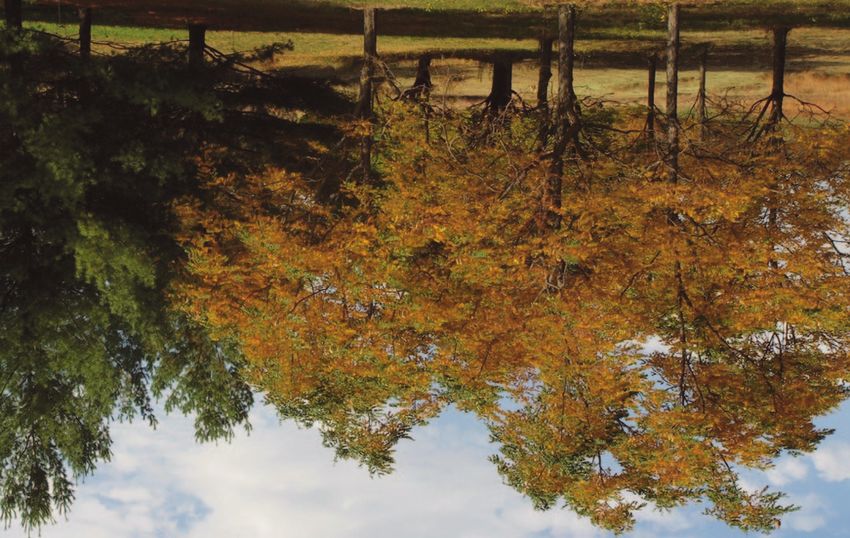
THE MORTON ARBORETUM is an internationally recognized outdoor tree museum and tree research center located in Lisle, Illinois. As
the champion of trees, the Arboretum is committed to scientifically informed action, both locally and globally, and encouraging the planting and
conservation of trees for a greener, healthier, more beautiful world. The Morton Arboretum welcomes more than 1.3 million visitors annually to
explore its 1,700 acres with 222,000 plant specimens representing 4,650 different kinds of plants. The Arboretum’s Global Tree Conservation
Program works to prevent tree extinctions around the world by generating resources, fostering cross-sector collaborations, and engaging local
partners in conservation projects. The Center for Tree Science seeks to create the scientific knowledge and technical expertise necessary to
sustain trees, in all their diversity, in built environments, natural landscapes, and living collections. The Arboretum also hosts and coordinates
ArbNet, the interactive, collaborative, international community of arboreta and tree-focused professionals.

BOTANIC GARDENS CONSERVATION INTERNATIONAL                                      ACKNOWLEDGEMENTS
(BGCI) is the world’s largest plant conservation network, comprising
more than 600 botanic gardens in over 100 countries, and provides               First and foremost, many thanks to the hundreds of institutions who
the secretariat to the IUCN/SSC Global Tree Specialist Group. BGCI              shared their ex situ accessions data and/or reported conservation
was established in 1987 and is a registered charity with offices in             activities. The original analyses presented in this report are made
the UK, US, China, Singapore and Kenya.                                         possible through their support and participation, and we hope this
                                                                                synthesis is a valuable resource for advancing tree conservation goals.
                                                                                A special thanks to the Biota of North America Program (BONAP) and
                                                                                USDA PLANTS for providing valuable in situ occurrence data, Shannon
                                                                                Still for aiding in the development of methods for spatial analyses, and
                                                                                Christina Carrero for coordinating IUCN Red List assessments for
THE INSTITUTE OF MUSEUM AND LIBRARY SERVICES                                    priority species. We also thank Botanic Gardens Conservation
is the primary source of federal support for the nation's libraries and         International U.S. as well as the Science & Conservation Department
museums. The IMLS advances, supports, and empowers America’s                    and leadership team of The Morton Arboretum for their organizational
museums, libraries, and related organizations through grantmaking,              support, and the Institute of Museum and Library Services (award
research, and policy development. Their vision is a nation where                #MA-30-18-0273-18) for aiding in the funding of spatial analysis
museums and libraries work together to transform the lives of                   methodologies presented here. Finally, this publication was made
individuals and communities. To learn more, visit www.imls.gov. The             possible by a grant to The Morton Arboretum under a cooperative
views, findings, conclusions or recommendations expressed in this               agreement with the USDA Forest Service (Cooperative Agreement 16-
publication do not necessarily represent those of the Institute of              CA-11132546-045).
Museum and Library Services.

                                                                                The Morton Arboretum, 4100 Illinois Route 53, Lisle, IL 60532, USA.

                                                                                © 2021 The Morton Arboretum
THE U.S. DEPARTMENT OF AGRICULTURE (USDA),
FOREST SERVICE stewards over 193 million acres of forest and                    Reproduction of any part of the publication for education,
grasslands on behalf of the American people with the mission to                 conservation, and other non-profit purposes is authorized without
sustain the health, diversity, and productivity of the Nation’s forests         prior permission from the copyright holder, provided that the source
and grasslands to meet the needs of present and future generations.             is fully acknowledged. Reproduction for resale or other commercial
Besides the management of National Forest System lands, the                     purposes is prohibited without prior written permission from the
USDA Forest Service provides technical and financial assistance to              copyright holder.
States, universities, and other organizations to support this mission.
Additionally, the Agency conducts world renowned research helping               Recommended citation: Beckman, E., Meyer, A., Pivorunas, D.,
to provide answers on pressing issues facing forest managers. This              Hoban, S., & Westwood, M. (2021). Conservation Gap Analysis of
institution is an equal opportunity provider and employer.                      Kentucky Coffeetree. Lisle, IL: The Morton Arboretum.

                                                  2   Conservation Gap Analysis of Kentucky Coffeetree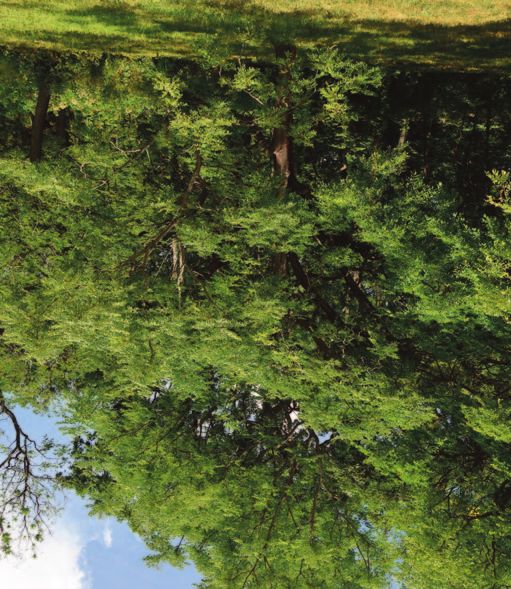
INTRODUCTION
Trees are facing increasing threats globally, including habitat loss, natural systems modification, land use change, climate
change, and pests and diseases. With more than 800 native tree species in the continental United States and more than
60,000 tree species globally, prioritizing species and conservation activities is vital for effectively utilizing limited resources.
To facilitate this conservation planning, we developed a gap analysis methodology that examines both the
accomplishments and most urgent needs for in situ (on-site) and ex situ (off-site) conservation of priority, at-risk tree groups
in the U.S. This methodology was first implemented in our flagship report, Conservation Gap Analysis of Native U.S. Oaks
(Beckman et al., 2019).

This report is one of seven that present the results of a second phase of gap analyses, which focuses on native U.S. trees
within a group of priority genera that were selected due to particular economic importance, potential challenges with
conventional ex situ conservation, and/or threats from emerging pests and diseases: Carya, Fagus, Gymnocladus, Juglans,
Pinus, Taxus, and selected Lauraceae (Lindera, Persea, Sassafras). In each report, we provide a summary of ecology,
distribution, and threats, and present results based on new data from a global survey of ex situ collections and a
conservation action questionnaire that was distributed in 2019 to a wide range of conservation practitioners in the U.S.
and botanical gardens globally. The aim of this report is to help prioritize conservation actions and coordinate activities
between stakeholders to efficiently and effectively conserve these keystone trees in the U.S.

ECOLOGY & DISTRIBUTION                                                          It is also likely that these cultural uses were an important factor in
                                                                                shaping the native distribution of Kentucky coffeetree (VanNatta,
Gymnocladus dioicus, or Kentucky coffeetree, is distributed                     2009). Gymnocladus dioicus is assessed as Vulnerable on the IUCN
throughout temperate forests in the eastern and central United                  Red List, due its fragmentation, rarity on the landscape, and
States and southeastern Canada, though its range is fragmented                  population decline (Carrero, 2020).
and it is uncommon within its habitat. Its native range stretches from
New York, west to Minnesota, south to Oklahoma, and east to
Kentucky and Tennessee. The tree can also be found in the Dakotas,
Texas, Georgia, and the Carolinas, and is naturalized in Alabama,
West Virginia, Virginia, and Delaware. It is the only native member of
the genus Gymnocladus in North America. Gymnocladus dioicus
grows alongside other hardwood trees, and prefers moist, humus-
rich, limestone soils in bottom-land woods or rocky, wooded hillsides,
though it enjoys full sun and can tolerate a wide variety of soil types
(Row & Geyer, 2007; Schmitz & Carstens, 2018). The species’ local
rarity is not well understood, but no obvious or direct threat presents
itself. It is suspected that “indirect, often overlooked, ecological
changes” are the source of rarity, for example the absence of an
effective seed dispersal agent, the species’ intolerance to shade, and
the requirement of scarification of seeds for successful germination
(Carstens & Schmitz, 2017). Zaya and Howe (2009) assert that, “the
Kentucky coffeetree...is an ecological paradox,” with its large pods
that resemble fruits consumed and dispersed by elephants and
rhinoceros, but which are toxic to cattle and sheep and dispersed
only by water. They predict that G. dioicus was once dispersed by
large-mammal herbivory, and with the loss of that relationship it has
been driven to rarity. Little is known about the specific uses of
Kentucky coffeetree by Native Americans of the Great Lakes region,
but comparison to similar species points to likely uses for “food,
                                                                                           Gymnocladus dioicus (Deb Brown, The Morton Arboretum)
medicine, and in their recreational and ceremonial practices.”

                                                  3   Conservation Gap Analysis of Kentucky Coffeetree
Figure 1. County level native distribution of Gymnocladus dioicus in the United States. County level distribution data from USDA PLANTS and
Biota of North America Program (BONAP) have been combined to estimate species presence (Kartesz, 2018; USDA NRCS, 2018).

PESTS & DISEASES
                                                                                   Table 1. The most serious insect, disease, and parasitic plant
Results from the USDA Forest Service study Important Insect and                    agents affecting Gymnocladus dioicus, from the results of
Disease Threats to United States Tree Species and Geographic                       Potter et al. (2019), which analyzed 419 native U.S. tree
Patterns of Their Potential Impacts (Potter et al., 2019) are provided             species. Numbers represent the severity of the agent’s impact
in Table 1, to give an overview of the pests and diseases affecting                on the host species. Table adapted, with permission, from
Gymnocladus dioicus, though all are minor. That study performed a                  Potter et al. (2019).
thorough literature review, including more than 200 sources, and
consulted dozens of expert entomologists and pathologists to                                                        Insect, Disease, or Parasitic Plant Agent
identify up to five of the most serious insect, disease, and parasitic                    Host species
plant threats facing each of 419 native U.S. tree species; priority was                                           Verticillium wilt           White mottled rot
                                                                                                                  (Verticillium spp.)         (Ganoderma spp.)
given to pests and diseases causing mortality of mature trees, rather
than agents primarily affecting reproductive structures or seedlings.              Gymnocladus dioicus                       1                          1

                                                                                   Severity of agent’s impact
                                                                                   10 =near complete mortality of all mature host trees (>95%)
                                                                                   8=  significant mortality of mature host trees (25% to 95%)
                                                                                   5=  moderate mortality of mature host trees (10% to 25%)
                                                                                   3=  moderate mortality in association with other threats, such as drought
                                                                                       stress (1% to 10%)
                                                                                   1 = minor mortality, generally to host trees that are already stressed (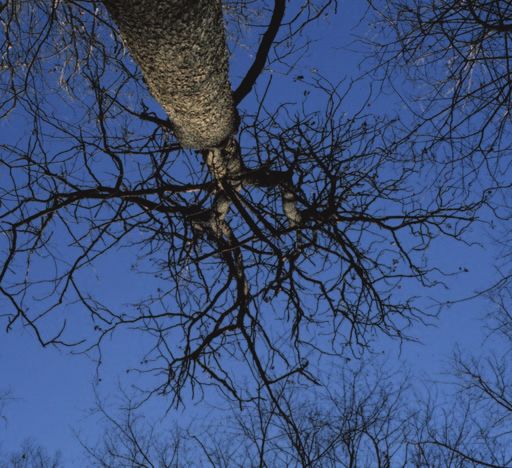
CLIMATE CHANGE VULNERABILITY                                                      MAJOR CONSERVATION INITIATIVES

A recent analysis of U.S. tree vulnerability to climate change, which             In 2009, The Brenton Arboretum and the North Central Regional Plant
used species-specific intrinsic traits to assess trees species’ risk of           Introduction Station (NCRPIS) initiated a collaboration aiming to create
negative effects from climate change, found Kentucky coffeetree to                comprehensive ex situ germplasm collections of Kentucky coffeetree
have high vulnerability, though potential adaptation to climate change            from across the species’ native distribution. This tree was selected
(Potter et al., 2017). Fahey et al. (2013) examined the growth and                due to its adaptation to poor soils and drought, lack of serious threat
resilience of four important urban street-tree species across four land           from pests or pathogens, and attractive compound leaves and yellow
use categories in Illinois. They found Kentucky coffeetree to be the most         fall color – making it a valuable species to conserve and invest in as
resistant to drought, even averaging higher growth after a significant            an urban street-tree replacement for other decimated tree groups
drought. However, wild populations are often found in floodplains with            such as ash. These efforts have resulted in very extensive G. dioicus
extremely well-drained soils that could be significantly impacted by              collections, which will conserve the genetic diversity of this tree as
small increases in the frequency or duration of floods (Schmitz &                 populations continue to disappear, and be used for research towards
Carstens, 2018). Therefore the impact of climate change on G. dioicus             its use in urban settings (Carstens & Schmitz, 2017). After nearly ten
may depend on the type of hydrological changes created.                           years of collecting, a total of 88 seed accessions have been deposited
                                                                                  in the National Plant Germplasm System and 130 accessions from
                                                                                  different wild provenances planted at the Brenton Arboretum. In
WILD HARVESTING & LAND USE CHANGE                                                 addition, a replicated block of 750 trees (representing 50 wild
                                                                                  populations) was planted at the Plant Introduction Station in Ames,
Gymnocladus dioicus has strong, heavy wood, which is used as                      Iowa. This planting will one day help inform our knowledge of
timber in a variety of applications. This has caused wild populations             pollinators, growth rates, and hardiness of G. dioicus. The Brenton
to decline rapidly due to overharvesting. This trend has been                     Arboretum and NCRPIS are planning to continue their collaboration
exacerbated because Kentucky coffeetree’s seeds are only spread                   by retrieving seed from unrepresented ecoregions, outlying
by waterways and often have difficulty germinating in the wild (Row               populations, and unique habitats (Schmitz & Carstens, 2018).
& Greyer, 2007). According to Canada’s Species at Risk report for
G. dioicus, habitat loss within the species range in Ontario has been             University extensions and other non-profit groups are also promoting
extensive in the last 200 years due to agriculture and urban land                 Kentucky coffeetree to be used as a landscape tree. In its profile of
uses. It is considered threatened within Canada where six of its 33               the tree, Iowa State University Extension and Outreach states,
known populations have been extirpated (Environment Canada,                       “Kentucky coffeetree should be used more in the landscape. It will
2014). Habitat loss is also a concern in the U.S. portion of Kentucky             grow on a wide range of soils from limestone, clay, and soils which
coffeetree’s range, in addition to competition with a variety of invasive         may be droughty. It is relatively free of insect and disease pests” (Iowa
species (Schmitz & Carstens, 2018).                                               State University, 2018). Although these initiatives will not save the wild
                                                                                  populations of G. dioicus, they may create awareness and therefore
                                                                                  contribute to its in situ conservation.

                                                                                  Gymnocladus dioicus has also been the subject of genetic analyses
                                                                                  to determine patterns of genetic diversity and levels of sexual versus
                                                                                  clonal reproduction (Lumb, 2018). Samples were collected from
                                                                                  populations in the core of the species’ distribution in the U.S. and four
                                                                                  regions of southwestern Ontario. Results “indicated that G. dioicus
                                                                                  has remarkably high genetic similarity across its range,” due to low
                                                                                  levels of sexual reproduction; the lack of sexual reproduction is thought
                                                                                  to be most impacted by habitat degradation and insufficient seed
                                                                                  scarification necessary for germination. Lumb (2018) asserts that “G.
                                                                                  dioicus is effectively incapable of establishing new populations or re-
                                                                                  establishing historical populations…[and] increasing the number of
                                                                                  mixed-sex populations (either by transplanting or cultivar reintroduction
                                                                                  efforts) will likely have a negligible impact on potential adaptive
                                                                                  variation,” because sexual reproduction and seed germination are so
                                                                                  rare. Best practices for in situ conservation of G. dioicus must be
          Gymnocladus dioicus (Ed Hedborn, The Morton Arboretum)
                                                                                  carefully considered moving forward.

                                                    5   Conservation Gap Analysis of Kentucky Coffeetree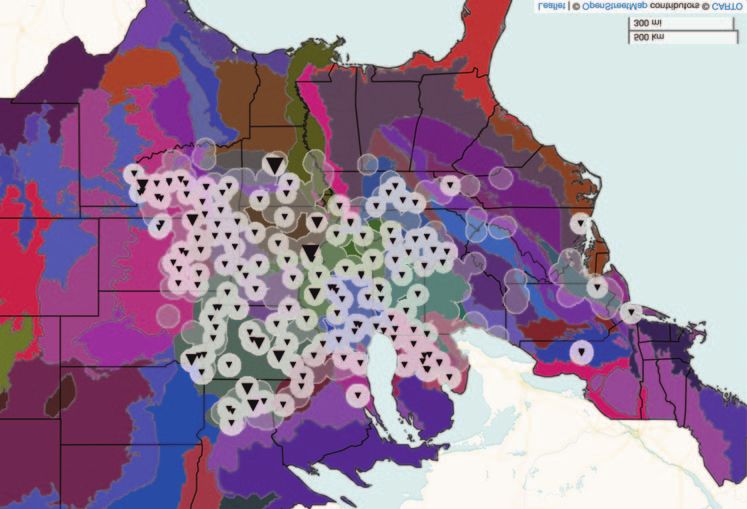
EX SITU SURVEY RESULTS

Gymnocladus dioicus is considered orthodox, meaning its seeds                                                        Number of individuals in ex situ collections,
                                                                                                                                by provenance type
can be stored long-term in conventional seed bank conditions of low
temperature and moisture (Royal Botanic Gardens Kew, 2020).
                                                                                                                   2400
Therefore, living collections are not as important to the conservation
of Kentucky coffeetree, but serve as a resource for both research
                                                                                                                   2100                                   Horticultural
and public education.
                                                                                                                                                          Unknown
                                                                                                                   1800                                   Wild
In 2018, we conducted a global accessions-level ex situ survey of
priority native U.S. tree species within nine target genera: Carya,                                                1500
Fagus, Gymnocladus, Juglans, Lindera, Persea, Pinus, Sassafras,

                                                                                   Number of individuals
and Taxus. The request for data was emailed directly to target ex
                                                                                                                   1200
situ collections, including arboreta, botanical gardens, private
collections, and USDA Forest Service seed orchards. We started
                                                                                                                    900
with institutions that had reported collections of these genera to
BGCI’s PlantSearch database, and whose contact information was
                                                                                                                    600
available in BGCI’s GardenSearch database. The data request was
also distributed via newsletters and social media through ArbNet,
                                                                                                                    300
the American Public Gardens Association, Botanic Gardens
Conservation International, the Center for Plant Conservation, the
                                                                                                                         0
Plant Conservation Alliance, The Morton Arboretum, and the USDA
Forest Service. A total of 143 collections from 25 countries provided                                                        Gymnocladus dioicus

accessions data for our target genera, including 90 collections from
18 countries reporting Gymnocladus dioicus (Figure 2). See
Appendix A for a list of participating institutions. When providing ex                                               Number of ex situ collections, by continent
situ collections data, institutions were asked to include the number
                                                                                                                   100
of individuals in each accession. When such data were unavailable,
we assumed the accession consisted of one individual; therefore our                                                                                   Asia/Oceania
results represent a conservative estimate. Because Gymnocladus                                                                                        Europe
                                                                                                                    75
                                                                                   Number of ex situ collections

dioicus is orthodox and can be seed banked, the ex situ survey                                                                                        North America
results presented here include both seed bank and living collections.                                                                                 South America

                                                                                                                    50

                                                                                                                    25

                                                                                                                     0
                                                                                                                             Gymnocladus dioicus

                                                                               Figure 2. Results from a 2018 global accessions-level ex situ survey
                                                                               Gymnocladus dioicus.

          Gymnocladus dioicus (Ed Hedborn, The Morton Arboretum)

                                                 6   Conservation Gap Analysis of Kentucky Coffeetree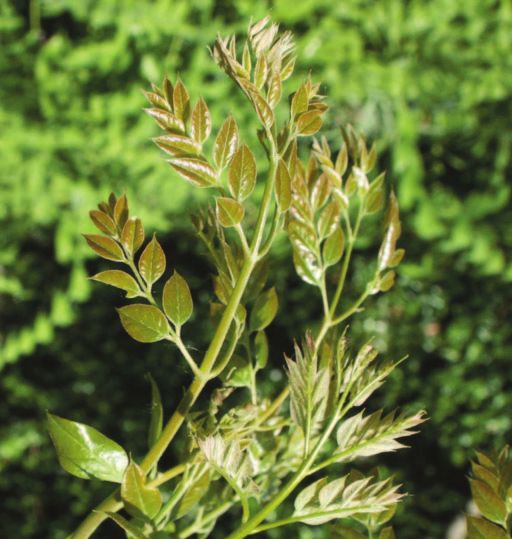
SPATIAL ANALYSIS OF EX SITU COLLECTIONS

Ex situ collections conserve the most genetic diversity when they
represent a large percent of the target species’ geographic and
ecological range. Therefore, identifying under-represented populations
and ecoregions is vital to improving the conservation value of ex situ
collections. To prioritize regions and species for future ex situ
collecting, we mapped and analyzed the estimated native distribution
of G. dioicus versus the wild provenance localities of germplasm in ex
situ collections.

We used two proxies for estimating ex situ genetic diversity
representation: geographic and ecological coverage. These proxies
are based on the assumption that sampling across a species’ full
native distribution and all ecological zones it inhabits is the best way
to ensure that the full spectrum of its genetic diversity is captured in
                                                                                             Gymnocladus dioicus (Ed Hedborn, The Morton Arboretum)
ex situ collections (CPC, 2018; Hanson et al., 2017; Khoury et al.,
2015). Using methods introduced by Khoury et al. (2019) and
Beckman et al. (2019), we calculated geographic and ecological                    here should be viewed as estimates that can be used to compare
coverage by comparing two sets of geographic points: 1) known in                  among species for prioritization rather than values reflecting the
situ occurrences, and 2) ex situ collection source localities (i.e., wild         actual capture of genetic diversity (e.g., alleles or DNA sequence
occurrences where seed was collected for ex situ preservation). To                differences) in ex situ collections.
approximate potential suitable habitat, nearby populations, and/or
gene flow, we placed a circular buffer around each in situ occurrence             In situ occurrence points for G. dioicus were downloaded from a variety
point and each ex situ collection source locality. When buffers around            of publicly available data sources, including Biodiversity Information
ex situ collection source localities overlap with buffers around in situ          Serving Our Nation (BISON; USGS, 2019), Botanical Information and
occurrence points, that area is considered ‘conserved’ by ex situ                 Ecology Network (BIEN; bien.nceas.ucsb.edu, 2020; Maitner, 2020),
collections (Figures 3-4; Table 2). Because our calculations of                   Forest Inventory and Analysis (FIA) Program of the USDA Forest Service
geographic and ecological coverage are based on a rough                           (Forest Inventory and Analysis Database, 2019), Global Biodiversity
estimation of the distribution of a species and only address the                  Information Facility (GBIF.org, 2020; Chamberlain & Boettiger, 2017),
portion of a species distribution within the U.S., the values reported            Integrated Digitized Biocollections (iDigBio; idigbio.org, 2020;
                                                                                  Michonneau & Collins, 2017), and U.S. herbarium consortia (e.g.,
                                                                                  SERNEC; Data Portal, 2020). To increase their reliability, these raw data
                                                                                  points were automatically vetted using a set of common filters for
                                                                                  biodiversity data (Zizka et al., 2019). Points were removed if they fell
                                                                                  within 500 meters of a state centroid or 100 meters of a biodiversity
                                                                                  institution, or if they were not within a county of native occurrence for
                                                                                  G. dioicus based on county-level data from Biota of North America
                                                                                  (BONAP; Kartesz, 2018). Points were also removed if they were
                                                                                  recorded before 1950, were missing a record year, were recorded as
                                                                                  a living or fossil specimen, or were recorded as introduced, managed,
                                                                                  or invasive.

                                                                                  Ex situ data were gathered during the 2018 survey described in the
                                                                                  previous section, and records for target species with a wild source
                                                                                  locality description were manually geolocated when latitude and
                                                                                  longitude were missing. For Gymnocladus dioicus, about 9% of
                                                                                  records with wild or unknown provenance were manually
                                                                                  geolocated, while 58% had latitude and longitude provided by the
                                                                                  institution and 34% contained too little locality information to
                                                                                  geolocate to county-level or finer. To map wild provenance localities
                                                                                  of ex situ individuals, accessions collected from wild localities near
                                                                                  each other were grouped together based on latitude and longitude
                                                                                  rounded to one digit after the decimal. All data processing and
          Gymnocladus dioicus (Ed Hedborn, The Morton Arboretum)
                                                                                  mapping were performed in R (R Core Team, 2020; Graul, 2016).

                                                    7   Conservation Gap Analysis of Kentucky Coffeetree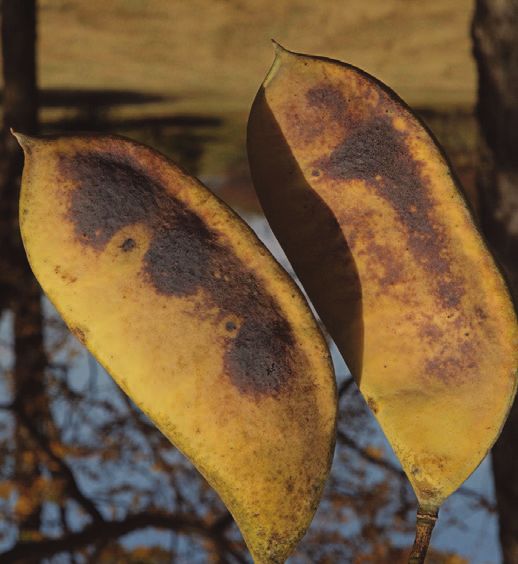
Gymnocladus dioicus                                                                                                                                    Figure 3. Native distribution and wild
                                                                                                                                                         provenance localities of ex situ
                                                                                                                                                         individuals for Gymnocladus dioicus in
                                                                                                                                                         the U.S., based on 50 km buffers
                                                                                                                                                         around in situ occurrence points and ex
                                                                                                                                                         situ source localities. Background
                                                                                                                                                         colors show EPA Level III Ecoregions
                                                                                                                                                         (U.S. EPA Office of Research &
                                                                                                                                                         Development, 2013a). Some records,
                                                                                                                                                         especially smaller outliers in the eastern
                                                                                                                                                         part of its distribution, may represent
                                                                                                                                                         naturalized or remnant plantings.

  Source locality and number of wild provenance individuals present in ex situ collections                       1-10       11-29        30+

  Species’ estimated native distribution                                           Estimated capture of ex situ collections
  (50 km buffer around in situ occurrence points)                                  (50 km buffer around wild provenance localities)

  Table 2. Estimated geographic and ecological coverage of ex situ collections of Gymnocladus dioicus. Geographic coverage = area covered
  by buffers around ex situ wild provenance localities / area covered by buffers around in situ occurrence points (values are given in km2). Ecological
  coverage = number of ecoregions under buffers around ex situ wild provenance localities / number of ecoregions under buffers around in situ
  occurrence points. U.S. EPA Level IV Ecoregions (2013b) were used for calculating ecological coverage. Buffer area falling outside the contiguous
  U.S. was removed for all calculations. Three different-sized buffers (radius of 20 km, 50 km, and 100 km) were used to show the variation in
  estimated ex situ genetic representation depending on assumptions regarding population size and gene flow.

                                                       20 km buffers                          50 km buffers                             100 km buffers              Average of all three buffer sizes

 Species
                                              Geographic          Ecological         Geographic            Ecological          Geographic            Ecological      Geographic         Ecological
                                               coverage            coverage           coverage              coverage            coverage              coverage        coverage           coverage

 Gymnocladus                                 178,107 / 569,968     137 / 203       862,612 / 1,434,088      191 / 254      1,588,028 / 2,098,490      271 / 320          56%               76%
 dioicus                                          (31%)             (67%)                (60%)               (75%)                (76%)                (85%)
     Native U.S. Gymnocladus species

                                       Gymnocladus
                                            dioicus

                                                       0%                      25%                             50%                             75%                       100%
                                                       Estimated geographic and ecological coverage of diversity represented in ex situ collections

                                                                   Average geographic coverage                                        Average ecological coverage

Figure 4. Average geographic and ecological coverage of ex situ collections for Gymnocladus dioicus (See Table 2 for details).

                                                                               8    Conservation Gap Analysis of Kentucky Coffeetree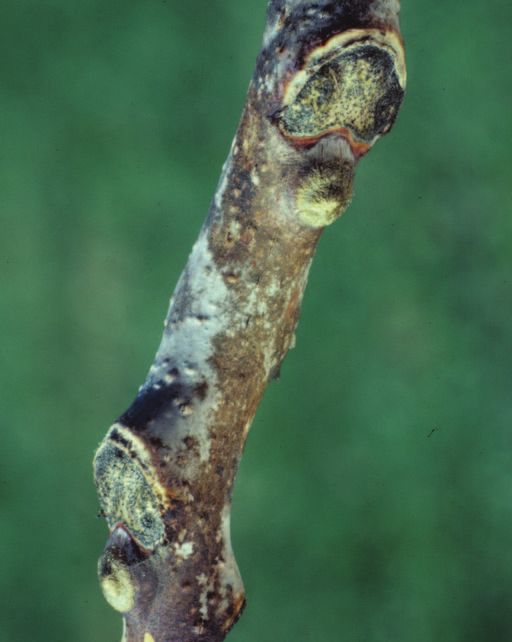
TREE CONSERVATION
QUESTIONNAIRE RESULTS
90
In 2019, we conducted a Tree Conservation Action
Select all conservation
Questionnaire for priority native U.S. tree species within activities your institution
75
nine target genera: Carya, Fagus, Gymnocladus, participates in for each species
Juglans, Lindera, Persea, Pinus, Sassafras, and Taxus.
Number of institutions
60 Research (e.g. genetics, climate change, pests)
The questionnaire was designed primarily to gather
Public awareness or education
information regarding current or future planned
45 Protect and/or manage habitat
conservation activities, but also to provide a platform
Population reinforcement or introduction
to ask experts their opinion regarding most urgent
30 Occurrence surveys or population monitoring
conservation actions and most significant threats for
Implement protection policies or regulations
each target species (Figure 5). A subset of target
15 Collect and distribute germplasm
species were chosen to be included in the
questionnaire based on threat rankings (IUCN Red List
0
Category and NatureServe Global Status), climate
change vulnerability, impact from pests and diseases, G. dioicus (44)
and representation in ex situ collections.
100%
The questionnaire was emailed directly to targeted ex What is the most urgent
situ collections, content experts, attendees of the conservation activity needed
2016 “Gene Conservation of Forest Trees: Banking for each species?
75%
on the Future” workshop, native plant societies and Research (e.g. genetics, climate change, pests)
Percent ofrespondents
The Nature Conservancy contacts (from states with Public awareness or education
20 or more target species), NatureServe and Natural Protect and/or manage habitat
50%
Heritage Program contacts (from states with ten or Population reinforcement or introduction
more target species), BLM field offices, the USDA Occurrence surveys or population monitoring
Forest Service RNGR National Nursery and Seed Implement protection policies or regulations
25%
Directory, and USFS geneticists, botanists, and Collect and distribute germplasm
pest/disease specialists. The questionnaire was also No conservation currently needed
distributed via newsletters and social media through
0
ArbNet, the American Public Gardens Association,
Botanic Gardens Conservation International, the G. dioicus (35)
Center for Plant Conservation, the Plant Conservation
Alliance, The Morton Arboretum, and the USDA
100%
Forest Service. What is the most significant
threat to wild populations of
More than 200 institutions completed the each species?
questionnaire, including 44 institutions that provided 75%
Tourism or recreation
Percent ofrespondents
input on conservation activities for Gymnocladus Wild harvesting
dioicus. See Appendix A for a list of participants and Pests and diseases
Appendix B for a full summary of questionnaire 50%
Invasive species competition
responses, which can be used to identify potential Inbreeding or introgression
collaborators, coordinate conservation efforts, and Disturbance regime modification
recognize possible gaps in current activities. 25% Development, mining, and/or roads
Climate change
Agriculture, silviculture, and/or ranching
0
G. dioicus (32)
Figure 5. Results from the Tree Conservation Action Questionnaire for Gymnocladus
dioicus. The number of institutions or respondents participating in each question is
listed in parentheses after the species’ name. See Appendix B for details regarding
which institutions reported each conservation activity.
9 Conservation Gap Analysis of Kentucky Coffeetree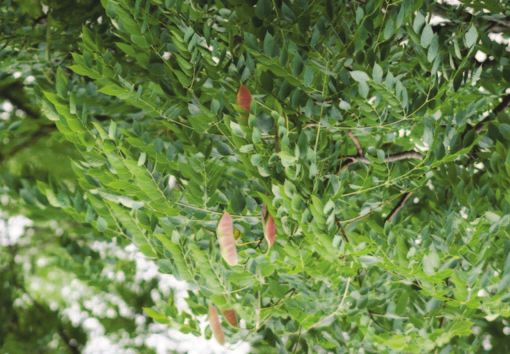
CONCLUSIONS & RECOMMENDATIONS

Species’ distributions and threats: Gymnocladus dioicus, or
Kentucky coffeetree, is distributed throughout temperate forests in
the eastern and central United States and southeastern Canada,
though its range is fragmented and it is uncommon within its habitat
(Figure 1). Though it prefers moist, humus-rich, high-drainage soils
in bottom-land woods or rocky, wooded hillsides, Kentucky
coffeetree tolerates a variety of soil types and habitats. It is also
recognized as a valuable urban street-tree (Row & Geyer, 2007;
Schmitz & Carstens, 2018). A recent analysis of U.S. tree vulnerability
to climate change found G. dioicus to have high vulnerability, though
potential adaptation to climate change (Potter et al., 2017).
                                                                                             Gymnocladus dioicus (Ed Hedborn, The Morton Arboretum)
Gymnocladus dioicus has also been shown to have high drought
tolerance as well as likely sensitivity to frequent flooding (Fahey et
al., 2013, Schmitz & Carstens, 2018). Due to its strong, heavy wood               Conservation actions: For the Tree Conservation Action
with many timber uses, overharvesting has caused wild populations                 Questionnaire, 44 of the more than 200 participating institutions
to decline rapidly; land use change and habitat degradation have                  reported conservation activities for Kentucky coffeetree. Public
also contributed to its decline, especially in its Canadaian distribution         awareness or education (27 institutions) was the most common
(Environment Canada, 2014; Lumb, 2018). These trends have been                    activity reported, followed by collect and distribute germplasm (14)
exacerbated by Kentucky coffeetree’s difficulty in spreading and                  and protect and/or manage habitat (14). The conservation activities
germinating in the wild (Row & Geyer, 2007). The species currently                most frequently identified as most urgent were collect and distribute
faces no serious threat from pests or pathogens (Table 1).                        germplasm and population reinforcement or introduction. Agriculture,
                                                                                  silviculture, and/or ranching, climate change, and development,
Conservation quality of ex situ collections: Based on data from 64                mining, and/or roads were identified as the most significant threats to
ex situ collections that submitted accessions data for Kentucky                   G. dioicus (Figure 5). The most extensive conservation effort known
coffeetree, the species is represented by 2,254 individuals in ex situ            to be directed specifically toward G. dioicus, and one of the most
collections globally, nearly half of which are of wild origin. Of the wild        significant ex situ collecting efforts for a native U.S. tree species, is the
origin individuals, 80% had enough wild locality information to be                wild seed collecting collaboration between The Brenton Arboretum
mapped (Figure 2-3). These individuals provide an estimated 56%                   and the North Central Regional Plant Introduction Station (NCRPIS).
geographic coverage and 76% ecological coverage of the species’                   This initiative created ex situ collections of Kentucky coffeetree that
total native distribution (Figure 4; Table 2). Due to the extensive               conserve the species’ genetic diversity and provide material for
collecting efforts of The Brenton Arboretum and the North Central                 research towards its use in urban settings (Schmitz & Carstens, 2018).
Regional Plant Introduction Station, ex situ representation of G. dioicus
is very substantial. It is evident that concerted collecting efforts can          Overall summary and recommendations: Current conservation
greatly impact the conservation quality of ex situ collections.                   activities for Kentucky coffeetree, including ex situ collection and
                                                                                  distribution of germplasm, habitat protection, and public awareness,
                                                                                  should be continued and expanded upon. Other in situ conservation
                                                                                  efforts such as population reinforcement or introduction will likely be
                                                                                  necessary to preserve this species moving forward, but should be
                                                                                  considered carefully. Because G. dioicus rarely reproduces sexually
                                                                                  in the wild, population reinforcement or introduction may not have
                                                                                  the desired long-term effects (Lumb, 2018). Further research may
                                                                                  be necessary, including cross-sector efforts to test possible solutions
                                                                                  on a smaller scale before moving to larger introduction or
                                                                                  reintroduction initiatives. Continued field surveys, which can be
                                                                                  carried out in conjunction with ex situ collecting efforts, should be
                                                                                  implemented to monitor the species decline, and perhaps provide
                                                                                  more information regarding impacts to the species and most
                                                                                  effective future mitigation. Community-specific education or
                                                                                  legislation may be necessary if populations of the species are
                                                                                  continuing to experience harvesting. With its unique ecology,
                                                                                  engaging history, resilience in urban landscapes, and continued role
                                                                                  in the wild despite declines, Kentucky coffeetree should remain a
                                                                                  priority for a variety of stakeholders engaged in U.S. tree
          Gymnocladus dioicus (Ed Hedborn, The Morton Arboretum)
                                                                                  conservation and research.

                                                   10    Conservation Gap Analysis of Kentucky Coffeetree
REFERENCES
Beckman, E., Meyer, A., Denvir, A., Gill, D., Man, G., Pivorunas, D., Shaw, K., & Lumb, S. (2018). Population Genetics and Scarification Requirements of
Westwood, M. (2019). Conservation Gap Analysis of Native U.S. Oaks. Lisle, IL: The Gymnocladus dioicus (Master's thesis). Trent University, Peterborough, Ontario,
Morton Arboretum. Retrieved from https://www.mortonarb.org/files/conservation- Canada. Retrieved from https://digitalcollections.trentu.ca/islandora/object/
gap-analysis-of-native-US-oaks.pdf etd%3A642/datastream/PDF/view
Carrero, C. (2020). Gymnocladus dioicus. The IUCN Red List of Threatened Maitner, B. (2020). BIEN: Tools for Accessing the Botanical Information and
Species 2020: e.T62026160A62026162. Retrieved from https://dx.doi.org/ Ecology Network Database. R package version 1.2.4. https://CRAN.R-
10.2305/IUCN.UK.2020-2.RLTS.T62026160A62026162.en. project.org/package=BIEN.
Carstens, J. D., & Schmitz, A. P. (2017). Kentucky Coffeetree, Gymnocladus dioicus Michonneau, F. & Collins, M. (2017). ridigbio: Interface to the iDigBio Data API.
(L.) K. Koch: Current Abundance in Nature and Prospective Persistence. USDA Forest R package version 0.3.5. Retrieved from https://CRAN.R-
Service. GENERAL TECHNICAL REPORT PNW-GTR-963. Retrieved from project.org/package=ridigbio.
https://www.fs.fed.us/pnw/pubs/pnw_gtr963_036.pdf
Potter, K. M., Crane, B. S., & Hargrove, W. W. (2017). A United States national
Chamberlain, S. & Boettiger C. (2017). R Python, and Ruby clients for GBIF prioritization framework for tree species vulnerability to climate change. New Forests,
species occurrence data. PeerJ PrePrints. Retrieved from 48(2), 275–300. doi: 10.1007/s11056-017-9569-5
https://doi.org/10.7287/peerj.preprints.3304v1.
Potter, K. M., Escanferla, M. E., Jetton, R. M., & Man, G. (2019). Important Insect
CPC (Center for Plant Conservation). (2018). Best plant conservation practices to and Disease Threats to United States Tree Species and Geographic Patterns of Their
support species survival in the wild. The Center for Plant Conservation. Potential Impacts. Forests, 10(4), 304. doi: 10.3390/f10040304
Data Portal. (2020). Retrieved from http//:sernecportal.org/index.php. R Core Team (2020). R: A language and environment for statistical computing. R
Foundation for Statistical Computing, Vienna, Austria. Retrieved from https://www.R-
Environment Canada. (2014). Recovery Strategy for the Kentucky Coffee- project.org/.
tree (Gymnocladus dioicus) in Canada [Proposed]. Ottawa: Environment
Canada. Retrieved from https://www.canada.ca/en/environment-climate- Row, J. M., & Geyer, W. (2007). Kentucky Coffeetree Gymnocladus dioicus (L.)
change/services/species-risk-public-registry/recovery-strategies/kentucky-coffee-tr K. Koch. USDA NRCS Plant Materials Center, Manhattan, Kansas & Kansas State
ee-proposed-2014.html University, Research Forestry. Retrieved from https://plants.usda.gov/
plantguide/pdf/cs_gydi.pdf
Fahey, R. T., Bialecki, M. B., Carter, D.R. (2013). Tree Growth and Resilience to
Extreme Drought Across an Urban Land-use Gradient. Arboriculture & Urban Forestry, Royal Botanic Gardens Kew. (2020). Seed Information Database (SID). Version 7.1.
39(6), 279-285. International Society of Arboriculture. Retrieved from Retrieved from http://data.kew.org/sid/
https://vtechworks.lib.vt.edu/bitstream/handle/10919/86504/Fahey_et_al_2013.pdf?
sequence=2 Schmitz, A., & Carstens, J. (2018). Exploring the Native Range of Kentucky
Coffeetree. Arnoldia, 76(1), 2-16. doi:10.2307/26604231
Forest Inventory and Analysis Database (2019). St. Paul, MN: U.S. Department of
Agriculture, Forest Service, Northern Research Station. Retrieved from U.S. EPA Office of Research & Development. (2013a). Level III
https://apps.fs.usda.gov/fia/datamart/datamart.html Ecoregions of the conterminous United States. National Health and
Environmental Effects Research Laboratory (NHEERL). Retrieved from
GBIF.org (23 September 2020). GBIF Occurrence Download. ftp://ftp.epa.gov/wed/ecoregions/us/us_eco_l3.zip
https://doi.org/10.15468/dl.hdjwfz
U.S. EPA Office of Research & Development. (2013b). Level IV
Graul, C. (2016). leafletR: Interactive Web-Maps Based on the Leaflet JavaScript Ecoregions of the conterminous United States. National Health and
Library. R package version 0.4-0. Retrieved from http://cran.r- Environmental Effects Research Laboratory (NHEERL). Retrieved from
project.org/package=leafletR. ftp://ftp.epa.gov/wed/ecoregions/us/us_eco_l4.zip
Hanson, J. O., Rhodes, J. R., Riginos, C., & Fuller, R. A. (2017). Environmental and USDA, NRCS. (2018). The PLANTS Database. National Plant Data Team.
geographic variables are effective surrogates for genetic variation in conservation Greensboro, NC. Retrieved from http://plants.usda.gov
planning. Proceedings of the National Academy of Sciences,114(48), 12755-12760.
doi:10.1073/pnas.1711009114 USGS. (2019). Biodiversity Information Serving Our Nation (BISON) -- Species
occurrence data for the Nation. U.S. Geological Survey General Information Product
Iowa State University. (2018). Kentucky coffeetree should be used more in the 160, version 1.1., U.S. Geological Survey, 2015. Retrieved from
landscape. It will grow on a wide range of soils from limestone, clay, and soils which https://doi.org/10.3133/gip160.
may be droughty. It is relatively free of insect and disease pests. Retrieved from
https://naturalresources.extension.iastate.edu/forestry/iowa_trees/trees/kentucky_coff VanNatta, A. R. (2009). Ecological Importance of Native Americans Culture to the
eetree.html Kentucky Coffee Tree (Gymnocladus dioicus). University of Wisconsin-Stevens
Point. Retrieved from https://www.uwsp.edu/forestry/StuJournals/Documents/
Kartesz, J. T. (2018). The Biota of North America Program (BONAP). Taxonomic Data NA/avannatta.pdf
Center, Floristic Synthesis of North America, Version 1.0. Chapel Hill, NC. Retrieved
from http://www.bonap.net/tdc Zaya, D. N., & Howe, H. F. (2009). The anomalous Kentucky coVeetree:
megafaunal fruit sinking to extinction? Oecologia, 161, 221-226. DOI:
Khoury, C. K., Carver, D., Barchenger, D. W., Barboza, G. E., Van Zonneveld, M., 10.1007/s00442-009-1372-3
Jarret, R., . . . Greene, S. L. (2019). Modelled distributions and conservation status
of the wild relatives of chile peppers (Capsicum L.). Diversity and Distributions, 26(2). Zizka, A., Silvestro, D., Andermann, T., Azevedo, J., Duarte Ritter, C., Edler, D., .
doi:https://doi.org/10.1111/ddi.13008 . . Antonelli, A. (2019). CoordinateCleaner: Standardized cleaning of occurrence
records from biological collection databases. Methods in Ecology and Evolution, 10(5),
Khoury, C. K., Heider, B., Castañ̃ eda-Álvarez, N. P., Achicanoy, H. A., Sosa, 744-751. doi:https://doi.org/10.1111/2041-210X.13152
C. C., Miller, R. E., . . . Struik, P. C. (2015). Distributions, ex situ conservation
priorities, and genetic resource potential of crop wild relatives of sweetpotato
[Ipomoea batatas (L.) Lam., I. series Batatas]. Frontiers in Plant Science, 6.
doi:10.3389/fpls.2015.00251
11 Conservation Gap Analysis of Kentucky CoffeetreeAPPENDIX A. LIST OF PARTICIPANTS
Institutional participants in the 2018 ex situ collections survey: Botanical Garden of the University of Hawaii • Marie Selby Botanical Gardens •
Mercer Botanic Gardens • Millennium Seed Bank Partnership, Royal Botanic
Agro-Botanical Garden of USAMV Cluj-Napoca • Antony Woodland Garden • Gardens Kew • Missouri Botanical Garden • Montgomery Botanical Center • Morris
Arboretum Bramy Morawskiej w Raciborzu • Arboretum Bukovina • Arboretum Arboretum of the University of Pennsylvania, The • Morton Arboretum, The •
Kirchberg, Musée national d'histoire naturelle • Arboretum National des Barres • Moscow State University Botanical Garden Arboretum • Mount Auburn Cemetery
Arboretum w Przelewicach • Arboretum Wespelaar, Foundation • Arboretum • Mt. Cuba Center, Inc. • Muséum national d'Histoire naturelle, Paris • Naples
Wojslawice, University of Wroclaw • Arizona-Sonora Desert Museum • Arnold Botanic Garden • National Tropical Botanical Garden • NDSU Dale E. Herman
Arboretum of Harvard University, The • Atlanta Botanical Garden • Auckland Research Arboretum, Woody Plant Improvement Program • New York Botanical
Botanic Gardens • Bamboo Brook Outdoor Education Center • Bartlett Tree Garden • Norfolk Botanical Garden • North Carolina Arboretum, The • Orto
Research Laboratories Arboretum • Bayard Cutting Arboretum • Beal Botanical Botanico dell'Università degli studi di Siena • Orto Botanico dell’Universita della
Gardens, W. J. • Bedgebury National Pinetum and Forest • Belmonte Arboretum Calabria • Peckerwood Garden • Pinetum Blijdenstein • Polly Hill Arboretum, The
• Bergius Botanic Garden, Stockholm University • Bessey Nursery, Nebraska • Powell Gardens • Pukeiti • Pukekura Park • Rancho Santa Ana Botanic Garden
National Forests and Grasslands • Boerner Botanical Gardens • Bok Tower • Real Jardín Botánico Juan Carlos I • Red Butte Garden, The University of Utah •
Gardens • Botanic Garden Meise • Botanic garden of Le Havre, Ville du Havre • Reiman Gardens, Iowa State University • Rogów Arboretum of Warsaw University
Botanic Garden of Smith College, The • Botanic Gardens of South Australia • of Life Sciences • Royal Botanic Garden Edinburgh • Royal Botanic Gardens Kew,
Botanischer Garten der Philipps-Universität Marburg • Brenton Arboretum, The • Wakehurst Place • Royal Botanic Gardens Ontario • Royal Botanic Gardens
Brookgreen Gardens • Brooklyn Botanic Garden • Bureau of Land Management, Victoria • Royal Horticultural Society Garden, Wisley • Smale Riverfront Park •
Prineville District • Cheryl Kearns, private garden • Chicago Botanic Garden • Starhill Forest Arboretum • State Botanical Garden of Georgia, University of Georgia
Cornell Botanic Gardens • Cox Arboretum • Darts Hill Garden Park • Davis • State Botanical Garden of Kentucky, The Arboretum • Stavanger Botanic Garden
Arboretum of Auburn University • Dawes Arboretum, The • Denver Botanic • Tasmanian Arboretum Inc., The • Timaru Botanic Garden • Tucson Botanical
Gardens • Dunedin Botanic Garden • Eastwoodhill Arboretum • Eddy Arboretum, Gardens • Tyler Arboretum • U.S. National Arboretum • UBC Botanical Garden,
Pacific Southwest Research Station Placerville, The Institute of Forest Genetics The University of British Columbia • UC Davis Arboretum and Public Garden •
(IFG) • Eden Project • Estancia San Miguel • Fairchild Tropical Botanic Garden • University of California Botanical Garden at Berkeley • University of Connecticut
Finnish Museum of Natural History LUOMUS • Frelinghuysen Arboretum • Ghent Arboretum • University of Delaware Botanic Gardens • University of Florida/IFAS,
University Botanical Garden • Green Bay Botanical Garden • Green Spring Gardens North Florida Research and Education Center, Gardens of the Big Bend • University
• GRIN Database, National Plant Germplasm System (NPGS) • Hackfalls of Guelph Arboretum • University of Washington Botanic Gardens • USFS
Arboretum • Holden Forests & Gardens (Cleveland Botanical Garden and The Brownwood Provenance Orchard • USFS western white pine, sugar pine, and
Holden Arboretum) • Hollard Gardens • Honolulu Botanical Gardens System • whitebark pine seed orchards in OR and WA • Utrecht University Botanic Garden
Hørsholm Arboretum • Hoyt Arboretum • Huntington, The • Ioulia & Alexandros • Vallarta Botanical Gardens A. C. • VanDusen Botanical Garden • Village of
Diomidis Botanical Garden • Jardin Botanique de l'Université de Strasbourg • Riverside, Illinois • Waimea Valley Botanical Garden • Wellington Botanical Gardens
Jardin botanique de Montréal • JC Raulston Arboretum • Keith Arboretum, The • Westonbirt, The National Arboretum • Willowwood Arboretum • Winona State
Charles R. • Key West Tropical Forest and Botanical Garden • Linnaean Gardens University, The Landscape Arboretum at • Xishuangbanna Tropical Botanical
of Uppsala, The • Longwood Gardens • Lovett Pinetum • Lyon Arboretum & Garden (XTBG) of Chinese Academy of Sciences (CAS) • Zoo and BG Plzen
Gymnocladus dioicus (Susan McDougall)
12 Conservation Gap Analysis of Kentucky CoffeetreeInstitutional participants in the 2019 Tree Conservation Action
Questionnaire:
Adkins Arboretum • Agnes Scott College • Aldrich Berry Farm & Nursery, Inc •
Alpha Nurseries, Inc • American Chestnut Foundation, The • American University
• Arboretum des Grands Murcins • Arboretum Kalmthout • Arboretum San Miguel
• Arboretum Wespelaar • Arkansas Natural Heritage Commission • Atlanta
Botanical Garden • Auckland Botanic Gardens • Baker Arboretum • Bartlett Tree
Research Lab & Arboretum • Bayard Cutting Arboretum • Bergius Botanic Garden
• Bernheim Arboretum and Research Forest • Better Forest Tree Seeds • Blue
Mountains Botanic Garden, The • Boehm's Garden Center • Boerner Botanical
Gardens • Bok Tower Gardens • Borderlands Restoration Network • Botanic
Garden of Smith College • Botanic Garden TU Delft • Botanical Garden of the
University of Turku • Bowman's Hill Wildflower Preserve • Brenton Arboretum, The
• Brookgreen Gardens • Brooklyn Botanic Garden • California Department of Fish
and Wildlife • California Native Plant Society • Catawba Lands Conservancy •
Chatham University Arboretum • Chicago Botanic Garden • Cincinnati Zoo &
Botanical Garden • City of Columbia Stephens Lake Park Arboretum • City of
Hamilton • City of Kansas City, Missouri • Colonial Williamsburg Foundation •
Connecticut College Arboretum • Cowichan Lake Research Station • Cox
Arboretum and Gardens • David Listerman & Associates, Inc • Dawes Arboretum,
The • Delaware Division of Fish and Wildlife • Denver Botanic Gardens • Donald E.
Davis Arboretum at Auburn University • Downtown Lincoln Association • Draves
Arboretum • Dunedin Botanic Garden • Dunn School • Earth Tones Natives • Ed
Leuck Louisiana Academic Arboretum, The • Eden Project • Elmhurst College •
Evergreen Burial Park and Arboretum • Excelsior Wellness Center • Fairchild
Tropical Botanic Garden • Farmingdale State College • Florida Fish and Wildlife
Conservation Commission • Florida Forest Service • Florida Natural Areas Inventory
• Folmer Botanical Gardens • Frostburg State University • Georgia Department of
Natural Resources • Green Bay Botanical Garden • Growild, Inc • Hackfalls
Arboretum • Hastings College • Hazel Crest Open Lands • Holden Forests and
Gardens • Huntington, The • Illinois Department of Natural Resources Mason State
Nursery • Indiana Native Plant Society • Jane E. Lytle Memorial Arboretum • Jardin
Botanique de Paris, Arboretum de Paris • John F. Kennedy Arboretum • Johnson's Gymnocladus dioicus (Kitty Kohout, The Morton Arboretum)
Nursery, Inc. • Keefer Ecological Services Ltd. • L.E. Cooke Co • Lauritzen Gardens
• Le Jardin du Lautaret de la Station alpine Joseph Fourier • Longfellow Arboretum
• Longwood Gardens • Louisiana Department of Wildlife and Fisheries • Lovell Arboretum • Missouri Native Plant Society • Missouri State University •
Quinta Arboretum, The • Maryland Department of Natural Resources • McKeithen Montgomery Botanical Center • Morris Arboretum • Moscow State University
Growers, Inc. • Meadow Beauty Nursery • Michigan Natural Features Inventory • Botanical Garden • Mt. Cuba Center • Mt. Desert Land & Garden Preserve •
Mill Creek MetroParks, Fellows Riverside Gardens • Minnesota Department of Muscatine Arboretum • Naples Botanical Garden • National Botanical Garden of
Natural Resources • Minnesota Natural Resources Commission • Missouri Georgia • Native Plant Society of Oregon • Native Plant Trust • Natural Resources
Canada • Nature Conservancy, The • New College of Florida • New Jersey
Audubon • New York Botanical Garden, The • New York City Department of Parks
& Recreation • New York Natural Heritage Program • Norfolk Botanical Garden •
North Carolina Natural Heritage Program • North Dakota State University • Parque
Botânico da Tapada da Ajuda • Peaceful Heritage Nursery • Peckerwood Garden
• Pennsylvania Department of Conservation & Natural Resources • Pennsylvania
Natural Heritage Program • Pizzo Group • Polly Hill Arboretum, The • Powell
Gardens • Pronatura Veracruz • R.L. McGregor Herbarium • Rancho Santa Ana
Botanic Garden • Reeseville Ridge Nursery • Regional Parks Botanic Garden •
Reveg Edge, The • Rogów Arboretum of Warsaw University of Life Sciences •
Royal Botanic Garden Edinburgh • Royal Botanic Gardens Victoria • San Diego
Botanic Garden • Santa Barbara Botanic Garden • Sidmouth Civic Arboretum •
Sister Mary Grace Burns Arboretum at Georgian Court University • Smith Gilbert
• Smithsonian • Springfield-Greene County Parks • Starhill Forest Arboretum •
State Botanical Garden of Kentucky, The Arboretum • Strasbourg University
Botanic Garden • Tasmanian Arboretum, The • Tennessee Division of Natural Areas
• Texas A&M Forest Service • Tower Grove Park • Town of Winthrop • Tree
Musketeers • Tucson Botanical Gardens • Twin Peaks Native Plant Nursery • UC
Davis Arboretum and Public Garden • United States Botanic Garden • United
States Fish and Wildlife Service • United States National Arboretum • University of
California • University of California Botanical Garden at Berkeley • University of
Florida North Florida Research and Education Center • University of Guelph
Arboretum • University of Leicester Botanic Garden • University of Maribor Botanic
Garden • University of Minnesota • University of Notre Dame • University of
Oklahoma • University of Washington Botanic Gardens • USDA Agricultural
Research Service • USDA Forest Service • USDI Bureau of Land Management •
VanDusen Botanical Garden • Vietnam National University of Forestry • Village of
Bensenville • Village of Riverside • West Virginia Native Plant Society • West Virginia
Wesleyan College • Westonbirt, The National Arboretum • Wilson Seed Farms, Inc
Gymnocladus dioicus (Susan McDougall) • Woodland Park Zoo • WRD Environmental, Inc. • Wright Nursery Alberta •
Yellowstone Arboretum
13 Conservation Gap Analysis of Kentucky CoffeetreeAPPENDIX B. RESULTS FROM THE 2019 TREE CONSERVATION ACTION QUESTIONNAIRE
To receive contact information for a specific respondent and target species, please email treeconservation@mortonarb.org.
Research (e.g., genetics,
Population reinforcement
Protect and/or manage
Occurrence surveys or
climate change, pests)
population monitoring
policies or regulations
Implement protection
Collect and distribute
Public awareness or
Country (U.S. state)
or introduction
germplasm
education
habitat
Species Institution reporting conservation activities
Alpha Nurseries, Inc8 United States (MI) x
Arboretum des Grands Murcins¹ France x
Arboretum San Miguel¹ Argentina x x
Arkansas Natural Heritage Commission6 United States (AR) x x
Bayard Cutting Arboretum¹ United States (NY) x x
Bergius Botanic Garden¹ Sweden x
Blue Mountains Botanic Garden, The¹ Australia x
Boehm's Garden Center8 United States (IL) x x
City of Columbia Stephens Lake Park Arboretum² United States (MO) x x
City of Hamilton² United States (OH) x x x
City of Kansas City, Missouri² United States (MO) x
Cox Arboretum and Gardens¹ United States (GA) x
Denver Botanic Gardens¹ United States (CO) x
Downtown Lincoln Association¹ United States (NE) x
Gymnocladus Draves Arboretum¹ United States (NY) x x
dioicus Elmhurst College9 United States (IL) x x
Folmer Botanical Gardens¹ Canada x
Hastings College9 United States (NE) x x x
Holden Forests and Gardens¹ United States (OH) x
Illinois Department of Natural Resources Mason State Nursery² United States (IL) x x
Indiana Native Plant Society, Southwest Chapter5 United States (IN) x
Johnson's Nursery, Inc.8 United States (WI) x
Lauritzen Gardens¹ United States (NE) x
Longwood Gardens¹ United States (PA) x x
Minnesota Department of Natural Resources² United States (MN) x x x x
Missouri Arboretum¹ United States (MO) x
Morris Arboretum¹ United States (PA) x
Moscow State University Botanical Garden¹ Russian Federation x
New York Natural Heritage Program6 United States (NY) x x
Pennsylvania Natural Heritage Program,
United States (PA) x x
Western Pennsylvania Conservancy6
R.L. McGregor Herbarium9 United States (KS) x
Rogów Arboretum of Warsaw University of Life Sciences¹ Poland x
Sister Mary Grace Burns Arboretum at Georgian Court University¹ United States (NJ) x
State Botanical Garden of Kentucky, The Arboretum¹ United States (KY) x x
Strasbourg University Botanic Garden¹ France x
United States Fish and Wildlife Service,
United States (KY) x x
Clarks River National Wildlife Refuge³
14 Conservation Gap Analysis of Kentucky CoffeetreeResearch (e.g., genetics,
Population reinforcement
Protect and/or manage
Occurrence surveys or
climate change, pests)
population monitoring
policies or regulations
Implement protection
Collect and distribute
Public awareness or
Country (U.S. state)
or introduction
germplasm
education
habitat
Species Institution reporting conservation activities
United States Fish and Wildlife Service³ United States (MO) x x x x x
University of Guelph Arboretum¹ Canada x x x
University of Leicester Botanic Garden9 United Kingdom x
Gymnocladus University of Oklahoma9 United States (OK) x
dioicus VanDusen Botanical Garden¹ Canada x
Village of Bensenville² United States (IL) x x x x x
Westonbirt, The National Arboretum¹ United Kingdom x x
WRD Environmental, Inc.8 United States (IL) x x
Institution types Gymnocladus dioicus (Ed Hedborn, The Morton Arboretum)
1 Arboretum/botanical garden 2 Government (local) 3 Government (national) 4 Land
conservancy 5 Native plant society 6 Natural heritage program 7 Other non-
governmental organization 8 Private sector 9 University
List of state abbreviations used in Appendix B
U.S. State Abbreviation U.S. State Abbreviation U.S. State Abbreviation
Alabama AL Kentucky KY New Mexico NM
Arkansas AR Louisiana LA New York NY
Arizona AZ Massachusetts MA Ohio OH
California CA Maryland MD Oklahoma OK
Colorado CO Michigan MI Oregon OR
Florida FL Minnesota MN Pennsylvania PA
Georgia GA Missouri MO South Carolina SC
Iowa IA Mississippi MS Tennessee TN
Illinois IL North Carolina NC Texas TX
Indiana IN North Dakota ND Utah UT
Kansas KS New Jersey NJ Washington WA
15 Conservation Gap Analysis of Kentucky CoffeetreeYou can also read


