Lars Müller Publishers Spring 2021 Architecture Design Photography Art Society
←
→
Page content transcription
If your browser does not render page correctly, please read the page content below

Architecture

Lars Müller Publishers
                     1

Spring 2021

Architecture
Design
Photography
Art
Society
2

Data Centers, p. 19

The Industrious City, p. 15     Financing Our Common Future, p. 11

Antarctic Resolution, p. 13     Davos Is a Verb, p. 13

The Intimacy of Making, p. 10   Bauhausbücher complete, p. 4–5 and 12
3 Dear friends and colleagues in the book trade, When presenting a publishing program for 2021, there is no way to avoid mentioning the coronavirus. It has thoroughly disrupted our work on all fronts. But the pandemic has also set in motion thought processes that we take up in our program. In Financing Our Common Future ( page 11 ), for example, the financial expert Régis Marodon addresses a sore point in global capitalism, showing how people in poorer regions of the world are far more affected than we are in Europe by the consequences of the COVID crisis, which represents a major setback for their development. Achieving an under- standing of the complex systems that govern the global economy and the world is the first step towards change. “Sustainability” is a popular watchword these days, not only in debates on climate protection but also when considering the economy. In his essay in Davos Is a Verb ( page 13 ), Tim Jackson asks if prosperity without growth is even possible. How can we rebuild our cities so that they can grow ecologically and economically while enjoying the fruits of technological advances ( The Industrious City, page 15 )? In our publications we look back at the past in order to learn from history – from the Bauhausbücher ( pages 4–5, 14 ) as well as from Korea’s solid, centuries-old architecture, which Hélène Binet showcases in her arresting photographs ( page 10 ). And we also look to the future and wonder what conclusions can be drawn from our present-day obser vations – whether on the Antarctic continent ( page 13 ) or in tranquil Switzerland, where gigantic Data Centers ( page 19 ) are concealed behind barn doors. With your help, we want to encourage our readers to think and act as they peruse thoughtfully designed books that please the eye and hand. With confidence and resilience, we are all looking forward to a successful book year in 2021! The team at Lars Müller Publishers We would love to know your opinion of our program: books@lars-muller.com

Bauhaus                                                                                                                                                            4

All 14 volumes of the Bauhausbücher series appear in English                         The series is published under the advice and support of the
translation and original design with additional commentary.                          Bauhaus-Archiv / Museum für Gestaltung, Berlin and with
                                                                                     the generous support of the Rudolf-August Oetker-Stiftung
See also p. 16.                                                                      and the D&K DubachKeller-Stiftung.

                                   Wassily Kandinsky                                 Point and Line to Plane, volume 9 of the Bauhausbücher series, can be
                                   Point and Line                                    seen as a continuation of Wassily Kandinsky’s seminal treatise On the
                                                                                     Spiritual in Art. Kandinsky’s thesis is that different constellations of point,
                                   to Plane                                          line and surface have different emotional effects on the viewer. Starting
                                   BAUHAUSBÜCHER 9, 1926                             from the point (which represents the most concentrated and minimal
                                                                                     graphic form), he understands all painterly forms as being a play of forces
                                                                                     and counterforces: of contrasts.
                                   Design: Herbert Bayer
                                   18 × 23 cm, 7 × 9 in, 208 pages, with separate    Kandinsky’s essay can be read as an aesthetic analysis of form and
                                   commentary, 129 illustrations, hardcover
                                   2021, ISBN 978-3-03778-662-8, English             its effect on the viewer. Based on the various effects of linear elements
                                   EUR 45.– GBP 40.– USD 50.–                        on our mood, Kandinsky attempts to develop an order of form types.
                                                                                     Here, he offers an approach to a theory of the effects of form, which
                                                                                     makes volume 9 one of the most important writings on art theory of the
                                   April
                                                                                     20th century and it can still be understood as contemporary today.

                                                                                     WASSILY KANDINSKY, Bauhaus master from 1922 to 1933, was the
                                                                                     school’s deputy director between 1923 and 1933. When he was appointed
                                                                                     by the Bauhaus, he was already one of the great names in modern art.
                                                                                     For young and talented people, this was often reason enough to engage
                                                                                     the Bauhaus experiment.

                                   Jacobus Johannes Pieter Oud                       “I am not an art historian but an architect: the future is more important
                                   Dutch Architecture                                to me than the past and I am more inclined to investigate what is to come
                                                                                     than to research what has already occured.” Thus begins Oud’s “confes-
                                   BAUHAUSBÜCHER 10, 1926
                                                                                     sion” in volume 10 of the Bauhausbücher series. His writing is a summary
                                                                                 n
                                                                                     of theoretical and practical findings in the field of architecture, specifically
                                                                   lish editio
                                                       First Eng                     using the example of Dutch architecture. He thus looks to the future and
                                   Design: László Moholy-Nagy
                                                                                     reflects on the potential of architecture without forgetting to reveal his
                                   18 × 23 cm, 7 × 9 in, 88 pages, with separate     relationship with the past. “What has happened teaches lessons for what
                                   commentary, 39 illustrations, hardcover           is to come” – from these considerations Oud’s examination of Dutch
                                   2021, ISBN 978-3-03778-663-5, English
                                                                                     architecture, which is recorded in this volume, derives its ideas.
                                   EUR 40.– GBP 35.– USD 45.–

                                                                                     J. J. P. OUD was a Dutch architect, designer and author. Between 1917
                                   April                                             and 1921 he was a member of the De Stijl art movement. Oud was ap-
                                                                                     pointed Rotterdam City Architect in 1918 and held this position until 1933.
                                                                                     He participated in the Bauhaus Week and the International Architecture
                                                                                     Exhibition in 1923.

                                   Kasimir Malevich                                  Kasimir Malevich’s treatise on Suprematism was included in the Bauhaus-
                                   The Non-objective                                 bücher series in 1927, as was Piet Mondrian’s reflections on Russian
                                                                                     Constructivism in 1925 (New Design, Bauhausbücher 5). Like Mondrian,
                                   World                                             who was never an official member of the Bauhaus, Malevich nevertheless
                                   BAUHAUSBÜCHER 11, 1927                            had a close connection to the ideas of the school in terms of content.
                                                                                     This volume, the eleventh, remains the only book publication in Germany
                                                                                     to be produced during the life of the Russian avant-garde artist, and
                                   Design: László Moholy-Nagy                        it laid the foundation for his late work: to wrest the mask of life from the
                                   18 × 23 cm, 7 × 9 in, 102 pages, with separate    true face of art.
                                   commentary, 92 illustrations, hardcover
                                   2021, ISBN 978-3-03778-664-2, English
                                   EUR 40.– GBP 35.– USD 45.–                        KASIMIR MALEVICH studied at the Moscow School of Painting, Sculpture
                                                                                     and Architecture in the studio of Fedor Rerberg. He participated in
                                                                                     several group exhibitions in St. Petersburg and Paris, before traveling to
                                   April
                                                                                     Germany in 1927, where he visited the Bauhaus in Dessau. Today, Malevich
                                                                                     is known as one of the most important artists and theorists in the context
                                                                                     of the Russian avant-garde.
Bauhaus                                                                                                                                        5

All 14 Bauhausbücher now available in English

                  Walter Gropius                                    In his third and last contribution within the Bauhausbücher series, the
                  Bauhaus Buildings                                 founder and long-standing director of the Bauhaus, Walter Gropius,
                                                                    gives a comprehensive overview of the Bauhaus in Dessau. In addition
                  Dessau                                            to a brief outline of the origins and development of the school, Gropius
                  BAUHAUSBÜCHER 12, 1930                            presents the architectural design of the new Bauhaus building and the
                                                                    associated Masters’ Houses with the help of photographic documentary
                                                                n
                                                  lish editio       evidence and planning sketches. In the book, he traces the technical
                                      First Eng
                                                                    planning development with extreme precision and provides an insight
                  Design: László Moholy-Nagy                        into the design practice of the “Bauhäusler.”
                  18 × 23 cm, 7 × 9 in, 224 pages, with separate
                  commentary, 203 illustrations, hardcover
                  2021, ISBN 978-3-03778-665-9, English             WALTER GROPIUS founded the Bauhaus in 1919 as a new type of art
                  EUR 50.– GBP 45.– USD 55.–                        school that combined life, craft and art under one roof. Gropius, a pioneer
                                                                    of modern architecture, managed the Bauhaus as its director until 1928.
                  April                                             He emigrated to the United States in 1934, where he taught as a professor
                                                                    at Harvard University in Cambridge.

                  Albert Gleizes                                    Although he was never an official member of the Bauhaus, Albert Gleizes
                  Cubism                                            dedicated his influential essay on Cubism to the art school. In 1928,
                                                                    the editors László Moholy-Nagy and Walter Gropius included this essay
                  BAUHAUSBÜCHER 13, 1928
                                                                    as volume 13 in the Bauhausbücher series. In addition to his own works,
                                                                n
                                                                    Gleizes shows artworks by Georges Braque, Robert Delaunay, Fernand
                                                  lish editio
                                      First Eng                     Léger and Pablo Picasso as reference examples. He places the Bauhaus
                  Design: László Moholy-Nagy
                                                                    and its book series in an international context that captures the inter-
                  18 × 23 cm, 7 × 9 in, 104 pages, with separate    action of the numerous art movements of the time in an impressive way.
                  commentary, 47 illustrations, hardcover
                  2021, ISBN 978-3-03778-666-6, English
                                                                    ALBERT GLEIZES, a French painter and writer, is considered an import-
                  EUR 40.– GBP 35.– USD 45.–
                                                                    ant representative of Cubism. He described himself as the founder of this
                                                                    art movement throughout his life. Albert Gleizes and Jean Metzinger
                  April                                             wrote the first major treatise on Cubism, Du “Cubisme”, in 1912. Gleizes’
                                                                    many theoretical writings were originally most appreciated in Germany,
                                                                    where especially at the Bauhaus his ideas were given thoughtful
                                                                    consideration.

                  László Moholy-Nagy                                Published in 1929, From Material to Architecture contains the main
                  From Material to                                  features of László Moholy-Nagy’s teaching program at the Bauhaus. With
                                                                    its focus on the preliminary course, this last book of the 14-volume series
                  Architecture                                      explains how students “develop towards practice from day to day.” The
                  BAUHAUSBÜCHER 14, 1929                            educational principle behind it, Jedermann ist begabt (everyone is talent-
                                                                    ed), was central to teaching at the Bauhaus from 1919 to its conclusion
                  Design: László Moholy-Nagy                        in 1933. Moholy-Nagy’s second contribution within the series (he also
                  18 × 23 cm, 7 × 9 in, 244 pages, with separate    wrote Painting, Photography, Film, volume 8) searches “for the closest
                  commentary, 209 illustrations, hardcover          connection between art, science and technology by aiming for the training
                  2021, ISBN 978-3-03778-667-3, English
                  EUR 50.– GBP 45.– USD 55.–                        of finer sensory perception.”

                                                                    LÁSZLÓ MOHOLY-NAGY was offered a position at the Weimar Bauhaus
                  April                                             in 1923, and soon belonged to the inner circle of Bauhaus masters. When
                                                                    the school moved to Dessau, Moholy-Nagy and Walter Gropius began
                                                                    a fruitful collaboration as joint publishers of the Bauhausbücher series.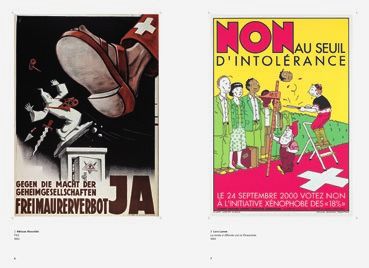
Architecture                                                                                                                                                           6

                                                              A fascinating insight into the cities of the future
                                                              with an Asian perspective

                                                              Future Cities Laboratory: Indicia 03
                                                              Edited by Stephen Cairns and Devisari Tunas, ETH Zurich/Singapore-ETH Centre

                                                              This third and final volume in the Indicia book series presents the results of the Future Cities Labora-
                                                              tory research program in the form of “actions” for sustainable city-making. It complements the first
                                                              and second volumes of the series that respectively documented the research challenges and ap-
                                                              proaches that prefigured these results. Read together, the three volumes chart the full arc and many
                                                              productive eddies of the five-year program and its mission to shape sustainable future cities.
                                          provisional cover

                                                              Research results are presented as condensed actions that take the form of general principles,
                                                              recommendations, practical guidelines and rules of thumb. The actions are neither technical
                                                              standards nor prescriptive checklists but invitations to explore, test and refine research insights
March                                                         within the context in which the reader lives, works and acts. The credibility, salience and legitimacy
                                                              of each action is underpinned by scientific publications (journal articles, books and exhibitions)
Design: Studio Joost Grootens                                 presented in extensive footnotes and suggestions for further reading.
17 × 24 cm, 6 ¾ × 9 ½ in, approx. 300 pages
approx. 100 illustrations, paperback                          The Future Cities Laboratory was established by ETH-Zurich and Singapore’s National Research
2021, ISBN 978-3-03778-659-8, English                         Foundation (NRF), and operates under the auspices of the Singapore-ETH Centre (SEC).
EUR 25.– GBP 25.– USD 30.–
                                                              STEPHEN CAIRNS is Director of Future Cities Laboratory (FCL) in Singapore, Professor in Archi-
Distribution in East and Southeast Asia                       tecture at ETH Zurich and Principal Investigator of the Urban-Rural Systems project at FCL.
by NUS Press
                                                              DEVISARI TUNAS is Research Scenario Leader for Archipelago Cities at Future Cities Laboratory
                                                              (FCL).

                                                              Over a period of five years, the FCL worked on new knowledge, techno-
                                                              logies and approaches for a sustainable urban future
                                                              This volume presents their results in the form of general principles,
                                                              recommendations and guidelines

Previously published books:

                            Future Cities Laboratory                                                                 Future Cities Laboratory
                            Indicia 01                                                                               Indicia 02

                            Design: Studio Joost Grootens                                                            Design: Studio Joost Grootens
                            17 × 24 cm, 6 ¾ × 9½ in, 240 pages                                                       17 × 24 cm, 6 ¾ × 9 ½ in, 258 pages
                            115 illustrations, paperback                                                             237 illustrations, paperback
                            2017, ISBN 978-3-03778-545-4, English                                                    2019, ISBN 978-3-03778-599-7, English
                            EUR 25.– GBP 25.– USD 30.–                                                               EUR 25.– GBP 25.– USD 30.–
                            Distribution in East and Southeast Asia                                                  Distribution in East and Southeast Asia
                            by NUS Press                                                                             by NUS Press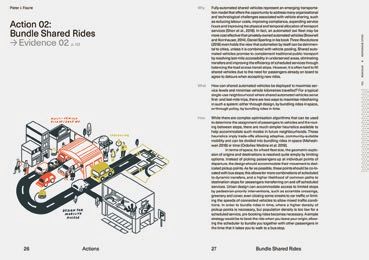
Architecture/Photography                                                                                                                                            7

                                                              The first comprehensive analysis
                                                              of the New Material Research Laboratory

                                                              Hiroshi Sugimoto and Tomoyuki Sakakida

                                                              Old Is New
                                                              Architectural Works by New Material Research Laboratory

                                                              “The oldest things are the newest” – this paradoxical idea is present throughout the oeuvre of con-
                                                              temporary Japanese artist and photographer Hiroshi Sugimoto. In 2008, Sugimoto and the architect
                                                              Tomoyuki Sakakida founded the New Material Research Laboratory, an architectural firm that re-
                                                              searches and develops “new materials” from known materials and techniques by applying a different
                                          provisional cover

                                                              approach and interpretation. The Laboratory’s aim is to rethink the use of old materials passed on
                                                              to us from ancient times, the Middle Ages and the modern period. It advocates for a reconnection of
                                                              the present with a bygone era, and to extend that connection to the future through architecture.

March                                                         Old Is New delves into the art and architecture, as well as the archaeological philosophy and con-
                                                              temporary practice, of the New Material Research Laboratory. Richly illustrated, the book shows the
Design: Integral Lars Müller                                  choice of materials for each project. The photographs in itself are compositions, presenting scenes
17.2 × 23 cm, 6 ¾ × 9 in, approx. 416 pages                   that show a balance of the present and past. Sugimoto and Sakakida, discussing their practice and
approx. 300 illustrations, hardcover                          approach, wrote the principal texts of this volume. Additional text contributions delve into the origin
2021, ISBN 978-3-03778-646-8, English                         of the laboratory’s design ethos rooted in Japanese tradition and aesthetics and their historical
approx. EUR 55.– GBP 50.– USD 65.–                            context. The book also includes an annotated index of materials and classical Japanese techniques
                                                              with information drawn from the laboratory’s research.

                                                              HIROSHI SUGIMOTO was born in Tokyo in 1948. He has received international recognition as a
                                                              photographic artist through his solid technique and clear concept seen in series such as Seascapes
                                                              and Theaters, and his works are collected by major art museums throughout the world.

                                                              TOMOYUKI SAKAKIDA was born in Shiga in 1976. He studied architecture at the Kyoto Institute of
                                                              Technology and established his own practice, Tomoyuki Sakakida Architect and Associates, in 2003.
                                                              He is currently teaching at the Kyoto University of Art and Design.

                                                              Acclaimed artist Hiroshi Sugimoto and architect Tomoyuki Sakakida
                                                              founded the NMRL in 2008
                                                              Their aim is to reinterpret the use of materials and construction
                                                              methods from ancient times and to apply them in a modern setting
                                                              This richly illustrated book discusses their practice and approach
                                                              using examples of selected projects
Design                                                                                                                                                                   8

                                                            The high art of the political poster

                                                            Poster Collection 33

                                                            Ja! Nein! Yes! No!
                                                            Swiss Posters for Democracy
                                                            Edited by Bettina Richter, Museum für Gestaltung Zürich
                                                            With an essay by Jakob Tanner

                                                            The Swiss population is called upon to participate actively in political decision-making processes
                                                            through regular campaigns. These campaigns are often concerned with issues that stir up heated
                                                            emotions and lead to ideological battles. Campaign posters, which have influenced opinion-making
                                        provisional cover

                                                            since the beginning of the 20th century, bear testimony to direct democracy. This special form of po-
                                                            litical propaganda – prominently associated with Switzerland – is a sensitive indicator of socio-politi-
                                                            cal moods and reflects both national mentalities and global tendencies.

February                                                    Ja! Nein! Yes! No! Swiss Posters for Democracy reveals the visual argumentation strategies and
                                                            rhetorical approaches that have shaped the Swiss campaign poster from 1918 to the present. Clichéd
Design: Integral Lars Müller                                exaggerations, undifferentiated simplifications, a repertoire of drastic motifs and abridged slogans
16.5 × 24 cm, 6 ½ × 9 ½ in, 96 pages                        correspond to the laws of the medium, which is oriented towards a manipulative appeal to the masses.
150 illustrations, paperback                                Appeals to a sense of unity focus primarily on emotionalization rather than rational enlightenment.
2021, ISBN 978-3-03778-661-1, English/German                Subtly condensed messages or graphically innovative language are hardly to be found in campaign
EUR 25.– GBP 20.– USD 25.–                                  posters. And yet many renowned designers created works that have inscribed themselves in the
                                                            collective visual memory of the Swiss population and have become icons of Swiss poster design.

                                                            BETTINA RICHTER is an art historian, lecturer and author. Since 2006 she is curator of the Poster
                                                            Collection of the Museum für Gestaltung Zürich.

                                                            JAKOB TANNER is Professor Emeritus of Modern History at the University of Zurich and author
                                                            of several books on the history of Switzerland in a European context.

                                                            Switzerland’s direct democracy promotes a rich culture of political posters
                                                            A cross-section of the campaign posters of a century reveals visual
                                                            argumentation strategies and striking rhetoric

Previously published books in the series Poster Collection:

                           Poster Collection 31                                                                   Poster Collection 32
                           Stop Motion                                                                            En Vogue
                           Bettina Richter, Museum für Gestaltung Zürich (Eds.)                                   Bettina Richter, Museum für Gestaltung Zürich (Eds.)

                           Design: Integral Lars Müller                                                           Design: Integral Lars Müller
                           16.5 × 24 cm, 6 ½ × 9 ½ in, 96 pages                                                   16.5 × 24 cm, 6 ½ × 9 ½ in, 96 pages
                           170 illustrations, paperback                                                           110 illustrations, paperback
                           2019, ISBN 978-3-03778-601-7 English/German                                            2019, ISBN 978-3-03778-641-3 English/German
                           EUR 25.– GBP 20.– USD 25.–                                                             EUR 25.– GBP 20.– USD 25.–
Design                                                                                                                                      9

                                        Reinventing maps for the 21st century

                                        Joost Grootens

                                        Blind Maps and Blue Dots
                                        The Blurring of the Producer-User Divide in the Production
                                        of Visual Information

                                        The shift towards digital modes of production has fundamentally changed both cartography and
                                        graphic design. The omni-present computer, the interactive possibilities of digital media and the
                                        direct exchange of visual information through networks have blurred the distinction between
                                        designers and users of visual information.

                                        Blind Maps and Blue Dots is the first work to explore the disappearing boundaries between pro-
                                        ducers and users of maps. Using three mapmaking practices as examples – the Blue Dot, the location
                                        function in Google Maps; the Strava Global Heatmap, a world map showing the activities of a fitness
Available now                           app; and the “Situation in Syria” maps, a regularly updated map of the Syrian conflict made by an
                                        Amsterdam teenager – renowned designer Joost Grootens shows the blurring of the binary distinction
Design: SJG / Joost Grootens,           between producing and using, ultimately offering a whole new approach to graphic design.
Dimitri Jeannottat
22 × 30 cm, 8 ½ × 11¾ in, 192 pages     JOOST GROOTENS is a graphic designer, researcher at Leiden University and program leader of
47 illustrations, paperback             the Information Design Master’s degree program at the Design Academy Eindhoven.
2021, ISBN 978-3-03778-658-1, English
EUR 35.– GBP 30.– USD 40.–
                                        Interactive possibilities of digital media have fundamentally altered
                                        the way maps are created and used
                                        This study investigates how the users of online mapping services
                                        become their creators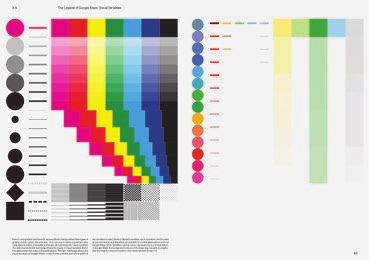
Photography                                                                                                                                              10

                                                     Where lichens and mosses become landscapes

                                                     Hélène Binet

                                                     The Walls of Suzhou Gardens
                                                     A Photographic Journey

                                                     With an essay by Juhani Pallasmaa

                                                     At the Classical Gardens of Suzhou in China, surface transforms into space; walls become land-
                                                     scapes. In her journey through this UNESCO World Heritage Site, Swiss French photographer
                                                     Hélène Binet captures the traces of environmental influences on built structures. Her impressive
                                                     series of photography shows how weather and time have turned blank walls into vivid depictions
                                                     of nature. In Binet’s images, architecture becomes the frame for imaginary landscapes. By inter-
                                                     weaving foreground and background, the artist tells stories that shift between the two dimensions
                                                     of the plane and the three dimensions of space.

                                                     In an accompanying essay, architect and writer Juhani Pallasmaa captures the dream-like quality
December                                             of the photographs and emphasizes Binet’s skill of balancing precision and vagueness to create
                                                     images that stimulate the viewer’s imagination.
Design: Integral Lars Müller
20 × 25 cm, 8 × 10 in, 64 pages                      HÉLÈNE BINET was born in 1959 and is of both Swiss and French descent. She studied photography
31 illustrations, hardcover                          in Rome where she grew up. In 1986 she turned towards architectural photography, working with
2021, ISBN 978-3-03778-660-4, English                Zaha Hadid, Daniel Libeskind and many more. She is based in London where she works as an inde-
EUR 35.– GBP 33.– USD 40.–                           pendent photographer.

                                                     The lens of photographer Hélène Binet opens up a completely novel
                                                     view of the Classical Gardens of Suzhou in China
                                                     Her dream-like pictures reveal the impact of weather and time
                                                     on built structures

Previously published books by Hélène Binet:

                             Hélène Binet                                     In The Intimacy of Making Hélène Binet takes us on a visual journey through
                             The Intimacy of Making                           a world of stone, walls and gardens that define and celebrate the Korean
                             Three Historical Sites in Korea                  art of making. In pure and calm photographs we discover traditional Korean
                             Design: Integral Lars Müller
                                                                              architecture. Binet looks at three typologies of traditional architecture in
                             24 × 30 cm, 9 ½ × 11 ¾ in, 236 pages             Korea: the Confucian school and sacred place Byeongsan Sewon; the garden
                             151 illustrations, hardcover                     and tea house Soswaewon; and the Jongmyo Shrine. The purity of the motifs
                             2021, ISBN 978-3-03778-652-9, English
                                                                              sharpens one’s eye for the often-overlooked beauty and harmony in our
                             EUR 60.– GBP 55.– USD 65.–
                                                                              own environment and history, as well as for the care of craft and composition.
                                                                              This book is a reminder against our often fleeting and careless perceptions.
Society 11
Sustainable finance visually explained
Régis Marodon
Financing Our Common Future
In the Time of Covid-19
With a foreword by Rémy Rioux
Bad news about climate change, shrinking resources, global health crises, species extinction and
growing inequalities cause consternation and insecurity for many people, especially since the Covid-
19 pandemic. This book explains in simple but precise terms, aided by Ruedi Baur’s concise illustra-
tions, what “finance” is, and how its most innovative form, sustainable finance, can reconcile the
well-being of mankind with the capacities of our planet.
Is there a way to convince society that a fundamental transition is necessary or even more: that it is
possible? Can sustainable finance help? Financing Our Common Future offers encouraging per-
spectives by showing how little-known groups of financial stakeholders, such as development banks,
Available now are actively working to make sustainable finance happen. The book invites you to enjoy a journey
through a multitude of situations, to question our preconceptions and to open our minds to deeper
Design: Ruedi Baur, Odyssée Khorsandian thought, so we can envision ways of moving forward.
12 × 16 cm, 4 ¾ × 6 ½ in, 252 pages
210 illustrations, paperback RÉGIS MARODON is Special Advisor on sustainable finance at the French Development Agency
2021, ISBN 978-3-03778-668-0, English (AFD). He performed research assignments for the World Bank as a consultant in various African
2021, ISBN 978-3-03778-669-7, French countries, before joining the AFD in 1989 and joining the CEO advisory staff in 2016.
EUR 18.– GBP 17.– USD 20.–
The Covid-19 pandemic highlights the need for sustainable development
and economic resilience
English
Simple and clear illustrations decipher the workings of finance and the
French
transition towards a sustainable economy
Previously published books on related topics:
Our World to Change! What are the central global issues humanity is facing today? How dire
Ruedi and Vera Baur, civic city (Eds.) is the future really going to be? And what are possible ways to turn
In collaboration with Attac this world into a better one? These are the questions that the book Our
World to Change! addresses. It not only explains figures related to
Design: Ruedi Baur, Danielle Rosales
and Odyssée Khorsandian
economics, finance, ecology, nutrition and immigration, but also presents
12 × 16 cm, 4 ¾ × 6 ¼ in, 256 pages suggestions and alternatives from specialists in these fields – a book
260 illustrations, paperback that every informed citizen should keep under their pillow.
2017, ISBN 978-3-03778-529-4, English
E F 2017, ISBN 978-3-03778-530-0, French
EUR 18.– GBP 17.– USD 20.–Society 12
The philosophy and practice of a musican
and martial artist
Nik Bärtsch
Listening:
Music – Movement – Mind
LISTENING: Music – Movement – Mind is a conceptual and practical book about the creative rela-
tionship between mind and body in the context of music and martial arts. It describes the potential
of this relationship for our creativity and inspiration. Over the past 20 years, the musician and com-
poser Nik Bärtsch, founder of the so-called Ritual Groove Music, has developed techniques that not
provisional cover
only offer musicians and martial artists useful and surprising tools, but also support, focus and thus
simplify learning processes in other fields of activity and in daily life. In addition to the individual
learning aspect, Bärtsch presents basic collaborative and community-oriented strategies.
May The content of the book is based on the long-standing experience of the author Nik Bärtsch and
his wife Andrea Pfisterer as performers in live music, aikido practitioners, cultural entrepreneurs
Design: Integral Lars Müller and teachers of music and physical techniques. They reflect their experiences and questions on
15 × 21.5 cm, 6 × 8 ½ in, approx. 240 pages a practical, philosophical, aesthetic and poetic level and offer and encourage new connections
approx. 120 illustrations, paperback and perspectives for creative people.
2021, ISBN 978-3-03778-670-3, English
EUR 40.– GBP 38.– USD 45.– “Imagine a composer as an engineer, listen with all your senses like a martial artist, train your sense
of tempo, time and timing like a drummer, act with a partner like a unit.” (Nik Bärtsch)
Through essays and pictures, interviews, exercises and games, the book conveys the authors’ poetic
understanding of body and mind and inspires the individual creativity and consciousness of the
readers, regardless of their backgrounds. The visual material includes photographs, drawings and
diagrams, album covers and graphic word fields. The publication also documents the stages of
Bärtsch’s musical development as composer, solo pianist and bandleader of Ronin and Mobile,
two formations that enjoy international recognition.
NIK BÄRTSCH is an internationally renowned composer, pianist and teacher as well as founder
of Ritual Groove Music. Either solo or with his groups Mobile and Ronin he plays textures between
jazz, funk, new music, minimal, ritual and sacred music. His work is inspired by the Japanese
culture, especially the martial art Aikido.
Nik Bärtsch and his Zen-Funk-bands are famous for their precise
and rhythmic interaction as an organism
The first book of the extraordinary pianist and composerPreviously announced, available soon 13
Antarctic Resolution In the era of the Anthropocene, it’s urgent to shift our collective attention
so ,
to Antarctica, a continent that accounts for 10% of Planet Earth and 70%
Edited by Giulia Foscari / UNLESS of the world’s fresh water. It represents at once the repository of planetary
le ed
data essential to produce reliable climate change projections, and the
biggest threat to all coastal sites.
on
Design: Giulia Foscari with
Integral Lars Müller On the 200th anniversary of the discovery of Antarctica, Antarctic Resolution
20 × 26.4 cm, 7 ¾ × 10 ¼ in, approx. 1020 pages
approx. 1000 illustrations, hardcover
offers a high-resolution image of the hyper-surveilled yet neglected con-
2021, ISBN 978-3-03778-640-6, English tinent and instigates a decisive resolution towards a supra-national govern-
approx. EUR 50.– GBP 50.– USD 60.– ance model. Advocating for true transnational and cross-disciplinary
collaboration, this book brings together, for the first time in Antarctic biblio-
ab nc
May graphy, international experts and practitioners in the fields of science,
provisional cover
architecture, engineering, history, political science, law, anthropology, liter-
ature, art and technology. The holistic agenda culminates in the first “De-
classified Archive of Antarctic Architecture,” revealing the unique evolution
of inhabitation models and architectural typologies in the extreme.
ail ou
Louis Kahn: Louis I. Kahn (1901–1974 ) was one of the most significant architects
of the 20th century and his influence is present today in ways both pro-
The Importance found and subtle. Unlike previous publications on Kahn, which have
of a Drawing focused on his built work and which considered the drawings first and
foremost as illustrations of his achievements, this is the first in-depth
Edited by Michael Merrill study of drawings as primary sources of insight into Kahn’s architecture
and creative imagination.
Design: Integral Lars Müller
av nn 24 × 30 cm, 9 ½ × 11 ¾ in, approx. 512 pages
approx. 900 illustrations, hardcover
2021, ISBN 978-3-03778-644-4, English
By offering a spectrum of close readings of drawings by Kahn and his
associates in a series of incisive and richly illustrated essays, this book
approx. EUR 80.– GBP 69.– USD 85.– is at once an intimate artistic portrait of this important architect and
a provocative and timely contribution to the current discourse on repre-
provisional cover
February sentation in architecture. For architects and students of architecture,
Kahn’s lasting significance is not only in the buildings he built, but in how
he designed them.
a
Jules Spinatsch In Davos Is a Verb, photo artist Jules Spinatsch focuses on a phenomenon
typical of events around the world: the temporary appropriation of local
Davos Is a Verb infrastructures by major international corporations. In the context of the
sly
With an essay by Tim Jackson World Economic Forum ( WEF ) in Davos, a pop-up industry has grown up
that generates an enormous short-term demand for reusable spaces, blank
walls and empty rooms. Each year during the event, the infrastructure
Design: Jules Spinatsch with
Integral Lars Müller of the alpine city is altered in favor of the self-representation of companies,
23 × 30 cm, 9 ½ × 11 ¾ in, approx. 320 pages corporations and organizations hosting podiums, parties and esoteric
approx. 190 illustrations, hardcover sessions. In view of the debates over the WEF’s future, this photobook gains
2021, ISBN 978-3-03778-648-2, English
approx. EUR 55.– GBP 50.– USD 60.– its relevance as a contemporary witness of the WEF in Davos. By using
photo-essayistic, conceptual and investigative artistic strategies, Spinatsch
iou
January documents the aesthetics and actions of the financial, technological and
provisional cover
new media industries as well as the various political agents. The Davos-
born artist presents this practice with an ironic distance, while British
ecological economist Tim Jackson, known for his critical attitude towards
economic growth, reflects on the ironies and the eccentricities of “late”
capitalism in Davos – and across the world.
Mark Wasiuta Kazuo Shinohara
Information Fall-Out: On the Threshold
v
Buckminster Fuller’s of Space-Making
World Game
Pre
Seng Kuan (Ed.)
Co-published by Harvard University GSD
provisional cover
Design: Integral Lars Müller
16.5 × 24 cm, 6½ × 9½ in Design: Integral Lars Müller
approx. 320 pages 25 × 20.7 cm, 9¾ × 8¼ in, approx. 200 pages
approx. 400 illustrations, paperback approx. 150 illustrations, hardcover
2021, ISBN 978-3-03778-553-9, English 2021, ISBN 978-3-03778-533-1, English
approx. EUR 30.– GBP 30.– USD 35.– approx. EUR 45.– GBP 40.– USD 50.–
May January
provisional coverBacklist Bauhaus 14
State Bauhaus In 1919, the state art school in Weimar was reopened under the direction
of Walter Gropius, with a radical new teaching approach and under the
in Weimar 1919–1923 new name Bauhaus. Four years would pass until the first exhibition, which
Facsimile Edition presented a novel approach to art and spread the school’s ideas throughout
Initiated and edited by Lars Müller the world. The catalogue Staatliches Bauhaus in Weimar 1919–1923 was
In collaboration with the Bauhaus-Archiv / published in 1923 to accompany this first public showcase. This catalogue
Museum für Gestaltung, Berlin of its transdisciplinary oeuvre put the Bauhaus idea on paper for the first
at io n time and gave an idea of its potential. Featuring numerous projects, it also
lish transl
First Eng describes the theoretical doctrines of Paul Klee, Wassily Kandinsky, and
Design: László Moholy-Nagy Gertrud Grunow, thus conveying the teaching methods applied in the various
24.8 × 24.5 cm, 9¾ × 9¾ in, 226 pages
167 illustrations, hardcover
workshops. Gropius’s preface explains the structure of the state-run Bauhaus
2019, ISBN 978-3-03778-620-8, German, and introduces its unique reform program, which called for and taught the
with commentary (16 pages) unity of technology and art. Illustrations from the various workshops show
EUR 60.– GBP 55.– USD 70.–
projects by students whose connection with the Bauhaus is still largely
2019, ISBN 978-3-03778-623-9, English,
E with commentary (40 pages) and German unexplored today. With the original layout by László Moholy-Nagy and a cover
facsimile in transparent slipcase designed by Herbert Bayer, the book represents an important testimony
EUR 70.– GBP 65.– USD 85.–
to the legendary avant-garde movement.
G
bauhaus journal One hundred years after the founding of Bauhaus, it’s time to revisit
bauhaus journal as significant written testimony of this iconic movement of
1926–1931 modern art. In this journal, published periodically from 1926 to 1931, the
Facsimile Edition most important voices of the movement are heard: masters of the Bauhaus,
Initiated and edited by Lars Müller among others, Josef Albers, Walter Gropius, Wassily Kandinsky, Paul Klee,
In collaboration with Bauhaus-Archiv /
Museum für Gestaltung, Berlin
László Moholy-Nagy, and Oskar Schlemmer, as well as Herbert Bayer,
With complete English translation and Marcel Breuer, Ludwig Mies van der Rohe, Gerrit Rietveld, and many more.
an essay by Astrid Bähr They address the developments in and around the Bauhaus, the methods
Design: Integral Lars Müller and focal points of their own teaching, and current projects of students
21 × 29.7 cm, 8 ¼ × 11¾ in, 412 pages and masters. At the time primarely addressed to the members of the “circle
14 issues with separate commentary
(128 pages) and translation in transparent of friends of the bauhaus,” the journal published by Gropius and Moholy-
slipcase, 702 illustrations, paperback Nagy makes tangible the authentic voice of this mouthpiece of the avant-
2019, ISBN 978-3-03778-588-1, English garde. The facsimile reprint is intended to give new impetus to international
2019, ISBN 978-3-03778-594-2, German
EUR 70.– GBP 65.– USD 80.–
discussion and research on the Bauhaus, its theories and designs.
The exact replica of all individual issues are accompanied by a commentary
booklet including an overview of the content, an English translation of all
E
ISBN 978-3-03778-594-2 texts, and a scholarly essay which places the journal in its historical context.
G
9 783037 785942
Walter Gropius Paul Klee Adolf Meyer Oskar Schlemmer
International Architecture Pedagogical Sketchbook A Bauhaus Experimental House The Theater of the Bauhaus
BAUHAUSBÜCHER 1 ish edition
BAUHAUSBÜCHER 2 BAUHAUSBÜCHER 3 BAUHAUSBÜCHER 4
First Engl
Design: László Moholy-Nagy Design: László Moholy-Nagy Design: László Moholy-Nagy Design: László Moholy-Nagy
18 × 23 cm, 7 × 9 in, 108 pages, with separate 18 × 23 cm, 7 × 9 in, 56 pages, with separate 18 × 23 cm, 7 × 9 in, 82 pages, with separate 18 × 23 cm, 7 × 9 in, 90 pages, with separate
commentary, 100 images, hardcover commentary, 87 images, hardcover commentary, 60 images, hardcover commentary, 58 images, hardcover
2019, ISBN 978-3-03778-584-3, English 2019, ISBN 978-3-03778-585-0, English 2020, ISBN 978-3-03778-627-7, English 2020, ISBN 978-3-03778-628-4, English
EUR 40.– GBP 35.– USD 45 .– EUR 30.– GBP 28.– USD 35.– EUR 35.– GBP 30.– USD 40 .– EUR 35.– GBP 30.– USD 40.–
Piet Mondrian Theo van Doesburg Walter Gropius László Moholy-Nagy
New Design Principles of Neo-Plastic Art New Works from the Bauhaus Painting, Photography, Film
BAUHAUSBÜCHER 5 ish edition BAUHAUSBÜCHER 6 Workshops BAUHAUSBÜCHER 8
First Engl
BAUHAUSBÜCHER 7
Design: László Moholy-Nagy Design: László Moholy-Nagy Design: László Moholy-Nagy
18 × 23 cm, 7 × 9 in, 68 pages, with separate 18 × 23 cm, 7 × 9 in, 68 pages, with separate Design: László Moholy-Nagy 18 × 23 cm, 7 × 9 in, 134 pages, with separate
commentary, hardcover commentary, 32 images, hardcover 18 × 23 cm, 7 × 9 in, 124 pages, with separate commentary, 100 images, hardcover
2019, ISBN 978-3-03778-586-7, English 2020, ISBN 978-3-03778-629-1, English commentary, 112 images, hardcover 2019, ISBN 978-3-03778-587-4, English
EUR 30.– GBP 28.– USD 35.– EUR 30.– GBP 25.– USD 35.– 2020, ISBN 978-3-03778-630-7, English EUR 40.– GBP 35.– USD 45.–
EUR 40.– GBP 35.– USD 45 .–Backlist Architecture 15
Mari Lending, Erik Langdalen The Industrious City
Sverre Fehn, Nordic Urban Industry in the
Pavilion, Venice Digital Age
Voices from the Archives Hiromi Hosoya, Markus Schaefer (Eds.)
Published in collaboration with Pax Forlag Design: Integral Lars Müller
16.5 × 24 cm, 6½ × 9½ in, 412 pages
Design: Aslak Gurholt, Martin 242 illustrations, paperback
Asbjørnsen 2021, ISBN 978-3-03778-614-7, English
20× 26 cm, 7 ½ × 10 ¼ in, 298 pages 2021, ISBN 978-3-03778-642-0, German
367 illustrations, hardcover EUR 35.– GBP 30.– USD 40.–
2020, ISBN 978-3-03778-639-0, English
EUR 45.– GBP 40.– USD 50.–
E
G
Anupama Kundoo
The Architect’s Studio
Mette Marie Kallehauge, Lærke Rydal
Jørgensen (Eds.)
In collaboration with the Louisiana Museum
of Modern Art
Design: Søren Damstedt &
Camilla Jørgensen, Trefold
24 × 30 cm, 9½ × 11¾ in, 232 pages
273 illustrations, hardcover Two Sides of the Border In Search of African
2020, ISBN 978-3-03778-637-6, English Reimagining the Region American Space
EUR 45.– GBP 40.– USD 50.– Tatiana Bilbao, Nile Greenberg, Ayesha Redressing Racism
S. Ghosh (Eds.) Jeffrey Hogrefe, Scott Ruff with Carrie
Eastman, Ashley Simone (Eds.)
Design: Luke Bulman Office
16.5 × 24 cm, 6½ × 9½ in, 488 pages Design: Integral Lars Müller
350 illustrations, paperback 16.5 × 24 cm, 6½ × 9½ in, 256 pages
2020, ISBN 978-3-03778-608-6, English 148 illustrations, paperback
EUR 35.– GBP 33.– USD 40.– 2020, ISBN 978-3-03778-633-8, English
EUR 30.– GBP 28.– USD 30.–
E G E G
Architecture on Roberto Burle Marx Lectures Silvia Benedito Mutation and Morphosis
Common Ground Landscape as Art and Urbanism Atmosphere Anatomies Landscape as Aggregate
The Question of Land: On Design, Weather, and Sensation
Positons and Models Gareth Doherty (Ed.) Günther Vogt and Thomas Kissling (Eds.)
Photographs by Iwan Baan
With photographs by Leonardo Finotti
Florian Hertweck (Ed.) With a foreword by Christophe Girot
Design: Integral Lars Müller
Design: Thomas Mayfried Design: Integral Lars Müller Design: Integral Lars Müller 16.5 × 24 cm, 6½ × 9½ in, 784 pages
14 × 19.5 cm, 5 ½ × 7 ¾ in, 392 pages 15 × 20 cm, 6 × 7 ¾ in, 288 pages 16.5 × 24 cm, 6½ × 9½ in, 360 pages 1187 illustrations, hardcover
65 illustrations, paperback 73 illustrations, paperback 335 illustrations, paperback 2020, ISBN 978-3-03778-618-5, English
2020, ISBN 978-3-03778-603-1, English 2020, ISBN 978-3-03778-625-3, English 2021, ISBN 978-3-03778-612-3, English 2020, ISBN 978-3-30778-619-2, German
2020, ISBN 978-3-03778-602-4, German EUR 30.– GBP 28.– USD 30.– EUR 35.– GBP 33.– USD 40.– EUR 50.– GBP 50.– USD 60.–
EUR 25.– GBP 22.– USD 28.–
Antonio Foscari R. Buckminster Fuller R. Buckminster Fuller R. Buckminster Fuller
Living with Palladio Synergetic Stew And It Came to Pass Utopia or Oblivion
in the Sixteenth Century Explorations in Dymaxion Dining — Not to Stay The Prospects for Humanity
With an introduction by Jaime Snyder Jaime Snyder (Ed.) Jaime Snyder (Ed.)
Design: Integral Lars Müller
10.8 × 20.4 cm, 4 ¼ × 8 in, 128 pages Design: Integral Lars Müller Design: Integral Lars Müller
Reprint
71 illustrations, hardcover Reprint, Original 1976 Reprint, Original 1969
15.2 × 22.8 cm, 6 × 9 in, 128 pages
2020, ISBN 978-3-03778-638-3, English 12 × 19 cm, 4¾ × 7½ in, 192 pages 12 × 19 cm, 4¾ × 7½ in, 448 pages
57 illustrations, ring binding
EUR 25.– GBP 22.– USD 28.– 5 illustrations in black and white, paperback 32 illustrations in black and white, paperback
2020, ISBN 978-3-03778-643-7, English
2019, ISBN 978-3-03778-621-5, English 2019, ISBN 978-3-03778-622-2, English
EUR 22.– GBP 20.– USD 25.–
EUR 15.– GBP 15.– USD 20.– EUR 25.– GBP 25.– USD 30.–Backlist Architecture 16
Operating Manual Ideas And Integrities Mark Wigley
A Spontaneous Autobiographical
Your Private Sky Buckminster Fuller Inc.
for Spaceship Earth R. Buckminster Fuller
Disclosure Architecture in the Age of Radio
Jaime Snyder (Ed.) The Art of Design Science
Jaime Snyder (Ed.)
Design: Integral Lars Müller Joachim Krausse and Design: Integral Lars Müller
Reprint, Original 1969 Design: Integral Lars Müller Claude Lichtenstein (Eds.) 16.5 × 24 cm, 6 ½ × 9 ½ in, 336 pages
12 × 19 cm, 4¾ × 7½ in, 152 pages Reprint, original 1963 377 illustrations, paperback
12 × 19 cm, 4 ¾ × 7 ½ in, 416 pages Design: Integral Lars Müller 2016, ISBN 978-3-03778-428-0, English
7 illustrations in black and white
50 illustrations in b/w, paperback 16.5 × 24 cm, 6 ½ × 9 ½ in, 528 pages EUR 35.– GBP 25.– USD 35.–
paperback
2010, ISBN 978-3-03778-198-2, English 600 illustrations, paperback
2017, ISBN 978-3-03778-126-5, English
EUR 25.– GBP 20.– USD 30.– 2017, ISBN 978-3-03778-524-9, English
EUR 15.– GBP 15.– USD 20.–
EUR 35.– GBP 32.– USD 40.–
E G
Daniel López-Pérez Carl Pruscha Yehuda Emmanuel Safran Infinite Span
R. Buckminster Fuller Singular Personality I Have a Weakness for 90 Years of Brazilian Architecture
Pattern-Thinking Architect, Bohemian, Activist a Touch of Red
Essays on Art, Architecture, and Portugal Casa da Arquitectura (Ed.)
Design: Integral Lars Müller Design: Integral Lars Müller Design: non-verbal club Design: R2
16.5 × 24 cm, 6½ × 9½ in, 368 pages 29.7 × 21 cm, 11¾ × 8 ¼ in, 272 pages 14 × 22 cm, 5½ × 8¾ in, 276 pages 21 × 27 cm, 8 ¼ × 10 ½ in, 400 pages
963 illustrations, paperback 488 illustrations, hardcover 61 illustrations, paperback 760 illustrations, hardcover
2020, ISBN 978-3-03778-609-3, English 2020, ISBN 978-3-03778-590-4, English 2019, ISBN 978-3-03778-600-0, English 2019, ISBN 978-3-03778-589-8, English
EUR 35.– GBP 33.– USD 40.– 2020, ISBN 978-3-03778-598-0, German EUR 25.– GBP 22.– USD 30.– EUR 45.– GBP 40.– USD 50.–
EUR 45.– GBP 44.– USD 50.–
E G
Beatriz Colomina Chris Blencowe and Judith Levine Sigfried Giedion Lydia Kallipoliti
X-Ray Architecture Moholy’s Edit Liberated Dwelling The Architecture
The Avant-Garde at Sea, August 1933 Reto Geiser (Ed.) of Closed Worlds
Design: Integral Lars Müller Or, What Is the Power of Shit?
15 × 20 cm, 6 × 7 ¾ in, 200 pages Design: Integral Lars Müller Facsimile, Original 1929
277 illustrations, hardcover 15 × 24 cm, 6 × 9½ in, 198 pages 12.5 × 19 cm, 5 × 7½ in, 100 p. (facsimile) In collaboration with Storefront for Art
2018, ISBN 978-3-03778-443-3, English 95 illustrations, hardcover with commentary (96 p.) in transparent and Architecture
EUR 35.– GBP 30.– USD 40.– 2019, ISBN 978-3-03778-566-9, English slipcase, 86 illustrations Design: Pentagram
EUR 35.– GBP 30.– USD 40.– 2019, ISBN 978-3-03778-568-3, English 20 × 27 cm, 7¾ × 10 ½ in, 300 pages
with German facsimile 360 illustrations, paperback
2019, ISBN 978-3-03778-581-2, German 2018, ISBN 978-3-03778-580-5, English
EUR 35.– GBP 30.– USD 40.– EUR 35.– GBP 30.– USD 40.–
Peter Eisenman Marcel Breuer Mark Wigley Positions on Emancipation
The Formal Basis of Building Global Institutions Cutting Matta-Clark Architecture between Aesthetics
Modern Architecture The Anarchitecture Project and Politics
Barry Bergdoll and Jonathan Massey (Eds.)
Second edition in smaller format Florian Hertweck (Ed.)
Design: Integral Lars Müller Design: Integral Lars Müller
Design: Integral Lars Müller 16.5 × 24 cm, 6½ × 9½ in, 368 pages 16.5 × 24 cm, 6½ × 9½ in, 528 pages Design: Thomas Mayfried
22.8 × 24 cm, 9 × 9½ in, 384 pages 345 illustrations, paperback 813 illustrations, paperback 14 × 20 cm, 5 ½ × 7 ¾ in, 264 pages
600 illustrations, hardcover 2018, ISBN 978-3-03778-519-5, English 2018, ISBN 978-3-03778-427-3, English 48 illustrations, paperback
2018, ISBN 978-3-03778-573-7, English EUR 35.– GBP 29.– USD 40.– EUR 35.– GBP 28.– USD 39.– 2017, ISBN 978-3-03778-551-5, English
EUR 30.– GBP 27.– USD 35.– EUR 25.– GBP 22.– USD 28.–Backlist Design 17
Takahiro Kurashima Christian Sumi
Moirémotion The Goddess –
La Déesse
Investigations on the
Design: Takahiro Kurashima
17 × 23 cm, 6 ¾ × 9 in, 96 pages
Legendary Citroën DS
43 illustrations, hardcover with moiré film
Design: Karin Schiesser
2020, ISBN 978-3-03778-657-4, English
24 × 16.5 × cm, 9½ × 6½ in, 232 pages
EUR 25.– GBP 23.– USD 28.–
198 illustrations, hardcover
2020, ISBN 978-3-03778-626-0, English
EUR 35.– GBP 32.– USD 40.–
Visual Coexistence
Informationdesign
and Typography in the
Intercultural Field
Ruedi Baur, Ulrike Felsing, Civic City
and HEAD Genève (Eds.)
Design: Ulrike Felsing, Jeannine Moser,
Roman Wilhelm
16.5 × 24 cm, 6½ × 9½ in, 312 pages Kenya Hara
193 illustrations, paperback
Passenger Information System
2020, ISBN 978-3-03778-613-0, English
Design Manual for the Swiss Federal Designing Japan
Railways by Josef Müller-Brockmann A Future Built on Aesthetics
EUR 35.– GBP 33.– USD 40.–
Design: Josef Müller-Brockmann/ Design: Kenya Hara, Sebastian Fehr
Integral Lars Müller 13 × 18.7 cm, 5 × 7 ¼ in, 208 pages
21 × 29.7 cm, 8½ × 11¾ in, 222 pages 45 illustrations, hardcover
324 illustrations, paperback 2019, 978-3-03778-611-6, English
2019, ISBN 978-3-03778-610-9, German/Engl. EUR 28.– GBP 28.– USD 35.–
EUR 45.– GBP 45.– USD 50.–
E G
Kenya Hara Kenya Hara Kenya Hara Kenya Hara
100 Whites White Ex-formation Designing Design
Design: Kenya Hara Design: Kenya Hara Design: Kenya Hara Design: Kenya Hara
13 × 18.7 cm, 5 × 7¼ in, 224 pages 13 × 18.7 cm, 5 × 7¼ in, 80 pages 11. 8 × 16 cm, 4¾ × 6¼ in, 480 pages 16.5 × 24 cm, 6½ × 9½ in, 472 pages
6 illustrations, hardcover 4 illustrations, hardcover 500 illustrations, paperback 389 illustrations, paperback
2019, ISBN 978-3-03778-579-9, English 2009, ISBN 978-3-03778-183-8, English 2015, ISBN 978-3-03778-466-2, English 2014, ISBN 978-3-03778-450-1, English
EUR 28.– GBP 25.– USD 35.– 2009, ISBN 978-3-03778-182-1, German EUR 30.– GBP 22.– USD 35.– EUR 45.– GBP 35.– USD 55.–
EUR 25.– GBP 22.– USD 30.–
E G
Karl Gerstner Christoph Grünberger Aaron Betsky Thonik
Designing Programmes Analog Algorithm Renny Ramakers Why We Design
Programme as Typeface, Source-Related Grid Systems Rethinking Design
Typography, Picture, Method With texts by Gert Staal, Aaron Betsky,
Design: Christoph Grünberger With a foreword written by Wim Pijbes Adrian Shaughnessy, and Thonik
Facsimile, Original 1964 17 × 24 cm, 6¾ × 9 ½ in, 304 pages Design: Irma Boom Design: Thonik
18 × 25 cm, 7 × 9 ¾ in, 96 pages 55 illustrations, paperback 15 × 21.5 cm, 6 × 8½ in, 304 pages 17 × 24 cm, 6 ¾ × 9½ in, 352 pages
175 illustrations, paperback 2019, ISBN 978-3-03778-593-5, English 702 illustrations, paperback 560 illustrations, paperback
2019, ISBN 978-3-03778-578-2, English EUR 45.– GBP 40.– USD 50.– 2019, ISBN 978-3-03778-569-0, English 2019, ISBN 978-3-03778-556-0, English
2020, ISBN 978-3-03778-649-9, German EUR 30.– GBP 27.– USD 35.– EUR 35.– GBP 30.– USD 40.–
EUR 35.– GBP 33.– USD 40.–Backlist Design 18
E F
BIG-GAME — Everyday Objects atelier oï 30 Years of Swiss Typographic IDEA No. 333
Industrial Design Works How Life Unfolds Discourse in the Typografische Ruder Typography
Monatsblätter Ruder Philosophy
Design: Flavia Cocchi Design: Kommak – Matthieu Visentin Helmut Schmid (Ed.)
TM RSI SGM 1960–90
17 × 23 cm, 6 ¾ × 9 in, 160 pages 21 × 26 cm, 8 ¼ × 10 ¼ in, 384 pages
162 illustrations, hardcover 511 illustrations, paperback Design: Helmut Schmid and Nicole Schmid
Design: Louise Paradis
2019, ISBN 978-3-03778-604-8, English 2018, ISBN 978-3-03778-565-2, English 23 × 30 cm, 9 × 11¾ in, 226 pages
21.5 × 31.5 cm, 8½ × 12½ in, 276 pages
2019, ISBN 978-3-03778-605-5, French EUR 39.– GBP 35.– USD 45.– 310 illustrations, hardcover
472 illustrations, hardcover
EUR 25.– GBP 20.– USD 30.– 2017, ISBN 978-3-03778-541-6
2017, ISBN 978-3-03778-538-6, English
EUR 50.– GBP 40.– USD 55.– English/Japanese
EUR 50.– GBP 40.– USD 55.–
E G
Carolien Niebling Dafi Kühne Beatriz Colomina and Mark Wigley Jasper Morrison
The Sausage of the Future True Print Are We Human? A Book of Things
Notes on an Archaeology of Design
Reto Caduff (Ed.)
ECAL /Ecole cantonale d’art de Lausanne Design: Jasper Morrison and
(Ed.) Design: Dafi Kühne Design: Okay Karadayılar Integral Lars Müller
24 × 30 cm, 9½ × 11¾ in, 152 pages 11 × 18 cm, 4¼ × 7 in, 288 pages 20 × 27 cm, 7¾ × 10½ in, 312 pages
Design: Carolien Niebling, Helge Hjorth 182 illustrations, hardcover 181 illustrations, paperback 375 illustrations, hardcover
Bentsen, Olli Hirvonen 2017, ISBN 978-3-03778-509-6, English 2016, ISBN 978-3-03778-511-9, English 2015, ISBN 978-3-03778-463-1, English
21 × 28 cm, 8 ¼ × 11 in, 156 pages 2017, ISBN 978-3-03778-508-9, German EUR 19.– GBP 15.– USD 20.– EUR 59.– GBP 43.– USD 59.–
174 illustrations, paperback EUR 45.– GBP 35.– USD 49.–
2017, ISBN 978-3-03778-548-5, English
EUR 28.– GBP 25.– USD 30.–
E G
Jasper Morrison Naoto Fukasawa, Jasper Morrison Ladislav Sutnar Lars Müller
The Hard Life Super Normal Visual Design in Action Josef Müller-Brockmann
Sensations of the Ordinary Pioneer of Swiss Graphic Design
Design: Jasper Morrison and Reto Caduff and Steven Heller (Eds.)
Integral Lars Müller Design: Lars Müller Design: Integral Lars Müller
Facsimile, Original 1961
22 × 30 cm, 8½ × 11¾ in, 208 pages 14.8 × 20 cm, 5 ¾ × 7 ¾ in, 128 pages 264 pages, 396 illustrations, paperback
21.5 × 31.1 cm, 8 ½ × 12 ¼ in, 188 pages
188 illustrations, hardcover 264 illustrations, paperback 2015, ISBN 978-3-03778-468-6, English
378 illustrations, hardcover (facsimile)
2017, ISBN 978-3-03778-514-0, English 2007, ISBN 978-3-03778-106-7, English 16.5 × 24 cm, 6½ × 9½ in
with commentary (32 pages)
EUR 45.– GBP 35.– USD 49.– EUR 25.– GBP 22.– USD 25.– EUR 39.– GBP 29.– USD 39.–
2015, ISBN 978-3-03778-424-2, English
2001, ISBN 978-3-907078-59-4, German
EUR 75.– GBP 50.– USD 79.–
19 × 27 cm, 7 ½ × 10½ in
EUR 29.– GBP 19.– USD 29.–
E G E G
Lars Müller 100 Years of 100 Years of Swiss Design Neue Grafik /New Graphic
Helvetica Swiss Graphic Design Design /Graphisme Actuel
Homage to a Typeface Museum für Gestaltung Zürich, Christian
Museum für Gestaltung Zürich, Christian Brändle, Renate Menzi, Arthur Rüegg (Eds.) Lars Müller (Ed.)
Design: Integral Lars Müller Brändle, Karin Gimmi, Barbara Junod,
Christina Reble, Bettina Richter (Eds.) Facsimile of all 18 issues originally
12 × 16 cm, 4 ¾ × 6 ¼ in, 256 pages Design: NORM published 1958–1965
400 illustrations, paperback Design: NORM 21.6 × 32.4 cm, 8 ½ × 12 ¾ in, 376 pages 25 × 28 cm, 9 ¾ × 11 in, 1184 pages (reprints),
2002, ISBN 978-3-03778-046-6, English 21.6 × 32.4 cm, 8 ½ × 12 ¾ in, 352 pages 927 illustrations, hardcover 48 pages (commentary) in a slipcase
EUR 19.– GBP 15.– USD 20.– 943 illustrations, hardcover 2014, ISBN 978-3-03778-441-9, English 2014, ISBN 978-3-03778-411-2
2014, ISBN 978-3-03778-399-3, English 2014, ISBN 978-3-03778-440-2, German English /German / French
2014, ISBN 978-3-03778-352-8, German EUR 55.– GBP 45.– USD 60.– EUR 250.– GBP 200.– USD 300.–
EUR 55.– GBP 45.– USD 60.–You can also read


