Las Variaciones Étnicas Todavía Están Infrarrepresentadas en la Neuro Farmacogenómica: Una Revisión Sistemática - Revista Ecuatoriana de ...
←
→
Page content transcription
If your browser does not render page correctly, please read the page content below
ARTÍCULO DE REVISIÓN

                                Ethnic Variations Are Still Underrepresented In
                                Neuropharmacogenomics: A Systematic Review
                     Las Variaciones Étnicas Todavía Están Infrarrepresentadas en la
                          Neuro Farmacogenómica: Una Revisión Sistemática
                           Fabricio González-Andrade,1 Stephanie Michelena,2 Ronny Pibaque,2 Gabriela Aguinaga-Romero1

      Abstract
      Context: There is a growing amount of evidence suggesting that specific medication responses can be linked to everyone’s
genetic makeup. The advent of fast genomics and more accurate genetics has only fueled the research in understanding that
link. This situation has opened exciting research fields, namely, pharmacogenetics and pharmacogenomics. Studies regarding
treatment response to mental health conditions using new tools have caught much attention, especially for conditions such as
bipolar disorder (BP), schizophrenia (SP), mania, and hypomania, in which the treatment response can vary significantly among
patients. One-way to associate a patient's genetics and his/her treatment response is by recalling the patient's ethnicity. Exciting
results have been found for different ethnic groups where Asian and Caucasian populations are the most studied. However, the-
re is a profound lack of studies on African and Latin-American populations. This paper aims to show some pharmacogenetics/
genomics studies of mental health disease and contrast the significant difference between population studies in this regard.
      Methods: We follow the PRISMA methodology, a systematic search was performed on PubMed, Medline, Web of Science,
Scopus, and Google Scholar, taking into consideration any type of studies published up to November 30, th 2019. The search
contained the following terms: pharmacogenetics, pharmacogenomics, ethnicity, and ethnic groups combined with their respec-
tive treatment (antidepressants, lithium, anticonvulsant, and various types of antipsychotics) and the condition (bipolar disorder
(BP), schizophrenia (SP), mania, hypomania, and major depressive disorders (MDD). In each database, an input contained
terms as pharmacogenetics OR pharmacogenomics AND ethnicity OR "ethnic groups" AND "bipolar disorders" AND "lithium."
      Results: We found only 29 studies on studies on pharmacogenetics/pharmacogenomics and ethnicity/ethnic groups, 14
related to schizophrenia, 7 related to mania and major depressive disorder and, 8 with bipolar disorders. These research fields
have continuously explored the link between an individual's genetics and the treatment side effects. Even though nearly twenty
genes were associated with treatment response, small changes such as a single nucleotide polymorphism can also influence the
treatment response. Clozapine was the most used drug to explore its pharmacogenetics/genomics. More than half of the studies
found were done on Europeans and more than three-quarters on Asians.
      Conclusion: We found only five studies on pharmacogenetics of mania and major depressive disorder linked to ethnicity
that involve the genes SLC6A4, ABCB1, NTRK2, SLC6A2, BDNF, PDE11A, and PDE9A, genes related to the use of fluoxe-
tine and desipramine. Some studies suggest that the precision of using Single Nucleotide Polymorphisms (SNPs) as pharmaco-
genomics markers of treatment outcome, if appropriately used, could represent a significant advance in personalized medicine
as two SNPs found in the same gene can yield different treatment outcomes. One expected result was that the vast amount of
information found mainly reflected studies performed in Europe and Asia. However, we observed that the studies in Latino or
Hispanic ethnic groups are very few, which constitutes a strong bias when choosing the appropriate drug in treating neurop-
sychiatric diseases, especially to understand any ethnic drug responses and take advantage of this growing and exciting field.
      Keywords: pharmacogenomics; non-systematic review; neurology; ethnic variations; psychiatric disorders; antipsychotic
drugs; bipolar disorder; schizophrenia

                                                                                                                  Rev. Ecuat. Neurol. Vol. 30, No 1, 2021

1Universidad Central del Ecuador, Facultad de Ciencias Médicas, Unidad de         Correspondencia:
 Medicina                                                                         Fabricio González-Andrade, MD, PhD
2The University of Queensland, School of Biomedical Science, St Lucia QLD 4072,   Central University of Ecuador, Faculty of Medical Sciences Traslational
 Australia                                                                        Medicine Unit
                                                                                  Iquique N14-121 y Sodiro -Itchimbía, Sector El Dorado, 170403, Quito, Ecuador
                                                                                  Phone: +593-9-984536414
                                                                                  E-mail: jfgonzalez@uce.edu.ec

doi: 10.46997/revecuatneurol30100091                                                        Vol. 30, No 1, 2021 / Revista Ecuatoriana de Neurología 91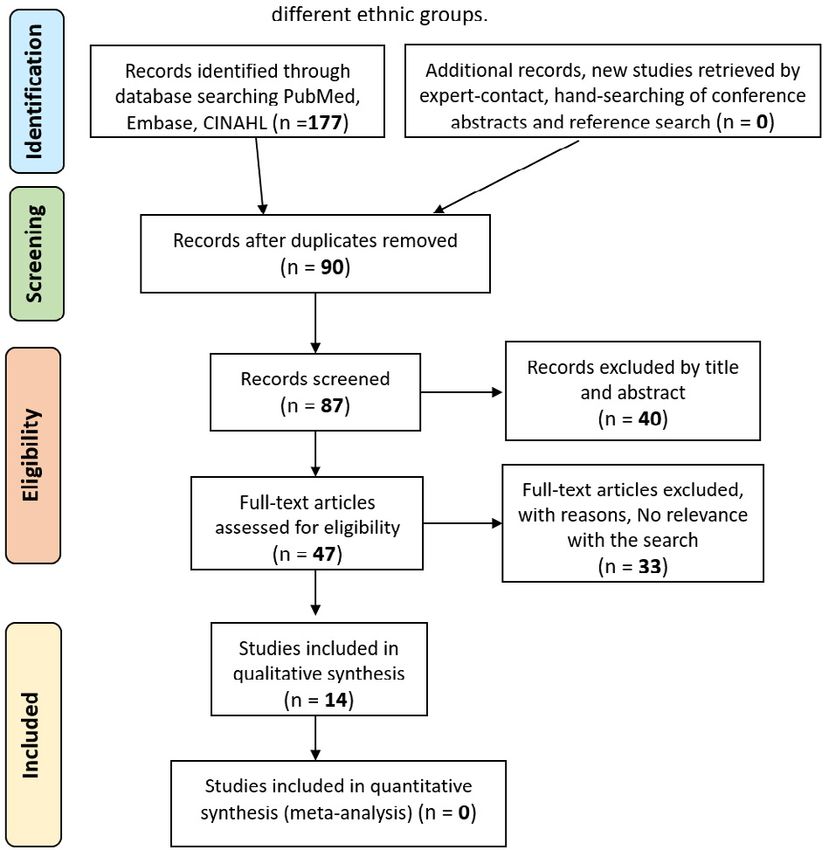
Resumen
      Contexto: Existe una cantidad creciente de evidencia que sugiere que la respuesta a ciertos medicamentos puede estar
relacionada con la estructura genética de cada individuo. El advenimiento de la genómica rápida y la genética más precisa solo
han impulsado la investigación para comprender ese vínculo. Esto ha abierto apasionantes campos de investigación, a saber,
la farmacogenética y la farmacogenómica. Los estudios sobre la respuesta al tratamiento a las afecciones de salud mental que
utilizan nuevas herramientas han llamado mucho la atención, especialmente para afecciones como el trastorno bipolar (BP), la
esquizofrenia (SP), la manía y la hipomanía, en las que la respuesta al tratamiento puede variar significativamente entre los
pacientes. Una forma de asociar la genética del paciente y su respuesta al tratamiento es recordando la etnia del paciente. Se
han encontrado resultados interesantes para diferentes grupos étnicos donde las poblaciones asiáticas y caucásicas son las más
estudiadas. Sin embargo, hay una profunda falta de estudios sobre poblaciones africanas y latinoamericanas. El propósito de
este artículo es mostrar algunos estudios de farmacogenética / genómica de enfermedades de salud mental y contrastar la gran
diferencia entre los estudios poblacionales al respecto.
      Métodos: Siguiendo una metodología PRISMA, se realizó una búsqueda no sistemática en PubMed, Medline, Web of
Science, Scopus y Google Scholar tomando en consideración cualquier tipo de estudios publicados en ellos en cualquier mo-
mento hasta el 30 de noviembre de 2019. La búsqueda contenía los siguientes términos: farmacogenética, farmacogenómica,
etnia y grupos étnicos combinados con su tratamiento respectivo (antidepresivos, litio, anticonvulsivantes y varios tipos de
antipsicóticos) y la condición (trastorno bipolar (BP), esquizofrenia (SP), manía, hipomanía y trastornos depresivos mayores
(MDD) En cada base de datos, una entrada contenía términos como: farmacogenética O farmacogenómica Y etnia O “grupos
étnicos” Y “trastornos bipolares” Y “litio.”
      Resultados: Solo encontramos 29 estudios sobre estudios de farmacogenética/ farmacogenómica y etnicidad/grupos ét-
nicos, 14 relacionados con la esquizofrenia, 7 relacionados con la manía y el trastorno depresivo mayor y 8 con los trastornos
bipolares. La farmacogenética y la farmacogenómica se han utilizado ampliamente para estudiar el vínculo entre la genética de
un individuo y los efectos secundarios del tratamiento. Aunque casi veinte genes se asociaron con la respuesta al tratamiento,
pequeños cambios, como un polimorfismo de un solo nucleótido, también pueden influir en la respuesta al tratamiento. La clo-
zapina fue el fármaco más utilizado para explorar su farmacogenética/genómica. Más de la mitad de los estudios encontrados
se realizaron en europeos y más de las tres cuartas partes en asiáticos.
      Conclusión: Encontramos solo cinco estudios sobre farmacogenética de la manía, así como del trastorno depresivo mayor y
la etnia que involucra los genes SLC6A4, ABCB1, NTRK2, SLC6A2, BDNF, PDE11A y PDE9A, genes relacionados con el uso de
fluoxetina y desipramina. Algunos estudios sugirieron que la precisión del uso de Polimorfismo de Nucléotido Único (SNP) como
marcadores farmacogenómicos del resultado del tratamiento, si se usa adecuadamente, podría representar un avance significativo
en la medicina personalizada, ya que dos SNP que se encuentran en el mismo gen pueden producir resultados de tratamiento dife-
rentes. Un resultado esperado fue que la gran cantidad de información encontrada reflejaba principalmente estudios realizados en
Europa y Asia. Sin embargo, se puede observar que los estudios en etnias latinas o hispanas son muy escasos, lo que constituye un
sesgo importante a la hora de elegir el fármaco adecuado en el tratamiento de las enfermedades neuropsiquiátricas, especialmente
para entender las respuestas farmacológicas étnicas y aprovechar esta creciente y emocionante campo.
      Palabras clave: farmacogenómica; revisión no sistemática; neurología; variaciones étnicas; desórdenes psiquiátricos;
fármacos antipsicóticos; trastorno bipolar; esquizofrenia

                                                                                            Rev. Ecuat. Neurol. Vol. 30, No 1, 2021

      Introduction                                                       Researchers on this matter have focused on under-
      In recent years, there have been significant ad-             standing the mechanism behind such low efficacy of
vancements in the treatments of neuropsychiatric dis-              the drugs by unveiling genetic factors. An intensive re-
eases. The first psychotropic drugs' appearance has been           search area has focused on understanding how genetic
conceived to treat most neuropsychiatric conditions                polymorphisms in biological receptors used for these
such as bipolar disorder (BP), schizophrenia (SP), ma-             drugs might influence their pharmacokinetic profile.3,4
nia, hypomania, to name a few. Even though these drugs'            The importance of such studies has led to the emergence
benefits are well known, the variation on treatment effi-          of two new fields, the first one known as pharmacoge-
cacies shown among individuals has become a topic of               netics, which correlates the differences in drug response
great controversy regarding their use.1 According to the           among individuals due to single genetic mutations, and
literature, most neuropsychiatric patients continue to ex-         the second one known as pharmacogenomics, which
perience symptoms related to their conditions even after           studies the drug response based on different genetic ac-
treatment, with a minority going into remission.1,2                tivity across the genome of an individual.5

92 Revista Ecuatoriana de Neurología / Vol. 30, No 1, 2021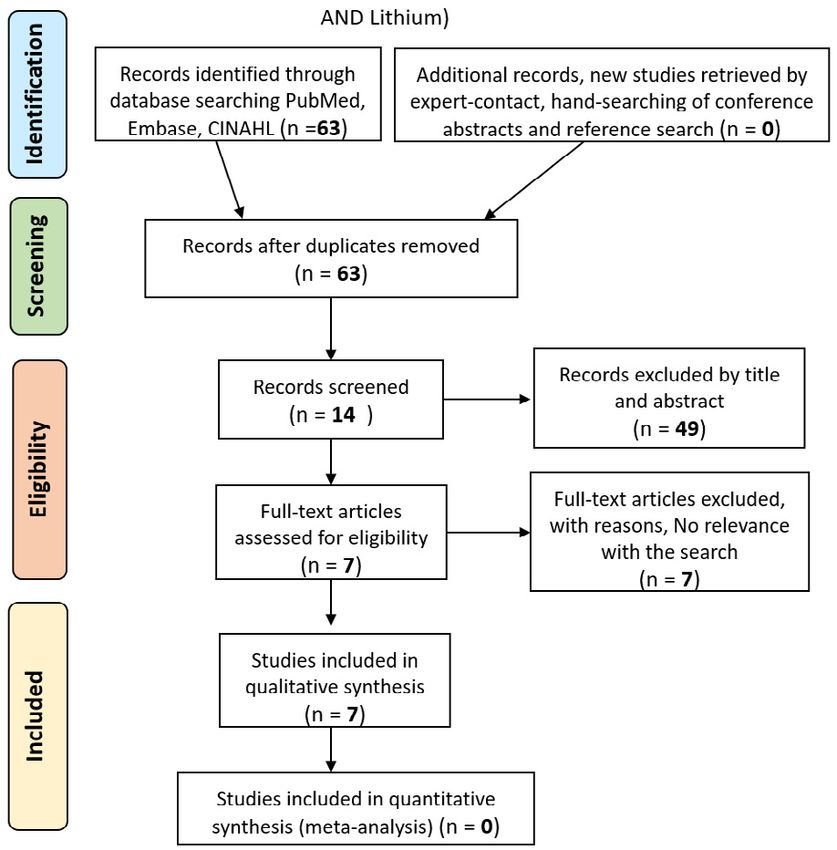
These two fields extensively explore the treatment       (MD) and how specific treatment responses are related
response of neuropsychiatric conditions. Studies have          to ethnicity. PRISMA is an evidence-based minimum set
been driven by low remission rate of such conditions           of items for reporting in a systematic review. For this,
and the lack of understanding of their etiology.6 These        we considered pharmacogenetics and pharmacogenom-
problems are related to the treatment with antidepres-         ics studies on drug response for antidepressants, lithi-
sants, antipsychotics, and mood stabilizers. For exam-         um, anticonvulsant, and various antipsychotics for treat-
ple, in depressed patients, it was reported that 30-40% of     ing each condition. Ultimately, this review might serve
the individuals did not show any treatment response with       as a concise work for future research on pharmacogenet-
antidepressants.7-9 This condition was observed even at        ics and pharmacogenomics treatment of neuropsychiat-
six weeks after the treatment was commenced. A similar         ric conditions in specific ethnic groups.
observation was outlined to treat bipolar disorders with
lithium, where a partial or total response was only re-             Methodology
ported for 70 to 80% of the patients.10,11 This situation is        Eligibility criteria:
not different from the treatment response of antipsychot-           a. All studies in pharmacogenetics and pharma-
ics used to treat conditions such as schizophrenia, where                cogenomics
up to 30% of patients were not successfully treated.12,13           b. Citing ethnicity and ethnic groups
This evidence has made possible a continuous increment              c. n patients with bipolar disorder (BP), schizo-
in pharmacogenomics and pharmacogenetics studies in                      phrenia (SP), mania, hypomania, and major de-
patients suffering from mental health conditions.                        pressive disorders (MDD)
      Indeed, most research studies have focused on cor-            d. In treatment with all classes of antidepressants
relating the drug response to specific genes linked to an                and antipsychotics.
enzyme and protein functions or biochemical pathways
that could influence drug metabolism. In this regard, the            Information sources: An electronic search was per-
cytochrome P450 enzymatic system is the most stud-             formed on PubMed, Medline, Web of Science, Scopus,
ied in treating neuropsychiatric diseases.14-17 Some stud-     and Google Scholar, considering any studies published in
ies suggest linked polymorphisms in the CYP450 family          that database at any time until November 30th, 2019.
and the treatment of adverse effects.18 Other researchers,           Search: We used the following terms: pharmacoge-
however, have been looking for genes that correspond           netics, pharmacogenomics, ethnicity, and ethnic groups
to specific receptors in the brain. Some interesting pub-      combined with search terms from the treatment (antide-
lished works on this matter are genome-wide association        pressants, lithium, anticonvulsant, and various types of
studies in response to antidepressants19,20 or lithium.21 It   antipsychotics) and the condition (bipolar disorder (BP),
was found that genes including UBE3C, RORA, BMP7,              schizophrenia (SP), mania, hypomania, and major depres-
and some single nucleotide polymorphisms (SNP) might           sive disorders (MDD). We searched in each database; an
influence how a patient responds to treatment with anti-       input contained terms as pharmacogenetics OR pharma-
depressants, whereas genes such as ODZ4, SDC2, and             cogenomics AND ethnicity OR "ethnic groups" AND "bi-
GRIA2 might be responsible for lithium response.               polar disorders" AND "lithium."
      Studies on an individual's drug response based on              Study selection: We transferred all the studies to a
his/her genetic profile have had great relevance towards       table where we analyzed using both the title and the ab-
the advancement of personalized neuropsychiatry. How-          stract. We excluded a study if it did not meet the inclusion
ever, the lack of homogeneity among findings and the           criteria. Some studies encountered in the search mainly
significant number of variables that should be consid-         focused on the treatment's adverse effects. Other studies
ered for these studies have diminished clinical relevance.     discussed some individuals' susceptibility to suffer psy-
One strategy that could be used to increase the homoge-        chiatric disorders due to a specific polymorphism, there-
neity and, hence the relevance of the studies, is to clas-     fore rendering them ineligible. We eliminated all duplicat-
sify the mixed results in terms of ethnicity. Due to the       ed studies within the sub-search. If similar studies were
available human genome sequencing methods, the re-             found in two sub-searches, they were kept, and priority
search on diseases that affect specific racial groups has      was given based on the search's relevance.
improved dramatically.22                                             Data collection process: a single author extracted
       In this study, a systematic review was done employ-     all data. We validated the search methodology by a peer-
ing the PRISMA methodology, which aimed to catego-             review process. The paper selection, however, was per-
rize the vast amount of information found for neuropsy-        formed individually. We considered primary research ar-
chiatric disorders: bipolar disorder (BP), schizophrenia       ticles, as well as review studies. In the reviews, if it was
(SP), mania, hypomania, and major depressive disorders         necessary, the primary article was consulted.23

                                                                      Vol. 30, No 1, 2021 / Revista Ecuatoriana de Neurología 93
For them, key aspects were looked at to narrow fur- group, drug name, gene polymorphism, reported associa-
ther the results, such as the study's significance, the strong tion, effect size, Odds Ratio, number of individuals ana-
correlation of the polymorphism, and differential drug re- lyzed, ethnicity.
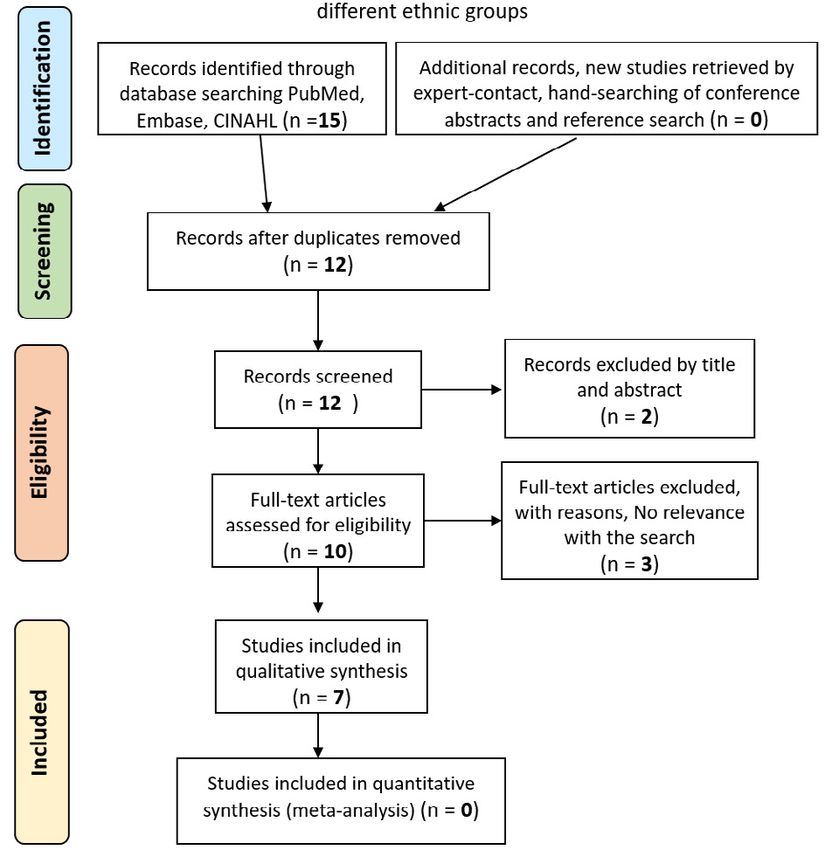
sponse. A flowchart of a model search in a database can be Risk of bias in individual studies: We discussed the
found in Figures 1, 2, and 3. risk of bias at the outcome level.
Data items: Data extracted from each study includ- Synthesis of results: Based on our evaluation of pub-
ed: authors, year of publication, study purpose, drug lications to date, it is clear that the level of heterogeneity
Figure 1. Search strategy for the study of pharmacogenetics and pharmacogenomics in the treatment response of
Bipolar Disorder among differente ethnic groups (Bipolar Disorder AND Lithium)
94 Revista Ecuatoriana de Neurología / Vol. 30, No 1, 2021Results
across the studies is relevant in terms of study purpose, Study selection: the electronic search for schizophrenia
drug group, drug name, Gene Polymorphism, reported as- and antipsychotics yielded 154 studies, including duplicates.
sociation, effect size, Odds Ratio, number of individuals We excluded most of these articles (69.48%) because they did
analyzed, and ethnicity. We synthesized data with infor- not meet the criteria based on title and abstract reviews. We
mation provided in the text and tabular form to summa- excluded 33 articles from the full-text review because their
rize the review's findings. focus was a genetic predisposition to develop schizophrenia.
Figure 2. Search methodology for the study of pharmacogenetics and pharmacogenomics in the treatment response of
Schizophrenia among different ethnic groups
Vol. 30, No 1, 2021 / Revista Ecuatoriana de Neurología 95Thus, only 14 articles were included.24-37 For major DRD1, DRD3, and D2 were repeated across some of
depressive disorder, following a similar screening meth- the articles found. However, the polymorphisms stud-
od 22 initial studies were narrowed down to 7, which ied for drug response were different. Only one polymor-
were included.38-44 Interestingly, the search for mania or phism was repeated (rs4532) across several studies on
hypomania in relation to drugs such as lithium, anticon- the DRD1 gene. Overall, from the 14 articles, 26 eth-
vulsant, and antipsychotic resulted in four articles that nic groups were included: 10 featured participants from
were all excluded. European/Caucasian origins, 4 on Chinese, 1 on Kore-
Study characteristics: As seen in Table 1, genes an, 4 African, 2 Russian, 2 Tatar, and 1 Indian. From
studied were BDNF, PTPRD, CYP2D6, HTR2A, TPH1, the analysis of these studies, no significant association
SCL18A1, COMT, DRD1, DRD2, DRD3, 5HTT, D2, was found on 3774 Europeans between Val66Met poly-
DAT, H5T6, ITIH3, CCL2, HTR1A, HTR3B, CYP1A2, morphism on BDNF gene and treatment with olanzapine,
ABCB1. Genetic studies on CYP2D6, HTR2A, COMT, risperidone, or quetiapine.24
Figure 3. Search methodology for the study of pharmacogenetics and pharmacogenomics in the
treatment response of Major Depressive Disorder, Mania or Hypomania among different ethnic groups.
96 Revista Ecuatoriana de Neurología / Vol. 30, No 1, 2021Table 1. Current studies on pharmacogenetics of schizophrenia and ethnicity.
Study Drug Reported Effect
reference group Drug name Gene Polymorphism association size OR n= Ethnicity
(24) Atypical Olanzapine BDNF Val66Met No significant association 1 377 European
Risperidone 4
Quetiapine
(25) Atypical Clozapine or PTPRD rs10977144 No effect on weight gain NA 144 European
Olanzapine rs73398242 Associated with weight gain NA
rs10977154 No effect on weight gain NA 57 African American
rs7040189 Associated with weight gain NA
(30) Typical haloperidol CYP2D6 1846G>A No significant association NA 37 Russian
Atypical Risperidone NA 42 Tatar (Turkic
paliperidone ethnic group)
Quetiapine
(31) Atypical Clozapine HTR2A rs799012 Development of sensitivity NA 128 Russians and
rs6311 Tatars
rs614
Typical Haloperidol TPH1 rs1800532
SCL18A1 rs2270641
COMT rs165599
(32) Atypical Clozapine DRD1 rs265976 Positive symptoms NA 49 African American
rs4532 No association 183 European
(33) Atypical Clozapine or DRD2 rs6277 Associated with weight gain 3.37 85 European
Olanzapine rs180049 2.18 American
(34) Atypical Clozapine COMT Val108/158Met Cognitive improvement NA 59 European
25 African
DRD3 Ser9Gly Higher frequency of gly 1.4 32 Pakistani
allele in responders
5HT2A 102-T/C C/C patients had poor 3.4 149 European
response
-1438-G/A G/G individuals had poorer 2.4 144 European
response 40 African American
Olanzapine 5HTT LRP Better treatment response NA 94 Caucasian
Risperidone D2 Ser311Cys Homozygotes showed a NA 123 Asian
poorer response
(35) Atypical Nemonapride, D2 -141C Ins/Del Improvement with anxiety NA 49 Asian
Bromperidol,
Chlorpromazine
Olanzapine DAT VNTR No association 75 European
Clozapine H5T6 267-T/C Better response 99 Asian
(36) Atypical Clozapine ITIH3 rs2535629 Improvement of negative NA 256 European
symptoms
(37) Atypical Quetiapine COMT rs6269 Treatment response 1.938 995 Asian
rs5993883 1.877
rs4818 0.504
(26) Atypical Risperidone DRD1 rs5326, No association NA 185 Asian
rs4867798
rs4532
rs686
(27) Atypical Risperidone CCL2 rs4795893, Treatment associated NA 208 Asian
rs1024611
rs4586
rs2857657
(28) Atypical Risperidone, DRD1 rs265967 Nonresponder to atypical NA 371 Asian
Olanzapine, DRD3 rs10934254 treatment
Clozapine, HTR1A rs878567
Ziprasidone, HTR3B rs1176744
Quetiapine,
Aripiprazole,
and Amisulpride
(29) Atypical Norclozapine CYP1A2 rs2069521 No association NA 96 Asian
and clozapine rs2069522
CYP2D6 rs1135840
Clozapine ABCB1 rs7787082 Associated with 4.87
rs10248420 non-responders 4.1
ELABORATION: authors .
Vol. 30, No 1, 2021 / Revista Ecuatoriana de Neurología 97Similarly, no significant correlation was found be- No association was found in the Asian population in
tween 1846G>A on CYP2D6 gene and clinical response 185 Han Chinese people with rs5326 polymorphism in the
to either typical (haloperidol) or atypical (Risperidone, DRD1 gene and treatment with risperidone.26 In a com-
Paliperidone, Quetiapine) drugs.30 parative study, rs265976 DRD1 gene was associated with
Table 2. Current studies on pharmacogenetics of mania as well as major depressive disorder and ethnicity.
Study Drug Reported Effect
reference group Drug name Gene Polymorphism association size OR n= Ethnicity
(38) SSRI Paroxetine or 5-HT2A A-1438G or Slower score in somatic NA 203 European
fluvoxamine T102C anxiety
(39) SSRI Citalopram HTR2A rs7997012 Association with treatment NA 1850 European
GRIK4 rs1954787 response and remission
(40) SSRI Fluoxetine SLC6A4 rs24531 No association NA 150 Hispanic
(44) TCA and Fluoxetine and Do not exm-rs1321744 Significance for treatment NA 232 Mexican
SSRI Desipramine harbor any remission American
gene
(42) TCA and Fluoxetine and ABCB1 rs2214103 Reduction on Hamilton NA 536 Mexican
SSRI Desipramine NTRK2 rs9969765 Depression Rating
rs2289657
SLC6A2 NT_010498.15
_9300464
(43) TCA and Fluoxetine and BDNF rs61888800 Better response to NA 272 Mexican
SSRI Desipramine SNP56133711 treatment American
(41) TCA and Fluoxetine and PDE11A rs3770018 Treatment response NA 284 Mexican
SSRI Desipramine PDE9A rs729861 American
*SSRI= Selective serotonin reuptake inhibitors, TCA: Tricyclic antidepressant, NA: non-available
ELABORATION: authors
Table 3. Current studies on pharmacogenetics of bipolar disorders and ethnicity.
Study Drug Reported Effect
reference group Drug name Gene Polymorphism association size OR n= Ethnicity
(45) Antimanic Lithium TPH2 rs4570625 No association N/A 132 Asian &
rs10748185 No association N/A European
rs11179027 No association N/A
rs4469933 No association N/A
rs17110747 No association N/A
(52) Antimanic Lithium TMCC1 s2811332 No association 7.29 52 Sardinian
GNPDA2 rs1390913 No association 12.83 (European)
RASSF4 rs869156 No association 7.24
ACCN1 rs11869731 Better treatment response 12.83
(51) Antimanic Lithium GADL1 rs17026688 Better treatment response 111.87 294 Asian
rs17026651 Better treatment response 3.88
(23) SSRI Fluvoxamine 5-HTTLPR l/l (variant) Better treatment outcome N/A 53 European
SSRI Paroxetine 5-HTTLPR l/l (variant) Faster treatment outcome N/A 58 European
SSRI + Fluvoxamine + 5-HTTLPR 16D/16A (variants) Better treatment response N/A 228 European
Antimanic Lithium
SSRI + Fluvoxamine or HTR2A 102T/C No association N/A 408 European
Antimanic Paroxetine + 1420C/T Better treatment response
Lithium
(46) Atypical Clozapine HTR-5 A12T No association N/A 105 European
psychotic 19G/C
(54) SSRI Mirtazapine AUTS2 rs12698828 Better treatment response N/A 711 Asian
rs7785360 N/A
(55) SSRI Milnacipran or BNDF Val66Met Favorable treatment N/A 134 Asian
Fluvoxamine response
(56) SSRI Fluvoxamine BNDF rs7103411 Worsen treatment N/A 268 European
response
ELABORATION: authors
98 Revista Ecuatoriana de Neurología / Vol. 30, No 1, 2021positive symptoms after Clozapine treatment on 49 Afri- Discussion
can Americans, which was not observed on Caucasians.32 Our study investigated the association between poly-
One study identified that side effects of some drugs varied morphisms on different genes and pharmacogenetics' re-
with different polymorphisms on the PTPRD gene. These lationship to identify genetic determinants for drug ac-
responses might include weight gain after clozapine or tivity. Geographical areas, ethnic groups and ethnicity
olanzapine treatment on Europeans (rs7339824) and Afri- influence the outcomes after drug treatment. However,
can Americans (rs7040189). The COMT gene with three these factors have often not been included in pharmaco-
polymorphisms (rs6269, rs5993883, rs4818) showed a genetic studies.47 Schizophrenia is a severe chronic mental
significant association with treatment response.37 Other disorder that has negative, positive, cognitive, and mood
polymorphisms, such as the Val108/158Met, were associ- symptoms. Treatment includes medication to reduce the
ated with cognitive improvement34 and rs165599, was as- severity and frequency of psychotic episodes by using a
sociated with sensitivity development.31 known drug class called antipsychotics. These are clas-
With the search for pharmacogenetics and ma- sified into two groups, first-generation or typical agents
jor depressive disorder 10 genes were found, 5-HT2A, and second-generation or atypical agents. Specific drugs
HTR2A, GRIK4, SLC6A4, ABCB1, NTRK2, SLC6A2, reduce positive symptoms such as hallucinations or de-
BDNF, PDE11A, PDE9A (table 2). None of the genes lusions and have minimal effect on negative symptoms.48
were studied in more than one article. Some genes such Patients with schizophrenia might have a higher risk
as BDNF, HTR2A, and ABCB1 were also related to of developing obesity and metabolic illness such as diabe-
treatment response for schizophrenia. rs24531 polymor- tes, hypertension, and dyslipidemia, associated with their
phism on SLC6A4 was the only one reported as having lifestyle, as well as the treatment and care received.49 This
no association between treatment with fluoxetine and associated risk adds to the burden of this type of patient.
major depressive disorder. Three polymorphisms were found to be related to weight
Results for the pharmacogenetics of BP and ethnicity gain after atypical antipsychotic drugs were received, two
can be found below in table 3. Many of the studies were on PTPRD gene rs73398242 (Europeans), rs7040189 (Af-
not considered for reasons similar to those explained in rican Americans),25 and one on DRD2 gene rs6277 (Euro-
the other searches. Mainly because those studies focused peans).33 Thus, to control obesity and weight gain, these dif-
on developing the psychiatric condition, other studies ferent polymorphisms should be taken into consideration.
were screened out as they did not focus on treatment re- On the other hand, it was found that the 1846G>A
sponse but common side effects. In addition to this, most variation on the CYP2D6 gene was standard on Europe-
of them were neither relevant to this search, as they men- ans; typical and atypical drugs were used, but no associa-
tioned several other conditions. tion with treatment outcome was reported.30 These drugs'
In each independent search, the selection of the pharmacological activity differs according to their metab-
studies was performed slightly differently. For example, olites; for example, risperidone is converted to an active
drug terms were searched separately, such as lithium, 9-OH-risperidone metabolite by CYP P450 2D6 hydrox-
antidepressants, antipsychotic, and anticonvulsant, with ylates. If inhibitors are used against this enzyme, they re-
their pharmacogenetics for treating bipolar disorders. duce risperidone concentration but not metabolites. Nu-
From the results, it was observed that most of the stud- cleotide changes on serotonergic and dopaminergic genes
ies focused on Asians and Europeans. Among them, the such as HTR2A, TPH1, SCL18A1, and COMT were re-
most studied gene was 5-HTTLPR,23 followed by BNDF. ported to affect Russians' treatment sensitivity31 signif-
The gene with the most significant number of polymor- icantly. A novel marker rs265976 on DRD1 was found
phisms studied was TPH2.45 Unfortunately, studies done on African Americans that had an association on positive
on a common gene or polymorphism for all treatments symptoms and treatment with clozapine, in contrast to the
were not found. marker found on Caucasian rs4532, which has no associa-
No association was found between polymorphisms tion with treatment.32
in the genes such as TPH2,45 HTR2A,23 and HTR-546 and Furthermore, five out of the twenty genes reported in
their respective choice of treatment. The study with the this analysis were involved in better treatment response
highest number of subjects was done on an Asian co- with atypical drugs, including LRP polymorphism in
hort, and it reported a better treatment response of two 5HTT gene; 267-T/C in H5T6; rs6269, rs5993883, rs4818
polymorphisms in the gene AUTS2 to mirtazapine. Most in COMT; rs4795893, rs1024611, rs4586, rs2857657 in
studies considering mental health problems and their CCL2. Even though patients with schizophrenia have an
pharmacogenetics were done on many ethnicities other altered cytokine production, some researchers studied for
than Latin American or Hispanic, thus, suggesting a lack the first time the genes involved in this cytokine produc-
of pharmacogenetic studies in the region. tion and the relationship with treatment response.
Vol. 30, No 1, 2021 / Revista Ecuatoriana de Neurología 99However, most of them concluded that further re- BP conditions. 5-HTTLPR, HTR2A, AUTS2, and BNDF
search needs to be done. were found as target genes to explore this type of drugs'
While the main drug types to treat schizophrenia are effect. Patients with some variants of the 5-HTTLPR,
antipsychotics, they are efficient only up to 30%.31 One which encodes for serotonin transporters, have shown
possible explanation can be the limited existent informa- to recover better and faster by using this type of med-
tion that relates ethnicity, race, and ancestry with drug ication. More specifically, fluvoxamine and paroxetine.23
treatment for this mental disease. All polymorphisms on These studies were performed in European cohorts. Simi-
the reported gene differ in each population, and none of lar results were found when studying other genes such as
the studies were based on Latin patients. This only con- HTR-5, AUTS2, and BNDF, where drugs like clozapine,
firms the need to maximize research focused on the pa- mirtazapine, and milnacipran showed favorable treatment
tient's ancestry to improve their clinical outcome. outcomes for these genes. An adverse outcome was found
Another mental illness reviewed in this article is ma- when studying the BNDF-SNPs (rs7103411).54,55 This re-
jor depressive disorder; four out of seven articles were sult suggests that more clinical research is needed before
based on Hispanic patients and resulted in different genes specific treatments can be deemed highly effective.56 This
with various polymorphisms. No association was found is because, from the data shown, it can be seen that two
between SLC6A4 (rs24531) and fluoxetine treatment re- SNPs polymorphism in one specific gene can trigger a dif-
sponse whereas ABCB1 (rs2214103), NTRK2 (rs9969765, ferent clinical response and outcome, despite having the
rs2289657), SLC6A2 (NT_010498.1_9300464), BDNF same mechanism of action.
(rs61888800, SNP56133711) and PDE11A (rs3770018)
resulted in better treatment response. Conclusion
In terms of bipolar disorder, lithium has become We found only five studies on pharmacogenetics of
the treatment of choice. Lithium has proved to work ef- mania and major depressive disorder linked to ethnicity
fectively in most patients to treat maniac disorders; de- that involve the genes SLC6A4, ABCB1, NTRK2, SL-
pressive lapses are commonly observed in BP. However, C6A2, BDNF, PDE11A, and PDE9A, and the use of fluox-
some requirements need to be fulfilled to administer lith- etine and desipramine. Some studies suggested that the
ium to a patient.50 Thus, some studies focus on lithium’s precision of using SNPs as pharmacogenomics markers
action mechanism and relating it to some individuals’ ge- of treatment outcome, if appropriately used, could repre-
netic makeup. In this search, TPH2, TMCC1, GNPDA2, sent a significant advance in personalized medicine as two
RASSF4, ACCN1, and GADL1 were genetic targets to SNPs found in the same gene can yield different treatment
find the association with better treatment response. From outcomes. One expected result was that the vast amount of
which, only the last two showed some significant associa- information found mainly reflected studies performed in
tion with that outcome. One of these studies examined the European and Asian cohorts. Studies in Latino or Hispan-
effect of glutamate decarboxylase-like protein 1 (GADL1) ic ethnic groups are very few, which constitutes a strong
altered by specific polymorphism on lithium response in bias when choosing the appropriate drug in the treatment
an Asian cohort.; it was found that the treatment's out- of neuropsychiatric diseases. Knowledge generated on the
come can be predicted in 93% of the cases by studying neuropharmacogenetic response to drugs can be helpful to
two polymorphism, rs17026688 and rs17026651.51 In the understand any ethnic influence on drug responses.
case of the ACCN1 gene, the authors made a whole-ge-
nome scan and found that the SNPs (rs11869731) of the References
ACCN1 gene can be used as a pharmacogenetic marker 1. Morley, K. I. & Hall, W. D. Using pharmacogenetics
to? the treatment's response to lithium.52 and pharmacogenomics in the treatment of psychi-
At this point, despite its proven efficacy, lithium has atric disorders: Some ethical and economic consid-
not been used as expected. More studies on understand- erations. J. Mol. Med. 82, 21–30 (2004). https://doi.
ing how lithium can improve the outcome of some men- org/10.1007/s00109-003-0496-x
tal conditions are needed. These can reduce some of the 2. Malhotra, A. K., Murphy, G. M. & Kennedy, J. L.
skepticism around its usage. In some countries, lithium Pharmacogenetics of Psychotropic Drug Response.
has been suggested as their first choice of treatment due Am. J. Psychiatry 161, 780–796 (2004). https://doi.
to the fear induced by some physicians. In others like Ec- org/10.1176/appi.ajp.161.5.780
uador, conflicts of interest have driven such lack of us- 3. Arranz, M. J., Collier, D. & Kerwin, R. W. Phar-
macogenetics for the Individualization of Psy-
age.53 Generating knowledge can be helpful to confirm
chiatric Treatment. Am. J. Pharmacogenomics
the efficacy of lithium.
1, 3–10 (2001). https://doi.org/10.2165/00129785-
Apart from lithium, drugs classified as selective se-
200101010-00001
rotonin reuptake inhibitors have also been used to treat
100 Revista Ecuatoriana de Neurología / Vol. 30, No 1, 20214. Quiñones, L. et al. Farmacogenómica como herra- Psychiatry 9, 1–5 (2018). https://doi.org/10.3389/
mienta fundamental para la medicina personalizada: fpsyt.2018.00002
Aplicaciones en la práctica clínica. Rev. Med. Chil. 17. Butler, M. G. Pharmacogenetics and Psychiatric Care:
145, 483–500 (2017). http://dx.doi.org/10.4067/S0034- A Review and Commentary. J. Ment. Heal. Clin. Psy-
98872017000400009 chol. 2, 17–24 (2018). PMID: 30556062; PMCID:
5. Pirmohamed, M. Pharmacogenetics, and pharma- PMC6291002
cogenomics. Br. J. Clin. Pharmacol. 52, 345–347 (2001). 18. Lam, Y. W. F. & Someya, T. Pharmacogenomics in
https://doi.org/10.1046/j.0306-5251.2001.01498.x Psychiatric Disorders. Pharmacogenomics (Elsevier
6. Lerer, B. Pharmacogenetics of Psychotropic Drugs. Inc., 2019). https://doi.org/10.1016/b978-0-12-812626-
(Cambridge University Press, 2002). https://doi. 4.00007-3
org/10.1017/CBO9780511543944 19. Garriock, H. A. et al. A genome-wide association
7. Doris, A., Ebmeier, K. & Shajahan, P. Depressive study of citalopram response in major depressive dis-
illness. Lancet 354, 1369–1375 (1999). https://doi. order. Biol. Psychiatry 67, 133–138 (2010). https://doi.
org/10.1016/S0140-6736(99)03121-9 org/10.1016/j.biopsych.2009.08.029
8. Meira Lima, I. V., Botelho Sougey, E. & Vallada 20. Ising, M. et al. A genome-wide association study
Filho, H. P. Farmacogenética do tratamento da points to multiple loci that predict antidepressant drug
depressão: Busca de marcadores moleculares de boa treatment outcome in depression. Arch. Gen. Psychi-
resposta aos antidepressivos. Rev. Psiquiatr. Clin. atry 66, 966–975 (2009). https://doi.org/10.1001/arch-
31, 40–43 (2004). https://doi.org/10.1590/S0101- genpsychiatry.2009.95
60832004000100007 21. Perlis, R. H. et al. A genome-wide association
9. Méary, A. et al. Pharmacogenetic study of atypical study of response to lithium for prevention of
antipsychotic drug response: Involvement of the nor- recurrence in bipolar disorder. Am. J. Psychiatry
epinephrine transporter gene. Am. J. Med. Genet. 166, 718–725 (2009). https://doi.org/10.1176/appi.
Part B Neuropsychiatr. Genet. 147B, 491–494 (2008). ajp.2009.08111633
https://doi.org/10.1002/ajmg.b.30635 22. Pearce, N., Foliaki, S., Sporle, A. & Cunningham, C.
10. Mamdani, I., Groisman, I. J., Alda, M. & Turecki, G. Genetics, race, ethnicity and health. Bmj 328, 7487
Pharmacogenetics and bipolar disorder. Pharmacoge- (2004). https://doi.org/10.1136/bmj.328.7447.1070
nomics J. 4, 161–170 (2004). https://doi.org/10.1038/ 23. Kato, M. & Serretti, A. Review and meta-analysis
sj.tpj.6500245 of antidepressant pharmacogenetic findings in major
11. Ruzickova, M., Turecki, G. & Alda, M. Pharmaco- depressive disorder. Mol. Psychiatry 15, 473–500
genetics and mood stabilization in bipolar disorder. (2010). https://doi.org/10.1038/mp.2008.116
Am. J. Med. Genet. Part C Semin. Med. Genet. 123C, 24. Huang, E. et al. BDNF Val66Met polymorphism
18–25 (2003). https://doi.org/10.1002/ajmg.c.20010 and clinical response to antipsychotic treatment in
12. Ballon, J. S. & Lieberman, J. A. Advances in the schizophrenia and schizoaffective disorder patients:
Management of Treatment- Resistant Schizophrenia. a meta-analysis. Pharmacogenomics J. 19, 269–276
Focus (Madison). 8, 475–487 (2010). https://doi. (2019). https://doi.org/10.1038/s41397-018-0041-5
org/10.1176/foc.8.4.foc475 25. Maciukiewicz, M. et al. Genetic validation study
13. Pina-Camacho, L. et al. Estudio farmacogenético of protein tyrosine phosphatase receptor type D
del tratamiento a largo plazo con antipsicóticos (PTPRD) gene variants and risk for antipsychotic-
de segunda generación y sus efectos adversos induced weight gain. J. Neural Transm. 126, 27–33
metabólicos (Estudio SLiM): justificación, obje- (2019). https://doi.org/10.1007/s00702-018-1921-1
tivos, diseño y descripción de la muestra. Rev. 26. Huo, R. et al. Association of dopamine receptor D1
Psiquiatr. Salud Ment. 7, 166–178 (2014). https://doi. (DRD1) polymorphisms with risperidone treatment
org/10.1016/j.rpsm.2014.05.004 response in Chinese schizophrenia patients. Neurosci.
14. Tsai, M.-H. et al. Genetic polymorphisms of cyto- Lett. 584, 178–183 (2015). https://doi.org/10.1016/j.
chrome P450 enzymes influence metabolism of the neulet.2014.08.041
antidepressant escitalopram and treatment response. 27. Xiong, Y. et al. A pharmacogenetic study of risperi-
Pharmacogenomics 11, 537–546 (2010). https://doi. done on chemokine (C-C motif) ligand 2 (CCL2) in
org/10.2217/pgs.09.168 Chinese Han schizophrenia patients. Prog. Neuro-
15. Hodgson, K. et al. Genetic differences in cytochrome Psychopharmacology Biol. Psychiatry 51, 153–158
P450 enzymes and antidepressant treatment response. (2014). https://doi.org/10.1016/j.pnpbp.2014.01.017
J. Psychopharmacol. 28, 133–141 (2014). https://doi. 28. Gupta, M. et al. Genomics Identifying a predictive
org/10.1177/0269881113512041 model for response to atypical antipsychotic mono-
16. Thümmler, S. et al. Pharmacoresistant severe mental therapy treatment in south Indian schizophrenia
health disorders in children and adolescents: Func- patients. Genomics 102, 131–135 (2013). https://doi.
tional abnormalities of cytochrome P450 2D6. Front. org/10.1016/j.ygeno.2013.02.002
Vol. 30, No 1, 2021 / Revista Ecuatoriana de Neurología 10129. Lee, S. et al. Association Study of 27 Annotated 41. Wong, M. L. et al. Phosphodiesterase genes are
Genes for Clozapine Pharmacogenetics. 32, 441–448 associated with susceptibility to major depres-
(2012). https://doi.org/10.1097/JCP.0b013e31825ac35c sion and antidepressant treatment response. Proc.
30. Sychev, D. A., Burashnikova, I. S. & Kazakov, R. E. Natl. Acad. Sci. U. S. A. 103, 15124–15129 (2006).
1846G>A polymorphism of CYP2D6 gene and extra- https://doi.org/10.1073/pnas.0602795103
pyramidal side effects during antipsychotic therapy 42. Dong, C., Wong, M. L. & Licinio, J. Sequence vari-
among Russians and Tatars: A pilot study. Drug ations of ABCB1, SLC6A2, SLC6A3, SLC6A4,
Metab. Pers. Ther. 31, 205–212 (2016). https://doi. CREB1, CRHR1 and NTRK2: Association with
org/10.1515/dmpt-2016-0027 major depression and antidepressant response in
31. Gareeva, A. E. et al. Polymorphism of brain neu- Mexican-Americans. Mol. Psychiatry 14, 1105–
rotransmitter system genes: Search for pharmacoge- 1118 (2009). https://doi.org/10.1038/mp.2009.92
netic markers of haloperidol efficiency in Russians 43. Licinio, J., Dong, C. & Wong, M.-L. Novel Sequence
and Tatars. Mol. Biol. 49, 858–866 (2015). https://doi. Variations in the Brain-Derived Neurotrophic
org/10.7868/S0026898415050079 Factor Gene and Association With Major Depres-
32. Hwang, R. et al. Association study of four dopamine sion and Antidepressant Treatment Response. 66,
D1 receptor gene polymorphisms and clozapine treat- 488–497 (2009). https://doi.org/10.1001/archgen-
ment response. J. Psychopharmacol. 21, 718–727 psychiatry.2009.38
(2007). https://doi.org/10.1177/0269881106072341 44. Wong, M.-L. et al. Clinical Outcomes and Genome-
33. Müller, D. J. et al. Systematic analysis of dopamine Wide Association for a Brain Methylation Site
receptor genes (DRD1-DRD5) in antipsychotic- in an Antidepressant Pharmacogenetics Study
induced weight gain. Pharmacogenomics J. 12, 156– in Mexican Americans. Am J Psychiatry. 171
164 (2012). https://doi.org/10.1038/tpj.2010.65 1297–1309 (2014). https://doi.org/10.1176/appi.
34. Arranz, M. J., Rivera, M. & Munro, J. C. Pharma- ajp.2014.12091165
cogenetics of response to antipsychotics in patients 45. Serretti, A. et al. Influence of TPH2 variants on
with schizophrenia. CNS Drugs 25, 933–939 (2011). diagnosis and response to treatment in patients
https://doi.org/10.2165/11595380-000000000-00000 with major depression, bipolar disorder and schizo-
35. Blanc, O., Brousse, G., Meary, A., Leboyer, M. & phrenia. Psychiatry Res. 189, 26–32 (2011). https://
Llorca, P. M. Pharmacogenetic of response efficacy to doi.org/10.1016/j.psychres.2011.02.001
antipsychotics in schizophrenia: Pharmacodynamic 46. Chaudhry, I. B., Neelam, K., Duddu, V. & Husain,
aspects. Review and implications for clinical research. N. Ethnicity and psychopharmacology. J. Psy-
Fundam. Clin. Pharmacol. 24, 139–160 (2010). https:// chopharmacol. 22, 673–680 (2008). https://doi.
doi.org/10.1111/j.1472-8206.2009.00751.x org/10.1177/0269881107082105
36. Brandl, E. J. et al. The role of the ITIH3 rs2535629 47. Squassina, A. et al. Evidence for association of an
variant in antipsychotic response. Schizophr. ACCN1 gene variant with response to lithium treat-
Res. 176, 131–135 (2016). https://doi.org/10.1016/j. ment in Sardinian patients with bipolar disorder.
schres.2016.06.032 Pharmacogenomics 12, 1559–1569 (2011). https://
37. Xu, Q. et al. Association studies of genomic variants doi.org/10.2217/pgs.11.102
with treatment response to risperidone, clozapine, 48. Chen, C. H. et al. Variant GADL1 and response
quetiapine and chlorpromazine in the Chinese to lithium therapy in bipolar I disorder. N. Engl. J.
Han population. Pharmacogenomics J. 16, 357–365 Med. 370, 119–128 (2014). https://doi.org/10.1056/
(2016). https://doi.org/10.1038/tpj.2015.61 NEJMoa1212444
38. Kato, M. et al. 5-HT2A gene variants influence 49. Murphy, E. et al. Race, genetic ancestry and
specific and different aspects of antidepressant response to antidepressant treatment for major
response in Japanese and Italian mood disorder depression. Neuropsychopharmacology 38, 2598–
patients. Psychiatry Res. 167, 97–105 (2009). https:// 2606 (2013). https://doi.org/10.1038/npp.2013.166
doi.org/10.1016/j.psychres.2007.12.012 50. Yoshida, K. et al. The G196A polymorphism of
39. Paddock, S. et al. Association of GRIK4 with out- the brain-derived neurotrophic factor gene and the
come of antidepressant treatment in the STAR*D antidepressant effect of milnacipran and fluvox-
cohort. Am. J. Psychiatry 164, 1181–1188 (2007). amine. J. Psychopharmacol. 21, 650–656 (2006).
https://doi.org/10.1176/appi.ajp.2007.06111790 https://doi.org/10.1177/0269881106072192
40. Camarena, B. et al. Association study between sero- 51. Domschke, K. et al. Brain-derived neurotrophic
tonin transporter gene and fluoxetine response in factor (BDNF) gene: no major impact on anti-
Mexican patients with major depressive disorder. depressant treatment response. Int. J. Neuro-
Clin. Neuropharmacol. 42, 9–13 (2019). https://doi. psychopharmacol. 13, 93–101 (2010). https://doi.
org/10.1097/WNF.0000000000000315 org/10.1017/S1461145709000030
102 Revista Ecuatoriana de Neurología / Vol. 30, No 1, 202152. Urban, T. Race, Ethnicity, Ancestry, and Pharma- 55. Won, E. & Kim, Y. K. An oldie but goodie: Lithium
cogenetics. Mt. Sinai J. Med. 77, 133–139 (2010). in the treatment of bipolar disorder through neuro-
https://doi.org/10.1002/msj.20168 protective and neurotrophic mechanisms. Int. J. Mol.
53. Tandon, R. Antipsychotics in the treatment of Sci. 18, (2017). https://doi.org/10.3390/ijms18122679
schizophrenia: An overview. J. Clin. Psychiatry 72, 56. Zuñiga Carrasco, D. R. & Riera Recalde, A. Y.
4–8 (2011). https://doi.org/10.4088/JCP.10075su1.01 Salud mental y uso racional de litio en el Ecuador,
54. Spertus, J., Horvitz-Lennon, M., Abing, H. & Nor- un tema controversial. Rev Fac Cien Med 42, 182–
mand, S. L. Risk of weight gain for specific antipsy- 185 (2017). https://doi.org/10.29166/ciencias_med-
chotic drugs: A meta-analysis. npj Schizophr. 4, 1–7 icas.v42i1.1580
(2018). https://doi.org/10.1038/s41537-018-0053-9
Vol. 30, No 1, 2021 / Revista Ecuatoriana de Neurología 103You can also read


