Lessons Learned from Israel's Vaccine Rollout - Ontario ...
←
→
Page content transcription
If your browser does not render page correctly, please read the page content below

SCIENCE BRIEFS

                                                      Lessons Learned from Israel’s
                                                      Vaccine Rollout
                                                      Yoojin Choi, Nathan M. Stall, Antonina Maltsev, Chaim M. Bell, Isaac I. Bogoch, Tal
                                                      Brosh, Gerald A. Evans, Allan Grill, Jessica Hopkins, David M. Kaplan, Allison McGeer,
                                                      Jacob Moran-Gilad, Dominik Nowak, Justin Presseau, Asher Salmon, Brian Schwartz,
                                                      Peter Jüni on behalf of the Ontario COVID-19 Science Advisory Table

Version 1.0
                                                      Key Message
Published: February 1, 2021
Citation: Choi Y, Stall NM, Maltsev A, et al.
                                                      As Ontario expands access to the COVID-19 vaccine beyond the Phase 1 priority
Lessons Learned from Israel’s Vaccine                 populations, strategic planning and execution of mass vaccine rollout will have a
Rollout. Science Briefs of the Ontario COVID-         significant impact on the health and safety of Ontario’s 14.5 million residents.
19 Science Advisory Table. 2021;2(9). https://
doi.org/10.47326/ocsat.2021.02.09.1.0                 There are six key elements of Israel’s successful COVID-19 vaccine campaign that can
Author Affiliations: The affiliations of the          be readily applied to Ontario to expedite and expand the province’s vaccine rollout
members of the Ontario COVID-19 Science               strategy: a simple vaccine prioritization process; modification to the transport,
Advisory Table can be found at https://
covid19-sciencetable.ca/.                             storage, and distribution of the vaccines; effective communication to promote
Declarations of Interest: The declarations of         vaccine confidence; decentralization of vaccination sites; centralized organization
interest of the members of the Ontario                through Health Maintenance Organizations (HMOs) using a fully integrated
COVID-19 Science Advisory Table can be                information technology (IT) system in a universal health care system; and the
found at https://covid19-sciencetable.ca/.
                                                      engagement of community-based personnel, infrastructure, and resources.
About Us: The Ontario COVID-19 Science
Advisory Table is a group of scientific experts
and health system leaders who evaluate and            Background
report on emerging evidence relevant to the
COVID-19 pandemic, to inform Ontario’s                Ontario’s COVID-19 vaccine rollout is currently underway, with over 265,000 doses
response. Our mandate is to provide weekly
summaries of relevant scientific evidence for
                                                      administered as of January 21, 2021. This number reflects the targeted deployment
the COVID-19 Health Command Table of the              of vaccines to the province’s Phase 1 priority populations of the rollout plan. This
Province of Ontario, integrating information          includes long-term care (LTC) residents and staff, hospital healthcare workers,
from existing scientific tables, Ontario’s
universities and agencies, and the best               Indigenous communities, and essential caregivers.1
global evidence. The Science Table
summarizes its findings for the Health
                                                      As Ontario expands and accelerates access to the COVID-19 vaccine in the coming
Command Table and the public in Science               months, strategic planning and execution of mass vaccine rollout will have a
Briefs.                                               significant impact on the health and safety of Ontario’s 14.5 million residents, as
Correspondence to: Secretariat of the                 well as movement toward a post-pandemic Ontario.2
Ontario COVID-19 Science Advisory Table
(info@covid19-sciencetable.ca)                        As of January 21, 2021, the State of Israel is leading the world with the greatest
Copyright: 2021 Ontario COVID-19 Science              number of COVID-19 vaccine doses administered per capita, with over 35 doses per
Advisory Table. This is an open access                100 persons completed to date. This rate also places them fourth in the world for
document distributed under the terms of the
Creative Commons Attribution License,                 the absolute number of administered COVID-19 vaccines.3 Understanding the
which permits unrestricted use, distribution,         strengths of Israel’s campaign and learning from their experience can help optimize
and reproduction in any medium, provided
                                                      Ontario’s COVID-19 vaccine rollout. In fact, it was reported that Premier Doug Ford
that the original work is properly cited.
                                                      and Health Minister Christine Elliott have already communicated with Israeli officials
The views and findings expressed in this
Science Brief are those of the authors and do         with regards to vaccine rollout.4,5
not necessarily reflect the views of all of the
members of the Ontario COVID-19 Science               Questions
Advisory Table and its partners.
                                                      What are the key elements driving the success of Israel’s COVID-19 vaccine rollout
                                                      strategy?
                                                      Can these elements be applied or adapted to Ontario’s vaccine rollout strategy?
Science Briefs | https://covid19-sciencetable.ca/science-briefs                                                               February 1, 2021 | 1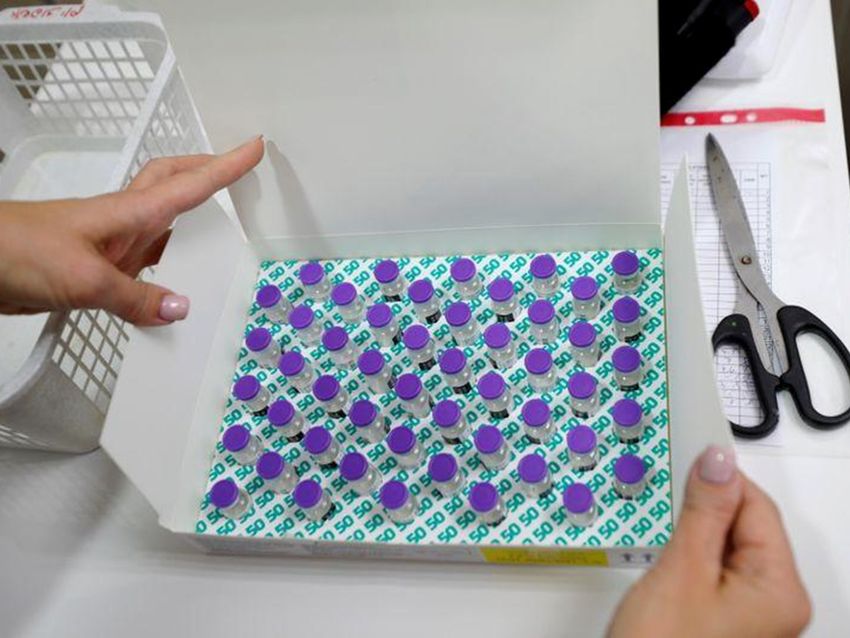
Ontario COVID-19 Science Advisory Table                                                                      Lessons Learned from Israel’s Vaccine Rollout

                                                      Findings
                                                      There are six elements in the implementation of Israel’s COVID-19 vaccine rollout
                                                      strategy that can be readily applied or adapted to Ontario to expedite and expand
                                                      the province’s vaccine rollout strategy.

                                                        Elements of Israel’s COVID-19 Vaccine Rollout Strategy That Are Likely to Be
                                                        Effective in Ontario
                                                        1. Simple prioritization and vaccinating as fast as possible to reduce morbidity
                                                           and mortality
                                                        2. Modifications to the manufacturer’s initial requirements for vaccine transport,
                                                           storage, and distribution
                                                        3. Efficient communication strategies with messaging tailored to specific
                                                           subgroups to promote vaccine confidence
                                                        4. Multiple decentralized vaccination sites to enhance access
                                                        5. Centralized organization through the four nationally established HMOs using a
                                                           fully integrated IT system in a universal health care system
                                                        6. Leveraging community-based clinicians, infrastructure, and resources

                                                      Simple Prioritization and Vaccinating as Fast as Possible to Reduce Morbidity and
                                                      Mortality
                                                      Similar to Ontario, older people experienced a disproportionately high burden of
                                                      COVID-related deaths in Israel.6 To address this disparity, Israel relied on a simple
                                                      vaccine prioritization process, with age being the only determining factor, with the
                                                      exception of healthcare providers and first responders. Having already vaccinated a
                                                      large proportion of the population aged 60 years and above, Israel is seeing early
                                                      signs of reduction in critically ill individuals in this age group.7 Israel has now
                                                      expanded to vaccinating individuals over the age of 50 years. Since age is the single
                                                      greatest risk factor for COVID-19 mortality, simplified distribution plans to maximize
                                                      upfront administration of vaccine to older adults could avoid unintentionally
                                                      prioritizing other groups who are at lower risk of death.8

                                                      Modifications to Vaccine Transport, Storage, and Distribution
                                                      One of the key technical challenges with Pfizer-BioNTech’s vaccine is the
                                                      manufacturer’s requirement to transport all 975 doses, which are contained in 195
                                                      vials, together in large trays after their removal from freezers set to -70°C. This
                                                      technical specification poses a challenge for vaccinating individuals in smaller
                                                      settings, for example, in LTC and retirement homes, or in rural locations.

Science Briefs | https://covid19-sciencetable.ca/science-briefs                                                                      February 1, 2021 | 2
Ontario COVID-19 Science Advisory Table                                                                                             Lessons Learned from Israel’s Vaccine Rollout

                                                      Figure 1. COVID-19 Vaccines Repacked into Smaller Boxes in Israel with the Approval from Pfizer

                                                      To solve this issue, Israeli teams have received approval from Pfizer and “repacked the
                                                      large ultra-frozen pallets into insulated boxes the size of small pizza boxes, allowing
                                                      for distribution in smaller numbers and at more remote sites” (Figures 1 and 2).9

                                                      Figure 2. Repacked Vaccines Stored at -70°C Prior to Distribution in Israel

                                                      The boxes can currently contain either 50 vials, which corresponds to approximately
                                                      300 doses (Figure 3) or 10 vials, which corresponds to approximately 60 doses. The
                                                      vaccines now arrive at several national centres operated by Ministry of Health

Science Briefs | https://covid19-sciencetable.ca/science-briefs                                                                                             February 1, 2021 | 3
Ontario COVID-19 Science Advisory Table                                                                                         Lessons Learned from Israel’s Vaccine Rollout

                                                      subcontractors where they are stored at -70°C and repackaged in small boxes to be
                                                      shipped locally three times a week.

                                                      Figure 3. The Inside of a Repacked Box of COVID-19 Vaccine in Israel, Containing 50 Vials of the Vaccine

                                                      Similarly, Ontario would benefit from receiving approval from vaccine
                                                      manufacturers to repackage and transport smaller quantities to specific settings
                                                      such as LTC homes, retirement homes, Indigenous communities, and rural
                                                      communities without compromising the quality of the vaccines. This modified
                                                      strategy can ensure that distribution of vaccines is first received by populations at
                                                      highest risk of death from COVID-19 with minimal waste of vaccine doses.

                                                      Communication Strategies and Tailored Messaging to Promote Vaccine Confidence
                                                      Israel used multiple communication and outreach strategies - social media,
                                                      organizational websites, and mass media – to enhance reach and promote vaccine
                                                      confidence in different populations. These efforts included providing daily updates
                                                      on the number of vaccinated individuals via mass media and addressing anti-
                                                      vaccination messages on social media. Tailored messaging is also important, as it is
                                                      normal for people to mistrust government or institutions for a variety of reasons or
                                                      based on their perception of the jurisdiction’s pandemic response. Importantly, the
                                                      Israeli Ministry of Health also secured endorsements from religious leaders who in
                                                      turn helped encourage religious populations such as Ultra-Orthodox Jews and
                                                      Muslims to get vaccinated.
                                                      Using public endorsements from trusted leaders may be an effective way to increase
                                                      vaccine acceptance. In Israel, Prime Minister Benjamin Netanyahu, in a nationally
                                                      televised event, was the first to receive a COVID-19 vaccine. Former U.S. presidents
                                                      have previously announced their intent to get vaccinated for this same reason as
                                                      well.10 Likewise, Ontario could use multiple media outlets to reach diverse populations
                                                      and work closely with trusted community leaders, trusted individuals such as social
                                                      media influencers, trusted health professionals such as family doctors, and trusted
                                                      sources in personal social networks to further promote vaccine confidence.11,12

Science Briefs | https://covid19-sciencetable.ca/science-briefs                                                                                         February 1, 2021 | 4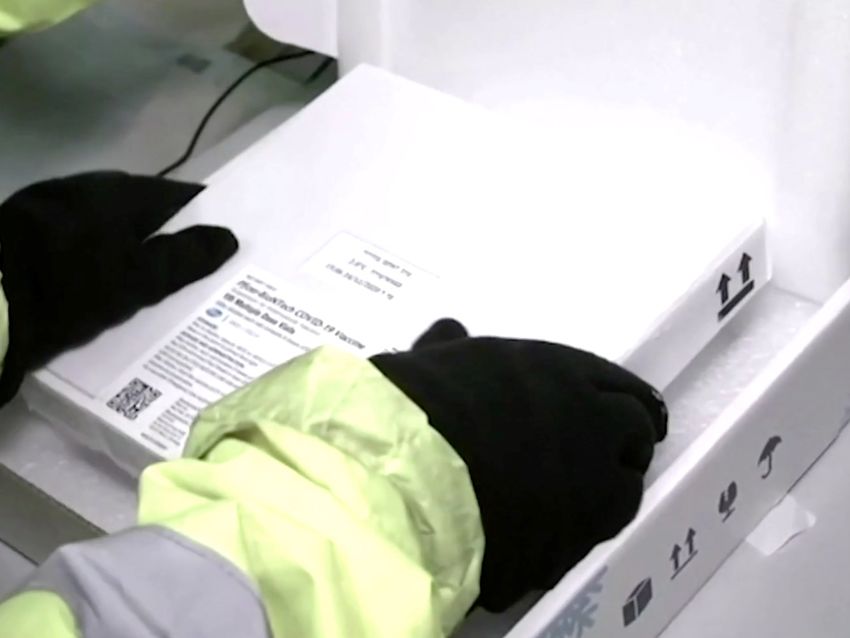
Ontario COVID-19 Science Advisory Table                                                                      Lessons Learned from Israel’s Vaccine Rollout

                                                      Multiple Decentralized Vaccination Sites to Enhance Access
                                                      Decentralized vaccination sites contributed significantly to the rapid rollout of the
                                                      Israeli COVID-19 vaccination program by increasing reach and access. In addition to
                                                      hospitals and pharmacy chains, Israel created pop-up and drive-thru vaccination
                                                      centres (Figures 4 to 6) to increase efficiency and accessibility of vaccination.
                                                      Potential vaccine recipients were required to fill and sign a paper-based
                                                      questionnaire to determine their eligibility to receive a COVID-19 vaccine. Filling and
                                                      signing the questionnaire, and receiving the vaccine, were considered as implied
                                                      consent, without necessitating a formal written consent process.
                                                      All subsequent documentation, such as adverse event reporting, took place
                                                      electronically, and the elimination of paper records helped further expedite the
                                                      process. Vaccine recipients were monitored for at least 15 minutes after vaccination
                                                      for potential signs of adverse events; those with a previous history of anaphylaxis
                                                      were observed for 30 minutes.

                                                      Figure 4. A Pop-up Vaccination Center in Israel

                                                      In the case of drive-thru centres (Figure 6), the driver and other passengers were
                                                      vaccinated all at once by putting their arms out the window of the vehicle.

Science Briefs | https://covid19-sciencetable.ca/science-briefs                                                                      February 1, 2021 | 5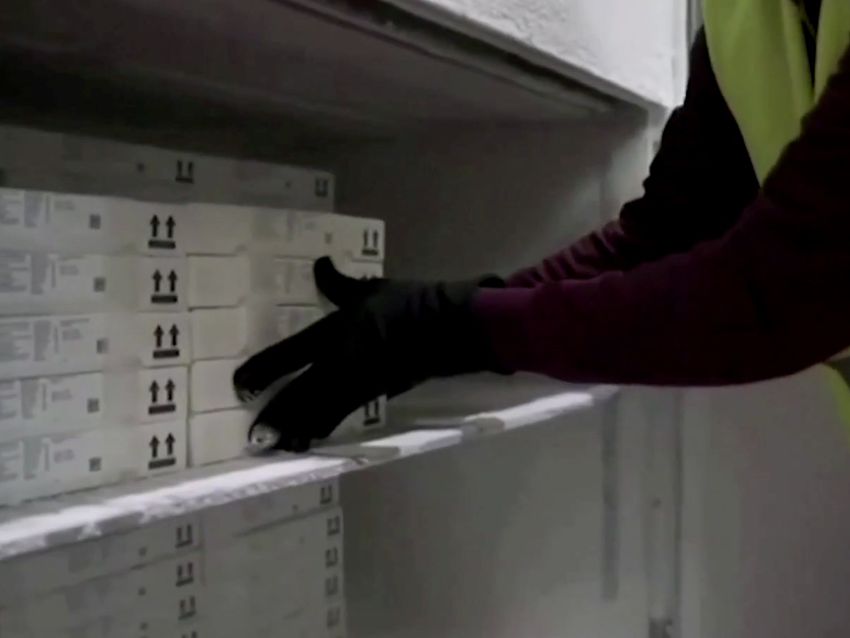
Ontario COVID-19 Science Advisory Table                                                                               Lessons Learned from Israel’s Vaccine Rollout

                                                      Figure 5. The Inside of a Pop-up Vaccination Center in Israel
                                                      Throughout the rollout, decentralized vaccination sites could be added in Ontario to
                                                      ensure equity in vaccination rates. Many communities might not be able to or
                                                      willing to access vaccination hubs. Mobile teams will be needed for homebound
                                                      older adults, shelters, and other congregate settings. Community-tailored programs
                                                      will also be important, to serve groups who may not otherwise have equitable
                                                      vaccination rates or protection from COVID-19. Implied, rather than formal written
                                                      consent could be considered for COVID-19 vaccines in Ontario in the future.

                                                      Figure 6. A Drive-Thru Vaccination Center in Israel

Science Briefs | https://covid19-sciencetable.ca/science-briefs                                                                               February 1, 2021 | 6
Ontario COVID-19 Science Advisory Table                                                                       Lessons Learned from Israel’s Vaccine Rollout

                                                      Centralized Organization Through the 4 Established HMOs Using a Fully Integrated
                                                      IT System in a Universal Health Care System
                                                      Israel leveraged strong organizational and technological capacities to streamline
                                                      vaccination processes. Like Ontario, Israel has a universal health care system. This
                                                      allowed a centralized organization through the four established HMOs that cover
                                                      the entire Israeli population using a fully integrated IT system.
                                                      Israel uses a number of different ways to schedule a vaccination including call
                                                      centres, a health plan website and a mobile application. Shortly after booking an
                                                      appointment, people received reminders about their vaccination appointments, and
                                                      when to return for the second dose, through text messages. Importantly, vaccinated
                                                      individuals subsequently received text messages encouraging them to report
                                                      adverse events, which created a sense of trust in the system and transparency with
                                                      the vaccination process. This simple and highly accessible method of reporting
                                                      adverse events in turn facilitated rapid data collection for a national registry of
                                                      adverse vaccine events.
                                                      Communication was also streamlined for professionals administering vaccines who
                                                      could phone the call centre on a 24/7 basis for administration guidance, clinical
                                                      questions, and shipment information. The availability of additional vaccine doses
                                                      due to overstock was communicated locally and the overstock was administered to
                                                      local individuals irrespective of their age eligibility. This support at the front line
                                                      helped ensure that implementation is optimized on the fly and that all doses are
                                                      maximally used.
                                                      Ontario can also benefit from using technology to streamline communication with
                                                      healthcare professionals as well as the general public; an effective IT system can
                                                      make vaccination simple for everyone and help build trust and transparency in the
                                                      system.

                                                      Leveraging Community-Based Clinicians, Infrastructure, and Resources
                                                      Israel took advantage of community-based nurses, physicians, trained emergency
                                                      medical technicians (EMTs) and paramedics to help rapidly administer the COVID-19
                                                      vaccine. Notably, one-third of the country’s nurses work in community settings,
                                                      many of whom are experienced in vaccine administration.13
                                                      In the context of Ontario, leveraging primary care providers, including family
                                                      doctors, nurse practitioners and other community-based clinicians who have
                                                      established relationships with patients is key to promoting vaccine confidence, while
                                                      increasing human resources required to administer vaccines as quickly as the supply
                                                      will allow. Family doctors and primary care professionals administer the majority of
                                                      flu vaccinations each year in Ontario and can identify and counsel priority individuals
                                                      in their practices.

                                                      Interpretation
                                                      There are several key differences between Israel and Ontario with respect to
                                                      geography, the system of government, healthcare system, and existing infrastructure
                                                      that precludes applying some of the elements of Israel’s COVID-19 vaccine campaign
                                                      to Ontario. Key caveats to consider when interpreting Israel’s experience include
                                                      Israel’s highly dense population of 9.5 million people in a small geographic area with a
                                                      generally younger population in comparison to Canada, and Israel’s experience in
                                                      running large-scale national emergency operations. Nevertheless, the aforementioned
                                                      six key elements of Israel’s successful COVID-19 vaccine campaign may be adapted or
                                                      directly implemented to optimize Ontario’s COVID-19 vaccine rollout.
Science Briefs | https://covid19-sciencetable.ca/science-briefs                                                                       February 1, 2021 | 7
Ontario COVID-19 Science Advisory Table Lessons Learned from Israel’s Vaccine Rollout
Author Contributions
YC and NS wrote the first draft of the Science Brief. All authors contributed to the
conception of the Science Brief, revised it critically for important intellectual
content, and approved the final version.
References
1. Government of Ontario. COVID-19 vaccines for Ontario. COVID-19 in Ontario.
Published 2021. Accessed January 21, 2021. https://covid-19.ontario.ca/covid-19-
vaccines-ontario
2. Government of Ontario. Ontario demographic quarterly: highlights of third
quarter 2020. Ontario.ca. Published December 15, 2020. Accessed January 21, 2021.
https://www.ontario.ca/page/ontario-demographic-quarterly-highlights-third-
quarter-2020
3. Hannah R, Ortiz-Ospina E, Beltekian D, et al. Coronavirus (COVID-19) vaccinations
- statistics and research. Our World in Data. Published January 21, 2021. Accessed
January 21, 2021. https://ourworldindata.org/covid-vaccinations
4. Mulligan C. NEW: Premier Ford begins news conference by saying he has spoken
with Israeli officials to discuss vaccine rollout - it has been lauded for it’s quick
immunization program. #covid19. Published January 25, 2021. Accessed January 25,
2021. https://twitter.com/CityCynthia/status/1353765379051577346
5. Helmer A. COVID-19: Ontario to “accelerate” vaccinations for most vulnerable;
Province reports 1,958 new cases. OTTAWA CITIZEN. https://ottawacitizen.com/
news/covid-19-a-year-after-ontarios-first-case-province-reports-1958-new-
infections-and-43-deaths. Published January 26, 2021.
6. Israel Science and Technology Directory. The age distribution and sex of patients
who died because of coronavirus (COVID-19) infection. Published December 31,
2020. Accessed January 26, 2021. https://www.science.co.il/medical/coronavirus/
Death-statistics.php
7. KSM - Maccabi Research and Innovation Center - Publishes Insights from Real-
Time Monitoring of Corona Virus Vaccination Data. Maccabi Health Services
Research Center - KSM, KI Institute Accessed January 25, 2021. https://maurice.nl/
wp-content/uploads/2021/01/Isreal-Maccabi.pdf
8. Government of Ontario. COVID-19 vaccination update. Technical Briefing
presented at the: January 13, 2021; Ontario. Accessed January 19, 2020. https://
files.ontario.ca/moh-covid-19-vaccine-technical-briefing-en-january-13-2021-2021-
01-13.pdf
9. Rabinovitch A, Lubell M, Scheer S. Pizza-sized boxes and paying a premium:
Israel’s COVID-19 vaccine rollout. Reuters. https://www.reuters.com/article/us-
health-coronavirus-israel-vaccination-idUSKBN29B0KJ. Published January 6, 2021.
Accessed January 21, 2021.
10. Volpp KG, Loewenstein G, Buttenheim AM. Behaviorally informed strategies for
a national COVID-19 vaccine promotion program. JAMA. 2021;325(2):125-126.
https://doi.org/10.1001/jama.2020.24036
11. Ontario reports 2,662 new COVID-19 cases, 87 more deaths. CBC News. https://
www.cbc.ca/news/canada/toronto/covid-19-ontario-janauary-22-2021-stay-at-
home-1.5883621. Published January 22, 2021. Accessed January 22, 2021.
12. WHO Technical Advisory Group of Behavioural Insights and Sciences for Health.
Science Briefs | https://covid19-sciencetable.ca/science-briefs February 1, 2021 | 8Ontario COVID-19 Science Advisory Table Lessons Learned from Israel’s Vaccine Rollout
Behavioural Considerations for Acceptance and Uptake of COVID-19 Vaccines. World
Health Organization; 2020. Accessed January 27, 2021. https://www.who.int/
publications-detail-redirect/9789240016927
13. Nissanholtz-Gannot R, Rosen B, Hirschfeld M, et al. The changing roles of
community nurses: the case of health plan nurses in Israel. Isr J Health Policy Res.
2017;6(1):69. https://doi.org/10.1186/s13584-017-0197-5
Science Briefs | https://covid19-sciencetable.ca/science-briefs February 1, 2021 | 9You can also read


