Life in 'likes' Children's Commissioner report into social media use among 8-12 year olds - Children's Commissioner
←
→
Page content transcription
If your browser does not render page correctly, please read the page content below
Life in ‘likes’
Children’s Commissioner report into
social media use among 8-12 year olds
LIFE IN ‘LIKES’: CHILDREN’S COMMISSIONER REPORT INTO SOCIAL MEDIA USE AMONG 8-12 YEAR OLDS             PAGE 2 OF 42

Contents

Executive summary                                                                                                4

Introduction                                                                                                     5
  Context                                                                                                        6
  Research objectives                                                                                            6
  Methodology                                                                                                    6

How I use social media                                                                                           7
  My social media use                                                                                            7

    Social media makes me feel happy                                                                            10

  How I stay safe online                                                                                       12

    What can I post?                                                                                            12
    What counts as safety?                                                                                      13
    How I use social media: positives & negatives                                                               14

My friends and family                                                                                          15
  ‘Following’ my family                                                                                        15

    Going on my mum’s phone                                                                                     15
    Sharenting                                                                                                  16
    My sister showed me Snapstreaks                                                                             17

  My online friends                                                                                            20

    Keeping in touch                                                                                            20
    Falling out online                                                                                          21
    I need to reply now                                                                                         23

Growing up on social media                                                                                     25
  Who should I be?                                                                                             25

    Do I look okay?                                                                                             25
    Can we all look like celebrities?                                                                           27
    Will my picture get any likes?                                                                              28
    Is this shareable?                                                                                          30
    Who should I be?: positives & negatives                                                                     32

  The world & my future                                                                                        33

    When I grow up I want to be a Youtuber                                                                      33
    An Instagram post from a Year 5 girl who enjoyed watching baking videos on YouTube and Instagram            35
    Learning about the world                                                                                    35
    The world and my future: positives & negatives                                                              36
LIFE IN ‘LIKES’: CHILDREN’S COMMISSIONER REPORT INTO SOCIAL MEDIA USE AMONG 8-12 YEAR OLDS   PAGE 3 OF 42

Conclusion                                                                                            37
  The two sides of social media                                                                       37

Recommendations                                                                                       38
  Government                                                                                          38

    Digital literacy                                                                                  38
    Guidance to parents                                                                               38

  Schools                                                                                             39
  Social media companies                                                                              39

Appendix 1                                                                                            40
  Methodology                                                                                         41

    Sample and recruitment                                                                            41
    Fieldwork                                                                                         41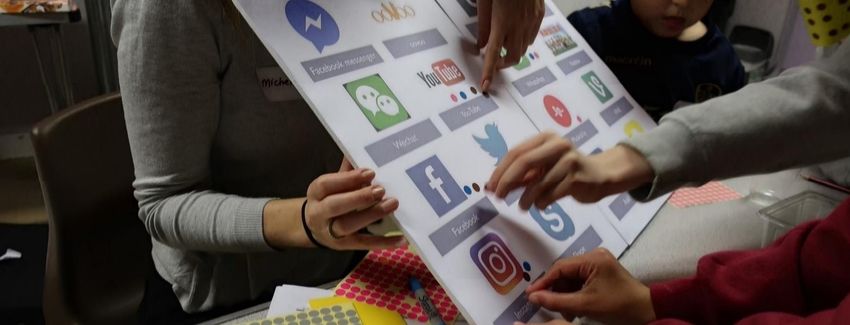
LIFE IN ‘LIKES’: CHILDREN’S COMMISSIONER REPORT INTO SOCIAL MEDIA USE AMONG 8-12 YEAR OLDS                          PAGE 4 OF 42

Executive                                                            My friends and family
                                                                     ‘Following’ my family:

summary                                                              Younger children were particularly influenced by their
                                                                     family’s views and usage of social media, and parents may
Most social media platforms have a minimum age limit of              be unaware of how their use of social media affects their
13, but research shows a growing number of children                  child.
aged under 13 are using social media, with 3 in 4 children
                                                                     Going on my mum’s phone
aged 10-12 having their own accounts.
                                                                     Parents sometimes gave children contradictory safety
While much is known about how teenagers use social
                                                                     messages when they let children use their social media
media, this research provides the missing piece to the
                                                                     accounts, and unknowingly exposed them to unsuitable
story, exploring the social media lives of children before
                                                                     content.
they reach the teenage years. In October and November
2017, we conducted 8 focus groups with 32 children                   Sharenting
aged 8-12 to understand the impact of social media on
                                                                     Many children felt uncomfortable and bothered by their
the wellbeing of this age group. The findings of this
                                                                     parents posting pictures of them on social media, yet felt
research are summarised below.
                                                                     they could do little to stop it.

How I use social media                                               My sister showed me Snapstreaks

My social media:                                                     Children learned how to do new things on social media
                                                                     from their older siblings, but were also put off by things
Across all ages, the most popular social media were                  that their siblings had experienced. In some cases,
Snapchat, Instagram, Musical.ly and WhatsApp. Younger                children worried about their siblings’ behaviour online,
children had less routine around when they accessed                  such as excessive use and ignoring safety messages.
social media, while older children started to get into the
habit of using all their social media apps multiple times a          My online friends:
day, and for some, it had come to dominate their day.
                                                                     Social media was important for maintaining
Social media makes me feel happy                                     relationships, but this got trickier to manage at
                                                                     secondary school, where friendships could break down
Children knew how to cheer themselves up or calm
                                                                     online.
themselves down using social media, from getting funny
Snapchats from a friend to watching slime videos on                  Keeping in touch
Instagram. It allowed children to be creative and play
                                                                     Children used social media as a tool to maintain
games, two things that appealed to children from a very
                                                                     friendships, and they recognised the value of face-to-
young age.
                                                                     face interactions for more serious conversations, like
How I stay safe online:                                              discussing worries and resolving arguments.

Parents and schools had successfully ingrained messages              Falling out online
in children about online safety from known risks such as
                                                                     Younger children were more likely to see mean
predators and strangers. Yet children were less aware of
                                                                     comments from strangers on apps like Roblox, whereas
how to protect themselves from other online situations
                                                                     older children, who were communicating with a greater
that could affect their mood and emotions.
                                                                     number of people on group chats, faced issues and
                                                                     confusion around the blurring of ‘jokes’ that were posted
                                                                     publicly.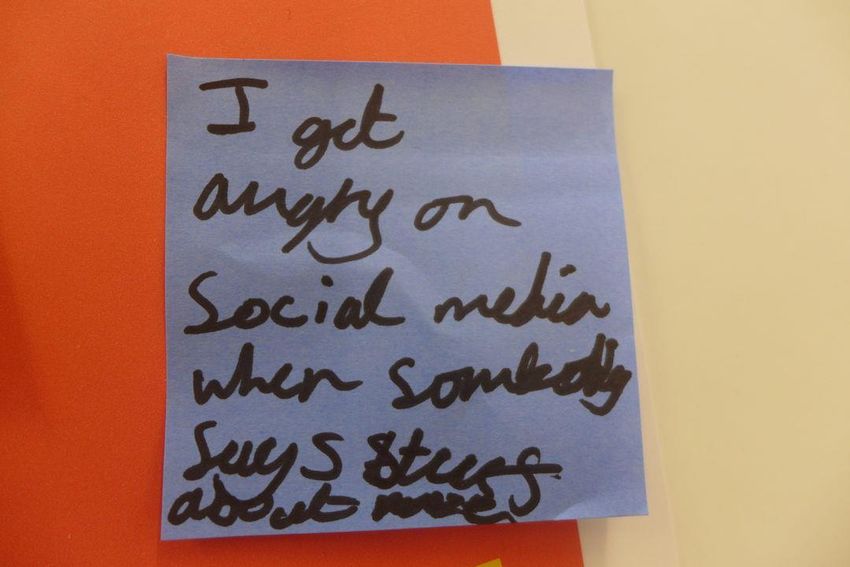
LIFE IN ‘LIKES’: CHILDREN’S COMMISSIONER REPORT INTO SOCIAL MEDIA USE AMONG 8-12 YEAR OLDS                        PAGE 5 OF 42

I need to reply now                                                  Learning about the world

Maintaining online friendships could be stressful for                Some children actively gathered information on social
some and a source of distraction from other offline                  media platforms like YouTube and Instagram, and were
activities.                                                          exposed to ‘news’ via celebrities and ‘explore/discover’
                                                                     pages.
Growing up on social media
                                                                     Conclusion &
Who should I be?
                                                                     recommendations
Children are conscious of keeping up appearances on
social media, particularly when they start secondary                 Based on these findings, we have developed a series of
school, and identity and seeking peer approval become                recommendations, which are outlined on page 38.
more important.
                                                                     Government:
Do I look okay?                                                      Digital literacy in schools: Broaden digital literacy
Despite talking about the importance of ‘staying true to             education beyond safety messages, to develop
yourself’ and being authentic on social media, girls were            children’s critical awareness and resilience and
worried about looking ‘pretty’ and boys were more                    understanding of algorithms, focusing on the transition
concerned with looking ‘cool’ and having the right                   stage from primary to secondary school.
clothing.
                                                                     Guidance for parents: Inform parents about the ways in
Can we all look like celebrities?                                    which children’s social media use changes with age,
                                                                     particularly on entry to secondary school, and help them
When children started to follow celebrities and people               support children to use social media in a positive way,
outside their close family and friends, many became                  and to disengage from it.
aware of how they looked compared to other people on
social media, and felt that comparisons were                         Schools:
unattainable.
                                                                     Improve teachers’ knowledge about the impacts of
Will my picture get any likes?                                       social media on children’s wellbeing and encourage
                                                                     peer-to-peer learning
Children felt good when they got ‘likes’ and ‘comments’
from friends, and some Year 7 children were starting to              Social media companies:
become dependent on them, using techniques to
guarantee they would get a high number of ‘likes’.                   Recognise the needs of children under 13 who are using
                                                                     their platforms and incorporate them in service design or
Is this shareable?                                                   do more to address underage use.
Children started to see offline activities through a
‘shareable lens’ based on what would look the best on
social media.

The world and my future:
Social media could inspire children and help them learn
about new things.

I want to be a YouTuber when I am older

Some children developed new aspirations about what
they wanted their future to be like and copied things they
saw on social media.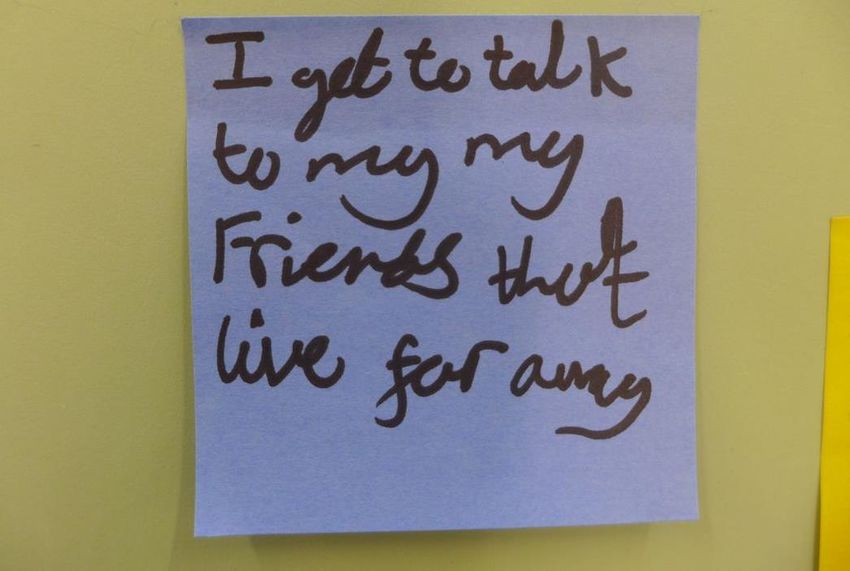
LIFE IN ‘LIKES’: CHILDREN’S COMMISSIONER REPORT INTO SOCIAL MEDIA USE AMONG 8-12 YEAR OLDS                           PAGE 6 OF 42

Introduction                                                         Research objectives
                                                                     The objective for this study was to qualitatively explore
                                                                     the impact of social media use on the lives of children
Context                                                              aged 8-12 years old, particularly in relation to their
One third of current internet users are under the age of             wellbeing and self-esteem.
18 – and whilst most social media sites have an official             Specific research objectives were to understand:
age limit of 13 years, research is increasingly reporting
the accessing and use of these sites by children under                    •     The use and awareness of social media
                                                                                amongst this age group
131.
                                                                          •     The relationship between family social media
The Commissioner’s Growing Up Digital (2017) report,                            use and children’s use
published last year, made considered recommendations                      •     The perceived and actual role it plays in
towards fostering a more supportive digital environment                         friendships and family relationships
for children and young people to grow up in.                              •     How their use of social media, or other’s use,
                                                                                influences their day
Recent progress has also been made by the Government                      •     How social media improves or distorts
to address young people’s safety online (e.g. the Internet                      children’s understanding of the wider world
Safety Strategy launched in summer 2017, and the 2017
Digital Economy Act) which have made important                       Methodology
changes concerning social media regulation for children.
The Education Act 2011 has also given teachers stronger              This research involved engaging with and interviewing
power to tackle cyber-bullying by searching for and                  32 children aged 8-12 across the country. Children were
deleting inappropriate images (or files) on electronic               recruited in ‘friendship pairs’ to enable them to open up
devices, including mobile phones.                                    with more confidence during the research, and to allow
                                                                     for insight around peer dynamics and other social factors
There has also been much debate surrounding the                      to emerge more naturally.
relationship between social media and mental health and
wellbeing – with the overarching message being that                  All children and their parents completed a range of
while social media can be a very positive tool for young             ‘digital pre-tasks’ which involved them reporting to us on
people, there can also be negative impacts on mental                 their lifestyles, behaviours and attitudes towards social
wellbeing2.                                                          media, and also submitting examples of their social media
                                                                     activities through screenshots and photos.
However, there is yet to be any considered Government
research on the impact of social media on mental health              Researchers then interviewed children through eight
and wellbeing for children at the younger end of the                 discussion groups, each including two friendship pairs,
spectrum of users. With half of 11 and 12 year olds                  grouped by age and gender (full details on sample and
having their own social media profiles, this represents a            approach is provided in Appendix 1).
significant gap in our understanding.                                This research was conducted for the Children’s
                                                                     Commissioner by Revealing Reality.

1 https://www.ofcom.org.uk/research-and-data/media-literacy-         2 https://epi.org.uk/wp-content/uploads/2017/06/Social-

  research/childrens/children-parents-2017                              Media_Mental-Health_EPI-Report.pdf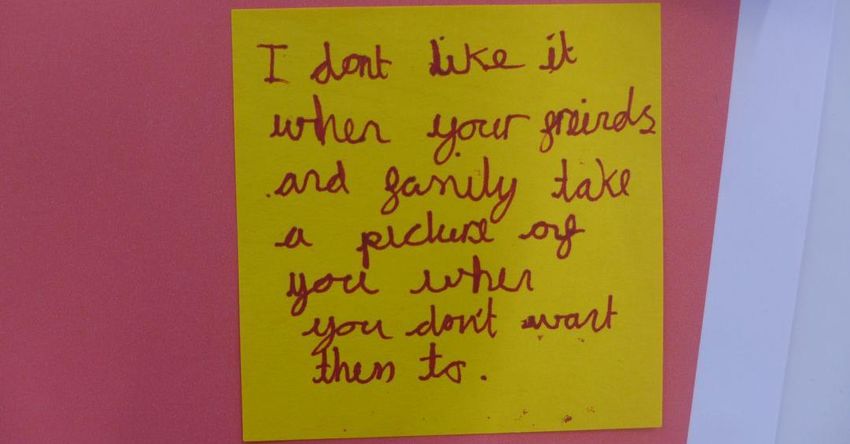
LIFE IN ‘LIKES’: CHILDREN’S COMMISSIONER REPORT INTO SOCIAL MEDIA USE AMONG 8-12 YEAR OLDS                        PAGE 7 OF 42

How I use social                                                     Year 4 & 5 (age 8-10):
                                                                     From the age of eight, children were experimenting with

media
                                                                     a variety of different social media platforms. Children
                                                                     had not yet developed habits of checking all their social
                                                                     media on a regular basis, using some platforms more
                                                                     often than others. This may reflect the fact that many
My social media use                                                  children, particularly those in Year 4, were accessing
Across all ages, the most popular social media were                  social media on their parents’ devices, and therefore had
Snapchat, Instagram, Musical.ly and WhatsApp. Younger                a limited time to use social media.
children had less routine around when they accessed                  Some of the children were using Facebook and Twitter,
social media, while older children started to get into the           two platforms that are not often associated with younger
habit of using all their social media apps multiple times a          users and were generally not used by the Year 6 and 7
day.                                                                 children. They spoke about using their parents’ devices
                                                                     to access social media, and it transpired that they were
                                                                     using their parents’ accounts to access Facebook and
                                                                     Twitter, rather than creating their own.

Table 1. The social media used by Year 4 and Year 5 groups, and how often children used them

                 A few times a month         Once a week         Most days of the week         Daily            Multiple times a day

 Year 4 Boys
 8-9 year
 olds

 Year 4 Girls
 8-9 year
 olds

 Year 5 Boys
 9-10 year
 olds

 Year 5 Girls
 9-10 year
 olds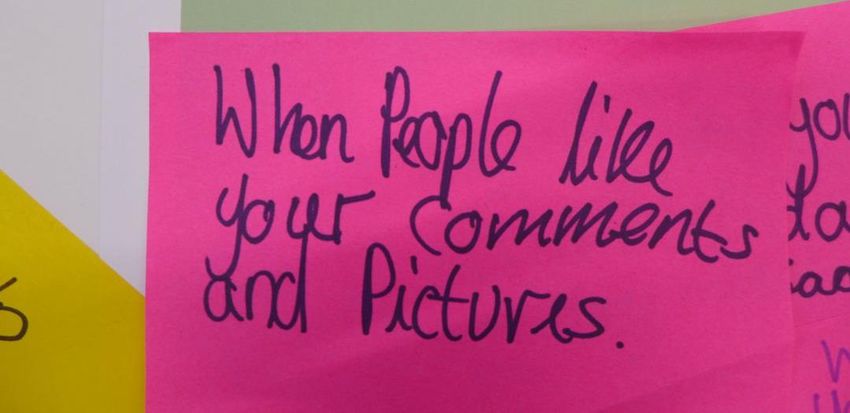
LIFE IN ‘LIKES’: CHILDREN’S COMMISSIONER REPORT INTO SOCIAL MEDIA USE AMONG 8-12 YEAR OLDS                   PAGE 8 OF 42

                                                                     they spent on social media, these were some of the
  Roblox is a gaming website and app that enables users to           responses:
  play millions of user-generated games. It is advertised as a
  ‘social platform for play’ as users can create groups and          “Most of the time, when I am
  message other players
                                                                     not on my Xbox”
 Musical.ly is an app that allows you to create and share            Harry, 11, Year 7
 15 second
Year  6 & 7videos.
             (10-12Users  can olds):
                       year    choose a song to
 accompany the video and use photo filters.                          “At break time, we go into
                                                                     the loo that has Wi-Fi and
Year 6 & 7 (age 10-12):
                                                                     use our phones there
Most of the children in these age groups had their own
phones, and could access their social media accounts                 because there is nothing else
when they wanted. Once children got to secondary
school, it was seen as more important to be on social
                                                                     to do”
media throughout the day, as opposed to just after school            Merran, 12, Year 7
or when they had some free time. When asked how long

Table 2. The social media used by Year 6 and Year 7 groups, and how often children used them

                  A few times a month          Once a week       Most days of the week         Daily       Multiple times a day

 Year 6 Boys
 10-11 year
 olds

 Year 6 Girls
 10-11 year
 olds

 Year 7 Boys
 11-12 year
 olds

 Year 7 Girls
 11-12 year
 olds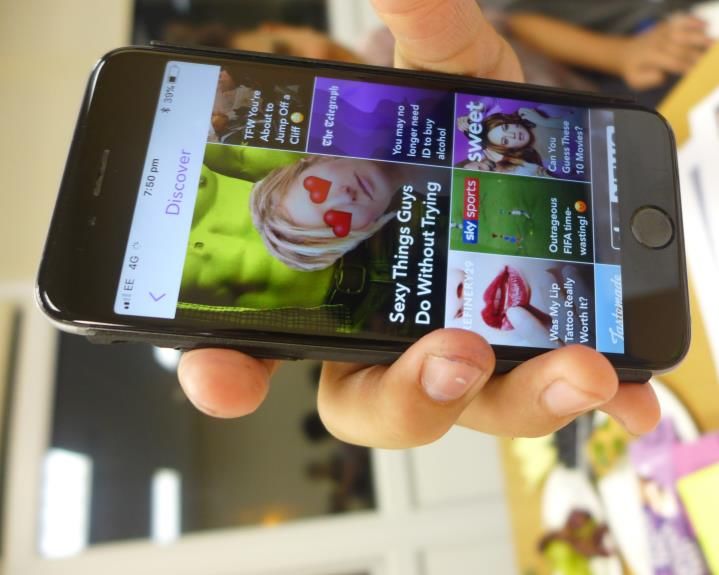
LIFE IN ‘LIKES’: CHILDREN’S COMMISSIONER REPORT INTO SOCIAL MEDIA USE AMONG 8-12 YEAR OLDS                       PAGE 9 OF 42

                 While for some children, such as Bridie, social media had            “When you chat on
                 become their main hobby, others, like Joe, did not
                 necessarily see it in this way.                                      Instagram it doesn’t go
                 “Hmm, 24 hours in a day, so                                          away so people can’t be
                 I probably use it 18 hours a                                         mean”
                 day”                                                                 Aaron, 11, Year 7

                                                                                      Year 7 (age 11-12):
                 Bridie, 11, Year 7
                                                                                      Similarly, once children reached secondary school, they
                 “Some people take it too                                             felt like they had grown out of certain apps, such as
                                                                                      Musical.ly, because they got boring or were too
                 seriously but it’s not like it’s                                     ‘embarrassing’.
                 going to get you anywhere. I
                                                                                      “I haven’t used it in like
                 feel privileged that I can do                                        ages. Videos turn out more
                 things and be active”
                                                                                      cringey than pictures, more
                 Joe, 11, Year 7
                                                                                      awkward and weird”
                 It seemed that children who were more engaged in other
                 activities had less time to spend on social media and                Alina, 11, Year 7
                 realised other hobbies, such as sport, would help them
                 out more in life.                                                    “Musical.ly got boring
                 Older children had developed a more sophisticated                    because it didn’t change, but
                 understanding of the different social media apps, and
                 thought more about which apps to use and when to use                 apps need to change to keep
                 them. Their experiences on different apps had led them               you interested”
                 to develop preferences in their usage habits:
                                                                                      Joe, 11, Year 7

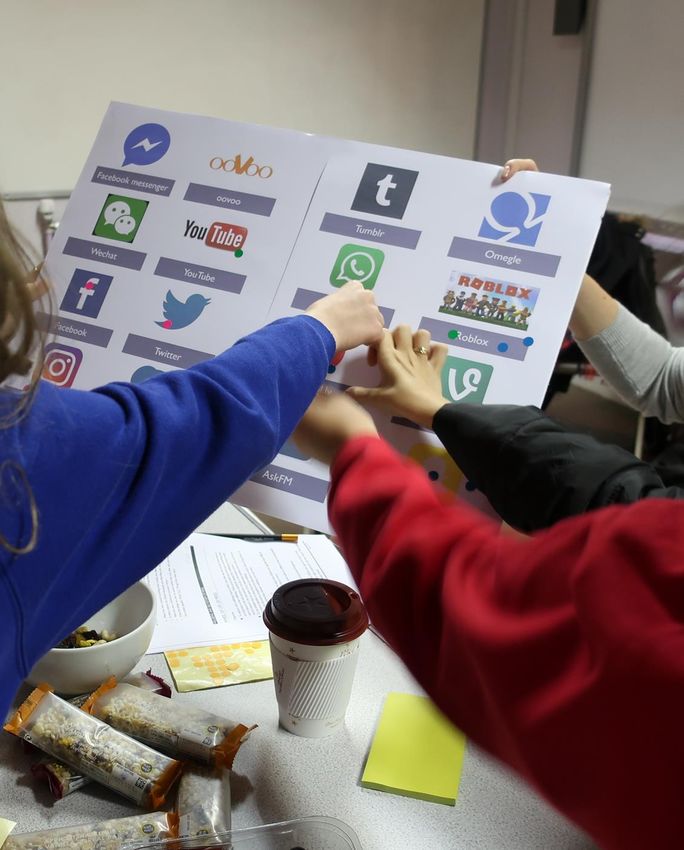
The Year 4 boys putting stickers next to the social media that they use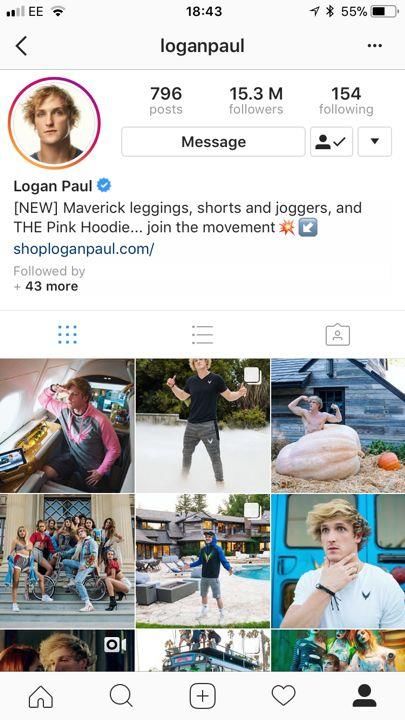
LIFE IN ‘LIKES’: CHILDREN’S COMMISSIONER REPORT INTO SOCIAL MEDIA USE AMONG 8-12 YEAR OLDS                      PAGE 10 OF 42

Social media makes me feel                                           Children were also using social media as a distraction,
                                                                     when they felt they needed to calm down or relax. Many
happy                                                                children were watching slime videos for this reason.
Social media allowed children to do the things they want
to do. It kept them entertained and certain things they do
                                                                       Slime videos show people stretching, poking and
on social media make them feel happy.                                  reshaping colourful ‘slime’, which can be made from
Children tended to associate social media with positive                materials such as glue, shaving foam and salt.
moods and happy emotions. From Year 4 to Year 7,
children described actively using social media to boost
their mood and make them laugh, by watching funny
videos and sending funny things to their friends.

“If you’re in a bad mood at
home you go on social
                                                                     “If you’re like really stressed
media and you laugh and
                                                                     or something and you watch
then you feel better”
                                                                     a really satisfying slime
Kam, 10, Year 6
                                                                     video it makes you like
“There’s lots of things to                                           calmer”
make you laugh on social                                             Alina, 11, Year 7
media”
                                                                     “It takes your mind off
Billy, 9, Year 4
                                                                     things”
“You can just scroll to a                                            Merran, 12, Year 7
funny video and forget                                               As well as helping children to change their mood to feel

about sad posts”                                                     happy or relaxed, social media enabled them to do the
                                                                     things they wanted to do. While all children felt that
Connor, 11, Year 6                                                   being able to talk to their family and friends was a key
                                                                     reason to use social media, there were other specific
                                                                     benefits to using social media that were mentioned by
                                                                     different age groups.

                                                                     Although, some of the reasons (below) were expressed
                                                                     by children across multiple year groups, some were
                                                                     mentioned more by children of certain ages than others.

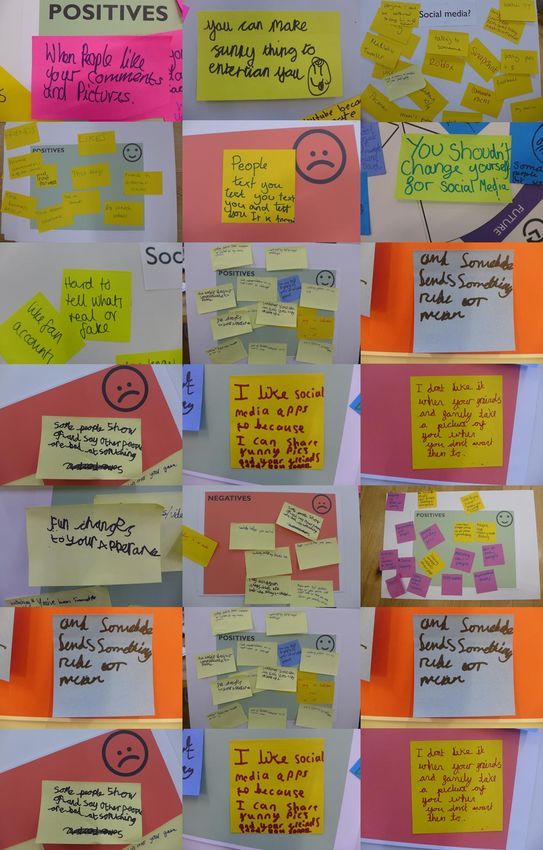
‘You can make funny thing to entertain you’ Year 4 Girl
LIFE IN ‘LIKES’: CHILDREN’S COMMISSIONER REPORT INTO SOCIAL MEDIA USE AMONG 8-12 YEAR OLDS PAGE 11 OF 42
Year 4 Year 5 Year 6 Year 7
Age 8-9 Age 9-10 Age 10-11 Age 11-12
Playing games with my Space to be myself Cementing friendships Fitting in
friends
Children started to enjoy Turning social interactions into a Children didn’t want to miss out
Younger children were expressing themselves away from game with Snapstreaks meant on anything socially, and social
particularly attracted to the parents and teachers. Social that children had a way to judge media allowed them to stay in the
games element in certain social media gave them a platform to be the strength of their friendships loop, regardless of whether they
media, such as Roblox, and being creative and experiment. were. Two friends have to send liked it or not.
able to play with friends online. each other a Snapchat every day
“You can do anything you to maintain a ‘streak’ which is
“I thought if I had it
“Roblox got more popular in want, no one is there to stop shown as a number next to that [Instagram] we would be
my class, so I got it back” or control you” friend’s name. Having a streak friends, but there is not
Oliver, 8, Zoe, 10 with someone meant that you actually that much to do on
could rely on them to reply to you, it”
and the longer the streak the
Annie, 11
better friends you were.
“Most of my friends use
“I reached 96. I carried them
Snapchat, so I have to try
on to be nice and it was just a
and use it as well, but I
good way of talking to them”
prefer Instagram”
Kam, 10
‘When people like your art’ Aaron, 12
Oliver’s Roblox game Finding things to do Getting emotional
support
Fun surprises Children had fun copying the
things they saw on social media, Older children were using social
New features and constant media to get emotional support
such as following baking or slime
updates were exciting for from their online friends.
tutorials.
children, who wanted to try out
the latest filters on Snapchat. “I just want to make slime, “When I posted that my great
like the girl on the Ingham ‘Snapstreaks make you happy because nan had died, on Instagram,
“Every day there is a new you can trust them to reply’ people messaged me and I
family who is my age does”
surprise on Snapchat’s felt better about it”
filters” Molly, 10 Looking good
Joe, 11
Children started to realise that
Elsa, 8
they could change how they
looked online, and could work out
how good other people thought
they looked.
“You can use Snapchat to
make you look pretty”
Becky, 10
‘Sometimes it can make people look
sad and a bit worried. This is how
you can make them feel’LIFE IN ‘LIKES’: CHILDREN’S COMMISSIONER REPORT INTO SOCIAL MEDIA USE AMONG 8-12 YEAR OLDS PAGE 12 OF 42
How I stay safe online “I think to make sure there’s
Parents and schools had successfully ingrained messages no one I know in the
in children about online safety from known risks such as
predators and strangers. Yet children were less aware of background. My mum told
how to protect themselves from other online situations
that could affect their mood and emotions.
me it’s a safety thing
What can I post? because people could look at
it and get information. So,
Year 4, 5 & 6 (age 8-11):
Staying safe online was a priority for many of the younger
you just take a photo on a
children, particularly those in Year 4. Most of the plain wall. I don’t want
children had strict rules about what they can and cannot
share online, which seemed to be a strong reflection of people seeing my house
the safety messages they receive from their parents and
schools. In this context, ‘safety’ was understood as
number. I could still do it at
protecting oneself from strangers, online predators, my house but just the bricks.
cyber-bullying and ‘bad’ things people share, such as
swearing or violence. If you’re at a friend’s house
Of central importance was the need to ensure they do you definitely wouldn’t take
not reveal any personal identifiable information, such as
where they live or where they go to school, through the a photo of their house, not
images or content they share. Many talked about specific
strategies they use to protect themselves, such as never
showing the number of the
revealing their school uniform or never showing their house”
house number in photos. Some also said they are always
careful to make sure the background in their photos Freya, 8, Year 4
doesn’t easily give away what their home looks like. It seemed that these safety messages tended to be
learned as ‘rules’, rather than general principles they
“I check all the backgrounds could apply to new or different contexts. For example,
first and see if anything is while many children were highly conscious of not
displaying their school uniform or house number in
there, and then if I’m in my images they shared, they did not seem to apply the same
logic of safety in any other ways, such as ensuring they
school uniform I wouldn’t don’t interact with strangers, who may also be adults, on
post it” Roblox.
Elsa, 8, Year 4 “It’s safe because no adult
will play Roblox”
Hassan, 8, Year 4
Some of the eight-year-old boys said that they feel safe
on apps like Roblox because they ‘know’ that no adults
use the app, but it also became clear that some repeat
safety messages that ‘no adults are on there’ and ‘don’tLIFE IN ‘LIKES’: CHILDREN’S COMMISSIONER REPORT INTO SOCIAL MEDIA USE AMONG 8-12 YEAR OLDS PAGE 13 OF 42
play with people you don’t know’ just to satisfy their stay safe online, but they appeared to be more concerned
parents. about ensuring they ‘look good’ in the photos and videos
they share than they were about hiding identifiable
In some instances, children reported feeling worried
information.
about using social media because of these safety
considerations, with some saying they wished they could What counts as safety?
enjoy social media without needing to worry about the
dangers they may face. This was especially true for the Children were very confident to talk about how to stay
younger children, who appeared to be more concerned safe online from a physical perspective, but there was
about protection strategies than the older children. less discussion about what to do when things affect them
on a more emotional level. Cyber-bullying was the most
“Sometimes it makes me talked about issue in this regard, with many children
saying that, when faced with cyber-bullies, they knew to
upset that you have to be ignore the comments and remind themselves that the
bully must be ‘jealous’ or ‘insecure’.
careful, because I just think
However, many children also talked about other things
you should be able to make a that happen on social media that can affect their moods
video and not be worried” or emotions, such as feeling confused if a mean comment
someone writes to them is real or a joke, or feeling
Freya, 8, Year 4 uncomfortable when they see content that is racist or
violent. While these experiences can impact on children’s
“When it’s talked about at moods or worries, few children talked about techniques
they use to feel better in these situations.
school it makes me feel
scared, like during Safety “When someone sent a racist
Week. Because why else video about me to a group
would they be talking about Snapchat the sad feeling
it with us? It’s intense to find lasted for months, and I had
out what they’re going to to keep it in but I was angry.
say, because if it’s bad then One day I lashed out and
parents might ask us then it felt a lot better when
questions, so I kind of get I told them [my parents]”
the scared feeling when Aaron, 11, Year 7
someone talks about it at In general, the fact that children have taken in messages
about online safety at a young age shows the influence of
school” parents and schools, and the potential for parents to
have a positive impact at this age. Such efforts to
Kieren, 10, Year 5 promote safety practices appear to have been successful
in instilling protection strategies and behaviours into
Year 7 (age 11-12): children, however these findings also point to the need to
While the emphasis on safety rules was equal across the think about ‘safety’ in broader terms, to incorporate both
genders, it was seen to weaken slightly as children got the physical and the subtler impacts to children’s moods
older. Children in Year 7 were also conscious of how to and emotions.LIFE IN ‘LIKES’: CHILDREN’S COMMISSIONER REPORT INTO SOCIAL MEDIA USE AMONG 8-12 YEAR OLDS PAGE 14 OF 42
How I use social media: positives & negatives
Positives Negatives
▪ It makes me laugh and I can make other people laugh ▪ I am confused by how old you have to be to use social
▪ It lets me be creative media
▪ I know how to stay safe online ▪ It can be scary to think about what can happen if you
are not safe on social media
▪ I sometimes don’t know what to do when bad things
happen on social media
‘I get angry on social media when somebody says stuff about me’ Year 5 BoyLIFE IN ‘LIKES’: CHILDREN’S COMMISSIONER REPORT INTO SOCIAL MEDIA USE AMONG 8-12 YEAR OLDS PAGE 15 OF 42
“I like looking at pictures on
My friends and my Mum’s Facebook like my
family cousins when they go on
holiday”
‘Following’ my family Ibrahim, 8, Year 4
Younger children were particularly influenced by their When children accessed their parents’ social media
family’s views and usage of social media. Parents and accounts, adult and child social worlds were blurred, and
siblings could affect children in ways they were not younger children were exposed to content and imagery
always aware. from their parent’s social circles. While children did not
Going on my mum’s phone explicitly say they were worried about this, they did
express concern about seeing content that was more for
Social media was often a space children shared with their adults and ‘not suitable for children their age’, such as
parents, which occurred when children accessed their seeing or hearing swear words.
parents’ social media accounts, and vice versa, when
parents ‘checked in’ on their children’s accounts. “Sometimes I see stuff when
Year 4 & 5 (age 8-10): my mum is trying to show
With fewer accounts in their own name, Year 4 and 5 me things on Facebook and
children often complemented their social media use by
using their parents’ devices to access their parents’ a rude and horrible thing
Facebook or Twitter accounts. Some reasons for doing so
were to ‘follow’ their favourite sports teams on Twitter,
will pop up, and it makes
see a hobby/community group on Facebook, or see their you feel really shocked”
family’s posted photos. This occurred far less for the
older children who had various social media accounts in Zoe, 10, Year 5
their own name, used only by themselves – and as such
This suggested that children had a good sense of what is
they spent most of their time in their own online spaces.
appropriate for their age group, but that their parents
were occasionally exposing them to less age-appropriate
things by letting them use their phones and accounts.
Indeed, when children were deciding which platforms to
use on their own, many considered whether it was
suitable for them and tried to make sure they only saw
things that were relevant for children. This was reflected
in some children’s decisions to use YouTube Kids, or to
include the word ‘clean’ on YouTube searches to avoid
seeing swearing or bad language. Similarly, they
perceived Facebook to be for ‘adults’ and thought you
had to be a lot older to have an account. Despite this,
many were happy to go on it via their parent’s accounts.
‘Posting photos from Instagram to Twitter on my mum’s
phone’ Year 4 Boy Although some parents chose to let children go on social
media via their own accounts so they can monitor usage
and make sure they know what children are seeing, it
seemed to contradict the safety messages children had
absorbed about what was appropriate for them to do and
which platforms they were allowed to use.LIFE IN ‘LIKES’: CHILDREN’S COMMISSIONER REPORT INTO SOCIAL MEDIA USE AMONG 8-12 YEAR OLDS PAGE 16 OF 42
The way parents were using social media also affected
Sharenting
children’s own use and perceptions. Children whose
parents used social media a lot tended to feel that it was Many children spoke about how their parents would post
more essential than children whose parents tended to pictures and videos of them on their own social media
use it less. These children seemed to take cues from their accounts. Children talked about feeling uncomfortable
parents’ actions and learn what is ‘normal’ social media and bothered when their parents shared some photos.
use from those around them. For some children, this was because they did not want a
big group of people to see them, or did not like the way
“My mum would forget they looked, while others simply did not like being
pestered and pressured by parents to share photos when
about everything if she they didn’t want to.
didn’t have social media... “My mum looks through my
without social media we pictures and then posts stuff
wouldn’t know anything to her Instagram story”
that is going on now
Zoe, 10, Year 5
everyone relies on social
media they actually don’t “I don’t like when my mum
know anything that was posts pictures of me, she just
going on without it” says ‘give me a picture’ ’’
Lucy, 10, Year 6
Beth, 9, Year 5
‘I don’t like it when your friends and family take a picture of you when you don’t want them to’ Year 5 BoyLIFE IN ‘LIKES’: CHILDREN’S COMMISSIONER REPORT INTO SOCIAL MEDIA USE AMONG 8-12 YEAR OLDS PAGE 17 OF 42
While children also said that friends sometimes shared
“My mum takes pictures of ‘bad’ photos of each other on social media, it seemed that
me on Snapchat, to send on children felt more able to ask their friends to remove bad
pictures of themselves than they could to their parents,
WhatsApp” who they felt they have relatively less influence over.
Hassan, 8, Year 4 It seemed that some parents were not fully aware of how
their own social media use could make their children feel,
This was especially the case when parents posted and also shows that parents sometimes undermined
‘embarrassing’ photos of their children on social media. their own messages about sensible social media use
Many children said it was common for their parents to when they allowed children to use their accounts.
post a ‘bad’ photo or video of them, for example when
they’re in their underwear or in the middle of eating. My sister showed me
They said that although they knew their parents would
share it only to people they knew, they disliked this
Snapstreaks
because they were worried about people laughing at Older siblings, at secondary school, often showed
them. younger children how to use social media, but could also
act as a warning where they had had bad experiences.
When asked what they would normally do in this
situation, some children said they did not feel they could
ask their parents to remove the photos, although some
said they had also previously tried to take their parents’
smartphone away when they shared a bad picture.
“My mum took a picture of
me with my hamster on my
head and I was so
embarrassed. Because I was
nearly naked! At least I had
a towel around me”
Helen, 8, Year 4
“Once I was singing in the
shower and Mum hid the
camera and pretended she
needed the bathroom and
then pressed the record
button and started
recording me!”
Elsa, 8, Year 4LIFE IN ‘LIKES’: CHILDREN’S COMMISSIONER REPORT INTO SOCIAL MEDIA USE AMONG 8-12 YEAR OLDS PAGE 18 OF 42
Year 4 & 5 (age 8-10): “My sister got too addicted
Many of the younger children who had older siblings
already at secondary school were learning how to use
to Snapchat and Instagram,
social media from them. For example, older siblings she was on them at the same
advised children on what to post and showed them how
to use new features on social media, such as Snapstreaks time so my mum deleted it…
(when two people send snapchats to each other for
several consecutive days and the number of days is
I think there are other things
recorded next to a fire emoji by their name). to do in life now and I don’t
have time to do that stuff”
Yvonne, 10, Year 6
An example of a 5 day ‘Snapstreak’
“He had loads of PlayStation
“My sister [in Year 8] friends and they were on it
showed me how to do 24/7, but at secondary
streaks on Snapchat. I was school they all sold [got rid
upset when my friend went of] their PlayStations and he
on holiday and lost it had no friends. This had a
because I was just trying to lot of impact on me, he has
get to how she is and I was taught me lots about social
just about to hit 100, so I media”
was disappointed” Aaron, 11 Year 7
Hannah, 10, Year 5 While older siblings could help to advise younger
children about the things to do, and things to avoid, on
All years (age 8-12): social media, their behaviour online was also a cause for
concern for certain children. Girls were more likely to
Some children felt concerned that social media could
talk about their sibling’s behaviour on social media being
lead to ‘addiction’, where they had witnessed this
something to worry about.
behaviour in older siblings at secondary school. As a
result, they were aware of how not to use social media
themselves. For example, Aaron’s 19-year old brother
and Yvonne’s 13-year old sister:LIFE IN ‘LIKES’: CHILDREN’S COMMISSIONER REPORT INTO SOCIAL MEDIA USE AMONG 8-12 YEAR OLDS PAGE 19 OF 42
“I worry about my sister “I got scared my sister didn’t
posting too much. She does 10 turn off her location on
posts a day and it causes Snapmaps and that people
arguments because she gets would track her and when she
stressed and starts arguing didn’t come home one day I
with my mum because my was worried”
mum wants her to stop” Beth, 9, Year 5
Lucy, 10, Year 6
Following’ my Family: positives & negatives
Positives Negatives
▪ I learn what to do and what not to do on social media ▪ I see things that weren’t meant for me to see
from my older siblings ▪ I don’t understand why my parents need to take
▪ I can see what my family are doing on my parent’s pictures of me
social media ▪ I don’t feel I have any control over photos when my
parents post them/ I can’t ask my parents to take them
down
▪ I worry about how my siblings use social media
‘Taking funny pictures with my sister’ Year 5 GirlLIFE IN ‘LIKES’: CHILDREN’S COMMISSIONER REPORT INTO SOCIAL MEDIA USE AMONG 8-12 YEAR OLDS PAGE 20 OF 42
All years (age 8-12):
My online friends While children enjoyed using social media for chatting
and joking with friends, many still valued face-to-face
Social media was important for maintaining contact for more serious conversations, and explained
relationships, but this got trickier to manage at that there were some things that were best dealt with
secondary school. offline. Most could think of examples of times where they
had needed or preferred to talk to someone in person
Keeping in touch rather than online.
Year 4, 5 & 6 (age 8-11):
“It’s easier to resolve
Children enjoyed how social media enabled them to be ‘in
touch’ with everyone in their lives, and this was often the problems in person because
first thing children mentioned when asked about the
positives of social media. Most children valued being able
you can’t see their face
to stay in contact with family and friends – especially if otherwise”
they couldn’t do so in person.
Elsa, 8, Year 4
Specifically, younger children mentioned times when
they were ill and having to spend the day in bed, or to
communicate with people living far away – such as family
“Sometimes I go and speak
living abroad, older siblings studying at university, or to them in person cos you
friends who had moved school. In these instances,
children felt that social media was helping them to might understand them
maintain a relationship they wouldn’t be able to keep up
otherwise.
better. When I had an
argument on social media I
Year 7 (age 11-12):
talked to the boy all of break
As they moved on to secondary school, children saw time and then we realised it
social media as a valuable tool for staying in touch with wasn’t him who said the
primary school friends, as well as to broaden their social
circles and make new friends at secondary school. In mean comments”
general, this was through relatively light-hearted forms
of contact, such as sharing photos, swapping ‘likes’ or Joe, 11, Year 7
joking with each other.
‘That I’m having a play date with my friend who left’ Year 5 Girl ‘I get to talk to my friends that live far away’ Year 5 BoyLIFE IN ‘LIKES’: CHILDREN’S COMMISSIONER REPORT INTO SOCIAL MEDIA USE AMONG 8-12 YEAR OLDS PAGE 21 OF 42
Falling out online “They call me mean names
Year 4 & 5 (age 8-10): and sometimes I don’t want
Younger children were more likely to get mean to go on it for months and
comments from strangers on gaming platforms like
Roblox – than from people they knew on social media. months”
Children often interacted with strangers in the context
of the game which meant that receiving a mean comment Luna, 8, Year 4
often came out of the blue and without an obvious way to
resolve the issue. Some said this could impact them “I don’t really play that
strongly and some children avoided the game as a result.
often because there’s people
“When people say mean on it I don’t know and they
comments on Roblox it might make a mean
makes me sad and makes comment”
me want to quit the game” Freya, 8, Year 4
Freddie, 9, Year 4 Year 6 & 7 (age 10-12):
In some cases, older children said that they faced
confusion with drawing the line between jokes and mean
behaviour online. Children noted that it was often hard
to interpret the motivation behind comments online, and
several cited examples of where they felt something
meant as a flippant comment had been misinterpreted.
For example, a friend commented on Lucy’s (10)
Instagram photo of herself on Christmas morning when
she had just woken up and was wearing a tracksuit,
saying ‘Omg, look at your hair’, which had a lasting effect
‘People sending bad things’ Year 5 Boy on her mood.
“It made me feel kind of sad
for a whole week, but I
didn’t tell anyone because I
was embarrassed”
Lucy, 10, Year 6
‘And somebody sends something rude or mean’ Year 5 BoyLIFE IN ‘LIKES’: CHILDREN’S COMMISSIONER REPORT INTO SOCIAL MEDIA USE AMONG 8-12 YEAR OLDS PAGE 22 OF 42
“It is hard to properly
understand someone on
social media, you could
word something in a way
that is taken wrong”
Annie, 11, Year 7
‘You don’t know if it’s a joke, but you don’t know’ Year 7 Boy
Year 4 & 5 (age 8-10):
From a young age, children talked about difficulties in
establishing trust on social media. Children were wary of
messages they sent online ending up in the wrong hands
via re-sending or screenshots, and their secrets or
private information being revealed. Some younger
‘Nasty comments by saying rude things when they post
children chose to avoid the risk in the first place:
pictures’ Year 6 Girl
Year 7 (age 11-12):
“It can make you sad when
This was exacerbated when children moved from
someone lets out one of your
interacting with close friends online to wider peer groups biggest secrets like where
– such as group chats containing a whole class, at
secondary school. For example, children described you actually live or who you
instances where group chats on WhatsApp or Snapchat
were used to make a ‘joke’ that singled out one person.
love”
However, the intention behind these could easily be lost,
Freddie, 9, Year 4
and ‘jokes’ could be seen to be serious:
“It was a joke but it can be “I would be careful even in
seen as bullying” sending photos to your
friends because you could
Alina, 11, Year 7
accidentally send it to other
“Social media tears people or they can send it to
friendships apart more than other people”
it makes them.”
Freya, 8, Year 4
Merran, 12, Year 7
Year 7 (age 11-12):
However, as children got to secondary school, the
pressures to join social media seemed to overcome the
fear of danger, which meant that children were more
likely to ignore what they knew about how to avoid their
photos or messages ending up in the wrong hands.LIFE IN ‘LIKES’: CHILDREN’S COMMISSIONER REPORT INTO SOCIAL MEDIA USE AMONG 8-12 YEAR OLDS PAGE 23 OF 42
Stories of editing or screenshot-ing, and sharing fake
photos, were common amongst these children. For
example, Aaron (11) explained how a message he had
sent to a friend was edited and then posted on a Snapchat
story so that it made him look like he had written a
message saying ‘I love you’ to a girl. For Aaron, this
incident had a big impact, and meant that he could not
remain friends with the boy.
“I felt angry and disgusted
and we haven’t spoken since.
I blocked him”
Aaron, 11, Year 7
For this reason, older children were aware of which
platforms were ‘safer’ to use, and tended to choose social ‘People text you text you text you and text you. It is annoying’
media wisely to avoid negative outcomes. Year 5 girl
“The problem with “I send Bridie lots of
WhatsApp is that people can messages saying ‘respond’
start making fun of you until she does [reply to the
because pictures get saved Snapstreak]”
onto camera roll and are
Merran, 12, Year 7
harder to delete. At least on
Instagram DM it gets “When you get a buzz, and
deleted so that is good” then you go to get it but you
don’t. And then you get
Harry, 11, Year 7
another buzz, and another
I need to reply now
buzz, and another buzz. And
All years (age 8-12):
then you’ve just got to go get
Children were constantly contactable and connected,
and described this as an important expectation of their it, and then you just go off
friendships – increasingly as they grew older. Being
‘offline’ or not being contactable was in some cases
course with your
considered socially damaging. Some reported feeling homework.”
social pressure as a result: people could fall out if their
friends felt they weren’t responsive enough online, even Billy, 9, Year 5
to relatively superficial interactions, for example not
responding quickly enough to ‘Snapstreak’ messages, so
that the ‘streak’ between two friends was lost.LIFE IN ‘LIKES’: CHILDREN’S COMMISSIONER REPORT INTO SOCIAL MEDIA USE AMONG 8-12 YEAR OLDS PAGE 24 OF 42
Year 7 (age 11-12):
“Social media can be a
massive distraction.”
Joe , 11, Year 7
By secondary school, where children felt ‘the whole class’
was on social media, this pressure sometimes became
impossible to ignore. This was coupled with the fact that
many had their own smartphone by this point, and
therefore it was seen had less excuse for not replying to
friends. Some described this as distracting, time
consuming and stressful to manage - especially if they
received multiple notifications from different platforms.
They explained how they had been unable to concentrate
on offline activities as a result of the distracting
notification reminders, and a sense that they were
missing out or letting their friends down. This was
especially likely for those involved in group chats, where
online activity was more constant and with a potentially
wide group of people.
My online friends: positives & negatives
Positives Negatives
▪ I can talk to my family and friends who I don’t get to see ▪ I get lots of messages which can be distracting and
often annoying
▪ I can have fun conversations online, and know that I can ▪ I feel like I have to be online even when I don’t want to be
speak face to face when I need to ▪ I see, and sometimes receive, mean comments
▪ It is hard to tell what is a joke
▪ I don’t know who to trustLIFE IN ‘LIKES’: CHILDREN’S COMMISSIONER REPORT INTO SOCIAL MEDIA USE AMONG 8-12 YEAR OLDS PAGE 25 OF 42
Growing up on
social media
Who should I be?
Children were conscious of keeping up appearances on
social media, particularly when they started secondary
school and identity & peer affirmations became more ‘You shouldn’t change yourself for social media’ Year 5 Girl
important.
However, while children demonstrated a strong
Do I look okay? understanding of the importance of ‘being yourself’,
these attitudes did not always seem to translate to their
All years (age 8-12): actual behaviour, particularly for older children. For
Children were quick to emphasise the importance of example, children spoke about wanting to look like the
being authentic and ‘staying true to yourself’ on social people they see online, worrying about whether people
media. would like their posts, and thinking about how to present
their offline life so it looked good on social media.
“I don’t get the point of Year 4 & 5 (age 8-10):
trying to impress everyone Younger children tended to be less concerned with their
with the way you look. I appearances, and more focused on having fun than
looking good. This may be due to some of the platforms
don’t think you’re being they were using the most, e.g. Musical.ly and Roblox,
which are more focused on what you do in videos and
yourself if you’re trying to games than how you look, compared to primarily photo-
be someone else” based apps such as Instagram.
Annie, 11, Year 7 “[on Musical.ly] I don’t
“I don’t think people should really mind how I look. It’s
worry about their just for fun. I don’t have to
appearances at this age. You post it if I don’t like it”
are who you are. You Freya, 8, Year 4,
shouldn’t worry or change Year 6 & 7 (age 10-12):
anything just for social Older girls worried about being ‘pretty’, with a particular
focus on having clear skin and nice hair, but with little
media” mention of how their bodies looked. This could possibly
be due to the fact that most of the photos they shared of
Hannah, 10, Year 6 themselves on Instagram and Snapchat (and saw of other
people) were selfies from the shoulders up.LIFE IN ‘LIKES’: CHILDREN’S COMMISSIONER REPORT INTO SOCIAL MEDIA USE AMONG 8-12 YEAR OLDS PAGE 26 OF 42
Meanwhile, boys also worried about physical
“I worry about spots” appearances, but were more concerned with having the
right branded clothing or material possessions, and
Yvonne, 10, Year 6
looking ‘cool’. Some of the younger boys noted that you
“If my skin is clear and my would only care about wanting to look ‘hot’ if you wanted
a girlfriend.
hair is nice it is a good
photo”
Bridie, 11, Year 7
“I just edit my photos to
make sure I look nice”
Annie, 11, Year 7
An Instagram post from one of the Year 6 Boys
“If you don’t have designer
and expensive things people
will make fun of you”
Harry, 11, Year 6
“If I got a new pair of
The Instagram ‘explore’ page of a Year 7 Girl, where she finds
new accounts to follow and watches out for beauty tips football boots I would wait
Girls also worried about getting their poses right in and admire them for 30
photos, again focusing on what they do with their face
rather than their body. There were trends in poses that
minutes then post [on
girls copied from celebrities or, at secondary school, Instagram]”
‘popular’ girls in their school. Many girls reported that
they went through a phase of covering their faces in Rowan, 10, Year 6
photos, by holding their hand in front of their face when
they posed for a picture and then editing the picture on “I would never post
Snapchat by drawing over it. Now, girls spoke about
sticking your tongue out as a ‘cool’ pose to do in posts. anything cringe which is
“The coolest person at school where you are trying to act
will start a trend and then hard in front of people, it’s
everyone copies her” not cool to try that hard”
Connor, 11, Year 6
Merran, 12, Year 7LIFE IN ‘LIKES’: CHILDREN’S COMMISSIONER REPORT INTO SOCIAL MEDIA USE AMONG 8-12 YEAR OLDS PAGE 27 OF 42
“Some boys want a “You might compare
girlfriend quicker than the yourself cos you’re not very
others do so they think being pretty compared to them”
hot is a good quality. They Aimee, 11, Year 7
get new hairstyles and buy “They make you want to
new clothes to be hot” change in a way that you
Oliver, 8, Year 4 want different things.
Can we all look like celebrities? Someone might have some
Year 6 & 7 (age 10-12): stuff that you don’t and the
Many children in Year 6 & 7 were regularly using way they look”
Instagram and Snapchat, where they were often
following celebrities’ accounts, and people from the Bridie, 11, Year 7
world outside their close family and friends. Therefore,
their social media feeds were often a blend of content “I want that hair and those
posted by their own peers and adults.
boots for football”
As these social media platforms are very image heavy, it
was easy for children to compare themselves to the Joe, 11, Year 7
people they were following on social media. Some of the
older children described feeling inferior to those on All years (age 8-12):
social media, indicating that they were sometimes Both boys and girls felt that many of the things they saw
making comparisons with people who they perceived to on social media were unattainable to them. For example,
be better off than them in various ways. some children felt that it was impossible to look like the
people they see on social media, and others found it hard
to keep up with the trends.
“Sometimes I think like they
look really pretty, they look
so much different to me”
Hannah, 10, Year 5
David Beckham and Faryal Makhdoom’s Instagram accounts,
as sent in by a Year 7 Boy and Year 7 Girl respectivelyLIFE IN ‘LIKES’: CHILDREN’S COMMISSIONER REPORT INTO SOCIAL MEDIA USE AMONG 8-12 YEAR OLDS PAGE 28 OF 42
“But by the time you get that “[on Musical.ly] nice
kit, and your football boots comments make me feel
and your hair, there’s a new happy because it’s not only
trend and everyone says oh me who likes my videos but
that’s so old. Trends go so there’s other people who like
fast and people say why are my videos”
you still doing that” Freya, 8, Year 4
Joe, 11, Year 7 “[On Snapchat] you want to
Will my picture get any likes? make sure it is funny
Receiving ‘likes’ from friends and peers was important to
the children spoken to in this study. ‘Likes’ were seen as
because if it is silly people
an affirmation and validation from peers that made won’t want to watch it and
children feel good about themselves and their lives.
they just won’t like it”
Year 4 & 5 (age 8-10):
Kieran,10, Year 5
For younger children, peer affirmations were
comparatively less important than for the older children. Year 6 & 7 (age 10-12):
Although they were starting to feel ‘happy’ when others
However, as children grew older and seemed to become
liked their posts, receiving positive peer approval
increasingly aware of approval from others, they seemed
through ‘likes’ and ‘comments’ was not a priority. Instead,
to care more about the feedback they received on the
they were focussed on making sure what they shared
things they shared on social media. While younger
was ‘funny’ and that their friends would enjoy seeing it.
children were thinking about whether a smaller group of
‘When people like your comments and pictures’ Year 5 GirlLIFE IN ‘LIKES’: CHILDREN’S COMMISSIONER REPORT INTO SOCIAL MEDIA USE AMONG 8-12 YEAR OLDS PAGE 29 OF 42
friends would enjoy their posts, older children were
concerned with how many people ‘liked’ their posts.
“I posted my rugby and
running trophies on
Instagram I get so many
likes –it’s like people are
applauding me and noticed
I’d done something well”
Joe, 11, Year 7
“If I got 150 likes, I’d be like
that’s pretty cool it means
they like you”
Aaron, 11, Year 7
This tendency to think about the response to their social
media posts, suggests a need for social validation and
peer acceptance, which platforms like Instagram
provide.
Year 7 (age 11-12):
Likes and comments on Instagram posts from a Year 7 Boy As children transitioned to secondary school, the desire
(top) and Year 7 Girl (bottom) for peer feedback through ‘likes’ and ‘comments’ seemed
to become more and more important. New school
“When you get 50 likes it environments exposed children to a bigger group of
unfamiliar people, and the importance of popularity and
makes you feel good cos you social identity became more salient. Within this context,
know people think you look social media became more important and more about
social interactions than games.
good in that photo. I know Children in Year 7 talked about how it was common
that people like the look of among people in their friendship groups to use strategies
to encourage friends and family ‘like’ or ‘comment’ on
me, it makes you feel that their posts. Some children said that their friends often
you are kind of popular warned them ahead of time (before sharing a photo or
video) via text message, WhatsApp or in person, to check
‘cause you got a high their opinions on whether the photo was good enough to
post and guarantee enough ‘likes’. Others said that their
amount of likes” friends send the word ‘l&c’ (meaning ‘like and comment’)
to a group message as soon as they shared a post, to
Harry, 10, Year 6
gather support from friends.LIFE IN ‘LIKES’: CHILDREN’S COMMISSIONER REPORT INTO SOCIAL MEDIA USE AMONG 8-12 YEAR OLDS PAGE 30 OF 42
“You post on group chats “I would only post when I
when you’re not sure if you am going out and ready”
like the picture or not, to see Kam, 10, Year 5
if others think it’s not nice “You want people to know
and won’t get likes or will what you are doing”
get bad comments” Annie, 11, Year 7
Alina, 11, Year 7
“I post on like holidays or
Year 4 & 5 (age 8-10):
special occasions”
Younger children were often introduced to these
strategies when they had siblings in secondary school Lucy, 10, Year 6
who would ask them to like their posts, and some were
even asked to like posts of their sibling’s friends who they
had never met. Although, they often went along with it,
they did not always understand why their siblings
wanted likes so much.
“Sometimes if my sister’s
friend posts she asks me to
like it but I don’t even know
her…It kind of annoys me.
It’s like people say ‘tonight
I’m going to post a picture of
the fireworks, you’d better
like it’”
Lucy, 10, Year 6
Is this shareable?
All years (age 8-12):
Across all the groups it was clear that many children were
starting to develop an understanding of what is worthy A Snapchat one of the Year 4 girls sent while on holiday
of being shared on social media. Photos or videos that are
worth sharing were generally seen as needing to be Many of the children spoken to showed a high level of
funny, entertaining or a ‘highlight’ in someone’s life, such confidence in taking and sharing selfies, or doing dances
as going on a holiday or a sports achievement. or activities in front of the camera. This was especially
true of those respondents using social media apps that
It was clear even from the youngest children in the study encourage performance and self-display, such as
that they thought about what their audiences think Musical.ly with music videos or Snapchat with selfies.
about what they posted.You can also read


