FLASH APPEAL - ZIMBABWE - ReliefWeb
←
→
Page content transcription
If your browser does not render page correctly, please read the page content below
FLASH
2019

          APPEAL
                                 January - June 2019

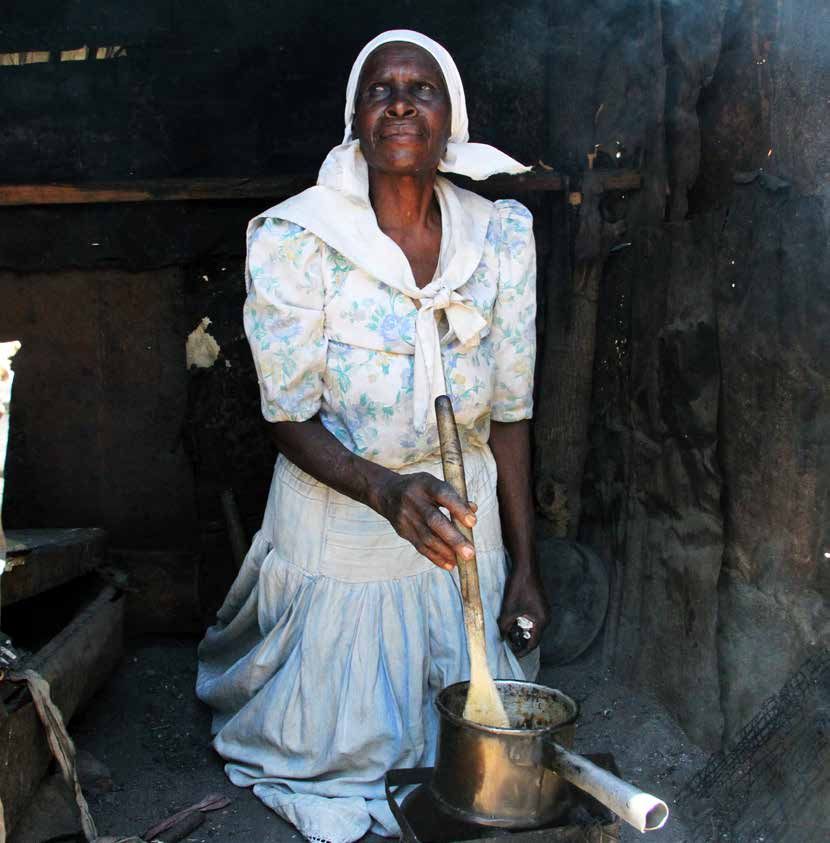
Photo: UNOCHA / Saviano Abreu

                                ZIMBABWE
ZIMBABWE FLASH APPEAL

     TOTAL POPULATION       PEOPLE IN NEED       PEOPLE TARGETED       REQUIREMENTS         # HUMANITARIAN
     OF ZIMBABWE                                                       (US$)                PARTNERS

     15.1M                  5.3M                 2.2M                  234M                 70
                IPC Projected Acute Food Insecurity Situation
                                              (Feb - May 2019)

                                                                       MASHONALAND
                                                                         CENTRAL

                                                       !
                                                           MASHONALAND
                                              Kariba          WEST
                                                                               0.3m

                                                                0.3m        HARARE
                                                                              MASHONALAND
                                                                                  EAST

                                                                                0.4m      MANICALAND
                               0.3m                         MIDLANDS

                            MATABELELAND NORTH
                                                                0.4m                           0.6m
02
                                             BULAWAYO

                                                                              MASVINGO
                                             MATABELELAND
         XX Food insecure people                SOUTH

         IPC Food Insecurity Phase                                               0.4m
                                                0.2m
                1: None or Minimal
                2: Stressed
                3: Crisis
                4: Emergency
                5: Catastrophe/Famine

            !   Area would likely be at least one phase worse
                without the effects of humanitarian assistance
        Source: Zimbabwe IPC TWG

       This document is produced by the Humanitarian Country Team and the United Nations Resident
       Coordinator’s Office in Zimbabwe, with the support of the United Nations Office for the Coordination
       of Humanitarian Affairs (OCHA). The projects reflected here support the national government. It
       covers the period from January 2019 to June 2019.
JANUARY - JUNE 2019

                               TABLE
                         OF CONTENTS
FOREWORD BY THE UN RESIDENT COORDINATOR 						        04

THE FLASH APPEAL AT A GLANCE								05

OVERVIEW											06

STRATEGIC OBJECTIVES									09

RESPONSE STRATEGY AND RESPONSE CAPACITY						10

SUMMARY OF NEEDS, TARGETS & REQUIREMENTS						        11

    AGRICULTURE										12                                    03

    EARLY RECOVERY									13

    EDUCATION										14

    FOOD SECURITY									15

    HEALTH										16

    NUTRITION										17

    PROTECTION										18

    WASH											20

    REFUGEE RESPONSE STRATEGY							21

ANNEXES

    LIST OF PARTNERS									23

    GUIDE TO GIVING									24
ZIMBABWE FLASH APPEAL

      FOREWORD BY

     THE UN RESIDENT
     COORDINATOR
                                         Humanitarian needs       The Flash Appeal complements the Government’s
                                         are rising in            ongoing and planned interventions to respond the
                                         Zimbabwe due to the      humanitarian situation.
                                         combination of poor
                                         and erratic rains and
                                         a deteriorating          I am conscious that humanitarian support is not a
                                         economic situation.      long-term solution to the socio-economic challenges in
                                         At the same time as      Zimbabwe. Intensive effort is required to tackle the root
                                         we are entering the      causes of the rising humanitarian needs, and the UN
                                         peak of the 2018/19      is committed to continue to support the Government
                                         lean season, high        to undertake the necessary reform efforts as outlined
04                                       inflation                in the Transitional Stabilization Programme. However,
                                         compounded by the        while efforts are being taken to address these extremely
     impact of the parallel market is drastically increasing      complex set of challenges, there is a moral obligation
     the cost of basic commodities and forex shortages            and an urgency for the international community to lend
     have significantly affected the supply chain for essential   live-saving support to the most vulnerable.
     medicines. As a result, 5.3 million people are now in
     urgent need of life-saving humanitarian assistance and
     protection support in both urban and rural communities.      This Flash Appeal is prioritized and principled. We are
     Livelihood support will also be required to build            confident that the activities planned are those that
     resilience of the communities to soften the impact of        are most urgently needed and will deliver immediate
     climate and economic shocks.                                 relief to the most vulnerable. Built-in programme
                                                                  methodology is intended to deliver support effectively
                                                                  and efficiently. Most importantly, the UN and
     It is critical that we act now and mobilize resources to     humanitarian partners are committed to ensuring
     support the most vulnerable people in Zimbabwe cope          that the humanitarian principles of impartiality,
     with the multiple shocks that they have faced especially     neutrality, independence and humanity are respected in
     in recent months and to prevent more households              implementing the activities in the Flash Appeal. We are
     requiring assistance. To this end, this Flash Appeal         here to support the people of Zimbabwe. We thank you
     targets 2.2 million people that have been hardest-hit by     in advance for your support!
     the economic crisis and poor agricultural performance.

                                                                  Bishow Parajuli
                                                                  UN Resident Coordinator in Zimbabwe
JANUARY - JUNE 2019
THE FLASH APPEAL
AT A GLANCE
STRATEGIC OBJECTIVE 1 PEOPLE IN NEED FUNDING REQUIREMENTS BY SECTOR
5.3M
Save lives and
FOOD SECURITY - FOOD ASSISTANCE $130M
livelihoods by
providing integrated
humanitarian HEALTH $37.4M
assistance and protection
PEOPLE TARGETED
to people impacted by the
2.2M
economic crisis and severe EARLY RECOVERY $16.5M
food insecurity
STRATEGIC WASH $12.7M
OBJECTIVE 2
REQUIREMENTS (US$)
Provide life-saving AGRICULTURE $11.1M
234M
humanitarian
health assistance by
responding to outbreaks and EDUCATION $9.7M
procuring essential medicines
OPERATIONAL PRESENCE NUTRITION $8.7M
05
STRATEGIC
OBJECTIVE 3 UN
8 PROTECTION $4.5M
Strengthen the
resilience of the
most vulnerable communities NNGOs 26 70 36 INGOs
partners REFUGEES $3.2M
to mitigate against the impact
of the deteriorating economic
situation
NUMBER OF PEOPLE IN NEED NUMBER OF PEOPLE TARGETED
Mashonaland Mashonaland
Mashonaland West Central Central
Mashonaland West
Harare Harare
Mashonaland Mashonaland
East East
Matabeleland North Matabeleland North
Midlands Midlands
Manicaland Manicaland
Bulawayo Bulawayo
People in Need by District Matabeleland Masvingo People Targeted by District Matabeleland Masvingo
South South
< 20,000 < 5,000
20,001 - 50,000 5,001 - 20,000
50,001 - 150,000 20,001 - 50,000
150,001 - 200,000 50,001 - 100,000
> 200,000 > 100,000ZIMBABWE FLASH APPEAL
ZIMBABWE
OVERVIEW
The humanitarian situation in Zimbabwe is deteriorating, with the economic crisis
compounding the impacts of erratic rainfall. Severe food insecurity has escalated
during the 2018/2019 lean season (October – April), while access to basic
services, and particularly healthcare, has become increasingly challenging due to
the economic situation.
Nearly 5.3 million people in Zimbabwe are estimated population experiencing IPC phase 3 (Crisis) and IPC phase
to be in urgent need of humanitarian assistance and 4 (Emergency) conditions and about 20 per cent employing
protection during the 2018/2019 lean season (October emergency coping strategies to access food. The most
– April) and beyond. This includes nearly 3.8 million vulnerable households are experiencing moderate to large
people in rural areas, including 2.9 million who are severely energy intake gaps, consuming a diet of very poor quality
food insecure (IPC phase 3 or above) and a further 900,000 and engaging in accelerated depletion of assets through
people who are currently receiving humanitarian assistance, unsustainable livelihood coping strategies.
without which they would be in IPC phase 3 or above. In
addition, 1.5 million people in urban areas, including major
towns and secondary cities, are estimated to be facing severe This rise in severe food insecurity has been driven
food insecurity, while people in multiple locations across by a combination of factors – including late rainfall,
the country are faced with acute shortages of essential abnormally dry conditions and the worsening economic
06 medicines. With the ongoing macro-economic crisis, there is a situation – which are likely to prolong the lean season
high likelihood that the situation will continue to deteriorate. at least until May. Late and erratic rains have affected
agriculture activities, such as land preparation and planting,
and the 2019 harvest is likely to be delayed. In addition,
infestations of crop pests, including Fall Armyworm and
Tuta absoluta, have now spread to all provinces in the
MASHONALAND
CENTRAL country, contributing to reduced crop production. The most
Kariba ! MASHONALAND
WEST vulnerable people reside in drought-prone rural areas, relying
exclusively on rain-fed agricultural production for their food
HARARE consumption and income, and have therefore been hardest-hit
MASHONALAND
EAST
by these developments. At the peak of the lean season, these
households typically depend on the market for food. However,
MIDLANDS
MANICALAND
sharp price rises have resulted in lower purchasing power and
MATABELELAND NORTH
inadequate access to food. Staple cereal prices, for instance,
increased between 50 per cent and 150 per cent above the
BULAWAYO
five year averages and are expected to further increase
across the lean season. In addition, the economic crisis and
MATABELELAND
MASVINGO poor season performance have reduced agricultural-based
SOUTH
livelihood opportunities and wages (both in-kind and cash).
IPC Food Insecurity Phase At the same time, high livestock deaths have been reported,
1: None or Minimal along with unavailability of pasture, in predominantly cattle
2: Stressed ranching districts. There has been a sharp increase of stock
3: Crisis
feed and agricultural input prices, and the recurrence of
4: Emergency
5: Catastrophe/Famine
livestock disease outbreaks - such as anthrax, foot and mouth
disease (FDM) and theileriosis - are further threats to the
! Area would likely be at least one phase worse
without the effects of humanitarian assistance agricultural season.
Source: Zimbabwe IPC TWG
In the three areas classified in IPC Phase 4
(Emergency), there is widespread food deprivation,
with many people going to sleep hungry and going all
day and night without eating. The rural areas of Zimbabwe
show a very precarious situation, with 30 per cent of theJANUARY - JUNE 2019
These reforms are critical to: address liquidity challenges;
SPATIAL RAINFALL DISTRIBUTION
Spatial IN distribution
rainfall THE 2018 - 2019 SEASON stimulate growth and investment to increase revenue
in the 2018 - 2019 season collection and foreign exchange generation; and protect social
gains. However, their implementation will be met with critical
challenges as the country’s protracted fiscal imbalances have
undermined any effort to prioritize development spending,
including social service provision, undermining poverty
MASHONALAND
MASHONALAND reduction efforts. Unemployment rates have been increasing
WEST
CENTRAL
as employment opportunities have continued to diminish. The
high and unsustainable debt-to-GDP ratio; high fiscal deficit;
cash shortages, and limited availability of foreign exchange
HARARE
are directly impacting on people’s lives; and the persistent
MASHONALAND shortage of essential goods, including fuel and consumer
MATABELELAND EAST MANICALAND
NORTH goods, remain major obstacles for any meaningful economic
MIDLANDS
recovery. The impact of the economic crisis on people’s
lives has led to demonstrations, unrest and growing concern
BULAWAYO regarding human rights violations. There were reports about
people killed, injured, detained, and alleged cases of sexual
MASVINGO
violence.
MATABELELAND
SOUTH
Rainfall distribution
Good Zimbabwe is also battling disease outbreaks, acute
Fair forex shortages in the health sector and stock outs
Poor
of essential medicines. In 2018, Zimbabwe recorded the
Very poor
second largest cholera outbreak in its recent history. The
Source: ZimVAC 2019 lean season rapid assessment disease rapidly spread mainly around two suburbs of Harare
city since September, and by early January 2019 more than
10,000 cases including 65 deaths across the country have
People’s capacity to withstand new economic shocks
is severely compromised as the country has gone
been reported. The country is also battling a typhoid fever 07
outbreak, which has affected Harare and Gweru cities since
through repeated stresses since 2008. At the heart of 2017, with more than 6,100 cases reported and 17 deaths
the economic problems is a US$17 billion domestic and since the outbreak began. The country also has a high level
foreign debt and a $1.8 billion trade deficit that has worsened of HIV prevalence, affecting more than 13 per cent of the
forex shortages. A rapid snap survey carried out in October population. In the face of rising needs, Zimbabwe’s healthcare
2018 indicated high market volatility, as traders were aligning budget is chronically underfunded and stocks of essential
prices to the black-market exchange rate (RTGS 4:1 USD). medicines, diagnostics and supplies have been depleted due
The sharp increase in inflation (56.9 per cent in February to foreign currency shortages. Many private pharmaceutical
2019 year-on-year), and 250 per cent rise in fuel prices are suppliers now only accept United States dollars and have
directly impacting on poverty and hunger. Meanwhile, public dramatically increased their pricing. As a result, many
sector salary payments have not been adjusted to reflect people are unable to pay for basic health services, including
price increases. In October 2018, the government announced vulnerable people living with chronic conditions such
a Transitional Stabilization Programme (2018-2020) to as tuberculosis and HIV, and refugees. Drought-induced
implement structural reform to ensure financial stabilization. migration in search of food may further compound the health
situation as it could reduce the coverage of key immunization
activities, which increases the risk of additional disease
INFLATION RATE outbreaks.
60 Malnutrition could rise in the months ahead due
50 to increasing food insecurity, economic strain and
40
unavailability and unaffordability of basic food
commodities. The nutrition status of children in Zimbabwe
30 showed a marked improvement in 2017, with global acute
20 malnutrition (GAM) rates reducing to 2.5 per cent and severe
acute malnutrition (SAM) to 0.2 per cent. However, the
10 confluence of risks in the months ahead is likely to reverse
0 some of these gains, especially in 25 drought-prone districts
identified by the nutrition sector. Children under age 5 will be
-10
Sep-18
Nov-18
Jan-19
Sep-17
Nov-17
Jan-18
Mar-18
May-18
Jul-18
Sep-16
Nov-16
Jan-17
Mar-17
May-17
Jul-17
Jan-16
Mar-16
May-16
Jul-16
worst-affected, along with people living with chronic illnesses
such as HIV. It is anticipated that more than 72,200 children
could be affected by acute malnutrition (25,280 SAM and
46,948 MAM) in all districts in the country between now and
May 2019. In addition, 360,000 young children aged 0 to 23ZIMBABWE FLASH APPEAL
months, nearly 906,000 children aged 6 to 59 months and Rising food insecurity and the growing economic crisis
nearly 575,400 pregnant and lactating women with elevated pose unique protection risks for women and girls. Girls
nutrition needs or vulnerability in 24 districts are likely to be are particularly vulnerable to family separation, early marriage,
affected by food insecurity. teenage pregnancy, domestic violence and extreme coping
mechanisms during times of household stress, including
transactional sex. The risk of exposure to domestic violence
Decreasing access to clean and safe water in both rural and intimate partner violence are also expected to increase
and urban areas is heightening the risk of disease and as a consequence of heightened family tensions caused by
malnutrition. Only 49.4 per cent of water points across the crop damages and income losses. Poor rains have increased
country (mainly hand pumps) are fully functional, according the likelihood of drought-induced displacement, as affected
to the October 2018 report from the Rural WASH Information people consider moving to urban and peri-urban areas in
Management System (RWIMS). Urban areas continue to suffer search of jobs and food. Rural-urban migrants often end up in
from overloaded and ageing water and sewage infrastructure, severely overcrowded city slums, which lack basic services,
with intermittent water supply of an average of 12 hours per such as proper drainage systems, safe drinking water and
day, according to the most recent Service-Level Benchmarking proper sanitation. Migration due to hunger also increases
(SLB) survey. The situation is compounded by the economic the risk of sexual violence, exploitation, abuse and early and
situation, which is limiting access to foreign exchange by unwanted pregnancy. Meanwhile, restrictions on employment,
urban local authorities to procure water treatment chemicals. the encampment policy and limited livelihood activities leave
An estimated 780,000 people remain at risk of WASH-related refugees and asylum seekers dependent on the humanitarian
disease outbreaks, including cholera and typhoid, due to assistance for food.
inadequate access to safe water. Poor rains have increased
the burden of fetching water for children and women, forcing
them to travel longer distances and exposing them to the risk Lack of food, water scarcity and deteriorating access
of violence and abuse. Access to safe water also remains a to livelihoods will impact the education of school age
challenge for the 20,000 refugees in Zimbabwe. children, especially girls. School dropout is reportedly
already rising, as families prioritize food, performance of
households’ chores and casual labour over school attendance.
Increasing food insecurity and poor access to hygiene, Families with constrained budgets will prioritize food over
08 sanitation and water will particularly impact people school fees. For girls, in particular, school dropout can lead to
living with HIV. Lack of food has a direct impact on the family separation, child labour and early marriage. During the
ability of people living with HIV to take their medicines, as 2015-2016 El Niño-induced drought, there was also a reported
the drugs cannot be taken on an empty stomach and also increase in cases of teenage pregnancy, impacting girls’
increase the feeling of hunger. People living with HIV with school attendance, and the pattern could be repeated if the
food insecurity run the risk of malnutrition and ill health. situation does not change.
Lack of access to safe water and sanitation can have dire
consequences for people living with HIV. Episodes of severe
diarrhoea, cholera or other gastro-intestinal infections can
accelerate the progression to AIDS, if untreated.
Photo: UNOCHA / Saviano AbreuJANUARY - JUNE 2019
STRATEGIC
OBJECTIVES
This Flash Appeal has been prioritized to target 2.2 The Flash Appeal is intentionally time-bound, with an
million of the most vulnerable people in Zimbabwe emphasis on responding to the most urgent needs during
who have been severely impacted by rising levels of food the economic crisis, the prolonged 2018/2019 lean season
insecurity, the economic crisis and disease outbreaks. The and in the immediate post-season. Action during this period
response targets the 91 hardest-hit districts, including 61 rural is critical to save lives and livelihoods. However, should the
and 30 urban, which were prioritized through severity ranking situation continue to deteriorate, a revision and extension of
based on multi-sectoral analysis of humanitarian needs. the Flash Appeal may be required.
In addition, the Flash Appeal includes the procurement of
essential medicine and medical supplies to cover 9.2 million
vulnerable people in 80 districts who currently have limited
access to healthcare.
09
1 2 3
Save lives and Provide Strengthen
livelihoods life-saving the resilience
by providing humanitarian of the most
integrated health vulnerable
humanitarian assistance by communities
assistance responding to to mitigate
and protection to outbreaks and procuring against the impact of the
people impacted by the essential medicines deteriorating economic
economic crisis and situation
severe food insecurity
This objective reflects the Under this objective, partners will Resilience programming will underpin
commitment of humanitarian ensure that health systems are humanitarian action, ensuring
partners to provide timely assistance enhanced to provide life-saving health sustainability in the response and
to save lives and mitigate against the response to current and emerging increasing households’ ability to
negative impacts of the economic outbreaks. Increasing the availability recover and cope with future shocks.
crisis and poor rain performance of essential drugs in most affected Under this Objective, humanitarian
on the most vulnerable households areas is critical to prevent loss of action will be linked with ongoing
by reducing their food insecurity lives over the lean season and during development and resilience
and livelihoods losses. Under this the peak of the economic crisis. programming to reduce future
objective, partners will implement dependency.
a protection-centred and multi-
sectoral approach to humanitarian
programming that alleviates the
suffering, and reduces the risks, faced
by food-insecure households.ZIMBABWE FLASH APPEAL
RESPONSE STRATEGY AND
RESPONSE CAPACITY
Strategy international humanitarian response. At the technical level,
sectors are co-chaired by the relevant line ministry and the UN,
The Flash Appeal promotes a “cash first” approach, but also while inter-sector coordination meetings take place regularly.
recognizes that, due to the economic situation and other
complexities in the Zimbabwe context, cash will need to be
complemented by in-kind assistance. Operational challenges
The Flash Appeal ensures the Centrality of Protection, with
The macro-economic situation – including the liquidity crisis
a particular focus on preventing and responding to gender-
– poses a number of serious operational challenges for
based violence.
humanitarian partners in Zimbabwe. Rising commodity prices
Humanitarian programmes are implemented in full (the official inflation rate in February 2019 was 56.9 per cent)
consultation with and involvement of communities at district, and shortages of basic commodities such as fuel may have
ward and village levels. The village prioritization and targeting a negative operational impact, particularly in terms of the
processes are carried out by ward assembly meeting and ability of humanitarian partners to reach people in need in the
they are facilitated by the District Committee and non- most remote areas. The inflation – should it continue – may
governmental organizations (NGOs). At community level, result in increased operational costs. However, all possible
beneficiary households are selected through a community- measures are being taken by humanitarian partners to try to
based targeting approach, whereby villagers identify sectoral ensure that the transfer value of humanitarian funding is not
need using indicators/criteria specific to their area. This lost.
process is facilitated by UN/NGO personnel. There are
grievance report mechanism (GRM) and support services
such as help desk, suggestion boxes and toll free numbers ZIMBABWE: RESPONSE CAPACITY AND RESPONSE PRIORITY
10 provided to beneficiaries. These services provide a real-time BY DISTRICT
feedback mechanism, which allow the different stakeholders
(UN, NGOs, local authorities) to share information, verify
grievances and address issues in line with the GRM protocol.
Mbire
Centenary/ Muzarabani
Kariba Urban
Hurungwe
MASHONALAND
CENTRAL Mount Darwin Rushinga
Operational implementation
Guruve
Karoi
23
Kariba
Makonde Mvurwi
Mudzi
Shamva
Bindura
MASHONALAND WEST Mazowe Bindura Urban
Uzumba
Maramba Mutoko
Under this Flash Appeal, 70 organizations – including 62
Chinhoyi Pfungwe
MASHONALAND
18
Zvimba
Gokwe North
EAST
NGOs and 8 UN agencies – will implement activities in Binga HARARE
Epworth Ruwa
Goromonzi Murehwa
19
14
Norton
Victoria Falls Nyanga
89 prioritized districts, in support of the Government of
Gokwe South Sanyati Chitungwiza
Chegutu Urban
Marondera Urban
Gokwe South Urban
Chegutu
Seke Makoni
Zimbabwe’s response. Although Zimbabwe has primarily been
Hwange Urban Kadoma Urban Marondera
Rusape
Mhondoro-Ngezi Mutasa
MATABELELAND NORTH
a development-oriented context in recent years, humanitarian
Hwange Hwedza
Kwekwe Urban
MANICALAND
Nkayi Kwekwe Chikomba
Lupane Mutare Urban
response capacity is quite well-established as many of the 24 22
Redcliff
MIDLANDS
30
Mutare
implementing partners have existing programmes in affected
Chirumhanzu
Gweru Urban Buhera
Gweru
Bubi
Tsholotsho Gutu
Shurugwi Town
areas. The organizations in the Flash Appeal will undertake Umguza
Shurugwi
Chimanimani
vertical and horizontal expansions and adaptations in order
BULAWAYO Masvingo Urban
Zvishavane Bikita Chipinge Urban
9
Bulilima
Insiza Zvishavane Urban Masvingo
to rapidly adjust their interventions, including through crisis
Umzingwane Zaka
Plumtree Chipinge
Chivi
modifiers, to respond to the deteriorating situation. XX No. of partners Mberengwa
MATABELELAND SOUTH MASVINGO
Matobo Gwanda Urban
Mangwe Chiredzi Urban
Response priority by District 25
24
Gwanda
Mwenezi
Priority 1 Chiredzi
Humanitarian coordination Priority 2 Beitbridge
Beitbridge Urban
Non priority
The strategic coordination of the humanitarian response is
undertaken by the high-level Multi-Stakeholder Consultative
Meeting, which is convened quarterly and co-chaired by the
Office of the President and Cabinet and the UN Resident
Coordinator. The Humanitarian Country Team, chaired by
the UN Resident Coordinator and consisting of the UN,
NGOs, Zimbabwe Red Cross and humanitarian donors,
meets bimonthly as an operational coordination forum forJANUARY - JUNE 2019
SUMMARY OF
NEEDS, TARGETS &
REQUIREMENTS
5.3m people in need $234m
2.2m people targeted requested
$1.8m
0.014m 1.7m
Food Security
$130m
5.3m
0.6m 11
$11.1m
0.9m Agriculture
0.014m 0.7m
$37.4m
0.9m Health $0.3m
0.014m0.4m
Water, sanitation $12.7m $0.3m
0.8m and hygiene
0.014m 0.4m
0.7m Protection $4.5m $0.2m
0.2m
0.7m Early Recovery $16.5m
0.005m 0.3m $0.5m
Education
$9.7m
0.5m
0.05m $0.1m
0.003m Nutrition
$8.7m
0.07m
xx People in need xx People Targeted xx Refugee Response Targeted xx Sector requirement Refugee response requirementZIMBABWE FLASH APPEAL
AGRICULTURE
$11
MILLION
Total required Agriculture sector partners plan to address the most urgent agricultural needs for vulnerable
smallholder farmers in 30-targeted districts. Humanitarian actors will work closely with
the specialized departments of the Ministry of Lands, Agriculture, Water, Climate and Rural
Resettlement to assist targeted farmers to access inputs to help restore their productive
capacity. To the extent possible, market-based approaches, such as subsidized inputs, cash-
PEOPLE IN NEED based transfers and input vouchers will be used as modalities for assistance. Livestock
farmers in districts recording the highest cattle deaths will be targeted to access stock
934K
feed to improve the nutritional status and survival prospects of livestock. Working in close
collaboration with the Department of Veterinary Services, partners will facilitate the emergency
procurement of vaccines to undertake vaccination campaigns against identified livestock
diseases. The sector response includes early action interventions that complement ongoing
development projects undertaken by agriculture partners. Such activities include emergency
PEOPLE TARGETED rehabilitation of community boreholes, livestock drinking troughs and other rapid interventions
designed to mitigate the effects of a poor rainfall season, protect development gains as well as
576K strengthen the resilience of communities to future shocks.
Priority actions:
# OF PARTNERS
• Basic provision of crop and livestock inputs to vulnerable food-insecure farmers.
33 • Managing crop pests and livestock diseases.
• Increase access to water for agricultural production and drinking points for livestock.
12 • Increase capacity of vulnerable farmers on climate resilient mitigatory/adaptation strategies.
Contact:
Constance Pepukai:
constance.pepukai@fao.org Photo: UNOCHA / Matilda MoyoEARLY RECOVERY
$16.5
MILLION
Total required The Early Recovery response will be implemented with the overall objective to stabilize
livelihoods and rebuild the foundation for resilience of the drought-affected communities
in targeted rural and urban areas. The response integrates humanitarian efforts with early
recovery activities to restore the capacity of vulnerable communities and local institutions to
recover from impacts of El Niño-induced drought, prevent further deterioration and shorten the
PEOPLE IN NEED need for humanitarian assistance.
690K
The response includes restoration of basic social and financial services, diversified livelihoods
and emergency employment options and strengthening the capacity of local government to
monitor and address humanitarian and early response needs building towards social cohesion
and reduced social tensions. In urban areas, the early recovery response will also emphasize
on WASH-related livelihood recovery economic activities.
PEOPLE TARGETED
A gender-sensitive approach will be applied throughout the program cycle. Activities will be
153K
implemented in close collaboration with the Government, both at national and local level, and
with affected communities in rural, urban and peri-urban areas.
Priority actions:
# OF PARTNERS
• Early recovery response through stabilization and restoration of livelihoods, emergency
8
employment and enterprise recovery in rural and urban areas.
• Creation of short-term emergency employment, including cash for work and start-up grants to
recapitalize small enterprises. 13
• Rehabilitation of community livelihood infrastructure and productive assets for micro-
enterprise recovery.
• Protect community livelihoods and provide alternative emergency livelihoods and
employment.
• Provision of access to short-term and tailor-made vocational training and facilitating job
placement for youths where necessary.
• Provision of and supporting access to IT-based information on commodity market situation
and emergency livelihoods inputs and employment opportunities.
• Strengthen the national and subnational capacity for monitoring and addressing humanitarian
needs through the existing national Crisis Modifier mechanism for timely, rapid, early response
to El Niño by partners who are already operating in the affected districts.
Contact:
Anne Madzara:
anne.madzara@undp.orgZIMBABWE FLASH APPEAL
EDUCATION
$9.7
MILLION
Total required This Plan aims to ensure that children in food-insecure districts continue to have access to
education services that support their physical, social, emotional and cognitive wellbeing.
$9.2m Schools provide a platform for cross-sectoral, pre-emptive and life-saving support to food
insecure communities. Supporting education services during the food insecurity will enable
Zimbabweans children to build their resilience of the food insecure communities to withstand, adapt and
recover from impacts of high-level of food insecurity. The link between adequate nutritional
$457k levels and school attendance and attainment of educational outcomes is extensively proven.
Ensuring that children receive school meals, therefore, both protects the most vulnerable
Refugees children from food insecurity-induced decline in nutritional status, and secure that their
education is not disrupted. The Ministry of Primary and Secondary Education (MoPSE)
supported School Feeding Programme in Zimbabwe has been temporarily stopped due to the
emergence of cholera in the country. The Education Sector plans to resume the School Feeding
PEOPLE IN NEED for 338,388 children in the most food insecure districts. At Tongogara Refugee Camp, both
primary and secondary schools are overcrowded and teachers must deal with up to 65 pupils
455K
in just one class.
The Education Cluster will coordinate with the WASH Custer to ensure that sanitation and
451k Zimbabweans hygiene awareness is improved to prevent the recurrence and further spread of the ongoing
cholera outbreak. This can have a significant positive impact on child health and learning
4.8k Refugees outcomes. Life-saving messaging to teachers, learners and surrounding communities will
be provided on WASH, health, nutrition and child protection referral pathways, contributing
to behavioural change among affected learners. Close monitoring of the impact of the food
14 PEOPLE TARGETED insecurity on the education system, through training of MoPSE officials and teachers on
emergency handling, strengthened coordination and information management - both at
338K national and subnational levels - will provide an evidence base for advocacy and informed
programming. A clear understanding of how the effects of the drought impact learning, and
active response to ongoing evaluation will contribute to the promotion of resilience within the
education stakeholders.
333k Zimbabweans
4.8k Refugees
Priority actions:
• Support the provision of school meals and WASH services, including cholera prevention
# OF PARTNERS
measures in drought-affected schools and cholera-affected zones. These activities will be
5
carried out in close collaboration with the Food Security, Nutrition, Agriculture, WASH and
Protection sectors.
• Pre-position teaching and learning materials to reduce the burden of education costs to
parents, as families will probably prioritize food over other basic needs.
• Disseminate awareness messages on the importance of regular school attendance for
children in emergency locations.
• Coordinate real time data collection exercise to monitor school attendance and the strategic
inter-sectional life-saving response interventions for children.
• Train MoPSE officials and teachers on preparedness and early response to possible El Niño.
Breakdown of people in need and targeted by status, sex and age (approximately 3 to 18)
By Sector Male Female
People in need 455,748 218,759 236,989
People target 338,388 162,426 175,962JANUARY - JUNE 2019
FOOD SECURITY
$130
MILLION
Total required Food Security operational partners will address the most urgent food security needs of
communities in both rural and urban areas, as well as the refugee and asylum-seeker
$128m population. In addition to ongoing assistance which is covering an estimated 900,000 people
for the period January to April 2019 and the Government’s Food Deficit Mitigation Strategy,
Zimbabweans operational partners aim to expand the geographic coverage to support an additional 700,000
people in food-insecure rural communities that are considered in emergency (IPC phase 4),
$1.6m primarily through cash-based assistance. For urban communities, some 100,000 people will
be targeted. Operational partners will also provide specialized super cereal food ration (CSB+)
Refugees specifically targeting children 6-59 months and pregnant and lactating women. This will
supplement the nutritional value of the food basket provided as part of the general household
ration/cash. Intervention will focus on the low-lying areas reliant on rain-fed agriculture, where
communities were disproportionately affected by last year’s erratic rain.
PEOPLE IN NEED
Despite the current economic stress, market-based interventions are viable according to the
5.3M
national market assessment carried out by WFP and partners in November 2018. Based on
the market functionality, a monthly transfer value of US$9 per person will be provided to meet
approximately 80 per cent of the daily kcal requirement of an adult. With the current volatility,
the prices and resultant purchasing power will be closely monitored on a regular basis. The
5.3m Zimbabweans high reliance on cash-based assistance will allow partners to keep people’s dignity, needs and
preferences at the centre of the response, while increasing efficiency and flexibility.
14k Refugees
Given the high prevalence of food insecurity in urban settings (brought on in the main
by adverse economic circumstance), operational partners will provide cash-based food
PEOPLE TARGETED assistance to the most vulnerable in Harare, Bulawayo and Masvingo. This urban intervention
will use a vulnerability based targeting approach, prioritizing chronically vulnerable households, 15
1.7M including the elderly, under-five children, disabled, pregnant and lactating women (PLW) and
child headed households. Significant effort will be made to mitigate any protection risks
identified and appropriate complaints and feedback mechanisms will also be put in place
to ensure that affected populations can voice concern confidentially. Urban food assistance
1.7m Zimbabweans response especially in cash is new to operational partners therefore the initial phase will be
piloted in Harare targeting 20,000 people. The intention is to scale-up the urban food security
14k Refugees response to 100,000 individuals.
This food security response is essential to address immediate food consumption requirements
especially those in emergency (IPC phase 4). Intervention should also address negative coping
# OF PARTNERS strategies that undermine household food security and resilience. To address the underlying
causes of food security, operational partners will provide resilience-building support as part of
21 the response (see Early Recovery). In light of the multi-sectoral causes and consequences of
the food insecurity crisis, operational partners will continue to coordinate with WASH, Health,
Nutrition and Protection sectors to establish an integrated sectoral approach.
In view of the poor agricultural season, food assistance at this juncture is considered disaster
risk reduction and as such prevents further deterioration in the overall food security status
during the 2019 post-lean season and in advance of the 2019/2020 lean season. This is
particularly the case for those households already categorized in crisis and emergency (IPC
phase 3 and 4).
Priority actions:
• Provide monthly food assistance through either in-kind or cash transfer to food-insecure rural
households, in close collaboration with local stakeholders.
• Provide monthly cash assistance to meet the most immediate food security needs of
vulnerable people in urban areas, adversely affected by the current economic challenges.
Contact: • In close coordination with the Nutrition partners, provide a protective nutritional ration to
increase nutritional value of the food basket provided to households with children and pregnant
Jens Nylund: and lactating women.
Jens.nylund@wfp.org • Provide in-kind assistance to 14,000 refugees.ZIMBABWE FLASH APPEAL
HEALTH
$37.4
MILLION
Total required This Appeal seeks to mobilize the international community to respond to the acute shortage
of medicines, diagnostics and consumables in Zimbabwe stemming from the economic crisis.
$37.1m Although financial support has been received from various donors, this support has been
directed at primary health-care services as well as programmes for specific conditions such as
Zimbabweans malaria, HIV, TB, Family and Child Health. The procurement of medicine will target 80 per cent
of the total population in the 80 districts targeted in the prioritization of needs, amounting to
$324k* 9.17 million people. Procurement of adequate essential medicines and medical supplies for
primary health-care centres (PHCs) will be done through the National Pharmaceutical Company
Refugees of Zimbabwe (NatPharm). The stock management system will be strengthened to ensure that
the consumption rates are closely monitored to avoid stock out. For refugees and asylum
seekers, access to decent health care has also been undermined by national shortages of
OUTBREAK RESPONSE drugs.
FUNDING REQUIRED A mapping of vulnerability and response capacity will be conducted nationwide to improve
preparedness and response planning. Disease surveillance and early warning systems will
2.4M
be strengthened through training of relevant health staff for early detection, confirmation and
response to diseases outbreaks and other public health events through training in Integrated
Disease Surveillance and Response (IDSR) and establishment of Rapid Response teams at all
levels. Management of medical consequences of malnutrition and common communicable
diseases - including cholera, typhoid fever and measles - will be enhanced through building
PEOPLE IN NEED capacity of health workers on case management of priority diseases.
850K
Health partners will support laboratory capacity for the National Microbiology Reference
Laboratory (NMRL), provincial and district level laboratories through training of laboratory staff
16 and procurement of relevant equipment and reagent. This will support timely and effective
detection and confirmation of priority pathogens, and monitoring of drug sensitivity for
effective case management.
PEOPLE TARGETED
The health sector is coordinated under the leadership of Ministry of Health and Child Care,
700K
and through the Inter-Agency Coordination Committee on Health (IACCH), with WHO as the
secretariat and sector lead.
Priority actions:
MEDICINE PROCUREMENT
• Undertake a Vulnerability Risk Assessment and Mapping (VRAM) exercise to identify the
FUNDING REQUIRED hazard profile, vulnerabilities and capacities nationwide.
35 M
• Strengthen disease surveillance/ early warning through training of relevant health staff in all
provinces and local authorities in IDSR and providing logistics for prompt outbreak notification
and response.
• Strengthen laboratory capacity of the National Microbiology Reference Laboratory (NMRL)
PEOPLE IN NEED and all provincial health laboratories, including the Government Analyst Laboratory for early
detection, confirmation and monitoring of disease outbreaks and other public health threats.
11.4M • Strengthen case management for diarrhoeal diseases including cholera, typhoid fever and
measles.
• Procurement of essential medicines and medical supplies to ensure facilities are adequately
PEOPLE TARGETED stocked to manage disease outbreaks and other priority conditions at PHC level.
9.1M
# OF PARTNERS
4 *Under the refugee response, $323,849 is required to provide primary, secondary and tertiary
health services to all 14,050 refugees at Tongogara Refugee Camp.JANUARY - JUNE 2019
NUTRITION
$8.7
MILLION
Total required Partners in the Nutrition Sector will work with the Ministry of Health and Child Care and the
Food and Nutrition Council to provide life-saving essential nutrition services and strengthen
$8.4m community-based management of acute malnutrition. The response will also include the
provision of community level Infant and Young Child Feeding in Emergencies (IYCF-e) support
Zimbabweans to parents and caregivers of children under the age of two in food-insecure districts with high
levels of global acute malnutrition (GAM). The interventions will prioritize children and pregnant
$306k women at highest risk of morbidity and mortality in the 24 most food insecure districts.
Refugees Community health workers will be capacitated to conduct active screening for early
identification, referral and follow-up of children with acute malnutrition. Children with severe
acute malnutrition (SAM) will be treated with life-saving therapeutic milks and ready-to use
therapeutic food (RUTF), while children with moderate acute malnutrition (MAM) will be
PEOPLE IN NEED
treated with ready-to use supplementary food (RUSF) and linked to protective rations from
72K
WFP, which cover children under age 5. To prevent deficiencies, children and pregnant women
will receive micronutrient supplements. Pregnant women will be supplemented with iron and
folate from health facilities, children aged 6 to 59 months will be supplemented with multiple-
micronutrients through community support/care groups, as well as vitamin A supplements
56k Zimbabweans through health facilities and community health workers.
In Tongogara Refugee Camp, more than 2,000 under-five refugee children are in need of
16k Refugees nutritional support and over 1,000 refugee mothers will need nutrition education.
PEOPLE TARGETED
Priority actions:
17
49K • Increase access to and efficient stock management of life-saving therapeutic and
supplementary foods at health facility and community levels.
• Implement active screening for early identification and referral of children with acute
47k Zimbabweans malnutrition through community based health workers and community volunteers.
2k Refugees • Build the capacity of facility based health workers on treatment, management and reporting
of acute malnutrition.
• Provide community IYCF-e support and counselling, specifically where cash and/or food
# OF PARTNERS assistance intervention are provided, in coordination with WASH and food security clusters.
7
• Provide child and maternal micronutrient supplementation (VAS, MNPs, Iron and folate for
pregnant women and increased consumption of fortified staple foods) and reach specified
areas through village health days.
• Continue implementation of community nutrition resilience program in all at risk districts to
prevent an increase in acute malnutrition.
• Conduct seasonal nutrition assessment in partnership with WFP, FAO, MoH and FNC.
Contact:
Mathieu Joyeux:
mjoyeux@unicef.org
Thokozile Ncube:
tncube@unicef.org
Gabriella Prandini:
gprandini@zw.goal.ieZIMBABWE FLASH APPEAL
PROTECTION
$4.5
MILLION
Total required Prevent, respond to, and mitigate gender-based violence (GBV) risks, particularly for women
and girls, in districts most affected by high-level of food insecurity is one of the priorities of the
$4.3m sector. Among other activities, GBV partners will provide risk analysis and advocacy, focusing
on prevention, mitigation and response, strengthen referral mechanisms and disseminate life-
Zimbabweans saving information about the availability and accessibility of GBV services.
The GBV sub-sector will support the humanitarian community in ensuring that protection
$193k remains central to the entire response, working with other sectors to mainstream protection
Refugees from GBV and reinforce risk mitigation. The sector will also advise the Cash Working Group
under the Food Security Sector in the development of a GBV conscious cash assistance
strategy to target the most vulnerable and at-risk individuals.
GBV
Meanwhile, the Child Protection Sub-sector will work to ensure that girls and boys, especially
FUNDING REQUIRED the most vulnerable and those affected by humanitarian situations, are protected from all
forms of violence, exploitation, abuse and harmful practices. It includes working with the
800K
Ministry of Public Services, Labour and Social Welfare (MoPLSW) to strengthen and increase
sensitivity of the National Case Management Systems to humanitarian situation. Partners
will facilitate capacity strengthening for early identification and prevention of child protection
violations as well as case reporting, follow up and resolution for both welfare and protection
607k Zimbabweans cases.
193k Refugees Lack of safety and security also continue to be a serious protection risk for refugee women and
girls.
PEOPLE IN NEED
18
464K Child protection priority actions:
• Ensure availability and accessibility of quality comprehensive and vulnerability sensitive child
protection services for all children with special needs including separated children, children
450k Zimbabweans with disabilities, children in contact with the law children with HIV and child survivors of
14k Refugees violence.
• Conduct a Child Protection Early Stage Rapid Assessment on the impact of potential El Niño
PEOPLE TARGETED on already poor households.
372K
• Enhance protection coordination at national, provincial and district level, including effective
monitoring, response and prevention of violence against children, to inform targeted
programming and timely response.
• Capacitate district and community cadres for increased and efficient child protection system
358k Zimbabweans surveillance on child welfare and child protection emerging risks.
14k Refugees • Strengthen Child Protection National Case Management System, including management
information system to provide SITREP updates.
CHILD PROTECTION • Strengthen the capacity of humanitarian sectors’ actors (Food security, Health, WASH,
FUNDING REQUIRED Nutrition, Education) on mainstreaming child protection interventions into humanitarian
action, including establishment of prevention, mitigation and community-based complaints
1.2M
mechanisms.
GBV priority actions:
PEOPLE IN NEED
• Conduct assessments for the identification of GBV most at risk areas, as well as capacity
723K
mapping of multi-sectorial service providers in most at risk districts and establish community
based protection mechanisms for GBV prevention.
• Establish timely GBV mitigation strategies, including distribution of dignity kits, to reduce
PEOPLE TARGETED exposure for most-at-risk women and girls.
378KJANUARY - JUNE 2019
# OF PARTNERS
• Ensure availability and accessibility of quality comprehensive GBV survivors’ multi-sectoral
26
services such as health, psychosocial, security and legal support, through the establishment/
strengthening of referral pathways and the dissemination of life-saving information on
available services in drought-affected communities.
• Strengthen capacity-building efforts for GBV Sub-sector specialized actors on the application
Contact: of GBV in Emergencies Minimum standards, as well as the capacity of humanitarian sectors’
actors (Food security, Health, WASH, Nutrition and Education) on integrating GBV interventions
Child Protection into humanitarian action, including on the establishment of prevention, mitigation and
community-based GBV complaints mechanisms;
Allet Sibanda
• Enhance protection coordination at national, provincial and district level, including effective
asibanda@unicef.org monitoring, response and prevention of GBV, to inform targeted programming and timely
Jeremiah Chinodya response.
jchinodya@unicef.org
GBV
Verena Bruno
bruno@unfpa.org
Magdalane Chavunduka,
Ministry of Women
Affairs, Community, Small
and Medium Enterprises
Development
magdalanechavunduka@
gmail.com 19
Photo: UNOCHA / Tsvangirayi MukwazhiZIMBABWE FLASH APPEAL
WATER, SANITATION AND HYGIENE
$12.7
MILLION
Total required The Water, Sanitation and Hygiene (WASH) response will be guided by three strategic
objectives: (i) restore access to sufficient water of appropriate quality and quantity to fulfil
$12.5m basic needs; (ii) increase awareness of safe hygiene and sanitation practices, with a focus on
participatory health and hygiene education (PHHE) and water conservation; and (iii) provide
Zimbabwean access to critical WASH-related non-food items (NFIs), with a focus on the most vulnerable
families in the targeted areas. The WASH Sector will target more than 750,000 people in the
$195k most food insecure and cholera affected districts and peri-urban areas, including refugee
settlements. The response is specifically targeted at WASH needs arising from and aggravated
Refugees by the current cholera outbreak and high level of food insecurity. In the refugee sites, the
WASH sector will target the construction of sanitary facilities, as well as additional boreholes
and water reticulation systems. Finally, the WASH sector will also target 30 priority districts
identified to be in IPC 3 and 4 during the peak lean season 2018-2019.
PEOPLE IN NEED
The overall coordination at the national level will be done through the WASH Sector
775K
Coordination and Information Forum (WSCIF) and its Emergency Strategic Advisory Group
(E-SAG). At the sub-national level, interventions will be coordinated through the regular
coordination structures: Provincial and District Water Supply and Sanitation Committees
(PWSSC and DWSSC). The inclusion of specific activities to monitor interventions including
feedback from beneficiaries and communities will be promoted among the WASH partners as
761k Zimbabwean part of the implementation of this sector strategy.
14k Refugees
Priority actions:
20 PEOPLE TARGETED
• Rehabilitation/upgrading/construction of strategic water points with a focus of maximizing
393K
use of perennial water sources to cover needs of institutions (schools, health centres) and
vulnerable communities.
• Conducting participatory health and hygiene education and awareness in institutions (health
facilities, schools) and communities with high malnutrition rates. This will include training
379k Zimbabwean of environmental health technicians, village health workers and community health workers,
supporting community-based counselling of caregivers on infant and young child feeding
14k Refugees practices on critical life-saving WASH messages and hygiene practices.
• Distribution of WASH hygiene kits, targeting caregivers of severe and moderate acute
# OF PARTNERS malnourished children.
• Strengthening coordination and surveillance mechanisms at national and sub-national levels.
16
Contact:
Ministry of Land, Agriculture, Water, Environment and Rural Resettlement
Percy Mugwangwavari: percymugwa@gmail.com
National Coordination Unit
Lovemore Dhoba:
zimwashcluster@gmail.com
UNICEF
Aidan Cronin:
acronin@unicef.org
Kwanayi Meki:
kmeki@unicef.orgJANUARY - JUNE 2019
REFUGEE
RESPONSE STRATEGY
Zimbabwe hosts a total of more than 20,000 refugees and asylum-seekers. This population
$3.2
includes 14,050 refugees who reside in Tongogara camp located in the Manicaland province,
eastern Zimbabwe, and 927 refugees who are urban-based, mainly concentrated in Harare.
In addition, 6,546 Mozambican asylum-seekers have been profiled, but not yet biometrically
MILLION registered and are living among Zimbabwean host communities in Manicaland province. The
total number of refugees and asylum-seekers is expected to rise to up to 25,000 people in
2019, as displacement from the Democratic Republic of Congo (DRC) will probably continue in
Total required 2019.
The refugee response strategy focuses on the provision of protection and assistance to all
refugees and asylum-seekers, both in and outside camp settings, including in urban areas.
The protection environment will be enhanced through the engagement of refugee and host
PEOPLE IN NEED communities, organizations providing multi-sectoral assistance, and the host government.
21K
The refugee protection strategy prioritizes access to safety; reception, registration, status
determination and documentation; advocacy for maintaining the humanitarian and civilian
character of asylum; peaceful coexistence of refugee and host communities; strengthening
of resilience and coping mechanisms for the extremely vulnerable; access to justice; and
addressing the specific needs of children, women at risk and survivors of gender-based
PEOPLE TARGETED violence (GBV). Support to the development of the national asylum system remains essential. 21
Specific protection services, such as GBV response and child protection, will be tailored
14K to the needs of each at-risk group or individual. This will primarily be achieved through
participatory assessments, surveys and verification exercises to identify vulnerable refugees
and their needs. The needs of persons with disabilities and older people will be mainstreamed
throughout the response.
# OF PARTNERS Food assistance will be carried out by the provision of in-kind food distributions as well as
cash distribution. Livelihoods remain a vehicle to de facto local integration. More specifically,
4
in 2019 the operation will optimize the livelihoods Graduation Approach to target the current
population of the most vulnerable refugees, particularly persons with disabilities and single-
headed households with the aim of enhancing self-sustenance.
The WASH Sector will target on the construction of sanitary facilities, as well as additional
boreholes and water reticulation systems. The education system will be enhanced by the
construction of additional classroom blocks needed as a result of increased pupil enrolment
due to influx of asylum-seekers. Core relief items will be targeted towards refugees and
asylum-seekers who are living in the Tongogara Refugee Camp.
Given the protracted nature of the refugee and asylum-seekers situation in Zimbabwe, the
sector will also work to ensure that this group is included in the national development plan.
This could also mitigate the dire impacts of a decreasing funding trend at the same time that
the influx of new people is on the rise.
WASH and Shelter remains the critical areas that requires continuous support and investment
in the camp. Though there is marked progression in water supply, sanitation and hygiene, more
work is still required for the sectors to reach expected service standards.
Contact:
Pride Chifodya
Priority actions:
chifodya@unhcr.org
• Cash distribution.
Rudo Mefema • Construction of toilets.
mufema@unhcr.org
• Procurement of soap and sanitary wear.
Blessing Chaumba
chaumba@unhcr.orgYou can also read


