Lizards, ticks, and Borrelia: Why a herpetologist is studying Lyme disease - Russell Burke & Kaetlyn Kerr & Howard Ginsberg Department of Biology ...
←
→
Page content transcription
If your browser does not render page correctly, please read the page content below
Lizards, ticks, and Borrelia:
  Why a herpetologist is studying
          Lyme disease

Russell Burke & Kaetlyn Kerr & Howard Ginsberg
    Department of Biology & Urban Ecology
               Hofstra University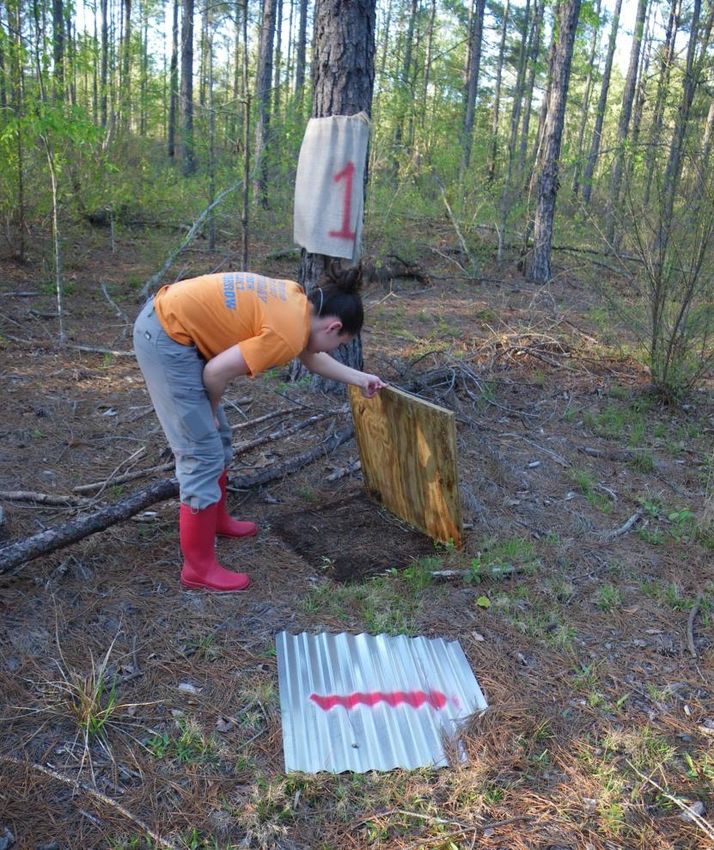
Introduction
• Lyme disease: most common
  vector-vector-borne disease in U.S.

• Pathogen: bacteria Borrelia burgdorferi

• Vector: blacklegged tick (Ixodes scapularis)

http://wildlifehealth.tennessee.edu/lyme_gradient/index.htm, Photo: http://lymegradient.blogspot.com/2012/08/more-photos-from-tick-gardens.html
Lyme Disease Cycle

http://www.thefastertimes.com/globalpandemics/2010/01/20/film-review-%E2%80%98under-our-skin%E2%80%99-lyme-disease-documentary/
range of Ixodes sp. ticks
       in the US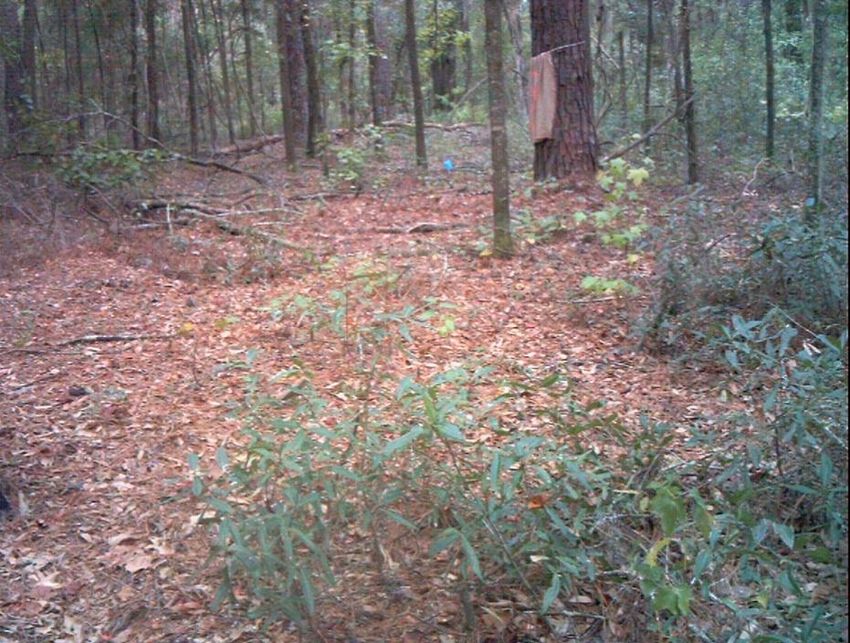
4 Hypotheses
• Biodiversity or “Dilution” effect hypothesis
  (Ostfeld and Keesing 2000a & b)

• “Phenology hypothesis” (Ogden et al. 2008)

• “Genetic hypothesis” (Rich et al. 1995, Norris et al.
  1996, Qiu et al. 2002)

• “Abundance hypothesis” (Piesman, 2002; Duik-
  Wasser et al., 2006)
Biodiversity/ Dilution effect
• High species diversity (species richness plus
  evenness) + reservoir incompetent hosts +
  reservoir competent hosts= vector infection
  prevalence
Biodiversity/ Dilution effect

Ci :mean proportion of larval ticks infected by a host.

                                                          (Giery and Ostfeld, 2007)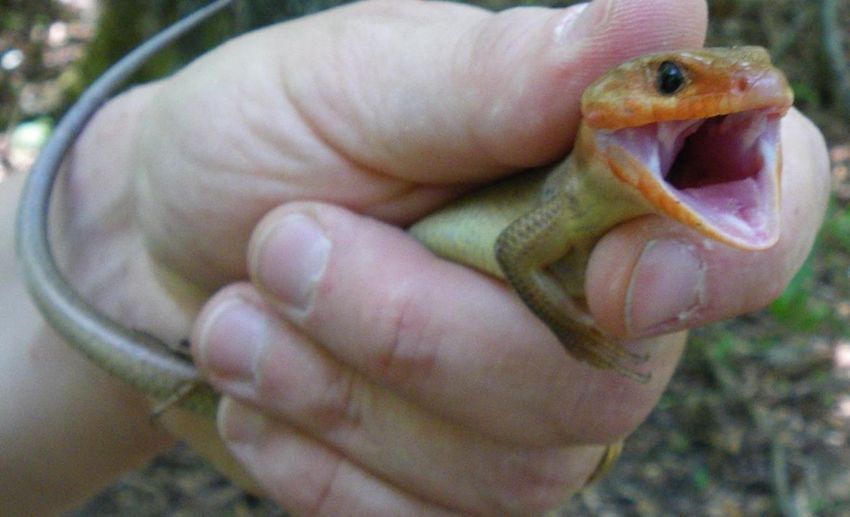
Biodiversity/ Dilution
         effect
What about lizards?

Borreliacidal activity observed in the blood of the Western
Fence Lizard (Sceloporus occidentalis) (Kuo et al., 2000)
                                                        (Lane et al., 2006)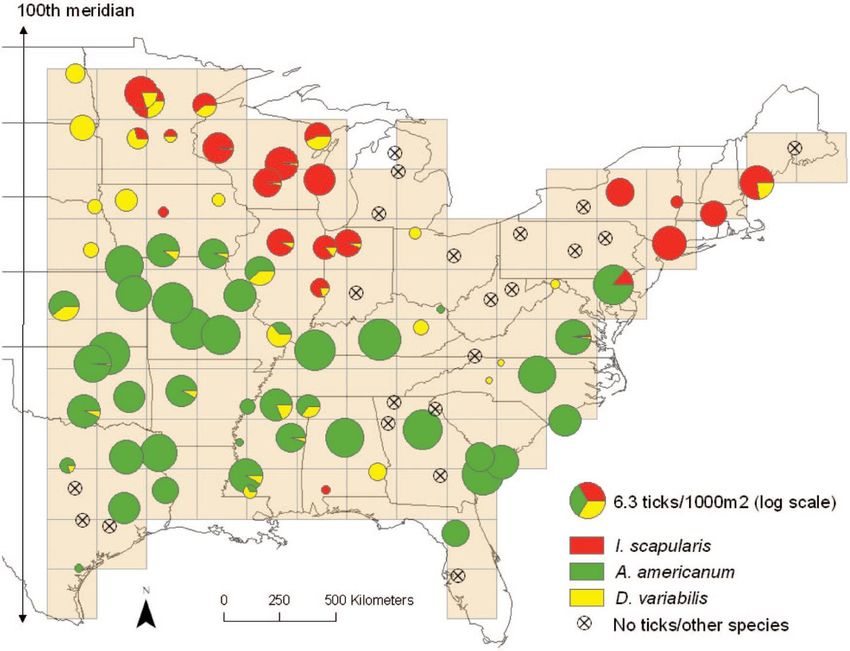
Biodiversity/ Dilution effect
                                                                                                                         Sceloporus undulatus
                                                                                                                              Anolis carolinensis

                                                                                  ?
                                                                                  =
                                                                                                                                          Plestiodon
                                                                                                                   Scincella lateralis    fasciatus

                          Sceloporus occidentalis

http://srelherp.uga.edu/lizards/index.htm, http://backyardzoologist.wordpress.com/tag/western-fence-lizards/
http://www.californiaherps.com/noncal/misc/misclizards/pages/e.fasciatus.html                                  Plestiodon laticeps
Biodiversity/ Dilution effect

   (MD and NY: Giery and Ostfeld,
   2007)

More research on lizard
competency on the east
coast is needed                     (LA: Levin et al., 1996)
Phenology hypothesis
• Infected hosts must
  acquire B. burgdoferi
  infections from
  previously infected
  nymphs to pass the
  spirochete to larvae

• For larvae to become
  infected, nymph
  activity must precede
  larval activity
                                   (Tsao, 2009)
Abundance Hypothesis
I. scapularis abundance may decrease with latitude
Density per 1,000 m2 (log scale) of the most abundant species of ticks (nymphs and
adults pooled) collected in each of the 95 study sites (Diuk-Wasser et al., 2006)Genetic Hypothesis
• Two genetic
clades have been
identified
– split I. scapularis
into north and
south
• Do these clades
affect I. scapularis
questing
behaviors?The Team
Russell Burke
Hofstra University Lorenza Beati
Georgia Southern University
Howard Ginsberg
USGS & URI
Graham Hickling
University of TN-Knoxville
Nicholas Ogden
Jean Tsao University of Montreal
Michigan State UMethods http://wildlifehealth.tennessee.edu/lyme_gradient/index.htm
Methods

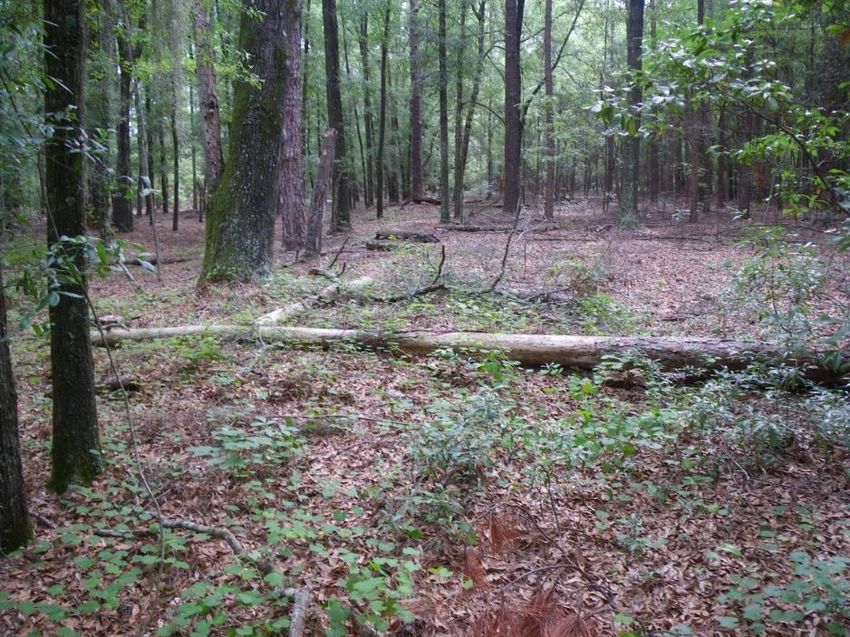
Savannah River Site (SRS)
    Array Locations
Methods
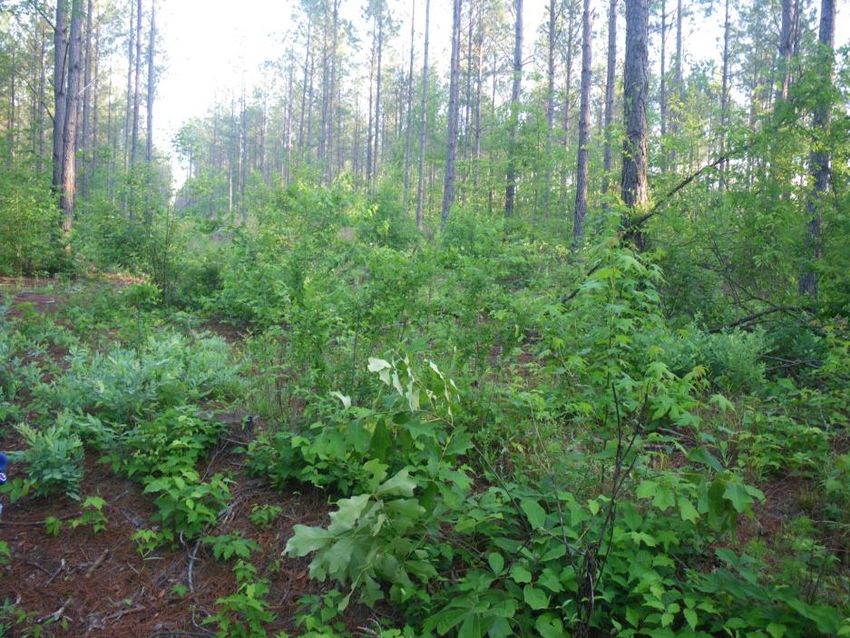
Rutgers University’s
Pinelands Field Station(PFS)Methods
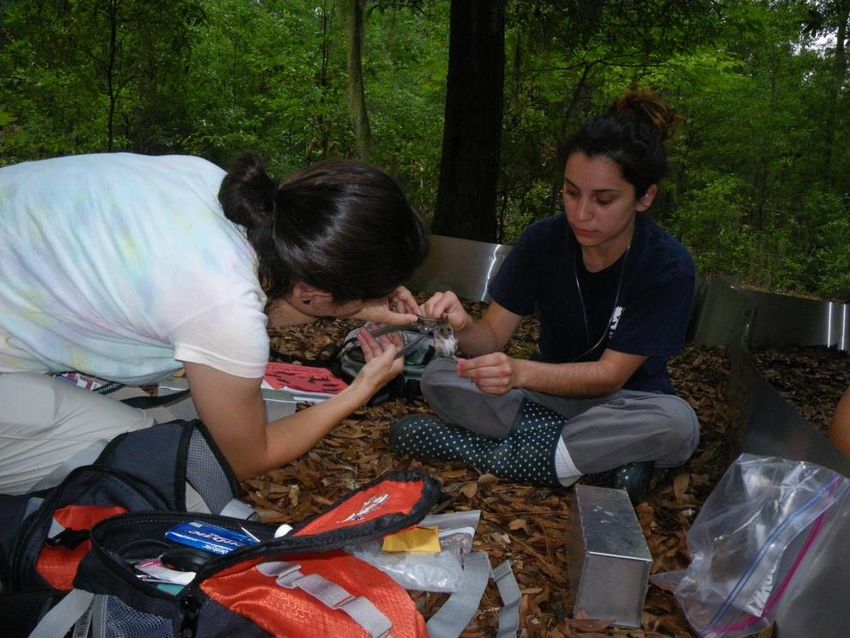
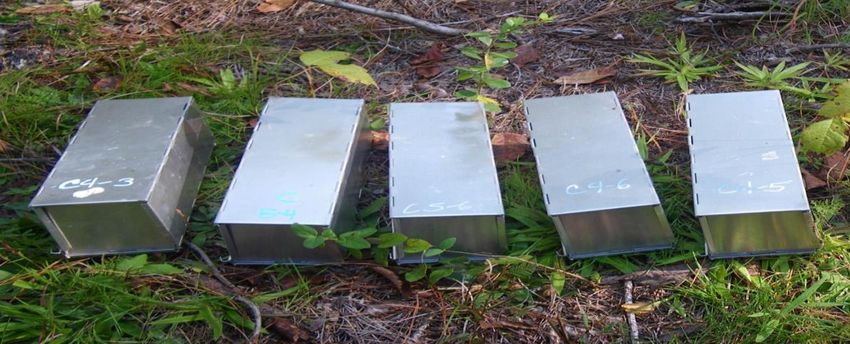
- 49 Sherman traps
- 4 Tomahawk traps
- 4 Camera traps
- 4 Scent lure stations
- 4 Pitfall/drift fence
arrays (20 buckets)
- 20 Metal coverboards
- 20 Wooden
coverboards
- 20 Burlap bands
Scent lureMethods
Methods
Collecting Data and Marking Individuals

Peromyscus gossypinus

     Plestiodon laticeps     Scincella lateralis
Methods
Collecting Data and Marking Individuals
Sceloporus undulatus
Peromyscus gossypinus
Anolis carolinensis
Plestiodon fasciatus Anolis carolinensisMethods
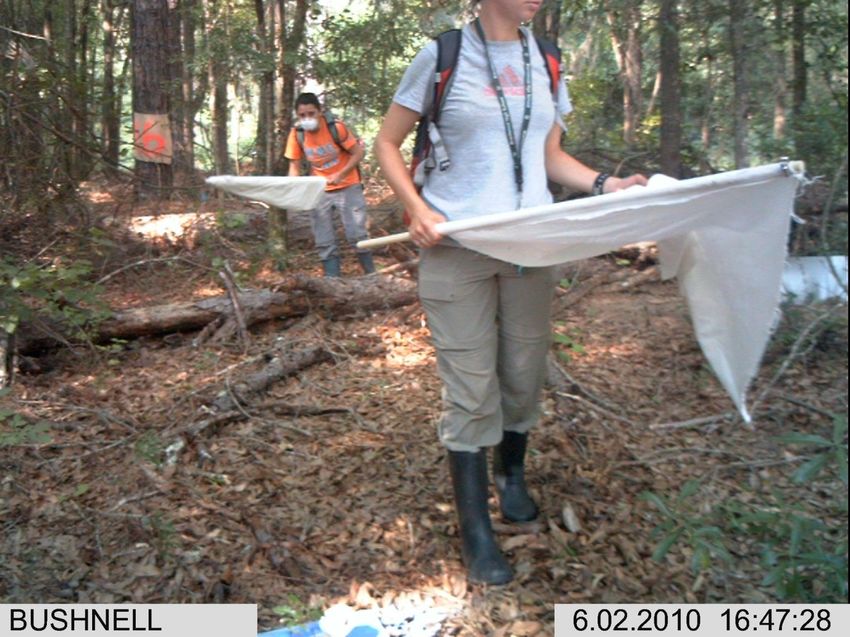
Flag/ Drag
720m total
http://lymegradient.blogspot.com/search?updated-max=2012-04-03T21:59:00-07:00&max-
results=10&start=20&by-date=falseResults
P. laticeps
Sorex
P. laticeps
Peromyscus
http://wildlifehealth.tennessee.edu/lyme_gradient/training0.htmResults a trap hours; b checks
Results

                                                          Sorex spp.

Species richness at SRS with number of species that   Anolis carolinensis
hosted ticks.
Results
Microtus pinetorum
S. undulatus
Species richness at PFS with number of species that hosted ticks.Results Total numbers of lizards and small mammals captured and infested by I. scapularis larvae and nymphs at SRS and PFS over the entire project, listed in order of highest to lowest percent of populations hosting I. scapularis by site (2010-2012).
Results
                     Both Sites
• Northern mammals had higher tick burdens
• Southern lizards had higher tick burdens
Flag/ Drag Results
PFSResults
I. scapularis on Hosts
*Plestiodon and P.
gossypinus mean
tick burdens from
2010-2012
combined at SRS.
† P. leucopus
mean tick burdens
from PFS in 2011.Discussion
Dilution Effect Hypothesis
• Results at SRS:
– Confirmed importance of lizards
(Plestiodon)
P. laticeps
– Peromyscus were infested by I. scapularis significantly
less frequently than were Plestiodon at SRSDiscussion
Dilution Effect Hypothesis
• In NJ:
– P. leucopus and Sorex were the predominant hosts for
juvenile I. scapularis
– Significantly higher mean burdens on infested
individuals of P. leucopus at PFS than P. gossypinus at
SRSDiscussion
Phenology Hypothesis
• Emergence juvenile I. scapularis at SRS earlier in
than at PFS
• Nymphs at both SRS and PFS emerged before
larvae
• Does not support Phenology Hypothesis.Discussion
Abundance Hypothesis
• Fewer immature I. scapularis flag/drag at SRS
than at PFS
• Difficulties of collecting juvenile I. scapularis in
the southeastern U.S. have been seen beforeDiscussion
Abundance Hypothesis
• Abundance of immature I. scapularis on Plestiodon
at SRS
• Is there really lower abundance of I. scapularis
in the south?
• Future research needed
P. laticepsDiscussion
Genetic Hypothesis
• Perhaps behavioral differences between I.
scapularis juveniles at SRS and PFS based on
flag/drag success
• clades may quest differently because associated
with different host communitiesWhat’s Happening now • Series of secondary studies Laboratory study of reservoir competence of Sceloporus undulatus for Borrelia burgdorferi. Infestation % hosts with Number of Date host engorged larvae* engorged larvae % infected # infected/# tested 3 August mouse† 100 79.9 % 167/209 30 July lizard‡ 100 153 0 0/99 7 Sept lizard 90 42 0 0/34 3 Oct lizard 70 35 0 0/17 2 Nov lizard 80 37 0 0/9 * Percent of host animals from which at least one engorged larva was recovered. † Five Peromyscus leucopus from uninfected lab colony. ‡ Ten Sceloporus undulatus, wild-caught from southern/central New Jersey.
What’s Happening now
• Completion of all btwn site data analysis
• Modeling
• Paper writing

          Acknowledgements
   Funding from NSF
   Wonderful hosts at field sites
   Many wonderful field and lab students!
You can also read


