Looking Forward 2022 - Norman Regional Health System
←
→
Page content transcription
If your browser does not render page correctly, please read the page content below
Looking Forward
2022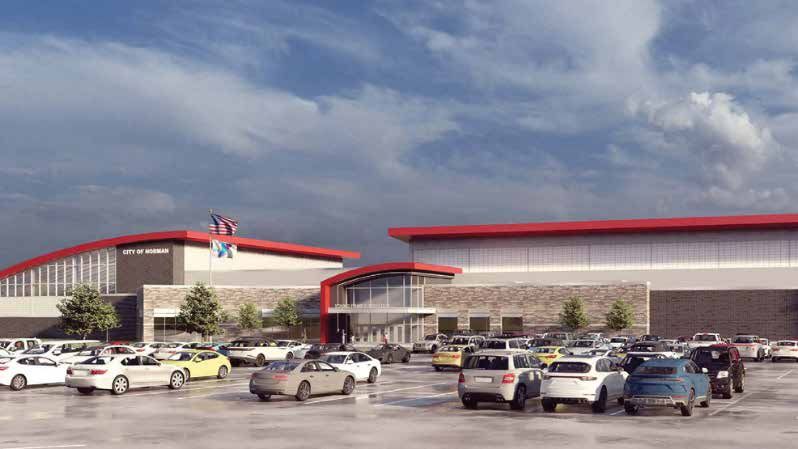
Table of Contents

 Forward from CEO Richie Splitt           1

 Norman Regional Health System           2

 Fiscal Year 2021 Year in Review         3

 Community Health Assessment          4–8

 The Healthcare Environment              9

 Cardiovascular System of Care      10 – 13

 Colorectal Care                    14 – 15

 Orthopedic System of Care          16 – 19

 Thyroid and Parathyroid Care       20 – 21

 Wellness and Functional Medicine   22 – 23

 Hospital Services                      24

 Care Coordination                  25 – 26

 In Our Community                   27 – 34

 Awards 2021                            35

 Health System Updates              36 – 41

Forward from CEO Richie Splitt

 For people whose honor it is to work in healthcare, each year brings
 new challenges and new opportunities. We live in a time and environment
 in which there is always a need for new and innovative ways of delivering
 healthcare that meet the needs of a dynamic and vibrant community.

 Norman Regional’s healers are the agents of change behind our successes
 and growth. This 2022 Strategic Plan tells their stories. Those stories
 include a food pharmacy program that gives patients a “script” of much
 needed food and nourishment. A doctor using robotic systems to help
 patients quickly recovery from surgery. A team working to stop tobacco
 use in both rural and urban areas. And an entire health system rallying to
 treat patients during a global pandemic — while still expanding its footprint
 and achieving quality outcomes for patients.

 I encourage you to read this plan and learn their stories. This book covers our system of care, our clinical
 achievements and our contributions to the community. You can also view a video on some of our stories to hear the
 agents of change themselves talk about how their actions are making a difference in health and wellness. Simply
 scan the accompanying QR code with your phone’s camera to be lead to the video.

 Thank you, healers, for the outstanding work achieved this past year and in the year to come outlined within this
 plan. I look forward to the future and sharing even more stories of success for Norman Regional Health System.

 Be well,
 Richie Splitt, FACHE
 President & CEO
 Norman Regional Health System

                                                                                                                     1
Norman Regional Health System

     Who We Are
     Norman Regional Health System (NRHS) is a multi-campus system that provides
     for the health and wellness needs of our regional communities throughout
     south central Oklahoma. We’ve been continuously serving the community
     since 1946. NRHS is operated by Norman Regional Hospital Authority, a
     public trust that serves the public interests and functions as a political
     subdivision of the State of Oklahoma. We are proud to be a nonprofit, which
     means all profits we do make are reinvested right back into our organization.

     Where We Heal
     Norman Regional Hospital: Our acute-care facility on Porter Avenue, which has an
     emergency department, intensive care unit, cancer services, bariatric surgery
     program, primary stroke center, and general medical care.

     Norman Regional HealthPlex: This campus features cardiovascular
     services, spine and orthopedic surgery, cardiovascular intensive care,
     certified chest pain center, robotic surgery, OB and pediatric hospitalists,
     women’s and children’s and neonatal intensive care.

     Norman Regional Moore: This healthcare facility features physician offices,
     outpatient services, an emergency center that is open 24 hours a day, seven
     days a week and a community meeting space. Other services include diagnostic
     imaging, lab, and outpatient counseling services. Norman Regional Moore also
     provides physical, occupational, speech outpatient therapies, and emergency
     medical transport services.

     Norman Regional Health System also provides outpatient diagnostic and
     treatment centers, EMSSTAT, physician services, centers of excellence,
     durable medical equipment supplies, a primary and specialty provider
     care network, community wellness services and employer health services.

2
FISCAL YEAR 2021
Fiscal Year 2021IN
YEAR Year in Review
REVIEW
By the
By the In
In the
the
Numbers
Numbers Community
Community
347,872
347,872
COMMUNITY
COMMUNITYSUPPORT
SUPPORT
15,636
15,636 284,079
284,079 2,538 ENCOUNTERS
ENCOUNTERS
Hospital
Hospital Outpatient
Outpatient Babies
Babies
Admissions
Admissions Registrations
Registrations Delivered
Delivered Education
EducationCenter
CenterMeetings:
Meetings:7,825
7,825
Meals-on-Wheels
Meals-on-WheelsPrepared:
Prepared:73,705
73,705
Paratransit
Paratransit Rides Sponsored:2,852
Rides Sponsored: 2,852
Norman
Norman Public School HealthVisits:
Public School Health Visits:28,725
28,725
Athletic Trainer School Programs
Athletic Trainer School Programs
•• 66Community High Schools
Community High Schools
• 2 Universities
• 2 Universities
80,609
80,609 27,847
27,847 291,913
291,913
Emergency
Emergency
Department Visits
Department Visits
EMSStat Ambulance
EMSSTAT Ambulance
EMSStat Ambulance
Service Calls
Service Calls
Physical Therapy
Physical Therapy
Treatments
Treatments $2,356,833
$2,356,833
COMMUNITY CONTRIBUTIONS
COMMUNITY CONTRIBUTIONS
City of Norman Dispatch Service: $224,380
City of Norman Dispatch Service: $224,380
Community Programs and Events Sponsorships: $145,115
Community
Gomer Jones Programs and Events
Medical Facility: Sponsorships: $145,115
$52,557
GomeronJones
Meals Medical
Wheels: Facility: $52,557
$75,421
152,874
152,874 374,543
374,543 43,533
43,533
Meals on Wheels:
Paratransit
Paratransit
$50,540$75,421
Imaging Clinic Telehealth Variety Care:$50,540
$287,771
Imaging Clinic Telehealth Variety Care:
Norman Public$287,771
Schools: $573,257
Exams Visits Visits
Exams Visits Visits Norman Public
Cleveland County, Schools: $573,257
The Well: $401,814
Cleveland County, The Well: $401,814
COVID-19 Care
COVID-19 Care Leadership
Coordination Leadership
Involvement
Coordination Involvement
14,629
14,629 494
494
HOURS OF SERVICE
24/7 Hotline Calls HOURS OF SERVICE
24/7 Hotline Calls 16 Civic and Social
16 Civicofand
Boards Social
Directors
11,554
11,554
Boards of Directors
Mobile Clinic Visits
Mobile Clinic Visits 2,273
2,273
HOURS OF SERVICE
75,109
HOURS OF SERVICE
46 Civic, Social and Faith-Based
75,109
COVID-19 Tests
Community
46 Civic, Social Involvement
and Faith-Based
Community Involvement
COVID-19 Tests
776 2,166
2,166
776
COVID-19 Outpatient Infusions
HOURS OF SERVICE
HOURS OF SERVICE
63 Professional Associations
COVID-19 Outpatient Infusions 63 and Board of Directors
Professional Associations
and Board of Directors
Health System numbers and community encounters for the fiscal year are less than expected
Health System
duenumbers and community
to the impact of COVID-19encounters for the
pandemic and fiscal year initiatives.
stay-at-home are less than expected
due to the impact of COVID-19 pandemic and stay-at-home initiatives. 3
Community Health Assessment

     In 2021, Oklahoma continues to lead the nation in tobacco use, poor nutrition and living
     a sedentary lifestyle. These risk behaviors contribute to the four chronic diseases (heart and lung disease,
     diabetes and cancer) that now cause 65% of all deaths in our state. We know that where we live, work, learn and
     socialize heavily influences our personal health behaviors and ability to make healthier choices. Norman Regional
     is committed to addressing those social determinants of health improving the overall health and well-being of our
     patients and the communities where they live.

     Norman Regional Health System providers and clinicians strive to improve the quality of life for individuals with
     chronic conditions. Our goal is to identify community members at risk for one or more chronic conditions, to
     prevent and minimize the effects of the disease through coordinated care and to promote and support the patient’s
     self-management of those conditions.

     In the past 16 years, the Health
     System has served as the lead
     organization for the Tobacco
     Settlement Endowment Trust
     (TSET) Healthy Living grant
     programs in Cleveland, McClain
     and Grady counties. Together,
     NRHS and TSET have been
     dedicated to changing the
     social norms that influence
     smoking, lack of physical
     activity and poor nutrition. The
     2021 county health findings
     for the three counties that
     highlight improvement in
     some areas and opportunities
     in others are found in the
     succeeding pages.

4
405.521.3888 | TSET.OK.GOV
Board of Directors Chair Michelle Stephens CLEVELAND COUNTY
Executive Director Julie Bisbee
Health Indicators
OK L AHOM A S TATE DEPARTMENT OF HE A LTH, 2019
COUNTY OKLAHOMA U.S.
231.4
185.5
36.8
161.5 162.4 173.0 36.3
31.4
146.2
14.4 18.9
15.3 12.2
9.3
CLE V EL AND
CLE V EL AND
CLE V EL AND
CLE V EL AND
11.1
OK L AHOM A
OK L AHOM A
OK L AHOM A
OK L AHOM A
OK L AHOM A
CLEVELAND
COUNT Y
COUNT Y
COUNT Y
COUNT Y
COUNTY
U.S.
U.S.
U.S.
U.S.
U.S.
Serving Cleveland County
HEART DISEASE DEATHS CANCER DEATHS ADULT SMOKING RATE OBESITY RATE PREVALENCE OF DIABETES
(Rate per 100,000) (Rate per 100,000) (%) (%) (%)
Healthy Living Program Grants
TSET Healthy Living Program grants are designed to prevent cancer and cardiovascular disease at
the local level by working with businesses, city governments, community organizations and schools to
encourage healthier lifestyles.
Grantee: Norman Regional Health System FY21 $220,000
Serving Cleveland County
Grantee: Norman Regional Health System FY16-FY20 $2,068,000
Serving Cleveland County The Oklahoma Tobacco Helpline provides
free telephone and web-based tobacco
Incentive Grants cessation “coaching” sessions and free
TSET Healthy Incentive Programs for Schools and Communities promote wellness through grants to nicotine patches, gum and lozenges.
schools, school districts and local communities that adopt policies and strategies that encourage Since 2003, the Helpline has served more
than 450,000 Oklahomans, saving an
healthier lifestyles.
estimated $18 million each year in direct
Healthy Community Incentive Grants Healthy Schools Incentive Grants medical costs from tobacco users who have
City of Lexington ................................ $20,000 Adams Elementary School .....................$5,000 quit with the Oklahoma Tobacco Helpline.
City of Moore .......................................$10,000 Lincoln Elementary School ....................$3,000
City of Noble ....................................... $50,000 Truman Primary .....................................$4,000
City of Norman ................................... $50,000 Little Axe Public Schools........................$6,000 County Fiscal Year 2020:
Jefferson Elementary School................$10,000
Norman Public Schools ..................... $100,000 1635
Food Systems Impact Grants County Cumulative:
TSET Food System Impact Grants provide immediate relief to increased need for food during the COVID
pandemic and support innovative partnerships that seek increase the availability of healthy foods 25449
throughout Oklahoma.
Regional Food Bank of Oklahoma.............................................................................................. $96,544
Serving Oklahoma, Canadian, Cleveland and Tillman counties
5
405.521.3888 | TSET.OK.GOV
Board of Directors Chair Michelle Stephens GARVIN COUNTY
Executive Director Julie Bisbee
Health Indicators
OK L AHOM A S TATE DEPARTMENT OF HE A LTH, 2019
COUNTY OKLAHOMA U.S.
252.3
231.4
181.5
173.0 35.9 36.8
161.5
31.4
146.2
27.3
18.9 13.5
15.3 12.2
11.1
OK L AHOM A
OK L AHOM A
OK L AHOM A
OK L AHOM A
OK L AHOM A
COUNT Y
COUNT Y
COUNT Y
COUNT Y
COUNT Y
GARVIN
GARVIN
GARVIN
GARVIN
GARVIN
U.S.
U.S.
U.S.
U.S.
U.S.
HEART DISEASE DEATHS CANCER DEATHS ADULT SMOKING RATE OBESITY RATE PREVALENCE OF DIABETES
(Rate per 100,000) (Rate per 100,000) (%) (%) (%)
Healthy Living Program Grants
TSET Healthy Living Program grants are designed to prevent cancer and cardiovascular disease at
the local level by working with businesses, city governments, community organizations and schools to
encourage healthier lifestyles.
Grantee: McClain-Garvin County Youth & Family Services FY21 $183,000
/dba Frontline Family Solutions
Serving Garvin County
The Oklahoma Tobacco Helpline provides
Grantee: McClain-Garvin County Youth & Family Services FY16-FY20 $887,066 free telephone and web-based tobacco
/dba Frontline Family Solutions cessation “coaching” sessions and free
Serving Garvin County nicotine patches, gum and lozenges.
Since 2003, the Helpline has served more
than 450,000 Oklahomans, saving an
Incentive Grants estimated $18 million each year in direct
medical costs from tobacco users who have
TSET Healthy Incentive Programs for Schools and Communities promote wellness through grants to quit with the Oklahoma Tobacco Helpline.
schools, school districts and local communities that adopt policies and strategies that encourage
healthier lifestyles. County Fiscal Year 2020:
Healthy Community Incentive Grants
City of Lindsay.......................................................................................................................... $2,000 197
Healthy Schools Incentive Grants
Maysville Public School ............................................................................................................ $8,000 County Cumulative:
4335
6
405.521.3888 | TSET.OK.GOV
Board of Directors Chair Michelle Stephens GRADY COUNTY
Executive Director Julie Bisbee
Health Indicators
OK L AHOM A S TATE DEPARTMENT OF HE A LTH, 2019
COUNTY OKLAHOMA U.S.
231.4
207.9
185.4 38.6
173.0 36.8
161.5
31.4
146.2
18.9 12.9
16.8 15.3 12.2
11.1
OK L AHOM A
OK L AHOM A
OK L AHOM A
OK L AHOM A
OK L AHOM A
COUNT Y
COUNT Y
COUNT Y
COUNT Y
COUNT Y
GR ADY
GR ADY
GR ADY
GR ADY
GR ADY
U.S.
U.S.
U.S.
U.S.
U.S.
HEART DISEASE DEATHS CANCER DEATHS ADULT SMOKING RATE OBESITY RATE PREVALENCE OF DIABETES
(Rate per 100,000) (Rate per 100,000) (%) (%) (%)
Healthy Living Program Grants
TSET Healthy Living Program grants are designed to prevent cancer and cardiovascular disease at
the local level by working with businesses, city governments, community organizations and schools to
encourage healthier lifestyles.
Grantee: Norman Regional Health System FY21 $220,000
Serving Grady County
Grantee: Norman Regional Health System FY16-FY20 $1,293,300 The Oklahoma Tobacco Helpline provides
Serving Grady County free telephone and web-based tobacco
cessation “coaching” sessions and free
Incentive Grants nicotine patches, gum and lozenges.
Since 2003, the Helpline has served more
TSET Healthy Incentive Programs for Schools and Communities promote wellness through grants to than 450,000 Oklahomans, saving an
schools, school districts and local communities that adopt policies and strategies that encourage estimated $18 million each year in direct
healthier lifestyles. medical costs from tobacco users who have
quit with the Oklahoma Tobacco Helpline.
Healthy Community Incentive Grants
City of Minco .......................................................................................................................... $10,000
County Fiscal Year 2020:
Healthy Schools Incentive Grants
Rush Springs Public Schools ................................................................................................. $20,000 418
County Cumulative:
6289
7
405.521.3888 | TSET.OK.GOV
Board of Directors Chair Michelle Stephens MCCLAIN COUNTY
Executive Director Julie Bisbee
Health Indicators
OK L AHOM A S TATE DEPARTMENT OF HE A LTH, 2019
COUNTY OKLAHOMA U.S.
231.4
202.0
173.0 36.0 36.8
161.5
31.4
141.3 146.2
18.9
16.1 15.3 9.3 12.2
11.1
OK L AHOM A
OK L AHOM A
OK L AHOM A
OK L AHOM A
OK L AHOM A
MCCL AIN
MCCL AIN
MCCL AIN
MCCL AIN
MCCL AIN
COUNT Y
COUNT Y
COUNT Y
COUNT Y
COUNT Y
U.S.
U.S.
U.S.
U.S.
U.S.
HEART DISEASE DEATHS CANCER DEATHS ADULT SMOKING RATE OBESITY RATE PREVALENCE OF DIABETES
(Rate per 100,000) (Rate per 100,000) (%) (%) (%)
Healthy Living Program Grants
TSET Healthy Living Program grants are designed to prevent cancer and cardiovascular disease at
the local level by working with businesses, city governments, community organizations and schools to
encourage healthier lifestyles.
Grantee: Norman Regional Health System FY21 $179,000
Serving McClain County
Grantee: Norman Regional Health System FY16-FY20 $1,245,400 The Oklahoma Tobacco Helpline provides
Serving McClain County free telephone and web-based tobacco
cessation “coaching” sessions and free
nicotine patches, gum and lozenges.
Incentive Grants Since 2003, the Helpline has served more
than 450,000 Oklahomans, saving an
TSET Healthy Incentive Programs for Schools and Communities promote wellness through grants to estimated $18 million each year in direct
schools, school districts and local communities that adopt policies and strategies that encourage medical costs from tobacco users who have
healthier lifestyles. quit with the Oklahoma Tobacco Helpline.
Healthy Community Incentive Grants
City of Blanchard................................................................................................................... $50,000 County Fiscal Year 2020:
City of Newcastle ...................................................................................................................$25,000
City of Purcell ......................................................................................................................... $10,000
325
Healthy Schools Incentive Grants County Cumulative:
Washington Public Schools ....................................................................................................... $5,000
4498
8The Healthcare Environment
The 2010 Affordable Care Act contained a provision to expand Medicaid eligibility to
cover individuals up to 138% above the poverty level for any state choosing to opt into
the extended coverage. Medicaid is jointly funded between federal and state governments, and under this
provision the state covers 10 percent of the cost while the federal government covers the other 90 percent. On
June 30, 2020, Oklahoma voters chose to approve Medicaid expansion for the state, which opened eligibility to
approximately 200,000 additional working adults within the state starting July 2021.
Oklahoma’s Governor Kevin Stitt set forth the Sooner Select Plan in order to manage Medicaid Expansion. The
Sooner Select Plan would privatize Oklahoma Medicaid, which means Medicaid enrollees would work with private
companies under a fully capitated insurance plan. This capitated proposal requires the Oklahoma Health Care
Authority to pay private companies a set sum of money per enrollee to coordinate his/her medical care. The
company, in turn, is responsible for paying the medical provider.
While the governor’s plan aimed to protect the state from financial risk and offer new incentives and programs
focused on preventative care, these intentions were deemed unproven and met with numerous counterarguments.
The greatest concern of opponents, including the Oklahoma State Medical Association, Oklahoma Osteopathic
Association and American Academy of Pediatrics — Oklahoma Chapter, was the nearly 15 percent administrative
cost that outsourcing the expansion would induce and the fact that the Governor’s plan failed to coincide with
the necessary legislative appropriations. The failure to follow legislative process resulted in a case before the
Oklahoma Supreme Court.
On June 1, 2021, the Oklahoma Supreme court ruled that the Oklahoma Health Care Authority (OHCA) did not have the
authority to implement a managed care plan for the state’s Medicaid system. The ruling explained that the proposal
must come through the state legislature and include language for appropriations.
The next steps for Medicaid Expansion are in the hands of the Oklahoma legislature, who will be tasked with
determining the long term funding source to resolve the legal question for OHCA to move forward. In the meantime,
the federal government is incurring most of the cost for the new enrollees.
In the months ahead, health systems and medical officials are hopeful for the invitation to provide input into
revisions of Oklahoma’s Medicaid Expansion plan including funding discussions. Purposeful planning by all
stakeholders is required for this complex issue. The future health of our most vulnerable and at-risk populations,
not to mention Oklahoma’s Health System infrastructure, are at stake.
9Cardiovascular System
SystemsofofCare
Care
Community-Based Care
Screenings & Detection Chronic Disease Management Care Coordination
Acute Care
Emergency Response Chest Pain Center Intervention
EMSSTAT
Post-Acute Care
Virtual Care Clinic Cardiac Rehab Pulmonary Rehab
10Cardiovascular System of Care
Most of us know that a significant number of Americans suffer from heart disease. Unfortunately for
Oklahomans, our state ranks among the highest in the nation for deaths related disease of the heart. It’s why Norman Regional’s
and our medical experts are committed to improving heart health. Norman Regional’s cardiovascular program begins with
screening, detection and prevention of heart-related illnesses. Our team of cardiologists and cardiovascular surgeons utilize
the latest technology and treatment modalities to reduce the risk of serious cardiac events. This system of cardiovascular care
provides services along a continuum which include community based outpatient clinics, acute inpatient or hospital care and
post-acute services.
Community-Based Care
A nutritious diet, being active, staying tobacco free and regular wellness check-ups are healthy choices that reduce the risk
of heart disease. However, even with a healthier lifestyle, people may need additional support for screening and detection.
Heart and lung scans, nuclear medicine, echocardiograms and three-dimensional CT imaging support our cardiologists in the
diagnosis of heart disease. In consideration of our patients’ time, many of these outpatient services are combined in the Heart
Plaza, located on the HealthPlex campus.
Acute Inpatient Care
From ambulance ride to diagnosis and treatment our interventional cardiologists, cardiovascular surgeons, and rehabilitation
specialists provide comprehensive inpatient acute care. Some of the procedures and treatment options provided include:
• Transcatheter Aortic Valve Replacement (TAVR) • Coronary Artery Bypass Grafting (CABG)
• Watchman procedure • Device implants
• Heart Valve Surgery • Heart Catheterizations
• Percutaneous Transluminal Angioplasty (PTA)
The Emergency Chest Pain Center located within the HealthPlex Heart Hospital was the first in the Oklahoma City metro-area to
be nationally accredited by the American College of Cardiology.
Post-Acute Care
Once a cardiac patient leaves the hospital, the Health System’s cardiovascular system of care continues. Our Cardiac
Rehabilitation Program is one of the few programs in Oklahoma to achieve certification from the American Association of
Cardiovascular and Pulmonary Rehabilitation (AACVPR). This honor is awarded to programs that demonstrate the highest
standards of care and positive outcomes for their patients. Norman Regional providers focus on inpatient, outpatient and
maintenance rehabilitation to help patients improve their heart’s future and gain or regain their independence.
Our Why
Founded on the belief that heart and vascular disease is preventable, Norman Regional strives to identify disease early so it
can be managed effectively. Through screenings, early intervention and community education programs, we work with our
community to promote healthy lifestyle choices that lower the risk of developing heart disease.
11Cardiovascular System of Care
New Cardiac Technology Saving Lives of Patients
with Elevated Risk of Stroke
It is estimated that more than five million Americans suffer from an irregular
heartbeat called atrial fibrillation according to Boston Scientific. This is a
common condition that is defined by an irregular heartbeat caused by
the upper chambers of the heart experiencing chaotic electrical signals.
The resting heart rate of someone who lives with atrial fibrillation can
range anywhere from 100 to 175 beats per minute. The average resting
heart rate for adults is between 60 to 100 beats per minute. Atrial fibrillation
may cause discomfort, but usually isn’t a lifethreatening condition on its own.
The issues with atrial fibrillation stem from the elevated risks of other serious
life-threatening conditions, such as stroke.
Luckily, there are several treatment options for atrial fibrillation, one of which is the Watchman device. “The
Watchman device is a catheter-based implantable cardiac device used to prevent stroke in patients with atrial
fibrillation, especially in patients who cannot take blood thinner medications,” said Norman Regional cardiologist
Archana Gautam, MD. “This is not an open-heart surgery, this procedure is done to seal off one chamber of the
heart, where more than 90% of clots form in atrial fibrillation patients and this device really helps these patients as
they have a five-times greater risk of stroke when they can’t take blood thinners.”
Technology on the Horizon
The Watchman device is just one of many new technologies that have created
a positive impact in the lives of patients with higher risk of stroke. There is
also the TAVR or transcatheter aortic valve replacement, which is another
non-open-heart surgery, catheter-based procedure that replaces the entire
aortic valve of the heart. There is a very real possibility that in the near
future all four valves of the heart can be replaced using catheter-based
technology.
“There are many new technologies down the pipeline that are very exciting,
many of them biological and genetic,” said Norman Regional cardiologist
Muhammad Salim, MD. “There are lots of RNA technologies on the horizon that
can change the way we treat heart failure, atherosclerosis or valve diseases.”
12Cardiovascular System of Care
You don’t have to look ahead to find ways to be proactive about your heart
health though.
“Technology such as smart watches that track heart activity can be used
to monitor heart rate and identify irregular heartbeats,” Dr. Gautam said.
“I have several patients that have been diagnosed with atrial fibrillation
and it was all because they noticed changes in their heart activity on their
smart watch.”
As new technologies are researched, studied and introduced into the market, you
can be assured that Norman Regional cardiologists will be finding ways to implement them
and improve the treatment process and outcomes for their patients. To learn more about cardiology
at Norman Regional, visit NormanRegional.com/Heart.
To learn more about the Watchman device, scan
this QR code with your phone’s camera.
13Colorectal Care
The Latest in Colorectal Surgery, Colorectal Cancer Screening
It’s been widely known for some time now that those who are at average risk for
colorectal cancer should get their colorectal cancer screening at age 50, but
recently this age recommendation has been lowered to 45. This new
recommendation comes as rates of colorectal cancer among people
younger than 50 have been on the rise. Rahal Kahanda, MD, a specialist
in colon and rectal surgery with Norman Regional, provides some insight
into this change and why colonoscopies are so important.
“Colon and rectal cancer are definitely becoming more prevalent among the
younger age groups,” Dr. Kahanda said. “I myself have taken care of patients
as young as 19 that have needed colectomies, secondary to colon cancer and it
was a sporadic colon cancer too. She didn’t have a family history and she wasn’t
doing anything to put her at higher risk like smoking.”
Why are colonoscopies important?
Colonoscopies aren’t typically a topic that most enjoy discussing, but they are imperative to ensuring optimal colon
and rectal health. The colonoscopy allows the colon and rectal specialist to check whether the patient has any
precancerous lesions in the colon and if there are any, the cancerous lesions can be identified. Additionally, there
are some nuances to determine the optimal time for a colonoscopy. 45 is simply the recommended age for those at
average risk for colorectal cancer.
“Colonoscopies need to be performed 10 years earlier than the age at which the first-degree relative was diagnosed
with colon cancer if it was before the age of 55. For instance, if my dad had colon cancer at the age of 50 I would
need to be screened at 40. However if my first-degree relative had colon cancer at the age of 65 I would still start
my colonoscopy at 45,” Dr. Kahanda said. “The reason they are so imperative is that a colonoscopy is the only
modality we can use that is both diagnostic and therapeutic in nature. Diagnostic meaning that we can evaluate
to see if anything is there like a tumor or a polyp, but therapeutic as in we can also remove them if they are found
during the colonoscopy, saving them from cancer in the future.”
14Colorectal Care
Technology and process for colorectal cancer patients
If a patient needs to have colorectal surgery, Dr. Kahanda is highly trained
in the newest technology in the colorectal surgery space. In fact, he is
specially trained in minimally-invasive robotic surgery.
“Over the last decade we have transitioned from open abdominal surgeries
to more minimally invasive and robotic surgeries. This really makes a
difference because now patients can be up walking and eating the same
day of the surgery and leave the hospital in about half as much time as an
open surgery,” Dr. Kahanda said. “How the process works for colorectal cancer
patients is they get worked up further with imaging to adequately stage the patient
and beyond that, I have a very good relationship with our oncologists and we work in a
multi-modal fashion to tailor treatment to each patient individually.”
If you know someone who is nearing the age of 45, make sure that they have
this information to stay on top of their health.
To hear more from Dr. Kahanda about the importance
of early detection, scan this QR code with your
phone’s camera.
15Orthopedic System
SystemsofofCare
Care
Community-Based Care
Sports Medicine Advanced Diagnostic Imaging Athletic Training
Acute Care
ORTHO
STAT
Robotic Surgery Orthopedic Urgent Care Intervention
ORTHO
STAT
Post-Acute Care
Bone Health Clinic Physical Therapy Performance Enhancement
16Orthopedic System of Care
Our team of orthopedic surgeons, sports medicine physicians, bone health experts, physical
therapists, and workers compensation specialists make up the orthopedic care team here at Norman Regional. The
care team evaluates and treats everything from sports-related fractures, comprehensive spine care, foot and ankle surgery, hip,
knee and shoulder reconstructive surgery. Norman Regional Orthopedic surgeons utilize the latest advanced robotic technology
to perform elective procedures to help our patients restore joint function and return home with everything needed to complete
recovery. Care is provided along a continuum which includes community based, acute inpatient care and post-acute care.
Community-Based Care
Norman Regional is helping student athletes improve their performance by preventing injuries and providing recovery support
through our Sports Medicine program. Our highly skilled athletic trainers deliver sports medicine services, including sports
physicals for athletes in 14 school districts and three universities across the state. We provide these services directly on site at
athletic events and have the ability to immediately treat an array of sports injuries through our fully functional mobile sports
medicine unit.
Each of our facilities are ACR accredited and offer state-of-the-art digital imaging technology including Xrays, MRIs and highly
trained ARRT registered technologists to form an individualized orthopedic plan of care for each patient. For patient convenience,
in the fall of 2021 Norman Regional is opening Central Imaging and Orthopedic Urgent Care on the hospital’s Healthplex campus
to provide specialized care and after-hours access.
We are thrilled to partner with the City of Norman and the Young Family Foundation to provide NMotion sports and human
performance center within the Young Family Athletic Center set to open in spring of 2023.
Acute Inpatient Care
At Norman Regional’s Orthopedic and Spine Center we provide a comprehensive program through state of the art technology,
from pre-operative education to post-operative rehabilitation and recovery. Our Hip Fracture, Total Knee and Total Hip Joint
Replacement Programs are certified in Disease Specific Care by the Joint Commission.
Post-Acute Care
Ortho Central’s team provides an entire approach to health, fitness and performance that not only focuses on your injury, but
optimizing how well you move and perform. Our physical therapists utilize a comprehensive biomechanical assessment of how
the body functions and moves to determine and improve upon performance limitations. Our bone Health Clinic assists patients
with osteoporosis and reduces risk for fractures, accelerates healing, prevents future fractures and breaks the cycle of fragility.
The Bone Clinic provides diagnosis, treatment and education for primary and secondary prevention of osteoporosis.
Our Why
Because we know that when an accident happens or your joint pain limits participation in activities you love, we are dedicated
to your repair, restore and return to complete recovery. It is in our bones to care for yours!
17Orthopedic System of Care
Total Knee Replacement With a Robotic Assistant
To the average person, robotic surgery may sound very complex, and it is, just like traditional surgery would be.
However, rather than interpreting robotic surgery as a robot performing the procedure, a more accurate portrayal
would be to view these robotic surgical procedures as simply the surgeon utilizing tools to increase the efficacy of
the procedure on multiple fronts.
This is exactly what Richard Kirkpatrick, MD, orthopedic surgeon with Ortho Central, is doing with the ROSA Knee
system. Utilizing the most advanced, state-of-the-art technology to assist with surgeries is just part of ensuring
that Ortho Central is at the forefront of orthopedic surgery. Now the question becomes what is the ROSA Knee
system and how is it changing the way Dr. Kirkpatrick is performing knee surgeries?
What is the ROSA Knee system?
The ROSA (Robotic Surgical Assistant) Knee system is designed to assist our
specially trained orthopedic surgeons before, during and after surgery.
ROSA knee robotic technology provides real-time, intraoperative data to
Dr. Kirkpatrick about the patient’s anatomy. This allows him to personalize
patient care (implant placement, soft-tissue balancing, etc.) in ways that
surpass standard instrumentation. It is important to remember that the
ROSA Knee system is not performing the surgery, but is rather a tool used
by Dr. Kirkpatrick. He is always present during surgeries and is in control of
the operation throughout the process.
“The procedure requires us to resect bone in the same way that we would if we were
to do instrumented knee replacements before robotics,” Dr. Kirkpatrick said. “However, with robotics, since we
can put those implants in a more optimal position, we hope to see that it will help the patient recover quicker in
regard to range of motion and also over the long-haul with a more balanced implant that will wear less and last
longer, so the longevity of the implant is greatly increased.”
Keeping Your Bones Healthy
New technology and surgical techniques are exciting and provide an added level of security for patients who are
going through that process, but Dr. Kirkpatrick has some advice that will help people avoid needing to undergo
orthopedic surgery.
18Orthopedic System of Care
“In order to avoid being in my office for orthopedic issues, stay active and ensure
that you are moving around and doing things. Especially with working
conditions moving more towards desk jobs, something like getting a
stand-up desk can help you stay on your feet and increase activity
levels throughout the day,” Dr. Kirkpatrick said. “Utilizing an exercise
program where you are doing some strength training can go a long
way, especially strengthening areas around the shoulder, hip or knees.
The stronger those supporting muscle groups are, the more likely you
will have good function. Even if you have issues with those joints they
will be supported more and from a comfort perspective, they will be better
that way.”
Taking care of your body and being proactive can go a long way towards protecting your overall health and
reducing the likelihood of needing to undergo any sort of orthopedic surgery. However, if you ever find yourself
needing a knee replacement, Dr. Kirkpatrick and his ROSA Knee system are more than equipped to get
you back on your feet.
Watch as Dr. Kirkpatrick shows off the ROSA robot in
action, scan this QR code with your phone’s camera.
19Thyroid and Parathyroid Care
Norman Regional at the Cutting-Edge of Thyroid,
Parathyroid Surgery
Tom Connally, MD, is the medical director of the Norman Regional Endocrine
Surgery Program and a pioneer in minimally-invasive thyroid and parathyroid
surgeries. He is an active member of the American Association of Endocrine
Surgeons, and was the first physician in Oklahoma to become a member.
His leadership and expertise in his field have played a significant role in
elevating Norman Regional as an authority in thyroid and parathyroid
surgery on a national scale.
An ever-evolving field
Being a pioneer in any field requires constant attention and implementation of the newest
technologies and practices. Dr. Connally is no stranger to being on the cutting-edge of what’s happening in thyroid
and parathyroid surgery.
“It’s an ever-evolving field,” Dr. Connally said. “We went from a time when everyone had to have these big,
aggressive operations with the whole thyroid removed or all the lymph nodes removed, but now we can do
lobectomies for cancers and not even have to operate on people with known thyroid cancers, which is amazing.”
Repetition builds perfection
One of most distinguishing aspects of thyroid and parathyroid surgery at Norman Regional comes from the uniquely
high patient volumes. According to Dr. Connally, the statistics show that 80 percent of thyroid surgeries are done
by surgeons who operate on less than 20 patients a year. Twenty surgeries is roughly what Dr. Connally does each
month. This means that when new technology or practices are introduced, he is able to become more familiar
with them than most other thyroid/parathyroid surgeons. For example, a new device known as the PTeye system
was introduced in late 2020, which allows surgeons to detect the autoflourescent properties of parathyroid glands
under a laser, helping them identify the glands and minimize the risk of complications such as a low calcium state
or hypoparathyroidism.
“This is technology that is available to other people, but the key is that they have to know how to use the
technology,” Dr. Connally said. “The advantage for patients coming to Norman Regional is that this is an everyday
thing for us as opposed to the surgeons who use it every once in a while.”
20Thyroid and Parathyroid Care
Dr. Connally has become a pioneer in thyroid and parathyroid surgery
because he is actively implementing the latest technology and utilizing
it exponentially more frequently than competitors. It goes back to the
saying that repetition builds perfection and the more familiar a surgeon
is with new surgical tools or practices, the more likely it is that they will
get the most out of that technology and ultimately improve patient
outcomes, shorten recovery time and as a whole put less stress on the
patient before, during and after their procedure.
“We want to be at the front of technology and we have to be wise about the
utilization of the technology, making sure it is beneficial to patients and not just a flash
in the pan,” Dr. Connally said. “Being a part of the American Association of Endocrine Surgeons gives me the
access to experts across the country that are in academic centers doing research to affirm which technology
is beneficial. So while we aren’t an academic center, I interact and get input from leading experts across the
country on a regular basis and that relationship I have with them ultimately ends up benefitting our patients.”
21Wellness and Functional Medicine
Functional Medicine Provides Patients with New
Path to Wellness
Norman Regional’s new Wellness Clinic is offering hope and answers to both
patients struggling with chronic disease and those who want to stop these
diseases before they begin.
Chronic diseases such as diabetes, heart disease and cancer are the
leading cause of death and disability in the United States. They are also
the leading drivers of the nation’s $3.8 trillion in annual healthcare costs,
according to the Centers for Disease Control and Prevention.
But the Wellness Clinic and its healthcare providers don’t see statistics, they see
each patient as a unique person who is ready to make changes to live a healthier life.
Castel Santana, MD, is a Functional Medicine physician at the Wellness Clinic. Function Medicine is a systems
biology-based approach that focuses on identifying and addressing the root cause of diseases. Oftentimes, that
root cause is chronic inflammation.
“Most patients are frustrated with no answers from standard medicine and dealing with worsening chronic
disease,” Dr. Santana said. “We can find those answers. By looking at chronic disease as layers of inflammation
we can peel back and mitigate inflammation step-by-step. Starting in the gut and moving intracellular.”
Gut Health
Dr. Santana notes many illness start in the gastrointestinal system. Chronic inflammation plays a key role in those
diseases.
“For many of us our G.I. system harbors much inflammation with symptoms of bloating, diarrhea, constipation, foggy
brain after you eat, skin issues, joint pain, etc.” Dr. Santana said. “By taking away inflammatory foods and optimizing
the G.I. microbiome we can mitigate most inflammation coming from the G.I. system. By doing this we can lower the
risk of certain chronic diseases.”
To help patients, Dr. Santana begins with testing which can help focus in on food intolerances and toxin exposure.
“Much intracellular inflammation comes from environmental toxins and the effects on mitochondria,” Dr. Santana
said. “Environmental toxins affect us all but some of us may be a more contact through lifestyle and environment.”
22Wellness and Functional Medicine
Some of those toxins include mold, heavy metals and environmental chemicals. The Wellness Clinic can test a
person’s urine for toxins to determine treatment options.
Holistic Approaches
The Wellness Clinic offers functional medicine as well as many other treatments for patients. Angela Schmidt, DC,
provides specific chiropractic adjustments to help patients of all ages.
The clinic also offers bio-identical hormone treatment, IV therapy, genetic testing and toxin testing.
Expanding Wellness To Two Communities
The Wellness Clinic is located in south Oklahoma City but will soon
have a satellite location at The Well, a new community wellness
center in Norman. Nurse Practitioner Nicole Garber will frequent The
Health at the Well clinic. The Well is located in downtown Norman and
features space for education, a farmers’ market and the Health at the
Well clinic.
23Hospital Services
Hospitalist Nocturnists Bring Balance to Hospital Staff
In all kinds of professions, there are those who work the night shift, ensuring that
things go smoothly when the daytime staff have wrapped up their shifts and
gone home. In a hospital setting these physicians are known as nocturnists.
They do the work of a “hospitalist” (physician specializing in treating
hospitalized patients), but work exclusively during nighttime.
Working the night shift at a hospital has its challenges and takes a
specific type of person who can handle working long shifts and adjusting
their schedule to make this happen. However, there are many perks that
come with the position as well, especially for those who enjoy the night.
Nocturnists have more opportunities to enhance the patient-doctor relationship
as they don’t have to worry as much about patient rounding, working around staff
meetings or other daytime obligations that can affect the ability for a doctor to connect with their patients.
“I worked as a hospitalist and later transitioned into the nocturnist schedule. It just fit my needs better and I
felt like it was a good opportunity to be there and care for people when they are at their sickest in the hospital,”
said Ryan Winfrey, nocturnist at Norman Regional. “One big difference as a nocturnist is that you usually see
patients early on in their hospital stay, often times right when they check in. So there is a lot more discovery
and investigation into what the patients are facing and developing a plan to help them.”
The opportunities to grow skills as a nocturnist are also abundant due to the fact that at 4 a.m., the nocturnist is
the specialist and there are times where they will have to make important decisions solely on their own without the
luxury of an immediate consultation. So while there are many drawing factors for the nocturnist, the hospital itself
also reaps many benefits from having a nocturnist like Dr. Winfrey on their team.
“Having a nocturnist definitely makes the health system more efficient. It makes sure there is someone dedicated
to the night shift, rather than having doctors rotating through the night,” Dr. Winfrey said. “It allows the daytime
doctors to focus on the day and put more attention to doing their job better, while they can trust me to handle the
night.”
Despite the many benefits that a nocturnist brings to a health system, they aren’t present at every hospital. In fact,
having a nocturnist on staff can be a major privilege for a health system. They can be difficult to recruit and in
many cases there aren’t many on staff. Despite the fact that nocturnists are few and far between, this doesn’t take
away from the significant impact they have on hospital efficiency.
24Care Coordination
Care Coordination Helps Patients Once They Leave
The Hospital
Norman Regional utilizes a care coordination delivery model that is patient
centered and team based, it is a system of care that targets patients with
high-risk acute and chronic disease.
“Care coordination is basically managing a patient’s care, but focusing
more on their individual needs and providing follow up with these needs
by monitoring and evaluating the care delivered. Examples include
teaching them how to check their blood pressure at home and logging it,
referrals to specialists, home health or hospice care, coordination of outside
resources such as transportation need,” said Cindy Shurow, RN, a clinic care
coordinator. “We also follow up with all ER and hospitalization patients to make sure
they have set up follow up appointments and or to meet their immediate needs.
The benefits of care coordination:
• Identifies and removes care access barriers
• Uses individualized treatment care plans
• Promotes self-management and patient education
• Improves quality patient outcomes and promotes wellness
Care Coordination includes a team of highly trained registered nurses (RNs) specializing in disease management
and patient navigation. Care coordination is present throughout all levels of care. This includes the Acute Care
Coordination team that makes direct contact with patients that are hospitalized, Transitions of Care team present
for patients discharging from the acute care setting to a post-acute level of care including home, and the Clinic
Care Coordination team that is embedded within the primary care clinics and work with the primary care providers
to optimize the patients’ health. The care coordination RN team ensures proper communication and handoff of the
patient as they progress or require any level of care within the health system. This team working directly hand in
hand each day enhances the patient experience and promotes knowledge of the medical history and complexity of
the patient amongst the caregivers.
NRHS Primary Care Clinic Care Coordination Program is responsible for ensuring appropriate use of health care
resources, promotion of disease self-management, and coordination between care providers for high-risk patients
within NRHS primary care clinics. Primary care RN Care Managers empanel patients with chronic diseases such as
Congestive Heart Failure (CHF) and/or Chronic Obstructive Pulmonary Diseases/Asthma (COPD), to decreases acute
illness or exacerbations requiring ED or inpatient services. Care is focused on compliance with treatment, patient
education, and preventative services.
25Care Coordination
Care Coordination Initiatives:
• Follow up phone calls to patients with ED visit within 72 hours
• Follow up phone calls to patients discharged from hospital within 72 hours
• Primary Care appointments made within 7 days of discharge from hospital
• Direct Referral of high risk depression patients
Care Coordination Impact:
The Care Coordination team-based approach has produced the following outcomes in our primary care
patient population:
• 60% decrease in patients with Depressive Symptoms
• 23% decrease in Emergency Department Utilization
• Decrease in 30-day readmission rates from 12.1% to 9.7%
• Return to the Emergency Department within 72 hours from 3.9% to 1.7%
• Decrease of Diabetic patients with uncontrolled hemoglobin A1C from 6.8% to 2.9%
Community Call Line
Establishing care with a primary care
physician is a vital to disease prevention
and mitigates patientsreceiving
fragmented care. Care Coordination has the
responsibility of the NRHS community call
line (405)515-5000 starting April of 2020.
From April 2020 to December 2020, 989
new primary care patient appointments
were scheduled through this direct access
line. The Community Call Line can also
assist and connect patients to a specialty “After I was tested positive for COVID, Cindy checked on me each
care provider if needed. day for fourteen days straight. As each new symptom appeared, she
assured me that they were normal and she figured out the next steps
of my care. She referred me for monoclonal antibodies, which I think
was one of the most important steps in my recovery. She also referred
me to a breathing specialist to check out my lungs. When I told my
friends and colleagues about what Cindy was doing for me, they were
astounded at the level of care. Because I had her direct number and
permission to call any time, I felt I had direct access to someone who
cared about my well-being.” — Patient Kristin Fisher
26In Our Community
Young Family Athletic Center to Elevate Wellness,
Performance Offerings
in Norman
The Norman Forward Quality of Life Project has plans
for a new athletic facility that is set to open in 2023.
The facility is unlike any other in Norman and has
the potential to revolutionize the way athletes and
the community as a whole approach athletics and
wellness. The main difference with this facility lies in the emphasis that will be placed on the union of athletics
and performance optimization. Norman Regional Health System is the exclusive healthcare partner in this endeavor
and will be operating the sports and human performance center, NMotion, within the complex. NMotion will
provide services including physical therapy, athletic training, strength
and conditioning, functional medicine and orthopedics. There are many
gyms that have personal trainers, stretching areas and even provide some
nutrition options, but this facility will aim to take human performance
optimization to a new level.
“Nowhere have we put orthopedics with integrative health, with physical medicine and then performance all in
one location,” said James Bond, MD, an orthopedic surgeon with Norman Regional’s Ortho Central clinic. “With
the Norman Forward project, the city of Norman is creating some really neat
opportunities in a multisport complex, but what is neat about it is that it
will also have an aquatic center and in between both of those will be a
medical complex. Something to prevent injuries, rehab injuries and
that’s where you get a facility that nobody else around has.”
A Facility for the Whole Community
Dr. Bond is just one of the Norman Regional physicians that will be working
on premise as an orthopedic specialist. He also makes a point to emphasize
that the Young Family Athletic Center is not just a facility for athletes, but for
the community as a whole to have something unique that will elevate wellness
offerings for the city of Norman.
“This facility will also cater to people that are going to stretch and do yoga, people who are just trying to be active,”
Dr. Bond said. “It will also cater to people who need to be put on a nutrition plan or exercise in the water because
their joints may be arthritic.”
27In Our Community
Alongside all the other offerings that the Young Family
Athletic Center will provide for the community, there is an
emphasis on making this a state-of-the-art facility, with
technology that isn’t available at other athletic centers.
“We are partnering with some very interesting companies
and corporations to bring in body composition DEXA scans
and MERTtechnology,” Dr. Bond said. “MERTtechnology
is something that allows us to monitor brain waves of
individuals who suffer from concussions or sleep disorders because so much of our performance starts with how
we look and perceive. It’s not always about what happens to us, but how we respond to what happens to us.”
Norman Regional’s main priority in this partnership is to keep our community well
and active and in motion. Be sure to stay up-to-date on the latest news
regarding the Young Family Athletic Center and Norman Regional by
checking our website at NormanRegional.com.
Listen as Dr. Bond explains how this center will revolutionize care for
athletes. Scan this QR code with your phone’s camera.
28In Our Community
Infusion keeps COVID Patients out of the Hospital
A new therapy is keeping patients with COVID-19 out of the hospital and on the
road to recovery. Norman Regional Health System is administering Monoclonal
Antibody Therapy in an Outpatient COVID Infusion Center to high risk
patients 18 years of age and older.
Lonnie Tracy, of Blanchard, was one person to receive the treatment. It kept
him out of the hospital and he said he began to feel better in a few days.
“I would recommend it in a New York minute,” Tracy said.
He was referred to the Outpatient COVID Infusion Center by his doctor, Ryan Turner, MD.
The center is located just south of Norman Regional Hospital in its own building on Rich Street.
One of the nurses at the center is Jennifer Davis, RN, who lost her mother to the coronavirus in October 2020. She
said once she heard the center was opening to help patients with COVID, she felt called to work with these patients.
“The pandemic has renewed my passion for nursing and my love of helping people,” Davis said. “I wanted to work
with COVID patients. I give them and this center 110%.”
Davis said that after her mother’s death, she studied COVID inside and out. She has seen firsthand the
improvements made by those who receive treatment at the center and is passionate about helping them and
educating them about this disease. Davis has been in the medical field for about 30 years and prior to working at
the Outpatient COVID Infusion Center was an oncology nurse at Norman Regional Health System.
Aaron Boyd, MD, is an intensivist who treats patients with COVID as well as the Chief Medical Officer at Norman
Regional. He is hopeful this center will provide options for patients.
“The most likely candidate will be somebody who’s tested positive with symptoms recently, that is at high risk for
the complications of COVID-19,” Boyd said. “There are age criteria and chronic medical problem criteria that we will
use to determine who can receive the infusion.”
The center treated its first patient on Nov. 23, 2020. To date, 66% of patients have shown improved symptoms within
24 to 48 hours of infusion and only 1.5% of patients have subsequently been hospitalized, which is better than the
percentage in manufacturers’ clinical trials.
“This therapy has the potential to save lives,” Davis said. “I truly think it’s a miracle drug.”
29You can also read


