Managing the impacts of climate change: risk management responses - second edition - Zurich Insurance
←
→
Page content transcription
If your browser does not render page correctly, please read the page content below

Managing the impacts of climate change:
risk management responses – second edition

Contents

           Executive summary                        4          Acronyms
                                                               2C               2 degrees Celsius
           Introduction                             6          B2B              business to business

           Chapter 1                                10         BCP              business continuity plan

           Zurich’s Climate Change scorecard and               CCS technology   carbon, capture and storage technology

           Narrative – Progress, but not enough                CCUS             carbon capture, utilization and storage
                                                               COP              conference of parties
           Chapter 2                                16         ERP              emergency response plan
           Risk Management Responses to                        ESG              environmental, social and governance
           Climate Change                                      ETS              emission trading systems

           Chapter 3                                26         EV               electric vehicles

           Updates on Risk Management Solutions                FSB              Financial Stability Board

           to Climate Change                                   GHG              greenhouse gas
                                                               HLEG             high-level expert group
           Appendices                                          HSE              health, safety and environment

           1. Zurich’s position on Climate Change   36         IAE              International Energy Agency
                                                               INDCs            independent nationally determined
                                                                                reduction commitments
           2. Scorecard terminology                 38         IPCC             Intergovernmental Panel on Climate Change
                                                               PV               photovoltaic
                                                               RCP              representative concentration pathways
                                                               TCFD             Taskforce on Climate-related
                                                                                Financial Disclosures
                                                               TRP              total risk profiling
                                                               UNFCCC           United Nations Framework Convention
                                                                                on Climate Change

                                                         Managing the impacts of climate change: risk management responses   3
Executive summary
A defining feature of climate change-related This is why Zurich has updated its highly the external environment in which these collaboratively on climate change challenges,
successful 2018 climate change white paper. strategies must take place. The immediate to avoid unintended consequences from
risks is the dynamic nature of the landscape in The updated paper will help businesses better challenge – especially carbon intensive sectors isolated stakeholder actions.
which they occur. understand the evolution and status of climate – is aligning investment, adaptation, transition
Zurich implements the multi-stakeholder
change-related risks. It will serve as a guide and resilience strategies. This Chapter also
highlights the current impediments to ecosystem approach in refining its analytical
for businesses in developing an informed view
Over the past year, many aspects of this landscape have shifted and risk management tools both for
of their exposures, vulnerabilities and hazards. achieving a ‘tipping point’ in climate change
rapidly, particularly in the areas of policymaking and public And it will support them on managing and adaptation strategies that would push us understanding our own risk as an insurer
sentiment. This means climate change-related risks are a more towards a 2°C scenario. The lack of analytic and in the context of services we can offer
addressing risks through advice and the
to companies. Recognizing this growing
critical and urgent challenge than ever for businesses. Companies latest developments on tools and risk tools to model and quantify climate change
effects is cited as one of the key barriers to customer demand, Zurich will be launching
must analyze scenarios and develop holistic strategies that adapt management practices.
a meaningful dialogue that could see such during its next strategic cycle a new Climate
and build resilience – both to the de-carbonization of the services Advisory Service offering. This service will
a change.
they deliver and the physical risks of climate change. help those customers seeking a deeper
Chapter 1 sets the The chapter ends by noting the increasing understanding of the physical impact of natural
context – using demand for risk management tools that hazards and climate change effects on their
developments in measure the impact of climate change. This operations. It will be offered through Zurich’s
the areas of policy, demand is driven by the impact of severe global commercial insurance team.
technology and weather on businesses and infrastructure,
emissions and increased understanding that insurance alone The chapter concludes with three options of
sentiment and behavior is not a sound risk management strategy, the how physical climate change-related risk can
to update Zurich’s Climate Change scorecard. influence of external factors on losses and be integrated into insurance modelling tools.
Despite some encouraging progress, this uncertainty in short and long-term investment It also provides a case study of how natural
maintains our view that actions to date are strategies due to climate change. hazard scenario planning can be used in
insufficient to meet the Paris Agreement’s practice – through Zurich’s support to our
target of limiting global warming to 2°C. customer, Konecranes.
In this Chapter, we also give examples of how
physical and transition risks related to climate Chapter 3 focuses This white paper also includes an Afterword
on some of the latest of Zurich’s own position on climate change.
change are already being felt in the global
developments on the We are helping our customers and communities
economy and society. Lastly, we envisage both
tools and practices become more resilient to natural disasters
the challenges and opportunities of a sudden
which can help to and extreme weather; we make a difference
acceleration in low carbon transition.
model climate change through our responsible investment approach;
risk and develop and we are swiftly reducing our own carbon
options for strategic responses to climate footprint. As part of this, we have become
Chapter 2 provides change-related risks. It also provides a the first insurer to commit to the UN Global
an update on risk selection of Zurich-developed methodologies Compact’s Business Ambition for 1.5°C.
management already in place such as Total Risk Profiling
responses. We have (TRP). Importantly, the chapter tracks the Zurich is a company with sustainability
restated Zurich’s three emergence of ecosystem solutions – provided at the heart of its business. By helping
step guide for by academic, business and government business to address and adapt to climate
companies to develop organizations – in a similar approach to that change-related risks, we are confident
a climate resilience adaptation strategy and taken for cyber risk. This section further that this updated white paper can make
updated our commentary and guidance on stresses the importance of working a positive difference.
4 Managing the impacts of climate change: risk management responses Managing the impacts of climate change: risk management responses 5
Introduction
The clock is ticking to avoid the Like other global risks, Over the past year, many aspects in this climate
change risk landscape have shifted rapidly.
their exposures, vulnerabilities and hazards.
And it will support them on managing
likely irreversible and catastrophic climate-change related Policymaking has moved in favor of tackling and addressing risks through advice and
effects of exceeding the risks are highly climate change – our own analysis via the the latest developments on tools and risk
Zurich Climate Change scorecard shows that management practices.
interconnected and
Paris Agreement’s 2°C target. complex. However, a
legislation and regulation has reaccelerated.
The clock is ticking to avoid the likely irreversible
The number of initiatives in the first half of
and catastrophic effects of exceeding the Paris
defining feature is the 2019 (either introduced or commenced,
Agreement’s 2°C target. Whist Zurich’s own
already active or expected) has increased
dynamic nature of the markedly compared to the same time last estimates – informed by our Climate Change
scorecard – maintain the view that actions
landscape in which these year. Moreover, it exceeds the number of
remain insufficient to avoid this scenario,
initiatives that were enacted in 2015. Public
climate change-related sentiment is moving in the same direction – there are positive signs. We are particularly
risks occur. symbolized by the activism of millennials encouraged by the wave of new commitments
and Generation Z’ers like Greta Thunberg over the past twelve months on adaptation
and the Youth Climate Movement. And and pre-event resilience.
attention on climate change-related risks has Such progress can set the stage for an
been further sharpened by extreme weather acceleration of action. We hope this will lead
events – new heat records have been reached to a “decade of resilience” – that truly prepares
and natural disasters have brought severe individuals, communities and nations for the
economic and human consequences. increased physical and economic risks we
This fast-evolving landscape is making climate expect from climate change.
change-related risk a more critical and urgent
challenge than ever for businesses to address. To do this, all stakeholders must up
Companies must analyze scenarios and their game, both individually and
develop strategies that adapt and build collectively. It is not just about
resilience – both in the de-carbonization of the
services they deliver and to the physical risks of avoiding disaster but also grasping
climate change. Given the scale and nature of opportunities – including
the risks involved, this strategy needs to be an $18 trn low-carbon economy
holistic. Actions are required at company level, global infrastructure gap across
alongside peers and with Governments in segments such as energy, transport,
public-private collaboration.
and digital technology.
This is why Zurich has updated its highly
successful 2018 climate change white paper.
The updated paper will help businesses better In short, acting on climate change-related risks
understand the evolution and status of climate makes sense economically, strategically and,
change-related risks. It will serve as a guide for above all, it is simply the right thing to do.
businesses in developing an informed view of
6 Managing the impacts of climate change: risk management responses Managing the impacts of climate change: risk management responses 7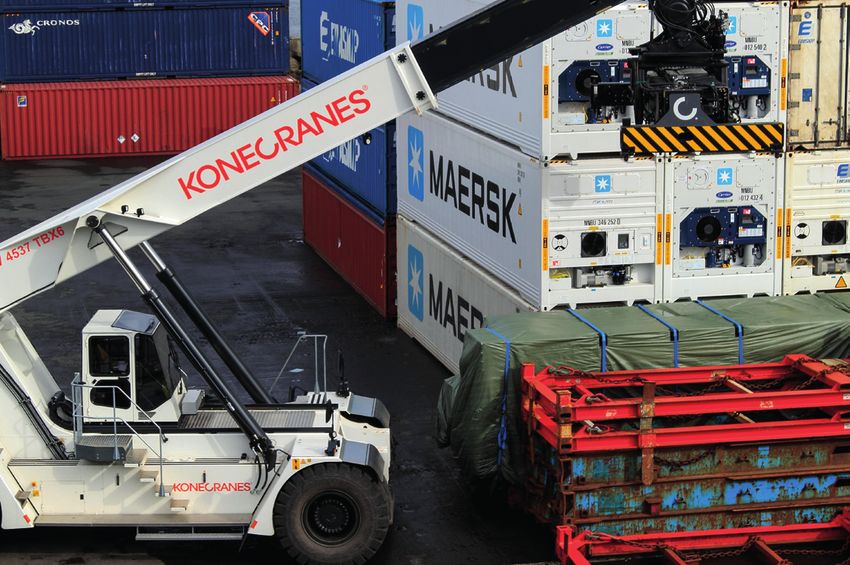
Definition of physical and transition risks:                   Climate risk interconnectivity

                                               CO2          CO2

           Physical risk                      Transition risk
           adaptation to the                  mitigation of greenhouse
           largely physical                   gas (GHG) emissions and
           consequences of                    its associated transition
           climate change.                    risks, including
                                              revaluation of assets.

                                                                                                           Climate
                                                                                                           Change

8   Managing the impacts of climate change: risk management responses                                                Managing the impacts of climate change: risk management responses   9
CHAPTER 1

   Zurich’s Climate Change
   scorecard and narrative –                                           Fueled by the Youth Climate Movement, high-profile warnings from the scientific

   progress, but not enough
                                                                       community and an increased occurrence of extreme weather events, climate
                                                                       change-related topics have become more prominent in the media and political
                                                                       discussion over the last year.

                                                                                                                        severe or likely as a consequence of climate
                                                                                                                        change. However, it is clear that – in a warming
                                                                                                                        world – the patterns of severe weather are
                                                                                                                        changing. The effects of these patterns are
                                                                                                                        exacerbated by the more obvious impacts of
                                                                                                                        climate change: including melting land ice, sea
                                                                                                                        level rise and changes to ocean temperatures
                                                                                                                        and circulation. They serve as a warning that
                                                                                                                                                                                     2°C
                                                                                                                        urgent change is now required in order to shift
                                                                                                                        the trajectory for greenhouse gas emissions
                                                                                                                        and limit the rise in global temperature.
                                                                                                                        With these conflicting forces at play, it is not
                                                                                                                        easy to assess the overall progress and direction
                                                                                                                        of change. This is why Zurich developed the
                                                                                                                        climate change scorecard, which aims to
                                                                                                                        measure developments in a range of climate
                                                                                                                        change-related areas. It uses quantitative data
                                                                       Yet emissions of greenhouse gases (GHG)          and draws on various climate change scenarios
                                                                       have continued to increase – with CO2            constructed by the Intergovernmental Panel on
                                                                       emissions now rising at the fastest pace         Climate Change (IPCC) and the International
                                                                                                                        Energy Agency (IEA), among others.1 This is by
                                                                                                                                                                                 Our initial scorecard analysis
                                                                       since 2013 – making the burden of climate
                                                                       change yet heavier for future generations.       no means an easy task, and data uncertainty                          indicated that the
                                                                                                                        and measurement issues are large. But, by                 likelihood of missing the
                                                                       Also in the past year, other global risks in     tracking developments over time, it is easier
                                                                       the areas of geopolitics, economic, societal     to detect if progress has picked up, or where            Paris Agreement’s target of
                                                                       and technology have continued to act as          efforts and ambitions are lagging behind                   limiting global warming to
                                                                       distractions – deflecting focus from             (more details on Navigating Climate
                                                                       longer-term issues such as climate change.       Change and Two Degree Target for
                                                                                                                                                                                   2°C or below was higher
                                                                       At the same time, extreme weather events         Global Warming is Melting).                                        than achieving it.
                                                                       have been frequent, with heat records set in
                                                                       almost all regions, and devastating wildfires,   Our initial scorecard analysis indicated that
                                                                       droughts, rainfalls, typhoons and mudslides      the likelihood of missing the Paris Agreement’s
                                                                       have brought with them human tragedies           target of limiting global warming to 2°C
                                                                       and disruption to economic activity.             or below was higher than achieving it.

                                                                       It is currently difficult to say for sure if a   Now, almost three years after our original
                                                                       specific weather-related event is either more    scorecard, we have updated it once again.

                                                                       1
                                                                           See appendix for definitions of the data.

10 Managing the impacts of climate change: risk management responses                                                                                   Managing the impacts of climate change: risk management responses 11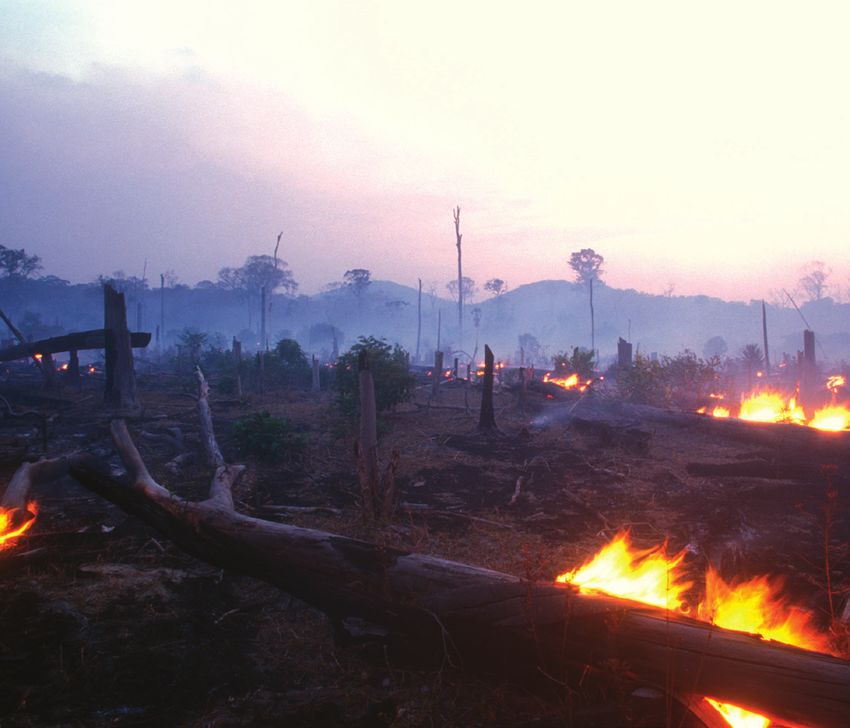
The acceleration in emissions partly reflects which rose solidly in 2018. Wind and solar
Technology and emissions CO2 accounts for the bulk of the increase. Energy
stronger economic activity. This shows that
1.1. Zurich scorecard update energy efficiency gains are not yet large integration and storage technologies are
enough to decouple emissions from global additionally needed to make energy systems
12 1 12 1 12 1 economic activity. The pattern is also clear more flexible and allow for the large-scale use
11 2 11 2 11 2 Key targets: Achievements of near-term at a country level. In any given year, countries of renewable energy. While progress is picking
targets for CO2 emissions, global energy that achieve a higher growth rate are, on up, this appears to be an area where more
10 3 10 3 10 3 demand and energy efficiency; a rapid rise in average, also associated with a larger increase innovations – and investment – are needed.
August August August the share of renewable energy in the energy in CO2 emissions.
We are less encouraged by the lack of progress
9 2017 4 9 2018 4 9 2019 4 mix; progress on energy integration and This highlights the complexity of the around coal-fired power generation, which rose
storage technologies to support large-scale challenge. The global economy and individual further in 2018, mainly reflecting growth in
8 5 8 5 8 5 use of renewable energy; rapid penetration countries need growth to create wealth and Asia. To leave the door open for a 2°C scenario,
7 6 7 6 7 6 of electrical vehicles; positive developments opportunities. However, with carbon emissions we have to take advantage of low hanging fruit
on carbon-capture technology. still on a rising trajectory, governments and – such as the substitution of natural gas for oil
Carbon dioxide emissions have risen over the businesses need to raise their ambitions and and coal, as well as reducing GHG emissions
1. Carbon pricing 1. Carbon pricing 1. Carbon pricing do more to reposition their countries for a from oil and gas production refining and
2. Corporate action 2. Corporate action 2. Corporate action past two years, up by close to 2 per cent in
2018, following an increase of 1per cent in cleaner, more productive and ultimately transport, including methane emissions
3. CCUS 3. CCUS 3. CCUS sustainable future. and flaring. There is also insufficient progress
4. Energy systems 4. Social trends 4. Social trends 2017. This is the largest annual increase since
2013 and not consistent with a sustainable on carbon capture utilization and storage
5. Social trends 5. Energy supply 5. Energy supply In the case of clean technologies, we draw on technology (CCUS), with only a handful
6. Energy storage 6. Legislation 6. Legislation transition to a 2°C scenario – which requires the IEA’s technology tracker for many indicators.
CO2 emissions to start plateauing by 2030. of projects in place globally.
7. Energy demand and efficiency 7. Energy demand and efficiency 7. Energy demand and efficiency
Some of this additional carbon dioxide will There is good progress in some fields, including
8. CO2 emissions 8. CO2 emissions 8. CO2 emissions
remain trapped in the atmosphere for the penetration of electrical vehicles and
9. Investment 9. Investment 9. Investment
thousands of years, raising the burden for around renewable electricity generation –
10. Legislation 10. Energy integration and storage 10. Energy integration and storage
11. Fossil fuel subsidies 11. Fossil fuel subsidies 11. Fossil fuel subsidies future generations.
12. Electrical vehicles 12. Electrical vehicles 12. Electrical vehicles
Not on track for 2°C scenario Improving but more is needed On track if pace is maintained used to detect changes in the emphasis that To conclude, the scorecard shows
Sentiment and behavior businesses place on climate change-related that there have been encouraging
Source: Datamaran, World Bank Group, IEA (International Energy Agency), BP, IMF, MSCI, Bloomberg NEF (New Energy Finance), ZIG (Zurich Insurance Group) topics, show a similar picture. improvements in some fields over the
past year. However, the overall likelihood
Taken together, the indication is that the of transitioning the global economy
business sector as a whole still appears to be to a 2°C trajectory still appears to be
Key targets: Decisive corporate action and lacking in ambition on climate change.
The overall takeaway from the dioxide equivalent emissions is required to positioning; increased public and private lower than that of failing to do so.
Policy measures Companies are vulnerable to climate
most recent score card is that, transition to the 2°C path. investment in climate change research and change-related risk, and their consumers are
while legislation, sentiment and clean energy; social trends driving actions to becoming increasingly aware of climate change,
social trends have shifted in favor On the critical aspect of a carbon price, too
tackle climate change. demanding firms take more action. Climate
of tackling climate change, actions little progress is therefore being recorded to
be on track for the 2°C scenario. The last components of the scorecard capture change-related risk will moreover affect all
are still falling short of what is Key targets: A global price on carbon; national companies’ stakeholders and action is being
needed to sustainably transition bottom-up action and trends.
and regional legislation to enforce binding We are encouraged by the latest indicators demanded from investors, employees and
the global economy and societies climate change commitments; a phasing-out which show a re-acceleration in new climate The business sector will be critical in driving communities alike. This therefore reflects a
to a 2°C scenario. of fossil fuels, including subsidies. change-related legislative and regulatory developments towards a 2°C scenario. We use missed opportunity, as it is clearly in the interest
The scorecard takes the view that initiatives. This includes in fields such as air indicators to track corporate actions – as well of businesses to act on this topic.
Zurich advocates for a global price on carbon, emissions, alternative fuels, energy efficiency as positioning – on climate change-related
far-reaching change to the global established at a level that over time becomes On a positive note, our scorecard picks up that
energy system is needed to achieve and use, greenhouse gases and renewables. topics. Morgan Stanley Capital International
consistent with transitioning to a 2°C trajectory. The number of initiatives in the first half of 2019 (MSCI) company scores on management news flow on climate change-related topics has
a ‘two-degree compliant world‘. Such a price would mean that negative become more marked. The number of articles
To accomplish this, fundamental (either introduced or commenced, already active actions on climate change and environmental,
externalities of fossil fuels and other sources of or expected) has increased markedly compared social and governance (ESG) related topics published on related topics in major
changes to policy and technology GHG emissions are properly accounted for and international media has picked up significantly
are required; sentiment and to the same time last year. Moreover, it exceeds show a modest improvement in the global
reflected in the price. This would help ensure the number of initiatives that were enacted in ranking over the past year, but it is not yet compared to previous years. Effort to put
behaviors have to move strongly that a proper assessment of risks and climate change on the agenda appear to have
in favor of tackling climate change. 2015 – when the Paris Agreement caused a sufficient to bring it into a more sustainable
To achieve the 2°C scenario,
opportunities is reflected in investment and spike in legal activity that then slowed sharply. category. These scores also confirm that, achieved some success. This will be important The business sector
business decisions. It is therefore one of the in shaping politics and climate change actions
sufficient progress needs to be key categories of the score card.
While this is a positive development, the pickup although a large group of companies are
over the coming years.
will be critical in driving
made in three key areas: in legislative activity in 2015 was a false dawn, making excellent progress, too many are still
and it will be critical that current improvements lagging behind. Corporate reporting data,
developments towards
Over the past year, developments around
– Policy measures carbon pricing schemes have been limited. are sustained. a 2°C scenario.
– Technology and emissions Carbon pricing remains patchy – only around However, in other policy areas, developments
16 per cent of global greenhouse gas (GHG) have been outright negative. Fossil fuel subsidies
– Sentiment and behavior emissions are covered by a pricing scheme – and – which were reduced at a rapid pace over the
the average price in existing schemes remains past few years – have reversed, with a large
around USD 20 per ton of carbon dioxide. This increase in overall subsidies in 2018. This partly
compares to the World Bank Group’s indication reflects rising subsidies to the natural gas sector,
that a price of USD 80-120 per ton of carbon but traditional fossil fuels have also seen
subsidies increasing.
12 Managing the impacts of climate change: risk management responses Managing the impacts of climate change: risk management responses 13
1.2. Impact of present physical and auto demand, as consumers await more to managing the financial risks from climate 1.3. Accelerated transition – on a transition risk scenario which includes a A fortunate combination of circumstances is
transition-related climate change clarity around future regulation. Elsewhere, change.7 This requires regulated entities to a risk scenario global price of carbon and stricter regulation for currently presenting governments with an
several manufacturers recently agreed to an calculate the capital and solvency impact of the auto and aviation sectors. The starting point opportunity to stimulate their slowing
risks on the economy emission cut target with the state of California, climate change risk on both short and As the frequency of extreme weather events for this analysis is that the global economy is economies while repositioning their countries
Climate change has famously been dubbed a showing that the sector is still committed to long-term time scales. Whilst acknowledging is expected to rise further, and as costs already vulnerable, with high debt levels, weak for a cleaner and more productive future. This
tragedy of the horizon – where its catastrophic meaningful progress, and suggesting that the challenges in doing this, it is the start of associated with climate change become growth dynamics, and negative interest rates. includes a return to historically low – and in
impacts are only likely to be felt beyond the change is coming.3 a movement that will change the financial more visible, there is the hope and possibility Sudden action to tackle climate change would, many cases deeply negative – interest rates
time horizon of most actors, imposing a cost on services attitude towards investing in the risks that actions to tackle climate change will in such environment, likely trigger a growth and an inflection point in sentiment towards
The market value of businesses exposed to associated with climate change. accelerate. While our climate change slowdown – and potentially a global recession. climate change. Now is the time to act.
future generations that the current generations
thermal coal has also continued to drop as scorecard shows that this is not yet happening
have no incentive to fix. If, as our score card
investors look towards the future. While this is Finally, the Youth Climate Movement is at a sufficient level, it is nonetheless useful to Precisely because a transition risk scenario will A major energy transition would create huge
currently suggests, too little is done to tackle
not new, divestment appears to be accelerating. important because it is driven by a generation look closer at what a sudden, and potentially be disruptive, one conclusion from our scenario opportunities as well as risk. Within each
climate change, we would expect transition
For example, major mining groups -alongside that will be more exposed to the costs of disruptive, transition scenario may look like. analysis is that policy makers and businesses sector, there would likely be a large variation
risks to remain limited, and physical risk would
investors more broadly – are choosing to climate change. It could break the tragedy of There is, however, still a lack of models that should aim to take action on climate change between businesses that stand to gain from
only become more material over the coming
disinvest from thermal coal assets.4 the horizon – eventually forcing policy makers, quantify such a scenario, and this is one area sooner rather than later. Only then will they be the transition, and those that fall behind. This
decades – as temperature gradually rises.
business leaders and individuals to take critical where more targeted work needs to be done able to phase in action and take gradual steps, is why companies must focus on developing
Major central banks have also begun to action. If successful, this would lead to rising limiting disruptions to individual sectors and strategies that build resilience, both to the
However, last year saw a number of events by academics, businesses and central banks.
question whether climate change may already transition risk over the coming years. the broader economy. de-carbonization of the services they deliver,
and actions that appear to challenge this
be having an impact on economic activity. In The box below gives more details on a and the physical risks of climate change.
assumption. While uncertainty is large, it
2018, for example, the European Central Bank transition risk scenario gives more details
appears that climate change risk may already
noted a puzzling persistence in petroleum
be impacting on businesses and the broader
prices in Germany despite falling oil prices.5
$ $
economy. This trend is only likely to increase
It also saw slowing activity in the chemical,
in the years ahead.
steel and pharmaceutical sectors. One reason
$ CO2
A series of wildfires in the State of California in for both of these observations appears to A sudden, and disruptive, would also be likely to delay purchases
2017 and 2018 showed how climate change have been the hot summer, which caused the of some items, such as cars, until there is
transition scenario
can incur very specific near term costs – as well water levels in German rivers to fall to levels more certainty around future technology
as long term hypothetical ones. The wildfires that only allow petrol tankers to carry half
their capacity.6 This created unexpected supply
This scenario is based on a sudden, and
coordinated, announcement by OECD
$ and regulation. This would lead to
led to the California-based utility company underutilization of resources in more
PG&E filing for bankruptcy after facing liability bottlenecks, impacting across the economy. countries to impose a price of carbon, exposed sectors.
for the damages. This was one of the first This illustrates that all societies are vulnerable initially set at USD 30 per ton of CO2
bankruptcies that was tied to climate change, when the weather changes, and the impact emissions, but with a credible plan to raise There is large uncertainty regarding the
where extensive damage was amplified by can be both unexpected and material. it to USD 100 over the coming decade. precise impact on economic activity, given
extremely hot and dry weather conditions.2 This could be implemented either as a the unprecedented nature of the event.
More broadly, politicians and financial Historically, however, large increases in
carbon tax or a quota (cap and trade),
regulators are beginning to respond quickly. energy prices have often coincided with
with a top-up tariff whenever the quota
Since the development of the Taskforce for US and global recessions. This suggests
undershoots the target price. Stricter
Climate related Financial Disclosure (TCFD that a carbon tax of this scale may well
regulation for the auto sector is also
framework), over 800 companies have now There is surprisingly little work that tries tip the global economy into a recession.
announced, together with increased duties
done the analysis, scenario work and strategy to assess the impact on the global economy This is particularly likely given broader
for air transport. While unlikely to occur
development to begin disclosing climate of a sudden and disruptive increase in the vulnerabilities in the global economy; such
over the next few years, this scenario is not
change impacts. This is being further amplified carbon price of this magnitude. Most studies as high debt, negative interest rates, and
unthinkable. In particular, there is broad
and codified by the European Commission’s look at the long run impact of a gradual and elevated geopolitical and political risk.
agreement that a carbon price at this level
Sustainable Finance Action Plan. The plan well-behaved transition, where the impact on
is required to tackle climate change. Global financial markets would be impacted.
starts with a sustainable finance taxonomy to financial markets and GDP are typically found
help investors understand broadly the “green” The automotive industry has Governments could partly offset the overall
to be limited. Here, new technology allows a Risk assets would be expected to respond
impact on the economy by redistributing negatively, with a sharp decline in equity
versus “brown” aspects of different sectors and additionally struggled with or the tax revenues, in which case the tax relatively smooth transition to happen, and
businesses, as well as the other ESG impacts of households and businesses are able to fairly prices. The impact would be differentiated
decisions to invest or disinvest in these sectors.
transition risk – in the form of would come with a carbon dividend. depending not only on CO2 emissions,
seamlessly substitute away from fossil fuels.
regulatory changes around the To put this into perspective, a tax of but also perceived vulnerability to the
The automotive industry has additionally A number of financial regulators around the If one looks at a shorter time span, however, emergence of new technology and linkages
testing process for the EU’s fuel USD 100 per ton of CO2 implies a tax
struggled with transition risk – in the form of world are mulling whether or not to introduce energy demand is likely to be inflexible, with to the fossil fuel sector. Industries that would
of USD 43 per barrel of oil. Given current
regulatory changes around the testing process specific climate change risk assessment as part efficiency ratings that have oil prices at around USD 60/bbl, a global substitutes to fossil fuels still lacking in many likely see higher than average declines
for the EU’s fuel efficiency ratings that have of capital or solvency metrics for regulated sectors and regions. A carbon tax is therefore in equity prices would include those that
caused ripple effects across the global supply firms. The Bank of England/Prudential
caused ripple effects across the tax of this size would lead to a material
– but not unprecedented – rise in oil an additional cost that energy users – are directly linked to fossil fuel extraction
chain. Considerable uncertainty around future regulation Authority (PRA) released in April global supply. households and businesses – would need to and refining, energy utilities, heavy
prices. Another way to quantify the shock
technology and regulation on CO2 emissions of 2019 a new supervisory statement that aims pay. Households would be faced with a real manufacturing, and transportation. A major
is to consider that global CO2 emissions
appear to have had a longer-lasting effect on to enhance banks’ and insurers’ approaches income squeeze and reduced non-energy energy transition would also create huge
were 34bn tons in 2018, so taxes of
around USD 3.4trn would be needed spending. Businesses would be forced to take opportunities as well as risk. Within each
to be raised. This is equivalent to a hit on their profits or pass on the higher sector, there would likely be a large variation
around 4per cent of global GDP. energy costs to output prices, which would between businesses that stand to gain from
2
https://energypolicy.columbia.edu/sites/default/files/file-uploads/PG&E-CGEP_Report_081519-2.pdf put further downward pressure on household the transition, and those that fall behind.
3
https://ww2.arb.ca.gov/news/california-and-major-automakers-reach-groundbreaking-framework-agreement-clean-emission demand. Households and businesses
4
https://www.bloomberg.com/opinion/articles/2019-07-12/bhp-s-thermal-coal-unit-may-fetch-less-than-rio-tinto-s
5
https://www.ecb.europa.eu/press/key/date/2018/html/ecb.sp181108.en.html
6
https://www.bloomberg.com/news/articles/2019-07-23/the-rhine-river-risks-a-repeat-of-last-year-s-historic-shutdown
7
https://www.bankofengland.co.uk/prudential-regulation/publication/2019/enhancing-banks-and-insurers-approaches-to-
managing-the-financial-risks-from-climate-change-ss
14 Managing the impacts of climate change: risk management responses Managing the impacts of climate change: risk management responses 15
CHAPTER 2

   Risk management responses
   to climate change                                                   Climate change is similar to many other global risks, in that it is interconnected with other global
                                                                       risks (e.g., the ‘water-food-energy’ risk nexus) and is therefore a multi-stakeholder challenge.

                                                                       How it differs is in its long-term nature,      are already being felt), they are largely         In contrast, transition risks are driven
                                                                       which makes it difficult for companies          irreversible in the long term. So, the            largely by changes in societal perception
                                                                       to take immediate and urgent risk               challenge is to act now, to transform the         of carbon intensive industries, new public
                                                                       management actions. Risk management             global economy and largely decouple               policy, new technologies and changing
                                                                       responses to climate change risks fall into     global economic growth from GHG                   consumer sentiment. This will potentially
                                                                       two categories; those addressing physical       emissions. At the same time, due to the           lead to economic and societal impacts on
                                                                       climate risks and those addressing transition   lag effects of GHGs in the atmosphere,            a much shorter time frame. A clear
                                                                       risks. (see page 8 for full definitions).       the world will need to continue to adapt          understanding of the goals of transition
                                                                                                                       to the physical effects of climate change         and the unintended consequences of even
                                                                       While the most severe physical changes of       for decades to come. The challenge, then,         the most well-meaning policies will help
                                                                       climate change are likely to take decades to    is to drive risk-informed climate-sensitive       focus and mitigate transition risks.
                                                                       manifest (although, as per section 1.2, some    decision-making across all sectors.

                                                                            2.1. Adopting and acting                   Given this, it is useful to restate the three key steps that are crucial
                                                                            upon a climate resilience                  for companies to develop a climate resilience adaptation strategy:
                                                                            adaptation strategy
                                                                                                                                            1. Identify the broad business and strategic risks
                                                                            As climate change and its
                                                                                                                                               – including exposures your businesses have,
                                                                            associated risks continue to
                                                                                                                                               understanding where your vulnerabilities are
                                                                            evolve rapidly – assessing
                                                                                                                                               and to what kind of hazards, or risk triggers
                                                                            resilience and responding
                                                                                                                                               to which you are exposed.
                                                                            accordingly remains essential for
                                                                            communities and corporations.
                                                                            For businesses leaders, this                                    2. Develop a granular view of the risks involved,
                                                                            process may yield benefits                                         typically involving the modelling of both physical
                                                                            beyond investment in improving                                     and transition risk impacts – including, for
                                                                            the physical resilience of assets                                  example, individual locations, or specific business
                                                                            and developing alternatives to                                     activities, including products and services.
                                                                            existing supply chains, utilities,
                                                                            and so on. A truly holistic                                     3. Develop a mitigation strategy involving
                                                                            review of environmental risks                                      insurance and developing resilience strategies,
                                                                            will reveal opportunities as                                       either through physical risk adaptation,
                                                                            well (USD 2 trillion according                                     or perhaps changing business models and
                                                                            to the CDP).                                                       activities to address transition risks.

16 Managing the impacts of climate change: risk management responses                                                                                  Managing the impacts of climate change: risk management responses 17
For this we recommend using a                    3) Risk management: Define how the
          Step 1: Identify the                     scenario-based approach and a structured            company identifies, assesses and manages
                                                   analysis such as the one developed by               climate change-related risks
          broad business and                       the TCFD:
          strategic risks                                                                              i) Develop processes for identifying and
                                                   1) Governance: Define the company’s                    assessing climate change-related risks
                                                      governance around climate
                                                                                                       ii) Develop the company’s processes for
                                                      change-related risks and opportunities
                                                                                                           managing climate change-related risks
                                                      including:
                                                                                                       iii) Integrate the processes for identifying,
                                                      i) The Board’s oversight of climate
                                                                                                            assessing and managing climate
                                                         change-related risks and opportunities
                                                                                                            change-related risks into the
                                                      ii) Management’s role in assessing and                company’s overall risk management
                                                          managing risks and opportunities

                                                                                                    4) Metrics and targets: Implement
                                                   2) Strategy: Identify actual and potential          metrics and targets used to assess and
                                                      impacts of climate change-related risks          manage relevant climate change-related
                                                      and opportunities on the company’s               risks and opportunities
                                                      businesses, strategy and financial planning
                                                                                                       i) Disclose the metrics used by the
                                                      i) Describe the climate change-related              company to assess climate
                                                         risks and opportunities the company              change-related risks and opportunities
                                                         has identified over the short, medium,           in line with its strategy and risk
                                                         and long term                                    management process
            Scenario-based approach
                                                      ii) Assess the impact of climate                 ii) Disclose GHG emissions and the
                                                          change-related risks and opportunities           related risks
            1. Governance
                                                          on the company’s businesses, strategy,
                                                                                                       iii) Describe the targets used by the
                                                          and financial planning
            2. Strategy                                                                                     company to manage climate
                                                      iii) Assess the resilience of the                     change-related risks and opportunities
                                                           company’s strategy, taking into                  and performance against targets
            3. Risk management
                                                           consideration different climate
                                                           change-related scenarios, including
            4. Metrics and targets
                                                           a 2°C or lower scenario

18 Managing the impacts of climate change: risk management responses                                                                                   Managing the impacts of climate change: risk management responses 19
Use scenarios developed in step 1 In the physical risk domain, the impact Besides yielding information relating to • High concentration of value at • Location relies on workers living
Step 2: Develop a granular and gather appropriate data to model of climate change risks on physical locations accumulated annual loss, ‘exceedance’ one location in highly exposed and vulnerable
the magnitude of risk, prioritizing according or assets is somewhat clearer. Over the last occurrence probability and other parameters neighborhoods
view of the risks involved 30 years, catastrophe models have evolved used by insurers in the design of policies,
• Long replacement time for equipment
to the company’s particular circumstances
– including, for example, or stock at a location • Location relies on public utility and
(industry, products and services, supply-chain, as innovative tools to identify, assess and catastrophe modelling tools may also help
manage natural catastrophe risks for seismic identify high-risk single locations, as well as infrastructure services that are highly
individual locations, or physical locations/assets, business model • The location is a significant contributor
exposed and vulnerable
maturity and risk appetite). and climate change-related hazards. Today, concentrations of locations that could to the group value chain or revenue
specific business activities, sophisticated catastrophe models exist potentially be affected by a single event. This review and analysis relates to
For transition risks, there are evolving • Large concentration of occupants or
including products socio-economic transition pathways being
for several perils and covering many regions
We recommend that prioritizing locations operations or locations within the
and lines of business. population in the immediate vicinity
and services developed (see example here: for the second step of the resilience stakeholder’s own responsibility. Ideally,
https://www.ipcc.ch/sr15/chapter/spm/ Today’s models are generally designed to strategy is based on the definition of • Large area around the site that could suppliers and critical infrastructure
spm-c/spm3b/) but in some sectors there are reflect current climate conditions. So while ‘critical’ in the company. For example, be impacted environmentally would also be included in the analysis.
some very precise regulatory or technology catastrophe models can play an important this may be a location or region that meets • Multiple locations that could be
pathways that need to be built-in to models role in capturing physical risks of climate one or more of the following criteria: affected by a single event
that analyze the impact on products & change, it is important to recognize their
services, or even entire business models. The limitations and the complexity of
challenge is that, in some sectors, data and conditioning them to a different future
scenarios are well understood, but in others climate. In section 3.2, we provide the latest
they are not, or are poorly provided for. on the evolution of modeling capabilities to
better quantify the impact of climate Improving the impact measurement of physical risks:
Nevertheless, it is important for businesses change on physical risks.
to start the analysis of how they could be a key enabler of climate resilience adaptation strategies
affected by climate change risks and Lastly, as catastrophe models do not cover
opportunities. Developing scenarios that are all perils and countries, other tools, such Assessment of the physical impacts of events. This is especially true of the It is important to understand that the
plausible, relevant, distinctive, consistent and as global (or where available local) climate change starts with determining consequences of severe weather current state-of-knowledge precludes
challenging and which span both transition peril-specific hazard maps are necessary the evolution of hazard levels, i.e. effect of events. Increased resilience involves development of very precise tools. Some
and physical risks is an important first step. to assess these ‘non-modelled’ perils and climate change on intensity and frequency a range of measures – physical, actions can nevertheless be taken for
This needs to identify the main challenges regions to develop loss estimates. These of natural hazard phenomenon (wildfire, organizational and insurance. improvement in risk management of
facing an industry, the companies within it, tools do not price the risk in the same water shocks, flooding, windstorms, etc.). natural catastrophes, in particular severe
as well as individual products and services manner as catastrophe modelling tools, • The severity of extreme natural hazard weather using the available science. For
and their associated business plans. There which are traditionally used in the insurance There is an increasing demand for tools events is often influenced by factors example, traditional building design codes
then needs to be an analysis of which industry. However, they are an essential tool that measure the impact of climate outside the control of the organization, need to consider the reduction of (content
key risk categories to model and how to for performing a preliminary analysis of change. This is driven by: for example the performance of key of buildings) and not only focus on human
embed climate risk considerations in multiple locations with a global footprint to infrastructure, utilities and public safety. They must also define the hazard
• The severity of impact on businesses control measures (e.g., levees, pump
business-as-usual risk processes. identify the natural hazard exposure level. and infrastructure (especially business levels (e.g., snow loads, wind forces,
systems for flood) flooding characteristics) based on
For each industry, there are different Experience and judgment – of local interruption) from increased frequency
of events. Although it is worth pointing • Limitations exposed in traditional evolution due to climate change – in
quantitative and qualitative tools, data and topographic conditions, construction
out that the latest (IPCC reports and tools used in the insurance industry – addition to historical events which are
metrics used to monitor and assess exposure practices or local protection mechanisms
climate science often paints a confusing through changes in frequency, intensity, currently the basis of such documents.
to the transition risks. There are also the – play an important role in analyzing the
challenges of determining the depth of any output of the conventional tools used for picture of different peril/regions having and severity of events. This is also true As mentioned previously, the insurance
analysis across the dimensions of different multilocation hazard identification and unexpected decreases in frequency. For of other industries (e.g., building design industry also needs to look beyond
portfolios and the depth of supply chain assessment, as the severity of the event example, tropical storms seem to have codes, infrastructure management, etc). catastrophe models to account for climate
analysis. The key is to avoid models that could dramatically change within a short increasing intensity (impact/severity) These tools have been developed based change effects. Traditional natural
are either founded on multiple layers of distance. An example is the effects of soil but reducing frequency. Regions are on historical data. The influence of catastrophe models are essential tools to
assumptions, are overly-complex, or that properties on earthquake shaking levels, experiencing events to which they climate change effects on hazard design the insurance policy (e.g., price the
do not produce credible outputs that can or the impact of changes of topography have historically been immune (e.g., level evolution is still highly uncertain risk). However they cannot consider all
be used by the business as the foundation within a short distance on flood depths. wildfires in the northern polar region, and complex. factors that influence severity (e.g., hazard
of business decisions. migration of typhoons northwards level evolution due to climate change,
towards Shanghai. • Uncertainty in short and long-term
investment strategies, due to impact deterioration of physical assets (aging)
• Increasing realization that relying on of climate change on physical and and infrastructure, duration of events as
insurance alone is not a sound risk transition risks. well as their limitation in terms of global
management strategy for physical coverage of the various perils).
20 Managing the impacts of climate change: risk management responses Managing the impacts of climate change: risk management responses 21On the transition risks side, for carbon-intensive Local hazard maps, where available, are 2.2. Progress on climate resilience However, in contrast with the TCFD framework increase pressure on other industry sectors to
Step 3: Develop a sectors a meaningful GHG emissions reduction used and assumptions applied regarding adaptation and GHG emissions – which is currently only a recommended disclose their financial impacts from climate
strategy should consider product and service climate change effects in the scenario process. approach – the Bank of England / Prudential change and strategies to adapt. The advantage
mitigation strategy innovation – as well as potential needs for Such an analysis is an essential component of
mitigation strategies Regulation Authority now mandates the of this approach by financial services regulators
involving insurance business transformation. Typically, lifecycle the resilience strategy. It would include an The challenge for business leaders and following for regulated firms: is that it will drive a step-change in the strategic
and developing resilience carbon intensity measures and targets should on-site assessment of the reliability and policymakers is to create strategies that analysis of climate change-related risk. The
be set that match – or exceed – those expected effectiveness of emergency response and 1. Governance: “Firms will need to identify Bank of England / Prudential Regulation
optimize the opportunities associated with
strategies, either through as society more broadly reduces overall business continuity plans, any peril-specific adaptation to the physical risks of climate
and allocate responsibility for identifying Authority have established a Climate Financial
and managing financial risks from climate
physical risk adaptation, or emissions. The Science Based Targets initiative protection measures (e.g., mobile flood change and GHG emissions mitigation. In some
change to the relevant existing Senior
Risk Forum (CFRF) to build intellectual capacity
(https://sciencebasedtargets.org/) provides a protection elements, etc.), quality of structures, cases, this will be done by individual initiatives and establish best practice in how to manage
perhaps changing business simple framework to set targets for carbon infrastructure and utilities. With this Management Function(s) (SMF(s)) most
carried out by the private or public sectors. the financial risks from climate change. The
models and activities to emission reduction that match the Paris information in hand, a medium- to long-term appropriate within the firm’s goal of the four working groups set up by the
In most cases, it will require multi-stakeholder
Agreement goals of keeping global warming resilience strategy can be developed. Within organisational structure and risk profile.”
address transition risks action. In a few cases, it will require new CFRF is to deliver draft handbooks on the key
substantially lower than 2 degrees. This this, budget for capital expenditure projects, technologies, new industries and new business 2. Strategy: “the PRA expects firms to areas of scenario analysis, risk management,
makes good business sense as “Setting as well as reallocation of existing budget models to be developed with new approaches conduct scenario analysis to inform their disclosure and innovation.
greenhouse gas emission reduction targets toward resilience measures, can be defined. to managing risk, including changes to strategic planning and determine the
in line with climate science is a great way to The nature of the challenge and
legislation and regulation. impact of the financial risks from climate
future-proof growth”. This type of integrated approach involves implementation of potential solutions requires
not only insurance – which supports the site change on their overall risk profile and more than a single stakeholder. Public-private
In Europe, the EU has developed the EC Action
On the physical risks side, for those locations in restoring operations after the event – but business strategy. This includes both partnerships on initiatives like open-source data
Plan on Sustainable Finance. In June 2019, the
defined in the second step as ‘at risk’, also prevention measures (physical and short-term assessment and quantification platforms are vital for success. The wide range
Technical Expert Group on Sustainable Finance
scenario-based loss estimates should be organizational) that reduce the impact and where appropriate of climate change risks of relevant organizations that need to be
published the first classification system, or
developed, based on detailed information severity of an event on the locations. within the planning horizon and a involved includes Governments, national
taxonomy, for environmentally sustainable
regarding site vulnerabilities (physical and long-term assessment based on a range weather and climate organizations, central
economic activities. This aims to provide
organizational) and potential events which of scenarios. banks and regulators, academic institutions,
guidance for policy makers, industry and
could impact the locations. investors on how best to support and invest 3. Risk Management: “As part of the Own climate scientists, natural catastrophe
in economic activities that contribute to Risk and Solvency Assessment (ORSA), modelers, the insurance industry, banks
achieving a climate neutral economy. firms should include at a minimum: and asset managers.
In addition, regulators in the Financial Services a. all material exposures relating to the On top of this, key “real economy” sectors
sector are beginning to mandate quantification financial risks from climate change; and and industries need to play their part. They
De-carbonize Engage with Innovate new of climate change risks. This will,in-turn, impact must analyze scenarios and develop strategies
products, services, investors, business models all sectors – as banks, asset managers and b. an assessment of how firms have that adapt and build resilience – both to the
Companies must decarbonize Navigating operations, and policy-makers and and transform determined the material exposure(s) de-carbonization of the services they deliver
transition to insurers begin to understand climate change
and innovate to address investments customers
risks in more detail and start applying the in the context of their business.” and the physical risks of climate change.
low-carbon
transition risks while at the economy learnings to risk-adjusted returns on capital. 4. Disclosure: “Firms should recognise Federal, National and Local government will
same time building resilience In April 2019 the Bank of England the increasing possibility that disclosure also need to work with these sectors and
to physical risk published Supervisory Statement 3/19 will be mandated in more jurisdictions, develop their own adaptation plans. It is in this
and Policy Statement 11/19, which codified and prepare accordingly”. area that the insurance industry can play a vital
their consultation paper 23/18 on climate role informing risk management actions, in
change risks. Broadly the Bank of England / Disclosure of climate change impacts on particular with various regulatory bodies and
RISK Prudential Regulation Authority (BoE/PRA) a business seems likely to be increasingly engineering organizations (building code
CLIMATE RESILIENCE
MANAGEMENT aligned their supervisory requirements with mandated by regulators, at least in the financial development, testing labs and agencies, etc.)
ADAPTATION STRATEGY services industry and in time, perhaps in other
RESPONSE the TCFD framework.
industry sectors too. By implication, this will
As already pointed out in section 2.1 the TCFD
is a useful starting point for companies to
address the corporate governance, strategic
and risk management implications of climate
Building change on the financial performance or value The wide range of relevant organizations that need to be involved
resilience Adapt operations Invest in risk Transfer of a company. The expectation is that this will includes Governments, national weather and climate organizations,
to physical and supply chain reduction for residual risk then form the basis of information for investors
impacts to more frequent critical locations to insurance and other stakeholders to target ‘green’ central banks and regulators, academic institutions, climate
impacts and and communities markets
disruptions
investment and policies to enable a transition scientists, natural catastrophe modelers, the insurance industry,
to the low-carbon economy. This task is of banks and asset managers.
course challenged by the definition of what
is ‘green’ and what needs to be prioritized
to deliver sustainable finance.
22 Managing the impacts of climate change: risk management responses Managing the impacts of climate change: risk management responses 23You can also read


