Sustainability matters - The WesTpac Group
←
→
Page content transcription
If your browser does not render page correctly, please read the page content below
Sustainability
matters.

The Westpac Group
Annual Review and Sustainability Report 2010
Performance matters.
(Highlights) See Page 02.                                                                                                                     As Australia’s first bank,
(Chairman’s Report) See Page 04.
Leadership matters.
                                                                                                                                              now very nearly 200 years
(CEO’s Report) See Page 06.                                                                                                                   old, it’s not surprising that
Listening matters.
(Stakeholder Engagement) See Page 08.                                                                                                         sustainability matters to us.
Direction matters.
                                                                                                                                              With a history built on
(Strategy & Vision) See Page 10.
Sustainability matters.
(Sustainability) See Page 11.
Brands matter.
                                                                                                                                              a long-term view, our vision
(Our Businesses) See Page 17.                                                                                                                 is to be one of the world’s
                                                                                                                                              great companies by helping
                                                                                                                                              our customers, communities
Contents
02   2010 Highlights                     16 2011 Key Sustainability               26   BT Financial Group           42   Technology

                                                                                                                                              and people to prosper
04   Chairman’s Report                      Objectives                            29   Westpac Institutional Bank   43   5 Year Summary
06   CEO’s Report                        18 Westpac Retail                        32   Westpac New Zealand          45   Board of Directors
08   Stakeholder Engagement                 & Business Banking                    35   Westpac Pacific Banking      46   Remuneration
10   Strategy & Vision                   21 St.George Bank                        37   People & Transformation      47   Useful Information

                                                                                                                                              and grow.
11   Sustainability                      24 RAMS Home Loans                       39   Community                    48   Financial Calendar
14   Performance Scorecard               25 BankSA                                40   Product & Operations         49   Contact Us

Annual General Meeting
The Westpac Annual General Meeting (AGM) will be held in the Grand Ballroom at
the Hilton Sydney, 488 George Street, Sydney, on Wednesday, 15 December 2010,
commencing at 10:30am. The AGM will be webcast live on the internet at
www.westpac.com.au/investorcentre and an archived version of the webcast will be
placed on the website to enable the AGM proceedings to be viewed at a later time.

Westpac Banking Corporation ABN 33 007 457 141
Information contained in or accessible through the websites mentioned in this Annual Review
and Sustainability Report does not form part of this document unless we specifically state that
it is incorporated by reference and forms part of this document. All references in this report
to websites are inactive textual references and are for information only.
More detailed information about The Westpac Group is available on our investor website
www.westpac.com.au/investorcentre. In particular, we refer you to Section 1 of The Westpac
Group Annual Report 2010, which can be viewed at or downloaded from the website.

                                                                                                                                                                              01
2010 Highlights
Performance Recognition.
matters.
Cash earnings $5,879 million, up 26% Our Performance 2010
% Mov’t
2009 2010/2009 Sustainability Customers – Peter Lee Associates Large
Corporate & Institutional
Cash earnings ($m)1,2
Cash basis1,2
World’s Most Ethical
Products & Relationship Banking Survey
6,000
Cash earnings ($m) 5,879 4,675 26
Companies by the Ethisphere Service – Australia 2010.
5,879
Cash earnings per share (cents) 197.8 163.7 21
Institute in 2010 Westpac Institutional Bank
5,047
ranked Equal No.1 for Lead
4,675
4,000 Cash return on equity3 (%) 16.1 14.0 15 The only Australian company. AFR Smart Investor
Economic profit4 ($m) 3,438 2,175 58 Blue Ribbon Awards Bank; Equal No.1 for
3,507
2010 Global 100 Most Asgard, Best Investment Relationship Strength Index;
3,079
Reported Earnings
2,804
and No. 1 for Customer
2,559
2,000
Sustainable Corporations Platform; BT Wrap, Best Super
2,271
2,244
Net profit ($m)
5
6,346 3,446 84
1,950
Earnings per share (cents) 214.2 125.3 71 in the World Wrap Platform. Satisfaction Index .
Dividends per share (cents) 139 116 20 The only Australian bank.
2001 2002 2003 2004 2005 2006 2007 2008 2009 2010 Winner 2010 Canstar Cannex 2010 ASFA
Return on equity3 (%) 17.4 10.8 61
Money magazine 2010 Innovation Excellence Award Communications Awards
Expense to income ratio (%) 43.9 43.4 (1)
Climate Leadership Award St.George Bank and BankSA BT Super for Life was awarded
Cash earnings per ordinary share 197.8 cents, up 21% Tier 1 capital ratio (%) 9.1 8.1 12
Gold award for Climate launched SENSE, a savings Integrated Campaign of the
Cash earnings per ordinary share (cents)1,2 Asset quality ratio (%) 6
6.2 5.7 (9)
Leadership at ‘Best of the Best’ product with tools to save and Year and Winner of Excellence
200
Sustainability awards. improve customers’ money in Member Communication.
198.3
197.8
189.4
Employee engagement7 80 81 management.
167.2
150
Dow Jones
163.7
151.5
Women in management8 (%) 35 NA
Sustainability Index Money magazine’s
138.6
124.5
123.8
People
Lost time injury frequency ratio 9
2.6 2.6
100 10 consecutive years as a leader in ‘Best of Best Awards’.
108.3
(LTIFR)
Community investment10 ($m) 113 84 global banking sector and again St.George, Best bank DIY Super
50 awarded SAM Gold Class status Savings Account for its DIY
Greenhouse gas emissions11 189,425 187,239
Super directsaver product; 2010 Blue Ribbon List
(tonnes CO2 -e) in 2010.
Cheapest bank Home Loan for The Westpac Group was
recognised in Equal Opportunity
2001 2002 2003 2004 2005 2006 2007 2008 2009 2010 1. Cash earnings is net profit attributable to equity holders adjusted for the impact of Treasury
shares, fair value changes on economic hedges of hybrid instruments, and one-off significant
items not part of ongoing business operations. Carbon Disclosure Project its Negotiated Basic Home Loan
2. Figures for 2009 (and for cash earnings in 2008 only in the ten year chart) are presented on a Global leadership index of the product; and Cheapest bank for Women in the Workplace
‘pro-forma’ basis, that is as if the merger between Westpac and St.George was completed on
Carbon Disclosure Project, for Margin Loan. Agency (EOWA)’s 2010, 2009
Dividend 139 cents, up 20%
1 October 2007. Cash earnings for 2009 has been restated to exclude the impact of St.George
and 2008 Lists.
merger related fair value adjustments.
Dividend per ordinary share (cents) 3. Return on average ordinary equity. the 6th year in a row and included
150
4. Economic profit represents the excess of adjusted cash earnings over a minimum required rate
of return on equity invested. For this purpose, adjusted cash earnings is defined as cash earnings in the Global Performance Index RAMS Home Loans, Cheapest
plus the estimated value of franking credits paid to equity holders.
in its first year. non-bank Low-Doc Loan for its 2010 Fairfax Employment
142
139
Marketing Award (FEMA)
5. Net profit attributable to equity holders.
Self-employed Pro Pack 1 product.
131
6. Net impaired assets to equity and collectively assessed provisions.
FTSE4Good For Best Promotion
116
116
100 7. Employee engagement is a score out of 100; prepared by Towers Watson.
100
to attract graduates.
8. Women in management refers to all permanent and maximum term contract in people leadership
roles as at Sept 30. Included in the international Westpac Retail & Business
86
responsible investment index, Banking awarded Business Bank
78
9. Lost time injury frequency ratio (LTIFR) measures injuries per one million hours worked.
70
10. Community investment is calculated in accordance with the Global Reporting Initiative
62
50 indicator ECI. It includes foregone fee revenue of $88.6m ($60.4m in 2009). the FTSE4Good Index Series. of the Year 2010.
11. Refers to scope I and 2 emissions in Australia and New Zealand. Prepared in line with the
National Greenhouse and Energy Reporting Act (2008), Greenhouse Gas Protocol and Certified
Emissions Measurement and Reduction Scheme (CEMARS).
More detailed definitions are available in our online report.
2001 2002 2003 2004 2005 2006 2007 2008 2009 2010
02 03
Performance
matters.Ted Evans

“I am very pleased to report that The Westpac Group performed
strongly through this period, delivering a sound financial result                                                                                          Ted Evans AC Chairman
and that this is reflected in the higher dividend payout.”                                                                                                 The Westpac Group

The past year has seen further improvement in the Australian economy.        In the way that we report progress to you, we took a first step last year     Shareholder returns                                                          Outlook
Unemployment has stayed low and the household sector remains                 of bringing together our performance review and sustainability review.        The final dividend for the year of 74 cents brought the total dividends      As I mentioned at the start, the past year has seen continued
quite resilient. While the Australian economy remains robust, there          This year we have taken another step towards integrating financial and        for the year to $1.39 per share, up 20 per cent on the prior year and        improvement in the Australian economy. There is, however, still
is still a degree of continuing uncertainty in global markets and so         non-financial reporting. As a result, we will discuss our sustainability      representing a cash earnings payout ratio of 70.7 per cent. It is pleasing   a degree of uncertainty in global markets and so we have
we have maintained our conservative approach to the way we are               objectives and outcomes throughout the business unit reports.                 to report the return this year to a positive dividend trajectory.            maintained our conservative approach to the way we are
managing our balance sheet. This is reflected in the higher levels of                                                                                                                                                                   managing the balance sheet.
                                                                             Turning to specific sustainability objectives, we have made further           The Westpac share price remained volatile during the year, but
capital and liquidity that we are continuing to hold and in the
                                                                             tangible progress on a number of measures, including the finalisation         performed broadly in line with the overall market, with the share            In addition, the various new capital and liquidity regulatory standards
continued conservative levels of provisioning.
                                                                             of an Environmental, Social and Governance (ESG) Risk Framework,              price finishing the financial year down 11 per cent consistent with          that have been proposed or are in early stages of implementation
Together with our regulators, who acted swiftly and pro-actively during      and policies to more explicitly incorporate these risks across our            the decline in the Banks and Finance Index. Our market capitalisation        clearly mean that we will be operating under new and tougher
the financial crisis, we are continuing to work our way through the          portfolio of businesses. Work is continuing on a specific framework           stood at $69.5 billion at 30 September 2010.                                 standards in the areas of capital and liquidity.
various new capital and liquidity regulatory standards that have been        for our investment approach, but this was not finalised during the
proposed or are in early stages of implementation. We recognise that         reporting year. In addition, we’ve continued our role as a strong and                                                                                      In the period ahead, economic activity is expected to further improve
                                                                                                                                                           Conservative position maintained
we will be operating under new and tougher standards in both these           active supporter of the transition to a low carbon economy through                                                                                         as business investment picks up and global growth trends higher.
areas in the future. This is another reason for our cautious approach.       our participation in the New Zealand Emissions Trading Scheme and             Given the remaining uncertainties around the global economies and            Nevertheless, we expect some of the legacies of the global financial
                                                                             involvement in a number of renewable energy endeavours.                       regulatory change impacts that I have mentioned, our conservative            crisis to be with us for some considerable time.
We have already made substantial changes to our business and we                                                                                            approach has resulted in: the Tier 1 capital ratio increasing from
are well placed to respond and adapt to regulatory changes.                                                                                                8.1 per cent to 9.1 per cent; our already sector leading provisioning        Your company has continued to perform very soundly, delivering
                                                                             A sound financial result                                                                                                                                   stronger returns and ending the year in much stronger shape. As a
                                                                                                                                                           coverage, as measured by total provisions to total risk weighted assets,
Against this backdrop, I am very pleased to report that The Westpac          Our net profit was $6,346 million, an increase of 84 per cent from                                                                                         result, The Westpac Group is in excellent shape to continue delivering
                                                                                                                                                           increasing to 1.81 per cent, up from 1.64 per cent a year ago; and we
Group performed strongly through this period, delivering a sound             last year. This was a solid result, reflecting the stabilising of our asset                                                                                strong returns for shareholders.
                                                                                                                                                           continued to enhance the Group’s liquidity and funding position,
financial result and that this is reflected in the higher dividend payout.   quality and the reduction in impairment charges, partly offset by the         including raising more customer deposits.
The St.George merger integration has progressed even better than we          continued rise in the Group’s funding costs.
                                                                                                                                                           During the year we have maintained our ‘AA’ credit rating, now one
anticipated and the Executive are now focused on the next steps in           Cash earnings was $5,879 million, up 26 per cent. Cash earnings               of just 10 banks globally with a credit status of ‘AA’ or higher.
building and leveraging on the unique position that operating multiple       per share increased 21 per cent, a pleasing increase given the modest
brands brings us. CEO Gail Kelly will provide more detail on the business    dilutionary effect of the additional capital issued in 2009.
performance and on the strategic direction and steps that we are
                                                                                                                                                           People and leadership
taking with regard to our brands, our customers, our people and the          Revenue growth on a cash basis was relatively flat, up 1 per cent, with       This has been another very busy and demanding year for both the
communities in which we operate.                                             good asset growth being offset by lower margins and lower fees from           Board and the management leadership team. The fact that your
                                                                             customers. Expense growth was 3 per cent, reflecting continued                company remains in a very sound position and has bounced back so
Sustainability                                                               investment in our frontline distribution and also in project spend.           soundly from the depths of the Global Financial Crisis, ahead of many
                                                                             The cost to income ratio increased to 41 per cent from 40 per cent,           here and globally, I believe reflects the strong leadership and direction
In 2017, your company will have been in business for 200 years – a
                                                                             on a cash basis.                                                              of our CEO and her hard-working Executive Team.
remarkable milestone. So, for us, sustainability in its broadest sense
is about managing and positioning the company for the long term              The return on equity on a cash basis was 16.1 per cent, up from               The composition of the Board has remained constant during the
and is an approach embedded in the Board’s decision making.                  14.0 per cent last year, reflecting improved earnings, partially offset       year and I acknowledge my colleagues’ support and dedication
                                                                             by the expanded capital base.                                                 during the year.

04                                                                                                                                                                                                                                                                                                           05
Leadership
matters. Gail Kelly
It is a pleasure to report on our performance over the past year and share
with you the key areas we have been focusing on to take The Westpac Group
towards our vision of becoming one of the world’s great companies, helping
our customers, communities and people to prosper and grow.
Gail Kelly
Chief Executive Officer
I am pleased to report a robust performance for the year. In summary, Westpac Retail & Business Banking delivered strong lending and The Westpac Group
reported profit was up 84% and cash earnings, our preferred measure deposit growth, which was offset by higher funding costs. Pleasingly,
of bottom-line performance, was up 26%. Cash earnings per share we also deepened relationships with an increase in customers with
increased 21%. We finished the year well placed, strengthening our four or more products.
balance sheet, and enhancing our franchise with further front-line -- Moving from planning to development of our technology agenda. In August 2010, Greg Bartlett, CEO St.George, announced that after
Westpac Institutional Bank performed strongly, with core earnings This investment, called our Strategic Investment Priorities, comprises a distinguished career spanning nearly 30 years with St.George that
investment and a more stable technology infrastructure. This sets us up 10% and cash earnings rising more than fourfold to $1,514 million.
up well for the future. 15 programs focused on meeting the needs of our multi-brand he will retire as CEO, effective 1 December 2010. We thank Greg for
Revenue grew by 7% while impairment charges fell by 92%. Group and strengthening our technology infrastructure; his significant contribution to St.George and the Group.
Responding to the changing landscape St.George Bank delivered flat cash earnings, as lower income from -- Reorganising around the customer, in particular through holding We are indeed fortunate to have been able to appoint Rob Chapman to
As the Chairman outlined, the external environment has improved customer fees and higher funding costs offset loan growth and a the course on our ‘Westpac Local’ and St.George regional structures, replace Greg. Rob has been CEO of BankSA for eight years, maintaining
although uncertainty remains internationally. 14% reduction in impairment charges. St.George has strengthened the return of the Bank Manager and further investment in distribution; a strong performance record and serving on the Executive Committee
its leadership position in customer advocacy for both consumer and of St.George throughout that period.
The financial services landscape benefited from a more robust -- Intensifying our focus on productivity, to support the additional
business customers, and has further deepened customer relationships.
economy, stronger business and consumer confidence, and the investment and the challenges of the operating environment. This This year we have introduced an objective to increase the percentage
proximity to the high growth Asian region. Nevertheless, the legacy BT Financial Group cash earnings rose strongly, up 21%, from strong includes process re-engineering, leveraging our multiple brands of women occupying senior management roles to 40%, by the end
of the GFC remains and the sector has yet to fully adjust to a new fund flows, improved market conditions and a higher insurance through cross business unit synergies and the sharing of best practice; of 2014, to enhance diversity across the Group.
environment that includes lower gearing, higher funding costs and contribution. The division maintained its number 1 position in wealth -- Helping customers come to grips with reducing their carbon
administration platforms. And, its BT Super for Life product reached Finally, I would also like to take this opportunity to thank the 40,000
greater regulatory requirements. emissions, through initiatives such as our participation in the people who make up this great company for their tireless efforts
$1 billion in funds under management, with $1 in every $5 being NZ Emissions Trading Scheme and assisting in the development
In the circumstances, we have further increased our Tier 1 capital ratio, invested in a sustainable investment process. during what has again been a challenging year for the Group.
to 9.1% from 8.1%, maintained our sector-leading provisioning of large-scale wind farm projects in Australia; and
coverage, with total provisions to risk weighted assets at 1.81%, and Westpac New Zealand reported a much improved cash earnings, -- Continuing to support the communities in which we operate, Looking to the future
continued to enhance our liquidity and funding position, including up 33%. This is a pleasing turnaround achieved through a substantial including: specialist financial management training products and
improvement in growth in loans and deposits relative to system, Turning to the outlook, I am very positive regarding the prospects for
raising more customer deposits. advice for over 45,000 community organisations; Organisational the Group. Over the last year we have made significant progress on
including critical target segments and a significant reduction in Mentoring using the skills of our people as business mentors in the
impairment charges. Partially offsetting these improvements were our customer-centric strategy and with our multi-brands have a truly
Our financial performance not-for-profit sector; increasing support for rescue services with unique position in this market to better deliver for customers. Although
reductions in customer fees, higher funding costs and expenses an extra $2 million annually for the next three years; and, extending
The Westpac Group performed soundly through the year, generating cash associated with supporting our people and customers following the I recognise we still have more to do.
earnings of $5,879 million or 198 cents per share. The Group delivered our involvement with Indigenous communities in Cape York to at
Canterbury earthquake. least 2013. We have also increased our support of both the Westpac On the broader operating environment, the sector must also continue
good lending and deposit growth but this was also offset by higher to respond to the factors arising from the GFC, including the reality of
funding costs. In an improving economy a key driver of performance and St.George charitable foundations.
Our focus this year rising funding costs and the impacts of holding higher capital and
was a significant reduction in impairment charges or ‘bad debts’. liquidity levels.
This year we continued to make excellent progress as we transform our Our people
Pleasingly, there were also strong improvements in our businesses company into a stronger customer-centric organisation. Achievements Having further strengthened our balance sheet and enhanced our
when compared to last year, particularly the Westpac Institutional During the year, I took the opportunity to review the Executive team with
included: the view to strengthen our focus on customers, people and productivity. franchise, The Westpac Group is in very good shape and is well
Bank, BT Financial Group and New Zealand. positioned to meet any challenges ahead and continue to deliver
-- Good market share gains in mortgages and deposits, and increasing Peter Hanlon moved to the newly created role of Group Executive,
The Group also absorbed a number of changes that have improved the the number of products per customer; People & Transformation; Rob Coombe moved to lead Westpac Retail strong returns for shareholders.
quality of earnings but negatively impacted revenue growth this year. -- Delivering critical St.George merger milestones, including moving & Business Banking; and, Brad Cooper moved to BT Financial Group Thank you for your continued support.
These included: to one ADI, one general ledger, and one human resources system, after successfully leading the St.George merger integration.
-- Significant reductions to certain customer fees; and St.George receiving advanced accreditation under Basel II. Ilana Atlas, Group Executive People, announced her retirement around
-- Markets income returning to more sustainable levels; and The merger has particularly helped transform Westpac into a truly the same time, after ten years with the Group. We thank her for her
multi-branded Group; valued contribution.
-- Increasing capital and liquidity as we further strengthened
our balance sheet.
06 07
Stakeholder Engagement
Listening matters.
Our focus on building a customer-centric,
sustainable organisation is not achievable
without the input of our stakeholders.
Open dialogue with a wide range of stakeholder groups is important Engagement with the broader community occurs increasingly via
in understanding emerging trends and issues, and potential roles and
responses for the Group. We have a range of formal and informal
engagement with communities locally in an expansion of our
customer-centric approach. Specific issue-based engagements this The next frontier Emerging trends in
mechanisms for gathering stakeholder feedback across our business.
Examples of some of the mechanisms we use and issues raised during
year included the development of credit policy statements and we held
Community Consultative Council (CCC) meetings in Australia and
for work-life social finance
2010 are listed below. New Zealand. During the year, two members resigned from the Nareen Young Cheryl Kernot Director of Social Business
Australian CCC, prompting us to rethink our overall model of community CEO, Diversity Council Australia The Centre for Social Impact
The key changes in our approach during the reporting year have included:
engagement. We have held discussions with a number of Council
working to better understand and address the underlying sources
members to ensure we continue to engage in a way that is beneficial Of many insights The buzz and the action in the social economy sector has really escalated
of customer complaints; the further rollout of Net Promoter Score
both to our stakeholders and to the Group as a multi-brand organisation, from our research, in the last nine months in particular, with the emergence of several new
as a measure within the business; and, more explicit monitoring of
and continues to be best practice. This work is ongoing at the time organisations of the organisations such as Social Business Australia, with more formalised
reputation amongst a range of stakeholders to further test the
of reporting. future will invest networks meeting to collaborate on submission writing and funding bids,
impact of our responses to stakeholder feedback.
considerably in and with more engagement from all levels of government. We are also
building managerial witnessing the emergence of commercially viable and scalable Australian
capability. social enterprises such as FoodConnect and Soft Landing.
Many employees It’s not surprising that the major identified need of social enterprises,
Stakeholder Primary engagement mechanisms Main issues raised during 2010 appear to have like many start-ups, is appropriate finance.
Customers Tracking and analysis of feedback and -- Incorrect charging of credit card fees adequate access to flexibility in start and
Watch this space as we start to see some innovative social finance responses:
complaints received via: our call centres and -- Exception fees finish times, so the next frontier for work-life
is work arrangements that have traditionally -- The establishment of social enterprise funds by Federal and State governments, including
online; surveys; focus groups; and, local -- Interest rates
been viewed as more challenging to investment and low interest loan funds
engagement by branch teams -- Process errors
-- Desire for greater proactivity (institutional customers) implement, namely reduced hours and -- Foresters Community Finance’s launch of Social Investment Australia and the first of its social
compressed weeks. impact investment products in April
Employees Annual Staff Perspectives Survey, regular -- Desire for coaching and mentoring
Second, the top employment driver for -- Major banks’ engagement in dialogue and partnerships around new products and practices
ongoing research, blogs and suggestion -- Desire for simpler, more efficient processes in this area
all respondents was recognition from
boxes, process improvement campaigns,
supervisors for job well done (followed by -- State governments’ interest in the UK’s Social Impact Bonds pilot
People Leader Forums, team meetings
being well paid). This means the bottom line -- Social Procurement as a vehicle for corporates to drive social change. See CSI’s
Investment Formal surveys, briefings, questions -- Funding, liquidity impact of managerial capability generally, commissioned research ‘Vic Local Government Guide to Social Procurement’
and work-life capability more specifically,
community received, AGM -- Fees and interest rates for innovative examples of what is already being done.
-- Financial crisis will result in a range of positive outcomes
-- Governance for both employees and organisations. In general, the trend is away from one-off philanthropic grants, towards more enabling social
investment resulting in equity for the social purpose enterprise.
Suppliers Questionnaires, supplier forums, -- Multi-brand
meetings with individual suppliers -- Innovation
-- Clear communication of product and service needs
Broader Including Community Consultative Councils -- Climate change Westpac says Regulator Banks under
community
would help targets unfair scrutiny over
in Australia and New Zealand, research with -- Financial hardship
non-customers, local branch engagement, -- Financial literacy
organisational mentoring, volunteering,
issue-based community engagement
--
--
St.George merger
Ageing population no-one to offer bank fees coal funding
-- Scaling up the social agenda
unsustainable Australian Financial Review, The Sydney Morning Herald,
rates
-- Next generation supply chain management 3 June 2010. 2 October 2010.
Government Meetings, policy trend analysis and industry -- Liquidity and capital standards
and regulators forums -- Superannuation reform Australian Associated Press Financial
-- Consumer credit News Wire, 16 December 2009.
-- Financial advice reforms
08 09
Strategy & Vision Sustainability
Direction Sustainability
matters. matters.
The refresh sees us more explicitly align our sustainability and
We believe
business strategy with our focus on customers, people, community
Our Vision Links to Sustainability and our business.
our new vision
To be one of the world’s great companies, Our sustainability activities focus on the issues Our early progress is outlined in the business sections of this report,
helping our customers, communities and people that matter, to help our customers, communities including: a major review on diversity; work with customers to reduce
carbon emissions; the expansion of our Organisational Mentoring
to prosper and grow. and people prosper over the long term.
better captures
program; and, the expansion of our charitable Foundations.
Governance
the heart of who
Our Aspirations Dimensions of Sustainability
Our governance model starts with the Board Sustainability Committee,
A family of much loved financial services brands. Deep customer relationships. which has responsibility for reviewing policy, commitments, strategy
we are and what
Recognised for enduring customer relationships. Supporting employees. and performance outcomes. The CEO and Executive Team have explicit
A place where the best people want to work. Strong community connections. accountability for sustainability performance, which is reflected in
their personal and divisional scorecards.
A leader in the community. Financial stability.
we’re about. A great investment.
Our Mission Our Focus
We drive accountability through the business via a Sustainability
Council. During the year, the Board Committee endorsed a series
of changes to the Council, most notably a shift in focus from
information sharing, to a decision making forum with responsibility
Earning all our customers’ business. Financing the future. for influencing strategic direction and monitoring progress to further
drive accountability. Now comprising General Managers from each
of the Group’s business divisions, it will meet under these new terms
of reference in the 2011 financial year.
Our vision to be great Our sustainability approach which they are raised. This process ensures there are forums in place
During the year we refreshed our vision to capture the changes Our approach to sustainability supports our vision to be one of the in which the voice of stakeholders is formally recognised, consulted This change will be a key step in more formally applying the principle
in our company, our industry and the very different environment world’s great companies. Fittingly, our approach is broad and sets out and considered. of responsiveness within each of our business divisions. This builds on
in which we are now operating. sustainability as part of the way we do business, embedded into our the inclusion of our sustainability priorities within our core strategy,
The results of our materiality process are highlighted in this section, project review and product development processes.
strategy, values, culture and processes. together with a discussion of the challenges they raise. This year we
We believe our new vision better captures the ‘heart’ of who
we are and what we’re about. At the same time, our experience and application of the AA1000 improved our process by applying a more prescriptive categorisation Beneath this structure are a number of separate forums to manage
Principles of inclusivity, materiality and responsiveness have helped process to weight individual issues. A number of additional issues specific material elements of our sustainability activities. These
It more strongly reflects our commitment to the community specific to individual business units have been identified via their own include Carbon and Water Forums in our institutional and agribusiness
us identify issues that matter to the long-term prosperity of our
and the role we play in society to enrich people’s lives. processes and are discussed within the content of this report. areas, an environmental steering committee in New Zealand and our
customers, our people and our communities and, in line with our
vision, focus our sustainability strategy on leading on these issues. Indigenous Working Group.
It’s about building relationships with customers that stand the Finally, by refining our business strategy against the material issues
test of time so we earn all their business. raised, and transparently reporting our performance against objectives,
We believe that this combination of focused activities and embedding Changes to our ESG Framework, Credit Policy
It’s about creating a great place to work, with great people of sustainability thinking into our day-to-day operations, will establish we disclose how we have responded to these issues. Next year changes and Sector position statements
working here. the foundations to help us meet the challenges of the future. will be made to our internal Sustainability Council to improve the
In addition to our policy based approach starting with Our Principles
governance mechanisms through which our responses are managed.
It’s about where we’re going and how we’re going to achieve for Doing Business, we have added a more explicit Environmental,
Applying the AA1000 (APS) Social and Governance (ESG) Risk Framework. The framework sits
our customer strategy, working as One Team. Refresh of our sustainability strategy
During the year we have continued to improve our application of the alongside existing risk-stream management frameworks and supports
It’s about living our values, and having them guide every decision principles of inclusivity, materiality and responsiveness more broadly Based on feedback from our Community Consultative Council, a review our overall risk governance framework. It clarifies roles and
we make, every conversation we have, every product or service across our operations. Our approach to inclusivity is described in the of our material issues and discussions with the Board and Executive team, responsibilities for the assessment and management of ESG risk across
we provide, every customer interaction we have. ‘Listening matters’ section of this report, together with the key issues we have reviewed our current five-year strategy with a view to enhancing business areas. The framework is also supported by a number of
raised during the year. These issues are identified through a review of the social dimensions and aligning to the overall vision of the Group. policies and position statements addressing specific issues, including
both source documentation and the governance mechanisms through This approach has been reinforced through customer research. credit, investment and sourcing.
10 11
Sustainability
Sustainability Understanding the issues
that matter.
matters. (cont.)
High
Interest rates
and fees
Level of concern to our stakeholders
Impact of the Global
Financial Crisis
Customer service
Employee development
Regulation
Capacity building
The Board Risk Management Committee has endorsed the first three GRI application and review of reporting indicators for sustainability Diversity and flexibility
of a proposed suite of position statements to clarify our approach to We continue to use the Global Reporting Initiative G3 and Financial St.George merger
assessing ESG dimensions of our financing and lending activities. Services Sector Supplement as our core reporting framework reporting Responsible lending
These include a description of our ESG Credit Risk Policy, ‘Westpac’s and investment Teamwork and
at an A+ level. This information has been assured using the AA1000 Social impacts bureaucracy
approach to Sustainable Finance’ as well as position statements and ISAE3000 assurance standards. The assurance statement from
for the defence and energy sectors. These position statements are Supply chain
KPMG is available in our online report. Our New Zealand emissions Climate change
now available on our website. data is verified locally under the CEMARS scheme by Deloitte. Biodiversity
Innovation Governance
Completing these statements has been listed in our performance During the year changes were made to our reporting of community
objectives since 2008 and has taken longer than first expected. investment data to more closely align with GRI.
This has, in part, been due to the need to focus on more traditional Low
credit risk management during the financial crisis, and also to ensure Given the recent changes to our ESG framework, we are reviewing the Low Current or potential impact on our business High
that the changes required to our internal policies and processes to related indicators regarding environmental screening and have not
support the statements were developed and embedded prior to the included them in this year’s report. We will also be undertaking a
statements being published. review of our training and development activities indicators following
the formation of the Westpac Academy.
The issues most material to our business and stakeholders are assessed
throughout the year; they feed directly into strategy development and
are discussed in this report.
Applying ESG considerations throughout the credit process
Issues, risks and opportunities are identified from a wide range of Employee development – how we ensure that employees are given
Our credit process incorporates ESG risk analysis into the assessment and sources, including the engagement mechanisms outlined in the opportunities to develop and how we equip them with the skills to
approval process for business, corporate and institutional customers in line with ‘Listening matters’ section of the report, as well as benchmarking, address the challenges of the future. See People & Transformation and
our ESG Credit Risk Policy. The policy requires that ESG risk is considered in strategic planning, media coverage and government priorities. Business Unit reports.
each stage of our credit cycle, as outlined in the following summary of the policy. We prioritise issues according to the impact on our stakeholders, our Diversity and flexibility – how we build on our early progress
business operations and financial outcomes. This is reviewed internally to ensure we continue to offer leading employment practices and
Origination Approval and by the Board Sustainability Committee, then reviewed by our be a place where the best people want to work. See People &
assurers, KPMG. Transformation.
Potential environmental and social risks (including direct, indirect Credit proposals are only approved on the basis that risks have
and reputational) are identified via our sector strategy review been analysed and evaluated against sector strategy, risk appetite This year we saw fewer issues raised, but the issues and challenges St.George merger – how to ensure we keep our brands distinct by
process. For environmentally and socially sensitive sectors, we draw and environmental and sector policies, including customer and were multi-faceted and complex: making things common where it makes sense and customised where
on internal and external expertise for insights on best practice, the transaction underwriting standards. it counts. See Business Unit reports.
setting of risk appetite, and risk management and performance Interest rates and fees – addressing ongoing areas of complaint and
measures. Where required, specific environmental and sector Documentation being transparent about the challenges and the need for a long-term Responsible Lending and Investment – how to make sure we take
policies are established within our credit manuals to address view on these issues. See Westpac Retail & Business Banking and into account the challenges of our changing world by considering
Credit approval may be subject to documented undertakings from
identified risks and incorporate performance measures, Westpac New Zealand. environmental, social and governance issues in our investments and
our customers in relation to the management, monitoring and
undertakings and reporting obligations. lending. See Sustainability matters and BT Financial Group.
performance by the customer against agreed environmental and/or Impact of the Global Financial Crisis – how to build the long-term
social performance measures and compliance with specific foundations for continued financial stability whilst continuing to Teamwork and bureaucracy – how we ensure our activities reflect
Evaluation environmental and/or social, legal or regulatory obligations. support customers in an environment of continued uncertainty. our values and support working together within a multi-brand
The credit evaluation process assesses risks at a sector, customer See Westpac Retail & Business Banking and Westpac New Zealand. environment and simplify our systems and processes for our people
Monitoring and our customers. See Business Unit reports.
and transaction level. Specific environmental and sector Customer service – how to build deep relationships with customers
policies that encompass customer and transaction underwriting The quality of credit facilities is monitored by undertaking regular
customer and transaction reviews. Reviews include assessing and not be seen as just another bank. See Business Unit reports. Climate change – including the challenges of continuing to reduce our
standards support this process. This ensures that all ESG risks emissions whilst growing our business, and transitioning our finance
identified in the sector strategy review are assessed as part of the the customer’s compliance with any relevant environmental Regulation – how to ensure we productively engage in regulatory
and/or social performance measures, undertakings and statutory activities to low emission activities and industries. See Westpac
credit evaluation process. discussions to create a better financial system. See Chairman’s Report,
reporting obligations. Institutional Bank and Product & Operations.
BT Financial Group and Pacific Banking.
12 13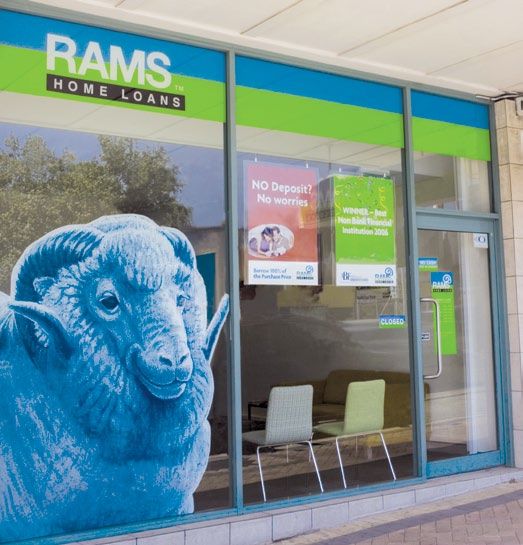
Sustainability
Performance Climate change
Helping customers and employees transition to a low-carbon economy
Scorecard Implement New Zealand carbon strategy The New Zealand carbon strategy has been implemented, including participation
in New Zealand Emissions Trading Scheme (NZ ETS).
Launch carbon hedging and risk management
products in Australia and New Zealand
First bank to trade in the New Zealand Emissions Trading Scheme. Well positioned
to deliver products should market trading commence in Australia.
Going mainstream
Building sustainability into our products and services to help customers become more sustainable Incorporate carbon considerations into credit Carbon-related regulatory risk has been incorporated into sector strategy and credit
and risk processes and sector strategies submission templates. Carbon-related risk management strategies have been
Embed sustainability criteria into consumer
product design and decision making processes
Product life cycle development documentation aligns to sustainability strategy. incorporated into specific high risk transactions.
across our retail brands in Australia Continue to engage with all significantly
affected customers.
Continued engagement with customers in Australia and New Zealand who are likely
to be impacted by the introduction of carbon related policy measures to better
Launch an energy efficiency loan product for
retail customers in Australia and New Zealand
First major bank to participate in the Australian Federal Government’s Green
Loan program, providing over 1,600 loans during the program’s duration.
understand impacts and develop product responses.
Participated in the New Zealand Government’s ‘Warm Up New Zealand’ campaign Speaking out
to encourage the installation of heat pumps and insulation.
Leading beyond the corporate walls and speaking out in support of sustainable business practice
Roll out St.George Bank employee green loan
to all Australian-based employees
$4,000 interest free green loan was made available to employees in February 2010. Advocate for continued action Westpac established as Lead Partner with the Climate Institute, a local
on climate change not-for-profit organisation, which promotes policy, market and business
Roll out an innovative savings product to assist
customers in savings & budget planning
In October 2009, St.George Bank and BankSA launched SENSE, a savings product
with tools to save and improve customers’ money management. To date, more than
solutions to climate change.
Founding partner of the Advance Green Network, linking Australians around the
13,000 accounts have been opened. world involved in sustainability. Events have been held in New York and London.
Winner of a 2010 Canstar Cannex Innovation Excellence Award. Released Westpac Charles Sturt University Index on the views of farmers on climate
change and the impact it will have on their business.
To be ranked as the top 1 & 2 for Net Promoter Whilst St.George continues to lead NPS scores amongst the major banks, ✗
Score (NPS) scores in Australia amongst the major the remainder of this objective has not been met.
banks and St.George, and 4th in New Zealand
Continue to encourage the adoption of
sustainable business practices amongst
Involved in the National SME Project and the launch of the Good Business Register
for SMEs in December 2009.
SMEs and within the community sector A number of workshops and presentations were held with a number of SME
People and places and women’s markets events throughout the year.
Social sustainability, including responsible banking and working on issues of concern to local communities Encourage greater use of Environmental, Social
and Governance (ESG) factors in investment
Sustainability performance integrated into the 2010 Annual Review and
Annual Report.
Commence measurement and reporting of
customer feedback on Assist services and
NPS scores specific to the Assist service have been tracked during the year.
(28 for retail customers, 33 for business.)
decision making Hosted an analyst briefing on sustainability in the finance sector, presented
the Financial Solutions Group by the SAM Group, as well as a GRI training session.
Complete roll out of Westpac Local in Westpac
Retail & Business Banking
The Westpac Local model has been implemented across Westpac Retail
& Business Banking and New Zealand.
Scope opportunities to embed sustainability
criteria into the category management plans
Sustainability criteria have been embedded into category plans developed
by our Group procurement team. For selected suppliers, environmental
for priority areas of spend reporting criteria have also been embedded.
Provide $1 million in financial and in-kind Over $1 million in support was provided.
support for financial counselling services Have at least 5% of employees registered as
‘Our Tomorrow Champions’ across the Group
More than 5% (over 2,300 employees) have registered to be an ‘Our Tomorrow
Champion’ across the Group.
Continue to grow the Organisational
Mentoring Program.
Number of Organisational Mentoring partners has increased from five in 2009,
to over 40 in 2010.
Solid foundations
Maintain a Group-wide employee Employee engagement maintained at a high level of 80% (81% in 2009). ✗ Corporate governance, risk management, values and ethics
engagement score of 81%
Develop a consistent framework for An ESG Framework and ESG Credit Risk Policy has been approved by the relevant
Tread lightly Environmental, Social and Governance (ESG) governance forums.
credit risk analysis across all business units
Managing our own environmental footprint
Reduce Scope 1 and 2 emissions by 12.5% Total Scope 1 and 2 emissions reduced by 4% against the 2008 baseline. ✗
Establish a governance process to implement Work to date on implementing a governance process for the implementation of the ✗
the United Nations Principles for Responsible UN PRI has focused on the Advance business, including surveying of external fund
on 2008 levels1 Investment (UN PRI) across the merged BT managers and the development of a draft framework.
Financial Group funds management businesses
Reduce paper consumption by 7%
on 2008 levels1
Paper consumption decreased by more than 24% against the 2008 baseline.
Implement Sustainable Supply Chain
Management (SSCM) across all countries
The SSCM Policy applies across all countries and brands. Implemented in all
Australian brands and with high spend suppliers in Pacific Banking. Detailed
Reduce water consumption by 6% in Australian The published target was established for Westpac. Comparable data is not available NA
corporate and contact centres on 2008 levels due to the integration of Westpac and St.George. and brands sustainability assessments are currently being carried out with high risk and high
spend suppliers in New Zealand.
Identify and measure additional areas Additional areas of Scope 3 emissions have been identified and have been
of Scope 3 (indirect emissions) incorporated into the measurement and reporting framework. Explore opportunities to align sourcing
practices with our local community
In support of the Westpac Local model our Print Management Services Agreement
now supports local printing of specialised marketing materials.
1. The 2008 baseline has been adjusted to include St.George on a pro forma basis. engagement approach
14 15
Sustainability

2011 Key Sustainability
Objectives                                                                         Brands matter.
                                                                                 Westpac/RAMS
Business
 onsideration of Environmental, Social and Governance (ESG) issues
C                                                                      Westpac Institutional Bank
                                                                                 Hastings/XYLO
incorporated into relevant risk management policies, practices and
decision making processes by 2013

Responsible lending and investment practices embedded in key
processes by 2013                                                           Westpac New Zealand
Customer
                                                                         Westpac Pacific Banking
                                                                         St.George Bank/BankSA
To be ranked as the top 1 & 2 for Net Promoter Score (NPS)
in Australia amongst the major banks and St.George, and achieved
scores of 1 for retail and -12 for business in Westpac New Zealand

Top 3 regional player in carbon related markets by 2013
                                                                      BT Financial Group/Advance
Employee
To increase the percentage of women in senior management roles                Ascalon/Asgard/BT
to 40% by the end of 2014
                                                                      BT Investment Management
                                                                                   Licensee Select
Implement initiatives to address outcomes of our Diversity Audit

Community
Reduce Scope 1 and 2 emissions by 30% on 2008 levels by 2013
                                                                             Magnitude/Securitor
                                                                         St.George Private Clients
Embed Organisation Mentoring into operational processes by 2013

Provide the Managing Your Money program to

                                                                            Westpac Private Bank
45,000 New Zealanders by 2013

Launch a major initiative to help address
social disadvantage
                                                                              The Westpac Group

16                                                                                                   17
Westpac
Retail & Business
Banking
“Two years ago, we said we were going to do things
differently. We committed to playing a more active
role in our local communities and organise our
business around the customer, not head office.
We called it Westpac Local and believed it would
change the face of banking in Australia.”
Rob Coombe Group Executive, Westpac Retail & Business Banking
Westpac Retail & Business Banking (WRBB) is responsible for sales, Doing business locally
marketing and customer service for all consumer, small-to-medium Whether it’s the local bakery, plumber or solicitor, we understand the
enterprise and commercial customers within Australia under the challenges that our local businesses encounter every day. In the last
‘Westpac’ and ‘RAMS’ brands. year we’ve also introduced over 430 Local Business Bankers. Our Local
Consumer activities are conducted through our nationwide network of Business Bankers are small business experts with local knowledge and
857 branches (including in-store branches), 69 RAMS franchise outlets, many have first-hand experience running their own business. With the
Relationship Managers, call centres, 1,879 ATMs and online channels. support of their branch teams, they work to understand our customers’
business and financial needs to help them realise their business goals.
In addition, our business customers are supported by Local Business
Bankers, specialised business relationship managers and Cash Flow, This year, our bankers spent thousands of hours in our customers’
Financial Markets and Wealth specialists, via the branch network, businesses, helping them with day-to-day tasks and learning how to
69 business banking centres, call centres and online channels. better support them and make their banking easier.
WRBB also includes the management of our third party consumer “I spent the day working in my customer’s bakery business washing
and business relationships, and the operation of the RAMS franchise dishes and baking cupcakes. The owner also asked me to help develop
distribution business. a process for managing the front of house, drawing on my experience
managing a restaurant and I gave some tips to the staff on making Helping build sustainable businesses Specifically tailored products and solutions include an online payment
multiple coffees, prioritising and upselling. The response from the system to help organisations collect donations and membership fees
“In 2010, we continued our transformation to owner, staff and customers was great. Some didn’t believe that As a bank, we have a great opportunity to help our customers build
safely and quickly, and prepaid cards to give staff and volunteers
become a bank that thinks and acts locally. a banker would give up their time to wash dishes. But I can’t think financially sustainable businesses. Many small business owners lack
instant access to funds.
We now have over 600 Bank Managers, running of a better way to get to know our customers’ businesses!” expertise and experience in business planning and financial management.
For nearly 10 years, we’ve provided thousands of customers with the
their branches like their own, and playing an John Paul Azzopardi Local Business Banker, Melton, Victoria
tools they need to make informed financial decisions. Westpac
We believe in building finance and business acumen within community
organisations to ensure they’re around for the long-term. In 2010,
active role in their local community.” Financial Education demystifies financial management principles Westpac provided $100,000 worth of free financial management
to help small business make confident and measured decisions training to community organisations around Australia. Westpac also
% Mov’t about their future. In 2010, we ran over 500 financial education short provides free financial guides for not-for-profit organisations to help
Business Unit Performance 2010 2009 2010/2009 Income Balance Sheet courses nationally. Community Treasurers and Board Members make informed decisions.
Operating income ($m) 6,146 6,217 (1)
“After yesterday’s course, I felt like something had finally clicked with “We’re so grateful for the support that Westpac has provided to
Operating expenses ($m) (3,045) (2,943) (3)
243.7
6,217
6,146
me about ratios and analysis in my business – something I’ve searched Childhood Cancer Support. We’re not a big organisation but we’re not
Cash earnings ($m) 1,756 1,908 (8)
219.6
for in the last few years. In two hours, I was enlightened in a way that too small for Westpac. I know I can walk into Westpac with an idea and
Economic profit ($m) 1,587 1,827 (13) $30,000 and seven years of higher education, mentoring, coaching, they’ll tell me how they can support us financially and they’ll give us
Total assets ($bn) 243.7 219.6 11 accountants and advice had not achieved.” some good advice. For instance, we’re about to start fundraising for
Deposits ($bn) 114.5 103.8 10 Wendy Clarke Dirtscape Dreaming, Melbourne, Victoria new premises and they’ve given us some great ideas on how to go
Net loans($bn) 239.1 215.6 11 about it. That’s where Westpac comes to the fore for us. I think that it’s
114.5
Looking after our small business customers is not a new thing for
103.8
Expense to income ratio (%) 49.5 47.3 (5) important to have trust in somebody and we do honestly trust Westpac.
Number of customers (m) 5.1 4.9 Westpac – which is why, for the third year in a row, we were recognised
They make us feel very important and very valued.”
1,908
1,756
Number of branches 857 848 by Money magazine as Business Bank of the Year.
Bill Watson former CEO, Childhood Cancer Support
Number of business banking centres 69 58
NPS – Consumer (17) (15)
Banking for the community and social sector Childhood Cancer Support is a not-for-profit charitable organisation
2010 2009 2010 2009
NPS – Business (21) (21) Since 2009, our dedicated Social Sector Banking team has supported that supports families who have, or have had, a child with any
Operating income ($m) Total assets ($bn) community organisations – big and small, from local sports clubs to cancer-related illness. Their support includes recreation, financial
Employee numbers 11,663 11,751
Cash earnings ($m) Deposits ($bn) schools to national charities – to become sustainable operations. assistance, emotional support and free long-term accommodation
Employee engagement 81 81
for regional families who need to be in Brisbane to undergo treatment
Community investment1 ($m) 82 75
1 Includes $73m from foregone revenue for fee-free accounts for non-profit organisations and low at the Royal Children’s Hospital.
Social Sector Banking footings2 ($m) 7,207 6,072 income earners in Australia ($58m in 2009).
2 2010 figure is as at August 2010. Data refers to the total of assets (lending), liabilities (deposits) and
funds under management (FUM) of the WRBB business unit dedicated to not-for-profit customers.
18 19You can also read


