Memorial University Student Wellness and Counselling Centre Doctoral Professional Psychology Residency Program Brochure 2021-2022 - Accredited by ...
←
→
Page content transcription
If your browser does not render page correctly, please read the page content below

Memorial University
Student Wellness and Counselling Centre

    Doctoral Professional Psychology
 Residency Program Brochure 2021-2022

Accredited by the Canadian Psychological Association
Canadian Psychological Association
141 Laurier Avenue West, Suite 702
Ottawa, Ontario K1P 5J3
Current Accreditation Term: 2017/2018 – 2022/23

www.cpa.ca/accreditation/cpaaccreditedprograms

Memorial University Student Wellness and Counselling Centre
University Centre, UC 5000
Memorial University of Newfoundland
St. John's, Newfoundland, Canada
A1C 5S7
TEL (709) 864-8500
FAX (709) 864-2087
www.mun.ca/studentwellness

Director
Ken Fowler, PhD Psychology swccdirector@mun.ca

Director of Training
Beth Whelan, PhD, R.Psych. Associate Professor nfbethwhelan@gmail.com

Accredited by the International Association of Counseling Services (IACS) www.iacsinc.org

Participating Member of:

Canadian Council of Professional Psychology Programs (CCPPP) www.ccppp.ca
Association of Counseling Center Training Agents (ACCTA) www.accta.net
Association of Psychology Postdoctoral and Internship Centers (APPIC) www.appic.org

                                                                                            2
Philosophy and Goals of the Student
          Wellness and Counselling Centre

The philosophy of service delivery within the Memorial University Student Wellness and
Counselling Centre rests upon encouraging the development of students' own unique resources
and supporting their personal growth, mental health and well-being. In implementing this
philosophy, the Centre strives to promote a developmental and preventive framework for campus
services as well as meeting the immediate needs of students.

Memorial’s Student Wellness and Counselling Centre comprises counselling (i.e. clinical and
counselling psychology; personal and academic counselling), student health (i.e. medicine and
nursing), and wellness professionals (i.e. nursing, wellness navigators and case management).

The newly renovated Centre houses all three components of student care and is committed to
developing and furthering interprofessional practice and research to advance the Healthy Campus
movement. The SWCC collaborates closely with other student services, including the Glenn Roy
Blundon Centre, the Internationalization Office, and Student Life. The new dynamic and integrated
Student Wellness and Counselling Centre facilitates collaborative interprofessional relationships,
resulting in more efficient and higher quality student care.

Our service model includes a wide array of programs that are designed to assist students, including
same day counselling, seminars and workshops, structured and unstructured counselling groups,
brief individual counselling services, online e-mental health, and community referrals. Treatment
planning is informed by initial and ongoing assessment and is responsive to changes in student
goals, resources, distress and/or need. We encourage students to work collaboratively with their
counsellor to find the program(s) that will work best for them.

The Student Wellness and Counselling Centre is also an integral part of the academic community;
thus, scholarship and training are core activities. SWCC faculty members are engaged in therapy
and teaching activities, research and scholarly activities (i.e. scholarship of discovery, teaching,
integration, and application), and academic and professional service. Faculty rank, promotions,
and tenure are granted within the Centre.

For more information about the Student Wellness and Counselling Centre visit our web site at
www.mun.ca/studentwellness.

                                                                                                  3
Philosophy and Program Summary of the
          Doctoral Residency Program

The Centre endorses a training philosophy oriented toward encouraging the professional
development of each trainee in the broadest possible terms. The 1850-hour training programme
offers training in two main ways: developing competency in a number of central areas for
professional psychology and exposure to issues and topics relevant to professional psychology.

There are three residency positions available in the Student Wellness and Counselling Centre:
APPIC CODE # 181112.

Training in core competencies:

The seven training areas identified as core competencies are: interpersonal relationships and post-
secondary population, intervention, assessment, interprofessional education and practice
supervision, applied research and evaluation, and professional ethics and standards.

Training in each competency area involves four components: experiential - the resident has direct
experience in this area; supervision - the resident receives individual and/or group supervision
focussed on this area; didactic - the resident has the opportunity to read and discuss relevant issues
in a small group format; and evaluative - the resident’s level of skill is evaluated in the area. With
all the core competencies, residents are expected to achieve a designated level of skill. As residents
gain exposure, they are also encouraged to identify their own training goals and interests, and
faculty members work with them to help them realize these goals.

Exposure to topics and issues relevant to professional psychology:

Residents are exposed to a wide variety of issues and topics applicable to professional training,
such as perfectionism, single-session interventions, thriving and resiliency, diversity, Dialectical
Behavioural Therapy (DBT), Acceptance and Commitment Therapy (ACT), and mindfulness.
Exposure areas are differentiated from competency areas in that all four components (experiential,
supervision, didactic, evaluative) may not be present in the training. When residents are exposed
to different areas, this is usually through didactic sessions, although in some instance’s residents
may also have the opportunity for an experiential component and direct supervision. One thing
that distinguishes training in all exposure areas from the training in the core competencies is that
residents’ level of skill in these areas is not formally evaluated.

Multicultural and diversity issues are integrated throughout the training curriculum. Each
competency area of training has a diversity and multicultural component where issues are
addressed that are pertinent to that area.

                                                                                                    4
Professional Training Goals and
                      Competencies

SUPERVISION

Individual supervision. Residents receive three hours per week of formal individual supervision,
which includes direct video review and/or live supervision of their caseloads. Additional
supervision is provided when co-facilitating a group with faculty. Residents rotate primary
supervisors every six months.

Supervision of supervision. While supervising practicum students and teaching medical
residents, residents receive 90 minutes of supervision of supervision per week.

Case conference/Journal Club. Interprofessional case conferences and journal club are typically
held bi-weekly for an hour per week and will include Faculty, residents, master’s in counselling
students, master’s in education students, wellness navigators, case managers and advanced practice
nurses. Individual cases and relevant articles will be discussed.

Group supervision. Residents will receive one hour of group supervision per week, with a senior
faculty member. Residents will have the opportunity to discuss all issues related to the SWCC
residency and associated competency areas.

Peer supervision. Residents will meet 1-hour weekly for peer supervision.

CORE COMPETENCIES

Training is provided in seven core competencies:

1. Interpersonal Relationships and Post-Secondary Populations - Resident training in this
   foundation competency area will focus on enhancement of knowledge regarding interpersonal
   dynamics within psychotherapy and their impact on the therapeutic alliance, goals, boundary
   setting, and treatment planning, as well as their evolution over different phases of therapy.
   Residents are expected to demonstrate a working knowledge of such dynamics in supervision
   as well as a knowledge of themselves and their communication with and impact on therapeutic
   and professional relationships. Didactic training in this competency area will also highlight
   diverse client groups and topics specific to counselling post-secondary populations, including
   academic counselling.

    Residents are also expected to carry out a minimum of four outreach or consultative activities,
    which could be self-initiated or be in response to a request from the university community
    (e.g., to various academic and non-academic departments). Examples of self-initiated outreach

                                                                                                 5
activities have included provision of specialized training to SWCC practicum students,
    collaboration with the Internationalization Office, and informational workshops on mental
    health with varsity athletes and coaches.

    Requirements:     A minimum of four outreach/consultative activities with documentation,
                      with at least one self-initiated activity as discussed with primary supervisor.

2. Intervention - Approximately 10 hours per week is devoted to individual counselling and
   psychotherapy. Clients are undergraduate and graduate students who present with concerns
   such as depression, anxiety, interpersonal problems, family problems, and adjustment to
   university, as well as more complex presentations including chronic mental health concerns,
   eating disorders, personality disorders, comorbidities etc. Training objectives for this
   competency area are enhancement of residents’ psychotherapy skills from both brief and
   longer-term approaches, as well as a variety of therapeutic orientations.

    Training in group intervention is aimed at acquiring knowledge of group counselling
    techniques and developing a demonstrated capacity to apply these skills in group sessions at
    a level commensurate with that of an entry-level professional psychologist. Specifically,
    residents will develop an awareness of group process/dynamics and apply this understanding
    in group-level interventions. Residents will also learn to work collaboratively and
    therapeutically in group sessions with a co-therapist. Each resident will co-facilitate (with a
    faculty member), or lead (with their practicum student), a process-oriented, skills-based and/or
    hybrid counselling group. Residents may participate in group screening sessions as required.
    In addition, residents have the option to develop groups based on their own interest or centre
    needs (e.g. mindfulness group, emotion regulation group).

    Requirements:     Approximately 10-15 hours per week of individual counselling
                      Co-facilitate a process-oriented, skills-based or hybrid counselling group

3. Assessment - The assessment competency facilitates the development of the psychological
   assessment skills, the primary purpose of which is to arrive at a shared understanding that
   informs a practical plan of action. Skills targeted are consistent with those outlined in the
   Mutual Recognition Agreement (Canadian Psychological Association) and the Newfoundland
   and Labrador Psychology Board. Residents are expected to demonstrate skill in formulating a
   referral question, selecting appropriate methods of information collection and processing,
   psychometric methods, formulating hypotheses and making appropriate diagnoses, report
   writing, provision of feedback, and formulating a treatment plan.

   Both formal and informal assessments comprise available opportunities at the Student
   Wellness and Counselling Centre. While required assessments are psychoeducational in
   nature (e.g. ADHD and learning disabilities), residents also have the option to seek out
   additional training opportunities in psychodiagnostic assessment. Residents will also address
   more general issues as anchored in their current client work. During the training seminars
   devoted to assessment, faculty and residents analyze specific assessment instruments, new
   developments in assessment, and share ideas regarding approaches relevant to clients.

                                                                                                   6
Requirements:      At least one psycho-educational assessment

4. Interprofessional Education and Practice (includes consultation) - Training in this
   competency is intended to develop the residents’ proficiency and skills in working with an
   interprofessional team. The Student Wellness and Counselling Centre takes an integrated care
   approach to student health and well-being. Therefore, residents will be expected to coordinate
   client care where appropriate with the physicians, nurses and/or case managers and engage in
   interprofessional consultation. In addition, residents will have the opportunity to present cases
   during weekly case conference meetings and receive feedback from members of the
   interprofessional team.

   Throughout the year, residents will be involved in interprofessional education activities
   organized by the Centre for Collaborative Health Professional Education (CCHPE) housed in
   the Faculty of Medicine. Residents will be expected to facilitate interprofessional education
   small group sessions with teams composed of students from the Faculty of Medicine, Schools
   of Social Work, Pharmacy, Nursing, Clinical Psychology, Police Studies, Human Kinetics,
   and Recreation. This activity will allow residents to develop teaching and group facilitation
   skills in an interprofessional environment and further interprofessional consultation skills.

   Requirements:      Attend facilitator training sessions
                      Lead Interprofessional Education small group sessions
                      Provide feedback and/or evaluation of student assignments
                      Consultation in weekly case conference meetings
                      Coordinate client care where appropriate with the medical/health services

5. Supervision - Residents are expected to demonstrate proficiency in carrying out professional
   supervision. The aim of this training is to facilitate the transition from supervisee to
   supervisor. Residents are typically involved in the training of two different groups of trainees:
   doctoral PsyD practicum students in clinical psychology, and first-year medical residents.
   Residents receive individual and group supervision of supervision from SWCC faculty.

   Residents will also rotate through co-facilitation of the Interprofessional Psychotherapy
   Training (IPPT), which meets one morning a week through an eight-week cycle. The
   participants in this seminar are first-year medical residents and the focus is on developing and
   refining counselling skills in a variety of areas, such as stress management, working with
   diverse clients, cognitive behavioural therapy, motivational interviewing and solution-focused
   therapy.

   Requirements:      Supervise one practicum student
                      Active participation in supervision of supervision
                      Co-facilitate Interprofessional Psychotherapy Training
                      Active participation in group supervision
                      Active participation in peer supervision

                                                                                                  7
6. Applied Research and Evaluation - The purpose of this core activity is to engage in scholarly
   research at a level expected of a professional psychologist. Each resident will complete a
   research-oriented project during the residency year. Residents will be provided with weekly
   protected scholarship and professional development time, which can be used to complete their
   dissertation and/or a research project that organizes knowledge in some area of interest at the
   appropriate professional level as arranged with the Director of Training. For example,
   residents may choose to prepare a colloquium related to ongoing dissertation research, conduct
   a literature review for the purposes of delivering a professional development workshop at the
   SWCC, or work on a collaborative research project with all residents and supervising faculty
   members.

   Requirements:      Deliver a research presentation to SWCC faculty and staff and/or present at
                      a conference (local, regional, national, or international)

7. Professional Ethics and Standards - Residents will enhance their capacity to apply the CPA
   Code of Ethics for Psychologists (4th ed.) in all aspects of their professional work. Training is
   provided in multiple formats including individual/group supervision, supervision of
   supervision, and didactic instruction. Specific training seminars on the topic of ethics and
   standards alone are included, as well as a focus on ethics integrated within other seminars.

   Requirements:      Demonstrate knowledge of ethics and applicable standards in clinical
                      caseloads

                                                                                                  8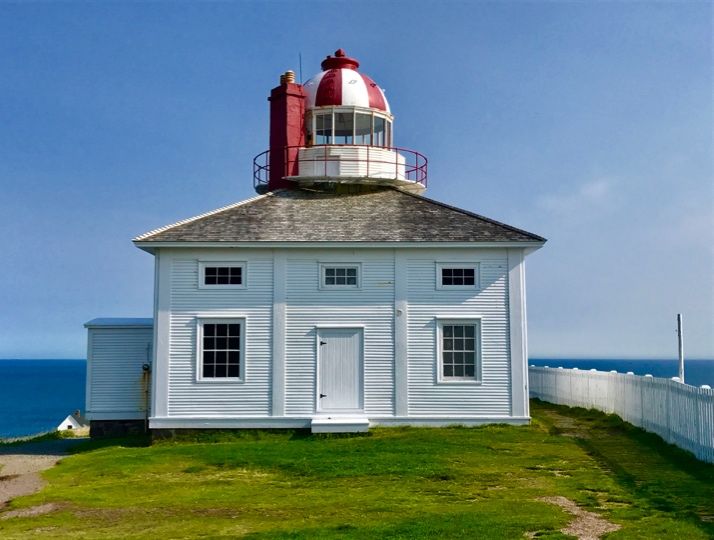
Professional Development

Continuing Education, Workshops, and Conferences

Residents may participate in a variety of workshops involving other graduate level professionals
(e.g., the suicide prevention training program). Attendance at external conferences and seminars
is also encouraged and up to $500 may be available for professional development activities.
Residents are encouraged to consult with provincial and national psychological organizations to
seek funding opportunities.

                     Evaluation and Feedback

The SWCC is committed to hearing and integrating resident feedback through ongoing and
reciprocal evaluation and feedback. These measures include residents’ feedback on the orientation

                                                                                               9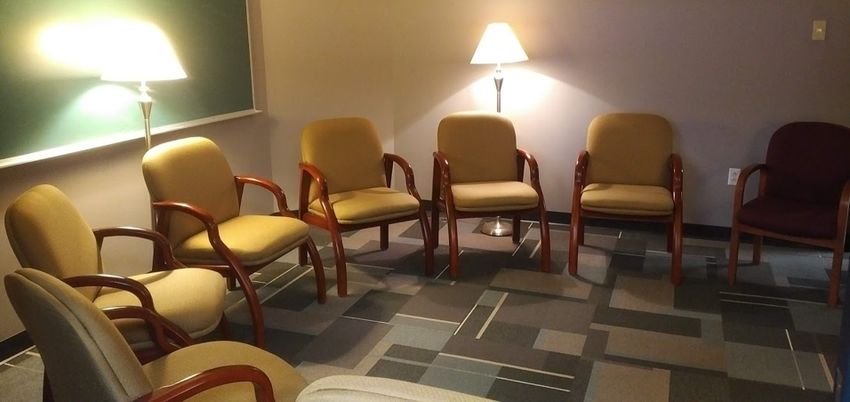
program, individual schedules acknowledging the resident's particular training needs, and a clear
and realistic process of evaluation and feedback.

The primary goal of training evaluation is to facilitate personal and professional growth by
providing feedback on an ongoing basis. Formal and informal procedures are followed in order to
inform residents of their strengths and areas of growth. When performance is not at the expected
level, a remediation plan is negotiated. In recognition of the power differential between faculty
and residents, grievance procedures are available should situations arise in which a resident
challenges an evaluation or an action taken by a faculty member, or has any other complaint
regarding faculty or other residents.

                  Summary of Core Activities

Residents will complete a 40-hour work week. A typical week-at-a-glance is provided below.

             Monday           Tuesday          Wednesday          Thursday           Friday

              Peer         Supervision of     PsyD Student        Individual      Case/Journal
  9-10
           Supervision      Supervision        Supervision       Supervision         Club

 10-11      Individual         Therapy           Therapy           Therapy       Staff Meeting
           Supervision
 11-12                         Therapy           Therapy           Therapy

  12-1        Lunch            Lunch              Lunch             Lunch         Professional
                                                                                  Development
  1-2        Therapy                         Administration        Outreach          (incl.
                           Group Therapy                                           seminars,
  2-3        Therapy                                               Therapy         research)
                                                                                   OR Inter-
                                                 Initial
  3-4        Therapy           Therapy                          Administration    professional
                                              Consultations
                                                                                   Education
                                                 Block          PsyD Student
  4-5     Administration   Administration
                                                                 Supervision

                                                                                              10
11
Physical Facilities

Each Student Wellness and Counselling Centre Resident office includes video recording
                  equipment as well as a computer and telephone.

                                                            Top Left: University Centre
                                                            Top Right: Waiting Area

                                                            Middle Left: Resident Office
                                                            Middle Right: Meeting Room

                                                            Bottom: Group Room

                                                                                           12
Requirements for Residency
Applicants must have completed all requirements for their doctoral program except the doctoral
thesis. In accordance with Canadian Immigration requirements, only applicants who are Canadian
citizens or permanent residents of Canada will be considered. Memorial University is committed
to employment equity and encourages applications from qualified women and men, visible
minorities, aboriginal people and persons with disabilities.
Stipend
The stipend for each resident position for the 2021-2022 year is set at $35,500 CAD.
Benefits
1. Travel expenses: Residents will be refunded for travel expenses, to and from the
residency, to a maximum of $500 (receipts required).
2. Health care: Residents are eligible to apply for coverage under the Newfoundland
Medical Care Plan.
3. University holidays: Residents will be entitled to 14 scheduled university holidays,
including SWCC closure for year-end holiday period.
4. Vacation and professional development leave: Residents will receive 10 days of
vacation and five days of professional development leave. Funds up to $500 may be
available to assist with professional development activities.
5. Sick leave: Residents will be entitled to the same sick leave benefits as beginning full-
time university staff members.
13Application Process
Applicants are required to submit:
1. A completed APPIC Application for Psychology Internships (AAPI). Applicants must
demonstrate a minimum of 600 hours of practica activities, which includes a minimum of 300
hours of direct service hours in intervention and assessment and 150 hours of supervision, with
the remaining hours as support activities.
2. Applicants must register for the Match using the online registration system on the Match web
site at natmatch.com/psychint;
3. A statement of interest describing professional goals;
4. Official transcripts of graduate course work;
5. A current curriculum vitae;
6. Letters of recommendation from three persons familiar with the applicant's counselling
performance.
7. Documented evidence of professional liability insurance prior to September 1, 2021.
Completed applications must be received through the APPIC Online Service (AAPI) by
midnight, Thursday November 15, 2020.
Short-listed candidates will be notified via email by December 15, 2020. All interviews will be
conducted using Skype and will be one hour in duration.
This residency site agrees to abide by the APPIC policy that no person at this training facility will
solicit, accept or use any ranking-related information from any resident applicant.
Memorial University is committed to employment equity and encourages applications from
qualified women and men, visible minorities, aboriginal people and persons with disabilities.
Employees of Memorial University are required to complete training that is compliant with the
Personal Health Information Act (PHIA). Information can be obtained from this location:
http://www.mun.ca/iapp/privacy/training.php.
14The University Setting The City of St. John's St. John's, with a metropolitan area population of 219,000, is the capital city of Newfoundland and one of the oldest communities in North America. The city borders on the North Atlantic and is rich in maritime history. Its name refers to John Cabot's discovery of Newfoundland on June 24, 1497, the feast day of St. John the Baptist. St. John's has played an historic role in the development of transatlantic communication and travel, as a receiving point for the first transatlantic wireless signal in 1901 and departure point for the first successful non-stop transatlantic flight in 1919. Memorial University of Newfoundland Memorial University of Newfoundland is situated on 82 hectares of land in St. John's and Corner Brook. Its current full-time and part-time enrollment for its three campuses is approximately 18,000 students. Adjacent facilities include the Arts and Culture Centre, a focus for a wide range of activities involving the visual and performing arts; the Aquarena and the Canada Games Park. Memorial University College was opened in 1925 with two objectives: to be an ecumenical institution outside the traditional denominational structure of education in Newfoundland, and to stand as a living war memorial to those who had lost their lives in defense of their country. After Newfoundland joined Confederation in 1949, Memorial was raised to full university status. By 1962, when the university moved to its present site, there were 1,900 students registered. The rapid growth of demand for post-secondary education in Newfoundland has led to the expansion of the university. Sending its roots deep into its own province, the university encouraged faculty members to draw upon the resources of the regional environment. Regional research has been performed in a wide range of disciplines, including marine science, folklore, linguistics, anthropology and history. The medical school, providing needed physicians and improved health care, answered special needs in Newfoundland with the inclusion of the cottage hospital system in its training program. Advances in distance education, including telemedicine and teleconferencing systems, enabled the Faculty of Medicine and the Division of Continuing Education to reach into the farthest corners of the province, overcoming problems presented by a widely dispersed rural population. Research concentrations in cold ocean engineering and earth resources focus upon the specific needs of this region for future development. The Labrador Institute of Northern Studies, the Maritime History Group, the Institute of Social and Economic Research, the Institute for Educational Research and Development, the Centre for Newfoundland Studies and the Folklore and Language Archive all define their goals with special reference to Newfoundland and its people. The impetus that led to the creation of Memorial University -- the need to raise the level of education in the province -- continues to sustain its growth. Since its first convocation in 1950, the university has conferred more than 119,000 degrees. For further information and detail, see the most current Memorial Fact Book.
Counselling Faculty

Pamela Button, PsyD (Memorial University of Newfoundland)
Assistant Professor
Registered Psychologist (NL)

Dr. Button is a registered psychologist (Newfoundland and Labrador) and a faculty member at the Student
Wellness and Counselling Centre. She holds a master’s in Applied Social Psychology and completed her doctoral
training in Clinical Psychology from Memorial University in Newfoundland. Prior to her appointment at the
SWCC, Dr. Button worked at the Dr. L.A. Miller Centre with the Rehabilitation and Continuing Care Program
with a focus on interprofessional health psychology and working with clients with physical and neurocognitive
impairments. Her clinical and research interests include interprofessional education and team dynamics, stress
and coping, help-seeking behaviours, acceptance and commitment therapy, and supervision. Further professional
interests include wellness and health promotion, interpersonal process, positive psychology, equine assisted
therapy, advocacy, applied psychological research, and program evaluation. Dr. Button practices from a client-
centered and humanistic integrative orientation and her clinical approach is strongly grounded in interpersonal
process therapy and acceptance and commitment therapy.

Representative Research

Holmqvist, M., Button, P., & Heath, O. (2019). Together We Stand: The Imperative for
      Interprofessional Education in Psychology Education and Training. Article submitted for a Special Issue
      of Canadian Psychology. Manuscript Accepted March 2019.
Holmqvist, M., Button, P., & Heath, O. (2019). Interprofessional Education for Professional
      Psychology Training: A Call to Action. Psynopsis, 41 (1), 25-27.
Button, P & Moores, L. (2019, June). Interprofessional Practice within Stepped Care: Keeping
      Psychology’s Place at the Table. Paper presented within a symposium presented at the 80th Annual
      Canadian Psychological Association Convention, Halifax, NS.
Moores, L., Button, P., & Cornish, P. (2018, June). Can we build what’s strong while we fix
      what’s wrong? Applying the Stepped Care 2.0 framework to create a healthier campus. Symposia
      presented at the 29th International Congress of Applied Psychology Convention, Montreal, QC.
Hardy-Cox, D., Sullivan, M., & Button, P. (2012). Attitudes of undergraduate social work
      students towards interprofessional health care practice and interprofessional health care education.
      Intersectionalities: A Global Journal of Social Work Analysis, Research, Polity, and Practice, 1, 37-52.

Ross Connolly, PhD (Memorial University of Newfoundland)
Lecturer in Counselling
Provisionally Registered Psychologist (NL)

Dr. Connolly is a provisionally registered psychologist (Newfoundland and Labrador) and a Lecturer in
Counselling at the Student Wellness and Counselling Centre. He holds a master’s in Experimental Psychology, a
master’s in Counselling Psychology, and completed his PhD from Memorial University of Newfoundland. Dr.
Connolly has worked with various community groups with a focus on improving mental health and substance use

                                                                                             16
outcomes. His clinical and research interests include Attention Deficit Hyperactivity Disorder, mood disorders,
and substance use. Dr. Connolly’s primary orientation is grounded in Cognitive Behavioural Therapy, but he
incorporates solution-focused and interpersonal therapy into his clinical practice.
Representative Research
Connolly, R., Speed, D., & Hesson, J. (2020). Investigating Self-Management as a Mediating Variable between
Symptoms of Attention-Deficit Hyperactive Disorder and Substance Use among Undergraduate
University Students. Manuscript Submitted for publication.
Connolly, R., Speed, D., & Hesson, J. (2020). Probabilities of PTSD and Related Substance Use among
Canadian Adults. International Journal of Mental Health and Addiction.
http://dx.doi.org/10.1007/s11469-020-00311-2
Hesson, J. & Connolly, R. (2019). Prevalence and Predictors of Suicidal Ideation in Adults Reporting a
Diagnosis of Attention Deficit Hyperactivity Disorder (ADHD). The Canadian ADHD Resource
Alliance, Toronto, ON.
Connolly, R., Hesson, J, & Pickett, S. (2018). Investigating Self-Management as a Mediating Variable
between Symptoms of Attention-Deficit Hyperactive Disorder, Nicotine Dependence, Alcohol use, and
Drug Use. The Canadian ADHD Resource Alliance, Calgary, AB.
http://dx.doi.org/10.13140/RG.2.2.35834.75209
Connolly, R., Speed, D., & Hesson, J. (2016). Probabilities of ADD/ADHD and Related Substance Use Among
Canadian Adults. Journal of Attention Disorders. http://dx.doi.org/10.1177/1087054716647474
Emily Fawcett, PhD (Lakehead University)
Assistant Professor
Registered Psychologist (NL)
Dr. Fawcett is a registered psychologist (Newfoundland and Labrador) and a faculty member at the Student
Wellness and Counselling Centre. She completed her master’s and PhD in Clinical Psychology at Lakehead
University in Thunder Bay, ON. She identifies as a scientist-practitioner who strives to use evidence-based
therapeutic interventions. Her primary theoretical orientation is Cognitive-Behavioral, although she incorporates
elements of mindfulness, solution-focused, interpersonal, and Dialectical Behavioral Therapy into her clinical
practice. Her clinical and research interests include mood and anxiety disorders - with a particular interest in
women’s mental health. She also has an interest in the area of clinical epidemiology and enjoys conducting meta-
analyses in areas of interest. In addition to counselling and research, Dr. Fawcett is involved in the teaching,
training, and supervision of psychology and psychiatry residents. She was recently elected to the Newfoundland
and Labrador Psychology Board (NLPB) for the three year term from 2019-2022.
Representative Research
Fawcett, E. J., Fairbrother, N., Cox, M., White, I., & Fawcett, J. M. (2019). The prevalence
of anxiety disorders during pregnancy and the postpartum period: A multivariate Bayesian meta-
analysis. Journal of Clinical Psychiatry, 80(4), 18r12527. doi: https://doi.org/10.4088/JCP.18r12527
Fawcett, E. J., Neary, M., Ginsburg, R., & Cornish, P. (2019). Comparing the effectiveness of
17individual and group therapy for students with symptoms of anxiety and depression: A randomized pilot
study. Journal of American College Health. Advance online publication. doi:
http://doi.org/10.1080/07448481.2019.1577862
Fawcett, J. M., Fairbrother, N., Fawcett, E. J., & White, I. R. (2018). A Bayesian multivariate
approach to estimating the prevalence of a superordinate category of disorders. International Journal of
Methods in Psychiatric Research, 27(4), e1742.
Fawcett, E. J., Fawcett, J. M., & Mazmanian, D. (2016). A meta-analysis of the worldwide
prevalence of pica during pregnancy and the postpartum period. International Journal of Gynecology
and Obstetrics, 133, 277–283. doi: https://doi.org/10.1016/j.ijgo.2015.10.012
Russell, E. J., Fawcett, J. M., & Mazmanian, D. (2013). Risk of obsessive-compulsive disorder
in pregnant and postpartum women: A meta-analysis. Journal of Clinical Psychiatry, 74, 377–385. doi:
https://doi.org/10.4088/JCP.12r07917
Lisa Moores, PsyD (Memorial University of Newfoundland)
Assistant Professor
Registered Psychologist (NL)
Dr. Moores is a registered psychologist and faculty member at the Student Wellness and Counselling Centre. She
holds a Master’s in Counselling Psychology from Simon Fraser University in Burnaby, B.C. and completed a
Doctorate in Clinical Psychology at Memorial University. Dr. Moores has a particular interest in wellness and
health promotion, healthy campus communities, cross-cultural counselling, adult ADHD, and students in
transition. She has conducted research on the international student transition experience in large and small urban
centres. Further professional interests include interprofessional training, positive psychology, advocacy,
qualitative research, and strengths-based counselling. She practices from a humanistic and client-centered
integrative orientation and her clinical approach is strongly influenced by positive psychology. Dr. Moores is
involved in a wide range of teaching, training, and supervision activities for psychologists in training and sees
clients with a variety of clinical concerns. She currently serves as President of the Association of Psychology,
Newfoundland and Labrador.
Representative Scholarship
Moores, L. (2019, June). Practicing Stepped Care at a University Counselling Centre: On
Promise and Pitfalls. Paper presented and symposium moderated at the 80th Annual Canadian
Psychological Association Convention, Halifax, NS.
Moores, L. (2019, May). Caring Communities, Healthy Campus, Creative Solutions: Student
Wellness and Counselling Centre. Paper presented within a symposium at the annual Atlantic
Association of College and University Student Services Conference, Halifax, NS.
Moores, L., Button, P., & Cornish, P. (2018). Can we build what’s strong while we fix what’s
wrong? Applying the Stepped Care 2.0 framework to create a healthier campus. Paper presented within
a symposium at the 29th International Congress of Applied Psychology convention, Montreal, Quebec.
Whelan, B., Moores L., Quinlan H., & Reid A. (2017). Evaluation of a Psychotherapy Skills
Training Program with Family Practice and Psychiatry Residents, MedEdPublish, 2017, 6, [1], 40,
doi:https://doi.org/10.15694/mep.2017.000040.
Moores, L., & Popadiuk, N. (2011). Positive aspects of international student transitions:
A qualitative inquiry. Journal of College Student Development 52(3), 291-306.
18Beth Whelan, PhD (Reading University)
Associate Professor and Training Director
Registered Psychologist (NL)
Dr. Whelan is a registered psychologist and has been a faculty member at the Student Wellness and Counselling
Centre for the past five years. She holds a master’s in Counselling Psychology & Expressive Arts Therapy from
Leslie University in Cambridge MA and a PhD in Psychology at the University of Reading, UK. Dr. Whelan has
over 20 years’ experience working with a wide array of clients in a variety of inpatient and outpatient settings.
She recently completed the requirements to be a certified Mindful Medical Practice teacher, through the
University of Rochester medical school. Her clinical and research interests include the role of shame in medical
education, assessment and treatment of eating disorders across the lifespan, Mindfulness Based Stress Reduction
(MBSR), Mindfulness for clinician wellness and resilience, motivational stages of change theory, interpersonal
and group dynamics. Dr. Whelan is also a Professor in the clinical PsyD. Program and is very involved in teaching,
training and supervision of practicum students and Doctoral Residents. Dr. Whelan is a registered Psychologist
(Newfoundland and Labrador) and is currently completing the requirements to become a fully registered MBSR
teacher, through the university of Massachusetts medical school.
Representative Research
Peer-reviewed published papers:
Whelan, E., Moores, L., Quinlan, H & Reid, A. (2017) Description of a new education method or
tool for evaluation of a psychotherapy skills training program with family practice and psychiatry
residents. Meded Publish Volume 6 (1).
Cornish, P., Berry, G., Benton, S., Barros-Gomes, P., Johnson, D., Whelan, E., & Ginsburg, R.
(2017). Meeting the Mental Health Needs of Today’s College Student: Reinventing Services through
Stepped care 2.0. Psychological Services.
Cooper, P., Whelan, E., Woolgar, M., Morrell, J., & Murray, L. (2004) The association between
childhood feeding problems and maternal eating disorder: role of the family environment. The British
Journal of Psychiatry, 184, 210-215. (Cited 100 times in academic literature)
In Press:
Whelan, E., Schei, E & Hjorleifsson, S. (2020) Shame in the context of medical education: I fill like dirt under
someone’s shoe.
Papers in preparation:
Shei, E & Whelan, E. (2019) What medicine needs now: An exploration of first year medical
student’s reflections on patients encounters.
.
1920
Teaching and Wellness Staff

Amy Baird, Bed. BSpEd
MA Counselling Psychology
Wellness Navigator

Amy’s background is originally in Education and Special Education, and she completed her Bachelor’s degrees
in these areas in 2005 and 2006. Amy was a teacher in the school system prior to completing her Master of Arts
in Counselling Psychology in 2009 and has been a Registered Clinical Counsellor since 2009 as well. Amy has
worked as an Inclusion Specialist and Employment Counsellor for individuals with disabilities, as well as
Coordinator for the counselling training program and Director, Student Services at Vancouver Community
College in British Columbia, where she lived with her husband for several years before moving back home to
NL. Amy began working with Memorial in the Student Support and Crisis Management unit in 2015 before
beginning her role as Wellness Navigator with the Student Wellness and Counselling Centre.

Denyse Lane BMus/BMus Ed (conj.), MEd (couns.psych.)
CCC
Wellness Navigator

Denyse holds Bachelors of Music and Music Education degrees (conjoint) and a Master’s in Education in
the area of Counselling Psychology from Memorial University. Denyse is also a Certified Canadian
Counsellor (CCC) with the Canadian Counselling and Psychotherapy Association of Canada (CCPA).
Denyse began her work in the community non-profit setting at the Ruah Counselling Centre in St. John’s,
before coming to Memorial in the role of a Wellness Navigator. Denyse’s theoretical grounding includes
Positivism, Cognitive Behavioral Therapy, Narrative Therapy and Solution Focused Therapy. Denyse has
previously worked with clients in the areas of Anger Management, Mindfulness and Trauma.

Lester Marshall, BSc, MEd (Memorial University of Newfoundland)
Learning Specialist
Registered Psychologist (NL)

Mr. Marshall is involved with the Centre’s learning-to-learn program, intended to implement findings from
the fields of cognitive and educational psychology to develop programs for the enhancement of students’
academic performance. He also serves on committees and facilitates special programs to specific groups on
campus, including international students, residence students, and students with learning and other
disabilities. As a registered psychologist, he supports the Centre’s mandate to serve students in a variety of
counselling and supervisory capacities. He helps coordinate the on-site supervision of Master’s-level
counselling and clinical psychology students who do internship placements through the Centre. He also co-
facilitates learning skills, cognitive skills, relationship skills, and other psychoeducational groups.

                                                                                                21
Representative Research
Marshall, L.G. (2005, May). Motivation theory and academic resilience at university. Presentation at the
national conference of the Canadian Counselling Association, St. John's, NL.
Garland, J.C., Marshall, L.G., & Doyle M. (2001, June). UCC2020: Applied cognitive and affective learning
strategies. Presentation at the conference of the Society for Teaching and Learning in Higher Education,
St. John’s, NL.
Marshall, L.G. (1995, May). Obeying the rules: Cognitive guidelines for studying. Presentation at the national
conference of the Canadian Guidance and Counselling Association, St. John’s, NL.
Garland, J.C., & Marshall, L.G. (1988). Learning skills programs at Memorial University of
Newfoundland: Philosophy and practice. In F. Goodchild, D. Palmer, & V. Thorsteinson, (Eds.),
Helping students learn at Canadian universities. London, ON: Learning Skills Publications,
Counselling and Career Development, University of Western Ontario, London, ON.
Karen Moore (*on leave)
Wellness Navigator
Kelly Neville, RN-C, MN., BSN. (Memorial University of Newfoundland)
Wellness Consultant/Case Manager
Advanced Practice Registered Nurse (NL)
Certified Psychiatric and Mental Health Nurse
Interim Director of the Student Wellness and Counselling Centre, September 2018-present
Ms. Neville has been an advanced practice nurse since 2002 after completing her Masters in nursing focusing on
Individual Counselling using Brief Solution Focused Therapy with university students. She has worked in
psychiatry and mental health since 1991 and has had extensive experience in both Acute Psychiatry and Intensive
Outpatient Mental Health Programming while conducting both group and individual therapy. Ms. Neville has
been a certified psychiatric and mental health nurse since 1994 through the American Nurses Association and has
worked with individuals who have experienced anxiety and depression, personality disorders, thought disorders,
substance misuse, gambling and sexual abuse and eating disorders. In the past, Ms. Neville has taught at
Memorial's School of Nursing instructing in the clinical area of mental health and teaching "therapeutic
communication techniques." She currently supervises students who coordinate wellness and well-being for the
university students and provides consultations in health and wellness education and outreach events, mental health
screenings and mental health first aid across campus. Ms. Neville provides individual supervision and
consultation and inter-professional supervision to nursing, MUCEP, SWASP, HKR and Counselling Psychology
graduates and volunteer students. She uses a stepped-care and case management model focused on problem and
solution focused interventions when meeting with students with Health and Wellness concerns and for students
who are on the Pervasive Development and Autism Spectrum. Ms. Neville maintained a private practice from
2002-2012 counselling individuals who had difficulty with stressful situations, who needed to learn and refine
skills to change behavioural, emotional and thinking patterns associated with problems that cause misery and
distress for self-esteem enhancement, assertiveness and communication training (including setting limits and
boundaries), and wellness/health promotion and prevention (including personal problem solving, and goal
setting). Research includes NCHA comprehensive health survey for university students, evaluation of an online
alcohol treatment program for university students and the healthy minds study with university students. Ms.
Neville’s role as the Student Wellness Program Lead is intricate in the inter-professional treatment team involving
residents, interns, faculty, physicians and nursing and is a collaborative leader with student support and crisis
management, internationalization office, residence, the Blundon Centre, the risk management office and across
campus.
22Kim Oldford-Walters BA., BEd., MEd (Counselling Psychology)
CCC
Wellness Navigator
Kim is a certified professional member of the Canadian Counselling and Psychotherapy Association and has
had several years of experience that includes group facilitation and individual counselling in both private
practice and non-profit settings. As a member of the Wellness team, Kim’s duties have included individual case
management, outreach education, intern supervision and also short-term counselling interventions. Kim works
primarily from a client-centered, strengths-based approach and endeavors to support students as they towards
their goals and solutions to their concerns.
23Medical Staff
Nurse
Missy Power, BN, MPH, RN; Primary Health Care Lead
Physicians
Sonya Brown-Brake, MD, CCFP
Danielle Colbourne, MD, CCFP
Colleen Crowther, MD, FRCPC
Brad King, MD, FRCPC
Alison Marr, MD, CCFP
Lawson Miller, MD, CCFP
Melissa Smallwood, MD, CCFP
Leslie Wheeler, MD, FRCPC, Consulting Psychiatrist
24Administrative Staff
Julie Broderick, Assistant to the Director and Training Director
Sheila Nash, Administrative Staff Specialist III
Front Desk Clerks
Dayna Cutler
Michelle Ellis
Shawna Fowley
Beverly Squires
25Doctoral Residents and Interns
Current Residents
2017-2018
2020-2021
Bahar Haji-Khamneh, University of Windsor
Jessica Barrington, University of Windsor Maya Michel, Antioch University, New England
Erin Jacoba DeJong, University of New Brunswick Sarah Nutter, University of Calgary
Alex Huang, University of British Columbia-
Vancouver 2016-2017
Former Residents/Interns Tyla Charbonneau, University of Calgary
Jodi Stuckless, Memorial University of
2019-2020 Newfoundland
Nikita Yeryomenko, University of Windsor
Damien Dowd, University of Manitoba
Benjamin Gould, University of Saskatchewan 2015-2016
Carolyn Zwickey-Perez, Adler University
Vancouver Rebecca Ginsburg, Memorial University of
Newfoundland
2018-2019 Heather Quinlan, Memorial University of
Newfoundland
Diana Brooks, Memorial University of Jennifer Titus, McGill University
Newfoundland
Jessica Butler, Memorial University of 2014-2015
Newfoundland
Bill MacMurray, Chicago Professional School of Emily Fawcett, Lakehead University
Psychology Allison Foskett, University of Alberta
Marsha Rowsell, Memorial University of Betty Rodriguez Rubio, University of Windsor
Newfoundland
26Leah Puddester, University of Ottawa
2013-2014 2007-2008
Heather Patterson, Memorial University of Birdie Bezanson, University of British Columbia
Newfoundland Sarah MacAulay, University of New Brunswick
Carla Petker, University of Alberta Amanda Maranzan, Lakehead University
Leah Wilson, University of British Columbia
2006-2007
2012-2013
Denise Bernier, Dalhousie University
Pam Button, Memorial University of Newfoundland Beth Robinson, West Virginia University
Kyle Handley, Adler School of Professional
Psychology, Chicago 2005-2006
Lisa Moores, Memorial University of
Newfoundland Kristin Newman, University of New Brunswick
Susan Pardy, Queen’s University
2011-2012
2004-2005
Afshan Afsahi, Antioch University, New England
Kimberly Kiley, University of Manitoba Karen Gilleta, University of Saskatchewan
Kent Klippenstine, Argosy University, Phoenix Jacqueline Hesson, University of Victoria
2010-2011 2003-2004
Melissa McGonnell, Dalhousie University David Gingerich, Alliant International
Emily Orr, University of Windsor University/California School of Professional
Psychology
2009-2010 Robin Lynn Patterson, Dalhousie University
Loren Bush, Antioch University New England 2002-2003
Quynn Morehouse, Antioch University New
England Jonathan McVicar, University of British Columbia
Melissa Wright, Argosy University - Twin Cities
2008-2009 Campus; Minnesota School of Professional
Psychology
Elaine Greidanus, University of Alberta
Kristine Knauff, Lakehead University
272001-2002 1996-1997
Jamie Lynn Ahnberg, University of Calgary Diana Benton, Georgia School of Professional
Jennifer Volsky Rushton, Concordia University Psychology
Mike Mattock, Minnesota School of Professional
2000-2001 Psychology
Kellie Hadden, University of Saskatchewan 1995-1996
Jodi Spiegel, California School of Professional
Psychology Ann Athorp, Utah State University
Sandy Hoover, Minnesota School of Professional
1999-2000 Psychology
Jeffrey Cunningham, Minnesota School of 1994-1995
Professional Psychology
Eileen Mahoney, Northern Arizona University Peter Cornish, University of Saskatchewan
Siobhan O’Toole, California School of Professional Stacey Yother, University of Hartford
Psychology
1993-1994
1998-1999
Ted Ciesinski, California Institute of Integral
Lynda Bruce, California School of Professional Studies
Psychology
James Grant, Fuller Theological Seminary 1990-1991
Kieron Downton, University of Alberta
Mark Leach, University of Oklahoma
1997-1998
Philip Carverhill, University of Saskatchewan
Lorena Covington, University of Illinois at Urbana-
Champaign
Sherry Hunstad, Minnesota School of Professional
Psychology
28You can also read


