Modern
Slavery Act
Statement
2020
←
→
Page content transcription
If your browser does not render page correctly, please read the page content below

Modern Slavery Act Statement 2020
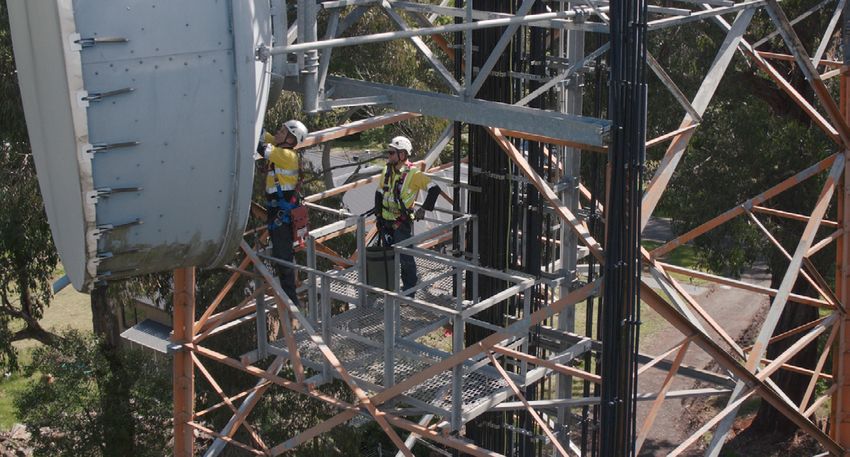
Table of contents
This statement has been revised as at 31 March 2021 with adjustments footnoted.

                    Introduction                                                                     3

                    Organisational structure                                                         5

                    Our governance framework                                                         6

                    Risk management and due diligence                                                8

                    Our workforce                                                                    9

                    Our operations                                                                   11

                    Our supply chain                                                                 15

                    Grievance mechanisms                                                             21

                    Reporting and effectiveness                                                      23

                    Consultation with owned and controlled entities                                  25

                    Future commitments
	                                                             26

2   Modern Slavery Act Statement 2020                *Cover photo taken prior to the introduction of physical distancing requirements
Introduction

    There is no place for modern slavery
    in the operations or supply chains of
    any company in the Telstra Group.
Across our value chain, we aim to ensure that we and          We also support the UN Sustainable Development Goals,
our business partners operate with respect for human          with one of our four priority goals being Goal 8: decent work
rights. Since 2011, we have been a signatory to the United    and economic growth. This goal includes the commitment
Nations (UN) Global Compact, which commits companies          to work to eradicate the many forms of modern slavery –
to 10 guiding principles on human rights, labour rights,      such as forced labour or child labour - that exist.
environmental protection, and measures to fight corruption.
                                                              We are committed to working to identify and address
Our commitment to respect and support human rights            these practices if they occur, through robust due
is aligned to the UN Guiding Principles on Business and       diligence and risk management processes, and a culture
Human Rights.                                                 that encourages people to speak up when they feel like
                                                              something is not right.

3   Modern Slavery Act Statement 2020
In Australia we provide 18.8 million retail mobile
                                                                   services and 3.8 million retail bundle and data
                                                                   services.
Annual statement of disclosure
                                                                   We offer a broad suite of media, content and
In FY20, we did not identify any instances of modern slavery
                                                                   connectivity options in Australia, as well as
in our operations or supply chain.
                                                                   connectivity and enterprise services globally.
We did, however, identify some labour practices and
                                                                   We facilitate over 2,000 network points of presence
behaviours that gave us cause for concern, which we have
                                                                   in more than 200 countries and territories around
taken action to remediate. Finding these demonstrates that
                                                                   the world.
our processes have been effective in identifying risks of
modern slavery. It also alerts us to areas where we may need
to review and reinforce our risk management approach. As         Business strategy
part of our commitment to transparency, we have chosen to
                                                                 For more information about our business strategy,
report them, and our responses to them, in this statement.
                                                                 please refer to our 2020 Annual Report.

Our business                                                     We are listed, and our issued shares are quoted on
                                                                 the Australian Securities Exchange (ASX) and the
Telstra is Australia’s leading telecommunications company.
                                                                 New Zealand Stock Exchange (NZX).
We believe people give purpose to our technology.
Our purpose is to build a connected future so everyone can
thrive. That’s why we build technology and content solutions
that are simple and easy to use, including Australia’s largest
and fastest national mobile network. Our world-leading
networks reach 99.5 per cent of the Australian population.

4   Modern Slavery Act Statement 2020
Organisational structure
This statement is a joint statement covering Telstra                Other than these three entities, no other Telstra Group
Corporation Limited (the ultimate parent company in the             controlled entity meets the reporting entity criteria under
Telstra Group), Telstra Holdings Pty Ltd and Telstra Limited        the Modern Slavery Act (Commonwealth) 2018.
(UK) (together referred to as we, us, our, Telstra).
                                                                    This statement does not cover Telstra Super Pty Ltd, which is
Reporting entities covered by this statement                        preparing its own Modern Slavery Statement. Telstra Super
                                                                    Pty Ltd is a trustee for the Telstra Superannuation Scheme.
As at 30 June 2020, the Telstra Group comprised                     As noted in our 2020 Annual Report, we applied management
almost 150 controlled entities globally. The ultimate               judgement to determine that we do not control Telstra Super
parent entity in the Telstra Group is Telstra Corporation           Pty Ltd even though we own 100 per cent of its equity. We do
Limited. Telstra Holdings Pty Ltd is the holding company            not consolidate Telstra Super Pty Ltd as we do not control
of many of Telstra’s controlled entities (particularly              the board of directors.
overseas controlled entities) and its immediate parent
is Telstra Corporation Limited. While not technically a             A complete list of the controlled entities in the Telstra Group
reporting entity for the purposes of the Modern Slavery             as at 30 June 2020 (including ownership percentages and
Act (Commonwealth) 2018, Telstra Limited (one of our UK             detail regarding each subsidiary’s immediate and ultimate
subsidiaries) is required to report under the Modern Slavery        parent) is available at telstra.com/investor.
Act (UK) 2015 and is also covered by this statement for the
purposes of meeting those reporting requirements.

          Simplified structure of Telstra                      Information is current as at 30 June 2020
          reporting entities covered by this statement
    Simplified structure of Telstra reporting entities covered by this statement

                  Telstra Corporation Ltd

                                                           Telstra Holdings Pty Ltd

                                                                            Remaining Telstra Holdings
                                            Telstra Limited (UK)
                                                                                  entities (76)

                                            Telstra Limited (UK)
                                              sub-entities (6)
                                                                                      Entities making a joint statement under Modern
                                                                                      Slavery Act 2018 (Cth)
                                        Remaining Telstra Group
                                                                                      Entity responding to Modern Slavery Act 2015 (UK)
                                             entities (63)                            under the Telstra Corp Ltd Statement

                                                                                      Entities covered by the Telstra Corp Ltd and
                                                                                      Telstra Holdings joint statement under Modern
                                                                                      Slavery Act 2018 (Cth)
                                            Telstra Super Pty Ltd
                                                                                      Entity making a separate statement under
                                                                                      Modern Slavery Act 2018 (Cth)

                                                                                                    Information is current as at 30 June 2020

5   Modern Slavery Act Statement 2020
Our governance framework
We are committed to excellence in corporate governance,            Our guiding principles
transparency and accountability. This is essential for the
long-term performance and sustainability of our company,           Our Code exemplifies our commitment to responsible
and to protect and enhance the interests of our shareholders       business practice and good governance. Our guiding
and other stakeholders.                                            principles, underpinned by our Values, express how we
                                                                   seek to meet the expectations of our customers,
To learn more about governance of Telstra Corporation              shareholders, regulators and the community.
Limited, please refer to our 2020 Corporate Governance
Statement.                                                         We have developed the following principles for our Code
                                                                   that are underpinned by our Values.
Our Values, Telstra Group Code of Conduct
                                                                      • We do the right thing by acting fairly, with due care,
and policy framework                                                    lawfully, in the best interests of the company and
Telstra’s Values and our Code of Conduct set the                        shareholders; and by honouring our commitments
behavioural standards for everyone who works for,                       to customers.
or on behalf of, Telstra.                                             • We act with honesty and integrity. We never make
                                                                        or receive improper payments, benefits or gains,
    Our Values                                                          and always deal ethically.

    Our Values describe what we stand for and guide the               • We use information and property responsibly, and
    way we do things. At Telstra, we have five core values:             we keep it safe and secure.

       • Show you care                                                • We maintain a safe and inclusive working environment
                                                                        where we treat each other with respect.
       • Make the complex simple
       • Trust each other to deliver                                  • We seek to make positive and sustainable economic,
                                                                        social and environmental contributions wherever
       • Find your courage
                                                                        we operate.
       • Better together
                                                                      • We communicate responsibly and use technology
                                                                        appropriately.
Code of Conduct                                                       • We’re all individually accountable for complying
                                                                        with the Code, and we call things out which don’t
Our Code of Conduct, which links to our Telstra Values,
                                                                        seem right.
defines how we do business. It explains what we stand
for. It informs how we will conduct ourselves as we work           Each principle is supported by and references a range
together to deliver our strategy. It helps us take a consistent,   of Telstra Group policies such as health and safety, anti-
global approach to important ethical and compliance issues.        bribery and anti-corruption, conflicts of interest, dealing
                                                                   with suppliers and other third parties, and our human rights
Our Code applies globally to all directors, employees and          policy (described in more detail below). Our Code and Group
contractors in all areas of Telstra and its controlled entities.   Policies are reviewed annually, at a minimum, to ensure they
                                                                   remain relevant and clearly define the expected behaviours.
Our Code sets out seven principles governing how we do
business, including behaving ethically and in accordance           All Telstra employees are responsible for knowing and
with the law. It also outlines where to go for further help,       following the policy requirements that apply to their jobs
and how to raise concerns through various channels,                and for reporting any suspected breaches of law or our Code.
including our Speak Up platform and our whistleblowing             Our executives and managers are accountable for creating
service. Our Board, CEO and Leadership Team are deeply             and fostering a work environment that encourages ethical
committed to our Code.                                             behaviour and compliance.

6    Modern Slavery Act Statement 2020
Policy coverage                                                              Human Rights Policy
The specific governance model to be adopted for any                          Telstra’s Human Rights Policy sets out our commitment
Telstra controlled entity will depend on the level of Telstra’s              to respect and support human rights as defined in the
ownership, the relevant entity’s circumstances, the nature                   Universal Declaration of Human Rights as well as our
of its operations, and its jurisdiction. Telstra has certain                 commitment to comply with the UN Global Compact.
requirements and expectations regarding the adoption of                      It defines our commitments which include providing a fair,
the Code and Group Policies by controlled entities in the                    safe and healthy working environment and not tolerating
Telstra Group.                                                               or supporting the use of child labour, forced or compulsory
                                                                             labour in our operations.
We work with our controlled entities in the Group regarding
adoption of the Code and Group Policies or understanding                     In FY20, we refreshed and reissued our Human Rights
alternative arrangements they have in place. Where they                      Policy, making it clearer that we expect suppliers, business
have not adopted the Code, we work with our subsidiaries                     partners and other third parties to comply with the policy.
to understand what they have implemented and seek                            We also stated the obligations of employees, contractors
assurance there is an appropriate arrangement in place.                      and anyone working on behalf of the Telstra Group to comply
                                                                             with the policy and report any concerns or breaches. For
In FY21, we will continue to use a range of tools and methods                more information about how we manage human rights at
to enhance oversight of the governance of subsidiaries in the                Telstra, please refer to the Human Rights section of our
Telstra Group including in the context of modern slavery.                    Bigger Picture 2020 Sustainability Report.

*Photo taken prior to the introduction of physical distancing requirements

7    Modern Slavery Act Statement 2020
Human rights
Approach be added to our annual Business Essentials compliance training
Risk management and due diligence
and a role-specific Modern Slavery training module, both of
Across our value chain, we aim to ensure that we and our which will be rolled out in FY21 across the Telstra Group.
business partners operate with respect for human rights.
Human Rights Working Group
Since 2011, we have been a signatory to the United Nations
Global Compact, which commits companies to 10 guiding Our cross-company Human Rights Working Group (HRWG)
principles on human rights, labour rights, environmental brings together representatives from our customer-facing
protection, and measures to fight corruption. Our commitment areas, procurement and supply chain, workplace relations,
to respect and support human rightshuman
is alignedrights
to the UN legal, policy, compliance and sustainability to consider how to
Understanding our salient issues, effectively implement our human rights commitments across
Guiding Principles on Business and Human Rights, Human
and is rights and modern slavery governance structure
including
outlined those
in our Code ofrelated
Conduct to
andmodern
Human Rightsslavery
Policy. Telstra, as well as to consider issues as they arise. The HRWG
meets monthly and in FY20 provided input into our new Human
In FY20, we conducted our annual review of the human
Understanding Rights policy and guidance, training materials, operational
rights contained inour the salient humanofrights
UN Declaration Humanissues
Rights Human rights and modern slavery governance structure
risk mapping, and modern slavery reporting. It also reviewed
and
In assessed
FY20, their salience
we conducted according
our annual review ofthe
theUN Guiding
human rights several instances where suppliers fell short of our expectations
contained
Principlesinonthe UN Declaration
Business of Human
and Human Rights
Rights. Weand assessed
determined in terms of labour rights, as well as examining how we proposed
their Telstra Corporation Limited Board
that,salience according
as in previous the UN
years, ourGuiding Principles
seven most on Business
salient human to remediate these. These are reported in more detail in our
and Human
rights issuesRights.
are: We determined that, as in previous years, FY20 Modern Slavery Statement. The HRWG also receives
our seven most salient human rights issues are: regular follow-up reporting on corrective actions undertaken.
Labour rights including: Audit & Risk Commitee
Human rights in our supply chain
• forced or compulsory labour • work hours
• wages and benefits • child labour As our supply chain is one of our areas of greatest potential
human rights risk, we continue to devote significant effort into
Group
deepening our understanding of Compliance
the specific types of human
Freedom of Health and Privacy and data rights risks associated with different types of products, source
association safety protection countries and sectors.
Human Rights
We prioritise our assessments of ourCompliance
suppliers’ human rights
performance based on risk Program Manager this process
and have integrated
Anti- Anti-bribery Access to grievance into our broader supplier risk governance processes. This
discrimination and corruption mechanisms includes our supplier risk assessments, ongoing supplier
management and due diligence as well as procurement training
for our employees.
Progress
To help ensure a consistent approach to managing human This year we began a program of testing the controls
Managing human
rights obligations, rights those related to modern slavery,
including For
in more information
our human rightssee the Managing
compliance our supply
program chain the
to identify
we have a human rights compliance program that captures chapter of this report.
extent to which they were effective in managing the risk
We continue to embed our human rights compliance plan to
obligations
manage relating our
and mitigate to our
sevenmost salient
salient humanhuman
rightsrights
risks. risk
This of Human Rights Policy breaches, including in relation to
year, we refreshed our Human Rights Policy to make it clearTelstra.
areas, which are applied to relevant functions across Reporting on modern slavery
that modern slavery. We identified, and rectified, some gaps in
this policy applies to all suppliers, business partners and other The UK Modern
coverage Slavery Act
of controls and2015 requires
some areascompanies
where moreoperating
regular
The compliance
third parties doingprogram
businessextends
on behalfto
ofeach functional
Telstra. The policyarea
alsoof incontrol
the UK with annual global turnover exceeding £36 million to
testing is required.
Telstra. to
explains Obligations
our people,are translated
suppliers into third
and other principles
partiestowhat
ensurewe publish an annual ‘slavery and human trafficking statement’.
that they
expect can be
of them understood,
in relation andrights
to human appropriate
at Telstra,controls
includingare InThe
December 2018,
maturity of Australia implemented
our compliance similar
program legislation
is assessed
identified,
their documented
obligation to considerand monitored.
the human rightsThe initial
impact focus of
of their toannually
the UK and on 1 January 2019, the Modern Slavery
by our Chief Compliance Office. The FY20 Act
actions and decisions
this program has been andto
report any and
identify concerns or breaches
document of
controls 2018 (Cth) came into force. The Modern Slavery
assessment noted that enterprise-wide commitment Act 2018 (Cth)
the policy.
relevant to material parts of our operations and our suppliers requires Australian entities with annual consolidated revenue
is evident via Human Rights Policy, Modern Slavery
and monitoring the effectiveness of our controls. exceeding AUD $100 million to produce an annual statement.
In addition, we developed a plain English Policy Guidance Act Statement reporting and cross functional supplier
The statement must disclose the risks of modern slavery in the
document to help our people understand what the human rights governance initiatives. Thechains
program
Governance and oversight of our partners entity’s operations and supply andis currently
what they arefocused
doing
policy means practically for them in their day toand
daycontracts
work. It on identifying and managing risk in the supply chain and
includes a Supplier Code of Conduct, and a Group-wide to address those risks. Our work in FY20 has been focused
focuses on understanding human rights and identifying risk
oncontrolled
ensuring weentities.
have theOur focus forinformation
appropriate FY21 will beandon ensuring
risk
Human by
factors, Rights Policy.
providing illustrations for our people of what relevant
we continue to mature our control environment, with a
management frameworks in place to comply with this legislation.
human rights breaches might look like and how and where to
The obligations
report in our
concerns. We alsohuman rights
developed newcompliance program
human rights training to Toparticular
respond toemphasis
both theseon extending
pieces these controls
of legislation, to those
we publish
apply to our operations and our supply chain. This program is owned and controlled entities where they have
an annual Modern Slavery Statement on our website. not yet
a cornerstone
30 — Bigger Pictureof managing
2020 modern
Sustainability Reportslavery risk at Telstra.
been fully implemented.
8 Modern Slavery Act Statement 2020
Our workforce
Our direct workforce                                                    Our indirect workforce
As at 30 June 2020, Telstra Corporation Limited’s total                 We have an indirect workforce of approximately 37,000
direct workforce was 20,635 employees. Telstra Group’s                  people in Australia and internationally. Most of these
total global direct workforce was 29,762 employees1.                    workers support our Consumer & Small Business, Global
We employ 4,583 people directly outside of Australia                    Business Services and Networks & IT functions in delivering
across 13 countries, equating to 15.4 per cent of our                   both customer-facing and back-office processing services.
total direct workforce.
                                                                        Our main centres for indirect workers outside Australia
At Telstra we rely on a highly diverse workforce and                    are India, the Philippines, Hong Kong, Singapore, the United
engage people with broad and varied skillsets, ranging                  Kingdom, the United States of America, Malaysia and
from salespeople through to technology experts, and our                 China. A further 26 countries have small numbers of indirect
workforce is comprised of Telstra employees and workers                 workers (fewer than 10). Our indirect workforce is governed
engaged through industry partners.                                      by a range of different contractual arrangements depending
                                                                        on the type of work performed by these workers and the
We have a global employment framework covering all                      jurisdiction in which they are engaged. The ways in which
Telstra Group direct employees that complies with all                   we manage the risks associated with these different types
local laws as a minimum and covers core employment                      of arrangements are outlined in the ‘Our operations’
conditions such as minimum wages, hours of work, and                    section below.
leave entitlements.

        In many aspects our global
        employment framework
        provides conditions and
        employment processes
        that go beyond what is
        required by local law.
An example of this is the Family and Domestic Violence
Leave Policy, which applies in all countries in which we
operate. We protect the personal information of our people
and ensure they know how we are using information that we
collect about them. We ensure our people are treated fairly
in matters that impact their employment.                                *Photo taken prior to the introduction of physical distancing requirements

1
    All people data in this Statement expressed as headcount, not FTE

9      Modern Slavery Act Statement 2020
Our global labour risk2 profile
         Telstra’s direct and indirect workforce exposure to labour risk by country
    Telstra’s direct and indirect workforce exposure to labour risk by country (with more than 10 employees)*
         (with more than 10 employees)*

                                                                                    Country             Head Count
                                                                                    Australia           44,000
                                                                                    India               12,000
                                                                                    Philippines         9,000
                                                                                    Hong Kong           580
                                                                                    UK                  330
                                                                                    Singapore           300
                                                                                    Indonesia           230
                                                                                    USA                 150
                                                                                    Malaysia            130
        High                                                                        Japan               48
                                                                                    China               30
        Medium                                                                      Taiwan              23
        Low                                                                         Republic of Korea   23
                                                                                    France              21
        Less than 10 employees / no data / Telstra does not have presence           New Zealand         19
                                                                                    Brazil              18
   Total score of above 70 is High, 69-37 is Medium, 36 or below is Low.            Sweden              12
   2
     Labour risk rating is based on the 2018 OECD Fragile States Index.             Canada              12
   * Total direct and indirect workforce at 30 June 2020                            Israel              12

  For information about how we have been caring for our people during the COVID-19 pandemic, please refer to our
  Bigger Picture 2020 Sustainability Report.

Recruitment and labour hire                                                 procedure is a key step to assist us to address the gender
                                                                            imbalance and includes a requirement for all recruitment
We have a recruitment policy to help ensure:
                                                                            and interview shortlists to include at least 50 per cent
   • All recruitment decisions are consistent with                          female representation, except for some specified roles
     the Telstra Values                                                     where a 25 per cent requirement applies due to a known
                                                                            significant gender imbalance in the job market.
   • The process is consistently and fairly applied
   • We act in accordance with the principles in our                        We aim to increase the number of Indigenous employees and
     redundancy and redeployment policy as well                             people living with disability working with us. This includes
     as our diversity and inclusion policy.                                 providing an ‘interview guarantee’ to any candidate who has
                                                                            been shortlisted for a role and identifies as Indigenous (for
We have a formal recruitment process for both our                           roles in Australia) or living with disability.
permanent and contingent workforce that all recruiters
are required to follow. When agencies are engaged, they                     Our online recruitment management system has formal
are required to follow these recruitment processes.                         approval gates to ensure our policies and procedures are
                                                                            correctly followed. This includes verifying candidates’
To enable our leaders to build a more diverse and inclusive                 identity and evidence to confirm their right to work status
workplace, we have updated our recruitment procedures to                    and generating contracts that comply with these policies
support diverse candidates. Our global recruitment equality                 and procedures.

10 Modern Slavery Act Statement 2020
Our operations
Our delivery partners outside Australia
Three main functions of Telstra use significant numbers
of workers through delivery partners outside Australia:
Global Business Services, Consumer & Small Business,
and Networks & IT.
We have a diverse range of customers including consumers,
small business, large enterprises and government • Global Business Services (GBS): consolidates shared
organisations. We source and supply communications services and high-volume repeatable activities
infrastructure, devices, digital solutions and connectivity (such as billing, assurance, activations, payroll,
services to meet a range of customer needs. and procurement) in a single functional area. GBS
provides services to all functions within Telstra, in
Our customers interact with us in many different ways: Australia and globally.
through digital platforms, stores, business centres, account
managers, field services technicians, technical support • Consumer & Small Business (C&SB): caters to retail
teams, sales representatives and contact centres. Most of customers in the mass market small business and
our customers have long-term relationships with us, which individual customer segments. C&SB manages
will involve a range of different interactions with us via customer relationships across all assisted and
multiple channels across many years. unassisted channels, including contact centres and
digital platforms.
Page 12 shows a simplified diagram of our operations,
explaining what we do and how our suppliers and people • Networks & IT (N&IT): responsible for the overall
help us to meet our customers’ needs. planning, design, architecture, engineering and
construction of our networks, technology and
Management of higher risk operational information technology solutions. N&IT delivers
activities and locations network technologies as well as digital capabilities
and platforms.
As outlined in the risk management and due diligence
section above, our Group compliance management
framework is our key tool for managing the risk of modern these activities, as in the section on specific risk mitigations
slavery across our operations. for higher risk activities.
Nonetheless, we recognise that some of the activities we Across these three functions, around two thirds of the
undertake and some of our service delivery models are workforce is indirect and between 30 and 45 per cent of this
higher risk than others. In FY20 we engaged an independent workforce is located in South and South-East Asia, which
third party to review our global operations and assess are considered higher risk geographies for modern slavery3.
higher risk activities and service models. We have additional
These workers are either engaged as contingent workers or
mitigations in place to manage the risks associated with
through longer term delivery partnership arrangements.
3
Labour risk rating is based on the 2018 OECD Fragile States Index
11 Modern Slavery Act Statement 2020Telstra’s Operations
Telstra’s operations Customer order
Retail stores
Telstra business and technology centres
Telstra regional stores
Self service
Activation & delivery process
Telstra Health and Telstra Purple
Warehouse & transport
Networks & IT
InfraCo
Consumer & Small Business
Products & Technology
Enterprise
Global Business Services
• Telstra contact centre
• Telstra digital channels
Roaming partners
Customer outcomeCase study
Responding to findings of bonded labour
Telstra engaged an independent third party to conduct
Specific risk mitigations for our indirect site audits of one of our suppliers’ labour practices.
delivery partners The audit revealed evidence of practices resembling
debt bondage in their Hyderabad operations in
We recognise that the indirect delivery partner service India. Under the arrangements, employees were
model may carry risks for workers who are not directly bound to repay training costs incurred as part of
engaged by Telstra. To mitigate this, we have implemented their recruitment. While the supplier asserted such
a range of procedures and programs to ensure the high practices were both common and legal in India, we
labour management standards we expect are being met. took the view that it was not acceptable and in breach
of our Supplier Code of Conduct.
All our delivery partners must sign on to our Supplier
Code of Conduct (see below) and demonstrate compliance
We wrote to the supplier and asked them to remove
through questionnaires, desktop audits and site visits,
this bond immediately for all employees delivering
at least annually. Our expectations of partners are also
services to Telstra and all new hires. The supplier
outlined in site-specific Operations Manuals, providing
agreed to this request.
information on our expectations with respect to Telstra
Group policies and procedures. We also asked that the bond be removed for all other
Our partners are required to have onboarding processes employees of the supplier including those who do
for workers that make them aware of their policies and not perform Telstra work. The supplier agreed not to
procedures, including their entitlements and the right to take any action to enforce the service bond provisions
be paid in accordance with the law. In India, these working under existing employment contracts and to issue all
conditions must be physically displayed in the workplace employees with new contracts that do not contain
in a language the workers can understand. service bond provisions. A follow-up audit found the
changes we requested had been implemented.
We also require our partners to provide workers with We were also pleased to see evidence that throughout
contracts in a language they can understand. Terms the COVID-19 pandemic, the supplier has continued
and conditions of employment must be clearly set out to pay all employees 100 per cent of their wages.
in employment contracts.
Employees of our delivery partners with direct access to
Our partners are also required to have their own functioning
Telstra systems are required to complete our Business
ombudsperson and Whistleblower policies. They and their
Essentials Training. In this training, we provide information
employees have access to a formal escalation matrix to reach
regarding our expectations with respect to labour standards
Telstra and our relevant executives if they have concerns.
and modern slavery. We also inform them of our Whistleblower
program, which is public and available to employees of An example of how we have responded to concerns raised
Telstra, our partners and anyone else wishing to raise a about an offshore delivery partner is provided in the
concern about working conditions or any other matter. Hyderabad case study above.
13 Modern Slavery Act Statement 2020Our retail network
Across Australia, we operate a network of stores and
business centres to sell to our consumer and small business
customers. While some stores are owned by Telstra, the
majority are operated by third party licensees. In addition,
we have dealership agreements with major retail partners
such as JB Hi-Fi and The Good Guys to sell Telstra products.
Licensees and retail partners receive commissions based
on several factors including results of customer experience
surveys, sales volumes, and mystery shopping.
Specific risk mitigations for our retail network
We recognise that when workers are not employed
directly by us, we need to implement a robust risk
management framework to ensure worker rights are
upheld and appropriate grievance mechanisms are
accessible to workers.
Our risk management framework for licensees and retail
partners comprises of multiple components, including:
• Annual attestation – Licensees are required to complete
an annual attestation of compliance with the terms of *Photo taken prior to the introduction of physical distancing requirements
their agreement, including attesting to compliance with
employment and labour obligations. Licensee audits
• Licensee operational review (LOR) – Licensees must In recognition of the increased risk in this business model,
conduct and lodge a quarterly operational review, which this year we expanded our sustainability audits to include
is a self-assessment of their performance against these our licensees. As a pilot, 10 licensees, which account for
commitments. approximately five per cent of the total number of licensees,
were audited.
• Partner operational review (POR) – Similar to the LORs,
these are assessments of licensee compliance with In order to share lessons learnt from the pilot across all our
Telstra requirements, however, they are completed by licensees, a virtual education and awareness session was
an independent auditor every six months. held with over 120 licensees in attendance. In FY21, we will
review the outcomes of the pilot to scope out a sustainable
• Training – Access to Telstra systems by licensees and retail ongoing program of work to review a sample of our licensees’
partners. This training makes it clear to the employees of our sustainability practices.
licensees and retail partners the standards and behaviours
we expect of them, and how to raise a concern if they feel Strengthened dealership arrangements
these standards are not being met. Our relationships with dealers (including entities licensed
• G
rievance mechanism – Each licensee and retail to operate stores under Telstra branding, T-Partners and
partner is overseen by a Telstra representative. The Enterprise channel partners) are governed by a range of
Telstra representative provides a channel through which dealership agreements. In FY20 we launched new dealership
licensees and their employees can raise issues with us. agreements, which include an obligation for those dealers
In addition, many licensees and partners also have their to “comply with applicable Telstra Group Policies and Codes
own grievance mechanisms that their employees can of Conduct (and provide such attestations on this as we
use to raise issues, or alternatively they can use Telstra’s reasonably require)”. They expressly reference the Supplier
confidential, independent whistleblower service, which is Code of Conduct, which is covered in more detail in the supply
described below in the Grievance mechanisms section of chain section of this statement. The roll-out of this agreement
this statement. is occurring progressively across FY20 and FY21, as dealers
reach the end of the term of their previous agreements.
14 Modern Slavery Act Statement 2020Our supply chain
At Telstra, how we do business and support our
customers is just as important as the business
outcomes we deliver. We take seriously our
duty to operate our business responsibly, and
we expect our suppliers to do the same.
– Andy Penn, CEO Telstra
In FY20, we engaged directly with more than 5,700
suppliers from 91 countries and approximately 80 per cent
of our total spend was with 100 suppliers. In addition, our
direct suppliers often have many suppliers of their own,
who then also rely on suppliers and so on.
Our largest category of spend is information and Telstra
communications technology (ICT) (51 per cent). These direct supplier
items are provided directly to customers, used to provide spend by
and manage our network and data services, or used by country
Telstra employees. It also includes services that relate
to developing and programming software and providing
technology support to our customers and people.
Construction and physical network infrastructure
80.9% Australia and NZ
maintenance represents 24 per cent of our total spend.
4.6% Northern America
The remaining 25 per cent of procurement spend is on 3.9% India
non-core activities, such as professional services, travel 1.8% Hong Kong
and uniforms. 1.8% Singapore
3.2% Asia other
The majority of our electronics and network components 2.0% UK and Ireland
spend is with large multinational companies who supply 1.2% Europe (exc. UK & Ireland)
0.6% Other
us with finished products. We do not manufacture our
own products. Instead we work with original design More than 90 per cent of what we spend directly is with
manufacturers (ODM) to produce Telstra-branded devices. suppliers based in low-risk countries, as defined by the
OECD4. Many of our suppliers have Australian-based
The services we procure are predominantly provided in
subsidiaries with whom we deal directly. As a result, a
Australia, India and the Philippines and the goods we high percentage of our direct spend is within Australia.
procure are manufactured across the world. Source
locations include China, Vietnam and Thailand. However, geography is only one factor we use in assessing
the overall risk of a supplier and we do look beyond our
first tier of suppliers in making these assessments.
For more detail on our approach to risk assessment,
please refer to the risk assessment and due diligence
sections below.
4
OECD country risk assessments as at 25 June 2020
15 Modern Slavery Act Statement 2020Many of our suppliers
have processes in place
for managing their own
Supplier Governance Framework risks and are open to
To help make more informed purchasing decisions, we
continue to refine our Supplier Governance Framework,
working with us to meet
which assesses suppliers against twelve categories of risk
(see diagram). We consider labour practices, environmental
our minimum standards.
practices, health and safety, and bribery and corruption
risks as part of sustainability risks. We assess these risks The majority of Telstra’s controlled entities use Telstra’s
as part of our selection and contract renewal process using centralised procurement process, which is subject to the
a combination of due diligence reports, questionnaires, Supplier Governance Framework outlined here. However,
documentary review and, where warranted, onsite audits. the specific procurement process adopted for any Telstra
A supplier’s ability to meet or exceed Telstra’s minimum controlled entity will depend on the level of Telstra’s
standards set out in Telstra’s Supplier Code of Conduct is a key ownership, the relevant entity’s circumstances, the nature
consideration for Telstra when we make purchasing decisions. of its operations, and its jurisdiction. We work with our
controlled entities in the Group regarding adoption of
This year, to help us gain a more in-depth understanding of the Supplier Code of Conduct.
our suppliers, we engaged a third party to perform Enhanced
Due Diligence (EDD) screening over 1,100 suppliers that we We work continuously with our suppliers to assess whether
engage regularly. As part of EDD screening, suppliers are they are meeting our standards. Where we identify concerns
screened against public records, such as, company registry about supplier performance, we engage constructively
records, media reports and civil litigation, regulatory, with the supplier, driving improvement to deliver the best
criminality and bankruptcy checks. We have completed EDD outcomes for the workers we are seeking to protect, the
screening of over 500 suppliers and will continue to monitor community and the environment. In instances where
these suppliers. EDD screening will continue to be rolled suppliers are not willing to improve their performance,
out across Telstra in FY21 and as part of our selection and despite our attempts at engagement, we may withdraw
contract renewal process. from contracts or switch to alternate suppliers.
Supplier risk categories
Supplier risk categories
Operational Commercial Business Privacy
Continuity
Fraud Information Health Anti-Bribery
Security & Safety Anti-Corruption
Trade Export Labour Environmental
Sanctions Controls Practices Practices
16 Modern Slavery Act Statement 2020Supplier Code of Conduct By supplier, Telstra means any entity that supplies goods or
services to Telstra Corporation Ltd or its related companies
Our Supplier Code of anywhere in the world. Where the SCOC refers to workers,
this includes employees, contractors, agency, migrant,
Conduct (SCOC) sets out student and temporary staff of the supplier and of its related
entities. For details on how we manage the risks associated
the minimum standards we with our indirect workforce, please refer to the operations
risk management section above.
expect from our suppliers We expect our suppliers to monitor their own, and their
and forms part of our suppliers’ compliance with our SCOC and to ensure timely
correction of any identified non-conformance. We also
standard purchasing terms. require them to notify us if they become aware of an actual
breach or reasonable likelihood of breaching of the SCOC. To
do this, we provide tools to help our suppliers notify us, such
Through our policies, Supplier Governance Framework, as an online portal to disclose conflicts of interest relating to
training and audit program, we work with our suppliers to Telstra employees and concerns about working conditions.
assess whether they are meeting our standards.
Our SCOC is aligned with 10 universally accepted principles
of the UN Global Compact, Responsible Business Alliance
(RBA) Code of Conduct, and Joint Audit Cooperative (JAC)
Supply Chain Sustainability Guidelines, as well as legislative
obligations such as the Modern Slavery Act (UK) 2015 and the
Modern Slavery Act (Commonwealth) 2018. The SCOC was
updated in February 2020 to include enhanced requirements
in relation to climate change, responsible sourcing of
minerals and grievance procedures for employees.
A copy of the updated SCOC with a message from our
Chief Executive was communicated in March to the 4,500
suppliers engaged year to date. All other suppliers engaged
in FY20 received the updated SCOC as part of our standard
purchasing terms. This year, our Chief Procurement Officer
hosted our second supplier forum with a number of our
top 100 suppliers to discuss the updated SCOC and the
enhanced requirements added in the February 2020 refresh.
Suppliers’ ability to meet or exceed standards detailed We review all disclosures and the information provided is
in the SCOC will be considered by Telstra when making used to help us learn from incidents, prevent reoccurrence,
procurement decisions. This will happen regardless of monitor compliance with the SCOC, and better manage our
whether the SCOC has been formally incorporated into relationships. It is important to us that anyone can report
a particular contract with the supplier. In addition to the concerns about illegal, unethical or improper conduct and
SCOC, we may also include more specific social, we encourage our people to report anything that they feel
environment, and/or ethical requirements in our contract is not right to their manager or via Telstra’s “Speak Up”
terms based on the inherent risk of the agreement. processes. This includes minor issues, which can help
us identify and provide effective early engagement with
suppliers who are at risk of breaching the SCOC. In addition,
Telstra’s confidential and anonymous whistleblowing service
is accessible in eight languages to our people, suppliers
and their workers. For more information please refer to the
Grievance Mechanisms section of this report.
17 Modern Slavery Act Statement 2020This year, we updated our questionnaires to make it
simpler for suppliers to respond by focusing on questions
which enable us to validate the evidence provided in the
questionnaire responses and work with the suppliers to
improve their performance. In some cases, a site audit is
required in addition, or instead of, a questionnaire.
This year, 466 sites across 32 suppliers were selected to
complete onsite audits by an independent third-party auditor.
For some suppliers we audit only their site (i.e. tier one), and
in other cases we audit as far as three tiers down the supply
chain. Our audits include and align with industry standards,
set by Responsible Business Alliance (RBA) and Joint Audit
Cooperative (JAC) for onsite compliance verification and
*Photo taken prior to the introduction of physical distancing requirements
effective, shareable audits.
We work with our suppliers to assess whether they are Number of independent third-party site
meeting the SCOC in a number of ways. This includes audits undertaken5
conducting governance meetings, reviewing reports and
public records, and undertaking questionnaires and audits. Categories FY18 FY19 FY20
The approach we take is based on the nature of the risks,
and the category of the goods or services being provided. Information and Communications
40 45 43
Technology (ICT) sector
This year we reviewed our supply chain risk profiles Construction and physical network
- 1 3
and how we categorise our purchases. This reconfirmed infrastructure maintenance
that for Telstra, sustainability risks are more likely in ICT Other categories, including
products and services, and construction and physical branded apparel and merchandise
4 7 -
network infrastructure maintenance categories, which manufacturing, agriculture, and
cleaning and waste management)
are also our two largest categories of spend. Within the
remaining categories of spend, we have identified branded Total 44 53 466
apparel and merchandise manufacturing, agriculture, and
cleaning and waste management as categories warranting
As well as relying on third-party audits, our Contractor
specific attention. We focus on these areas in the remaining
Management Centre of Excellence (CMCoE) team also
categories due to the use of low-skilled and low-wage labour,
undertake their own internal audits within construction
together with the potential for environmental damage within
and physical network infrastructure maintenance, where
these industries’ supply chains.
health and safety is a significant risk area. In FY20, more
We monitor sustainability risks through a combination than 1,500 health, safety and environment internal audits
of internal and external questionnaires and site audits. were undertaken.
This year, 65 of our higher risk suppliers were selected to
complete detailed questionnaires and provide evidence to
support their responses. These questionnaires have been
designed using internal and external supplier sustainability
experts and are aligned with industry standards.
5
Sustainability audit numbers include both Telstra led and JAC peer led audits of our suppliers.
6
FY20 data re-stated to exclude licensee audits as they are reported in the section Our retail network above.
18 Modern Slavery Act Statement 2020COVID-19 impact on our supply chain
The COVID-19 pandemic has created uncertainty that
has accelerated broader market trends, which may
in turn impact our supply chain and operations. For
example, the impact of COVID-19 on our operations
has generated a sudden requirement for purchasing
larger quantities of some goods and services – such
Strengthening our supplier contractual
as Personal Protective Equipment (PPE) to protect
obligations our employees and contractors providing essential
In FY20 we revised our standard Telstra Supply services, and cleaning services. In addition to
Agreement (TSA) to elevate the issue of modern slavery. increased demand, delivery timeframes may be
impacted by COVID-19 disruptions.
• The revised TSA requires our supplier to put in place
policies and procedures to ensure compliance within its We are committed to continuing to manage the risks
supply chain with the relevant policies and laws (including associated with our purchasing decisions and balance
Trade Control Laws, Modern Slavery Laws and Anti-Bribery this with enhancing the resiliency and efficiency of
and Corruption Laws). supply chains. To do this, we have maintained a strong
focus on effective supplier governance and performed
• On request by Telstra, our supplier is required to provide
a number of assessments to monitor our reliance
evidence of its compliance demonstrate their systems,
on key suppliers, as well as their level of resilience,
controls and processes which enable them to comply.
to ensure we do not suffer significant downstream
• A breach by the supplier is deemed a material breach impacts should they be impacted.
giving Telstra the right to terminate.
We understand that workers who are producing
As detailed in our operations section above, we also the goods and supplying the services we need
launched new Telstra Dealership Agreements (TDAs) which during COVID-19 may be in a position of increased
include an obligation for dealers to “Comply with applicable vulnerability. We have taken care to diversify our
Telstra Group Policies and Codes of Conduct (and provide suppliers – including through the use of local
such attestations on this as we reasonably require)”. businesses – when placing orders for large quantities
of items such as PPE to avoid creating unreasonable
delivery timeframe pressures on suppliers. We
have also increased oversight of offshore service
delivery partners and taken decisive action to remedy
unacceptable practices when they have come to our
attention. The Philippines contact centre case study
below is an example of this.
19 Modern Slavery Act Statement 2020Case study
Remediation of Philippines contact
centre concerns during COVID-19
In FY20, we worked to minimise the impact of Remediation
COVID-19 on our employees, our suppliers’ employees
We review the findings of all our supplier audits. Where
and our customers. We take our responsibility
problems are identified we work with the supplier to develop
to ensure a safe working environment for Telstra
corrective actions with agreed timeframes as part of their
employees extremely seriously and we expect our
remediation plans. We then work constructively on the
suppliers to do the same.
corrective actions, and review evidence provided, to justify
We became aware early in the pandemic that one closing the audit findings.
of our suppliers who conducts work for Telstra in
Findings from the audits conducted in FY20 identified
the Philippines across a range of customer support
2737 critical and unacceptable findings with working hours
activities including customer service inquiries,
and health and safety being the most common areas
faults and live chat, was providing accommodation
of concern. These areas are being addressed as part of
to workers onsite to allow them to continue working
the corrective actions identified. Once addressed, these
during Philippines Government restrictions on travel
corrective actions are independently verified through a
and employment.
follow-up audit before being closed. In FY20, 1827 corrective
actions relating to the critical and unacceptable findings
We were in contact daily with the supplier as the
from FY19 were closed. In instances where suppliers are
COVID-19 pandemic unfolded to ensure it met all
not willing to improve their performance, despite our
health and safety requirements for its workers,
attempts at engagement, we may terminate supply
consistent with our Supplier Code of Conduct.
contracts and/or switch to alternate suppliers.
This included a minimum twice a day temperature
check, onsite medical staff, strict social distancing We did not identify any instances of modern slavery
requirements, disinfection and cleaning of onsite through our audit program this year.
shower and bathroom facilities every two hours,
disinfection and cleaning of the full site every three
hours, and all meals provided. After becoming
aware of allegations about staff staying overnight in
unsuitable conditions, we made a formal request for
information and assurance from the supplier about
their precautions during COVID-19.
Additionally, while we considered onsite
accommodation suitable for the short-term, with
the extension of the government’s quarantine
arrangements in April 2020, we instructed the
supplier to find suitable longer-stay arrangements.
That change was completed and workers are now
either back in their homes and commuting to work
via shuttle bus or private transport, or they are being
housed in hotel accommodation near offices. As
the situation continues to evolve, we remain vigilant
in ensuring that all necessary health and safety
measures are in place for people who work on
Telstra accounts.
7
Data re-stated due to errors identified with the classification of sustainability supplier audit findings. The error was a reporting error only and all supplier audit
findings and corrective actions were managed and remediated appropriately. Previously reported totals were 14 and 40 respectively.
20 Modern Slavery Act Statement 2020Grievance mechanisms
Speak-Up Whistleblowing
In March 2020, we introduced Speak-Up as part of the Telstra’s Whistleblowing Policy and the relevant legislation
launch of our 2020 Code of Conduct. establish protections to a range of people – including current
and former employees, their relatives and dependants, and
We are building a culture suppliers – to report concerns about unethical or illegal
behaviour, or an improper state of affairs at Telstra. Our
where everyone has a voice, Whistleblowing Policy is supported by a confidential process
that provides appropriate protections for anyone to report
can contribute, and is able their concerns, a Whistleblowing Service where people
can report their concerns anonymously and professional
to speak up if they see investigators and case managers to investigate any reports.
Telstra’s Whistleblowing Committee, which is chaired by the
something that is not right. Company Secretary, receives any whistleblowing disclosures
and oversees an investigation of each matter and any follow-
This is an important part of what drives Speak-Up – a new up actions that are required. Our Audit & Risk Committee of
platform to raise concerns about things that are not going the Board of Directors oversees the whistleblowing process.
well, so we can alert management and fix them right away.
During FY20, we launched a new Whistleblowing Policy,
Speak-Up is managed by the Group Compliance team. which expanded the protections and how people could
Issues are recorded securely and assessed by Group report their concerns in line with new legislation in Australia.
Compliance with support from the broader Compliance We received 144 whistleblowing reports in FY20, which was
Community, subject matter experts and operational an increase of 1.4 per cent compared to FY19. We completed
management. Where possible we keep employees informed 148 investigations in FY20 and in 45 of these investigations
of the outcome and what we are going to do differently. the allegations were substantiated in whole or in part, noting
Since the launch of Speak-up in March 2020, we have that one report might cover multiple matters and the types
received 25 submissions across a number of compliance of issues being reported vary in terms of the seriousness
areas. Any issues relating to modern slavery are of the allegation.
investigated by the human rights compliance manager,
To report a matter, visit Telstra’s Whistleblowing Service.
legal or escalated to other key stakeholders as required.
21 Modern Slavery Act Statement 2020Case study
Industry cooperation on allegations of
labour rights abuses
Industry cooperation on supply chain
In late June 2019, we became aware of media reports
Supply chain sustainability, particularly in the ICT sector
alleging potential violations of local labour laws and
where there are complex supply chains, is an area that
international standards in the factories of one of our
requires cross-sector collaboration. We work with ICT
key suppliers in the ICT sector. These allegations
industry bodies such as the JAC and Global e-Sustainability
involved potential breaches of our Supplier Code of
Initiative (GeSI) to drive improvements in sustainability
Conduct. As a result, we wrote to our supplier formally
practice throughout the global supply chain.
requesting a written response on the validity of the
In 2018, we joined the JAC, an association of 17 global allegations. In addition, and in partnership with JAC,
telecommunications operators that pools results of site we completed onsite audits at their factories in
audits of common suppliers. JAC’s audits aim to verify Vietnam and India.
that suppliers comply with internationally-recognised
The supplier provided a response refuting the
sustainability standards within global supply chains.
allegations made. The audits conducted of their
Since 2010, JAC has conducted over 500 audits in 37 sites did not identify any critical findings and minor
countries, covering more than one million workers. In finding were immediately rectified. We continue
FY20, 29 Telstra suppliers participated in JAC-appointed to monitor compliance with our Supplier Code of
audits and are included in the summary of audits Conduct as part of contract review process, which
completed and associated findings on page 18. also involves discussions around our expectations
with respect to supplier treatment of workers. The
In FY20, we began working with the Telco Together Philippines contact centre case study on page 20
Foundation (TTF) to tackle the risk of modern slavery. is an example of this.
We shared our insights and expertise on industry best
practice, as many of our peers in Australia were reporting
for the first time. This included helping design modern
slavery risk assessments, how to approach reporting,
workshops with TTF, and the ongoing development of a
joint industry statement on modern slavery, to be
released in FY21.
22 Modern Slavery Act Statement 2020You can also read


