Morris Samuels Year 7 Spring 2 Knowledge Organiser - Bluecoat Beechdale ...
←
→
Page content transcription
If your browser does not render page correctly, please read the page content below
Year 7
                                                Spring 2 Knowledge Organiser

                                                                 Morris Samuels
                                                              Samuels had lived all his life in St Ann's and was known in his community. He commanded respect. More
                                                              importantly, though, Samuels was an ex-footballer. He had played for the Notts County junior team and gone on to
                                                              make a career with semi-professional Ilkeston Town until age and injury caught up with him.

                                                              "No one was doing anything to tackle gang crime," he says. "Youth clubs and table tennis don't work with guns and
                                                              knives. And the police just didn't get it. So I came up with a simple plan: to form a football team from members of
                                                              all three rival gangs. I believed that if I could get them playing football together, there was a chance they would
                                                              start talking to one another. And once they were talking to each other, anything was possible."

                                                              Samuels called his team Unity and started recruiting players by going down to each of the three estates to try to
                                                              persuade gang members to give it a go. By 2005 he had 24 lsigned up – 13 from the Meadows, six from St Ann's and
                                                              the rest from Radford. "I wanted to make the setup as professional as possible," Samuels says. "Much as the lads
                                                              wanted to play football, they wouldn't have bothered to turn up if I'd only been offering them matches on local
                                                              park pitches. So I made them all wear shirts and ties to travel – if anyone didn't have them, I bought them for him
                                                              and if anyone refused to wear them, they got sent home – and we played our first match against Ilkeston Town."

                                                              Unity now runs three programmes – seniors aged 17-25, juniors aged 11-16 and girls aged 11-25 – and has more
   House Colour: Red                                          than 800 young people on its books.

     Mr Samuels dedicated the MBE* to
     “young people who have lost their
    lives” and to his family, including his
                  daughter.
                  Morris Samuels                                           Alan Sillitoe                    Ada Lovelace                      Rebecca Adlington
                                                                       House Colour: Yellow              House Colour: Green                  House Colour: Blue
*An MBE, Most Excellent Order of the British Empire, is an award given by the Queen to an individual for outstanding service to the community or local 'hands on' service.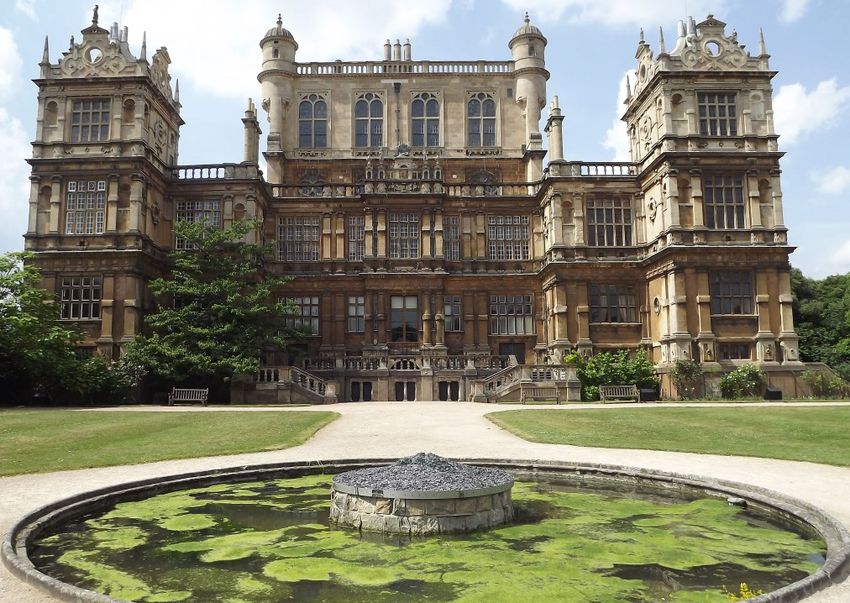
2
Contents
Timetable                        4        Subject: Geography          22
Reading Log                      5        Subject: History            24
Principal’s Reading 24th Feb     7        Subject: Spanish            26
Principal’s Reading 2nd March    8        Subject: ICT                28
Principal’s Reading 9th March    9        Subject: Product Design 1   30

Principal’s Reading 16th March   10       Subject: Product Design 2   32
Principal’s Reading 23rd March   11       Subject: Food Technology    34

Principal’s Reading 30th March   12       Subject: Art and Design     36
Power writing template           13       Subject: Music              38

Subject: English                 16       Subject: Drama              40
Subject: Maths                   18
Subject: Science                 20

                                      3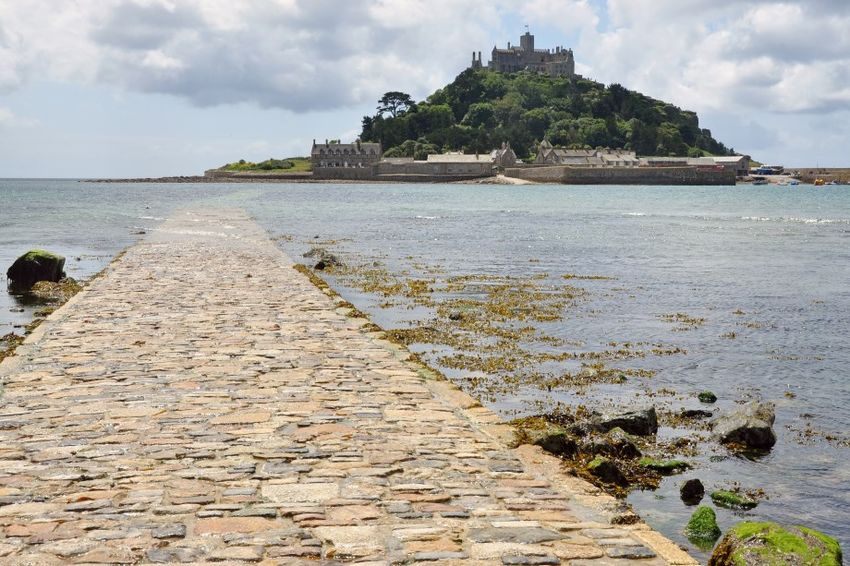
Timetable                                                             Belong to BBA
   Year 7             Monday                        Tuesday                           Wednesday                   Thursday                     Friday
                                              History or Geography                                                                     200 word challenge from
                         English                                                          Science                    Maths
                                           (whichever you have 2 lessons of)                                                           this week’s library lesson
 w/b 24th Feb
                                                                                                                                         Principal’s Reading
                          ICT                          Music                                D&T                     Spanish
                                                                                                                                           For next week

                                              History or Geography                                                                     200 word challenge from
                         English                                                          Science                    Maths
                                           (whichever you have 2 lessons of)                                                           this week’s library lesson
w/b 2nd March
                                                                                                                                         Principal’s Reading
                          ICT                          Drama                                D&T                     Spanish
                                                                                                                                           For next week

                                              History or Geography                                                                     200 word challenge from
                         English                                                          Science                    Maths
                                           (whichever you have 2 lessons of)                                                           this week’s library lesson
w/b 9th March
                                                                                                                                         Principal’s Reading
                          ICT                          Music                                D&T                     Spanish
                                                                                                                                           For next week
                                              History or Geography                                                                     200 word challenge from
                         English                                                          Science                    Maths
                                           (whichever you have 2 lessons of)                                                           this week’s library lesson
w/b 16th March
                                                                                                                                         Principal’s Reading
                          ICT                          Drama                                D&T                     Spanish
                                                                                                                                           For next week

                                              History or Geography                                                                     200 word challenge from
                         English                                                          Science                    Maths
                                           (whichever you have 2 lessons of)                                                           this week’s library lesson
w/b 23rd March
                                                                                                                                         Principal’s Reading
                          ICT                          Music                                D&T                     Spanish
                                                                                                                                           For next week

                                              History or Geography                                                                     200 word challenge from
                         English                                                          Science                    Maths
                                           (whichever you have 2 lessons of)                                                           this week’s library lesson
w/b 30th March
                                                                                                                                         Principal’s Reading
                          ICT                          Drama                                D&T                     Spanish
                                                                                                                                           For next week
                 20 mins reading of your    20 mins reading of your                20 mins reading of your   20 mins reading of your   20 mins reading of your
  ALL WEEKS            own book                   own book                               own book                  own book                  own book

                 (record on Reading Log)    (record on Reading Log)                (record on Reading Log)   (record on Reading Log)   (record on Reading Log)

                                                                               4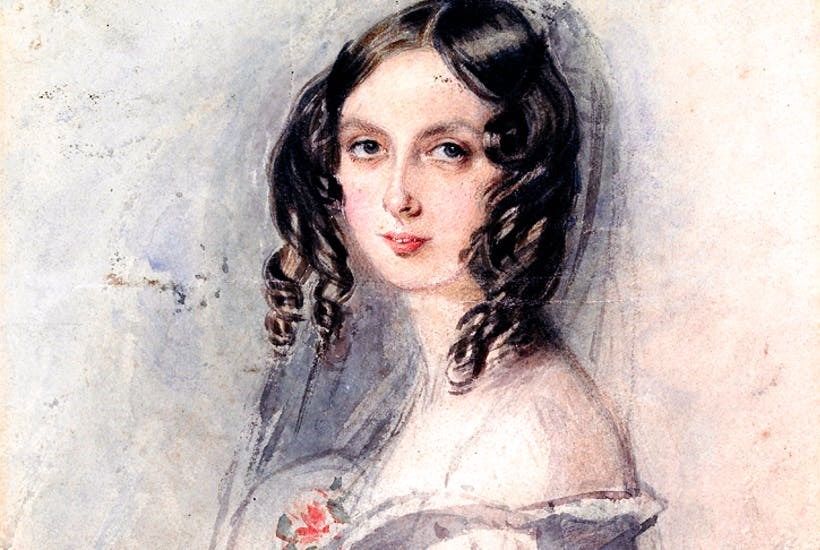
Reading Log                                               Belong to BBA
                         Monday                      Tuesday                Wednesday                       Thursday                    Friday
                 Read:                       Read:                       Read:                      Read:                       Read:
                 For: _________ minutes      For: _________ minutes      For: _________ minutes     For: _________ minutes      For: _________ minutes
 w/b 24th Feb
                 Signed:__________________   Signed:________________     Signed:________________    Signed:__________________   Signed:________________

                 Read:                       Read:                       Read:                      Read:                       Read:
                 For: _________ minutes      For: _________ minutes      For: _________ minutes     For: _________ minutes      For: _________ minutes
w/b 2nd March
                 Signed:__________________   Signed:________________     Signed:_________________   Signed:__________________   Signed:________________

                 Read:                       Read:                       Read:                      Read:                       Read:
                 For: _________ minutes      For: _________ minutes      For: _________ minutes     For: _________ minutes      For: _________ minutes
w/b 9th March
                 Signed:__________________   Signed:________________     Signed:_________________   Signed:__________________   Signed:________________

                 Read:                       Read:                       Read:                      Read:                       Read:
                 For: _________ minutes      For: _________ minutes      For: _________ minutes     For: _________ minutes      For: _________ minutes
w/b 16th March
                 Signed:__________________   Signed:________________     Signed:_________________   Signed:__________________   Signed:________________

                 Read:                       Read:                       Read:                      Read:                       Read:
                 For: _________ minutes      For: _________ minutes      For: _________ minutes     For: _________ minutes      For: _________ minutes
w/b 23rd March
                 Signed:__________________   Signed:_______________      Signed:________________    Signed:__________________   Signed:________________

                 Read:                       Read:                       Read:                      Read:                       Read:
                 For: _________ minutes      For: _________ minutes      For: _________ minutes     For: _________ minutes      For: _________ minutes
w/b 30th March
                 Signed:__________________   Signed:________________     Signed:_________________   Signed:__________________   Signed:________________

                                                                             5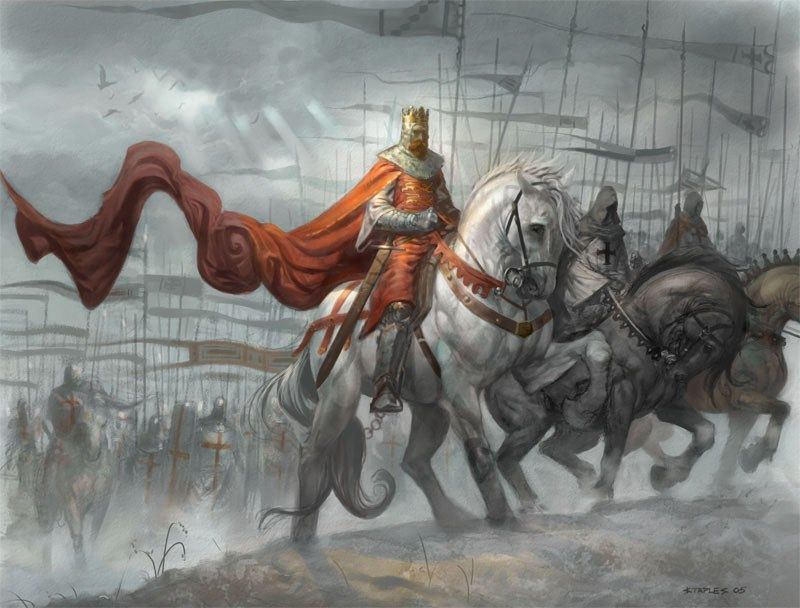
Principal’s Reading

         6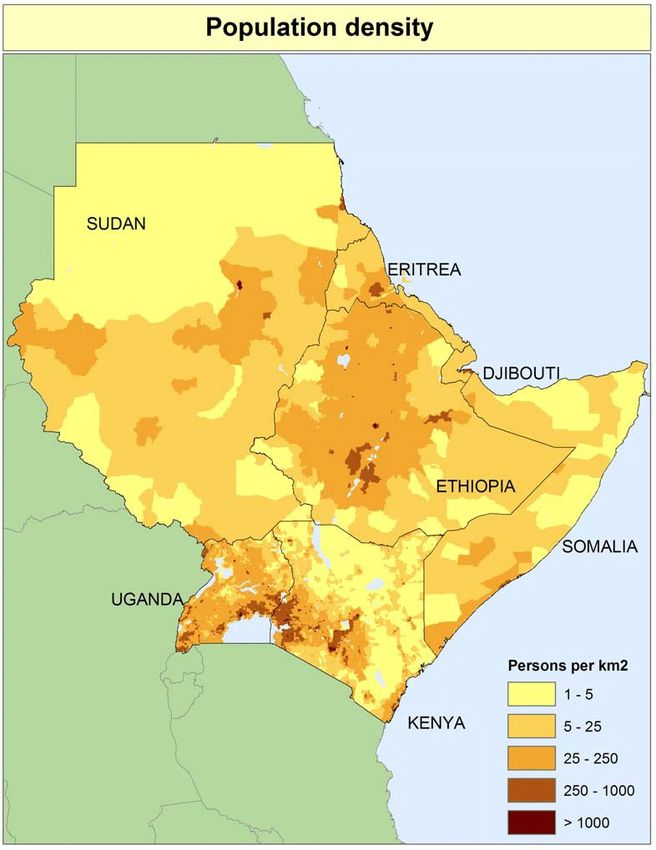
Principal’s Reading w/b 24th Feb                                                                                                    Belong to BBA

           Torvill and Dean, English figure skaters who revolutionized the         marks. After a generous financial sponsorship from the
           sport of ice dancing. At the 1984 Winter Olympics in Sarajevo,          Nottingham City Council allowed them to quit their regular jobs,
           Yugoslavia (now in Bosnia and Herzegovina), Jayne Torvill (b.           they won the first of four consecutive world championships in
           October 7, 1957, Nottingham, Nottinghamshire, England) and              1981.
           Christopher Dean (in full Christopher Colin Dean; b. July 27, 1958, Following their overwhelming victories at the Olympics and the
           Nottingham, Nottinghamshire, England) performed a free-dance subsequent 1984 World Championships, Torvill and Dean turned
           interpretation of Maurice Ravel’s Boléro that earned them a gold professional.
           medal and an unprecedented perfect score of 6.0 for artistic
           impression from all nine Olympic judges.

           Torvill and Dean were already accomplished figure skaters with
           other partners when they first joined forces in 1975—Torvill was
           the British junior pairs champion, Dean the British junior ice
           dance champion. They built their partnership into a formidable
           dance team while working full-time, Torvill as an insurance clerk
           and Dean as a Nottingham police constable. They became British
           national champions in 1978 and received their first 6.0 for
           artistry—over their career they accumulated a total of 136 such

                                                                               7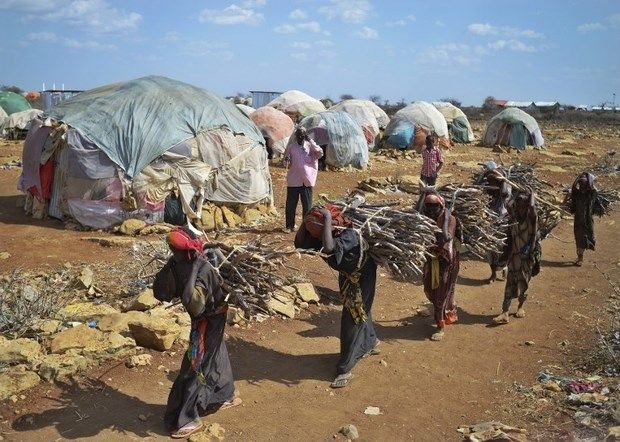
Principal’s Reading w/b 2nd March                                                                                                  Belong to BBA

         The MRI Scanner                                                     have changed the world. In pioneering MRI, that is exactly what
         Sir Peter made the famous breakthrough at the University of         Sir Peter Mansfield has done, he has changed our world for the
         Nottingham in 1977, which led to MRI, or Magnetic Resonance         better.’’
         Imaging, being used in hospitals all over the world.                “As a scientific leader and a highly prized colleague, he has left
         Sir Peter won a Nobel Prize in 2003 for his contribution to         an extraordinary legacy which will continue to inspire others to
         physiology and medicine and had a tram named after him in           change the world.”
         2015.
         He was born in London in 1933 and moved to Nottingham to
         become a lecturer at the department of physics at the University
         of Nottingham in 1964.
         In 1968, Sir Peter was appointed senior lecturer and it was
         during this time he and his colleagues were credited with the
         invention of the MRI scanner.
         Expert quotes
         “Nottingham showed its pride and respect for Sir Peter by
         making him an Honorary Freeman of the city, which not only
         recognised his contribution to the world but also the inspiration
         he has provided to Nottingham people.”
         “Few people can look back on a career and conclude that they

                                                                             8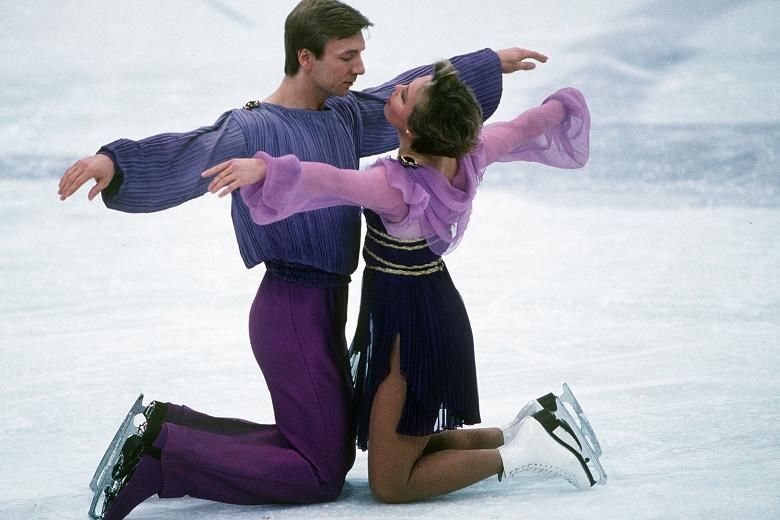
Principal’s Reading w/b 9th March                                                                                               Belong to BBA

                The Willoughby family can trace its descent back to        parkland has a herd of deer, and is regularly used for
                Ralph Bugge, a Nottingham merchant, who bought lands       large-scale outdoor events such as rock concerts,
                in Willoughby-on-the-Wolds, Nottinghamshire, in the        sporting events and festivals.
                thirteenth century.                                        Wollaton is a classic prodigy house, "the architectural
                The Willoughbys acquired various other properties          sensation of its age", though its builder was not a
                through marriage and purchase, chief among which           leading courtier and its construction stretched the
                were the Wollaton and Cossall estates in                   resources he mainly obtained from coal-mining; the
                Nottinghamshire, in the fourteenth century, and the        original family home was at the bottom of the hill.
                Middleton estate in Warwickshire, in the fifteenth         * Prodigy= noble palaces of an awesome scale, proud,
                century.                                                   ambitious heaps
                Sir Francis Willoughby (d 1596) completed the building
                of Wollaton Hall in 1588. Sir Francis had no sons, and
                the greater part of the estate passed to his son-in-law
                Sir Percival Willoughby of Bore Place, Kent (d 1643),
                husband of Sir Francis's eldest daughter Bridget, and a
                descendent of the Willoughby de Eresby family. From
                then on, the estate has passed in unbroken male
                succession to the present day.
                Wollaton Hall is an Elizabethan country house of the
                1580s standing on a small but prominent hill in Wollaton
                Park, Nottingham, England. The house is now
                Nottingham Natural History Museum, with Nottingham
                Industrial Museum in the outbuildings. The surrounding

                                                                           9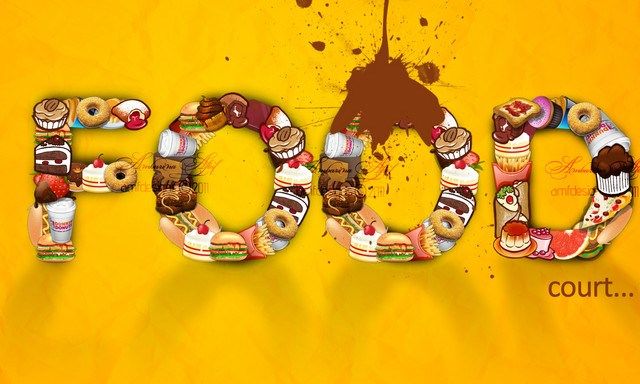
Principal’s Reading w/b 16th March                                                                                                       Belong to BBA

       Goose Fair is one of Europe’s largest travelling fairs with a history         The fair was originally held in September on St Matthew’s Day, but
       that dates back more than 700 years. Experience the array of Roller           moved to early October in 1752.
       Coasters, Water Rides, Giant Wheel, Bombers, Dodgems, Twists,                 Goose Fair has not run continuously, as it was cancelled because of
       Waltzers and Miamis familiar to Goose Fair; alongside the traditional         the plague in 1646 and again during the two World Wars in the last
       funfair attractions Gallopers, Chairs and Cakewalk rides.                     century.
       One of the longest-running fairs in history has its home right here in        In the 19th century, the fair was shortened from eight days to three
       Nottingham. Indeed Goose Fair goes back so far that no one knows
                                                                                     days, but after the turn of the century it was increased again to four
       for sure exactly how it got its name.                                         days.
       Most historians agree the fair probably started just after 1284 when          It was moved from its site at the centre of the town in Market
       the Charter of King Edward I referred to city fairs in Nottingham.            Square to its current location at Forest Recreation Ground in the
       The name probably came from the hundreds of geese which were                  1920s.
       driven from Lincolnshire to be sold in Nottingham. A fat roast goose
       was a traditional Michaelmas treat.

                                                                                10
Principal’s Reading w/b 27th March Belong to BBA
The History of Nottingham’s Lace Market peak in the 1890s. Lace declined as technology changed and the working
population fell below 5,000 in the 1970s with many of the factories
Once the heart of the world's lace industry during the days of the British
becoming derelict and the area falling into decline. The Lace Market has
Empire, it is full of impressive examples of 19th century industrial
undergone a renaissance and become a flagship for the city's post industrial
architecture and thus is a protected heritage area. It was never a market in
regeneration.
the sense of having stalls, but there were salesrooms and warehouses for
storing, displaying and selling the lace. Most of the area is typical Victorian,
with densely packed 4-7 story red brick building lined streets. Iron railings,
old gas lamps and red phone boxes a plenty also help give the through
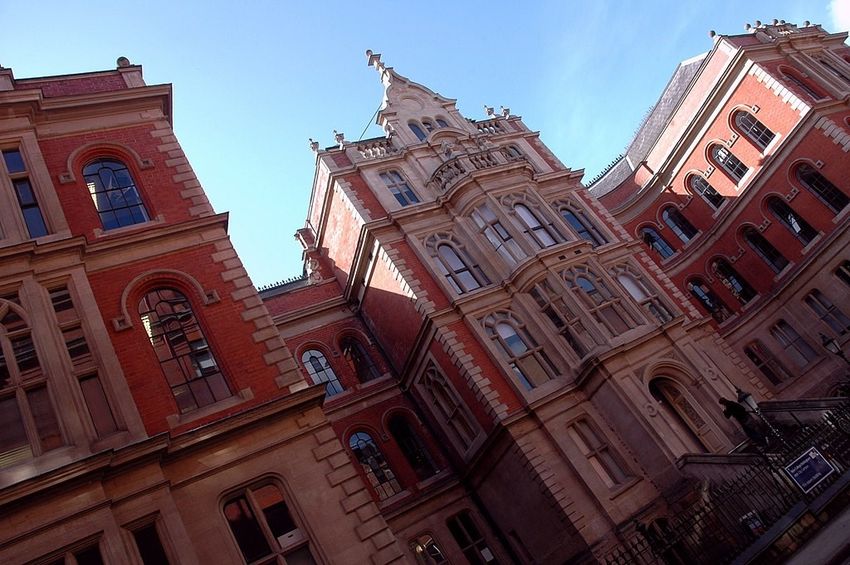
walker a sense of going back in time to Victorian England. The Adams
Building (now part of the City campus of New College Nottingham) was
designed by Thomas Chambers Hine and was built for Thomas Adams, a
notable Quaker who did much to improve the typical Victorian working
conditions in his factories.
There are some non Victorian parts to the area as well though, such as High
Pavement which is a handsome Georgian street and home to the Galleries of
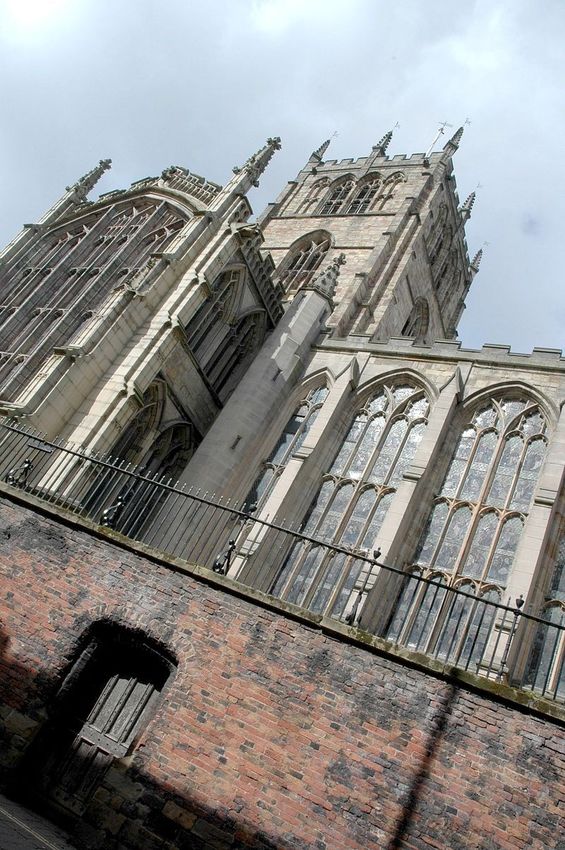
Justice and St Mary's Church.
The area is sited on the area of the original Saxon settlement that became
Nottingham, and also boasts the oldest Christian Foundation in the city,
predating the Norman conquest. St. Mary's Church, on High Pavement is
believed to be the third church to have stood there but was itself completed
in 1474 and is an excellent example of early English Perpendicular
architecture.
Every large British city has been affected by the decline of traditional
industries. Once the principal engine of Nottingham's growth, the lace
market powered a hosiery industry with 25,000 mostly female workers at its
11Principal’s Reading w/b 30th March Belong to BBA
Newstead Abbey– The Ancestral Home of Lord Byron Great Hall and the Great Dining Room, had been cleared out and
A beautiful historic house set in a glorious landscape of gardens and abandoned since before Byron was born. Lacking the means to restore
parkland within the heart of Nottinghamshire. Founded as a monastic them to their former glory, the poet used them for sporting activities.
house in the late 12th century, Newstead was home to the poet Lord There he and his university friends practised fencing, boxing and pistol
Byron between 1808 - 1814. Inside the Abbey there is much to explore shooting. From his student rooms at Trinity College he brought his gilded
including Victorian room settings, and the poets private apartments. bed and a tame bear.
The gardens and parkland at Newstead Abbey cover more than 300 acres
with paths that meander past lakes, ponds and waterfalls. The formal
gardens are the perfect place to relax and offer something in all seasons
from the bright colours of the rhododendrons in late spring to the
Japanese maples in autumn.
Newstead had been the Byron family home since 1540 when Sir John
Byron acquired it from Henry VIII. When the poet inherited the mansion it
was empty and partly ruinous. The gardens were a wilderness. Financial
difficulties had forced his great-uncle to sell off the contents of the house -
even the fireplaces were auctioned off. Byron's legacy did not include any
money to repair or furnish the dilapidated Abbey. He could not afford
even the minor repairs which he ordered to be carried out soon after he
moved in. For economy's sake, he re-decorated and furnished only some
of the smaller rooms and was obliged to leave the rest semi-derelict.
During his brief residence at Newstead Byron established an eccentric
household well-suited to his bachelor days. The two largest rooms, the
12200 Word Challenges Belong to BBA
Plan your response to take the thinking out of the writing process.
This will allow you to focus on how well you are writing, rather
than what you are writing.
Power 1—your main idea
Power 2—3 supporting ideas
Power 3—details for each supporting idea
Power Plus—interesting vocabulary, devices,
Power 1
Power 2 Power 2 Power 2
Power 3 Power 3 Power 3
Power Plus
1314
Knowledge Organiser
     Subjects

        15
Subject: English Topic: Introduction to Gothic literature Year: 7 Term: Spring 2 Belong to BBA
Section 1: Key Vocabulary Section 3: Possible exam/CAF-style questions
Section 2: Key Fact/Methods/Processes/
Tier 3 vocabulary Definition
In literature, the attribution of
human feelings and characteris-
Typical genre features:
Pathetic Fallacy
tics to inanimate things ( Ex: the 1. Death and darkness
angry sea, a stubborn door)
Using human characteristics to 2. Supernatural (magic, ghosts, monsters, curses)
Personification describe things (Ex: the trees
3. Focus on body parts
sighed)
A feeling of worry or anxiety 4. Depiction of madness and hyperbolic (exaggerated)
Tension which makes it difficult for you to emotion.
relax
5. Mystery, terror and suspense
The atmosphere of a place is the This is an image of a causeway. A causeway is a raised
Atmosphere general impression you get of it. path which crosses water or land when the tide is out;
Archetypal characters: when the tide is in the path cannot be used.
The main character or people in a
Protagonist novel. 1. Characters with high social status e.g. princes, counts
_______________________________________________
A person who competes with the 2. Female victims threatened by a powerful male Extract from ‘Rebecca’ by Daphne Du Maurier describing a
Antagonist main character, often known as dream about the place where the narrator used to live:
3. Threatening women who are monsters or vampires
the ‘villain’ of a text.
A particular setting is a place or 4. Powerful, tyrannical male figures
Setting type of surroundings where The drive was a ribbon now, a thread of its former self,
something is or takes place. 5. Villains, vampires, ghosts, werewolves with gravel surface gone, and choked with grass and
Tier 2 vocabulary Definition
moss. The trees had thrown out low branches, making
an impediment to progress; the gnarled roots looked
Eerie Strange and frightening. like skeleton claws. Scattered here and again amongst
Typical settings:
this jungle growth I would recognize shrubs that had
Uncanny Strange and difficult to explain 1. Wild landscapes been landmarks in our time, things of culture and
Vulnerable Weak and without protection grace, hydrangeas whose blue heads had been famous.
2. Medieval style castles, churches or abbeys
No hand had checked their progress, and they had
Unreliable Cannot be trusted gone native now, rearing to monster height without a
3. Gloomy, decayed and ruined environments
bloom, black and ugly as the nameless parasites that
Isolated A long wat away from large towns 4. Remote, uninhabited places (older gothic) or monsters grew beside them.
intermingling in everyday life (newer gothic)
Supernatural Things that can’t be explained
according to natural science 5. Volatile and threatening weather (symbolism)
16Year 7 English
Dual coding: create a symbol to help you remember what each of the words from the Tier 3 vocabulary means. For
w/b 24th February example: for ‘pathetic fallacy’ you might draw a rain cloud or thunder. The best symbols might get chosen to be used in
lessons!
Pick five words form the Tier 2 vocabulary and come up with five synonyms for each word to create an inference bank. You
might need to use a thesaurus!
w/b 2nd March
Help: a synonym is a word that means a similar thing but is different to your original word, for example: ‘sad’ and
‘miserable’ ‘melancholy’ etc.
Have a look at the ‘Archetypal Characters’ list in Section 2: pick one of the characters you’ve learnt about in lesson, write an
w/b 9th March
explanation describing which one (from the archetypal character list) you think that character might be and explain why.
Have a look at the ‘Typical Settings’ list in Section 2: pick one that interests you, plan what it might look like, and what
w/b 16th March you might hear, see, smell and feel if you were stood there now. Write a 150 word description of this place using sensory
language.
w/b 23rd March Using the image in Section 3: Write 100 words explaining why ‘a causeway’ would be a perfect Gothic setting.
Read the extract from ‘Rebecca’ in Section 3, pick three quotes from this extract which you think make this setting sound
w/b 30th March
Gothic, highlight them. Then write them out in your homework book and explode them—really zoom in on single words!
17Subject: Maths Topic: Coordinate Geometry Year: 7 Term: Spring 2 Belong to BBA
Section 1: Key Vocabulary Section 3: Possible exam/CAF-style ques-
Section 2: Key Fact/Methods/Processes/
Tier 3 vocabulary Definition tions
How would you draw the Coordinates are in the form (x,y) Q1. Reflect the shape in the mirror line given
Axis The name for the grid we draw
graphs on. line with the equation y=1?
Therefore, to draw the line y=1,
Origin The centre of a graph. It has the all the y-coordinates must be 1.
coordinate (0,0)
Plotting and connecting the
Coordinate The position on a graph measured
points (3,1) (5,1) and (-2,1)
from the origin.
would create the line y=1
x-coordinate The horizontal distance from the
origin
y-coordinate The vertical distance from the How would you draw the
origin line with equation x=2?
Reflection A mirror image of an object when Q2. Find the centre of enlargement, and state the
reflected in a line or a plane. scale factor of the enlargement below
Rotation The image created when a shape
is turned around a known point.
Translation The image created when a shape
is moved to a new position.
What information do 1. The centre of rotation
Enlargement Making an object bigger or
you need to rotate a
smaller by using a scale factor 2. The angle of rotation
shape?
Scale Factor The number you have to multiply 3. The direction of
by when enlarging a shape
Translation Vector A vector that says how far to rotation
move an object in a horizontal or Q3. Rotate the shape 90o anticlockwise about point P
What information do A mirror line
vertical direction
Tier 2 vocabulary Definition you need to reflect a
shape?
Centre The middle point.
Clockwise To turn in the same direction as a What information do A translation vector
clock. you need to translate a
Anticlockwise To turn in the opposite direction shape?
to a clock.
What information do A centre of enlargement
Horizontal line A line parallel to the horizon
you need to enlarge a
Vertical line A line perpendicular to the A scale factor
shape?
horizon
18Year 7 Maths
Section 1: Write five of the words into full sentences. Use the words in a mathematical context, e.g. The origin can be
w/b 24th February defined as….
Hegarty Maths Video Numbers: Getting Started: 199
Section 2: Write instructions to explain to somebody how you would draw the line x=4
w/b 2nd March
Hegarty Maths Video Numbers: Getting Started: 821
Section 3: Complete Question 1 from Section 3
w/b 9th March
Hegarty Maths Video Numbers: Getting Started: 639 Unsure: 640 & 641 Confident: 641 & 652
Section 1: Write five of the words into full sentences. Use the words in a mathematical context, e.g. A reflection is….
w/b 16th March (You should use different words to the words you chose in week 1)
Hegarty Maths Video Numbers: Getting Started: 637 Unsure: 638 Confident: 650
Section 2: Write instructions to somebody to explain how to translate a shape
w/b 23rd March Write instructions to someone to explain how to enlarge a shape
Hegarty Maths Video Numbers: Getting Started: 642 & 643 Unsure: 643 & 644 Confident: 643, 644 & 651 (Challenge)
Section 3: Complete Questions 2 & 3 from section 3
w/b 30th March
Hegarty Maths Video Numbers: Getting Started: 648 Unsure: 649 & 653 Confident: 649 & 654
19Subject: Science Topic: Energy & Electrical circuits Year: 7 Term: Spring 2 Belong to BBA
Section 1: Key Vocabulary Section 2: Key Fact/Methods/Processes/Questions Section 3: Possible exam/CAF-style
Tier 3 vocabulary Definition questions
1. Name five energy 1. Thermal, nuclear, kinetic, elastic,
Gravitational Energy in a gravitational store is
stores. electrostatic.
associated with an object being lifted
store above the Earth.
Energy in a thermal store is 2. Describe the Law of 2. Energy cannot be created nor
Thermal store associated with a temperature change. Conservation of Energy. destroyed. It can only be moved
from one store to another.
Energy in a kinetic store is
Kinetic store associated with a moving object.
3. Describe some of the 3. Mechanically, electrically,
Energy in a nuclear store is
ways energy can be heating by particles, heating by
Nuclear store associated with the fission or fusion of a
nucleus. transferred. radiation.
Energy The potential to do work. 4. Name three fossil fuels. 4. Coal, oil, gas.
Dissipation (of The transfer of energy to stores that are
not useful.
energy)
5. Name three renewable 5. Wind power, solar power, tidal
Energy in chemical stores comes from
the bonds of chemical
energy sources. power, hydroelectric power,
Chemical store geothermal power.
compounds.
Energy associated with the changing of 6. What is the difference 6. Coal was formed from dead
Elastic store shape (deformation) of an object.
between coal, crude oil plants. Crude oil and gas were
and gas? formed from dead plants and
Energy associated with the
Magnetic store separation of the poles magnet. animals that once lived in the sea.
7. What energy stores may 7. Kinetic store
Energy associated with the separation of
Electrostatic store charges.
have energy in them when Thermal store
describing a moving car? Chemical store
Energy from a source that is not
Renewable depleted when used, such as wind or
energy solar power. 8. How is energy 8. Energy is transferred via
Energy from a resource that does renew transferred to the Earth radiation.
Non-renewable itself quick enough and will eventually from the Sun
energy run out.
9. Where do people get 9. People get their energy from the
Tier 2 vocabulary Definition their energy from? foods that they eat.
Deplete To use up (past tense depleted).
Transfer Moving from place to place. 10. What are the 10. Wind—only works when it’s
disadvantages of using windy, unsightly.
Fuels that were formed
underground from living organisms over
wind power, and solar Solar—only works in the day/when
Fossil fuel power? its sunny, expensive to produce.
millions of years.
20Year 7 Science
Read, cover, write and check Section 1 Vocabulary for Energy.
w/b 24th February
w/b 2nd March Complete Educake Assignment 1
w/b 9th March Complete Educake Assignment 2
w/b 16th March Complete Educake Assignment 3
w/b 23rd March Complete Educake Assignment 4
Extra practise! Read, cover, write and check Section 1 Vocabulary for Energy. Answer
w/b 30th March
the assessment style questions 1 and 2, found in Section 3.
21Subject: Geography Topic: Africa Year: 7 Term: Spring 2 Belong to BBA
Section 1: Key Vocabulary Section 3: Possible exam/CAF-style questions
Section 2a: Key Fact Questions
Tier 3 vocabulary Definition
Figure 1
1. What is the largest city in Africa?
Drought A longer than normal period of
low rainfall.
Famine An extreme shortage of food, 2. How many people make up a megacity?
often caused by a drought.
Nomads People who rear animals, and
3. Which four countries make up the Horn of Africa?
travel with them to find grazing.
Sparsely populated An area which has a low
population, often in rural 4. What are the capital cities in the Horn of Africa?
locations.
1. Use ’this means that’ to explain two challenges
Densely populated An area which has a high
5. What is the total population of the Horn of Africa? (problems) of living in the Horn of Africa. Write at least 1
population, often in urban
paragraph.
locations.
Developing A country with low human 6. What is the average temperature in the Horn of Africa?
Figure 2
countries development, e.g. Somalia.
Rural to urban The movement from rural areas
7. Which ocean do you find to the east of the Horn of Africa?
migration to urban areas
Tier 2 vocabulary Definition
8. Where is Lake Naivasha located?
Migration The movement of people.
Rural Geographical term for the
9. What is flower farming?
countryside
Urban Geographical term for towns/
cities 10. What is fair trade?
Stakeholders A person or a group of people
who have a particular interest in
Section 2b: Thinking Questions
something, e.g.
environmentalists. Write a paragraph to explain the social and economic challenges
Tropics A region of the earth surrounding (problems) caused by a drought.
the equator. 2. Using the map (figure 2) describe the population
Population The amount of people in one Write a paragraph to explain the positives and negatives of flower density in Horn of Arica. Write at least 1 paragraph. Hint:
farming in Kenya. use TEA.
area.
22Year 7 Geography
Put at least 7 of the Tier 2 and 3 words into a full geographical
w/b 24th February
sentence, e.g. Lagos is a densely populated city.
Answer the question based on figure 1 (in section3). Write at least one
w/b 2nd March
paragraph.
Use the self assessment template to mark your own work (from week
w/b 9th March
2) and improve it.
Answer the question based on figure 2 (in section3). Write at least one
w/b 16th March
paragraph.
Answer the questions in section 2a – simple, short, one or two word
w/b 23rd March
answers is all you need.
Full paragraph answers to the questions in 2b. Explain your answers
w/b 30th March
using chains of reasoning's.
23Subject: History Topic: Islamic Communities in the Middle Ages Year: 7 Term: Spring 2
Belong to BBA
Section 1: Key Vocabulary Section 2: Key Fact/Methods/Processes/ Section 3: Possible exam/CAF-style questions
Tier 3 vocabulary Definition Questions
1. In which city was Muhammad born?
Buboes Huge boils that developed in the
armpits, neck and groin due to
2. What was the name for a large weapon that was similar to a sling
Source A - A modern painting of
the bubonic plague
shot? King Richard I on Crusade.
Bubonic plague A plague spread by the pus from 3. By 711 how far had the ‘Islamic Empire’ reached?
buboes or by rodents carrying
the plague bacteria. This source supports Richard I. How
4. Who paid to construct Baghdad in the middle ages?
do you know?
Byzantine Empire A Christian Empire that dominat-
ed Eastern Europe from 395- 5. What building was in the centre of Baghdad in the middle ages?
Write a paragraph that explains your
1453 answer. Make sure you use details
Sasanians People from the Sasanian Em-
6. Which city was captured in the first crusade in the year 1099? from the source in your answer.
pire—224 to 651 AD. This was
around modern day Iran 7. What was the name of the most famous Muslim leader during
the Crusades?
Caliph The title given to the ruler of all
8. What nickname was given to King Richard I of England?
Muslim people in the middle
ages.
The Crusades There were many of these in the 9. What nickname was given to Saladin?
middle ages. These were Chris-
tian armies sent from Europe to 10. The Songhai Empire was in which part of the world?
fight for holy lands such as Jeru-
salem.
Tier 2 vocabulary Definition Section 2b: Chains of reasoning questions
Revolt To try to overthrow the leaders
Questions:
Arabic An ancient language spoken by
people in parts of North Africa
1. ‘The main reason the Black Death spread so far was because of
and the Middle-East
the dirty conditions people lived in.’ Write a paragraph explaining
Pilgrims People who go on a pilgrimage— whether you agree or disagree with this statement.
a journey to a holy site.
Empire A large area made up of many 2. Describe two features of Mecca in the 6th Century (the 500s).
countries but controlled by just
one.
24Year 7 History
SECTION 1— Put at least five of the words from Tier 3 vocabulary into full sentences—a separate
w/b 24th February sentence for each word . Use the word in a historical context e.g. Buboes were very painful
because…
SECTION 2b— Write full a paragraph answer to question 1 in section 2b. Explain your answers
w/b 2nd March
using historical words such as causes, consequences, significant.
Use the PEEL Marking Checklist to mark your own work (from week 2) and improve it. Like a ‘green
w/b 9th March pen’ task in lesson.
SECTION 2b— Write a full paragraph answer to question 2 in section 2b. Describe your answer in
w/b 16th March
as much detail as you can.
w/b 23rd March SECTION 3 - Answer the question based on source A.
SECTION 2a—Answer the questions in this section – simple, short, one or two word answers is all
w/b 30th March
you need.
25Subject: Spanish Topic: My Family and Friends Year: 7 Term: Spring 2
Belong to BBA
Section 1: Key Vocabulary Section 2: Key Facts Section 3: CAF Style Questions
En mi familia hay... In my family there is/there Questions: Answers: 1. Read the texts and write the correct initial for
are... each sentence.
¿De qué color tienes los Tengo los ojos… (I have...eyes)
Mis padres My parents
ojos? azules (blue) Me llamo Jorge. Vivo en un piso muy pequeño, pero
Mi madre My mum grises (grey) bonito, en el centro de una ciudad del desierto en
What colour are your marrones (brown) España. Me encanta donde vivo porque es divertido.
Mi padre My dad eyes? verdes (green) Soy bajo y con el pelo corto.
Llevo gafas (I wear glasses)
Mi abuelo My grandad
Me llamo Elena y tengo trece años. Vivo al sur de Cu-
Mi abuela My grandma ¿Cómo tienes el pelo? Tengo el pelo… (I have...hair) ba, en Santiago de Cuba, en un piso grande. Me gusta
castaño (brown) porque está en la costa. Es genial. Mi mejor amigo es
Mi bisabuela My great-grandma What’s your hair like? rubio (blond) muy bajo y tiene pecas.
negro (black)
Mi tío My uncle
liso (straight) Me llamo Dani y vivo en una casa grande en un pueb-
Mi tía My aunty rizado (curly) lo de Chile, en el desierto de Atacama. Mi madre es
largo (long) pelirroja y tiene pecas, pero yo tengo el pelo negro
Mis primos My cousins corto (short) como mi padre.
Soy pelirrojo/a (I’m a redhead)
Mis amigos My friends Soy calvo (I’m bald)
Example: I live in a large house. D
Una casa A house 1 I live in a very small flat.
¿Cómo es? Es (he / she is…)
2 I live in the south of my country.
alto/a (tall)
Un piso A flat What is he / she like? bajo/a (short)
3 I live in a village in the desert.
delgado/a (slim) 4 I do not look like my mother.
antiguo/a old 5 My best friend is very short.
gordo/a (fat)
bonito/a nice joven (young) 6 Living in the desert is fun. [6 marks]
viejo/a (old)
cómodo/a comfortable Tiene pecas (he/she has freckles) 2. Translate the following text into English
Tiene barba (he has a beard)
grande big Vivo en un pueblo que se llama Alaior, en Menorca.
¿Dónde está? Está en… (it is in…) Mi pueblo es bastante grande y está en el campo. Me
pequeño/a small el campo (the country- gusta mucho porque es bonito. Vivo en una casa
Where is it? side) cómoda y moderna, pero no es grande. Tengo un her-
El norte The north
la costa (the coast)
mano y una hermana y vivimos con mis abuelos. Mi
El sur The south una ciudad (a town)
hermano se llama Eduardo y mi hermana se llama
el desierto (the desert)
Mercedes. Mis abuelos se llaman Ángel y Dolores. Mi
El este The east la montaña (the mountain)
un pueblo (a village) abuelo es alto y delgado y tiene barba. Mi abuela
El oeste The west tiene el pelo rubio.
26Year 7 Spanish
Learn the Spanish spellings and the English meanings of the first 11 words in Section 1 (En mi familia hay - in my family
w/b 24th February
there is/are to mis amigos - my friends) for a vocab check in your next lesson.
Write a small paragraph in Spanish describing your eyes and hair and describing at least two of your family members’ eyes
w/b 2nd March
and hair. Use boxes 1 and 2 in Section 2.
Write 5 sentences in Spanish describing your family members’ or your friends’ physical description e.g. he is tall - es alto.
w/b 9th March
Use box 3 in Section 2 to help you.
Learn the Spanish spellings and the English meanings of the last 11 words in Section 1 (una casa - a house to el oeste - the
w/b 16th March
west) for a vocab check in your next lesson.
w/b 23rd March Complete task 1 in Section 3. Read the texts and write the correct initial for each sentence.
w/b 30th March Complete task 2 in Section 3. Translate the text into English.
27Subject: Computer Science Topic: Computational Thinking Year: 7 Term: Spring 2 Belong to BBA
Section 1: Key Vocabulary Section 2: Key Facts Section 3
Tier 3 Questions: Answers: 1. What is the data type for each of the
Definition
Vocabulary What is a string? A string is a type of variable that hold data values made following?
up of ordered sequences of characters.
Computational thinking is a set of methods that can be used to solve What is the difference 6 is an integer, "2" is a single character stored as a string
Computatio problems either in programs or in real life. It includes abstraction, A) 7 B)7.0 C)”7”
between the data because it has quotation marks around it.
nal Thinking decomposition, pattern recognition and designing algorithms values 6 and "2"? 2. What is an algorithm?
What can the arithmetic Add, subtract, multiply, divide, integer division (DIV—
Removing the parts of a problem you don’t need so that only the parts
operations do? find the number of ) and modulus (MOD—find the
Abstraction you do need to solve the problem are left, making the problem remainder of a division).
simpler.
Data types 3. Give an example of an algorithm
A computer science problem solving tool. This involves breaking down
Decomposi used by humans.
a complex problem or system into smaller parts that are more Data type Description Sample data
tion manageable and easier to understand.
INTEGER Stores positive or negative whole numbers 17
Looking for patterns in data or in a problem can give an easy way to
Pattern solve or represent the problem in another way, e.g. developing a Stores numbers that contain decimal places/
REAL values and can also store integers 17.65 4. Give an example of an algorithm
Recognition formula for woking out the fuel costs for running a car for a year.
CHARACTER
Stores a single character which can be a letter,
$ used by a machine.
Programmi Algorithms are designed using common building blocks known as number or symbol
ng programming constructs. These are sequence, selection and iteration.
Stores alphanumeric combinations and text.
constructs String is a group of characters stored together as
The order that steps are carried out in an algorithm. This allows us to STRING one. Numbers to be used for calculations should Bitesize
Sequence not be stored as string data even though they can 5. What is a variable?
carry out tasks that have multiple steps. be.
A decision within a computer program when the IF x> 3:
Stores True or False only. This is sometimes
program decides to move on based on the results Output “Yes” BOOLEAN taught as 1 or 0 only where 1 is true and 0 false True
Selection of an event. This uses IF statements ELSE: 6. What datatype would you use to
Output “No” Flowchart symbols
Where a program will execute a group of instructions zero or more
store a phone number?
times. There are 2 types of iteration.
FOR loops perform the commands in the loop a set number of times,
Iteration
FOR x in range 1 to 10 will perform the loop 10 times. 7. Find an example of abstraction in
WHILE loops are repeated until a specific criteria is met, WHILE x > 5
real life and explain it
will stop when the variable x becomes 5 or lower.
Tier 2
Vocabular Definition
y 8. Give an example for each data type
A set of steps to solve a problem. Can be in a computer as a program
Algorithm or in real life such as a recipe or instructions to complete a task.
in the table in column 2.
A space in memory used to hold a value that can change while a
Variable program is running.
A description of the type of data being stored in a variable. A variable 9. Draw a flowchart for deciding
Data Type can be stored as a string, integer, float or boolean
whether you need to take a coat with
A flow chart is a graphical or symbolic representation of an
algorithm. Each step in the process is represented by a different you. Label where you have used the
Flowchart
symbol and contains a short description of the process step. programming constructs.
Syntax Following the grammar rules of a programming language
Debugging Finding and fixing mistakes in programs
28Year 7 Computer Science Spring 2 Computational Thinking
w/b 24th February Read cover write ten of the keywords and definitions from column 1
w/b 2nd March Answer questions 1—5 from column 3
w/b 9th March Answer questions 6—9 from column 3
w/b 16th March Write an algorithm for making your favourite snack in as much detail as possible.
Draw a flowchart for your favourite snack algorithm. Make sure you include getting the cutlery and kitchen utensils you
w/b 23rd March
need!
Use a full page of your homework book to create a mindmap of the topic, including sketches, keywords and definitions,
w/b 30th March tasks you did and examples to help you remember each part of the topic. Use colour and jokes to make it as memorable as
possible.
29Subject: Product Design 1 Year: 7 Term: Spring 2 Belong to BBA
Section 1: Key Vocabulary Section 2: Key Fact/Methods/Processes/Questions Section 3: Possible exam/CAF-style questions
1. What is typography?
Tier 3 Vocabulary Definition
Two-dimensional An object that is flat so that it has Study the Creative Typography below. Look how the
width and height but no thickness designer has used lots of little junk foods to make up 2. What happens to an object as it moves farther into the
Three-dimensional A solid rather than a flat object each of the letters of the word FOOD. distance?
The other examples have taken the subject of the
Perspective The art of representing three-
word and used imagery to represent them. 3. How does an object appear when it’s moving closer to
dimensional objects on a two-
you?
dimensional surface.
Illusion Something that is false or not real
but seems to be true or real. 4. What does perspective create?
Horizon The viewers eye line.
Vanishing point A point on the horizon into which 5. What is illusion?
all objects vanish.
Converging Lines Lines that meet at the vanishing
Typography The style, arrangement, or 6. How do you create two point perspective in a drawing?
Task: Create your name in creative typography.
appearance of printed letters on a Think about using images which best represent you.
page
Tier 2 Vocabulary Definition 7. What does orthographic drawing usually consist of?
Distance The length and space of two points.
Surface The surface of something is the flat
8. Explain the technique of sketching.
top part of it or the outside of it
Height The measurement of someone or
something from head to foot or
from base to top.
Width The measurement or extent of 9. When drawing an object what is tone?
something from side to side; the
lesser of two or the least of three
Depth The distance from the top or 10. What is form?
surface to the bottom of
something.
Object A material thing that can be seen
and touched.
30Year 7 Product Design 1
What happens to an object as it moves farther into the distance?
Week 1
How does an object appear when it’s moving closer to you?
Week 2 What is illusion?
Week 3 How do you create one-point perspective?
Week 4 Can you explain what a mood board is and what designers use them for?
A client has asked you to design a birthday card for a 9 year old. Can you list two requirements for the birthday card?
Week 5
An example. The birthday card must contain images appropriate for a 9 year old.
Why is it important to consider the needs of a client/ end user while designing a product? Give two reasons and justify your
Week 6
answer
Week 7 Explain what is meant by the term design brief?
How do you create two point perspective?
Week 8
What is a quick method of producing an illustration, using a pencil or a pen?
Week 9 What are the names of three different pop-up mechanisms and give examples of when they would be used
31Subject: Product design 2 Year: 7 Term: Spring 2 Belong to BBA
Section 1: Key Vocabulary Section 2: Key Fact/Methods/Processes/ Section 3: Possible exam/CAF-style questions
Vocabulary Definition Questions Give two health and safety rules to follow when using the
Aesthetics The study of the shape or form of everyday products as Task: Copy out the diagrams and discuss how you tenon saw and give reasons for your answer.
in “That product is aesthetically pleasing” have used the try square during your DT lessons. ______________________________________________
Analysis Looking in detail at the design problem, what the
______________________________________________
problem involves, what needs to be looked at
______________________________________________
(researched), and who needs to be consulted for advice.
Client A person whom the designer is making the product for, ______________________________________________
and they may be different to the end user or consumer. ______________________________________________
For example designing clothes for Monsoon, Marks and ______________________________________________
Spencer etc. ______________________________________________
Consumer A person who buys products and uses them for their ______________
intended purpose. The woodworker’s try square is composed of two main How do you use quality control and quality assurance while
Design Brief A single sentence that states exactly what the design parts - the stock and the blade. The blade is made from producing your phone holder in the work shop?
problem is hardened and tempered steel which makes it resistant to ______________________________________________
Evaluation The process of recording the good and bad features of damage. The stock is usually made from rosewood ______________________________________________
the final design / product, what other people think of it although cheaper versions can be made from plastic or ______________________________________________
and what you would change if you were to repeat the cheap woods. ______________________________________________
design task. A brass face is added to the stock to ensure a straight
______________________________________________
Model An attempt to build a version of your design to see if it edge.
______________________________________________
works, if it is the right size or if it looks good. This could
______________________________________________
be done using CAD.
Planning The process of sorting out how the design work will be ______________
done, how the product will be made, which processes What are the properties of pine and why are they suitable for
get done first and the time needed for all of these making your phone holder?
activities. ______________________________________________
Quality The guarantee a company can give that their product ______________________________________________
Assurance will be reliable based upon the reliability of the tests ______________________________________________
carried out when the product was made. ______________________________________________
Quality Individual tests carried out to check the product is being
______________________________________________
Control assembled correctly during production. The try-square is pushed against the straight
______________________________________________
Repair Repair the product, don’t throw it away. Graphics – edge of a piece of wood and a marking knife is
facelift. Systems – fix it. Design for disassembly so parts ______________________________________________
then used to mark a straight line across the
are not thrown away. ______________
material. The line is continued all the way Which of the following material is not a manufactured board?
Strength The ability of a material to resist pressure / loads.
around the wood (all four sides are marked). Pine
Function What the product is used for
method of marking materials helps if a joint is MDF
Testing The process of trying out a product to see if it does its
to be cut or the end of the material is simply to Plywood
job or to see if it is strong enough or durable enough.
be sawn away Chipboard
Environment Where the product would be used
32Year 7 Product Design 2
Week 1 SECTION 1— Put at least five of the words into a full sentence.
Week 2 SECTION 3—Answer all the question in section 3. Where required, use as much detail as possible and justify your response
List ten health and safety rules that should be followed when performing practical tasks in the workshop. Justify your
Week 3
answers fully.
SECTION 2—Study the information and images shown regarding the coping saw. Answer the questions in as much detail as
Week 4
you can.
Week 5 SECTION 1— Put the next four words into a full sentence. Make sure you are using Design and Technology references.
SECTION 2—Study the information and images shown regarding the disc sander. Answer the question in as much detail as
Week 6
you can.
Week 7 SECTION 3—Answer all the question in Section 3. Where required, use as much detail as possible and justify your response
SECTION 2—Study the information and images shown regarding the bench hook. Answer the questions in as much detail
Week 8
as you can.
Week 9 SECTION 1— Put the final four words into a full sentence. Make sure you are using Design and Technology references
33Subject: Food Technology Topic: Being Healthy Year: 7 Term: Spring 2 Belong to BBA
Section 1: Key Vocabulary Section 2: Important ideas Section 3: Possible exam/CAF-style
Tier 3 vocabulary Definition 1.What is the cause of 1.The multiplication of harmful bacteria questions
Obesity The state of being grossly overweight food poisoning? Bacteria
Vitamins Required in small quantities in the diet because
2.What demonstrates a 2.The Eatwell Guide The factors bacteria need to multiply are: Warmth –
they cannot be produced by the body
balanced diet? the 'danger zone' temperatures at which bacteria grow
Minerals Substances necessary for the maintenance of best are between 5°C and 63°C. Food – like any other
3.How do our bones and 3. Food high in calcium: dairy, cheese,
good health. teeth stay strong and butter, milk. living thing, germs need food to grow. High-risk foods
Macronutrient A type of food (e.g. fat, protein, carbohydrate) support our growth? that bacteria love best include dairy products, meat,
required in large amounts in the diet. poultry, fish and shellfish. Water – bacteria need
4. What does protein do 4. It helps with the growth and repair of moisture to grow.
Micronutrient Substance required in small amounts for for the body? skin tissue and muscle
normal growth and development (vitamins and Fairtrade
minerals) 5. What helps to build the 5. Fruits and vegetables help to build our
Calcium A mineral needed for the growth of bones. body’s immune system? defences against disease and viruses. What is Fairtrade? Trade between
Sources of calcium: dairy foods and some leafy 6. How can we maintain 6. Follow the Eatwell Guide using the companies in developed countries and
green vegetables. good health through diet? section to help with portion sizes.
Protein Found in meat, milk, eggs, and beans, made up producers in developing countries in
of amino acids, essential for growth and repair. 7. What are the 7. Malnutrition, obesity, diabetes, heart which fair prices are paid to the producers.
consequences of not disease, high cholesterol, high blood "supporters believe that Fairtrade is making a
Iron Known as the blood mineral. Deficiency of iron
following a balanced diet? pressure. significant positive impact in the world".
is a common cause of anaemia. Food sources of
iron: meat, poultry, eggs, vegetables and
8. What are the results of 8. Rickets from a lack of calcium,
cereals.
deficiency in nutrients? anorexia from a lack of calories, anaemia Seasonal Foods
High cholesterol Associated with an increased risk of coronary
from a lack of iron
heart disease.
Seasonality of food refers to the times of year when a
Fats A natural oily substance occurring in animal 9.What is the safest 9.The bridge and claw method type of food is at its peak, either in terms of harvest or
products, junk foods and ready meals method of cutting an its flavour. This is usually the time when the item is the
Dietary Fibre Indigestible portion of food from plants which onion?
cheapest and the freshest on the market. This is
helps digestion
10.How is bacteria killed? 10. hot soapy water, using disinfectant or usually when its flavour is at its best.
Diet The foods that a person regularly eats
cooking the food to a core temperature
Seasonal food is better for the climate.
Tier 2 vocabulary Definition of 72 degrees
Nutrients Provide nourishment essential for the When your food travels around the world to get to
11.What are things to 11. 5 fruits and vegetables a day, eat less
maintenance of life and for growth you, it uses lots of energy which means lots of
change in your diet to be fat, salt and sugar, drink more water,
Calories A type of energy, consumed through food and greenhouse gases. These are called Food Miles . Fruits
more healthy? don’t snack between meals
drink. and vegetables that are in season tend to also be
Appearance How a product or dish looks 12. What is the cause of 12. High cholesterol, which can lead to locally produced, which means much less pollution.
Evaluate Form an idea of the value, or assess the quality blocked arteries? strokes.
or effectiveness of a piece of work.
34Year 7 Food Homework
Week 1 Read the first extract in Section 3: Explain the environment bacteria need to multiply at a quicker rate
Read the second extract in Section 3: Write a passage to explain the importance of Fairtrade and how it benefits farmers in
Week 2
developing countries
Read the extract in Section: What are the benefits of buying seasonal fruits and vegetables? Explain the importance it has on the
Week 3
environment.
Week 4 Read the extracts in Section 3: Write out three quotes from the extracts and annotate them with perceptive inferences
Week 5 Read Section 2: Explain the important nutrients needed to make up a balanced diet.
Read Section 2: Explain how type two diabetes can occur if you do not follow a healthy balanced diet.
Week 6
What can you do in order to prevent this?
Read section 1 and section 2: Use the information to design a healthy lifestyle poster for a young person, advise them on how to
Week 7
improve their diet and nutrition.
Read section all 3 sections: How does the sugar tax aim to help people? What are the government trying to achieve by adding a tax to
Week 8
sugar? What could it prevent?
Week 9 Read section 1 and section 2: How are macronutrients, Micronutrients and the Eatwell plate linked?
Read Section 1: What is the purpose of evaluating each dish you make? How do you measure your success? And what strategies do you
Week 10
use?
35Subject: Art and design Year: 7 Term: Spring 2 Belong to BBA
Section 1: Key Vocabulary Section 2: Key Fact/Methods/Processes/ Section 3:
Questions
Tier 3 vocabulary Definition Symmetry
Client brief This sets out what a client expects you to Facts about African Art
make or design for them; this is your
starting point African art history has played a significant African masks are
symmetrical, this
Scenario This is the setting given that relates to the role in shaping the culture and history of
design brief; it will give you a theme means that they are
the world.
Mood board A collection of images to do with your the same on both
theme that can give you inspiration, nor- It started with rock art and cave paintings sides. So when you
mally collected from the internet onto a draw a mask ,start by
PowerPoint . This is a form of secondary found in South Africa over 75 million years
research
drawing one side and
ago then do the other side
Secondary research This is research that you do based on the
work of others, You can look at other African masks are part of their culture , as a mirror image
artists and collect images and information
they would be worn for ceremonies and
on them
Observational draw- This is looking at something that is in social events such as weddings and funerals Construction lines
front of you.
ing
Masks would all have a spiritual meaning When drawing you can use
Construction line These are guide lines to help with accurate construction lines to help you
drawing skills Mask making would be passed from father
map out where certain fea-
to son tures should be. A construc-
Grid drawing A table of squares, put over the top of an
image to help process the shape and pro- African masks and patterns were decorated tion line must be sketched so
portions within an image that they can be rubbed out
in earthen colours, these are colours that
later when making your
Shading is where you use a pencil to add
are made from the natural environment, drawing more accurate .
Shading
tone to your work such as soil (brown) clay (red) chalk (white)
Pattern A series of shapes, that are repeated charcoal (black) and sandstone (yellow) Grid drawing
when ground down and mixed with liquid
To create an accurate
Poly printing A method of printing where you imprint Many 20th century artists have taken drawing , we can put a grid
an image into a tile . Then you ink the tile
inspiration from African art, such as Picasso, over our image, then draw
up with a roller and print onto a piece of
paper the same grid on a piece of
Matisse, and Modigliani
Tier 2 vocabulary Definition plain paper . Now use the
Evaluation Saying how you think you did , when doing African patterns use lots of geometric grid to help you plot where
an activity or using a technique
shapes that are repeated to make textiles the outlines and the details
techniques How to use materials in the best way would be
and clothing
Materials The equipment we use in art and design
36You can also read


