Museums Galleries Australia
←
→
Page content transcription
If your browser does not render page correctly, please read the page content below

vol 26 (2) autumn-winter 2018 $15.00
Museums
Galleries
Australia
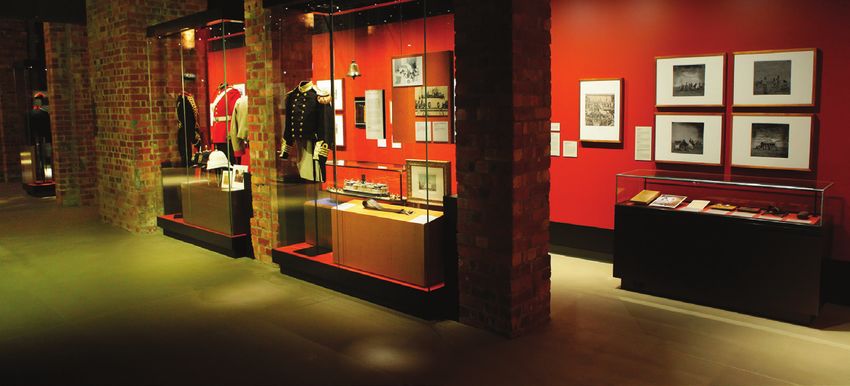
Australia in the Great War, Australian War Memorial, Canberra ACT
Australia in the Great War is the new permanent exhibition in the First World War Galleries at the Australian War Memorial.

It is the first major refurbishment of the galleries in over 40 years and one of the key contributions to commemorating the centenary of the
conflict. Principal exhibition designers Cunningham Martyn Design, developed probably the most challenging gallery re-configuration
project Designcraft have ever delivered. The complex Joinery and Showcase package pushed our fabrication ability and facility to the limit.
The result is a world class gallery experience. Designcraft are proud of our association with this flagship Australian project.

                                                                     Exhibition design: Cunningham Martyn Design.   Photography by John Gollings.

furniture joinery showcases
8 Tralee Street Hume ACT 2620
02 6290 4900
info@designcraft.net.au
www.designcraft.net.au
Printers of premium books and merchandise to galleries, libraries and museums.
                                               P: + 61 3 9545 6900 E: carolyn@bookconn.com.au www.bookconn.com.au

 CONTAINER |
 AUSTRALIAN
 NATIONAL
 MARITIME
 MUSEUM

 - INTERPRETIVE DESIGN
       - GRAPHIC DESIGN

                                         LENNOX BRIDGE
                                         PORTALS |
                                         PARRAMATTA, NSW

                                        - INTERPRETIVE DESIGN
                                              - GRAPHIC DESIGN

thylacine

  CANBERRA                    MELBOURNE
P +61 2 6299 7340         P   +61 3 9427 9779
E canb@thylacine.com.au   E   melb@thylacine.com.au                                                         thylacine.com.au
MUSEUM INSURANCE                                             Finding a creative solution to your insurance risks isn’t always
                                                              easy. Arthur J. Gallagher works in conjunction with Museums
                                                              Galleries Australia to ensure we have a detailed
                                                              understanding of your risk exposures.

Finding a creative solution to your insurance risks isn’t always    easy.insurance isn’t
                                                           Simply having                To enough
                                                                                            find out    how Arthur
                                                                                                    to protect          J. Gallagher can help protect your collection,
                                                                                                               your business.
                                                           Our experienced brokers can provide the technical expertise to
Arthur J. Gallagher works in conjunction with Museums           Galleries
                                                           deliver                      contact usprogram,
                                                                   you the right risk management        today.along with the
Australia to ensure we have a detailed understanding ofinsurance
                                                              your risksolutions, to protect what you’ve collected.
exposures.                                                                              02 6283 6555
                                                           To find out how Arthur J. Gallagher can help protect your
                                                           collection, contact us today.canberra@ajg.com.au
Simply having insurance isn’t enough to protect your business. Our                      www.museumsaustralia.org.au/insurance
experienced brokers can provide the technical expertise 02  to deliver
                                                                6283 you  6555
the right risk management program, along with the insurance         solutions,
                                                           canberra@ajg.com.au
to protect what you’ve collected. We can offer great premiums on:

•   VOLUNTARY WORKERS GROUP PERSONAL             ACCIDENT POLICY
                                  In partnership with:                                                                                          In partnership with:
•   CONTENTS INSURANCE
•   COMBINED PUBLIC LIABILITY & PROFESSIONAL INDEMNITY
•   MASTER POLICY FOR CONSULTANTS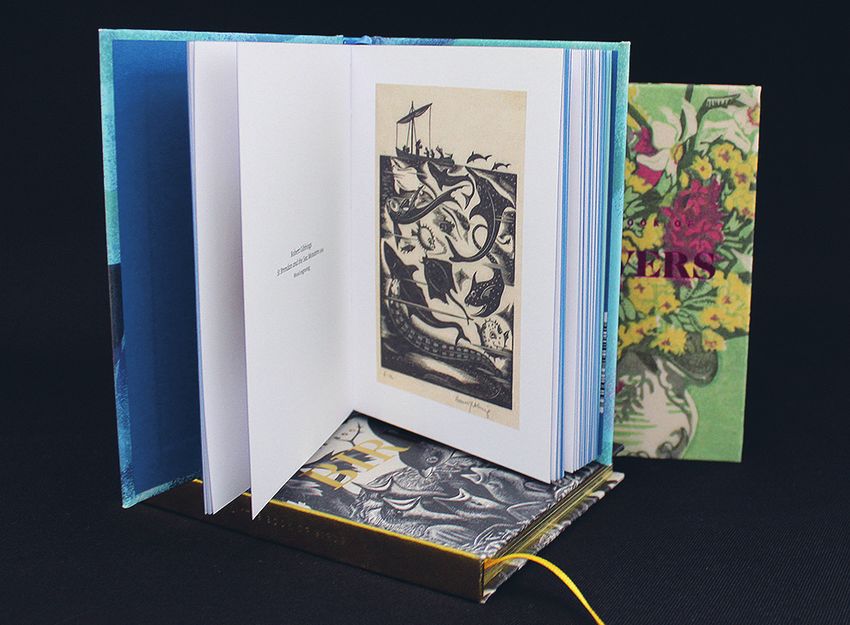
Join us at the very heart of the nation in Alice Springs (Mparntwe) for the

2019 MUSEUMS GALLERIES AUSTRALIA
NATIONAL CONFERENCE
Combining elements of our most recent conferences that focused on Museums and Galleries in their
Cultural Landscapes (Brisbane 2017) and Museums and Galleries as Agents of Change (Melbourne
2018), in 2019 we travel to the geographical centre of the nation to tackle some of the biggest thematic
areas that occupy much of our national conversation. Museums and Galleries are situated at the very
centre of that conversation in relation to our place within our communities and the way we are deeply
implicated in both a local and national understanding of Australia’s past, present and shared future.

 And while focusing on our people, places and practices, there will be opportunity to consider purpose,
relevance, diversity, equality, national identity, Aboriginal and Torres Strait Islander agency, our various
publics and the nature of co-creation, generational transfer of knowledge and much more. Delegates
will also be able to explore the majesty and wonder of the Central Australian landscape (with cultural
tours and opportunities for day/weekend trips to Uluru, Kata Tjuta and other incredible places) and the
people, communities, museums and galleries that call the desert home. Plan to stay a few extra days
to enjoy all that’s on offer in the NT!

 As a very special bonus, delegates will experience the vitality of Contemporary Aboriginal Desert
Art. A four-hour Desert Mob Art Fair on the closing afternoon of the conference will see hundreds
of Aboriginal artists and artworkers making their way to Alice Springs from remote Aboriginal
communities and art centres across the NT, SA and WA with thousands of artworks for sale and the
opportunity to become immersed in not only the art but also among the artists who share their culture
through their art to keep their communities strong.

• For sponsorship and exhibition opportunities email: mga@conlog.com.au
• Call for abstracts and registration opens in late 2018
• To stay updated, express your interest online at www.mga2019.org.au
ADVERTISE A JOB
                                                                   Does your museum or gallery
                                                                   have a position vacant?

                                                                   Advertise your job with us to directly
                                                                   connect with qualified job seekers
                                                                   nationwide.

                                                                   Members receive a discount - just enter
                                                                   MGAMEMBER at the checkout.

                                                                   We have one of the best Australian job
                                                                   listings for anyone looking for work in
                                                                   the sector.

                                                                   www.museumsaustralia.org.au/positions-vacant

6736c Maxus Ad 123.5x91 Museums-OLFA.indd 1   13/12/2016 2:44 pm

                                                                    The Software to manage
                                                                    Your MOSAiC Of Heritage
                                                                  For more information contact Sally-Anne
                                                             Tel: 08 9537 2874 E: Sales@ISTechnology.com.au

                                                                      Search your collection
                                                                       on the web with ….

                                                                        Information

                                                             IST        Services &
                                                                        Technology    www.ISTechnology.com.au
Museums Galleries Australia Magazine – Vol. 26(2) – Autumn-Winter 2018 7
Contents
In this issue
Museums Galleries Australia National Council
2017—2019
President's Message. . . . . . . . . . . . . . . . . . . . . . . . . . . . . 8
president
Dr Robin Hirst PSM
From the National Director . . . . . . . . . . . . . . . . . . . . . 10 (Director, Hirst Projects, Melbourne)
vice-president
MAPDA awards for outstanding achievement Simon Elliott
(Deputy Director, Queensland Art Gallery | Gallery of Modern Art, Brisbane)
in design. . . . . . . . . . . . . . . . . . . . . . . . . . . . . . . . . . . . . . . 12
treasurer
Margaret Lovell
How to win a MAPDA for catalogue design . . . . . . 17 (Contract Project Manager Canberra)
secretary
MAGNA 2018 . . . . . . . . . . . . . . . . . . . . . . . . . . . . . . . . . . 18 Carol Cartwright
([retired] Head, Education & Visitor Services, Australian War Memorial, Canberra)
members
Indigenous 10-Year Roadmap for Museums
Paul Bowers
Galleries Australia: 2018 update . . . . . . . . . . . . . . . . . 21 (Director, Exhibitions & Collections, Australian Centre for the
Moving Image, Melbourne)
Digital Access to Collections: a GLAM Peak Dr Mark Crees
project for sharing Australia’s regional heritage . 26 (Director, Araluen Cultural Precinct, Alice Springs)
Suzanne Davies
([retired] Director, RMIT Gallery, Melbourne)
Introducing the Women of Museums Australia
(WoMA) Network. . . . . . . . . . . . . . . . . . . . . . . . . . . . . 32 Dr Lynda Kelly
(LyndaKellyNetworks, NSW)
How it really was: Collecting the story Craig Middleton
(Curator, Centre of Democracy, Adelaide)
of the Roe 8 protest in WA . . . . . . . . . . . . . . . . . . . . . 34
Debbie Sommers
(Volunteer, Port Macquarie Historical Society, Port Macquarie)
Reinvigoration through exhibition renewal . . . . . 38
ex officio member
Alec Coles OBE
Permaculture and the practice of restorative Chair, ICOM Australia; CEO, Western Australian Museum
museology. . . . . . . . . . . . . . . . . . . . . . . . . . . . . . . . . . . . 42 public officer
Louise Douglas, Canberra
Shake the Foundations. . . . . . . . . . . . . . . . . . . . . . . . . 46 state/territory branch presidents/ representatives
(subject to change throughout year)
Towards an online museum of languages: ACT Rowan Henderson
Digitising records of the world’s 7,000 languages .52 (Senior Curator, Canberra Museum and Gallery, Canberra)
NSW Rebecca Pinchin
(Collection Manager, National Trust of Australia NSW)
COVER IMAGE: (detail) Kungkarrangkalnga-ya Parrpakanu NT Dr Ilka Schacht
(Seven Sisters are Flying), Tjanpi Desert Weavers, as seen (Curatorial Manager, Museum and Art Gallery of the Northern Territory,
in the dome in the Songlines exhibition at National Museum
Darwin)
of Australia, Canberra. Photo: George Serras, NMA.
QLD Emma Bain
(Director (Exhibitions & Programs), Redland Art Gallery, Cleveland)
SA Pauline Cockrill
(Community History Officer, History Trust SA, Adelaide)
© Museums Galleries Australia and individual authors.
TAS Janet Carding
No part of this magazine may be reproduced in any form
without written permission from the publisher.
(Director, Tasmanian Museum & Art Gallery, Hobart)
Museums Galleries Australia Magazine is published biannually (from Volume VIC Lauren Ellis
25 onwards) and online on the national website, and is a major link with (Programs Manager, Museums Victoria, Melbourne)
members and the museums sector. Museums Galleries Australia Magazine is a
forum for news, opinion and debate on museum issues. WA Soula Veyradier
PO Box 24, Deakin West ACT 2600 (Program & Communications Manager, International Art Space, Perth)
Editorial: (02) 6230 0346 Contributions from those involved or interested in museums and galleries are
welcome. Museums Galleries Australia Magazine reserves the right to edit,
Advertising: 02) 6230 0346 abridge, alter or reject any material. Views expressed by contributors are not
Subscriptions: (02) 6230 0346 necessarily those of the publisher or editor. Publication of an advertisement
does not imply endorsement by Museums Galleries Australia, its affiliates or
editor@museumsaustralia.org.au employees.
www.museumsaustralia.org.au
Museums Galleries Australia is proud to acknowledge the following
Editor: Bernice L. Murphy supporters of the national organisation: Australian Government Ministry
Cover design: Selena Kearney for the Arts; Australian Library and Information Association; Museums
Victoria (Melbourne Museum); and Western Australian Museum.
Content layout: Stephanie Hamilton
Print Post Publication No: 100003705 ISSN 2207-1806
Printer: Adams Print, Melbourne
8 Museums Galleries Australia Magazine – Vol. 26(2) – Autumn-Winter 2018

President's Message

                                   W
                                                riting this in the days following the            expressing their views at the Alice Springs conference
                                                National Conference held in Melbourne            next year — which will take us to the Northern
                                                in June, I feel buoyed by the whole              Territory and bring, amongst other discussions,
                                                experience. I’m encouraged by the                a special regional focus, including on Indigenous
                                                collective strength of those who attended,       peoples and culture, in 2019. Our National Director,
                                   and I’m impressed with the way the sector is variously        Alex Marsden, has provided more details of the
                                   leading, adapting and responding in the currently             Strategic Review in her neighbouring column in this
                                   complex social and political environments we all face         Magazine issue. I can assure you all that the National
                                   in different ways.                                            Council is listening carefully to understand our
                                     Conferences like ours are vital. The opportunities          membership, to capture its diversity, and to make sure
above:   Dr Robin Hirst.           they provide vary for delegates coming from such              we include special encouragement and support for
                                   diverse backgrounds. The museums and galleries                our oncoming younger colleagues. We have special
                                   sector is a very broad church, and our national               tasks to continue to make the organisation a relevant
                                   conferences provide a way that we can embrace our             one for both institutional and individual members,
                                   differences and learn from each other.                        from both large and smaller organisational settings,
                                     I have had different motivations for attending              spread across this huge country and the multiplicity of
                                   conferences throughout my own career in museums               communities we serve.
                                   and galleries. Initially it was to learn all I could
                                   from the experts. Then I understood that I too had            The Indigenous resolution at the recent AGM
                                   something to say. Now I understand the need to make
                                   and strengthen connections with fellow professionals             Our Annual General Meeting for 2018 was held,
                                   as a reinforcement of our work. Building a network            as is our tradition, to coincide with the annual
                                   of colleagues who can inform, share differences, and          conference. At the meeting on 6 June in Melbourne,
                                   alert us to new issues and possibilities is critical in our   the following resolution was adopted by members.
                                   fast-changing world.
                                     The Melbourne conference was sold out. Judging by               ‘Members of Museums Galleries Australia meeting
                                   the level of conversations at the breaks, the responses           in annual conference on 6 June 2018 in Melbourne
                                   to each presenter and the questions asked during each             express their support for Indigenous Australians
                                   session, the program had good reach and was enjoyed               in their aspiration for a 'Voice to the Parliament',
                                   and appreciated by delegates. The conference market               as proposed by the meeting at Uluru in May 2017
                                   is changing, with external for-profit providers now               in the Statement from the Heart and endorsed by
                                   becoming significant players. Our annual conference               the Referendum Council, and urge all museums
                                   remains important to our sector. It is developed by               to familiarise themselves with the Statement and
                                   and for our membership, moves around our huge                     its background since establishment of the Council
                                   country (and opens up to our Pacific region, with our             for Aboriginal Reconciliation in 1991, and engage
                                   more regular interaction over a decade or more with               their audiences to promote understanding of the
                                   New Zealand/Aotearoa). Meanwhile the conference’s                 Statement.’
                                   format of different strands and concurrent sessions
                                   allows many to contribute and be heard. It is another           In 1993, a forerunner to Museums Galleries
                                   way we can develop our future leaders.                        Australia (the Council of Australian Museum
                                     Beginning with the Brisbane conference in 2017,             Associations/CAMA) embraced a co-consulted
                                   we established a Members Forum within the annual              Indigenous policy, namely Previous Possessions,
                                   conference program — to provide a dedicated space             New Obligations. This became our founding policy
                                   to allow members in attendance to voice their                 even before a broader Ethics policy covering many
                                   opinions on a variety of issues. As a result of the           other issues of good conduct was adopted under
                                   Brisbane Forum, the incoming MGA Council decided              the new association’s National Council. So when
                                   to conduct a strategic review, and to consult the             our organisation was incorporated in January 1994,
                                   membership and stakeholders about changes they                the special urgency of forging respectful relations
                                   consider important for our association to address. It         with Indigenous peoples, of acknowledging their
                                   was a pleasure to present to the Melbourne Forum              authority in interpretations of their heritage held
                                   the results of the association’s Strategic Review,            in museums, of repatriating ancestral remains and
                                   which had already been endorsed by the Council on             seeking to right the wrongs of collecting in the past,
                                   the eve of the conference. The National Council had           provided an important new framework for the sector
                                   also ratified the Strategic Plan 2018–2020, which has         at the time. The 1993 policy was subsequently revised,
                                   drawn on the results of the review.                           after further national consultation with Indigenous
                                     We will continue this tradition of members                  leaders, and replaced by Continuous Cultures, Ongoing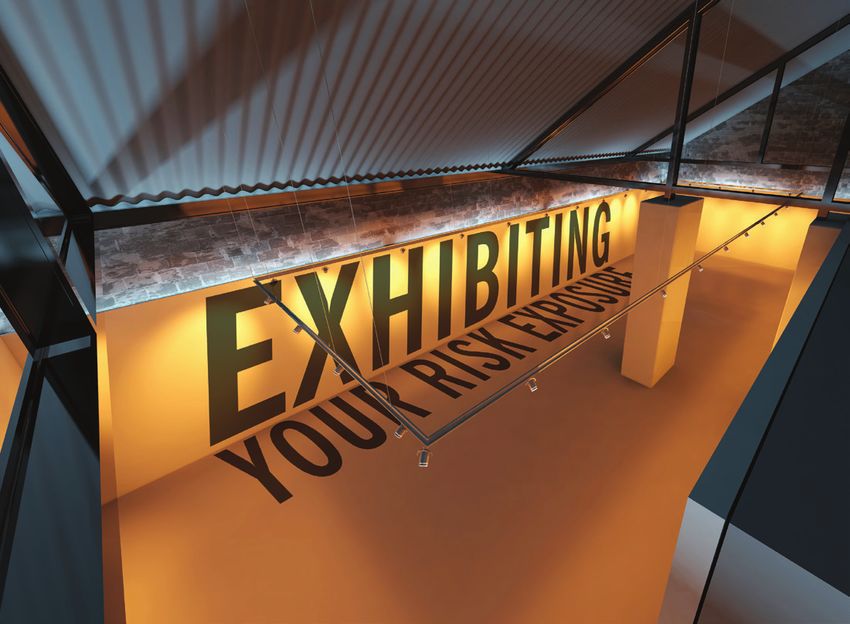
Museums Galleries Australia Magazine – Vol. 26(2) – Autumn-Winter 2018 9 Responsibilities in 2005, which continues today. As many members would be aware, we are currently undertaking a consultative process which will result in the development of a 10-year Indigenous Roadmap. This project is an initiative to facilitate discussion on how best to advance the participation and representation of Aboriginal and Torres Strait Islander peoples in museums and galleries across the country. Self-determination is crucial to the rights of Indigenous people, as expressed in the 2007 United Nations Declaration on the Rights of Indigenous Peoples, Articles 3–5.4. The Indigenous-focused resolution adopted at the recent AGM in Melbourne is consistent with the underlying principles that have been embodied in our previous policies. And it is particularly timely. I urge all members to read the background paper on the Uluru Statement from the Heart, provided as information for the recent resolution, and to discuss this with colleagues. (The resolution and background paper have now been uploaded to MA’s national website, which provides a convenient go-to summary of recent events for all members to consult about the issues raised.) I warmly congratulate all those who entered the MAPDA and MAGNA Awards this year. We had some very worthy winners, who are featured in this issue of the Magazine. I would like to say that the overall 2018 winner in the MAGNA Awards, Songlines: Tracking the Seven Sisters — the remarkable project and exhibition achieved recently by the National Museum of Australia — showed the extraordinary results that can come from truly deep engagement with Aboriginal communities. The Songlines project demonstrated what can be gained through handing the authority of interpretation to rightful custodians, including the knowledge they have nurtured for millennia in their stories of the environment, the diversity of the earth’s resources, and the astronomical dramas that fill the night skies and still guide vast journeys across our huge continent. In conclusion, what I found so encouraging during the recent conference was the way many speakers were prepared to share what didn’t quite go to plan in their work, alongside that which did. Many speakers were posing questions, not answering them. I took this honesty and vulnerability as a very positive sign of a sector that is confident, not only to share what it knows, but to be honest about what it is struggling with. To me, that is a mark of success. I look forward to meeting many of you again, in Alice Springs, next year. [ ] Dr Robin Hirst PSM National President, Museums Galleries Australia
10 Museums Galleries Australia Magazine – Vol. 26(2) – Autumn-Winter 2018

From the National Director

                                   T
                                           he first 6 months of each year is always a        The National Office will also prepare guidance and
                                           hugely busy time of planning for the year,        a toolkit on final name change, including a style
                                           punctuated by express-train deadlines of          guide and usage rules for all branches and networks,
                                           projects to be completed by the end of June,      so that we have a coherent identity nation-wide. In
                                           and organising the plethora of moving parts       the meantime, feel free to give us any feedback on
                                   that is MGA’s National Conference.                        any part of the Strategic Review’s outcome report.
                                     Many thanks to the incredible number of people          Needless to say, our program of activities, events and
                                   who were instrumental in making the 2018 National         advocacy at national, state and territory branch and
                                   Conference held in June in Melbourne work so well         network levels proceeds apace while this review work
                                   — I really got the sense of MGA as a living network of    is being carried out.
                                   committed contributors to the common good.                  At the Members’ Forum on 6 June, in addition to
above:   Alex Marsden.               I wish everyone who wanted to could have been           reporting on MGA’s strategic review, the President
                                   able to come to the conference, the RR&C day, the         outlined the focus for National Council’s Strategic
                                   National Network meetings, Awards night, and the          Plan for 2018–2020. The plan recognises some
                                   Members’ Forum, but I understand the challenges for       important insights from the recent review and sets a
                                   many. I am pleased that we were able to offer more        number of priorities for the organisation as a whole to
                                   than 50 bursaries, and we are working to secure more      work on over the next 2-to-3 years.
                                   for next year. The plenary speakers were recorded,
                                   and the recordings are now available through our
                                   website. I hope these recordings, along with some
                                   papers, articles and project update reports published
                                   in this edition of the National Magazine, provide for
                                   all some useful ideas and the affirmation that you are
                                   part of the MGA community.
                                     Our Strategic Review of the organisation is now            Adopted by National Council 3 June 2018
                                   largely complete, with a report including data and
                                   analysis from our research and consultation now
                                   publicly available.                                          Vision
                                     Majority opinion on the name and brand of the
                                   organisation, expressed both by members and by               Inspiring Australia’s cultural life through a
                                   stakeholders, was that ‘galleries’ should be included        thriving and valued museums and galleries
                                   in the name, but that the interim business name of           sector.
                                   Museums Galleries Australia needed revision to fix
                                   issues of brand confusion. Returning to the former
                                   name of Museums Australia would be counter-                  Mission
                                   productive as it does not include galleries and would
                                   also appear as a retreat from both inclusiveness and         Support, promote and advocate for our
                                   modernisation. Finally, it was clear that members            members to strengthen Australia’s museums
                                   value the relationships and networking provided by           and galleries sector.
                                   being part of a national association, and there was
                                   significant support for reintroducing the concept of an
                                   association or network into the name.                        What We Do
                                     Therefore, National Council is proposing (for
                                   consultation) the updated name Australian Museums            As a national membership association we
                                   and Galleries Association (AMAGA). Following the             provide advice, representation, support
                                   President’s presentation at the Members’ Forum after         and services to enable organisations and
                                   the AGM in Melbourne, where no concerns were                 individuals to thrive; and as a peak body
                                   raised, the next steps have been to discuss the review       we advocate on behalf of the sector to
                                   further with branches and key stakeholders, and to           communicate the value of museums and
                                   continue work on specifications for the name change          galleries, raise professional standards, inform
                                   and branding. National Council intends to put the            policy, and promote ethical practice.
                                   new name to a vote through a formal resolution put to
                                   members later this year.
Museums Galleries Australia Magazine – Vol. 26(2) – Autumn-Winter 2018 11
The online Membership survey revealed that there is Finally, the President has written about the
much agreement about the main priorities that MGA Resolution in support of Indigenous Australians that
should be focusing on in the future, with the top four was passed by members at the recent AGM. The
priorities being to: Resolution is particularly timely for the association,
• Increase advocacy for museums and galleries; given the work underway on developing the 10-year
• Deliver a larger range of training and skills Indigenous Roadmap, reported on previously in the
development via different channels; Magazine — and updated in the present issue. The
• Make the National Conferences more accessible; Roadmap project is going exceedingly well, with
and strong responses and recognition of its importance,
• Provide more advice on funding and other and growing excitement and commitment to its
opportunities. realisation. We have extended the time-frame for
completion from June to October this year, to meet
All these objectives are now in train. Meanwhile the desire for increased consultations – as more
the foundational focus is you — the membership, workshops and discussions were held; and more
both individuals and organisations. The plan will be groups, particularly Indigenous cultural workers,
available soon on our national website. were seeking further input. It is critical to the success
The need for more advocacy also loomed large in of the Roadmap that these voices are heard, respected
the consultation carried out by state and territory and included while the suite of recommendations is
branch committees, and in many of the discussions being developed.
I have held over the last year. There is great concern We are currently also seeking some funding to
about a lack of public/government/mainstream media employ an Indigenous Engagement Officer over the
appreciation and understanding of what museums next three years, to help give life to the Indigenous
and galleries offer. There is also much anxiety about Roadmap through communications, advice and
decreased operational funding for many institutions, guidance to museums, galleries and communities.
despite the welcome news of capital spending on So, a lot is going on. It is a time of challenges and
new buildings by several state governments. In opportunities for the national association and the
this light, we submitted a response in May to the sector we serve. As always, please feel free to contact
Commonwealth Parliament’s Inquiry into Canberra’s me with your views at any time. [ ]
national institutions, in which we concluded that:
Alex Marsden
• The national cultural institutions in Canberra National Director, Museums Galleries Australia
play a vital role for Australia and are delivering in
the main on core national responsibilities to high
standards, despite deep funding cuts over many
years.
• However, the current story is one of significant
unrealised potential.
• Current research is revealing the deep value of arts,
culture and heritage to society and the economy in
an increasing number of ways, including business
innovation, tourism generation, and health and
wellbeing outcomes.
• The Commonwealth needs to develop a more
coherent and long-term policy framework for arts,
culture and heritage that includes greater levels of
support for the national cultural institutions.
This submission is also available on our national
website.12 Museums Galleries Australia Magazine – Vol. 26(2) – Autumn-Winter 2018
Museums Australasia Multimedia & Publication Design Awards 2018
MAPDA awards for outstanding achievement in design
TAR R
S
T
AF T
RS
ER
HI
the display specialists
O
21 YEARS OF MAPDA 2018 at a glance: ver the past couple of years we have been
MAPDA testing new categories in the MAPDAs. Last
year we tried Exhibition Label, which was
2019 was the 21st • 74 organisations from Australia and New Zealand quite popular, though logistically problematic
anniversary of the • 54 Level A when it came to actually receiving the entries.
Museums Australasia • 2 Level B This year we included App, to reflect the new ways
Multimedia and • 157 entries institutions are engaging with audiences. This new
Publication Design • 80 shortlisted entries category was hugely popular and we will likely keep
Awards. • 19 winning entries it going forward. When the Awards were reviewed
To commemorate this • 28 commended entries several years ago, we changed a few categories and
milestone, we gathered • Best in Show: removed others due to poor entry numbers. One
every Best in Show Publication: Book Club (Lake Macquarie City Art that was removed was Information Brochure. Due to
winning entry from the Gallery) popular demand, we will re-introduce this category
past 14 years and had Multimedia: Tjungunutja (Museum and Art for 2019 as a test, but we will be removing Poster. We
a special exhibition Gallery of the Northern Territory) have struggled for a number of years to get entries
at the Museums • Judges’ Special Award: for the Poster category – with little success. We know
Galleries Australia Little Books of Art (Christchurch Art Gallery Te there are still incredible posters being produced for
National Conference in Puna o Waiwhetu) exhibitions and encourage you all to keep using this
Melbourne. • Sponsored by Australian Book Connection foundation method of visual communication when
We would like to thank (www.bookconn.com.au) and Showfront considering your advertising and engagement. And
all the institutions and (www.showfront.com.au) you never know, it might be back in the future.
individuals who tracked • Judges: An exciting trend is a resurgence in magazines.
down copies of these past Suzie Campbell (arts marketing consultant) It is heartening to see so many institutions who
winners to loan us for Brendan O'Donnell (Corvus Creative and artist) had previously discontinued their magazines now
the exhibition. See the Rick Cochrane (Bytes + Colours and artist) publishing once again. You may notice that the
website for a full list of Brett Wiencke (National Portrait Gallery) winners in the magazine category are familar. Both
past winners at Jude Savage (Art Gallery of WA) Bulletin and Portrait feature regularly in the finalist
www.mapda.org.au Jonny Brownbill (Museums Victoria) list, as both publications continue to re-invent,
Selena Kearney (Nomat) innovate and adapt.Museums Galleries Australia Magazine – Vol. 26(2) – Autumn-Winter 2018 13
The Awards were presented at a ceremony at the
Meat Market in Melbourne as part of the MGA2018
National Conference. Photographs from the Awards
can be found on our Facebook.
Following the list of finalists below, we feature an
article from the 2018 judges on how to win a MAPDA
for catalogue design. Check it out.
MAPDA will return in 2019, with a call for entries
on 1 February. []
APP
LEVEL A
Highly Commended
Jervis Bay Maritime Museum App
Jervis Bay Maritime Museum, Huskisson
Daniel Pesu, Zac Stanford, Tom Masterson, Gregoire Katz
Winner
Royal Botanic Garden Sydney App
Royal Botanic Garden Sydney, Sydney
Ram Bhat (Royal Botanic Garden Sydney)
LEVEL B
Highly Commended
Headhunt!
National Portrait Gallery, Canberra
Jake MacMullin (Stripy Sock) and Alice Carroll
CHILDREN'S BOOK
BOOK
LEVEL A
LEVEL A
Winner
Highly Commended Lionel’s Place | story book (pictured)
Art Gallery of Ballarat: Stories from the Collection Maitland Regional Art Gallery, Maitland
Art Gallery of Ballarat Clare Hodgins (Maitland Regional Art Gallery)
Ben Cox (Art Gallery of Ballarat)
LEVEL B
Unconstrained Passions. The Architect's Hoouse as
Museum Highly Commended
Lyon Housemuseum, Melbourne Where's Dot?
Yanni Florence (Lyon Housemuseum) Museums Victoria Publishing, Melbourne
Jacob Tolo (Museums Victoria)
Winner and Judges' Special Award
Little Books of Art (pictured)
Christchurch Art Gallery Te Puna o Waiwhetu, NZ EXHIBITION BRANDING PACKAGE
Aaron Beehre (Ilam Press)
LEVEL A
LEVEL B
Highly Commended
Highly Commended The Corsini Collection: A Window on Renaissance
Underworld: Mugshots from the Roaring Twenties Florence
Sydney Living Museums, Sydney Auckland Art Gallery Toi o Tāmaki, NZ
Bruce Smythe (Sydney Living Museums) Imogen Greenfield (Auckland Art Gallery Toi o Tāmaki)14 Museums Galleries Australia Magazine – Vol. 26(2) – Autumn-Winter 2018
Museums Australasia Multimedia & Publication Design Awards 2018
ON For Ron fundraising campaign EXHIBITION CATALOGUE (MAJOR)
Christchurch Art Gallery Te Puna o Waiwhetu, NZ
McCarthy and Christchurch Art Gallery Te Puna o LEVEL A
Waiwhetu
Highly Commended
Lionel’s Place | Lionel Lindsay from the MRAG Gordon Walters: New Vision
Collection Dunedin Public Art Gallery and Auckland Art Gallery
Maitland Regional Art Gallery, Maitland Toi o Tāmaki, NZ
Clare Hodgins (Maitland Regional Art Gallery) Neil Pardington (Neil Pardington Design)
Winner Closer: Portraits of Survival
Centre of Democracy Sydney Jewish Museum, Sydney
Centre of Democracy, Adelaide Paul Clark (Alphabet Studio)
Jesse Hanlon & Nicki Duance (Arketype)
Winner
LEVEL B Romancing the Skull (pictured)
Art Gallery of Ballarat, Ballarat
Highly Commended Ben Cox (Art Gallery of Ballarat)
NGURRA Branding Package
South Australian Museum, Adelaide Open Spatial Workshop: Converging in Time
Mia Prerad/Jeremy Green (South Australian Museum) Monash University Museum of Art | MUMA, Melbourne
Designed by Paul Mylecharane and Žiga Testen, Concept
Rembrandt and the Dutch golden age: masterpieces by Open Spatial Workshop (Terri Bird, Bianca Hester, Scott
from the Rijksmuseum Mitchell)
Art Gallery of New South Wales, Sydney
Analiese Cairis (Art Gallery of New South Wales) LEVEL B
Ground Up Exhibition Highly Commended
Museums Victoria, Melbourne Del Kathryn Barton: The Highway is a Disco
Jacob Tolo / Scott Parker (MV Studio) National Gallery of Victoria, Melbourne
Jackie Robinson (National Gallery of Victoria)
Winner
Pipilotti Rist: Sip my Ocean NGV Triennial 2017
Museum of Contemporary Art Australia, Sydney National Gallery of Victoria, Melbourne
Alex Torcutti (Museum of Contemporary Art Australia) Dirk Hiscock (National Gallery of Victoria)
Bill Henson
National Gallery of Victoria, Melbourne
Thomas Deverall (National Gallery of Victoria)Museums Galleries Australia Magazine – Vol. 26(2) – Autumn-Winter 2018 15
This catalogue is gold. Very clever
format for presenting lots of
information and a diverse range
of content. The typography is
exquisite, well-resolved, with great
leading. Beautifully executed.
Judges' comments for Book Club
Winner INSTITUTION WEBSITE
Dempsey's People: A folio of British street portraits
1824-1844 LEVEL A
National Portrait Gallery, Canberra
Brett Wiencke (National Portrait Gallery) Highly Commended
The new Public Record Office Victoria website
(prov.vic.gov.au)
EXHIBITION CATALOGUE (SMALL) Public Record Office Victoria, Melbourne
Kate Follington, Project Manager (Public Record Office
LEVEL A Victoria) and Dave Morony, Designer (Fluid)
Highly Commended BAMM
BLOOD: Attract & Repel (www.bamm.org.au)
Science Gallery Melbourne, Melbourne BAMM - Bank Art Museum Moree
Ford + Nicol Headjam
Board Sheet Winner
Lake Macquarie City Art Gallery, Lake Macquarie Botanic Gardens and Centennial Parklands
Stephen Goddard (Project Two) (rbgsyd.nsw.gov.au)
Royal Botanic Garden Sydney, Sydney
Winner and Best in Show (Publication) Ram Bhat (Royal Botanic Garden Sydney)
Book Club (pictured)
Lake Macquarie City Art Gallery, Lake Macquarie
Stephen Goddard (Project Two) INVITATION
LEVEL B LEVEL A
Highly Commended Highly Commended
Love is - Australian Wedding Fashion MAGNT Fundraising Dinner 2017
Museum of Applied Arts and Sciences, Sydney Museum and Art Gallery of the Northern Territory,
Filip Bartkowiak and Lucy McGinley (Museum of Applied Darwin
Arts and Sciences) Maria Mosquera Design + Illustration and Museum and Art
Gallery of the Northern Territory16 Museums Galleries Australia Magazine – Vol. 26(2) – Autumn-Winter 2018
Museums Australasia Multimedia & Publication Design Awards 2018
Winner and Best in Show (Multimedia)
Tjungunutja film
Museum and Art Gallery of the Northern Territory
David Nixon (Museum and Art Gallery of the Northern
Territory)
LEVEL B
Winner
ACMI Code Breakers Steph Plays
ACMI, Melbourne
Field Carr & Rob Cordiner (ACMI Design)
PROGRAM WEBSITE
LEVEL A
MAGAZINE
Highly Commended
LEVEL A National Quilt Register
(www.nationalquiltregister.org.au)
Highly Commended National Wool Museum, Geelong
Muse Nathan George (Pixeld)
University of Sydney (Sydney University Museums)
Brand and Marketing Services (Marketing and Winner
Communications) (University of Sydney) City Collection website
(citycollection.melbourne.vic.gov.au)
Winners City Gallery, Melbourne
JAM Magazine Laura Cornhill (Studio Binocular)
JamFactory, Adelaide
Sophie Guiney (JamFactory) LEVEL B
Bulletin (B.187, B.188, B.189, B.190) (pictured) Highly Commended
Christchurch Art Gallery Te Puna o Waiwhetu Collections Care Manual
Aaron Beehre; Editorial design: Ilam School of Fine Arts (manual.museum.wa.gov.au)
Graphic Design Department Western Australian Museum, Perth
Digital Services Team (Western Australian Museum)
LEVEL B
Winners
Highly Commended Songlines: tracking the Seven Sisters interactive
MAAS Magazine - Winter & Summer (songlines.nma.gov.au)
Museum of Applied Arts and Sciences, Sydney National Museum of Australia, Canberra
Filip Bartkowiak (Museum of Applied Arts and Sciences) Jasmin Wong, Andy McCray, Nick Binnington (Icelab)
Winner Starstruck: Australian Movie Portraits
Portrait, issues 56 to 58 (starstruck.gov.au)
National Portrait Gallery, Canberra National Portrait Gallery and National Film and Sound
Brett Wiencke (National Portrait Gallery) Archive, Canberra
SOAP Creative
MULTIMEDIA
POSTER
LEVEL A
LEVEL A
Highly Commended
TiNA 2017 Promotional Video. Winner
Octapod - TiNA (This is Not Art), Newcastle 16 Days of Activism Free to be Every Me
Headjam Warrnambool Art Gallery
Sinéad Murphy (Lovelock Studio)Museums Galleries Australia Magazine – Vol. 26(2) – Autumn-Winter 2018 17
The challenges of good catalogue design for museum exhibitions
How to win a MAPDA for catalogue design
Suzie Campbell with Brendan O'Donnell, Brett is the usual metaphor for how our catalogue needs
Wiencke, Jude Savage and Rick Cochrane to sell. In fact, they’ve already forecast the total
I
sales essential to the success of the show, which —
f you too were disappointed when it turned out coupled with tickets – is now the keystone of the
the reports of the death of Facebook were greatly whole exhibition budget. That profit margin has
exaggerated then you, like us, probably get a thrill predetermined the unit cost of our catalogue well
when a fine publication is available at the conclusion in advance — so, best to tell the offshore printer to
of a satisfying exhibition experience. sharpen their pencil. But hey, no pressure!
The MAPDAs, awarded for museums’ and galleries’ Our museum’s director is writing her foreword
print and digital design work put out in 2017, and asking us at the same time when our catalogue
were judged in April. So, while we waited for the will be back from the printer. She can’t wait to send
announcement of the winners at the annual National complimentary copies out to her rival directors — it’s
Conference in June — for the highly commended, a form of sanctioned skiting in the gallery game.
all the category winners, who got the gong for ‘Best The presenting partner also gets a foreword, and
in Show’ — and anticipated what the best of 2017 a swag of free copies for their office’s many coffee
in design would look like, there were some wider tables. Their Business Development department has
conundrums. stitched up that deal — but they’re not sure who'll be
Let’s consider: ‘Who does the graphic designer writing the sponsor's bit yet — stay tuned.
design for?’ How about imagining we're the graphic The museum’s marketing department wants to send
designer of that ‘servant of many masters’, the copies of our catalogue out with the comp tickets to
exhibition catalogue. get the exhibition reviewed. (Don’t get our design
First of all there’s the curator. They’ll want to hopes too high, though — we know the reviewer won’t
present their research (read: hard work and brilliant even mention our catalogue’s design in the article.)
insights); and don’t forget, this could be their The library wants exchange and deposit copies
magnum opus — years in the making on a treasured to mail out — and we need to remember that a big
subject. They’ve written the lead essay (as big as a catalogue costs more to post.
small thesis), and they’ve probably commissioned And we haven’t even mentioned the visitor to the
a couple of essays from other notables in the field. exhibition yet, or what their purchase rate is likely to
When requesting loans, they’ve told the lenders from be. Let’s ask ourselves again, ‘Who are we designing
international collections that there’s going to be a for?’
major publication accompanying the show, and that It turns out, we’re not really designing for anyone
their work will feature in a full-page, full-colour plate, specifically. We’re packaging content, conveying the
with an extended caption. message, choosing the means for the meaning. We’re
Now the head of commercial operations is on the arranging type, form, and image. We’re trained
phone wanting to try for pre-sales (‘Can we get an to deploy the language of design in the service of
image of the cover up on the website?’). ‘Hot cakes’ communication, and we well know our institution’s
vernacular. We are designing for meaning. And, if we
get it right, no-one will notice in the end. Great design
remains hidden in plain sight.
So, the next time a curator or director or marketing
wonk says they want to see three ideas for poster
designs, or three concepts for a room brochure, or
three versions of that invitation, we'll be firm and say,
‘No’.
Why? Firstly, we're not working for Don Draper.
And secondly, there is only one great design
response, not several versions of pretty good. We
are professionals, and along the way we’ve made
hundreds of choices, and iterated, presented, and
scrunched up and thrown into the bin all those half-
good ideas.
That’s how we worked out the right one. And that's
the one we’ll present — and that's the one that just
might win ‘Best in show’ at the next MAPDAs. left: 2017 Best in Show winning
See you there. [ ] Exhibition Catalogue from
Auckland Art Gallery Toi o
Tāmaki’s Gottfried Lindauer's New
Text citation: MAPDA Judges, ‘How to win a MAPDA for catalogue design’, Museums Zealand — The Māori Portraits
Galleries Australia Magazine, Vol. 26(2), Museums Galleries Australia, Canberra, (a collaborative design between
Autumn–Winter 2018, p. 17. Neil Pardington (Base Two) and
Auckland University Press.18 Museums Galleries Australia Magazine – Vol. 26(2) – Autumn-Winter 2018
Museums & Galleries National Awards 2018
MAGNA 2018
T
The MAGNAs are sponsored by: he Museums & Galleries National Awards, or Sisters custodians from across the Central and
MAGNAs, were first awarded in 2011, and have Western deserts. The elders were compelled by an
gone from strength to strength. The MAGNAs urgent need to track the songlines, and preserve the
recognise excellent work nationally in the knowledge of their communities.
categories of exhibition, public programs The exhibition itself was hugely popular. Visitor
and Indigenous projects. The MAGNAs are open feedback indicates the exhibition’s power to
to all Australian cultural collecting institutions transform people’s thinking, and supports its claim as
who are members of Museums Galleries Australia. a pioneering exhibition about foundational Australian
These awards set out to encourage the continuous history. The Songlines project demonstrated what
improvement and development of Australian can be gained through handing the authority of
museums and galleries; to inspire and recognise interpretation to those who best understand what
best practice and innovation in the collecting sector; they need to convey.
and to enhance the profile of museums and galleries
in local and wider communities. The awards were INTERPRETATION, LEARNING &
presented at a ceremony, hosted by comedian Andrew AUDIENCE ENGAGEMENT
McClelland, at the Meat Market in Melbourne, as part
of the MGA2018 National Conference. Level 1
Highly Commended
NATIONAL WINNER Canberra Museum and Gallery
The Art Box
The National Winner is selected from all the
winning entries from each level of each category. The National Wool Museum + Barking Spider Visual Theatre
2018 National Winner went to the National Museum In the Shadows of Giants
of Australia, Canberra, for Songlines: Tracking the
Seven Sisters. Songlines took visitors on a journey South Australian Museum, Adelaide
across the Australian desert in an Aboriginal-led Young Explorers Early Years Learning Program
exhibition about the epic Seven Sisters Dreaming.
The exhibition included stunning artworks, a state- Winner
of-the-art digital dome and a vibrant art centre. The Heide Museum of Modern Art, Melbourne
top:Margo Neale accepting the project was the first of its kind, attempting to tell in Sidney Nolan Unmasked
award on behalf of the National an exhibition space an Indigenous founding narrative Level 2
Museum of Australia for Songlines:
Tracking the Seven Sisters, which by using Indigenous ways of passing on knowledge.
was awarded National Winner at The project was initiated in 2010 by Anangu Elders Highly Commended
the 2018 MAGNAs. Photo: Joel from the APY (Anangu Pitjantjatjara Yankunytjatjara) Australian National Maritime Museum, Sydney
Checkley, Tiny Empire Collective.
Lands in central Australia and led by senior Seven War & Peace in the Pacific 75Museums Galleries Australia Magazine – Vol. 26(2) – Autumn-Winter 2018 19
INDIGENOUS PROJECT OR KEEPING
Winner PLACE
National Portrait Gallery, Canberra
Headhunt! Level 1
Level 4 Winner
John Curtin Gallery, Perth
Highly Commended Virtual Field Trips through the Carrolup Collection
Queen Victoria Museum and Art Gallery, Launceston
The First Tasmanians: Our Story Level 2
Winner
PERMANENT EXHIBITION OR GALLERY Australian National Maritime Museum, Sydney
FITOUT Gapu-Monuk Saltwater: Journey to Sea Country
Level 1 Level 3
Highly Commended Winner
Holdfast Bay History Centre, City of Holdfast Bay, SA Queensland Museum, Brisbane
Cabinet of Curiosities unsettle
Level 2 Level 4
Highly Commended Highly Commended
Migration Museum, Adelaide Queen Victoria Museum and Art Gallery, Launceston
Superdiversity: Migration in the twenty-first century The First Tasmanians: Our Story
Law Society of Western Australia, Perth Winner
Small Court House, Big Stories Museum and Art Gallery of the Northern Territory
Tjungunutja: from having come together
Winner
Australian War Memorial, Canberra
Art of nation
Level 3
Highly Commended
Sydney Jewish Museum
The Holocaust and Human Rights
Winner
Museum of Australian Democracy at Old Parliament House
PlayUP – the right to have an opinion and be heard
Level 4
Highly Commended
Arts Centre Melbourne
Australian Music Vault
Queen Victoria Museum and Art Gallery, Launceston
The First Tasmanians: Our Story
Winner
Museums Victoria, Melbourne left: Alethea Beetson from Digi
Ground Up: Building Big Ideas, Together Youth Arts accepted the award for
unsettle and called for a moment
of silence for their ‘ancestors
currently being held in museums
and institutions in Australia and
all around the world’. Photo: Joel
Checkley, Tiny Empire Collective.20 Museums Galleries Australia Magazine – Vol. 26(2) – Autumn-Winter 2018
Museums & Galleries National Awards 2018
right: Valerie Napaljarri Martin SUSTAINABILITY
from PAW Media who produced
the original Bush Mechanics series
and worked with National Motor Level 2
Museum on the development
of the exhibition travelled from Highly Commended
Yuendumu, NT, to accept the
award for Level 3 Temporary or Museums Victoria, Melbourne
Travelling Exhibition. Photo: Joel Collection Risk Assessment and Management Initiative
Checkley, Tiny Empire Collective.
bottom: In 2015 the National Level 4
Museum of Australia collaborated
with Tjanpi Desert Weavers to
create a significant and unique Winner
work inspired by the Seven The Sovereign Hill Museums Association, Ballarat
Sisters songlines. More than Sustainability Initiatives Program
400 Aboriginal women of the
Ngaanyatjarra Pitjantjatjara
Yankunytjatjara (NPY) Women’s
Council, from across some 350,000
square kilometres of the Central
TEMPORARY OR TRAVELLING
and Western desert region, work EXHIBITION Winner
with Tjanpi Desert Weavers, Immigration Museum, Melbourne
usually making baskets and Level 1 They Cannot Take the Sky: Stories From Detention
smaller sculptural works. They
are also known for their life-sized
sculptural groups and installations. Highly Commended Level 3
The Tjanpi Desert Weavers Hurstville Museum & Gallery, Hurstville
created these sculptures with All things great and small Highly Commended
artists from Papulankutja, in
the Blackstone Ranges between Tasmanian Museum and Art Gallery, Hobart
the Western and Great Victoria Winner The Remarkable Tasmanian Devil
deserts. During a two-week camp Islamic Museum of Australia, Melbourne
at Kuru Ala, a remote Seven Sisters
site in Western Australia, 14 Tjanpi Between Inscription & Gesture Winner
weavers wove the Seven Sisters National Motor Museum, Birdwood SA
into life. They then moved to a Level 2 Bush Mechanics: the exhibition
campsite just outside Papulankutja
to finish the Tjanpi Sisters. Each
figure was made by two artists. Highly Commended Level 4
For many of the figures, a senior Maitland Regional Art Gallery
artist paired with a younger
emerging artist so that the act of Lionel's Place Highly Commended
creation was also one of passing South Australian Museum, Adelaide
on skills to a future generation Mosman Art Gallery, Sydney Yidaki: didjeridu and the sound of Australia
of Tjanpi artists. Photo: Annieka
Skinner, Tjanpi Desert Weavers. Tokkotai | Contemporary Australian and Japanese
Artists on War and the Battle of Sydney Harbour Winner
National Museum of Australia, Canberra
Tasmania Museum and Art Gallery, Hobart Songlines: Tracking the Seven Sisters [ ]
The DerwentMuseums Galleries Australia Magazine – Vol. 26(2) – Autumn-Winter 2018 21
Building Indigenous employment, safe spaces, and reciprocal, respectful relationships with communities
Indigenous 10-Year Roadmap for Museums
Galleries Australia: 2018 update
Terri Janke and Sarah Grant 3. Where are we now?
An urgent question from the start of our project has
been: How do things stand right now?
1. Introduction It soon became clear that there is a serious disjunct
T
between how museums and galleries represent their
erri Janke and Company have been Indigenous engagement and how Indigenous people
commissioned by Museums Galleries Australia themselves want to be represented and engaged. At
to undertake the MGA Indigenous Roadmap the heart of this situation are different value systems:
Project. The Project is an eighteen-month one is based on a knowledge system that values
assignment that has been looking at how objects, and the other is based on the living culture,
top: Terri Janke. Indigenous people are represented in museums and the relationships, the processes.
above: Sarah Grant. galleries, and how they are engaged in the sector. Many people have said that Australian museums
Photos: Jamie James, James This understanding will help in developing a 10-year started out well in the 1990s in their approach to
Photographic Services. Roadmap for the future. The aim is to get to a place improving Indigenous participation and engagement
where there is a seamless recognition of Indigenous in museums. There has been some exceptionally good
participation at all levels of museum and gallery work that has come about due to the policies Previous
practice, and that this extends across the sector Possessions, New Obligations (PPNO) of 1993, and the
nationally. consultatively revised version, Continuing Cultures,
The Roadmap project was funded by a Catalyst Ongoing Responsibilities (CCOR) of 2005. The positive
grant from the Commonwealth government, and we progress has included significant permanent and
are working with an Indigenous Advisory Group as temporary exhibitions which have set high standards
guides to shape our progress. All can find out about for presenting Indigenous viewpoints.
what we are doing by going to the project website — However, many people felt that the increased
www.mgaindigenousroadmap.com.au. participation and engagement has been sporadic
or piecemeal. There is a sense that the general
momentum and effort of the 1990s has subsided,
2. The consultation process leaving only a handful of committed players today.
When Indigenous people in the sector were
Extensive consultation is key to this project. We consulted, they spoke about how the changes are
have met with many people around the country, not sufficiently systemic. They are not working right
including bodies such as the Council of Australian across institutions or the sector, but often consist of
Museum Directors (CAMD) and Indigenous advisory limited actions, cultural safety and tokenism.
committees of cultural institutions. We have also For non-Indigenous professionals working in
heard from experts from abroad. Meanwhile we the sector, many were supportive of Indigenous
have conducted 12 public workshops including viewpoints and were champions for change — they
in Perth, the Sunshine Coast, Brisbane, Adelaide, were doing their bit in their own areas. Others
Melbourne and Hobart, to achieve broad feedback. consulted noted resistance to the affirmative action
We have prepared an extensive literature review as changes, which are often misunderstood. There is
background, and conducted a survey and audit of a recognised need for new sets of skills required
major institutions. The results are all available on the for Indigenous engagement, but these are not being
MGA website. taught at universities. There is also a fear — often
The results from these varied consultations have stemming from lack of knowledge — of doing the
been used as the foundations for the Roadmap. The wrong thing with the wrong people; a fear of seeking
present article discusses some findings and alludes to consent or consulting in inappropriate ways. The
likely recommendations. Any further thoughts on the complex protocols, and the difficult social, cultural
findings to date would be well received by Terri Janke and political landscapes involved often exacerbate
and Company. Contacts are welcome at , if readers have any additional the processes, contacts, or protocols appropriate to
thoughts or recommendations. consultation — particularly in smaller institutions — is
also a factor.22 Museums Galleries Australia Magazine – Vol. 26(2) – Autumn-Winter 2018
Building Indigenous employment, safe spaces, and reciprocal, respectful relationships with communities
Indigenous stories within stories being told
Cultural material is incredibly of ‘national’ history. The way we can do this in
museums is by effective engagement with Indigenous
important to Indigenous communities, transforming the way we do things from
an objects-based focus to a relationships-based focus.
communities, and demonstrating 3.2. Engagement
understanding and respecting its How do museums engage with Indigenous people?
value should be central to museums’ 26% of museums and galleries rate their engagement
with Indigenous people as ‘Excellent’, with 51%
and galleries’ policies and programs saying ‘Fair’ and 22% ‘Poor’. Museums engage
Indigenous people in various ways: by having RAPS,
outreach projects, employment programs, internships,
and Indigenous advisory groups. However, in the
recent audit, 85% of Indigenous people said that
Returning to the varied experiences of Indigenous they wanted a deeper engagement. Meanwhile, the
communities: many spoke about museums and consultations across the country have provided strong
galleries as colonial institutions. They wanted to indications of what this deeper engagement would
know what’s inside collections, how they can get mean.
access to them, how they might repatriate ancestral
remains and important objects, and generally see 3.3. Employment
collections interpreted with their own stories and
understandings. Returning material to country Increasing Indigenous employment has been a
for purposes of cultural revitalisation was a key central concern of many policy documents across the
aspiration. However, conditions for such return can sector over the last 25 years. It is worrying, then, that
be strict on the one hand and lack uniformity on the employment still remains at the forefront of so many
other. museum and gallery people’s concerns. Our surveys
Lack of access to funding for in situ collections on suggest that people are right to be concerned: 59% of
country is another barrier. Digitisation presents an respondents to our Audit report noted that they had
opportunity for reconnecting cultural knowledge no Indigenous staff at all, while 79% of museums and
and authority to objects, country, ancestors and their galleries recorded having no Indigenous staff at an
descendant communities today. However, there is a executive level.
lack of institutional coordination around digitisation. Further to this, grievances were voiced among
Meanwhile, it may be useful to develop a set of Indigenous people around working environments.
protocols for putting information up online — and for The staff that are in museums and galleries don’t
taking it down when required. always feel supported. Cultural safety is a big issue
So where are we now? What representation and for many. They have unique roles, as being part of
engagement do we currently have in operation? the Indigenous community while also working for
museums and galleries — and for many Indigenous
3.1. Representation people outside museums this opens up a long history
of distrust. Indigenous people working in museums
On the issue of representation, the Roadmap audit and galleries have strong emotional connections
asked the question: How would you rate Australian with community, and there are fundamental social
museums and galleries in the way that they represent and cultural reasons why they work in the sector:
Indigenous material (culture, history and art)? for cultural maintenance; for righting the wrongs of
Encouragingly, 40% of respondents said museums the past; and for enabling cultural connections and
and galleries are doing ‘Good to Excellent’ work. Yet, Indigenous voices to be heard in the stories conveyed
disturbingly, just under a quarter of respondents felt by museums to wider audiences.
museums and galleries’ performance is ‘Poor’ in this
area.
Representation of Indigenous history must also 4. Limitations of the current approach
embrace a recognition that this is a history that is
often hard to tell — filled as it was with experience Currently, the Indigenous engagement that is
of massacres, stolen generations, abusive policy and occurring is on a surface level. There is a heavy
general violence. However, museums and galleries reliance on individuals, who are not supported
should be encouraged to embrace these histories, adequately in a museum context. Meanwhile
recognising the need for such traumatic stories to be engagement often occurs transactionally — when the
told in order for reconciliation and healing to take museum or gallery has an idea or a particular issue
place. raising engagement — rather than institutionally
There is a general need for us to amplify the embraced on a continuing policy basis. EngagementYou can also read


