Navigating Civic Space
in a Time of Covid:
Synthesis Report
←
→
Page content transcription
If your browser does not render page correctly, please read the page content below
Navigating Civic Space in a Time of Covid: Synthesis Report
About A4EA
Action for Empowerment and Accountability (A4EA) is an international research programme which explores
how social and political action can contribute to empowerment and accountability in fragile, conflict, and
violent settings, with a particular focus on Egypt, Mozambique, Myanmar, Nigeria, and Pakistan.
Led by the Institute of Development Studies, A4EA is being implemented by a consortium which includes:
the Accountability Research Center, the Collective for Social Science Research, the Institute of Development and
Economic Alternatives, Itad, Oxfam GB, and the Partnership for African Social and Governance Research.
It is funded with UK aid from the UK government (Foreign, Commonwealth & Development Office – FCDO,
formerly DFID). The views expressed in this publication do not necessarily reflect the official policies of our funder.

About our research team
Rosie McGee, Alex Shankland, Niranjan J. Nampoothiri, John Gaventa, and Colin Anderson work at the
Institute of Development Studies (IDS). IDS is a global research and learning organisation based at the
University of Sussex, UK. It delivers world-class research, learning and teaching that transforms the
knowledge, action and leadership needed for more equitable and sustainable development globally.
Ayesha Khan and Asiya Jawed are based at the Collective for Social Science Research (CSSR). CSSR is a
centre based in Karachi, Pakistan, which conducts both quantitative and qualitative studies in the areas of
social policy, economics, poverty, gender studies, health, labour, migration, and conflict in the region.
Salvador Forquilha and Crescêncio Pereira are from the Institute for Social and Economic Studies (IESE).
IESE is an independent research centre based in Maputo, whose main vocation is to undertake research
and, through that, to produce knowledge and intellectual capacity to feed the public debate on questions
related to economic, social, and political development of Mozambique.
Victoria Ibezim-Ohaeri and Zikora Ibeh work at Spaces for Change (S4C). S4C is a non-profit organisation
that provides cutting-edge expertise in policy analysis, community engagement and research advocacy,
focusing on four thematic areas: urban justice, energy reforms, gender inclusion and defending civic space.

Acknowledgements
This research would not have been possible without the committed and sustained participation of Observatory
Panel members in Pakistan, Mozambique and Nigeria. We thank them warmly for their inputs. We also thank
Naomi Hossain for insightful review comments.
Citation: Anderson, C., R. McGee, N.J. Nampoothiri and J. Gaventa, with S. Forquilha, Z. Ibeh, V. Ibezim-
Ohaeri, A. Jawed, A. Khan, C. Pereira and A. Shankland (2021) ‘Navigating Civic Space in a Time of Covid:
Synthesis Report’, Brighton: Institute of Development Studies.
ISBN: 978-1-78118-800-2
DOI: 10.19088/A4EA.2021.002
© Institute of Development Studies 2021
Institute of Development Studies
Library Road, Brighton, BN1 9RE, UK
www.ids.ac.uk
IDS is a charitable company limited by guarantee and registered in England
Charity Registration Number 306371
Charitable Company Number 877338
              This is an Open Access report distributed under the terms of the Creative Commons Attribution 4.0 International licence
              (CC BY), which permits unrestricted use, distribution, and reproduction in any medium, provided the original authors
and source are credited and any modifications or adaptations are indicated. http://creativecommons.org/licenses/by/4.0/legalcode

Cover photograph credits (Left-to-right): Khizer Habib; Ophenta
                          Left-to-right):               Ophenta;; Oluwafemi Dawodu, Shutterstock.com
N AV I G AT I N G C I V I C S PAC E I N A T I M E O F C OV I D: S Y N T H E S I S REP O R T
CONTENTS

Contents
Executive Summary                                                                                      4

1. Introduction and background                                                                         10
     1.1 Introduction                                                                                  10
     1.2 The research process                                                                          11
     1.3 Civic space pre-pandemic: Civic energy amidst shrinking space for dissent                     13
     1.4 The shock of the pandemic: Openings and closures                                              15

2. Mozambique, Nigeria, and Pakistan: Governance, civic space,
   and the unfolding of the pandemic                                                                   16
     2.1 The governance contexts                                                                       17
     2.2 Civic space before the pandemic                                                               17
     2.3 When the pandemic struck: Cases, policies, and narratives                                     19
     2.4 A year of intersecting crises                                                                 22

3. Civic space during the pandemic                                                                     23
     3.1 Executive over-reach, securitisation and suppression of dissent                               24
     3.2 Freedom of press and of expression                                                            26
     3.3 Tightening online space                                                                       28
     3.4 Social division, stigmatisation and polarisation                                              29
     3.5 Centralisation and sub-national divergence                                                    30
     3.6 Shifts in funding flows                                                                       31

4. Civic action during the pandemic; changes in salience in issues,
   actors and coalitions, and repertoires                                                              32
     4.1 Healthcare                                                                                    33
     4.2 Providing and monitoring Covid relief                                                         35
     4.3 Education                                                                                     36
     4.4 Gender-based violence                                                                         37
     4.5 Economic issues and livelihoods                                                               38
     4.6 Policing and law and order                                                                    40

5. Implications: What does the ‘new normal’ mean for governance?                                       41
     5.1 For civic space: ’No space to breathe’                                                        42
     5.2 For citizen-state relations: Prolonged post-pandemic polarisation                             42
     5.3 For civil society and civic action: Weathering, circumventing or countering the constraints   43
     5.4 Conclusion                                                                                    44

                                                                                                            3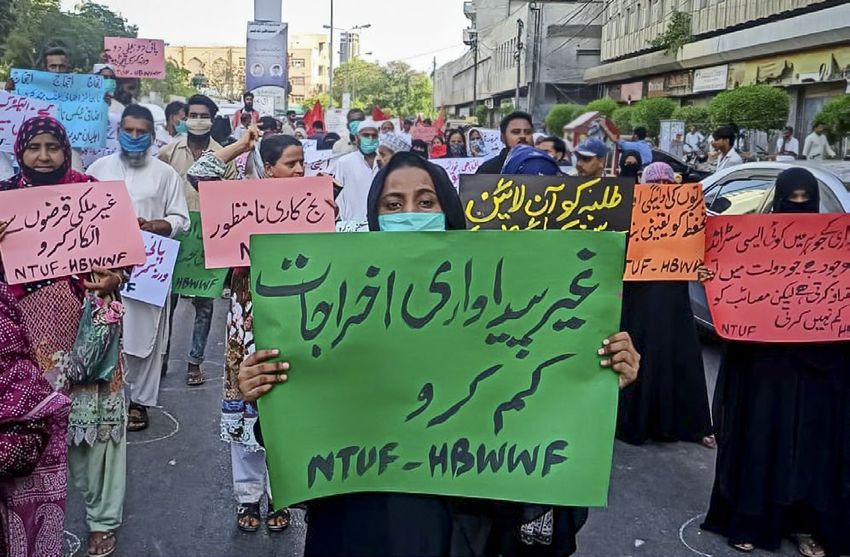
N AV I G AT I N G C I V I C S PAC E I N A T I M E O F C OV I D: S Y N T H E S I S REP O R T
EXECUTIVE SUMMARY

Executive Summary
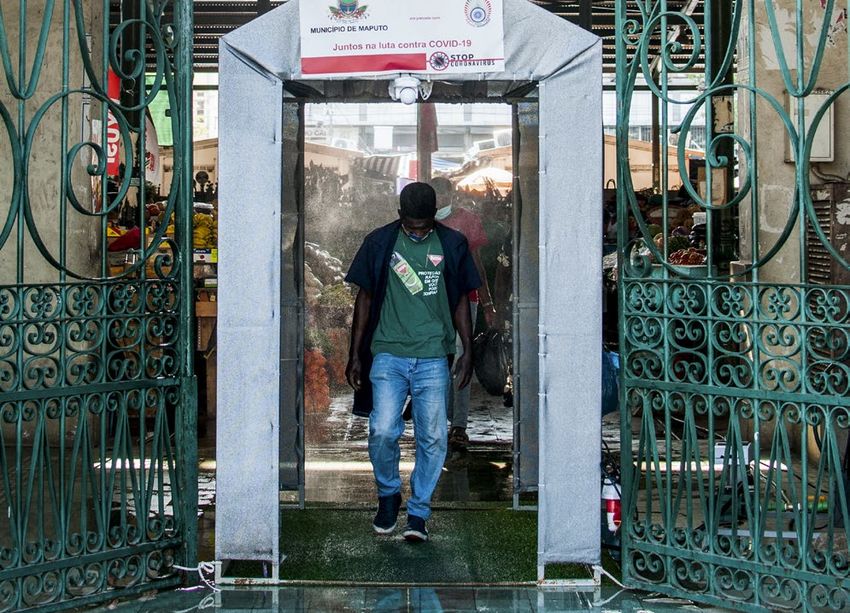
Since long before the Covid-19 pandemic emerged in 2020, civic                                ABOVE
                                                                                              Covid-19 disinfection
space has been changing all over the globe, generally becoming more                           tunnel at Mercado
                                                                                              Municipal in Maputo,
restricted and hazardous. The pandemic brought the suspension of                              Mozambique,
                                                                                              May 2020.
many fundamental freedoms in the name of the public good, providing                           PHOTO:
                                                                                              SAM SHERRATT, VIA
cover for a deepening of authoritarian tendencies but also spurring                           WIKIMEDIA COMMONS
                                                                                              CC BY-SA 2.0

widespread civic activism on issues suddenly all the more important,
ranging from emergency relief to economic impacts. The Navigating
Civic Space in a Time of Covid project has explored these dynamics
through real-time research embedded in civil society in Mozambique,
Nigeria, and Pakistan, grounded in a close review of global trends.

                                                                                                                      4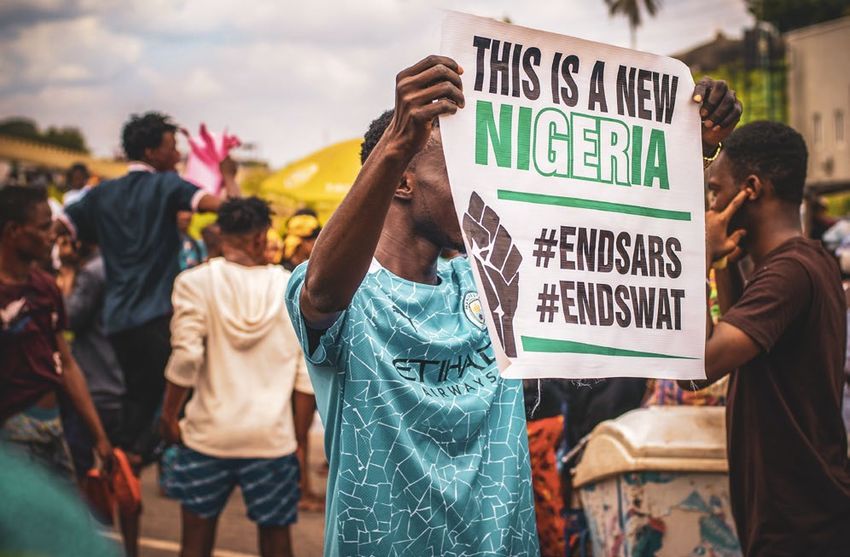
N AV I G AT I N G C I V I C S PAC E I N A T I M E O F C OV I D: S Y N T H E S I S REP O R T
EXECUTIVE SUMMARY

C
           ivic space matters for a host of reasons.                            An emergency heightens society’s need to be
           Our concern is how far it allows civil society                       governed. Protecting and restoring public health
           actors freely and safely to advocate for rights,                     in a pandemic requires complex and restrictive
           express dissent or opposition and contribute                         regulation. Responding to crisis strains the social
to public deliberation. In times of crisis, these                               contract and tests states’ and governments’ systems
freedoms acquire particular importance. The impacts                             for governing the collective and distributing public
of crisis usually fall disproportionately on marginalised                       goods. But while measures were undoubtedly
people whose interests are least represented in                                 needed, the pandemic was used as cover for
formal democratic institutions, and need to be                                  implementing emergency measures without
redressed through claim-making in the civic space.                              time limits, silencing or eliminating critics, and
                                                                                curtailing the three freedoms most integral to civic
Globally, the pre-pandemic year of 2019 has been
                                                                                space – freedom of peaceful assembly, freedom of
described as the fourteenth consecutive year of
                                                                                expression and freedom of association.
decline in global freedom, with ‘democracy and
pluralism […] under assault’1. Yet even as the                                  Against this backdrop, commentators noted
governance landscape has become more authoritarian                              emergent forms of civic agency and mobilisation,
and autocratic over the past two decades, instances of                          and newly important issues, actors, repertoires,
movement-based ‘people power’ have increased and                                and opportunities. As often before under military or
diversified and online activism has burgeoned, even                             authoritarian rule, in this ‘new normal’ civil society
in settings of severely limited civic space.                                    organisations (CSOs) and activists are devising
                                                                                strategies to navigate the space available, minimise the
From March 2020 the Covid-19 pandemic triggered a
                                                                                risks they face, and grasp what opportunities they can.
rash of policy and other measures that restricted civic
freedoms in the name of public health, with striking                            Mozambique, Nigeria, and Pakistan, far from being
similarities across the globe. The closing of civic                             exceptions in an otherwise democratic world,
space has taken a range of forms, overt and covert,                             illustrate both the pre-pandemic and in-pandemic
from formal legislation and policy to highly targeted                           trends set out above. The three countries also had
harassment, divide-and-rule and delegitimising                                  some common characteristics in the ‘old normal’
tactics. The chilling effects of these tactics are often                        before the pandemic, which they shared with many
all the greater and more divisive because of their                              other countries as well.
selective and arbitrary application. While both the
                                                                                The democratic credentials of these three countries
autocratising trend and the resurgence of civic action
                                                                                are neither the worst nor the best; they are hybrids,
were visible before, both seem to have accelerated
                                                                                combining some elements of democracy, with others
and magnified since the onset of the virus.
                                                                                of more autocratic rule. They share post-colonial
This report presents the findings of a collaborative                            histories of repressive military rule; legacies of
research study exploring these dynamics in                                      conflict and violence, continuing today in regions of
Mozambique, Nigeria, and Pakistan, three countries                              each country; high levels of poverty and inequality;
whose hybrid regimes combine democratic institutions                            and low trust between citizens and government
and processes with autocratic ruling practices and                              rooted in widespread perceptions of corruption.
trends of narrowing civic space. Built around a monthly
                                                                                Despite these challenging circumstances, each of
Observatory Panel methodology, continuous event
                                                                                the countries, to varying degrees, has a vibrant
cataloguing and key informant interviews from June
                                                                                civil society and a history of informal protest and
– December 2020, this innovative real-time research
                                                                                contention towards its ruling regime. However, true
captured the perspectives and experiences of civil
                                                                                to autocratic regimes, this civic history does not
society actors on changes in civic space and action,
                                                                                reflect ample civic freedoms nor necessarily translate
drawing on global literature and commentary to
                                                                                into greater voice and accountability. Pre-pandemic,
situate and interpret these. We sought to understand
                                                                                each country was already seeing a tightening of civic
what the changes mean for the future of democratic
                                                                                space and activity, with growing pressure particularly
governance in these countries and more broadly, and
                                                                                against CSOs, media and activists directly critical of
what strategies are needed to prevent and withstand
                                                                                the status quo. A growth of restrictive legislation was
further closure of civic space.
                                                                                tending to choke CSOs, online activism was under
The amassed evidence and commentary show                                        increasing surveillance and intervention, and the
a surge in autocratic behaviour and decline in                                  traditional media, although active, suffered frequent
democratic freedoms during the pandemic.                                        attack and sabotage in response to critical coverage.

                                                                                                                                           5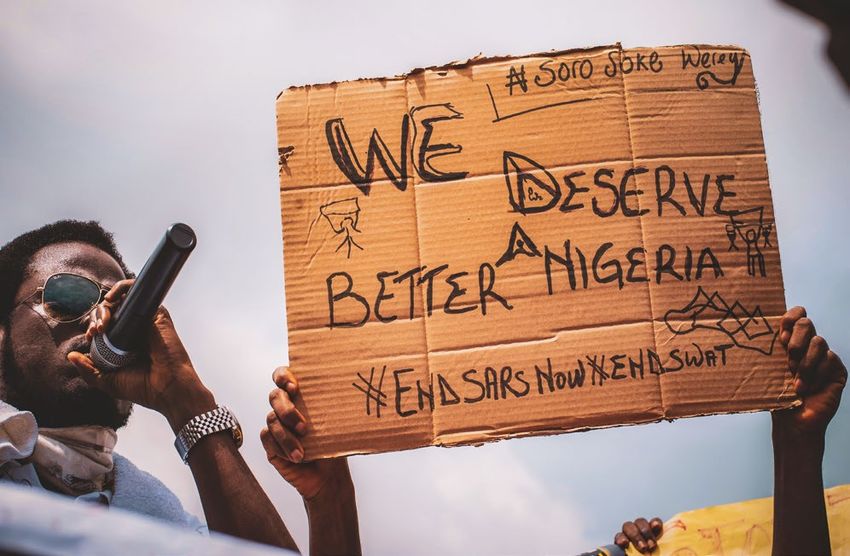
N AV I G AT I N G C I V I C S PAC E I N A T I M E O F C OV I D: S Y N T H E S I S REP O R T
EXECUTIVE SUMMARY

Less visible social and political pressures mobilised                           the virus in terms of public policy priority and
around religion, ethnicity, anti-Western sentiment                              even dwarfed it in terms of public perceptions.
or national security discourses conspired with this                             Key among these were the flood emergency in
legislation to stifle dissent.                                                  Pakistan, the pandemic-induced shock to Nigeria’s
                                                                                oil-based public finances and in all countries flare-
From early 2020, the spread and severity of the
                                                                                ups of violent conflict, never far away – Islamist
pandemic played out differently in Mozambique,
                                                                                insurgency in northern Mozambique, ethno-religious
Nigeria, and Pakistan. While official case and death rates
                                                                                violence in northern Nigeria, and insurgency in
were by far the most severe in Pakistan, similarly rapid
                                                                                Balochistan Province, Pakistan. These other shocks,
and drastic policy responses were seen in all countries,
                                                                                some of them with profound economic and political
accompanied by similar narratives and attitudes.
                                                                                ramifications, brought forth civic action of their own.
In each country the shock of the pandemic coincided                             The pandemic context both exacerbated the shocks’
with other major events, some of which overtook                                 effects and shaped the ensuing civic action.

What happened to civic space in Mozambique, Nigeria and
Pakistan under the pandemic?
A key feature of the global commentary on                                       not applied equally: different political parties, social
governance and civic space during the pandemic                                  classes, religions and livelihood groups experienced
has been the opportunity and impetus it gave                                    differential treatment. In all three countries the already-
states to consolidate and extend authoritarian and                              familiar tactic of forced disappearance continued,
autocratic tendencies.                                                          arguably made easier by stay-at-home orders, and
                                                                                particularly targeting journalists.
Over and above the most obvious restrictions on
freedom of assembly, human rights abuses and                                    Even as the first wave of transmission waned,
examples of state over-reach during the pandemic,                               securitisation of the pandemic deepened, restrictive
more insidious and longer-standing assaults on                                  legislation was extended, and individual activists
civic freedoms continued. Moves to control the                                  and dissenters were punished for protesting. In the
debate and silence critical voices applied as much                              background, longstanding legislative manoeuvres to
online as offline. The pandemic exacerbated                                     tighten regulation of civil society continued unabated.
sources of division amongst civil society, and
                                                                                Press freedom was under pressure in all three
sometimes dissipated civic energy. Tensions and
                                                                                countries, as the pandemic heightened the sensitivities
divisions also played out between different regions
                                                                                of those in power while exposing them to critique.
of each country, and between central and sub-
national authorities. The re-direction of public                                Media outlets and journalists were singled out for
and international donor funds towards pandemic                                  targeted suppression or attack. States made use
response provided important opportunities, but also                             of both fake news and accusations of fake news
threatened to be divisive.                                                      in what became an information war. Over the
                                                                                year, as intimidation and fear gave rise to self-
In common with many countries around the world,
                                                                                censorship both on- and offline, general trust in even
the pandemic triggered emergency legislation and
                                                                                independent media outlets to reflect the situation
‘lockdown’ restrictions on many facets of life in
                                                                                on the ground fell away.
all three countries. This represented a significant
shift towards executive authority, unleashing a                                 As civic action moved online, so did efforts to
concentration of power that undermined established                              undermine and regulate it, and silence critical voices.
processes for public deliberation and participation.
                                                                                The public health measures of the pandemic closed
Lockdowns offered new latitude for ‘over-reach’ by
                                                                                down many ‘offline’ spaces for protest, hastening a
authorities, in particular police and security forces.
                                                                                move to online spaces. But repression rapidly caught
Alongside the attacks on human rights that flourished                           up: legal regulations were used in both Pakistan and
or ensued under cover of the pandemic, lockdown                                 Nigeria to increase state control of digital tools and
restrictions and the ‘securitisation’ response had the                          spaces and limit free expression, and online harassment
immediate effect of reducing the civic space available to                       and trolling targeted Pakistani women journalists
challenge these tendencies. However, restrictions were                          critical of the government’s Covid-19 narrative.

                                                                                                                                              6
N AV I G AT I N G C I V I C S PAC E I N A T I M E O F C OV I D: S Y N T H E S I S REP O R T
EXECUTIVE SUMMARY

Across the three countries, the response to the                                 national and subnational authorities diverging in
pandemic exacerbated existing social divisions, with                            their approaches to the pandemic in some cases.
discourse and action playing into tensions between                              Tensions also arose around distribution of pandemic
communities, and the pandemic hitting harder                                    relief and aid. Overlaid on the sub-national conflicts
those already excluded or vulnerable. A more                                    and ethnic and religious tensions already going on in
fractious and antagonistic public debate raised the                             all three countries, the combined effect was to make
stakes for those acting in civic space, particularly                            civic space far from uniform across the territories,
those acting for the needs of stigmatised minorities.                           with divides between rural and urban areas, capital
In the early days of the pandemic, before cases were                            cities and peripheries, conflictual and stable regions,
widespread and community transmission accepted, it                              governing-party-led and opposition-led areas.
was often framed as an ‘imported’ virus, and supposed                           The pandemic put significant financial pressure
‘carrier’ population groups stigmatised. As transmission                        on governments and civic organisations alike. The
spread and the parallel actions of authorities to                               need to re-direct resources to pandemic response
enforce lockdown measures and provide targeted relief                           had its own impacts on civic space. This included re-
ramped up, further tensions were inflamed, along                                direction of donor funds that previously supported
pre-existing ethnic and religious fault-lines. Blasphemy                        a wider range of CSO activity and led to changes in
accusations came to be used as weapons in deepening                             the civic landscape in our three countries.
sectarian tensions particularly in Nigeria and Pakistan.
                                                                                In our three contexts international funding of civic
The need for decisive action in the face of the                                 organisations, and larger CSOs, has been important
pandemic saw not only the shift of power towards                                historically in sustaining their role in civic space. The
the executive or military discussed above, but also a                           re-direction of these funds to Covid-19 relief had
centralisation of authority and increasing tensions                             mixed effects: positively, a more adaptive attitude by
between national and sub-national authorities. This                             donors towards local CSOs in Nigeria, and negatively,
had consequences for the locally empowering and                                 the favouring of less politically challenging, more
democratising effects – actual or potential – of each                           welfare- and humanitarian-oriented organisations
country’s decentralisation trajectories to date.                                over advocacy and rights-focused organisations in
State of Emergency legislation tended to centralise                             Mozambique and Pakistan. Competition between
power and sow tensions or confusion around                                      CSOs was observed to increase, weakening the
administrative and political decentralisation, with                             potential for collective voice and coordinated action.

What happened to civic action?
During the pandemic a host of public policy concerns                            issues, new actors and new coalitions came to the
became especially salient, and much civic energy                                fore, sometimes out of necessity and other times
and action shifted towards these. Action on these                               as a strategic response. With them came adjusted
issues drew in and brought together new actors and                              repertoires of action. The spread of digital protest
new coalitions, sometimes expanding the repertoires                             sped up; citizen oversight mechanisms sprang up to
of action they used to navigate the available                                   monitor Covid-19 emergency relief, often empowered
space. This came about in part as the sectors and                               and emboldened by digital technologies; and unruly
issues most affected by the pandemic acquired                                   expressions of popular politics were common.
new urgency, but also in more subtle ways, as the
pandemic laid bare the unfairness of the status quo.                            Unsurprisingly, the pandemic put public healthcare
                                                                                systems under the microscope, with health systems
Important shifts in civic action in Mozambique,                                 worldwide struggling to cope, and healthcare workers
Nigeria, and Pakistan since the onset of the                                    on the frontline of the fight against the pandemic.
pandemic have been both because of and in spite                                 Correspondingly, these workers and their allies
of the narrowing civic space. Whilst not without                                have mobilised across the world to demand more
precedent in any of the countries, these shifts are clearly                     resources, greater protection in the form of PPE
associated with the pandemic. The pandemic re-directed                          and risk payments, and greater recognition. Longer-
attention and civic energy towards certain issues that                          standing grievances made common cause with
stood out in a global and national public health                                pandemic-related mobilisations for better resourcing,
emergency. Drawn out by the changing salience of                                regulation and defence of public healthcare services.

                                                                                                                                            7
N AV I G AT I N G C I V I C S PAC E I N A T I M E O F C OV I D: S Y N T H E S I S REP O R T
EXECUTIVE SUMMARY

In these three countries as well as globally, CSOs set                        direct service provision and coordination with the
about repurposing themselves to do emergency                                  state and other civil society actors. This civic action
relief work, as well as pressurising the state to                             generated discussion and public condemnation of
provide relief and monitoring it when it did so.                              GBV both online and offline, and some significant
Taking on relief roles, sometimes even in partnership                         moves to improve legal frameworks surrounding GBV
with governments, brought CSOs some room for                                  and harassment in Nigeria and Pakistan.
manoeuvre in increasingly hostile environments.
                                                                              The economic impact of the pandemic was
Attempts to hold government accountable for the
                                                                              significant in all three countries. Immediate
management of significant Covid-19 relief funds –
                                                                              restrictions on businesses and trading were followed
raised domestically and from donors overseas – were                           as the pandemic wore on with escalating concerns
witnessed in Mozambique and Nigeria. Coalitions                               about livelihoods, unemployment and the costs of
proved crucial for both delivering relief and holding                         basic goods, all of which triggered new action and
government accountable.                                                       demands from civic organisations. Those reliant on
Education was one of the key sites of disruption                              the informal economy were particularly vulnerable,
and contention during Covid-19, against a                                     and the inability of social security and social
background of widespread challenges in schools                                protection systems to cushion the economic fall-out
and university access and quality. Issues such as                             was laid bare in many countries. Consequently, the
school and university closure and inequalities                                pandemic provoked several prominent instances of
in remote learning brought forth demands for                                  civic action led by unions, professional associations
accountability from civic actors and the general                              and unique coalitions that sought to address issues
public. Simultaneously students and teachers played                           concerning the economy and livelihoods.
a significant role in popular protests during this                            The heavy-handed and securitised response to the
period. Concerns about student safety and possible                            pandemic brought to crisis point a range of long-
transmission of the virus were highlighted by groups                          held grievances about the insecurity facing people
in all three countries, with a common theme being                             in their everyday lives, and the role of state actors
the public debate over reopening of schools.                                  in sustaining or causing that insecurity2. Around the
Emergencies and crises are known to increase                                  world this manifested in a range of action, including
gender-based violence (GBV). Evidence confirms this                           protests against lockdown and public health measures.
for the Covid-19 pandemic globally. Responses and                             In all three of our countries, it created grounds for
mobilisation from both organised and unorganised                              flashpoints in relation to law and order and the actions
civil society emerged on these issues across all three                        of security services of which the #EndSARS campaign
countries in this project. The rise in GBV was met with                       to abolish Nigeria’s particularly brutal Special Anti-
petitions, physical protests, advocacy, digital activism,                     Robbery Squad (SARS) was the most emblematic.

So what does the ‘new normal’ mean for governance in
the longer term?
A further narrowing of the democratic arena                                   has been a crucial arena for critical dialogue,
where contestations, differences and inequalities                             expression of difference and honing of oppositional
can be managed without recourse to violence has                               stances. Yet the governments of Mozambique,
happened simultaneously with the undermining                                  Nigeria, and Pakistan have each been particularly
of the actors who play key roles in speaking                                  swift and far-reaching in rolling back democratic
out and staking claims democratically. The                                    progress under Covid by squeezing an already-
patterns and trends we have observed and our                                  constrained civic space still further. Here and in a
interpretations of them – grounded in active                                  wide range of other countries, power seems likely
current engagement in Mozambican, Nigerian                                    to become more centralised and less shared, and
and Pakistani civil society – point to three sets                             civic space more constricted, unless there is a
of implications: for civic space; for citizen-state                           concerted global effort to protect it.
relations; and for civil society and civic activism.
                                                                              What we have seen in 2020-21 might be just
In these contexts of fragile political pluralism,                             the beginning of an enduring securitisation of
civic space at national and sub-national levels                               public health and democratic governance, in

                                                                                                                                         8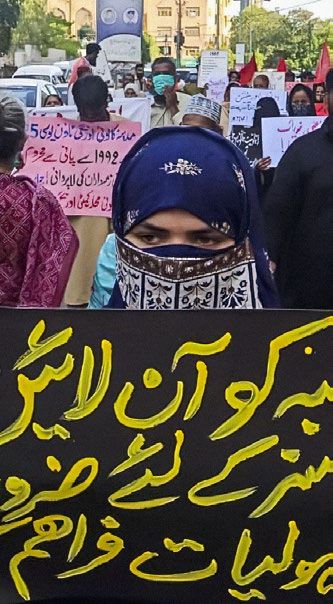
N AV I G AT I N G C I V I C S PAC E I N A T I M E O F C OV I D: S Y N T H E S I S REP O R T
EXECUTIVE SUMMARY

which citizen-state relations are re-framed more
antagonistically as one protects a securitised
version of public health and civil liberties. As
trust declines further and polarisation increases,
elements within both ‘sides’ are likely to drive the
other towards extremes. International aid actors
seeking to support civil society have long needed
to resist treating it as monolithic or uniform,
but official and non-governmental donors to
these three countries and the many other aid-
recipient countries undergoing similar trends will
likely need to make harder choices about which
civil society actors to align themselves with. To
continue providing effective support to civic
space and action, official bilateral aid will need to
become more politically informed and work more
closely with diplomatic and multilateral channels.

Despite the evidence of newfound coalitions
and solidarity especially early in the pandemic,
the fissures, fragmentation and competitive                                   difficult choices to make, and need to chart a        ABOVE
                                                                                                                                    Covid-19 positive
dynamics showing up in civil society in all three                             careful path to maintain solidarity across causes
                                                                                                                                    patient, taken
countries look likely to increase. Civil society                              and identities. International actors, including aid   to hospital by
may well segment into actors that weather                                     donors, need to revive approaches used in the         medical staff,
                                                                              least democratic settings and in less democratic      Mozambique,
civil-society-restricting moves, those that
                                                                                                                                    Beira city, June
circumvent them, and those that actively counter                              global eras. In contexts where civil society, civic   2020.
them. Mozambique, Nigeria, and Pakistan may see                               space and government notions of accountability        PHOTO:
                                                                                                                                    MIROS LAV,
the emergence of small but stronger and more                                  have been heavily shaped by international aid,        SHUTTERSTOCK.COM
significant contentious segments of civil society                             the defence of civic space and assertion of
than have existed before, even while other CSOs                               accountability claims over the past year by
retreat from advocacy into uncontroversial service                            domestic social actors – not dominated by donors
provision roles. Even in its evermore strategic use                           or international NGOs – hold particular promise.
of online spaces and digital communications civil                             The energy generated to monitor civic freedoms
society will be hard-pressed to stay a jump ahead                             and call out the democratic backsliding we have
of state security forces’ interference as regulation                          seen during the pandemic must be sustained, and
and technology in these spaces evolve.                                        both national and international attention focused
                                                                              on the dangers of emergence from the pandemic
More positively, spurred by new levels of                                     with our civil liberties eroded and autocratic
outrage around issues of equitable distribution,                              governance normalised.
transparency and accountability thrown into relief
by the Covid-19 pandemic, civic action has found
fresh impetus. At least some of the coalitions
forged in the heat of the pandemic are likely to
endure as a safer and surer way of operating,
perhaps maturing into deeper, cross-class alliances
as the longer-lasting effects of the pandemic
and policy and budget responses to it are felt on
livelihoods and lifestyles. No less will be needed to
hold open a further-shrinking civic space.

The shifts in citizen-state relations we have seen
intensify during the pandemic call for re-strategising,
re-positioning and re-tooling by advocates of
democracy and accountable governance at all
levels. Activists and civic organisations will have

                                                                                                                                                        9
N AV I G AT I N G C I V I C S PAC E I N A T I M E O F C OV I D: S Y N T H E S I S REP O R T
INTRODUCTION AND BACKGROUND

   1 Introduction and background
The crisis of Covid-19 arrived against a backdrop of declining civic                          ABOVE
                                                                                              Members of the
freedoms in both newer and more established democracies, but also a                           National Trade
                                                                                              Union Federation
widely observed and simultaneous resurgence of popular protest and                            and Home-based
                                                                                              Women Workers
people power. The emergency heightened the need for governance.                               Federation take
                                                                                              part in a socially-
But the measures adopted and the way that authorities applied them                            distanced protest
were quickly and frequently seen as suppressing dissent and targeting                         about economic
                                                                                              pressures in
opposition voices, spurring an active global conversation about the                           Karachi, Pakistan,
                                                                                              November 2020.
long-run implications for civic freedoms and action, and democratic                           PHOTO: KHIZER HABIB

values and norms. This is a contribution to those debates. We report
from six months of research in Mozambique, Nigeria, and Pakistan
during 2020. Observatory panels of civil society leaders in each country
monitored and made sense of events in real-time, alongside extensive
event cataloguing and inputs from the live global debates.

                                                                                                                    10
N AV I G AT I N G C I V I C S PAC E I N A T I M E O F C OV I D: S Y N T H E S I S REP O R T
INTRODUCTION AND BACKGROUND
1.1 Introduction Action for Empowerment and Accountability research
programme (A4EA). A4EA is a five-year programme that
Civic freedoms are in decline globally. Over many years looks at how social and political action contributes to
pro-rights and accountability activists and campaigners empowerment and accountability in contexts affected
in established and newer democracies alike have been by fragility, conflict and violencea. Between June and
operating in a space that is changing, in patterned December 2020, the research team undertook a monthly
ways. The crisis of the Covid-19 pandemic heightened research cycle designed to capture events and changes in
attention to these patterns, as countries across the civic space and civic action in real time, and to understand
globe acted quickly and severely to restrict fundamental these from the perspectives of those grappling with them.
freedoms in the name of public health. As debates This report brings together key themes and findings
continue about ‘building back better’ in the wake of the from that process. Separate reports for each country are
pandemic, the reality is that many restrictions thought published by the research partners in the project3.
temporary one year ago are still in place. We face a
world where the new language of lockdown heralds an After more than a year of a global pandemic, space for
acceptance, at least on some level, that fundamental organised citizens to engage with authorities on public
freedoms can be suspended in the name of the public policy choices, to examine the decisions being made, and
good. Not only are many restrictions still in place, but critique and offer alternatives is more necessary than
the evidence is increasingly clear that the cover of the ever. But changes in the space available, the relationships
pandemic has allowed governments to hasten their between civic actors and governments that shape the
turn towards authoritarianism and autocratisation, space, and the kinds of issues that have salience raise
changing the landscape in potentially permanent ways. crucial questions for the future. What genies has the
pandemic let out of the lamp? What does that mean
Simultaneously, we also witness a resurgence in people for our democratic futures in the coming years? What
power and civic mobilisation both to claim rights and strategies do civic actors and those that support them
to call the system to account for injustices and lack of need to take now to prevent further closures?
attention to issues of global urgency. Tightening civic
space has not prevented the growth of mass movements, We turn to these longer-term questions in the final section
online campaigns, and popular protest. Anti-government of our report. The next part of this first section outlines the
protests are taking place on a significant scale in very approach we took to researching these issues in real time
different countries, and new digital tools and spaces from the perspectives of those grappling with them. We
afford new opportunities for action and connection. This then look at the status of civic space, freedoms and action
civic energy was also an important part of the story of globally before the pandemic and during the past year.
the pandemic – with self-help and mutual aid groups Section 2 turns to the countries, exploring the pre-pandemic
springing up, governments called out on their pandemic context for civic action in all three and their similarities, and
the different ways in which the pandemic played out in these
response, and issues of care, education, and social
contexts. Section 4 delves deeper into various ways that
protection becoming a focus of active public debate.
civic space has changed over the course of the year. Section 5
These two trends – of increasing autocratisation, but turns the lens on the civic action that arose or persisted as
also new expressions of ‘people power’ and civic the space was changing – for the most part, closing.
dynamism – are clearly not new. But during a year of
The report is our evidence-based contribution to a
pandemic-induced crisis they have accelerated and
multitudinous global conversation about how civil
magnified. This report looks at how these dynamics
society organisations (CSOs) and active citizens can best
played out in Mozambique, Nigeria, and Pakistan –
strategise, act and navigate the turbulent dynamics we
three countries where the space for civic dissent and
and many others are observing. Our data, generated
claims for accountability and better governance was
from the ground up over this intensive six-month
already constricted, and practices of autocratic rule have
process spanning the first peak of the global pandemic,
sat alongside democratic processes and institutions
adds to the existing debates illustration, granularity
for some time. Rather than being exceptional, these
and corroboration of a global phenomenon with far-
conditions of ‘hybrid’ governance are in fact common
reaching, troubling consequences for democracy. It is
globally, as are their histories of colonial rule, internal
addressed to advocates of democracy in both scholarly
conflict and division, and popular struggle for democracy.
and activist roles who have focused on what is happening
The story we tell here comes from six months of to civil society over recent decades, and to aid donors
collaborative research by institutes and civil society actors – official, philanthropy and non-governmental – who
in each of the three countries, convened by a research support democratisation and civil society, in the hopes of
team at the Institute of Development Studies under the informing our collective strategies and actions.
a
See www.ids.ac.uk/A4EA for more information on the programme.
11N AV I G AT I N G C I V I C S PAC E I N A T I M E O F C OV I D: S Y N T H E S I S REP O R T
INTRODUCTION AND BACKGROUND
1.2 The research process together as the pandemic and policy responses
played out. In some cases, panel members decided
Navigating Civic Space in a Time of Covid-19
to continue collaborative analysis and advocacy work
was a research project created under the Action
after the project finished. The panels met virtually
for Empowerment and Accountability (A4EA)
using videoconferencing platforms, which meant that
research programme in early 2020, working with
they could take place even during lockdown periods.
research teams in three of the A4EA focus countries:
Mozambique, Nigeria, and Pakistan. The project As a research team we mirrored this process at a cross-
design was methodologically innovative, based on country level: meeting monthly to digest and collectively
a monthly research cycle intended to capture events analyse the discussions in each country observatory
and changes in civic space and civic action in real time panel, finding commonalities and differences, and
and to understand these from the perspectives of placing these against a monthly update on events in
civil society actors. Observatory panels of civil society other countries or commentary from other studies.
leaders were established and met monthly in each These layered discussions surfaced leads and insights
country from June – December 2020, after the first that we fed back to the country observatory panels as
waves of cases and lockdown measures, and through to themes for further discussion, and to be explored further
the start, in most cases, of a second wave of infections. in key informant interviews or ‘guest appearances’ of
Effectively, these functioned as three recurrent key figures holding dialogues with observatory panel
focus groups, amassing qualitative panel data in fast- members. Key informants were carefully selected to
changing, and at times risky contexts. Together panel provide harder-to-reach perspectives, help ground-truth
members reflected on the situation on the ground for the other data, or fill in important gaps. Findings were
the work they were trying to do, and commented on compiled in reports for each country, complementing
broader events, debates, and incidents. Relevant events
baseline studies completed by each country research
were systematically catalogued by lead researchers
team at the start of the project.
based on a continual scan of traditional and social
media. These ‘event catalogues’ provided content In a research process characterised by solidarity and
for debate in panel discussions, and provided a rich mutuality, this approach privileged the voices of activists
evidence base for a wide set of actions and patternsb. and organisers on the frontlines, valued their expertise and
Panels had up to 10 members, representing different allowed us to bring together findings grounded in their
geographies and sectors. The members remained particular priorities, surface cross-country patterns as they
consistent throughout the project, allowing them emerged, and place these in the context of a wider set
to build relationships and continue a conversation of patterns from the global commentary on these issues.
Figure 1. Our research process Country baseline studies
• Baseline studies: Understanding the recent trends
in each country Key
• Event tracking: Media and social media Event
informant
scanning to identify relevant events and tracking Global
interviews
debates, fed into observatory panels literature
• Observatory panels: Around 10 civil society scanning
Monthly observatory
leaders in each country debating key themes
and issues of the day each month panels
• Key informant interviews: Targeted interviews
with civil society members and activists
Monthly cross-country
• Global scanning: Summaries of new research and
commentary on the pandemic, governance, and synthesis discussions
civic space, fed into monthly synthesis discussions
• Cross-country synthesis: Monthly dialogue on
discussions in observatory panels, and patterns of Country Project
events, informing new lines of enquiry final reports final report
b
The event catalogue in Nigeria ran alongside the ongoing documentation maintained in the Closing Spaces Database by our
Nigeria research partner, Spaces for Change.
12N AV I G AT I N G C I V I C S PAC E I N A T I M E O F C OV I D: S Y N T H E S I S REP O R T
INTRODUCTION AND BACKGROUND
1.3 Civic space pre-pandemic:
Civic energy amidst shrinking It is in times of crisis that civic space,
space for dissent transparency and the free flow of information
Commentators have been observing significant are more critical than ever for building and
changes in civic space in countries around maintaining the trust needed for effective
the world for several years now. Rising responses.
authoritarianism and autocratic ways of governing
have put many civil society actors under – UN Guidance Note on Civic Space, September 2020
significant pressure and eroded fundamental
rights of association, assembly, and expression.
Prior to the Covid-19 pandemic CIVICUS reported
violations.10 In addition, Hossain and colleagues
that 67 per cent of the world’s population lived
make the developmental case that open civic
in countries where civic space was closed or
space and the plurality it brings are central to
repressed4. Freedom House declared that 2019
the Sustainable Development Goals, arguing that
was the fourteenth consecutive year of decline in
progress on reducing inequalities is impaired
global freedom and that ‘democracy and pluralism
when civil society groups can no longer empower
are under assault’5. The 2021 V-Dem Democracy
and protect the poor and marginalised.11
Report, entitled ‘Autocratization Turns Viral’,
further documents these trends. According to this There is a substantial literature evidencing a wave
report, 68 per cent of the global population now of actions that have closed civic space across
live in autocracies, of which ‘electoral autocracies’ diverse contexts in the past decades.12 Box 1 sets
are most common6. These are regimes which out the numerous forms they have taken. These
fall short of democratic standards because of actions are very often targeted at particular civic
institutional weaknesses or limits on political actors or organisations. Whilst some measures, like
competition, although they hold multiparty rules for CSO registration, might appear to apply
elections7. Hybrid regimes of this kind, where to everyone, the space that different organisations
elements of democratic and undemocratic rule and actors have available is far from uniform, and
sit side by side8, are the reality for most people in such rules are often applied arbitrarily. Based on
the world. country case studies, Hossain et al. argue that
rather than an all-out closure in civic space what
In this paper we understand civic space broadly as
has been observed are selective and strategic
the physical, virtual and legal place where people
changes that close down opportunities for those
associate, express themselves and assemble. Civil
critical of governments and elites, including
society of course includes conservative, socially
business elites.13 This finding chimes with those
regressive and pro-government elements, as
of Borgh and Terwindt, who show that the space
well as progressive critics of government. But we
available depends in part on the activities that
are specifically interested in how far the space
CSOs pursue – with ‘service-oriented’ organisations
available allows civil society actors to advocate
having considerably more space under regimes
for rights, express dissent or opposition, and
that allow advocacy and rights-based organisations
contribute to public deliberation without, as
to be persecuted and closed down.14 Buyse
Hossain and Khurana put it, ‘fear of incurring
notes the important role here of discourse that
official disapproval, hostility, violence or abuse,
delegitimises ‘political’ actions by CSOs, advancing
or without breaking laws or regulations’9.
a narrative that sees civic organisations as primarily
Sustaining more open civic space is fundamental
service providers.15
to equitable and democratic dialogue, embracing
pluralism and inclusion of the historically At the same time as these attacks, and often in the
marginalised, and allowing people to realise same places, many have noted a surge in civic
fundamental rights to associate and speak freely. energy and ‘people power’. Maerz et al. argue that
A United Nations Guidance Note from September pro-democracy mass mobilisation was at an all-time
2020 pointedly notes that these freedoms and high in 2019, and ‘contributed to substantial
rights are especially important in times of crisis, democratization in 22 countries over the last ten
and that when they are impaired this is often years’.16 Others reflected too on 2019 as ‘the year of
an early warning sign of further human rights protest’, noting mobilisations around economic
13N AV I G AT I N G C I V I C S PAC E I N A T I M E O F C OV I D: S Y N T H E S I S REP O R T
INTRODUCTION AND BACKGROUND
crises as well as political leadership.17 Brannen et al. of significant scale happened in 78 per cent of
consider us in ‘an age of global mass protests that ‘authoritarian or authoritarian-leaning’ countries
are historically unprecedented in frequency, scope, since 2017.21Nor do decades of increasing pressure
and size’.18 Chenoweth contrasts the rise in non- on CSOs mean that they are out of the picture
violent resistance with the decline in violent or in these contexts. Instead, as often before under
armed campaigns since the 1970s, but also argues military or authoritarian rule, CSOs and activists
that in recent years – despite some clear wins by adopt strategies to navigate the space available,
popular movements in a number of countries – minimise the risks they face, and take what
non-violent resistance has become less effective, opportunities they can. They might actively counter
partly as states have adapted their strategies to restrictions, for example mobilising people and
nullify or appease protests.19 Youngs argues that international organisations or foreign governments
not only have the frequency and intensity of citizen in support. They might find ways to circumvent
campaigns and mobilisation increased since new restrictions to continue their activities. Or
the turn of the 21st century, but that these have they may choose to weather the attacks in the
taken on new characters, strategies and tactics.20 hope of greater openness down the line. A review
He identifies a rise in movement-style politics by the Norwegian development agency NORAD in
and direct-action that corresponds with others’ 2018 distinguished between pro-active responses
views of resurging popular mobilisation and that sought to (re)claim spaces to operate and
protest, with rapid growth of online space legitimacy, and reactive responses. Reactive
providing new avenues for solidarity and responses they observed included self-censorship,
transnational connections. shifting work towards service delivery, working
in relatively more open sub-national areas, and
Whilst public protest and mass mobilisation challenging de-legitimising discourses.22 El Assal
depend on a degree of civic space, the hybrid and Marzouk trace similar strategies of human
political systems in much of the world mean that rights organisation in Egypt in the crackdown
this surge of civic energy is not limited at all to that followed the Arab Spring, but also choices
more open or democratic places. The Carnegie to relocate organisations outside of the country,
Endowment for International Peace Protest cut ties with foreign donors and re-orientate to
Tracker finds that anti-government protests ‘membership models’ to secure funds.23
Box 1
Attacks on civic space take various forms and include : 24
• Formal and legal restrictions and • Targeting of activists and activist civil
regulations on organisations, including society organisations for individual
the legal right of civic organisations to harassment, persecution or violence,
exist, curtailments on their income and including malicious prosecution and
activities, and supervision by the state selective assassination
• Restrictions in freedom of speech and • Tactics that divide and fragment civil
press freedom society groups and campaigners
• Restrictions in access to information • Co-optation of CSOs by state or other
and communication, notably through actors, reducing their independence
regulation and policing of digital and
• Anti-CSO discourses, negative labelling,
online space
and stigmatisation
14N AV I G AT I N G C I V I C S PAC E I N A T I M E O F C OV I D: S Y N T H E S I S REP O R T
INTRODUCTION AND BACKGROUND
1.4 The shock of the pandemic: for example on sedition, to silence critics of
pandemic responses32. Freedom of association
Openings and closures was undermined through increased regulation of
An emergency heightens society’s need to be CSOs, particularly in relation to foreign funding,
governed. Protecting and restoring public health during the pandemic33. Online space acquired
in a pandemic requires complex and restrictive increasing relevance during the pandemic given
regulation. Responding to crisis strains the social the restrictions on physical assembly, building on
contract and tests states’ and governments’ the pre-pandemic trends noted above34. Activists
systems for governing the collective and public used digital media to organise themselves, spread
goods. Covid-19 triggered a rash of policy measures information, show solidarity and share resources
that restricted civic freedoms in the name of public in new ways. However as civic actors increasingly
health, with similar policy responses spreading relied on online spaces, governments began
quickly across countries with diverse needs and closing these spaces35. Various governments used
exposure to the virus. contact tracing apps to increase surveillance,
social media groups to censor narratives, and
These policy measures and the actions of authorities internet shutdowns to limit communication36.
were fast brought into focus by watchers of civic Section 3 illustrates how these trends played out in
space and democratic standards, with numerous Mozambique, Nigeria, and Pakistan.
projects mobilising or pivoting to monitor newly
restrictive changes in laws and governance practices At the same time, we also see emerging forms
worldwidec. The evidence and commentary that of agency and civic action in response to the
resulted shows a surge in autocratic behaviour crisis, and newly important issues, actors, and
and decline in democratic freedoms.25 Whilst repertoires. The areas of policy and of life that
public health measures were undoubtedly needed, gained prominence as focuses of activism were
the threat of a global pandemic was used to those that were most acutely affected either
implement emergency measures without time by the pandemic itself or by policy responses
limits, curtail democratic freedoms and put critics to it. Mutual aid groups, community-based
behind bars in many countries.26 Many have argued organisations, and informal networks came to
that governments used the public health crisis to the fore37. Emergent repertoires included use of
become increasingly authoritarian.27 V-DEM, which digital spaces, online-offline protests, people-less
launched a project on ‘pandemic backsliding’ on protests and new coalitions38. New opportunities
democracy and tracked violations of democratic presented themselves for civic actors to work
norms across the year, observed that 55 autocratic on issues of service delivery, spreading accurate
regimes engaged in major or moderate violations of information working in new coalitions, including
international norms28. with government actors. All of these developments
provided signs of how civic groups’ navigation
The pandemic response resulted in a global decline of the pandemic might enable them to continue
in the three freedoms that are integral to civic surviving in the context of closing civic space, a
space – freedom of peaceful assembly, freedom of subject we return to in Section 4.
expression, and freedom of association. Freedom
of peaceful assembly was the most affected due to
the nature of the virus which required people to
maintain social distance, and the widespread use
of stay-at-home or lockdown orders29. Information
and its accuracy took on new currency and became
more contested in the face of an unknown virus
and its rapid spread, leading to many measures
curtailing freedom of expression. This ‘infodemic’30
provided ample space for governments to pass
new laws concerning fake news which in practice
were used to curb dissent31, and use other laws,
c
See for example the V-Dem monitor of ‘Pandemic Backsliding’, the International Press Institute Covid-19 Press Freedom tracker,
the International Centre for Non-profit Law COVID-19 Civic Freedom Tracker, and the Transparency and Accountability Initiative’s
‘tracker of Covid trackers’.
15N AV I G AT I N G C I V I C S PAC E I N A T I M E O F C OV I D: S Y N T H E S I S REP O R T
M OZ A M B I Q U E, N I G E R I A , A N D PA K I S TA N: G OV E R N A N C E, C I V I C S PAC E, A N D T H E U N F O L D I N G O F T H E PA N D E M I C
2 Mozambique, Nigeria, and Pakistan:
Governance, civic space, and the
unfolding of the pandemic
Mozambique, Nigeria, and Pakistan offer prime examples of the global trend ABOVE
Protestors demand
that has been seen over the last decade towards increased authoritarianism the end of the SARS
police unit and decry
and closing of civic space. The three countries also share histories of post- police violence in a
national wave of
colonial military and single-party rule, legacies of violence and continued protests, Abeokuta,
internal conflicts and security threats, a high degree of poverty and other Ogun State, Nigeria,
October 2020.
human development needs, and weak forms of voice and accountability. PHOTO:
TOPE AYODEJI ASOKERE,
Despite these challenges, each country also has a history of civic activism, WIKIMEDIA COMMONS
CC BY 4.0
which grew following the creation of spaces for democratisation in their
respective constitutions. In more recent years, however these spaces have
come under renewed pressure with both formal and informal attacks. The
pandemic played out differently in each. While official case and death rates
were by far the most severe in Pakistan, similarly rapid and drastic policy
responses were seen in all countries, accompanied by similar narratives
and attitudes. In each country the shock of the pandemic coincided with
other major events, including natural disasters, economic crises, and
resurgences of violence and sub-national conflict. The pandemic context
both exacerbated the shocks’ effects and shaped the ensuing civic action.
16N AV I G AT I N G C I V I C S PAC E I N A T I M E O F C OV I D: S Y N T H E S I S REP O R T
M OZ A M B I Q U E, N I G E R I A , A N D PA K I S TA N: G OV E R N A N C E, C I V I C S PAC E, A N D T H E U N F O L D I N G O F T H E PA N D E M I C
2.1 The governance contexts power. As we shall see, in such settings ‘national
security’ or ‘anti-terrorism’ can be invoked to suppress
Mozambique, Nigeria, and Pakistan illustrate
dissent and close civic space, and with the historically
the global trends highlighted above. Rather than
central roles of the military and secret police in these
exceptions to an otherwise democratic world
countries, these threats cannot be taken lightly.
they reflect situations that are more common
than not. While they do not represent the most It is also important to note that these are low
‘closed’ or autocratic settings, neither are they the income and highly unequal countries, where
most open. All three were classified by the V-Dem livelihoods and access to basic services such as
Global Democracy Report as ‘electoral autocracies’ health and education remain a daily struggle for
in 201939, and as ‘hybrid’ regimes by the EIU vast numbers. Each of these countries sit at the
Democracy Index40. According to the Civicus Monitor extremely low end of the Human Development
on Civic Space, all three countries had ‘repressed’ or Index (2020)d. Nor is there great confidence in the
‘obstructed’ civic space prior to the pandemic41. government’s abilities to deliver on these needs for
basic services, as these countries also rank relatively
The countries share other characteristics in addition
high in terms of perceived corruption, with high
to these broad indicators of democracy, which have
levels of mistrust of the state44. Even before the
long affected the nature of citizen-state relations42.
pandemic crisis, there were huge unmet needs and
Perhaps the most important of these is that they
vulnerabilities within the population – which would
share histories of military rule, and memories
continue to worsen when the pandemic began.
of the repressive power of the military remain
strong. Following independence from their colonial
powers, both Nigeria and Pakistan have experienced 2.2 Civic space before the
intermittent military governments, up until 1999 in pandemic
the case of Nigeria, and as late as 2007 in the case Despite the challenging settings described above,
of Pakistan. In Mozambique, the dominant party, each of these countries has a vibrant civil society
Frelimo, has been in power since 1975, and with that and, to varying degrees, a history of informal protest
power has come the consolidation of control over and contention towards the regime. Pakistan, for
the security apparatus. instance, has over 45,000 registered non-profit
Closely aligned to the history of military power, and organisations, and while the government favours
dominant-party control of the security apparatus, those that focus on service delivery or humanitarian
these countries also share legacies of conflict and relief, many organisations have historically managed
violence involving resource-rich but historically to work on more contentious issues of gender
marginalised regions. Following independence, justice, human rights, and democratic politics. At
Mozambique experienced civil war up until 1992. key moments in history, mobilisations and protests
Currently, security concerns continue with the have protected civic space or challenged government
increased violence linked to a jihadi insurgency actions. Nigeria, similarly, has a large number and
in the northern Cabo Delgado region, as well as a range of organised NGOs, as well as dense networks
renewal of conflict with a breakaway military branch of more informal community-based organisations,
of Renamo, the main opposition party, in Manica faith-based groups, professional associations, trade
and Sofala provinces. Nigeria similarly faces the rise unions, and others. Over 90,000 registered non-profit
of the Islamist Boko Haram in the north, as well as entities form a very important part of Nigeria’s civil
ongoing conflicts amongst religious and ethnic groups, society sector, with their activities reaching millions
longstanding unrest over oil extraction in the Delta of people45. Here, too, civic action is common,
and a resurgence of pro-Biafra groups following its and the last decade has seen protest activity on
own civil war over fifty years ago. Pakistan faces the rise, with over 600 public protests recorded in
conflicts related to Taliban insurgency in Khyber 2019, an over 600 per cent increase from 201046.
Pakhtoonkhwa (KP) and nationalist insurgency in In Mozambique, with its strong single party rule,
Balochistan provinces. All three countries are regarded civic space has historically been curtailed, and often
as ‘highly fragile’ in terms of security and either dominated by party-affiliated mass membership
‘severe’ or ‘high’ in terms of societal fragility43. Yet organisations. In general, civic organisations here
they are not fragile states in terms of their repressive are more donor-driven, less established and less
d
In the Human Development Index, which is a composite index of health, education, standard of living and other factors, Mozambique
ranked 181st out of 189 countries globally, Nigeria 161st, and Pakistan 154th in 2019.
17You can also read


