NIGERIA NORTH-EAST Recovery and Peace Building Assessment Volume III State Reports - EUROPA
←
→
Page content transcription
If your browser does not render page correctly, please read the page content below
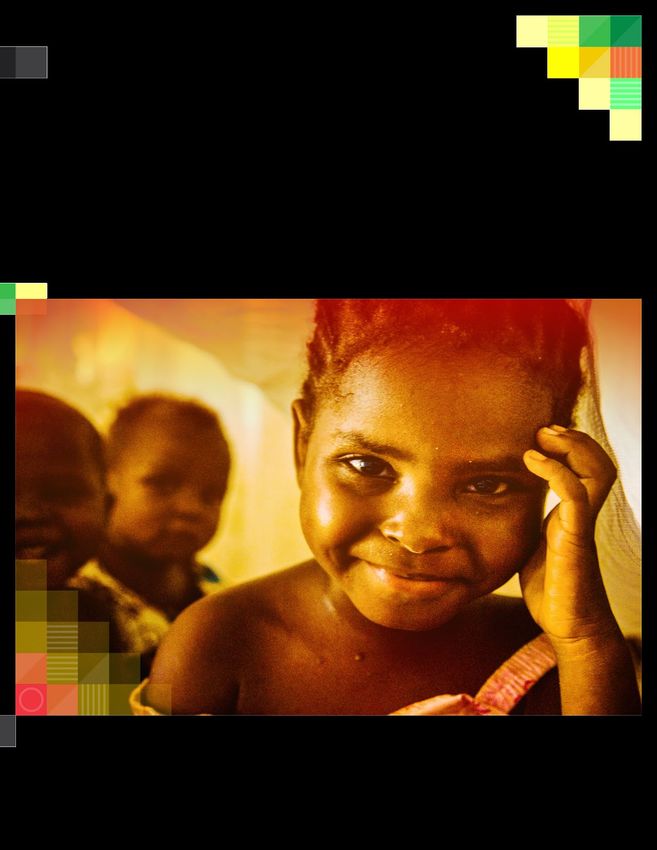
NORTH-EAST

NIGERIA
Recovery and                         Volume III
Peace Building Assessment            State Reports

          THE FEDERAL REPUBLIC OF NIGERIA
NORTH-EAST
NIGERIA
Recovery and Volume III
Peace Building Assessment State Reports
THE FEDERAL REPUBLIC OF NIGERIA© 2016 International Bank for Reconstruction and Development / The World Bank ** ** Nigeria Country Office: 102 Yakubu Gowon Crescent, Asokoro, Abuja Federal Capital Territory, Federal Republic of Nigeria Telephone: +234 7035830641-4 Internet: http://www.worldbank.org/en/country/nigeria World Bank Headquarters: 1818 H Street NW Washington DC 20433, USA Telephone: +1 202-473-1000 Internet: www.worldbank.org European Union Delegation to Nigeria & ECOWAS 21st Crescent, Off Constitution Av., Central Business District, Garki, Abuja, Federal Capital Territory, Federal Republic of Nigeria Telephone: +234 94617800 Internet: www.eeas.europa.eu/delegations/nigeria United Nations – Nigeria UN House, Plot 617/618 Diplomatic Drive, Central Business District, Abuja, Federal Capital Territory, Federal Republic of Nigeria Telephone: +2348111399927 Internet: www.ng.one.un.org or www.ng.undp.org This Recovery and Peace Building Assessment (RPBA) for North-East Nigeria is a col- laborative product by the Federal Government of the Republic of Nigeria and the State Governments of Adamawa, Bauchi, Borno, Gombe, Taraba and Yobe. The assessment was prepared with support from the European Union (EU), the United Nations (UN) and the World Bank (WB). Acknowledging the different mandates of the institutions that supported the assessment (EU, UN and WB) and areas of expertise, the findings, conclusions and recommenda- tions expressed in the RPBA do not necessarily constitute the views or formal recom- mendations of the EU, UN or WB, nor do they reflect the views of the governing bodies of these institutions or their member states. It is also recognized that due to different mandates not all activities set forth or proposed in the report will be shared by or engaged in by the collaborating institutions, and it is further understood that each institution will carry out or be engaged with any such activities in accordance with its mandate, and operational policies and procedures. The EU, UN and WB do not guarantee the accuracy of the data included in this work. The boundaries, colours, denominations, and other information shown on any map in this work do not imply any judgment on the part of these partners concerning the legal status of any territory or the endorsement or acceptance of such boundaries. Rights and Permissions ** ** The material in this work is subject to copyright. Because the authors encourage dis- semination of their knowledge, this work may be reproduced, in whole or in part, for non-commercial purposes as long as full attribution to this work is given. Any queries on rights and licenses, including subsidiary rights, should be addressed to the Publishing and Knowledge Division, The World Bank Group, 1818 H Street NW, Washington, DC, 20433, USA; fax: 202-522-2625; e-mail: pubrights@worldbank.org
Volume III      State Reports

Table of Contents

VII    ACKNOWLEDGEMENTS

VIII   ACRONYMS

01     ADAMAWA

02     1.1 Overview
02         1.1.1 Key Facts

02         1.1.2 RPBA Background and Key Findings

02         1.1.3 Overview and Pre-crisis Conditions

02         1.1.4 Impact of the Crisis

03     1.2 Peace Building, Stability, and Social Cohesion
03         1.2.1 Needs for Peace Building, Stability, and Social Cohesion

04     1.3 Infrastructure and Social Services
04         1.3.1 Impacts and Damages Related to Infrastructure and Social Services

04         1.3.2 Infrastructure and Social Service Needs

05     1.4 Economic Impacts and Recovery Needs
05         1.4.1 Macroeconomic impacts

05         1.4.2 Needs for Economic Recovery and Employment

06     1.5 Detailed Sector Damages and Needs Tables for Adamawa State
06         1.5.1 Detailed Sector Damages for Adamawa State

07         1.5.2 Detailed Sector Needs for Adamawa State

09     BAUCHI

10     Overview
10         2.1.1 Key Facts

10         2.1.2 RPBA Background and Key Findings

10         2.1.3 Overview and Pre-crisis Conditions

10         2.1.4 Impact of the Crisis

11     2.2 Peace Building, Stability, and Social Cohesion
11         2.2.1 Needs for Peace Building, Stability, and Social Cohesion

12     2.3 Infrastructure and Social Services
12         2.3.1 Impacts and Damages Related to Infrastructure and Social Services

12         2.3.2 Infrastructure and Social Service Needs

                                                                 VOLUME III: STATE REPORTS   RECOVERY AND PEACE BUILDING ASSESSMENT   III
13 2.4 Economic Impacts and Recovery Needs 13 2.4.1 Macroeconomic Impacts 13 2.4.2 Needs for Economic Recovery and Employment 14 2.5 Detailed Sector Damages and Needs Tables for Bauchi State 14 2.5.1 Detailed Sector Damages for Bauchi State 14 2.5.2 Detailed Sector Needs for Bauchi State 16 BORNO 17 3.1 Overview 17 3.1.1 Key Facts 17 3.1.2 RPBA Background and Key Findings 17 3.1.3 Overview and Pre-crisis Conditions 17 3.1.4 Impact of the Crisis 18 3.2 Peace Building, Stability, and Social Cohesion 18 3.2.1 Needs for Peace Building, Stability, and Social Cohesion 19 3.3 Infrastructure and Social Services 19 3.3.1 Impacts and Damages Related to Infrastructure and Social Services 19 3.3.2 Infrastructure and Social Services Needs 20 3.4 Economic Impacts and Recovery Needs 20 3.4.1 Macroeconomic Impacts 20 3.4.2 Needs for Economic Recovery and Employment 21 3.5 Detailed Sector Damages and Needs Tables for Borno State 21 3.5.1 Detailed Sector Damages for Borno State 22 3.5.2 Detailed Sector Needs for Borno State 24 GOMBE 25 4.1 Overview 25 4.1.1 Key Facts 25 4.1.2 RPBA Background and Key Findings 25 4.1.3 Overview and Pre-crisis Conditions 25 4.1.4 Impact of the Crisis 26 4.2 Peace Building, Stability, and Social Cohesion 26 4.2.1 Needs for Peace Building, Stability, and Social Cohesion 27 4.3 Infrastructure and Social Services 27 4.3.1 Impacts and Damages Related to Infrastructure and Social Services 27 4.3.2 Infrastructure and Social Services Needs 28 4.4 Economic Impacts and Recovery Needs 28 4.4.1 Macroeconomic Impacts 28 4.4.2 Needs for Economic Recovery and Employment 29 4.5 Detailed Sector Damages and Needs Tables for Gombe State 29 4.5.1 Detailed Sector Damages for Gombe State 29 4.5.2 Detailed Sector Needs for Gombe State IV VOLUME III : STATE REPORTS RECOVERY AND PEACE BUILDING ASSESSMENT
CHAPTER 01 : THE FEDERAL REPUBLIC OF NIGERIA

32   TARABA

33    5.1 Overview
33        5.1.1 Key Facts
33        5.1.2 RPBA Background and Key Findings
33        5.1.3 Overview of the State and Pre-crisis Conditions
33        5.1.4 Impact of the Crisis
34    5.2 Peace Building, Stability, and Social Cohesion
34        5.2.1 Needs for Peace Building, Stability, and Social Cohesion
35    5.3 Infrastructure and Social Services
35        5.3.1 Impacts and Damages Related to Infrastructure and Social Services
35        5.3.2 Infrastructure and Social Services Needs
36    5.4 Economic Impacts and Recovery Needs
36        5.4.1 Macroeconomic Impacts
36        5.4.2 Needs for Economic Recovery and Employment
37    5.5 Detailed Sector Damages and Needs Tables for Taraba State
37        5.5.1 Detailed Sector Damages for Taraba State
37        5.5.2 Detailed Sector Needs for Taraba State

40   YOBE

41    6.1 Overview
41        6.1.1 Key Facts
41        6.1.2 RPBA background and key findings
41        6.1.3 Overview and Pre-crisis Conditions
41        6.1.4 Impact of the Crisis
42    6.2 Peace Building, Stability and Social Cohesion
42        6.2.1 Needs for Peace Building, Stability and Social Cohesion
43    6.3 Infrastructure and Social Services
43        6.3.1 Impacts and Damages Related to Infrastructure and Social Services
43        6.3.2 Infrastructure and Social Service Needs
44    6.4 Economic Impacts and Recovery Needs
44        6.4.1 Macroeconomic Impacts
44        6.4.2 Needs for Economic Recovery and Employment
45   6.5 Detailed Sector Damages and Needs Tables for Yobe State
45        6.5.1 Detailed Sector Damages for Yobe State
46        6.5.2 Detailed Sector Needs for Yobe State

48   REFERENCES

                                                                  VOLUME III: STATE REPORTS   RECOVERY AND PEACE BUILDING ASSESSMENT    V
List of Tables 02 Table 1 Adamawa at a glance 02 Table 2 Summary of needs across the three areas of intervention in Adamawa 03 Table 3 Estimated needs for peace building, stability and social cohesion in Adamawa 04 Table 4 Summary of damages to infrastructure and social services in Adamawa 04 Table 5 Infrastructure and social services: estimated needs by sector in Adamawa 05 Table 6 Estimated impacts on state output and prices 2011-2015 05 Table 7 Estimated needs for economic recovery 10 Table 8 Bauchi at a glance 10 Table 9 Summary of needs across the three areas of intervention in Bauchi 11 Table 10 Estimated needs for peace building, stability and social cohesion in Bauchi 12 Table 11 Summary of damages to infrastructure and social services in Bauchi 12 Table 12 Damages to infrastructure and social services: estimated needs by sector in Bauchi 13 Table 13 Estimated impacts on state output and prices 2011-2015 13 Table 14 Estimated needs for economic recovery 17 Table 15 Borno at a glance 17 Table 16 Summary of needs across the three areas of intervention in Borno 18 Table 17 Estimated needs for peace building, stability, and social cohesion in Borno 19 Table 18 Summary of damages to infrastructure and social services in Borno 19 Table 19 Estimated needs by sector, infrastructure and social services in Borno 20 Table 20 Estimated impacts on state output and prices 2011-2015 20 Table 21 Estimated impacts on state output and prices 2011-2015 25 Table 22 Gombe at a glance 25 Table 23 Summary of needs across the areas of intervention in Gombe 26 Table 24 Estimated needs by sector, infrastructure, and social services in Gombe 27 Table 25 Summary of damages to infrastructure and social services in Gombe 27 Table 26 Estimated needs by sector, infrastructure, and social services in Gombe 28 Table 27 Estimated impacts on state output and prices 2011-2015 28 Table 28 Estimated needs for economic recovery 33 Table 29 Taraba at a glance 33 Table 30 Summary of needs across the three areas of intervention in Taraba 34 Table 31 Estimated needs for peace building, stability and social cohesion in Taraba 35 Table 32 Summary of damages to infrastructure and social services in Taraba 35 Table 33 Infrastructure and social services: estimated needs by sector in Taraba 36 Table 34 Estimated impacts on state output and prices, 2011-2015 36 Table 35 Estimated needs by sector for economic recovery 41 Table 36 Yobe at a glance 41 Table 37 Summary of needs across the three areas of intervention in Yobe 42 Table 38 Estimated needs for peace building, stability and social cohesion in Yobe 43 Table 39 Summary of damages to infrastructure and social services in Yobe 43 Table 40 Infrastructure and social services: estimated needs by sector in Yobe 44 Table 41 Estimated impacts on state output and prices, 2011-2015 44 Table 42 Estimated needs for economic recovery VI VOLUME III : STATE REPORTS RECOVERY AND PEACE BUILDING ASSESSMENT
PREFACE

Acknowledgements

The North-East Nigeria Recovery and Peace Building Assessment
(RPBA) was undertaken by the Federal Government of the Republic
of Nigeria, led by the Office of the Vice President and the State Gov-
ernments of Adamawa, Bauchi, Borno, Gombe, Taraba and Yobe.
The assessment was supported by the European Union (EU), the
United Nations (UN), and The World Bank (WB).

The Government of Nigeria Core RPBA Team consisted of Dr. Mari-
am Masha, Senior Special Assistant to the President on Internally
Displaced Persons and Focal Points from the six states, including:
Maurice Vunobolki (Adamawa); Mohammed Aminu Ibrahim (Bau-
chi); Dr. Baba Gana Umara (Borno); Aliyu M. Kamara (Gombe); Jeji
Williams (Taraba); and Muhammad Yusufari (Yobe).

The strong support and the contributions of the many different
national stakeholders was remarkable. The dedication of the RPBA
teams from the Federal and State Governments and three institutions
was exceptional. Special thanks go to the Federal and State Govern-
ments, the EU, UN and WB, and the United Kingdom’s Department
for International Development (DFID) for financial support pro-
vided for this assessment. In addition thanks to the EU for funding
the design and layout of this document. The efforts of all made this
report possible.

The design and layout of this document was created and executed by
the team at Bivee Inc.

Cover photo by Arne Hoel b n d

                                                                VOLUME III: STATE REPORTS   RECOVERY AND PEACE BUILDING ASSESSMENT   VII
NORTH-EAST NIGERIA
PREFACE
Acronyms
ACLED Armed Conflict Location and Event Data Project NGO Non-Governmental Organisations
BTS Base Transceiver Stations NPVRN Nigeria Political Violence Research Network
CIMIC Civilian and Military Coordination NSRP Nigeria Stability and Reconciliation Programme
CJTF Civilian Joint Task Force ONSA Office of the National Security Adviser
CM-COORD Humanitarian Civilian Military Coordination O&M Operations and Maintenance
CP Community Platforms PCNI Presidential Committee on the North-East Initiative
CSO Civil Society Organizations PHC Public Health Centres
DTM Displacement Tracking Matrix PINE Presidential Initiative for the North-East
EPA Environmental Protection Agency PTSD Post-Tramautic Stress Disorder
ERW Explosive Remnants of War PRC Project Management Consultants
ESA European Space Agency PWD People with Disability
EU European Union RPBA Recovery and Peace Building Assessment
FEWSNET Famine Early Warning Systems Network RPBS Recovery and Peace Building Strategy
FGN Federal Government of Nigeria RRR Repairs, Rehabilitation and Replacement
FMOH Federal Ministry of Health RUWASSA Rural Water Supply and Sanitation Agency
HDI Human Development Index SALW Small Arms and Light Weapons
HRP Humanitarian Response Plan SARC Sexual Assault Referral Centre
ICT Information and Communication Technology SBMC School-Based Management Committees
IDPs Internally Displaced Persons SEMA State Emergency Management Agencies
IED Improvised Explosive Device SGBV Sexual and Gender-Based Violence
IGR Internally Generated Revenue SME Small and Medium Sized Enterprise
INEC Independent National Electoral Commission Federal and State Ministries for Industry, Trade and
SMEDAN
Investment
IOM International Organisation for Migration
SWTWSSA Small Town Water Supply and Sanitation agencies
IS Islamic State
SWM Solid Waste Management
ISWA International Solid Waste Association
TVET Technical Vocational Education and Training
LGA Local Government Areas
UASC Unaccompanied and separated children
MDA Ministries, Departments and Agencies
UN United Nations
MNJTF Multi-National Joint Task Force
UNHAS United Nations Humanitarian Air Service
MRRR Ministry of Reconstruction, Rehabilitation and Resettlement
UNICEF United Nations International Children's Emergency Fund
MTN Mobile Telephone Network
USIP United States Institute of Peace
M&E Monitoring and Evaluation
USWA Urban State Water Agencies
NEET Not in Education, Employment or Training
UXO Unexploded Ordnance
NEMA National Emergency Management Agency
VAT Value Added Tax
NERC North-East Reconstruction Project
WASH Water, Sanitation and Hygiene
NEST North-East States Transformation Strategy
WB World Bank
NDHS Nigeria Demographic and Health Survey
VIII VOLUME III : STATE REPORTS RECOVERY AND PEACE BUILDING ASSESSMENTCHAPTER 1 : ADAMAWA
LAND OF BEAUTY
Adamawa
Nigeria - Adamawa State: Reference Map
11.093292 12.093292 13.093292
Biusare Daushi
o
Birri
Manicodo Ndikur
Bajoga Bakite
Tetiba
Wawa MADAGALI
Gonda
Gulani
Tongo Gara Bulla
Wakili Balbaya
Ninowa Wandali MICHIKA
Kwaya
Gadam Azume Wade
Deba FulaniGwani Chani
Wuyo Bahai
Kafarati
Difa
Gombe Ungwa Canteen Bogundu MUBI NORTH
Garin Lanotali Pelakombo
HONG
Deba Habe Gasi
GOMBI MUBI SOUTH
Jagale
Kumo Kombo
Goratoro Bella Kiba Maiha
Galengo SHELLENG Goila
Gujuba
Guyok Wuro Alhaji
Holma
Kalmai Shellem
Tula Zummu
Ture GUYUK Banjiram SONG Song
Buda Manga
Lainde Dama Dumne
MAIHA
Sorau
Bambam Chum
Kiri Wurianka Geleng Wadirmu
Mulke Barikin Sayejo
Burak Dadiya Lamurde Konkul Ouro Ousmanou
LAMURDE Borrong Faran
Bambuka Waduku Jiberu Wuro Yolde
Imburu Gereng
Numan Demsa
NUMAN Dong GIRERI Wafango
e Pariya Bilachi
nu DEMSA Bakaje Giri Tépé
Be
9.303065
9.303065
Karim Lamido Wuro Malam Musa Damare
Bali Ngurore Jimeta Lugga
o
Kunini Mayo Lope
Dalehi YOLA SOUTHYola Kapo Joltare
Lau Gaulire Wuro Hausa Muninga
YOLA NORTH
Mayo Ine Gujibabu Gurin
Apawa
Maya Belwa
Dadin Kowa
Yanpu
Mika Zinna FUFORE Galadima
Jarang
Pajazam Mayo Faran Lagdo Reservoir
Jalingo MAYO-BELWA
Kechungu
Barikin Sibre Kona Jabe Barasa
Monkin Mbambe Fulani Nasarawa
Vendu Nage Bakanti
Sankemi Komni
Tola Jada
Dalami Lengdo
Gangzonen
JADA Mayo Haka FulaniJauro Belel
Fan Manga
Sulei
Dayeri Gangjamare
Damasi Denaba GurumpawaGanye
CAMEROON
Gang Kurin Sugu
Chia Tapare
Ganyatsum GANAYE
Gamu
Kiri
Toungo
Sayfo
Dan Zomo Mayo Butale
TOUNGO
Kogin Baba
e
State Capital Benu
Gayam Mayo Yim
o
Labare Airport
Adagore
Barua
Paved roads
Rivers
Serti
Local government areas
Gashaka Other States
7.303065
7.303065
11.093292 12.093292 13.093292
VOLUME III : STATE REPORTS RECOVERY AND PEACE BUILDING ASSESSMENT 01NORTH-EAST NIGERIA
1.1 Overview current status of the crisis, and the strategies for sustainable stabili-
sation and recovery. This report contains detailed data and analysis
1.1.1 Key Facts from the data sheets collected and from the RPBA field mission to
Adamawa.
TABLE 1
The recovery and peace building process requires a holistic approach
Adamawa at a glance
that promotes peace, stability, and social cohesion by addressing the
rehabilitation of infrastructure and social services while confronting
State Adamawa underlying macroeconomic issues to overcome the nexus of instabili-
Capital Yola ty, conflict, and deteriorating development. Lessons from other con-
Area 36,917 km2 flict and crisis contexts highlight that rebuilding trust and cohesion
Predominant languages Hausa, Fulfude is as essential as the restoration of services and reconstruction, eco-
Population (2006 census) 3,178,950
nomic revitalisation, and building livelihoods. Based on the guiding
IDPs (IOM, Dec. 2015) 136,000
principles laid out in the overall Strategic Recovery and Peace Building
__
Main source(s) of income Agriculture (80% of population)
Framework, needs have been identified in the three main areas of in-
__
Governor Bindo Jibrilla
tervention: (i) peace building, stability, and social cohesion, (ii) in-
Governance 21 LGAs
Internally Generated Revenue (2015) 3.97 billion Naira
frastructure and social services, and (iii) economic recovery, totalling
US$ 660 million for Adamawa.
1.1.2 RPBA Background and Key Findings 1.1.3 Overview and Pre-crisis Conditions
The North-East Nigeria Recovery and Peace Building Assessment Once part of Gongola State, Adamawa was formally established as
(RPBA) has been conducted under the leadership of the Government a state in 1991.While the seventh largest state in Nigeria and the
of Nigeria in partnership with the European Union, United Nations, fifth largest in the North-East by area, Adamawa comprised just 0.43
and World Bank. The six states have driven the assessment process. percent of national GDP in 2009.1 Adamawa’s economy remains di-
State focal points have guided the coordination of assessment and versified across livestock (37.1 percent of state GDP), real estate (23.0
sector focal points provided detailed data on damages and needs. The percent), crop production (16.6 percent), road transportation (6.8
data have been used to analyse the factors that induced the crisis, the percent), and wholesale and retail trade (6.6 percent). Adamawa has
a strong agricultural base, mineral deposits, fresh water resources, and
TABLE 2 energy sources.
Summary of needs across the three areas of
intervention in Adamawa 1.1.4 Impact of the Crisis
The conflict in North-East Nigeria has had a deep impact on the
Areas of intervention Estimated cost of interventions region. An estimated 20,000 lives have been lost, and nearly two
US$ (millions)
Naira million people have been forcibly displaced. The human, social, and
(millions)
economic losses of the conflict, and the investments for the recov-
Peace building, stability, and social cohesion 27.6 5,500
Infrastructure and social services 594.8 118,970
ery, peace building, and reconstruction of the North-East, are over-
Economic recovery 37.6 7,520 whelming. The sections below summarise the state-level findings of
Total 659.9[1] 131,992 the RPBA in terms of the damages and resulting needs of Adamawa
[1] Due to rounding, numbers presented in the tables throughout this State for peace building, stability, and social cohesion, infrastructure
document may not add up precisely to the total. and social services as well as economic recovery.
02 VOLUME III : STATE REPORTS RECOVERY AND PEACE BUILDING ASSESSMENTCHAPTER 1 : ADAMAWA
1.2 Peace Building, Stability, and BOX 1.1
Impact of the Crisis on Adamawa
Social Cohesion
Adamawa has been directly impacted by the Boko Haram crisis, both
Restoring and enhancing peace, stability, and social cohesion consti- in terms of attacks and displacement. The impact on infrastructure and
tutes the backbone of overall recovery efforts, and builds the founda- social services has been significant (US$ 829 million), representing nine
tion for the effective and smooth implementation of all programme percent of the total damages in the six North-East states. Agriculture has
interventions. The objective of this area of intervention is to assess been particularly hard hit (55 percent of total damages).
and then address impacts of the conflict on the social fabric, as well as The conflict has also resulted in 136,000 Internally Displaced Persons
on local governance and provision of justice, with particular attention (IDPs), 94 percent of whom live in host communities. The influx has
to the effects on IDPs and host communities. Effective responses to put significant strain on the state economy, service delivery, and the so-
these challenges will provide the social and political environment for cial fabric.
sustainable recovery and longer-term development. The relevant line Given the fluidity of the security environment, careful and coordinated
ministries worked with RPBA partners to provide detailed assessment sequencing of the RBPA and subsequent support will be critical to the
data on the cost of recovery needs. recovery and peace building process in Adamawa.
1.2.1 Needs for Peace Building, Stability, and
Social Cohesion
The total needs for promoting peace building, stability, and social co- TABLE 3
hesion in Adamawa State are estimated at around US$ 27.5 million.
Estimated needs for peace building, stability and
social cohesion in Adamawa
As a state directly impacted by conflict and displacement, social needs
in Adamawa are greatest in the subcomponents of ‘local governance
Sector Needs cost
and citizen engagement’, and ‘safe and voluntarily return and resettle-
US$ Naira
ment of displaced persons’, at US$ 9.3 million and US$ 9.0 million, (millions) (millions)
respectively. It is important to note that basic humanitarian needs for Safe and voluntary return and resettlement of 9 1,800
displaced persons
the safe and voluntary return and resettlement of displaced persons, Reconciliation, peace building, and community 3.7 740
cohesion
such as housing, service delivery, and livelihood support are account-
Local governance and citizens engagement 9.3 1,860
ed for in the other areas of intervention. The peace building and so-
Community security, justice, human rights, 5.6 1,120
cial cohesion needs not accounted for in other areas of intervention mine action and small arms control
relate to the restitution of the social tissue, reconciliation, and peace Total 27.6 5,520
building, restoration of a sense of normalcy and needs of particular-
ly vulnerable sub-groups of IDPs. Addressing the needs in a holistic
and integrated manner is critical for sustainable recovery – certainly
in Adamawa State – and is seen as a precondition for stability and
key for sustainable recovery. Many issues addressed in peace building,
stability, and social cohesion — and the recommended interventions
— are preconditions of future stability and important efforts to over-
come Adamawa’s long-term development challenges.
VOLUME III : STATE REPORTS RECOVERY AND PEACE BUILDING ASSESSMENT 03NORTH-EAST NIGERIA
1.3 Infrastructure and Social Services TABLE 4
Summary of damages to infrastructure and social
The sustainable restoration and improvement of infrastructure and services in Adamawa
social services is crucial to societal normalisation and stabilisation in
the crisis-affected areas, as well as for creating conditions for eventual
US$ (millions) Naira (millions)
IDPs returns or smooth integration into host communities. The rel-
Agriculture 457.8 91,571
evant line ministries provided detailed assessment data on the cost of Education 57.9 11,595
damage attributable to the conflict. The key objectives of this assess- Energy 31.8 6,371
ment were to (i) characterise and estimate the impacts of the crisis on Environment 1.2 232
the physical infrastructure and social services; and (ii) identify needs Health 21.1 4,213
for the restoration and recovery of infrastructure and service delivery. Private housing 25.7 5,150
Public buildings 2.3 454
1.3.1 Impacts and Damages Related to Transport 73.8 14,760
Infrastructure and Social Services Water & sanitation 7.4 1,460
The overall impact of the conflict on infrastructure and social services Private enterprise 149.7 29,954
is estimated at nearly US$ 829 million. Agriculture accounts for the Total 828.8 165,760
largest share (55 percent) of the damages at US$ 458 million. The
table below provides a detailed overview. In addition to these damages
which can be directly related to Adamawa, the ICT sector across the TABLE 5
six states suffered damages of US$ 25 million, while the commerce Infrastructure and social services: estimated
sector was impacted by a loss of US$ 915 million across the six states. needs by sector in Adamawa
1.3.2 Infrastructure and Social Service Needs
US$ (millions) Naira (millions)
The total recovery needs for the infrastructure and social service in- Agriculture 141.1 28,222
terventions are estimated at US$ 595 million. The highest needs arise Education 83 16,597
from agriculture (US$ 141 million), followed by social protection Energy 31.9 6,371
(US$ 94 million), education (US$ 83 million), and transport (US$ Environment 10.6 2,115
75 million). In addition, it is estimated that the ICT sector requires Health 50.6 10,127
recovery interventions of US$ 272 million across the six states. The Private Housing 15.7 3,145
table below provides an overview of the needs by sector. Public Buildings 40.3 8,068
Social Protection 93.8 18,753
Transport 74.5 14,906
Water & Sanitation 25.9 5,178
Community Infrastructure 27.4 5,488
Contingency
Total 594.9 118,970
04 VOLUME III : STATE REPORTS RECOVERY AND PEACE BUILDING ASSESSMENTCHAPTER 1 : ADAMAWA
1.4 Economic Impacts and TABLE 7
Estimated needs for economic recovery
Recovery Needs
Creating jobs and opportunities to earn a decent living is a critical
step to ensure stability, reduce volatility, and protect the social sense Sector Needs costs
of belonging, particularly for members of the affected communities US$ (millions) Naira (millions)
and vulnerable youth. The assessment provides estimated impacts on Livelihood support and local 24.2 4,843
economic recovery
local macroeconomics (output and price), which has further impli- Employment 13.4 2,670
cations for key sector activities and people’s livelihoods and employ- Total 37.6 7,513
ment. Recovery needs are recommended to restore livelihoods and
promote employment to facilitate short-term economic stabilisation and tailored proposals for different groups of affected people such as:
as well as to assist the state government to sustain economic recovery (i) general population in the North-East; (ii) IDPs; (iii) host commu-
in the medium term. nities; (iv) returnees; and (v) vulnerable groups, which include youth,
elderly, and women. The specific needs, as identified for the different
1.4.1 Macroeconomic impacts sub-components, are presented in Table 7. It is estimated that US$
245 million is required for reviving the private sector and promot-
The crisis has further aggravated the already weak development of
ing trade across the six affected states, a substantial amount of which
Adamawa. It is estimated that Adamawa suffered an accumulated out-
will be required for Adamawa-related interventions. Livelihood sup-
put loss measured by GDP of US$ 1.57 billion (Naira 314 billion)
port and local economic recovery require US$ 24.2 million, while
between 2011 and 2015, while prices rose by more than 10%. The
the needs for employment schemes, training and support to women,
combination of output loss and price increases implies a significant
youth, and vulnerable groups add up to US$ 13.4 million.
reduction in the welfare of residents in the state (Table 6).
TABLE 6
Estimated impacts on state output and prices
2011-2015
GDP loss GDP loss Inflation, Inflation,
State (US$, millions) (Naira, billions) All items Food
Adamawa 1,570 314 10.4 9
Source: World Bank Staff estimate using the Central Bank of Nigeria data
1.4.2 Needs for Economic Recovery
and Employment
Recommendations for economic recovery are premised on an under-
standing that socio-economic recovery in troubled communities is
strongly linked to job creation and economic restoration. In view of
this, other recommendations for implementing potential interven-
tions include an inclusive, pro-poor approach to economic recovery
VOLUME III : STATE REPORTS RECOVERY AND PEACE BUILDING ASSESSMENT 05NORTH-EAST NIGERIA
1.5 Detailed Sector Damages and Needs Tables for Adamawa State
1.5.1 Detailed Sector Damages for Adamawa State
US$ Naira US$ Naira
(millions) (millions) (millions) (millions)
Agriculture Environment
Agriculture mechanisation authority workshop 0.200 46 Forest/woodlots/wildlife 0.200 40
Poultry farm 0.500 10 Economic tree/orchards 0.100 20
Stores and other buildings 80.400 16080 Protected areas/national parks 0.200 40
Veterinary clinics 0.100 30 Waste management infrastructure 0.600 120
ADP/Fadama offices 0.300 60 Total 1.200 220
Farms/gardens 144.400 28876
Health
Agricultural machinery and equipment 13.900 2784
Health posts 4.300 855
Seeds 0.200 48
PHC centres 9.500 1918
Pesticides 2.900 593
Secondary hospitals 7.200 1440
Fertilizers 0.180 36
Total 21.100 4213
Cattle 171.900 34386
Sheep/goats 23.300 4662 Housing
Poultry 8.100 1620 Private housing 25.800 5150
Pigs 3.600 720 Health
Horses & donkeys 0.800 165 Health posts 4.300 855
Fisheries 0.300 61 PHC centres 9.500 1918
Borehole 0.005 1 Secondary hospitals 7.200 1440
Markets 3.600 725 Total 21.100 4213
Processing industries 0.004 1 Public Buildings
Research/extension institutions 1.200 250 Prisons 0.100 16
Transportation services 0.200 4 Audit offices 0.015 3
Agro-processing services 2.100 413 Police stations 0.100 19
Total 457.800 91571 Police barracks 0.100 18
Education Development area office 0.200 40
6-classroom block 20.700 4155 Cultural/historical buildings 0.400 83
Office block 4.500 894 Local Government building 0.300 61
Hand pump borehole 0.600 112 Ministry buildings 0.004 1
Motorised borehole/overhead tank 2.200 445 Other buildings 1.100 220
Latrines (2 blocks, each 3 compartments) 2.800 560 Total 2.300 460
Classroom rehabilitation 3.200 650 Transport
Pupil seat 1.100 214 Federal road 32.300 3740
Teacher table & chair 0.100 18 State/LGA road 10.300 2070
Perimeter fence 22.700 4547 Bridges (6) 17.800 3564
Total 57.900 11595 Bus 0.400 77
Energy Car 0.900 180
Distribution substation Truck 0.600 111
11 kV/415 V 0.500 91 Bulldozer 2.000 400
33 kV/415 V 1.200 232 Paver 1.000 200
Distribution lines Excavator 1.000 200
33 kV 18.900 3784 Tractor 7.500 1500
11 kV 3.700 734 Total 73.800 12042
415-230 V 7.600 1530
Total 31.900 6371
06 VOLUME III : STATE REPORTS RECOVERY AND PEACE BUILDING ASSESSMENTCHAPTER 1 : ADAMAWA
US$ Naira US$ Naira
(millions) (millions) (millions) (millions)
Water and Sanitation Energy
Water Damages Distribution substations 1.600 323
Total cost of damages to water infrastructure in 4.400 877 Distribution lines 30.200 6047
communities & institutions Total 31.900 6370
Sanitation Damages
Environment
Total cost of damages to institutional sanitation 3.000 599
infrastructure Forests, orchards, wetlands and protected areas 2.600 536
Total 7.400 1476 Solid waste management 4.000 795
ERW risk reduction 1.900 383
Debris management 2.000 401
1.5.2 Detailed Sector Needs for Adamawa State
Total 10.600 2115
US$ Naira
Health
(millions) (millions)
Health care facilities/infrastructure & equipment 23.000 4584
Agriculture
Service provision (operational) 22.200 4435
Agricultural machinery and equipment 14.000 2784
Service provision (capital) 3.000 605
Storage and other buildings 81.000 16185
Health System restoration (capacity building) 0.400 71
Veterinary clinics and abattoirs 0.500 105
Health System Restoration (operational) 0.500 106
Boreholes 0.005 1
Governance & Early Warning Systems (capital) 0.400 80
Agro-processing services 2.100 413
Governance & Early Warning Systems 0.900 176
Food assistance 9.300 1865
(operational)
Supplementary food assistance for 4 months of 9.500 1894
Risk mitigation (capital) 0.100 14
food around lean season
Risk mitigation (operational) 0.300 60
Extension services 3.100 614
Total 50.600 10127
Input support in host communities 8.400 1688
Dry season vegetable support 3.900 772 Housing
HH support for small-scale food processing & 0.300 60 Reconstruction of damaged houses 0.800 179
preservation Reconstruction of destroyed houses 14.800 2966
Support for sheep production 0.700 141 Total 15.700 3145
HH support for goat production 0.600 110
Public Buildings
HH support for poultry production 2.700 539
Public building category 0.400 80
Crop production support for returnees 5.200 1048
Prisons 0.100 20
Total 141.100 28222
Post offices 1.900 375
Education Police stations 1.000 193
Construction of 6-classroom block 20.800 4155 Election offices 0.900 173
Office block 4.500 894 Development area office 16.100 3220
Hand pump borehole 0.600 112 Cultural/historical building 5.600 1120
Motorised borehole/overhead tank 2.200 445 Ministry buildings 6.000 1196
Latrines (2 blocks, each 3 compartments) 2.800 560 Project management 3.200 640
Classroom rehabilitation 3.200 650 Physical contingencies 3.500 700
Pupil seat 1.100 214 Cost contingencies 1.800 351
Teacher table & chair 0.100 18 Total 40.300 8068
Perimeter fence 22.700 4548
Transport
Capital costs for IDPs education services 20.000 3994
Federal road 32.300 6460
Recurrent costs for IDP education services 5.000 1008
State/LGA road 10.400 2070
Total 83.000 16597
Bridges 17.800 3564
Project management & contingencies 14.100 2812
Total 74.500 14906
VOLUME III : STATE REPORTS RECOVERY AND PEACE BUILDING ASSESSMENT 07NORTH-EAST NIGERIA
US$ Naira US$ Naira
(millions) (millions) (millions) (millions)
Water and Sanitation Community Security, Justice, Human Rights, Small Arms Control and Mine
Reconstruction and rehabilitation of water 7.600 1515 Action
infrastructure in communities, institutions, and Establishment of SARC 0.200 45
public buildings ICT for case management 0.100 18
Reconstruction and rehabilitation of sanitation 4.000 796 Training 1.100 224
infrastructure in institutions and public buildings
Assessments and studies 0.100 11
Construction of new water infrastructure for host 3.400 681
communities & provision for IDPs return areas Model/pilot projects 1.000 199
Construction of new water & sanitation 0.900 170 Micro grants 0.200 38
infrastructure in public places for host Services (oversight, outreach, advocacy) 0.300 68
communities and IDPs return areas
Mine Action Emergency risk education campaign 0.400 90
Sanitation & hygiene promotion in IDPs return 1.800 357
Mine Action integrated survey of hazardous 0.700 149
areas, host communities and Institutions
areas with risk education and explosive ordnance
Institutional support and capacity development 8.300 1660 disposal
Total 25.900 5178 Mine Action victim assistance needs assessment 1.100 227
and individual rehabilitation response
Community Infrastructure Contingency
Community participation on security/SALW 0.100 20
Total 27.400 5488 awareness and reduction in the North-East
enhanced through provision of advocacy and
Safe and Voluntarily Return and Resettlement of Displaced Persons
sensitisation the dangers of SALWs
Support and strengthen broader access to basic 0.300 53
Capacity of security apparatus in the North- 0.200 30
needs at local level for new IDPs and IDPs with
East strengthened through the provision of
no intention to return in short to medium term
best practices in border security and stockpile
Initiatives supporting separated/unaccompanied 1.600 315 management.
children IDPs and returnees
Total 5.600 1117
Psycho-social support to affected population, 2.000 402
including IDPs, returnees, and host community Livelihood Support and Local Economic Recovery
members Restoration of disrupted and destroyed basic 15.600 3111
Preventing gender-based violence in host 1.900 379 livelihood economic assets
communities and camps Development, strengthening and diversification of 2.900 580
Initiatives supporting elderly and widows 0.100 13 relevant market related skills for self-employment
Initiatives to facilitate, support and sustain 3.200 642 Establishment, development and strengthening of 4.400 881
voluntary return Agriculture based value chains and agro processing
centres
Total 9.000 1804
Establishment, development and strengthening of 1.400 271
Reconciliation, Peace Building and Community Cohesion natural resources based and solid minerals value
Prison facilities for de-radicalisation programme 0.200 45 chains and enterprises
Training 1.400 284 Total 24.200 4843
DDR technical assistance 0.300 67 Employment
Assessments and studies 0.100 11 Strengthen institutional capacity of state 1.000 192
Micro grants 0.500 90 employment centres and related institutions
Social fund for CSOs 0.500 90 General programme for labour force skills 3.000 590
development
Outreach and advocacy 0.700 142
Women empowerment through skills training for 5.900 1180
Total 3.700 720
employment
Local Governance and Citizen Participation Youth empowerment through skills training for 3.500 708
Establishment and support to community 5.800 1177 employment
platforms Total 13.400 2670
Training 3.100 621
Policy dialogue and mentoring 0.300 60
Total 9.300 1858
08 VOLUME III : STATE REPORTS RECOVERY AND PEACE BUILDING ASSESSMENTCHAPTER 2 : BAUCHI
PEARL OF TOURISM
Bauchi
Nigeria - Bauchi State: Reference Map
8.537653 9.537653 10.537653
Gwauran Maje Unguwar Baka Dan Ladi Dunari Teshegwa Katamma
Medu Kaugama Gadua Bilabirin
Tagwaye
Kanya Baba Garki Fagan Kawo
Kore
Unguwar Danya Karama
Dakayawa Gurka Jakusko
Kore
Limawa Majiya Sabon GariMarke Kinsha
Bidawa Katagum
Kunya Sankara Taura Keffin Hausa
Sabon Gari
Makawa Budua
Dagazo Zeddi
Gunka Harbo Gamawa
Gezawa
Bulangu
Kwartawar Filani Jahun Majiri Zago
Aujara ZAKI Sandigalou
o
Wangara
Balare GAMAWA
Kafin Karva
Maje Doma Mamajo Dawasa
Gatafoa Udubo
Gogel Larabawa
Lajawa Abalago ITAS/GADAU Zindiwa
Gaya Duru Itas
Gano Gadau Udubo
Wudil Andelewa
Tsakuwa DutseShiwari Kiyawa Lizai Madara
Utai Jidawa Lafia
Bunkure Katanga JAMA'ARE Dagauda
KATAGUM Dambam
Garko Gantsa Bulkachuwa
Hamdullahi Lafara Madobi
Sarina Kukin Burera DAMBAN
Sundimina Jalam
Sabou Isawa Shana
Kibiya Sumaila Kachako Dumus SHIRA
Zaba Chinade
Dindibus
Falali Kumuo Duguruma
Guna Iggi Shira Fagurum Chana
Wurnu Zigau Lanpo
Hardawa
Hayin Denu Giade
Gani MISAU Sade
Birnin Bako GIADE
Kila
Kukuta Badungu Ziawa
Sitti Shiwaki Jarmowo
Shamaki Kari
Rafin Kenki Sabon Gari
Warji Farin Dutse DARAZO
Burji
11.134109
11.134109
Banga WARJI Basirka
Gwanda Lumbu
Ningi Bungan Ningi Bulama
Manakwa
Yaryasa NINGI
Burra
Darazo Malala
Fulani Dokoro
Ugumji
Zakara
Jerkoya Miya Maro
Kalasu
Rafin Dinga
Jangu
Zenabi
Sogaga Kwangi
Ririwai GANJUWA
Dadin Kowa Kari Kafin Madaki Nape
Sabon Gari
Makarfai
Nasarawa Angawan Kutari Bomala
Bahawa
Rauta Diri
Dan Alhaji Taura
Bauchi
Dababe
Rahama Bauchi Lame Gubi
Rahama Makera
TORO Bokoki KIRFI
Jengre
o
o
Ramin Kura Bauda Ririwan Dalma Dungel Ako
Amon Kasa Bisa Zaranda
BAUCHI Gidanjo
Garun Kurama Fuskam Mata Gukaru
Rinjim Mukur Tukulma
Karambana Zungur
Lugge
Tilden Fulani
DASS Liman Katagum
Dagli
Mun
Jos Gigyara
o
Barakin Delimi Sabuwa
Miango ALKALERI
TAFAWA-BALEWA
Pari Barikin Gidar KanatShen
Tafawa Balewa
Bisichi Boto Dull
Kuru Mai IdontoroKadunu
Bogoro Gobiyan Kasuwa
o
State Capital BOGORO
Gindiri
o
Airport Barakin Ladi
Mongu
Mongu Arna Kanam
Paved roads Geriam Ganjuwa
Gashish Dawaki
Panyam
Amper Dengi
Rivers
Shiwer Bashar
Lankan
Bokkos
Local government areas Gwaktok Rek
Zurak
Mongun Karfel
Other States Muri
Tipap
9.134109
9.134109
Mushere
8.537653 9.537653 10.537653
The boundaries and names shown and the designations used on this map do not imply official endorsement or acceptance by the United Nations. Developed only for humanitarian activities purposes.
VOLUME III : STATE REPORTS RECOVERY AND PEACE BUILDING ASSESSMENT 09NORTH-EAST NIGERIA
Overview The recovery and peace building process requires a holistic approach that
promotes peace, stability, and social cohesion by addressing the rehabili-
tation of infrastructure and social services while confronting underlying
2.1.1 Key Facts
macroeconomic issues to overcome the nexus of instability, conflict, and
TABLE 8 deteriorating development. Lessons from other conflict and crisis con-
texts highlight that rebuilding trust and cohesion is as essential as the
Bauchi at a glance
restoration of services and reconstruction, economic revitalisation, and
State Bauchi
building livelihoods. Based on the guiding principles laid out in the
Capital Bauchi overall Strategic Recovery and Peace Building Framework, needs have been
__ __
Area 49,119 km2 identified in the three main areas of intervention: (i) peace building, sta-
Predominant languages Hausa bility, and social cohesion, (ii) infrastructure and social services (iii) eco-
Population (2006 census) 4,653,066 nomic recovery, totalling US$ 268 million for Bauchi.
IDPs (IOM Dec. 2015) 70,000
Main source(s) of income Agriculture (80% of population) 2.1.3 Overview and Pre-crisis Conditions
Governor Mohammed Abdullahi Abubakar Bauchi was formed in 1976 when the former North-East State was bro-
Governance 20 LGAs ken up. The former North-East State originally included the area now in
Internally Generated Revenue (2015) 4.53 billion Naira Gombe State, which became a distinct state in 1996. Bauchi is the fourth
largest state in the country and the third largest in the North-East region,
covering a land area of 49,248 square kilometres (19,014 square miles).2
2.1.2 RPBA Background and Key Findings It is also the most populous State among all six North-East states, with a
total population of 4,653,066 people in the 2006 Census.
The North-East Nigeria Recovery and Peace Building Assessment
(RPBA) was conducted under the leadership of the Government of Nige- Agriculture is the mainstay of Bauchi’s economy. About 80 percent of
ria in partnership with the European Union, United Nations and World the inhabitants in the region engage in the production of food and cash
Bank. The six states have driven the assessment process. State focal points crops, but on small-scale basis. The major crops produced in the state
have guided the coordination of assessment and sector focal points have are cotton, maize, groundnuts, millet, guinea corn, rice, beans, sesame
provided detailed data on damage and needs. The data have been used to seeds, and gum arabic.3 The state also has deposits of mineral resources,
analyse the factors that induced the crisis, the current status of the crisis, including cassiterite limestone, kaolin, gypsum, antimony, iron ore, gold,
and the strategies for sustainable stabilisation and recovery. This report marble, columbine, and zinc, but mining activities have also been con-
contains detailed data and analysis from the data sheets collected and ducted at small scales. In 2010, the World Bank rated Bauchi State as the
from the RPBA field mission to Bauchi. 10th best place to do business and the 21st best place to start a business,
among all 36 states of Nigeria.4
TABLE 9
Summary of needs across the three areas of 2.1.4 Impact of the Crisis
intervention in Bauchi The conflict in North-East Nigeria has had a deep impact on the region.
An estimated 20,000 lives have been lost, and nearly two million people
have been forcibly displaced. The human, social, and economic losses of
Areas of intervention Estimated cost of interventions
the conflict, and the investments for the recovery, peace building, and
Naira
US$ (millions)
(millions) reconstruction of the North-East, are overwhelming. The sections below
Peace building, stability, and social cohesion 23.9 4,783 summarise the state level findings of the RPBA in terms of the damages
Infrastructure and social services 202.9 40,578 and resulting needs for Bauchi State, across peace building, stability, and
Economic recovery 41.4 8,285 social cohesion, infrastructure and social services as well as economic re-
Total 268.2 53,646 covery.
10 VOLUME III : STATE REPORTS RECOVERY AND PEACE BUILDING ASSESSMENTCHAPTER 2 : BAUCHI
2.2 Peace Building, Stability, and TABLE 10
Estimated needs for peace building, stability and
Social Cohesion
social cohesion in Bauchi
Restoring and enhancing peace, stability and social cohesion consti-
tutes the backbone of the overall recovery efforts, and builds the foun-
Sector Needs cost
dation for the effective and smooth implementation of all programme Naira
US$ (millions)
interventions. The objective of this area of intervention is to assess (millions)
and then address the impacts of conflict on the social fabric and on Safe and voluntary return and resettlement of 8.6 1727
displaced persons
local governance and provision of justice, with particular attention
Reconciliation, peace building and community 3.5 695
to the effects on IDPs and host communities. Effective responses to cohesion
these challenges will provide the social and political environment for Local governance and citizens engagement 8.8 1769
sustainable recovery and longer-term development. The relevant line Community security, justice, human rights, 23 592
mine action, small arms control
ministries worked with RPBA partners to provide detailed assessment
Total 23.9 4783
data on the cost of recovery needs.
2.2.1 Needs for Peace Building, Stability, and
Social Cohesion
The total needs for promoting peace building, stability, and social
cohesion in Bauchi State are estimated at around US$ 23.9 million.
Under this component, social needs in Bauchi are greatest in the sub-
components of ‘local governance and citizen engagement’ and ‘safe
and voluntarily return and resettlement of displaced persons’, at US$
8.8 million and US$ 8.6 million respectively. It is important to note
that basic humanitarian needs for the safe and voluntary return/ reset-
tlement of IDPs, such as housing, service delivery, and livelihood sup-
port are accounted for in the other areas of intervention. The peace
building and social cohesion needs not accounted for in other areas
of intervention relate to the restitution of the social tissue, reconcilia-
tion, and peace building, restoration of a sense of normalcy and needs
of particularly vulnerable sub-groups of IDPs. Addressing the needs
in a holistic and integrated manner is critical for sustainable recovery
and is seen as a precondition for stability and key for sustainable re-
covery. Many issues addressed in peace building, stability, and social
cohesion — and the recommended interventions — are precondi-
tions of future stability and important efforts to overcome Bauchi’s
long-term development challenges.
VOLUME III : STATE REPORTS RECOVERY AND PEACE BUILDING ASSESSMENT 11NORTH-EAST NIGERIA
2.3 Infrastructure and Social Services TABLE 11
Summary of damages to infrastructure and social
The sustainable restoration and improvement of infrastructure and services in Bauchi
social services is crucial to societal normalisation and stabilisation in
the crisis-affected areas, as well as for creating conditions for eventual
US$ (millions) Naira (millions)
IDPs returns or smooth integration into host communities. The rel-
Agriculture 7.6 1,513
evant line ministries provided detailed assessment data on the cost of Education 11.6 2,313
damage attributable to the conflict. The key objectives of this assess- Environment 0.018 4
ment were to (i) characterise and estimate the impact of the crisis on Health 27.8 5,565
the physical infrastructure and social services; and (ii) identify needs Private housing 1.2 240
for the restoration and recovery of infrastructure and service delivery. Public buildings 2.3 467
Private enterprise 0.04 8
2.3.1 Impacts and Damages Related to Total 50.5 10,109
Infrastructure and Social Services
The overall impact of the conflict on infrastructure and social services
is estimated at US$ 51 million. Health accounts for 55 percent of
the damages at $28 million, with significant impact also noted in the
education and agriculture sectors, with $12 million and $8 million
in damages, respectively. Table 11 provides a detailed overview. In TABLE 12
addition to these damages which can be directly related to Bauchi, the Damages to infrastructure and social services:
ICT sector across the six states suffered damages of US$ 25 million, estimated needs by sector in Bauchi
while the commerce sector was impacted by a loss of US$ 915 million
across all six states.
US$ (millions) Naira (millions)
Agriculture 36.6 7,321
2.3.2 Infrastructure and Social Service Needs
Education 23.5 4,695
The total recovery needs for the infrastructure and social service Environment 2.7 548
interventions are estimated at US$ 203 million. The biggest needs Health 29.3 5,857
arise from social protection (US$ 91 million), followed by agriculture Private housing 0.7 140
(US$ 37 million), and health (US$ 29 million). In addition, it is Public buildings 6.7 1,339
estimated that the ICT sector requires recovery interventions of US$ Social protection 91.1 18,216
272 million across the six states. Table 12 provides an overview of the Water & sanitation 5.8 1,158
needs by sector. Community Infrastructure 6.5 1,305
Contingency
Total 202.9 40,578
12 VOLUME III : STATE REPORTS RECOVERY AND PEACE BUILDING ASSESSMENTCHAPTER 2 : BAUCHI
2.4 Economic Impacts and TABLE 14
Estimated needs for economic recovery
Recovery Needs
Creating jobs and opportunities to earn a decent living is a critical
Sector Needs costs
step to ensure stability, reduce volatility, and protect the social sense of US$ (millions) Naira (millions)
belonging, particularly for members of the affected communities and Livelihood support and local 23.1 4,612
vulnerable youth. The assessment provides estimated impacts on local economic recovery
Employment 18.4 3,672
macroeconomics (output and price), which have further implications
Total 41.4 8,285
for key sector activities, livelihoods and employment. Recovery needs
are recommended to restore livelihoods and promote employment
nities; (iv) returnees; and (v) vulnerable groups, which include youth,
to facilitate short-term economic stabilisation as well as to assist the
elderly, and women. The specific needs, as identified for the different
state government to sustain economic recovery in the medium term.
subcomponents, are presented in Table 14. It is estimated that US$
245 million are required for reviving the private sector and promoting
2.4.1 Macroeconomic Impacts
trade across the six affected states, a substantial amount of which will
The crisis has further aggravated the already weak development of be required for Bauchi-related interventions. Livelihood support and
Bauchi. It is estimated that Bauchi suffered an accumulated output local economic recovery require $23.1 million, while the needs for
loss measured by GDP of US$ 431.5 million (Naira 86.3 billion) employment schemes, training and support to women, youth and
between 2011 and 2015. Meanwhile, prices deflated by 4.5 percent vulnerable groups sum up to $18.4 million.
for all items, while food prices deflated by 22.6 percent (Table 13).
TABLE 13
Estimated impacts on state output and prices
2011-2015
GDP loss GDP loss Inflation, All Inflation,
State (US$, millions) (Naira, billions) items Food
Bauchi 431.5 86.3 -4.5 -22.6
Source: World Bank Staff estimate using the Central Bank of Nigeria data
2.4.2 Needs for Economic Recovery and
Employment
Recommendations for economic recovery are premised on an under-
standing that socio-economic recovery in troubled communities is
strongly linked to job creation and economic restoration. In view of
this, other recommendations for implementing potential interven-
tions include an inclusive, pro-poor approach to economic recovery
and tailored proposals for different groups of affected people such as:
(i) general population in the North-East; (ii) IDPs; (iii) host commu-
VOLUME III : STATE REPORTS RECOVERY AND PEACE BUILDING ASSESSMENT 13NORTH-EAST NIGERIA
2.5 Detailed Sector Damages and Needs Tables for Bauchi State
2.5.1 Detailed Sector Damages for Bauchi State US$ Naira
(millions) (millions)
Education
US$ Naira
(millions) (millions) Construction of 6-classroom block 2.100 410
Agriculture Office block 0.400 82
Farmland 7.500 1,500 Hand pump borehole 0.100 11
Cattle 0.100 12 Motorised borehole/overhead tank 0.200 39
Sheep 0.003 1 Latrines (2 blocks, each 3 compartments) 0.300 55
Goat 0.001 0 Classroom rehabilitation 5.400 1,083
Total 7.600 1,513 Pupil seat 1.000 197
Teacher table & chair 0.100 17
Environment
Perimeter fence 2.100 419
Forest /woodlots/wildlife 0.001 0.2
Capital costs for IDP education services 9.500 1,902
Economic tree/orchards 0.017 3.4
Recurrent costs for IDP education services 2.400 480
Total 0.018 4
Subtotal 23.500 4,695
Health
Health posts 13.500 2,693 Environment
PHC centres 11.500 2,291 Forests, Orchards, Wetlands and Protected Areas 0.200 45
Comprehensive health centres 0.200 41 Solid Waste Management 2.500 503
Secondary hospitals 2.700 540 Subtotal 2.700 548
Total 27.800 5,565 Health
Housing Health care facilities/infrastructure & equipment 20.500 4,097
Private housing 1.200 240 Service provision (operational) 7.000 1,408
Service provision (capital) 1.000 192
Public Buildings
Health system restoration (capacity building) 0.100 22
Prisons 0.000 6
Health system restoration (operational) 0.200 34
Audit offices 0.000 3
Governance & Early Warning systems (capital) 0.100 24
Police stations 0.900 182
Governance & Early Warning systems 0.300 56
Police barracks 0.100 17 (operational)
Cultural/historical buildings 0.800 160 Risk mitigation (capital) 0.024 5
Local Government buildings 0.100 23 Risk mitigation (operational) 0.100 19
Other buildings 0.400 76 Subtotal 29.300 5,857
Total 2.300 467
Housing
2.5.2 Detailed Sector Needs for Bauchi State Reconstruction of destroyed houses 0.700 140
Subtotal 0.700 140
US$ Naira
(millions) (millions) Public Buildings
Agriculture Public building category 0.300 61
Food assistance 6.900 1,381 Prisons 0.100 29
Extension services 1.200 246 Post offices 1.800 354
Input support in host communities 17.600 3,513 Police stations 0.200 32
Dry season vegetable support 2.500 494 Development area office 0.600 129
HH support for small-scale food processing & 0.100 20 Cultural/historical buildings 0.600 124
preservation Ministry buildings 1.700 330
Support for sheep production 0.300 60 Project management 0.500 106
HH support for goat production 0.200 40 Physical contingencies 0.600 116
HH support for poultry production 1.100 220 Cost contingencies 0.300 58
Crop production support for returnees 6.700 1,340 Subtotal 6.700 1,339
Subtotal 36.600 7,321
14 VOLUME III : STATE REPORTS RECOVERY AND PEACE BUILDING ASSESSMENTCHAPTER 2 : BAUCHI
US$ Naira US$ Naira
(millions) (millions) (millions) (millions)
Water & Sanitation Community Security, Justice, Human Rights, Small Arms Control and Mine
Reconstruction and rehabilitation of water 0.300 69 Action
infrastructure in communities, institutions and Establishment of SARC 0.200 43
public buildings ICT for case management 0.100 17
Reconstruction and rehabilitation of sanitation 0.300 69 Training 1.100 213
infrastructure in institutions and public buildings
Assessments and studies 0.100 11
Construction of new water infrastructure for host 1.000 193
communities & provision for IDPs return areas Model/pilot projects 0.900 189
Construction of new water & sanitation 0.200 48 Micro grants 0.200 36
infrastructure in public places for IDPs host Services (oversight, outreach, advocacy) 0.300 64
communities and return areas
Mine Action emergency risk education campaign 0.009 2
Sanitation & hygiene promotion in IDPs host 0.700 138
Mine Action victim assistance needs assessment 0.024 5
communities and IDPs return areas
and individual rehabilitation response
Institutional support and capacity development 3.200 640
Community participation on security/SALW 0.100 12
Subtotal 5.800 1,158 awareness and reduction in the North-East
enhanced through provision of advocacy and
Community Infrastructure Contingency sensitisation the dangers of SALWs
Subtotal 6.500 1,305 Subtotal 3.000 592
Safe and Voluntarily Return and Resettlement of Displaced Persons Livelihood Support and Local Economic Recovery
Support and strengthen broader access to basic 0.300 53 Restoration of disrupted and destroyed basic 14.800 2,963
needs at local level for new IDPs and IDPs with livelihood economic assets
no intention to return in short to medium term
Development, strengthening, and diversification 2.800 552
Initiatives supporting separated/unaccompanied 1.500 303 of relevant market related skills for self-
children IDPs and Returnees employment
Psycho-social support to affected population, 1.900 385 Establishment, development, and strengthening 4.200 839
including IDPs, returnees and host community of Agriculture based value chains and agro
members processing centres
Preventing gender-based violence in host 1.800 361 Establishment, development and strengthening 1.300 258
communities and camps of natural resources based and solid minerals
Initiatives supporting elderly and widows 0.100 13 value chains and enterprises
Initiatives to facilitate, support and sustain 3.100 612 Subtotal 23.100 4,612
voluntary return
Employment
Subtotal 8.600 1,727
Strengthen institutional capacity of state 1.000 192
Reconciliation, Peace Building and Community Cohesion employment centres and related institutions
Prison facilities for de-radicalisation programme 0.200 43 General programme for labour force skills 4.100 829
development
Training 1.400 270
Women empowerment through skills training for 8.300 1,658
DDR technical assistance 0.300 64
employment
Assessments and studies 0.100 11
Youth empowerment through skills training for 5.000 995
Micro grants 0.400 86 employment
Social fund for CSOs 0.400 86 Subtotal 18.400 3,672
Outreach and advocacy 0.700 136
*Estimated needs presented in this table exclude water and sanitation-related
Subtotal 3.500 695
infrastructure costs in schools and health centres as these are covered under Education &
Local Governance and Citizen Participation Health sectors, respectively.
Establishment and support to community 5.600 1,121
platforms
Training 3.000 591
Policy dialogue and mentoring 0.300 58
Subtotal 8.800 1,769
VOLUME III : STATE REPORTS RECOVERY AND PEACE BUILDING ASSESSMENT 15You can also read


