Infrastructure Strategy 2021 2051 - Te Rautaki Hanganga Metarahi - our future - Horowhenua District Council
←
→
Page content transcription
If your browser does not render page correctly, please read the page content below
our future

Infrastructure Strategy 2021 - 2051
Te Rautaki Hanganga Metarahi
                                      1
Definitions

Asset Management Plan (AMPs)                          Core infrastructure                                  Infor Public Sector (IPS)
An Activity Management Plan (AMP) is a                Infrastructure that relates to Water Supply,         An asset management system used by Council
considered, infrastructure plan that is asset         Wastewater, Stormwater, and Land                     to improve asset efficiency by scheduling
related, which details how individual Activities      Transportation networks.                             maintenance, managing costs, and recording
are managed and the Levels of Service for                                                                  details of Council assets for Water Supply,
the Activity to the end user or customer.             Three Waters                                         Wastewater, and Stormwater.
The plans are used as the basis of the work           Infrastructure relating either to Water Supply,
programmes and budgets that are included              Wastewater, or Stormwater.
                                                                                                           Road Asset and Maintenance
in the Infrastructure Strategy and Long Term                                                               Management (RAMM))
Plan. The plans have succinct descriptions of         Financial Strategy                                   An asset management system used by Council
problems, benefits and consequences, for each                                                              to improve asset efficiency by scheduling
                                                      A fundamental Strategy in Council’s Long Term
of the separate activities, and establish the                                                              maintenance, managing costs, and recording
                                                      Plan that sets out 20 years of prudent financial
justification for option identification and provide                                                        details of Council assets for Land Transportation.
                                                      management.
detailed analysis to substantiate the selection of
the preferred programme.                                                                                   CCTV
                                                      Statement of Service Provisions
                                                      (SSPs)                                               Closed-circuit television (CCTV) is a monitoring
Level of Service (LoS)
                                                      A requirement of the Long Term Plan, each            system strategically placed in our infrastructure
The quality of service a Council Activity is                                                               network, but can traditionally be used for
                                                      Group of Activities sets out the Level of Services
committed to provide to the community.                                                                     surveillance and security purposes.
                                                      and rationale for why Council supplies the
                                                      Activity services to the community.
Renewal                                                                                                    CMPs
The replacement of an existing asset, at the end                                                           Catchment Management Plans.
of its defined useful life.

2   DRAFT Infrastructure Strategy 2021-2051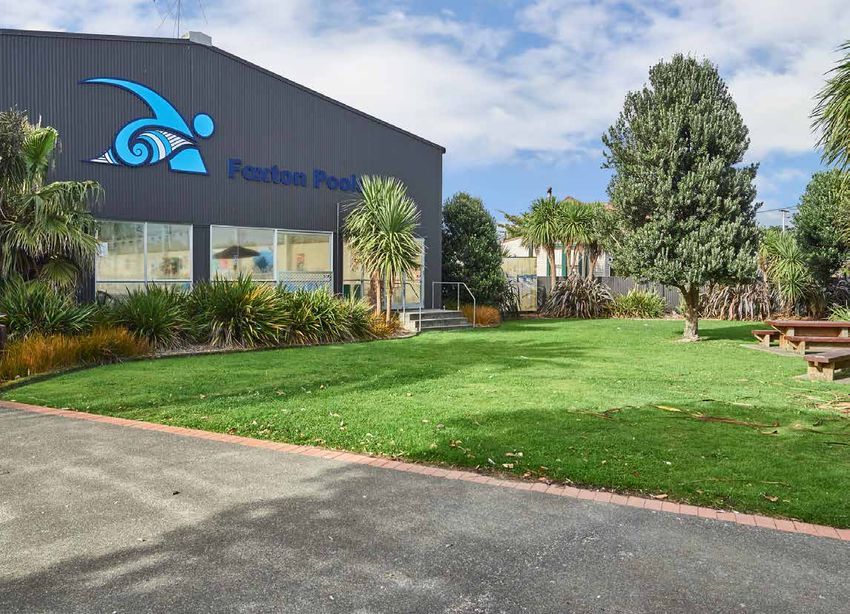
Introduction

The Horowhenua District is going through a period of transformation. Following a long period of static
population growth, the Horowhenua District has grown at a rate of 2% per annum since 2014, and is
projected to reach over 80,000 by 2051.

This high level of growth provides a number            •   Developing a 50 to 100 year regional three        At a local level, Council is proactively planning for
of challenges and opportunities for Council to             waters strategy to support anticipated            changing land use and infrastructure through
balance in delivering its infrastructure activities,       growth, including upgrades to infrastructure      undertaking integrated growth planning. This
including the need to renew or replace ageing              (including bulk infrastructure) that supports     includes the development of a Blueprint for
assets as well as providing new assets to                  growth in key development areas and               Horowhenua that will provide a long term
accommodate growth. This document provides                 improves environmental outcomes. This             vision and action plan for our district; as well as,
the key strategic direction for balancing these            work is already underway locally through          master plans, and the implementation of plan
needs. It aligns with the Financial Strategy to            master planning exercises in Levin for the        changes for growth areas such as Tara-Ika (to
ensure the delivery of these activities is not             Water Supply and Wastewater network.              the east of Levin), Waitārere Beach and Foxton
only affordable for the community but also                                                                   Beach.
                                                       •   Increase rapid transit rail/bus network
sustainable.
                                                           accessibility, capacity and frequency including   This Strategy was also developed in the context
Council is taking a proactive approach to                  inter-regional connectivity.                      of significant legislative change. Despite the
planning for growth and at a regional level has                                                              Three Waters Review, that proposes the
                                                       •   Significantly improve multi-modal
been a key partner in the development of the                                                                 creation of multi-regional entities to take over
                                                           connections to rapid transit stops as part
Wellington Regional Growth Framework and the                                                                 the delivery of the three waters functions from
                                                           of master planning and delivery of higher
Manawatū-Whanganui Regional Spatial Plan. The                                                                local government, our planning in the Long
                                                           density urban development in major centres,
Wellington Regional Growth Framework includes                                                                Term Plan (LTP) has been undertaken on the
                                                           and at nodes. Levin rail hub will be one of
the following key initiatives that will impact on                                                            assumption we will retain our three waters
                                                           these key nodes.
future infrastructure requirements:                                                                          assets. Increased emphasis is being placed
                                                       •   Establish a connected regional cycling            on climate change, in response to the Zero
•   Developing a regional approach to climate
                                                           network by eliminating pinch points on the        Carbon Act, and planning is being undertaken
    change impacts including coastal protection,
                                                           network and delivering transformational           in response to upcoming changes resulting
    longer term development areas and areas
                                                           projects to improve access.                       from the implementation of the National
    to stop developing. This will include a
                                                                                                             Policy Statement for Freshwater as part of the
    programme to consider the management of
                                                                                                             Government’s freshwater priorities.
    three waters, rail and road assets at risk and
    how to protect taonga.
                                                                                                                                                                 3
Partnership with                                Purpose and Scope
    Tangata Whenua

                                                  This 30-year Infrastructure Strategy is part of     the options for managing the issues and the
The Horowhenua district covers an area that       Council’s strategic planning framework that         implications.
contains the rohe of:                             includes Activity Management Plans, and the         It initially sets out the significant challenges for
• Muaūpoko                                        Financial Strategy. The Infrastructure Strategy     the district, and outlines how Council intends to
                                                  sets out a 30-year plan for managing the            manage its infrastructure assets, particularly in
• Ngāti Apa
                                                  infrastructure assets for:                          relation to:
• Ngāti Raukawa                                   • Land Transport                                    • The replacement of existing assets.
• Rangitāne                                       • Water Supply                                      • Responding to changes in population growth
Council values iwi as our treaty partners and                                                           and increasing demand.
                                                  • Wastewater
will continue to develop these relationships                                                          • Changes to levels of services.
when delivering our infrastructure services.      • Stormwater
                                                                                                      • Public health and environmental outcomes.
This includes building on advances made from      • Community Facilities
                                                                                                      • And improving resilience of our infrastructure
removing wastewater discharges from water
                                                  • Community Infrastructure                            assets.
to land based disposal methods, improving
stormwater discharge and taking a collaborative   • Property                                          The most likely scenario is provided for each
approach to consenting processes and key                                                              activity which identifies the significant decisions
                                                  The Infrastructure Strategy will help the Council
projects of interest.                                                                                 that will be required, when those decisions are
                                                  and the community make informed decisions
                                                                                                      required, the options and approximate costs.
                                                  and plan for major investments that may be
                                                  required in the next 30 years.                      The projected capital and operating expenditure
                                                  The purpose of the Strategy is to identify          is provided for all activities.
                                                  the significant infrastructure issues for the
                                                  Horowhenua district over the next 30 years,

4   DRAFT Infrastructure Strategy 2021-2051
Council Activities                                  Infrastructure Delivery                           Infrastructure Funding
  not included

                                                    Council will deliver the capital programme        Council uses debt (loans) to fund the cost of
Solid Waste                                         through:                                          providing new infrastructure for growth and
The Solid Waste activity is not covered in this                                                       increases to levels of service, to ensure future
                                                    Continuing to develop a long term procurement
Strategy. A Solid Waste business review is                                                            generations pay their fair portion of the cost
                                                    plan to engage with the market on the roll out
considering the future of Council’s operation,                                                        of the new assets which they will use. We are
                                                    of Council's planning, design and construction
ownership and involvement in service provision                                                        also proposing to re-introduce the use of
                                                    contracts over the 3 year Long Term Plan cycle.
in the solid waste area. Until decisionmaking for                                                     development contributions to pay for capital
                                                    Optimising Council’s current multi-year           projects associated with growth.
this is complete, there is uncertainty over what
                                                    collaborative three waters and roading
assets will be owned, or activities managed, by                                                       Council aims to use rates to fund the
                                                    contracts.
Council.                                                                                              replacement (renewal) of assets, ensuring that
                                                    Working with neighbouring councils to optimise    current generations contribute to the asset
Non-Council Infrastructure                          regional procurement plans, collaborate on        replacement as they use the asset. Council has
                                                    contract opportunities and share resources.       not always funded renewals from rates in the
Both Central Government and the private sector
provide and maintain other infrastructure           Regularly engage with contractors/consultants     past. This has resulted in the need to loan fund
groups vital for needs of the community. These      and their supply chain to maintain awareness      some of those renewals to maintain assets which
include the state highway network, the rail         of the work programme and align with              is not sustainable.
network, communications, and electricity and        opportunities and constraints as they arise.      Council is also committed to exploring other
gas networks. These services are not covered                                                          sources of revenue, such as external grants, to
under this Strategy.                                                                                  pay for infrastructure needed to meet the needs
                                                                                                      of the growing community.
                                                                                                      Further detail is provided as part of the Financial
                                                                                                      Strategy.

                                                                                                                                                            5
Goals

Our infrastructure assets account for to the         To continue to support the wellbeing and future growth of the district, Council aspires to achieve
majority of Council’s spending. The goals            the following infrastructure related goals:
identified in this Strategy align with the purpose
of local government in providing for the                               Provide affordable levels of service through prudent infrastructure
economic, social, cultural and environmental                           management.Council will strive to ensure that the levels of service provided to
wellbeing of the community, and Council’s                              the community are delivered at an affordable level. This will be achieved through
Community Outcomes of:                                   Goal 1
                                                                       careful asset management. This means Council will not over or under invest in
• Strong Community                                                     maintenance and renewal treatments, and improvement work will be well planned
                                                                       to ensure expected levels of service are provided but not exceeded.
• Vibrant Economy
• Outstanding Environment                                              Engage with our community to ensure customer expectations match
                                                                       infrastructure investment.
• Fit for Purpose Infrastructure
                                                                       Council will foster stronger partnerships with our community. This will enable the
• Partnership with Tangata Whenua                        Goal 2
                                                                       community to gain a stronger understanding of infrastructure investment options
                                                                       and for Council to better understand the community’s priorities and spending
                                                                       appetite.
                                                                       Ensure infrastructure is fit for purpose for our current community whilst
                                                                       also
                                                                       facilitating growth.
                                                         Goal 3        Horowhenua is experiencing unprecedented levels of growth, which presents
                                                                       significant infrastructure challenges. Council will strive to provide the infrastructure
                                                                       required to enable growth, while not compromising the affordability of
                                                                       infrastructure for our current community.
                                                                       Provide infrastructure which supports wellbeing and enables a sustainable
                                                                       community.
                                                         Goal 4        Council will provide infrastructure which supports and improves the wellbeing of
                                                                       the entire community, while delivering infrastructure which supports beneficial
                                                                       environmental outcomes.

6   DRAFT Infrastructure Strategy 2021-2051
7
Significant Challenges for the District
& How We Will Manage Them

    Population Growth & Increasing Demand

Challenge
For a long period, the Horowhenua district had a     support affordable property prices, and that       reticulation network and the wastewater
relatively stable population. However, since 2014    user satisfaction and needs are met for our        treatment plants which will require upgrades,
our population has been growing at a rate of 2%      community infrastructure and facilities. The       particularly for Levin.
per annum. The population of the Horowhenua          challenges being faced include:                  • Increased pressure on existing parks,
district at the 2018 Census was 33,261, and is                                                          reserves, sportsgrounds, and open space,
                                                     • Increased and changing demand on the
projected to be 36,708 by June 2021. Moving                                                             and demand for new facilities brought on by
                                                       roading network due to population growth
forward our district’s population is projected to                                                       growth.
                                                       and the Ōtaki to North Levin (Ō2NL)
grow at a rate of; 2.6% per annum from 2021
                                                       expressway, which will require upgrades such   • Vesting of new reserves and open space in
until 2031, increasing to 2.9% per annum until
                                                       as road widening, intersection upgrades or       Council resulting from new subdivisions.
2051. This means our population will increase to
                                                       additional active transport provision.         • An increase in the roading network that
over 62,000 by 2041 and over 80,000 by 2051.
                                                     • Increased demand for water supply,               will require additional tree and berm
The increase in population means the number            particularly for Levin where the volume of       maintenance.
of houses throughout the district will more than       water that can be taken from the Ōhau River    • Additional pressure on Council’s cemeteries.
double by 2051. The current number of houses           is dependent on water flow.
is estimated to be 16,606 as of June 2021. This is                                                    • Water space shortage during peak times at
                                                     • Increased stormwater discharge and the           the Levin Aquatic Centre and the building at
anticipated to grow by 21,145 to 37,751 by 2051.
                                                       requirement for Council to gain resource         Foxton Pool being no longer fit for purpose.
This growth will have a number of impacts on           consents for stormwater discharges.
                                                                                                      • Demand for building land to facilitate the
demand across the infrastructure activities          • The lack of reticulated stormwater networks      growth in housing required over the term
included in this strategy. To ensure Horowhenua        (outside of those for the roading network)       of this Strategy including housing of an
remains a great place to live Council needs            throughout the district.                         affordable nature.
to ensure infrastructure is provided in a
                                                     • Increased pressure on the wastewater
manner that proactively meets demand to

8   DRAFT Infrastructure Strategy 2021-2051
Our Response                                           • Sustainable stormwater management
                                                         is incorporated into all planning, design
To address these challenges Council is
                                                         and delivery aspects of our infrastructure.
proactively planning for future assets and
                                                         This includes working collaboratively
activities to ensure they will be fit for purpose
                                                         with developers to mitigate the effects of
for the growing community. This planning has
                                                         residential and industrial growth on our
already started, and occurs early in the LTP to
                                                         stormwater systems and waterways.
ensure that required projects can be completed
just-in-time to meet growth demands. The               • A master plan is being developed for the
focus on just-in-time delivery is to ensure              Levin Wastewater Treatment Plant to inform
infrastructure is not delivered too early, but right     a decision on whether upgrades should
when needed. There is a risk that growth may             be undertaken to the existing wastewater
occur differently than in Council’s assumption,          treatment plant and land based disposal
therefore, actual growth patterns in the district        option, or whether a new plant is required.
will be monitored and work programmes                  • Development planning is being undertaken
adjusted yearly as required. For the specific            for the major reserves. Investment is planned
activities the following approaches are being            to further develop key sporting hubs for
undertaken:                                              the district, such as Donnelly Park and Levin
                                                         Domain.
• A high level of planning is being undertaken
  for the Land Transport network early in the          • Council is beautifying only those areas that
  LTP to provide an increasingly comprehensive           provide maximum value for the majority of the
  understanding of the growth related upgrades           population and is in the process of ensuring it
  required (including as a result of Ō2NL), with         only plants street trees suitable for the site.
  budget assigned in the LTP to complete the           • Council is in the process of producing
  growth related upgrades.                               development plans for its cemeteries.
• Water demand management, such as leak                • Council is evaluating its land-holdings to
  detection and water metering of new houses             facilitate growth which will include new
  continues to be undertaken to reduce                   developments at the Kilmister Block in Foxton
  demand on the water supply network.                    Beach and considering non-core land for
  Additionally, planning for increased water             housing developments including affordable
  storage capacity, such as the development of           housing.
  a water reservoir, is underway to take more          • Development planning is being undertaken
  water from the Ōhau River in high flows, and           for both the Levin Aquatic Centre and Foxton
  store it for when the river has low flows.             Pool to ensure the facilities are fit for purpose
                                                         for the projected growth and increase in
                                                         demand.
                                                                                                             9
Ageing Infrastructure & Renewals

 Challenge                                            Our Response
 A considerable amount of development                 Council’s approach to managing the ageing            • Just-in-time provision. Ensuring assets are
 occurred in the district 60-70 years ago,            infrastructure network and renewals has the            renewed only when necessary and just before
 meaning the district has old and ageing              following key aspects:                                 upgrades are required due to increasing
 infrastructure, particularly for the three                                                                  maintenance costs or as a result of growth
                                                      • Asset maintenance and renewals strategies
 waters network. Additionally, across all of the                                                             pressure.
                                                        are developed to stabilise the average asset
 infrastructure activities, there has been historic                                                        • Future-proofing where appropriate. When
                                                        useful life of all Council’s infrastructure.
 underfunding of renewals. As ageing of assets                                                               undertaking renewal work, also undertaking
                                                      • Continual improvements to asset condition
 occurs, reactive maintenance will increase.                                                                 improvements to cater for growth where
                                                        assessment programmes, alongside a focus
 A key challenge for the district is the balance                                                             required. This approach will reduce long
                                                        data collection and analysis will help inform
 between reactive maintenance, programmed                                                                    term costs associating with retrofitting assets
                                                        efficient maintenance and renewal strategies
 maintenance, and the inevitable rehabilitation or                                                           and will be assessed on a case by case basis,
                                                        across all of Council’s infrastructure.
 replacement of assets that have both physically                                                             considering the balance between the benefits
 and economically run past the point of repair.       • Renewal programmes are informed using
                                                                                                             of undertaking the improvement works and
                                                        analysis of remaining useful lives, condition
                                                                                                             the desire for just-in-time infrastructure
                                                        assessments. Renewal programmes are
                                                                                                             provision identified above.
                                                        phased smoothly, preventing cost or resource
                                                        capacity spikes over the LTP period. This is the   • Council is planning to catch up on the
                                                        most effective way to address renewal from           required renewals for water and wastewater
                                                        funding planning and delivery point of view.         over the 30 year plan. A consistent
                                                                                                             programme of stormwater renewals over the
                                                                                                             30 year period is planned, however due to
                                                                                                             investment needed for growth approximately
                                                                                                             $19 million of required renewals will not be
                                                                                                             completed during the 30 years. This will be
                                                                                                             reassessed during the next long term plan.

10   DRAFT Infrastructure Strategy 2021-2051
Our Response
Resilience - Natural Hazards and Climate Change
Opportunities for climate change mitigation
and resilience are considered throughout all of
Challenge Our infrastructure activities are experiencing the Council’s infrastructure and planning activities,
following challenges: this includes:
The global climate is changing, with more
and more emphasis being placed on • All infrastructure assets are at risk of damage • Urban planning practices which encourage
climate change response. This response resulting from earthquakes. There is a range active transport friendly developments to
is occurring at all levels of government of resilience in the infrastructure assets to reduce reliance of private passenger transport.
– national, regional and local. The Zero earthquakes, however, a significant event could • Consideration of the location of the
Carbon Amendment Act provides the create damage for many assets. development of our infrastructure assets to
framework for climate change policies to • Land Transport Network is highly dependent on reduce risks associated with climate change
contribute to the Paris Agreement and private vehicles which contribute to New Zealand’s and increase resilience.
prepare for and adapt to climate change greenhouse gas emissions. The Land Transport • Increased investment in active transport
impacts. Network is also at risk of road closures and and advocacy for improved public transport,
In the long term it is expected climate slips, from heavy rain, flooding and earthquakes, such as rail and buses with the aim to reduce
change will result in gradual change in resulting in the need for increased reactive transport climate emissions.
environmental conditions throughout maintenance. Our resilience to climate change in • Undertaking a programme of renewals and
the district by 2041 such as increasing the Land Transport Activity is poorly understood. maintenance to reduce inflow and infiltration
temperatures of between 0.7°C and 1.1°C, • The three waters network has a number of climate into the wastewater network.
increases in precipitation, sea level rise change related risks, including the flows of the • Undertaking planting of indigenous species
of 0.3 metres and an increase in extreme Ōhau River for the Levin water supply in the event e.g. Spinifex and Pingau to provide resilience
rainfall events by ~14%1. A study by of increased dry periods, heavy rainfall putting to Council’s dune systems from storms and
Horizons Regional Council shows there pressure on the wastewater networks through localised erosion. Council is also considering
is likely to be an impact within the next inflow and infiltration and creating challenges for established back dunes for succession
30 to 50 years on coastal areas, from a land based disposal. Increased heavy rainfall can planting.
combination of rising tides and coastal also cause potential flooding of the stormwater
• Proactive street tree management to reduce
erosion. Flooding is the most frequently networks.
hazards such as wind-throw in storm events.
experienced natural hazard in the district, • Community infrastructure has the potential to be
with the district also at risk of earthquakes • Increased tree planting to act as carbon sinks.
damaged by storm events, particularly the street
and tsunami. tree network. Storm events can also create erosion • Development of wetlands to mitigate the effect
along the coast and rivers, and excessive rain on of increased overland flow and stormwater.
reserves can cause issues for sports fields. • Increasing understanding of risks (e.g.
stormwater catchment management plans).
• Planning for future water sources and storage
1
per degree of warming for a 1 hour, 1 in 100 year event to future-proof the Levin water supply.
11Changes to Levels of Service Public Health and Environmental Outcomes
Challenge Challenge is safe to drink, as well as reducing potential
environmental impacts from water takes and
As the population grows, there is increasing Council’s infrastructure assets provide a
wastewater discharges. Resource consents
customer expectations across all activities significant contribution to public health and
required for stormwater discharges will
for improved levels of service. This includes; environmental outcomes. In particular the
potentially require investment in the pre-
increased demand for improvements such as roading network contributes to public health
treatment of stormwater prior to disposal.
for greenspace development, the standard and safety, as safer roads can cause less harm
• The National Policy Statement for Freshwater
of service for rural residential properties, from accidents, and the provision of walking
will result in higher environmental standards
stormwater, the quality and supply of water, and cycling infrastructure can promote physical
and increased costs to meet them.
the provision of aquatic facilities, and demand exercise. The three waters networks through
water takes, and wastewater and stormwater • For parks and reserves there are ongoing
for active transport methods. This growing
discharges have an impact on environmental challenges of securing sufficient funding to
customer expectation is often a result of new
outcomes. Council’s wastewater discharges are meet the requirements Horizons Regional
residents moving from urban centres that have
now all land-based (rather than river based) Pest Plan.
greater facilities, and it is important that the
which supports improved environmental • Upcoming requirements for the strengthening
Horowhenua provides desirable facilities and
outcomes. Providing water which is safe to drink or demolition of earthquake-prone buildings
services to encourage and support growth.
is also critical for ensuring public health. Access remains a challenge for our property assets.
to parks and reserves, and community facilities The costs associated with these works are
Our Response
such as community centres and aquatic centres significant, and while Council has disposed
To meet changing customer expectations, contribute to physical and mental wellbeing of many of these properties in recent years
Council is undertaking development planning by encouraging physical activity, as well as, there will be a number, such as the Levin and
across all of the activities identified in this social wellbeing by enabling opportunities for Shannon Grandstands, Surf Life Saving Clubs
strategy to identify the upgrades and projects community connection and support services. and the Levin Memorial Hall which are likely to
required to meet these increasing demands. remain under Council ownership.
This includes development planning for parks The challenges across the activities covered in
this Strategy are diverse: • The majority of public toilets are in excess of
and reserves and aquatics, active transport
50 years old and many are constructed of
improvements, and the future-proofing of our • The ongoing challenges for land transport
difficult to clean materials. There is a need
three waters network. The implementation are creating safer roads, and improving the
to improve a number of these facilities by
of development plans will be timed alongside provision of active transport assets.
introducing more modern surfaces and in
population growth and increased demand • Challenges for the three waters network some cases complete replacement.
on services, and will also be balanced with are providing services for a growing
• It is likely Covid-19 will be an ongoing feature
affordability considerations. population, continuing to provide water that
12 DRAFT Infrastructure Strategy 2021-2051of public health concerns over the medium will continue to be disposed of in accordance
to long term. This will require a higher with Council’s Property Strategy, whereas
level of maintenance in publicly accessible those considered core will be strengthened or
buildings as and when necessary to reduce demolished in line with the relevant legislation
transmission. over the course of this plan.
• There is an ongoing need to continue to • Budgets for minor (public toilet improvements)
ensure aquatic facilities, provide adequate and major (replacement of public toilets) have
water treatment to protect the public from been identified
illness. • Any redevelopment or new aquatic provision
will continue to provide adequate water
Our Response
treatment to protect human health.
The approaches to managing these challenges
are equally diverse:
• For the Land Transport Network significant
investment is being included for safety
improvements and improvements to walking
and cycling facilities across the roading
network. Changes to setting of speed limits
will be adequately resourced.
• Council will continue to actively engage with
Horizons on the implementation of the
National Policy Statement for Freshwater for
the three waters activity and has budgeted
to cover increasing compliance costs
associated with increased requirements for
environmental outcomes.
• Costs of compliance with the Horizons
Regional Pest Plan are budgeted for.
• Non-core property that is earthquake-prone
13Infrastructure Groups This section summarises the most likely scenario for each Activity, including the key issues, significant decisions that will be required, when those decisions are required, the options (including the preferred option) and costs. The costs outlined in this section have been modelled in the draft Financial Strategy. All figures include inflation. 14 DRAFT Infrastructure Strategy 2021-2051
Land Transport

  The main purpose of this Activity is to
  provide for the safe, convenient and
  efficient transit of people and goods
  through, and within, the district in a way
  that meets national standards.

  This is achieved by providing a network of
  roads, footpaths, bridges, car parks, signs
  and markers, street lights and associated
  drainage systems in what is known as the
  ‘Transport Corridor’.

  This Activity is heavily influenced by Waka
  Kotahi / New Zealand Transport Agency
  (NZTA), which is Council’s co-investment
  partner for roading and the Optimised
  Programme (Council’s programme of
  road works) which is approved on a
  three-yearly cycle in the Regional Land
  Transport Plan. The Council operates,
  maintains and improves its land transport
  assets, utilising the budgets set within this
  programme.

                                                15
Land Transport Land Transport Activity Principal
Significant Issues and Alternative Options
• Increasing competition and demand on Issues specific to the Land Transport Activity
resources is threatening our ability to deliver are shown in the following tables, including the
adequate planning, quality data and physical preferred and alternative options. The preferred
works, resulting in increased costs and delays. options have been factored into the capital and
• Anticipated growth impacts (both residential operational expenditure budgets.
and industrial) and increases to State Highway
capacity are leading to changes in demand.
• Significant harm to the community is caused
by injury crashes, caused by a high risk
transport network and poor driver behaviour,
disproportionally affecting vulnerable users.
• Stronger than predicted growth has
accelerated deterioration, resulting in poor
asset condition.
• Resilience of Infrastructure to natural
hazards and climate change is poor or poorly
understood, resulting in safety issues, access
limitations and reactive maintenance.
• The changing needs and expectations
(mobility, active modes) of the community
require additional investment to meet Level of
Service for all modes.
16 DRAFT Infrastructure Strategy 2021-2051Significant Decisions Required
Changes in network demand caused by the Ōtaki to North of Levin Expressway
The Ōtaki to North of Levin Expressway (Ō2NL) will cause transformational changes to traffic demand
across the local road network. The main entrances into Levin will be relocated, forcing dramatic traffic
movement changes. The existing local road network is not appropriately developed to cater to these
changes and increases in traffic movements. Significant transport planning is required to determine
the most appropriate network improvements required to provide an acceptable level of service when
Ō2NL is opened in 2029. Currently, the level of funding assistance from Waka Kotahi for this work has
not been confirmed.
Year decision needs
Principal and Alternative Options Cost Impact
to be made
Stage network improvements over the next 10 years (preferred option).
• $29.8M over 10 years
This option would spread the required local road improvements over the next 10 years, enabling 2021
(2021/22 – 2031-32)
consistent progress without placing unrealistic demands on ratepayers or contractors.
Stage network improvements over the next 5 years.
This option would spread the required local road improvements over the next 5 years, this option • $29.8M over 5 years
2021
would reduce the risk of the required upgrade works being undelivered by 2030 when Ō2NL opens, (2021/22 – 2026/27)
but would be placing a significant funding demand on ratepayers over the next 5 years.
Delay network improvements for 5 years.
This option would delay the required local road improvements over the next 5 years. This option
would delay inevitable funding demands until 2026/27, but concentrate the funding demands over • $29.8M over 5 years
2021
the final 5 years. This option also greatly increases risk of not delivering required upgrades by the (2026/27 – 2031/22)
time Ō2NL opens, as contractor and material resources is expected to be difficult to secure once
Ō2NL construction has started.
17Asset deterioration is accelerating
Our condition assessments and asset data analysis indicated that the current level of investment in
renewals is insufficient, causing asset deterioration. The most likely cause of this is due to higher than
expected traffic growth over the last 5 years, and pressure to keep renewal expenditure low from
Waka Kotahi. The most significant increase is in sealed roads resurfacing budgets.
Year decision needs
Principal and Alternative Options Cost Impact
to be made
Increase renewals spending to stabilize asset condition (preferred option).
• $0.9M per year
Increase funding to allow more targeted renewals in key areas to prevent further asset 2021 increase on average
deterioration. This option allows assets to continue providing an acceptable level of service without
• 60% subsidised
requiring strong funding demands, and provides the best value for money in the long term.
• $1.2M per year
Increase renewals spending to improve asset condition.
2021 increase
Increase funding to provide a higher level of service but at a higher cost.
• 60% subsidised
Increase renewals spending to the bare minimum to meet reporting requirements.
Increase funding by a small amount by allowing asset condition to continue to deteriorate, while • $0.75M per year
meeting minimum renewal requirements set by Waka Kotahi. This option would result in a 2021 increase
significantly higher long term cost as asset useful lives will deteriorate rapidly, resulting in higher • 60% subsidised
future renewals costs and immediate increases to reactive maintenance costs.
18 DRAFT Infrastructure Strategy 2021-2051Low level of community use and satisfaction with active transport infrastructure
There are low levels of satisfaction with the level of service provided for walking and cycling across the
district. The majority of the district’s road network have no dedicated infrastructure for cyclists and the
footpath network coverage is very poor. Both walking and cycling facilities score very low in Council’s
community satisfaction surveys.
Year decision needs
Principal and Alternative Options Cost Impact
to be made
• Cycling facilities total expenditure
$1M/year average.
Increase funding for active transport improvements (preferred option).
Increase spending on walking and cycling facilities to improve levels of service and • $600k/year spending increase –
increase safety of vulnerable road users. The proposal includes bundling the currently 2021 no overall increase to local share.
unsubsidised shared pathway budget in with the subsidised cycling facilities budget to • Walking facilities $350k/year.
increase total spend without increasing the overall local share.
• $100k/year increase – 60%
subsidised.
Increase cycling facilities spend, keep walking facilities spend the same.
From a local perspective, not increasing cycling facilities spending is illogical, as by • Cycling facilities total expenditure
bundling the current shared pathway budget in with the subsidised cycling facilities $1M/year average.
2021
budget results in more subsidised spending with no local share increase. • $600k/year spending increase –
Keeping walking facilities spending the same would slow the rate of improvement and no overall increase to local share.
the community would remain with a low level of service for longer.
19Land Transport Operating Expenditure Land transport operating expenditure relates to category. Forecast expenditure over the 30 year the cyclic maintenance of the network, including planning period is shown in Figure 1. Figures activities such as repairing potholes, cleaning have been adjusted for inflation. This shows the small land slips and maintaining signs. Network operational expenditure over the 30 year period and asset management is also included in this is projected to be $541,166,730. Figure 1: Land Transport Operating Expenditure 20 DRAFT Infrastructure Strategy 2021-2051
Land Transport Capital Expenditure

Figure 2 shows the projected capital expenditure   improvements and constructing new footpaths.
programme for the Land Transport Activity.         Growth includes projects that are needed to
Figures have been adjusted for inflation. The      meet a growing population. The total capital
Land Transport capital expenditure can be          expenditure programme over the next 30 years
broken down under renewals, improvements           is projected to cost $607,599,590. The majority
and growth. Renewals include activities such as    of expenditure is proposed for renewals –
resurfacing or rehabilitation road pavements.      $339,753,412 over the 30 year period.
Improvements include activities such as safety

Figure 2: Land Transport Capital Expenditure

                                                                                                     21
Water Supply
Council provides a safe drinking
water to over 13,000 households and
businesses in Levin, Foxton Beach,
Foxton, Shannon and Tokomaru.
Council owns river intakes,
groundwater bores, water treatment
plants and water storage facilities,
pump stations, and underground pipe
networks including all associated
accessories within the reticulation
network. Council’s water supply is
managed, operated and maintained
by Council staff and contractor’s staff
as a team – Horowhenua Alliance.
22 DRAFT Infrastructure Strategy 2021-2051Water Supply Water Supply Activity Principal
Significant Issues and Alternative Options
• Ageing infrastructure resulting in a need to Issues specific to the Water Supply Activity are
increase our renewals programmes. shown in the following tables, including the
• Growth – anticipated growth is leading preferred and alternative options. The preferred
to increased residential, commercial and options have been factored into the capital and
industrial demand. operational expenditure budgets.
• An increasing population will put added
pressure on all our water supply reticulation
systems, this issue is particularly acute
in Levin. It will be a challenge to meet
community expectations of a consistent water
supply and maintain a contingency supply for
emergencies.
• Water storage and supply for Levin during dry
periods. Levin’s water supply is from the Ōhau
River, and consent conditions mean that
the water take is affected by river flows. This
means in the dryer periods, the amount of
water that can be taken from the river is low
and will not be able to cope with increased
demand.
• Workforce shortage in Three Waters industry
and loss of knowledge.
• Ongoing asset management and asset data
improvements required.
• The need to improve the resilience of
infrastructure with regard to natural hazards
and climate change.
23Significant Decisions Required Water Master Plan
Demand for Water – Water Demand We are in the process of improving our Whatever long term decisions we make about
Management / Response to Growth water master plan, which takes a long term our future water supply, in the short term
view of water supply within our district. This we need to reduce the amount of water we
One of the most significant water supply issues
incorporates the Water Demand Management use. Finding and securing more water will be
the district faces is demand exceeding supply.
work done to date as well as using computer necessary in the medium (< 5 years) to long
On average Horowhenua consumes 300 l/d/p
models of our water system to identify where we term but our water resources will last longer
which is above average.
need to make improvements. The Water master if we avoid wasting water today. Reducing our
Seasonal limitations to our water takes, such as plan includes the following; consumption will also delay the requirement
low river levels over the dry months of summer for new sources of water, delaying the costly
• Further improvement work on Water Demand
have become more frequent and longer in investment required for new infrastructure.
Management in Levin, Shannon and areas but
duration in the past years. This coupled with
not Foxton Beach. Our primary water demand management are:
peak demand during summer are resulting in
water restrictions. Under current usage, there is • Increasing water storage capacity in Levin. • Applying water restrictions; already practicing
about a 24 hour water storage capacity which is • Finding alternative water supply source for this during summer period
very low. Increasing supply capacity to the Levin Levin, including supplementary sustainable • Detecting and repairing leaks in the network.
water reticulation system will mitigate this risk to water supply. This is an ongoing programme
our largest growth area and provide options for • The requirements for a reticulated water • Consider implementing universal water
extending reticulation supply to other areas in supply to growing smaller settlements such as metering
the future if required. Waitārere Beach and Ōhau, which will only be
• Reducing water pressure within the
considered once a long term water source for
distribution network (less coming out of the
Levin has been secured.
tap and less pipe leakage). This has been
Water Demand Management applied in certain places
• Encouraging the use of private water tanks.
Water intake restrictions from rivers under
This is part of the Master Plan for developing
Horizons Regional Council’s One Plan are
areas
imposed on Council as part of Water Intake
resource consents. This is a particularly acute • Educating our communities about water
issue for Levin. This approach is aimed at conservation
maintaining river life during the dry weather
of summer. The One Plan also seeks to make
Council and the community increasingly
conscious of the amount of water being used
and to lower the rates of unauthorised or
wasteful water use.
24 DRAFT Infrastructure Strategy 2021-2051Levin Water Supply
Year decision
Principal and Alternative Options Cost Impact
needs to be made
Improve water source and treatment capacity for Levin
(preferred option).
• Long term water source/storage.
2024 – water source • $18.3M over the 30 year period.
• Supplementary water supply.
• Continue current water demand management initiatives.
Secure a new water source only.
• Retain current water treatment capacity. 2024 – water source • $16.3M over the 30 year period.
• Continue current water demand management initiatives.
• Targeted water reticulation renewals as identified
from leak detections, $1.0 – 1.2M.
Status quo – Water Demand Management. 2020/21
• Continuous water demand management including
education programme, $250 – $300k.
25Future Reticulated Water Supply Schemes for Smaller Settlements
Note: As part of the development of the 2018-38 Long Term Plan, Council consulted on whether to implement water supply schemes for settlements that do not
currently have this service. Based on this feedback from the community, Council agreed to proceed with feasibility studies for Ōhau and Waitārere Beach. However,
as a result of recent growth and the adopted growth assumptions, Council will first focus on securing a long term water source for Levin before reconsidering the
options for a reticulated water supply to the district’s smaller settlements. Community consultation on any proposal would occur prior to any decision being made.
Year decision
Principal and Alternative Options Cost Impact
needs to be made
Ōhau: 2029 • Ōhau: $16.4M from 2029/30 to 2034/35.
Implementation of a reticulated water supply for Ōhau and
Waitārere Beach (preferred option). Waitārere Beach: • Waitārere Beach: $23.7M from 2033/34 to
2032 2039/40.
Ōhau: 2029
Status Quo – do not implement a reticulated water supply for
Waitārere Beach: • No cost impact
Ōhau and/or Waitārere Beach.
2032
26 DRAFT Infrastructure Strategy 2021-2051Ageing Infrastructure –
what we need to renew
We have been leak detecting the water Asbestos Cement (AC) pipes, which were widely We are in the process of grouping renewals
reticulation network both on a reactive and used in the 1960s, are now approaching the geographically and develop an asset condition
proactive basis. This will be further extended end of their life. Not only are they susceptible and maintenance programme to maximise
to water treatment plants to condition assess to leakage and earthquake, they also reach a opportunities for procurement efficiencies and
structures. We are also in the process of point that they are irreparable. Replacing AC to minimise disruption to the community.
improving asset capture process for all assets at pipes with modern materials with a longer life
the treatment plants. This would improve and expectancy will also reduce the long-term cost of
achieve the useful life of assets so that reactive funding depreciation.
asset maintenance/replacement can be reduced.
Year decision needs
Principal and Alternative Options Cost Impact
to be made
• Require additional $1.5M on average per annum for a
Renewal backlog and improved asset condition and period of approximately 30 years.
2020/21
asset data collection (preferred option). • Develop and implement proactive condition assessment for
improved data collection and work programme, $300k.
Status quo – minimal renewal and reactive condition
assessment. • Targeted water reticulation renewals as identified from leak
2020/21
Critical assets likely to fail and disruption to our detections, $1.0M.
community.
27Resilience against natural hazards
and climate change
Our climate is changing, with predictions of long Our district contains earthquake fault lines which
dry spells in summer, drought and short and impose a particular risk for our ageing Asbestos
intense rain becoming more frequent. Storm Cement pipes which is quite brittle material in
events are increasing in our district and across nature.
the country. This brings challenges to our water
supply source as river flow levels dramatically
reduce during a dry period in summer. For a
continuous water supply, it is necessary to have
sufficient water storage capacity.
Year decision needs
Principal and Alternative Options Cost Impact
to be made
Increase resilience in our water network and changing AC pipes
progressively (preferred option).
• Build necessary resilience (additional line and/or cross connection for critical
services). • Increase water reticulation
• Where necessary build water storage tanks, cost to be determined. 2020/21 renewals, cost estimate of $0.5 –
• Provide supplementary sustainable water supply, cost stated in above section. $1M per annum.
• Encourage sustainable growth by promoting onsite water tanks. No cost
implication.
Status quo. • No additional cost on current
renewals budget of $1.0M per
Disruption possible to our level of service in our community due to frequent water 2020/21
annum, but an expected increase
supply outages. in reactive repairs overtime.
28 DRAFT Infrastructure Strategy 2021-2051Water Supply Operating Expenditure
The forecast of operating expenditure for Figure 3 shows the projected operational
Water Supply across each scheme is presented expenditure for the 30 year period is
in Figure 3. Figures have been adjusted for $396,125,904. It shows the biggest investment
inflation. is required for the Levin scheme – $205,657,892
across the 30 year period.
Figure 3: Water Supply Operating Expenditure
29Water Supply Capital Expenditure The proposed capital expenditure programme The major expenditure in the planning period for Water Supply is presented in Figure 4 is largely renewals and growth. Figure 5 shows and Figure 5. Figures have been adjusted the most significant investment required for the for inflation. Figure 4 shows the projected Levin scheme which has a total proposed capital capital expenditure for the 30 year period is expenditure to $99,259,488 over the 30 year $194,452,857. period. Figure 4: Water Supply Capital Expenditure 30 DRAFT Infrastructure Strategy 2021-2051
Figure 5:. Water Supply Capital Expenditure – by scheme

                                                          31
Wastewater
Council owns, operates and maintains
piped wastewater systems, pumping
stations, wastewater treatment plants
and treated effluent discharge facilities
throughout each of the urban schemes,
including land. Council’s wastewater
system is managed by Council staff
and contractor’s staff as a team –
Horowhenua Alliance.
Council’s Wastewater (sewage)
reticulation network and pump
stations collect sewage from
households, businesses and industrial
customers. It is then transported to
wastewater treatment plants (Levin,
Foxton, Foxton Beach, Shannon,
Tokomaru and Waitārere Beach) where
it is biologically treated and treated
effluent from wastewater treatment
plants is then applied to land.
32 DRAFT Infrastructure Strategy 2021-2051Wastewater Significant Issues
• Ageing infrastructure resulting in increase
in renewal requirements and compromising
performance.
• Anticipated growth is leading to increased
residential, commercial and industrial demand
on existing infrastructure.
• National Policy Statement for Freshwater 2020
– Horizons Regional Council’s implementation
completed by 2027. The implementation of
the National Policy Statement will likely create
increased requirements for wastewater
treatment and disposal.
• Community expectations of environmental
management increasing.
• Workforce shortage in Three Waters industry
and loss of knowledge.
• Ongoing asset management and asset data
improvements required.
• Improving the resilience of infrastructure with
regard to natural hazards and climate change.
33Wastewater Activity Principal and Alternative Options
Issues specific to the Wastewater Activity are assessment of reticulation network are being As network pipes age Inflow and Infiltration
shown in the following tables, including the programmed for informed decision making. allows more stormwater into the wastewater
preferred and alternative options. The preferred Renewals are prioritised based on asset reticulation network which adds increased
options have been factored into the capital and condition and criticality. Condition assessment volume to wastewater treatment plants and
operational expenditure budgets. is further extended to wastewater treatment increased operational and maintenance cost.
plants to condition assess structures (specifically This is a significant issue that is predicted to
Significant Decisions Required Levin Wastewater Treatment Plant). We are increase in the frequency, and intensity of
Ageing Infrastructure – also in the process of improving asset capture rainfall will only exacerbate. Therefore, we are in
what we need to renew processes for all assets at the treatment plants. the process of developing a work programme
This would improve and achieve the useful life for Inflow and Infiltration, which informs the
We have been continuously CCTV’ing wastewater of assets so that reactive asset maintenance/ maintenance and renewal work programme.
reticulation on a reactive basis. However, replacement can be reduced.
proactive (based on age and incidents) condition
Year decision needs
Principal and Alternative Options Cost Impact
to be made
• $3.6M/year reticulation renewals.
• Condition assessment for improved data collection and work programme, $250 -
Renewal backlog and improved $450k over 5 years.
asset condition and asset data Start from 2021/22
collection (preferred option). • Inflow & Infiltration work programme $300K in 2021/22 for Shannon and Tokomaru
and Levin.
• No additional cost on current renewal budget of $0.8M.
Status quo – Minimal renewal and • Critical assets likely to fail and disruption to our community and increasing reactive
Current
reactive condition assessment. maintenance costs.
34 DRAFT Infrastructure Strategy 2021-2051Response to Growth plants resulting in upgrade requirements, with This will take a holistic approach and big picture
the most urgent decision required for Levin. of wastewater treatment. Identify upgrades
As indicated (in previous section), the district is
requirement and develop a phased work
going through a significant population growth.
For the location identified growth areas, please programme.
As the population grows the demand on the
wastewater system will increase in a number of see Horowhenua Growth Strategy 2040. • Taking into account National Policy Statement
ways: for Freshwater potential implications on our
Wastewater Master Plan
wastewater treatment plants.
• Increased demand on the existing network
We are in the process of improving our • Feasibility study of reticulated wastewater
as a result of anticipated intensification of
wastewater master plan, which takes a long term to Ōhau will be reviewed, however, due
housing.
view of wastewater treatment, Levin primarily, to capacity concerns, no decision on the
• Demand for new infrastructure in new growth and within our district. provision of a reticulated wastewater supply
areas.
will be made until the Levin Wastewater
• Increased demand on wastewater treatment Treatment Plant project is completed.
• Develop Inflow & Infiltration work programme.
Levin Wastewater Treatment Plant
The Levin Wastewater Treatment Plant will reach its capacity under the approved resource consent earlier than
previously anticipated due to the significant growth that is projected for Levin. The wastewater master plan will
take a long term view of wastewater treatment and identify a detailed solution for future requirements.
Year decision needs
Principal and Alternative Options Cost Impact
to be made
• $400k between 2021/22
Development of the Wastewater Masterplan (preferred option). and 2024/25 in investigation
Investigate and masterplan the future of the district’s wastewater treatment upgrade and planning cost, providing
2024
requirements and reticulation to enable comprehensive consideration of cost and level of information for decisions
service implications. in 2024(operational
expenditure)
Status quo.
Most improvements are done on an ad-hoc basis. The Levin Wastewater Treatment Plant • No additional cost on existing
and disposal area is limited to current consent conditions. Current capital and operational
Critical assets could fail causing major disruption in our community and unwanted budgets.
environmental discharge.
35Future Reticulated Wastewater Schemes for Smaller Settlements
Note: As part of the development of the 2018-38 Long Term Plan, Council long term option for wastewater disposal for Levin before reconsidering the
consulted on wastewater supply schemes for settlements that do not currently requirements for a reticulated wastewater supply to growing smaller settlements.
have this service. Based on this feedback from the community, Council agreed to Community consultation on any proposal would occur prior to any decision
proceed with a feasibility study for Ōhau. However, as a result of recent growth being made.
and the adopted growth assumptions, Council will first focus on securing a
Year decision needs
Principal and Alternative Options Cost Impact
to be made
Implementation of a reticulated wastewater supply for Ōhau (preferred
2029 • $16.7m from 2030 to 2035.
option).
Status Quo: Do not implement a reticulated wastewater supply for Ōhau. 2029 • No cost impact.
36 DRAFT Infrastructure Strategy 2021-2051You can also read


