Coming Together for Water, Unconventionally - UW-Stevens ...
←
→
Page content transcription
If your browser does not render page correctly, please read the page content below
Coming Together
                                                                             for Water,
                                                                             Unconventionally

                                                                 E
                                                                             By Eric Olson, Director and Lake Specialist, Extension Lakes

                                                                                 very spring since 1979, the Wisconsin Lakes Partnership has assembled experts
                                                                                 from state and local governments, higher education, and lake service firms to
                                                                                 engage with a wide range of water stakeholders at our statewide Convention.
Lake Tides
                                                                                 We pride ourselves on having a relatively large and well-organized event; the
                                                                                 total number of participants often rivals some of the nationwide lake and river
                                                                                 management conferences. A good year would see about 350 citizen lake and river
                                                                 volunteers, and about 100 natural resource professionals, joining us to learn, teach, network and
                                                                 be celebrated.
       The newsletter for people interested in Wisconsin lakes

                                                                 This is good, but not good enough. We estimate that there are roughly 1,000 lake districts, lake
                                                                 associations, river organizations, and watershed groups in Wisconsin. Each group has at least
                                                                 five board members, so there are a minimum of 5,000 people who have a direct leadership role
                                                                 in caring for Wisconsin’s waters. There are thousands more people serving on committees,
                                                                 volunteering to monitor water quality, engaging as Loon Rangers, and potentially seeking future
                                                                 roles on boards governing the related groups. So, our great big annual education and networking
                                                                 event reaches maybe 3-5% of this true audience of water stakeholders. If our objective is to
                                                                 educate stakeholders and facilitate networking, we need to do more.

                                                                 Increasing Our Reach
                                                                 2021 presents an opportunity for us to dramatically expand our reach, and we’ve been working
                                                                 since summer to create a program and delivery method that will be accessible to thousands of
                                                                 people rather than a few hundred. We’ve recast this year’s Lakes and Rivers Convention as
                                                                 Wisconsin Water Week, taking place March 8-12. The planning team has built an agenda that
                                                                                                                                            (Continued on page 2)

                                                                 Volume 46, No. 1 Winter/Spring 2021
                                                                                  Wisconsin Lakes Partnership
                                                                                         1                                                              Lake Tides 46(1)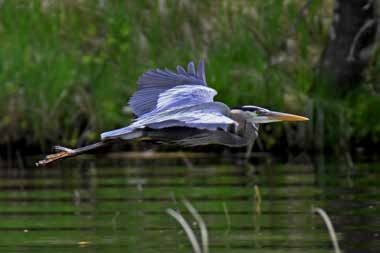
(Coming Together for Water, continued)

                            features over 200 knowledgeable presenters             Expanding Accessibility
                            joining us live from their workplaces and
                            homes to share their work and address your             With no food, facility, or hotel costs, we’ve
                            questions. We’ve also lined up notable figures         made this event more accessible than ever! The
                            from the state and nation to provide keynotes,         cost is only $20 per day (Monday-Thursday),
                            share updates, and inspire. Additionally,              with mostly free local events on Friday. We are
                            we’ve worked with partners across the                  raising money for scholarships that will support
                            state to facilitate a set of simultaneous              participation by anyone for whom the cost is an
                            regional conferences on Thursday to build              issue.
                            on and complement three days of statewide
                            programming. Lastly, we are still adding local            Want to help?
                            events and activities to close out the week on
                            Friday.                                                   Although $20/day is pretty affordable, it
                                                                                      still could be a barrier for some. Consider
                                                                                      donating to the scholarship account,
                            Connecting Virtually                                      available as an option when you register.
                            Working closely with Wisconsin Lakes, we’ve
                            secured an online conference platform that is             Need a scholarship?
                            both user friendly and interactive. Rather than
                            traveling to Stevens Point, you are invited to            If you would like to attend Wisconsin
                            join us from your living room, your office, or            Water Week, but are struggling to find
                            your southern winter home. The Wisconsin                  the funds to do so, please submit an
                            Water Week platform works on a personal                   application for a scholarship on our
                            computer, laptop, tablet, even a smartphone. In           website at uwsp.edu/uwexlakes.
                            addition to the live presentations, the platform
                            supports audience Q&A with upvoting,
                                                                                   Join the Experiment
                            meaning that you can simply give a “thumbs
                            up” to questions raised by other attendees to          Last year the Lakes and Rivers Convention
                            move them higher in the queue. This is such            focused on resiliency. Buzz Holling, one of
                            a cool and useful feature that we plan to keep         our inspiring figures in resilient ecosystem
                            using it in 2022 and beyond when we meet               management, left us this admonition:
                            again in person! There are numerous other
                            bells and whistles that you can read about             The only way to approach such a period,
                            throughout this copy of Lake Tides.                    in which uncertainty is very large and one
                                                                                   cannot predict what the future holds, is not to
                                                                                   predict, but to experiment and act inventively
               Technology needed to participate                                    and exuberantly via diverse adventures in
               To participate in this virtual learning and networking              living.
               event, you’ll need the following:
               • An Internet connection using a computer, laptop,                  Wisconsin Water Week is an experiment in
                   tablet, or smartphone. Most of the content will be              Holling’s spirit, and we are inviting you to join
                   streaming live, so a faster Internet connection will            us. Even if you’ve never considered coming to
                   ensure that you’ll get the most out of the experience.          the Lakes and Rivers Convention. Especially if
                   A slow Internet connection may cause content to                 you’ve never considered coming to the Lakes
                   buffer or freeze. If needed/available, consider spending        and Rivers Convention. Check out our little
                   the days you’ll be participating at a venue with faster         exuberant experiment, even if for only a day!
                   Internet.                                                       We’ll see you at Water Week.
               • A microphone and camera are highly recommended
                   if you’ll be joining a session that includes break-out
                   rooms. These types of sessions are meant to encourage
                   and facilitate conversation, which is more beneficial
                   when you can see and hear the entire group.

Lake Tides 46(1)                                                               2
Share the gift of water!
Water is a gift to all of us! In gratitude, we are gathering
for Wisconsin Water Week, March 8-12, 2021. Do you
have a friend, neighbor, or family member who would
appreciate a week of inspiring content and connections
among water enthusiasts? We have the perfect solution
- shower them with a $20 gift certificate to attend one of
these days free of charge.

Just go to uwsp.edu/uwexlakes and click on the logo for Wisconsin Water Week, then click the button that says, “Give
the Gift of WI Water Week.”

                                   Educator Spotlight
                Attention K-12 and nonformal educators! We would love for
                you and your students to engage in Wisconsin Water Week
                events, so we’re working with educational organizations who
                have thought of unique ways to increase awareness of water
                issues and opportunities for students during Wisconsin Water
                Week. Click the Educator Spotlight button on our Wisconsin
                Water Week page for more details and start planning now!

                                  Register Now!
                                  uwsp.edu/uwexlakes
        Capturing the Magnificence of Lakes and Rivers in Turbulent Times
Some of you may be wondering when you can

                                                                                                                                     Bruce Palla
submit the amazing photos you captured this past
year to our annual Lakes and Rivers Photography
Contest. Well, fear not, we are accepting digital
photos again this year! As in year’s past, there are
two categories, and you can submit one entry per
category:
People enjoying lakes/rivers: Images with people
fishing, canoeing, skiing, swimming, etc.
Natural features in and around lakes/rivers and
underwater: Examples include wildlife, vegetation,
geology, insects, close-ups of aquatic life, etc.

You can find all of the rules, judging criteria, and
prize information on our website at
                                                                Low Altitude Flight, taken on Upper Eau Claire Lake in Bayfield
uwsp.edu/uwexlakes (just click on the Wisconsin                Wisconsin, took third place in the Natural Features category of the
Water Week logo on our main page). There’s even a                        2020 Wisconsin Lakes and Rivers Photography Contest.
link to winners from previous contests.

                                                3                                                                      Lake Tides 46(1)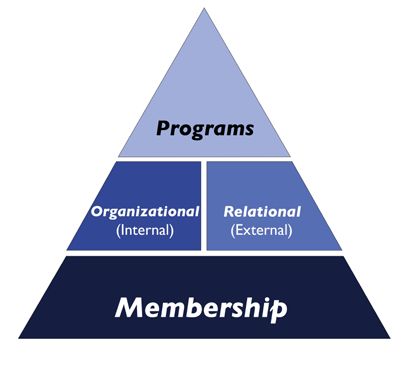
Wisconsin Lakes
                                 Building Connections Virtually at
                                 Wisconsin Water Week

                          I
                                    by Mike Engleson, Executive Director, Wisconsin Lakes

                                 attended my first Wisconsin Lakes             Now, twelve years later, everything is different.
                                Partnership Convention in April of             This year the pandemic again forces us to meet
                                2010, mere months after being hired by         online. But Wisconsin Water Week promises to
                                Wisconsin Lakes.                               be a very special event, with more information
A big shout out to
                                                                               than ever, and our virtual event platform retains
the 2021 sponsors
                          Held in Green Bay at the time, I was blown           at least some semblance of those connections
who have already
                          away. Blown away by the sheer volume of              that blew me away back in 2010. It might not
committed their
                          information presented. Blown away by the mix         be the same as when we’ll be back in person
support!
                          of participants. And especially blown away by        in the future (2022!!), but we’ve built an event
                          the camaraderie felt between all of those who        space that will provide you with the means
2021 Lead Sponsor
                          were there.                                          to connect: with presenters, with exhibiting
                                                                               businesses and organizations, and with each
                          Over the years, the connections I made at my         other, all while absorbing more information
                          first convention and the many more forged in         about more water topics than ever before.
Water Resources Program   subsequent events, grew stronger and deeper. I
                          looked forward to beginning each spring with         It is those connections that keep Wisconsin
2021 Sustaining
                          a deep dive into water issues with so many           Lakes so committed to this great event. We
Sponsors
                          friends.                                             want to be together - no doubt - but, I’m
                                                                               excited by the opportunities this year! All of
                          In that time, Wisconsin Lakes remained               us at Wisconsin Lakes are proud to be a part
                          committed to a deep involvement in the               of Wisconsin Water Week. Whether you are a
                          Convention, even after budget cuts ended             grizzled Convention veteran or dipping your
                          our state funding. The Convention allowed            toes in for the first time, I’m confident you’re
                          the board and staff time to spend with our           going to be blown away.
                          members and there was so much important
                          information to share with all of you.

2021 Contributing
Sponsors
                                            Sponsoring/Exhibiting Comes With Benefits
                           One of the hallmarks of in-person Lakes and Rivers Conventions is the many contacts that
                           sponsors and exhibitors receive with participants.

           Northwind       While it’s nearly as difficult to recreate that experience online as it is to recreate the
           Solar
                           convention experience in general, Wisconsin Water Week is offering its sponsors numerous
                           opportunities on the event platform to engage virtually with attendees, much the same as they
                           would in person. And being virtual, we anticipate attendance numbers as much as twice what
                           we normally would see at the in-person event.

                           Each sponsor receives a customizable “virtual exhibit booth” and much more. Higher
                           sponsorship levels provide additional benefits and exposure as well (For more information:
                           https://wisconsinlakes.org/wisconsin-water-week/wi-water-week-sponsorship-opportunities/).

                           We believe the sponsorship packages bring great value on a professional platform. We hope to
                           connect with you and that you’ll join us as part of Wisconsin Water Week!

Lake Tides 46(1)                                                           4
Water Cycles
Monday, March 8, 2021
W
isconsin Water Week kicks
off by looking at the two Monday Keynote Speaker Profile
biggest freshwater systems
in the state: groundwater At 11:00 a.m., all participants will be brought together for the
and the atmosphere. The Monday Keynote featuring Dr. Katharine Hayhoe, presenting:
atmosphere is an invisible
storehouse and conveyor of water, delivering Talking Climate: Why Facts are Not Enough
almost three feet of precipitation (rainfall When we hear people objecting to climate change, they often use
and melted snow) across the state every year. science-y or even religious-y sounding arguments. “It’s just a
Groundwater is largely, “out-of-sight, out-of- natural cycle,” some say, or “God is in control, so humans can’t
mind,” but it represents a massive piece of our affect something as big as our planet.” Yet, if the conversation
total water wealth. Climate, the atmosphere, continues a few minutes longer, it rapidly becomes apparent that
and groundwater are all closely connected to the real objections have nothing to do with lack of information
the lakes, rivers, and wetlands we know and or knowledge or belief. Our attitudes towards climate change are
love. primarily the result of where we fall on the political spectrum,
and our corresponding aversion to what we perceive to be the
Monday’s agenda will feature presentations only solutions: allowing the government to destroy the economy,
that highlight impacts of climate change and impose unfair regulations, and rob us of our personal liberties. This
local weather and water systems, illustrating gets us nowhere. Are there solutions that are economically viable
both what can be done to manage and mitigate and appealing across the political spectrum? And why would any
local water issues and revealing the limitations of us even care? Katharine Hayhoe untangles the complex science
we collectively face when dealing with behind global warming and highlights the key role our values can
problems like groundwater flooding. We’ll also play in shaping our conversations on this crucial topic.
look at groundwater quality and pollutants like
excess nitrogen and PFAS that are threatening Dr. Katharine Hayhoe is an
this priceless resource. atmospheric scientist whose research
focuses on understanding what climate
Morning presentations will feature speakers change means for people and the places
from government agencies, the University of where we live. She is an endowed
Wisconsin, and advocacy groups working to professor of public policy and law in
understand and protect water resources. These the Dept. of Political Science at Texas
Wikimedia Creative Commons
concurrent live presentations will cover: Tech University, she hosts the PBS
• Groundwater digital series Global Weirding, and she
• Climate, Flooding, and High Water has been named one of TIME’s 100
• Great Lakes and River Basins Most Influential People, the United
• Climate Change and Fisheries Nations Champion of the Environment,
• Water and Climate Justice and the World Evangelical Alliance’s
• Climate Impacts on Water Birds Climate Ambassador.
In the afternoon, participants will be able to
choose from several interactive sessions:
• Understanding Climate Through
Water Trivia Contest
Phenology Think you know about Wisconsin’s lakes, rivers, wetlands,
• Climate Adaptation Workshop and streams? Monday afternoon will feature an engaging and
• NR 151 and Groundwater Protections: A competitive Water Trivia Contest. Using the Kahoot! online
Moderated Discussion contest platform, we’ll take participants through a series of
• Racial Equity and Environmentalism: challenging and fun trivia questions. Bring your A-game and
Understanding the Connections compete with fellow attendees for some great prizes!
• Climate Conversations: How to Begin
• Web Tools for Planning Resilient Lakes
5 Lake Tides 46(1)Water Bodies
Tuesday, March 9, 2021
O
n Tuesday, we will learn all about
the water bodies of Wisconsin Tuesday Keynote Speaker Profiles
and the plants and animals
Preston Cole
that live in and around them.
(invited) is the
Scientists, researchers, and
Secretary of
citizens will share management
the Wisconsin
stories, provide cutting-edge research results,
Department of
and offer resources for further learning. Check
Natural Resources.
out the over 30 concurrent sessions that will
He served on the
WDNR
vie for your morning attention, covering topics
Wisconsin Natural
about fisheries, aquatic invasive species,
Resources Board for many years, and
current research, finding wetland gems, hidden
also held roles including City Parks
lake creatures, wild lakes, and more (along
Superintendent, Public Works Operations
with an encore showing of Brave Blue World)!
Chief, and City Forester.
At noon, participants will gather together
Tommy Thompson
University of Wisconsin System
to hear powerful and motivational remarks
is President of
from prestigious leaders in our Wisconsin
the University of
Department of Natural Resources and
Wisconsin System.
University of Wisconsin System.
He was previously
the U.S. Secretary of
The afternoon will bring lively panel
Health and Human
discussions where you can learn about the state
Services, and a
of our loons, get an underwater guided tour,
former Governor of
take a virtual fish hatchery tour, walk through
Wisconsin. He is also the Chair of the
the web-based Wisconsin Fish ID Tool, and
UW System Business Council.
more! At 3:30 p.m., participants can opt for a
fast-paced succession of 5-minute Lightning
Marissa
Talks or choose to visit the Authors’ Corner,
School of Freshwater Sciences
Jablonski is the
where folks can meet and chat with a wide
Executive Director
variety of authors who have written books
of the Freshwater
about water and water life.
Collaborative of
UW-Milwaukee
Wisconsin. She is
Tuesday Highlights an accomplished
• 30+ Morning Lineups water engineer,
• Afternoon Tours and Panel environmental advisor, and plastics-
Discussions reduction expert who has worked in more
• Lightning Talks than 45 countries. Marissa has a PhD
• Authors’ Corner in Environmental Engineering and is a
• Keynote Speakers strong advocate for minorities and women
in STEM fields.
uwsp.edu/uwexlakes
Lake Tides 45(2)
46(1) 6Water Actions
Wednesday, March 10, 2021
W
isconsin’s understanding of Wednesday Keynote Speaker Profiles
its waters and the numerous
Dr. Patty Loew is a respected writer,
College of Agricultural & Life Sciences
advances in water protection
that have occurred around the journalist, and educator. She will be
state have only been possible joining us Wednesday morning from
because of the tremendous Northwestern University, where she
commitment and passion of our state’s citizens. is a professor at the Medill School of
From collecting and reporting valuable lake Journalism and Director of the Center
UW-Madison
and river data, to educating and engaging for Native American and Indigenous
others in water stewardship within their Research. To set the stage for our
local communities, the people of Wisconsin action-focused day, Dr. Loew will
continually show their eagerness to always invite us to incorporate Seventh Generation thinking, which
learn and accomplish more for our waters. Our has obligated Ojibwe people to make decisions in the best
water partnership thrives because of them and interests of those seven generations into the future. She will
their determination to make a difference. share examples from Wisconsin that highlight this approach.
On Wednesday of Wisconsin Water Week, Dr. Bryan Maitland and Dr. Jennifer Hauxwell will
we’re highlighting projects, programs, and wrap up our morning sessions by sharing research from
partnerships that enable individuals and the UW Water Science-Policy Fellowship program, where
communities to take action to improve their postdoctoral or post-Master’s fellows are placed at state or
local waters, even during turbulent times. federal agencies to tackle some of Wisconsin’s most difficult
water challenges. They will feature short stories by several
Wednesday Highlights fellows that describe how they are tackling these water
resource challenges from contaminants to coastal erosion
• Shoreland-themed Talks and management, groundwater, public health, and fisheries.
Panel Discussions
• Indigenous Stewardship of Dr. Bryan Maitland is an
Water Stream - Engage with our
weebly.com/photos.html
aquatic conservation ecologist
https://bryanmaitland.
indigenous partners as they share working for the University of
some of the water partnerships, Wisconsin Aquatic Science
projects, lifeways and pathways, Center and the WDNR
and conservation professionals Bureau of Fisheries as the
working on water actions from an Wisconsin Water Resources
indigenous point of view. Science-Policy Fellow. He works to leverage the best tools
• Pre-recorded Field Trip, Tour, and science available to understand animal communities and
and Activity help managers conserve species and their habitats.
• Keynote Speakers
Dr. Jennifer Hauxwell is the Assistant
These sessions offer stories of successful Director for Research and Student
partnerships and how to better engage with Engagement at the University of
Wisconsin Aquatic Sciences Center.
Water@UW-Madison
stakeholders, innovative ways to educate, and
discussions on plans and projects that benefit She identifies critical research needs
an entire watershed. A Wednesday morning related to their mission, issues calls
keynote speaker will set our tone for the day, for proposals, leads the review and
followed by concurrent sessions, virtual field selection process to identify the highest
trips, and a pre-lunch keynote. In the afternoon, quality science to tackle the state’s highest priority needs,
longer, more in-depth concurrent sessions and works with researchers and students to increase the
provide opportunities for discussion and impact of their work in serving the people of Wisconsin and
interaction, including an opportunity to engage beyond.
with our indigenous partners.
7 Lake Tides 46(1)Regional Gatherings
Thursday, March 11, 2021
T
hursday of Wisconsin Water Week northern Wisconsin to protect valuable private
will feature ten regional sub- shorelands and other areas, and a case study
*Participants can events that will bring individuals of the Grindstone Lake experience in Sawyer
choose to attend one and organizations together in these County to purchase and restore a cranberry
or more regions; regions to explore issues and bog near the lake. The afternoon session will
each regional sub- solutions specific to their area, while feature Melissa Kampmann, an attorney, who
event is $20, and collaborating as partners. Participants will be will share issues and strategies for lake home
will be occurring able to choose to attend sessions from these and cabin owners concerned about estate
simultaneously. regions*: planning and passing down their real estate to
future generations. Staff from the Northwoods
Central Land Trust and Landmark Conservancy
Thursday Evening Celebration collaborated to make this content possible.
Wisconsin
UWSP College of Natural Resources
Staff from the Driftless
Celebrate the 50th anniversary of
Extension Lakes Wisconsin Wetlands
the College
College of Natural
of Natural Resources at
Resources Association will This track will highlight the unique aspects of
UW-Stevens Point
Universityof by joining this
Wisconsin-StevensPoint share the work Wisconsin’s southwest corner. Ken Bradbury,
networking event/reunion. they’ve been the Wisconsin State Geologist and Director of
4:00-5:00 p.m. via Zoom involved in to the Geological and Natural History Survey,
Registration for this free event will be required restore watershed will present on the geology and groundwater
(linked from the agenda). functions at the of the driftless region during the morning
Little Plover period. Curt Meine will share the perspectives
River during the morning. The lunch keynote of people and community represented in the
will feature a presentation by the Wisconsin recently published Driftless Reader. These
DNR on the recently approved TMDL for the presentations were made possible by organizers
Wisconsin River basin and examples of actions from the Upper Sugar Watershed Association.
being planned and implemented to restore
water quality. Afternoon concurrent topics Lake Superior
Lake focus on collaborations between water groups
Concurrent session topics include tourism in
Superior and producer-led watershed groups in the
a changing climate, citizen-led water groups
central part of the state’s largest
in the Lake Superior Basin, sustainable
river basin. This content
agriculture, ecological and cultural importance
St. Headwaters is organized by a
of wolves around Lake Superior, green
collaboration of
Croix infrastructure, and celebrating art and water
Golden
Red collaborations. Lake Superior’s noon keynote
Sands
Cedar is Dr. Nancy Langston from Michigan Tech
RC&D
University, exploring how past ecological
Central Fox River and the
hore
recoveries can guide communities navigating
Wisconsin and Petenwell
climate change. Staff from Superior Rivers
and Castle
gan S
Green Bay Watershed Association and UW Madison
Rock
Division of Extension organized this content.
Stewards
Michi
(PACRS).
Driftless Lake Michigan Shore
Lake
Headwaters Staff from Lakeshore Natural Resource
Rock Partnership and Sweetwater are collaborating
Morning talks
River to develop morning and afternoon sessions
SE will share the
highlighting projects underway in the Lake
work of land
Fox Michigan coastal region of east and southeast
trusts across
Lake Tides 46(1) River 8Wisconsin. Talks will highlight the newly management for nutrients in
developed Coastal Resource Hub, a new tool to Madison and Oconomowoc. Thursday Keynote Speakers
help local groups message around stormwater This content is made Judith Schwartz is
Judith Schwartz Facebook
management and other topics. Another session possible by staff and an author who tells
will summarize the importance of tree cover volunteers from the Rock stories to explore
for protecting streams and lakes, and progress River Basin Coalition. and illuminate
addressing forest loss to emerald ash borer. scientific concepts
St. Croix and cultural nuance.
Fox River and Green Bay She takes a clear-
Topics of concurrent eyed look at global
This conference will feature unique content sessions in this region environmental,
from the Fox and Wolf River watersheds include public-private economic, and social challenges, and finds
and Green Bay. The morning keynote will partnerships to protect the insights and solutions in natural systems.
bring major updates from Congressman St. Croix, understanding Schwartz’s presentation will highlight
Mike Gallagher, UW Green Bay’s Dean of and managing the impacts ways that communities around the
Science and Technology, John Katers, and UW of CAFOs on watersheds, world have innovated - sometimes over
Green Bay’s Director of Freshwater Strategy, planning for and slowing centuries - to advance agriculture while
Emily Tyner. The morning concurrent period emerald ash borer healing our planet.
will include three different options looking impacts, and engaging
at fisheries, wetlands, and soil health. The with the Natural Resource Adam Reimer is
lunchtime keynote includes Brown County Conservation Service to
https://adamreimer.weebly.com/
a Conservation
Executive Troy Streckenbach, the Fox-Wolf carry out land stewardship. Outreach Specialist
River Watershed Association, and more. In the The lead organizer for this with the National
afternoon, participants will participate in an event is the St. Croix River Wildlife Federation.
exciting trivia challenge to find out who knows Association. Adam has a PhD in
the most about the region’s water issues. This Natural Resource
event is a collaboration of UW Green Bay, Southeast Fox River Social Sciences
NEW Water, and others. from Linda Prokopy’s lab at Purdue.
Resource agencies in
Reimer’s research and practice explores
Wisconsin and Illinois have
Red Cedar new ways that conservation agriculture
collaborated since 2013
can be promoted beyond the “leading
The Red Cedar Watershed Conference is the to organize an annual Fox
edge” of early adopters and into the larger
lead organizer for today’s keynotes (see pop- River Summit to bring
farming community.
out). Between these speakers, Red Cedar will together both sides of this
feature topics that include the basics of river interstate watershed. John
Tia Nelson,
Wikimedia Commons
ecology, successful conservation agriculture Rogner, Assistant Director
Managing Director
stories, methods for connecting consumers at the Illinois DNR, will
of Climate at
with farmers who are protecting clean water, present a state-level
the Outrider
classroom science for water protection, perspective on waterway
Foundation, is the
progress updates in the basin, and ways that management during the
daughter of Senator
landowners can implement permaculture morning concurrent period.
Gaylord Nelson.
practices. This is the 10th annual Red Cedar The following two time
Tia will share
Watershed Conference, organized by a broad slots will feature multiple
an inspirational
community collaboration led by the Tainter concurrent sessions
story of hope, sharing the ways that
Menomin Lake Improvement Association. covering vegetation
conservation and addressing climate
management, citizen
change can bridge the divides in our
Rock River science through Snapshot
communities, our country, and the world.
Wisconsin, TMDL updates,
This conference will feature a luncheon adaptive management
keynote from the Wisconsin DNR, sharing efforts, soil health, salt impacts on the
updates to the Rock River Basin TMDL. waterway, changes over 100 years captured
There will also be sessions covering shoreland through river photography, and It’s Our Fox
surveys on lakes, water quality monitoring River Day. The Summit ends with interactive
and projects in the Yahara River watershed, sessions, allowing participants to connect and
best management practices for agriculture to discuss issues that are important to them.
protect water quality, and examples of adaptive 9
Lake Tides 46(1)Capacity Corner Feb. 2021
Engaging Members in Virtual Opportunities
By Sara Windjue, Leadership and Capacity Development Specialist, Extension Lakes
The Lakes Partnership is working to individuals from your lake organization
help lake organizations maximize would be able to attend. For many people, the
their roles in protecting lake time, travel, and cost of going to a statewide
health. Our model of lake lakes education event is daunting, and we
organization capacity is built know that our efforts only reach a fraction
around four related parts: of the people who could benefit from this
membership, organization, gathering. In 2021, things are dramatically
relationships, and different! The Convention has become a virtual
programs. Membership Wisconsin Water Week event, and we are
is the basis for the actively encouraging you to reach out to your
other three: a group membership and invite them ALL to participate
needs members as a collective. It’s always fun to share
who provide experiences with people you know, whether in-
financial and person or virtually, especially if it’s for a cause
volunteer that’s important to you.
support to
fuel their Wisconsin Water Week
efforts. These members need to be informed
of lake issues and opportunities to engage. Wisconsin Water Week is accessible this year
How does a collective membership become an for people who may not have been able to
D
engaged body of stakeholders? participate before. No travel is necessary, and
you don’t have to spend money on lodging or
ue to the public health challenges food. In addition, we’re hoping the $20/day
Wisconsin Water Week we’re all facing, meeting one- registration cost is doable for most people.
is accessible this year on-one with shoreland property Participation in this virtual event enables
for people who may owners and holding in-person your lake organization to increase community
not have been able to workshops hasn’t been a reality. understanding of lake issues. The agenda will
participate before. But it’s as important as ever to feature multiple “streams” of content on each
elevate a community understanding of lake day, so no two people will have the exact same
issues in order to build a broad base of support experience.
for tackling lake issues.
Your lake group Your lake group can use this virtual learning
can use this virtual event as a rallying effort to bring people
Collective Virtual Learning
learning event as a together. Send out an invitation now to your
rallying effort to bring In this time of virtual learning and networking, whole membership encouraging them to
people together. you may have found countless opportunities participate. You might even want to meet with
to attend webinars, conferences, and virtual those interested in attending before the event
coffee breaks to help you learn new skills or and strategically plan who attends which
introduce you to the latest research focused on sessions so your organization can get the most
lake management. Has your membership been out of Wisconsin Water Week.
invited to participate and benefit from these
opportunities? If so, have they participated? Provide Focus/Celebrate Success
In “normal” years, we would be preparing We’re all busy with work, virtual schooling,
for our annual in-person Lakes and Rivers parenting, staying healthy, etc., so, how can
Convention, which perhaps one or two you incentivize members to attend? If you have
Lake Tides 46(1) 10it in your budget, consider supporting a group commitment and involvement to the next level.
Giving people the
to attend. Ask each of them to agree to write It may even inspire others to increase their
opportunity to attend
a newsletter article or social media post after involvement.
a virtual event as a
the event about what they learned and how it
collective can help
benefits the lake/river/watershed/community. After the event, possibly the Friday of
build a community
Getting different perspectives is a great way Wisconsin Water Week when we’re
who wants to continue
to expand our knowledge and learn from each encouraging local groups to meet, plan to bring
to learn together and
other. everyone together and share what they learned.
give back.
Giving people the opportunity to attend a
Consider listing the name of members who virtual event as a collective can help build a
attend Wisconsin Water Week in your next community who wants to continue to learn
newsletter to recognize them for the time they together and give back.
spent learning to benefit the lake. Providing
recognition to some people might give You can find all the Capacity Corner articles in the Lake
Tides online archive. Just go to uwsp.edu/uwexlakes and
them the extra lift they need to take their
click on “Newsletter” in the left navigation.
Help Support Aquatic Invasive Species
Research in Wisconsin
Aquatic invasive species (AIS) can have negative impacts on
Wisconsin’s environment, communities, and economy, but often
there is a lack of scientific information about the ecology and
impacts of these non-native species or how to best manage them.
The Wisconsin Department of Natural Resources (DNR) and many
partners are working to prevent and control AIS across the state,
and research helps us to learn how to do so more effectively, efficiently, and safely. The DNR conducts
and supports a wide variety of projects that improve our understanding of AIS and ways to prevent and
manage them. These research projects help inform our statewide AIS prevention and management strategies
and provide valuable information for the DNR and stakeholders. One way you can easily support AIS
research is by saying “yes” to lakes and donating $2 or more when registering your boat. Don’t own a boat?
You can still donate. Just visit dnr.wi.gov, and type “say yes to lakes” into the search bar. Contributions
from donations supports staff, supplies, and other costs of coordinating and carrying out invasive species
research and outreach. These funds can also be used to help provide grants to scientists outside DNR who
are working to better understand AIS and the tools used to prevent and manage them.
As with any science-based endeavor, it is important to communicate the goals and findings of these research
projects. Communicating research findings promotes understanding and support from the general public. It
also encourages informed decision making from the DNR, its partners, and stakeholders.
To better communicate department-supported research projects, the DNR has begun generating factsheets
covering various AIS research topics. Some of the research is supported by these donations. These
factsheets may cover multiple research projects relating to one topic or provide a more in-depth summary
of a single research project. Topics include chemical management, non-chemical management, AIS
prevention, and species-specific management. These and other documents can be found at dnr.wi.gov/topic/
Lakes/SayYesToLakes under Recent Research Accomplishments. The DNR will continue to develop and
post factsheets on new and ongoing AIS research projects as they are conducted.
To support AIS research and the generation of these factsheets, the public can donate $2 or more to the
department’s AIS research fund through boater registration checkoffs or by visiting our website. To donate
or learn more, visit dnr.wi.gov/topic/Lakes/SayYesToLakes.
11 Lake Tides 46(1)Lake Bottom Mysteries
Ten Great Things to Know About
Your Lake in Winter
By Ted J. Rulseh, Writer and Lake Advocate
Your lake is a very different place when 4. The lake starts winter rich in
encased in ice for the winter, but it’s still very
oxygen.
much a living system with many mysteries to
explore. Look closely and you can appreciate Fish and other water creatures need a supply
the processes by which the ice forms and of oxygen to make it through the winter.
ultimately disappears with spring. Meanwhile, Fortunately, beneath the new ice, the lake holds
aquatic creatures change their habits to make more oxygen than at any other time of year.
it through until the water warms again. Here That’s because water can hold much more
are ten things you may not know about the life oxygen when it’s cold than when it’s warm. At
of a frozen lake. 32 degrees F, water holds almost twice as much
oxygen as it would at 80 degrees F.
I
1. It all starts with steam.
5. Water creatures need less
f you look out on your lake on a very
cold October morning, you may see oxygen in winter.
tendrils of steam rising from the water. Fish, frogs, mollusks, crayfish, and other
The steam forms as warmer, moist air, critters are cold-blooded. In cold water, their
just above the water, rises to meet the metabolism slows down, and they move
cold, drier air above. The moisture about slowly, if at all. As a result, they use
condenses into tiny droplets to form what’s less energy, and so, less oxygen. They go into
known as steam fog or water smoke. It’s a sure winter with the most abundant oxygen they
sign that the water is cooling as time for ice will experience all year, at a time when they
formation approaches. need that oxygen the least. It’s a good scenario
for survival.
2. Ice requires cold stillness.
Beneath the new ice, Have you wondered why your lake won’t 6. There’s no need to fear ice
the lake holds more freeze when the days and nights are windy? “booming.”
oxygen than at any It’s because wave action constantly fractures
other time of year. Lake ice makes wondrous, almost musical,
tiny ice crystals as they form, keeping solid ice
That’s because water sometimes eerie sounds as it expands and
from taking hold. In these conditions, the water
can hold much more contracts with changes in temperature. If
can actually supercool, remaining as liquid
oxygen when it’s cold you’re on the lake when the ice is booming, or
below the freezing point of 32 degrees F. Then,
than when it’s warm. even if you hear a crack sizzle right past you
along comes a very cold, windless night, and
and off into the distance, there’s no need to
presto! A thin sheet of ice covers your lake.
fear. Booming and cracking do not mean the
ice is weakening.
3. Your winter lake has layers.
Underneath the ice, lake water has an Ted J. Rulseh writes the newspaper column, “The Lake
interesting temperature profile. The warmest, Where You Live.” An advocate for lake improvement
and protection, he lives in the lake-rich region of
densest water, at about 40 degrees F, lies at the northern Wisconsin. This article is adapted and
bottom. The coldest, least dense water, at 32 excerpted from his book, A Lakeside Companion. It is
degrees F, lies right under the ice. The ice itself printed by permission of the University of Wisconsin
is the least dense of all, which is why it floats. Press. © 2018 by the Board of Regents of the
University of Wisconsin System. All rights reserved.
Ice expands by about 10 percent from the
liquid state of water.
Lake Tides 46(1) 127. Ice is really a collection of 9. Ice is tough – and fragile.
crystals. There are various ways to assess the strength
We think of ice as a monolithic, solid of ice. One is fracture toughness – how easily
substance, akin to a block of glass. In reality, a crack spreads through a material. On this
it consists of vertically oriented crystals in the measure, ice is about one-tenth as tough as Thick and blue,
shape of hexagons, tightly packed together. window glass. Then there’s tensile strength tried and true.
These crystals grow from the surface down – how much force a substance can take when Soft or crispy,
as the lake is continuously exposed to cold stretched from both ends. The tensile strength much too risky.
air. This structure reveals itself as the ice of ice is about half that of bricks. Its flexural If in doubt,
deteriorates toward spring: The bonds between strength, which measures resistance to bending don’t go out.
the crystals break down, and the crystals under a load, is roughly the same strength as
become individual “candles” very loosely held a pine board across the grain. That’s pretty
together. At this point, the ice is extremely tough! How much ice is safe for travel? The
weak and is hazardous to walk upon. Wisconsin DNR’s guidelines for new clear ice
are as follows:
• Ice fishing (person on foot) = 4 inches
8. No one is certain why ice is • Snowmobile = 5 inches
slippery. • Car or small pick-up = 8-12 inches
Most of us learned in grade school that we • Medium sized truck = 12-15inches
can skate on ice because the pressure of the • Godzilla = 100+ inches
steel blades lowers the melting temperature Always, the watchword is caution. One saying
at the surface and creates a film of water on has it: Thick and blue, tried and true. Soft or
which we glide. Science has now rejected that crispy, much too risky. If in doubt, don’t go Winter is a great time
explanation in favor of two theories. One is out. to enjoy your lake.
that friction, not pressure, melts the ice. The Whether you fish,
other is that ice is inherently slippery – that a 10. Ice melts from the bottom up. skate, ski, hike, or
tiny liquid film remains on the ice surface even just observe, lake ice
As the weather warms, the snow melts off
at temperatures far below freezing. Scientists is a resource worth
the ice surface. Then the sun’s rays penetrate
disagree on which theory is correct. treasuring.
the ice and warm the water below, while also
warming areas of open water near shore. Warm
air above the ice contributes to the thaw, but
it’s the warming water below that really does
Carol Warden
the trick.
13 Lake Tides 46(1)Wisconsin Water Week
Top Ten Reasons to Register Now!
This year offers some new ways to connect #5 Invest in your water’s future.
with other water lovers across the state, and
beyond. We are confident each of you will find For the price of a boat cushion, you can get the
something useful, interesting, and even exciting latest research about lakes and rivers (and so
during Wisconsin Water Week! Join us as we much more)!
launch this virtual adventure together.
#4 Take action.
T
#10 Be part of something big. You will discover plans, activities, and best
uwsp.edu/uwexlakes
his is the first year that there is no cap practices to move toward creating cleaner
on the number of water enthusiasts water and better wildlife habitat…find out
who can join this statewide gathering. ways to take action, action, action!
Our keynote speakers will bring new
perspectives and inspiration for the great #3 Get inspired by citizens.
work you are already doing.
In order to accomplish the amazing water
projects that are happening around the state, we
#9 Meet someone new. need passionate and committed citizens. Join
Take this opportunity to connect with folks you us Wednesday to get a glimpse of some of their
would not normally get a chance to meet. Or, successes that are at the core of our statewide
find some familiar faces in the attendance list, Lakes and Rivers Partnership.
and set up a time to catch-up.
#2 Join the conversation.
#8 Embrace new technology. Monday, Tuesday, and Wednesday all include
Don’t let this intimidate you - it’s very mornings filled with an impressive offering of
intuitive! You will be able to personalize your presentations about all things water. Although
agenda, ask or upvote questions to speakers, there are opportunities to type questions, it
and join ongoing discussions. might feel a bit impersonal. That is why we
designed many of the afternoon sessions to
allow you to interact with the presenters and
#7 Interact with exhibitors. other attendees to enhance your learning
There are dozens of businesses and non-profit experience and create a welcoming space for
organizations attending Wisconsin Water Week, conversation.
and they are excited to meet you! Check out
their online exhibits anytime throughout the #1 Bring it home.
week.
After over 100 fact-packed concurrent sessions,
panel discussions, virtual tours, field trips, and
#6 Enjoy a little competition. activities in the first three days, Wisconsin
Climb the leaderboard by completing Water Week narrows the focus to a day of
challenges like registering early, signing up regional gatherings (more on pages 8-9).
for partner newsletters, finding hidden codes Friday is your opportunity to connect with your
throughout the agenda, joining a statewide non- local lake, river, or watershed organization (or
profit organization, and more! Top prize is free maybe just a small group of neighbors) to take
registration and two nights hotel stay for 2022! what you’ve learned and turn that enthusiasm,
In addition, there’s a Water Trivia Contest on knowledge, and shared experience into local
Monday afternoon (see page 5). action (more on page 15).
Lake Tides 46(1) 14Water Week Local Events
Friday, March 12, 2021
I
f you’re joining us for Wisconsin Water Interested in organizing an event? Fill out this
Week, we hope you’ll end the week at short form and we’ll follow up: https://forms.
a local event near you. Or better yet, gle/VGipyrVWLjZd4NCB9
plan one for your area! We want you to
take the knowledge and motivation you If you’re interested in just attending an event,
have built from this week of learning browse the list of options on our website:
and sharing and turn it into local action. Get uwsp.edu/uwexlakes.
involved, and be part of the solution!
Get Assistance Lake Leaders Networking Event
If you would like to plan a local event, we will This Friday event is open for anyone to attend. Learn
help! Specifically, we can help local groups about the Wisconsin Lake Leaders Institute and how
organize meetings and events on Friday that you can get involved. If you’re a past crew member,
develop and share action plans for the 2021 reconnect with other crew
field season. We have community-building members and find out where
exercises and strategic thinking activities for instructors are now. It will
local groups to use in preparing for a season be a fun way to end the
of actions that protect healthy waters, restore week. You must register for
waters needing help, and prevent the spread of this virtual event in advance
invasive species. (link available on Wisconsin
Water Week’s Local Events
Your Friday, March 12 meetings might be page).
virtual/online, or in-person, depending on the
size of the gathering and the evolving public
health situation.
February 16-19 – Wisconsin Wetlands Association Wetland Science Conference, online
CALENDAR
For more information: https://conference.wisconsinwetlands.org/
February 21-24 – Upper Midwest Stream Restoration Symposium, online
For more information: http://prrsum.umn.edu/symposium/2021-upper-midwest-stream-restoration-
symposium
February 24, March 31 – Citizen Lake Monitoring Network Webinars, online
Go to our Lake/River Events Calendar at uwsp.edu/uwexlakes for details on this and other local,
regional, and statewide happenings!
February 25 – Fish Passage, Flood Resiliency, and Road Stream Crossings, online
Register by February 23 using this link: https://conta.cc/2LI7XeR. For more information, please
contact Chris Collier at chris.collier@tu.org or (419) 296-4390
March 1-3 – St. Louis River Summit, online
For more information: https://lakesuperiorreserve.org/event/11th-annual-st-louis-river-summit/all/
March 8-12 – Wisconsin Water Week, online
Check out this edition of Lake Tides for more information, or go to www.uwsp.edu/uwexlakes.
15 Lake Tides 46(1)Lake Tides -- PRJ85HX NON-PROFIT ORG
College of Natural Resources U.S. POSTAGE
University of Wisconsin-Stevens Point PAID
800 Reserve Street MILWAUKEE, WI
Stevens Point, WI 54481 PERMIT NO. 530
Volume 46, No. 1
Winter/Spring 2021
Coming Together for Water..............1
IN THIS ISSUE
Wisconsin Lakes ..............................4
Water Cycles: Monday.......................5
Water Bodies: Tuesday.....................6
Water Actions: Wednesday................7
Regional Gatherings: Thursday..........8
Capacity Corner.............................10
Help Support AIS Research..........11
Lake Bottom Mysteries: Winter.........12
Wisconsin Water Week: Top 10..........14
Water Week Local Events: Friday......15
Calendar.........................................15
A quarterly publication of the Printed on recycled paper with vegetable-based ink.
Wisconsin Lakes Partnership
Editor/Designer: Amy Kowalski
Regular Contributors: Patrick Goggin and Eric
Reflections
Olson, Extension Lakes
“W
Contributing Editors: Erin McFarlane, Paul
Skawinski, and Sara Windjue, Extension Lakes
Illustrations: Carol Watkins and Chris Whalen hen day comes, we step out
The contents of Lake Tides do not necessarily of the shade aflame and unafraid. The
reflect the views and policies of UW Madison
Division of Extension, UW Stevens Point, the
new dawn blooms as we free it. For
Wisconsin DNR, or Wisconsin Lakes. Mention there is always light. If only we’re
of trade names, commercial products, private
businesses or publicly financed programs brave enough to see it. If only we’re
does not constitute endorsement. Lake Tides brave enough to be it.”
welcomes articles, letters or other news items
for publication. Articles in Lake Tides may be
reprinted or reproduced for further distribution ~ Amanda Gorman
with acknowledgment to the author, Lake Tides (from The Hill We Climb)
(including volume and number of edition) and
the Wisconsin Lakes Partnership. If you need
this material in an alternate format, please
contact our office.
www.uwsp.edu/uwexlakes
uwexlakes@uwsp.edu
715-346-2116
Lake Tides 46(1) 16You can also read


