COMMERCE ACT 1986: BUSINESS ACQUISITION SECTION 66: NOTICE SEEKING CLEARANCE - Commerce Commission
←
→
Page content transcription
If your browser does not render page correctly, please read the page content below
Public version

            COMMERCE ACT 1986: BUSINESS ACQUISITION
                 SECTION 66: NOTICE SEEKING CLEARANCE

Date: 2 February 2018

The Registrar
Competition Branch
Commerce Commission
PO Box 2351
Wellington

Pursuant to section 66(1) of the Commerce Act 1986 notice is hereby given seeking
clearance of a proposed business acquisition.

DOC REF 22200197
Clearance Application
Public version

Part A: Summary of Application

1.     Executive Summary

1.1    Fluidra, S.A. (Fluidra) proposes to merge its pool products businesses globally including in New
       Zealand with Piscine Luxembourg Holdings 2 S.à r.l. (Zodiac Holdco, and jointly with its affiliates,
       Zodiac), through the transfer to Fluidra of all assets and liabilities in Zodiac Holdco. As a result of
       this transaction, Rhône Capital LLC, the applicant, will own, through a subsidiary, 42.43% of the
       shares in the merged entity (Proposed Transaction).

1.2    Although they have different areas of focus, Zodiac and Fluidra (the Parties) provide residential
       swimming pool equipment in New Zealand. The relevant overlap in New Zealand is in relation to
       the sale of residential swimming pool pumps, filters, water treatment (including salt water
       chlorinators (SWCs), chemicals and sanitising and dosing equipment), heating equipment,
       cleaners, automation systems and filters.

1.3    However, the Parties combined market shares for the majority of the residential swimming pool
       equipment products are below [Redacted]. The Parties submit that the Proposed Transaction is
       not likely to result in a substantial lessening of competition (SLC) in any market for the following
       reasons.

       Strong existing competition

1.4    The Parties compete to supply residential swimming pool equipment in highly competitive
       markets. The markets are generally fragmented with multiple competitive options. Any attempt by
       the Merged Entity to raise prices or lower quality would simply result in lost sales to global players
       such as Pentair and Hayward, Australian pool equipment manufacturers / distributors such as
       Davey and WaterCo or specialist providers such as Maytronics, Poolrite, Rheem (Raypak) and
       Pool Controls.

       The Parties are not close competitors

1.5    Zodiac and Fluidra each focus on different ends of the pool equipment markets. While Zodiac is a
       premium branded pure play pool solutions company, Fluidra is a more generalist supplier.
       Equally, Fluidra has substantial expertise in large-scale commercial pools and engineering
       solutions, while Zodiac is focussed on residential pool products.

1.6    In New Zealand, the Parties operate completely different business models. Zodiac has a
       corporate and physical presence in New Zealand and focusses on sales to Pool Specialists, and
       Wholesalers/distributors. Fluidra has no physical presence in New Zealand and makes sales via
       its New Zealand distributor (which are filled from its overseas facilities).

       Import markets with substantial international trade

1.7    Very few swimming pool equipment products are manufactured in New Zealand (with the Parties
       not manufacturing any pool products in New Zealand markets where there is an overlap).
       Accordingly, a very high proportion of pool products sold in New Zealand are manufactured
       overseas and shipped to New Zealand. Any attempt to increase prices in New Zealand would
       swiftly be defeated by the numerous strong existing competitors diverting sales to New Zealand.

       Low barriers to entry and expansion

1.8    There are low barriers to entry and expansion. Pool products are manufactured using readily
       available technology with no tariff or trade barriers. There are well-established, independent
       Wholesalers and Pool Specialists operating throughout New Zealand which can serve as a
       channel to market.

22200197                                                                                                      1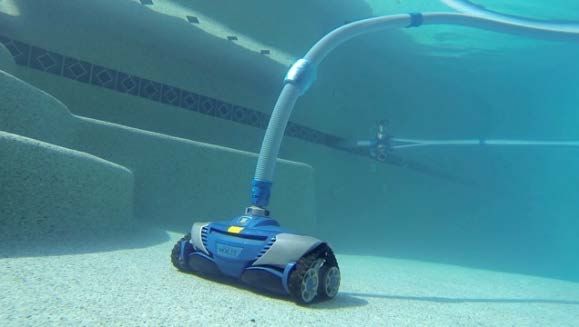
Public version

       Low brand awareness among pool owners

1.9    Pool product markets are generally characterised by low brand awareness among end users.
       Pool builders and specialist retailers play a key role in product selection and are well aware of and
       can readily source a broad range of products. Accordingly, they can promote and facilitate
       switching between brands in the event that the Merged Entity sought to raise prices or reduce
       quality.

       Countervailing buyer power

1.10 Wholesaler customers exercise countervailing power. Distribution arrangements for pool products
     are typically not exclusive and pool builders and retailers will generally use/stock multiple brands.
     This means that any attempt by the Merged Entity to raise prices or reduce quality would simply
     result in distributors promoting alternative brands.

22200197                                                                                                  2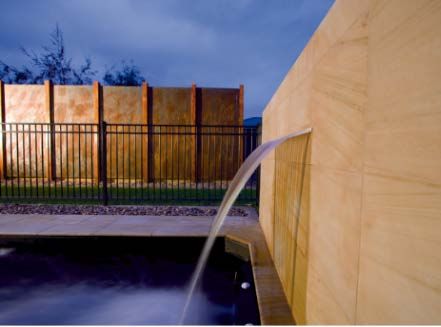
Public version

Part B: The Parties

2.     Rhone

2.1    Rhône Capital LLC, together with its affiliates, (taken together, Rhone) is a private equity firm,
       with offices in New York and London.

2.2    Rhône’s portfolio companies are active in a wide range of sub-sectors; however only Zodiac is
       active in the provision of swimming pool equipment and as such, only the activities of Zodiac are
       relevant for the purposes of this application. Rhone, along with co-investors (set out in the
       structure chart at Annex 1), through a subsidiary, owns 100% of the issued capital of Zodiac.

2.3    The direct owner of the Zodiac group (the top company of which is Zodiac Pool Solutions S.à r.l.)
       is Piscine Luxembourg Holdings 3 S.à r.l. which is a wholly owned subsidiary of Piscine
       Luxembourg Holdings 2 S.à r.l. (“Zodiac HoldCo”). Zodiac HoldCo is, at the same time, wholly
       owned by Piscine Luxembourg Holdings 1 S.à r.l. (“Piscine”).

       Zodiac

2.4    Zodiac is a manufacturer of residential swimming pool and spa products and services, such as
       pool cleaners, pool pumps and pool filters.

2.5    The company has approximately 1,300 employees worldwide and, through its customer base
       including distributors, sells its products in over 70 countries. Zodiac’s largest market is the United
       States, which accounts for approximately [Redacted] of its global turnover.

2.6    While internationally, Zodiac markets its products under a number of different brands, in New
                                         1
       Zealand it uses the Zodiac brand.

2.7    A corporate structure diagram of Rhone and its relevant related entities is attached as Annex 1.
       [Redacted]. Zodiac’s New Zealand management accounts are attached as Annex 2.

2.8    Further information on Zodiac is available on its website at: http://www.zodiac.com/en.

2.9    Contact details for Rhone:

       Address                                                 630 Fifth Avenue, Suite 2710, NY-10111, New
                                                               York
       Contact person                                          [Redacted]

       Email Address                                           [Redacted]

       Telephone                                               [Redacted]

       Website                                                 http://www.rhonegroup.com/

2.10 Please direct all correspondence and notices for Rhone to:

       Address                                                 Bell Gully
                                                               Barristers and Solicitors

1
 For completeness, Zodiac’s international brands are: Jandy: line of pumps, filters, heaters, chlorinators, valves, lighting and
automation; Polaris: pool cleaning products; iAquaLink: software designed to enable pool control from a smart phone, tablet, or
web-enabled device; Cover-Pools: pool covers; Nature2: mineral sanitisers; SAVI: underwater lighting; Caretaker: in-floor pool
and spa cleaning system; Baracuda: pool cleaning products sold in Australia; SET: dehumidifiers for indoor pools (Germany).

22200197                                                                                                                           3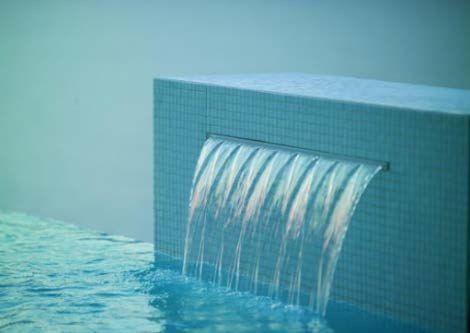
Public version

                                                    PO Box 4199
                                                    Auckland 1140

      Attention                                     Glenn Shewan and Luke Becker

      Email Address                                 glenn.shewan@bellgully.com
                                                    luke.becker@bellgully.com

      Telephone                                     T +64 9 916 8726
                                                    T +64 9 916 8816
       Zodiac in New Zealand

2.11 Zodiac has a New Zealand entity located in Auckland. This consists of a New Zealand
     incorporated company with a leased office and (limited) manufacturing facility. It also acquires
     warehousing and logistics services from a third party provider. Zodiac employs 9 people in New
     Zealand, three of whom operate a small pool covers manufacturing facility, with the remainder
     working in sales or warehousing.

3.     Fluidra

3.1    Fluidra is a Spain-based multinational company listed on the Madrid and Barcelona stock
       exchanges and is engaged, through its subsidiaries, in developing, manufacturing and distributing
       applications for the sustainable use of water. Fluidra operates through the following main
       business units:

       (a)   Pool and Wellness: design, manufacture and distribution of all components and
             accessories for all pool types (residential and commercial pools) and wellness centres.

       (b)   Irrigation and Water Treatment: design and distribution of components needed to build
             irrigation systems for agricultural use, green spaces and residential gardens.

       (c)   Fluid Handling, Industrial and Other: design, manufacture and distribution of parts for water
             and fluid handling in general for all kinds of applications

       (d)   Engineering: consultancy, design, engineering and execution of projects in water facilities.

3.2    Globally, Fluidra’s products are mainly marketed under the brand names of AstralPool, Cepex,
       CTX Professional and Gre. Fluidra’s principal market is the EEA, which accounts for about
       [Redacted] of its turnover. The company sells its products in over 45 countries and owns and
       manages 31 production facilities (none of which are located in New Zealand).

3.3    A corporate structure diagram of Fluidra and its relevant related entities is attached as Annex 3.
       Fluidra’s most recent annual report is available at https://www.fluidra.com/wp-
       content/uploads/2017/06/ENG-CCAACC-Fluidra-2016.pdf.

3.4    Further information in relation to Fluidra can be found at www.fluidra.com.

3.5    Contact details for Fluidra:

      Address                                       Adva. Francesc Macià. 60, planta 20, 08208
                                                    Sabadell (Barcelona)

      Contact person                                [Redacted]

      Email Address                                 [Redacted]

      Telephone                                     [Redacted]

22200197                                                                                                    4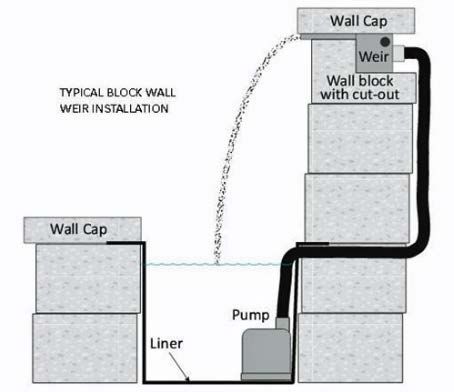
Public version

      Website                                        https://www.fluidra.com/en/

3.6    Please direct all correspondence and notices for Fluidra to:

      Address                                        Baker McKenzie
                                                     Tower One - International Towers Sydney
                                                     Level 46, 100 Barangaroo Avenue
                                                     Barangaroo NSW 2000 Australia
      Attention                                      Georgina Foster

      Email Address                                  georgina.foster@bakermckenzie.com

      Telephone                                      T +61 2 8922 5329

       Fluidra in New Zealand

3.7    Fluidra has no physical or corporate presence in New Zealand. Fluidra’s sales to customers in
       New Zealand are made by way its distributor, Aqua Clear. Aqua Clear has been Fluidra's
       distributor in New Zealand for approximately 15 years. [Redacted].

3.8    Fluidra’s sales team with responsibility for New Zealand is located in Victoria, Australia.

22200197                                                                                                  5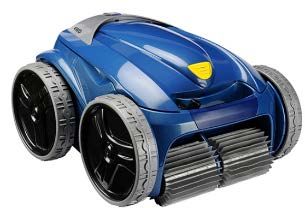
Public version

Part C: The Transaction

4.     The Transaction

4.1    The Proposed Transaction is structured as a statutory cross-border merger by virtue of which:

       (a)   Rhône, through a subsidiary, will contribute the whole share capital of Zodiac HoldCo to
             Fluidra to create the “Merged Entity”; and

       (b)   Rhône will receive in exchange 42.43% of the Merged Entity’s share capital.

4.2    The transaction will be undertaken in two phases:

       Phase 1 – transfer of Zodiac to Fluidra

4.3    Rhône will transfer all of Zodiac HoldCo’s assets and liabilities (as stated in the Investment
       Agreement at Annex 5) to Fluidra by way of a statutory cross-border merger pursuant to which
       Zodiac HoldCo (as absorbed company) will merge with and into Fluidra (as absorbing company).
       Pursuant to the merger, Zodiac HoldCo shall transfer all its assets and liabilities as a whole to
       Fluidra, by way of universal succession by means of its dissolution without going into liquidation.

4.4    Zodiac Holdco and Fluidra's relative contribution to the combined value of the business resulting
       from the combination of the Fluidra group and the Zodiac group pursuant to the merger, will be
       42.43% and 57.57%, respectively.

       Phase 2 – issuance of new shares in the Merged Entity

4.5    In consideration for Piscine transferring its interest in Zodiac HoldCo to Fluidra during the
       statutory cross-border merger as set out in phase 1 above, and based on the respective
       contributions made by Zodiac Holdco and Fluidra to the Merged Entity, Fluidra will perform a
       capital increase in the amount of EUR 83,000,000 by issuing 83,000,000 new ordinary shares to
       Piscine (with a share price of EUR 1 per share) of the same class and series as those already in
       existence, representing in aggregate 42.43% of the Merged Entity’s share capital following
       implementation of the Proposed Transaction.

4.6    The remaining ordinary shares of the Merged Entity, representing in aggregate 57.57% of its total
       issued share capital will be held by other shareholders.

4.7    A corporate structure diagram showing how the Proposed Transaction will change the control and
       structure of ownership of the Parties is attached as Annex 4.

5.     Rationale

5.1    Zodiac and Fluidra’s activities are highly complementary, both from a product and from a
       geographic perspective. The combined business will have global scale and a comprehensive
       product portfolio.

5.2    The Merged Entity will have a broader product offering covering different product categories in
       residential pool equipment at various price points (Zodiac being a premium branded pure play
       pool solutions company and Fluidra a more generalist company) and a larger, more diversified
       customer base (with Fluidra bringing its expertise in large-scale commercial pools and
       engineering solutions). The strong geographical footprint complementarity between Zodiac and
       Fluidra — Zodiac being mostly active in the USA and Fluidra mostly active in Europe — will
       provide reduced exposure to risks for the Merged Entity.

5.3    The combination of Zodiac and Fluidra’s businesses will also provide significant potential for cost
       synergies deriving from scale efficiencies and optimization in manufacturing, research and
       development, sales and marketing, and general and administrative areas. The combined

22200197                                                                                                     6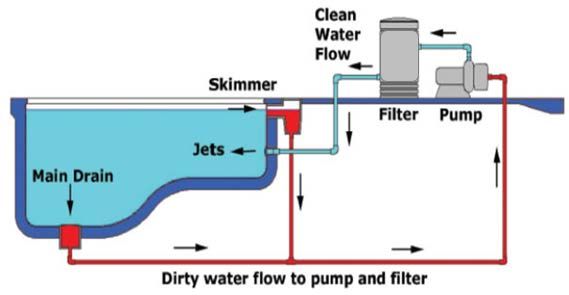
Public version

       company will have increased commercial opportunities including a broader range of products and
       a larger, more diversified customer base. The combined entity will also have greater financial
       resources to follow on the path set by Zodiac and develop new products and to fund strategic
       initiatives, which will allow it to better serve its customers with more innovative solutions.

5.4    Additionally, the strategic combination will allow the businesses to benefit from attractive growth
       prospects and a compelling business profile, as well as improved financial characteristics and a
       more efficient manufacturing base.

6.     Transaction document

6.1    Copies of the Investment Agreement (which sets out the main terms and conditions for the
       implementation of the Proposed Transaction), the Shareholder Agreement and the (Amended)
       Common Terms of the Merger (which sets out the terms and conditions of the cross-border
       merger by absorption) are attached at Annex 5.

7.     Clearance sought

7.1    This application seeks clearance for Rhone (or an interconnected body corporate) to acquire up to
       100% of the shares in or the assets of Fluidra.

8.     Global filings

8.1    The table below sets out the jurisdictions in which the Proposed Transaction is subject to merger
       notification and the dates that the relevant agencies in those jurisdictions have been or will be
       notified.

       Figure 1: Overseas competition agencies notified

           Jurisdiction           Agency                                       Date of notification

           United States          FTC                                          [Redacted]

           Australia              ACCC                                         [Redacted]

           EU                     European Commission                          [Redacted]

           South Africa           Competition Commission of South Africa       [Redacted]

22200197                                                                                                     7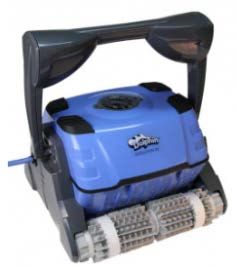
Public version

Part D: Industry Background

9.     Overview of swimming pool equipment industry

9.1    The Proposed Transaction concerns the market for swimming pool equipment.

       Swimming pool equipment and water treatment

9.2    A swimming pool’s water circulation and filtration system serves to remove impurities from the
       water. If the water is not continuously circulated and filtered, it will stagnate and accumulate
       debris and other contaminations, such as leaves, twigs, insects, hair, soot, dust and algae.

9.3    The basic components of the pool circulation and filtration system are: (a) a pump that draws
       water from the pool and then pumps water back into the pool; (b) a filter that removes smaller
       impurities from the water that is pumped back into the pool; (c) the return inlets or jets, through
       which filtered water re-enters the pool; (d) outlets, such as main drains and skimmers, through
       which the water and the impurities it contains exit the pool; and (e) one or more strainers between
       the outlet(s) and the pump to avoid large debris entering the pump (the skimmers will normally
       incorporate a strainer).

9.4    These components are connected to each other through a system of pipes and valves.

           Figure 1   Basic swimming pool circulation and filtration system

9.5    However, not all impurities will automatically flow out of the pool through the outlets, which means
       that the pool surface, floor and walls must be cleaned to remove remaining dirt and debris. There
       is a wide choice of cleaning products/methods available, ranging from manual brushing to
       automatic cleaners.

9.6    In addition to the basic circulation and filtration system components, additional “value added”
       products may be installed as part of this system such as, for example, dedicated vacuum or
       suction lines and ports to power an automatic vacuum cleaner, a heater to heat the water, and
       decorative features such as waterfalls.

9.7    Pool water chemistry is another key aspect of keeping a swimming pool safe and clean. A
       disinfectant is used to kill algae, bacteria and microorganisms. Chlorine is by far the most
       common disinfectant and a wide range of chlorine-releasing compounds and devices are
       available. Other chemicals can be added to complement the disinfectant and to maintain a
       “balanced” water (i.e. optimal pH, alkalinity and water hardness levels) in which the disinfectant is
       efficient and the water does not harm the pool surfaces.

9.8    There is also a wide range of swimming pool equipment available that is not integrated into the
       pool’s circulation and filtration system or meant to clean and/or sanitise the pool. This covers
       items such as e.g. underwater lighting, pool alarms, ladders, rails, trampolines, pool covers,
       showers, and fences. (These products are not material to this application and are not covered
       further.)

22200197                                                                                                   8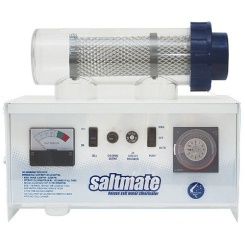
Public version

9.9     It is common to divide pool equipment into a residential segment and a commercial or institutional
        segment. Residential pools are smaller pools built in single-family homes, hotels or apartment
        complexes. These pools usually have less water capacity, are used less often, for shorter periods
        of time and by fewer people than commercial pools. Commercial pools, on their part, are usually
        very large and intensively used pools, which increases the risk of contamination, hence the need
        for a more efficient water treatment. In this regard, such pools normally require high-capacity
        pumps, filters and cleaning equipment.

9.10 The Proposed Transaction concerns the residential equipment market segment only as Zodiac
     does not offer heavy-duty equipment designed to be used in commercial pools.

        Manufacturing and routes to market

9.11 Many leading pool equipment suppliers follow a capital light business model and focus their
     activities on product development, design, brand / IP management, marketing and sales, but
     outsource most or all manufacturing to third-party subcontractors. For example, Zodiac only owns
     or manages six manufacturing plants world-wide and outsourced products account for about
     [Redacted] of its total sales.

9.12 Other suppliers use a different strategy and manufacture most or all equipment in-house. Fluidra,
     for example, has 31 manufacturing plants and manufactures most of its products internally.

9.13 There are multiple routes to market in the swimming pool equipment market. Pool equipment
     suppliers do not generally sell their products directly to end users, but use the following
     distribution channels:

        (a)     Wholesalers (B2B): distributors at wholesale level that tend to offer a broad range of
                swimming pool equipment to Pool Specialists. A list of Wholesalers in New Zealand is set
                out in paragraph 11.4.

        (b)     Pool Specialists (B2C): specialised pool retailers, as well as builders and installers of
                pools and pool equipment.

        (c)     Mass Market Resellers (B2C): generalist DIY chains and hypermarkets such as Bunnings
                and the Warehouse that carry certain pool equipment items as part of a broader product
                offering.

        (d)     Internet Resellers (B2C): dedicated Internet retailers/marketplaces such as Trade Me, and
                specialised pool product web-sites.

10.     International trade of swimming pool equipment and water treatment products

10.1 Transporting pool equipment internationally is a very common and straightforward practice. For
     example, neither party currently manufactures any products in New Zealand (with the exception of
     Zodiac’s minor pool covers operation, a product category in which Fluidra does not compete to
     any material degree in New Zealand). Both Parties import products from a wide variety of owned
     and outsourced manufacturing locations. China and South East Asia are common locations for
     manufacturing of private label and branded products.

11.     The swimming pool equipment and water treatment industry in New Zealand

11.1 Some pool heaters are manufactured in New Zealand. Aside from these virtually all other
                                     2
     relevant products are imported.

2
 As set out above, Zodiac manufactures pool covers in New Zealand, but there is not a material overlap in this product and it is
not considered further here.

22200197                                                                                                                           9
Public version
11.2 Manufacturers have two primary distribution strategies: either via a Wholesaler (which is the
approach taken by Fluidra) and / or through direct relationships with Pool Specialists and Mass
Market / Internet Resellers. Regardless of the route to market chosen by a manufacturer, it is
extremely rare for either the manufacturer or a Wholesaler, Pool Specialist or Reseller to be
exclusive to one brand or sales channel. There are generally no contractual restrictions on the
Parties’ customers switching or increasing their range of alternative suppliers in response to a
price increase, nor any restriction on manufacturers expanding by increasing distribution / retail
partners.
11.3 Zodiac does not sell any products to pool consumers directly. [Redacted]. Pool Specialists have
the option of purchasing Zodiac’s products directly from Zodiac or through a Wholesaler.
Typically, smaller customers purchase Zodiac products through a Wholesaler. [Redacted].
11.4 It is unusual for global manufacturers to have a premises and permanent staff on the ground in
New Zealand. Manufacturers typically service New Zealand through Wholesalers, Pool Specialists
and Resellers. While Zodiac has an on the ground presence in New Zealand, this is not a pre-
requisite to be an effective competitor.
11.5 There are at least 10 (but likely many more) substantial swimming pool equipment Wholesalers
and Pool Specialists who can supply the New Zealand market. These include:
3
(a) Austral
Austral is a wholesale distributor of equipment and ancillary lines to pool builders, pool
shops and pool service companies with an on the ground presence in New Zealand.
Austral is a non-exclusive distributor of Zodiac, Pentair, Speck Pumps, Filtron, Poolquip,
Pool Controls, Evolution Water & Lighting Solutions, Oasis Heat Pumps.
4
(b) Aqua Clear
Aqua Clear in has been active in the pool industry for over 20 years and offers a wide range
of products, including pool pumps, heating and pool hygiene, offering “great before-and-
after sales support” to home owners, pool professionals, water feature and aquascape
designers.
Aqua Clear is a non-exclusive distributor of Fluidra and supplies around 20 Pool Specialists
throughout New Zealand.
5
(c) Aqua Technics
Aqua Technics claims to be “New Zealand’s leading swimming pool supplier and installer”
and has “all the pool chemicals and equipment you may need to keep your pool sparkling
all year round, such as chlorine, salt, minerals, water balancers, pumps, filters, chlorinators
and pool cleaners from our fully stocked retail shop.” Aqua Technics range of products can
be viewed in Henderson.
Aqua Technics is a non-exclusive distributor of Filtermaster, Hayward, Zodiac, Ozone Swim
(Brauer Industries), Maytronics, Hot Water Heat Pumps Ltd.
6
(d) Argon Distributors Ltd
Argon Distributors is a family owned business with customer services that covers all of New
Zealand, supplying pumps, SWCs, and pool cleaners.
3
For more information see http://www.austral.co.nz/index.phpt
4
For more information see http://www.aquaclear.co.nz/
5
For more information see http://www.aquatechnics.co.nz/
6
For more information see http://www.argondistributors.co.nz/
22200197 10Public version
Argon Distributions is a non-exclusive distributor of Pentair products.
7
(e) Bluewater Pools
Bluewater Pools is a leading builder and maintainer of pools in Auckland, having been in
business over twenty years. In addition to building, maintaining and upgrading clients’ pools
throughout Auckland and Northland, Bluewater operates an online shop, supplying a wide
range of swimming pool equipment to customers in New Zealand, including SWCs, pool
cleaners, pool pumps and pool filters.
8
Bluewater has a large presence on Trade Me, with over 180 current listings. [Redacted].
Bluewater pools is a non-exclusive customer / distributor of WaterCo, Zodiac, Filtermaster,
Dolphin and Pentair.
9
(f) Ian Coombes Ltd
Ian Coombes Ltd is a leading manufacturer and supplier/distributor of systems and
products to the Australasian swimming pool and water treatment industry. Its head office is
in Christchurch with branches in Wellington, Auckland and Melbourne and has served the
aquatic industry since 1979. Ian Coombes designs and manufactures a lot of its aquatic
facility equipment but also sources and distributes some of the leading brands from around
the world. Ian Coombes manufactures small water features in its Christchurch workshop.
Ian Coombes is active in the pool pump, filters, SWCs, pool heating, pool cleaning and
water features verticals.
Ian Coombes Ltd is a non-exclusive distributor of WaterCo, Hayward, Hot Water Heat
Pumps Ltd and Chemigem.
10
(g) Paramount Pools
Paramount Pools is a New Zealand retailer and distributor of pools and pool equipment.
Paramount Pools has serviced the New Zealand pool industry since 1967. Its head office is
in Onehunga, with branches in Albany and Christchurch.
Paramount Pools distributes to 18 specialist retailers throughout New Zealand and is active
in the pool filters, pumps, chemicals, sanitising and dosing equipment, SWCs and cleaners.
The brands Paramount Pool is a nonexclusive distributor/retailer of include Pentair,
Hayward, Emaux, Filtermaster and EAQuip.
11
(h) PoolWorld
PoolWorld is a Taupo based specialist retailer that offers pool and spa equipment, as well
as maintenance services.
PoolWorld is a non-exclusive retailer of Waterco, Davey, Hayward, Filtermaster, BioGuard,
ecosprings and Pool Master.
7
For more information see http://bluewaterpools.co.nz/content/pool-shop
8
As at 5 December 2017. See https://www.trademe.co.nz/members/listings.aspx?member=1972781&page=4&rptpath.
9
For more information see http://www.iancoombes.co.nz/
10
For more information see https://www.paramountpools.co.nz/contact-us/
11
For more information see http://www.poolworld.co.nz/
22200197 11Public version
12
(i) Pool Stuff
Pool Stuff is a New Zealand based distributor that delivers “top quality products to the New
Zealand market at great prices”. It focuses on “exceptional service” to enable customers to
stop worrying about pool equipment and get on with the task of growing their business.
Pool Stuff has over 18 years of experience in the business of pool operation and 9 years of
manufacturing and importing pool products.
Pool Stuff supplies Maytronic’s electric cleaners.
13
(j) Pool Land
Pool Land is a specialist pool retailer, offering a range of services to consumers including
pool equipment quotations and pool installation.
Pool Land supplies electric cleaners, suction cleaners, SWC, heat pumps and pool pumps.
Pool Land is a non-exclusive Pool Specialist (focusing on retail sales) and supplies Davey,
Waterco, Zodiac, Hayward and BioGuard products.
14
(k) Poolwerx
Poolwerx, founded in 1992, is Australasia’s largest pool and spa maintenance network.
Made up of retail stores and mobile vans, Poolwerx clients have some of the best people
and latest technology available anywhere they live or work to take care of their backyard or
commercial pool.
In 2013, having previously had Zodiac as its preferred supplier, Poolwerx switched to
Hayward as its preferred supplier This is a non-exclusive relationship and Poolwerx
franchisees in New Zealand also sell Fluidra products (although the majority of its products
continue to be supplied by Hayward).
Poolwerx has had a presence in New Zealand since 2006 and opened its first retail outlet in
2015. In April 2017, Poolwerx identified New Zealand as a strong growth opportunity as set
out in more detail below.
“Following an extensive market review and mapping of pool ownership in
both the North and South Islands, Poolwerx has identified 25 territories,
with the market able to sustain 18 new Franchise Partners, 25 new retail
stores and 75 vans…. Existing independent pool stores also have the
potential to convert to Poolwerx and reap the benefits of joining a well-
established brand with proven systems that have made the company a
global leader in the industry. The company is also on the lookout for a
Master Franchise Partner to fast-track growth of the business in New
15
Zealand by focusing on recruiting new Franchise Partners.”
16
(l) Swimart
“New Zealand’s number one pool care company, Swimart is the trusted name in swimming
pool accessories, pool maintenance, pool supplies and high quality pool products”. Swimart
has a network of over 70 stores and mobile specialists across New Zealand and Australia.
12
For more information see http://www.poolstuff.co.nz/products/index.php/about-us.
13
For more information see https://poolland.co.nz/
14
For more information see http://www.poolwerx.co.nz/about-us. Although Fluidra Australia has a distribution agreement with
Poolwerx Australia which includes Poolwerx New Zealand, in practice Poolwerx New Zealand is supplied via Aqua Clear.
15
http://www.franchise.co.nz/article/view/2449-poolwerx-br-watertight-business-opportunity
16
For more information see https://swimart.co.nz/
22200197 12Public version
Swimart supplies SWCs, sand and cartridge filters, electric cleaners, suction cleaners, pool
pumps, gas heaters and heat pumps.
Swimart is owned by the manufacturer Waterco and distributes its products, but is a non-
exclusive supplier/retailer of Zodiac products as well.
17
(m) Dolphin Pacific
Dolphin Pacific is a nationwide New Zealand owned and operated pool chemicals and
equipment supplier to Pool Specialists. Dolphin Pacific is a wholesale supplier of Dolphin
pool cleaners (Maytronics) and OzoneSwim SWCs to over 30 New Zealand dealers.
18
(n) EcoSprings
EcoSprings is a 100% New Zealand owned and operated company that supplies products
to Pool Specialists and other dealers throughout New Zealand.
EcoSprings product range includes pool pumps, filters, SWC, heat pumps and suction
cleaners.
EcoSprings is the exclusive supplier of Poolright and EcoSprings brands, and a distributor
of Acuaqal, Fairland and Swimline.
19
(o) Pool Masta NZ Ltd
Pool Masta has a retail store, repair centre and offers a full mobile service for the greater
Auckland area.
Pool Masta is an authorised BioGuard and Hayward distributor.
20
(p) Maurice’s Pool & Spas
Maurice’s primarily services the Waikato region with stores in both Hamilton and
Cambridge. It business comprises of two main teams, a sales team and a servicing team.
Maurice’s product range includes pool pumps, media filters, suction cleaners, electric
cleaners, SWCs and heat pumps.
Maurice supplies/sells Speck Pumps, Austral, Zodiac, Hayward and PoolCleaner products.
21
(q) Poolside Taranaki
Poolside Taranaki is a dedicated swimming pool and spa specialist retail store in the
Taranaki.
Poolside Taranaki supplies BioGuard, Austral, Dolphin, Magnum Filters, Zodiac and
Hayward brands.
17
For more information see http://www.dolphinpacific.co.nz/
18
For more information see http://www.ecospringspools.co.nz/
19
For more information see http://www.poolmasta.co.nz/
20
For more information see https://www.maurices.co.nz/
21
For more information see http://www.poolsidetaranaki.co.nz/
22200197 13Public version
12. The price of swimming pool products
12.1 The price of swimming pool products in New Zealand is largely determined by global supply and
demand. Distributors and other customers have a range of local and international manufacturers
to choose from and can readily compare prices, while also taking quality into account.
22200197 14Public version
Part E: Relevant Markets
13. Overview
13.1 The Parties submit that the markets where the Parties have material overlapping sales in New
Zealand are:
(a) New Zealand residential swimming pool pumps market;
(b) New Zealand residential swimming pool water treatment market (in particular the sanitising
and dosing and SWC segments in addition to chemicals);
(c) New Zealand residential swimming pool filters market;
(d) New Zealand residential swimming pool cleaners market;
(e) New Zealand residential swimming pool heating equipment market;
(f) New Zealand residential swimming pool automation systems market; and
(g) New Zealand residential swimming pool water features market.
13.2 While the markets are likely to be wider than New Zealand (e.g. Pacific Region or Global), we
proceed on the basis of New Zealand markets in accordance with the definition of markets in the
Act.
14. Previous Commission consideration
14.1 Based on the public record, the Commission has not previously considered any of these markets.
15. Product markets
Residential pool pumps market
Introduction
15.1 The pump is the “heart” of the swimming pool’s circulation system. It draws water from the pool
through the main drain and outlet ports and then pumps it back into the pool, after passing the
filter, through the return inlets in the pool’s walls. As a general rule, a pump should be able to
pump all the water in the pool through the filter at least once per day. Pumps can be single-speed
or variable-speed.
15.2 In addition to the main pool pump, some pool owners add one or more additional pumps
(“speciality pumps” or “booster pumps”) for specific applications such as to add pressure to the
jets in a spa unit or to a waterfall, or to create a counter-flow stream in the swimming pool. With
the exception of counter-flow streams, such features can usually be powered by the main pool
pump, however an additional pump will help boost performance.
Relevant product market
15.3 The Parties consider that all residential pool pumps form part of the same market.
15.4 Pool pump suppliers will source the most technologically complex component, i.e. the motor
22
(which includes the shaft) from a third-party electric motor manufacturer. The remaining key
components of the pump (impeller, diffuser, casing, pump basket and lid, etc.) are straightforward
22
Leading pump motor manufacturers are Nidec, AO Smith and Regal Beloit (Fasco and Century).
15Public version
thermoplastic polymer products manufactured by injection-moulding, held together by bolts and
sealed to avoid water leaks. Accordingly, any manufacturer of pumps can manufacture pumps of
all different capacities.
15.5 There is an equally high supply-side substitutability between single and variable-speed pool
pumps. The variable-speed motor (including its drive and controls) is sourced from a third-party
supplier, and the rest of the pump components and the assembly process are the same as for
23
single-speed pumps.
15.6 All leading pump manufacturers will generally offer a broad range of main pool pumps in different
power ranges, and single as well as variable-speed options.
Residential swimming pool water treatment
15.7 Pool water treatment helps to keep the water in the pool safe and clean. While the pool filter
removes many solid impurities, chemicals are also added to eliminate bacteria and correct water
balance.
15.8 There are a wide range of pool chemicals available in Australasia, in both liquid and granular
form. The most common chemical used is chlorine. The Parties have a very minor overlap in
chemicals and provide market share estimates in chemicals for completeness.
15.9 While many pool owners in Australasia still dispense chemicals manually (i.e. mixing liquid
chlorine with water in a small bucket and then pouring the chlorinated water in the pool), there are
various devices available to make this task even easier. This equipment includes:
(a) manual devices such as floating chlorine dispensers and chlorine or bromide feeders
attached to the pipe leading to the filter that automatically mix the chemical with the pool
water;
(b) dosing pumps that add an exact amount of the chemical to the water;
(c) automatic regulators that measure the water properties and automatically add the required
amount of chemicals;
(d) testers used to measure the quality of the water, such as test strips and other kinds of test
kits to measure pH, alkalinity or water hardness; and
(e) SWCs, which add chlorine to the water by electrolysis. Salt is added to the pool water and
the electrolytic reaction in the SWC’s cell, which is connected to the pipe leading to the pool
filter, breaks down the salt molecules to release chlorine. The SWC cell is regulated by a
control unit. Some SWC models contain a sensor and automatically regulate the chlorine
level in the pool water.
23
In fact, it is possible to replace an existing single speed motor with a variable speed motor without changing pool pump. See:
https://www.centuryelectricmotor.com/MotorCategory.aspx?LangType=1033&id=6442450977.
22200197 16Public version
Figure 2 Water treatment products
FLUIDRA FLUIDRA “Dossi-5” chlorine FLUIDRA “Exactus” Saltmate SWC
“Shark” floating feeder dosing pump (for e.g.
chlorine chlorine or pH regulating
dispenser agents)
24
15.10 The Parties submit that all water treatment forms part of a single market. All products meet the
same demand and face competition from each other. There is a continuum made up of a
multitude of products from manual chemicals and simple dispensers at one end to automatic
regulators and SWCs at the other.
15.11 Supply side substitutability also supports a broad market definition. Liquid and granular chemicals,
simple dispensers, feeders and testers are often sourced from third-party manufacturers and
branded by the supplier. Key components for more advanced equipment (e.g. motors, sensors)
are also sourced externally. Assembly lines are flexible and can switch between manufacturing
different equipment. Alternatively, manufacturing can be outsourced to a third party. [Redacted].
There are also multiple suppliers including Hayward, Pentair, Waterco and Davey who supply a
full range of water treatment products including SWCs.
15.12 Although chemicals, sanitising and dosing equipment and SWCs can be considered part of the
water treatment market, the Parties consider sanitising and dosing equipment, SWCs and
chemicals separately for the purposes of this submission.
Residential swimming pool filters
Introduction
15.13 The filter is an essential component of the swimming pool. Filtration is the mechanical separation
of solid particles from the pool water. A filter is essentially a vessel, made of plastic or metal, filled
with a filtration medium. The filtration medium used acts as a physical barrier and catches
unwanted particles suspended in the water passing through it.
15.14 There are three main types of filters available for use in swimming pools:
(a) sand filters - contain a deposit which is filled with sand. This material acts as a natural
filtration substance. Dirt and impurities adhere to the surface of the sand grains as they
would in nature;
(b) cartridge filters - the filtration medium is a cartridge made of polyester or similar synthetic
polymers. Cartridge filter units are considered more eco-friendly than sand filters, because
they can be cleaned by extracting the cartridge and rinsing it, which requires less water
than cleaning a sand filter; and
24
This may also include other automated non-chemical water treatment solutions such as UV and ozone automated systems,
however, the Parties understand that these products do not form a substantial part of the New Zealand market and they are not
considered further in this application.
22200197 17Public version
(c) diatomaceous earth filters (DE) - contain an arrangement of hollow elements or grids
covered with nylon-type fabric inside the filer case. These grids are covered with
25
diatomaceous earth , which traps the impurities in the water.
15.15 Sand filters and DE filters are sold together with a so-called multiport valve. This is a valve that
enables the pool owner to reverse the flow of water in order to clean the filtration medium
(“backwashing”), to bypass the filter during certain cleaning operations or to drain the pool.
Relevant product market
15.16 The Parties submit that all filters comprise a single relevant market.
15.17 All filters perform the same function and are substitutable from a demand-side perspective.
Equally, on the supply-side, the same assembly line may produce sand filters, cartridge filters or
DE filters. Each of these products is basically a simple plastic vessel (often reinforced by glass
fibre), which can be produced by any injection or blow-moulding machine. The filtration medium
itself (i.e. sand, filter cartridges or DE) is readily available in the marketplace and most filter
suppliers will source the medium from a third party.
15.18 In any event, it is submitted that the precise scope of the relevant market can be left open since
there is minimal overlap on any basis.
Residential pool cleaners
Introduction
15.19 Water circulation and filtration, and the use of disinfecting agents is not sufficient to keep a
swimming pool clean. Certain impurities will not flow out through the outlets but remain in the pool
water or attach to the pool surfaces (e.g. debris floating in the water or that has sunk to the bottom
of the pool, stains or algae growth at the pool floor and walls).
15.20 It is therefore necessary to use additional pool cleaning equipment to remove floating debris,
scrub and remove debris and contamination from the pool surfaces.
15.21 A wide variety of cleaning equipment is available to end users for this purpose, ranging from basic
manual cleaning equipment to cleaners powered by the circulation and filtration system, electric-
powered cleaners as well as in-floor cleaning systems that are integrated into the circulation and
filtration system.
15.22 Except for in-floor cleaning systems, cleaning products are either completely manual or so-called
“plug and play” items that are easy to purchase and operate for end users without the involvement
of a pool professional.
Relevant product market
15.23 The Parties submit that all pool cleaners form part of one market and cover all equipment that
mechanically removes debris and stains from the pool floor and walls (i.e. basic and manual
cleaning equipment, automatic vacuum or suction cleaners and electric cleaners.
15.24 The Parties consider that there is a continuum of products that all are functionally interchangeable
and linked by a chain of substitutability; prices for one category will overlap with one or more of
the other categories. For example, basic manual equipment will overlap with manual vacuum
cleaners, manual vacuum cleaners will overlap with suction cleaners, which in turn will overlap
with electric cleaners. Most manufacturers will supply products from all or several categories.
25
Diatomite comprises fossilised remains of microscopic single-celled plants (diatoms) consisting mainly of silica and small
quantities of different metal oxides.
22200197 18Public version
15.25 A brief description of the different pool cleaners within this market where the Parties overlap is set
out below:
15.26 Manual pool cleaners
15.27 The most basic cleaner consists of a vacuum head (which often incorporates a brush) connected
to a plastic hose and operated using a (telescopic) pole. The hose is connected to a vacuum port
in the pool wall or directly to the skimmer’s pump port (plastic adapters to connect the hose to
different sizes of ports are cheap and widely available). The telescopic pole is attached to the
vacuum head, which is then lowered to the pool floor and moved manually.
15.28 Manual vacuum cleaners, like basic pool equipment are simple (no aftersales services needed),
cheap and often sold non-branded. (E.g. see a range of products available on Trade Me)
Figure 3 Manual vacuum cleaners
Fluidra “Astralpool triangular Fluidra “Astralpool Flexo Shark”
Shark”
Suction cleaners:
15.29 These models are also called automatic vacuum cleaners. It is essentially a vacuum head
integrating a device, driven by the suction force created by the pool pump, generating pulses of
water propelling the cleaner without the need to manoeuvre it manually. Suction cleaners are
connected to a plastic housing plugged into the pools vacuum / suction / skimmer pump port.
Suction cleaners will normally cover the pool floor and walls.
15.30 Suction cleaners are slightly more expensive than a manual vacuum cleaner. However, they are
functionally interchangeable and the time and hassle avoided by switching to an automatic
cleaner is limited.
Figure 4 Suction cleaners
Fluidra “Astralpool Hayward “Pool Vac Pro”
Mamba”
Electric cleaners
15.31 Also referred to as “robotic cleaners”, electric cleaners operate independently from the swimming
pool’s circulation and filtration system and are powered by battery, or more commonly through a
cord connected to a standard electric socket near the pool area.
22200197 19Public version
15.32 The cleaner is propelled by a small electric motor with another electric motor operating a pump
that draws water and debris in a self-contained bag filter and returns filtered water back into the
pool.
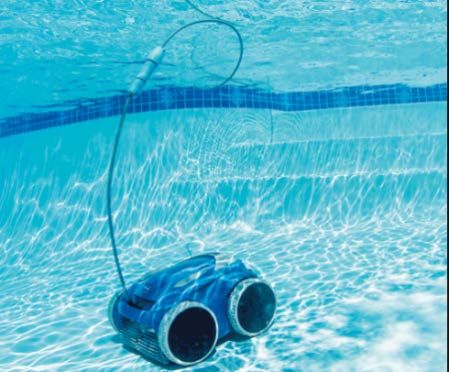
15.33 There is a wide variety of electric cleaners available in the market. Electric pool cleaners tend to
more expensive than suction cleaners.
Figure 5 Electric cleaners
MAYTRONICS “Dolphin ZODIAC “VX55 4WD”
Evolution”
Pool heating equipment
Introduction
15.34 Pool heating can be carried out by a wide array of methods, such as electric heaters, heat
exchangers, heat pumps, solar covers or blankets, and solar collectors. Although each of these
methods works in a different way, all have the same ultimate function and are widely substitutable
from a consumer perspective.
Relevant product market
15.35 The Parties submit that all forms of pool heating form part of one market.
15.36 There is a single market for pool heaters as end users have access to a wide choice of alternative
heating methods and can weigh the pros and cons (up-front cost, energy consumption,
environmental impact, maintenance requirements, etc.) of the different options against each other,
often advised by a Pool Specialist. Nevertheless, the Parties below at paragraph 26.1 and Annex
6 also provide market shares and analysis for each heating product segment where there is a
material overlap. No competition issues arise on any view of the relevant market.
Electric heaters
15.37 Electric pool heaters work by applying an electrical current to a metal resistor, which acts as a
heating element to heat the swimming pool water. Electric heaters are simple, compact and easy-
to-install, but have high on-going running costs. Accordingly, they are not common in New
Zealand and not considered further in this application (neither party supplies electric heaters in
New Zealand).
Heat pumps
15.38 Heat pumps are the most common pool heating method in New Zealand. A heat pump extracts
heat from the surrounding air and transfers it to the water through a highly energy efficient
thermodynamic process. Because it uses electricity to transfer existing heat from the air to the
water, rather than to create heat, it can produce more energy than it consumes and is therefore
more efficient than an electric heater.
22200197 20Public version
Solar heaters
15.39 Solar heaters work by using large, conductive panels known as “solar collectors” to collect solar
radiation from the sun. The swimming pool pump is then used to circulate the pool water through
these panels, which warms the water. Solar heating is attractive in that it is most effective during
the pool season. Solar heaters are popular with both environmentally conscious consumers and
those looking for a pool heating option that is highly cost effective over the long term and not
vulnerable to energy price fluctuations.
15.40 Accordingly, solar heaters offer a strong alternative to heat pumps for many consumers, and one
that is likely to grow in popularity in future with the increase in consumer awareness of
environmental issues and the increased demand for sustainable, low carbon energy sources.
Neither party sells solar heaters in New Zealand.
Gas heaters
15.41 Gas heaters work by burning either natural gas or LPG to heat copper coils inside the combustion
chamber. Swimming pool water is circulated through these coils and heated by the radiant heat
from the fuel combustion.
15.42 Gas heaters offer a relatively low purchase cost, fast heating and quiet operation. In addition,
unlike heat pumps, their cost of operation does not depend upon the time of day that they are
used. However, they are costly to use and are not common for outdoor pools in New Zealand.
Pool automation systems
Introduction
15.43 Pool automation systems are coordination devices, usually Internet-enabled for the control of pool
systems and equipment. They are regarded as part of the Internet of Things (“IoT”), which is the
network of physical devices, vehicles, home appliances, and other items embedded with
electronics, software, sensors, actuators, and network connectivity which enables these objects to
connect and exchange data.
15.44 Pool automation systems can be distinguished from simple automatic measurement and dosing
regulation devices, which only control the dispensing of pool sanitation chemicals and do not
allow control over other pool equipment such as the pool pump. Activating the pool pump (or
regulating a variable pump) is the core functionality of a pool automation device. In addition, pool
automation systems potentially allow the harmonised control of all compatible electronic pool
systems, including chemical dispensing, filtration, heating, lighting, water features and counter-
current swim systems. These products are often sold alongside other products of the same
manufacturer, to ensure compatibility. However, general “home control” automation technology
can also be used to operate pool systems remotely and there are home automation specialists
26
actively promoting pool automation alongside other home automation systems in New Zealand.
15.45 Because these systems are usually Internet-enabled, pool owners and other third parties (for
example dealers and maintenance staff) can control all these systems remotely on a smartphone
app, tablet or computer. This allows more active monitoring of pool systems, more efficient usage,
greater customisation and the implementation of fully automated programmes of operation.
Although currently a very small market in New Zealand, pool automation systems are likely to
rapidly grow in popularity in the future, with technological development driving increased
affordability and uptake.
26
For example https://www.eboss.co.nz/ebossnow/schneider-electric-home-control-system-outdoor-lighting
22200197 21Public version
Relevant product market
15.46 Pool automation devices are still a nascent technology and are used in a very small percentage of
pools in New Zealand. This means that a realistic alternative to automating the pool is to operate
it manually or through devices that automate a single functionality such as the main pool pump or
a sanitisation device.
15.47 In any event, the Merging Parties consider that the market definition can be left open in this case
since no competition concerns will arise under any market definition.
Water features
Introduction
15.48 Water features are decorative and playful pool elements involving flowing water such as
waterfalls, water curtains, fountains and jets. These are non-essential items that have gained in
popularity in recent years, although the market is still very small, with approximately [Redacted]
units sold per year (compared with over [Redacted] pools in New Zealand).
15.49 Water features will draw water from the pool’s circulation system to the spout of the product where
it is ejected and returned to the pool. Sometimes an additional booster pump will be used to push
the water to the spout. Water features may be made of metal, which is common for visible
features or plastic, which is common for features that are built-in to the pool structure or otherwise
hidden from view.
15.50 The only relevant overlaps are in sheet waterfalls, where Zodiac offers its “Powerfall” range and
Fluidra offers its “SilkFlow” range. This is essentially a plastic weir, available in different widths
and meant to built-in to the wall next to the pool, that projects an arc or sheet of water falling into
the pool (see Figure 4).
Figure 6 Sheet waterfalls (weirs)
ZODIAC’s “Powerfall FLUIDRA’s “SilkFlow” Installation of weir in pond wall
Product Market
15.51 The Parties are not aware of precedent discussing the market definition for water features. It is
submitted however that all water features form part of a single relevant market.
15.52 As a non-essential and decorative pool product, customers will, on average, not have a strong
preference for a particular water feature but compare the design and cost of installing different
items prior to taking the purchase decision. In addition, most customers will not add such features
to their pool, which means another common feature for all water features is that customers would
react to price increases by cutting back on (discretionary) spending on such items and refrain
from installing a water feature in their pool.
22200197 22Public version
15.53 Furthermore, most water features are simple metal or plastic structures with an internal piping
system to bring the water to the spout. Accordingly, supply-side substitutability is also very high.
In particular, any manufacturer of injection-moulded plastic components could easily offer a sheet
waterfall product.
16. Geographic dimension
16.1 The geographic market for all relevant products is at least national in scope. Both Parties sell to
Wholesalers, Pool Specialists and other intermediate customers on a national basis with no
differentiation according to a customer’s location in New Zealand. As set out above, pricing is
affected by market conditions on a regional (e.g. Pacific) or even global level.
17. Key competitors
17.1 The competitive landscape consists of a large number of manufacturers/suppliers across the
relevant product range.
17.2 A brief description of the key competitors in New Zealand is set out below. With a few exceptions,
the competitors are based overseas and supply New Zealand through imports via sales to New
Zealand-based Wholesalers or Pool Specialists.
(a) Pentair
Pentair is one of the four largest suppliers of pool products and equipment globally,
supplying a full range of pool products including automatic pool cleaners, filters, pumps,
automation systems, lighting, water treatment products and water features. Pentair has
approximately 19,000 employees worldwide in 40 countries.
Pentair does not have a local New Zealand office. Accordingly it relies on New Zealand
distributors.
For more information see https://www.pentair.com/en/industries/residential-
commercial/residential.
(b) Hayward Industries Inc. (Hayward)
Hayward Pool Products (the residential division of Hayward Industries Inc.) is the largest
manufacturer of residential swimming pool equipment in the world. Headquartered in New
Jersey, Hayward designs, manufactures and markets a complete line of residential pool
equipment including pumps, filters, heating, cleaners, sanitisation, automation, lighting,
water features, safety and energy solutions.
Hayward does not have a local New Zealand office. Accordingly it relies on New Zealand
distributors.
For more information see http://www.hayward-pool.com/shop/en/pools/hayward-about-us.
(c) Maytronics (Dolphin)
Founded in 1983, Maytronics was the pioneer in automated electronic pool cleaning
technology for domestic and commercial pools, developing the world-renowned Dolphin
electronic pool cleaners. Maytronics became acknowledged as the electronic cleaner
market leader, setting worldwide standards for technological innovation. Maytronics’
electronic pool cleaners are manufactured in Israel.
Maytronics operate wholly-owned subsidiaries in the USA, France and Australia.
For more information see http://www.maytronics.com/about-maytronics-group.
22200197 23You can also read


