Open Education in the Future of America's Community Colleges - American Association of Community Colleges Washington, DC August 6, 2014 Michael W ...
←
→
Page content transcription
If your browser does not render page correctly, please read the page content below
Open Education in the Future of
America’s Community Colleges

 American Association of Community Colleges
              Washington, DC
              August 6, 2014

             Michael W. Carroll
              Professor of Law
American University Washington College of Law

                                                1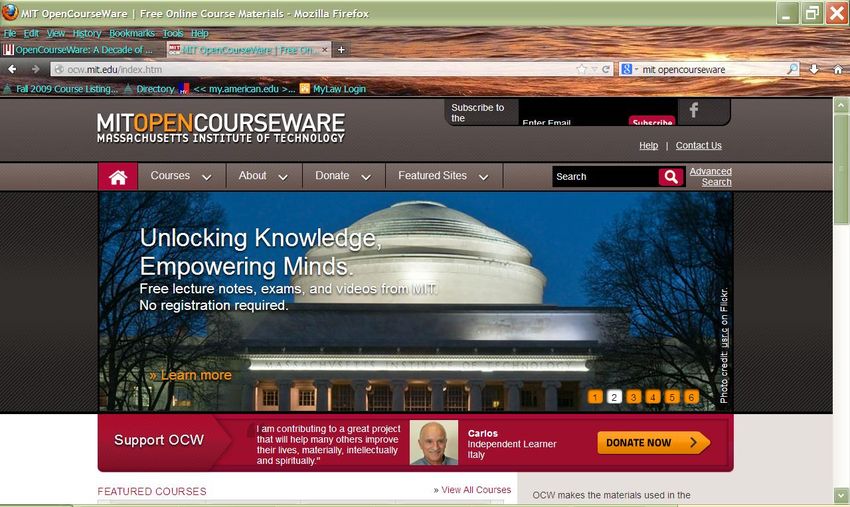
Information Environmentalism

                               2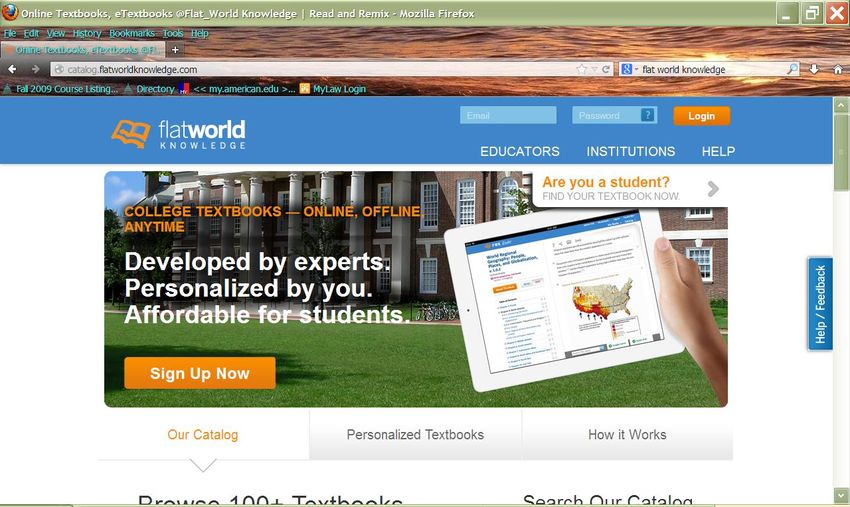
Agenda
1. Long Horizon
2. Near-term – Educational Resources
3. Creative Commons
4. Open Educational Resources

                                       3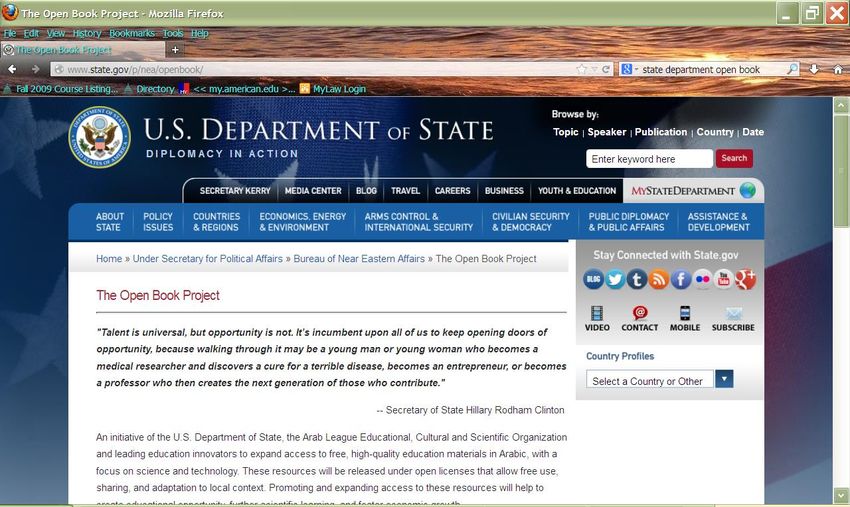
Long Term

            4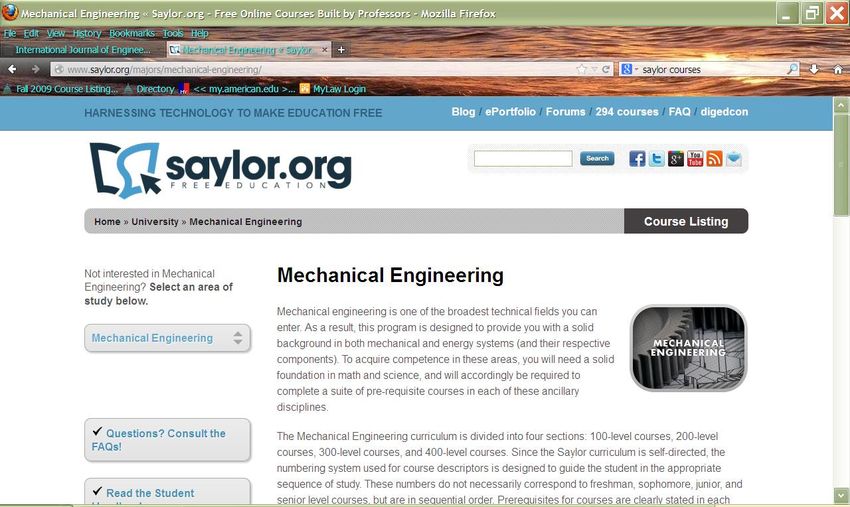
Pipeline Issues
College readiness
Increased by?
Pre-K programs
Charters
Common Core
Teacher tenure
Evidence-based polices
Pipeline Issues
College readiness
Decreased by?
Under-investment in K-12 public education
Charters
Teacher tenure
English proficiency
Pipeline Issues
Demographics
College age population projected to decline
But enrollment projected to increase slightly
(by 3 million) by 2022.
Source: NCES Projections of Education
Statisticshttp://nces.ed.gov/pubs2014/201405
1.pdf
Prospects for Graduates Returns to education still generally positive Demands for more educated workforce likely to increase Aging population will shape demand Increasing competition from automation – robots – going to be a factor
Post-Associate Education
Continue to partner with four-year
institutions; increase this activity
Online education likely to increase
Roles for Community Colleges
Local teaching faculty for “superstars”?
Badging or other skills-specific post-associate
training?
Role of corporate partnerships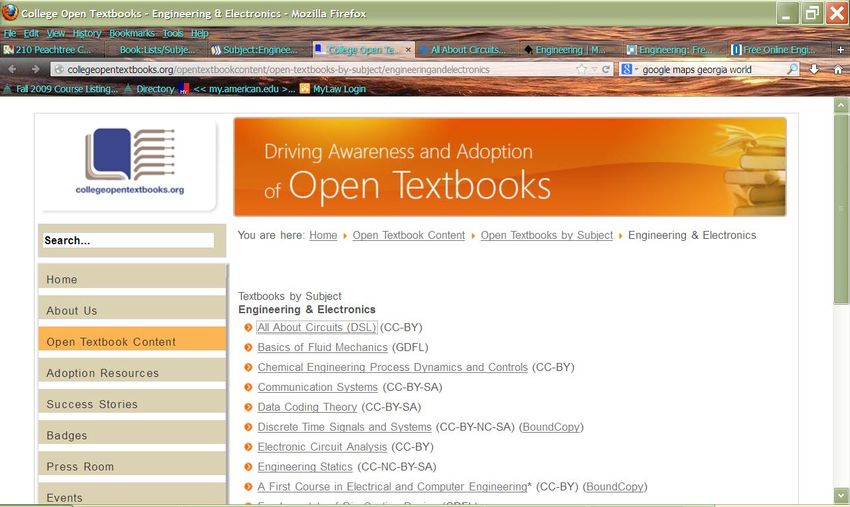
Copyright: 500 Years in 5
Minutes
Scope
Originally to print, publish or sell copies.
Now, copyright law gives Author the power to
control “copyright events”
Making of copies
Distributing copies
Public performances
Public displays
Adaptations of copyrighted workCopyright: 500 Years in 5 Minutes Scope Author’s rights are subject to limitations and exceptions, e.g. - Fair use - First sale
Copyright: 500 Years in 5 Minutes
Creation of teaching materials
Ownership issue – who is the author?
  Institution – statutory text
  Faculty member – history and context of law

In either case, rights can be shared through policies or
   agreements
13
Creative Commons
Creative Commons licenses are permissions
granted to the public with some conditions
Six CC licenses combine different sets of
conditions
“CC BY” is shorthand for the Creative
Commons Attribution license.
The only condition on reuse is that the
source is properly credited.
14Step 1: Choose Conditions
Attribution
ShareAlike
NonCommercial
NoDerivativesStep 2: Receive a License
CC0 public       Public Domain
domain dedication       Mark
most free

least free
3 layers
“human readable” deed
“lawyer readable” license
30
Open

31 What Does “Open” Mean?
Terms of Access
Terms of Use
32 What Does “Open” Mean?
Is a Hollywood film an “open” resource?
In the online context, means at a minimum free to
read
Relinquish control over access
Does it also mean free to reuse?
If so, any conditions?
Attribution?
Non-Commercial?
Share-Alike?
3334
Educational Resources --
The problem

                           35
Educational Resources
Heavy reliance on textbooks
Textbooks produced with a 20th century
model of education by a highly consolidated
commercial publishing industry.
Shift to digital is occurring
Loss of control – password access to
materials
Privacy – monitoring without adequate
disclosure/consent
36Educational Resources
Heavy reliance on textbooks
Textbooks produced with a 20th century
model of education by a highly consolidated
commercial publishing industry.
Cost is unjustified
New editions that merely re-arrange
chapters or make minor revisions
Reduction in editorial services while
prices increase
37Educational Resources
Shift to digital is occurring
Potentially greater interactivity
Greater customization
Loss of control – password access to
materials
Privacy – monitoring without adequate
disclosure/consent
3839
40
41
There is a direct relationship between
textbook costs and student success
60%+ do not purchase textbooks
at some point due to cost
49% take fewer courses due to
textbook cost
31% choose not to register for a
course due to textbook cost
23% regularly go without
textbooks due to cost
14% have dropped a course
due to textbook cost
Source: 2012 student survey by Florida Virtual
10% have withdrawn from a http://www.openaccesstextbooks.org/pdf/20
Campus
12_Exec_Sum_Student_Txtbk_Survey.pdf
course due to textbook cost43
Open Educational Resources

                             44
Open Educational Resources
Open Educational Resources also responds
to “Access Denied”
Terms of Access
- Free on the Internet
Terms of Use
- Agree that reuse important
- Some flavor of CC licenses
45Open Educational Resources
Open Educational Resources also responds
to “Access Denied”
Course materials / Supplementary
materials
Textbooks
Courses (“Massively Online “Open”
Courses) (MOOCs)
46Open Educational Resources
Open Educational Resources also responds
to “Access Denied”
Course materials / Supplementary
materials – Author creates as part of job
Textbooks – Author expects payment
Courses (“Massively Online “Open”
Courses) (MOOCs) -- Mix
47Open Educational Resources
Open Educational Resources also responds
to “Access Denied”
Course materials / Supplementary
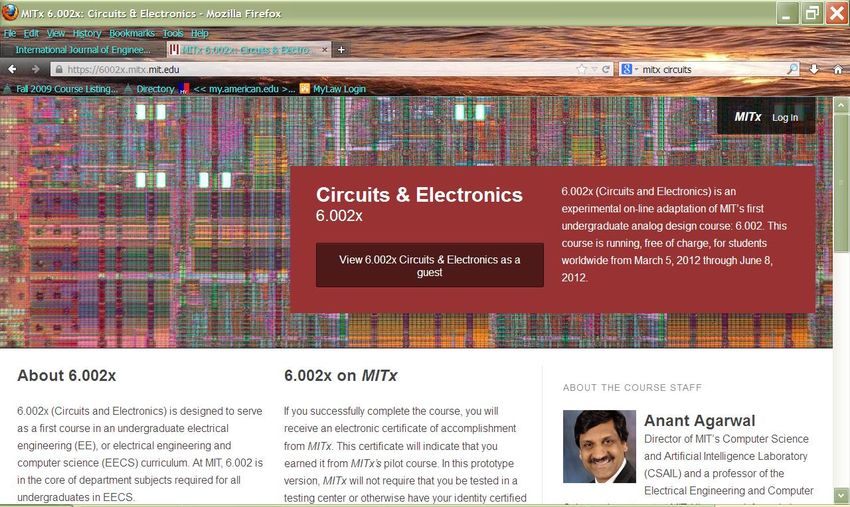
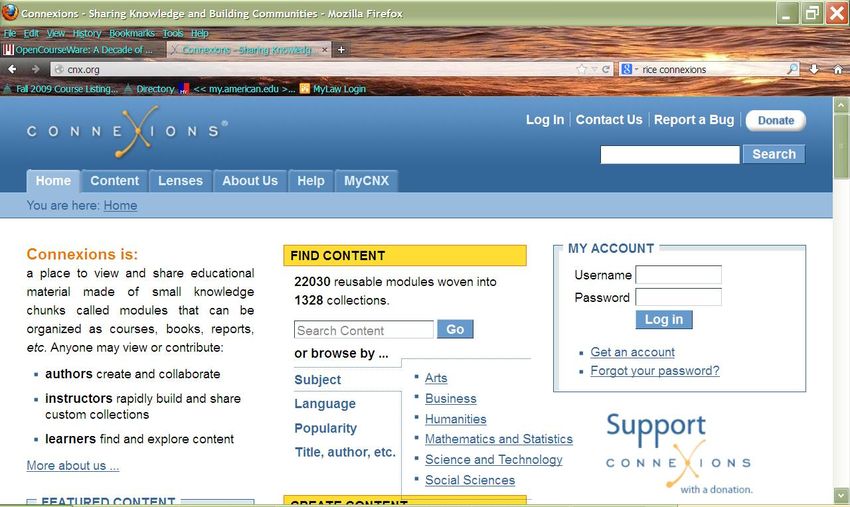
materials – OpenCourseWare, etc.
4849
50
Open Educational Resources
Open Educational Resources also responds
to “Access Denied”
Textbooks
Mix of altruistic authors and authors
funded by government/institutions
5152
53
54
55
Started as open
                    56
VCs changed model
No longer open
57
58
59
Open Educational Resources
Open Educational Resources also responds
to “Access Denied”
Courses (“Massive “Open” Online
Courses) (MOOCs)
6061
62
63
64
65
66
Open Educational Resources
Question about how “Open” MOOCs are.
Most do not yet put materials under an
open license
Free to read but not reuse/adapt
(Saylor uses CC licenses, and some
MITx content under CC).
67Open Educational Resources
Question about how “Open” MOOCs are.
Most do not yet put materials under an
open license
Free to read but not reuse/adapt
(Saylor uses CC licenses, and some
MITx content under CC).
6869
70
71
72
73
74
75
Faculty Copyrights
Questions?
76You can also read


