OPENSTACK FOR GOVERNMENT CLOUD: THE ITALIAN EXPERIENCE - 25-SETTEMBRE-2019 FRANCO FIORESE - DXC.TECHNOLOGY - OPENINFRA DAYS ...
←
→
Page content transcription
If your browser does not render page correctly, please read the page content below
OpenStack for Government Cloud:
the Italian Experience
25-Settembre-2019

Franco Fiorese - DXC.technology
franco.fiorese@dxc.com
DXC Technology

DXC.technology è oggi, in Italia, un attore rilevante
nel settore dell'IT per la pubblica amministrazione
ed offre un catalogo di servizi in rapida espansione
per consentire ai clienti della P.A. Italiana di
accelerare il loro processo di trasformazione
digitale.

                                   Insurance    Healthcare &         Travel,           Banking &         Aerospace &
                                                Life Sciences        Transportation    Capital Markets   Defense
                                                                     & Hospitality

                                   Consumer &   Energy, Utilities,   Manufacturing &   Public Sector     Technology, Media &
                                   Retail       Oil & Gas            Auto                                Telecommunications
  clients around the world
  across a variety of industries

                                                                                                                 DXC Proprietary   October 25, 2019   2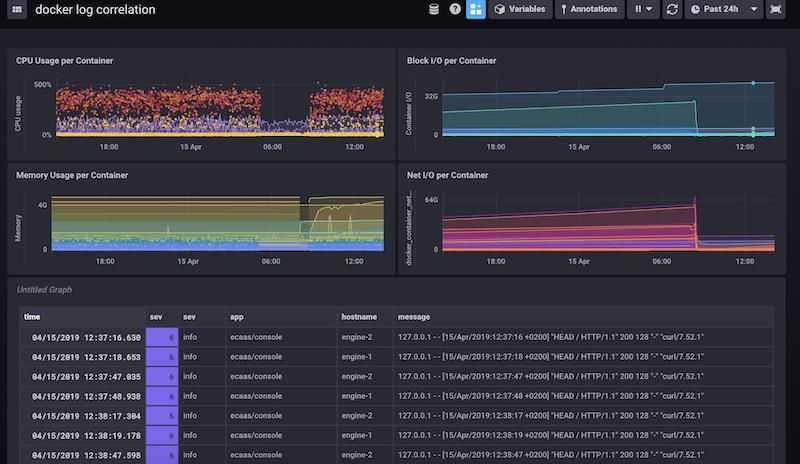
Agenda

  1. SPC-Cloud Lotto 1
  2. Reference context: the SPC-Cloud public tender, the offered
     services, the user landscape
  3. The technology platform: the evolution in the last 3 years
  4. The new services introduces in 2018: Container DevOps Platform
     (ECaaS)
  5. QA

                                DXC Proprietary                  October 25, 2019   3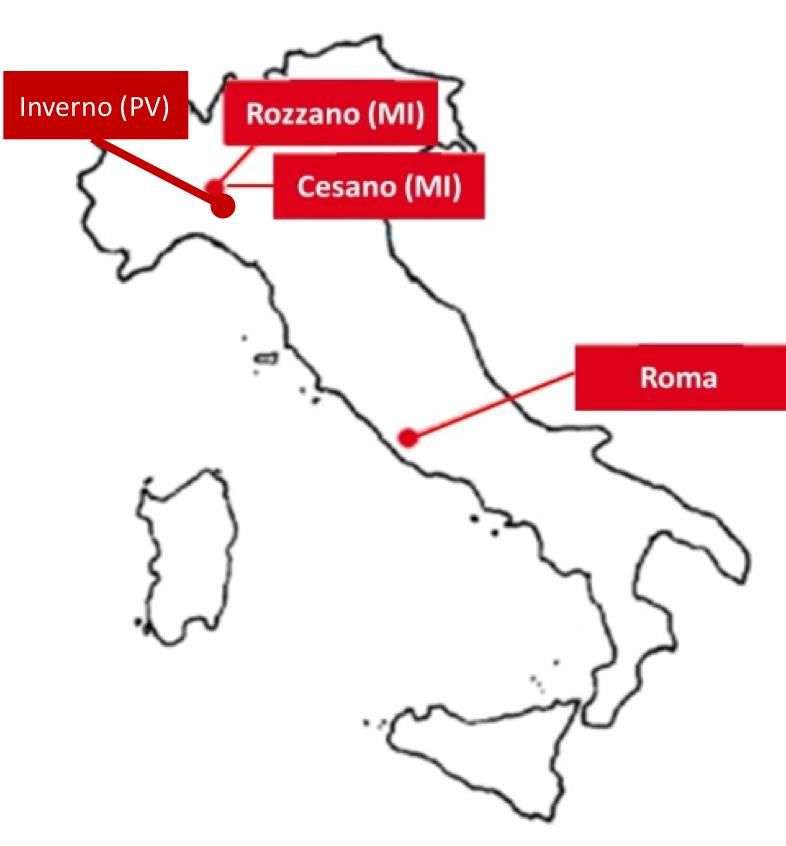
SPC Cloud – Lot 1
• The contract: assigned in 2016 after a tender issued in 2014 with a budget of 500€, to the
  TJV composed by TIM, DXC e Poste Italiane e Postel
• Goal: the service included in Lot 1 are geated to accelerate the consolidation of Data
  Centers in the PS space by using enabling service, with cloud based hw and sw resources.
  The physical infrastructure of this community cloud platform must be fully dedicated to the
  public sector clients.
• Clients: all the entities that are part of the local and central Public Sector domain in Italy
• Offered services: IaaS, PaaS, SaaS, Cloud enabling (professional services)
• New services introduced in2017: DRaaS, ECaaS, Managed Services, H24 Managed
• Duration of the framework contract: 5 years (ends July 2021)
• Official internet site: https://www.cloudspc.it/ where all the documentation (technical,
  contracts, pricing, guidelines on reversibility) and the evidence of the management comittee
  meetings
• Locations of delivery center in Italy: Milan and Rome
• SLA and guarantee on deliverted services: the contracts include penalty of service
  failures and moreover there is the need to guarantee delivery of service in case of any delay
  in payments or missing payments (art. 340 p.c.)

                                                         DXC Proprietary                           October 25, 2019   4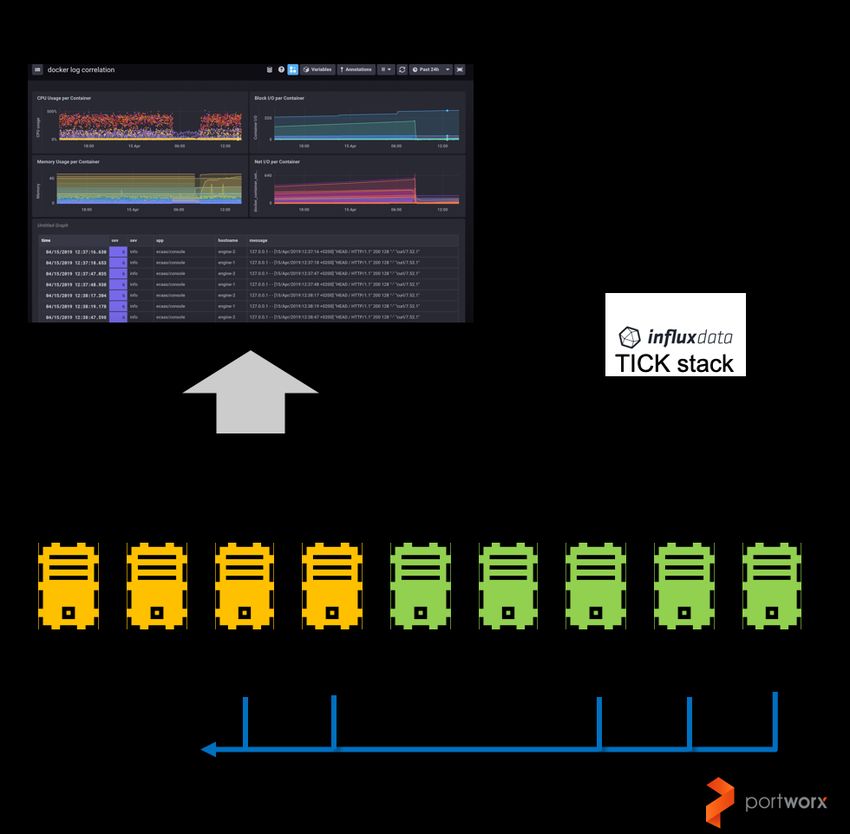
Reference context
  The cloud for the Public Sector and SPC Cloud Lot 1

                                                                                   Marketplace Cloud per la PA
• Consistent model with a marketplace that
  offer multiple choices, all qualified by AgID.
                                                     ECaaS
• Compliance with ISO 17888 6.6 standard for         (DevOps                         SaaS
  cloud service governance.                          platform)                                          Qualified services

• Categorization based on the service                                       IaaS             PaaS
  level,delivered support in relation to the
  qualified infrastructures.
• Easiness of contract activation: SPC-Cloud                                                  PSN
  allow allow a quick contract activation for all                         CSP        SPC
                                                                                                virt,   Qualified
                                                    OpenStack             public    comm.
  the offered services.                                                   cloud      cloud
                                                                                              private   infrastructures
                                                     platform                                  cloud

                                                        DXC Proprietary                                       October 25, 2019   5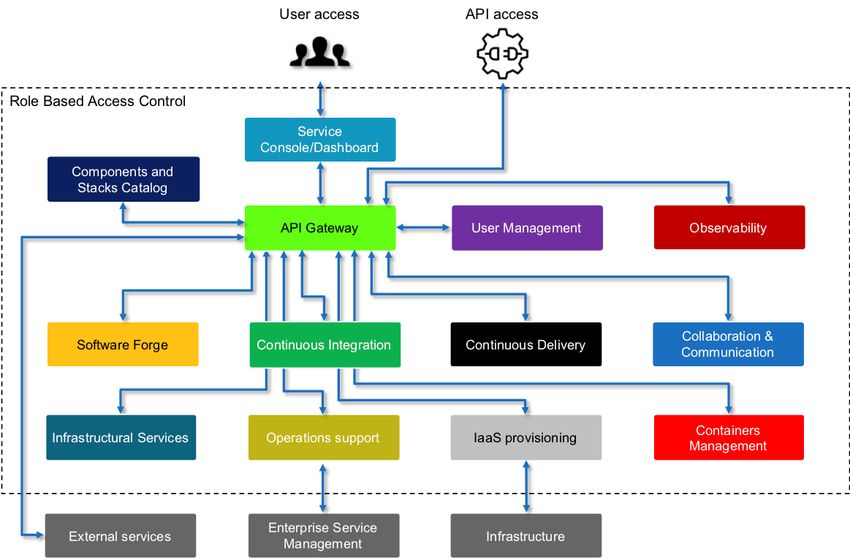
The technology platform
The original proposal to use of OpenStack for SPC-Cloud Lot 1
Initial requirements                                                            The project and the implementation
The proposal made by the TJV for SPC-Cloud Lot 1,                               • The initial choice was to select HPE Helion OpenStack
formalized at the end of 2014, that won the tender is based                       distribution on top of which there were developed custom
on the use of OpenStack. To be fully compliant with the                           functionalities – focused mostly on the Horizon
requirements of the public tender RFP some customizations                         component.
were developed – the most relevants are:
                                                                                • The initial release – deployed early in 2015 has been
• Allow the creation of VDC (Virtual Data Center) where                           Mitaka – the tender was awarded in May 2016.
  elementary resources (CPU, RAM, storage, network) can
  be aggregated. This allow also the creation of custom VM                      • The hardware infrastructure was based on HPE Proliant
  flavors.                                                                        blade servers.

• Management of VM images with ownership a multiple                             • The block storage was based on HPE 3PAR while the
  levels and sharing across internal and external                                 object storage on HPE Apollo.
  organizations.                                                                • The platform lifecycle management, very crucial aspect,
• Hierarchical acess to tenant administration functionality                       was initially based on TripleO and after that on Helion
                                                                                  Lifecycle Manager
• Two storage tiers: standard and high performance
                                                                                • Some customizations were selected for upstream
• Resize of VM                                                                    contribution (OpenStack Freezer project)

                                                              DXC Proprietary                                             October 25, 2019   6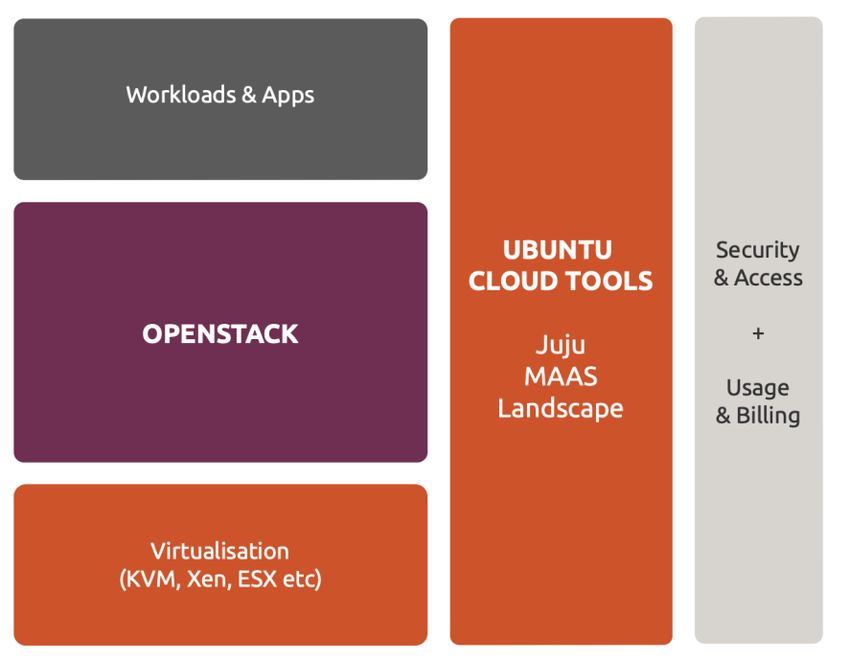
The technology platform
The evolution: moving from Helion OpenStack to Canonical OpenStack
                                                                              Production grade OpenStack (Queens release) with:
The nice choice to use an open soruce solution like OpenStack                    •    Compute based on KVM, LXD (containers) used for internal services
allowed for a facilitated transition towards a different solution,
                                                                                 •    Networking based su OpenVSwitch
without changing architecture and software components.
                                                                              Cloud machine:
The migrations of the client’s resources has been tenant driven.
                                                                                 •    Use of rack servers with converged tecnology (compute+storage nodes)
                                                                                 •    MaaS physical automation (bare metal provisioning)
                                                                                 •    Service modeling based su Juju
              Canonical
                                                                                 •    Control plane with services using containers (LXD)
                                                         DXC                     •    Nodes updated using Canonical Landscape
                                                                                 •    DXC designed and developed an application to manage the federated
                                                     IDP provisioning
                                                     and management                   domains and the SAML2 + 2FA authentication (it can be integrated with
                                                                                      SPID: Italy’s PS Identity Management)
                                                                                 •    Creation of private flavor for end users (domain + ad hoc policies)
                                                                                 •    Private visibility of VM images
                                                                                 •    Ceph for block storage and Swift for object storage
                                                                                 •    Platform configuration backup (using Juju)

                                                                        DXC Proprietary                                                     October 25, 2019   7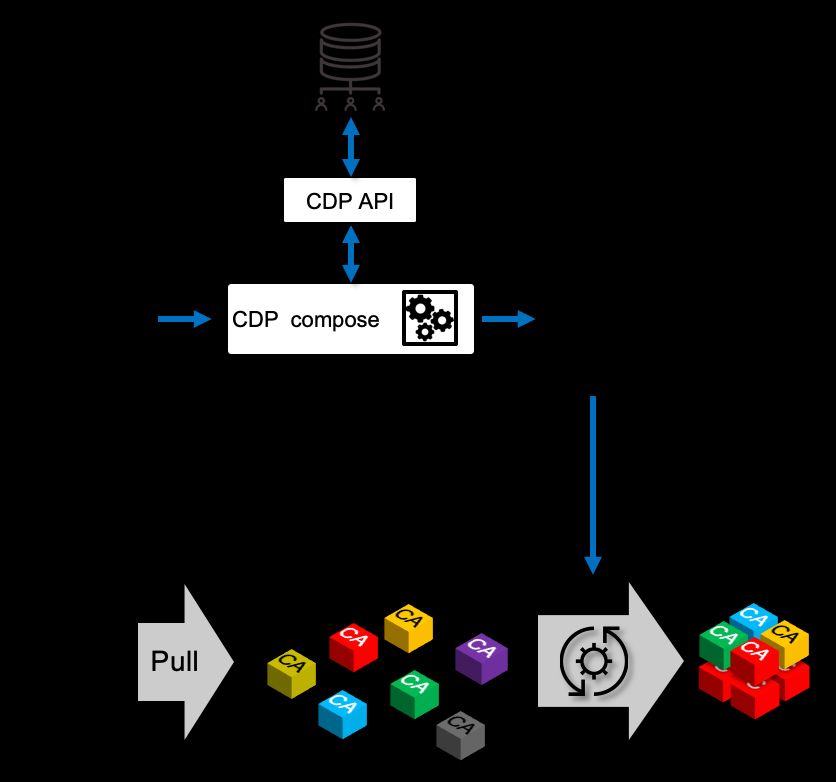
The technology platform
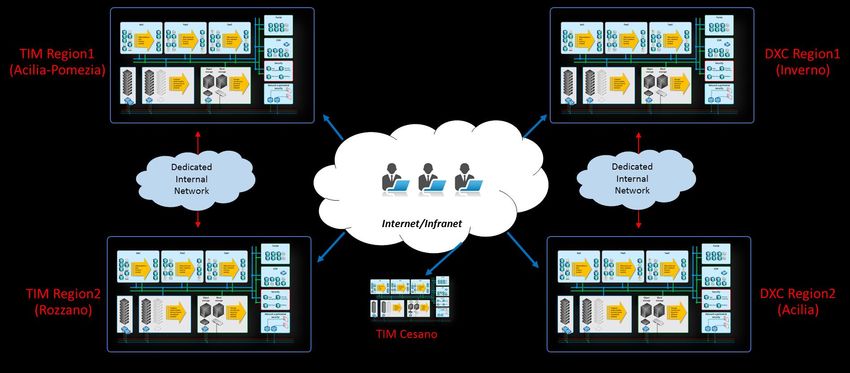
Architecture and functionality: multi-region

The new architecture improve the availabity of
services and through the use of the following
solutions:
• Multi-region: allowing native cloud IT
    services based on mutiple active regions
• Re-design and re-engineering of the
    Disaster Recovery functions, no more based
    on the whole platform DR, instead it provides
    a tenant based recovery of the services.
• Introduction of the Fast Recovery e Always-
    on concepts
                                                        • Fast Recovery: a functionality fullu equivalent to traditional DR but
                                                          implemented at tenant level.

                                                        • Always On: a functionality that is equivalent to traditional BC
                                                          (Business Continuity) based on the use of multi-region and available
                                                          to cloud native application services.
                                                    DXC Proprietary                                          October 25, 2019   8
The technology platform
Use of the regions: workloads post-legacy and native cloud applications
• Each region is created by using an automated consistent
deployment based on Juju and LXD
• From an end user perspective the OpenStack regions
have equivalent functionality of the same kind of regions
used in most of the public cloud service providers
platforms
• The availability of multiple regions allow the users to
place applications in disparate geographical locations
with the benefit to get access to the services even on
case of failures on a single region. The best resiliency
can be obtained with the Always-on functionality by
developing cloud native applications.
• The users get access to the different region with the
same account identity (integrated with the 2FA access, as • During the tenant activation the type of resiliency support required
per AgID’s request). must be specified: fast-recovery o always-on.
DXC Proprietary October 25, 2019 9Container DevOps Platform (ECaaS)
Enablement of DevOps and microservices using containers technology
The CDP service has been defined at
beginning of 2017 and a specific
process was started to set model,
technology approach and price, as a
new SPC-Cloud Lot 1 PaaS service:
Enterprise Container as a Service
ECaaS is a fully managed service.
that provide a fully fledged DevOps
platform dedicated to each specific
client.
Using this solution it is possible to
manage the whole lifecycle of an IT
service with a DevOps model, fully
exploiting the Docker and Kubernetes
technology.
There are already several PS cliants that are using it: AgID, DFP, MIUR, ANPAL, INDIRE, Comune di Roma, Comune di
Milano.
DXC Proprietary October 25, 2019 10Lifecyle of stateful application services
Design, Develop Compose Build, Test, Deploy Operate (Monitor and Diagnose)
Every software assets (config, definitions, scripts) stored in ‘git’ repos
DXC Proprietary October 25, 2019 11Upcoming functionality on CDP (ECaaS)
Observability
Goal: determine the health state of a system [distributed and complex] by inferring from the knowledge of its output
Approach: use of open source solutions: Influxdata TICK stack (Telegraf, InfluxDB, Chronograf and Kapacitor),
Jaeger (distributed tracing) to correlate different metrics, events, logs, etc. all indexes on a time scale (time-series DB),
fully managed and exploitable through dashboard, CLI and API.
DXC Proprietary October 25, 2019 12QA
DXC Proprietary and ConfidentialAgenda
1. SPC-Cloud Lotto 1
2. Contesto di riferimento: la gara SPC-Cloud, i servizi offerti, il
bacino di utenza
3. La piattaforma tecnologica: l’evoluzione negli ultimi 3 anni
4. I nuovi servizi introdotti nel 2018: Container DevOps Platform
(ECaaS)
5. QA
DXC Proprietary October 25, 2019 14SPC Cloud – Lotto 1
• Il contratto: assegnato nel 2016 dopo una gara indetta nel 2014 con un budget di 500M€ al
Raggruppamento Temporaneo d’Impresa costituito da TIM, DXC e Poste Italiane e Postel
• Obiettivo: i servizi del Lotto 1 sono finalizzati ad incentivare il consolidamento dei CED delle PA
mediante servizi abilitanti quali la fruizione di risorse hardware e software in logica di “Cloud
Computing” rese fruibili mediante infrastrutture fisiche, dedicate esclusivamente alla P.A.,
centralizzate e basate su un modello di cndivisione tra le PA di tipo “Community Cloud”.
• Clienti: rivolto tutte le entità della pubblica amminstrazione centrale e locale
• Servizi previsti ed offerti: IaaS, PaaS, SaaS, Cloud enabling (servizi professionali a supporto
di attività progettuali di virtualizzazione di infrastrutture delle PA)
• Nuovi servizi introdotti sucessivamente (2017): DRaaS, ECaaS, Managed Services, H24
Managed
• Durata del contratto: 5 anni (scadenza Luglio 2021)
• Sito ufficiale: https://www.cloudspc.it/ dove sono pubblicati, in piena trasparenza, tutta la
documentazione relativa al contratto quadro, i servizi, prezzi, modalità di fruizione, atti del
Comitato di Direzione Tecnica, linee guida sulla reversibilità, ecc.
• Centri di delivery e data center localizzati in Italia: Milano e Roma
• I servizi sono garantiti con specifici SLA con penali dovute su eventuali disservizi, i clienti
inoltre hanno la garanzia di erogazione della fornitura del servizio anche in caso di esaurimento
del budget economico attivato inizialmente (art. 340 c.p.)
DXC Proprietary October 25, 2019 15Il contesto di riferimento
Il cloud per la P.A. e SPC Cloud Lotto 1
Marketplace Cloud per la PA
• Modello consistente con un markeplace che
favorisce più scelte, tutte qualificate da AgID
ECaaS
• Conformità allo standard ISO 17888 6.6 (DevOps SaaS
standard per la Cloud Governance platform) Servizi qualificati
• Caratterizzazione sulla base del livello di IaaS PaaS
servizio (SLA, supporto, ecc.) erogato in
relazione a servizi e infrastrutture qualificate
• Facilità di attivazione dei contratti. SPC- PSN
Cloud permette una contrattualizzazione CSP SPC
virt, Infrastrutture
OpenStack public comm.
rapida per tutti i servizi erogati. cloud cloud
private qualificate
platform cloud
DXC Proprietary October 25, 2019 16La piattaforma tecnologica
La proposta di usare OpenStack per SPC-Cloud Lotto 1
I requisiti iniziali Il progetto e l’implementazione
La proposta iniziale del RTI per la gara SPC- Cloud Lotto 1, • La scelta iniziale è stata basate sulla distribuzione Helion
formalizzata a fine 2014 e risultata vincitrice dell’appalto, è OpenStack di HPE su cui sono state create delle
basata sull’uso di OpenStack. Per poter ottemperare ai personalizzazioni concentrate prevalentemente sulla
requisiti del capitolato di gara è stato necessario prevedere console Horizon. Sebbene si sia cominciata l’attività di
delle personalizzazioni, in particolare tra le più rilevanti: implementazione da Gennaio 2015 la release iniziale è
stata la Mitaka (aggiudicazione gara: 19-maggio-2016)
• La possibilità di fornire ambienti VDC (Virtual Data Center)
con risorse elementari (cpu, ram, storage e network) • L’infrastruttura hardware è stata inizialmente basata su
aggregabili liberamente – in pratica la possibilità di creare server HPE Proliant nella versione blade
flavor personalizzati di VM
• Lo storage è stato implementato su piattaforma HPE
• Gestione delle immagini VM con funzionalità di 3PAR per il block storage e HPE Apollo per l’object
condivisione tra gruppi e utenti storage
• Accesso gerarchico all’amministrazione di un tenant • Il lifecycle management della piattaforma, aspetto molto
critico per un community o public cloud, era basato su
• Tier differenziati per block storage: standard e alte TripleO, poi successivamente con Helion Lifecycle
prestazioni Manager
• Resize delle immagini VM • Alcune personalizzazioni hanno avuto un percorso di
contribuzione al progetto upstream OpenStack (Freezer)
DXC Proprietary October 25, 2019 17La piattaforma tecnologica
L’evoluzione: il passaggio da Helion OpenStack a Canonical OpenStack
Production grade OpenStack (Queens release) con:
La bontà della scelta iniziale di una piattaforma cloud open • Compute basato su KVM e supporto LXD (containers) per servizi interni
source come OpenStack ha permesso di affrontare una OpenStack
migrazione da una distribuzione ad un’altra senza alterare
• Networking basato su OpenVSwitch
l’architettura ed i componenti software della piattaforma stessa.
Cloud machine:
La migrazione è stata attivata su base dei singoli tenant di ogni
cliente già presente sulla precedente edizione di OpenStack. • Utilizzo di server rack con tecnologia convergente (compute+storage
nodes)
Canonical • MaaS physical automation (bare metal provisioning)
• Service modeling basato su Juju
DXC
• Control plane con servizi incapsulati in Containers (LXD)
IDP provisioning • Update nodi mediante Canonical Landscape
and management
• DXC ha sviluppato una soluzione applicativa per gestire domini federati
con autenticazione SAML2 e 2FA (integrabile con SPID)
• Creazione flavor privati da parte degli end user (domini + ad hoc
policies)
• Visibilità privata delle immagini (domini + ad hoc policies)
• Supporto Ceph per block storage e Swift per object storage
• Backup configurazione piattaforma (tramite Juju)
DXC Proprietary October 25, 2019 18La piattaforma tecnologica
Architettura e funzionalità della nuova piattaforma: multi-region
La nuova soluzione architetturale identificata
aumenta l’affidabilità dei servizi e la continuità
operativa mediante i seguenti elementi fondanti:
• abilitazione all’erogazione dei servizi SPC
Cloud in modalità multi-Region che
supportano servizi “Cloud nativi” con la
predisposizione di Region
contemporaneamente attive.
• re-ingegnerizzazione ed evoluzione del
Disaster Recovery che per gli ambienti
legacy non sarà più basato sull’intera
piattaforma ma circoscritto ad ogni singolo • Fast Recovery: funzionalità pienamente equivalente al DR ma
progetto/tenant per scongiurare anche fault realizzato a livello di tenant.
parziali
• Always On: funzionalità che è pienamente equivalente al BC
• Funzioni di Fast Recovery e Always-on dei (Business Continuity) ma che richiede una predisposizione delle
servizi applicazioni (applicazioni cloud native)
DXC Proprietary October 25, 2019 19La piattaforma tecnologica
Utilizzo delle region: workloads post-legacy e applicazioni cloud native
• Ogni region è realizzata mediante un deployment auto
consistente della piattaforma Canonical OpenStack
attraverso le funzionalità fornite da Juju e LXD
• Dal punto di vista dell’utente finale le region OpenStack
hanno funzionalità equivalenti a quelle dei principali
Cloud Service Providers pubblici.
• L’implementazione delle region consente agli utenti di
dislocare geograficamente i propri workload e di
conseguenza avere la garanzia, in caso di problemi in
una region, di poter accedere ai servizi ancora attivi
sull’altra region; ovviamente per sfruttare appieno le
funzionalità delle Region i servizi applicativi devono
essere concepiti in modalità cloud nativa.
• Gli utenti usano le stesse credenziali di accesso alla • In fase di attivazione di un tenant va definito il tipo di supporto in
piattaforma Cloud integrate con il two factor termini di recovery dei servizi: fast-recovery o always-on ed i tenant
authentication system recentemente implementato (su creati, nelle specifiche region, saranno predisposti adeguatamente.
richiesta AgID)
DXC Proprietary October 25, 2019 20Container DevOps Platform (ECaaS)
Abilitazione al DevOps e microservizi con la tecnologia containers
Ad inizio 2017, insieme ad AgID e
CONSIP è stato avviato il processo di
ampliamento dei servizi disponibili
(previsto dal capitolato) che ha portato
a rendere disponibili ulteriori servizi
tra cui, Enterprise Container as a
Service
ECaaS è il servizio che fornisce una
piattaforma DevOps completamente
dedicata ad ogni cliente. Con questa
soluzione è possibile gestire l’intero
ciclo di vita di un servizio IT in
modalità DevOps e sfruttando
appieno la tecnologia container basta
su Docker ee Kubernetes.
Ci sono già diverse entità della P.A. che usano questa soluzione tra cui: AgID, DFP, MIUR, ANPAL, INDIRE, Comune di
Roma, Comune di Milano.
DXC Proprietary October 25, 2019 21Ciclo di vita di servizi IT stateful su cluster k8s
Design, Develop Compose Build, Test, Deploy Operate (Monitor and Diagnose)
Every software assets (config, definitions, scripts) stored in ‘git’ repos
DXC Proprietary October 25, 2019 22Nuove funzionalità su CDP (ECaaS)
Observability
Obiettivo: determinare lo stato di salute di un sistema [distribuito e complesso] dalla conoscenza di ciò che produce
(output)
Approccio: utilizzo di una soluzione open source, Influxdata TICK stack (Telegraf, InfluxDB, Chronograf and
Kapacitor) + Jaeger (distributed tracing) che effettua correlazione disparate metriche, eventi, logs, ecc. indicizzati su
base temporale (time-series DB), il tutto controllabile e fruibile tramite dashboard, CLI o API.
DXC Proprietary October 25, 2019 23QA
DXC Proprietary and ConfidentialYou can also read


