Panorama Norwegian Ministry of Education and Research Strategy - Strategy for cooperation on research and higher ...
←
→
Page content transcription
If your browser does not render page correctly, please read the page content below

Norwegian Ministry
                                                                             Strategy
of Education and Research

Panorama
Strategy for cooperation on research and higher education with
Brazil, Canada, China, India, Japan, Russia, South Africa, South Korea and
the USA (2021–2027)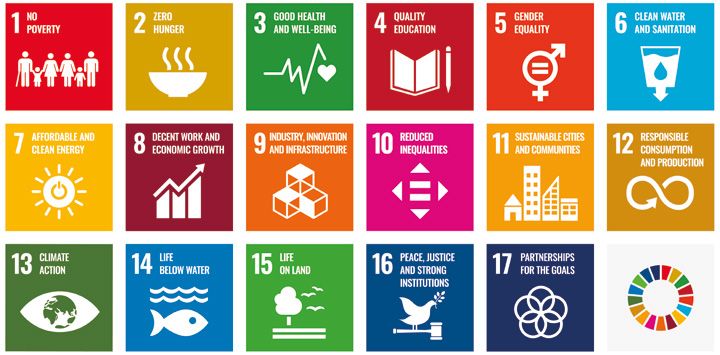
Panorama
Strategy for cooperation on research and higher education with
Brazil, Canada, China, India, Japan, Russia, South Africa, South Korea and
the USA (2021–2027)

April 2021
Contents

Preface........................................................................................................................ 5

1. The purpose of the strategy............................................................................. 6

2. Overarching priorities....................................................................................... 7

3. Measures............................................................................................................10

4. Evaluation...........................................................................................................13

Appendix .................................................................................................................14
Preface
The world is undergoing rapid change. We are in the         rests, key values and standards for cooperation. Norway
midst of a period of geopolitical upheaval, with incre-     supports the Bonn Declaration on Freedom of Scientific
ased rivalry between the great powers and pressure          Research, an international declaration on academic
being put on the rules-based international order. New       freedom. The declaration highlights the importance of
countries are also emerging as great powers when it         academic freedom as a basic and guiding principle for
comes to science, technology and higher education.          international education and research cooperation.
At the same time, we are also seeing forces that seek
to put an end to internationalisation and globalisation.    With this strategy, I would like to invite students, rese-
This is also a challenge for us.                            archers, higher education institutions and the business
                                                            community to continue their efforts in international
At the same time, international knowledge cooperation       cooperation to promote new knowledge and increased
is more important than ever. The COVID-19 pandemic          value creation.
has fully demonstrated just how closely intertwined the
world is and how key research-based knowledge is to         Knowledge and cooperation change everything.
our shared welfare. The UN Sustainable Development
Goals show the way and encourage shared efforts and
cooperation on the great challenges facing the world.
Education, research and innovation will be crucial in
achieving our goals and solving these challenges.

International cooperation is essential for us to further
develop as a leading knowledge nation. I want this
strategy to contribute towards raising the quality of
Norwegian academic communities and increasing our
ability to contribute knowledge. The goal is high quality
cooperation in areas of particular interest to Norway
and Norwegian academic communities.

Knowledge cooperation must be closely tied to the
business sector. This will contribute to strengthening
Norway’s competitiveness and ability to innovate.

This strategy will continue to build on the excellent
results of the previous strategy. The six strategic part-
ner countries from the previous strategy remain key
partners, but the strategy has also been expanded to
include a further three countries. South Korea is a coun-
try experiencing rapid developments at the frontiers of
science and technology. The USA and Canada have been
                                                                                                    Foto: Marte Garman
key partners for the Norwegian knowledge sector for
many years. They are also included in this new strategy
period.

The Panorama strategy is part of Norwegian science
diplomacy. Bilateral knowledge cooperation is impor-
tant in maintaining dialogue and good diplomatic relati-    Henrik Asheim
ons - even when conditions are challenging. At the same     Minister of Research and Higher Education
time, this requires increased awareness of national inte-
1. The purpose of the strategy
The purpose of the strategy is increased quality and large, important part of global knowledge production.
relevance in higher education, research and innovation The Government has therefore entered into bilateral
in Norway through internationalisation and coopera- agreements on research and/or higher education with
tion with the business sector. The strategy will clarify most of these countries and, through the Panorama
the overall priorities for cooperation with the strategic strategy, the Government seeks to achieve comprehen-
partner countries and will introduce measures aimed at sive and coordinated follow-up of the cooperation.
specific challenges.
The nine countries have different profiles and strengths.
The Panorama strategy applies to the period 2021-2027. The rationale and terms of the cooperation with the
It includes nine countries of strategic importance to the countries will therefore vary. The relevance of the
knowledge sector outside of the EU/EEA area – Brazil, countries will also vary between Norwegian institutions
Canada, India, Japan, China, Russia, South Africa, South and between the individual academic communities.
Korea and the USA. This will be reflected in local strategies and priorities.
In a long-term perspective, it is important to take into
The strategy will underpin and further develop the account changes to the landscape. During the strategy
quality in Norwegian academic communities through period, we may therefore have varying focus on each of
cooperation with some of the most important leading the countries based on needs and external conditions.
knowledge nations in the world in areas of central For example, the inclusion of South Korea will require
importance to Norway. The strategy must be viewed as special attention during the initial strategy period in
an instrument under the long-term plan for research order to allow the cooperation to develop.
and higher education and as a part of the follow-up on
the White Paper A world of opportunities — International The Panorama countries are also key when it comes to
student mobility in higher education (Meld. St. 7 (2020- contexts relating to foreign policy and trade policy. A
2021). positive interaction between various players both within
and outside of the knowledge sector therefore remains
High quality international research networks are essen- important.
tial when it comes to solving global challenges. Here,
research-based knowledge across fields will be crucial, Regardless of the rationale that forms the basis for the
including social science, legal and humanistic perspe- knowledge cooperation on the Norwegian side, seeing
ctives. These fields are also important in increasing our the interlinkages between education, research and inn-
knowledge of the prioritised partner countries. ovation will be a central objective of the cooperation.
During the coming strategy period, the Government
The Panorama countries are heterogeneous but would also like to see increased focus on cooperation
common to them all is that they play an important role, with the business sector in the partner countries.
globally and regionally. Together, they account for a
6 PANORAMA2. Overarching priorities
The Panorama strategy will form part of the follow-up on activities, expertise requirements, development of
the Long-term plan for research and higher education new technology and innovation initiatives. Increased
(2019-2028) and the White Paper A world of opportunities international experience, knowledge and expertise
— International student mobility in higher education (Meld are key factors for Norwegian competitiveness and
St.7 (2020-2021). The latter is also linked to the ambition economic growth and also provide more indirect
that, over time, half of those graduating with a degree advantages in the form of expanded market access
in higher education in Norway will have had a study or and strengthened international trade.
training period abroad, which was presented in the White
Paper Quality culture in higher education (Meld St. 16 (2016- Cooperation with strong academic communities
2017). The White Paper Internationalisation of education abroad is a fundamental element in strengthening
in Norway (Meld. St. 14 (2008 – 2009), and the strategy expertise, competitiveness and market access for
for increased cooperation on higher education with research-intensive/performing businesses. Increased
North America for the period 2012-2015 (North America contact with communities abroad is considered
Strategy) have also set out political guidelines for interna- essential when it comes to strengthening Norwegian
tional cooperation with the Panorama countries. competitiveness and innovation. Cooperation in hig-
her education, research and innovation can open
The Government expects that the cooperation with the doors for Norwegian companies when it comes
Panorama countries will be based on established prin- to knowledge environments in the nine strategy
ciples linked to quality, relevance, reciprocity, long-term countries. In other cases, business cooperation can
perspectives and accountability. provide access and opportunities for our educational
and research environments.
Cooperation is to be based on the following five main
priorities: Several of the partner countries are key markets for
products and services for Norwegian businesses with
• Constructive interaction in higher education, long traditions. In a globalised world, it is crucial that
research and innovation cooperation more Norwegians explore and take advantage of
The Government wishes to achieve strong links bet- cooperation opportunities in other countries. This can
ween international higher education, research and take place on several levels, e.g. by companies iden-
innovation cooperations through long-term instituti- tifying partners outside of Norwegian borders and
onal partnerships. students choosing to study in these countries. This
generally contributes to a greater breadth in our inn-
Links between higher education partnerships and ovation ability, adaptability, as well as language, cul-
other academic partnerships are important to tural and relationship knowledge. Such international
improve quality in education. Early involvement in networks will be beneficial to Norwegian business in a
international research cooperation also contributes long-term perspective.
to students learning the value of such and provides
them with the opportunity to develop international • Good student mobility
networks at an early stage of a potential research The Government wishes to strengthen student mobi-
career. Researchers’ international cooperation should lity to and from the Panorama countries. This is
be linked to educational activities where possible, for supported by the White Paper A world of opportuni-
example through mobility, guest lectures, joint super- ties – International student mobility in higher education
vision and cooperations on the curriculum and study (Meld St.7 (2020-2021).
programmes. This safeguards research-based educa-
tion at the international frontiers of knowledge. The main objective of the White Paper is to contribute to
a cultural change in the higher education sector so that
• Good links to working life and the business sector international mobility becomes an integrated part of all
The stimulation of research and innovation in industry study programmes. The goal is that half of those gradua-
contributes to economically profitable and future-ori- ting from a Norwegian higher education institution has
ented businesses. Thus, the Government wants inter- had a study or training period abroad. The Government
national higher education, research and innovation also wants to lay the foundations for increased student
cooperation to be viewed in the context of business mobility as part of a broader institutional cooperation.
PANORAMA 7Strategic partnerships between Norwegian institutions complement one another in a positive fashion. This
and academic communities in the partner countries will also applies to Norwegian participation in multilateral
contribute towards mutual mobility within the context arenas such as UNESCO and OECD.
of a broader academic cooperation, in which higher
education, research and innovation can be connected Good synergy with the EU programmes for education,
in an appropriate manner. research and innovation is of particular importance.
The Government plans to participate in the research
The Government would like more students to choose and innovation programme Horizon Europe and the
to study in the Panorama countries, both through education programme Erasmus+ during the 2021-2027
exchanges and full degrees. Changes are therefore period. These programmes also allow for third-party
being made to regulations in the Norwegian State participation, i.e. countries that are non-EU members
Educational Loan Fund in order to increase mobility or associated with the programmes, including the
to prioritised partner countries. At the same time, it is Panorama countries. The terms of participation are
clear that the potential for Norwegian students to study somewhat different between the two programmes
in the Panorama countries differs greatly, particularly and the status and terms for each country in the pro-
with respect to language. The conditions are already gramme vary. Academic and geographical guidelines in
properly in place in Canada, South Africa and the USA. each announcement will also affect the possibilities.
The Government would generally like to see a higher
proportion of Norwegian students going to non-English In the work on the various EU programmes and in
speaking countries than is currently the case, including European partnerships on research and innova-
the non-English speaking Panorama countries. tion, the Government will continue to emphasise
the importance of strengthening the opportunities
Climate change also requires the education sector for third-party participation. In dialogue with the
to reduce its carbon footprint. Nevertheless, the Panorama countries, the Government will also prio-
Government believes that the value of international ritise initiatives that can help strengthen the bilateral
student mobility justifies the high priority. A study cooperation through multilateral venues.
period abroad may be the most important journey
a student makes and the Government would like to The Government would like the academic commu-
emphasise that this must form the basis for the deci- nities in the Panorama cooperation to identify and
sion to take a full degree or parts of the studies abroad. exploit opportunities for synergies and to consider
Research and education are necessary to solve global the correlation between national and European fun-
challenges, including challenges related to climate ding mechanisms. This will mutually strengthen nati-
change, and this requires students and researchers onal and European cooperation with the Panorama
to also be able to meet in person. Nevertheless, it countries and contribute to a broad academic rese-
is important to be aware of the journeys you make. arch network.
The use of technology for virtual meetings and furt-
her internationalisation of Norwegian campuses may • Research-based knowledge to achieve the UN
increase internationalisation without increasing the Sustainable Development Goals (2030 Agenda)
carbon footprint. The 2030 Agenda is a global roadmap for sustainable
development as adopted by the UN member states in
With no tuition fees in higher education, Norway also 2015. The sustainable development goals are a uni-
facilitates incoming mobility for both graduate students versal work plan to safeguard the world’s social, econ-
and incoming exchange students at Norwegian higher omic and environmental sustainability. Sustainability
education institutions. The White Paper is looking to is about meeting the needs of today’s population
cater for more targeted recruitment of international without reducing the opportunity of future genera-
students in Norway. Such recruitment must be based tions to meet their needs. The development of new
on national needs for expertise and must be clearly knowledge across national borders is absolutely cru-
aimed at the Panorama countries, amongst others. cial in order to succeed in this.
• Good interaction between bilateral and multila- The Government hopes that the cooperation with the
teral cooperation Panorama countries will contribute research-based
The Government would like various arenas for inter- knowledge, education and innovation that will promote
national higher education and research coopera- sustainable solutions. The inclusion of the sustainable
tion to be viewed in context where possible and to development goals in the Panorama strategy opens up
8 PANORAMAmany important topics that coincide with and support range of academic fields within both applied research
Norwegian research communities and interests. and basic research will be of importance. Additionally,
Examples of relevant areas include marine research, cli- the links to innovation to bring about new solutions and
mate and biodiversity, renewable energy, global health, the involvement of the business community will incre-
migration and inequality. Research-based knowledge ase the possibility of succeeding in achieving the sustai-
is crucial when it comes to achieving the sustainable nable development goals.
development goals and contributions across a broad
The following principles form the basis for the bilateral cooperation on higher
education and research with the Panorama countries from the Norwegian side:
Quality - International cooperation is a key instrument to achieve improved quality in higher education,
research and innovation.
Relevance - International cooperation activities will be a natural extension of national priorities and
support the plans and strategies of the institutions and academic communities.
Reciprocity - The cooperation must be linked to areas in which partners have common interests and
are able to complement and strengthen one another. Equality and anti-discrimination will also be part
of the basis for the cooperation.
Long-term perspective - It can take a long time to develop a well-functioning international cooperation.
Having the most predictable and stable frameworks possible is crucial in establishing long-term
relationships that can form the basis for further cooperation after individual projects or other time-
limited activities have been completed.
Accountability – When entering into specific cooperations, consideration should be given to
fundamental academic values and national interests, including security interests.
PANORAMA 93. Measures
In the work to further develop the cooperation with the term plan to develop more academic communities
Panorama countries, the Research Council of Norway, of outstanding quality. The programme aims to con-
the Norwegian Directorate for Higher Education and tribute to the further development of institutional
Skills and Innovation Norway have an operational higher education and research cooperation, networ-
responsibility for contributing to a positive interaction king activities and exchange of knowledge. The pro-
between the education, research and business commu- gramme has been jointly developed by the Research
nities in bilateral cooperation. Council of Norway and the Norwegian Agency for
International Cooperation and Quality Enhancement
The Government seeks to promote targeted bilateral in Higher Education. It is financed through earmarked
higher education, research and innovation cooperation funds from the Norwegian Ministry of Education and
with the Panorama countries by facilitating: Research and funding from other portfolio commit-
1. a long-term strengthening of academic interactions tees in the Research Council of Norway. The pro-
between institutions in Norway and the strategy gramme is also aimed at research institutes.
countries
2. more systematic contact and coordination on the • In addition to the two earmarked programmes, the
Norwegian side, across the various ministries areas Government also intends to make us of different
of responsibility venues and sources of funding. For example, all of
3. increased knowledge of and more accessible infor- the Research Council of Norway initiatives – pro-
mation about matters that could influence the possi- grammes, free venues, special initiatives, instituti-
bilities of achieving good interaction between higher onal measures and other forms of support – must
education, research and business communities incorporate international cooperation. The current
research cooperation with the Panorama countries
1. A long-term strengthening of academic interactions bet- therefore already receives funding from a number
ween institutions in Norway and the Panorama countries of regular programmes.
• The Government wants to promote the coopera- • The Research Council of Norway has also entered
tion with the Panorama countries through the use into ‘Money Follows Cooperation’ agreements with
of flexible financial instruments for institutional Japan and South Korea. Norwegian researchers can
cooperation and mobility. The Government will apply for funding if they are part of a cooperation
therefore continue the two programmes UTFORSK with a main applicant from the country in question
and INTPART, which are aimed in particular at the that is in accordance with the rules and procedures
Panorama cooperation. Both contribute towards of the relevant research council. Similarly, resear-
the strategy’s objectives of linking education and chers from the relevant countries may also apply
research cooperation, as well as facilitating increa- to the Research Council of Norway together with a
sed cooperation with the business community. Norwegian main applicant. The Government wishes
to investigate the possibility of expanding the pro-
UTFORSK supports educational activities in gramme to include more of the partner countries.
cooperation with the Panorama countries. The
programme aims to contribute to strengthening • The Research Council of Norway is also working to
higher education to achieve a sustainable future, reprioritise funds from established bilateral initia-
as well as increased quality and relevance of study tives to a generic initiative for Research for global
programmes. Close interaction between higher sustainability. The initiative will be a mobilisation
education and research, good links to working life scheme for research in global partnerships that will
and business communities and effective, mutual co-fund research using funding from thematic bud-
student mobility are key. The programme is fle- gets. The initiative will contribute to the cooperation
xible and broadly embraced in the university and with several of the Panorama countries and prioriti-
university college sector. sed partner countries set down in the Government’s
development policy.
INTPART aims to promote long-term institutional
cooperation with the Panorama countries, with an • Innovation Norway is represented in all Panorama
emphasis on the overarching objectives of the long- countries with the exception of South Africa and has
10 PANORAMAlocal networks and partnerships that Norwegian as well as for assessing which measures and forms
research institutions and companies can make use of cooperation are most relevant in each country.
of. The areas covered include innovation policy, The operational cooperation can take different
knowledge of framework conditions and contact forms in different countries and must be adapted
with the authorities, knowledge clusters and rele- for local conditions. The follow-up responsibility
vant parties in the countries. There is potential to for the Panorama strategy will be clarified in the
bring the Panorama countries more closely into agencies’ allocation letters.
the innovation and sustainability cooperations
with Norway. The Research Council of Norway and The Governments wants the linking of business
Innovation Norway will cooperate on the mobilisa- cooperation and academic cooperation with the
tion of this through the EU framework programme Panorama countries to be a focus area. Through
Horizon Europe. Additionally, a high amount of its roles, instruments and presence abroad,
business-oriented innovation cooperation with Innovation Norway will be a key partner in inter-
international partners is financed through IN’s ordi- national knowledge work. Not least, long-term pre-
nary instruments, such as innovation contracts and sence and established networks with knowledge
cluster cooperations. and business players will constitute an impor-
tant resource for increased focus on business in
2. More systematic contact and coordination on the knowledge cooperation.
Norwegian side, across the various ministries areas of
responsibility • The Government wants the Norwegian diplomatic
and consular service to continue to provide assistance
• The Government aims to facilitate systematic con- in facilitating more coordinated and longer-term hig-
tact between Norwegian parties for the purpose of her education and research cooperations with the
more coordinated further development of coope- Panorama countries. The Ministry of Foreign Affairs
ration within higher education, research, innova- will further develop the work on strengthening the
tion and business communities with the Panorama diplomatic and consular service’s knowledge diplo-
countries. The Norwegian Ministry of Education and macy and make the diplomatic and consular service
Research will therefore continue its regular forum missions even better and more qualified partners
for key actors at Government and agency level, in for Norwegian players, both at an institutional and
which the main participants will be included. at a government level. This includes ongoing work to
promote Norway as a leading knowledge nation and
The purpose of the forum is to facilitate effective to profile Norway as an attractive country in which
follow-up of the strategy, among other things to study and conduct research.
through mutual exchange of information and
experiences, advice linked to specific issues and 3. Increased knowledge of and more accessible informa-
the discussion of potential new initiatives and/ tion about matters that could influence the possibili-
or priorities that support the objectives of the ties of achieving good cooperation within higher edu-
strategy. Arrangements will also be made for the cation, research and business
Ministries Research Committee to be used as a
venue for mutual exchange of information bet- • The Government aims to make it easier for Norwegian
ween the ministries. The Joint Working Group institutions and academic communities to establish
meetings under the bilateral agreements with the and further develop their interfaces with the strategy
partner countries will also be a venue for mutual countries. This requires a solid knowledge of various
participation and coordination. factors that influence the opportunities for establis-
hing long-term academic cooperation.
• The Government will make arrangements to ensure
that the Norwegian Directorate for Higher Education The Government would like the Directorate of
and Skills, the Research Council of Norway and Higher Education and Skills, the Research Council of
Innovation Norway further develop their coopera- Norway and the knowledge sector’s envoys in the
tion on higher education, research and business countries to follow up on the knowledge base that
promotion with the strategy countries. The three has been established on these countries in recent
organisations will have a shared responsibility for years, through studies and analyses linked to e.g.:
the operationalisation of measures and activities – the higher education and research systems
that link higher education, research and innovation, in the strategy countries, including adminis-
PANORAMA 11trative, legal and practical matters that could More targeted recruitment will be based on natio-
make the cooperation challenging nal expertise requirements and will be clearly aimed
– other matters that affect the framework condi- at the prioritised countries for cooperation. This will
tions for establishing a long-term cooperation strengthen Norwegian education and research and
within higher education and research with the will benefit society and the business community.
countries concerned, including cultural, politi-
cal and economic conditions • The Government will make existing knowledge and
– what other countries are doing to strengt- information about higher education and research
hen their relationships with the countries in cooperation with the strategy countries more acces-
question within higher education and research sible to various target groups.
– the impact of various schemes and instru-
ments that support bilateral cooperation with The Norwegian Ministry of Education and Research
various countries, based on experiences from requests that the Research Council of Norway, the
Norway and other countries Directorate of Higher Education and Skills and
– what can be done to facilitate increased outgo- the Norwegian Agency for Quality Assurance in
ing mobility among Norwegian students, rese- Education use relevant platforms and venues for
archers, administrative employees, etc. dissemination of knowledge aimed at various tar-
– challenges associated with intellectual pro- get groups for the purpose of dissemination and
perty rights in the cooperation (intellectual exchange of information and knowledge.
property law issues), including any ethical chal-
lenges, as well as legal and political guidelines • In consultation with the higher education and rese-
arch sector, the Government will draw up national
• The Government will make it easier for Norwegian guidelines for responsible international cooperation
students to find information about educational in order to support Norwegian academic commu-
institutions that offer high quality education in the nities in their work on risk assessment and quality
Panorama countries. Proper, adapted information assurance of specific cooperations.
about studies abroad is a central instrument in
making good study choices. In the White Paper on International cooperation is more important than
student mobility, the Government highlights the ever and an open research and higher education
need for the various national players responsible system that provides everyone with access to
for this area to cooperate and coordinate their knowledge is a goal. At the same time, the world
efforts to a greater degree. Information about study around us requires vigilance and increased aware-
opportunities in Panorama countries will be rele- ness of values, standards and basic security. This is
vant in such a context. in addition to fundamental academic values such
as academic freedom and anti-discrimination that
• In line with the White Paper on student mobility, the all higher education and research cooperations are
Government wishes to establish a more conscious based on. Preventive security work, including infor-
and strategic policy for the recruiting of international mation security, privacy and export controls, will
full-time degree students to Norway. The Norwegian safeguard these values and ensure that Norwegian
Ministry of Education and Research will establish knowledge is not misused or shared in contraven-
a working group that will look at this dimension. tion of our security and defence policy interests.
EXPORT CONTROLS
Export controls mean that certain goods, technology and services cannot be exported from Norway
without a license issued by the Ministry of Foreign Affairs. Such controls may also place limitations
on the export of sensitive knowledge with military applications to certain countries of concern. Read
more about export controls, goods subject to licensing, sanctions and how to apply for a license at:
www.eksportkontroll.no
12 PANORAMA4. Evaluation
The developments in the cooperation within higher Developments in research cooperations with the nine
education and research with the Panorama countries countries will be evaluated based on the following indi-
during the 2021 -2027 period will be evaluated in light cators:
of selected indicators. It would be desirable to look at • Research cooperations through the Research Council
the developments from the previous strategy period of Norway’s programmes/schemes (Source: Research
and therefore to continue the same parameters. Council of Norway)
• Research cooperations through Horizon Europe
For higher education cooperations, this will primarily (Source: Research Council of Norway)
apply to: • Co-publishing (Source: Research Council of Norway and
• Outgoing degree students (Source: Lånekassen) the Nordic Institute for Studies in Innovation, Research
• Outgoing exchange students (Source: DBH) and Education)
• Incoming exchange and degree students from the
strategy countries (Source: DBH) Qualitative evaluations of the impact of the strategy on
• Higher education cooperations through Erasmus+ Norwegian academic communities and goal attainment
(Source: The Norwegian Directorate for Higher Education in the five areas of the initiative will also be central.
and Skills)
• Higher education cooperations through the Directorate
for Higher Education and Skills’ programmes
PANORAMA 13Appendix
UTFORSK and INTPART
UTFORSK supports universities and university colleges in the form of project funding for activities
that support the establishment of long-term institutional cooperations with the Panorama countries,
with a main emphasis on higher education. This can include funding for the implementation of shared
educational activities and shared development of study programmes, combined with student and
employee mobility. UTFORSK may also announce project funding aimed at individual countries and
may publish joint announcements with parties in the strategy countries when appropriate. UTFORSK
now also includes the previous programmes Partnership Programme for North America, the Russia
Programme and InternAbroad. www.diku.no
The INTPART programme supports institutional higher education and research cooperations, networ-
king activities and exchange of knowledge with the Panorama countries. The scheme is aimed at excep-
tional national academic communities and there is a requirement for the projects to be closely linked
to the academic communities’ existing research efforts and institutional strategies. ‘Prequalification’ is
therefore required in the form of allocated peer-reviewed research funding. From and including 2020,
the scheme is seeking projects of a longer duration and with greater financial frameworks in order to
facilitate long-term, sustainable partnerships. INTPART is managed by the Research Council of Norway
and the Norwegian Directorate of Higher Education and Skills. www.forskningsradet.no
Evaluation of the 2016-2020 Panorama strategy
The evaluation shows that there has been strong growth in the cooperation with the strategy countries
since 2012, even though it is unclear whether this can be attributed to the strategy as such. However,
the evaluation does indicate that the developments would have been different without the strategy and
shows that cooperation during the period has largely been based on the strategy’s principles concer-
ning quality, reciprocity, long-term perspective and relevance. Not least, the evaluation shows that the
economic instruments UTFORSK and INTPART have contributed to achieving the overarching objective
of linking education and research more closely in the cooperation with the Panorama countries. The
strategy has also had a positive impact on the quality of student mobility through the institutional part-
nerships. The evaluation shows that further efforts are required in order to strengthen the links with
the business communities and EU programmes.
Further information about the evaluation: https://www.regjeringen.no/no/dokumenter/mot-mer-og-bedre-
kunnskapssamarbeid-evaluering-av-panorama-strategien/id2694402/
14 PANORAMAAllocated
ated UTFORSK
Allocated UTFORSK
projects
UTFORSK
samarbeidsland
Tildelte
Tildelte by projects
strategy
projects
samarbeidsland byfordelt
byfordelt
strategy
2016-2020
2016-2020
UTFORSK-prosjekter
UTFORSK-prosjekter
strategy Tildelte
på på Allocated
Allocated
INTPART
Allocated
samarbeidsland
samarbeidsland
Tildelte INTPART
projects
INTPART by
2016-2020
2016-2020
INTPART-prosjekter
INTPART-prosjekter projects
på strategy
projects
fordelt
fordelt by by stra
på strategy
Allocated
Allocated UTFORSK
UTFORSK projects
projects by by
strategy Allocated INTPART
Tildelte
Allocated projects
INTPART-prosjekter
INTPART projects by
fordelt på
by2016-2020
strategy
country country
Tildelte
Tildelte
2016-2020
Allocatedcountry 2016-2020
UTFORSK-prosjekter
Allocated UTFORSK
UTFORSK-prosjekter
samarbeidsland
UTFORSK 2016-2020
samarbeidsland 2016-2020
2016-2020
projects by
fordelt
på påby
projects
fordelt
strategy
Tildelte INTPART-prosjekter
Allocated
samarbeidsland
country country
samarbeidsland fordelt
country
INTPART på
projects
2016-2020
2016-2020
2016-2020
2016-2020 by
strategy country
13
Allocated 2016-2020
samarbeidsland
samarbeidsland
country
strategy
13
UTFORSK
2016-2020
2016-2020
2016-2020
country
projects
Allocated
2016-2020
19 by19strategy
INTPART
samarbeidsland
13 projects
samarbeidsland
2016-2020
strategy country 2016-2020
13 by strategy
2016-2020
AllocatedINTPART6 country
strategy
INTPART 2016-2020
6 country
projects 2016-2020
by strategy
Allocated UTFORSK
country projects
2016-2020
13 by strategy Allocated country
13 projects 44 by strategy
2016-2020
13 44
Allocated UTFORSK
13
country projects
2016-2020
19 19 by strategy Allocated 6 country132016-2020by strategy
INTPART
6 projects
country
9 9 2016-2020
13 13 country
18 1318 2016-2020
44
country
13 2016-2020
13 19 19 country
6South 13 13 44
13 2016-2020
13 6 South 13
13 13 13
9 9 13 1919 RUS 6Africa 6
18 13
18 RUS Africa 4444 6
1969 South Africa 19
19 19Africa (13) 6 6 13 6 44 44
13
6(13)
9
Brazil
South
19 (19)
Brazil
6
18 11 18 116 6 (13) 13
USA 44 44 44 44
13 9 (13) (19) 18 13 USA
44
9 Japan18 6
4418
Russia 13 19 Japan6 18 (44)
9 9
6 99 (9) 6 13
Russia
19 24 24 (18) 11
18
111818 6
13
44
(44)
9 (9) 19 (18)
69 14 6 14 11 18
11
18 18 18 21 4421
696 (6)9 6 Japan (6) 24 24 11 11 181110
21 10 21
6 6Japan
6 14 14 24 24 India India11 18
1811
21
11
China 24 China 11 18 21
6 66 14 14 24 24 (11) 18(11)
1111 10 21
18
10 21 21
India 14 24(24)
14614 24
India (24) 18 18
11
1018Canada 10 21
24 14 24 China China 10 10Canada
21Japan 18Russland 21
14 Brasil Brasil
Kina 14
14 Japan 24Japan
14(14) India
Kina
India (14)
Russland Russland Sør-Afrika USA
Sør-Afrika USA Canada
Canada Brasil
10
18
Brasil
Brazil
Kina
18 18Kina
(21)Brazil
(18)India 21 21
10 Japan
India (21) Russland Sør-Afrika
Sør-Afrika
24 24 (18)
10 10 21 10
UTFORSK UTFORSK 18 10
18 10
14 10 21
Brasil Brasil Kina
Kina 14India India
Japan JapanRusslandRussland Sør-Afrika USA Canada
Sør-Afrika USA Canada
Brasil Brasil Kina
Kina India 10
India
Japan Japan
RusslandRussland
Sør-AfrikaSør-Afrika
UTFORSK-prosjekter
UTFORSK-prosjekter
Brasil Brasil
Kina Japan med
Kina
India
India Japan med
partnere
Russland partnere
Russland
Sør-AfrikaiSør-Afrikai USA Canada
USA Canada
Brasil Brasil India
Kina
INTPART-prosjekter
Kina Japan
India 10Russland
Japan Russland
medJapan Sør-AfrikaSør-Afrika
partnere i
Brasil
Kina
Brasil Brasil
Kina
India
Kina
India
India
Japan
Japan
Japan
Russland Russland
Sør-AfrikaSør-Afrika USA Canada
Russland Sør-Afrika
Sør-Afrika INTPART-prosjekter
USA
USA Canada
Brasil
Canada Brasil India
Kina
BrasilKina Kinamed
Kina Japan partnere
India Russland
Japan
IndiaIndia
Russlandi Russland
Sør-Afrika Sør-Afrika
Sør-Afrika
UTFORSK-prosjekter
Brasil
Kina India arbeidslivet
UTFORSK-prosjekter
arbeidslivet Japan 2016-2020
med 2016-2020
med
partnere
Russland partnere
i i USA Canada Brasil Japan Russland Sør-Afrika
UTFORSK
UTFORSK
UTFORSK
Brasil Kina projects
Kina UTFORSK-prosjekter
UTFORSK-prosjekter
India Japan
projects
India Japanwith
India with
UTFORSK-prosjekter med partners
med
partnere
Russland
partners
Russland from
partnere
fromi
Sør-Afrika
Sør-Afrika
med frompartnere ii
USA
USA INTPART
Canada
Canada
USAINTPART
Brasil arbeidslivet
INTPART-prosjekter
arbeidslivet
INTPART-prosjekter Brasil
Canada projects projects
Kina
Kina
INTPART-prosjekter 2016-2020
med India
India
with 2016-2020
med
partnere
with
Japan
med partnere
Japan i
partners
Russland
Russland
partners
partnere from i from
Sør-Afrika
Sør-Afrika
India UTFORSK
UTFORSK-prosjekter
projects
arbeidslivet with med partnere
partners
2016-2020 from i Sør-Afrika INTPART-prosjekter
INTPART med
projects partnere
with partners ii India
i Russland from
Brasil Kina Japan Russland Sør-Afrika Brasil Kina India Japan Sør-Afrika
Kina Brasil Kina
Japan arbeidslivet
projects
India
Russland 2016-2020
with
Japan
arbeidslivet
arbeidslivet partners
Russland
Sør-Afrika
2016-20202016-2020 USA Canada INTPART
INTPART USAprojects
INTPART-prosjekter
Brasil Canada
projects
INTPART-prosjekter
Kina
arbeidslivet
arbeidslivet medwithwith
2016-2020
Brasil
med
partnere
India
2016-2020 iKina
partners
partnere
partnersJapan from
fromRussland Japan Russl
Sør-Afrika
UTFORSK
working
working projects
life with
2016-2020
2016-2020 partners from INTPART projects
working
working life with
life partners
2016-2020
2016-2020 from
UTFORSK
FORSK projects
Brasil
UTFORSK Kina
with projects
arbeidslivet
working
India
working
projectspartners
working life
Japan
life
with with
arbeidslivet
2016-2020
from
2016-2020
Russland
2016-2020
lifepartnerspartners
2016-2020
2016-2020 from fromINTPART
Sør-Afrika USA Canada arbeidslivet
arbeidslivet
projects
Brasil 2016-2020
INTPART
arbeidslivet
working
arbeidslivet
working
workingworking
Kina
lifelife
2016-2020 2016-2020
with projects
India
2016-2020
2016-2020
life
2016-2020
life partners
Japan
2016-2020
2016-2020
with from
Russland
partners f
Sør-Afrika
working
working lifeworking lifelife
2016-2020 2016-2020
2016-2020 working life working life 2016-2020
2016-2020
67%67% 52%52%
67%
67%67%
67%67%
67% 52% 52%
52%52%
52%
67% 52%
67%
67%
67%67% 52%
52%
52%
52%
52%
52%
67%
67%AndreAndre67%
DIKU-prosjekt
DIKU-prosjekt med koblinger
med koblinger til til Andre Andre Forskningsråd-prosjekt
Forskningsråd-prosjekt med koblinger
med koblinger
52%
til til
Andre
Andre Andre
Andre DIKU-prosjekt
arbeidslivet
DIKU-prosjekt
Andre
arbeidslivet
DIKU-prosjekt
Andre
DIKU-prosjekt med
DIKU-prosjekt
med med
2016-2020
med koblinger
2016-2020
koblinger
med
koblinger
DIKU-prosjekt med
koblinger
arbeidslivet
arbeidslivet
til tiltil
tiltil
koblinger
koblinger tilAndre
2016-2020
2016-2020
arbeidslivet 2016-2020
Andre Andre 52%
arbeidslivet
arbeidslivet
Forskningsråd-prosjekt
AndreAndre
Forskningsråd-prosjekt med 2016-2020
2016-2020
Forskningsråd-prosjekt
Andre Forskningsråd-prosjekt
Forskningsråd-prosjekt med
Forskningsråd-prosjekt
med med koblinger
koblinger
med
med tiltil til
koblinger
koblinger
koblinger
koblinger til tiltil
arbeidslivet
arbeidslivet 2016-2020
2016-2020
arbeidslivet 2016-2020
arbeidslivet 2016-2020
arbeidslivet
arbeidslivet 2016-2020
2016-2020 arbeidslivet
arbeidslivet
arbeidslivet 2016-2020
2016-2020
2016-2020
Other Other Norwegian Agency for International
Norwegian Agency for
OtherOther
Other Norwegian
Norwegian
Norwegian Agency
Agency
Agency forInternational
for for International
International
International
Cooperation and Quality Enhancement inin
Cooperation
Cooperation
Cooperation
and
31%
Cooperation
and
and and31%
Quality
Quality
Quality
Enhancement
Quality Enhancement
Enhancement
Enhancement Other
ininin Other Research
Research
Other Research Council
Council ofof
Council ofNorway
Norway projects
projects
Norway projects
Higher 31%
31%
Education
Education
31% 31% 31%
31%
projects
projects with
with links
links to
to Other
Other
OtherResearch
35Research
Research35 Council
% of
Council
Council Norway
of
of projects
Norway projects
Higher
Other
Higher Education
Norwegian
Education
Higher Education projects
Agency
projects
projects with
withwith
for links
links
links toto to with
with links
with %
links to
links
35
to working
working life
life
toworking 2016-2020projects
Norway
2016-2020
2016-2020
workinglife
life2016-2020
working
working life 2016-2020
life 2016-2020
working life 2016-2020 35
with
with
35
with%links
35
%links to
%
links%toto working
working lifelife2016-2020
2016-2020
International Cooperation
working
working and Quality
life 2016-2020
life 2016-2020
Other
er Norwegian Norwegian
Agency
Enhancement AgencyEducation
forinInternational
Higher for International
operationCooperation
and Quality
projects and
with links Quality
Enhancement
to working Enhancement
in 2016- Other
life in Research Other Research
Council of NorwayCouncilprojects
of Norway
gher Education
Higherprojects
Education2020
withprojects
links towith links to
31% 35 35 35%%
%
31%
31%
31%life 2016-2020 31% with links 35
to35
working
% linkslife
with
% 2016-2020
to working
35% life 2016-
working life working
2016-2020
31%
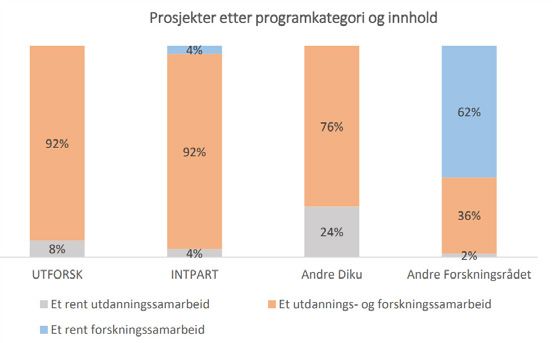
31% 31%Projects by programme category and35 %
content 35%
15 15
15
15 PANORAMA
PANORAMA · · 15 15
15
UTFORSK INTPART Others Diku Others RCN
Pure education work 15 Education and research cooperation
PANORAMA 15
Pure research workUTFORSK
Creating lasting networks within space exploration and education
The University of Oslo cooperates with the Space Research Institute of the Russian Academy of Science
to more closely link research and education and provide students with practical experience of ongoing
space exploration.
As part of the project, students have had the opportunity to write assignments with supervision from
researchers from both countries. The student projects have been linked directly to ongoing research
on the part of the partner institutions and were concluded by submitting the results to scientific jour-
nals. The students have also had the opportunity to participate in workshops in Moscow and summer
school on Svalbard. The project aimed to provide students with practical experience of the field through
experiments in order to ensure high quality and realistic experiences from research. Emphasis has
also been placed on intercultural expertise and experience through shared supervision and mobility. In
the project, the institutions have signed a cooperation agreement that formalises and facilitates more
mobility and shared research activities.
The partners in the project are included in a larger project that has established ASTRA (Arctic Space
TRAining), a platform for education and research in the field and that involves several Norwegian and
Russian institutions. ASTRA provides students with practical training on the use of various research
facilities and instruments, including satellites, rockets and instruments.
INTPART
Thermodynamics from nanoscale to operational scale
The Thanos project will generate knowledge in the fundamental academic areas that are needed for
producing and developing the materials required for a sustainable future. A further goal is to make
this knowledge more accessible to new generations of engineers and researchers through improved
education methods.
The project has brought together partners from Norway, South Africa, China and Japan. Despite the cultural
differences, the similarities are greater than the differences when it comes to education and research on
new materials and better, more sustainable production of materials. New forms of cooperation have
been developed during the COVID-19 period. Digital courses have become a matter of course and two
Norwegian education courses are arranged between the partners each year, in addition to international
seminars and conferences from the Norwegian University of Science and Technology/SINTEF, the
University of Tokyo and MINTEK (South Africa). Norway and China are working on a shared research
project and cooperate through a Norwegian PhD student. A shared MSc project between Norway and
South Africa, in which the student spends one year with each party, has also recently started.
The project is still in its start-up phase and more in-person courses and meetings are planned for the
post-COVID period, as well as an exchange of both researchers and MSc students.
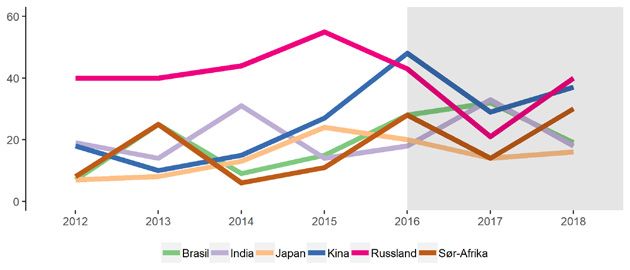
16 PANORAMATotal new projects with the Panorama countries in accordance with the evaluation of
Panorama I
(all programmes; Research Council of Norway, Directorate of Higher Education and
Skills
Total newand the EU)
projects with the Panorama countries in accordance with the evaluation of Panorama I (all
programmes; Research Council of Norway, Directorate of Higher Education and Skills and the EU)
Brazil India Japan China Russia South Africa
Brazil – India – Japan – China – Russia – South Africa
Overview of the Norwegian Ministry of Education and Research MoU/agreements with the countries
Overview of the Norwegian Ministry of Education and Research MoU/agreements with
Country Education Research
the countries
Brazil MoU Higher education (2008) MoU Research, technology and innovation (2021)
Country Education Research
MoU Aquaculture research (NFD) (2009)
Brazil MoU Higher education (2008) MoU Research, technology and
MoU Oil and innovation
gas research(2021)
(OED) (2013)
India MoU Education (2008), converted to Research andMoU Aquaculture
technology research
agreement (2006)(NFD)
Higher education (2014) (2009)
Japan Research andMoU Oil andagreement
technology gas research (OED)
(2003)
(2013)
China MoU Higher education (2008) Research and technology agreement (2008)
India MoU Education (2008), converted Research and technology agreement
Russia MoU Higher to
education (2010)
Higher education (2014) (2006)
Japan
South Africa Research andResearch
technologyand technology
agreement agreement
(2002)
(2003)
South Korea MoU Research and technology (2019)
China MoU Higher education (2008) Research and technology agreement
USA Research and technology agreement (2005)
(2008)
Russia MoU Higher education (2010)
South Africa Research and technology agreement
(2002)
South Korea MoU Research and technology
(2019)
17
PANORAMA 17Utgitt av:
Norwegian Ministry of Education and Research
Additional copies may be ordered from:
Norwegian Government Security and Service Organisation
www.publikasjoner.dep.no
Telephone: + 47 22 24 00 00
Publications are also available on:
www.government.no
Publication number: F-4462 E M
ILJ
ØMERKE
T
Coverphoto: Colourbox
Print: Norwegian Government Security and Service Organisation
204
46
04
4/2021
1
Tr y k k s a kYou can also read


