Paper Promises? Evaluating the early impact of Australia's Modern Slavery Act
←
→
Page content transcription
If your browser does not render page correctly, please read the page content below

Paper
Promises?
Evaluating the early impact of
Australia’s Modern Slavery Act
Contents

                                                                                                                                                          Executive summary                                                          2

                                                                                                                                                          Key findings                                                              4

                                                                                                                                                          Recommendations                                                            8

                                                                                                                                                          Introduction and methodology                                              12

                                                                                                                                                          Company reporting across four high-risk sectors                           16

                                                                                                                                                          A. Garments from China                                                    16

                                                                                                                                                          B. Gloves from Malaysia                                                   26

                                                                                                                                                          C. Horticultural produce from Australia                                   36

                                                                                                                                                          D. Seafood from Thailand                                                  44

                                                                                                                                                          Cross-sectoral trends and analysis                                        54

                                                                                                                                                          A. Are companies complying with the mandatory reporting requirements?     54

                                                                                                                                                          B. How well are companies disclosing modern slavery risks?                60

                                                                                                                                                          C. Are companies initiating effective actions to tackle modern slavery?   61

                                                                                                                                                          Performance gaps                                                          66

                                                                                                                                                          Where companies are doing well                                            68
About us
This report is part of a two-year collaborative research project by
                                                                                                                                                          Best and worst scoring companies                                          69
academics and civil society organisations aimed at improving responses
to modern slavery and access to remedy for affected workers.
                                                                                                                                                          Middle of the pack                                                        71
                                                                         We would also like to thank the following individuals and organisations
                                                                         for their important contributions to this research: Emma Costa, Nikkie Xu,
                                                                                                                                                          Smaller-revenue, higher-scoring companies                                 72
Authors:
                                                                         Lauren Satill, Nicole Purves, Armelle Chasse, Bonnie Graham, Alexandra
Amy Sinclair, Business and Human Rights Specialist                       Turner, Chantelle Mayo, Andy Hall, Unions NSW, Australian Nursing
                                                                                                                                                          Conclusion                                                                73
Freya Dinshaw, Senior Lawyer, Human Rights Law Centre                    & Midwifery Federation, Perkins Lui, Austin Irwin, Danielle Pedersen,
freya.dinshaw@hrlc.org.au                                                Madison Williams, Christoffer Aguilar, Kayla Cook, Isabella Satz, and            Appendix – selected companies                                             74
                                                                         Samuel Pryde, and others that have asked to remain unidentified. We would
                                                                         like to extend our gratitude to the workers and human rights advocates who
Contributors:                                                            shared their stories for this report.
Professor Justine Nolan, Director, Australian Human Rights Institute,    This work was possible thanks to the generous support of Oak Foundation,
UNSW Sydney                                                              Sigrid Rausing Trust and The Freedom Fund.
Associate Professor Shelley Marshall, Director, Business and Human       Acknowledgement of Country: We acknowledge the Traditional Owners
Rights Centre, RMIT University                                           of Country throughout Australia and recognize their continuing connection
Dr Mark Zirnsak, Senior Social Justice Advocate, Uniting Church in       to land, waters and culture. We pay respect to elders and acknowledge the
Australia, Synod of Victoria and Tasmania                                Traditional Owners who have cared for Country since time immemorial.
Keren Adams, Legal Director, Human Rights Law Centre                     Sovereignty over this land was never ceded – it always was, and always will
                                                                         be, Aboriginal land.
Peter Keegan, Director of Advocacy, Baptist World Aid Australia
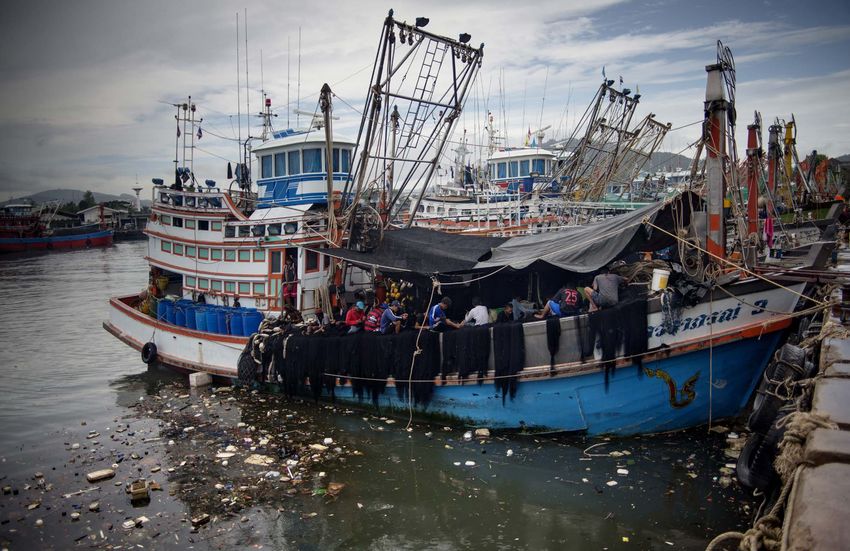
                                                                         Disclaimer: The images used in this report are stock images used to
Associate Professor Martijn Boersma, Director, Human Trafficking and     illustrate the types of labour undertaken by workers in the four focus sectors
Modern Slavery Program, University of Notre Dame Australia               reviewed. We make no suggestion that any of the workers depicted are
Associate Professor Vikram Bhakoo, Department of Marketing &             victims of modern slavery.
Management, Faculty of Business & Economics, University of Melbourne     Cover: Uyghur women work in a cloth factory in Hotan county,
Heather Moore, Anti-Slavery Specialist and Researcher                    Xinjiang province, China (Azamat Imanaliev/Shutterstock)

                                                                                                                                                          Evaluating the early impact of Australia’s Modern Slavery Act             1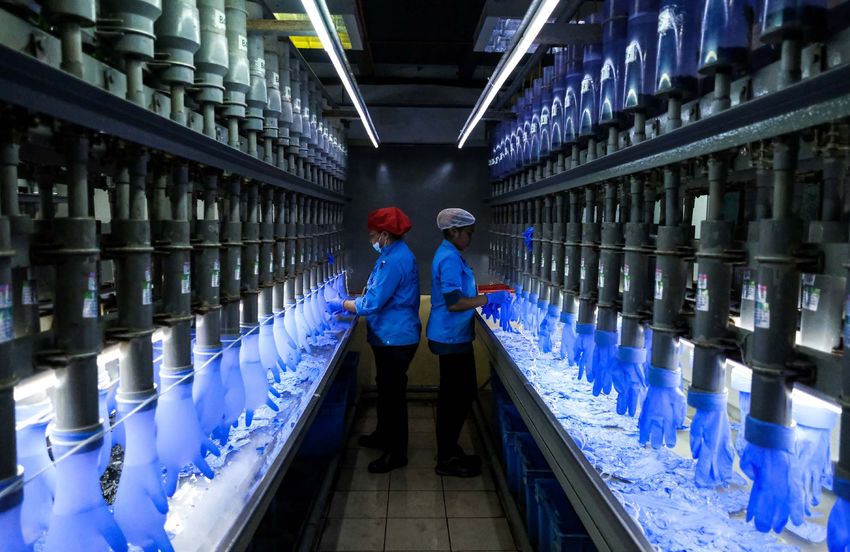
Executive summary
Right:
16 February 2016:
Workers preparing
shrimp in a factory
in Samutprakarn,
Thailand (Ai Han/
Shutterstock)
The Modern Slavery Act 2018 (Cth) (MSA) was widely hailed as a
critical first step by Australia towards tackling the global problem
of modern slavery, with the government proclaiming that it would
transform the way businesses respond to modern slavery by
prompting a business-led ‘race to the top’.
Two years into its operation, close to 4,000 statements Snapshot of key findings
have now been published on the government’s modern
slavery register. Yet the extent to which the legislation Companies are failing to comply with the mandatory
is transforming business practices or making a tangible reporting requirements
difference to the lives of workers remains highly uncertain. Most companies reviewed demonstrate superficial and
This report analyses 102 company statements published in incomplete compliance with the reporting requirements of
the first reporting cycle of the MSA, to evaluate how many the MSA; addressing just 59% of the mandatory criteria
companies are starting to implement effective measures to on average. Less than one in four companies (23%) fully
address modern slavery and how many are lagging. address the mandated reporting requirements, with
areas such as risk assessment, remediation, measuring
– Less than a fifth of companies (19%) disclose procedures Where to next?
Rather than focusing on the largest ASX-listed companies, to ensure responsible purchasing practices (eg: adequate
effectiveness, and consultation particularly poorly handled. The next 12 months will be critical to strengthening the
we examined statements published by companies sourcing pricing, prompt payment, managing workload changes).
Companies are failing to identify or disclose obvious corporate practices that underpin mandatory reporting.
from four sectors with known risks of modern slavery: – Just 14% of companies express a commitment to ensuring
modern slavery risks To drive meaningful change, companies and other
– garments (sourced in China) workers in their supply chains are paid a living wage. reporting entities must examine their business models and
More than half of the companies reviewed (52%) are failing procurement practices and start embedding responsible
– healthcare - rubber gloves (PPE) (sourced in Malaysia) – Only 13% of companies describe processes for ensuring
to identify and disclose salient sectoral risks in their sourcing practices that support workers’ rights, and avoid
that workers are not being charged recruitment fees.
– horticulture (sourced in Australia) operations and supply chains, despite sourcing from sectors downward pressure onto suppliers and, ultimately, workers
that have been repeatedly identified in public reports as – Only 34% of companies disclose collaboration with themselves. They must integrate due diligence throughout
– seafood (sourced from Thailand) having systemic abuses. key stakeholders such as trade unions, migrant worker their operations and supply chains and develop more
groups, or civil society organisations, with just 13% worker-centric approaches and processes based on genuine
We first examined whether the statements complied with – Three in four garment companies sourcing from China
demonstrating evidence of stakeholder consultation in stakeholder engagement.
the mandatory reporting criteria under the MSA and fail to mention risks of Uyghur forced labour in their
developing or reviewing relevant policies.
provided meaningful information against all these criteria. supply chains. As the three-year review of the MSA approaches in 2022,
We then compared the information about modern slavery Across all four focus sectors, our analysis did reveal the Government should also be considering ways to
– More than one in two healthcare companies sourcing
risks in each statement with publicly available information small clusters of leading companies that appear at least strengthen the legislation so that it drives concrete action
personal protective equipment (PPE) gloves from
about the risks and working conditions in these sectors in from their reports to be taking a more detailed and rigorous and improvement by companies, particularly those that are
Malaysia fail to identify modern slavery risks in that
order to understand whether companies are appropriately approach to both their reporting obligations and actions currently lagging.
industry, despite obvious increased risks posed by the
identifying the most salient risks present in their operations to address modern slavery risks. Significantly, this is
COVID-19 pandemic. At a minimum, consideration should be given to the
and supply chains. Finally, we analysed whether companies not always dictated by size, with several of the smaller
– Just under one in two food companies identify sourcing operators achieving strong results in significant areas such addition of penalties and other consequences for
appear from their statements to be taking effective and
horticultural produce in Australia as high-risk for modern as responsible purchasing. We have highlighted examples companies that fail to report, provide false or misleading
meaningful actions to address these risks.
slavery practices. of these better practice approaches throughout this report information, or submit incomplete reports that fail to
by way of guidance for other companies wanting to ensure address the mandatory criteria. The Government should
– Two in five seafood companies fail to identify seafood as also provide further guidance and support for companies
that the changes they are implementing ultimately reach
“Many company statements remain mere a high-risk product in their supply chain. sourcing from high-risk sectors or locations such as those
workers and change their lives for the better.
Companies are failing to demonstrate effective actions identified in this report to assist them to address these risks
‘paper promises’ with little evidence of This report covers the first stage of a longer collaborative in meaningful ways.
to address risks
effective action in the areas most likely to study on the effectiveness of the MSA. An analysis of the
Less than a third of companies reviewed (27%) could second round of company reporting is already underway More fundamentally, however, the legislation should be
improve conditions for workers…” demonstrate that they are taking some form of action as part of that study and it remains to be seen whether reoriented towards requiring companies to take action to
against modern slavery risks that lifts supplier working companies ultimately lift their game over time. So far, address modern slavery, rather than simply reporting on
conditions or tackles root causes. however, it seems that many company statements remain their existing approach. Many other countries are now
mere ‘paper promises’, with little evidence of effective moving beyond voluntary reporting towards enforceable
– Only one in four companies report that they undertake obligations on companies to investigate and address
action in the areas most likely to improve conditions
human rights due diligence on new suppliers at the modern slavery and other serious human rights abuses in
for workers.
selection stage. their supply chains. If Australia is serious about ending
modern slavery, it should be moving in the same direction.
2 Evaluating the early impact of Australia’s Modern Slavery Act 3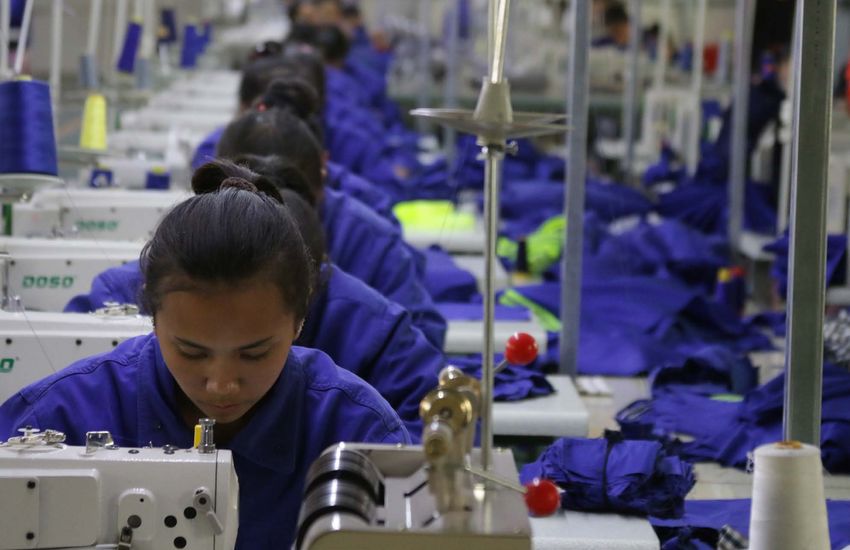
Key findings
Average score The average company scored just Effective action Only 27% of companies demonstrate
37% overall* some form of effective action to address
modern slavery risks in their operations
and supply chains.
37% 27%
Just 25% of companies report that they
25
Mandatory criteria 77% of companies undertake human rights due diligence
are failing to address on new suppliers.
all mandatory
77%
reporting criteria in
their statements. Only 19% of companies disclose evidence of
19
responsible purchasing practices
Just 14% of companies express a
14
Identifying risks 52% of companies commitment to ensuring workers in their
are failing to identify supply chains are paid a living wage.
obvious modern
52%
slavery risks in
Only 13% of companies describe processes
their operations and 13
supply chains. for preventing workers being charged
recruitment fees.
Garments 75% of garment companies sourcing from Only 12% of companies demonstrate
75 12
China fail to mention any risk of Uyghur evidence that they support freedom of
forced labour in their supply chains. association for workers.
Gloves 52% of healthcare companies sourcing PPE 52 Only 34% of companies disclose evidence 34
gloves from Malaysia fail to identify this as of collaboration with unions, migrant
a sector with high modern slavery risks. worker groups or civil society organisations
in their efforts to tackle modern slavery.
8%
Horticulture 52% of food companies sourcing Australian 52
horticultural produce fail to identify this as a Allegations of Despite operating in some of the highest
sector with high modern slavery risks. risk sectors, only eight statements (8%)
modern slavery contain particulars of allegations or
instances of modern slavery and how
Seafood 40% of seafood companies sourcing from 40 the company responded.
Thailand fail to identify this as a sector with
25%
high modern slavery risks.
Supply chain Only one in four (25%) disclose countries
of suppliers, with most failing to identify
awareness suppliers beyond tier 1 of their supply chain.
COVID-19 78% of companies fail to explain how the
COVID-19 pandemic has affected their
modern slavery risk profile.
78%
* All percentages throughout this report refer to the 102 company statements reviewed rather than to reporting entities generally.
4 Evaluating the early impact of Australia’s Modern Slavery Act 5
Key findings
How Endeavour / Woolworths Group (horticulture)*
Coles Group (horticulture)
Highest scores The highest The highest scoring
scoring company sector is garments
companies
Woolworths Group (seafood)
Kathmandu
David Jones (garments) is Woolworths with an average of
scored 83% 49%
Ansell
Coles Group (seafood) (horticulture) with a 49%
David Jones (horticulture)
Nestle score of 83%
Beaujolais Unit Trust
THE ICONIC
Wesfarmers Group
Country Road Group
Mars Food
Best & Less Group
UNIQLO Australia
Group Zara Australia
H&M
Hanesbrands (Bonds)
Zimmerman Group Lowest scores The lowest scoring The lowest scoring
GSK Group company is Clifford sector is healthcare
ADT Group (Forever New)
Factory X Hallam Healthcare with an average of
10% 30%
Aldi Stores (horticulture)
CPF with a score of 10% 30%
Brand Collective
CSL
Pfizer
Aldi Stores (seafood)
KB Food Company
Nike Australia
AstraZeneca
Ramsay Health Care
Tattarang Capital
PVH Group
Costa Group
Cotton On Group
Myer Holdings
New Zealand King Salmon
Best and worst scoring companies by sector:
Domino's Pizza
McDonald's Australia
Blackmores
Lorna Jane
Kimberley Clark
Sonic Healthcare Sectors Companies
Lululemon Athletica
Decjuba
Harris Farm Markets Average score Best ranking scores Worst ranking scores
Compass Group
Premier Investments
Vesco Foods Garments 49% Kathmandu David Jones Tarocash (Retail Review
Bupa
Rip Curl Group Apparel Group) (The Pas Group)
Estia Health
Ferrero Australia
Mosaic Brands 75% 74% 27% 17%
Simplot Australia (horticulture)
Accolade Wines
Corval Group Seafood 35% Woolworths Group Coles Group JB Metropolitan Drakes
Bidfood Australia
Universal Store Supermarkets
Opal Healthcare
ACN 998 / KFC
McCain Foods 76% 71% 12% 14%
Simplot Australia (seafood)
JD Sports Fashion Holdings
Tassal Group
Virtus Health
Gloves 30% Ansell GSK Group Nexus Hospitals Clifford Hallam
Montague Bros Healthcare
Numen
Petstock
Retail Apparel Group
Itochu Australia
74% 58% 11% 10%
Healius
Mulgowie Fresh Horticulture 32% Woolworths Group Coles Group Lite N’Easy Cornetts (Adcome)
Hello Fresh
Epworth Group
Metcash Trading (seafood)
Metcash Trading (horticulture) 83% 77% 12% 12%
Costco Wholesale (seafood)
Image Hold Co
Costco Wholesale (horticulture)
Oz Group Co-Op
Japara Healthcare
Nando's Australia
Shepparton Partners
Disclaimer: Those companies that have received higher scores in this assessment are those whose
Star Entertainment Group
Ebos Group
statements evidence greater transparency about their operations and supply chains, more
Healthscope
In2food Australia
careful identification of salient risks and which describe more meaningful actions to address
Ridley Corporation Group these risks in a variety of ways. A higher score does not reflect an absence of modern slavery
National Pharmacies
The Pas Group in a company’s operations or supply chains. We would also reiterate that the scores are only
Aspen Medical
Casella Wines based on a desktop analysis of company reporting. We have not attempted as part of this
Craveable Brands
Australian Venue Co study to independently verify whether companies are in fact taking the actions they describe
F Mayer (Imports)
Mun (Australia) in their statements.
Best Friends Opco
Drakes Supermarkets (seafood)
Drakes Supermarkets (horticulture)
Sigma Healthcare
Australian Vintage
Tricare
Adcome
Lite N' Easy
JB Metropolitan
Nexus Hospitals
Clifford Hallam Healthcare
0 20 40 60 80 100
* Where companies’ statements were assessed in two different sectors, we have included both scores.
6 Evaluating the early impact of Australia’s Modern Slavery Act 7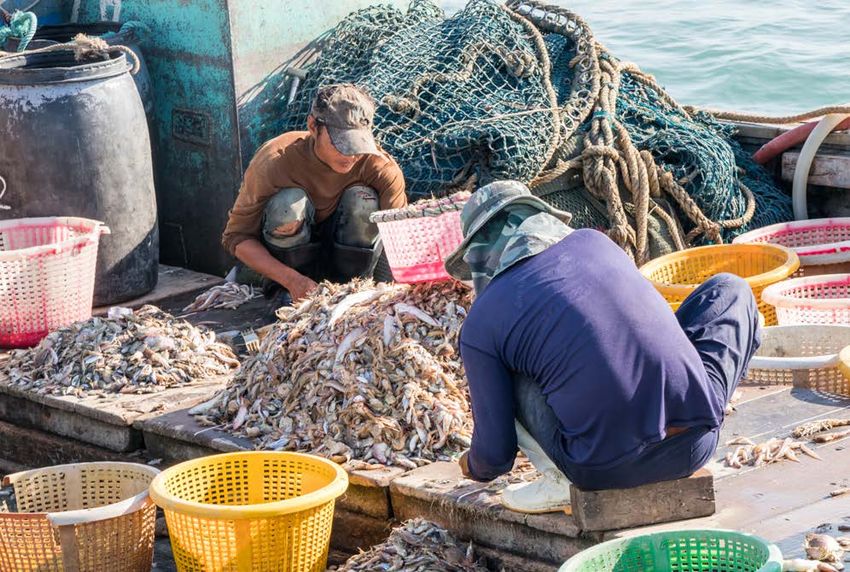
Recommendations
To the Australian Government
1 Make
mandatory
Many companies are currently submitting reports that fail to address
even the basic ‘mandatory’ reporting criteria. For reporting to be a useful
tool in helping to combat modern slavery, the Government must, at a
5 Ban goods made
with modern
The Government should use trade mechanisms to encourage
improvements in labour conditions in international supply chains
reporting linked to Australian companies. This should include a ban on imported
minimum, ensure that companies submit accurate reports which address slavery from
goods produced by modern slavery, modelled on the US Tariff Act.
mandatory. all the mandatory reporting criteria. Companies that fail to report or being imported An import ban, if backed by targeted interventions, has the potential to
submit reports which fail to address the mandatory reporting criteria into Australia. lead to improved conditions for exploited workers overseas and would
or provide false or misleading information, should face consequences encourage business to undertake effective due diligence over their
such as financial penalties, being listed on the MSA Register as a supply chain, and to focus on salient risks. This should be introduced
non-compliant entity, and being prohibited from public tenders. as an additional complementary measure to enhance the effectiveness
of the MSA in driving corporate action on modern slavery.
2 Require
companies to
Reporting in and of itself, even if properly enforced, is unlikely to result
in the transformative changes to corporate practices needed to eliminate
modern slavery. We recommend that the MSA be amended to include a
6 Address key
factors that
The Government should also address provisions in Australia’s visa
framework and employment laws that contribute to systemic labour
take action to exploitation within Australia, particularly of migrant workers on
specific duty to prevent modern slavery, which requires companies to contribute
temporary visas.
address modern undertake mandatory due diligence to identify and assess salient risks to labour
slavery. in their operations and supply chains that give rise to modern slavery exploitation in Reforms should include:
and to take steps to mitigate and address them. Companies would have Australia. – reviewing Australia’s visa system to reduce ‘tied’ visa conditions that often
to show reasonable and appropriate due diligence as a defence to legal create conditions of vulnerability to exploitation, and increasing the ratio of
liability. Over time, this duty should be extended to apply to all human permanent to temporary visas;
rights given their indivisible and interconnected nature. – establishing a uniform national labour hire licensing scheme;
– abolishing piece rates and other payment practices that undercut the
minimum wage;
3 Ensure
exploited
The MSA should also include a specific cause of action so that workers
subjected to modern slavery can seek redress in the event that companies
have failed to undertake adequate due diligence to prevent modern
– removing barriers to trade unions entering workplaces to monitor compliance
with workplace laws.
workers can
slavery in their operations and supply chains. Workers subjected to
access justice. severe forms of labour exploitation should not have to rely on voluntary
remediation processes by businesses to obtain remedy.
7 Use public
procurement
The Government should ensure that it uses its commercial power
to encourage companies to take human rights and modern slavery
seriously. Companies that can demonstrate meaningful measures to
processes
address human rights and modern slavery risks should be prioritised
to reward
4 Provide
additional
The Government should also develop further guidance for companies
operating or sourcing goods from high-risk sectors or jurisdictions
such as those identified in this report. Issuing sector-specific or country
companies that
during tender processes, while non-compliant companies should be
prohibited from bidding on public contracts.
guidance and address modern
specific guidance, as has been done in the UK, Canada and the US, will slavery and
support for assist businesses to more accurately pinpoint and respond to modern
companies slavery risks. Companies are also likely to be motivated to take action
human rights
operating when they understand the very real harm modern slavery inflicts. risks.
in high-risk Further resourcing should be provided to the Modern Slavery Unit
sectors and within the Australian Border Force to work with companies operating in
these sectors on steps to address these risks.
jurisdictions.
We also recommend the establishment of sectoral multi-stakeholder
bodies to develop sector specific standards on due diligence that
address the particular risks within high-risk sectors, as has been done
in the Netherlands.
8 Evaluating the early impact of Australia’s Modern Slavery Act 9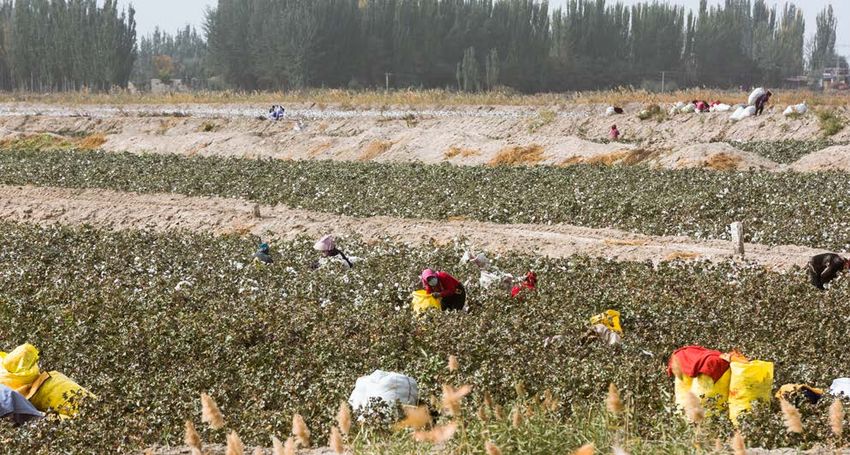
Recommendations

To companies and other reporting entities

     1   Implement
         human rights
                            As set out more fully on page 57, this requires:
                            – situating efforts to detect modern slavery risks within a broader human rights      4         Implement
                                                                                                                            effective
                                                                                                                                                                This requires:
                                                                                                                                                                – engaging with workers throughout the remediation process to fully understand
         due diligence        framework and not divorcing it from other closely related issues such as                      remediation                            the nature of harms experienced and compensation required;
                              discrimination, safeguarding freedom of association and paying a living wage;
         to identify and                                                                                                    processes                           – embedding risk management and strategy processes and establish board
                            – proactively assessing human rights risks and harms on an ongoing basis,                                                             governance of remediation efforts, eg: via a board committee;
         address modern       including looking at how the business’ own practices may be contributing to
                                                                                                                            and provide
         slavery risks.                                                                                                     appropriate                         – being transparent and open about harm when it is found and what was done to
                              these risks;                                                                                                                        address it. Actual cases and remedy outcomes should be publicly disclosed,
                            – taking steps to prevent and address harms detected;                                           remedies for                          unless such disclosure would put workers at risk of retaliatory action,
                            – tracking the effectiveness of company responses and communicating how                         abuses.                               undermine a law enforcement investigation or result in the supplier in question
                              impacts are addressed.                                                                                                              ceasing corrective action they are undertaking;
                                                                                                                                                                – establishing an effective grievance mechanism that is genuinely co-designed,
                                                                                                                                                                  implemented and monitored together with workers and that is practical, safe,
                                                                                                                                                                  accessible and open to all workers;
                                                                                                                                                                – ensuring supply chain workers receive full, fair and concrete remedies, including

 2       Ensure a
         worker-centric
                            This applies across company activities from strategy and policy
                            development, through to human rights due diligence (see page 57)
                            and the design and operation of grievance mechanisms (see page 64)
                                                                                                                                                                  reimbursement of recruitment fees, unpaid wages, benefits and severance
                                                                                                                                                                  pay and compensation for injuries or harm suffered. Funds established to
         approach                                                                                                                                                 compensate supply chain workers should be satisfactory and result from a fully
                            and remediation processes.                                                                                                            consultative process involving affected workers.
         informed by safe
         and meaningful     This requires:
         engagement         – recognising and supporting workers’ rights to freedom of association and
         with workers         collective bargaining;

         and their          – demonstrating genuine engagement with workers and unions to improve
                              workers’ rights and address modern slavery;
         representatives.
                            – prioritising improving outcomes for workers.

 3       Embed
         responsible
                            This requires:
                            – integrating respect for human rights into business models;
         sourcing           – acknowledging and acting with responsibility for worker wellbeing;
         practices          – prompt payment and good procurement planning;
         that support       – avoiding shorter-term contracts, excessive focus on low prices, small batches
         decent working       and turnaround pressures;
         conditions and     – committing to, and delivering on, living wage commitments;
         avoid downward     – taking responsibility for supply chain recruitment practices;
         pressure onto      – avoiding outsourcing responsibility for addressing modern slavery to
         suppliers and        suppliers via contractual warranties.

         workers.

10                                                                                                             Evaluating the early impact of Australia’s Modern Slavery Act                                                                          11
Introduction and
                                                                                                             Below:
                                                                                                             Workers picking
                                                                                                             mandarins in New

methodology                                                                                                  South Wales (iStock.
                                                                                                             com/idealistock)
                                                                                                             Right:
                                                                                                             Sewing area of a
                                                                                                             textile factory (Kevin
                                                                                                             Wells/Shutterstock)

With an estimated 40.3 million people experiencing modern
slavery around the world, the widespread prevalence of abuse
in company supply chains, both local and global, is widely
recognised. Up to 15,000 people are estimated to be in modern
slavery in Australia.

Background                                                                                                                            Methodology
The term ‘modern slavery’ encompasses a number of                                                                                     The following section details the focus of our research, the    Who we assessed – company selection
practices and includes slavery, debt bondage, forced labour,                                                                          entities we assessed, and how we conducted our analysis.
child labour, forced marriage, and slavery-like practices.                                                                            The primary focus of our research was a review of modern        Companies were selected to represent a diverse range of
Modern slavery occurs on a continuum of abuse of workers’                                                                             slavery statements of selected companies in the first           entities within each focus sector. In selecting companies,
human rights; from violations such as wage theft, through                                                                             reporting period. All percentages referred to throughout        we applied several criteria aimed at ensuring a balanced
to more egregious abuses, including debt bondage and                                                                                  this report are based on this selected group of companies       and targeted data-set. Our company selection criteria were:
slavery. Workers may experience differing levels of abuse,                                                                            rather than on reporting entities in general. The complete      1. Private, public, or listed entities
and move back and forth along this spectrum of abuse over                                                                             list of companies selected for review is provided in the
time and as conditions shift.                                                                                                         Appendix.                                                       2. Entities operating at a range of supply chain points
                                                                                                                                                                                                         (producers, importers, retailers, purchasers)
In 2018, the Australian Government introduced the MSA,                                                                                Focus sectors and regions                                       3. Mandatory rather than voluntary reporters
which establishes a reporting requirement for an estimated
3,000 large companies, and other entities, to publish                                                                                 We reviewed statements published on the MSA Register
                                                                                                                                                                                                      4. Australian-incorporated and international entities
annual public statements on their risks and the steps taken                                                                           and selected 102 statements from companies known to be
to address these risks; most commonly forced labour, in                                                                               operating in or sourcing from four high-risk sectors from       5. For profit, commercial entities
their supply chains and operations.                               The Explanatory Memorandum to the MSA states that its               the following geographic locations:
                                                                                                                                                                                                      Our primary focus was the assessment of mandatory
The MSA applies to entities that are based in, or operating       “primary objective [is] to assist the business community in         1. Garments (China) – 30 companies                              reporters as we sought to understand the impact of the MSA
within, Australia, and that have an annual consolidated           Australia to take proactive and effective actions to address                                                                        on those mandated to comply. In some instances, voluntary
                                                                  modern slavery” and to “drive a ‘race to the top’ as reporting      2. Seafood (Thailand) – 25 companies
revenue of at least AUD$100 million. Other entities that                                                                                                                                              or not-for-profit reporters were included, however, where
are based in, or operating within, Australia may report           entities compete for market funding and investor and                3. Horticulture and Viticulture (together, ‘horticulture’)      they represented a significant player within the Australian
voluntarily. The statements must be approved by the               consumer support”. The MSA thus aims to create upward                  (Australia) – 30 companies                                   context. In each of our four focus sectors, we deliberately
principal governing body of the entity (eg: a company’s           pressure on reporting entities to take meaningful steps to                                                                          tried to ensure a mix of private, public, and listed entities
                                                                  address modern slavery. The intention is that this will “help       4. Healthcare - Gloves PPE (together, ‘gloves’) (Malaysia) –
board of directors, or equivalent) and signed by a                                                                                                                                                    of differing sizes. Both domestic Australian as well as
                                                                  mitigate the risk of modern slavery practices occurring in             25 companies
responsible member of the entity. Statements are submitted                                                                                                                                            international entities were included.
to the Government and published on a free, publicly               the supply chains of goods and services in the Australian           The sectors were selected because they are well-known for
accessible, online government-run register - the Modern           market”.                                                            having significant modern slavery risks, having been the
Slavery Register.                                                 At the time of publication, close to 4,000 mandatory                subject of extensive public reporting, exposés and inquiries.

The MSA requires mandatory reporting against specified            statements have been lodged. Compliance levels thus                 In most cases, it was apparent from the companies’
criteria. It does not penalise entities financially for failing   appear to be relatively high, in terms of the numbers of            statements that they were sourcing from these sectors and
to report. The intent behind the legislation is that the power    entities responding to the MSA by submitting a statement.           locations. Where this was not apparent (such as where
of public scrutiny by investors, civil society, and academia,     In this report, however, we go further and analyse whether          companies had indicated they sourced from the region,
amongst others, will encourage compliance both in terms           the quality of company reporting, and, in particular, the           but not the specific country), we wrote to the companies to
of reporting levels and quality of disclosure.                    underlying actions reported to address modern slavery that          confirm this.
                                                                  are described, are meeting the aims of the MSA. The report
                                                                  also identifies opportunities for strengthening existing            As eight of the companies operated in more than one
                                                                  approaches, with recommendations for both government                of the four focus sectors, we reviewed those statements
                                                                  and business.                                                       from differing sectoral perspectives. In total, we
                                                                                                                                      therefore conducted 110 separate assessments of
                                                                                                                                      102 companies’ statements.

 12                                                                                                                                   Evaluating the early impact of Australia’s Modern Slavery Act                                                             13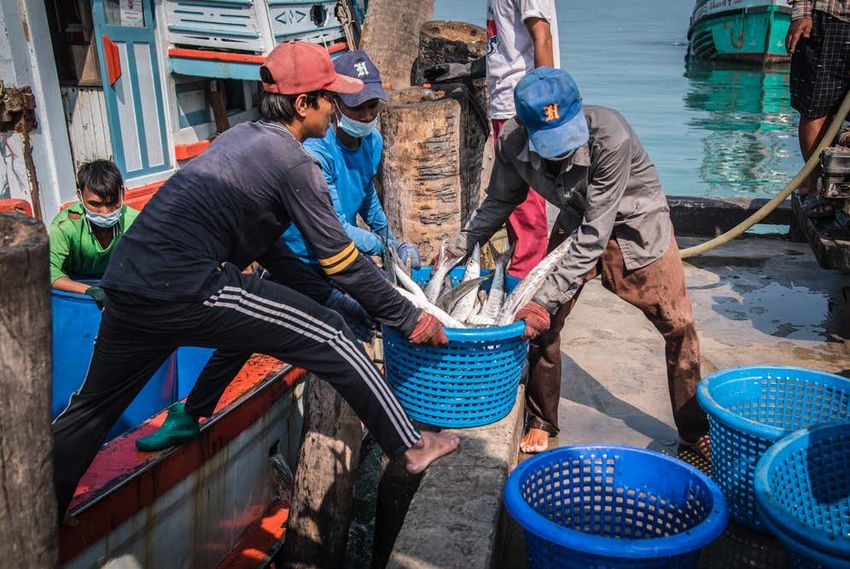
Introduction and
Right:
10 October 2017:
Uyghur farmers pick
methodology cotton by hand in a
field on the outskirts
of town in Qiemo,
China (iStock.com/
rweisswald)
What we assessed – guiding questions
underpinning statement review Indicators of effective action
The MSA aims to encourage business to take ‘effective Policies and procedures:
actions’ to address modern slavery. Our assessment – How are policies communicated to suppliers?
approach sought to understand both formal and substantive
compliance by companies with this aim. In doing so, our – How do companies ensure these policies are being
investigation centred on three key questions: applied in practice?
1. Are companies complying with the mandatory – How involved are the board and senior leadership?
reporting requirements under the MSA? – Has the company changed its own procedures to
In considering this question, we assessed the extent ensure responsible purchasing practices or is it just
engaging in business as usual?
to which companies are engaging with the first six Indicators and scoring Initial reporting period deadlines were extended by
mandatory reporting criteria in section 16(1)(a)-(f) of the the Government to support reporting entities whose
MSA. Disclosures made in response to s16(1)(g) (‘Any other We developed a set of indicators, 66 in total, to assess compliance with the MSA was impacted by the COVID-19
Supplier engagement:
information considered relevant...’) were not assessed due statements against the questions above. The indicators pandemic. Deadlines for submission were extended to
to the discretionary nature of this sub-section. We did, – Are there capacity building efforts with suppliers? were developed in consultation with project partners and 31 December 2020 (foreign financial year companies) and to
however, consider under this criteria the extent to which tested in a pilot assessment. The content of our assessment 31 March 2021 (Australian financial year companies). The
– Does the company work proactively with suppliers to
company statements revealed awareness of, and steps indicators aligns closely with the MSA’s mandatory first round of statements was published on the Modern
ensure that modern slavery standards can be fulfilled
to mitigate, modern slavery risks resulting from altered reporting requirements, the Government’s Guidance for Slavery Register in tranches between December 2020 and
down the supply chain?
conditions during the COVID-19 pandemic. Reporting Entities, which itself is informed by the United August 2021. To gain a preliminary indication of change
– Are suppliers regularly monitored, and are the results Nations’ Guiding Principles on Business and Human between first and second round statements, we also
2. How well are companies identifying and disclosing likely to be reliable? Rights, and the Government’s modern slavery COVID-19 reviewed second round statements of our review companies
salient modern slavery risks? Guidance. Indicator content was also informed by our that were available at the time of writing, although these
In evaluating the extent to which companies are moving respective organisational expertise as well as corporate were not included in scoring.
Working conditions:
beyond a ‘box-ticking’ approach to complying with MSA human rights disclosure methodologies applied in the
requirements, we also assessed whether companies’ – Are supply chain workers being paid a living wage? approaches of Business & Human Rights Resource Centre’s Desktop research
statements were identifying and disclosing the most FTSE 100 UK MSA, KnowTheChain, and the Corporate
– Does the company demonstrate support for freedom In addition to the statement review, we undertook detailed
obvious modern slavery risks identified in the sectors in Human Rights Benchmark.
of association in its own operations and/or supply desktop research on each of the four sectors identified to
which they operate. We also evaluated the quality of risk chains? Analysis of first round modern slavery statements of look at the key factors giving rise to modern slavery risks
disclosure more broadly, for example looking at how selected companies followed a three-stage assessment, in each sector.
transparent companies were in disclosing information – Is it taking action to mitigate known risks in the plus validation, process. Each statement was assessed
on their supply chain, incidents of modern slavery, and sector, such as controls over supply chain recruitment We also undertook online research to identify any obvious
by a trained team of assessors. Referencing a scoring
information on risk assessment. practices, supply chain tracing, or multi-stakeholder allegations of modern slavery or other serious labour rights
guide, assessors awarded a score for each indicator of 0,
collaboration to lift labour standards? abuses since 2015 in relation to the 102 companies selected
3. Do modern slavery statements indicate that 0.5, or 1. A secondary assessor reviewed and reconciled
for statement reviews. Our searches focused primarily
companies are initiating effective actions to respond initial scoring. A further assessor reviewed scoring for
on information available on the Business & Human
to the modern slavery risks present? Remediation: consistency and validated the data recorded.
Rights Resource Centre database of company allegations.
Having assessed how well companies are identifying and – Do entities disclose how they would respond to Assessors additionally recorded instances of notable and These searches were further augmented by a review of
disclosing modern slavery risks, we also assessed the instances of modern slavery? better practices evidenced in the statements reviewed. KnowTheChain data, publicly available credible media
quality of actions taken by companies in responding to Examples of these are included in the report to provide reports and legal cases.
– Does a response involve remediating affected qualitative illustration and context to our findings.
those risks. In our review, we looked at several actions workers? The MSA statements for the 102 companies were then
described by companies, and evaluated the extent to which
these were likely to drive actual change in high-risk supply – How accessible are company grievance mechanisms, Reporting periods reviewed and assessed in light of this publicly available
information on modern slavery and labour rights risks (both
chains. In particular we looked at the following areas: and how well are these working in practice? The MSA requires entities to submit modern slavery the sectoral and entity-related) to see how well companies
statements within six months of the end of their are describing obvious sectoral risks in their statements as
financial year. well as how they are dealing with specific public allegations
We analysed company statements submitted to meet of labour rights abuses made against them.
reporting deadlines in the initial reporting period. This
included statements of foreign companies for financial year
1 April 2019 to 31 March 2020. It also included statements
of Australian companies for financial year 1 July 2019 to
30 June 2020.
14 Evaluating the early impact of Australia’s Modern Slavery Act 15
Company reporting across four high-risk sectors                                                                                             Image:
                                                                                                                                            Uyghur women work
                                                                                                                                            in a cloth factory in

Garments
                                                                                                                                            Hotan county, Xinjiang
                                                                                                                                            province, China
                                                                                                                                            (Azamat Imanaliev/
                                                                                                                                            Shutterstock)

from China

                                                                                                                  One in two garments sold in Australia
                                                                                                                  come from China. Since 2016, credible
                                                                                                                  evidence has emerged of an extensive
                                                                                                                  forced labour system within the
                                                                                                                  country, under which Uyghurs and
                                                                                                                  other Muslim minorities are detained
                                                                                                                  in camps and subjected to gross
                                                                                                                  human rights violations, including
                                                                                                                  being forced to work in cotton fields
                                                                                                                  and garment factories making clothes
                                                                                                                  for major fashion brands.

16                                                Evaluating the early impact of Australia’s Modern Slavery Act                                               17
Garments
Right:
1 April 2021:
Employees work at
from China a textile factory on 1
April 2021 in Korla,
Xinjiang province,
China (Que Hure/VCG
via Getty Images)
Right (below):
Artux City Vocational
Skills Education
Training Service
Centre, Xinjiang,
believed to be a re-
education camp where
Uyghurs are detained,
Since 2014, the Chinese Communist Party has launched a June 2019 (Greg Baker/
AFP via Getty Images)
concerted campaign of repression against the population of the
Xinjiang Uyghur Autonomous Region in northwest China called
the “Strike Hard Campaign Against Violent Terrorism”. It is
estimated that between one to two million Uyghur adults have been
detained in internment camps across Xinjiang as a result, often for
minor acts such as praying or wearing a headscarf.
China’s forced labour program ‘Extraordinarily high-risk’: ‘I felt like I was in hell’:
A growing body of credible evidence indicates that
Chinese garment supply chains Life inside the factories
under the banner of this campaign, the Chinese state has Australian companies sourcing textiles and clothing from Uyghurs and other ethnic minorities reportedly experience
committed – and is committing – crimes against humanity China, particularly from the Xinjiang region, face a horrific conditions in garment factories.
against the Uyghur population. Uyghurs and other Turkic high-risk of being linked to systemic forced labour
Muslims have reportedly been beaten, tortured, sterilised, practices. At least 100 international brands, many of which The US Department of Labor reports that hyper-surveillance
electrocuted, and subject to sexual violence. Many are also are active in Australia, have been directly linked and restrictions on movement are understood to be
reportedly forced to work in factories constructed within to factories using Uyghur forced labour. commonplace in China’s forced labour program. Uyghurs
or near these camps, often for little to no pay. More than are typically segregated from other workers and housed
21 million square feet of factory space – about 10 times the The Xinjiang region grows 85% of Chinese cotton. A in on-site dormitories. Barbed wire fences, watchtowers,
size of the Melbourne Cricket Ground – is estimated to have large proportion is picked by hand. Labour shortages are guard stations, and security cameras limit their movements.
been built within camps across Xinjiang. common and forced labour is reportedly used to fill these To deter escape, identification documents may be
gaps. In 2018 alone, at least 570,000 people from Uyghur confiscated, and regular roll calls are held.
Many Uyghurs who are not detained in internment camps regions were estimated to have been coerced into picking
are reportedly also being forced into working in satellite cotton within Xinjiang. On rare occasions, workers may be allowed to temporarily
factories within individual villages in Xinjiang. Reports leave lower-security factories. In these instances, they are
indicate that the Chinese government is also transferring This has drastic implications for global garment supply fitted with an electronic monitoring bracelet or tracked via
Uyghurs to factories in eastern China. The Australian chains. Xinjiang produces over a fifth of the world’s cotton. a smartphone app. If the bracelet or app stop working, or
Strategic Policy Institute (ASPI) has estimated that over This cotton is not only used in Chinese yarn and textile if the workers do not return within a set time limit, they are
80,000 Uyghurs were transported out of Xinjiang between mills, but also by ‘intermediary’ garment factories in India, reportedly punished.
2017 and 2019. They report that brokers advertise Uyghur Vietnam, Bangladesh, and Cambodia.
workers online, claiming they can “withstand hardship”’ China is also the world’s dominant manufacturer and
and “semi-military style management” and that factories exporter of yarn, textiles, and apparel. In 2018, it exported
receive government rebates of up to Ұ5,000 (AUD$997) for USD$211 billion (AUD$275 billion) of textiles and
every Uyghur they use. garments; more than the next six countries combined. Of
this, USD$6 billion (AUD$7.9 billion) was sent to Australia.
There is credible evidence that Uyghurs are coerced into
working in factories that produce these products. Garment
companies, attracted by lucrative financial incentives, were
among the first to build satellite factories in Xinjiang.
Evidence indicates that Uyghurs have been transferred
to Zhejiang, Jiangsu, Fujian, Guangdong and Shandong
provinces, where most of China’s major garment factories
are located.
18 Evaluating the early impact of Australia’s Modern Slavery Act 19Garments
Right:
17 October 2020:
People working
from China in a cotton field in
Kashgar, Xinjiang
(Captain Wang/
Shutterstock)
Exploitative conditions The impact of COVID-19
Factory conditions are extremely poor. Uyghurs are COVID-19 has impacted working conditions for garment
reportedly paid less than their Han counterparts and, in workers generally in China. Lockdowns have closed
some cases, are not paid at all. The Xinjiang government factories, resulting in a build-up of orders. As facilities
explicitly permits companies to pay minorities below the reopen, workers are under enormous pressure to clear
minimum wage. There are reports that some Uyghurs are this backlog. At the same time, order cancellations have
paid between ¥300 (AUD$60) to ¥1,300 (AUD$262) a year. resulted in cash-flow problems for some suppliers.
In contrast, the minimum wage in Xinjiang ranges from
This has created a perfect storm in which workers are
¥1,460 (AUD$294) to ¥1,820 (AUD$367) a month.
expected to work more, but for lower wages. A survey by a
It is reported that Uyghur labourers also endure Guangdong labour organisation found that 32% of garment
extremely long working hours. Some may work 13-hour workers had experienced an increase in their workloads,
shifts and others accrue more than 100 hours of overtime while 34% had their wages cut.
every month.
There are indications that the treatment of Uyghurs
Exploitative working conditions are also commonplace has become even worse. Whilst Han workers isolate to
outside of the official forced labour system. Ordinary protect themselves from the virus, it has been reported
Barriers to monitoring The global response
workers have few legal protections in China. Underpayment that the Chinese government has forced more than 30,000 The risks of modern slavery in China are multi-faceted The world is beginning to respond to China’s use of forced
is a recurring issue, especially in rural areas and the Uyghurs to return to work. Not only do these workers face and can be difficult to detect. Supply chains are often labour. The United States has added Chinese textiles,
private sector. Wages are kept low to ensure factories an increased risk of exploitation, the potential for mass opaque and difficult to trace. In order to meet production thread, and yarn to its ‘List of Goods Produced by Child
remain competitive. Workers often face unsafe working outbreaks of COVID-19 is high. A cluster of 180 cases in targets and tight deadlines, suppliers tend to outsource Labor or Forced Labor.’ It also empowered customs
environments, poor living conditions, and abusive October 2020 was found to have originated in a garment to other factories without informing the purchasing officials to detain cotton products, and is progressing
management practices. This, in combination with China’s factory that used Uyghur forced labour. Those who contract company. Evidence suggests this practice is widespread in legislation that directly targets the importation of all
treatment of Uyghurs, makes the country high-risk for the virus are unlikely to receive medical treatment. China. It has been reported that most factories in China products made in Xinjiang.
modern slavery. outsource to at least one undisclosed manufacturer. These
Across the Atlantic, the European Parliament has called
subcontractors are usually unregistered and frequently
for EU companies to terminate their business relationships
subject workers to substandard conditions. This heightens
with Xinjiang-based suppliers. The United Kingdom has
the probability of forced labour, especially if the
urged British companies to conduct comprehensive due
subcontractor is located in Xinjiang.
diligence on their Chinese suppliers.
The lack of visibility over Chinese supply chains is
In June 2021, an Australian Senate Committee
exacerbated by the absence of independent monitoring
recommended prohibiting the importation of goods
options. In recent years, international auditors have
produced with forced labour, including from Xinjiang.
declined to assess Xinjiang-based supply chains, citing
Shortly after, a bill banning all forced labour imports
government interference. Auditors have been detained by
passed the Australian Senate in August 2021.
Chinese authorities, required to use unreliable government
translators, and denied access to factories. Even when
access is given, the threat of punishment deters workers
from speaking freely.
The lack of independent unions in China is also
problematic. There is only one legal trade union
nationwide, and it is subject to state control. There are
also large numbers of enterprise level unions, controlled
by employers. Without independent unions, workers are
more vulnerable to exploitation and may struggle to raise
the alarm about forced labour. Garment workers also have
limited legal protections. Although Chinese law enshrines
some basic rights, employers often take advantage of
loopholes in the system.
The ‘fast fashion’ industry perpetuates and benefits from
these shortcomings. Companies pivot to wherever labour is
the cheapest, prompting a global race to the bottom. This,
in turn, exacerbates modern slavery risks.
20 Evaluating the early impact of Australia’s Modern Slavery Act 21Garments
Right:
Cotton field in
Xinjiang, China
from China (iStock.com/
rweisswald)
Ramila’s story
Ramila Chanisheff is the President The industrial scale at which Uyghurs are being held in
of the Australian Uyghur Womens’ internment camps and factories should deeply disturb all
Tangritagh Association. She companies sourcing clothing from China. The faces of
represents hundreds of Australian these people are so heart wrenching to watch; they look
women who have lost contact with blank and empty, separated from their family and their
loved ones in Xinjiang, some of normal lives, and forced into labour camps.
whom are believed to have been
People in our community have reported that they were
forcibly sent to work in factories
told through limited conversations that my “brother
making apparel for Western brands.
is making sneakers”, “my cousin is sewing”, “my
In our community, we do not have a single member that friend makes telephones”. Some do not have enough
has not been personally affected by the gross human information to track down where their friends and family Review of allegations against garment
rights violations perpetuated on family or friends in East have been taken; others are too afraid to go public
Turkistan, also known as Xinjiang. Most of our women fearing it may worsen the situation for their loved one. companies
suffer from depression and anxiety arising from a sense We assessed the statements of 30 companies operating in To address these modern slavery risks, we would
When I hear from the community about how they have
of helplessness for the plight of their loved ones. the garments sector. Of these, more than half have attracted expect a reporting entity to:
lost contact with their relatives and loved ones, I feel
When I walk into a shop to buy a t-shirt or blouse, the sad, angry, and helpless. I know of older ladies who are modern slavery allegations in the period we considered
– map through all credible means possible its supply
first thing I check is: where is this piece of clothing forced into working on the cotton fields and factories (from 2015). The garment sector is the industry with the
chain beyond tier 1 in order to identify and monitor
made? The vision of the advertisement of “Uyghurs for and how traumatised they are. This is not their choice; highest number of public allegations across the board,
links to Uyghur forced labour and other modern
Sale” comes to mind and I think of all the companies they have no choice. accounting for 66 of the 133 allegations found. There were
slavery risks. This should include identifying any
in China that I have seen openly advertise and sell 16 separate allegations made against H&M, eight against
suppliers with production facilities in Xinjiang,
Uyghurs like commodities. Every day Australians are PVH, six against Nike and five against each of Uniqlo and
which source inputs from Xinjiang or receive
buying clothes made through Uyghur forced labour. Zara. This is higher than in any other sector.
subsidies or accept workers provided by the Chinese
When I’m out shopping, I think about the raw footage I The most frequent allegation levelled against companies in Government from Xinjiang;
see regularly on social media of young men and women this sector is that of engaging forced labour from Xinjiang
dressed in the same clothes, lined up, in front of coaches – withdraw from any suppliers or business
in their supply chains. Almost a quarter of the companies
or trains to be taken to the factories where they are relationships linked to Xinjiang or Uyghur forced
reviewed have attracted allegations about sourcing cotton
forced to work. labour program and encourage any suppliers or
for garments from forced labour camps in Xinjiang.
sub-suppliers to do the same;
Aside from Nike, none of the reviewed companies that
had specific allegations made against them address this in – enforce a prohibition on subcontracting and
their statements. outsourcing, or ensure that subcontracted production
meets its modern slavery standards;
– collaborate with other companies sourcing from
China and with civil society coalitions, such as
the Coalition to End Forced Labour in the Uyghur
Region, to identify risk areas and use collective
leverage to help end forced labour and other human
rights abuses against the Uyghur people.
22 Evaluating the early impact of Australia’s Modern Slavery Act 23Garments
from China
Findings
How well are garment companies that source from China identifying modern slavery risks? Are garment companies initiating effective actions to mitigate modern slavery risks?
D.04.a.2 % of garments companies taking each sector specific action (including 0.5
Percentage of garments D.04.a.1 % of garments companies identifying each sector specific risk (including 0.5 partial) Percentage of garments
catego
companies identifying each companies taking each
category=does not identify risk
maps supply chain beyond Tier 1
catego
Uyghur forced labour
sector specific risk sector specific action
category=partially identifies risk
prohibts subcontracting and
catego
sector specific risk
category=identifies risk
complex and opaque supply chains outsourcing or ensures standards
sector specific risk
lack of independent oversight collaborates for collective leverage
low wages and exploitative conditions withdraws from Xinjiang unless
satisfied of no risk
suppression of freedom of association
isk (including 0.5 partial) D.04.a.2 % of garments companies taking each sector specific action (including 0.5 partial) eliminates poor purchasing practices
cost pressure through
purchasing practices 0 20 40 60 80 100
category=does not identify risk category=does not take action
maps
0 supply chain 20
beyond Tier 1 40 60 80 100 % of companies
category=partially identifies risk category=partially takes action
category=identifies risk % of companies category=takes action
prohibts subcontracting and
sector specific risk
outsourcing or ensures standards
collaborates for collective leverage
Shockingly, three in four garment companies sourcing withdraws from Xinjiang unless Despite well-known risks of forced labour in China,
satisfied of
Better practice – no risk identification
risk Better practice – disclosing risks
from China fail to mention the widely reported risks of garment companies generally underperform in taking
state-sponsored Uyghur forced labour in their supply action to address specific supply chain risks.
Kathmandu
eliminates describes
poor purchasing the risk of Uyghur forced labour
practices Country Road discloses a case study on managing
chains.
in its Chinese supply chains: Just one in ten garment companies map their supply chain risks around unauthorised subcontracting and
Whilst 40% of garment companies refer to the complexity 0 20 40 60 80 100beyond Tier 1 to identify and monitor links to Uyghur ensuring that its standards are applied to authorised
100 “A further risk of forced labour stems from the
of supply chains as presenting a risk, those with % of companies forced labour and other modern slavery risks. This is subcontractors in China. After onboarding a new
internment of over one million Chinese citizens of
awareness of labour-related risks present in the sector despite the fact that, promisingly, 70% of companies supplier, it was detected that an unauthorised factory
ethnic Turkic origin in the Xinjiang region as well as
are far fewer; low wages and exploitative conditions prohibit subcontracting and outsourcing, or disclose had been subcontracted to make socks. Country
forced labour by prisoners incarcerated in China’s
(23%), suppression of freedom of association in China that their subcontracted production meets their modern Road identified a knowledge gap from their supplier
regular judicial system. This risk is therefore potentially
(17%), systemic downward cost pressure due to purchasing slavery standards. about the importance of only using authorised
present at all levels of the supply chain, from the farm
practices (13%), and difficulties in ensuring independent subcontractors, and educated the supplier, through
level (for cotton and other agriculture products) to the Only four companies (13%) have withdrawn from suppliers
oversight over conditions due to interference in the audit multiple conservations and using leverage of future
manufacture of finished goods.” based in Xinjiang, or have satisfied themselves through
process (7%). orders, on the reasons for avoiding unauthorised
comprehensive supply chain mapping that there is no risk
production, ensuring oversight of the production
of Uyghur forced labour in their supply chain.
process. Through ongoing monitoring, the supplier
Five companies (17%) collaborate with other companies has “been able to understand and become more aware of
sourcing from China and/or participate in credible the risks to their business and their people”.
multi-stakeholder initiatives in order to use collective
leverage to improve monitoring and change policy.
Eight companies (27%) are taking active steps to eliminate
purchasing practices that contribute to forced labour,
including ensuring appropriate pricing and secure,
predictable order volumes.
24 Evaluating the early impact of Australia’s Modern Slavery Act 25You can also read


