PLC GUIDE TO COURSES 2021 - Years 7 and 8 - STRONG FOUNDATIONS - AMAZING FUTURES - Presbyterian Ladies College
←
→
Page content transcription
If your browser does not render page correctly, please read the page content below
PLC GUIDE TO
COURSES 2021
Years 7 and 8

  STRONG FOUNDATIONS – AMAZING FUTURES
Contents
Introduction
Curriculum Overview
The Learning Environment
Year 7 and 8 Programs
Personal Development
Curriculum Support Services
Library Services
Subject Descriptions
  The Arts – Art
  The Arts – Drama
  The Arts – Music
  Christian Studies
  Digital Technologies
  English
  Health and Physical Education
  Humanities – Geography
  Humanities – History
  Languages other than English (LOTE)
      Languages other than English (LOTE) – Chinese
      Languages other than English (LOTE) – French
      Languages other than English (LOTE) – German
      Languages other than English (LOTE) – Indonesian
      Languages other than English (LOTE) – Japanese
      Languages other than English (LOTE) – Latin
  Mathematics
  Science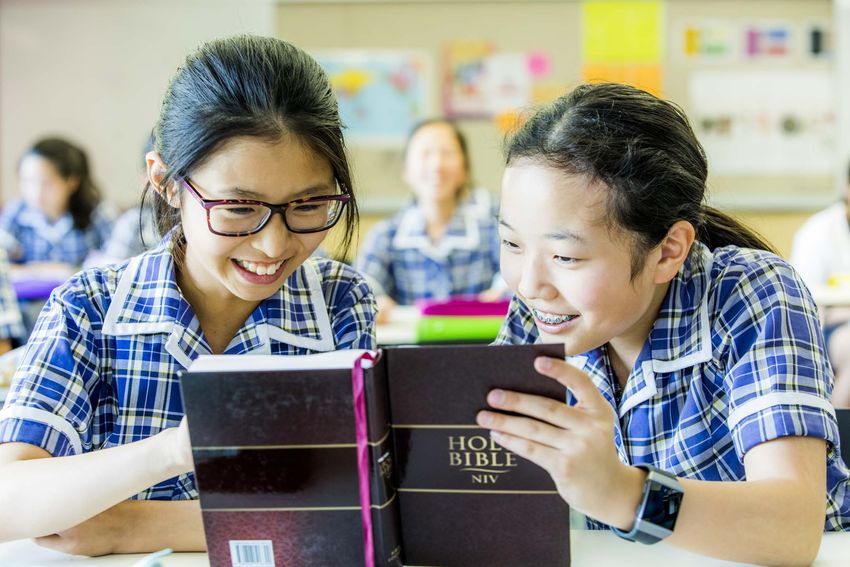
PLC GUIDE TO COURSES 2020

 PLC GUIDE TO
COURSES 2021
   Years 7 and 8

            STRONG FOUNDATIONS – AMAZING FUTURES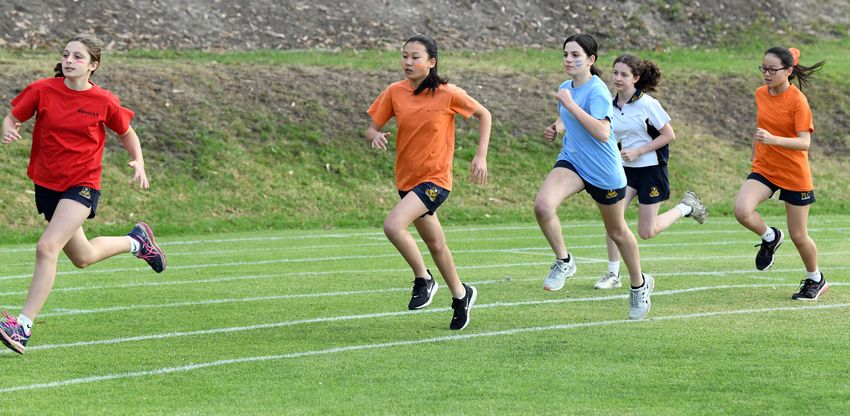
PLC GUIDE TO COURSES 2020

                            Our Mission
                            Presbyterian Ladies’ College aims to provide
                            strength, breadth, balance and quality of education
                            as a leading Christian independent girls’ school in
                            its Australian and international Contexts.

                            Our Motto
                              ‘Lex dei vitae lampas’
                              (The Law of God is the lamp of life)
PLC GUIDE TO COURSES 2020

Introduction                                                            Curriculum Overview
The Guide to Courses provides a summarised outline of what will         The curriculum at Presbyterian Ladies’ College is designed to
be offered at Presbyterian Ladies’ College in Years 7 and 8 in          ensure that all students attain high standards of literacy and
2021. Information covers:                                               numeracy. As well as this, the College seeks to fully develop
                                                                        knowledge, skills and understanding across all learning areas and
• the ways in which your daughter can make the most of her
                                                                        seeks to nurture the spirit, talents and capacities of every student.
  education at the College;
                                                                        These include students:
• the student wellbeing and support systems;
• the academic curriculum;                                              • becoming lifelong learners with creative, holistic and analytical
• personal and social development programs;                               approaches to thinking;
• the broad range of co-curricular activities in which girls can be     • gaining knowledge and understanding of the Bible and
  involved.                                                               appreciation of the importance of life’s spiritual dimension;
                                                                        • developing strong character founded upon values, attitudes
The learning environment at Presbyterian Ladies’ College is exciting      and regard for self and others, consistent with the teachings of
and challenging, concerned with developing the individual and             Christianity;
assisting her to achieve her best. It is underpinned by Christian       • having qualities of self-confidence, optimism, resilience, wisdom,
teachings and values, which are reflected in a spirit of helpfulness,     healthy self-esteem, and a commitment to personal excellence
care and service to others.                                               as a basis for their relationships within family, community and
Many people share the responsibility for the overall progress and         as workforce members;
wellbeing of each student. Close co-operation between families and      • being active and informed citizens of our democratic Australian
the College promotes the personal and educational development             society within an international context;
of students, and parents are therefore encouraged to contact the        • having skills in analysis and problem-solving, the capacity to
appropriate staff, as necessary.                                          work independently and co-operatively in a group context, and
                                                                          the ability to become adaptable, innovative, confident and
                                                                          technologically literate members of their society;
                                                                        • having the knowledge and cultural understandings which
                                                                          respect individual freedom and celebrate languages and
                                                                          cultures within a socially cohesive framework of shared values;
                                                                        • being confident communicators in order to contribute actively
                                                                          across a range of situations;
                                                                        • having the confidence to contribute to or lead a team in a variety
                                                                          of situations;
                                                                        • developing an understanding of the present and the past in
                                                                          order to promote responsible and creative attitudes towards the
                                                                          future;
                                                                        • developing a commitment to service and social justice;
                                                                        • developing a commitment to understanding, preserving and
                                                                          restoring the natural environment through responsible lifestyle
                                                                          choices;
                                                                        • promoting a lifestyle that enhances health, personal wellbeing
                                                                          and the creative use of leisure time;
                                                                        • having an appreciation of, and confidence to participate in,
                                                                          the Arts.
PLC GUIDE TO COURSES 2020

The Learning Environment                                                  Year 7 and 8 Programs
Learning involves a complex system of interactive processes,
and our classroom practice reflects the best of what we know              Transition Programs
about how learning occurs. In Year 7 an essential element of the          The transition program for Year 7 begins in November with an
curriculum is the visible thinking approach where teachers work           Orientation Day. A Welcome Day is held at the beginning of Term
with each class to include the explicit teaching habits that facilitate   1, prior to the other year levels starting the school year. These
thinking about learning and learning about thinking. A range of           occasions enable the girls to forge relationships with other girls,
teaching approaches and learning strategies are used to                   their Form Teacher and Year 7 staff. Parents are encouraged to
• develop positive attitudes and perceptions about classrooms             meet with the Year Level Co-ordinator on a needs basis and with
  and learning;                                                           each other at events such as the Twilight Picnic.
• guide students to acquire and integrate new information with            New Year 8 students also start their school year on Welcome Day.
  what they already know;                                                 Buddies are assigned to these new girls to help with orientation
• develop in-depth understanding through the process of                   and transition into the College.
  extending and refining students’ knowledge;
• provide activities that allow students to use knowledge in
  meaningful ways;                                                        Personal Development
• enable students to think critically and creatively, work
                                                                          During the middle years of their schooling, young adolescents are
  collaboratively and regulate their own behaviour;
                                                                          encouraged to:
• encourage exploration of ways of thinking.
                                                                          • adjust to physical, emotional, social and intellectual changes as
The work in Year 7 is consolidated and extended in Year 8.                  they grow towards adulthood and independence;
The core curriculum in Years 7 – 10 provides both depth and               • learn to think in ways that become progressively more abstract
breadth in the key learning areas and aims to challenge and                 and reflective;
enthuse as well as to maximise the potential of each student.             • gain experience in decision-making and in accepting
The elective program in Years 9 and 10 allows for wide subject              responsibility for these decisions;
choice so that students can explore subjects in depth or embark           • develop self-confidence by recognising and appreciating their
on a new path of learning. Students are encouraged to be creative           own sense of identity;
and flexible, independent learners and problem solvers - qualities        • have opportunities for establishing and maintaining friendships;
essential for the challenges of modern life. The academic program         • explore leadership challenges;
in these years is designed to provide students with strong academic
                                                                          • achieve personal success and fulfilment.
foundations so that they may confidently choose either the
Victorian Certificate of Education or the International Baccalaureate     A coherent personal development program incorporating these
Diploma in their final years of schooling.                                ideas has been created to ensure students achieve their potential.
                                                                          The focus of our program in Years 7 and 8 is to:
                                                                          • help all Year 7 students and girls new to Year 8 settle in and
                                                                            happily adjust into the Senior School;
                                                                          • build skills of organisation and management to cope with the
                                                                            extra demands of the Senior School;
                                                                          • facilitate and encourage friendships throughout the year level;
                                                                          • help students interact in a more meaningful way with their peer
                                                                            group and family;
                                                                          • build self-awareness, independence and self-confidence;
                                                                          • foster co-operative behaviour;
                                                                          • foster resilience and adaptability; and
                                                                          • encourage and educate students to be responsible cyber
                                                                            citizens.
PLC GUIDE TO COURSES 2020

Wellbeing
All class teachers provide care for students. Form Assemblies are      During Term 1 all Year 7 students take part in a five day camp,
the prime time when Form Teachers meet with their form group and       held at Camp Jungai, near Eildon. Activities are designed around
build relationships so that each student feels valued and nurtured.    challenge and co-operation, and include bushwalking, overnight
This time also provides the opportunity to deal with administrative    camping and exploration in the Cathedral Ranges, rafting on the
issues and school procedures, such as excursions, lateness, coping     Goulburn River, canoeing and aboriginal cultural sessions. The
with illness and homework. Form Teachers help students with study      program introduces girls to a number of basic skills in the outdoors,
and personal management skills appropriate to their year level and     providing a basis for future outdoor education experiences.
work with students on their learning goals. They also spend time       Emphasis is also placed on increasing independence and on
fostering involvement in service and co-curricular activities and      socialisation, with opportunities for mixing and extending friendship
encouraging students to be active participants in College life. The    groups. Evening activities reinforce co-operation through a variety
Personal Development program further promotes and encourages           of problem-solving activities. Year 10 students are involved in a
the personal growth of each student.                                   leadership role during the program, which is run by OEG (Outdoor
                                                                       Education Group) and PLC staff. An information night is held for
Outdoor Education                                                      parents prior to the camp.

In Years 7 - 10, all students participate in year level camps.         The Year 8 program builds on the basic outdoor skills learnt in
Involvement in challenging adventure experiences in the                Year 7. The focus is on the coastal environment as an outdoor
natural environment is an essential component of the personal          classroom. The week is divided between Wilsons Promontory and
development and leadership education of each girl at the College.      the Waratah Bay area of the Gippsland coast. Forms are split into
This occurs away from the confines of the school timetable, home       two groups of 10-12 students and each group is accompanied by
routine, technology and consumerism. The Outdoor Education             a PLC staff member and led by an OEG (Outdoor Education Group)
program is developed sequentially, so that each year the students      staff member. The girls spend four nights camping in tents at
grow in confidence and independence.                                   camping sites and preparing their own meals under supervision.
                                                                       The program includes bushwalking (with packs or day packs),
Led by skilled Outdoor Education specialists and College staff, each   beachcombing, surfing, canoeing, and marine and environmental
girl will:                                                             sessions. Creating a sense of community, developing initiative,
• discover more about herself, develop self-confidence,                understanding leadership and increasing independence are
  independence and a sense of responsibility;                          emphasised. An information night is held for parents prior to the
• develop skills in working co-operatively, fostering communication    camp.
  and a caring attitude to others;
• gain a greater understanding of leadership;
• experience various natural environments and appreciate their
  use and care;
• develop skills and interests that promote purposeful use of
  leisure time in the future.
PLC GUIDE TO COURSES 2020

Service                                                                   Sport
A fundamental principle of the College is the care of and concern         The sport and physical education program at the College aims to
for others, which includes both practical and philosophical               develop personal fitness and provide opportunities for all girls to
commitment to service.                                                    participate in a range of enjoyable physical activities. Students
                                                                          learn to set personal goals and to be well organised. In addition
The values of service are expressed:
                                                                          to their compulsory Physical Education classes, all students
• in School Assemblies;                                                   participate in inter-house sport and are encouraged to participate
• through the practical operation of the Student Welfare Policy;          in inter-school sport. PLC belongs to Girls’ Sport Victoria (GSV),
• in various curriculum areas such as Christian Studies and               competing in weekly and carnival sports. Special skill training is
  Personal Development programs;                                          provided for all sports. There are opportunities for students to
                                                                          participate in carnivals, competitions, developmental programs and
• through regular fundraising efforts – weekly collections for a
                                                                          weekly sport matches.
  particular charity, Quad Days and Year Level charity efforts;
• through Community Service;                                              Sports include:
• in the College’s ongoing support for Neno Girls’ School, Malawi;        •   Aerobics
• in community-based activities and commitments.                          •   Athletics
Each year thousands of dollars are distributed to various                 •   Australian Rules Football
organisations through the fundraising efforts of the students.            •   Basketball
                                                                          •   Badminton
The House System                                                          •   Cricket
                                                                          •   Diving
The six Houses - Atholl, Balmoral, Glamis, Leven, Rosslyn and
Stirling - are named after Scottish castles. Participation in House       •   Equestrian
activities is a long-standing tradition at the College and allows girls   •   Golf
to develop new interests, form new friendships across year levels         •   Hockey
and to assume leadership responsibilities.                                •   Netball
There are many House activities. These include:                           •   Rowing
                                                                          •   Running Club
•   Athletics
                                                                          •   Snowsports
•   Swimming
                                                                          •   Soccer
•   Cross Country
                                                                          •   Softball
•   House Concerts
                                                                          •   Swimming
•   Theatre Sports
                                                                          •   Synchronised Swimming
•   Debating
                                                                          •   Tennis
•   Aerobics
                                                                          •   Track and Field
•   Gymnastics
                                                                          •   Triathlon
•   Mathematics
                                                                          •   Volleyball
•   Public Speaking
                                                                          •   Water Polo
•   Team Sports, such as Water Polo, Volleyball, Soccer, Netball,
    Table Tennis and Chess.
House activities are organised by the House Captains who have
been elected by the other members of their House. In addition
to the Senior Captain and two Vice Captains who are Year 12
students, the girls in each House elect an Intermediate Captain
from Year 10 students and a Junior Captain from Year 8.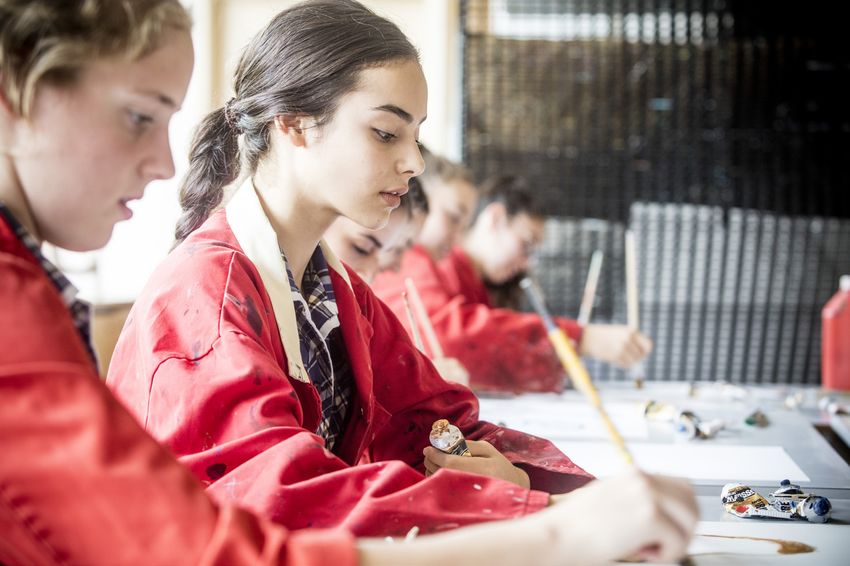
PLC GUIDE TO COURSES 2020

Music
Music is a part of the core curriculum for Years 7 and 8 students.
Girls may also choose the elective music classes in Years 9 and 10,
and the music courses of the Victorian Certificate of Education and
the International Baccalaureate Diploma in Years 11 and 12. In
addition, girls may learn an instrument from our professional team
of music teachers. Tuition in all orchestral and band instruments,
as well as piano, organ, harpsichord and voice, is available. The
music program caters for musicians of all abilities, from beginner to
L.Mus.A. standard. Membership of ensembles and choirs is open
to all interested students. Students who learn an instrument from
the Music School are required to join at least one ensemble. A full
80-piece symphony orchestra, as well as over 20 instrumental and
vocal ensembles, rehearse each week. Performance opportunities
include:
• the annual College Concerts;
• the Gala Celebration;
• a weekly music assembly in Wyselaskie Hall;
• lunchtime and evening small concerts and jam sessions for
  shared music-making;
• participation in community festivals, eisteddfods and
  competitions.

Other Activities
As part of the College’s commitment to providing a well-rounded
education, girls can explore and develop their talents and interests
in a variety of activities, clubs and committees that include:
•   Art Club
•   Book Club
•   Chess Club
•   Christian Union
•   Classics Club
•   Computer Club
•   Debating
•   Drama Club
•   Dressmaking
•   Duke of Edinburgh International Award
•   International Week Committee
•   Jindi Worabak Reconciliation Group
•   Knitting Club
•   Library / Archives Committee
•   Magpies Literature Club
•   Maths Committee
•   Patchwork Committee
•   Public Speaking Social Action Committee
•   Sustainability Committee
•   Tech Crew / Club
•   Theatre Productions
PLC GUIDE TO COURSES 2020

Curriculum Support Services
Catering for Individual Student Needs                                 Academically Highly Able students
The College seeks to encourage and nurture individual potential       Programs for academically gifted students are offered throughout
by developing in each girl a love of learning and an enthusiasm       PLC. These programs provide a range of learning experiences
for study. The Learning Enhancement Department assists in the         that give students the opportunity to explore their interests and
identification of the learning needs of students and makes this       enhance their exceptional talents beyond the curriculum, in a
knowledge available to class teachers. It also provides flexible      challenging and collaborative environment.
programs and courses of study to support and extend the work of
                                                                      Years 7 and 8 offer highly able students an opportunity to be
the classroom teacher. Opportunities to experience and develop
                                                                      involved in a range of different Extension activities. Competitive
advanced thinking skills are available through courses of extension
                                                                      programs such as da Vinci Decathlon, Tournament of Minds, Future
studies and co-curricular activities.
                                                                      Problem Solving are regularly accessed where and when they are
Learning Support                                                      available. Training sessions for these events will expose students to
                                                                      a variety of disciplines with a focus on challenging and stimulating
Assistance for students with identified learning needs may be of      tasks which extend critical thinking. Opportunities to be involved in
short duration providing intensive instruction in particular areas,   a variety of extension workshops and clubs are offered throughout
or long-term support allowing for development of academic skills      the year and may involve students in the early exploration of
necessary to study successfully at senior levels. Students may be     philosophy, music composition and global issues. Individual subject
self-referred or recommended by subject teachers or wellbeing         areas also offer entry into a range of different programs and
personnel. Support may also follow parent requests for assistance.    competitions: English - JMAPS Public Speaking, Dorothea Mackellar
Programs that cater for students:                                     Poetry; Mathematics - The University of Melbourne School
                                                                      Mathematics Competition, Australian Mathematics Competition;
• Learning Support classes which are available for recommended        Science - CREST projects, ICAS Science Competition, to name a few.
  students at Years 7 to 10. These non-graded courses aim to
  extend students’ skills in the areas of oral language, reading      English as an Additional Language Students
  and writing. Each student follows a program based on individual
                                                                      Support for students with English as their second language
  needs in order to develop competence and confidence, to
                                                                      is offered from Years 7 to 12. This assistance aims to ensure
  improve organisation and time management and to support her
                                                                      effective integration into all aspects of school life and includes
  learning across the curriculum.
                                                                      communicative and formal academic language skills, appropriate
• Individual tuition for students from Year 7 to Year 12 may be       study skills and aspects of cultural transition.
  recommended after consultation with appropriate personnel.
                                                                      Programs that cater to Year 7 and 8 students include:
                                                                      • A Welcome Day is offered at the beginning of each year, for girls
                                                                        arriving new to the school.
                                                                      • English as an Additional Language course of study for
                                                                        recommended students. These courses offer assistance in the
                                                                        areas of oral language, reading and writing. Each student follows
                                                                        a program designed to develop competence and confidence in
                                                                        English language skills and to support her learning across the
                                                                        curriculum.
                                                                      • Assistance for students in classes is provided on teacher
                                                                        request.
                                                                      • Modification of mainstream curriculum and tasks may be
                                                                        initiated after consultation between subject teachers, Year Level
                                                                        Co-ordinators and EAL teachers.
PLC GUIDE TO COURSES 2020
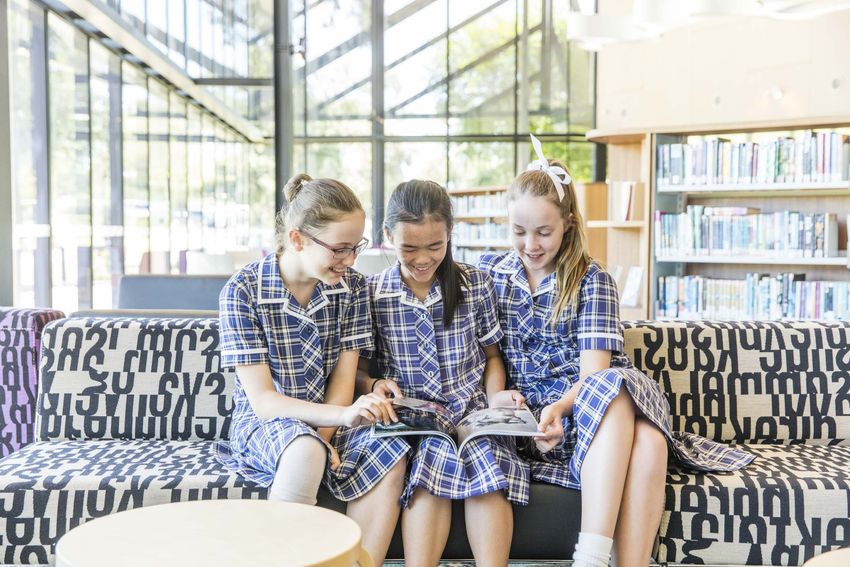
Library Services
PLC Library Services strive to provide access to a breadth of Access and Borrowing
information in an internationally focused, balanced collection in a
range of formats. We nurture and support differentiated learning Students are able to access all resources either by visiting the
styles in an encouraging and collaborative environment, with the Library or through the ‘Library Links’ Library Services website. All
aim to empower our students to become independent lifelong students are required to use their ID cards to borrow resources.
learners and genuine global citizens.
Teacher-librarians work with students in:
The Library Committee
Students are given the opportunity to participate in the daily
• Research Support – Teacher-librarians are on duty to assist running of the Library and the planning and execution of Library
during classes with wide-reading choices, information literacy events by becoming members of the Library Committee. The
skills and resources to support students. Teacher-librarians Library Committee is led by our Library Captain and students on the
create digital information pathways incorporating a wide variety Committee assist before and after school, recess and lunchtime
of resource formats. Individual appointments can be made with according to the duty roster.
teacher-librarians for research and referencing assistance.
• Information Literacy – through carefully designed curriculum- Library Opening Hours
based inquiry units of work, students engage with a diversity of Monday to Thursday 8.00am – 6.00pm
information, both print and digital, to develop new perspectives.
Friday 8.00am – 5.00pm
They learn to read for meaning and, through creative guided
enquiry, build knowledge and understanding.
• Literature – reading is the basis of school achievement and
students are immersed in a wide variety of literature from
current and new authors to ancient texts. They are encouraged
to read for pleasure as well as study.Subject Descriptions
PLC GUIDE TO COURSES 2020 | Years 9 and 10 Subject Destriptions

The Arts – Art                                                             7          8
Over Year 7 and 8 each student completes a semester in each of
the studio areas; Art, Ceramics, Multimedia and Textiles. Students
are provided with a supportive yet challenging environment in which
                                                                        Years 7 & 8
to work. Curiosity, exploration and enthusiasm for the Arts are         Art
promoted by closely relating Art making to Art Appreciation. At Years
                                                                        Students investigate painting, drawing and printmaking techniques
7 and 8, Art is part of the core curriculum.
                                                                        with emphasis on exploration, imagination and contemporary
Overall philosophy and aims of the Years 7 and 8 Program are to:        artforms. Projects encourage students to develop an aesthetic
                                                                        awareness and to reflect on their experiences and knowledge.
•   make all art classroom experiences exciting, challenging and
                                                                        Research projects encourage students to develop their art
    rewarding for each student;
                                                                        language skills and to reflect on the artworks of others.
•   introduce students to a range of art materials, tools,
    techniques and processes;                                           Ceramics
•   develop in each student the personal qualities of persistence,      A range of hand-building and wheel throwing skills are introduced
    patience and self-analysis and evaluation;                          and applied to functional and non-functional works. Decorative
•   enrich and vary the repertoire of experience and imagery of         skills include glazing and under-glaze decoration. Emphasis is
    each student with emphasis on exploration, skill development        placed on creative and imaginative interpretations of set projects.
    and reflection;
•   encourage students to appreciate and understand how artists         Students are taught the appropriate technical language specific to
    from different eras and cultures have approached similar            ceramics, and apply this knowledge when discussing and writing
    artistic processes and expressions;                                 about specific artworks.
•   learn to respect and care for equipment and materials.              Multimedia
Exploring and responding to artworks                                    Students are introduced to techniques for creating computer-
                                                                        generated images. They learn how to use digital cameras and
Over Years 7 and 8 students develop appropriate art language            computer applications such as Photoshop and iMovie to generate
to describe the use of art elements and principles, art media,          and manipulate images. Students investigate the capabilities,
skills and techniques when discussing and writing about different       limitations and versatility of the computer as a tool for creating
artworks.                                                               artworks, animations or desktop publishing. They discuss a range
In Year 7 students study the work of Aboriginal and Torres Strait       of related images and look at how artists use art elements and
Islander artists and in Year 8 students use research to identify how    principles to help communicate ideas.
cultural and historical contexts influence contemporary artworks.
                                                                        Textiles
Art excursions at both levels give the students an opportunity to
                                                                        Students are introduced to a range of samples and decorative
reflect on artworks for different audiences viewed at first hand.
                                                                        techniques to establish the basic skills of machine and hand
In each studio area, students maintain a studio workbook that           sewing specific to the creation of textile artworks.
is a record of the creating and making of their artworks and an
                                                                        Emphasis is placed on design, the use of art elements and
explanation of their decision making and evaluation of their
                                                                        principles, and creative, imaginative interpretations of each project.
completed artworks.
                                                                        Students are encouraged to work independently and collaboratively
                                                                        on research into a culture, an artist or contemporary textile or
                                                                        traditional craft technique in the design of their artwork.
PLC GUIDE TO COURSES 2020 | Years 9 and 10 Subject Destriptions
The Arts – Drama Introduction to Drama
Students begin by working with movement and theatre games
to develop a positive group dynamic. They use tableaux and
8 other movement based theatre conventions to begin structuring
performance work. Students work with the basic acting skills of
Year 8 movement and gesture to create performance work exploring the
use of mime and freeze frames. They use voice and other vocal
Learning in Drama involves students making, performing, analysing elements to create supporting soundscapes to their performance
and responding to drama, drawing on human experience as a work.
source of ideas. Students engage with the knowledge of drama,
develop skills, techniques and processes, and use materials as Characters
they explore a range of forms, styles and contexts.
Students begin their exploration of character during Term 2,
In their first year of Drama at PLC, students explore a range of using the theme of fairy tales as a vehicle to explore different
basic theatrical conventions and develop a practical and critical perspectives of archetypes such as the hero and antihero. Students
understanding of how these conventions of drama can be used use the acting skills of voice, movement, gesture and facial
to shape and structure drama that engages audiences and expression to create characters using their understanding of this
communicates meaning. Drama is part of the core curriculum in genre, creating both original work and exploring existing scripts to
Year 8 and is a full year course. do so.
Students use a variety of sources including stories from a range of Exploring Script
contexts, personal experiences and historical and current events,
In this unit for Term 3, students bring their earlier work together
taking on roles to explore real and imagined worlds. Students learn
to create performance pieces using a range of creative stimuli.
to think, move, speak and act with confidence. In Drama they learn
Students use both existing scripts and write their own performance
how to be focused, innovative and resourceful, and work both
work. Students interpret a range of script types, creating characters
independently and collaboratively. Students are asked to contribute
using acting and other performance skills explored in the preceding
to class discussions and ensure that their ideas are both heard and
two units.
utilised when working in group situations.
Students learn to reflect critically on their own experiences and Design
further their own aesthetic knowledge and preferences as well as In this final unit for the year, students examine both theatre
becoming informed audience members by observing, enjoying, production design elements and theatrical styles of different
reflecting on, appreciating and evaluating their own and others’ cultures through an exploration of mask. They work with neutral
work. masks and movement and gesture to communicate story and
Students link their learning in Drama to their skills in English character. Students research the history of masks in theatre and
through working on the Drama Festival task. Classes work to how they are used today. Students design and create their own
devise, script, rehearse and perform original work based on a mask, exploring the communication of emotions and other abstract
given stimulus, allowing them to work collaboratively and creatively concepts through the use of theatre production design elements.
utilising a range of problem-solving skills. They create performance work using their masks, together with
acting and other performance skills developed throughout the year.PLC GUIDE TO COURSES 2020
The Arts – Music Integrated curriculum
Where possible the music curriculum supports multi-disciplinary
Music in Years 7 and 8 is a core subject and is designed to benefit activity, joining with other departments to demonstrate the
all students, not only those who are musically literate. Students are inclusive nature of music and society.
given the opportunity to perform, create and listen to all kinds of
music, as these are the processes through which students develop Instrumental tuition
an understanding of music. Theoretical concepts and knowledge Students are encouraged to learn an instrument and take part
are also explored. in the ensemble program. The classroom program provides
The core course is designed to enable students to: opportunities for students to demonstrate their skill as soloists and
as part of class ensembles.
• develop skills in practical music and performance;
• develop skills in solo and group contexts;
• develop aural skills; 8
• develop skills in creating, improvising and listening actively to
vocal and instrumental forms;
Year 8
• develop motor skills and aural awareness, confidence in active
and original expression in music and movement, folk dance Music Craft
and creative work;
Skills studied in Year 7 are extended whereby students can
• further their knowledge of traditional music language and undertake both melodic and rhythmic dictation. The concept of
notational skills in both traditional and contemporary graphic major/minor scales and intervals is also developed.
media;
• develop communicative and expressive skills to broaden Music appreciation
enjoyment of, and receptiveness to, various music styles in Students continue to listen to a variety of music styles, including
both their immediate and the wider environment; examples from both Western and non-Western cultures,
• develop skills using computer programs for aural recognition, developing their skills of analysis in relation to form, texture and
theory and creative manipulation of sound. instrumentation. These styles include a study of Program Music,
Film Music, and the Broadway musical. The history of Jazz is
studied from its roots in Africa to the present day.
7
Where appropriate a focus on women, and in particular with regard
to Old Collegians, is given.
Year 7
Creative / Composition
Music Craft
Students undertake activities exploring short projects on the
Students are taught to distinguish between different pitches,
creation of melodic and rhythmic compositions. This includes the
meters, textures and timbres. Pitch recognition and rhythmic
composing of a song in 12 bar blues style.
dictation are taught using the Music Computer Laboratory.
Integrated curriculum
Creative, rhythmic and melodic work
The Music School works in collaboration with other subjects such
Rhythmic awareness is developed with increasing complexity using
as the English Department to present the Year 8 Drama Festival in
speech rhymes and rounds.
Term 2.
Pitch awareness is developed through Orff-tuned percussion
instruments and singing, using both improvised and composed
Instrumental tuition
material. Students are encouraged to learn an instrument and take part
in the ensemble program. The classroom program provides
The class listens to many compositions from different historical
opportunities for students to demonstrate their skill as soloists and
periods, analysing form and structure, and developing an
as part of class ensembles.
appreciation of works of both Western music and non-Western
music.
Ukelele
Pitch, rhythm and harmony are further explored through learning to
play simple songs in C and F major.
Graphic notation
Students explore the process of using alternative graphic notation
and compose pieces using percussion instruments.PLC GUIDE TO COURSES 2020
Christian Studies 8
In keeping with the Christian ethos of the College, Christian Studies
is a part of the curriculum at every year level. There is a particular Year 8
focus on Christianity and the Bible is a prescribed text. The Year 8 course relates very closely to students’ personal
Our students are encouraged to think for themselves and to development and explores the links between values, actions and
approach the study of religion with intellectual commitment, consequences. This leads to a study of significant individuals in
openness, honesty and respect for others. Assessment reflects the early Christian church and the history and growth of the church
this multi-faceted approach, based on participation in classroom through the centuries. The course then focuses on investigating
activities, the quality of the student’s approach to the task, as well the life and work of Christian churches in Australia today, which
as intellectual understanding and knowledge. includes a church visit by each student and the exploration of
church websites.
7 Objectives
This course aims to:
Year 7 • further develop the objectives of the Year 7 course;
The Year 7 course introduces the students to the Bible and • demonstrate that the Bible is about real people;
consider stories in the Old Testament, focusing on relationships • identify the beliefs and practices which are common to all
and how God conveys his message. The study then moves to denominations of the Christian Church;
investigate the life and teachings of Jesus, people and events • help students understand differences in beliefs and practices
described in the New Testament, and the lifestyle and values of between the denominations, and the various groups within a
the time. The course looks at the impact Jesus had on people and denomination;
explores the relevance of Jesus’ teachings in the 21st century. • increase students’ understanding of the work, life and
Objectives involvement of churches in today’s society;
• enable students to use Information Technology as a tool and
This course enables students to:
resource for the development of their knowledge of the Bible
• develop an awareness of the Bible as a ‘library of books’; and Christian Church.
• identify relationship choices and decisions made by people in
the Old Testament;
• consider Jesus as a source of hope and of new life;
• reflect on the relevance of Jesus’ teachings;
• model their own values and attitudes on those of Jesus;
• share with others their own beliefs, hopes and ideals in an
atmosphere of mutual respect and tolerance;
• feel free to make a faith response.PLC GUIDE TO COURSES 2020
Digital Technologies 7
A toolkit of computer skills and eLearning experiences is developed
by each student over two years in this course. It provides sound
technical skills, particularly in cloud-based applications, Office
Year 7
applications, multimedia, web publishing and web information. The Year 7 course is designed to enable students to:
Tasks are planned to support individual learning and each task
• access the school’s LMS – Wyse and Google Classroom,
provides activities that encourage creativity, innovation, interest
student webmail and cloud-based storage;
and collaboration. Developing work strategies such as problem-
solving, planning, drafting and debugging are important aspects of • develop skills in webpage construction and multimedia
the learning approach. Students are introduced to the principles of authoring to construct an individual, online, private digital
computer science and use computational thinking and information portfolio;
systems to define, design and implement digital solutions. • develop appropriate use of computers, including digital
citizenship and cyber safety;
Students in Years 7 and 8 use iPads, laptops and desktops to • develop software skills, including file management and
learn to use the most commonly used programs in the College security, graphic drawing, desktop publishing, web multimedia,
with confidence and skill, and learn to select the most appropriate Internet research and Web 2.0 software;
program for a particular task. In Year 8 skill development is
• develop information processing skills, including information
continued to provide students with more advanced software
selection, layout and presentation and problem-solving
features and opportunities to develop learning. Skills developed in
approaches;
Year 7 are reinforced. New students are provided with assistance to
ensure they work at levels comparable to their peers. All skills are • manage online Google services;
linked to learning outcomes and are applied purposefully across • investigate digital systems and binary representation of data;
subjects. • develop computational thinking and programming skills using
general purpose programming languages;
• plan and manage digital animation projects to create
interactive information.
8
Year 8
The Year 8 course is designed to enable students to:
• access the school’s LMS – Wyse and Google Classroom,
student webmail and cloud-based storage;
• develop skills in webpage construction and multimedia
authoring to construct an individual, online, private digital
portfolio;
• develop appropriate use of computers, including digital
citizenship and cyber safety;
• develop software skills, including file management and
security, graphic drawing, desktop publishing, web multimedia,
Internet research and Web 2.0 software;
• develop information processing skills, including information
selection, layout and presentation and problem-solving
approaches;
• manage online Google services;
• investigate how data is transmitted and secured in networks;
• define and decompose real-world problems;
• design and evaluate digital solutions;
• develop computational thinking and programming skills using
general purpose programming languages and embedded
systems.PLC GUIDE TO COURSES 2020 | Years 9 and 10 Subject Destriptions
English Health and Physical Education
The English curriculum is built around the three interrelated strands
of Language, Literature and Literacy. Students engage with a variety 7
of texts for enjoyment. They listen to, read, view, interpret, evaluate
and perform a range of spoken, written and multimodal texts in
which the primary purpose is aesthetic, as well as texts designed
Year 7
to inform and persuade. Students create a range of imaginative, Physical Education classes in Year 7 aim to provide students
informative and persuasive types of texts, for example, narratives, with an enjoyable, challenging and balanced curriculum. The
procedures, performances, reports and discussions, and are course fosters an enjoyment of physical activity and promotes
beginning to create literary analyses and transformations of texts. positive attitudes towards an active and healthy lifestyle. The
course focuses on improving students’ fundamental motor skills,
movement competence and confidence. Students participate in a
7
range of ball games, including hockey, netball, basketball, cricket,
tennis and softball. They explore body control and coordination in
Year 7 gymnastics and athletics and apply movement skills in drills and
modified games in both class and House sport.
The course title for Year 7 English is New Adventures, New
Beginnings, reflecting a focus on the students’ experience of Students participate in the aquatics program throughout one
beginning secondary school. semester. Emphasis is placed on improving stroke technique,
swimming endurance and water skills with the aim of developing
The English curriculum aims to develop the reading and viewing,
enjoyment in the aquatic environment.
writing, and speaking and listening abilities of the student. A
range of texts is used in English, including literature, informative Students also participate in health lessons throughout one
and media texts, and the personal experiences of the student. semester. During these lessons students consider the meaning
Texts from various traditions, including Aboriginal and Torres Strait of health and its various dimensions and investigate ways of
Islander peoples and Asian cultures, are used. Oral presentation improving health and wellbeing. They also examine strategies and
and class discussion provide opportunities for students to resources to manage the physical, social and emotional changes
exchange ideas and to use these in their written responses. associated with puberty.
Knowledge about language is developed through the use of a skills
workbook, and through the reading and writing of a variety of text
8
types.
Unit topics include: Surviving New Challenges, Artful Arguments,
The Magic of Film, Literature and Experience, Advertising as
Year 8
Persuasion, and Shared Stories. Physical Education classes at Year 8 offer a comprehensive and
balanced curriculum aimed at improving specific sport knowledge
and communication skills. The course focuses on developing
8
student confidence, games awareness and specialised movement
skills in a range of physical activities. A key focus area at Year 8 is
Year 8 on the promotion of effective communication skills and the ability
to apply tactical and strategic outcomes to a variety of invasion
The course title for Year 8 English is Pursuing Connections,
games. Students continue to refine and develop movement
reflecting a focus on fostering the students’ ability to express
patterns and ball skills, and have the opportunity to apply them to
creativity and think critically through the skills of reading and
different movement sequences and modified games.
viewing, writing, and speaking and listening.
Students participate in a dance unit where they work collaboratively
A range of texts is used in English, including literature, informative
with their peers to compose and perform a creative dance
and media texts, and the personal experiences of the student.
composition. Body control and coordination are further enhanced
Texts from various traditions, including Aboriginal and Torres Strait
during the Gymnastics unit.
Islander peoples and Asian cultures, are used. Oral presentation
and class discussion provide opportunities for students to Students participate in the aquatics program throughout one
exchange ideas and to use these in their written responses. semester. Emphasis is placed on further refining stroke technique
Knowledge about language is developed through the use of a skills and swimming endurance, where students analyse their own
workbook, and through the reading and writing of a variety of text technique and implement feedback to improve their performance.
types.
Students have a one semester program focusing on health in which
Unit topics include: Fairytale Archetypes, Responding to Adversity, they develop an understanding of basic first aid principles and
The Role of Culture, Poetry as Social Comment, The Role of demonstrate the correct application of CPR.
the Media, Challenging Ideas, and Exploring Ideas through
PerformancePLC GUIDE TO COURSES 2020 | Years 9 and 10 Subject Destriptions
Humanities – Geography New Horizons project
Through the New Horizons project students examine the
Central to the study of Geography is the growing awareness that importance of natural features in influencing the distribution of
the distribution of various features over the Earth’s surface are not settlements. They investigate elevation and climates, showing
random but the result of natural and human factors. Geography findings in maps and graphs.
seeks firstly to gain relevant information and describe a
distribution, and then to analyse and understand reasons for it. They then complete research into another region of the world to
Maps are an essential component in recording patterns across make comparisons of liveability. The New Horizons project explores
space and in helping to provide explanations. factors that influenced where people live through a comparison of
Australia with another country.
Strange and interesting places hold a fascination for all, and
throughout Years 7 to 10 it is intended that students gain a broad
understanding of different places, peoples and cultures. Attitudes 8
of respect, tolerance and understanding are valued and fostered.
Knowledge of Australia’s place in the world, and especially within Year 8
the Asian region, is developed.
Landforms and landscapes
The Geography curriculum presents a structured way of exploring,
analysing and understanding the characteristics of the places Students investigate different types of landscapes and their
that make up our world, using the concepts of place, space, distinctive landform features through a study of coasts and
environment, interconnection, sustainability, scale and change. mountain landscapes. Fieldwork in the Dandenong Ranges involves
highlighting the spiritual, cultural and aesthetic value of landscapes
The Geography curriculum aims to ensure that students and landforms for people, including Aboriginal and Torres Strait
develop: Islander peoples, that influence the significance of places, and
examine ways of protecting significant landscapes.
• a sense of wonder, curiosity and respect for places, people,
cultures and environments throughout the world; The geomorphic processes that produce landforms are investigated
• a deep geographical knowledge of their own locality, Australia, through a study of coasts and mountain landscapes. Human
the Asian region and the world; causes of landscape degradation, the effects on landscape
• the ability to think geographically, using geographical quality and the implications for places are highlighted. Hazards in
concepts; landforms are indicated through research.
• the capacity to be competent, critical and creative users of Changing Nations
geographical methods and skills;
• the capacity to be informed, responsible and active citizens Students investigate the causes and consequences of urban
who can contribute to the development of a world that is concentration and urban settlement patterns in Australia and
environmentally and economically sustainable, and socially just. the United States of America. They examine reasons for these
similarities and differences, reasons for and effects of international
migration to Australia, and the reasons for and effects of internal
7 migration in Australia and China are also studied. Challenges of
managing and planning Australia’s urban future are investigated.
Year 7
Mapping our World
Students learn how to read and interpret maps and present
them according to convention. They investigate the geographic
characteristics of PLC and its location in a national context.
Students name and locate Australian states, territories, capital
cities and significant bodies of water.
Water in the world
Students learn to appreciate and understand that places differ due
to natural characteristics and human activity. Students recognise
the importance of water in influencing where people live and
how they live. They develop skills in presenting data and working
collaboratively when investigating river environments.
Liveable places
Students investigate what makes a place liveable and explore
the distribution of rainfall throughout Australia, constructing
climate graphs to show examples. Students investigate changes
to Melbourne’s population and liveability over time, together with
indigenous connections to place. Skills of data gathering and
interpretation are developed through fieldwork at the Melbourne
Museum and the Queen Victoria Market.PLC GUIDE TO COURSES 2020 | Years 9 and 10 Subject Destriptions
Humanities – History
The History curriculum from Years 7 to 10 is designed to develop
historical skills and give students the opportunity to gain knowledge 8
and understanding of a wide range of eras and cultures. Students
are exposed to both thematic and chronological histories, including
the history of the College, Australian history and world history. The Year 8
teaching of History is active and interactive, and the methodology Cause & Effect: Medieval Europe and the Black Death
includes a range of techniques and strategies to enrich students’
(c.590 – 1500)
experiences. Historical study at Years 7 to 10 encourages the
students to think and reflect on the past and build a basis of The focus of the unit is developing the students understanding
historical skills and understanding that will equip them with the of using sources as evidence and analysing cause and effect.
competencies they need to understand the past in order to solve Students explore the clash and confrontation of Medieval England;
the problems of the future. the socio-economic composition of Medieval society; the impact of
disease and role of medicine in the same era; and the geo-political
The study of History is designed to develop the student’s historical
position of Europe as the Medieval period concludes.
skills and understanding of historical content; with emphasis on a
variety of tasks that develop their critical thinking, problem solving Historical Significance: Shogunate Japan (c. 794 – 1867)
and historical writing. At all year levels, students are assessed on:
This unit focuses on the students' ability to judge and explain
• their understanding of key historical content and concepts; significance; it also challenges students to compare, contrast
• their ability to work with evidence which involves research and draw connections. Students carry out a depth study into the
skills, analysis, synthesis and empathy; political, social, economic and cultural conditions of Japan from
• their ability to analyse causes and effect; the shogunate period to the 19th century clashes with European
• their skills of interpreting sources and judging significance; imperialism.
• their understanding of change and continuity to inform their Change & Continuity: Renaissance Italy (c.1400 – 1600)
future. and Spanish Exploration (1492-1572)
The focus of this unit is to develop students' higher level thinking
7 in terms of change and continuity; by challenging the students
to think more deeply about why things change or stay the same.
Year 7 Students study changing roles and relationships in Renaissance
Italy, particularly Florence, and research the role and achievements
The Historical Toolbox: ‘What is History?’ of significant individuals. They then compare this with the
The focus of this study is on creating a firm foundation of key importance of Spanish exploration in changing the world in the
understandings in the discipline of History. Students develop their same period.
understanding of chronology; the basic skills of differentiation
between, and using source as evidence and broadening their
understanding of change and continuity as a crucial element of
historical exploration.
Change & Continuity: Ancient Australia and Ancient
Civilisations
This study focuses on helping students to understand cultural
similarities and differences as well as changes over time.
Students are challenged to think critically, suggest solutions,
reflect and be creative through the exploration of each different
civilisation. Students explore Ancient Australian history and carry
out an investigation into aboriginal culture. Students build on
this understanding of Australia by comparing and contrasting
their findings with a series of ancient civilisations including
Mesopotamia, China, Greece and Rome.
Sources as Evidence: PLC History
A study of the history of the school through evidence from a range
of sources including primary (old school magazines dating from
1875 and artefacts), secondary (the two official school histories),
and visual (observation and portraits).PLC GUIDE TO COURSES 2020 | Years 9 and 10 Subject Destriptions
Languages other than English
(LOTE)
Structure of the program It is recommended that students:
This section outlines the overall structure of the Languages other • select languages from different language families, for example
than English (LOTE) program in Years 7 to 10 at the College. one Asian language (Chinese, Indonesian or Japanese) with
Specific details about the languages offered at each year level are one non-Asian language (French, German or Latin). By doing
included in the relevant year level section. At PLC, all students are so, girls not only gain greater insight into different cultures and
expected to study two languages in Years 7 and 8 and at least one different language structures, but they also give themselves a
language until the end of Year 10. broader base for future language learning;
• think carefully before selecting two character-based languages,
The College offers six languages: Chinese, French, German,
that is, Chinese and Japanese. Although similarities exist
Indonesian, Japanese and Latin.
between Japanese and Chinese characters, these similarities
At Year 7, French will be either at the beginner level or at continuing are insufficient for the learning of one to enhance the learning
level for students who have studied French in the PLC Junior of the other.
School or at another primary school. These languages are offered
at a beginning level in Year 7 and are all offered through to the Students who arrive new to the College in Year 8 may not have
International Baccalaureate Diploma Programme (IB) and the sufficient background knowledge in two LOTEs. If this is the case,
Victorian Certificate of Education (VCE) in Years 11 and 12. Please the Years 7–10 Learning Coordinator will discuss available options
note that a language is compulsory for the IB program. with the student.
The diagram below indicates pathways and entry points for the six At Years 9 and 10, all girls are required to study one core language.
languages. Since it is not possible to offer all combinations of languages, the
following chart of Year 9 language offerings needs to be taken into
Two languages are studied in Years 7 and 8, so that students have consideration when making language choices in Year 7.
the opportunity to experience a breadth of language understanding
and culture, before deciding which language will suit them better Overall philosophy and aims for language learning
for study in Years 9 and 10. From Years 7 to 10, the study of languages other than English will
Students who are studying French in Year 8 can, if they wish, enable students to:
choose French as an elective in Year 9 and continue to study • develop their ability to read and listen and to communicate in
their other language in the core language program. Please note speaking and writing;
that elective French will proceed only if there are sufficient
• develop a conscious awareness of the structure of language
enrolments. Please also note that there may be timetabling
and how language is learned;
constraints which could affect the possibility of studying two
• gain insight into the culture (the personal lifestyles, public life
LOTEs in Years 11 and 12.
and the imaginative and creative aspects) of the language
It is important that careful consideration be given to choices as being learned;
every language offers something unique in its linguistic and cultural • use their new language to increase their knowledge of the
foundations. world and to acquire general knowledge.You can also read


