Pre-Doctoral Residency in Pediatric Psychology 2019-2020
←
→
Page content transcription
If your browser does not render page correctly, please read the page content below
Pre-Doctoral Residency in
                   Pediatric Psychology

                               2019-2020

                  Department of Psychology
     The Hospital for Sick Children, Toronto, ON, CANADA

   The Hospital for Sick Children Pre-Doctoral Internship in Paediatric Psychology
is accredited with the Canadian Psychological Association (2011/2012-2017/2018).
Overview

Three pre-doctoral residency positions in pediatric psychology are offered through The
Department of Psychology at the Hospital for Sick Children in Toronto, Ontario. The one-year,
full-time training position begins on September 3, 2019. Employment is contingent upon
meeting the Hospital for Sick Children’s Occupational Health Requirements.

The full-year pre-doctoral internship program was initially accredited with the Canadian
Psychological Association1 (CPA) in 2001, and in 2012, was awarded a re-accreditation term of
six years. We completed our re-accreditation process and are awaiting a decision from the CPA
Accreditation panel. The internship standards from CPA for application, rotations and delivery
of the program are followed.

Our overall goal is to prepare the resident for the varied demands of professional practice in
psychology -- skills that are readily transferred to a wide range of community settings. To learn
more about our department and residency program, please visit:
www.sickkids.ca/Psychology/Education-and-learning/Predoctoral-internship-
program/index.html.

The philosophy of the residency mirrors that of The Hospital for Sick Children with the needs of
the patient and family being central. An evidence-based/best practice approach is used and
clinical research is closely integrated with patient care activities. Conceptualizing the child’s
cognitive and psychosocial needs and challenges within a developmental framework is integral
to practice.

The Department of Psychology at SickKids exists as an independent department within a Child
Health Services cluster model of service provision, and includes approximately 28 psychologists
made up of individuals specializing in neuropsychology, clinical and health psychology, 10
psychometrists, and numerous research staff providing services and conducting research within
the hospital. In addition to clinical training at the residency level (3 positions, accredited by the
Canadian Psychological Association), the Department offers clinical training at the post-doctoral
level in Pediatric Neuropsychology (2 positions), Pediatric Health Psychology (1 position) and
graduate practicum level.

                                      Goals of the Residency

The goal of our program is to prepare developing professionals with the skills, abilities and
knowledge base to work within the scientist-practitioner model. Residents will gain experience

1
 CPA Office of Accreditation
Canadian Psychological Association
141 Laurier Avenue West, Suite 702
Ottawa, Ontario K1P 5J3
1-888-472-0657

                                                  2
with children of all ages who present with psychological problems related to congenital,
perinatal, or acquired medical conditions, or mental health issues. Residents are exposed to a
wide array of patient populations in both inpatient and outpatient settings. Graduates of our
program have entered into post-doctoral fellowship positions, positions in academic medical
centers, academic settings, school boards, multi-disciplinary community clinics, and private
practice

Through their residency, trainees develop an increased awareness of, and acquire skills with
respect to diagnosis, assessment, consultation, treatment, and professional and ethical issues.
These general goals are met through weekly supervision within each rotation, and meetings with
the director of training and selected staff.

Specifically, over the course of the residency, residents will be exposed to the following:
        I. Ethical considerations and professional conduct. Discussions will refer to the Canadian
Code of Ethics for Psychologists, the APA Ethical Principles of Psychologists, and the Standards
of Professional Conduct to explore real and hypothetical situations that challenge health care
professionals.
        II. Jurisprudence. Psychologists in Ontario are regulated by legislation that governs the
practice of psychology. These laws and their regulations will be reviewed with special
consideration given to how they affect professional practice. Situations in which the law and
the code of ethics might conflict will also be discussed.
        III. Role and unique contribution of psychologists in a pediatric medical setting. Ways in
which psychologists can work effectively within the culture and behavioural expectations of a
tertiary/quaternary care pediatric medical setting will be addressed. This will provide a
contrast to the ways in which psychologists work within mental health and adult settings.
        IV. Effective communication with medical staff, colleagues, patients and families.
Different types of communication are required when dealing with various parties: professional
staff, patients, families and other 'consumers'. Methods for communicating information
appropriate for different parties will be addressed.
        V. Evidence-based care within a scientist-practitioner model. The best care is that which
is proven to be most effective and cost efficient. Residents will be taught to determine the best
methods for assessment and intervention, based on valid research and outcome studies.
        VI. Continuing education as an ongoing component of professional practice. Residents
will learn the responsibility of self-directed learning as a life-long process. They will be
encouraged to seek additional educational opportunities throughout their careers.

                                       Program Structure

Clinical training will consist of assessment, intervention and consultation for a wide range of
pediatric disorders and illnesses seen in a tertiary health care centre (ages 0-18 years). Each
resident selects 3 or 4 supervised rotations during the year, one from each of 3 thematic areas
of Pediatric Psychology:

                                                3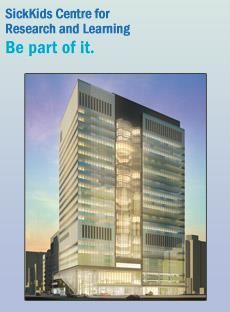
Assessment: Neuropsychology: Assessment and Programming OR Diagnostic/Learning and
Academic Interventions
Intervention: Pediatric Clinical and Health Psychology
Clinical Research
Each rotation comprises 20 hours per week for 6 months. The resident will choose to
emphasize either intervention or assessment by working in that rotation two days a week for
the entire year. If the resident elects to emphasize intervention, they will typically work in the
same intervention rotation for the entire year and will have a total of 3 rotations. This allows
the resident to carry longer term cases and to attain a higher level of independence in their
therapy skills over the training year. Should a resident elect to emphasize assessment, they will
change rotations mid-year in order to gain experience with different populations, different
assessment techniques and different supervisors resulting in a total of 4 rotations.
Within each rotation, residents are offered an appropriate degree of independence in meeting
the clinical demands so that their current skills will be broadened and enhanced and their
knowledge base increased.
Residents meet with the Residency Coordinator on a
regular basis. In this setting, there is an opportunity to
share and discuss ethics and experiences within the
context of specific rotations, and to deal with individual
issues as they arise. Over the course of the residency, the
types of issues dealt with in these joint meetings will
reflect the increasing autonomy and responsibilities
expected of the developing trainee. The goal of these
meetings is to enhance the professional growth and
development of residents.
Rotations
Clinical training will consist of assessment, intervention and consultation for a wide range of
pediatric disorders and illnesses seen in a tertiary health care centre (ages 0-18 years).
Rotations are offered to allow the resident to work with a diverse range of patients under the
supervision of various staff psychologists, to provide service across multiple programs, and to
participate in focused research.
Assessment
All assessment rotations offered include the following common learning objectives. The
resident will gain experience in:
Administering a broad range of assessment tools, including cognitive, academic,
psychosocial, behavioural, and functional measures
4
Conducting comprehensive patient and family interviews
Integrating and communicating information from the history, observed and reported
behaviour, test results and school performance in the context of brain-behaviour
relations through report writing and clinical feedback
Providing consultation to members of the multidisciplinary team, families, schools, and
other community agencies
Developing recommendations for effective treatment management strategies,
educational planning, and advocating for appropriate community-based resources
These objectives are also facilitated through directed reading, structured supervision
based on clinical cases and developmental neuropsychological principles, as well as
attendance at team meetings, outpatient clinics, and multidisciplinary clinical and
research rounds
Rotation-specific details are also indicated below:
Neuropsychology: O/P I/P
Assessment and Programming Patient Populations Served Age
Ax Ax
Epilepsy Surgery & Epilepsy Epilepsy patients being considered 4-18
Classroom for surgery
Dr. Elizabeth Kerr
Epilepsy Surgery & Epilepsy patients being considered 2-18
Metabolic/Genetics for surgery
Genetic/Metabolic disorders
Dr. Eva Mamak
General Neurology Non-surgical epilepsy 4-18
Neuroinflammatory diseases (e.g.,
Dr. Katia Sinopoli multiple sclerosis, CNS vasculitis)
Neurofibromatosis Type1
Haematology/Oncology Cancer (largely acute lymphoblastic 3-18
leukemia, brain tumours)
Dr. Sharon Guger
Dr. Laura Janzen
Neonatal Neurology Neonatal brain injury or disruptions 3-18
in neurodevelopment (e.g.,
Dr. Tricia Williams prematurity, hypoxic-ischemic
encephalopathy, infectious disease)
Stroke Arterial ischemic stroke, cerebral 3-18
sinovenous thrombosis or other
Dr. Robyn Westmacott neurovascular conditions such as
moya moya disease
5Transplant & Regenerative Children with congenital or acquired 2-18
Medicine organ deficits (heart, lung, liver,
kidney) or intestinal failure
Dr. Anna Gold
Diagnostic/Learning and O/P I/P
Academic Interventions Patient Populations Served Age
Ax Ax
Attention Deficit - Children with suspected attention- 6-18
Hyperactivity Disorder and deficit/hyperactivity and related disorders
related disorders
Dr. Jennifer Crosbie
Cardiology Children with complex congenital and 3-18
acquired heart conditions
Dr. Renee Sananes
Intervention
Intervention rotations in clinical/health will all include the following core learning objectives.
The resident will gain experience in:
Formal diagnostic interviewing, report writing, and feedback to patients and families.
Treatment with individual clients, family, and parenting sessions
Treatment of comorbid conditions
Learning to integrate psychological data with questionnaires and parent interview data,
case formulation, feedback and report writing
Working within an interdisciplinary team
Being supervised through role-modelling, demonstrate, coaching, case
conceptualization
Actively participating in clinic rounds, seminars and case presentations
Therapeutic orientations include:
Cognitive Behavioural Therapy
Motivational Interviewing
Behaviour Modification
Play and Art Therapy
Acceptance and Commitment Therapy
Mindfulness
Family psycho-education, parent skills
6Intervention: O/P I/P
Clinical/Health Psychology Patient Populations Served Age
Ax Ax
Chronic Pain Children and adolescents with chronic 3-18
pain conditions (e.g., neuropathic pain
Dr. Danielle Ruskin after injury, headache, neuromuscular
Dr. Catherine Munns disease), with disability problems
secondary to pain, and pain as a
presenting sign of depressive, anxiety, or
somatoform disorders
Eating Disorders Children and adolescents experiencing 6-18
eating disorder psychopathology
Dr. Margus Heinmaa
Dr. Melissa Lieberman
Dr. Brooke Halpert
Haematology/Oncology Children, siblings and caregivers coping 2-18
with cancer treatment and/or
Dr. Maru Barrera bereavement
Pediatrics/Oncology/ Children and adolescents experiencing 2-18
Cystic Fibrosis mental health issues in the context of
their chronic health conditions
Dr. Joel Tourigny Children presenting with somatic
disorders or behaviours interfering with
medical treatment
Suspected Child Abuse and Children and adolescents who may have 0-18
Neglect (SCAN) been maltreated or neglected
Dr. Jasmine Eliav
Dr. Lana DePatie
Team Obesity Children and adolescents with complex 6 -18
Management Program obesity
Dr. Elizabeth Dettmer
Dr. Andrea Regina
7Research
The Hospital for Sick Children is an active and exciting
research environment. Research in Psychology at SickKids
includes:
Characterizing the impact of various adverse insults
on development
Understanding the core deficits associated with
medical and neurodevelopmental disorders
Program development of evidence-based
intervention for children treated with acute or
chronic medical conditions
Program development and evaluation to optimize
transition to adult medical care
Identifying relationships between neuroimaging
measures of brain structure/function and
neurocognitive outcome
and more…
Most Staff Psychologists at SickKids are actively engaged in clinical research as well as clinical
practice, and research-based rotations are arranged individually.
Other Training Opportunities
Additional training opportunities may include:
Family Therapy
Psychological intervention and/or parenting training with medically-complex patients
Lectures and presentations within the hospital or for community groups
Providing supervision to more junior trainees (practicum and/or graduate students)
during the latter half of the residency to develop competency in the supervisory role.
Supervision
In accordance with CPA Accreditation Standards (2011), residents will have a primary supervisor
in each rotation and will receive at least 3 hours of individual face-to-face supervision and 1
hour of shared supervision per week. Regularly scheduled, one-to-one supervision will involve
case review, setting and monitoring of training goals, and professional development.
Supervision follows a developmental model and fellows will work with a variety of faculty
members throughout the fellowship for broad exposure to different styles of clinical practice
and supervision. Group professional support/supervision meetings with the Residency
Coordinator also takes place on a regular basis to address topics in professional/ethical
standards, professional practice issues, cultural and individual differences, and diversity.
8Didactics
A variety of formal and informal educational opportunities exist. A monthly Advanced
Psychology Seminar day has been developed to provide residents with protected time to
develop and enhance their clinical skills. Rotation-specific readings will be suggested by
individual faculty. Sample format below:
TIME TOPIC
9:00-10 Health Psychology Rounds
10:00 -11:30 Case Consultation/Practice
12:00 – 1:00 BREAK
1:00 – 3:00 Professional Practice Issues
3:00 – 4:00 Didactic (e.g., assessment, research)
In addition, residents will be expected to attend:
Psychology Department Rounds (monthly)
Quarterly Greater Toronto Area (GTA) Psychology Seminars. The goal is provide didactic
and networking opportunities to residents/interns across the GTA with a view toward
providing connections as they move into their early professional careers.
Optional
Directed Neuropsychology Readings
Clinical Health Evaluative Science (CHES) Rounds
Brain and Behavior Cross-Talks
Neuroscience and Mental Health Program (SickKids Research Institute) Symposia
Pediatric Grand Rounds
Clinical and research rounds associated with individual rotations (e.g., Neurology,
Neurosurgery, Hematology/Oncology, Psychiatry)
Evaluation
The evaluation process is designed to be dynamic and proactive. The goals of the evaluation
process are to optimize the residency experience for each trainee, to provide constructive
feedback, and to ensure that all residents attain their personal goals and the goals of the
program.
In an effort to monitor the Residency Program and to ensure its excellence, we also strive to
obtain feedback from each resident. In addition to the scheduled meetings outlined below, ad
hoc meetings will be arranged as necessary. The Residency Coordinator provides leadership in
the evaluation process and is responsible for its integrity. Formal written progress evaluations
are prepared by the training faculty staff at the mid-point and conclusion of each rotation.
Residents whose performance is not at an expected level of competence will be advised
regarding the problem areas in their performance, and a specific plan to remediate those
weaknesses will be developed.
9Facilities
Despite our large numbers, the department has sufficient office and testing space for all its
members. Residents share a large office, but have individual desk space, computers and access
to secretarial support. They also have access to bookable office space can be reserved for
individual assessments or therapy. Other resources in the department include an
observation/interview room with a one-way mirror for training purposes, a group therapy room
and test library. Residents have access to individual computers with internet connection, a
private phone line and access to electronic medical journals through the University of Toronto
Library.
Stipend and Benefits
The stipend for the 2019-2020 year is set at $31,500 CAD. Residents are eligible for the
modified SickKids benefits package (health and dental), 2 weeks paid vacation, 9 statutory
holidays recognized by the hospital, 2 paid “float” days, and 5 days paid professional
development leave. A $500.00 professional development fund is provided for each resident to
be used for attendance at scientific conferences or professional development activities.
Eligibility
Applicants must be enrolled in a doctoral program in clinical psychology accredited by the
Canadian and/or American Psychological Associations. By the time of application, students
should have completed a master’s degree (or equivalent), all compulsory doctoral course work,
comprehensive examinations, dissertation proposal approved, and at least 600 hours of
supervised practica. Applicants with academic and practical experience in child assessment
and treatment are stronger candidates. As well, those applicants who are further along in their
dissertation are also considered stronger candidates. A broad range of exposure and
experience is preferred. Applicants who bring diversity to the program (e.g., fluency in French
or experience with under-served populations) are especially encouraged to apply. In
accordance with Canadian immigration requirements, preference is given to applicants who are
Canadian citizens, or permanent residents of Canada.
The residency begins on the first working day of September and ends on the last working day in
August of the following year.
10Application
Our program uses the APPIC standard application, available on-line at http://www.appic.org/.
The application package includes a form entitled "Verification of Internship Eligibility and
Readiness" which must be completed by the Graduate Program Director of Training and
submitted as part of the application.
Required supporting materials include:
• Cover letter stating applicant's professional plans and special interest in the Sick Kids
Residency Program (or refer to APPIC application essays)
• Curriculum Vitae
• Official transcripts of graduate transcripts
• APPIC Verification of Internship Eligibility and Readiness form
• Three (3) letters of reference (using the standardized APPIC reference form). At least
two (2) letters should be from supervisors familiar with the applications clinical skills.
Deadline for submission of applications is 11:59 p.m., EST on 1st of November each year.
The Psychology Residency Program at SickKids conforms to the guidelines of the Association of
Psychology Postdoctoral and Internship Centers (APPIC) and is also a member of the Canadian
Council of Professional Psychology Programs (CCPPP). We participate in the Computer
Matching process sponsored by APPIC. All applicants must register with the National Matching
Services (www.natmatch.com/psychint) and/or APPIC (www.appic.org/) to be considered.
Complicated applications are rated independently by members of the Residency Committee
and are ranked. This residency site agrees to abide by the APPIC Policy that no person at this
training facility will solicit, accept or use any ranking-related information from any applicant.
Copies of the APPIC application forms can be downloaded from: www.appic.org
The Hospital for Sick Children Program Code Number: 181811.
Candidates will be notified on the CCPPP Universal Notification Date - https://ccppp.ca/
regarding whether or not they are being offered interviews (on site or by telephone).
Interviews will be conducted with selected applicants during the 2nd and 3rd weeks of
January 2019. While on-site interviews are not required, all candidates are invited to
visit the hospital and meet with staff if possible.
The matching process is completed through the National Matching Service.
In accordance with federal privacy legislation (Personal Information Protection and Electronics
Documents Act – http://laws.justice.gc.ca/en/P-8.6), only information that is required to
process your application is collected. This information is secured and is shared only with those
individuals involved in the evaluation of your residency application.
11Contact:
Sharon L. Guger, Ph.D., C. Psych.,
Director of Clinical Training/Residency Coordinator
Department of Psychology, Room 6294C Black Wing
Hospital for Sick Children
555 University Avenue, Toronto, ON M5G 1X8
Tel: 416-813-6784 / Fax: 416-813-8839
sharon.guger@sickkids.ca
Information about SickKids and Toronto
The Hospital for Sick Children (SickKids), affiliated with the University of Toronto, is recognized
as one of the world’s foremost paediatric health-care institutions. It is Canada’s leading centre
dedicated to advancing children’s health through the integration of patient care, research and
education. With a staff that includes professionals from all disciplines of health care and
research, SickKids provides the best in complex and specialized care by creating scientific and
clinical advancements, sharing knowledge and expertise and championing the development of
an accessible, comprehensive and sustainable child health system. The Peter Gilgan Centre for
Research and Learning is a hub where researchers and learners can congregate and share ideas
to transform the current state of child health care since its 2013 opening.
SickKids is located in downtown Toronto, Canada’s largest city. Toronto lies on the shore of
Lake Ontario, the easternmost of the Great Lakes. Over 4 million people live in the Greater
Toronto Area (GTA). Toronto is a clean, safe, cosmopolitan city with a wonderful network of
parks, recreational, and cultural facilities. For more information: www.seetorontonow.com
12You can also read


