Prevention of Homelessness and Rough Sleeping Strategy 2020 2024
←
→
Page content transcription
If your browser does not render page correctly, please read the page content below

Prevention of Homelessness and
        Rough Sleeping Strategy
1
                               2020 – 2024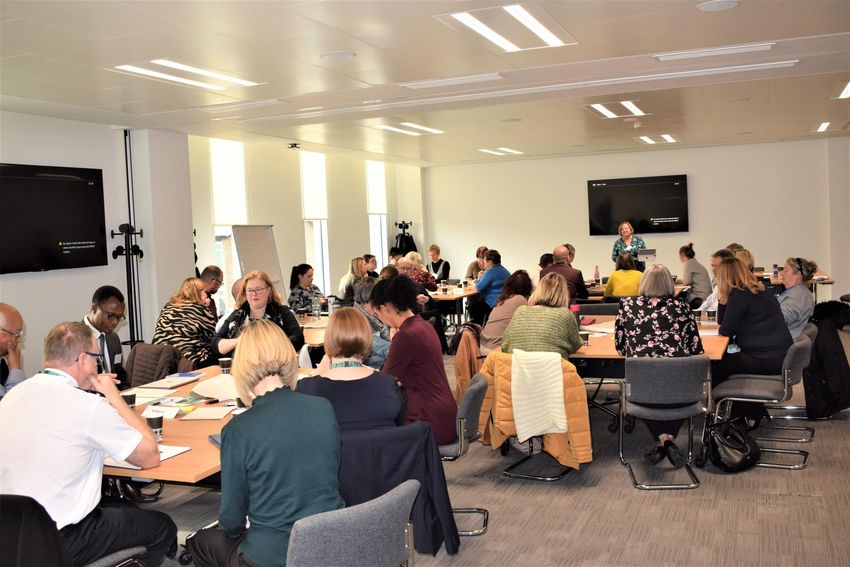
Introduction
    Dacorum Borough Council’s housing service owns around 10,000 rented
    properties, as well as the freehold of approximately 1,700 leasehold
    flats.
    Having secure and affordable accommodation is a key foundation for
    living well. Losing a home is a traumatic experience, which has a real and
    lasting impact on every member of the household.

    Each year, around 800 – 900 households approach the Council for advice
    and support to prevent them becoming homeless.

    This strategy, reasserts Dacorum Borough Council’s corporate                 I am pleased to introduce our Prevention of
    commitment to work with partners to prevent and tackle homelessness          Homelessness and Rough Sleeping Strategy.
    and rough sleeping.
                                                                                 This strategy sets out our approach to how we will
                                                                                 effectively support those faced with homelessness.

                                                                                 We recognise that the impact of losing a home can
      Contents                                                                   be far reaching affecting amongst other things
                                                                                 health, wellbeing, education, employment.
      Our vision                                                         3
                                                                                 This strategy outlines how we will support and work
      National and local considerations                                  4
                                                                                 with our Partner organisations to prevent
      Delivering a great service                                         6       homelessness and rough sleeping in Dacorum.
      The Commitments                                                    7

      Conclusion                                                         12      Councillor Mrs Margaret Griffiths

2
Our vision
The Homelessness Reduction Act 2017 brought new
statutory duties to prevent and relieve homelessness for
every household threatened with becoming homeless.
It also encouraged partnership working with a new
statutory duty to refer for many public sector organisations.
The new duties bring an increased focus on earlier
prevention and a more proactive approach.
Our vision is:
People living in Dacorum have access to a safe, affordable
home that meets their needs; advice and support is
available for those threatened with homelessness;
effective early intervention means that no-one becomes
homeless or has to sleep rough
This strategy supports the Council’s corporate vision of
A clean, safe and enjoyable environment
Building strong and vibrant communities
Providing good quality affordable homes, in
particular for those most in need
Building on our National Practitioner Support Service (NPSS)
Gold Standard for our work in preventing homelessness,
and by promoting our Strategy for the Prevention of
Homelessness and Rough Sleeping, we outline how we can
support residents of Dacorum who are at risk of
homelessness or rough sleeping to access appropriate
settled accommodation.
3
National and local considerations
The Homelessness Reduction Act 2017 brought with it new statutory duties
to prevent and relieve homelessness for every household threatened with
becoming homeless. The Act also encouraged partnership working by
introducing a new statutory duty to refer for public sector organisations.

The number of people threatened with becoming homeless has continued to
increase for several reasons, a few of which are because family and friends
are no longer able to accommodate them, or because an existing private
sector tenancy is being ending.

Within the borough of Dacorum and the wider county of Hertfordshire, there
is a shortage of social and affordable housing. Demand for the social and
affordable housing there is continues to be high. There are nearly 6,000
applicants on the housing register for social housing in Dacorum. The
greatest demand is for one and two-bedroom housing.

A rising number of households are under threat of becoming homeless
because of domestic abuse. The most common household type for those
threatened with becoming homeless is single adults. Single parents are the
next most common household type.

Caps on the Local Housing Allowance has had a significant impact on
affordability; despite the cap being recently lifted there will continue to be a
gap between market rents and the level of housing benefit payable, which
will result in some affordable and private sector properties being
unaffordable, in particular to single people or single parent families.

4

Continued…
    Since the Homeless Reduction Act 2017, public sector cuts have
    continued which has resulted in fewer support services for
    vulnerable households. Changes in working practices and
    welfare benefits have affected the ability of many households to
    pay their rent.

    The needs of those threatened with homelessness have
    continued to become more complex with around half of those
    approaching the Council for advice having one or more support
    needs; these include support with mental health, physical
    health and domestic abuse.

    Complexity and lack of knowledge of the range of services
    provided by different organisations, and how to access them
    can make it difficult for households to access the support they
    need.

    Partnership working in the Borough is already strong but there
    is potential to review and improve current relationships to
    maximise partner contributions, and outcomes for homeless
    and vulnerable households.

    Due to the national pandemic COVID-19, local authorities have
    in these unusual times responded to the Dame Louise Casey ask
    to bring ‘Everyone in’. This ask was to give rough sleepers and
    those in shared sleeping places, such as communal shelters, the
    very best chance of coping with the onslaught of Covid-19. The
    key driver has been ensuring that, if possible, they will have the
    same chances as other vulnerable people to self-isolate and
    receive the same care, protection and treatment where
    necessary.

5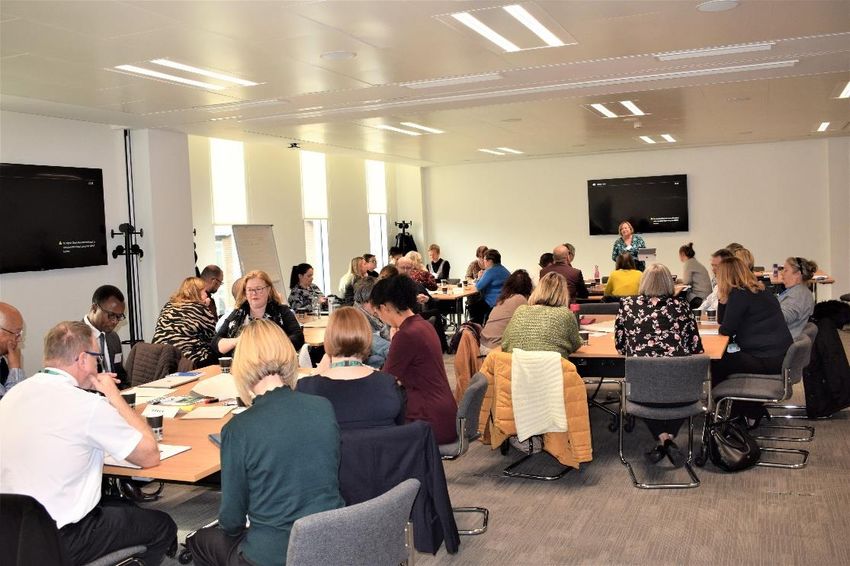
Delivering a great service
    Equality and Diversity
    The council believes all residents should receive a good standard
    of service regardless of; age, disability, gender (including gender
    reassignment), race, religion or belief and sexual orientation
    (Equality and Diversity Act 2010). We are committed to being
    inclusive with our approach.

    Value for Money
    It is important to us that our residents feel they are getting good
    value for money. The Council, along with involved tenants and
    leaseholders, monitors the housing service’s approach to
    managing the prevention of homelessness and rough sleeping
    and seeks to ensure that we have the resources to deliver
    excellent services at reasonable cost. As a service, we are
    proactive in identifying and applying for grant funding to support
    the delivery of our service.

    Working in Partnership
    Our strong relationships with our partners and many other public
    sector and voluntary organisations enables us to deliver an
    excellent level of service whilst maximising resources and
    avoiding duplication of effort.

    Working with other agencies
    The Homelessness Reduction Act 2017 encourages partnership
    working between local authorities and public sector
    organisations. By working effectively with our partner’s we will
    provide holistic support to those threatened with homelessness
    or rough sleeping.

6
The Commitments
    To develop this strategy, the Council considered the views of a
    range of stakeholders. A consultation event was held with
    members of the Homeless Forum, which included a range of
    stakeholders including, the Police, Probation, Health, local
    Registered Providers, Charitable organisations, elected members
    and several local voluntary support services.

    Feedback was given by the Tenants and Leaseholders via the
    Tenant & Leaseholder Committee.

    A full public consultation was completed in February 2020.
    Feedback from service users was gained by holding a focus group
    with those who have experienced homelessness.

    Using this feedback and information, along with relevant
    legislation and requirements, we have set out our five
    commitments for the prevention of homelessness and rough
    sleeping strategy. These are:

    Commitment One: Continue to work with partners to prevent
    homelessness wherever possible

    Commitment Two: Improve access, security and stability within
    the private rented sector (PRS)

    Commitment Three: Increase our effectiveness in preventing
    homelessness for those with complex needs (Mental Health,
    Drugs & Alcohol, Domestic Abuse & Modern Slavery)

    Commitment Four: Provide services tailored to meet the needs
    of individuals

7   Commitment Five: Eradicate rough sleeping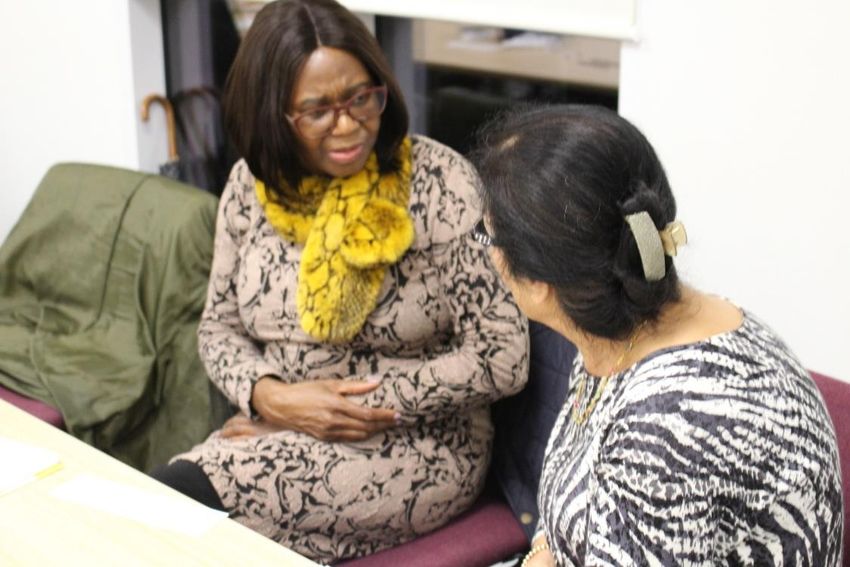
The Commitments
Commitment 1: Continue to work Commitment 2: Improve access,
with partners to prevent security and stability within the PRS
homelessness wherever possible
We recognise the importance and benefits of effective partnership We would like to ensure that private sector stock with the Borough
working, and through this strategy, we aim to focus on continuing to is of an acceptable standard, and provides a stable and appropriate
develop this. housing option.
To achieve this, we will: To achieve this, we will:
Provide an up to date directory of services for those Launch a new scheme to support greater access into the
threatened with homelessness; private rented sector, drawing on recent stock condition
Continue to promote Duty to Refer particularly amongst survey and other information sources to ensure it is tailored
hospitals and health sector organisations, including mental to the needs of Dacorum;
health. Extend a voluntary duty to refer to other organisations; Maximise the impact of Better Care Funding particularly for
With partners, work to ensure agile services which can flex to adaptations; ensuring appropriate priority to households
meet changing need; threatened with homelessness;
Work towards earlier intervention including predicting Continue to work with landlords to promote good housing
households at risk of becoming homeless; management and to enable tenants to remain in their
Research/pilot data-sharing approaches including shared homes;
support plans owned by customers who can share across Continue to work with local lettings agents, seeking to
agencies; influence them to accept households who have experienced
Ensure the Homelessness Forum works proactively to ensure homelessness;
the provision of holistic services; Explore a new incentive scheme to allow us to encourage
Encourage Registered Providers to provide early notification of Private Landlords to work with us to prevent and relieve
planned evictions from social housing. homelessness;
Utilise the Private Sector Assistance fund to enable people to
stay in their own homes.
8
The Commitments
Commitment 3: Increase our
effectiveness in preventing
homelessness for those with complex
needs (Mental Health, Drugs & Alcohol,
Domestic Abuse & Modern Slavery)
We understand that people threatened with Homelessness may
Ctd:
sometimes have complex support needs, and we aim to provide a holistic
service considering this. Work with the Clinical Commissioning Group (CCG) to
maximise impact of new services in preventing and
To achieve this, we will:
tackling homelessness;
Develop improved pathways for those with complex needs Work with colleagues to deliver aspects of the Community
Safety action plan, particularly building ongoing
to prevent and tackle homelessness, supported by clear,
relationships between housing, homelessness and the
documented and robust procedures; prevention of crime;
Educate staff to enable them to signpost to support Review services for those suffering domestic abuse in light
agencies, and empower them to be confident to challenge of the proposed new legal duties under the Domestic
when other organisations are not delivering; Abuse Bill;
Work with mental health services staff to increase the Working with our Rough Sleeper Outreach Worker, and
number of referrals made under the Duty to Refer; Community Engagement & Recovery Worker we will
continue to provide support to Dacorum’s rough sleepers
Work with Herts County Council to ensure newly to access all the support services available to them.
commissioned housing-related support services give an Continue to work with the Community Safety Action
appropriate priority to those with complex needs; Group, to collaborate on public safety issues.
Review services for those subject to modern slavery,
including accommodation options.
9
The Commitments
Commitment 4: Provide tailored Commitment 5: Eradicate rough
services to meet the needs of sleeping
different groups We are committed to eradicating rough sleeping within the Borough,
by supporting those individuals to find a suitable and settled home. In
We are committed to providing holistic and inclusive services, which line with the Dame Louise Casey ask to bring ‘Everyone in’ the council
consider the needs of different groups. will seek to ensure that no one is at risk of returning to the streets.
To achieve this, we will: To achieve this, we will:
Promote greater awareness of range of services for young Continue No Second Night Out approach with partners;
people; Through targeted work and recovery, engage with partners across
Provide appropriate accommodation options for younger the county to meet the needs of those at risk of rough sleeping;
people including specific Mother and Baby provision, Identify move on opportunities for all households placed under
including supported housing and working in partnership with the Dame Louise Casey ask to bring ‘Everyone in’;
registered social landlords; Evaluate Housing First model when current pilot ends in 2021;
Review and promote homeless prevention services for older Work with Herts County Council to ensure new and existing
people, making the most of our sheltered accommodation; housing-related support services meet needs of rough sleepers in
Working in partnership with prisons including HMP The the Dacorum area;
Mount and Bedford to ensure that we have prior knowledge Continue to coordinate the Multi Agency Response Panel to tackle
or any ex-offenders due for release to avoid them becoming rough sleeping, by providing support and ensuring agencies
street homeless. working a joined up way;
Conduct a bi-monthly street count to monitor rough sleeping and
identify homeless people who need support;
Provide each homeless applicant with a Personal Housing Plan, to
work actively with the applicant to prevent or relieve
homelessness.
10Conclusion
To conclude, this strategy demonstrates Dacorum Borough
Council’s commitment to the prevention of homelessness and
rough sleeping.
Throughout the four commitments, we outline how this will be
achieved by providing a holistic service, which is individual and
tailored to each individual’s needs.
We understand that working with others helps us to provide a
joined up service, which makes the best use of resources available,
and provides the best possible service to those who at threat of
homelessness or are rough sleeping.
Finally, we acknowledge that to be successful we have to be
adaptable. That is why we are committed to continuously
improving our services and taking an informed approach to service
delivery so that we can continue to meet housing need in the
future.
This strategy will be monitored annually by the Strategy,
Improvement and Engagement team, in conjunction with annual
service plan and the HRA Business plan.
11You can also read


