Technology Use Guidelines 2020 2021 - Student Assessment Division Fall 2020 - Texas Education Agency Fall 2020 - Texas Education ...
←
→
Page content transcription
If your browser does not render page correctly, please read the page content below
Student Assessment Division
                                                Fall 2020

                                   Technology Use Guidelines

                                          2020 - 2021
Texas Education Agency Fall 2020                                     1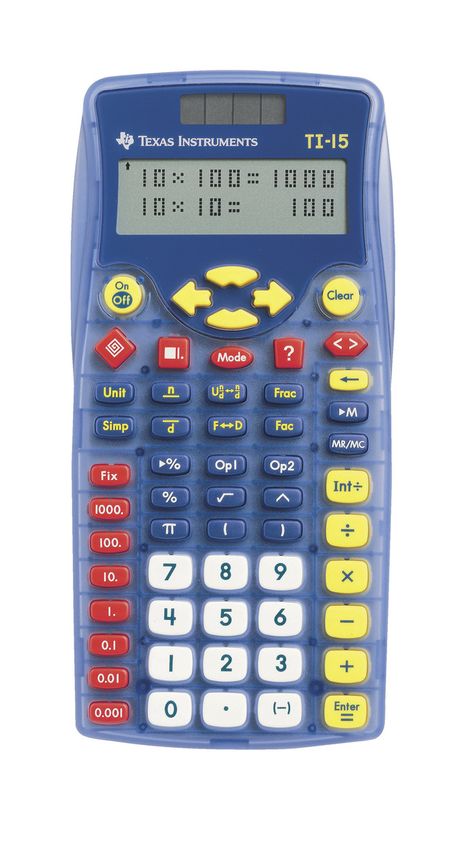
Purpose of this Document
This document is intended to expand on the Technology Guidelines
policy document that is currently available in the District and Campus
Coordinator Resources (DCCR).
The purpose of this presentation is to provide additional guidance to
school personnel in their selection of technology resources for state
assessments. It includes clarifications and examples of appropriate
technology use during state assessments.
2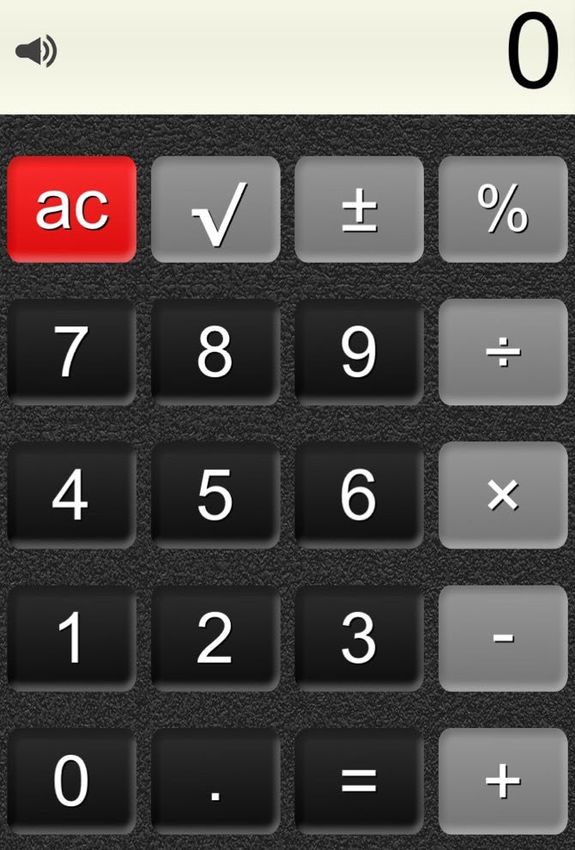
Table of Contents
Technology Guidelines
STAAR Dictionary Policy
STAAR Calculator Policy
Designated Supports
• Basic Transcribing
• Calculation Aids
• Spelling Assistance
3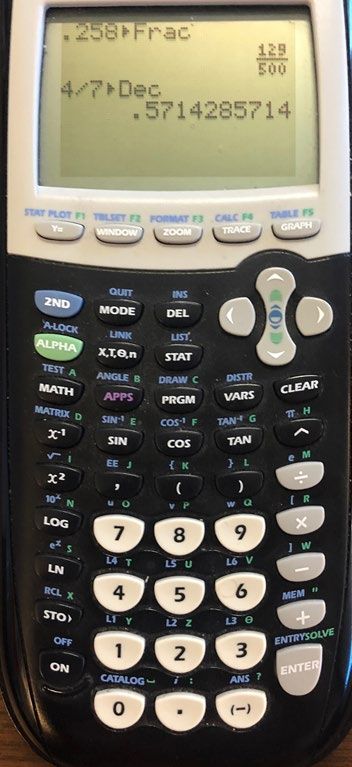
Technology Guidelines
Districts are required to have procedures in place to prevent the use of personal electronic
devices during test administrations.
When districts are using allowed or approved technology, including technology-based
accessibility features and designated supports, these guidelines for test security and validity
must be followed when reviewing the technology for appropriateness prior to its use during
an assessment.
Appropriate review requires knowledge of the state curriculum (Texas Essential Knowledge
and Skills) for the specific grade level and subject, as well as the capabilities and functions of
the device or software to be used during the assessment.
4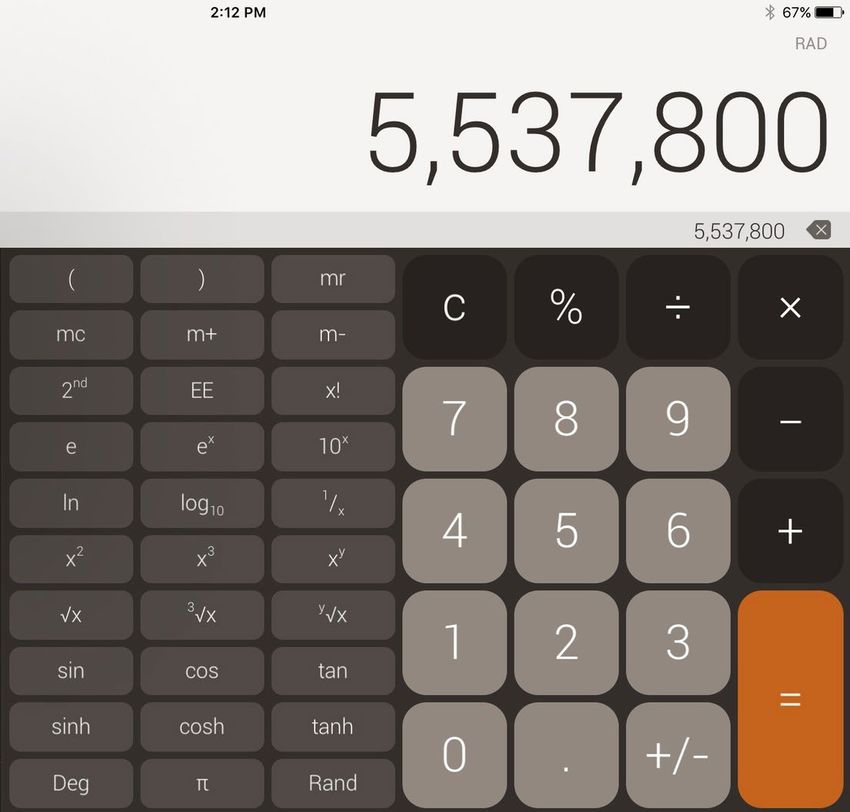
Technology Guidelines
For technology-based designated supports, a student may use allowed technology
during a state assessment if he or she routinely and effectively uses it during
classroom instruction and classroom testing and is approved to use it based on the
decisions of the appropriate committee (e.g., ARD committee, 504 committee,
LPAC, RTI committee, or student assistance team).
Some technology may be useful during a daily academic setting. However, this
technology cannot be used during a state assessment if it has any functionality
that creates an assessment concern that cannot be addressed (e.g., a word
processor for basic transcribing that allows access to an internet browser).
5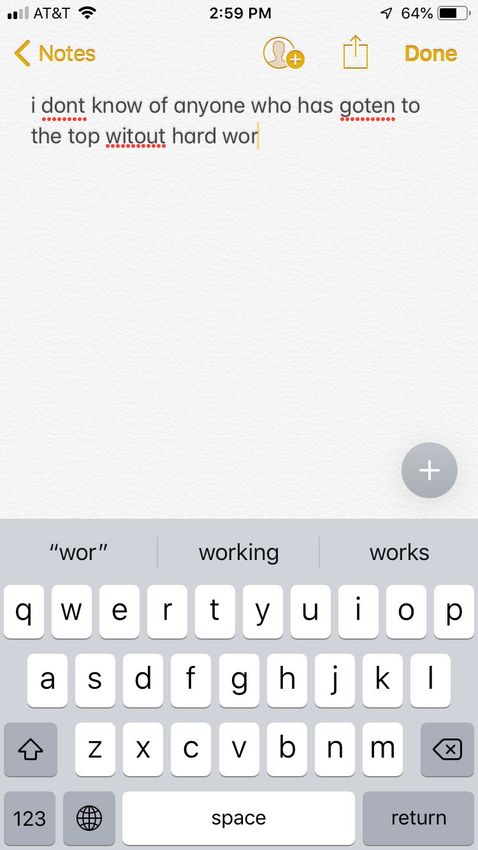
Technology Guidelines
District or campus personnel must conduct additional reviews of
technology after any upgrade or update to determine if it continues to
meet TEA guidelines for use during a state assessment.
All technology used during state assessments must adhere to these
guidelines.
Test administrators must actively monitor the use of the technology
during a state assessment.
6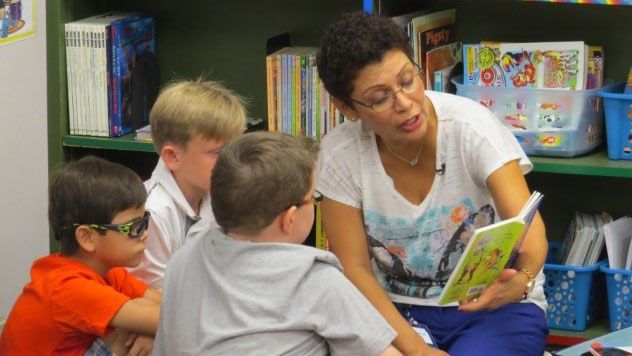
Technology Guidelines
For a device or software to be considered appropriate for state assessment use, it must
• be set in a mode that locks the user into a specific software program(s) [e.g., kiosk mode or a
districtwide Mobile Device Management system (MDM)]; and/or
• block the user from accessing functionality that may violate test security, such as
o the ability to send secure test content (e.g., messages, captured images, videos);
o the ability to send or receive any person-to-person communication about secure test
content (e.g., chat, video); and
o the ability to save secure test content (if the device or software requires a student’s
response to be temporarily saved, the district must ensure the file is permanently deleted
after the administration).
7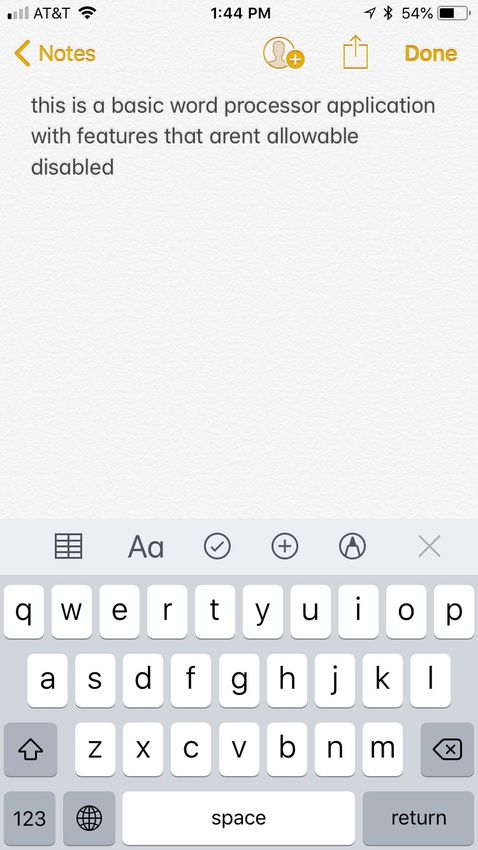
Technology Guidelines
Tablet devices may be used for calculation applications, speech-to-text applications, word
processor applications, and dictionary applications. When using tablet applications,
districts must ensure the application does not provide functionality that compromises the
curriculum assessed.
If an application or software program requires an internet connection to function (e.g., a
speech-to-text application requires access to an internet-based word bank), it should be
set in a mode that prevents the student from accessing the internet through a browser or
accessing any other aids beyond the allowable supports.
8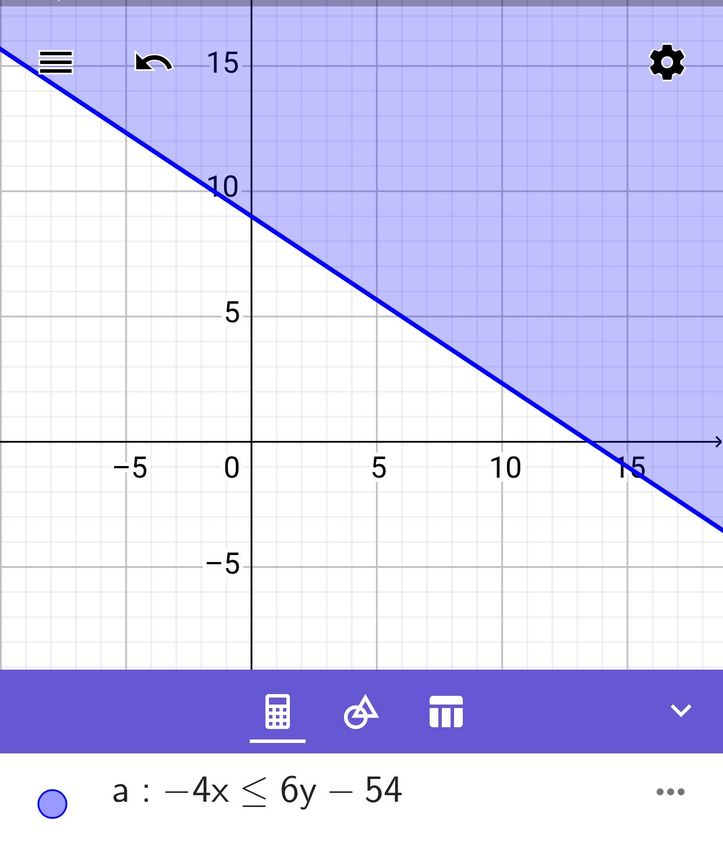
Technology Guidelines
If you have questions about whether specific
technology meet these guidelines, contact the most
appropriate person in your district (e.g., technology
staff, curriculum staff).
Applications may NOT be accessed on a cell phone.
9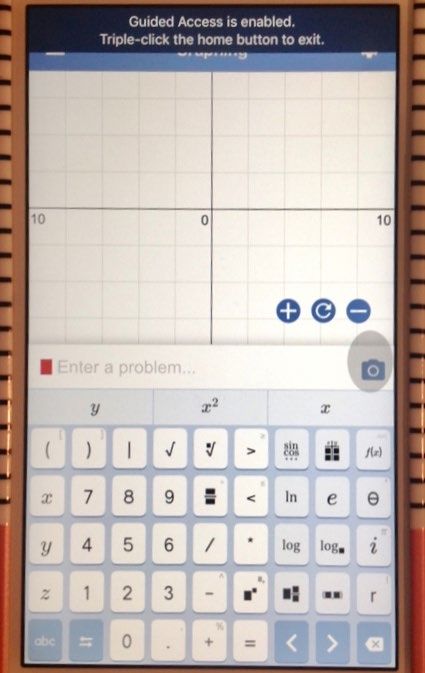
STAAR Dictionary Policy
Districts must ensure that dictionaries are available to ALL students taking
• STAAR grades 3–8 reading;
• STAAR Spanish grades 3–5 reading;
• STAAR grades 4 and 7 writing;
• STAAR Spanish grade 4 writing; and
• STAAR English I, English II, and English III.
Allowable Dictionaries
• Standard monolingual dictionaries in English or the language most appropriate for the student
• Dictionary/thesaurus combinations
• Bilingual dictionaries
• ESL dictionaries (definition of an English word using simplified English)
• Sign language dictionaries
• Picture dictionaries
10STAAR Dictionary Policy: STAAR Online Dictionary Tool
A dictionary tool is available on all
STAAR online reading and writing
tests as required by the STAAR
Dictionary Policy.
• English=Merriam-Webster
• Spanish=Larousse
11STAAR Dictionary Policy: Electronic Dictionaries and Dictionary
Applications
Dictionary applications on a tablet, laptop, or desktop are allowable under the STAAR
Dictionary Policy.
• Features that are not allowable must be disabled or the application may not be used.
• Bilingual dictionary applications may NOT be used as an accessibility feature on STAAR
mathematics, science, or social studies assessments.
For electronic dictionaries that are handheld devices, test administrators must ensure
that any features that allow image capture, note taking, or uploading of files have
been cleared of their contents before and after the test administration.
12Dictionary Applications: Features NOT allowed
For all dictionary applications, these features/functions must be
disabled as outlined in the technology guidelines.
Internet-browsing Automatic upgrades and/or
Identify location of student or search syncing on day of test
by location Subject-specific or “slang”
Videos, animations, or extensive text dictionaries
to expand upon a definition Access to offline favorites or recent
searches, including customized
E-mail, text, social media
definitions/glossary
Games, quizzes, anagrams
Highlight words on a webpage to
Image capture/camera look up
13Dictionary Applications: Disabling Features that are NOT
Allowed
These are examples of a dictionary
application’s settings screen which allow you
to disable features that are NOT allowed or to
select the features that ARE allowed.
For assistance on how to disable features on
your specific application, perform a web
search or contact your district’s information
technology (IT) department or region service
center’s assistive technology representative.
14STAAR Calculator Policy
Specific calculators are required for students taking
• STAAR grade 8 mathematics–graphing calculator
• STAAR grade 8 science–calculator with basic (i.e., four-function), scientific, or graphing
capability
• STAAR Algebra I–graphing calculator
• STAAR Algebra II–graphing calculator
• STAAR Biology–calculator with basic (i.e., four-function), scientific, or graphing capability
Allowable Calculators
• Handheld calculators
• Calculator applications
• Calculator tools in the STAAR online testing platform
15Calculator Applications: Features NOT Allowed
For all calculator applications, these features/functions must be disabled as outlined in
the Technology Guidelines policy document.
Functions that compromise the curriculum standards being assessed
Internet capabilities (if a calculator application requires an internet connection in order to function it
should be set in a mode that prevents the students from accessing an internet browser or accessing any
other aids beyond the allowed supports)
Features that allow access to other programs (put in kiosk mode or a districtwide Mobile Device
Management system (MDM))
Computer Algebra System
Any feature that will allow the ability to share/e-mail a response
Saved content (i.e., all memory) must be cleared to factory default both before and after testing. Any
programs or applications that are not preinstalled by default must be removed or disabled prior to
testing.
16Calculator Applications: Disabling Features that are NOT allowed
These are examples of:
• Guided Access (i.e., kiosk mode), in which
the camera feature was disabled, and
• a calculator application’s settings screen
which allows you to disable features that are
NOT allowed or to select the features that
ARE allowed.
For assistance on how to disable features
on your specific application, perform a
web search or contact your district’s IT
department or region service center’s
assistive technology representative.
17Example of Calculator Applications that Compromise the
Standard being Assessed Rationale for option A as the correct answer:
Test item from the released 2018 Algebra I EOC
test:
(A.3) Number and operations. Linear functions, equations, and
inequalities. The student applies the mathematical process standards
when using graphs of linear functions, key features, and related
transformations to represent in multiple ways and solve, with and
without technology, equations, inequalities, and systems of equations.
The student is expected to: (D) graph the solution set of linear
inequalities in two variables on the coordinate plane; Supporting
Standard
The next slide shows how a calculator application can be used to
find the correct answer to this item without requiring the
student to demonstrate his/her understanding of the student
expectation.
18Example of Calculator Applications that Compromise the
Standard being Assessed
The example to the left shows how the
correct answer to the item on the
previous slide may be determined by
simply typing the inequality into the
calculator application.
Some calculator applications may not comply with
technology use guidelines because they compromise
the standards being assessed, even when the
application is in testing mode. Careful consideration
should be given to the use of applications during testing
so that the application itself is not a direct source of
answers.
19Designated Supports that May Include Technology
Basic Transcribing Spelling Assistance
Spell-check
Word processor Word prediction
Speech-to-text Text-to-speech
Speech-to-text
Calculation Aids for grades 3-7
Basic (i.e., four-
function) calculator
20Basic Transcribing Designated Support Policy
The test administrator may carry out Basic Transcribing to transfer an eligible student’s responses onto the test booklet, answer document, or
into the online testing platform in these situations only.
The student writes or circles responses in the test booklet for multiple-choice or griddable questions.
The student points to responses in the test booklet or on the computer screen for multiple-choice questions.
The student dictates or signs responses for multiple-choice and griddable questions.
The student writes responses on another workspace (e.g., scratch paper, dry erase board) or types responses on a word
processor for multiple-choice questions, griddable questions, or the writing prompt.
The student uses speech-to-text technology to indicate responses for multiple-choice questions, griddable questions, or the
writing prompt, including the use of the online embedded support on the STAAR online testing platform (SOTP)
The student dictates or signs information to be recorded in the margins of the test booklet or in the notes tool for online tests
(does NOT apply to math calculations or responses to the written composition).
21Basic Transcribing: Word Processor Features NOT Allowed
If the eligible student is taking an online test, a separate desktop or laptop may be necessary, or the online test will
need to be paused so the student can use the software. Features that must be disabled or made unavailable as
outlined in the Technology Guidelines for eligible students receiving this designated support include:
internet capabilities (If a word processing software requires an internet connection to function, it should be set in a mode
that prevents the student from accessing an internet browser or accessing any other aids beyond the allowed supports.);
any feature that will allow the ability to access other programs/features not allowed on the device;
any feature that will edit or aid a student’s response (e.g., spell-check, word predictor, auto-correct for punctuation,
capitalization, etc.);
saving capabilities (If a word processing software requires a student’s response to be temporarily saved, the district must
ensure the file is permanently deleted after the administration.); and
any feature that will allow the ability to share/email a response.
22Basic Transcribing: Disabling Features that are NOT Allowed in
a Word Processor
This is an example of a tablet’s keyboard settings
which allow you to disable features that are NOT
allowed.
For assistance on how to disable features on your
specific application, perform a web search or contact
your district’s IT department or region service center’s
assistive technology representative.
23Basic Transcribing: Speech to Text (Online Embedded Support
Tool)
Available for English and Spanish written compositions only
Students eligible for speech-to-text can click on the
Microphone icon to activate the speech-to-text functionality
Students using speech-to-text should allow for enough time
to edit their responses prior to the end of the testing
session
Practice for using the online speech-to-text feature is
available through the stand-alone tool found here or in the
SOTP
NOTE: When speech-to-text is enabled, all other text editing
tools are unavailable
24Basic Transcribing: Speech to Text Features NOT
Allowed
When using speech to text technology, the following features must be disabled:
any feature that will edit or aid a student’s response, such as, but not limited to:
grammar check (i.e., automatic underline that indicates to student a correction is needed); and
automatic capitalization and punctuation;
any feature that will save a typed response (If a speech-to-text application requires a student’s response to
be temporarily saved, the district must ensure the file is permanently deleted after the administration.);
any feature that will allow the ability to share/e-mail a response;
internet capabilities (If a speech-to-text application requires an internet connection to function, it should be
set in a mode that prevents the student from accessing an internet browser or accessing any other aids
beyond the allowed supports.);
translation services; and
any feature that will allow the ability to access other programs/features not allowed on the device.
25Basic Transcribing: Disabling Features that are NOT Allowed
when using Speech to Text
This is an example of a speech-to-text
application’s settings, which allow you to
disable features that are NOT allowed.
For assistance on how to disable features
on your specific application, perform a
web search or contact your district’s IT
department or region service center’s
assistive technology representative.
26Calculation Aids Designated Support Policy
For eligible students taking a grade 3–7 STAAR or STAAR Spanish math
or science assessment, ONLY the following calculators may be used:
Basic (i.e., four-function) handheld calculator or calculator application,
including large-key or speech-output
Basic Calculator available as an online embedded support on STAAR
Abacus or Cranmer modified abacus
0–9 addition grid without special numbers (e.g., even numbers) indicated
Grade-appropriate multiplication grid without special numbers (e.g., perfect
squares) indicated
27Online Basic Calculator Tool
For questions regarding the functions of a
basic calculator (i.e., four function), see the
Basic Calculator tool in the STAAR Online
Testing Platform (SOTP).
For eligible students in grades 3-7, a Basic
Calculator is available as built in embedded
support on the SOTP.
The tool is available in a practice test in the
STAAR Online Testing Platform (SOTP).
28Example of Calculator Functions that Compromise the Standard
Being Assessed
(5.3) Number and operations. The student applies mathematical
process standards to develop and use strategies and methods for
positive rational number computations in order to solve problems with
efficiency and accuracy. The student is expected to
(H) represent and solve addition and subtraction of fractions with
unequal denominators referring to the same whole using objects and
pictorial models and properties of operations; Supporting Standard
Some calculation applications have a function that will not allow for an accurate
assessment of this standard. While this function is NOT allowable under the
Calculation Aids designated support policy, it is allowable under the STAAR
Calculator Policy for grade 8 mathematics, grade 8 science, Algebra I, Algebra II,
and biology.
29Example of Calculator Functions that Compromise the Standard
Being Assessed
(6.4) Proportionality. The student applies mathematical
process standards to develop an understanding of
proportional relationships in problem situations. The student
is expected to:
(G) generate equivalent forms of fractions, decimals, and
percents using real-world problems, including problems that
involve money; Readiness Standard
Some calculation applications have a function that will not allow for an
accurate assessment of this standard. While this function is NOT allowable
under the Calculation Aids designated support policy, it is allowable under the
STAAR Calculator Policy for grade 8 mathematics, grade 8 science, Algebra I,
Algebra II, and biology.
30Example of Calculator Functions that Compromise the
Standards Being Assessed
(7.11) Expressions, equations, and
relationships. The student applies
mathematical process standards to solve one-
variable equations and inequalities. The student
is expected to
(A) model and solve one-variable, two-step
equations and inequalities; Readiness Standard
Some calculation applications have a graphing function
that will not allow for an accurate assessment of this
standard. While this function is NOT allowable under
the Calculation Aids designated support policy, it is
allowable under the STAAR Calculator Policy for grade 8
mathematics, grade 8 science, Algebra I, Algebra II, and
biology.
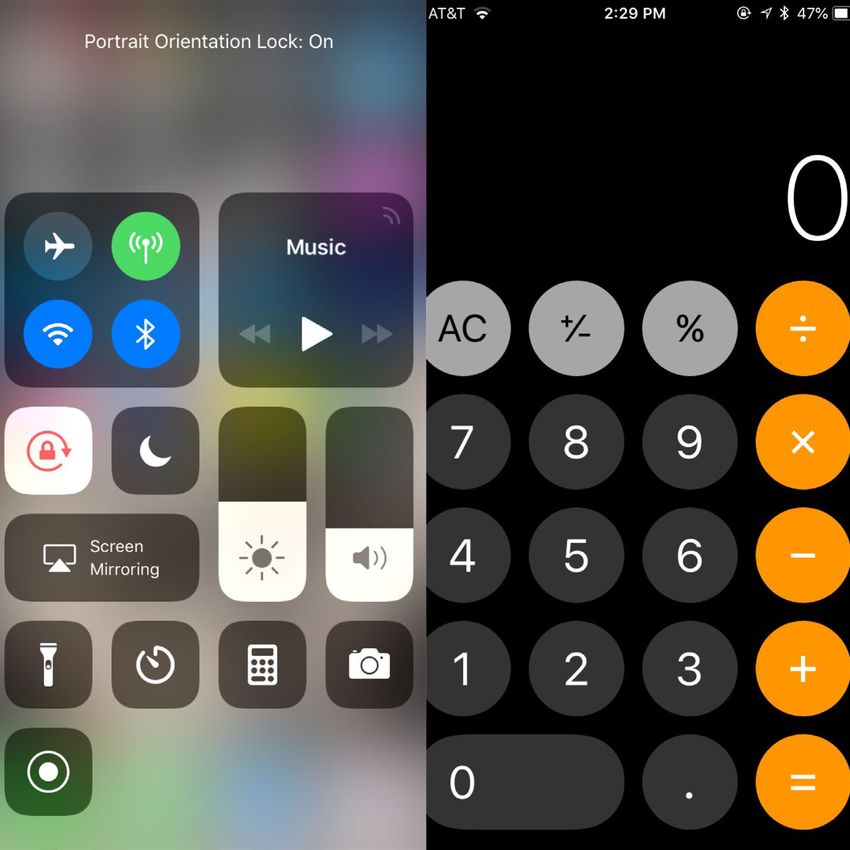
31Examples of Basic (i.e., Four- Function Handheld Calculator
32Examples of Basic (i.e., Four- Function Handheld Calculator
33Examples of Handheld Calculators that are NOT Basic (i.e., Four-
Function)
34Examples of Calculator Applications that are NOT Basic (i.e.,
Four-Function)
35Spelling Assistance Designated Support Policy
For a student who meets the eligibility criteria, this designated support may be used only
on
• STAAR grades 4 and 7 writing, English I, English II, and English III (written composition ONLY)
• STAAR Spanish grade 4 writing (written composition ONLY)
This designated support may include only
• visual sound cards
• frequently misspelled word list (e.g., student-made, teacher-made, commercially produced)
• spell-check function on a word processor or as an online embedded support on STAAR
• pocket spell-checker
• word-prediction software
• text-to-speech software or devices
• speech-to-text software, applications, devices, or as an online embedded support on STAAR
36Online Embedded Spelling Assistance Tool
When a word is not found in the dictionary source list, it will be
flagged.
• The tool provides up to five suggestions.
• The tool evaluates the words independent of the context.
It does not check for errors in grammar.
The tool is available in a practice test in the STAAR Online Testing
Platform.
Not every student eligible for the spelling assistance designated
support will use this PNP. Only students who routinely use a spell-
check feature may benefit from this embedded support. Eligible
students should practice using this support to determine if it meets
their needs.
Students may use any allowable examples or types of spelling
assistance listed in the designated support policy document in lieu
of or in addition to this online embedded support.
37Spelling Assistance Features NOT Allowed
An eligible student may use spelling assistance technology (i.e., spell check, pocket spellchecker, word prediction, text-to-speech,
speech-to-text) outside of the testing platform if he/she routinely uses this designated support in instruction. This may be in the
form of an application on a tablet or software on a desktop or laptop. Features that must be disabled or made unavailable as
outlined in the Technology Guidelines for eligible students receiving this designated support include:
any feature that will edit or aid a student’s response in areas other than spelling, such as automatic capitalization and punctuation, or
grammar check;
any feature that will save a typed response (if a spelling assistance software requires a student’s response to be temporarily saved,
the district must ensure the file is permanently deleted after the administration);
any feature that will allow the ability to share/e-mail a response;
internet capabilities (if a spelling assistance software requires an internet connection to function, it should be set in a mode that
prevents the student from accessing an internet browser or accessing any other aids beyond the allowed supports);
translation services; and
any feature that will allow the ability to access other programs/features not allowed on the device.
38Spelling Assistance: Disabling Features NOT Allowed
This is an example of a tablet’s keyboard
settings which allow you to disable
features that are NOT allowed and to
select the features that ARE allowed.
For assistance on how to disable features
on your specific application, perform a web
search or contact your district’s IT
department or region service center’s
assistive technology representative.
39Disclaimer
These slides have been prepared by the Student Assessment Division
of the Texas Education Agency. You are welcome to use them for local
training.
If any of the slides are changed for local use, remove any TEA logos,
headers, or footers. (You may need to edit the Master slide.)
This training is not intended to replace any materials or additional
information on the TEA website.
40You can also read


