PROGRAM Denmark, 2021 - Scandinavian Neuropathological Society - 12th European Congress of Neuropathology
←
→
Page content transcription
If your browser does not render page correctly, please read the page content below

PROGRAM
   Denmark, 2021

     Scandinavian
     Neuropathological
     Society
Content

Congress Welcome...................................................          3

Welcome from the President of Euro-CNS ...................                   4

Organising Committee...............................................          5

Scientific Program Committee and Advisory Board........                      6

Practical information.................................................       7

Program at-a-glance.................................................         8

ECNP 2021 Program..................................................          12

   Monday...............................................................     12

   Tuesday..............................................................     17

   Wednesday..........................................................       21

   Thursday.............................................................     25

Free Communication sessions.....................................             29

Quick Pitch Sessions.................................................        32

Supporters and Partner/Sister Organizations................                  42

Exhibitors................................................................   43

Acknowledgements...................................................          44

                                         2
Welcome from the Congress President and the
                   Scandinavian Neuropathological Society (SNS)

Dear Friends and Colleagues,

On behalf of the Organizing and Scientific
Program Committees, it is a great pleasure
for me to welcome you to the 12th European
Congress of Neuropathology. The Scandinavian
Neuropathological Society has considered it a
great honor to organize this Congress together
with Euro-CNS.

Originally, the 12th European Congress of
Neuropathology was going to take place in June
2020 in Odense, the warm fairytale city in the heart
of Denmark. However, the COVID-19 pandemic led
to a complete national lock-down in Denmark less
than 3 months before the congress last year.

After postponing the congress to October 2020,                                Bjarne Winther Kristensen
the continued COVID-19 pandemic led us to decide                              Congress President
to switch to a virtual event – the first virtual
European Congress of Neuropathology– to bring
neuropathology into this novel virtual age and to
share the important knowledge in our field.                  The eposter platform, the Learning Toolbox,
                                                             connects the delegates with the poster presenters in
Neuropathology is an important discipline. The               a unique way. Questions can be asked realtime via
diseases we cover are critical for our patients and          chat - so poster presenters will be easy to reach and
their relatives and our focus on novel diagnostic            leave the meeting with new connections, knowing
approaches including molecular mechanisms                    that many have seen their presentations.
explaining pathological and clinical manifestations of
neurological diseases is highly needed.                      I deeply appreciate all the help and support
                                                             from the Organizing and Scientific Committees,
Together with our Scientific Program Committee               from Euro-CNS and SNS and many other sides
with both Scandinavians and experts from all over            to organize the 12th European Congress of
Europe and representing all the different areas of           neuropathology. We are extremely grateful for
expertise in neuropathology, we have the pleasure            support from both our scientific and industry
to present a very diverse program.                           sponsors.

While our program is research driven with 6 plenary          Hereby a warm welcome to the 12th European
lectures and 13 symposia intended to inform the              Congress of Neuropathology – we hope you will
delegates about the most recent developments,                enjoy the congress and that it will lead to new
research and results, the 9 workshops will illustrate        collaborations and future discoveries.
the more practical approach of how new knowledge
is integrated into daily neuropathology. Importantly         On behalf of the Organizing and
and being of high relevance, we have a symposium             Scientific Program Committee,
on the neuropathological aspects of COVID-19.

The purpose of the Free Communications and                   Bjarne Winther Kristensen
Poster Quick Pitches is to integrate more deeply             Congress President
into the congress all the important knowledge of             Chairman of the Organizing and Scientific Committees
the 245 abstracts submitted for the congress.                President, Scandinavian Neuropathological Society (SNS)

                                                         3
Welcome from the President
                                       of Euro-CNS

Dear Friends and Colleagues,

It gives me great pleasure to welcome the                   I am extremely grateful to the Organizing
neuropathological community to this 12th European           Committee, especially to Prof. Bjarne Winter
Congress of Neuropathology. As most of you will             Kristensen; to the Scientific Committee; to the
know, this Congress was originally planned for June         Odense University Hospital for financial backup;
2020 in the City of Odense, Denmark. A beautiful            to the sponsors and exhibitors of the event and to
congress setting was arranged to host an exciting           all the people who helped in any way with all the
scientific program in combination with a marvellous         practical work. And last but not least, I am very
social program. COVID-19 decided otherwise. At              grateful to you for your active participation in this
first, the program was postponed to October 2021,           Congress.
in the hope a live Congress would be possible at
that time. Finally, it was decided to organise a
virtual Congress from the 31st of May to the 3rd of
June 2021.
                                                            Martin Lammens
And here we are. The local organizing committee             President, European Confederation of
of the Scandinavian Neuropathological Society, led          Neuropathological Societies (Euro-CNS)
by the incredible Prof. Bjarne Winter Kristensen,
persevered and will now offer you a thrilling
event with an impressive scientific content,
including the classic neuropathological themes
of neurodegeneration, brain tumours, epilepsy,
neurodevelopment, muscle and nerve pathology and
other themes. The program also encompasses brand
new themes such as neuropathology of COVID-19.
These themes will be presented in plenary lectures,
symposia, workshops, free communication sessions
and poster sessions.

But now, it is your turn, dear colleagues. The
organizing committee did its utmost best to
enable interaction between the speakers, abstract
presenters and delegates. Although several of
the presentations will be recorded before the
congress, most presentations, the moderation and
the discussions will be live. You will be invited to
ask questions and interact so that we can keep
the delegates optimally engaged. There will be
opportunity for this during the symposia, the
                                                                             Martin Lammens
workshops, the free communication sessions and
                                                                             President, European Confederation
the poster Quick Pitch sessions. The main virtual
                                                                             of Neuropathological Societies
lecture halls will be named after fairy tales of Hans
                                                                             (Euro-CNS)
Christian Andersen, who was born in the city of
Odense and lived there for a long time. Perhaps this
will inspire you to read Andersen’s beautiful stories
again and pick up a scent of the Danish culture.

                                                        4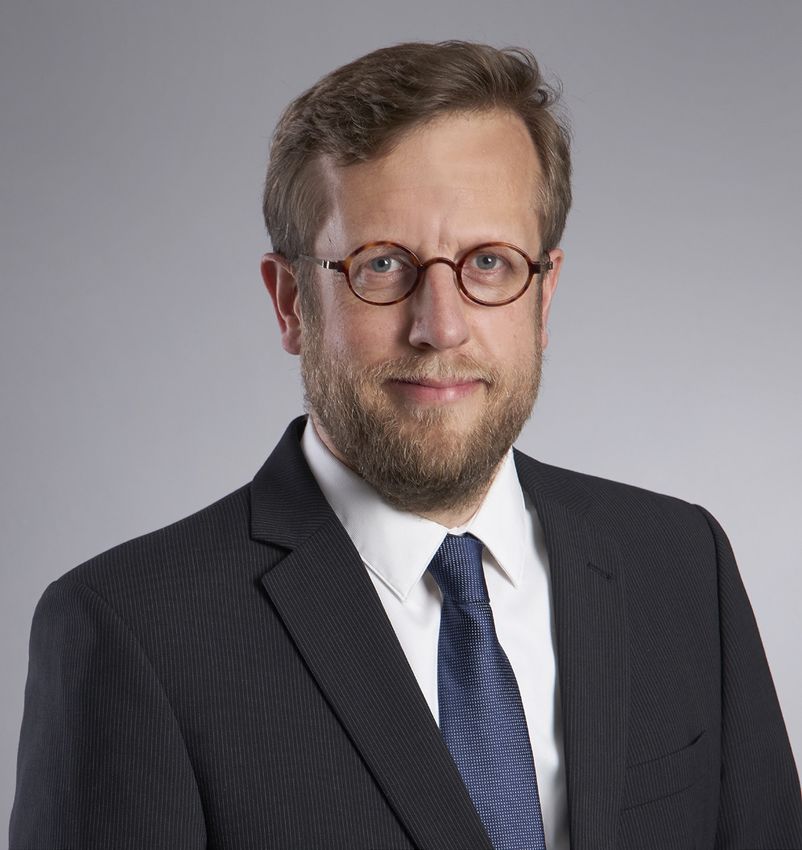
Committees

Organizing committee:
Prof. Bjarne Winther Kristensen (chair)                   Dr. Helle Broholm
Rigshospitalet, Copenhagen University Hospital,           Copenhagen University Hospital, Denmark
University of Copenhagen, Copenhagen, Denmark
                                                          Prof. Bente Finsen
Dr. David Scheie                                          University of Southern Denmark, Odense, Denmark
Rigshospitalet, Copenhagen University Hospital,
University of Copenhagen, Copenhagen, Denmark             Dr. Morten Meyer
                                                          University of Southern Denmark, Odense, Denmark
Dr. Martin Lammens
Antwerp University Hospital, University of Antwerp,       Dr. Benedicte Parm Ulhøi
Antwerp, Belgium and University of Ghent, Ghent,          Aarhus University Hospital, Aarhus, Denmark
Belgium
                                                          Dr. Marianne Schmidt Ettrup
Dr. Wilfred den Dunnen                                    Aalborg University Hospital, Aalborg, Denmark
University Medical Center Groningen, University of
Groningen, Groningen, The Netherlands                     Dr. Jeanette Krogh Petersen
                                                          Odense University Hospital, University of Southern
Prof. Henrik Daa Schrøder                                 Denmark, Odense, Denmark
Odense University Hospital, University of Southern
Denmark, Odense, Denmark                                  Dr. Arnon Møldrup Knudsen
                                                          Odense University Hospital, University of Southern
Dr. Henning Boldt                                         Denmark, Odense, Denmark
Odense University Hospital, University of Southern
Denmark, Odense, Denmark                                  Dr. Atul Anand
                                                          Odense University Hospital, University of Southern
Dr. Martin Wirenfeldt Nielsen                             Denmark, Odense, Denmark
Odense University Hospital, University of Southern
Denmark, Odense, Denmark

Dr. Eva Løbner Lund
Rigshospitalet, Copenhagen University Hospital,
University of Copenhagen, Copenhagen, Denmark

                                                      5
Committees

Scientific Program Committee and Advisory Board:
Bjarne Winther Kristensen                David Capper                    Jens Pahnke
(chair, Copenhagen, Denmark)             (Berlin, Germany)               (Oslo, Norway)

Pieter Wesseling                         David Scheie                    Joachim Weis
(co-chair, Amsterdam, the Netherlands)   (Copenhagen, Denmark)           (Aachen, Germany)

Irina Alafuzoff                          Dominique Figarella-Branger     Maria Gardberg
(co-chair, Uppsala, Sweden)              (Marseille, France)             (Turku, Finland)

Steve Wharton                            Elisabeth Englund               Maria Thom
(co-chair, Sheffield, United Kingdom)    (Lund, Sweden)                  (London, United Kingdom)

Colin Smith                              Ellen Gelpi                     Martin Wirenfeldt Nielsen
(co-chair, Edinburg, Scotland)           (Vienna, Austria)               (Odense, Denmark)

Raj Kalaria                              Ellen-Ann Antal                 Miguel Idoate
(co-chair, Newcastle, United Kingdom)    (Oslo, Norway)                  (Navarra, Pamplona, Spain)

Kate Lambertsen                          Eva Løbner Lund                 Olivera Casar-Borota
(co-chair, Odense, Denmark)              (Copenhagen, Denmark)           (Uppsala, Sweden)

Anders Oldfors                           Felice Giangaspero              Olli Tynninen
(co-chair, Gothenburg, Sweden)           (Roma, Italy)                   (Helsinki, Finland)

Martin Lammens                           Felix Sahm                      Pascale Varlet
(co-chair, Antwerp, Belgium)             (Heidelberg, Germany)           (Paris, France)

Karen Bonde Larsen                       Gabor Kovacs                    Paul G Ince
(co-chair, Copenhagen, Denmark)          (Toronto, Canada)               (Sheffield, United Kingdom)

Eleonora Aronica                         Guido Reifenberger              Rahul Phadke
(co-chair, Amsterdam, the Netherlands)   (Düsseldorf, Germany)           (London, United Kingdom)

Hans Lassmann                            Helle Broholm                   Sanna Huovinen
(co-chair, Vienna, Austria)              (Copenhagen, Denmark)           (Helsinki, Finland)

Trevor Owens                             Henrik Daa Schrøder             Sverre Helge Torp
(co-chair, Odense, Denmark)              (Odense, Denmark)               (Trondheim, Norway)

Johannes Hainfellner                     Homa Adle-Biassette             Sverre Mørk
(Editor: Clinical Neuropathology)        (Paris, France)                 (Bergen, Norway)

Alia Shamikh                             Hrvoje Miletic                  Thomas Brännström
(Stockholm, Sweden)                      (Bergen, Norway)                (Umeå, Sweden)

Anders Paetau                            Ida Elisabeth Holm              Tom Jacques
(Helsinki, Finland)                      (Aarhus, Denmark)               (London, United Kingdom)

Andreas von Deimling                     Inger Nennesmo                  Tuomas Rauramaa
(Heidelberg, Germany)                    (Stockholm, Sweden)             (Kuopio, Finland)

Christine Haberler                       James Nicoll                    Werner Stenzel
(Vienna, Austria)                        (Southamptom, United Kingdom)   (Berlin, Germany)

                                                           6
Practical information

Congress webpage                                              FAQ (Frequently Asked Questions)
www.ecnp2021.dk                                               We highly recommend reading the section with FAQ
                                                              on the event platform.

Virtual Meeting Platform
                                                              Event support
https://crowdcomms.com/ecnp12

Only registered participants can access the virtual           Euro-CNS/ECNP office
platform and access the program. Just click the link          -For speakers and presenters
in the agenda in the menu, or in the live stream              secretariat@euro-cns.com
icon in the reception area, to attend a live session.

                                                              -For ePoster questions from 30 May-3 June
                                                              info@kubify.co
On-demand viewing                                             support@euro-cns.com
All sessions except the Quick Pitch sessions will
be recorded and available for on-demand viewing               -For registration matters
within 24 hours following the end of the session.             ecnp2021@euro-cns.com

Accessibility                                                 First Sight Media
                                                              Technical support is available until 3 June
Registered delegates can access the event platform
                                                              First Sight Media: ecnp@firstsight.media
until 1 September 2021.

Registration                                                  Contact information of the
                                                              co-organizing societies
Registration is open until 15 August 2021.
                                                              Scandinavian Neuropathological Society (SNS)
                                                              website: http://s-n-s.org/
CME certificate (max. 16 credits)                             Contact: david.scheie@regionh.dk
To obtain your certificate (max 16 credits),
please do the following:                                      European Confederation of Neuropathological
                                                              Societies (Euro-CNS)
A) Complete the online evaluation event form that
                                                              Website: www.euro-cns.org
you can access via the platform main menu or via
                                                              Secretariat: secretariat@euro-cns.com
the delegate bag in the reception area.

B) Once you have attended all sessions you would
like to receive the CME credits for, please request           Social media:
the CME certificate via the request form on the
virtual platform or in the Euro-CNS virtual booth in
the Exhibit area.

You will then receive your certificate from the
                                                            company/euro-cns        Congressof        ECNP2021
Euro-CNS/ECNP office within four weeks following
                                                                                  Neuropathology
completion of your form.
                                                                                       2021

                                                        7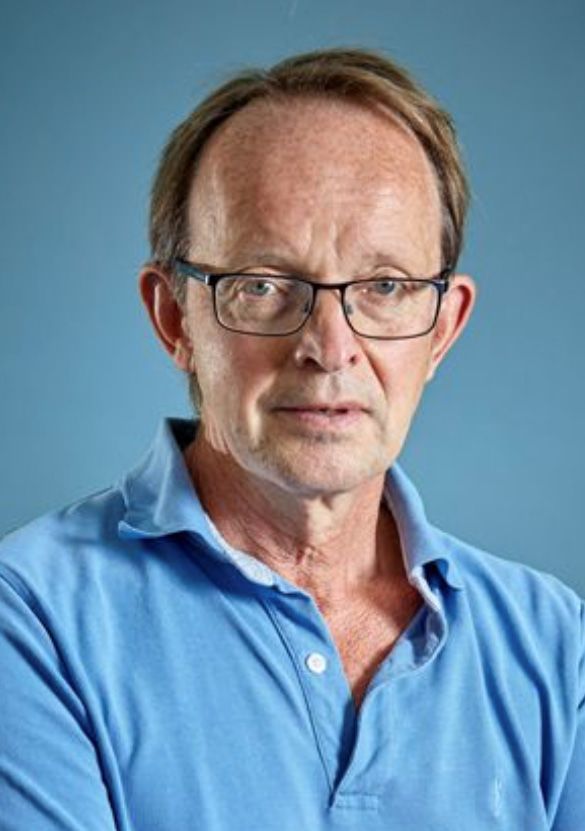
Program at-a-glance

                                         Monday, 31 May

CEST    PROGRAM STRUCTURE VIRTUAL ECNP - 3 CHANNEL STREAMING
12:00
12:15
12:30                                   Exhibit / Poster Viewing / Quick Pitches
12:45
13:00
13:00
                   Welcome
13:15
13:15
          Plenary lecture 1; Andreas
13:30
            von Deimling, Germany
13:45        Brain tumor diagnosis in
14:00   transition - from single parameter
              analyses to multiomics

14:00
14:15            Symposium 1                          Symposium 2                       Symposium 3
14:30
                Cerebrovascular                        Genetics of                   CNS tumor precision
14:45
                   diseases                         neurodegeneration                 oncology - what is
15:00                                                                                  important in the
15:15                                                                              neuropathological setting?

15:30
15:30
                                                         Break
15:45
15:45
16:00
16:15             Workshop 1                          Workshop 2                         Workshop 3

16:30
               Primary tauopathies             Muscle biopsy and molecular         Pituitary and sellar lesions
16:45                                        biology; a successful cooperation
17:00
17:15
17:15
                                                         Break
17:30
17:30
              Plenary lecture 2;
17:45       Dennis W Dickson, USA
18:00        Lessons Learned from
                brain banking for
           neurodegenerative diseases
18:15
             (Lecture supported by
                 BNS and NAN)

                                                     8
Program at-a-glance

                                            Tuesday, 1 June

CEST    PROGRAM STRUCTURE VIRTUAL ECNP - 3 CHANNEL STREAMING
12:00
12:15
12:30                                      Exhibit / Poster Viewing / Quick Pitches
12:45
13:00
13:00
             Plenary lecture 3;
13:15     Stéphanie Baulac, France

13:30
           Brain somatic mutations in
            focal cortical dysplasias
13:45

13:45
                                                            Break
14:00
14:00
14:15            Symposium 4                            Symposium 5                       Symposium 6

14:30         The 2021 WHO CNS                           Mechanisms of                  Immuno-oncology
14:45        tumor classification:                     brain inflammation
                   The Fifth!
15:00
            (Symposium supported
15:15          by BNS and NAN)
15:30
15:30
                                                            Break
15:45
15:45
16:00             Workshop 4                             Workshop 5                       Workshop 6
16:15
            Slide seminar on human                  Case discussions of CNS                Developmental
16:30
                 prion diseases -                          tumors with                    neuropathology;
16:45     histotyping and identification            multilayered information           recent advances and
17:00        of atypical phenotypes                                                      future challenges

17:15
17:15
                                                            Break
17:30
17:30
17:45
            Free Communication 1                    Free Communication 2              Free Communication 3
18:00

18:15
18:30

                                                        9
Program at-a-glance

                                      Wednesday, 2 June

CEST    PROGRAM STRUCTURE VIRTUAL ECNP - 3 CHANNEL STREAMING
12:00
12:15
12:30                                  Exhibit / Poster Viewing / Quick Pitches
12:45
13:00
13:00
              Plenary lecture 4;
13:15       Rolf Bjerkvig, Norway

13:30    The invasive behavior of glioma
            cells in the CNS and their
13:45        biological characteristics

13:45
                                                          Break
14:00
14:00
14:15            Symposium 7                          Symposium 8                        Symposium 9

14:30                                        Myositis - clinical, morphological         White matter and
            TDP-43 proteinopathies
14:45                                          and differential diagnostic         oligodendrocyte pathology;
                                                         highlights               new insights in neurodevelop-
15:00
                                                                                  mental diseases and epilepsy
15:15
15:30
15:30
                                                          Break
15:45
15:45
16:00
                 Workshop 7                           Workshop 8                          Workshop 9
16:15
16:30          Assessment of the               Progress in the pathological          B-cells in inflammatory
             contributions of mixed          diagnosis of pediatric and adult        demyelinating diseases
16:45
         pathologies in the ageing brain               CNS tumors
17:00
17:15
17:15
                                                          Break
17:30
17:30
17:45
            Free Communication 4                Free Communication 5                Free Communication 6
18:00

18:15
18:30

                                                    10
Program at-a-glance
Thursday, 3 June
CEST PROGRAM STRUCTURE VIRTUAL ECNP - 3 CHANNEL STREAMING
11:30
11:45
12:00 ISN business meeting*
12:15
Exhibit / Poster Viewing / * ISN Council & Executive only
12:30 (upon invitation)
Quick Pitches
12:45
13:00
13:00
Plenary lecture 5;
13:15 Berge Minassian, USA
13:30 Polyglucosan storage in muscle
and brain - disease entities
13:45 and pathogenesis
13:45
Break
14:00
14:00
14:15
Symposium 10 Symposium 11 Symposium 12
14:30
14:45 Neuropathology training, Intratumoral heterogeneity Dynamic aspects of amyloid-β
courses and examination
15:00
(EFN) in Europe
15:15
15:30
15:30
Break
15:45
15:45
16:00
16:15 Symposium 13
16:30
COVID-19 and neuropathology
16:45
17:00
17:15
17:15
Break
17:30
17:30 Plenary lecture 6;
Piero Parchi, Italy
17:45
18:00 Deciphering phenotypic variability
and transmission properties of
18:15 human prion diseases
18:15
18:30 Prizes and closure
11Plenary Speakers
Andreas von Deimling
Andreas von Deimling, received his basic medical education in
the city of Freiburg, Germany.
Clinical training began with a first residency at the University
Hospital Zurich, Switzerland, in 1988 followed by a
research program in the Neuro-Oncology Department of the
Massachusetts General Hospital from 1990 to 1992.
Neuropathology training was completed in the Department of
Neuropathology at the University of Bonn from 1992 to 1994.
From 1995 to 1988 he served there as consultant and
was awarded the “Schäfersnolte Award” and the endowed
“Schilling Professorship”.
In 1998, he was appointed as Director of Neuropathology at
the Charité, Humboldt University, in the city of Berlin.
This was followed by relocation to the city of Heidelberg in
2007, accompanied by a combined appointment as director of
Andreas von Deimling Neuropathology at the University of Heidelberg and director
of the Clinical Cooperation Unit Neuropathology at the
German Cancer Institute.
His scientific focus is on molecular tumor neuropathology
with special attention to developing diagnostic tools and
algorithms. This included the mutation specific antibodies
H09 targeting the IDH1-R132H and VE1 targeting the
BRAF-V600E mutations. Recent work focused on a
methylation based classification systems for brain
tumors and sarcomas.
He is a member of the European Academy of Cancer Sciences
and the German National Academy of Sciences (Leopoldina)
and was awarded the “Deutsche Krebspreis“ in 2016 and the
Fred W. Stewart award in 2017.
12Plenary Speakers
Dennis Dickson
Dennis W. Dickson is a 1982 graduate of the University of
Iowa College of Medicine.
He completed Pathology and Neuropathology training at
Albert Einstein College of Medicine in New York City in 1986
and was a faculty member at Einstein until 1997.
He moved to Mayo Clinic in Florida in 1997, where he
established a brain bank for neurodegenerative disorders with
a focus on Alzheimer’s disease (AD), Lewy body dementia
(LBD) and progressive supranuclear palsy (PSP).
The brain bank houses the world’s largest collections of
pathologically-confirmed cases of PSP and corticobasal
degeneration (CBD), as well as very large collections of AD
and LBD cases, all of which have been used in multicenter,
international studies to understand the genetic architecture of
neurodegenerative disorders.
His contributions have been recognized by the Metropolitan
Life Award in 2001, the Fred Springer Award from the Dennis Dickson
American Parkinson Disease Association in 2008, the Alfred
Meyer Award from the British Neuropathological Society
in 2009, the Potamkin Prize in 2011 and the Award for
Meritorious Contributions to Neuropathology from the
American Association of Neuropathologists in 2016.
He is past president of the American Association of
Neuropathologists and editor of a monograph sponsored
by the International Society of Neuropathology, now in its
second edition, entitled “Neurodegeneration: The Molecular
Pathology of Dementia and Movement Disorders.”
13Detailed Program
Monday, 31 May 2021 Times are in Central European Summer Time (CEST, Copenhagen)
09:00-18:30 - Exhibit Hall and ePoster viewing open
12:00-13:00 - Quick Pitch poster sessions (mini oral poster presentations). See presentation overview below
12:00 Quick Pitch session 1: Gliomas
Quick Pitch session 2: Tumors
Quick Pitch session 3: Neurodegenerative diseases
Quick Pitch session 4: Neuroinflammatory diseases
13:00 -13:15 - Welcome (Nightingale Auditorium)
13:00 Bjarne Winther Kristensen, Congress President and President of SNS, Copenhagen, Denmark
Martin Lammens, President of Euro-CNS, Antwerpen, Belgium
13:15-14:00 - Plenary Lecture 1 (Nightingale Auditorium)
13:15 Chair: Bjarne Winther Kristensen, Copenhagen, Denmark
Brain tumor diagnosis in transition - from single parameter analyses to multiomics
Andreas von Deimling, Heidelberg, Germany
14:00-15:30 - Symposium 1: Cerebrovascular diseases (Nightingale Auditorium)
Chairs: Raj Kalaria, Newcastle, United Kingdom, and Kate Lykke Lambertsen, Odense, Denmark
14:05 S1.1 Post-stroke inflammation – target or tool for therapy
Kate Lykke Lambertsen, Odense, Denmark
14:28 S1.2 White matter in familial small vessel diseases: CADASIL
Anne Joutel, Paris, France
14:51 S1.3 White matter disease – small vessel pathology and more
Elisabet Englund, Lund, Sweden
15:13 S1.4 (P207) Regional proteomic mapping of the human vanishing white matter brain
Jodie Man, Utrecht, the Netherlands
15:22 S1.5 (P210) Volume and cell number of the hippocampus in depression,
schizophrenia, and suicide subjects
Karl-Anton Dorph-Petersen, Århus/ Randers, Denmark
14:00-15:30 - Symposium 2: Genetics of neurodegeneration (Tinderbox Hall)
Chairs: Irina Alafuzoff, Uppsala, Sweden, and Colin Smith, Edinburgh, Scotland
14:05 S2.1 Clues to the aetiology of neurodegenerative diseases from genomic analysis
John Hardy, London, United Kingdom
14:28 S2.2 Pathology of genetic and sporadic Parkinson's disease
Steve Gentleman, London, United Kingdom
14:51 S2.3 Genetics of ALS/MND - from genes to translational approaches
Pamela Shaw, Sheffield, United Kingdom
15:14 Panel Discussion
14Detailed Program
Monday, 31 May 2021
14:00-15:30 - Symposium 3. CNS tumor precision oncology – what is important in the
neuropathological setting? (Little Mermaid Hall)
Chairs: Werner Paulus, Münster, Germany, and Christine Haberler, Vienna, Austria
14:05 S3.1 The laboratory setup needed for CNS tumor precision oncology
Felix Sahm, Heidelberg, Germany
14:25 S3.2. Experience and results from a precision oncology phase I unit
Ulrik Lassen, Copenhagen, Denmark
14:45 S3.3 Molecular diagnostics of brain tumors - current practice and the next frontiers
Sebastian Brandner, London, United Kingdom
15:05 S3.4 (P192) Somatostatin receptor-targeted radiopeptide therapy in
treatment-refractory meningioma
Christian Mirian, Copenhagen/Geneva, Denmark/Switzerland
15:13 S3.5 (P123) Diffuse midline glioma, H3 K27M-mutant (DMG,H3) with BRAF V600E
mutation Presentation of two cases treated with BRAF V600 inhibitors
Mónica Mezmezian, Buenos Aires, Argentina
15:30-15:45 - Break. Please visit the Exhibition Hall and ePosters
15:45-17:15 - Workshop 1. Primary tauopathies (Nightingale Auditorium)
Chairs: Gabor Kovacs, Toronto, Canada, and Dennis Dickson, Jacksonville, Florida, USA
15:50 W1.1 Overview of tau pathologies: interactive slide session using scanned slides
Gabor Kovacs, Toronto, Canada
16:15 W1.2 Tau pathology related to brain trauma
Colin Smith, Edinburgh, Scotland
16:40 W1.3 (P023) Deconvolving the individual contributions of comorbid tau
neuropathologies using deep learning
Anthony Vega, Dallas, Texas, USA
16:48 W1.4 (P019) Aggregates of RNA binding proteins and ER chaperones linked to exosomes
in granulovacuolar degeneration of the Alzheimer’s disease brain
Alfred Yamoah, Aachen, Germany
16:56 W1.5 (P018) Tau related changes in post mortem retina in Alzheimer’s
disease and other tauopathies
Jeroen Hoozemans, Amsterdam, the Netherlands
17:04 Panel Discussion
15Detailed Program
Monday, 31 May 2021
15:45-17:15 - Workshop 2. Muscle biopsy and molecular biology: a successful cooperation
(Tinderbox Hall)
Chairs: Martin Lammens, Antwerpen, Belgium, and Werner Stenzel, Berlin, Germany
15:49 W2.1 Interactive case discussions
Eleonora Aronica, Amsterdam, the Netherlands
16:02 W2.2 Interactive case discussions
Joachim Weis, Aachen, Germany
16:15 W2.3 Differential diagnosis of vacuolar myopathies in the NGS era
Joachim Weis, Aachen, Germany
16:26 W2.4 Interactive case discussions
Willem de Ridder, Antwerp, Belgium
16:41 W2.5 Interactive case discussions
Wilfred den Dunnen, Groningen, the Netherlands
16:54 W2.6 Interactive case discussions
Werner Stenzel, Berlin, Germany
17:07 W2.7 (P206) Automated large-scale scanning transmission electron microscopy
of myopathies with structural abnormalities
Carsten Dittmayer, Berlin, Germany
15:45-17:15 - Workshop 3. Pituitary and sellar lesions (Little Mermaid Hall)
Chairs: Olivera Casar-Borota, Uppsala, Sweden, and Henning Boldt, Odense, Denmark
15:50 W3.1 The 2017 WHO classification of pituitary neuroendocrine neoplasms.
What have we learnt?
Olivera Casar-Borota, Uppsala, Sweden
16:07 W3.2 Morphology meets genomics and epigenomics: should we move towards
an integrated tissue diagnosis of PitNETs?
Olaf Ansorge, Oxford, United Kingdom
16:24 W3.3 Molecular pathways and targets in pituitary tumors
Marily Theodoropoulou, Munich, Germany
16:41 W3.4 Pituitary lesions from an endocrinologist’s perspective
Marianne Andersen, Odense, Denmark
16:58 W3.5 Interactive slide-based case presentations
Olaf Ansorge, Oxford, United Kingdom
17:15-17:30 - Break. Please visit the Exhibition Hall and ePosters
17:30-18:15 - Plenary Lecture 2 (Nightingale Auditorium)
Chair: Colin Smith, Edinburgh, Scotland
Lessons learned from brain banking for neurodegenerative diseases
Dennis Dickson, Jacksonville, Florida, USA
This Lecture is supported by the British Neuropathological Society (BNS) and Neuropathology and Applied
Neurobiology (NAN)
16Plenary Speakers
Stephanie Baulac
Stéphanie Baulac is research director at Inserm and group
leader at the Paris Brain Institute
(ICM, Pitié-Salpêtrière Hospital, Paris).
The scientific course of Stéphanie started as a graduate
student at the Pitié-Salpêtrière in neurogenetics (Paris
University, 1998-2001), her main discovery was the
identification of two epilepsy genes, SCN1A and GABRG2,
with major clinical impact for genetic diagnosis.
She was then a postdoctoral fellow at Harvard Medical School
to investigate molecular and cellular mechanisms involved in
familial forms of Alzheimer's and Parkinson's diseases.
Back in France, she has pursued her work on familial focal
epilepsies, with the goal to also develop disease models
and to understand the underlying mechanisms. Her team
contributed to the identification of a novel gene, DEPDC5,
a repressor of the mTORC1 signaling pathway, opening novel
perspectives in the epilepsy field.
Stephanie Baulac
Currently, her main research interests are at elucidating
the role of brain somatic mutations in focal cortical
malformations. Towards this goal, her lab employs a
multidisciplinary approach to investigate the contributions
of brain mosaicism to epilepsy, integrating genetic studies,
neuropathology, single-cell transcriptomics, cortical organoids
and genetic mouse models.
The Baulac lab has made very important contributions to the
field, and key publications have illuminated new directions in
the field og genetics of epilepsy.
She has been awarded the 2019 International Michael Prize in
epileptology and is funded by an ERC consolidator grant.
17Detailed Program
Tuesday, 1 June 2021
09:00-18:30 - Exhibit Hall and ePoster viewing open
12:00-13:00 - Quick Pitch poster sessions (mini oral poster presentations). See presentation overview below
12:00 Quick Pitch session 5: Gliomas
Quick Pitch session 6: Tumors I
Quick Pitch session 7: Tumors II
Quick Pitch session 8: Neuromuscular and storage disorders
Quick Pitch session 9: Other topics
13:00-13:45 - Plenary Lecture 3 (Nightingale Auditorium)
Chair: Eleonora Aronica, Amsterdam, the Netherlands
Brain somatic mutations in focal cortical dysplasias
Stéphanie Baulac, Paris, France
13:45-14:00 - Break. Please visit the Exhibition Hall and ePosters
14:00-15:30 - Symposium 4. The 2021 WHO CNS tumor classification: The Fifth! (Nightingale Auditorium)
Chairs: Pieter Wesseling, Amsterdam/Utrecht, the Netherlands, and Guido Reifenberger,
Düsseldorf, Germany
14:05 S4.1 From cIMPACT-NOW to WHO 2021 classification of CNS tumors
Pieter Wesseling, Amsterdam/Utrecht, the Netherlands
14:25 S4.2 The WHO 2021 classification of diffuse gliomas (adult & pediatric)
Guido Reifenberger, Düsseldorf, Germany
14:45 S4.3 The WHO 2021 classification of circumscribed gliomas and glioneuronal tumors
Dominique Figarella-Branger, Marseille, France
15:05 S4.4 Panel Discussion
This Symposium is supported by the British Neuropathological Society (BNS) and Neuropathology
and Applied Neurobiology (NAN)
14:00-15:30 - Symposium 5. Mechanisms of brain inflammation (Tinderbox Hall)
Chairs: Hans Lassmann, Vienna, Austria, and Trevor Owens, Odense, Denmark
14:05 S5.1 Pathways of drainage of interstitial and cerebrospinal fluids from the brain.
Significance for neurological diseases
Roxana Carare, Southampton, United Kingdom
14:28 S5.2 Immune cell interaction with the blood-brain barrier in the pathogenesis
of inflammation
Britta Engelhardt, Bern, Switzerland
14:51 S5.3 Pathology of different human inflammatory CNS diseases - an expanding spectrum
Hans Lassmann, Vienna, Austria
15:14 S5.4 Panel discussion
18Detailed Program
Tuesday, 1 June 2021
14:00-15:30 - Symposium 6. Immuno-oncology (Little Mermaid Hall)
14:00 Chairs: Anna Berghof, Vienna, Austria, and Bjarne Winther Kristensen, Copenhagen, Denmark
14:05 S6.1 The inflammatory microenvironment as a therapeutic target in glioma
Anna Berghof, Vienna, Austria
14:25 S6.2 Genetic changes and T-cell infiltration in gliomas
Pim French, Amsterdam, the Netherlands
14:45 S6.3 Understanding and targeting the microenvironment in IDH-mutant gliomas
Lukas Bunse, Mannheim, Germany
15:05 S6.4 (P111) Single-cell analysis of tumor-associated microglia and macrophages
from human glioblastoma
Rikke Sick Andersen, Odense, Denmark
15:13 S6.5 (P115) Deconvolution of immunotherapy-treated glioblastoma identifies
cellular heterogeneity and plasticity at the single-cell level
Josephine Deleuran Hendriksen, Copenhagen, Denmark
15:21 S6.6 (P135) Defects of mismatch repair proteins in pediatric high-grade gliomas
Christine Haberler, Vienna, Austria
15:30-15:45 - NanoString Lecture 1 (Nightingale Auditorium)
15:30 Regional and sub-regional neuroinflammatory differences in the brain of sporadic
Creutzfeldt-Jakob disease patients
Aušrinė Areškevičiūtė, Copenhagen, Denmark
15:30-15:45 - Break. Please visit the Exhibition Hall and ePosters
15:45-17:15 - Workshop 4. Slide seminar on human prion diseases: histotyping and
identification of atypical phenotypes (Nightingale Auditorium)
15:45 Chairs, speakers: Ellen Gelpi, Vienna, Austria, and Piero Parchi, Bologna, Italy
15:50 W4.1 Interactive histotyping of CJD subtypes including genetic and atypical forms
15:45-17:15 - Workshop 5. Case discussions of CNS tumors with multi-layered information
(Tinderbox Hall)
15:45 Chairs: Felix Sahm, Heidelberg, Germany, and David Capper, Berlin, Germany
15:50 W5.1. Practical NGS evaluation
Felix Sahm, Heidelberg, Germany
16:18 W5.2. Practical DNA methylation evaluation
David Capper, Berlin, Germany
16:46 W5.3. Interactive case discussions
Felix Sahm and David Capper
19Detailed Program
Tuesday, 1 June 2021
15:45-17:15 - Workshop 6. Developmental neuropathology: recent advances and future challenges
(Little Mermaid Hall)
15:45 Chairs: Eleonora Aronica, Amsterdam, the Netherlands, and Karen Bonde Larsen,
Copenhagen, Denmark
15:50 W6.1 The value of postmortem examination in neurodevelopmental diseases
Homa Adle-Biassette, Paris, France
16:10 W6.2. Interneurons in cerebral cortical developmental disorders
Jeffrey Golden, Boston, USA
16:30 W6.3 Neuropathology of focal cortical dysplasias: 2021 update
Ingmar Blümcke, Erlangen, Germany
16:50 W6.4 Panel Discussion
17:15-17:30 - Break. Please visit the Exhibition Hall and ePosters
17:30-18:30 Free Communications 1-2-3. See presentation overview below
Free Communication Session 1: CNS Tumors (1 of 2) – Nightingale Auditorium
Free Communication Session 2: Neurodegenerative and prion diseases (1 of 2) – Tinderbox Hall
Free Communication Session 3: Other topics (1 of 2) – Little Mermaid Hall
20Plenary Speakers
Rolf Bjerkvig
Dr. Bjerkvig is Professor in Cell Biology, Department of
Biomedicine at the University of Bergen, Norway.
Bjerkvig has served as director of the Department of
Biomedicine, University of Bergen, Norway as well as Director
of the Oncology Department, Luxembourg Institute of Health.
His main interests are to elucidate the mechanisms that
cause tumor cell invasion and metastasis from primary and
secondary brain tumors. This involves work focusing on
mechanisms related to tumor/host cell interactions, -and how
cells adapt within this microenvironment in order to facilitate
tumor growth.
His research has also focused on mechanisms of cancer
initiation and progression, with particular emphasis on
cancer-initiating cells and angiogenesis and how new
knowledge generated can be exploited in a therapeutic
context.
For this purpose, his group has been highly recognized for the Rolf Bjerkvig
development of new model systems that reflect human CNS
malignancies.
21Detailed Program
Wednesday, 2 June 2021
09:00-18:30 - Exhibit Hall and ePoster viewing open
12:00-13:00 - Quick Pitch poster sessions (mini oral poster presentations). See presentation overview below
12:00 Quick Pitch session 10: Gliomas
Quick Pitch session 11: Tumors
Quick Pitch session 12: Neuroinflammatory diseases
Quick Pitch session 13: Neurodevelopmental diseases and epilepsy
Quick Pitch session 14: Other topics
13:00-13:45 - Plenary Lecture 4 (Nightingale Auditorium)
13:00 Chair: David Scheie, Copenhagen, Denmark
The invasive behavior of glioma cells in the CNS and their biological characteristics
Rolf Bjerkvig, Bergen, Norway
13:45-14:00 - Break. Please visit the Exhibition Hall and ePosters
14:00-15:30 - Symposium 7. TDP-43 proteinopathies (Nightingale Auditorium)
14:00 Chairs: Manuela Neumann, Tübingen, Germany, and Olaf Ansorge, Oxford, United Kingdom
14:05 S7.1 Neuropathology of FTLD-TDP
Ian Mackenzie, Vancouver, Canada
14:35 S7.2 Cellular and system vulnerability in ALS
Olaf Ansorge, Oxford, United Kingdom
15:05 S7.3 (P009) Cognitive decline in amyotrophic lateral sclerosis: neuropathological
substrate and genetic determinants
Sergi Borrego-Écija, Barcelona, Spain
15:13 S7.4 (P011) Neuroanatomy of FTD: whole-brain correlations between symptoms
and pathologies
Marta Scarioni, Amsterdam, the Netherlands
15:21 S7.5 (P033) Defining and diagnosing neurodegenerative movement disorders through
integrated analysis of genetics and neuropathology (MD-GAP)
Lesley Wu, London, United Kingdom
14:00-15:30 - Symposium 8. Myositis - clinical, morphological and differential diagnostic highlights
(Tinderbox Hall)
14:00 Chairs: Werner Stenzel, Berlin, Germany, and Anne Schänzer, Giessen, Germany
14:05 S8.1 Clinical diagnostic aspects in myositis
Olivier Benveniste, Paris, France
14:28 S8.2 Morphological diagnostic aspects in myositis
Werner Stenzel, Berlin, Germany
14:51 S8.3 Differential diagnostic aspects in myositis
Benedikt Schoser, München, Germany
15:14 S8.4 (P199) NanoString technology distinguishes anti-TIF-1γ+ from anti-Mi-2+
dermatomyositis patients
Josefine Radke, Berlin, Germany
22Detailed Program
Wednesday, 2 June 2021
14:00-15:30 - Symposium 9. White matter and oligodendrocyte pathology: new insights
in neurodevelopmental diseases and epilepsy (Little Mermaid Hall)
14:00 Chairs: Eleonora Aronica, Amsterdam, the Netherlands, and Karen Bonde Larsen,
Copenhagen, Denmark
14:05 S9.1 White matter pathology in vanishing white matter: the role of astroglial pathology
Marianna Bugiani, Amsterdam, the Netherlands
14:25 S9.2 Myelin loss and oligodendrocyte pathology in tuberous sclerosis and
other mTORopathies
Angelika Muehlebner, Amsterdam, the Netherlands
14:45 S9.3 White matter in temporal lobe epilepsy: clinico-pathological correlates
Maria Thom, London, United Kingdom
15:05 S9.4 (P081) Mimicking white matter pathology in a 3D-nanofiber cell culture
system derived from children with drug-resistant epilepsies
Victoria-Elisabeth Gruber, Vienna, Austria
15:13 S9.5 (P082) DNA methylation-based classification of malformations of cortical development
Ingmar Blümcke, Erlangen, Germany
15:21 S9.6 (P080) The antiseizure and antiepileptogenic effect of matrix metalloproteinase
inhibitor IPR-179 and its potential mechanisms of action
Diede W. Broekaart, Amsterdam, the Netherlands
15:30-15:45 - NanoString Lecture 2 (Nightingale Auditorium)
15:30 Understanding neuropathological disorders using GeoMx® Digital Spatial Profiler
Christoph Koenig, Berlin, Germany
15:30-15:45 - Break. Please visit the Exhibition Hall and ePosters
15:45-17:15 - Workshop 7. Assessment of the contributions of mixed pathologies in the ageing brain
(Nightingale Auditorium)
15:45 Chairs: Colin Smith, Edinburgh, Scotland, and Irina Alafuzoff, Uppsala, Sweden
15:50 W7.1 Mixed pathology in the aged demented
Johannes Attems, Newcastle, United Kingdom
16:15 W7.2 Amygdala, a hotspot of pathology in the aged
Irina Alafuzoff, Uppsala, Sweden
16:40 W7.3 (P037) Unique changes in gene activity in the ventral midbrain precedes
dopaminergic degeneration in Parkinson’s disease mouse models
Pierre Garcia, Dudelange/Esch-sur-Alzette, Luxembourg
16:48 W7.4 (P021) Subregional severity of proteinopathies in the hippocampus of late
onset Alzheimer’s disease and dementia with Lewy bodies patients
Sonja Fixemer, Dudelange/Belval, Luxembourg
16:56 W7.5 (P026) Limbic-predominant age-related TDP-43 encephalopathy (LATE) in a
cohort of patients with dementia: evidence of an early phase of hippocampal sclerosis
Alicia Uceda Heras, Madrid, Spain
17:04 W7.6 (P022) Diabetes is associated with vascular dementia, not Alzheimer’s
disease or Lewy body dementia
Keivan Javanshiri, Lund, Sweden
23Detailed Program
Wednesday, 2 June 2021
15:45-17:15 - Workshop 8. Progress in the pathological diagnosis of pediatric and
adult CNS tumors (Tinderbox Hall)
15:45 Chairs: Torsten Pietsch, Bonn, Germany, and Dominique Figarella-Branger, Marseille, France
15:50 W8.1. Molecular pathology of epilepsy-related low-grade lesions
Tom Jacques, London, United Kingdom
16:10 W8.2 Modern diagnostics of ependymal tumors
Dominique Figarella-Branger, Marseille, France
16:30 W8.3 Differential diagnostics of primitive "embryonal" tumors
Torsten Pietsch, Bonn, Germany
16:50 W8.4. (P118) EpiDiP.org: an open access epigenomics diagnostic resource
Juergen Hench, Basel, Switzerland
16:58 W8.5 (P102) Establishment of Droplet Digital™ PCR (ddPCR™) for rapid
molecular diagnostics of brain tumors
Guido Reifenberger, Düsseldorf, Germany
17:06 W8.6 (P127) Identification of two main subgroups among posterior pituitary tumors
associated with histology, MAPK/PI3K mutations, epigenetic regulator mutations,
CNV and outcome
Simone Schmid, Berlin, Germany
15:45-17:15 - Workshop 9. B cells in inflammatory demyelinating diseases (Little Mermaid Hall)
15:45 Chairs: Hans Lassmann, Vienna, Austria, and Trevor Owens, Odense, Denmark
15:50 W9.1 B-cell inflammation in MS
Marvin van Luijn, Rotterdam, the Netherlands
16:07 W9.2 Roles of B-cells in MS and potential consequences for therapy
Amit Bar-Or, Philadelphia, USA
16:24 W9.3 Antibody mediated autoimmune diseases of the nervous system
Romana Höftberger, Vienna, Austria
16:41 W9.4 MOG encephalomyelitis and NMOSD – insights from animal models
Trevor Owens, Odense, Denmark
16:58 W9.5 CD20+ T cells - a T cell disguised as a B cell
Marina von Essen, Copenhagen, Denmark
17:15-17:30 - Break. Please visit the Exhibition Hall and ePosters
17:30-18:30 - Free Communications 4-5-6. See presentation overview below
Free Communication session 4: CNS tumors (2 of 2) – Nightingale Auditorium
Free Communication session 5: Neurodegenerative and prion diseases (2 of 2) – Tinderbox Hall
Free Communication session 6: Other topics (2 of 2) – Little Mermaid Hall
24Plenary Speakers
Berge Minassian
Berge A. Minassian, M.D., is a Professor in the Departments
of Pediatrics and Neurology at UT Southwestern Medical
Center.
Dr. Minassian is a pediatric neurologist whose clinical
specialties are epilepsy, neurodegenerative diseases, and
neurogenetic conditions. He is Chief of Child Neurology at UT
Southwestern and he also leads the Neurosciences Center
at Children’s Health in Dallas. He serves on the faculty
of the Children's Medical Center Research Institute at UT
Southwestern, as well.
Dr. Minassian has been active in neurogenetics research for
his entire career. Two of his primary interests have been
Lafora disease, for which his lab discovered the genes, and
adult polyglucosan body disease.
He has published more than 120 scholarly articles and
authored or contributed to 10 books. Dr. Minassian is a Fellow
(Neurology) of the Royal College of Physicians and Surgeons
Berge Minassian of Canada and a founding member of the American Academy
of Neurology’s Neurogenetics Section. Prior to joining the
UT Southwestern faculty in 2016, he was a Professor of
Neurology at the University of Toronto, a pediatric neurologist
at Toronto’s Hospital for Sick Children, and a senior scientist
in genetics and genome biology at the Hospital for Sick
Children Research Institute.
Dr. Minassian earned his medical degree at McGill University
Faculty of Medicine and performed a residency in adult
neurology at the Veterans Administration West Los Angeles
Medical Center. He then completed a clinical fellowship in
pediatric neurology and epileptology, as well as postdoctoral
research fellowships in both molecular genetics and molecular
neurogenetics at the University of Toronto’s Hospital for Sick
Children.
Dr. Minassian’s many professional honors include the Jacob's
Ladder 2014 Norman Saunders International Research
Prize for Outstanding Scientist, the American Academy of
Neurology 2007 Dreifuss-Penry Epilepsy Award, the Canadian
Paediatric Society 2008 Sanofi Pasteur Research Award,
and the American Epilepsy Society 1996 Young
Investigator Award.
25Plenary Speakers
Piero Parchi
Piero Parchi is Associate Professor of Neurology and Director
of the Program on the Neuropathology of Neurodegenerative
diseases at the Institute of Neurological Sciences of Bologna,
Italy.
Professor Parchi received his M.D. and specialty titles in
Neurology and Anatomic Pathology from the University of
Bologna and his Ph.D. in Neurosciences from the University of
Verona, Italy.
Since 1993 he has primarily conducted his research studying
the molecular basis of phenotypic variability in human
prion disease. The results of his studies have significantly
contributed to the characterization of human prion strains
and the current classification of Creutzfeldt-Jakob disease
variants.
Since 2015 he has expanded his research interests to the
clinical validation of pathology-driven biofluid biomarkers for
the early diagnosis of neurodegenerative diseases exploiting
novel ultrasensitive seeding assays to detect misfolded prion Piero Parchi
and prion-like protein amyloids.
26Detailed Program
Thursday, 3 June
09:00-18:30 - Exhibit Hall and ePoster viewing open
11:30-13:00 - ISN Business Meeting (For ISN Council & Executive Committee only, upon invitation)
12:00-13:00 - Quick Pitch poster sessions (mini oral poster presentations). See presentation overview below
12:00 Quick Pitch session 15: Gliomas
Quick Pitch session 16: Tumors
Quick Pitch session 17: Neuroinflammatory diseases
Quick Pitch session 18: Neurodegenerative diseases and leukoencephalopathies
13:00-13:45 - Plenary Lecture 5 (Nightingale Auditorium)
Chair: Joachim Weis, Aachen, Germany
Polyglucosan storage in muscle and brain - disease entities and pathogenesis
Berge Minassian, Dallas, USA
13:45-14:00 - Break. Please visit the Exhibition Hall and ePosters
14:00-15:30 - Symposium 10. Neuropathology training, courses and examination (EFN) in Europe
(Tinderbox Hall)
14:00 Chairs: Tibor Hortobágyi, Debrecen/Szeged, Hungary, and Wilfred den Dunnen, Groningen,
the Netherlands
14:05 Round-table discussion, with lecturers and participants of Euro-CNS courses, examiners and
candidates of EFN examinations. The symposium will cover neuropathology training across
Europe - the current situation and challenges of the future.
14:00-15:30 - Symposium 11. Intratumoral heterogeneity (Nightingale Auditorium)
14:00 Chairs: Rolf Bjerkvig, Bergen, Norway, and Hrvoje Miletic, Bergen, Norway
14:05 S11.1 Longitudinal molecular trajectories of diffuse glioma in adults
Roel Verhaak, Farmington, Connecticut, USA
14:22 S11.2 Epigenomic contribution to glioblastoma heterogeneity
Adelheid Woehrer, Vienna, Austria
14:39 S11.3 Role of intrinsic tumor plasticity and microenvironment in creating
intratumoral heterogeneity in glioblastoma
Anna Golebiewska, Luxembourg, Luxembourg
14:56 S11.4 Brain tumor invasion into the CNS - mechanisms of action
Rolf Bjerkvig, Bergen, Norway
15:13 S11.5 (P095) Subependymoma of the posterior fossa may progress to ependymoma:
role of TERT mutation, loss of chromosome 6 and methylome alterations
Christian Thomas, Münster, Germany
15:21 S11.6 (P173) Targeted gene expression, TERT mutation and loss of H3K27me3 in
WHO grade III meningiomas across recurrences
Andrea Maier, Copenhagen, Denmark
27Detailed Program
Thursday, 3 June
14:00-15:30 - Symposium 12. Dynamic aspects of amyloid-β (Little Mermaid Hall)
Chairs: James Nicoll, Southampton, United Kingdom, and Zane Jaunmuktane, London,
United Kingdom
14:05 S12.1 The relationship between spreading and maturation of amyloid-b pathology in AD
Dietmar Thal, Leuven, Belgium
14:25 S12.2 Evidence for the person-to-person transmissibility of amyloid-β
Zane Jaunmuktane, London, United Kingdom
14:45 S12.3 Removal of amyloid-β from the brain by immunotherapy
James Nicoll, Southampton, United Kingdom
15:05 S12.4 (P017) Alzheimer’s disease neuropathological change and loss of neuropil and
matrix in idiopathic normal pressure hydrocephalus, a model of Alzheimer’s disease
Sylwia Libard, Uppsala, Sweden
15:13 S12.5 (P020) The coarse-grained plaque: a divergent Aβ plaque-type in early-onset
Alzheimer’s disease
Baayla Boon, Amsterdam, the Netherlands
15:30- 15:45 - Break. Please visit the Exhibition Hall and ePosters
15:45-17:15 - Symposium 13. COVID-19 and neuropathology (Nightingale Auditorium)
15:45 Chairs: Safa Al-Sarraj, London, United Kingdom, and Markus Glatzel, Hamburg, Germany
15:50 S13.1 Brain pathology of COVID-19
Markus Glatzel, Hamburg, Germany
16:13 S13.2 COVID-19 encephalitis; the pathological evidence
Safa Al-Sarraj, London, United Kingdom
16:36 S13.3 (P234) Olfactory transmucosal SARS-CoV2 invasion as port of central
nervous system entry in COVID-19
Jenny Meinhardt, Berlin, Germany
16:46 S13.4 (P231) Post-infectious myopathy related to COVID-19
Leila Chimelli, Rio de Janeiro, Brazil
16:45 Panel discussion
The Symposium is supported by the International Society of Neuropathology (ISN)
17:15-17:30 - Break. Please visit the Exhibition Hall and ePosters
17:30-18:15 - Plenary Lecture 6 (Nightingale Auditorium)
Chair: Eva Løbner Lund, Copenhagen, Denmark
Deciphering phenotypic variability and transmission properties of human prion diseases
Piero Parchi, Bologna, Italy
18:15-18:30 - Best ePoster Prizes and Closure
The program may be subject to change
28Free Communication
sessions
(7 presentations of 5 minutes talk + 3 minutes for Q&A)
Tuesday 2 June - Free Communication session 1. CNS tumors (1 of 2)
Chairs: David Scheie, Helle Broholm
FC 1.1 P106. MYB/MYBL1-altered gliomas subdivide into several groups that are Annika Wefers
morphologically and epigenetically distinct and have gene fusions of
MYBL1 or MYB
FC 1.2 P144. TGF-β activates pericytes via induction of the epithelial to Michel Mittelbronn
mesenchymal transition protein SLUG in glioblastoma
FC 1.3 P158. Analysis of chromosomal abnormalities and of cell cycle genes Homa Adle-Biassette
alterations in a series of 48 chordomas
FC 1.4 P166. Macroscopic stimulated Raman spectroscopy: histologic verification Finn Jelke
of a classifier discriminating meningioma and dura mater
FC 1.5 P168. Re-assessing the prognostic value of Ki-67 and p53 in recurrent Annalize Odamtten
and non-recurrent PitNETs
FC 1.6 P182. Implementation of DNA methylation arrays in pediatric brain Sabrina Rossi
tumors classification
FC 1.7 P184. Poor prognosis associated with TERT gene alterations in meningioma Christian Mirian
is independent of the WHO classification
Tuesday 2 June - Free Communication session 2. Neurodegenerative and prion diseases (1 of 2)
Chairs: Eva Løbner Lund, Thomas Brännström
FC 2.1 P002. The effect of atherosclerosis in the neurovascular unit Monica A Rebollar
Guagnelli
FC 2.2 P015. Contribution of neuropathology for the diagnosis and surveillance Leila Chimelli
of prion diseases in Brazil - case series from 2005 - 2020
FC 2.3 P027. Multinodular vacuolating neuronal tumor arising in the setting of Andrew Gao
corticobasal degeneration shows relative exclusion of disease-associated
tau immunoreactivity
FC 2.4 P028. Fulminant corticobasal degeneration mimicking autoimmune Ricardo Taipa
brainstem encephalitis.
FC 2.5 P031. Pathogenic alpha-synuclein is present in the kidneys of Lewy body Liam Chen
disease patients
FC 2.6 P032. Disease-linked IFNAR1C291* mutation in familial Parkinsonian Lluís Riera Ponsati
disorders leads to mitochondrial dysfunction and proteinopathy
29Free Communication
sessions
Tuesday 2 June - Free Communication session 3. Other topics (1 of 2)
Chairs: Martin Wirenfeldt Nielsen, Ellen Antal
FC 3.1 P058. Autoimmune global hippocampal amnesia as a manifestation of Gerda Ricken
AMPAR encephalitis and associated neuropathological findings
FC 3.2 P065. Neuronal activation and modulation of necroptosis signaling in Carmen Picon
progressive multiple sclerosis
FC 3.3 P068. CSF proteome in multiple sclerosis subtypes related to brain Maria Louise Elkjær
lesion transcriptomes
FC 3.4 P200. Spinal encoding of motor deficits induced by a unilateral Marlene Storm
brain injury: analysis of hindlimb motor responses Andersen
FC 3.5 P204. Muscle biopsy role in identification of McArdle disease prior to Renato Oliveira
genetic test
FC 3.6 P232. Spectrum of neuropathological findings in a series of 13 Anne Sieben
COVID-19 patients
FC 3.7 P233. SARS-CoV-2 neuropathology: evidence from a post-mortem Aron Emmi
autopsy series in Padova, Italy
Wednesday 2 June - Free Communication session 4. CNS tumors (2 of 2)
Chairs: Maria Gardberg, Bjarne Winther Kristensen
FC 4.1 P100. Myxopapillary ependymomas comprise two subgroups with Ulrich Schüller
distinct age, histomorphology, DNA methylation, gene expression,
and clinical outcome
FC 4.2 P108. Beyond IDH1 R132H mutation: a Spanish cohort of non-canonical Elena Martinez-Saez
IDH mutant gliomas
FC 4.3 P117. Retrospective prognostic and diagnostic impact of next generation Danny Mortensen
sequencing and new molecular criteria in adult glioma patients
FC 4.4 P120. The coding and non-coding landscape of subependymal giant Angelika Mühlebner
cell astrocytomas associated with tuberous sclerosis complex
FC 4.5 P131. Drug repurposing screen reveals glioblastoma cell line Dylan Scott Lykke
susceptibility to statins Harwood
FC 4.6 P153. Comprehensive molecular profiling of paediatric CNS Zita Reisz
tumors - experience from a single neuropathology centre
FC 4.7 P191. Valproic acid modifies total DNA methylation level and attenuates Anna-Maria
temozolomide effect in glioblastoma cell lines Barciszewska
30Free Communication
sessions
Wednesday 2 June - Free Communication session 5. Neurodegenerative and prion diseases (2 of 2)
Chairs: Jens Pahnke, Elisabeth Englund
FC 5.1 P003. Pathological background of aphasia associated with Mari Yoshida
neurodegenerative diseases
FC 5.2 P004. Neuropathologic diversity in four tauopathy cases with duplication Susana Boluda
of the MAPT gene
FC 5.3 P007. Atypical frontotemporal lobar degeneration with bizarre glia, Iban Aldecoa
4 > 3 repeat astrogliopathy and distinct TDP43 inclusions.
Report of two cases
FC 5.4 P008. A de novo p.S320F (c959C>T) microtubule-associated protein Laura Molina Porcel
tau gene mutation causes a Pick´s disease-like pathology with a
predominant 3-repeat-tau component
FC 5.5 P012. Using an induced pluripotent stem cell model of frontotemporal Gunnar Hargus
dementia to identify altered metabolic profiles in patient-derived neurons
FC 5.6 P038. Assessment of the endotheliocytes to pericytes ratio in the brain Yevgeniya Zorenko
capillary wall in rats with experimental dementia
FC 5.7 P040. Replacing deficient microglia in a zebrafish model of a childhood Holly A Rutherford
human leukodystrophy as a new therapy
FC 5.8 P014. Molecular characterization of the Danish Prion Diseases Cohort with Eva Løbner Lund
special emphasis on rare and unique cases
Wednesday 2 June - Free Communication session 6. Other topics (2 of 2)
Chairs: Christian Beltoft Brøchner, Martin Wirenfeldt Nielsen
FC 6.1 P063. Substantial ‘ependymal-in’ gradient of thalamic damage in Roberta Magliozzi
progressive multiple sclerosis
FC 6.2 P072. Systematic classification of spina bifida phenotypes Kim Hannah
Schindelmann
FC 6.3 P073. Neuropathology of genetically defined malformations of cortical Stefanie Brock
development - a systematic literature review
FC 6.4 P079. Iron accumulation and dysregulated iron metabolism after status Till S. Zimmer
epilepticus and temporal lobe epilepsy
FC 6.5 P086. Cortical neuronal hypertrophy and MTOR pathway activation in Smriti Patodia
autonomic brain regions in SUDEP
FC 6.6 P212. The potential for digitalization of frozen sections - results from a Marina Fotteler
workflow analysis
FC 6.7 P222. Histopathological changes and CSF findings after natalizumab Darius Häusler
therapy for multiple sclerosis
31Quick Pitch Sessions
Quick Pitches
(10 short oral poster presentations of 3 minutes each followed by 30 minutes of discussion time)
Monday 31 May - Quick Pitch 1. Gliomas
Chairs: Pieter Wesseling, Signe Regner Michaelsen
QP 1.1 P088. Unexpected presentation of an IDH-mutant glioblastoma at autopsy Cheryl Coulter
QP 1.2 P089. PAX2 immunoexpression in adult glioblastoma Montserrat
Arumí-Uría
QP 1.3 P090. The evaluation of palisading necrosis, vascular endothelial Neşe Yeldir
proliferation morphology using digital pathology systems and their
relations with prognosis
QP 1.4 P107. Prognostic role of the proliferation marker Ki-67 in glioblastomas Rikke Hedegaard
taking tumor microenvironment, MGMT promoter methylation and Dahlrot
post-surgical treatment into account
QP 1.5 P109. Stem cell marker ALDH1A3 is not involved in mediating Julian Allgeier
radiochemoresistance while RSL-3 induces ferroptotic cell death
in C6 glioma model
QP 1.6 P110. Differential expression of genes modulating RNA-methylation in Simon Deacon
low- and high-grade glioma
QP 1.7 P112. The role of aldehyde dehydrogenase 1 (ALDH1) in the treatment of Alicia Gantzkow
glioma cells with cold atmospheric plasma (CAP)
QP 1.8 P113. Prognostic impact of CDKN2A/B genes deletion and MGMT promoter Maria Fernanda Ruiz
gene deletion on diffuse astrocytic tumors
QP 1.9 P114. Utility of the new molecular platforms in the study of complex Miguel Idoate
pediatric brain tumors
QP 1.10 P116. Desmoplastic infantile astrocytoma/ganglioglioma; Ibrahim Kulac
histomorphological and molecular analysis of 8 cases
32You can also read


