PROMATECT-H Fire resistant cladding to steel ducts - www.promat.com
←
→
Page content transcription
If your browser does not render page correctly, please read the page content below
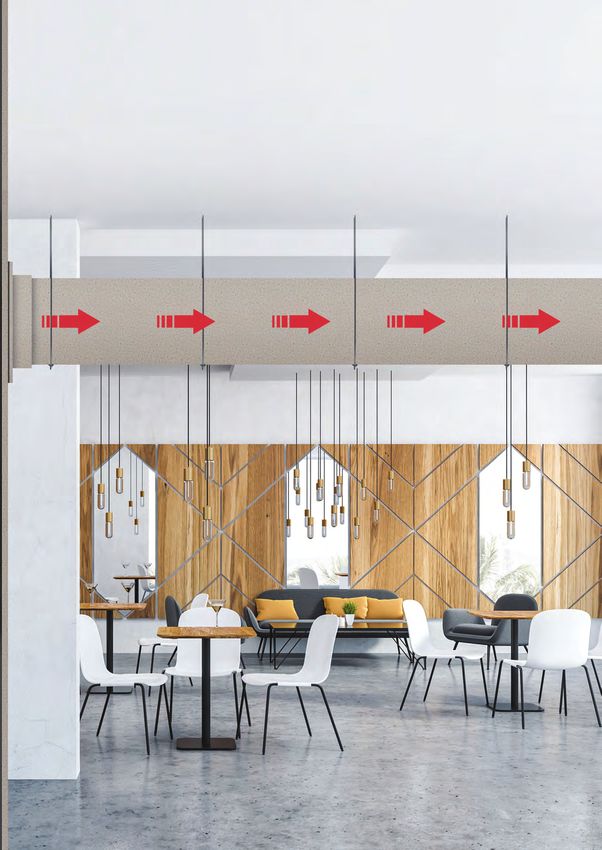
Ventilation &
                                 smoke extraction

PROMATECT®-H
Fire resistant cladding to steel ducts

Technical manual               ASEAN version

 www.promat.com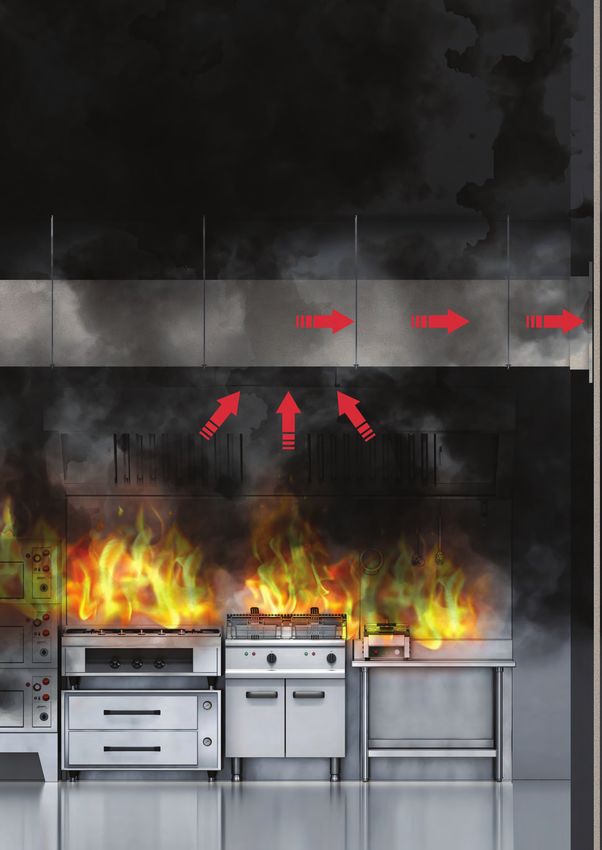
THE EXPERTS IN PASSIVE FIRE
                                   PROTECTION & HIGH-
                                PERFORMANCE INSULATION

    We leave nothing to chance
    Promat is the expert and worldwide reference in passive fire protection and high-performance insulation for the construction
    sector and a large number of industrial markets. We offer sustainable solutions that protect lives and assets, enhance comfort,
    optimise process efficiency, minimise the loss of space and energy and help reduce CO2 emissions.

    Construction                                                            Industry
    Applications                                                            Markets
    →       Tunnels                                                         →      Energy, Oil & Gas
    →       Structural protection (steel, concrete, timber &                →      Fire Rated Components & Thermal Appliances
            composite structures)                                           →      Heavy Industry
    →       Compartmentation (wall, floor and ceiling structures)           →      Transportation
    →       Fire stopping
    →       Ventilation and smoke extraction ducts

                                                                        A solution for every fireproofing
                                                                        or thermal problem
                                                                        All our solutions and systems are backed by more than 60 years
                                                                        of experience and know-how. For each project we can rely on
                                                                        our extended, proven and certified range of calcium silicate,
                                                                        microporous and intumescent materials, and cementitious
                                                                        sprays. We make sure we always find the right solution for your
                                                                        fireproofing or thermal problem.

2   PROMATECT®-H Fire resistant cladding to steel ducts_ASEAN VERSION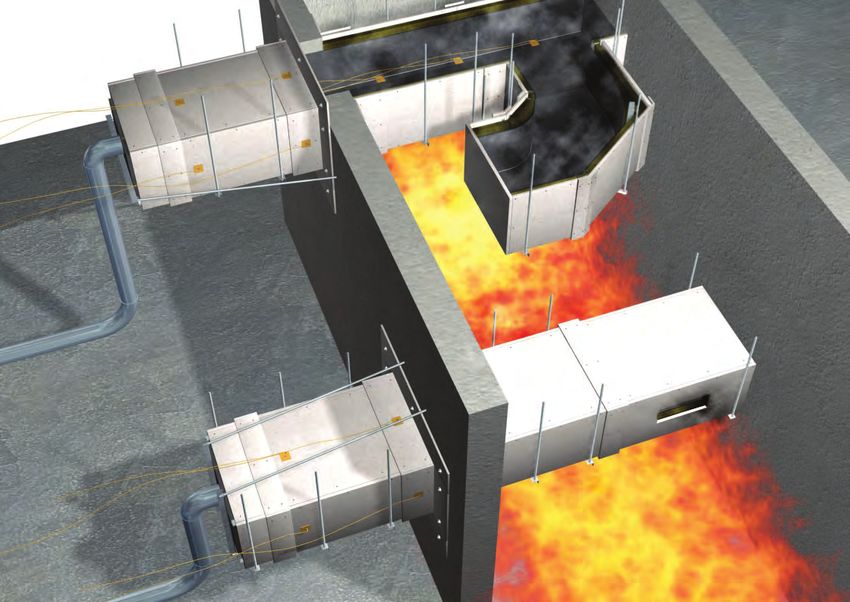
OUR EXPERTISE
                60 years of hard work and dedication have given Promat a lead in the
                domain of passive fire protection. We have developed unique ways to
               design our products, test them in real life conditions and to predict their
                                    behaviour in the event of fire.

Promaxon® technology
Our Promaxon® technology explains the unique qualities
of our PROMATECT® Fire boards. We have selected and
processed the raw materials until we have discovered
a unique, patented formula. Through our exclusive
engineered mineral matrix structure, PROMAXON® creates
a unique, cotrolled small pore size calcium silicate mix with
amasing qualities. This allows us to develop boards with
excatly the right density and stability they need to withstand
extreme heat conditions.

                                                                  Promat Fire Testing methods
                                                                  At the Promat Research and Technology Center, we perform
                                                                  more than 200 fire tests a year to guarantee our products
                                                                  and systems will comply with the most stringent international
                                                                  standards and regulations. Our fire test lab methods go
                                                                  beyond what is regulatory demanded and replicate the real-
                                                                  life context where our products can be installed. When a
                                                                  Promat product passes the fire test, it gets an official certificate
                                                                  that guarantees supreme performance.

Promat fire safety engineering
Our fire safety engineers have developed a revolutionary new
approach, called performance based fire safety design. This
new method not only complies with the protective measures
as prescribed in fire safety regulations, it explains why the
measures are needed. The fire safety engineer delivers an
exact risk assessment through the combination of detailed
calulations and supportive fire test reports. The technical
fire protection report delivers the calculated proof that the
building has all the protection installed to offer its designer
full peace of mind.

                                                                       PROMATECT®-H Fire resistant cladding to steel ducts_ASEAN VERSION   3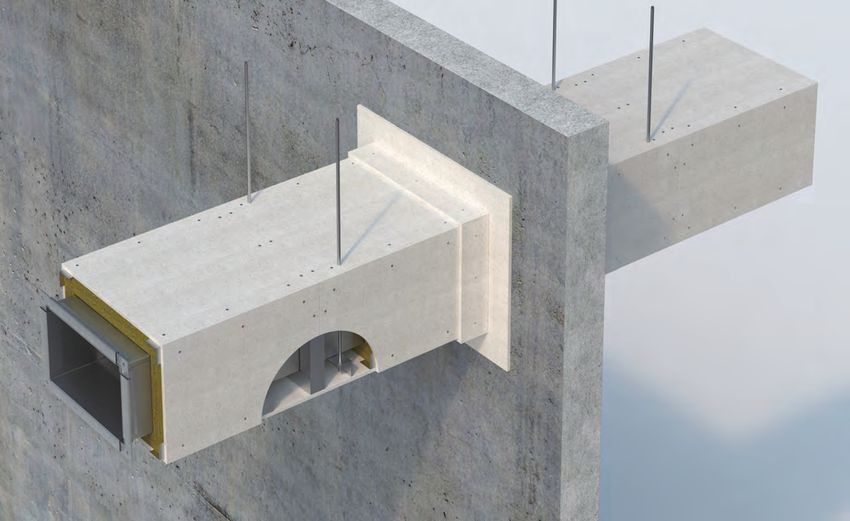
Smoke extraction and ventilation ducts
    Get rid of smoke and slow down the development of fire
    Smoke is often the main reason why people become victim of fire. When smoke and toxic gasses fill the space, it reduces not
    only the visibility, but also the amount of breathable air and leads to suffocation. Smoke is also a main factor in the spreading
    of fire. This is why a ducting system for smoke extraction is a key factor in your protection design.

4   PROMATECT®-H Fire resistant cladding to steel ducts_ASEAN VERSION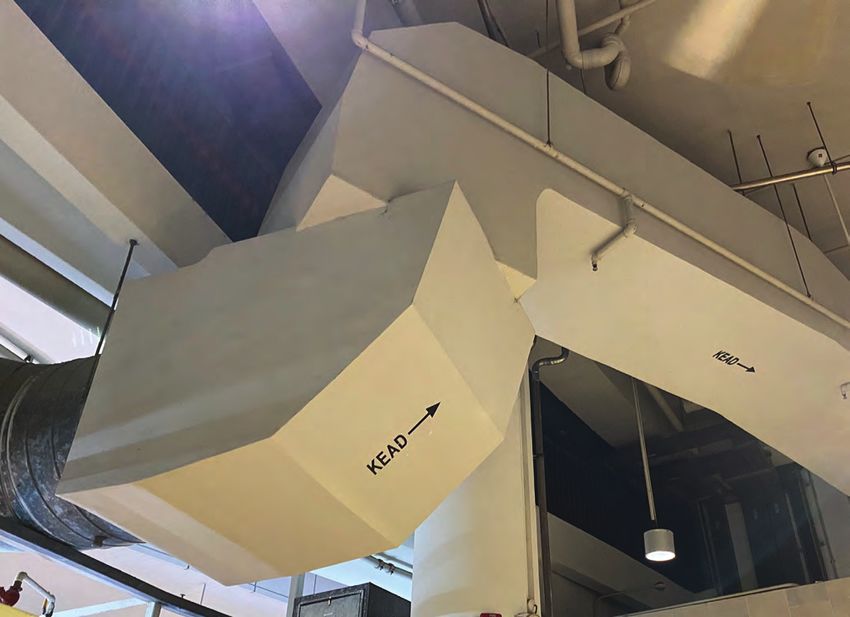
Promat offers a wide range of solutions for both ventilation and smoke extraction – for different
operating pressures, sizes, orientations, configurations, and even for partial fire exposures. The
solutions developed by our technical experts can meet any fire resistance requirement from 30
minutes (E – or EI 30) up to 120 minutes (E – EI 120), including smoke leakage (S). For special
cases of 240-minute integrity and insulation solutions are also available.

                                                      PROMATECT®-H Fire resistant cladding to steel ducts_ASEAN VERSION   5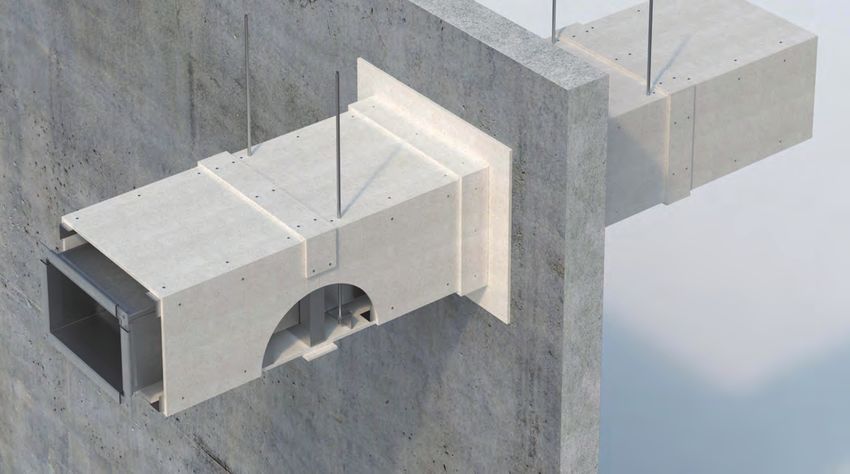
Fire Curve For Fire Resistance Tests
     The fire resistance performance of a specimen of an element            3. Modified Hydrocarbon (HCM) Curve
     of building construction varies. It depends on the ability of          As a result of French tunnel regulations for an enhanced
     the system to withstand exposure to defined heating and                version of the Hydrocarbon Curve, the maximum temperature
     pressure conditions. The defined heating condition refers to           of HCM is 1300°C, instead of the 1080°C benchmark of
     recognised temperature/time fire curves (Figure 1).                    Standard Hydrocarbon Curve. However, the temperature
     Fire curves are the simplest hypothesis accurately representing        gradient in the first few minutes of HCM fire is as severe as
     a fire by predefined temperature and time relationships. Fire          all other hydrocarbon based fires (e.g. RWS, HC), possibly
     curves have evolved historically for fire resistance furnace           causing thermal shock to the surrounding concrete structure
     tests of building materials and elements of construction for           and concrete spalling is a likely result.
     classification and verification.
                                                                            4. RABT Curve
     Fire curves recognised by national and international                   Developed in Germany as an outcome of a series of large
     standards organisations are as follows:                                scale test programmes such as the Eureka project. In the RABT
                                                                            curve (Richtlinien für die Ausstattung und den Betrieb von
     1. Standard Cellulosic Time-Temperature Curve                          Straßentunneln or “Guideline for equipment and operation
     This fire curve covers the basic scenario of a fire of general         of road tunnels”), temperature rise is very rapid up to 1200°C,
     combustible items of building content and materials of                 typically within 5 minutes. Duration of the 1200°C exposure
     construction. It is based on ISO parameters and is used                is shorter than other curves with the temperature drop off
     with — in some cases minor modications — in test standards             starting to occur at 30 or 60 minutes.
     throughout the world, including AS 1530: Part 4, ASTM E119,
     BS 476: Part 20, BS EN 1363: Part 1, DIN 4102: Part 2 and ISO          5. RWS Curve
     834: Part 1. It is a model of a ventilated controlled natural fire     The curve was developed by Rijkswaterstaat (RWS), the
     of general building materials and contents.                            Ministry of Transport in Netherlands. This model of a
                                                                            petroleum based fire of 300MW load fire in an enclosed
     2. Hydrocarbon Curve                                                   space such as a tunnel, is often specified and internationally
     This curve is a simulation of a ventilated oil fire with a rapid       accepted for use in tunnels. Temperature increase is 1200°C
     temperature increase. The curve represents combustible                 at 5 minutes and after 30 minutes is 1300°C.
     hydrocarbons and is applicable where petroleum fires
                                                                            6. External Fire Exposure Curve
     might occur, i.e. petrol or oil tanks, certain chemical facilities
     etc. In fact, although the hydrocarbon curve is based on               This model is for fire exposure external to a building and
     a standardised type fire, there are numerous types of fire             open to the atmosphere, where there are additional avenues
     associated with petrochemical fuels which have wide                    for heat dissipation. There is a lower level of heat exposure,
     variations in the duration of the fire, ranging from seconds           and the temperature increase is approximately 680°C after
     to days.                                                               20 minutes and remains constant throughout.

                                                                            7. Slow Heating Curve
                                                                            This curve simulates a slow growing fire. It is basically a
                                                                            combination of two curves, one for the first 21 minutes
                                                                            representing the smouldering effect of materials and one
                                                                            for subsequent periods representing the growth of the fire
                                                                            towards flashover.
     Figure 1 Fire curves

                       1400                      1350                                    Standard ISO
                                                                                  1
                                  12601300                    1300       1300            Cellulosic Curve
                                                                         1200
                       1200
                              1140  1078         1080                    1080     2      Hydrocarbon Curve
                                                               986       1029
                       1000        1068           925
    Temperature (°C)

                               1014                                                      Modified Hydrocarbon
                             928     822                                          3
                                                                                         (HCM) Curve
                       800 867 761
                           658     680                                    680     4      RABT Curve
                       600     588    678
                             556
                                                                                  5      RWS Curve
                       400
                                   294                                                   External Fire
                       200                                                        6
                             250                                                         Exposure Curve
                                                                                  7      Slow Heating Curve
                          0   5    10 30 40 50 60 70 80 90 100 110 120
                                             Time (minutes)

6    PROMATECT®-H Fire resistant cladding to steel ducts_ASEAN VERSION
Fire Resistant Duct Test Standard – British Standard 476: Part 24
To determine the fire resistance of ducts (without the aid of      For Duct Type A, loss of pressure within the duct during
fire dampers) passing through or between compartments,             testing is also construed as stability failure. Integrity failure
the system should normally be tested and assessed in               also occurs when cracks, holes or openings occur in the duct
accordance with British Standard BS 476: Part 24. These            or at any penetrations within walls or floors, through which
standards have been written specifically for ventilation           flames or hot gases can pass. The effects on integrity of the
ducts, but guidance is also given in these standards or the        movement and distortion of both restrained and unrestrained
performance requirements for “smoke extract” and “kitchen          ducts are also included in the standard. Insulation failure
extract” ducts. As part of a standard fire test according to BS    occurs when the temperature rise on the outer surface of the
476: Parts 20 & 24, duct systems are exposed to external fire      duct outside the fire compartment exceeds 140°C (mean)
(also known as Duct Type A) and one length of duct sample          or 180°C (maximum). The guidance in the standard also
to both external and internal fire (also known as Duct Type        states that ducts lined with combustible materials or coated
B). Fans attached create a standard pressure difference            internally with fats or greases, e.g. kitchen extracts, should
and air flow and the duct’s fire performance is assessed in        also have this criterion for the inner surface of the duct within
both fan-on and fan-off situations. When testing to BS for a       the fire compartment when the duct is exposed to external
horizontal ducts, a run length of at least 3000mm is located       fire (Duct Type A). The requirement for kitchen extraction
within the fire compartment and a further 2500mm outside           duct is in the Annex of the standard, and it is not mandatory.
the fire compartment. BS 476: Part 24 expresses the fire           For smoke extraction, the guidance in the standard states that
resistance of ducts without the aid of dampers, in terms of        the cross sectional area of a duct required to extract smoke
stability, integrity and insulation criteria. Stability failure    in the event of a fire should not be reduced by more than
occurs when the suspension or fixing devices can no longer         25% for the duration of the fire exposure. All PROMATECT®H
retain a duct in its intended position or when sections of the     fire resistant ducts meet this requirement up to 240 minutes
duct collapse. This requirement does not apply to the length       performance.
of the duct exposed to internal fire (Duct Type B) within the
fire compartment. It should be noted that if a duct suffers
extensive deformation, such that it can no longer fulfil its
intended purpose, this would be classified as stability failure.

Fire test for Duct Type A and Type B

                                                                        PROMATECT®-H Fire resistant cladding to steel ducts_ASEAN VERSION   7
Design considerations
    The following points are some of the factors which should           Association UK)” or equivalent specification, e.g. SMACNA.
    be considered when determining the correct specification            The steel ducts must be constructed with rolled steel angle-
    to ensure a ductwork system will provide the required fire          flanged cross joints. It is recommended that longitudinal
    performance.                                                        seams be formed using the Pittsburgh lock system.

    Required fire exposure                                              Penetrations through walls and floors
    Ductwork systems which are located in more than one                 Care should be taken to ensure that movement of the
    compartment should always be tested or assessed for their           duct in ambient or in fire conditions does not adversely
    performance when exposed to the heating conditions                  affect the performance of the wall, partition or floor, or any
    described within BS 476: Part 20: 1987. Reduced heating             penetration seal. It should be understood that where a duct
    curves are generally only acceptable for certain of the             passes through any compartment wall or floor or other type
    systems components, e.g. fans.                                      of separating element, the aperture between the element
                                                                        and the duct must be sealed in accordance with the system
    The performance of a ductwork system will vary depending
                                                                        approved for use with the specific duct system. In general
    on whether or not a fire could have direct access to inside
                                                                        this requires the use of a penetration seal constructed from
    the duct through an unprotected opening. If in doubt, one
                                                                        materials and in such a manner to match the system used
    should assume direct access, i.e. the prescribed Duct Type
                                                                        in the duct test programme. Penetrations seals are part of
    B scenario. The construction of all PROMATECT®-H fire
                                                                        the tested duct system and the use of untested third party
    resistant ducts detailed in this document fulfil both Duct Type
                                                                        products or systems are not permitted.
    A and B requirements.
                                                                        Movement joints
    Required fire performance
                                                                        Movement joint details may be required for long lengths of
    It is a general requirement that the ducts must satisfy all
                                                                        duct, particularly where the duct spans across a movement
    the relevant performance criteria of stability, integrity and
                                                                        joint in the floor or wall, or passes through floors and roof
    insulation (and cross sectional area if a smoke extraction
                                                                        that may deflect at different rates. Please consult Promat for
    duct). However, the approval authority may accept exceptions
                                                                        details of such joints.
    on occasion. For example, if no combustible materials
    or personnel are likely to be in contact with the duct, the
                                                                        Air flow and leakage
    authority may accept a reduced insulation performance.
                                                                        The design of some fire resisting duct systems may need
    Supporting structure                                                modification to meet DW/144 performance standards. All
                                                                        self-supporting duct systems will meet the requirements of
    Care should be taken that any structural element from which
                                                                        DW/144 to the highest levels, provided the correct board
    the duct system is supported, e.g. a beam, floor or wall, must
                                                                        thickness is employed and all joints are correctly sealed in
    have as a minimum of same fire resistance as the duct system
                                                                        accordance with the system recommendations.
    itself and must be able to support the load of the duct under
    fire conditions.
                                                                        Ductwork functions
    Hanger support                                                      Most ductwork systems can fall into one or more of the
                                                                        following categories:
    The supporting steel hanger rods, channels and fixings
    should be appropriate for the load of the complete ductwork         →      Ventilation and air conditioning
    system including any applied insulation material or other           →      Natural smoke extract
    services suspended from it.
                                                                        →      Fan assisted smoke extract
    For example, the length of the hanger support system                →      Pressurisation of escape routes and fire fighting
    should not exceed 2500mm unless appropriate insulation                     lobbies
    is provided to reduce the effect of thermal expansion. If the
    hanger supports are longer than 2500mm and unprotected,             In the event of fire, the function of a system can often change.
    there is a likelihood that excessive expansion of the support       For example, an air conditioning system could switch to
    system could place undue strain on the duct and lead to             become a fan assisted smoke extract duct. It is therefore
    premature failure of the smoke extraction and ventilation           essential that the performance requirements in both normal
    system.                                                             conditions and fire conditions are considered.

    Steel ductwork                                                      Other requirements

    The steel duct must be constructed in accordance with the           Acoustic     performance,    thermal    insulation,   water
    requirements of DW/144, “Specification for sheet metal              tolerance, strength and appearance can also be important
    ductwork: Low, medium and high pressure/velocity air                considerations. Please refer to BS 8313: 1997 “Code of
    systems (published by the Heating & Ventilating Contractors’        practice for accommodation of building services in ducts”.

8   PROMATECT®-H Fire resistant cladding to steel ducts_ASEAN VERSION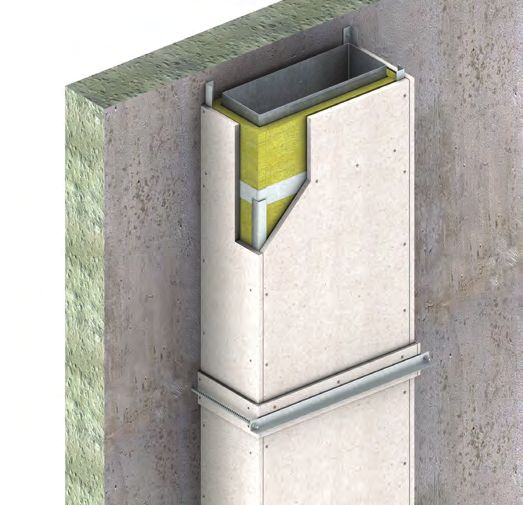
Selection of fire protection system
Traditionally all ductworks are fabricated from steel which
normally had to be encased in a fire protection system when
passing through a compartment wall or floor without the aid
of a fire damper.
In recent years, self-supporting duct systems without a steel
liner have been introduced to extract smoke in the event of a
fire through natural ventilation. Some can match the leakage
and air flow performance of steel ducts in accordance with
the DW/144 standard up to Class C.
The stress allowance of the steel hanger rods for a 120 minute
fire resistant duct should not exceed 10N/mm² and the
centres of the hanger supports should not exceed 2500mm.
These figures are based on work carried out by Warrington
Fire Research Centre (now Exova Warrington) in the UK and
European research projects into the stress and strains of steel
members under simulated fire conditions.
The stress reduction ratio factors below are based on BS EN
1993-1-2: 2005. Similar figures can be applied from AS/NZS
4600: 2005/Amendment 1: 2010.

Fire resistance   Approximate    Maximum          Maximum
    period        temperature permitted stress permitted centres
                                                                       Traditional steel duct encased in a
  30 minutes         840°C        18N/mm²          2500mm
                                                                       fire protection system

  60 minutes         950°C        10N/mm²          2500mm

  90 minutes        1000°C        10N/mm²          2500mm

 120 minutes        1050°C        10N/mm²          2500mm

 180 minutes        1110°C         6N/mm²          2000mm

 240 minutes        1150°C         6N/mm²          1500mm

It should be noted that the stress levels referred to above
apply to the threaded rod hanger supports themselves. The
horizontal supporting members have a different level of
applicable stress. The maximum centres refer to the greatest
allowable distance between hanger support systems.
However it should be noted that in certain locations, bends
for instance, additional supports at lesser centres should be
considered.
Where the hanger support system may exceed the limits
given in the table above, the remedial options are as follows:
1) increase the dimensions of the hanger support system,
   e.g. rod diameters etc,
2) reduce the centres of the hanger support system, and
3) protect the hanger rods.
                                                                       Self-supporting duct system

                                                                   PROMATECT®-H Fire resistant cladding to steel ducts_ASEAN VERSION   9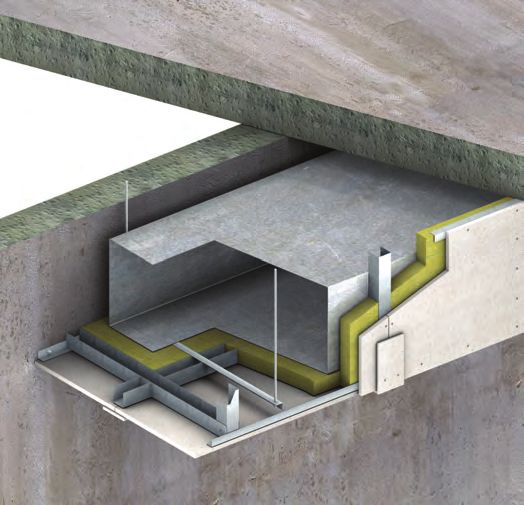
Stress calculation for hangers
     To calculate the stress in N/mm² on each hanger, the total           Since the stress is less than 10N/mm² (as set in the table here),
     weight of the ductwork and fire protection materials being           an 8mm diameter rod is the minimum permissible for the
     taken by each hanger should be calculated in kilograms,              duct of cross section 1000mm x 1000mm x 1220mm length
     converted to Newtons (N) by multiplying 9.81 and then                constructed with a single layer of 12mm PROMATECT®-H for
     divided by the cross-sectional area of the hanger in mm². The        up to 120/120/120 fire resistance. If cladding a steel duct,
     cross-sectional area of a circular hanger is � x r² where r is       the weight of this has to be included within the total weight
     the radius of the support rod. It should be noted that the root      supported upon the hangers.
     diameter of the core of the threaded rod should be applied
                                                                          If these stress levels are exceeded then the size of the hanger
     in this calculation, not the outer diameter of the threaded
                                                                          members must be increased, or the centres of the hangers
     part of the rod.
                                                                          reduced or the hangers protected. The penetration of the
     The method to calculate whether the diameter of the threaded         hanger fixings into any concrete soffit should be a minimum
     rod is within the permitted stress level is given below.             of 40mm for up to 120 minutes of fire resistance or 60mm
                                                                          for more than 120 minutes yet up to 240 minutes of fire
        Nominal outer                                  Cross sectional    resistance.
                                Root diameter
          diameter                                          area
                                                                          To calculate the stress of the horizontal supporting angle of
                                                                          channel, the following example of calculation would apply:
               6mm                 5.06mm                 20.10mm²
                                                                          Board thickness         = 12mm
               8mm                 6.83mm                 36.63mm²
                                                                          Duct height             = 1.0m

              10mm                 8.60mm                 58.08mm²        Duct width              = 1.0m
                                                                          Section length          = 1.22m
              12mm                 10.36mm                84.29mm²        Area of boards          = (Width x 2) + (Height x 2) x Section length
                                                                          Weight of boards        = Area x Thickness x Density (975kg/m³)
              14mm                 12.25mm                117.85mm²
                                                                          Weight of angles        = (Section length x 4) + (Width x 4) +
              16mm                 14.14mm                157.03mm²                                 (Height x 4) x 0.63kg/m
                                                                          Section weight          = 68.62kg inclusive of angles
              18mm                 15.90mm                198.55mm²
                                                                          Total force             = 673N (Weight, kg x 9.81 = N)
              20mm                 17.67mm                245.20mm²       Maximum bending         = w x L = 102.63
                                                                          moment, M (Nm)             8
     The density of steel is approximately 7850kg/m³, therefore           Steel loss of strength at 800°C based on strength reduction
     the weight of steel (kg) = 7850kg/m³ x Surface area (m²) x           factor for steel complying with BS5950:
     Steel thickness (m).
                                                                          Allowance stress,       > M where Z is the section modulus in cm³
     The following example of calculating the stress of the support       S (N/mm²)                 Z
     system is based on the use of PROMATECT®-H boards.                   Section modulus, Z      > M
     Board thickness      = 12mm                                                                    10
     Duct height          = 1.0m                                                                  > 10.26cm³
     Duct width           = 1.0m                                          Using C-channels, with the dimensions as follows, a greater
     Section length       = 1.22m                                         section modulus than 5.26cm³ is achieved thus is deemed
     Area of boards       = (Width x 2) + (Height x 2) x Section length   suitable to be used in this case:

     Weight of boards     = Area x Thickness x Density (975kg/m³)         Breath of channel       = 3cm
     Weight of angles = (Centres of hangers x 4) + (Width x 4) +		        Depth of channel        = 7.5cm
     		                            (Height x 4) x 0.63kg/m                Thickness of channel    = 0.5cm

                                                                                                  = B x D² — b x d² = 10.52cm³
     Section weight       = 68.62kg inclusive of angles                   Section modulus,
     Weight on one hanger = 34.31kg                                       Z                          6         6
     Total force          = 336.58N (weight, kg x 9.81 = N)                                   B
     Diameter of steel rod = 8mm
     Cross section area   = 36.63mm²
                              F where F = force in Newtons
     Stress               =                                                                   b
                              A where A = area of rod cross section
                                                                            d
                          = 9.19N/mm²

10   PROMATECT®-H Fire resistant cladding to steel ducts_ASEAN VERSION
PROMATECT®-H
Fire protective construction board
Product description
PROMATECT®-H is a non-combustible calcium silicate board
manufactured under Promat’s proprietary Mineral Matrix
Engineering Technology. It does not contain formaldehyde or
any asbestos . The product is dimensionally stable and resistant
to the effects of moisture. Its performance characteristics
are not degraded by moisture PROMATECT®-H has the
following intended uses (according to EAD(1) 350142-00-
1106): internal use (type Z2), internal use in high humidity
conditions (type Z1) and external semi-exposed use (type
Y). For fully exposed conditions, consult Promat Technical
Department.
Material properties
Manufacturing Certification
Calcium Silicate board
General description made with Mineral Matrix PROMATECT®-H is manufactured under a quality management
Engineering technology system certified in accordance with ISO 9001:2015. The
manufacturing site is also certified to meet the environmental
Surface condition & Off-white colour standards of ISO 14001:2015 and the occupational health &
appearance Front face: smooth safety requirements of ISO 45001:2018.
Back face: sanded
EAD(1): European Assessment Document
Nominal dry density
(average) Approx. 975kg/m³
Fire Resistant Applications
Approx. 6.0% → Structural steel fire protection
The moisture content
→ Internal drywalls
Moisture Content varies and will reach an
equilibrium over time with the → Internal lining to external walls
atmospheric relative humidity → Suspended and self-supporting hanger free ceilings
of the environment → Self-supporting airduct or cladding to steel sheet
metal ducts
Alkalinity pH 12
→ Enclosures to E&M services
Compliant with thickness → Smoke screens
Thickness tolerance tolerance of CE requirements → Flame barrier
(9mm thick standard sheets, → Parapet & spandrel walls
+/-0.5mm)
→ Upgrading fire performance of
±5mm (standard board • Reinforced concrete
Dimension tolerance
dimensions) • Masonry construction
Static Values
Modulus of Elasticity E Flexural Strength F Tensile strength T Compressive strength ┴
Longitudinal: 4.1kN/mm² Longitudinal: 10N/mm² Longitudinal: 4.11N/mm²
9.3N/mm²
Transverse: 4.0kN/mm² Transverse: 7N/mm² Transverse: 2.15N/mm²
Reaction to Fire & Thermal Properties
Combustibility Surface burning Thermal conductivity
A1 Classification: EN 13501-1
Class O: BS 476: Part 6 & 7 0.242W/m°K
Non-combustible: BS 476: Part 4
PROMATECT®-H Fire resistant cladding to steel ducts_ASEAN VERSION 11PROMATECT®-H
Fire protective construction board
Standard Standard Number of Surface area Weight of Weight
thickness dimension boards per pallet per pallet standard sheet per pallet
9mm 2440mm x 1220mm 61 181.5m2 Approx. 29kg Approx. 1,888kg
12mm 2440mm x 1220mm 46 136.9m2 Approx. 39kg Approx. 1,896kg
15mm 2440mm x 1220mm 36 107.3m2 Approx. 49kg Approx. 1,858kg
20mm 2440mm x 1220mm 27 80.4m2 Approx. 65kg Approx. 1,859kg
25mm 2440mm x 1220mm 22 65.4m2 Approx. 82kg Approx. 1,890kg
All physical and mechanical values are averages based on standard production and tested according to internal procedures.
The typical values are given for guidance. The figures can change dependent on the test methods used. If a particular value is
of prime importance for a specification, please consult Promat Technical Department.
12 PROMATECT®-H Fire resistant cladding to steel ducts_ASEAN VERSIONPROMATECT®H Fire Resistant Cladding to Steel Ducts based on
BS 476: Part 24 in Certificate 11A0030 from Singapore Test Services
System Fire Resistance (minutes) Duct A Duct B
No. (external fire) (internal & external fire)
Stability Integrity Insulation
Standard Kitchen PROMATECT®-H Mineral wool PROMATECT®-H Mineral wool
Details in Report BRANZ FAR 4106-Issue 2
1 60 60 9mm 9mm 60
2 120 120 9mm 9mm 120
3 240 240 12mm 12mm 240
4a 120 120 60 60 9mm 25mm x 80kg/m³ 9mm 2 x 25mm x 80kg/m³
4b 120 120 60 60 12mm 25mm x 60kg/m³ 12mm 2 x 25mm x 60kg/m³
3 x 25mm x 60kg/m³
5a 120 120 120 120 (1) 12mm 2 x 25mm x 100kg/m³ 12mm OR
50mm x 100kg/m³
5b 120 120 120 120 (1) 15mm 30mm x 1000kg/m³ 15mm 2 x 25mm x 100kg/m³
6 240 240 240 240 (1) 25mm 2 x 50mm x 100kg/m³ 25mm 2 x 50mm x 100kg/m³
Note (1)
- Non-Mandatory Annex of BS 476: Part 24 not required for Kitchen Exhaust Duct.
Details in Report BRE 282351 – Max Steel duct size 6m W x 2.5m H vertical & horizontal running
1 240 240 240 25mm 100mm x 100kg/m³ 25mm 100mm x 100kg/m³
2 240 240 30 25mm 25mm
3 120 120 120 15mm 50mm x 50kg/m³
4 120 120 30 20mm 20mm
5 120 120 30 15mm 15mm
Details in Report WF 178825-Issue 2 - Max Steel duct size 6m W x 2.5m H vertical & horizontal running
1 60 60 9mm 9mm
2 120 120 9mm 9mm
3 240 240 12mm 12mm
4 120 120 9mm 9mm
4a 120 120 60 12mm 25mm x 50kg/m³ 12mm 2 x 25mm x 50kg/m³
4b 120 120 60 12mm 25mm x 50kg/m³ 12mm 2 x 25mm x 50kg/m³
5a 120 120 120 15mm 2 x 25mm x 100kg/m³ 15mm 3 x 25mm x 100kg/m³
5b 120 120 120 15mm 30mm x 1000kg/m³ 15mm 2 x 25mm x 100kg/m³
6 240 240 240 25mm 2 x 50mm x 100kg/m³ 25mm 2 x 50mm x 100kg/m³
Details in Report WF 178825-Issue 2 - Max Steel duct size 6m W x 2.5m H vertical & horizontal for Kitchen Exhaust Ducts
5a 120 120 30 30 12mm 2 x 25mm x 100kg/m³ 12mm 2 x 25mm x 100kg/m³
5b 120 120 30 30 15mm 2 x 25mm x 100kg/m³ 15mm 2 x 25mm x 100kg/m³
6 240 240 60 60 25mm 2 x 50mm x 100kg/m³ 25mm 2 x 50mm x 100kg/m³
5b 120 120 120 120 (1) 15mm 2 x 25mm x 100kg/m³ 15mm 2 x 25mm x 100kg/m³
6 240 240 240 240 (1) 25mm 2 x 50mm x 100kg/m³ 25mm 2 x 50mm x 100kg/m³
Note (1)
- Non-Mandatory Annex of BS 476: Part 24 not required for Kitchen Exhaust Duct
Refer to pages 16 - 19 for copy of Certificate of Conformity 11A0030.
PROMATECT®-H Fire resistant cladding to steel ducts_ASEAN VERSION 13PROMATECT®H Fire Resistant Cladding to Steel Ducts
Fulfils Stability and Integrity only
based on BS 476: Part 24
2
5
8
6
7
4
7
Ma
x. 1
.5m
3
9
1
1
4
Corner fixing
4
6
4
7
2
5 1
5 1
3
3 8 9
9
6
Hanger and stud fixing Wall penetration
Up to 120/120/- fire resistance in accordance with the requirements of BS 476: Part 24: 1987
1. One layer of PROMATECT®-H board. 4. Galvanised steel corner angle L-30 x 30 x 0.6mm thick.
2-hour: 9mm; 4-hour: 12mm
5. Steel rod hangers, maximum stress allowance in
2. PROMATECT®-H L-shaped collar 150mm wide, thickness accordance with table at right.
in accordance with table below.
6. PROMATECT®-H cover strip 100 x 9mm thick or
Fire Board/cover strip/collar Maximum stress
PROMASEAL®-A Acrylic Sealant coincide with butt-joint.
resistance thickness allowance of hangers 7. No. 8 self-tapping screws at nominal 200mm centres
120/120/- 9mm 10N/mm²
8. Penetration gap sealed with PROMASEAL®-A Acrylic
240/240/- 12mm 6N/mm² Sealant.
3. Galvanised steel channel collar U-50 x 25 x 0.6mm thick 9. Steel duct supported by appropriate steel angle/channel
coinciding with butt-joints at 1.2m centres. bracket.
14 PROMATECT®-H Fire resistant cladding to steel ducts_ASEAN VERSIONSequence of Installation
Construct steel channel collars framing around
duct body follow by connecting corner angles
to the framing
1. Ensure steel duct thickness, constructions,
joints & etc to the requirements eg DW144.
2
2. Use suitable steel hanger rods commensurate
to the unprotected tensile stress requirements.
Hangers interval not exceeding 1.2m.
3
3. Construct steel channel collars and coincide
with the boards’ butt-joints.
4. Construct steel corner angle and connect it to
1 the steel channel collar.
4
Fix PROMATECT®H boards to the preconstructed
steel framing to clad around the steel duct
5. Measure the steel duct width and height. Cut
the PROMATECT®H boards accordingly.
7
6. Place the boards against the preconstructed
steel framing and fix it in place with suitable
M4 self-tapping screw at nominally 200mm
centres.
7. Stuck insulation infill rock wool into the
penetration gap.
5
6
Use PROMATECT®H strip to cover all butt-joints
and L-shaped collar at wall/floor penetration
8. Place the PROMATECT®H cover strips 100mm
10 x 9mm over the butt-joints and fix in place with
suitable M4 self-tapping screw at nominally
300mm intervals. Repeat these steps all-round
the duct.
9. Similarly, construct a PROMATECT®H 9mm
thick L-shaped collar at the wall penetration.
10. Fix the L-shaped collar in place with suitable
anchor bolts.
8 9
PROMATECT®-H Fire resistant cladding to steel ducts_ASEAN VERSION 15PROMATECT®H Fire Resistant Cladding to Steel Ducts
Fulfils Stability, Integrity and Insulation
based on BS 476: Part 24
3
8
6
9
6
9
7
5
2 1
1
4
Corner fixing
2 10
Board joints option 1 Board joints option 2
1. One layer of PROMATECT®-H board. 7. Galvanised steel U-channel framework 50mm x 50mm x
0.6mm at maximum 1200mm centres, infill with mineral
2. PROMATECT®-H cover strip 100 x 9mm thick or
wool of appropriate density.
PROMASEAL®-A Acrylic Sealant coincide with butt-joint.
8. Threaded steel hanger rods at maximum 1200mm
3. PROMATECT®-H collar 12mm to form L-collar at
centres or centres that limit stress to Max. 10N/mm²
penetration through compartments wall of floor.
(120mins) 6N/mm² (240mins).
4. Mineral wool.
9. M4 self-tapping screws at maximum 200mm intervals.
5. Steel duct with suitable support brackets and hanger
10. PROMASEAL®-A Acrylic Sealant.
rods.
6. Galvanised steel L-angles 50mm x 50mm x 0.6mm thick.
16 PROMATECT®-H Fire resistant cladding to steel ducts_ASEAN VERSIONAdditional fixing details
1 3
8
2 6
6
7 5
4
1
4
7
9
5
9
Internal framing detail Wall penetration detail
10
10 7 4
7 4
5 5
8 8
7 1
7 1
9
9 2
2
6
6
Two sided cladding to steel ducts Three sided cladding to steel ducts
1. One layer of PROMATECT®-H board. 6. Galvanised steel L-angles 50mm x 50mm x 0.6mm thick.
2-hour: 9mm; 4-hour: 12mm
7. Galvanised steel U-channel framework 50mm x 50mm x
2. PROMATECT®-H cover strip 100 x 9mm thick or 0.6mm at maximum 1200mm centres, infill with mineral
PROMASEAL®-A Acrylic Sealant coincide with butt-joint. wool of appropriate density.
3. PROMATECT®-H collar 12mm to form L-collar at 8. Threaded steel hanger rods at maximum 1200mm
penetration through compartments wall of floor. centres or centres that limit stress to Max. 10N/mm²
(120mins) 6N/mm² (240mins).
4. Mineral wool.
9. M4 self-tapping screws at maximum 200mm intervals.
5. Steel duct with suitable support brackets and hanger
rods. 10. Continuous wall/floor steel angles 40mm x 40mm x
1.5mm thick.
PROMATECT®-H Fire resistant cladding to steel ducts_ASEAN VERSION 17Additional fixing details
2
4 1
4
7
5
5
5
9
1 3
2 1
6 7
6
Internal duct size up to 10m Multiple duct cladding
5
4
6 4
6
10
7 9
7 1
2
12
9
11
2 1
Two sided cladding to steel ducts Three sided cladding to steel ducts
1. One layer of PROMATECT®-H board. 7. Galvanised steel U-channel framework 50mm x 50mm x
0.6mm at maximum 1200mm centres, infill with mineral
2-hour: 9mm; 4-hour: 12mm
wool of appropriate density.
2. PROMATECT®-H cover strip 100 x 9mm thick or
8. Threaded steel hanger rods at maximum 1200mm
PROMASEAL®-A Acrylic Sealant coincide with butt-joint.
centres or centres that limit stress to Max. 10N/mm²
3. PROMATECT®-H collar 12mm to form L-collar at (120mins) 6N/mm² (240mins).
penetration through compartments wall of floor.
9. M4 self-tapping screws at maximum 200mm intervals.
4. Mineral wool.
10. Bifurcation fan.
5. Steel duct with suitable support brackets and hanger
11. Maintenance access panel constructed from
rods.
PROMATECT®-H board.
6. Galvanised steel L-angles 50mm x 50mm x 0.6mm thick.
12. Duct support steel bracket.
18 PROMATECT®-H Fire resistant cladding to steel ducts_ASEAN VERSIONAppendixes
PROMATECT®-H Fire resistant cladding to steel ducts_ASEAN VERSION 19Appendix:
Certificate of Conformity 11A0030
CERTIFICATE OF CONFORMITY
Product Listing Scheme: Scheme Type 5
This certificate is issued to: Promat Building System Pte Ltd
10 Science Park Road
#03-14 The Alpha
Science Park II
Singapore 117684
Registration Number/UEN: 199002185G
Product: Fire Rated Duct System
Brand: PROMATECT® - H
Model: PH.41.60, PH.41.12 & PH.41.24
Country of Origin: Singapore
Product Details: Board: PROMATECT®-H
Board Density: 1017kg/m3 (±20%) (Classification: A1)
See COC Appendix (3 pages) for Fire Performance
Standard(s): BS 476-24:1987
EN 13501-1:2007 / A1:2009
Report(s): System Test: CSIRO No. FSH 1124, 1109
LPC No. TE 5916, TE 87366, TE 5763, 6731A
TÜV SÜD PSB No. 54S01100/OKB, 54S035420/NLH
BRANZ No. FR 3682 Issue 2, FAR 3829 Issue 2, FAR 4106 Issue 2
BRE No. CC89273 Review 5, 281351, WF No. 178825 Issue 2
Material Test: TÜV SÜD PSB No. 7191095461-MEC14/1B-JV
7191095461-MEC14/2B-JV, 7191095461-MEC14/3B-LGJ
This certificate issued in accordance with SCDF Fire Code 2018 requirements.
_____________________
Head of Certification
Certificate No. Date of Original Issue No. of Page(s) Date of Last Revision Date of Expiry
11A0030 1 October 2011 1 of 4 19 January 2021 30 September 2022
This Certificate is part of a full report and should be read in conjunction with it. This Certificate remains the property of Singapore Test Services Pte Ltd (“STS”) and shall
be returned upon request. The use of this Certificate is subjected to the terms and conditions of the Product Listing Scheme of STS. The above certified company is solely
responsible for compliance of any product that has the same designation as the product type tested. Parties relying on this Certificate should verify its validity with STS.
20 PROMATECT®-H Fire resistant cladding to steel ducts_ASEAN VERSIONAppendix:
Certificate of Conformity 11A0030
APPENDIX
Product Details: Fire Performance of Fire Rated Duct System
For ducts sizes up to 6m (wide) x 2.5m (high) internally with horizontal and vertical duct construction
Fire Resistance (mins) Fire Outside (Duct A) Fire Inside (Duct B)
System Thickness of Thickness of
Stability Integrity Insulation Promatect®-H Mineral wool Promatect®-H Mineral wool
(mm) (mm)
1 240 240 240 25mm 100mm x 100kg/m3 25mm 100mm x 100kg/m3
2 240 240 30 25mm - 25mm -
3
3 120 120 120 15mm 50mm x 100kg/m 15mm 50mm x 100kg/m3
4 120 120 30 20mm - 20mm -
5 120 120 30 15mm - -
For more details, please refer to BRE No. 281351.
For ducts sizes up to 6m (wide) x 2.5m (high) internally with horizontal and vertical duct construction
Fire Resistance (mins) Duct A Duct B
Thickness of Thickness of
System
Stability Integrity Insulation Promatect®-H Mineral wool Promatect®-H Mineral wool
(mm) (mm)
- -
1 60 60 - 9mm 9mm
2 120 120 - 9mm - 9mm -
3 240 240 - 12mm - 12mm -
4 120 120 - 9mm - 9mm -
4a 120 120 60 12mm 25mm x 80kg/m3 12mm 2 x 25mm x 80kg/m3
4b 120 120 60 12mm 25mm x 60kg/m3 12mm 2 x 25mm x 60kg/m3
3 x 25mm x
5a 120 120 120 15mm 2 x 25mm x 100kg/m3 15mm 100kg/m3
2 x 25mm x
5b 120 120 120 15mm 30mm x 100kg/m3 15mm 100kg/m3
2 x 50mm x
6 240 240 240 25mm 2 x 50mm x 100kg/m3 25mm 100kg/m3
For more details, please refer to WF No. 178825 Issue 2.
_____________________
Head of Certification
Certificate No. Date of Original Issue No. of Page(s) Date of Last Revision Date of Expiry
11A0030 1 October 2011 2 of 4 19 January 2021 30 September 2022
This Certificate is part of a full report and should be read in conjunction with it. This Certificate remains the property of Singapore Test Services Pte Ltd (“STS”) and shall
be returned upon request. The use of this Certificate is subjected to the terms and conditions of the Product Listing Scheme of STS. The above certified company is solely
responsible for compliance of any product that has the same designation as the product type tested. Parties relying on this Certificate should verify its validity with STS.
PROMATECT®-H Fire resistant cladding to steel ducts_ASEAN VERSION 21Appendix:
Certificate of Conformity 11A0030
APPENDIX
Product Details: Fire Performance of Fire Rated Duct System
For ducts sizes up to 6m (wide) x 2.5m (high) internally with horizontal and vertical duct construction
Fire Resistance (mins) Kitchen Extract Duct (1)
Thickness of
System
Stability Integrity Insulation Promatect®-H Mineral Wool
(mm)
2 x 25mm x
5a 120 120 30 12
100kg/m3
2 x 25mm x
5b 120 120 30 15
100kg/m3
2 x 50mm x
6 240 240 60 25
100kg/m3
Note 1 : Non-mandatory annex to BS 476 Part 24 : 1987 require for kitchen extract duct
Fire Resistance (mins) Kitchen Extract Duct (2)
Thickness of
System
Stability Integrity Insulation Promatect®-H Mineral wool
(mm)
2 x 25mm x
5b 120 120 120 15
100kg/m3
2 x 50mm x
6 240 240 240 25
100kg/m3
Note 1 : Non-mandatory annex to BS 476 Part 24 : 1987 not require for kitchen extract duct
For more details, please refer to WF No. 178825 Issue 2.
_____________________
Head of Certification
Certificate No. Date of Original Issue No. of Page(s) Date of Last Revision Date of Expiry
11A0030 1 October 2011 3 of 4 19 January 2021 30 September 2022
This Certificate is part of a full report and should be read in conjunction with it. This Certificate remains the property of Singapore Test Services Pte Ltd (“STS”) and shall
be returned upon request. The use of this Certificate is subjected to the terms and conditions of the Product Listing Scheme of STS. The above certified company is solely
responsible for compliance of any product that has the same designation as the product type tested. Parties relying on this Certificate should verify its validity with STS.
22 PROMATECT®-H Fire resistant cladding to steel ducts_ASEAN VERSIONAppendix:
Certificate of Conformity 11A0030
APPENDIX
Product Details: Fire Performance of Fire Rated Duct System
For horizontal and vertical ventilation, smoke outlet & kitchen extract ducts of size up to 10m (wide) internally
Fire Resistance (mins) Duct A Duct B
System Thickness of Thickness of
Stability Integrity Insulation Promatect®-H Mineral Wool Promatect®-H Mineral Wool
(mm) (mm)
1 60 60 - 9 - 9 -
2 120 120 - 9 - 9 -
3 240 240 - 12 - 12 -
3
4a 120 120 60 9 25mm x 80kg/m 9 2 x 25mm x 80kg/m3
3
4b 120 120 60 12 25mm x 60kg/m 12 2 x 25mm x 60kg/m3
3 x 25mm x 60kg/m3
5a 120 120 120 12 2 x 25mm x 100kg/m3 12 or
1 x 50mm x 100kg/m3
5b 120 120 120 15 30mm x 100kg/m3 15 2 x 25mm x 100kg/m3
6 240 240 240 25 2 x 50mm x 100kg/m3 25 2 x 50mm x 100kg/m3
For more details, please refer to BRANZ No. FAR 4106 Issue 2.
_____________________
Head of Certification
Certificate No. Date of Original Issue No. of Page(s) Date of Last Revision Date of Expiry
11A0030 1 October 2011 4 of 4 19 January 2021 30 September 2022
This Certificate is part of a full report and should be read in conjunction with it. This Certificate remains the property of Singapore Test Services Pte Ltd (“STS”) and shall
be returned upon request. The use of this Certificate is subjected to the terms and conditions of the Product Listing Scheme of STS. The above certified company is solely
responsible for compliance of any product that has the same designation as the product type tested. Parties relying on this Certificate should verify its validity with STS.
PROMATECT®-H Fire resistant cladding to steel ducts_ASEAN VERSION 23Australia
Promat Australia Pty Ltd
South Australia office New South Wales office Victoria office Queensland office
1 Scotland Road Unit 1, 175 Briens Road Suite 205, 198 Harbour Esplanade 433 Logan Road
SA 5031 Mile End South Northmead, NSW 2152 Docklands, VIC 3008 Stones Corner, QLD 4120
1800 Promat (776 628) 1800 Promat (776 628) 1800 Promat (776 628) 1800 011 376
+61 8 8352 1014 +61 2 9630 0258 1800 334 598 1800 334 598
PAPL.mail@etexgroup.com PAPL.mail@etexgroup.com PAPL.mail@etexgroup.com PAPL.mail@etexgroup.com
China Hong Kong Malaysia Singapore
Promat Shanghai Ltd Promat International (Asia Pacific) Ltd Etex Malaysia Sdn Bhd Promat Building System Pte Ltd
No.2, Tai Hua Street Room 1010, C.C. Wu Building (Formerly known as Promat (Malaysia) Sdn. Bhd.) 10 Science Park Road, #03-14 The Alpha
Yonghe Economic District 302-308 Hennessy Road, Unit 19-02-01, Level 2, Wisma Tune Singapore Science Park II
511356 Guangzhou Guangdong Wanchai 19 Lorong Dungun, Damansara Heights 117684 Singapore
+86 20 8136 1167 +852 2836 3692 50490 Kuala Lumpur +65 6776 7635
+86 20 3222 5275 promat.hk@etexgroup.com +60 3 2095 8555 promat.sg@etexgroup.com
info@promat.com.cn promat.my@etexgroup.com
www.promat.com
→ The technical data provided in this publication is based on mean values prevalent at time of publication and is thus subject to fluctuation. It should not be
regarded as a guarantee to system performance.
→ All data contained herein conforms to and frequently surpasses generally accepted fire protection standards recognised by most professional fire science
practitioners and regulatory authorities worldwide. The same general principle is equally applicable to all Promat products and systems. Promat has access
to a considerable body of test authentication data and this can be provided on a complimentary basis upon request. It should be noted however that this
publication replaces all previous editions in its entirety.
→ This document is protected by International copyright laws. Reproduction and distribution in whole or in part without prior written permission is strictly
prohibited. PROMAT, PROMATECT, PROMASEAL and logo are registered trademark of Etex NV or an affiliate thereof in Asia Pacific and/or other countries.
Any use without authorisation is prohibited and may violate trademark laws.
About Etex
Etex is an international building materials specialist; the company wants to inspire people around the world to build living spaces that are ever more safe,
sustainable, smart and beautiful. Founded since 1905 and headquartered in Belgium, Etex currently operates in 110 production sites in 42 countries with over
11,000 employees globally.
Etex fosters a collaborative and caring culture, a pioneering spirit and a passion to always do better for its customers. Building on its experience and global market
needs, the company strives to improve its customers quality of living with ever more effective lightweight solutions.
Its three R&D centres support four global sales divisions:
• Building Performance: Leader in plasterboards and fibre cement boards, and the global reference in passive fire protection solutions for the residential and
commercial segments.
• Exteriors: Provider of innovative, durable, high performance and beautiful fibre cement exterior materials for architectural, residential and agricultural projects.
• Industry: Front runner of engineering expertise to drive the future of high performance thermal and acoustic insulation as well as passive fire protection in the
industrial, aerospace and energy sectors.
• New Ways: As a new division created in January 2020, New Ways offers high-tech offsite modular solutions based on wood and steel framing.
Etex is Inspiring Ways of Living, for more information, please visit our website: www.etexgroup.com
PROMATECT®-H Fire resistant cladding to steel ducts_ASEAN VERSION © Promat Building System Pte Ltd / 2021-05You can also read


