Quality Report 2018/19 - Queen Victoria Hospital
←
→
Page content transcription
If your browser does not render page correctly, please read the page content below
raphic

s

White

         Quality
         Report 2018/19
CONTENTS

“Our work reflects our values                          QVH QUALITY REPORT
 of humanity, pride and                             4 Statement on Quality
 continuous improvement.”                           6 Priorities for Improvement
                                                    6 QVH’s Quality Priorities for 2019/20
                                                    8 Performance against 2018/19 Quality Priorities
                                                   10 Achievements – safe, effective, caring, responsive, well led
                                                   18 Statements of Assurance from the Board of Directors
                                                   19   Participation in Clinical Outcome Review Programmes 2018/19
                                                   20   Clinical Audits: National and Local
                                                   23   Commissioning for Quality and Innovation Payment Framework
                                                   24   Registration with the Care Quality Commission
                                                   26   Data, Governance and Openness
                                                   30   Reporting of National Core Quality Indicators
                                                   31   – Mortality
                                                   31   – Emergency readmission within 28 days of discharge
                                                   32   – Infection control – hand hygiene compliance
                                                   32   – Infection control – Clostridium Difficile cases
                                                   33   – Reporting of patient safety incidents
                                                   34   – WHO safe surgery checklist
                                                   34   – Venous Thromboembolism – initial assessment for risk of VTE performed
                                                   36   – NHS Improvement national priority indicators
                                                   37   – NHS Friends and Family Test – patients
                                                   38   – Complaints
                                                   38   – Pressure ulcers
                                                   39   – Same sex accommodation
                                                   39   – Operations cancelled by the hospital on the day for non-clinical reasons
                                                   40 Workforce and Wellbeing
                                                   42 Services We Provide
                                                   43   –   Head and neck services
                                                   44   –   Maxillofacial service – orthognathic treatment
                                                   45   –   Orthodontics
                                                   45   –   Mandibular advancement splint
                                                   46   –   Maxillofacial prosthetics service
                                                   46   –   Facial paralysis
                                                   47   –   Reconstructive breast surgery
                                                   48   –   Hand surgery
                                                   49   –   Burns service
                                                   50   –   Skin cancer care and surgery
                                                   50   –   Corneoplastic and ophthalmology services
                                                   51   –   Anaesthetics
                                                   52   –   Therapies
                                                   54   –   Sleep disorder centre
                                                   54   –   Psychological therapies
                                                   55   –   Radiology department
                                                   56 Statements from Third Parties
                                                   59 Statement of Directors’ Responsibilities for the Quality Report
                                                   60 Statement from Independent Auditor

2   Queen Victoria Hospital NHS Foundation Trust                                                                                     Quality Report 2018/19   3
QUALITY
    REPORT
    2018/19
    Statement on quality

    Queen Victoria Hospital (QVH) continues to place quality, safety and
    the experience of patients at the forefront of everything that we do.
    This year we have seen many challenges, however, as in previous years
    we have also seen excellent clinical outcomes and ground breaking
    research across our specialisms.
    This quality report sets out in detail our commitment to continuous,
    evidence-based quality improvement, the progress we have made over
    the last year and our plans for the coming year.
    Over this year we have strengthened our safety culture in theatres. The
    appointment in early 2018 of the theatre safety lead has created protected
    time for this work, and the safety lead can be responsive to safety queries
    in real time rather than always looking at these issues retrospectively.
    We have seen a significant reduction in serious incidents and the open
    reporting culture enables us to identify and learn from ‘near misses’.
    In early 2019 we had our unannounced Care Quality Commission (CQC)
    inspection and the Trust achieved ‘Good’ overall with ‘Outstanding’ patient
    care. Inspectors noted that staff were highly motivated and inspired to offer
    care that was exceptionally kind and promoted people’s dignity; relationships
    between patients and staff were strong, caring, respectful and supportive.
    At QVH we work hard to promote and maintain this standard of care and
    our staff are rightly proud of the way they genuinely go above and beyond
    for patients.
    We were also pleased to receive feedback on managers promoting a positive
    culture that supports and values staff, creating a sense of common purpose
    based on shared values. Our staff make QVH a very special place to work
    with high quality services, innovation and partnership working. Our staff are
    passionate about their work and further improving our services for patients.
    Our participation in research continues to be one of many areas where we
    make a contribution to the wider NHS which is greater than expected for
    a trust our size. Our involvement in research helps us to attract the best
    clinical staff, supports our teams in staying abreast of the latest treatment
    possibilities and enables us to deliver the very best care for our patients.
    I am confident that in 2019/20 QVH will continue to provide high quality,
    safe and effective services, and that our approach to quality will remain
    that we deliver excellence in all that we do.

    Steve Jenkin
    Chief Executive and Accounting Officer
    24 May 2019

4   Queen Victoria Hospital NHS Foundation Trust                                    5
PRIORITIES                                                                                                                                   PRIORITIES

    PRIORITIES FOR IMPROVEMENT
                                                   Our quality priorities and why we chose them
    QVH’s quality priorities for 2019/20
                                                            Patient                              Clinical                            Patient
    Our quality priorities for 2019/20 are                  safety                               effectiveness                       experience
    built around our ambitions to deliver
                                                   Implementation of an                 Outpatient Improvement              Review of patient experience
    safe, reliable and compassionate care
                                                   e-Observation tool to collect        Programme – Introduction            of treatment pathways in
    in a transparent and measurable way.           and collate patient physiological    of ‘virtual clinics’.               head and neck surgery.
    They have been developed in collaboration      data such as blood pressure,
    with staff and the council of governors,       heart rate, respiratory rate and     The aim of this quality priority    QVH is the regional centre for
                                                   other clinical indices. These will   is to take forward the delivery     head and neck surgery and our
    and take into account patient feedback         then be compared automatically       of new and innovative ways          head and neck cancer services
    and progress on our 2018/19 priorities.        with agreed standards and            of delivering outpatient            include primary assessment and
                                                   provide automated alerts to          appointments that will improve      diagnosis, specialist review,
                                                   the patient’s clinician for          patient experience, efficiency      surgery and follow up. This
    Each priority comes under one                  intervention and further             and help to reduce waiting times.   surgery is often life changing.
    of the three core areas of quality:            escalation where required            Areas of focus will include the     We want to make sure we are
                                                                                        introduction of Skype clinics       giving patients the best possible
                                                   The e-Observation tool               and virtual follow up clinics for   information before and during
                                                   will make use of NEWS2, the          glaucoma patients.                  their treatment so that they can
               PATIENT SAFETY
                                                  standardised national approach                                           make individual choices about the
              Having the right systems            for detection and response                                               course of treatment, including the
                                                   to clinical deterioration in                                             balance of risk and benefit.
               and staff in place to minimise      adult patients
               the risk of harm to our patients                                                                             This project aims to improve
               and, if things do go wrong,         The primary aim of this quality                                          patient experience by undertaking
                                                   priority is to support Trust-wide                                        detailed reviews with individual
               being open and learning from
                                                   implementation of a tool to                                              patients during the inpatient and
               our mistakes.                       detect patient deterioration                                             discharge periods.
                                                   early and improve clinical safety
                                                   and patient care.
               CLINICAL EFFECTIVENESS

              Providing high quality care,
               with world-class outcomes,          What success                         What success                        What success
               whilst being efficient and          will look like…                      will look like…                     will look like…
               cost effective.                     Paper implementation of the          A monthly inpatient improve         We aim to bring together
                                                   new NEWS2 tool replaced by           -ment steering group will           a high quality collection of
                                                   effectively implementing an          monitor progress on this            patient feedback at different
                                                   e-Observations patient tracking      project from April 2019.            stages in their treatment
              PATIENT EXPERIENCE
                                                  tool within clinical areas to help                                       journey, which will be used
              Meeting our patients’ emotional      with clinical decision making.                                           to look at improvements in
                                                                                                                            how we support patients in
              as well as physical needs.           The Trust has convened an                                                individual decision making
                                                   e-Observation Project Board to                                           around their treatment. This
                                                   implement a new automated                                                will include a review of the
                                                   software package.                                                        information provided for
    Progress against these priorities will
                                                                                                                            patients regarding surgery
    be monitored by the Trust’s quality            Data will be collected and                                               and treatment expectations.
    and governance committee on a                  systematically audited to provide
    quarterly asis. Progress will also be          regular reports on patient status,
                                                   response times and patient
    reported at public board meetings.             outcomes in order to improve
                                                   quality of care.

6   Queen Victoria Hospital NHS Foundation Trust                                                                                           Quality Report 2018/19   7
PRIORITIES PRIORITIES
Performance against 2018/19 quality priorities CLINICAL EFFECTIVENESS
Our quality priorities for 2018/19 were influenced by information from national and local reports and
audit findings, along with the views of QVH governors, patient feedback and suggestions from staff Our quality Did we
across the organisation. End of year progress against our three 2018/19 quality priorities was as follows: priorities and why Targeted achieve it
we chose them… outcome… in 2018/19?
PATIENT SAFETY Increased theatre productivity The 2018/19 QVH target for elective During 2018/19 the Trust
(continuation of 2017/18 priority lists starting within 15 minutes of the brought in additional resource
over a two year period) booked start time was: to support theatre productivity
Our quality Did we QVH is a surgical hospital and our Q1 2018/19 60%
work and our approach moved
priorities and why Targeted achieve it operating theatres are critical Q2 2018/19 70%
to consideration of a number of
we chose them… outcome… in 2018/19? for treating and caring for our Q3 2018/19 75%
metrics designed to target the
necessary improvements.
elective and trauma cases. Q4 2018/19 80%
Measurement of compliance with QVH will have no never There was one never event The reporting of this quality
Using our theatres efficiently The start of an operation is defined
the WHO Surgical Safety checklist events in 2018/19. in 2018/19 which involved a priority was therefore stopped.
and effectively is key to reducing as the moment when the anaesthetic
retained item following surgery,
Never events are serious, largely waits for treatment, reducing is administered or needle to skin QVH saw a significant increase
To support this, we planned to: which resulted in no harm
preventable patient safety cancellations and making best time. In setting this priority the Trust in elective cases and improvement
to the patient. This was fully
incidents that should not occur ◼ t arget a quarterly improve- use of NHS money. It is also recognised that there will always in theatre productivity in year.
investigated and reported to
if the available preventative ment or sustained compliance important for patient experience be some operating lists where start Work continues to develop
support national learning.
measures have been implemented. in observational audits and staff morale. time is delayed, for example if a and embed a range of quality
within theatres. There have been quarterly clinician urgently needs to attend improvement processes and
During 2017/18 QVH had
qualitative observational audits to a seriously unwell patient on initiatives including theatre
three never events. ◼ identify and train faculty
looking at human factors and the ward. scheduling, reducing cancellations
members and roll out
QVH relaunched the World Health compliance with Five Steps to and late starts.
multidisciplinary safer Data will be produced daily in
Organisation (WHO) checklist in Surgical Safety.
surgery simulation training. relation to late start times and
2018 including bringing into QVH
These audits have demonstrated: reasons, and a quarterly decrease
practice learning from a London ◼m
easure audits detailed
in late theatre starts should be
teaching hospital. above against reviewed and – an improvement in the
shown on the theatre dashboard.
updated surgical safety policies engagement of all staff
A revised baseline qualitative
including Five Steps to Surgical members carrying out
audit was undertaken in March
Safety and the perioperative the five steps
2018 which identified a number
of potential barriers to full
marking policies
– a more consistent approach PATIENT EXPERIENCE
compliance, including: to who is leading each step
◼ lack of engagement – less multitasking Our quality Did we
with the process;
– a willingness of staff to priorities and why Targeted achieve it
◼ distractions (such as staff challenge non-compliance we chose them… outcome… in 2018/19?
performing other tasks whilst
The Trust has identified and
WHO checklist being completed); Improved clinician communication As part of our organisational QVH was successful in
trained a simulation faculty team.
◼ inconsistent leadership between and customer care expectations development strategy we will develop becoming a pilot site to work
There have been safer surgery a toolkit of resources to support and with Clever Together around
theatres in terms of who was This indicator was selected as
simulation training sessions. enable our workforce (clinical and the Health Education England
responsible for sign in, time although the Trust receives only
out and sign out. Improved use of the surgical non-clinical) to deliver the values Best Place to Work initiative.
a small number of complaints a
safety checklist has identified and behaviours of QVH. This will involve engaging
This baseline audit was supported consistent theme in these over the
a small number of near misses with all staff via an online
by consultation events held within last three years has been around We will design a number of
which have been shared as crowdsourcing conversation.
the theatres department to clinician communication and interventions and measure the
learning opportunities within customer care expectations. effectiveness of these by undertaking An engagement workshop
further identify the factors
the theatre team. pre and post intervention surveys will be held in April with plans
that have an impact on the
successful implementation of this of complaints and PALS contacts, to launch the online platform
safety checklist and formulate specifically looking for a reduction later in May 2019.
actions to ensure the checklist in the number of negative references
Findings will be presented to
can be embedded. to communication.
the board which will determine
We will review the verbatim next steps.
comments from the quarterly
staff friends and family test.
8 Queen Victoria Hospital NHS Foundation Trust Quality Report 2018/19 9
ACHIEVEMENTS SAFE - EFFECTIVE - CARING - RESPONSIVE - WELL LED — ACHIEVEMENTS
SAFEGUARDING IN AN ACUTE SPECIALIST HOSPITAL
At QVH we promote a culture of safeguarding
our patients and the public across the whole
As part of the government Channel strategy all
NHS staff are expected to undertake PREVENT training
SAFE
2018/2019 achievements Further work for 2019/20
organisation. We take our safeguarding to reduce the radicalisation of vulnerable people.
responsibilities very seriously and discharge our WRAP training levels last year reached 82%.
duties fully by complying with national and local Linking up the world’s first cranial nerve network
We had one allegation made against a member of staff
legislation, policy, guidance and standards.
this year. An investigation was undertaken supported At QVH we are developing the world’s first dedicated In 2019/20, QVH will seek to expand the
by advice from the Local Authority Designated Officer cranial nerve network across multiple specialities, including: cranial nerve service to include those
and the West Sussex Designated Safeguarding Children plastic surgery, ophthalmology maxillofacial surgery, ENT, suffering from intractable facial pain
Safeguarding patients and the public is underpinned
Nurse. The purpose of the investigation was to keep neurosurgery, neurology, psychology, speech therapy and and migraine. Pending discussions with
by the Care Act (2014), the Children Acts (1989 and
our patients safe, manage staff behaviour and share facial therapy in the treatment of cranial nerve injuries and commissioners and NHS England, future
2004) and a plethora of multi-agency guidance.
learning in a constructive way. their complications including those with numb corneas, who plans include treating those with voice-
We contribute to a range of performance and quality are therefore at risk of blindness. This service is currently related disorders, for example after
measures as required by the Care Quality Commission, available across multiple trusts in the South East. laryngeal/thyroid surgery, those with
West Sussex Safeguarding Children Board, West Sussex Implementing the Mental Capacity Act (2005) eyelid ptosis or lack of a blink response.
Safeguarding Adults Board, and our commissioners. QVH is currently in discussion with NHS
During the last year we have updated our Mental
Monitoring requirements are reflected in our monthly Capacity Act (MCA) and Deprivation of Liberty England (Specialised Commissioning)
safeguarding board metrics and the work of the QVH Safeguards (DOLS) policy, training content and around continued funding for corneal
safeguarding team. Plans and progress are monitored support for staff to enable them to better understand neurotisation; a sight-saving procedure,
by the QVH strategic safeguarding group and the the implementation of the MCA processes in day which has been available at QVH.
QVH clinical governance committee. to day practice.
We have also produced a MCA information leaflet for
Sentinel node biopsy for head and neck
patients and their families using plain English to help
Putting safeguarding into practice
them understand how MCA works when a clearly QVH commenced head and neck sentinel node biopsy QVH is planning to introduce
Safeguarding is everyone’s business and all staff receives defined decision needs to be made. There is also an in September 2016, following the recommendation made intraoperative fluorescence with
regular training relevant to their role to ensure everyone information leaflet to help next of kin to understand in NICE clinical guideline NG36: cancer of the upper nanocolloid binding to enhance
knows how to manage a concern; plus where or from their role and decision making authority. aerodigestive tract: assessment and management in the identification of appropriate
whom to seek advice or support. Staff have access to people aged 16 and over. lymph nodes.
We capture patient MCA data using an electronic
safeguarding prompt cards and the intranet to enable
system so that we can share learning and outcomes In 2018 our referral base increased further and now
quick and accurate responses to situations that occur. QVH is a mentor unit for other national
with staff in a meaningful way. Over 94% of our staff incorporates Surrey and Sussex in support of neighbouring
units and hopes to expand this process
NICE guidance and standards are used to audit are up to date with MCA and DOLS training. multidisciplinary teams.
to support additional units.
clinical compliance as part of a rolling three year
audit programme.
The head and neck cancer lead is on
Working with and communication with partners
the external faculty board and is a
Our safeguarding team contribute to multi-agency member of the UK sentinel node
Patient focused safeguarding
working via networking, attendance at and supporting biopsy training programme.
Helping patients and families to understand what we activities of the West Sussex Safeguarding Children
might be concerned about is an important part of Board and the West Sussex Safeguarding Adults Board.
safeguarding children, young people and vulnerable
adults. As long as it does not place anyone at risk our State-of-the-art equipment
aim is always to discuss our concerns with the people Governance and safety
Thanks to a generous contribution from QVH Charity and its In the coming year, QVH intends
concerned and to help them understand the steps we
A quarterly safeguarding dashboard is produced to benefactors, the facial palsy unit now uses the most advanced to purchase an upgraded surface
are taking, how processes work and to encourage them
provide a concise and clear overview of safeguarding facial nerve monitoring and stimulator system in the world electromyographic (EMG) system, which
to ask questions to better understand what we are
work streams, risks, case reviews and audit progress. (Medtronic NIM 3.0, USA), which is highly specific and allows allows for better facial therapy planning
trying to tell them.
the accurate identification of sub-millimetre facial nerve and patient identification. This will
branches. This equipment allows the identification and support selection of the best treatment
preservation of the recurrent laryngeal nerve during thyroid options for those with facial paralysis
Staff development and shared learning
surgeries as well. and more specifically, overcome the
An organisational safeguarding learning and long-term effects of Bell’s palsy.
development strategy is in place and is underpinned QVH has also now procured the best supermicrosurgery
by delivery of a comprehensive safeguarding training instruments (EMI Ltd., Japan), which allow for the fine dissection
programme. Our training uptake averages over 90% up to 0.05 mm precision. This, alongside the nerve monitor,
our aim is to reach 95%. Safeguarding supervision allows very advanced precision facial nerve surgery for the
is available for all staff on a case by case basis. best outcomes.
10 Queen Victoria Hospital NHS Foundation Trust Quality Report 2018/19 11
ACHIEVEMENTS — SAFE - EFFECTIVE - CARING - RESPONSIVE - WELL LED                                                                                   SAFE - EFFECTIVE - CARING - RESPONSIVE - WELL LED — ACHIEVEMENTS

     EFFECTIVE
     2018/2019 achievements                                                        Further work for 2019/20           2018/2019 achievements                                                     Further work for 2019/20

     Trigeminal nerve surgery                                                                                         Mouth to eye stem cell transplant in paediatric patients
     In a world-first, QVH surgeons from maxillofacial and plastic surgery         QVH now hopes to extend            Limbal stem cell deficiency in the cornea is a serious ocular condition    This process is unique in
     have recently performed a functional muscle transfer for biting/chewing.      this life-giving procedure to      and if untreated can lead to total loss of vision. The condition can be    the UK and we aim to
     This treatment was for a serious facial infection, resulting in the loss of   sufferers of chronic migraine in   treated by the transplantation of laboratory cultured stem cells. Stem     continue offering this
     all the biting muscles necessary for eating. This alongside pioneering        the UK as well. This treatment     cells have previously been sourced from either a donor eye or from         treatment at QVH.
     surgery to provide normal facial sensation and overcome facial pain           has been shown to be effective     the patient’s healthy eye.
     in several patients has established QVH as a world leader in this field.      in over 85% of patients.
                                                                                                                      Autologous stem cell transplants have a lower rate of rejection than
                                                                                                                      donor stem cell transplants. However, if the patient has bilateral
                                                                                                                      disease or it is felt that taking a biopsy from their healthy eye is too
     Super-selective neurotisation-neurectomy                                                                         great a risk an alternative strategy is required. We have developed
                                                                                                                      a protocol where we use cells taken from the patient’s own buccal
     QVH surgeons now have the ability to identify facial zones                    In the coming year, QVH hopes
                                                                                                                      mucosa of the mouth instead of from their healthy eye. The cells
     with overworking muscles as well as weak muscles and re-                      to build on these patient
                                                                                                                      are isolated, expanded in number and grown into sheets in the eye
     route excess neural input into areas with less in order to                    experiences and share this
                                                                                                                      bank laboratory. After a period of three weeks they are ready for
     achieve facial balance. This concept simply termed as the                     expertise with the wider
                                                                                                                      transplantation.
     ‘Combo’, was developed in East Grinstead.                                     medical community.

                                                                                                                      Enhanced recovery after surgery
     Chimeric vascularised nerve flaps
                                                                                                                      The enhanced recovery after surgery (ERAS) pathway has been further        QVH will continue to examine
     Building on a technique developed in Japan, QVH now offers multi-             QVH surgeons are hoping            modified to facilitate a two night stay for free flap reconstruction       surgical, clinical and demographic
     component (chimeric) nerve free flaps including skin, fat and/or muscle       to perform more of these           patients. Patients who are deemed appropriate with low BMI, good           characteristics to be able to
     for the early reanimation of facial paralysis. This is ideal in reanimating   surgeries for patients all         support at home and who are generally fit and well are successfully        identify patients who will be
     the face as well as re-establishing the normal contour and surface            across the UK and look             being discharged after a two night stay.                                   suitable for an early discharge.
     anatomy of the face. Vascularised nerve grafts have been recognised as        forward to helping as                                                                                         This will enable the Trust to
     having the highest success rate of nerve regeneration world-wide and are      many patients as possible.                                                                                    modify the ERAS pathway as
     ideal for very complex facial nerve injuries and in those with extensive                                                                                                                    appropriate and reduce hospital
     scarring from surgery or radiation. QVH has one of the largest successful                                                                                                                   stays with an evidence based
     case series in the world with regards this surgery.                                                                                                                                         approach.

                                                                                                                                                                                                 Further exploration of
     Early and late facial nerve repair                                                                                                                                                          drain-free breast reconstruction
                                                                                                                                                                                                 DIEPS is planned; drains are
     As part of the cranial nerve network, QVH’s plastic and maxillofacial         The Cranial Nerve Network at                                                                                  being removed earlier than
     surgeons are working closely together to offer immediate repair of all        QVH now intends to spread                                                                                     previously with this type of
     facial nerve injuries. The results are significant, with complete return of   this message to all relevant                                                                                  surgery contributing to the
     normal facial function even several months after horrific facial injuries,    specialities in the UK and                                                                                    successful early discharge of
     regardless of age. QVH is a world leader in this aspect of trauma.            internationally; facial nerve                                                                                 appropriate patients.
                                                                                   injuries are best treated as
                                                                                   early as possible, regardless
                                                                                   of patient’s age.
                                                                                                                      Clinical trial of natural tissue graft for long sightedness
                                                                                                                      The QVH is one of four multicentre’s in Europe taking part in the          Data collection is due to
     Glaucoma treatment                                                                                               Allotex study. The UK chief investigating officer for this is study        conclude in January 2021.
                                                                                                                      is a QVH ophthalmic consultant. The objective of this study is to
     The glaucoma specialists at QVH published and presented six peer              The glaucoma service will
                                                                                                                      evaluate the safety and effectiveness of a natural tissue graft.
     review papers in 2018 describing advances and innovations in minimally        continue to update models of
                                                                                                                      The donor cornea is sterilized and shaped with a laser in theatre
     invasive glaucoma surgery. QVH won the best paper award at the                care to ensure patients are seen
                                                                                                                      prior to implantation into the patient’s eye.
     International Congress of Glaucoma surgery in Montreal looking at long        in a timely manner such as the
     term surgical outcomes. The glaucoma team have started a new study            introduction of virtual glaucoma
     looking at minimally invasive surgery in angle closure glaucoma.              clinics for stable patients.

12   Queen Victoria Hospital NHS Foundation Trust                                                                                                                                                                  Quality Report 2018/19   13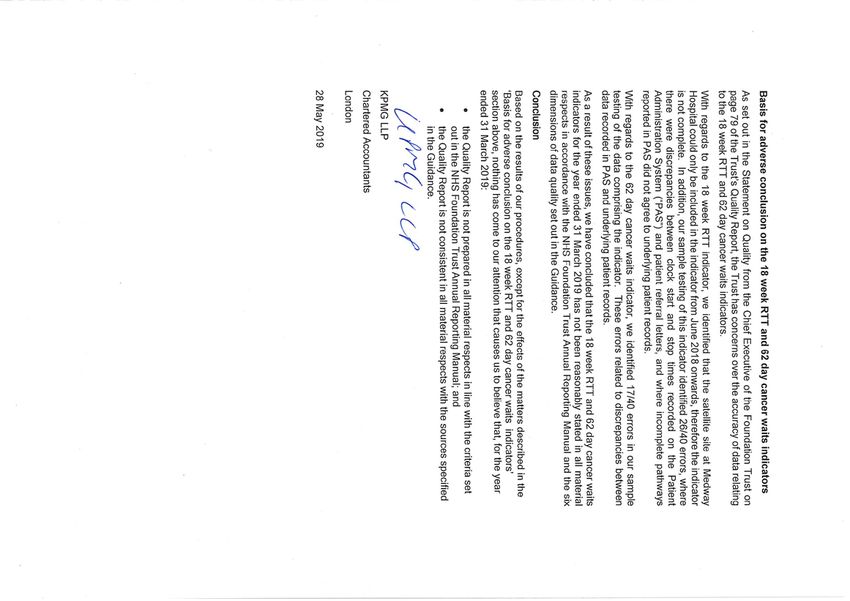
ACHIEVEMENTS — SAFE - EFFECTIVE - CARING - RESPONSIVE - WELL LED                                                                                        SAFE - EFFECTIVE - CARING - RESPONSIVE - WELL LED — ACHIEVEMENTS

     CARING
      2018/2019 achievements                                       Further work for 2019/20                                 2018/2019 achievements                                     Further work for 2019/20

      QVH acute facial paralysis clinic                                                                                     Scarless and/or minimal access surgery
      QVH has one of the most sophisticated facial therapy         We are in the process of incorporating virtual           Facial paralysis surgery often leaves stigmatising         QVH surgeons are continuing to perfect
      and rehabilitation services in the world with a full team    reality programmes and smartphone app-based              scars for those undergoing treatment. QVH is at            their technique and enhance their skills
      of dedicated facial therapists. We provide an acute clinic   technology into the rehabilitation of facial             the forefront of addressing this, both in terms of         with other centres in the UK via Facial
      for all patients recently affected by Bell’s palsy or the    paralysis patients, a global-first. This will include    psychology and surgery. We aim for all surgical scars to   Therapy Specialists-UK.
      malevolent effects of facial paralysis, where early care     those with facial paralysis due to strokes.              be hidden within the hairline, facial creases or within
      can be provided by therapists one-to-one, over the                                                                    the lip. QVH now offers endoscopic surgery where
      phone or online.                                                                                                      possible, for example to harvest nerves, to minimise
                                                                                                                            scarring as well as facelift techniques to hide scars as
                                                                                                                            far as possible.
      Macmillan Quality Environment Award
      The Macmillan Information and Support Centre                 The first award to the centre was made in 2016
      retained its prestigious award marking the highest           and reassessment occurs every three years.
      possible standards for cancer care environments,             Assessment is carried out by an independent              Restore sessions for breast reconstruction patients
      driving forward the design and use of these facilities,      organisation appointed by Macmillan Cancer               Patients are encouraged to attend a ‘show & tell’          QVH continually considers the holistic
      based on a robust understanding of the needs of              Support. The centre will continue to ensure that         information session prior to commencement of their         assessment and treatment of all patients.
      people affected by cancer.                                   its environment and facilities continue to be of         surgical pathway. The Restore session empowers             There is currently work in progress to
                                                                   the highest standard to meet patient needs.              patients to make informed decisions, interact with         establish a wellbeing programme for breast
                                                                                                                            patients who have already had a reconstruction             cancer patients with a focus on nutrition,
                                                                                                                            journey and see their results. Due to the success of the   diet, exercise and dynamic thinking. This
                                                                                                                            events held at QVH, Restore also run these events at       programme aims to ensure the patient is in
      Confidence building for children who have suffered burns
                                                                                                                            hospitals in Worthing and Dartford with support from       strongest possible position for treatment.
      The team at QVH provide residential camps for                Plans for 2019/20 include a day trip to the              QVH ex-patients.
      children who have been treated for burns and/or              Sea Life Centre in Brighton for paediatric
      traumatic injuries.                                          patients who are admitted for eye surgery.
                                                                   These patients are unable to go to many of
      This year the team took 30 children to CREW camp             the activity camps as they cannot risk injury
      (Creative Recreation Educational Weekend) on the             to their eyes but a quiet, dark place to visit
      Isle of Wight where they enjoyed a confidence-building       meets their needs for fun and allows them
      residential weekend challenging themselves through           and their families to get together and
      canoeing, aeroball, highrope climbing and the giant          support each other.
      swing. The weekend is funded entirely by donations
      to QVH Charity.                                              Thirty children will benefit from the 2019
                                                                   CREW camp which takes place in June.
      Children treated by QVH also attended national burns
      camp in Cambridgeshire during August and the national
      burns jamboree (for younger children) in October, where
      they joined burn injured children from around the UK.

                                                                                                                           “Q VH continually considers the holistic assessment
                                                                                                                             and treatment of all patients. There is currently
     “QVH has one of the most sophisticated facial                                                                          work in progress to establish a wellbeing programme
       therapy and rehabilitation services in the world                                                                      for breast cancer patients with a focus on nutrition,
       with a full team of dedicated facial therapists.”                                                                     diet, exercise and dynamic thinking.”

14    Queen Victoria Hospital NHS Foundation Trust                                                                                                                                                                     Quality Report 2018/19   15
ACHIEVEMENTS — SAFE - EFFECTIVE - CARING - RESPONSIVE - WELL LED                                                                                   SAFE - EFFECTIVE - CARING - RESPONSIVE - WELL LED — ACHIEVEMENTS

     RESPONSIVE
     2018/2019 achievements                                                   Further work for 2019/20
                                                                                                                       WELL LED
                                                                                                                       2018/2019 achievements                                                 Further work for 2019/20

     Computerised tomography (CT) scan                                                                                 Establishing the first facial therapy society in the world
     QVH’s state-of-the-art new CT scanner opened in December                 Inpatients needing a CT scan             The facial therapy team at QVH, working with colleagues in the         The facial palsy unit at QVH is
     2018. A total of 526 patients were scanned between December              will no longer have to be                UK and the US, were instrumental in organising the world’s first       hoping to spread its expertise
     2018 and the end of March 2019.                                          transferred to another hospital          facial therapy society; thereby further cementing facial therapy       in the international forum and
                                                                              and QVH can provide a local              as a recognised sub-speciality of physiotherapy, specifically for      put forward a bid to organise
     The scanner, funded by a donation from the League of Friends,            scanning service to people living        those with facial paralysis. FTS UK held its inaugural conference      a symposium on functional
     supports QVH’s specialist clinical services, helping doctors             in East Grinstead and                    in Birmingham in September 2018 with several invited speakers          facial rehabilitation following
     make earlier and more accurate cancer diagnoses, plan patients'          Mid Sussex.                              from QVH. This established QVH as the leading centre of excellence     paralysis at the upcoming 2019
     treatment more effectively and ultimately lead to better rates                                                    in facial palsy treatment in the UK.                                   neuro-rehabilitation congress in
     of survival.                                                                                                                                                                             Maastricht, Netherlands.

     Autologous reconstruction                                                                                         Head and neck multi-collaborative research
     A consultant in the QVH breast team was invited to speak at the          The breast service is exploring          The LISTER Pilot study for severe epithelial dysplasia has been        QVH aims to be the highest
     British Institute of Radiology about the benefits of autologous          strategies to increase capacity          completed and the QVH team have commenced the DeFEND                   recruiting centre for the DeFEND
     reconstruction. This type of reconstruction is considered a durable      for free flap breast reconstruction      (NIHR) trial using fibrin glue in elective neck dissection.            and PQIP trials, and has been
     option with less revision surgeries as focus moves to reconstruction     to meet the growing demand                                                                                      accepted as a recruiting centre for
     options that last a patient’s lifetime.                                  for this surgery in the South East.      QVH continues to contribute to the PQIP (NIHR) trial quality of life   the upcoming SaVER (NIHR) and
                                                                                                                       study for patients having four hour and over general anaesthetic.      JaW PrinT (NIHR) studies.

     Improved patient wayfinding and signage for patients and visitors
     New signage has been put up across the Trust to improve access           Our vision for the future of one         Raising national awareness of facial paralysis
     and make navigating around the hospital easier. It has helped to         of the best surgical hospitals
     reduce patient and visitor stress and anxiety, which enhances the        in the country includes further          In March 2018, members of the facial paralysis team presented to       Future plans include supporting
     overall patient experience.                                              improvements to our estate when          MPs at the House of Commons to increase awareness of the plight        the development of facial paralysis
                                                                              capital funds are available.             of those suffering from Ramsay-Hunt syndrome and other causes          services for patients in Wales and
     The wayfinding scheme was developed with the involvement of                                                       of facial paralysis. This will hopefully address the lack of funding   Northern Ireland, where there is
     patients, visitors, volunteers, front-line and support staff including                                            for the treatment of those with facial paralysis.                      currently no such service.
     the Trust’s dementia lead.

     Head and neck patient experience feedback
     The Trust is proactively seeking feedback from head and neck             This patient feedback will provide
     cancer patients through a through a specially designed patient           important additional information
     survey specifically reviewing their surgical pathway.                    to support improvements in the
                                                                              patient pathway.
                                                                                                                      “Q VH’s education centre has been refurbished
     Improved facilities for junior doctors and clinical site practitioners                                             to include facilities available for use by anyone
     QVH’s education centre has been refurbished to include facilities        The Trust will continue to improve        working on site overnight and at weekends.”
     available for use by anyone working on site overnight and at             staff facilities, including provision
     weekends. Facilities include a new kitchen and rest room and an          in 2019/20 of two additional staff
     outdoor area.                                                            spaces on site where staff can relax

     The new facilities will ensure healthcare professionals working
                                                                              and have meals while they are on
                                                                              a break.
                                                                                                                      “The facial palsy unit at QVH is hoping to spread
     outside of normal hours are able to rest and make hot meals.                                                       its expertise in the international forum.”

16   Queen Victoria Hospital NHS Foundation Trust                                                                                                                                                                 Quality Report 2018/19   17
ASSURANCE                                                                                                                 CLINICAL OUTCOME REVIEW PROGRAMMES

     Statements of assurance                                         Participation in clinical outcome
     from the Board of Directors                                     review programmes 2018/19
                                                                     Project name                                        Applicable   Participation       % of cases
     Review of services                                              (alphabetical)                                       to QVH       Comments           submitted

     During 2018/19, Queen Victoria Hospital NHS Foundation          Child Health Clinical Outcome Review                                                 100% of
     Trust provided 21 NHS services including burns                  Programme Young People’s Mental Health                                            applicable cases
     care, general plastic surgery, head and neck surgery,
     maxillofacial surgery, corneoplastic surgery and community      Falls and Fragility Fractures Audit programme
                                                                                                                                                              n /a
     and rehabilitation services. QVH has reviewed all the           (FFFAP) National Audit Inpatient Falls
     available data on the quality of care in all of its NHS
     services. The income generated by the relevant health           Learning Disabilities Mortality
                                                                                                                                                              n /a
     services reviewed in 2018/19 represents 93% of total of         Review Programme (LeDeR)
     the total income generated from the provision of relevant
                                                                     Medical and Surgical Clinical Outcome Review
     health services by QVH for 2018/19.                                                                                                                     77%
                                                                     Programme – Perioperative diabetes
     Research
                                                                     Mental Health Clinical Outcome Review Programme
     Pioneering techniques developed at QVH in the past are                                                                                                   n /a
                                                                     Suicide, Homicide & Sudden Unexplained Death
     now used routinely in the care of patients all over the
     world. This includes burns reconstructive surgery, cell         National Ophthalmology Audit                                        Partial
     culture and hypotensive anaesthesia. Our current research                                                                        participation
                                                                                                                                                           unknown
                                                                     (NOD) – Adult Cataract surgery
     programme focuses on developing techniques in wound
     healing and reconstruction. We are proud to be holders of
     grants from the National Institute for Health Research, and
     believe this reflects the quality of our research.              Participation in national clinical audits 2018/19
     We have established collaborative work with the University
     of Oxford, the University of Nottingham Trent, and the          Learning Disabilities Mortality
                                                                                                                                                              n /a
     University of Liverpool. Wide networks are critical to          Review Programme (LeDeR)
     successful research investment and outputs, particularly
     in the specialised fields of practice that we undertake         Mandatory surveillance of bloodstream                                                100% of
     here at QVH. We are grateful for the ongoing support            infections and clostridium difficile infection                                    applicable cases
     of our local clinical research network for core research
                                                                     National Audit of Breast Cancer
     infrastructure, and have continued to significantly increase                                                                                            100%
                                                                     in Older People (NABCOP)
     our participation in National Portfolio studies.
     The total number of participants recruited to HRA-              National Audit of Care at the
                                                                                                                                                             100%
     approved studies in 2018/19 was 887 with QVH taking             End of Life (NACEL)
     part in 40 studies; of these 887 participants 640 were
     National Portfolio recruits.                                    National Clinical Audit of Anxiety and Depression
                                                                                                                                                              17%
                                                                     (NCAAD) – Psychological Therapies Spotlight
     Our participation in research demonstrates our continued
     commitment to improving the quality of care we offer and        National Mortality Case Record Review                                            No cases submitted.
     to making our contribution to wider health improvement.         Programme (previously Retrospective                                                No submission
     Participation helps our clinical staff to stay abreast of the   Case Record Review, funded by NHSI)                                                   required
     latest treatment possibilities and enables us to deliver
     improved patient outcomes.                                      Reducing the impact of serious infections
                                                                                                                                                          100% of
     Participation in clinical audits and                            (Antimicrobial Resistance and Sepsis)
                                                                                                                                                       applicable cases
     clinical outcome review programmes                              Antibiotic Consumption

     A clinical audit is a quality improvement cycle that involves
                                                                     Reducing the impact of serious infections                                          100% of those
     measuring the effectiveness of healthcare against agreed
                                                                     (Antimicrobial Resistance and Sepsis)                                            reviewed requiring
     and proven standards for high quality, and taking action to                                                                                          submission
                                                                     Antimicrobial Stewardship
     bring practice in line with these standards so as to improve
     the quality of care and health outcomes.                        Seven Day Hospital Services                                                          100% of
     During 2018/19, ten national clinical audits and six            Self-Assessment Survey                                                            applicable cases
     clinical outcome review programmes (previously known as
     confidential enquiries) covered health services that QVH        Surgical Site Infection                                                              100% of
     provides. We participated in 100% of national clinical          Surveillance Service                                                              applicable cases
     audits and 100% of clinical outcome review programmes
     that we were eligible to participate in. The tables below       Project name                                        Applicable   Participation       % of cases
     also include the percentage of registered cases required        (alphabetical)                                       to QVH       Comments           submitted
     by the terms of that audit or review programme.

18   Queen Victoria Hospital NHS Foundation Trust                                                                                                         Quality Report 2018/19   19
AUDITS AUDITS
National clinical audit Local clinical audits Outcomes of ipsilateral free ALT
flap with saphenous vein grafts
Free flap breast reconstruction and the patient
journey, analysis of a large cohort to improve
Ten national audits were reviewed by the Trust The reports of 52 completed local clinical audits for knee region reconstruction patient information and documentation
in 2018/19. The three most relevant were: were reviewed by QVH in 2018/19. Examples of audit
Infected total knee arthroplasty is potentially a limb This project is supported by the Scar Free Foundation,
projects undertaken across QVH, their findings and
National Confidential Enquiry into Patient threatening condition. It is managed in an orthoplastic and aims to improve standardisation of patient-centred
actions taken as a result are set out below.
Outcomes and Death (NCEPOD) – Highs and Lows multidisciplinary team approach, and commonly in two care regarding reconstructive surgery, improve holistic
Pain relief and patient satisfaction following stages. Although pedicled gastrocnemius flap is considered approaches to scars, improve patient outcomes and
This national study highlighted where care could be
day case hand surgery under regional anaesthesia the workhorse technique for knee coverage, it does not develop clinical research strategies in pursuit of scar free
improved for patients with diabetes undergoing surgery.
easily cover soft tissue defects proximal to the patella healing. Collection of this data in the UK has never been
It found that, nationally, multidisciplinary care could be This re-audit was carried out as the initial audit found
and cannot be easily re-raised for the second stage of carried out before.
improved, particularly around nutritional assessment, variation in the analgesia with which patients were
reconstruction.
that patients were not always prioritised on surgical discharged; some patients also reported high post-operative The project results will provide an objective comparison
lists as required, and that perioperative care could be pain scores. After the initial audit cycle changes were Data collection for this was to assess the efficacy and of different free flap breast reconstruction types and
improved in around one third of cases. At QVH, there made so that patients were given a standardised discharge safety of the free ipsilateral extended anterolateral thigh personal patient satisfaction by considering factors such
is a lead anaesthetist for perioperative diabetic care analgesia and a patient information leaflet on discharge to flap (ALT) with vein grafts for soft tissue reconstruction as number of clinical appointments, number of days spent
and internal audit and recommendations are being guide expectations and explain how to take post-operative of infected knee arthroplasty; of the patients assessed out of work due to reconstruction, emotional well-being
followed up in pre-assessment and theatres. Our use analgesia. Re-audit showed 85% of patients were satisfied all of the flaps survived. and how the patient contemplates herself following breast
of a multidisciplinary approach with the diabetes nurse, with at home management of pain and 96% of patients reconstruction surgery.
This technique has proven effective for complex soft tissue
pharmacy, anaesthetists, nursing staff and surgical were satisfied with the anaesthetic technique used.
reconstruction of the knee and distal thigh, whether for Results showed reconstruction options included DIEP,
staff continues, and we continue to prioritise diabetic
A very simple and effective way of reducing infected total knee arthroplasty or extensor mechanism MSTRAM and TUGs, of a total of 409 breast reconstruction
patients at the start of theatre sessions.
theatre time whilst reducing theatre costs reconstruction. Although it is a lengthier and technically procedures, only two patients reconstructions failed and
6th National Audit Project of the Royal College demanding procedure, it replaces like with like and is easily the average reconstructive journey took 20.8 months.
The hand trauma clinic allows semi urgent patients
of Anaesthetists – Perioperative Anaphylaxis re-elevated for the second stage of knee reconstruction.
referred from other hospitals to be seen on an elective In 58.7% of cases patient notes had no descriptors
This national audit of life-threatening reactions during basis. It allows prompt management of a wide range of The ‘snail flap’: a local flap based on Fibonacci documenting patient views in relation to the overall result
anaesthesia and surgery was fully contributed to by the surgical emergencies whist reducing the number of cases sequence as a reconstructive technique after of their breast reconstruction, therefore a better measure
Trust in 2017/18, and the report provides reassurance that need a more formal surgical management in the excision of skin tumours of the scalp of patient satisfaction is being trialled in a breast centred
on areas where our practice is appropriate. Safe surgery main theatre. Cases range from simple nailbed repairs to questionnaire for a cohort of outpatients for a period
Scalp reconstruction after skin tumour ablation can be a
at QVH necessitates the use of several medicines that extensors and nerve repair. The clinic is run by a registrar of six months.
challenging task due to the special tissue characteristics
are high risk for severe allergic reaction, and the report and a junior trainee with a reachable on call trauma
of this region. Achieving the optimal cosmetic result On the day cancellations between January
supported our approach to this risk, and the treatment consultant. Common practice for these types of patients
without compromising the safety of oncologic surgery and April 2018 (retrospective)
and follow up of the rare occasions when patients suffer is to inject a Lidocaine with Bupivacaine mixture before
remains the basic reconstructive goal. Primary closure is the
anaphylaxis. Work in 2019/20 will be on reducing the surgery in the procedure room to provide a rapid onset and Cancellation of surgical procedures on the day of
simplest option providing hairy coverage but is not feasible
incidence of using higher risk medicines. The report was a long action for the patient’s comfort. Patients were divided operation causes considerable anxiety to patients and also
for larger defects and carries a higher risk of wound
presented at the QVH joint hospital clinical governance into two groups with one cohort being injected outside the has a significant impact on the delivery of NHS services.
dehiscence. On the other hand, split thickness skin graft is
group, and actions will be followed up by the clinical procedure room and the other outside of the anaesthetic This project was to collate operating theatre data of
a common choice as it can be even used in large defects;
and anaesthetic governance groups. room. Results were based on patients comfort, the need patients due to have oral maxillofacial surgery between
however, unavoidably results in a colour mismatch and a
for additional anaesthesia and the time from injection January and April 2018 who were cancelled on the day,
National Confidential Enquiry into Patient Outcomes non-hair, patch-work appearance. In pursuit of a better
to commencement of surgery. Results found monthly to evaluate the cause of cancellation, improve theatre
and Death (NCEPOD) – Common Themes appearance several types of local flaps with various design
saving in both time (30 minutes per session) and cost utilisation and compare QVH to the national average.
patterns have been described.
This review of NCEPOD studies since 1987 highlighted (approximately £385 a month) with an extra case being able
Results showed that over 50% of cancellations were down
ten areas that were common to many of the reports, and to be performed if the anaesthetic is injected outside of the Retrospective data analysis of ten consecutive patients who
to patient factors. Recommendations around the planning
through the joint hospital clinical governance group, gave procedure room. Patients’ comfort levels remained high with have undergone surgical excision of skin tumour on the
of surgical staff rotas and patient communication are being
the Trust the opportunity to see how far we have come in only two patients from a total of 20 requiring additional scalp with an immediate ‘snail flap’ reconstruction during
considered, with plans to re-audit when these actions have
improving the safety of patient care at the time of surgery, anaesthesia prior to the start of their procedure. the last two years was conducted.
been implemented.
and where we still need to make progress. Areas such as
Sentinel lymph node biopsy and the correlation The flap survival rate was 100% and can be considered as
timely consultant review, the supervision of junior doctors, Peri-operative management of oral anticoagulation/
with histological characteristics of the tumour a safe option for the reconstruction of small and moderate
morbidity and mortality reviews, the availability of critical antiplatelets requiring skin surgery at QVH
sized skin defects of the scalp with minor post-operative
care and the quality of consent have seen huge progress in Malignant melanoma is the fifth most common type
complications and excellent aesthetic outcome. The QVH guidelines on peri-operative management of
the last decade. The monitoring of deteriorating patients of cancer. Worldwide this contributes to 80% of skin
patients on oral anticoagulants/antiplatelets were revised
will be further enhanced at QVH with the introduction of cancer related deaths, since 1990 incidence of malignant
in January 2018; this audit was to assess compliance
electronic observations and automatic escalation alerts in melanomas have increased by 119%. Sentinel lymph node
against the guideline and to investigate if there was any
2019/20. In some areas, for example, documentation and biopsy is a selective lymphadenectomy which is used as
correlation post-operative bleeding and perioperative
patient records, we recognise we still have progress to a validated staging technique for occult nodal detection.
management. This was a retrospective study of patients
make with the introduction of electronic patient records This project was a retrospective case note review which
requiring excision or biopsies of skin lesions whilst on
and document management systems. investigated the results of sentinel lymph node biopsy and
either antiplatelet or anticoagulant medication. In 19%
the correlation with histological characteristics of tumours
of cases patients had their medication stopped and 3%
and if there are possible predictors of the sentinel lymph
of cases had an abnormal post-operative bleed. Results
node biopsy result. Results suggested that aseptic conditions
showed differing practice dependent on the treating
should be increased during operations and dressings should
consultant’s team and education to embed the guideline
be changed to further prevent post-operative infection
adherence is currently underway.
rates. Re-audit will be undertaken to assess the success of
these changes which include provision of health education
information to patients in skin doctors’ training sessions.
20 Queen Victoria Hospital NHS Foundation Trust Quality Report 2018/19 21AUDITS CQUIN FRAMEWORK
Carpal tunnel release This audit demonstrates the safety and efficacy of corneal
neurotisation procedure as the only definitive treatment
Commissioning for 3. Improving the uptake of flu
vaccinations for front line staff
Carpal tunnel release is a surgical procedure to divide a
ligament in the wrist to relieve pressure on a nerve that
modality available to treat the underlying pathology in Quality and Innovation Seasonal influenza (flu) is an unpredictable but recurring
gives the patient symptoms of numbness, tingling and
neurotrophic corneas, as no complications reported for
any of the cases, while there were general improvement
payment framework pressure that the NHS faces every winter. Vaccination of
pain in the hand. This project was carried out to evaluate frontline healthcare workers against influenza reduces
functionally and structurally.
patient satisfaction and pain levels following carpal tunnel The Commissioning for Quality and Innovation the transmission of infection to vulnerable patients who
surgery under local anaesthetic with no tourniquet, The restoration of corneal sensation improves corneal (CQUIN) payment framework makes a proportion of are at higher risk of a severe outcome and, in some
a technique that uses adrenaline to vasoconstrict and functional and structural health, thus preventing possible NHS healthcare providers’ income conditional upon cases, may have a suboptimal response to their own
does not require cautery. complications of neurotrophic keratopathy. achieving certain improvement goals. The framework vaccinations. Vaccinating frontline healthcare workers
aims to support a cultural shift by embedding quality also protects them and their families from infection.
Data collection was carried out between April and Theatre time was reduced from 4.5 hours for the first case
and innovation as part of the discussion between
August 2018, 100% of patients would recommend the to three hours for the last audited case. The national CQUIN measured from October to
service commissioners and providers.
surgery to another patient and 93% were extremely December 2018 stipulates that trusts are required to
Rupture rates between two - and four-strand
satisfied. The WALANT technique is being considered A proportion of QVH income in 2018/19 is conditional vaccinate 75% of frontline staff as part of an annual
flexor tendon repair: is less more?
as routine in the appropriate cases going forwards. on achieving number of national and local CQUIN immunisation programme. For the 2018/19 programme,
Flexor tendon injury is a very common injury requiring goals. The Trust has achieved 100% of all the national a CCG locally agreed variance to the CQUIN was
Managing pain in dental abscess patients and dental CQUIN schemes which equates to £1.4m
timely repair and effective postoperative rehabilitation. introduced which allowed QVH to include all staff
Patients at QVH are cared for in an acute recovery area The ultimate goal of surgical intervention has remained against the contract value. members who had the vaccination elsewhere or taken
supporting theatres to improve patient flow through the constant: to achieve enough strength to allow early motion, an active decision to decline vaccination. QVH achieved
department. This project was undertaken to ensure that to prevent adhesions within the tendon sheath, and to the CQUIN target, with 80.4% of staff engaged and a
The national quality initiatives were:
patient’s pain is managed effectively following their dental restore the finger to normal range of motion and function. 61.3% vaccination rate.
abscess procedure and to limit the number of unplanned 1. Introduction of health and wellbeing initiatives
The purpose of this study was to explore the difference 4. Timely identification and treatment
delays to transferring out of the recovery unit. QVH has taken a number of measures to improve staff
in clinical outcome of two-strand and four-strand flexor of sepsis in acute inpatient settings
Results found that multiple factors influenced patients’ tendon repairs in a single unit in adult population. A total health and wellbeing throughout 2018/19 including
Sepsis is a common and potentially life-threatening
pain levels, patients were well managed with a variety of 109 complete divisions of a single flexor tendon from introduction and promotion of health and wellbeing
condition that can lead to widespread inflammation,
of combinations of analgesia both intra-operatively and 2016 to 2018 were analysed retrospectively. schemes such as Care First/Zest, pilates, mindfulness
swelling and blood clotting. This can lead to a significant
during their recovery period. All patients were managed for stress and wellbeing courses for staff. Themed
Thirty flexor tendons were repaired with two-strand and decrease in blood pressure, which may reduce blood
appropriately before their discharge to the ward with promotion to staff of healthy behaviour has included
79 tendons were repaired with four-strand technique. supply to vital organs such as the brain, heart and
a minimal pain level score. Due to the nature of the dry January, no smoking day, on your feet Britain and
There was no significant difference in the complication rate kidneys. Sepsis is recognised as a significant cause of
results there were no action points required but continual national walking month, and world blood donor day.
including rupture, infection and adhesions. These results poor outcomes and death, and is almost unique among
monitoring and re-audit in the future will ensure we The ‘My Trust Benefits’ website was launched where
support that four-strand is not superior to two-strand and acute conditions in that it affects all age groups.
are continuing to efficiently manage patient’s pain staff can access national and local discounts on the
that lower volume type of repair would be preferable and
management in recovery. high street and online, and Trust benefits such as salary QVH has very few patients each year with suspected
would avoid unnecessary over treatment.
sacrifice schemes, as well as opportunities for learning sepsis, or those who go on to develop it. Where sepsis is
Corneal neurotization restoration of corneal to develop personal and professional skills. Health
Pan-Kent laryngectomy outcomes – a five year review suspected, patients are managed in accordance with the
sensation with regional nerve grafts and wellbeing promotion has been supported through Sepsis Six pathway and treatment is provided.
A laryngectomy is an operation to remove the voice box
Normal corneal sensation is integral in maintaining the the weekly staff newsletter, banners and posters
– usually because of cancer. This is a life changing In 2018/19 the adult patients’ pathway was reviewed
structure and function of corneal epithelium. Corneal located around the Trust, computer screensavers,
operation with post laryngectomy challenges. and now includes treatment guidelines for sepsis and a
denervation can impair wound healing leading to corneal and word of mouth.
prescription chart. The pathway must be completed for
ulceration and result in blindness. The management of The speech and language and maxillofacial team
2. Healthy food for NHS staff, visitors and patients all patients treated with sepsis. The Trust is in the process
neurotrophic keratopathy is challenging due to abnormal conducted a retrospective audit of 34 patients that had a
of procuring an e-observation system which will enable
epithelial healing. Targeted medical and surgical management laryngectomy procedure at QVH between 2013 and 2018 As part of this national CQUIN, we have taken forward
clinical staff to record patient vital signs quickly and
have been proposed to halt the progression of the disease to assess the functional outcomes and compare this with a number of initiatives to ensure that a choice of healthy
easily, and will automatically alert appropriate clinical
at early stages to prevent the globe threatening later nationally reported data. The parameters of assessment food is available to patients and staff. Healthy options
staff if a patient’s scores are outside the normal range,
stages. Insensate corneas are known to defy conventional included surgical margins; leak rates post operatively, a are available in all catering outlets including vending
as is the case when patients develop sepsis.
management and after grafting are exposed to similar Clavien-Dindo score of complications, days to oral intake, machines for staff working out of hours. QVH continues
epithelial breakdowns, therefore addressing the underlying achieving a functional voice and normalcy of diet, and the to achieve 100% compliance in all categories. All drinks 5. Reduction in antibiotic consumption
corneal anaesthesia is of utmost significance in successful requirement of nutritional supplementation. lines stocked are sugar free (less than 5g sugar per 100
The misuse of antibiotics is a globally recognised
long term management of the neurotrophic corneas. ml); all confectionery and sweets contain 250kcal or less;
Outcomes showed higher than average leak rates problem. QVH has reviewed national guidance and taken
all pre-packed sandwiches and other savoury pre-packed
The aim of the audit was to prospectively audit all aspects with work around enhanced recovery protocol showing a number of steps to reduce the unnecessary prescribing
meals contain 400 kcal or less. We have also introduced
of this procedure, including patient selection, surgical improvements in the final year of the project. QVH have of antibiotics across the Trust. This will help to decrease
low fat hot chocolate in our vending machines for milk
technique and functional and structural outcomes, a consistent use of frozen sections for margin control the spread of antimicrobial drug resistance. We monitor
based drinks.
against what is published in literature as reported by and fewer complications than the national figures with and scrutinise our antibiotic usage on a monthly basis,
other international centres with experience in corneal patients resuming oral intake quickly and good uptake During 2018/19 QVH has been regularly monitoring the and report our data externally to Public Health England
neurotisation surgery. for a functional voice. proportion of drinks and food which comply with the quarterly. To support this QVH is delivering internal
CQUIN guidelines. We have seen significant reductions training to all clinical staff to ensure levels of antibiotic
The structural outcomes were assessed against standards There is now work underway to establish a standardised
of drinks and food high in calories, salt, sugar and fat. prescriptions are kept to a minimum and only used
by the British Journal of Ophthalmology for change in and validated outcome measure tool to truly define what is
There are no longer price promotions or advertising for where absolutely necessary.
corneal nerve density and morphology. Both functional and considered a “good outcome” and contribute to national
foods high in fat, sugar and salt. The vending machine
structural outcomes were measured pre-operatively, early outcomes whilst continuing to monitor local outcomes. continues…
displays have been improved to encourage water bottle
(1-3 months), intermediate (3-6 months) and late (9-12 sales, putting less healthy contents on lower shelves and
months and more) postoperative periods. Any adverse displaying sugar and calories contents.
events following corneal neurotisation were recorded.
22 Queen Victoria Hospital NHS Foundation Trust Quality Report 2018/19 23You can also read


