Reach Up and Learn in the Syria Response: Adapting and implementing an evidencebased home visiting program in Lebanon, Jordan and Syria ...
←
→
Page content transcription
If your browser does not render page correctly, please read the page content below
Reach Up and
Learn in the
Syria Response:
Adapting and implementing an evidence-
based home visiting program in Lebanon,
Jordan and Syria
Lead Authors:
Aimee Vachon and Katelin Wilton
Contributing Authors:                                               Reach Up and
                                                                    Learn in the
Katie Murphy, Ayat al Aqra, Maria del Sol Prieto, Phoebe Sloane,
Emma Kane, Dr Hiro Yoshikawa, Dr Alice Wuermli, Dr Ifrah
Magan, Anaga Ramachandran, Dr Kate Schwartz

                                                                    Syria Response:
                                                                    Adapting and implementing an evidence-
Ack nowledgements:                                                  based home visiting program in Lebanon,
IN JORDAN
                                                                    Jordan and Syria
Dr Muhammad Fawad, Abdullah Ensour, Hanan Aljabiri, Hossam
AlKhalili, Moataz Rawashdeh, Nadeen Hamzeh, Mohammad
Shurbaji
IN NORTHEAST SYRIA.
Nicole Constantine, Iman Ibrahim, Dersim Heme                       Table of Contents
IN LEBANON
                                                                    Introduction. .  .  .  .  .  .  .  .  .  .  .  .  .  .  .  .  .  .  .  .  .  .  .  .  .  .  .  .  .  .  .  .  .  .  .  .  .  .  .  .  .  .  .  .  .  .  .  .  .  .  .  .  .  .  .  .  .  .  .  .  .  .  .  .  .  .  .  .  .  .  .  .  .  .  .  .  .  .  .  .  .  .  .  .  .  .  .  .  .  . 3
Anas Tahhan, Myriam Jaafar, Adham El Outa, Genevieve Youssef,
Farah Mhanna                                                        The International Rescue Committee’s Response . .  .  .  .  .  .  .  .  .  .  .  .  .  .  .  .  .  .  .  .  .  .  .  .  .  .  .  .  .  .  .  .  .  .  .  .  .  .  .  .  .  .  .  .  .  .  .  .  .  .  .  .  .  . 4
ON RESEARCH
                                                                    About the Home Visits. .  .  .  .  .  .  .  .  .  .  .  .  .  .  .  .  .  .  .  .  .  .  .  .  .  .  .  .  .  .  .  .  .  .  .  .  .  .  .  .  .  .  .  .  .  .  .  .  .  .  .  .  .  .  .  .  .  .  .  .  .  .  .  .  .  .  .  .  .  .  .  .  .  .  .  .  .  .  .  . 6
Phoebe Sloane, Dr Tareq Al Sharawi
FROM THE REGIONAL AHLAN SIMSIM TEAM.
                                                                    Adapting Reach Up. .  .  .  .  .  .  .  .  .  .  .  .  .  .  .  .  .  .  .  .  .  .  .  .  .  .  .  .  .  .  .  .  .  .  .  .  .  .  .  .  .  .  .  .  .  .  .  .  .  .  .  .  .  .  .  .  .  .  .  .  .  .  .  .  .  .  .  .  .  .  .  .  .  .  .  .  .  .  .  .  .  .  . 8
Marianne Stone, Maria Del Sol Prieto Bayona, Manar Shukri,                       Integrating Reach Up into IRC’s Existing Program Sectors. .  .  .  .  .  .  .  .  .  .  .  .  .  .  .  .  .  .  .  .  .  .  .  .  .  .  .  .  .  .  .  .  .  .  .  .  .  .  .  .  .  .  .  .  .  .  .  .  .  .  .  .  .  .  .  .  .  . 8
Da’ad Hidaya, Phoebe Sloane, Nour Al Mansour, Laila Hussein,
                                                                                 Adapting to the Context. .  .  .  .  .  .  .  .  .  .  .  .  .  .  .  .  .  .  .  .  .  .  .  .  .  .  .  .  .  .  .  .  .  .  .  .  .  .  .  .  .  .  .  .  .  .  .  .  .  .  .  .  .  .  .  .  .  .  .  .  .  .  .  .  .  .  .  .  .  .  .  .  .  .  .  .  .  .  .  .  .  .  .  .  .  .  .  .  .  . 10
Sesame Workshop
                                                                                 Training . .  .  .  .  .  .  .  .  .  .  .  .  .  .  .  .  .  .  .  .  .  .  .  .  .  .  .  .  .  .  .  .  .  .  .  .  .  .  .  .  .  .  .  .  .  .  .  .  .  .  .  .  .  .  .  .  .  .  .  .  .  .  .  .  .  .  .  .  .  .  .  .  .  .  .  .  .  .  .  .  .  .  .  .  .  .  .  .  .  .  .  .  .  .  .  .  .  .  .  .  .  .  .  .  . 12
OUR DONORS.
Bernard Van Leer Foundation, The ELMA Relief Foundation and         About the Workforce: Home Visitors at a Glance. .  .  .  .  .  .  .  .  .  .  .  .  .  .  .  .  .  .  .  .  .  .  .  .  .  .  .  .  .  .  .  .  .  .  .  .  .  .  .  .  .  .  .  .  .  .  .  .  .  .  .  .  .  . 13
MacArthur Foundation
                                                                    About the Beneficiaries: Caregivers at a Glance. .  .  .  .  .  .  .  .  .  .  .  .  .  .  .  .  .  .  .  .  .  .  .  .  .  .  .  .  .  .  .  .  .  .  .  .  .  .  .  .  .  .  .  .  .  .  .  .  .  .  .  .  .  .  . 14
OUR REACH UP AND LEARN ADVISERS.
Sally Grantham MacGregor, Marta Rubio- Codina, Christine            What’s the Cost? Costing Analysis . .  .  .  .  .  .  .  .  .  .  .  .  .  .  .  .  .  .  .  .  .  .  .  .  .  .  .  .  .  .  .  .  .  .  .  .  .  .  .  .  .  .  .  .  .  .  .  .  .  .  .  .  .  .  .  .  .  .  .  .  .  .  .  .  .  .  . 17
Powell, Susan Walker, Helen Henningham
                                                                    Research and Measurement . .  .  .  .  .  .  .  .  .  .  .  .  .  .  .  .  .  .  .  .  .  .  .  .  .  .  .  .  .  .  .  .  .  .  .  .  .  .  .  .  .  .  .  .  .  .  .  .  .  .  .  .  .  .  .  .  .  .  .  .  .  .  .  .  .  .  .  .  .  .  .  .  . 18
                                                                                 Tools and Process for Tracking Success. .  .  .  .  .  .  .  .  .  .  .  .  .  .  .  .  .  .  .  .  .  .  .  .  .  .  .  .  .  .  .  .  .  .  .  .  .  .  .  .  .  .  .  .  .  .  .  .  .  .  .  .  .  .  .  .  .  .  .  .  .  .  .  .  .  .  .  .  .  .  .  .  .  .  . 18
Special thanks to all the volunteers and caregivers who
contributed their passion, time and effort to improving the well-                Measure Selection . .  .  .  .  .  .  .  .  .  .  .  .  .  .  .  .  .  .  .  .  .  .  .  .  .  .  .  .  .  .  .  .  .  .  .  .  .  .  .  .  .  .  .  .  .  .  .  .  .  .  .  .  .  .  .  .  .  .  .  .  .  .  .  .  .  .  .  .  .  .  .  .  .  .  .  .  .  .  .  .  .  .  .  .  .  .  .  .  .  .  .  .  .  .  . 18
being and development of young children.                                         Measure Adaptation . .  .  .  .  .  .  .  .  .  .  .  .  .  .  .  .  .  .  .  .  .  .  .  .  .  .  .  .  .  .  .  .  .  .  .  .  .  .  .  .  .  .  .  .  .  .  .  .  .  .  .  .  .  .  .  .  .  .  .  .  .  .  .  .  .  .  .  .  .  .  .  .  .  .  .  .  .  .  .  .  .  .  .  .  .  .  .  .  .  .  .  .  . 18
                                                                                 Measure Translation. .  .  .  .  .  .  .  .  .  .  .  .  .  .  .  .  .  .  .  .  .  .  .  .  .  .  .  .  .  .  .  .  .  .  .  .  .  .  .  .  .  .  .  .  .  .  .  .  .  .  .  .  .  .  .  .  .  .  .  .  .  .  .  .  .  .  .  .  .  .  .  .  .  .  .  .  .  .  .  .  .  .  .  .  .  .  .  .  .  .  .  .  .  . 18
                                                                                 Measure Ways Forward . .  .  .  .  .  .  .  .  .  .  .  .  .  .  .  .  .  .  .  .  .  .  .  .  .  .  .  .  .  .  .  .  .  .  .  .  .  .  .  .  .  .  .  .  .  .  .  .  .  .  .  .  .  .  .  .  .  .  .  .  .  .  .  .  .  .  .  .  .  .  .  .  .  .  .  .  .  .  .  .  .  .  .  .  .  .  .  .  .  . 20

                                                                    Lessons Learned. .  .  .  .  .  .  .  .  .  .  .  .  .  .  .  .  .  .  .  .  .  .  .  .  .  .  .  .  .  .  .  .  .  .  .  .  .  .  .  .  .  .  .  .  .  .  .  .  .  .  .  .  .  .  .  .  .  .  .  .  .  .  .  .  .  .  .  .  .  .  .  .  .  .  .  .  .  .  .  .  .  .  . 22
                                                                                 Caregiver Lessons . .  .  .  .  .  .  .  .  .  .  .  .  .  .  .  .  .  .  .  .  .  .  .  .  .  .  .  .  .  .  .  .  .  .  .  .  .  .  .  .  .  .  .  .  .  .  .  .  .  .  .  .  .  .  .  .  .  .  .  .  .  .  .  .  .  .  .  .  .  .  .  .  .  .  .  .  .  .  .  .  .  .  .  .  .  .  .  .  .  .  .  .  .  .  . 22
                                                                                 Home Visitor Lessons. .  .  .  .  .  .  .  .  .  .  .  .  .  .  .  .  .  .  .  .  .  .  .  .  .  .  .  .  .  .  .  .  .  .  .  .  .  .  .  .  .  .  .  .  .  .  .  .  .  .  .  .  .  .  .  .  .  .  .  .  .  .  .  .  .  .  .  .  .  .  .  .  .  .  .  .  .  .  .  .  .  .  .  .  .  .  .  .  .  .  .  . 24
                                                                                 Program Management Lessons. .  .  .  .  .  .  .  .  .  .  .  .  .  .  .  .  .  .  .  .  .  .  .  .  .  .  .  .  .  .  .  .  .  .  .  .  .  .  .  .  .  .  .  .  .  .  .  .  .  .  .  .  .  .  .  .  .  .  .  .  .  .  .  .  .  .  .  .  .  .  .  .  .  .  .  .  .  .  .  .  .  .  . 26
                                                                                 Program Design Lessons. .  .  .  .  .  .  .  .  .  .  .  .  .  .  .  .  .  .  .  .  .  .  .  .  .  .  .  .  .  .  .  .  .  .  .  .  .  .  .  .  .  .  .  .  .  .  .  .  .  .  .  .  .  .  .  .  .  .  .  .  .  .  .  .  .  .  .  .  .  .  .  .  .  .  .  .  .  .  .  .  .  .  .  .  .  .  .  .  . 27

                                                                    Next Steps. .  .  .  .  .  .  .  .  .  .  .  .  .  .  .  .  .  .  .  .  .  .  .  .  .  .  .  .  .  .  .  .  .  .  .  .  .  .  .  .  .  .  .  .  .  .  .  .  .  .  .  .  .  .  .  .  .  .  .  .  .  .  .  .  .  .  .  .  .  .  .  .  .  .  .  .  .  .  .  .  .  .  .  .  .  .  .  .  . 28
                                                                                 Piloting Continuous Quality Improvement (CQI). .  .  .  .  .  .  .  .  .  .  .  .  .  .  .  .  .  .  .  .  .  .  .  .  .  .  .  .  .  .  .  .  .  .  .  .  .  .  .  .  .  .  .  .  .  .  .  .  .  .  .  .  .  .  .  .  .  .  .  .  .  .  .  .  .  .  . 28
                                                                                 Working to Increase Scale and Reach. .  .  .  .  .  .  .  .  .  .  .  .  .  .  .  .  .  .  .  .  .  .  .  .  .  .  .  .  .  .  .  .  .  .  .  .  .  .  .  .  .  .  .  .  .  .  .  .  .  .  .  .  .  .  .  .  .  .  .  .  .  .  .  .  .  .  .  .  .  .  .  .  .  .  .  .  . 28

                                                                    Conclusion. .  .  .  .  .  .  .  .  .  .  .  .  .  .  .  .  .  .  .  .  .  .  .  .  .  .  .  .  .  .  .  .  .  .  .  .  .  .  .  .  .  .  .  .  .  .  .  .  .  .  .  .  .  .  .  .  .  .  .  .  .  .  .  .  .  .  .  .  .  .  .  .  .  .  .  .  .  .  .  .  .  .  .  .  .  .  .  .  . 29

                                                                    Annex . .  .  .  .  .  .  .  .  .  .  .  .  .  .  .  .  .  .  .  .  .  .  .  .  .  .  .  .  .  .  .  .  .  .  .  .  .  .  .  .  .  .  .  .  .  .  .  .  .  .  .  .  .  .  .  .  .  .  .  .  .  .  .  .  .  .  .  .  .  .  .  .  .  .  .  .  .  .  .  .  .  .  .  .  .  .  .  .  .  .  .  .  .  .  .  .  .  .  .  .  .  .  .  .  .  .  .  .  .  .  . 30

                                                                    International Rescue Committee                                                                            Rescue.org                                                                                                                                                                                                                                     1
SOURCE:   Andrew Oberstadt / International Rescue Committee

                                                              Introduction

                                                              Raising children—keeping them safe, healthy and and refugee responses highlight this gap, particularly
                                                              fed while providing them with the experiences and in the areas of responsive caregiving and early learning.
                                                              skills they need to grow to be kind, respectful, happy, As an example, less than 3% of humanitarian funding
                                                              productive and healthy adults—can prove challenging is for education and just a small proportion of that is
                                                              in any circumstance.  Imagine experiencing the allocated to the youngest children.1,2
                                                              challenges of parenting after being forced to flee                     This report aims to highlight one major initiative, the
                                                              home or living in a former war zone or an unfamiliar International Rescue Committee’s (IRC) implementation
                                                              country, with no access to loved ones or familiar of the Reach Up and Learn program in the Middle East,
                                                              services. For millions of parents affected by the Syrian and the ways in which this initiative is providing vital
                                                              crisis, this is their reality.  Though they are parenting support to both children and their caregivers affected
                                                              under difficult, unfamiliar and chaotic circumstances, it by the Syrian refugee crisis.  The first section includes
                                                              remains essential that they maintain or build supportive a description of the adaptation process, with following
                                                              relationships with their children, especially their children sections highlighting the diverse characteristics of
                                                              in the first years of life.                                     frontline staff and clients, program costs and the early-
                                                                     The first years of life are marked by rapid stage measurement piloting conducted in preparation
                                                              brain development, laying the foundation for life- for the planned randomized controlled trial.  By sharing
                                                              long learning, behavior and health.  Interactions and these experiences and lessons learned, the report aims
                                                              experiences with consistent caregivers are critical for to provide practical guidance for early childhood leaders,
                                                              healthy brain development. Yet in situations of conflict practitioners, policy-makers and researchers interested
                                                              and crisis, where there are high levels of stress, trauma in designing, delivering, testing and scaling home visiting
                                                              and insecurity, children often lack the stable, nurturing programs in crisis- and conflict-affected settings.
                                                              environments that allow for healthy growth
                                                              and development. In the absence of frequent,
                                                              positive interactions with caregivers and the
                                                              presence of other stressors such as poverty
                                                              and violence, children can develop a toxic
                                                              stress response—a disruption of critical
                                                              biological and neurological processes during
                                                              foundational stages of development.
                                                                    A large body of evidence highlights the
                                                              interconnected needs that all children require
                                                              to grow, thrive and flourish:   good health,
                                                              adequate nutrition, safety and security,
                                                              responsive caregiving, and opportunities for
                                                              early learning. These necessary components
                                                              are defined as nurturing care and articulated
                                                              in the 2018 Nurturing Care Framework (figure
                                                              1) by the World Health Organization, UNICEF,
                                                              the World Bank and partners.  In situations
                                                              of conflict and crisis, ensuring that activities
                                                              and interventions address the holistic needs
                                                              of very young children and re-introduce a
                                                              sense of community, routines and security for
                                                              families are of particular importance but not
                                                              considered in the traditional humanitarian
                                                                                                                      FIGURE 1: Nurturing Care Framework             (WHO, UNICEF, WORLD BANK, 2018)
                                                              response.  Recent reviews of humanitarian

2           Reach Up and Learn in the Syria Response          International Rescue Committee    Rescue.org                                                                                             3
The International Rescue
Committee’s Response

With more than 29 million babies reportedly born into               Beginning in 2016, the IRC piloted the delivery of
conflict, 3 there is a clear need to provide appropriate     the Reach Up program across three different sectors
and relevant support to parents in crisis settings early     (Education, Child Protection and Health) and countries
and with consistency.  The IRC has a strong track            (Lebanon, Jordan and Syria) to understand the needs of
record of implementing parenting programs in conflict-       children ages 0-3, caregiver well-being, similarities and
affected settings.  Given the sheer magnitude of war-        differences in reach, cost and implementation, as well
affected children in today’s world, the IRC implements       as the opportunity to test parenting programming at a
and refines response strategies that get at the heart of     regional scale.
the challenges facing parents.  This includes specific             In December 2017, the IRC and Sesame Workshop
interventions tailored to the needs of the youngest          were awarded the MacArthur 100&Change grant,
children ages 0 to 3 and their caregivers.                   a momentous $100 million grant from MacArthur
      To meet the needs of caregivers displaced by the       Foundation to deliver and evaluate high-quality early
Syrian crisis and gain a greater understanding of best       childhood development programming at scale to
practices in supporting caregivers of young children         children affected by the Syrian crisis.  Such a historic
in crisis-affected settings across different sectors and     investment allowed the IRC to extend the initial pilot
at scale, the IRC adapted Reach Up and Learn (Reach          of the Reach Up program to greater scale.  Reach Up
Up)—an early childhood home visiting program de-             is one of four program models included in this multi-
signed to support caregivers with the skills to talk, play   country project that is projected to reach up to 1.5 million
and interact with their children in a way that improves      children and caregivers over the course of five years. This
their children’s development.                                unprecedented investment means not just a tangible
      Based on the Jamaica home visiting program             increase in direct services for families affected by this
and over 30 years of research,   Reach Up provides a         crisis, but also a significant opportunity to generate a
structured 10-day course to train community members          large body of evidence about such programming in
to become home visitors, and a curriculum for home           humanitarian settings that will represent a notable leap
visitors to support caregivers in providing a stimulating    forward in our understanding of how to support children
environment for children that facilitates interaction        and families in any crisis- or conflict-affected setting.
and learning.  The program consists of weekly or                    The magnitude of the Syrian crisis combined with
biweekly home visits that focus on play and building         the incredible generosity of investment in early child-
the caregiver’s self-confidence, with the ultimate goal      hood development (ECD) response has allowed the IRC
of helping the caregiver feel more confident in having       to think bigger than ever before about how to support
a greater number of interactions with their child in a       caregivers’ and children’s well-being in innovative ways
positive, playful and stimulating manner.  Activities are    that lead to better outcomes for families in the future.
introduced, repeated and scaffolded over a series of
sessions to help the child learn and retain key early
learning concepts and skills.  The comprehensive
package of program materials is designed to be easily
adaptable to the context of the country or district in
which the program is implemented. Our goal in adapting
this programming is to identify and disseminate an
evidence-based solution to the enormous challenges                Cognitive       Educational     Psychological   Earnings
                                                                   Ability        Attainment       Functioning
facing caregivers in conflict and crisis-affected settings
and to work towards enhancing their capacity to                 FIGURE 2: Research shows that the Jamaica home visiting
improve the well-being and life outcomes of their young         intervention led to increased outcomes in these areas.

children.                                                                                                                    SOURCE:   Ahmad Al-Jarery / International Rescue Committee

4         Reach Up and Learn in the Syria Response                                                                           International Rescue Committee    Rescue.org                 5
About the Home                                                              CORE PRINCIPLES OF THE REACHUP ANDLEARN
                                                                                                                                                                                         FIGURE 4:

Visits                                                                      EARLY CHILDHOODPARENTINGPROGRAM                                                       Reach Up and Learn:
                                                                            “The intervention is guided by core principles
                                                                                                                                                                   Theory of Change
                                                                             and was developed so that it could be delivered by
                                                                             para-professionals ...
The Reach Up curriculum lays out weekly or biweekly                         • Works through parents by building a positive relationship
home visits for infants and toddlers from 6 months to                         to support them in strengthening skills to promote child
42 months. Each visit follows the same basic structure,                       development
making it easy for both the home visitor and the                            • Aims to build mothers’ skills, self-esteem and enjoyment                             ACTIVITIES                                    ACTIVITIES
caregiver to adjust to the routine quickly and feel more                      in helping her child play and learn
at ease with the process. Age-appropriate activities are                    • Home visitor is trained to listen to the mother, seek her            • Adapt and refine Reach                           • Engage partner agencies in
                                                                              opinions and ask about things she already does with her                Up toolkit for three delivery                      design/scale and validation
introduced and then repeated at specific time intervals
                                                                              and to acknowledge these and give encouragement and                    platforms: child protection,                       workshops
to help reinforce key concepts.                                               praise                                                                 education and health                             • Conduct costing study and
      To prepare for visits, home visitors are responsible                  • Uses a structured curriculum of developmentally                      • Recruit and train home                             prepare to evaluate the
for checking what the activities are for the week and                         appropriate activities                                                 visitors and supervisors                           intervention
preparing the necessary toys. Hand making toys made                         • Uses an interactive approach of demonstration,                       • Home visitors guide parents                      • Refine plan or scaling based
from recycled materials such a plastic bottle, bottle tops,                   modelling and practice of activities to build skills                   in early stimulation/play                          on evaluation results and
cardboard and other found objects is an important part                      • Emphasizes praise for parent and child” 4                              activities                                         partner agency/government
of the home visitor’s job. By making by hand, these toys                                                                                                                                                input
                                                                            If you would like to learn more about Reach Up more
can be tailored to the specific needs and level of an                       generally, visit reachupandlearn.com.
infant or toddler. The toys are part of the program and
have been designed to match the activities and help the
child achieve the goals.  Moreover, they are sufficiently
versatile so that one toy can be used on many occasions/               both the caregiver and the child feel supported in their
for many activities, and simple enough so that they can                actions while being introduced to learning opportunities.
be made rather quickly. Using recycled materials is also               While the child is certainly the subject for whom all of                                        IF . . .                                    AND. . .
more cost-efficient and scalable than other options.  In               the home visit activities are designed and delivered,
each visit, home visitors leave the toys or books used                 one of the major features of Reach Up’s home visiting                        Caregivers engage in and                          Partner agencies and governments
                                                                                                                                                    support play and early learning                   incorporate ECD into existing
that day, while collecting the materials from the previous             approach is to deliberately target learning support and
                                                                                                                                                    activities                                        workforces
week—thereby rotating toys among families to increase                  empowerment of the caregiver. The modeling approach
the variety of learning materials in the homes.  Leaving               is designed to encourage the caregiver to have a
the toys behind is a critical component of the intervention            strong, healthy relationship with their young child and
as it allows mother and child—or other relatives—to                    help them realize their role in promoting the child’s
continue practicing the activity throughout the week.                  development and enhance their caregiving and child-
      The visits themselves are centered on a modeling                 rearing practices. This lays the groundwork for a long-
                                                                                                                                                                                          THEN. . .
approach, wherein the home visitor demonstrates                        lasting impact not just for the child, but for the family as
positive, playful interactions with the child, and then                a whole.
supports the caregiver in having their own independent                       The Reach Up Theory of Change follows the same                          Young children (ages 0-3) achieve cognitive and social-emotional skills
                                                                                                                                                     necessary for their future academic success and well-being, according to
positive interactions with their child.  This approach is              logic as the modeling approach—engaging stakeholders                          their developmental potential
bolstered by the consistent offering of specific praise,               at the level of the caregiver and the organization to
targeted at both the child and caregiver.  The premise                 influence positive behavior change and ultimately
of this approach is to create an environment in which                  achieve greater success for children.

    HOME VISITS
    STEPS
                               1. Greeting           2. Brief talk-    3. Review last     4. New activities       5. Song            6. Recap
                                                     catching up      week’s activities

6         Reach Up and Learn in the Syria Response                                                                                              International Rescue Committee       Rescue.org                                          7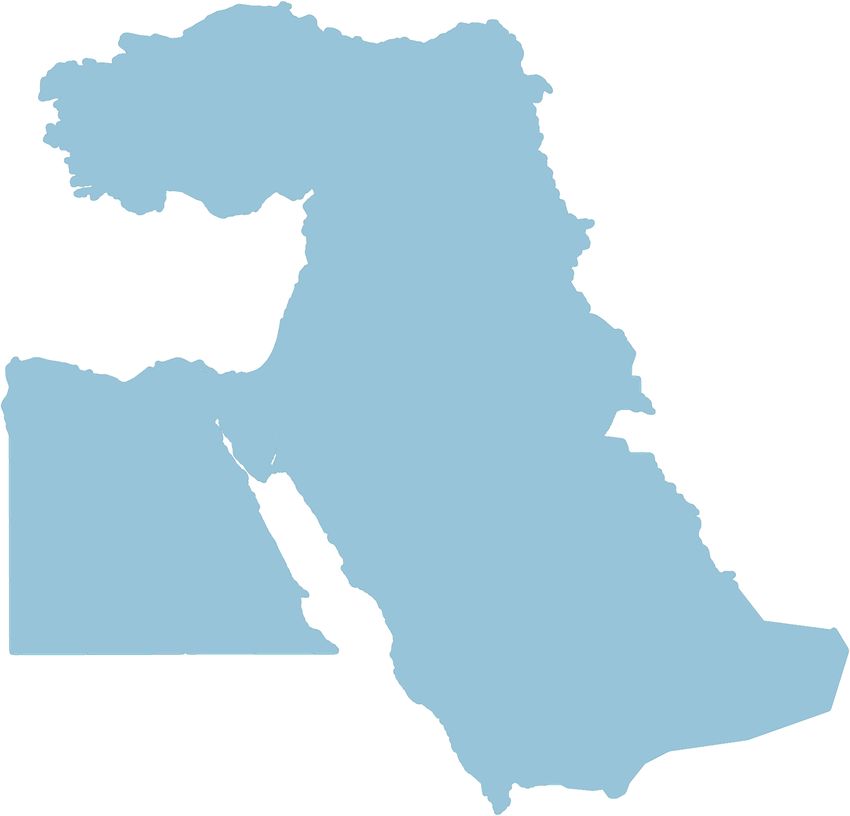
TURKEY
Adapting NORTHEAST SYRIA: ADAPTINGINANACUTE EMERGENCY
Reach Up In October 2019, U.S. President had to use creative strategies to
Al-Hasakah
Donald Trump’s abrupt decision to provide similar materials and activities
remove U.S. troops from Syria caused as best they could in this emergency
chaos in Northeast Syria as Turkish situation. Their strategy was simple:
troops led a military incursion into the Start with small, homemade activities
Ar Raqqah
Integrating Reach Up into IRC’s existing Turkey/Syria border region. Turkey’s for children made out of whatever was
offensive led to the displacement of available to foster acceptance within
program sectors over 200,000 Syrians who fled in the the community, and then use that as
ECD is interdisciplinary by nature, touching search of safety. 5 This military action an entry point for deeper conversations
caused the further displacement of and more meaningful interactions
on issues relevant to several different sectors: families currently being served by the with both children and their caregivers
NICOSIA
health, education and child protection being IRC in Northeast Syria, and therefore in one-off sessions from the Reach
a disruption in delivery of Reach Up. Up program. A Reach Up volunteer
CYP
RUS
the most common. Being cross-sectoral
Families displaced by this action were explains:
serves as both a unique opportunity to forced to flee very quickly with or
Aakkâr
incorporate multiple elements of nurturing without valuable personal items; in
“...We started with some PSS
(psychosocial support) activities with
SYRIA
many cases, families fled with nothing.
care into a single intervention—for example children [of] all ages: many times we
L EBANON
Upon arrival to makeshift shelters (in
in Jordan, community health workers were using the language activities, we
converted public buildings) displaced
hide things under some rugs and play
deliver messages on infant and young child families awaited for the provision of
with children while they were in their
BEIRUT
basic services. This was a traumatic
feeding—while also modeling responsive
an
mothers laps, using socks sometimes Béqaa
experience for some families, re-
a ne
to act like dolls and talk to children and
caregiving and early learning activities. exposing many of them to violence
Se rra
tell stories. After that, they started to
DAMASCUS
The opportunity to deliver a single and fresh trauma, and the wait for
e
come and look at us, some were trying
it
program through several different sectors services starting to cause frustration
I R
A
Q
ed
to participate, and now that is going
and some community tensions. In the
M
naturally expands the program’s potential well, and one of the mother’s said that
words of a Reach Up volunteer: she feels released when we are playing
scale and reach and allows for the
“They were so angry, and traumatized together with her child. But that took
optimization of time and resources through as you feel sometimes they don’t time and was challenging, because
hear us, or don’t see us although [the even us we were so much affected
cost and expertise sharing. The challenge,
however, is the effective coordination of
caregivers/families] are looking. Most emotionally by the emergency, and we Mafraq
of them were so much in denial, and were angry as well and feeling helpless.”
A
P
L E S T I NE
implementation across sectors in the context hearing the news that the people
As highlighted by the home visitor Zarqa
who occupied their land, had stolen
of the wider humanitarian community. above, renewed conflict affected not
everything, [and] burnt their homes; just the families served by the Reach
JERUSALEM AMMAN
To capitalize on this opportunity and women were crying a lot. We needed
Up program, but the home visitors
tackle the associated challenge, Reach Up to be there to support with that first as well, most of whom are Syrian
was ultimately embedded within existing and build acceptance so they can volunteers who are also facing direct
understand that we are here to help I S
R
A
E L
country programs in different sectors. An them have some warm time with their
impacts of further displacement.
However, there is hope to be found:
initial mapping of sectors and the status children.” Hearing that one mother feels
of existing programming was conducted Given interruptions to programming “released” by time spent with a home JORDAN
in 2016 to inform which sectors would and changing lines of control, Reach visitor shows, even in a small way, the
Up volunteers did not have access to profound impact that ECD services in
implement in Jordan and Lebanon initially.
the usual toys and materials used for an emerging crisis can have, not just on EGYPT SAUDI
ARABIA
Soon after, Syria’s Child Protection team the program. Therefore, volunteers children, but on their caregivers as well.
quickly reached out to join. This mapping
process assessed the delivery platform,
feasibility and scaling potential of several different implement through the Child Protection and Health
parenting programs across five different IRC sectors sectors in Jordan, Education in Lebanon and Child
(Health, Education, Child Protection, Economic Protection in Syria.
Recovery & Development and Women’s Protection & For initial program recruitment, IRC used a
Empowerment) in Jordan and Lebanon to identify the catchment area approach to target vulnerable neighbor-
sectors with the greatest potential impact for Reach hoods, conducting door-to-door outreach. A screening
Up. The mapping was informed by key informant tool is now being piloted to more systematically identify
interviews, focus groups and pilot testing to understand most vulnerable families among displaced communities.
the full scope of the need in these two countries. Check out the map to learn more about the variation in
This comprehensive process led to the decision to each individual program!
8 Reach Up and Learn in the Syria Response International Rescue Committee Rescue.org 9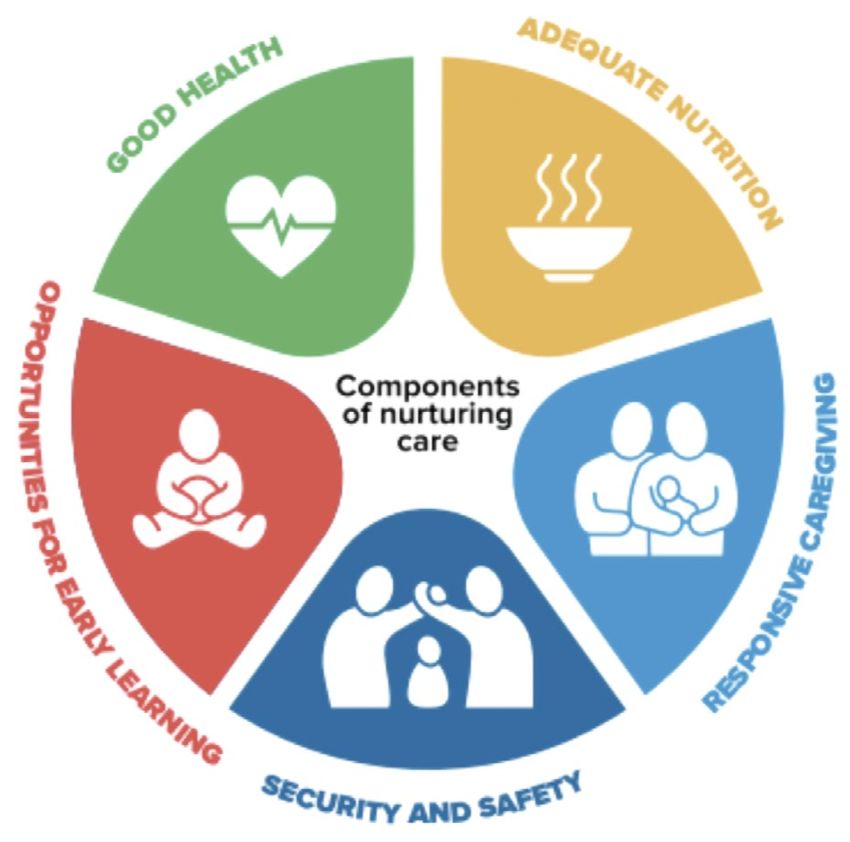
Adapting to the Context in the curriculum, with additional songs Addressing Inclusion Innovation In Action
The adaptation process for the Reach added by the Arabic Resource Collective. ADAPTINGREACHUP IN
Up material package focused initially These songs were presented as flexible to JAMAICATOTHE SYRIA
RESPONSE
on challenges presented by the new ensure home visitors and caregiver sang
language and culture for this Reach Up songs that felt comfortable and relevant in JAMAICA MIDDLE EAST
NEWMATERIALS & SUPPORTS ADAPTINGTOLOW-LITERACY
implementation. The overarching language their families and skipped songs that felt SETTINGS
of the region is Arabic, but there are many too difficult to sing. Home visitors often ask One of the most interesting lessons
has come from the challenges posed
local dialects and colloquial phrases, the use The various adaptations occurred during training whether or how by the low-literacy context of this
or omission of which can have a significant over several rounds as new challenges or
impact on the ability to understand spoken additional nuances from each individual
they should work with children particular group of refugees. In
Northeast Syria, the unique challenges
conversations. As a first step, the Reach context came to light. For example: with disabilities. To respond to of a volatile and low-literacy context
Up program was professionally translated Families needed storybooks with these queries, the IRC created a led to the creation of a new program
into Modern Standard Arabic (MSA), and images of tent-style living to reflect the product: a nearly wordless book for
series of additional materials. parents, guiding them through the
then reviewed for technical accuracy by experiences of some refugees in Jordan
the Arabic Resource Collective. Further and Syria. Similarly, toy making went Below is an excerpt from a new home visiting curriculum. Instead
of text, there are hundreds of vivid
changes have been made by country through its own adaptation process where annex to the Toy Manual on how illustrations depicting activities from
teams in Jordan, Lebanon and Syria to local materials were identified. Examples to adapt toys in the curriculum the curriculum in an easy-to-use
ensure local relevance and make toy include: rattles made from hair gel format to walk parents through each
names simple. containers, trucks made from cardboard,
for cases when a child has of the weekly visits. It was originally
For cultural contextualization, an and sheep dolls made from cotton and difficulty seeing: conceived for distribution as a stop-
cardboard, which are introduced during gap curriculum in Northeast Syria,
analysis of the lessons learned from
where insecure conditions meant that home visiting may be paused briefly or
previous parenting support programs Eid holidays. Toy safety criteria in the
stopped altogether for several months, so that caregivers could follow along on
for Syrian refugees in this region was Toy Manual provided a helpful reference If a child has diff icult y SEEING their own. In addition to this original purpose, the low-literacy, visually stimulating
conducted to ensure that this program for adaptation and helped keep the toys When you play: format can be used for distribution as a supplemental material to any parent
built on the prior work with this population. safe for young children. Teams were • Try to play where the light is best. receiving the Reach Up curriculum, provided it can be printed at a low cost.
The IRC ECD team from the Education flexible in responding to supply chain • Have toys on a plain dark surface—like a plain floor or
and distribution changes related to toy table, or a big piece of dark cloth; the toys will show
Technical Unit worked with the Reach Up
up more easily.
team, Lebanon and Jordan teams, and making. For example, in Azraq camp,
• If small pieces ‘escape’ to where the child cannot see DELIVERINGREACHUP THROUGHACUSTOMIZEDDIGITAL, TABLET-BASEDTOOL
Jordanian artists to adapt pictures and local markets began selling shampoo in them easily, put them inside a tray made from the
storybooks in the curriculum to be context bulk containers instead of smaller bottles, bottom of a big cardboard box. Paint the base dark. In Jordan, the IRC health team uses a mobile data collection platform called
appropriate. The training manual was also which led to a shortage of shampoo • Have a special box or place for toys, so the child can CommCare to guide Community Health Volunteers (CHVs). The system combines
find them easily. health, nutrition and ECD content—key components of the Nurturing Care
adapted more specifically to the context bottles used to make toy cars, requiring a
Framework— into one delivery system tailored to specific client health needs
of Syrian refugees and host communities new toy-making solution. These examples Adapting toys:
based on a health profile taken at registration. To integrate ECD into this existing
in the region to include guidance on highlight how in-country or even sub- • Use plain bright colors and avoid confusing patterns. service delivery model, the health team uploaded the Reach Up curriculum into
(Ball, Plastic shaker, Nesting toy, Doll’s bedding and
conducting visits with multiple children country adaptation over multiple rounds CommCare. Now, when a CHV enters the child’s age into the system at the
clothes, Bean bag, Bottle tops and bottoms, Blocks
in the household, content for caregiver is essential to implement a relevant and and animals, Truck and road, Butterfly) beginning of a home visit, it prompts the CHV with the appropriate ECD activities
cost-effective program. These lessons, to introduce based on the child’s age. The system collects a number of key
well-being and psychosocial support, • Put strong dark lines around the outside of pictures,
program monitoring data points, which have great potential for tracking quality
and information on child protection and while specific to this region in their details, including books, game cards or toy details. (Animal
blocks, Lacing board, Village blocks, Doll’s house and fidelity.
safeguarding. Syrian volunteers compiled are widely applicable to any adaptation of windows and doors)
CommCare is only used to implement Reach Up by the health team in Jordan,
songs from their communities to include the Reach Up curriculum. • Use sound-making toys that have lots of different making it an interesting and valuable test case for the merits and drawbacks
sounds—bells, squeakers, things to bang or shake. of using a tablet-based delivery system for Reach Up. Initial reports show that
(Plastic shaker: Make several shakers with different
things inside such as rice, small stones or bits of
CommCare seems to be an effective delivery system for Reach Up, while also
wood.) highlighting a few areas for improvement. System structure iterations and
ARABIC ENGLISH
SONGFROMTHE • Add sound inside a ball if possible, such as rice inside
technological support to home visitors is ongoing to try to bring CommCare up
COMMUNITY غسل وجهك يا قمر Wash your face moon a blow-up ball. (Soft ball: Put a little bell inside.) to its full data collection and content delivery potential. While in most cases it is
useful that CommCare only shows CHVs the curriculum activities for the age they
غسل وجهك يا قمر بالصابونة والحجر Wash your face moon • For skillful toys with holes, consider making the holes
With soap and stone bigger than usual. (Posting bottle, Beads, Lacing have entered into the system, sometimes it becomes clear during the home visit
وينك يا قمر Where are you moon boards) that the child needs more or less challenging material. Right now it is difficult for
عم غسل وجهي I’m washing my face • For threading toys, make the thread end extra strong, CHVs to navigate the entire Reach Up curriculum in CommCare; this is room for
مشط شعرك يا قمر واملشط الحلو انكرس Brush your hair moon because the child may ‘miss’ more often than usual. improvement. The team is currently working on solutions to these challenges,
And the beautiful brush broke (Beads, Lacing boards) since CommCare proves to be an interesting tech-based solution that could be
وينك يا قمر Where are you moon relevant to other implementations of Reach Up in the future. Commcare could
• For drawing, give pens or crayons to make a strong
عم مشط شعري I’m brushing my hair dark line. also be harnessed as a support to supervisors on coaching.
10 Reach Up and Learn in the Syria Response International Rescue Committee Rescue.org 11
Training
ABOUT THE WORKFORCE:
The training
Initial and follow-up trainings on the Reach Up method
were conducted using a “Training-of-Trainers” (ToT),
or training cascade, approach. ToT sessions were
Home Visitors at a Glance
conducted in Jordan and Lebanon for home visitor
supervisors by IRC national and international staff, who
increased home In all contexts, home visitors are local community members who have various
educational backgrounds, have been trained by the IRC and receive a monthly
were originally trained by the Jamaican Reach Up team.
The ToT lasted 10 days in all locations, except for the visitors’ technical stipend. The following profiles were created based on the stories of real home
visitors from each of the countries and programs to provide a snapshot of this
knowledge of early
Jordan health team, where training was shortened to active workforce.
seven days to allow three days for training on health
topics. The training included not only technical guidance
on the implementation of the Reach Up curriculum,
but also on how to adapt the curriculum to the local
childhood and
context and needs, as well as capacity building for
the supervisors to conduct home visit observations, enabled them to
quality assessments and provide ongoing professional
development support to home visitors. Supervisors practice critical
skills required for
then conducted trainings in each country for home
visitors. The training increased home visitors’ technical
knowledge of early childhood and enabled them to
practice critical skills required for conducting quality
home visits.
conducting quality
home visits.
TABLE 1:
STAFFINGSTRUCTURE
1. Amal 2. Randa 3. Rima 4. Ahmed
Amal joined the IRC after Randa joined the Reach Up Rima heard about the Reach Ahmed joined the Reach Up
Jordan Lebanon Syria volunteering for another NGO team after volunteering on other Up project from a friend and team after conducting health
working with refugees on health protection/health projects for immediately signed up to be home visits for the IRC on a
CHILD PROTECTION HEALTH EDUCATION CHILD PROTECTION and economic-related topics. the IRC. Randa was a teacher a home visitor. She previously previous project that ended. He
She is very excited to receive in Syria for four years and has worked as volunteer in a WPE was excited to join the program
additional trainings on ECD and to a degree in education, but she center for another NGO and has because he has his own young
Manager Manager Manager (x2) Manager learn more about the potential of has never worked with infants a degree in psychology, but had son at home and uses skills from
young children. She has especially and toddlers before. She is never worked on ECD projects the Reach Up program with
enjoyed working with caregivers very excited about applying her before. Her favorite aspect of the him in his spare time. He loves
ECD CP Officer Senior Health Officer Senior Ed Officer (x2) CP Officer (x2) and getting to know other people teaching skills to this work, and Reach Up program is bonding working with the caregivers,
in her community. Since joining has been a strong advocate for with caregivers, especially women, especially fathers if he can, and
Reach Up, she decided it is now enrolling families from her own and helping them to feel relief sharing in their child’s progress
Home Visitor her career aspiration to become community in addition to the during this difficult time and gain in the same way he has seen his
Community Ed Officer (x8) Staff Home Visitors an ECD Specialist. internally displaced population. confidence in their parenting skills. own son’s progress.
Supervisor Health Officer (x25)
Volunteers (x3) THE BASICS THE BASICS THE BASICS THE BASICS
Home Visitor ECD Parenting • Syrian refugee living in Jordan • Syrian refugee living in Lebanon • Lives in Northeast Syria, host
community
• Refugee living in Jordan
• Urban environment • Semi-urban environment • Refugee Camp
Assistant (x8) • Camp for Internally Displaced Persons
Home Visitors (x20) Supervisor • 2-3 years of experience working/ • Over 5 years of experience working/
(IDPs)
• 2 years of experience working/
volunteering with refugees volunteering with refugees volunteering with refugees
Volunteers (x4) • Degree in Business Administration • Background teaching elementary • 3-5 years of experience working/ • Degree in Health
school volunteering with IDPs
Home Visitors (x16) • Degree in Psychology
Home Visitors (x40)
12 Reach Up and Learn in the Syria Response International Rescue Committee Rescue.org 13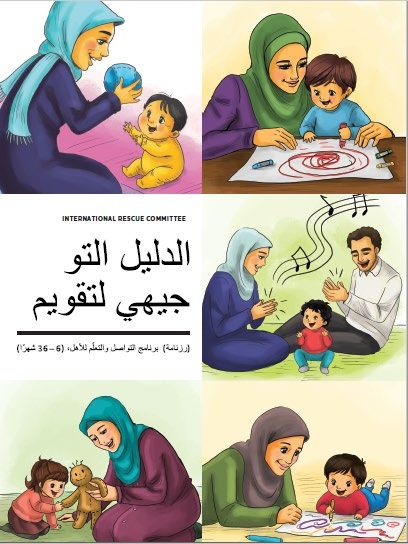
Reflections from home visitors and caregivers
ABOUT THE BENEFICIARIES:
Caregivers at a Glance
JORDAN LEBANON
HEALTH EDUCATION
Nayef is a
When the situation in Syria got Before the war, Radia and her family enjoyed
1669 320 worse in 2016, Ammona and a joyful life in their small, but cozy home in the
The caregivers affected by conflict and displacement served by Reach caregivers caregivers her husband Mohammad—like countryside of Aleppo, Syria. The family ran a
30-month-old
tens of thousands of Syrians— small kitchen appliance shop. Her husband,
Up are the heart of the program. Between April 2017 and August were forced to flee Aleppo. Abdullah, also worked as a primary school
2019, the program reached over 4,089 households across the three JORDAN NORTHEAST SYRIA The 40-year-old Ammona was teacher. But when fighting broke out in 2012,
CHILDPROTECTION CHILDPROTECTION
boy living in the
pregnant with Jana. The family their once peaceful life turned to ashes. They
implementing countries. crossed Jordan’s border to were forced to flee after lack of access to food
The following profiles were created based on the stories of real 570 1530 Azraq refugee camp—home and medicine seriously endangered the lives of
caregivers who have graciously consented to share their stories and caregivers caregivers to more than 40,000 Syrian two of her children. Radia and her family joined
backgrounds with the program. Original backgrounds were altered or
combined to represent a wider variety of families served by Reach Up. TOTAL: 4,089 CAREGIVERS
Bekaa. refugees, the place where Jana
saw light for the first time.
Three-year-old Jana has Down
two other families who rented a small truck to
leave Aleppo: “It was very dangerous—the way
from Aleppo to the Jordanian border—because
syndrome; her parents are we were crossing the desert. [My kids] got
At first, he refused to do the doing their best to support her. really scared when they heard the airplanes.
We started hugging each other.”
activities with the home visitor “I cannot describe what she has
brought to our life. When I see Adjusting to camp life proved difficult for
and he was aggressive with her happy, I am happy,” says Radia. It wasn’t until she started working
Mohammad. with the IRC that she found a purpose: first
her and the people around. The as an outreach volunteer and later as a home
visitor with Reach Up. Radia cherishes her
home visitor encouraged him “Before Aisha moments with the children she meets through
to do his activities, while also (their Reach Up Reach Up. She watches them transform and
become confident, active and curious kids.
trying to do the activities with home visitor) Abdullah is incredibly proud of his wife, whose
responsibilities also include coordinating
his brother. Nayef was jealous started visiting us, feedback and complaints between the Azraq
camp police and its residents. He has seen a
of his brother, but day after day Jana used to only profound change in Radia:
he started to do all the activities talk to the family
“You can never know too
with the home visitor. Nayef members, but
much about parenting.
completely changed after the now she’s open
She’s learning and sharing
program; he became so friendly to talking to more
with us new things. She
with the home visitor and the people,”
1. Iman 2. Duaa 3. Leila 4. Aymen benefitted [from this
people around. Every time he says Ammona with a smile on
Iman is originally from Syria Duaa lives in an IDP camp in Leila is from Dara’a, Syria and Aymen lives with his family in
her face. After Jana was enrolled experience] and so did we.”
and fled with her husband and Northeast Syria with her six lives in Azraq camp in Jordan, Northern Jordan—a small city sees the home visitor now, he in the Reach Up program,
his family to Lebanon in 2013. children and her husband. They where she fled to in 2018 with hosting many refugees and “When she started working at the IRC she
She has a smartphone, and is fled their hometown in 2014 her sons and her brother. Her asylum seekers from Syria. He wants her to come to his house Mohammad said, “Jana now
knows the difference between become more peaceful.” Radia hopes to one
currently raising her second when their city was occupied oldest son, Ahmed, is 7 years has three older children (two and to practice the activities colors. Previously she was day return to a “good and safe” Syria, but for
now, she loves her humanitarian work helping
child (her first child is 4 years by ISIS. She loves her children old—he became very aggressive girls, ages 4 and 9, and one calling everyone baba, but now
old). She knows how to praise very much and tries to play with in the past two years, and this boy, age 7) in addition to his with him. she knows mama and uncle.” parents and children create a brighter future.
children’s good behavior, but her older children sometimes, aggression has influenced the youngest son, age 2. He has
she doesn’t really know how but has not provided much behavior of his younger brothers high academic expectations for
to effectively engage with her attention to her youngest child Mohammed, 5 years old, and his children and wants to do
younger daughter—she is 17 as she feels very irritable and Abdullah, 2 years old. She tries anything to help them become
WRITTENBY FARAHMHANNA, IRCECDSENIOROFFICER:
months old. She is very excited overwhelmed recently. She does to teach them small things when smart and successful. He pursue her dreams! Reflecting on the available resources, she decided
about the home visitor coming not have regular access to a cell she has time. Leila has been teaches his older children (ages During the Lebanon Education team’s pilot of Reach Up in 2018, there to teach kindergarten at a local school while she looked for scholarship
to visit her and her daughter, phone, but sometimes she uses spanking her children when 7 and 9), but he doesn’t think it’s was a beneficiary named Fatima who attended the sessions in Tripoli opportunities to get a Master’s degree. Even during her teaching job, she
because she wants to do her neighbor’s phone to send things get out of control, but she his job to interact much with his with her 2-year-old daughter Talia. She was a consistent, active and always kept an eye on the NGO activities and opportunities for work,
everything she can to help her WhatsApp messages to family wants to find a better solution to younger children until they are responsible caregiver, who engaged her husband in the activities as well. especially at the IRC, since she felt her daughter Talia benefitted so
When asked about her impression of the program, Fatima said, “First, I much from the Reach Up pilot.
daughter be successful. members who live far away. help them. older and he can teach them too.
was curious to know more about what the home visitor can do with Talia
When the Tripoli team started interviewing for home visitors for the next
since it was a new concept for me, and I was surprised that a 2-years-old
THE BASICS THE BASICS THE BASICS THE BASICS cycle of Reach Up in Lebanon, Fatima applied. In her interview, Fatima
kid can learn through systematic sessions with a stranger.”
noted, “When a kid is educated at an early age, he will insist on going to
• Lives in Lebanon • Lives in Northeast Syria • Lives in Jordan • Lives in Jordan
Before she met the Reach Up team in 2018, Fatima was married at 17 school when he grows up and we need our children to love education.”
• Semi-urban environment • Camp for IDPs • Camp for refugees • Semi-urban environment
and gave birth to Talia before her husband passed away in the Syrian The team was excited to have her on board after her successful
• Knows how to praise good behavior • Plays with her children sometimes • Teaches her sons small things • High academic expectations for his
war. All of her brothers were also lost in the war, so Fatima’s parents interview, but they became even more excited when it came time for
and redirect attention for her older • Struggles with feeling irritable and sometimes children
children
decided to protect what they had left and flee to Lebanon, where Fatima Fatima to recruit families, as she was able approach the parents using
staying focused; often overwhelmed • Struggles with aggressive children • Doesn’t think it’s his job to play with
married again at her parents’ request. Now she lives in a room with her her own experiences. Having been a beneficiary, she built deep trust with
• Doesn’t know how to engage her and lacks energy to do things and uses spanking as the solution his infant/toddler
younger child, but wants to learn
husband, two daughters and newborn son in a house with three other the caregivers, and has motivated and inspired the rest of the volunteers
families. Despite the stress she lives with every day, Fatima wants to with her success.
14 Reach Up and Learn in the Syria Response International Rescue Committee Rescue.org 15
WHAT’S THE COST?
Costing Analysis
Despite high rates of success, home visiting historically
is one of the more expensive ECD interventions. With
a single home visitor only able to visit one household
at a time, at an absolute maximum of four to six
households per day, many home visitors are needed for
proper implementation across an entire community or
population of families with young children. Requiring
large numbers of home visitors to deliver at scale causes
the cost of staffing to overwhelm most home visiting
budgets. As such, home visiting is often overlooked as
a programming option in humanitarian settings.
In order for this initiative to be cost effective, FIGURE 5: Average ECD Home Visiting Costs
awareness of the overall program cost and cost differ-
health sector in Jordan was able to combine the delivery
entials across each of the three implementing sectors
of a Community Health Worker program with the
is essential for success. Therefore, a costing analysis
delivery of the Reach Up program, allowing one home
was done to identify key cost drivers and variations in
visitor to be hired for both programs to theoretically
spending across platforms to understand the current
share the cost across both program budgets. This
cost drivers and aid in the development of cost reduc-
model, which slightly reduced the time spent on Reach
tion strategies for future expansion of the program.
Up during home visits from one hour to 30-40 minutes,
In early budget projections, home visitor stipends
notably reduced the stipend costs across the Reach
were the single largest cost driver across contexts. This
Up program budget. This integrated model, while
was unsurprising as staffing costs are typically the main
sometimes challenging due in part to the coordination
driver of overall cost for home visiting programs. The
required between sectors, is a very effective cost-
IRC offered stipends to home visitors in every context
reduction strategy.
based on the number of days they worked, local labor
While the 10-day training of home visitors is a
laws around the hiring of refugees/asylum seekers,
burden on technical staff’s time (noted below) and
UNHCR’s negotiated incentive salary scale and other
supplies for toy making and printing books and picture
agencies’ salary scales for volunteers in a given area.
puzzles appeared expensive at times, these are much
This came out to typically be between USD $250-400
less significant cost drivers than home visitor stipends
per month.
and supervisor salaries.
The impact of stipends on the cost per benefi-
ciary was influenced by two factors: caseload size and
cost-sharing with other programs. Caseload size is the
combination of number of visits per day and whether
visit occurred weekly or biweekly. Caseload size was
influenced by the landscape of the context, specifically
the ease of transportation between homes, as well as
staffing decisions within country. Greater cost-efficient
tactics could be done here—finding the ideal balance
between home visitor caseloads relative to the travel
needs in a specific location.
The health sector in Jordan took this exact
approach of cost-sharing with other programs, which
FIGURE 6: Scale drives the cost of home visiting
had a notable effect on home visitor stipend cost. The
SOURCE: Ahmad Al-Jarery / International Rescue Committee
16 Reach Up and Learn in the Syria Response International Rescue Committee Rescue.org 17Measure Name What is it measuring?
Research and Measurement CAREGIVER SURVEY
Perceived refugee environment & perceptions Socioeconomic status; home environment; neighborhood
of socioeconomic status environment
WHO (World Health Organization)-5 Wellbeing Well-being
Tools and Processes for Tracking Success instance, are critical to understand heterogeneity of Index
There are two important overarching measurement impacts (i.e., if there are subgroups that benefit more
GAD (Generalized Anxiety Disorder) Scale Anxiety
research goals for this project: 1) build the evidence base from the intervention, and what the characteristics and
for ECD in conflict settings and 2) validate new measures circumstances are of these subgroups).
More measures than will be used in the RCT were PHQ (Patient Health Questionnaire) Depression
for this region and ECD in emergencies generally.
The evidence for ECD programming in humanitarian selected and piloted. For example, the first part of the
PSS (Parental Stress Scale) Parental stress; parental sleep; general self-efficacy;
contexts is extremely limited. To date, there have only Caregiver Survey, which was conducted in two waves, parenting efficacy & play efficacy (bi-factor of parenting
been four randomized control trials (RCTs) studying included seven items for anxiety from the Depression efficacy); activities with child (mother and father);
community gender norms; own gender norms; violence in
ECD in humanitarian environments.6 The work from Anxiety and Stress Scales (DASS) and eight out of nine the home
this project will be an essential contribution to that items from the Patient Health Questionnaire (PHQ)
evidence base: An impact evaluation, in the form of an measuring depression. Analyses found low reliability of War events Experiences of war-related events
RCT, will be conducted to evaluate the impacts of this the DASS and that items in the PHQ were not providing
Reach Up program on Syrian refugees and Jordanian much unique information. As such, the second wave of HOME VISITOR SURVEY
host communities in Northern Jordan beginning in data collection piloted the Generalized Anxiety Disorder
2020. Findings from the RCT—under preparation—will (GAD) scale instead, which yielded more reliable results. WAMI (The Work and Meaning Inventory) Measures a sense of positive meaning, meaning-making
contribute to the larger body of ECD research and For a list of all measures, see Annex. through work and greater-good motivation
inform home visiting program work in the future.
To prepare for the RCT, a pilot study on the first Measure Adaptation PROQOL (Professional Quality of Life Scale) Measures professional quality of life through five subscales:
stage of Reach Up implementation was conducted Once identified, all measures went through a compassion satisfaction (pleasure derived from being able
to do their work well), burnout (feelings of hopelessness and
to test the reliability and validity of possible research process of vetting for cultural appropriateness and difficulty in doing their job well), and secondary traumatic
measures and tools. This section does not share meaningfulness. To make adaptations to both wording stress (developing problems due to exposure to others’
trauma)
findings of the RCT, but provides an overview of this and content, Jordanian partners from the IRC team
preparation process and outlines key lessons on provided feedback and buy-in. In many instances,
Professional Development Measures frequency of training and coaching support
preparing for an RCT. suggested adaptations began to reveal possible trade-
offs between measure integrity (the way the measure
Social Support at Work Measures social support experienced by the home visitors
Measure Selection had been used and “validated” previously) and being from their peers, supervisors and families assigned to them
The measures for the pilot study were selected based context-specific. As this was a pilot, many of the items
on the Theory of Change and were prioritized based in question were kept to demonstrate—through data— Experience with Reach Up Specific questions created by NYU and IRC tailored to the
context of working on Reach Up in Jordan
on evidence of rigor, reliability and validity for the that these items might not work in this context.
measure. The goal was to use open-source, free tools In several cases, the original authors of the
measures (e.g., PICCOLO, HOVRS, MDAT) (see table OBSERVATIONAL MEASURES
that could be adapted, shared and had already been
validated in the MENA region. After reviewing the on the following page for full names) were involved
HOVRS (Home Visit Rating Scale) Home visit quality
options though, some measures that had not yet been to ensure adaptations remained true to the measure.
validated in the MENA region, but had been used in During the training of both trainers and enumerators,
PICCOLO (Parenting Interactions with Children: Quality of caregiver-child interaction
evaluating similar programs across diverse cultural more adaptations were made, allowing for input from Checklist of Observations Linked to Outcomes)
contexts, were ultimately included. The measures those closest to the research subjects.
seemed to be sensitive to intervention effects and DIRECT ASSESSMENT
were open-source. Measure Translation
The resulting measures tested in this pilot study Translating the measures into Arabic was a critical, MDAT (Malawi Developmental Assessment Direct assessment of child cognitive, social, language and
were not all intended to measure the outcome of the yet challenging, component of the research. The Tool) fine/gross motor development
program. Some were to be used to understand the three major goals that arose were 1) capturing
various impacts of the intervention on the greater meaning/phenomenon rather than direct translation,
population. Measures of caregiver well-being, for 2) sounding relatable and culturally familiar, and 3) TABLE 2: Measures
18 Reach Up and Learn in the Syria Response International Rescue Committee Rescue.org 19choosing which form of Arabic to use. An example of getting high quality data. Ensure that enumerators are
each is on page 20. on board in terms of understanding the purpose of the
• The word parenting is typically translated as الوالدية research and their role in it; provide space for them to
(al-walidya) in the Arabic developmental psychology express their thoughts and give input on how questions
literature. However, the word ( تربيةtarbiya) better are phrased. Enumerators should feel that they can
captures the meaning of parenting as used in the relate to the items. Rely on their cultural and contextual
intervention, though its back translation is rearing. experience in refining the phrasing of items. Working
with the local team while having some of the tools’
• When asking about food security, the original authors in the same room was a helpful and efficient
English question reads, “Does your family have way to achieve that goal. Having Arabic-speaking staff
enough food so that none of you has to be hungry?” on the NYU team was critical for buy-in, rapport and
The IRC Jordan team noted that parents often eat collaboration.
less so that their children have enough to eat; and
they might consider this as having enough food. To 3. Further Revising Constructs in the Context of
capture better responses, the question was altered Cultural Relevance
to ask if adults restrict their food consumption so
that children can eat. Some additional constructs may need to be questioned
from the cultural and contextual relevance standpoint
• After much conversation about which form of beyond what was already adapted before using the
Arabic to use for this program—formal Arabic measure, leading to revision and reconsideration. For
(MSA) or local dialect—it was at the request of the example, items from the parenting measures assessing
enumerators that dialect was selected. They made family routine and order in the household are to be
the request after early stage testing showed that revised to better capture how these elements affect
participants had a hard time understanding some childhood development in the local context. To gain a
of the survey questions in MSA and enumerators greater understanding of the nuances of these items
ended up translating questions on the go into and how they are perceived in this context, the plan
dialect or skipping questions. is to engage experienced home visitors through focus
group discussions.
Measure Ways Forward
Though overall the selected measures picked up on key 4. Data Collection Approaches: Asking Sensitive SOURCE: Northern Jordan Moblie Clinic / Ahmad Zaki / International Rescue Committee
personal and environmental conditions as anticipated Survey Questions
and the majority of these measures demonstrated Some questions that are potentially sensitive in this in reporting rates of violence could be due to perceived developed (and in some cases partially or completely
adequate validity, five major learnings guide the way context—specifically experiences of violence in the privacy of the data collection locations. While the home validated) measures provided a basis from which to
forward on this project: home and war-event exposure—were incorporated was the preferred survey location for many respondents, work. However, this pilot demonstrates the importance
and, as a result have expanded approaches to how there may be higher risks of family members overhearing of conducting careful investigations into the reliability
1. Arabic Translation Issues for Quantitative survey measures can be collected. After engaging in
the questions and answers. In response to this challenge, and validity of these measures before using them to
Measures extensive conversations with the IRC country team (e.g. the study team is now testing Audio Computer-Assisted make broader statements about child development
All conversation-based data collection tools (e.g. the women’s protection and empowerment and child Self-Interview (ACASI) methods for the more sensitive within a particular context. Although most measures
enumerator-administered tools) should use the primary, protection teams) about how to best and most ethically section of the survey (war events, gender norms and showed acceptable reliability and predictive validity, the
spoken dialects of Arabic, not MSA. Given that the administer these measures, it was decided that all experiences of violence in the home). This strategy Direct Assessment measure chosen to measure child
same word can be expressed differently (e.g. Syrian families would be offered the opportunity to answer includes creating local dialect Arabic-language audio development (the MDAT) was not sufficiently reliable
vs. Jordanian Arabic, with further variation within these these and other survey questions in an IRC women’s recordings of these questions and providing respondents or valid. The MDAT is considerably shorter than the
countries), provide alternatives across these forms of center, so that service providers would be immediately with headsets and audio instructions on how to choose direct child assessment most common in home visiting
Arabic for specific words. This allows enumerators to available if ever needed. About half of the participants their selected answer (multiple choice). Focus groups evaluations (the Bayley Scales for Infant Development).
use their own discretion on word choice based on the agreed to come to the women’s center, while the rest are also being conducted with Jordan host and Syrian The MDAT was chosen because it is an open-source
respondent’s dialect, while also restricting the range preferred to stay at home. refugee populations (not part of the study sample) to and free assessment; however, expected correlations
of possibilities so questions are standardized. Self- Data on violence in the home differed based on the get their feedback on the feasibility and acceptability of with caregiver measures were not obtained with the
administered tools and direct observational measures location of the data collection. Reported experiences of using ACASI. MDAT. The Bayley Scales will now likely be used in the
should retain MSA, as this is most common in reading. violence in the home were lower for study participants impact evaluation, as it has a larger number of items in
who answered the survey questions in their own homes 5. Ensuring Reliability and Validity of All Measures the areas most directly targeted by Reach Up (language
2. Enumerator Buy-In for High Quality Data compared to in a women’s center. The study team and cognitive development) and may therefore be more
Developing valid measures from scratch is a time
Receiving buy-in from the enumerators is critical in hypothesized that a plausible reason for this difference consuming and challenging task, and thus using pre- sensitive to intervention impacts.
20 Reach Up and Learn in the Syria Response International Rescue Committee Rescue.org 21You can also read


